
Navigating the global market for wireless air pumps presents a unique challenge for international B2B buyers, particularly when sourcing reliable and efficient solutions that cater to diverse applications across various industries. With the rise in demand for portable and rechargeable air pumps—spanning from automotive needs in Germany to recreational products in Nigeria—businesses must consider factors such as product specifications, supplier reliability, and cost-effectiveness. This guide serves as a comprehensive resource to help buyers understand the different types of wireless air pumps available, their specific applications, and essential criteria for vetting suppliers.
In the pages that follow, you will find an in-depth analysis of the various wireless air pump models, including their features, benefits, and ideal use cases. We will also delve into crucial aspects such as pricing strategies, shipping considerations, and the importance of quality assurance certifications. By equipping yourself with this knowledge, you will be better positioned to make informed purchasing decisions that align with your operational needs and budget constraints. Whether you are a distributor in South America or a retailer in the Middle East, this guide empowers you to navigate the complexities of the global air pump market with confidence and clarity.
| Nome del tipo | Caratteristiche distintive principali | Applicazioni primarie B2B | Brevi pro e contro per gli acquirenti |
|---|---|---|---|
| Rechargeable Air Pumps | Compact design, USB charging, multiple nozzle attachments | Event rentals, outdoor recreation | Pro: Portability, ease of use. Contro: Durata limitata della batteria. |
| Tire Inflators | High PSI capabilities, fast inflation times | Automotive service, logistics companies | Pro: Efficient tire maintenance. Contro: May require frequent charging. |
| Multi-functional Inflators | Dual functions (inflation/deflation), integrated power source | Camping, outdoor sports, emergency services | Pro: Versatile use cases. Contro: Potentially higher cost. |
| Electric Ball Pumps | Specialized for sports equipment, preset pressure settings | Sports facilities, schools, recreational centers | Pro: Precision inflation. Contro: Limited to specific uses. |
| High-Pressure Air Pumps | Enhanced pressure output, suitable for heavy-duty applications | Industrial, construction, and manufacturing | Pro: Robust performance. Contro: Bulkier and less portable. |
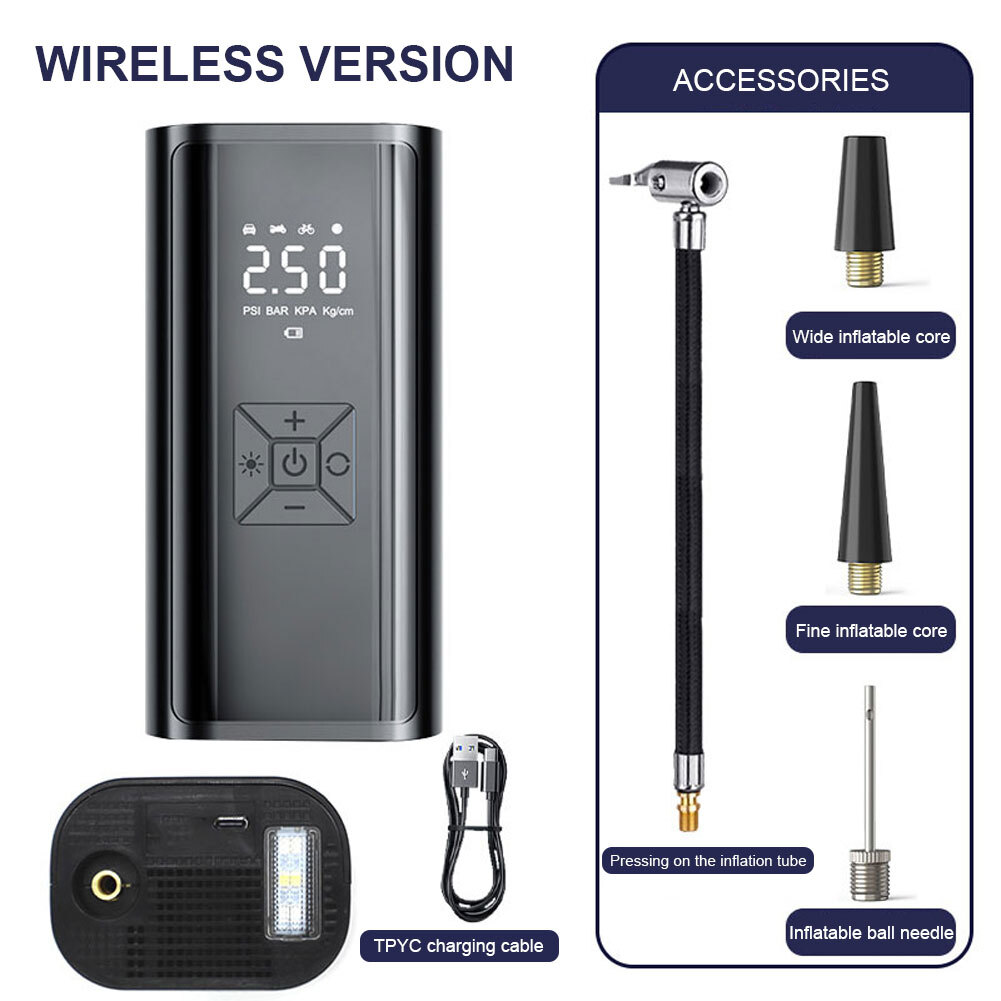
Rechargeable air pumps are designed for convenience, featuring a compact size and USB charging capabilities. They often come with multiple nozzle attachments to accommodate various inflatable items, making them ideal for event rentals and outdoor recreation businesses. When purchasing, B2B buyers should consider battery life and the ease of portability, as these factors directly affect usability in dynamic environments.
Tire inflators are characterized by their high PSI capabilities and rapid inflation times, making them essential for automotive services and logistics companies. Their efficiency in maintaining tire pressure can lead to reduced downtime for vehicles, a significant advantage for businesses that rely on transportation. Buyers should evaluate the pump’s charging time and compatibility with different vehicle types to ensure optimal performance.
Multi-functional inflators serve dual purposes, allowing for both inflation and deflation of various items. They often come with integrated power sources, making them suitable for camping, outdoor sports, and emergency services. B2B buyers should weigh the versatility against the initial investment, as these pumps may come at a higher price point but offer broader applications.
Electric ball pumps are specially designed for inflating sports equipment, featuring preset pressure settings that enhance precision. They are particularly beneficial for sports facilities, schools, and recreational centers where quick and accurate inflation is required. When considering a purchase, B2B buyers should assess the pump’s speed and ease of use, as well as its suitability for various types of sports balls.
High-pressure air pumps are built for heavy-duty applications, delivering robust performance that meets the demands of industrial, construction, and manufacturing environments. Their enhanced pressure output makes them ideal for tasks that require significant air volume. B2B buyers should consider the trade-off between performance and portability, as these pumps tend to be bulkier and less convenient for transport.
| Industria/Settore | Specific Application of air pump wireless | Valore/Beneficio per l'azienda | Considerazioni chiave sull'approvvigionamento per questa applicazione |
|---|---|---|---|
| Automotive | Tire inflation for vehicles and motorcycles | Enhances operational efficiency and reduces downtime. | Ensure compatibility with various vehicle types and pressure settings. |
| Recreation and Sports | Inflating sports equipment like balls and rafts | Quick inflation improves customer satisfaction and usage. | Look for portable, lightweight designs with multiple nozzle attachments. |
| Healthcare | Inflating medical devices such as air mattresses | Provides patient comfort and reduces manual labor. | Compliance with medical standards and ease of sanitization are critical. |
| Costruzione | Inflating pneumatic tools and equipment | Increases productivity by reducing manual effort. | Consider battery life and power output to meet heavy-duty requirements. |
| Hospitality | Inflating outdoor furniture and recreational items | Enhances guest experience and service efficiency. | Durability and ease of use in various outdoor settings are essential. |
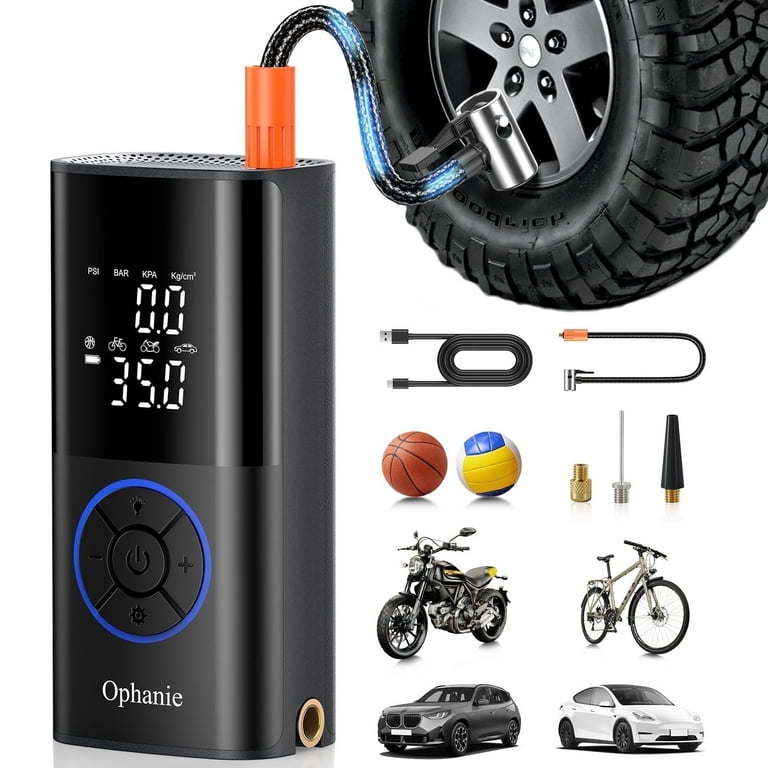
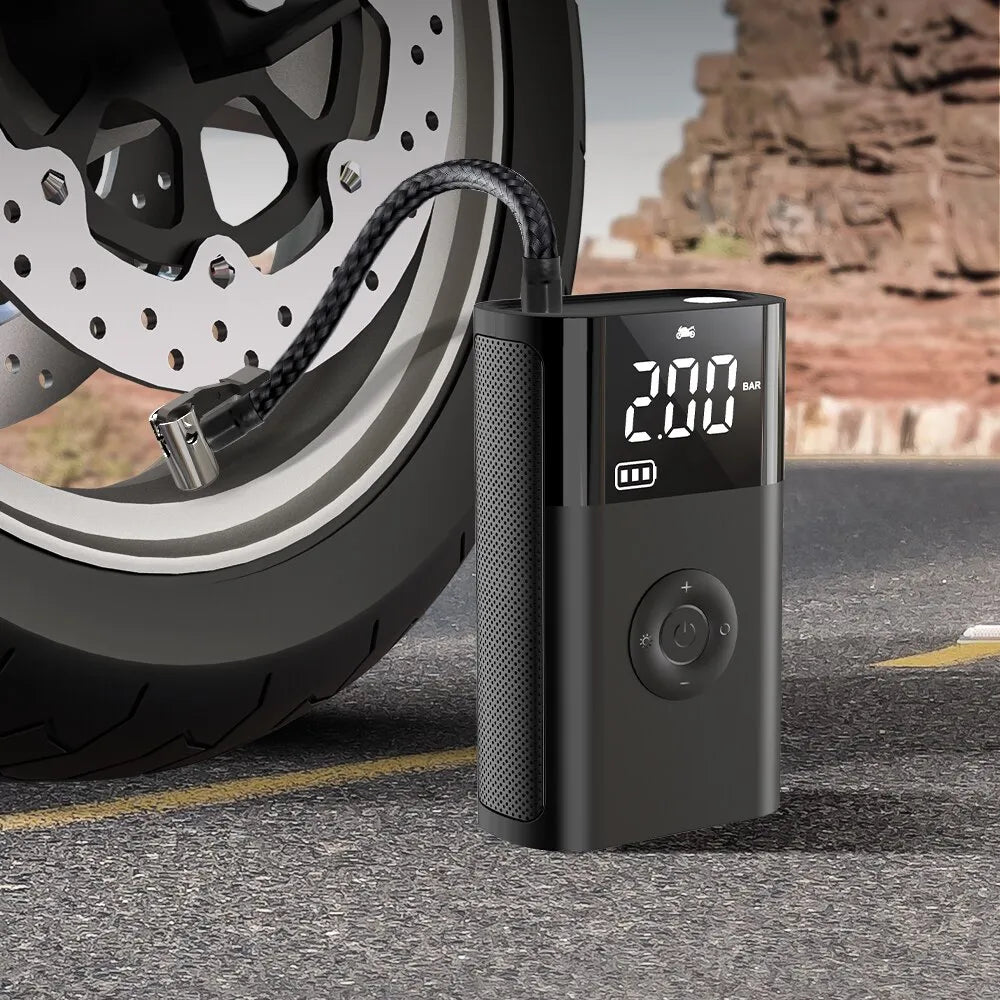
In the automotive sector, wireless air pumps are essential for tire inflation in vehicles and motorcycles. These pumps enable quick and efficient inflation, minimizing downtime and enhancing operational efficiency. International buyers should consider pumps that are compatible with various vehicle types, as well as those that can easily adjust to different pressure settings. This versatility is particularly valuable in regions with diverse vehicle markets, such as Africa and South America.
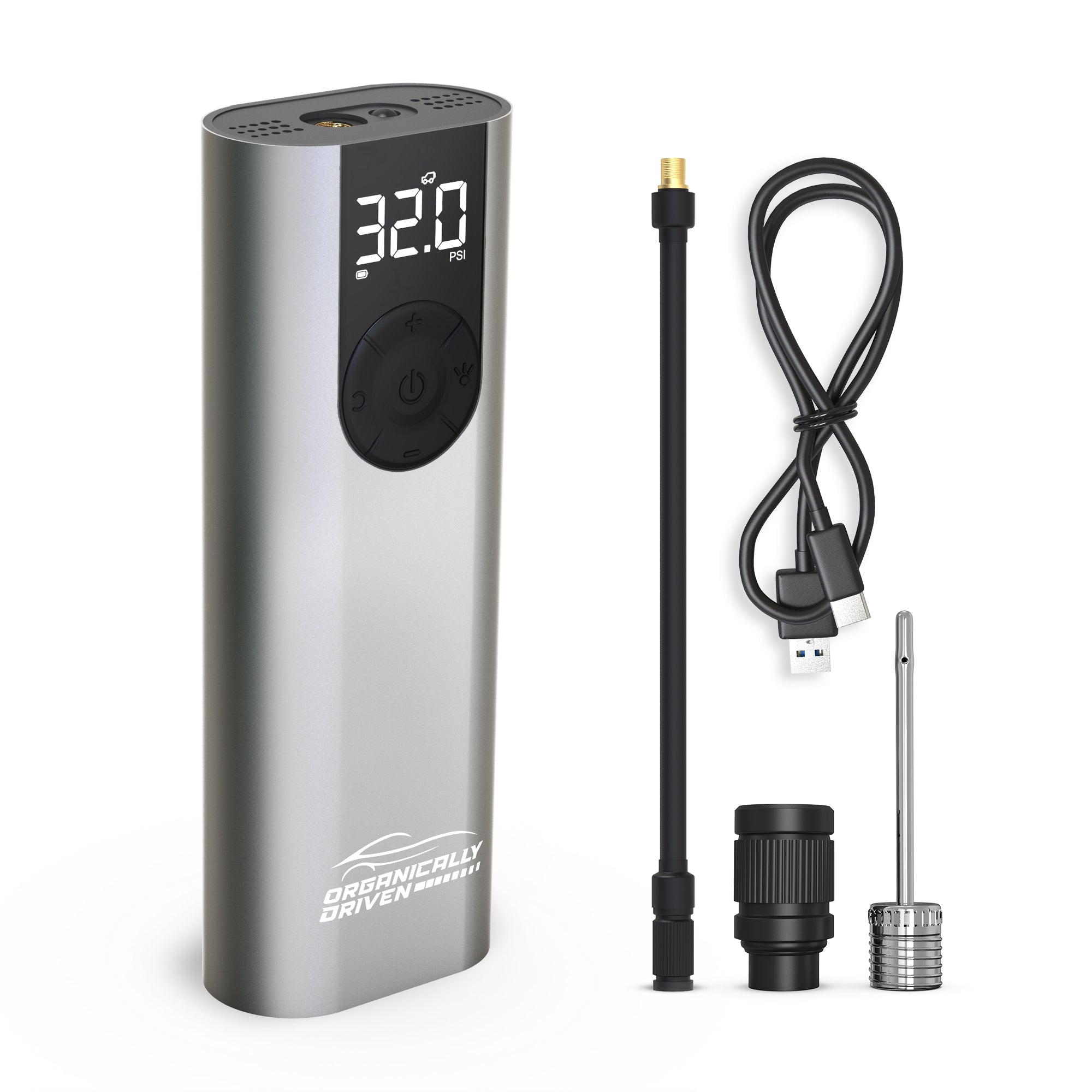
For recreation and sports, wireless air pumps are ideal for inflating equipment such as balls, inflatable rafts, and other recreational gear. The convenience of rapid inflation directly impacts customer satisfaction, making these pumps a must-have for businesses in this sector. B2B buyers should prioritize lightweight and portable designs that come with multiple nozzle attachments to cater to various inflatables, ensuring they can serve diverse customer needs effectively.
Illustrative image related to air pump wireless
In healthcare settings, wireless air pumps are utilized for inflating medical devices like air mattresses, which provide comfort for patients. By automating the inflation process, these pumps alleviate manual labor for healthcare staff, allowing them to focus on patient care. Buyers in the healthcare sector must ensure that the pumps meet stringent medical standards and are easy to sanitize, as hygiene is paramount in medical environments.
In construction, wireless air pumps are instrumental in inflating pneumatic tools and equipment, which can streamline operations and enhance productivity. These pumps reduce the manual effort required, allowing workers to focus on more critical tasks. When sourcing for construction applications, it’s essential to consider the pump’s battery life and power output, as these factors will determine their effectiveness in demanding environments.
In the hospitality industry, wireless air pumps facilitate the inflation of outdoor furniture and recreational items, significantly enhancing the guest experience. Quick and efficient inflation allows for better service delivery, particularly in resorts and outdoor venues. Buyers should focus on the durability and ease of use of these pumps, ensuring they can withstand various outdoor conditions while delivering reliable performance.
Il problema: International B2B buyers often struggle to find reliable suppliers of wireless air pumps that meet their specific operational requirements. This challenge is exacerbated by varying quality standards across regions, leading to concerns about product durability and performance. Buyers may also face language barriers, complicated logistics, and the risk of receiving products that do not align with their specifications or local regulations, which can result in financial losses and reputational damage.
La soluzione: To effectively source wireless air pumps, B2B buyers should start by conducting thorough market research to identify reputable manufacturers with positive reviews and established credibility. Utilizing platforms like Alibaba or Global Sources can provide access to a wide range of suppliers. When engaging with suppliers, it’s crucial to request detailed product specifications, certifications, and warranty information. Establish clear communication about your requirements, including pressure ratings and nozzle compatibility for various inflatables. Additionally, consider requesting samples before placing bulk orders to evaluate product quality firsthand. Establishing partnerships with local distributors can also mitigate logistics challenges and ensure compliance with regional regulations.
Il problema: B2B buyers may experience inconsistent performance from wireless air pumps, leading to frustration during critical operations such as inflating equipment for outdoor events or transportation. Factors such as battery life, inflation speed, and the reliability of inflation nozzles can vary significantly between models, causing downtime that impacts business efficiency and customer satisfaction. This inconsistency can result in delays and even financial penalties if contractual obligations are not met.
La soluzione: To mitigate performance issues, it is essential to thoroughly evaluate the specifications of wireless air pumps before purchasing. Buyers should prioritize models that offer robust battery life and quick inflation times, ideally supported by user testimonials or third-party reviews. It’s beneficial to choose pumps with multiple nozzle types to ensure compatibility with various inflatable products. Additionally, consider investing in pumps that feature smart technology, such as auto-stop functions that prevent over-inflation and maintain consistent pressure. Training staff on proper usage and maintenance of the pumps can also enhance performance reliability and extend the lifespan of the equipment.
Illustrative image related to air pump wireless
Il problema: The total cost of ownership for wireless air pumps can be a significant concern for B2B buyers, especially when pumps require frequent maintenance or replacement due to poor quality or design flaws. This issue is particularly prevalent in regions where harsh environmental conditions can affect the durability of the equipment. As a result, companies may find themselves facing unexpected expenses that strain budgets and hinder operational growth.
La soluzione: To minimize maintenance and replacement costs, buyers should focus on sourcing high-quality wireless air pumps from well-established brands known for their durability and customer support. Investing in pumps that come with comprehensive warranties can provide peace of mind and reduce long-term costs. Buyers should also consider the environment in which the pumps will be used, selecting models designed for durability against specific local conditions (e.g., humidity, dust, or extreme temperatures). Regular maintenance checks and proper storage practices can extend the life of the pumps. Furthermore, establishing a relationship with the supplier for ongoing support and parts availability can help manage costs effectively.
When selecting materials for wireless air pumps, it is crucial to consider their properties, advantages, and limitations. The choice of material can significantly impact performance, durability, and overall cost-effectiveness. Below, we analyze four common materials used in the manufacturing of wireless air pumps, focusing on their suitability for international B2B buyers.
Proprietà chiave: Plastic, particularly high-density polyethylene (HDPE) or polypropylene, offers excellent corrosion resistance and is lightweight. It can withstand moderate temperatures and pressures.
Pro e contro: The primary advantage of plastic is its low cost and ease of manufacturing. It can be molded into complex shapes, which is beneficial for ergonomic designs. However, plastic may not be as durable as metals and can degrade under UV exposure or extreme temperatures.
Illustrative image related to air pump wireless
Impatto sull'applicazione: Plastic is suitable for applications where weight is a concern, such as portable air pumps for outdoor use. However, it may not be ideal for high-pressure applications due to its lower strength compared to metals.
Considerazioni per gli acquirenti internazionali: Compliance with international standards, such as ASTM for plastics, is essential. Buyers from regions like Africa and South America should also consider the availability of recyclable materials, which can enhance sustainability.
Proprietà chiave: Aluminum is lightweight, has excellent corrosion resistance, and can endure high temperatures and pressures. It is also a good conductor of heat, which can be beneficial in dissipating heat generated during operation.
Pro e contro: The main advantage of aluminum is its strength-to-weight ratio, making it ideal for portable applications. However, it is more expensive than plastic and may require more complex manufacturing processes, such as machining.
Impatto sull'applicazione: Aluminum is suitable for high-performance air pumps where durability and efficiency are critical. Its lightweight nature makes it ideal for battery-operated devices.
Illustrative image related to air pump wireless
Considerazioni per gli acquirenti internazionali: Compliance with standards such as DIN in Germany or JIS in Japan is crucial for aluminum components. Buyers should also consider the availability of aluminum alloys that meet specific performance requirements.
Proprietà chiave: Stainless steel is known for its exceptional strength, corrosion resistance, and ability to withstand high temperatures and pressures. It is particularly resistant to rust and oxidation.
Pro e contro: The primary advantage of stainless steel is its durability and long lifespan, making it suitable for heavy-duty applications. However, it is more expensive and heavier than plastic or aluminum, which may affect the pump’s portability.
Illustrative image related to air pump wireless
Impatto sull'applicazione: Stainless steel is ideal for applications requiring high pressure and durability, such as industrial air pumps. Its resistance to corrosion makes it suitable for use in harsh environments.
Considerazioni per gli acquirenti internazionali: Compliance with ISO standards is essential for stainless steel components. Buyers should also be aware of the differences in grades of stainless steel and their suitability for specific applications.
Proprietà chiave: Rubber is flexible, resilient, and can withstand a range of temperatures. It is excellent for creating seals and gaskets that prevent air leaks.
Pro e contro: The main advantage of rubber is its ability to create airtight seals, which is critical for the efficiency of air pumps. However, rubber can degrade over time, especially when exposed to UV light or extreme temperatures.
Impatto sull'applicazione: Rubber is essential for components like seals and hoses in air pumps. Its flexibility allows for easy assembly and disassembly of parts.
Illustrative image related to air pump wireless
Considerazioni per gli acquirenti internazionali: Buyers should consider the specific rubber compounds that meet local regulations and standards. For example, certain rubber materials may be restricted in Europe due to environmental concerns.
| Materiale | Typical Use Case for air pump wireless | Vantaggio chiave | Svantaggi/limitazioni principali | Costo relativo (Basso/Medio/Alto) |
|---|---|---|---|---|
| Plastica | Portable air pumps for outdoor use | Leggero e conveniente | Less durable and UV sensitive | Basso |
| Alluminio | High-performance portable air pumps | Eccellente rapporto resistenza/peso | Più costoso e complesso da produrre | Medio |
| Acciaio inox | Heavy-duty industrial air pumps | Eccezionale durata e resistenza alla corrosione | Heavier and more costly | Alto |
| Gomma | Seals and gaskets in air pumps | Creates airtight seals | Può degradarsi nel tempo | Medio |
This guide serves as a strategic resource for international B2B buyers, helping them navigate the complexities of material selection for wireless air pumps while considering performance, cost, and compliance with regional standards.
The manufacturing process for wireless air pumps involves several critical stages that ensure the final product meets quality and performance standards. Understanding these stages is essential for B2B buyers to make informed decisions.
The first stage in manufacturing involves selecting and preparing materials. Common materials for wireless air pumps include high-density polyethylene (HDPE) for the outer casing, durable rubber for seals, and various metals for internal components such as motors and valves. Manufacturers often source these materials from certified suppliers to ensure quality and compliance with industry standards. During this stage, materials undergo testing for durability and performance characteristics to ensure they can withstand the pressures and stresses of operation.
The forming stage involves shaping the prepared materials into specific components of the air pump. Techniques such as injection molding and extrusion are frequently used for plastic parts, while stamping and machining are common for metal components. The choice of technique can affect the precision and quality of the final product. Advanced manufacturers may use computer numerical control (CNC) machines to enhance accuracy, ensuring that each component fits perfectly within the assembly.
After forming, the next step is assembly, where individual components come together to create the complete air pump. This process can be manual or automated, depending on the manufacturer’s capabilities. Key aspects of assembly include:
The finishing stage involves applying protective coatings, performing surface treatments, and packaging the product for distribution. This stage is crucial for aesthetics and durability. Manufacturers may apply paint or other finishes to enhance appearance and corrosion resistance. Packaging is also designed to protect the product during transport, which is particularly important for international shipping.
Illustrative image related to air pump wireless
Quality assurance (QA) is critical in the manufacturing of wireless air pumps, ensuring that each unit meets safety, performance, and durability standards. For international B2B buyers, understanding these practices can help mitigate risks associated with product quality.
Many manufacturers adhere to international standards such as ISO 9001, which focuses on quality management systems. Additionally, specific certifications relevant to the industry, such as CE marking for products sold in Europe and API standards for equipment in the oil and gas sector, may apply. These certifications indicate compliance with safety and performance regulations, providing assurance to buyers regarding the quality of the products.
Quality Control (QC) involves several checkpoints throughout the manufacturing process:
For B2B buyers, especially those sourcing from international markets, verifying a supplier’s quality control practices is essential. Here are some actionable steps:
Buyers can request to see the supplier’s quality management system documentation, including ISO certifications, internal audit reports, and corrective action reports. Regular audits by third-party organizations can provide an unbiased assessment of the supplier’s adherence to quality standards.
Engaging third-party inspection services can provide additional assurance of product quality. These organizations can perform inspections during various manufacturing stages, ensuring compliance with agreed-upon specifications and standards. This is particularly valuable for buyers in regions like Africa and South America, where local regulations may differ.
Illustrative image related to air pump wireless
International B2B buyers should be aware of specific nuances related to quality control and certification when sourcing wireless air pumps:
Different regions may have varying standards and certifications, affecting product acceptance. For instance, European markets require CE certification, while markets in Africa may prioritize compliance with local safety regulations. Buyers should ensure that their suppliers are familiar with and compliant with the relevant standards in their target markets.
Failure to meet quality standards can lead to significant consequences, including product recalls, legal liabilities, and damage to brand reputation. It is crucial for buyers to prioritize suppliers who demonstrate a commitment to quality assurance and compliance.
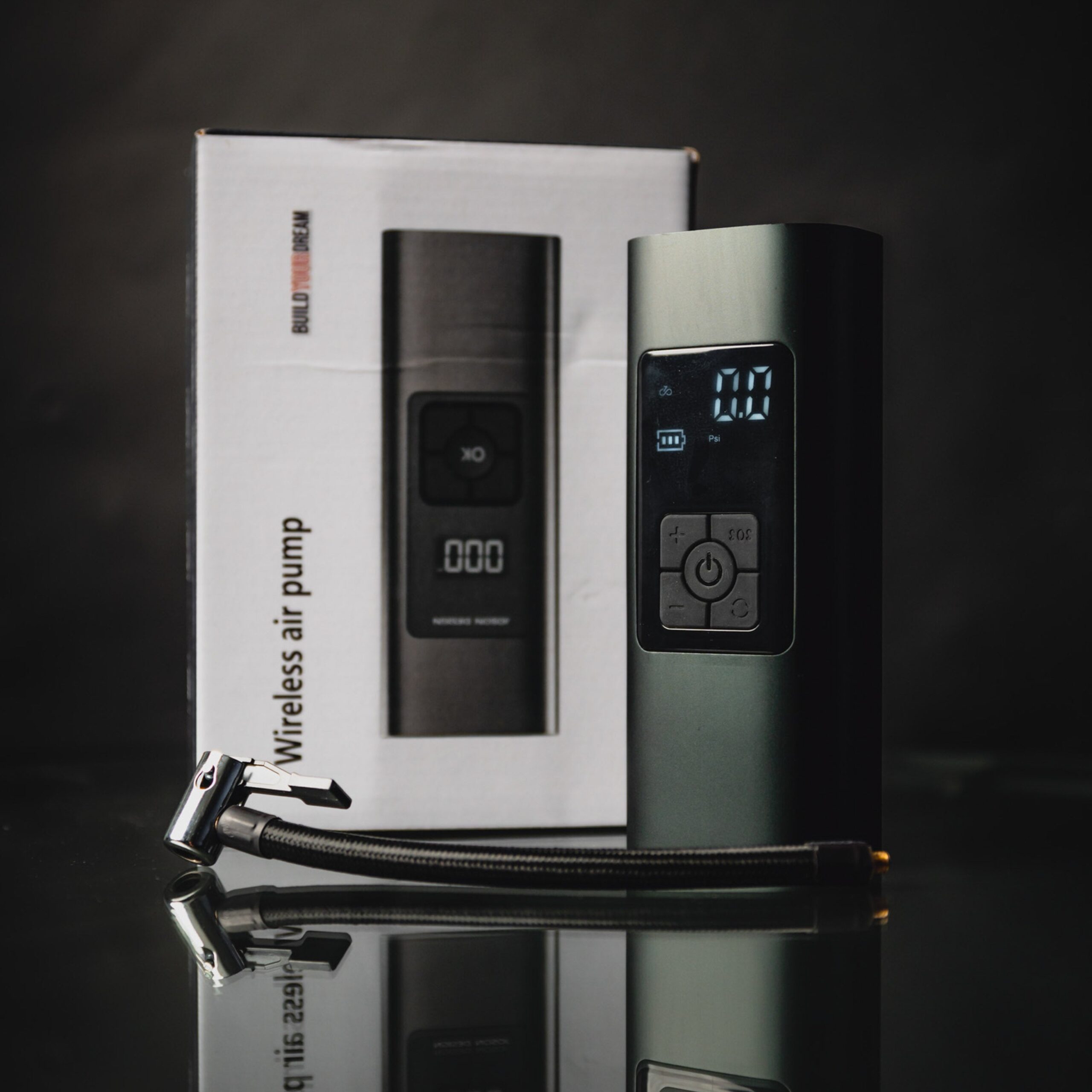
Illustrative image related to air pump wireless
Understanding the manufacturing processes and quality assurance practices for wireless air pumps is vital for B2B buyers. By focusing on material selection, manufacturing techniques, and robust quality control measures, suppliers can ensure that their products meet the high standards required in today’s competitive market. Buyers who take the time to verify these processes can mitigate risks and enhance their purchasing decisions, ultimately leading to better outcomes in their operations.
Sourcing a wireless air pump requires careful consideration of various factors to ensure you select a product that meets your business needs and offers value for money. This guide provides a step-by-step checklist designed for B2B buyers, particularly those operating in diverse international markets such as Africa, South America, the Middle East, and Europe. By following this checklist, you can streamline your procurement process and make informed purchasing decisions.
Before reaching out to suppliers, clarify your technical requirements for the wireless air pump. Consider factors such as the pump’s pressure capacity (measured in PSI), battery life, and compatibility with the types of inflatables you intend to use.
Conduct thorough research to identify potential suppliers who specialize in wireless air pumps. Look for manufacturers with a strong reputation and a history of supplying quality products.
It’s crucial to ensure that suppliers possess relevant certifications and adhere to international quality standards. This can include ISO certifications or compliance with safety regulations applicable in your region.
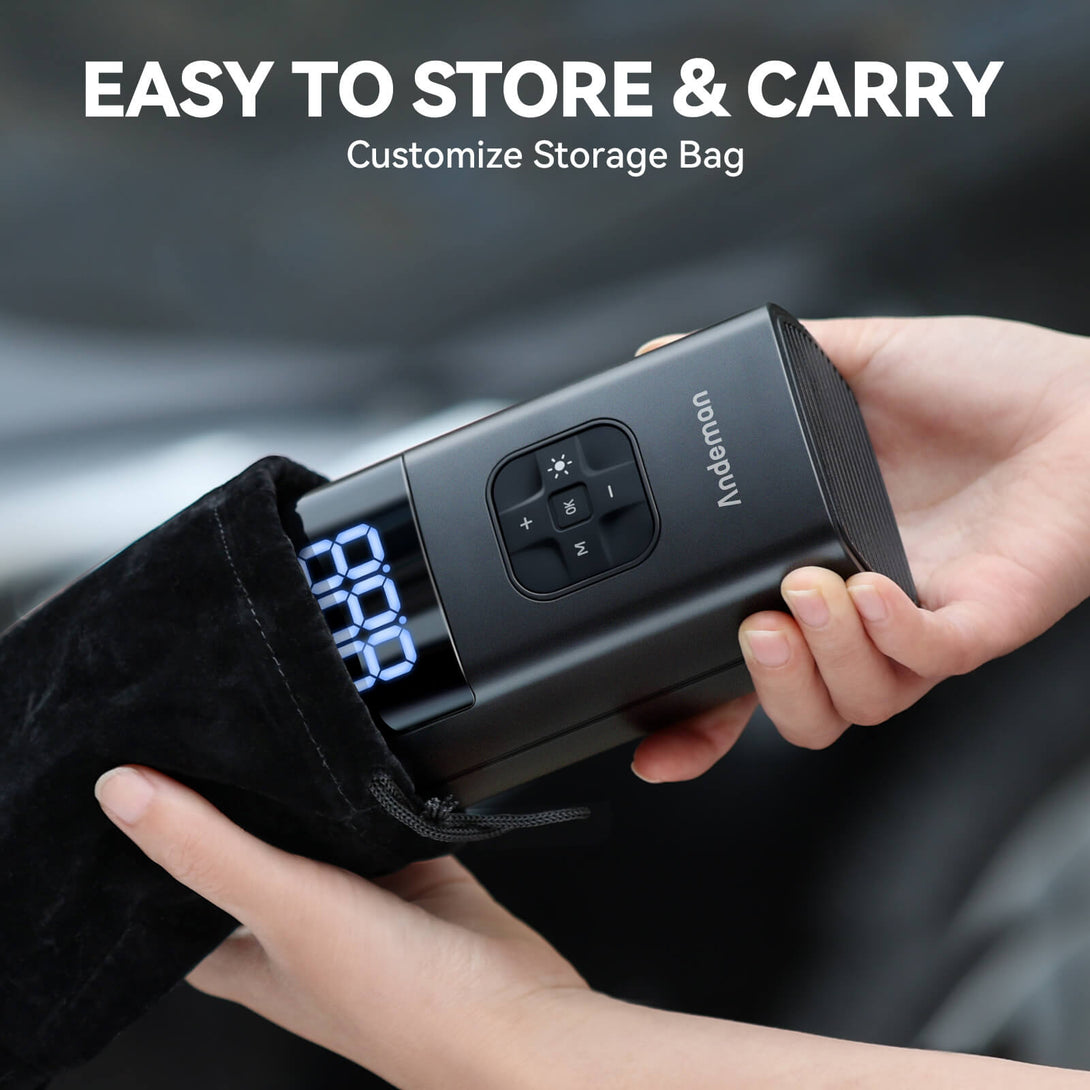
Illustrative image related to air pump wireless
Before making a bulk purchase, request samples of the wireless air pumps you are considering. Testing samples allows you to assess the quality, functionality, and usability of the products firsthand.
Once you have a shortlist of potential suppliers, compare their pricing, payment terms, and shipping options. Ensure that you are getting a competitive rate without sacrificing quality.
Engage in negotiations with your selected suppliers to finalize terms. Clearly outline your expectations regarding delivery timelines, after-sales support, and return policies.
After procurement, implement a quality assurance process to monitor the performance of the wireless air pumps you receive. Regular checks can help identify issues early and ensure that the products continue to meet your standards.
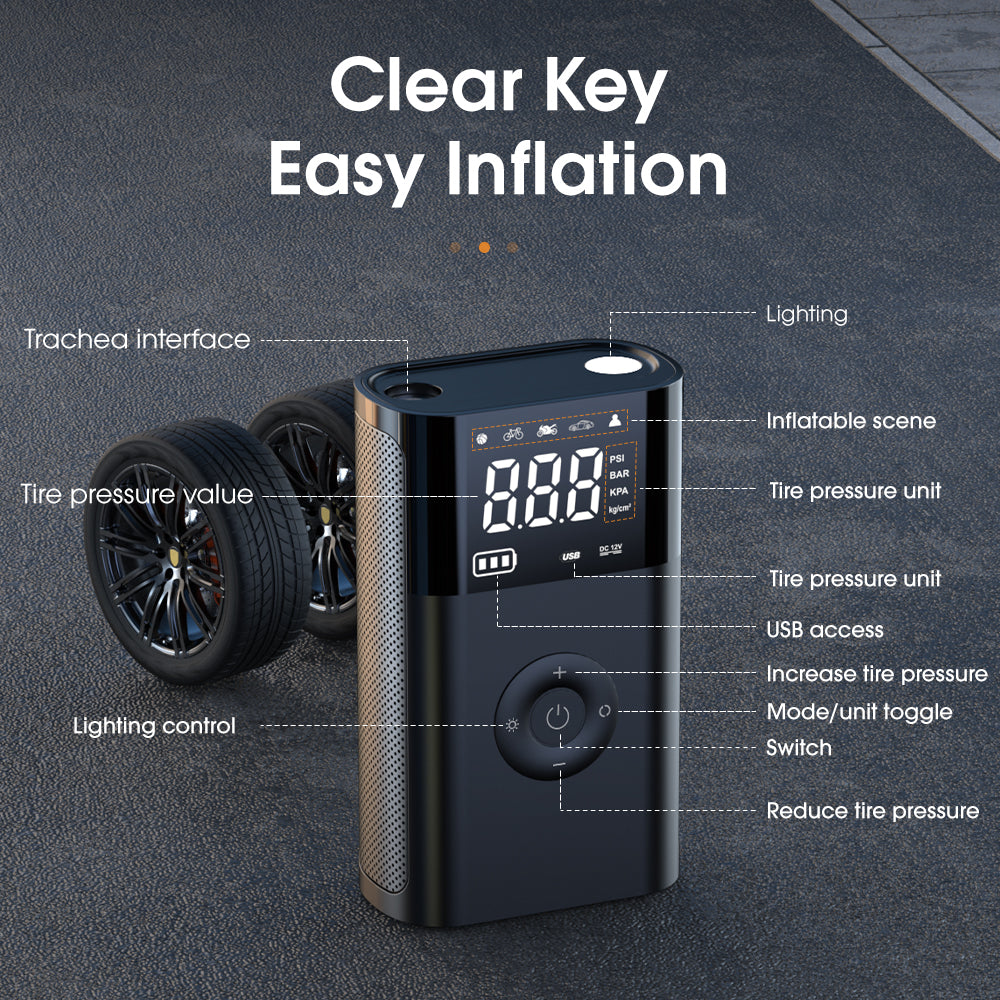
Illustrative image related to air pump wireless
By following this checklist, B2B buyers can effectively navigate the sourcing process for wireless air pumps, ensuring they make informed, strategic purchasing decisions that align with their business needs.
When considering the sourcing of wireless air pumps, understanding the cost structure is crucial for B2B buyers. The primary components that contribute to the overall cost include materials, labor, manufacturing overhead, tooling, quality control (QC), logistics, and the supplier’s margin.
I materiali: The choice of materials significantly impacts the cost. High-quality, durable materials for pumps, such as robust plastics and metals, are essential for performance and longevity. Suppliers often provide different grades of materials, and opting for higher-grade materials can increase initial costs but may lead to lower total ownership costs over time.
Lavoro: Labor costs vary by region, affecting the final pricing. For example, sourcing from countries with higher labor costs may lead to increased product prices. In contrast, regions like Africa or South America might offer competitive labor rates, potentially lowering overall expenses.
Spese generali di produzione: This includes costs associated with facilities, utilities, and equipment. Efficient manufacturing processes can reduce overhead costs, which can be beneficial for B2B buyers looking for competitive pricing.
Utensili: Initial tooling costs are a significant upfront investment for manufacturers. Customization of pumps to meet specific buyer requirements may lead to higher tooling costs, which can be distributed over larger production runs to mitigate the impact on individual unit pricing.
Controllo qualità (CQ): Ensuring product quality through rigorous QC processes is essential, especially for international buyers. However, higher QC standards can increase manufacturing costs, which may be reflected in the final pricing.
Logistica: Shipping and handling costs can vary widely depending on the origin of the product and the destination market. Buyers should consider Incoterms that dictate who is responsible for shipping costs and risks, as these can significantly affect the total cost of ownership.
Margine: Finally, supplier margins can fluctuate based on market conditions, competition, and perceived product value. Understanding these factors can help buyers negotiate better terms.
Several factors influence the pricing of wireless air pumps that buyers should consider:
Volume/MOQ (quantità minima d'ordine): Purchasing in bulk often leads to significant discounts. Suppliers may have tiered pricing structures that reward larger orders with lower per-unit costs.
Specifiche e personalizzazione: Custom features or unique specifications can increase costs. Buyers should weigh the necessity of customization against potential price increases.
Materiali e certificazioni di qualità: Higher quality certifications and standards may come at a premium. However, investing in certified products can reduce risks associated with defects and enhance customer satisfaction.
Fattori di fornitura: The reputation and reliability of a supplier can affect pricing. Established suppliers with a proven track record may charge higher prices but offer better service and reliability.
Incoterms: Understanding Incoterms is vital for international transactions. They determine the responsibilities of buyers and sellers in shipping and logistics, impacting overall costs.
To maximize cost-efficiency, B2B buyers should consider the following strategies:
Negoziare i termini: Engage suppliers in discussions about pricing, especially when placing larger orders. Building long-term relationships can lead to better terms and pricing adjustments over time.
Valutare il costo totale di proprietà (TCO): Look beyond the initial purchase price. Consider maintenance costs, warranty periods, and potential replacements when evaluating the total cost of ownership.
Understand Pricing Nuances for International Sourcing: Buyers from regions like Africa, South America, and the Middle East may face additional challenges such as currency fluctuations, import duties, and shipping delays. Being aware of these factors can help in budgeting and planning.
Leverage Local Partnerships: Establishing relationships with local distributors or suppliers can reduce logistics costs and improve supply chain efficiency. Local partners may also have insights into regional market dynamics and pricing trends.
Monitor Market Trends: Keeping abreast of market trends, including material costs and technological advancements, can provide leverage in negotiations and help buyers anticipate price changes.
Pricing for wireless air pumps can vary significantly based on the aforementioned factors. The prices mentioned in various sources, such as the Tube Pro Wireless Air Pump at $39.00 USD or the Fanttik models ranging from $48.99 to $199.97, are indicative and may fluctuate based on supplier negotiations, regional market conditions, and other variables. Always verify current pricing with suppliers for the most accurate cost assessments.
In the market for inflating various products, the wireless air pump has gained traction due to its convenience and versatility. However, it’s crucial for B2B buyers to explore alternative solutions that may offer comparable or enhanced benefits. This analysis will compare the wireless air pump against two prominent alternatives: traditional electric air compressors and manual hand pumps. Each option has unique attributes that can affect performance, cost, and usability, making it essential for buyers to evaluate their specific needs.
| Aspetto di confronto | Air Pump Wireless | Traditional Electric Air Compressor | Manual Hand Pump |
|---|---|---|---|
| Prestazioni | High pressure, quick inflation | Very high pressure, fast inflation | Moderate pressure, slower inflation |
| Costo | Moderate (e.g., $39.00) | Higher initial investment (e.g., $100+) | Low-cost (e.g., $20-$30) |
| Facilità di implementazione | Facile da usare, portatile | Requires stable power source | Richiede uno sforzo fisico |
| Manutenzione | Minimal, rechargeable battery | Moderate, oil changes may be needed | Low, no moving parts |
| Il miglior caso d'uso | Inflatables, air mattresses | Tires, heavy-duty applications | Sports balls, small inflatables |
Traditional electric air compressors are powerful tools that provide high-pressure output and rapid inflation capabilities. They are ideal for heavy-duty applications such as inflating vehicle tires, powering pneumatic tools, or inflating larger equipment. However, they typically require a stable power source, limiting their portability. Additionally, the upfront cost is usually higher, which may not be feasible for all businesses. Maintenance can be moderate, as these machines often require oil changes and regular servicing to ensure optimal performance.
Manual hand pumps offer a cost-effective solution for inflating smaller items like sports balls or air mattresses. They are lightweight and portable, making them easy to carry for outdoor activities or sports events. However, the performance is limited compared to electric options, as they provide moderate pressure and require physical effort to operate. While they have minimal maintenance needs due to their simple design, the time taken to inflate items can be a drawback, especially for larger inflatables.
When selecting the most suitable inflation solution, B2B buyers must assess their specific requirements, including the types of items they need to inflate, budget constraints, and desired convenience. The air pump wireless stands out for its portability and ease of use, making it ideal for casual and recreational applications. In contrast, traditional electric air compressors excel in high-demand scenarios requiring rapid inflation and high pressure, while manual hand pumps serve as a budget-friendly option for less intensive tasks. Ultimately, understanding the unique benefits and limitations of each alternative will empower businesses to make informed purchasing decisions that align with their operational needs.
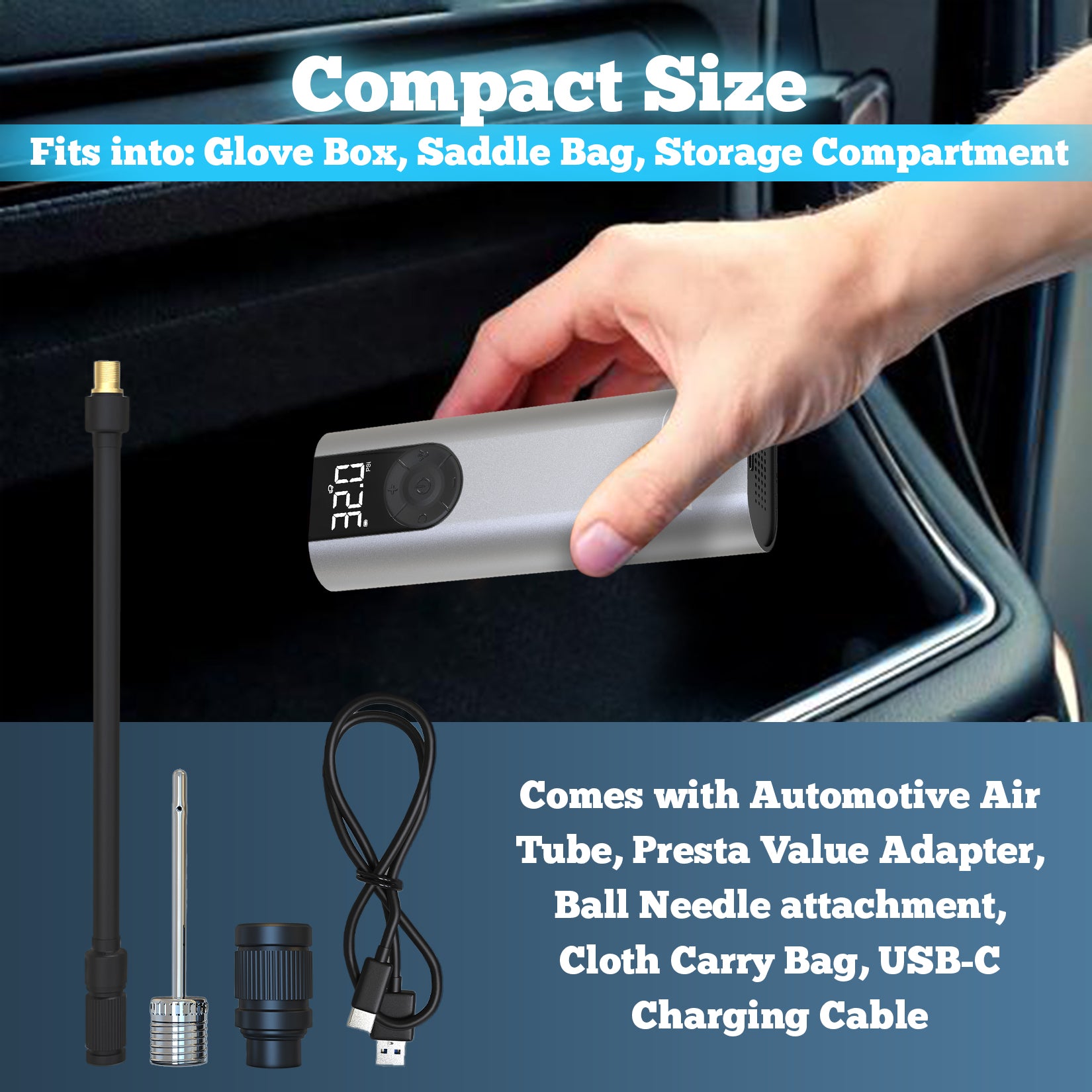
When considering wireless air pumps for B2B procurement, several essential technical specifications should be evaluated:
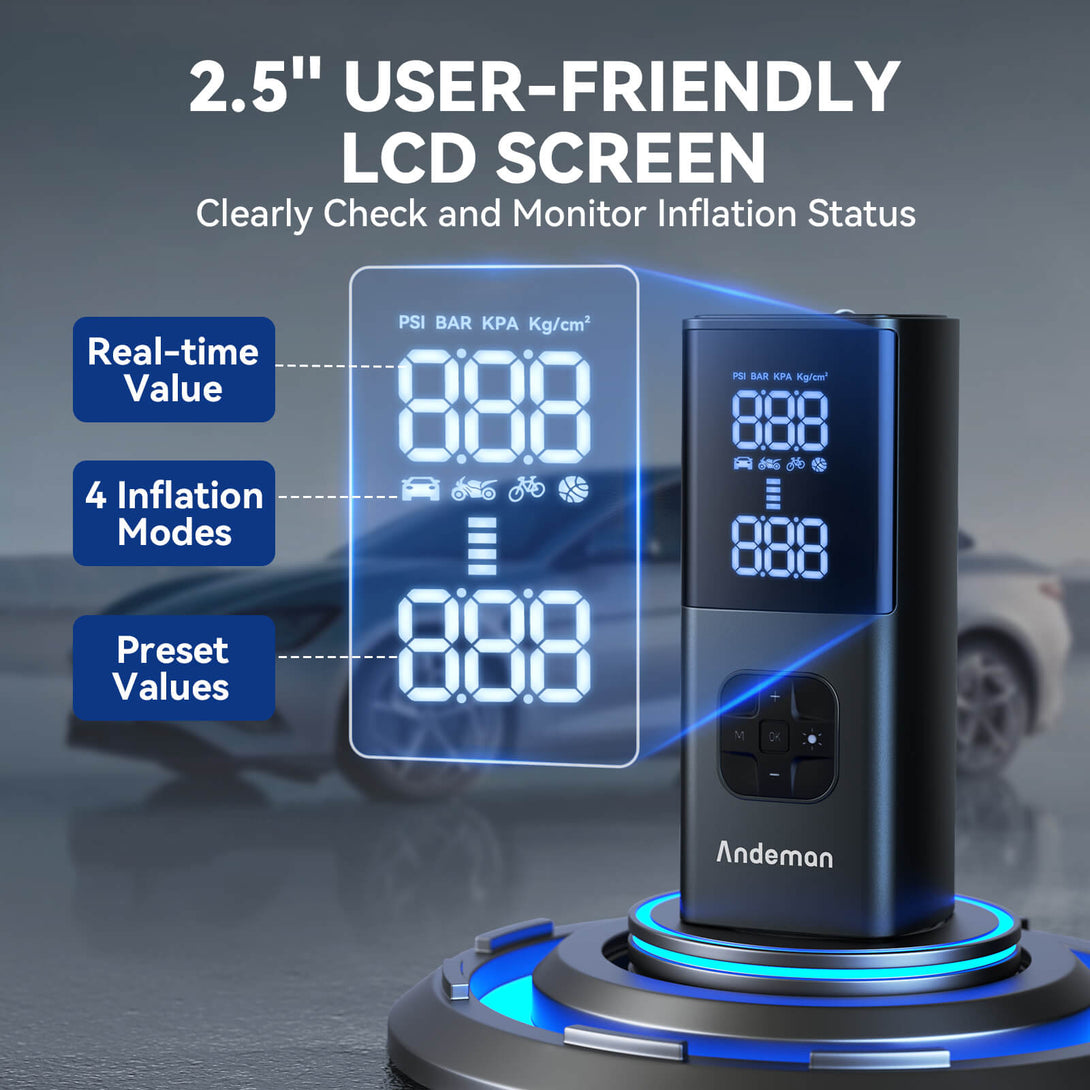
Illustrative image related to air pump wireless
Pressure rating, measured in pounds per square inch (PSI), indicates the maximum air pressure the pump can generate. This specification is crucial for ensuring the pump can handle the demands of various applications, such as inflating tires, air mattresses, or sports equipment. A higher PSI rating typically translates to faster inflation times and the ability to work with a wider range of products.
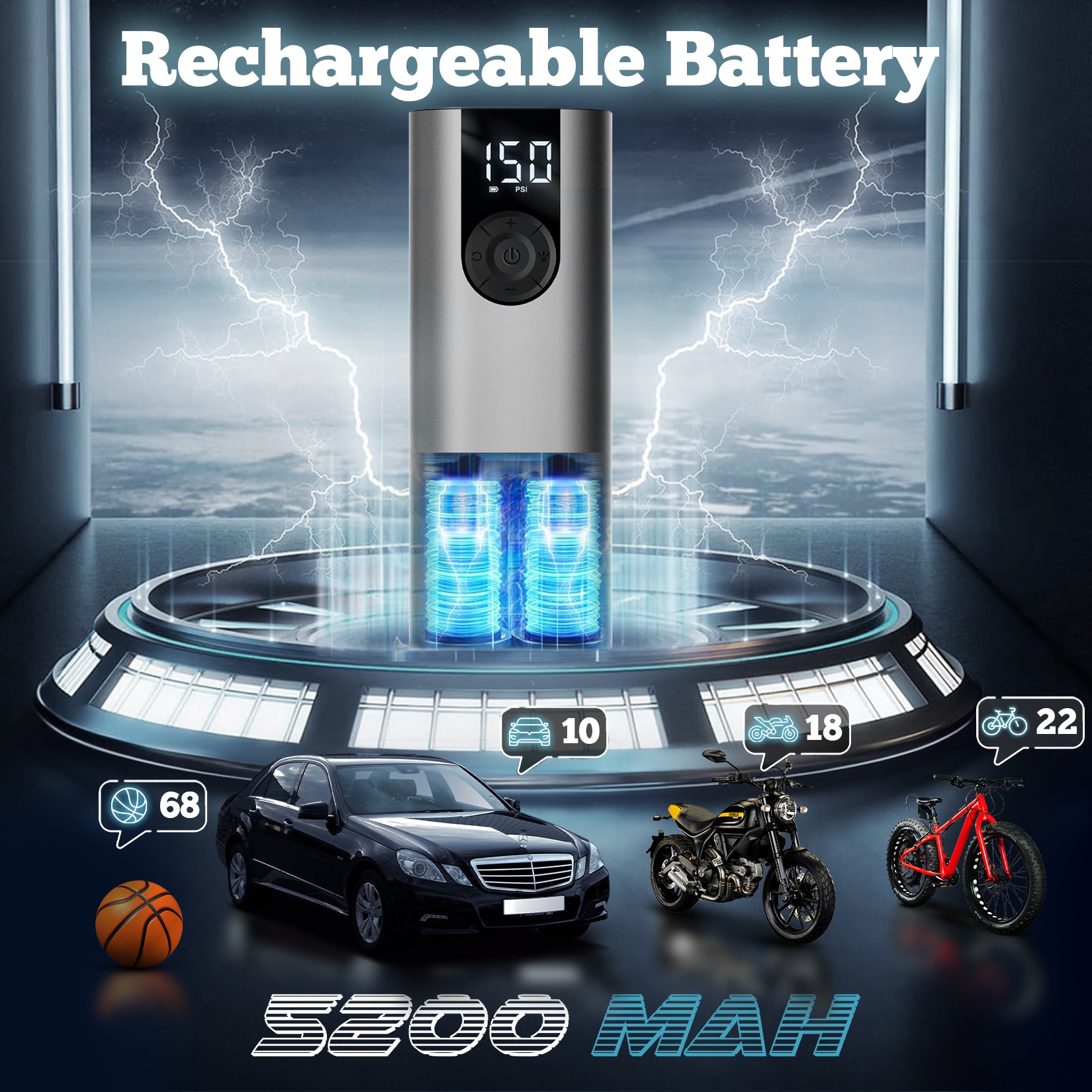
Battery capacity, measured in milliamp hours (mAh), determines how long the pump can operate on a single charge. This is especially important for B2B buyers who require reliable performance without frequent recharging. A higher capacity allows for extended use, making the pump more efficient for commercial operations, especially in outdoor settings.
The material grade of the pump’s casing and components affects durability and resistance to environmental factors. Common materials include ABS plastic, which offers lightweight properties and impact resistance, and rubber for seals that prevent air leakage. Understanding material grade helps buyers assess the long-term viability of the pump in various conditions, including extreme weather and rough handling.
Illustrative image related to air pump wireless
Inflation speed, expressed in cubic feet per minute (CFM), indicates how quickly the pump can inflate an object. For businesses that prioritize efficiency, a pump with a high CFM rating can significantly reduce downtime. This specification is particularly relevant for industries such as automotive services or event management, where quick setup is essential.
Noise level, measured in decibels (dB), is a critical consideration for workplace environments. A quieter pump reduces disturbances, which is especially important in settings such as hotels or residential areas. B2B buyers should look for pumps with noise levels below 70 dB for more comfortable operation.
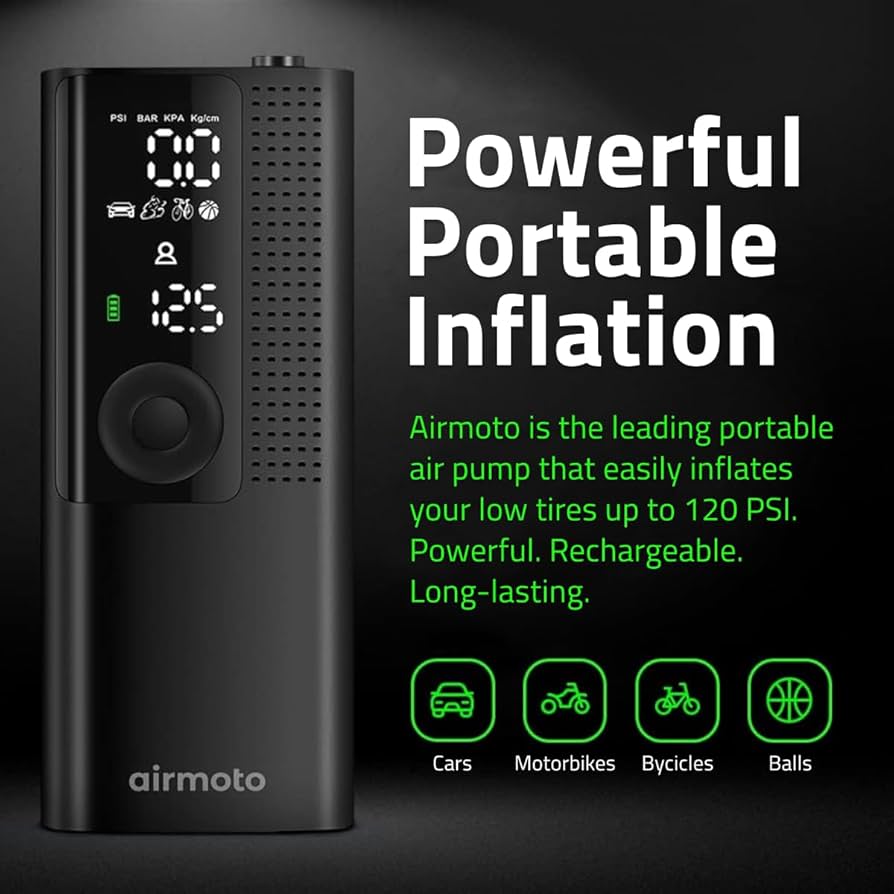
Familiarity with industry-specific terminology can streamline communication and negotiation processes for B2B buyers:
Illustrative image related to air pump wireless
OEM refers to companies that produce parts and equipment that may be marketed by another manufacturer. Understanding OEM relationships can help buyers source pumps that meet their specific requirements, ensuring compatibility with existing systems.
MOQ indicates the smallest quantity of product that a supplier is willing to sell. For B2B buyers, knowing the MOQ helps in budgeting and inventory management. It also aids in negotiating bulk purchasing agreements, which can lead to cost savings.
An RFQ is a document used to solicit price quotations from suppliers. For B2B buyers, submitting an RFQ is a critical step in the procurement process, enabling them to compare prices and terms from multiple vendors before making a purchasing decision.
Incoterms define the responsibilities of buyers and sellers in international trade. Familiarity with these terms, such as FOB (Free on Board) or CIF (Cost, Insurance, and Freight), is essential for understanding shipping costs and risk management, which can impact the overall pricing and delivery of air pumps.
Warranty terms outline the period during which a buyer can seek repairs or replacements for defective products. A clear understanding of warranty coverage can protect buyers from unexpected costs and ensure they receive quality products.
Lead time refers to the amount of time it takes from placing an order to receiving the product. For B2B buyers, knowing the lead time is crucial for project planning and ensuring that operations run smoothly without interruptions.
Illustrative image related to air pump wireless
By grasping these technical specifications and trade terms, B2B buyers can make informed decisions, ensuring they select the right wireless air pumps for their needs while fostering successful supplier relationships.
The air pump wireless market is experiencing significant growth, driven by the increasing demand for portable and efficient inflation solutions across various sectors, including automotive, outdoor recreation, and home use. A notable trend is the rise of rechargeable and compact designs, which cater to the needs of consumers who prioritize convenience and ease of use. For international B2B buyers, particularly in regions like Africa, South America, the Middle East, and Europe, this shift represents an opportunity to source innovative products that meet local market demands.
Emerging technologies are reshaping the sourcing landscape, with advancements in battery efficiency and smart features, such as automatic shut-off and pressure monitoring. These innovations not only enhance user experience but also align with the growing consumer preference for smart devices. International buyers are encouraged to explore suppliers that offer products equipped with these technologies to remain competitive in the market.
Furthermore, the global shift towards sustainability is influencing purchasing decisions. B2B buyers are increasingly seeking suppliers that emphasize eco-friendly practices and materials. This trend is particularly pronounced in regions focused on environmental regulations and sustainability initiatives, such as Europe. As a result, businesses that can demonstrate their commitment to sustainable practices are likely to gain a competitive edge.
Sustainability and ethical sourcing are becoming crucial considerations for B2B buyers in the air pump wireless sector. The environmental impact of manufacturing processes, including resource consumption and waste generation, is under scrutiny. Buyers are increasingly aware of their suppliers’ practices and are prioritizing partnerships with companies that adopt sustainable methods.
Ethical supply chains are vital for building trust and brand loyalty among consumers. As global awareness of social responsibility grows, B2B buyers are encouraged to source products from manufacturers that uphold ethical labor practices and transparency in their operations. This commitment not only enhances brand reputation but also appeals to environmentally conscious consumers.
In terms of materials, the use of recyclable and biodegradable components is gaining traction. Buyers should look for products that feature certifications indicating the use of ‘green’ materials, as this can significantly influence purchasing decisions. Suppliers that can provide clear documentation of their sustainability efforts and ethical sourcing practices will likely find favor in the competitive B2B landscape.
Illustrative image related to air pump wireless
The evolution of the air pump wireless market reflects broader technological advancements and changing consumer preferences. Initially, air pumps were primarily mechanical devices, requiring manual operation and significant physical effort. However, the advent of electric and rechargeable models transformed the industry, making inflation tasks quicker and more efficient.
As consumer lifestyles became increasingly mobile, the demand for portable air pumps surged. This led to innovations in design, resulting in compact and lightweight models that are easy to transport. Today, wireless air pumps are equipped with smart technology, allowing for precise inflation and ease of use, catering to a diverse range of applications from automotive to recreational activities.
Overall, the air pump wireless sector continues to adapt, driven by technological advancements, sustainability considerations, and a focus on consumer convenience. B2B buyers should remain vigilant in monitoring these trends to capitalize on emerging opportunities in the market.
1. How do I choose the right wireless air pump for my business needs?
Selecting the appropriate wireless air pump involves understanding your specific requirements, such as the types of inflatables you will be using and the frequency of use. Consider factors like power output, battery life, and portability. Additionally, evaluate the compatibility of the pump with various inflatable products, ensuring it comes with multiple nozzle options. Researching product reviews and seeking recommendations from trusted suppliers can also help you make an informed decision.
2. What are the key features to look for in a wireless air pump?
When sourcing a wireless air pump, prioritize features such as high-pressure capability, quick inflation and deflation times, and a compact design for ease of transport. Look for models with rechargeable batteries and multiple nozzle attachments for versatility. Additionally, consider durability, especially if the pump will be used in rugged environments. Finally, ensure that the pump has safety features like auto-stop functions to prevent over-inflation.
Illustrative image related to air pump wireless
3. What are the typical minimum order quantities (MOQs) for wireless air pumps?
MOQs for wireless air pumps can vary significantly depending on the supplier and the model. Generally, MOQs range from 50 to 500 units for bulk orders. It’s advisable to negotiate with suppliers, especially if you are looking to test the market with a smaller batch first. Some manufacturers may offer flexible MOQs for long-term partnerships or higher-value orders, so it’s beneficial to communicate your business needs clearly.
4. How can I ensure the quality of wireless air pumps before purchasing?
To ensure quality, request samples from potential suppliers to test the product’s performance and durability. Additionally, inquire about the supplier’s quality assurance processes, such as certifications (e.g., ISO) and testing protocols. Reviewing third-party testing results and customer testimonials can also provide insights into the reliability of the product. Establishing a clear quality agreement before placing a large order is essential to avoid potential issues.
5. What are the common payment terms when sourcing wireless air pumps internationally?
Payment terms can vary widely among suppliers but typically include options such as advance payment, letter of credit, or payment upon delivery. Many suppliers may require a deposit (usually 30-50%) upfront, with the balance due before shipment or upon delivery. It’s crucial to negotiate terms that align with your cash flow needs and ensure secure payment methods to protect your investment.
6. How do I handle logistics and shipping for wireless air pumps?
When planning logistics, consider factors such as shipping methods, costs, and delivery timelines. Choose between air freight for faster delivery or sea freight for more economical options, especially for bulk orders. Collaborate with your supplier to determine the best shipping route and method. Additionally, ensure you understand customs regulations in your country to avoid unexpected delays or fees upon arrival.
7. What are the best practices for vetting suppliers of wireless air pumps?
To vet suppliers effectively, conduct thorough research, including checking their business licenses, certifications, and customer reviews. Request references from previous clients and assess their manufacturing capabilities and quality control processes. Visiting the factory, if feasible, can provide firsthand insight into operations. Additionally, consider engaging in a trial order to evaluate the supplier’s reliability and product quality before committing to larger purchases.
8. Can I customize wireless air pumps to meet specific branding needs?
Yes, many manufacturers offer customization options for wireless air pumps, including branding, color choices, and specific features tailored to your business needs. When discussing customization, clearly outline your requirements and ask for minimum order quantities that apply to custom orders. Be aware that customization can impact lead times and costs, so it’s essential to factor these into your overall budget and timeline.
Dominio: tubeproinc.com
Registrato: 2001 (24 anni)
Introduzione: Product Name: Tube Pro Wireless Air Pump
Price: $39.00 USD
Description: Rechargeable air pump for inflatables with high-pressure design for quick inflation of PVC vinyl inflatables. Multipurpose use for air mattresses, inflatable floats, boats, or rafts. Compact and lightweight for easy handling, suitable for indoor and outdoor use. Includes three types and sizes of nozzles that lock securely duri…
Dominio: statikco.com
Registrazione: 2020 (5 anni)
Introduzione: TireHero Wireless Air Pump
– Type: Portable rechargeable air pump
– Maximum Pressure: 150 PSI
– Battery: 3,600 mAh rechargeable
– Dimensions: 2.4 × 1.6 × 6.1 inches
– Weight: 1.25 lbs (567 g)
– Charging Input: USB-C
– Output/Charge: USB-C and USB-A
– Noise Level: ~75 dB during operation
– Included Accessories: Presta valve, Schrader valve, ball needle, 2 universal inflation cones, multiple nozzle …
Dominio: fanttik.com
Registrazione: 2020 (5 anni)
Introduzione: 2X Faster Electric Tire Inflators! Various models available: X9 Ace, X9 Pro, X8 APEX, X9 APEX, X9 Classic, X9 Ultra, X10 Cross. Prices range from $48.99 to $199.97 with discounts up to 50% off during Black Friday Sale from 11.20-12.7. Ratings for products are around 4.8. Extra coupons available for additional savings.
In conclusion, strategic sourcing of wireless air pumps offers significant advantages for international B2B buyers, particularly in Africa, South America, the Middle East, and Europe. Understanding market trends, such as the increasing demand for portable and efficient inflators, can help businesses identify reliable suppliers and optimize procurement processes. Features like multi-functionality, rapid inflation capabilities, and easy portability are crucial for meeting diverse customer needs, from outdoor recreation to automotive applications.
Investing in high-quality wireless air pumps not only enhances product offerings but also improves customer satisfaction, leading to increased brand loyalty. By leveraging strategic sourcing, businesses can negotiate better pricing, ensure product availability, and foster long-term relationships with suppliers. This approach is essential for navigating the complexities of global trade, especially in emerging markets.
As the market evolves, staying ahead of technological advancements and consumer preferences will be key. We encourage B2B buyers to actively seek partnerships with innovative manufacturers and suppliers, ensuring a competitive edge in the wireless air pump sector. Embrace this opportunity to elevate your product line and meet the growing demands of your market.
Le informazioni fornite in questa guida, compresi i contenuti relativi ai produttori, alle specifiche tecniche e all'analisi di mercato, hanno uno scopo puramente informativo ed educativo. Non costituiscono una consulenza professionale in materia di acquisti, né una consulenza finanziaria o legale.
Pur avendo compiuto ogni sforzo per garantire l'accuratezza e la tempestività delle informazioni, non siamo responsabili di eventuali errori, omissioni o informazioni non aggiornate. Le condizioni di mercato, i dettagli aziendali e gli standard tecnici sono soggetti a modifiche.
Gli acquirenti B2B devono condurre una due diligence indipendente e approfondita. prima di prendere qualsiasi decisione di acquisto. È necessario contattare direttamente i fornitori, verificare le certificazioni, richiedere campioni e chiedere una consulenza professionale. Il rischio di affidarsi alle informazioni contenute in questa guida è esclusivamente a carico del lettore.


 Italian
  English
  Russian
  Spanish
  Arabic
  Portuguese
  German