
In the rapidly evolving landscape of international trade, sourcing reliable electronic air pumps presents a unique set of challenges for B2B buyers. With applications ranging from automotive and outdoor activities to industrial uses, the demand for efficient and portable air pumps is on the rise. However, navigating the myriad of options can be overwhelming, especially when considering factors such as performance, energy efficiency, and compatibility with various products. This guide aims to demystify the global market for electronic air pumps, providing comprehensive insights into the diverse types available, their specific applications, and strategic supplier vetting processes.
International buyers from regions like Africa, South America, the Middle East, and Europe—including key markets such as Germany and Brazil—will find this resource invaluable in making informed purchasing decisions. The guide explores critical cost considerations, helping you understand pricing structures and value propositions that can significantly impact your bottom line. Additionally, we delve into the latest technological advancements that enhance pump efficiency and user convenience, ensuring you stay ahead of market trends.
By equipping you with actionable insights and best practices, this guide empowers you to source the most suitable electronic air pumps tailored to your business needs. Whether you are looking to enhance your product offerings or streamline operations, our expert recommendations will support your strategic objectives in a competitive marketplace.
| Nome del tipo | Caratteristiche distintive principali | Applicazioni primarie B2B | Brevi pro e contro per gli acquirenti |
|---|---|---|---|
| Corded Electric Pumps | Powered by AC electricity, high pressure, continuous use | Industrial inflatables, large camping gear | Pro: High efficiency, suitable for heavy-duty tasks. Contro: Mobilità limitata a causa del cavo. |
| Rechargeable Battery Pumps | Portable, battery-operated, often lightweight and compact | Eventi all'aperto, kit di emergenza | Pro: Mobility, no need for a power source. Contro: Limited run time, may require frequent recharging. |
| High-Pressure Pumps | Designed for inflating items requiring high PSI levels | Sports equipment, automotive applications | Pro: Quick inflation for specialized items. Contro: Typically more expensive and complex. |
| Multi-Function Inflators | Versatile with multiple nozzle attachments for various uses | Camping, water sports, and automotive | Pro: Flexibility in applications, saves space. Contro: May compromise on specific performance. |
| Mini Electric Pumps | Compact, designed for small items like bike tires | Personal use, small vehicle maintenance | Pro: Highly portable, easy to store. Contro: Limited power for larger applications. |
Corded electric pumps are designed for high-efficiency performance, making them ideal for industrial applications and large-scale use. These pumps are powered by AC electricity, allowing for continuous operation without the need for recharging. B2B buyers in sectors such as event management or outdoor recreation can benefit from their robust capabilities, especially when inflating large inflatables or camping gear. However, the limitation of mobility due to the cord can be a drawback in scenarios requiring movement.
Rechargeable battery pumps offer a portable solution, making them suitable for outdoor events or emergency kits. These pumps are lightweight and compact, allowing for easy transport and storage. B2B buyers, especially in sectors like hospitality or event planning, can leverage these pumps for quick and efficient inflation without the constraint of power outlets. However, the limited run time of batteries may necessitate frequent recharging, which can be a consideration for high-demand situations.
High-pressure pumps are specifically designed to inflate items that require higher PSI levels, such as sports equipment and automotive applications. Their ability to deliver quick inflation makes them indispensable in fast-paced environments. B2B buyers in the sports and automotive sectors will find these pumps particularly useful, although the higher complexity and cost could deter those with less frequent needs.
Multi-function inflators are versatile tools equipped with various nozzle attachments to accommodate a wide range of inflatables. This flexibility makes them ideal for camping, water sports, and automotive use, appealing to B2B buyers looking to optimize their equipment space. While they offer significant utility, buyers should be aware that they may not perform as efficiently in specialized tasks compared to dedicated pumps.
Mini electric pumps are compact devices designed for small items, such as bike tires or air mattresses. Their portability and ease of storage make them an attractive option for personal use and small vehicle maintenance. B2B buyers in the cycling or outdoor recreation industries can benefit from their convenience. However, their limited power may restrict their use for larger applications, making them best suited for niche markets.
| Industria/Settore | Specific Application of electronic air pump | Valore/Beneficio per l'azienda | Considerazioni chiave sull'approvvigionamento per questa applicazione |
|---|---|---|---|
| Automotive | Tire inflation for vehicles and machinery | Ensures optimal tire pressure, enhancing safety and fuel efficiency | Reliability, portability, and compatibility with various tire types |
| Sport e ricreazione | Inflating sports equipment and outdoor gear | Quick and efficient setup for events, improving user experience | Durability, ease of use, and battery life for outdoor conditions |
| Hospitality and Events | Inflating inflatable structures for events and attractions | Creates engaging environments, boosting customer satisfaction | Safety features, inflation speed, and size compatibility |
| Produzione | Air supply for pneumatic tools and processes | Enhances productivity and operational efficiency | Pressure output, energy efficiency, and maintenance support |
| Marine and Water Sports | Inflating boats and watercraft | Facilitates easy transportation and setup for recreational activities | Portability, waterproof design, and power source versatility |
In the automotive industry, electronic air pumps are essential for maintaining proper tire pressure in vehicles and heavy machinery. By ensuring optimal inflation, these pumps help prevent tire blowouts and improve fuel efficiency. Businesses in this sector should prioritize reliability and compatibility with various tire types, considering the diverse range of vehicles in their fleet. Additionally, portability is crucial for quick roadside assistance or maintenance tasks.
In sports and recreation, electronic air pumps are widely used for inflating sports equipment, such as balls, and outdoor gear, including air mattresses and inflatable kayaks. Their quick inflation capabilities save time and enhance user experience during events or outings. Companies should look for durable models that can withstand outdoor conditions, along with long battery life to ensure usability during extended activities.
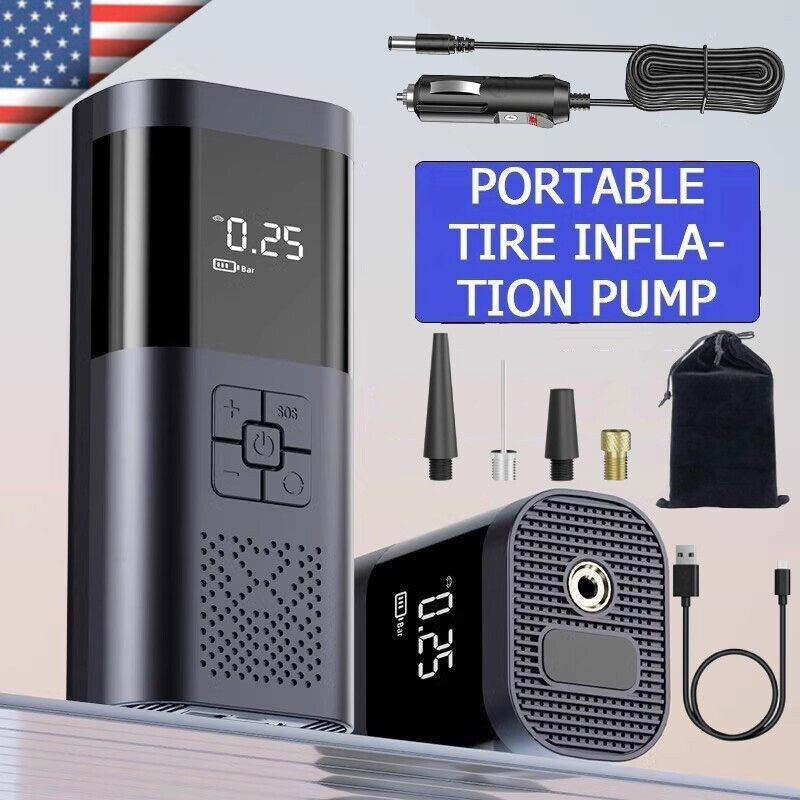
Illustrative image related to electronic air pump
The hospitality and events sector utilizes electronic air pumps to inflate various inflatable structures, such as bouncy castles, tents, and promotional displays. These pumps facilitate the rapid setup of engaging environments that enhance customer satisfaction. When sourcing, businesses should consider safety features, inflation speed, and the compatibility of the pump with different inflatable sizes to ensure a seamless operation during events.
In manufacturing, electronic air pumps supply air for pneumatic tools and processes, playing a critical role in enhancing productivity and operational efficiency. By providing consistent air pressure, these pumps support various applications, from assembly lines to packaging. Buyers in this sector should focus on pressure output, energy efficiency, and the availability of maintenance support to minimize downtime and maximize productivity.
In the marine and water sports industry, electronic air pumps are essential for inflating boats, paddleboards, and other watercraft. Their ease of use and efficiency facilitate quick preparation for recreational activities, making them invaluable for businesses in this sector. Key considerations for sourcing include portability, waterproof design, and versatility in power sources, ensuring reliability on various types of watercraft and conditions.
Il problema: Many B2B buyers, particularly those in the hospitality and outdoor adventure sectors, often struggle with the inefficiency of inflating multiple types of inflatable products. These can include air mattresses, kayaks, and large inflatable structures. Traditional pumps may lack the necessary pressure or adaptability, leading to time-consuming setups and dissatisfied customers. Additionally, the inconsistency in inflation performance can cause delays in service delivery, especially during peak seasons.
La soluzione: To address this challenge, B2B buyers should invest in high-capacity electronic air pumps that come with multiple nozzle attachments. This versatility allows one pump to cater to a wide range of inflatable products. When sourcing these pumps, prioritize models that feature adjustable pressure settings to ensure optimal inflation for various items. It’s advisable to conduct trials with different models to assess their performance under realistic conditions. Training staff on the effective use of these pumps can further enhance efficiency, ensuring that all inflatable products are inflated quickly and uniformly, thereby improving overall customer satisfaction.
Il problema: For businesses that operate in remote locations or outdoor events, the challenge of battery life and portability in electronic air pumps can be significant. Many models may not have sufficient battery capacity for prolonged use, which can lead to unexpected downtime when inflating multiple items. This is particularly problematic for companies that need to set up events quickly and efficiently, as any delays can directly affect their reputation and profitability.
La soluzione: B2B buyers should seek out rechargeable electronic air pumps with long-lasting battery life and compact designs for ease of transportation. Look for pumps that offer fast charging capabilities and can retain power over extended periods. When sourcing, consider investing in models that include battery indicators, so users can monitor power levels during operation. Additionally, establishing a routine maintenance schedule for the pumps can ensure they operate optimally, thus extending their usable life. Training employees to manage battery life effectively—such as ensuring devices are fully charged before events—will also mitigate issues related to power shortages.
Il problema: A common issue faced by B2B buyers is the lack of understanding regarding the specific pressure requirements for different inflatable products. Incorrect inflation can lead to product damage or failure, resulting in financial losses and potential liability issues. This problem is especially prevalent among companies that handle a variety of inflatable items without having a consistent protocol for inflation standards.
La soluzione: To resolve this issue, B2B buyers should focus on acquiring electronic air pumps that come equipped with integrated pressure gauges and automatic shut-off features. These functionalities help ensure that inflatables are filled to the correct specifications, preventing over-inflation and subsequent damage. When sourcing, it is beneficial to compile a comprehensive guide that outlines the optimal pressure levels for each type of inflatable product used by the business. Regular training sessions can educate staff about these pressure requirements and the importance of using the right equipment, thereby minimizing risks and enhancing operational efficiency. This proactive approach not only protects assets but also reinforces the company’s commitment to quality and safety in its services.
When selecting materials for electronic air pumps, several factors come into play, including performance, durability, cost, and compliance with international standards. Below, we analyze four common materials used in the construction of electronic air pumps, highlighting their properties, advantages, disadvantages, and considerations for international buyers.
Proprietà chiave: Plastic, particularly high-density polyethylene (HDPE) or polypropylene, is commonly used in the housing of electronic air pumps. These plastics offer good temperature resistance (up to 80°C) and are generally resistant to many chemicals, making them suitable for various applications.
Pro e contro: Plastics are lightweight and cost-effective, which can significantly reduce manufacturing costs. However, they may not withstand high pressures as well as metals, limiting their use in high-performance applications. Additionally, while they are durable against corrosion, UV exposure can degrade some plastics over time.
Impatto sull'applicazione: Plastic housings are ideal for consumer-grade pumps used for inflatables and recreational purposes. However, they may not be suitable for industrial applications where high pressure and durability are critical.
Considerazioni per gli acquirenti internazionali: Buyers should ensure that the plastic complies with local regulations regarding environmental safety and recycling. Standards such as ASTM D6400 for compostable plastics may be relevant in certain markets.
Proprietà chiave: Metals like aluminum and stainless steel are often used for components that require high strength and durability. Aluminum has excellent thermal conductivity and is lightweight, while stainless steel offers superior corrosion resistance.
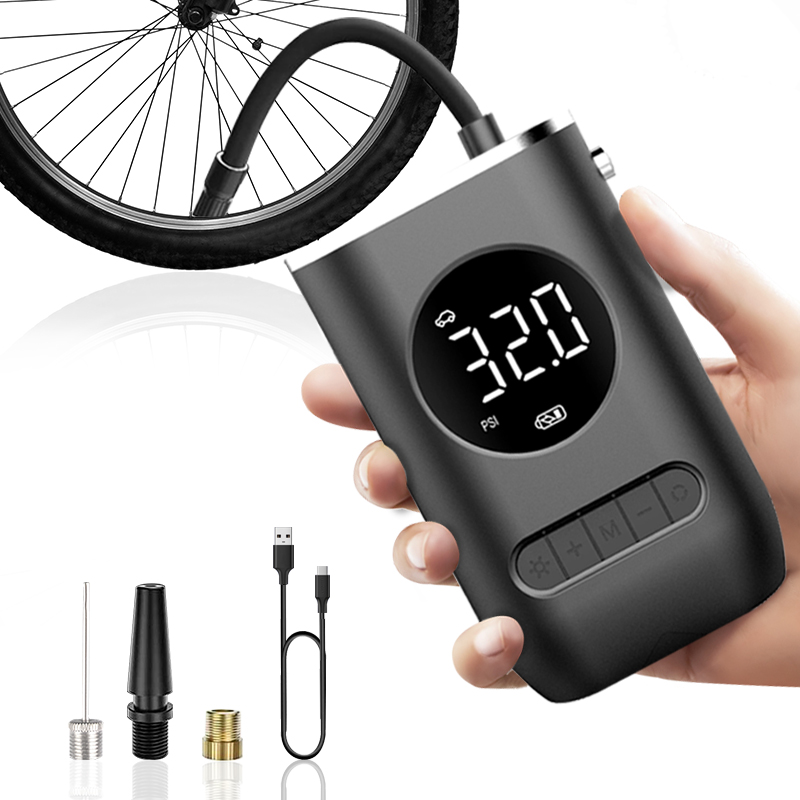
Illustrative image related to electronic air pump
Pro e contro: Metal components can handle higher pressures and are more durable than plastics, making them suitable for high-performance applications. However, they tend to be more expensive and can increase the overall weight of the pump, which may not be desirable for portable models.
Impatto sull'applicazione: Metal is particularly beneficial in industrial or heavy-duty air pumps, where reliability and performance are paramount.
Considerazioni per gli acquirenti internazionali: Compliance with international standards such as ISO 9001 for quality management systems is crucial. Buyers in Europe, for instance, may also need to consider RoHS compliance regarding hazardous substances.
Proprietà chiave: Rubber is commonly used for seals and gaskets in electronic air pumps due to its excellent elasticity and ability to maintain a tight seal under varying pressure conditions. Materials like EPDM (ethylene propylene diene monomer) rubber are often used for their temperature resistance and durability.
Pro e contro: Rubber provides excellent sealing capabilities, which is essential for maintaining pressure and efficiency. However, it can degrade over time when exposed to certain chemicals and UV light, leading to potential failures.
Impatto sull'applicazione: Rubber seals are critical in applications where air tightness is essential, such as in air mattresses or inflatable boats.
Considerazioni per gli acquirenti internazionali: Buyers should ensure that rubber materials meet local standards for safety and environmental impact, particularly in regions with stringent regulations.
Proprietà chiave: Composite materials, often a combination of plastic and metal, offer a balance of strength, weight, and corrosion resistance. These materials can be engineered to meet specific performance criteria, such as high pressure and temperature resistance.
Pro e contro: Composites can provide the best of both worlds, offering lightweight and durable solutions. However, they can be more complex to manufacture and may come at a higher cost.
Impatto sull'applicazione: Composites are suitable for advanced applications, including automotive and aerospace, where performance is critical.
Considerazioni per gli acquirenti internazionali: Buyers should verify that composite materials comply with relevant standards, such as ASTM or JIS, particularly in regions like Europe and Japan, where material specifications can be stringent.
| Materiale | Typical Use Case for electronic air pump | Vantaggio chiave | Svantaggi/limitazioni principali | Costo relativo (Basso/Medio/Alto) |
|---|---|---|---|---|
| Plastica | Consumer-grade inflatables | Leggero e conveniente | Resistenza limitata alla pressione | Basso |
| Metallo | Industrial air pumps | Elevata resistenza e durata | Costo e peso maggiori | Alto |
| Gomma | Guarnizioni | Eccellenti capacità di tenuta | Degradation over time | Medio |
| Composito | Advanced applications | Balanced strength and weight | Complex manufacturing process | Alto |
This guide provides a comprehensive overview of material considerations for electronic air pumps, tailored to the needs of international B2B buyers. Understanding these factors can help in making informed purchasing decisions that align with performance requirements and regulatory compliance.
The manufacturing process for electronic air pumps involves several critical stages, each designed to ensure the final product meets both performance and quality standards. These stages typically include material preparation, forming, assembly, and finishing.
Preparazione del materiale: The process begins with sourcing high-quality materials, such as plastics, metals, and electronic components. It is crucial for manufacturers to ensure that materials meet specific industry standards and regulations. Suppliers often conduct thorough inspections on incoming materials (Incoming Quality Control, IQC) to confirm they comply with specifications.
Formazione: This stage involves shaping the raw materials into components that will make up the air pump. Techniques like injection molding for plastic parts and stamping for metal components are commonly used. Advanced technologies such as CNC machining may also be employed to ensure precision. Manufacturers often implement in-process quality control (IPQC) to monitor the forming process, ensuring that any deviations from specifications are caught early.
Montaggio: Once individual components are formed, they are assembled into the final product. This stage typically involves both manual and automated processes. Automation can enhance efficiency and reduce the risk of human error. Quality checkpoints during assembly, including functional tests, are vital to ensure that all components fit correctly and function as intended.
Finitura: After assembly, the pumps undergo finishing processes, which may include surface treatment, painting, or labeling. This stage not only enhances the product’s aesthetics but also contributes to its durability and performance. Final quality inspections (Final Quality Control, FQC) are conducted to verify that the finished product meets all specifications and performance criteria.
Quality assurance (QA) is integral to the manufacturing of electronic air pumps, ensuring that products are reliable and meet customer expectations. Manufacturers typically adhere to international standards such as ISO 9001, which outlines criteria for establishing a quality management system.
International and Industry-Specific Standards: Compliance with standards such as CE marking for safety and environmental protection is essential for manufacturers targeting markets in Europe and other regions. The API (American Petroleum Institute) standards may also apply for pumps used in specific applications. Understanding these standards helps B2B buyers assess the credibility of suppliers.
Punti di controllo della qualità: Throughout the manufacturing process, several quality control checkpoints are established. IQC ensures that materials meet specifications before production begins, while IPQC monitors ongoing processes to catch any defects early. FQC verifies that the finished products are free from defects and perform as required. Each of these checkpoints is critical in maintaining a high level of quality throughout the manufacturing process.
Metodi di analisi comuni: Various testing methods are employed to assess the functionality and safety of electronic air pumps. These may include pressure testing, electrical safety testing, and performance testing under simulated usage conditions. Manufacturers may also conduct durability tests to ensure the pumps can withstand extended use.
For B2B buyers, especially those from regions like Africa, South America, the Middle East, and Europe, verifying a supplier’s quality control processes is crucial. Several strategies can be employed to ensure that suppliers maintain high standards.
Audit dei fornitori: Conducting audits of potential suppliers is an effective way to assess their manufacturing processes and quality control measures. During an audit, buyers can evaluate the facilities, equipment, and procedures used by the manufacturer. This firsthand observation helps in understanding the supplier’s commitment to quality.
Rapporti sulla qualità: Requesting quality assurance reports from suppliers can provide insights into their processes and performance. These reports should detail the results of quality inspections and testing, highlighting any issues encountered and how they were resolved. A transparent supplier will readily provide this documentation.
Ispezioni di terzi: Engaging third-party inspection services can further validate the quality of the products being manufactured. Independent inspectors can assess compliance with international standards and verify that the manufacturing processes align with the buyer’s quality requirements. This step is especially important for buyers in regions where local regulations may differ from international standards.
International B2B buyers face unique challenges when it comes to quality control and assurance in the manufacturing of electronic air pumps. Understanding these nuances is essential for successful procurement.
Differenze culturali negli standard di qualità: Different regions may have varying expectations regarding quality and compliance. Buyers should familiarize themselves with local standards and regulations to ensure that the products meet their specific requirements. For example, European buyers may prioritize CE certification, while buyers in other regions may focus on different standards.
Logistical Considerations: The logistics of sourcing products from international suppliers can introduce additional quality risks. Delays in shipping or improper handling during transit can affect product quality. Buyers should ensure that suppliers have robust logistics and handling processes to mitigate these risks.
After-Sales Support and Warranty: Quality assurance does not end with the sale. Buyers should inquire about after-sales support, warranty terms, and the supplier’s responsiveness to quality issues that may arise post-purchase. A strong commitment to customer service can be an indicator of a supplier’s overall quality ethos.
In conclusion, the manufacturing processes and quality assurance measures for electronic air pumps are multi-faceted and critical for delivering reliable products to B2B buyers. By understanding these processes and implementing robust verification methods, buyers can enhance their procurement strategies and ensure they receive high-quality electronic air pumps that meet their specific needs.
In the competitive landscape of B2B procurement, sourcing electronic air pumps requires a strategic approach. This guide provides a step-by-step checklist to help international buyers, especially those from Africa, South America, the Middle East, and Europe, make informed decisions. By following these steps, you can ensure that you choose the right products and suppliers for your business needs.
Understanding the specific applications for which you need electronic air pumps is crucial. Different pumps are designed for varied uses—such as inflating mattresses, sports equipment, or automotive tires. By pinpointing your requirements, you can narrow down your options and focus on pumps that meet those particular needs.
Create a detailed list of the technical specifications that the electronic air pump must meet. Consider factors like:
– Pressure Rating: Ensure the pump can achieve the required PSI for your applications.
– Power Source: Decide between corded, battery-operated, or rechargeable options based on your operational environment.
– Portability: Determine the weight and size limitations, especially for outdoor or mobile applications.
Conduct thorough research to identify potential suppliers who specialize in electronic air pumps. Look for companies that have a strong reputation in your target markets, and consider their:
– Esperienza nel settore: A supplier with years of experience in your industry may offer better insights and reliability.
– Gamma di prodotti: Ensure they have a diverse selection of pumps to meet your varied needs.
Before proceeding with any supplier, it’s essential to verify their certifications and compliance with international quality standards. This step helps you ensure that the products meet safety and performance benchmarks. Look for:
– Certificazioni ISO: This indicates adherence to international quality management standards.
– Local Compliance: Ensure that the products comply with regulations specific to your region, which may vary by country.
Once you’ve shortlisted potential suppliers, request samples of their electronic air pumps. Testing the products will help you assess their performance and suitability for your intended applications. Pay attention to:
– Facilità d'uso: Evaluate the user-friendliness of the pump, including the setup process and operation.
– Durata: Assess the build quality to ensure it can withstand the rigors of your operational environment.
After testing, compare the pricing structures of the selected suppliers. Consider not just the initial costs but also:
– Long-term Value: Assess warranties and after-sales support, which can significantly impact total cost of ownership.
– Condizioni di pagamento: Negotiate favorable payment terms that align with your cash flow and budget cycles.
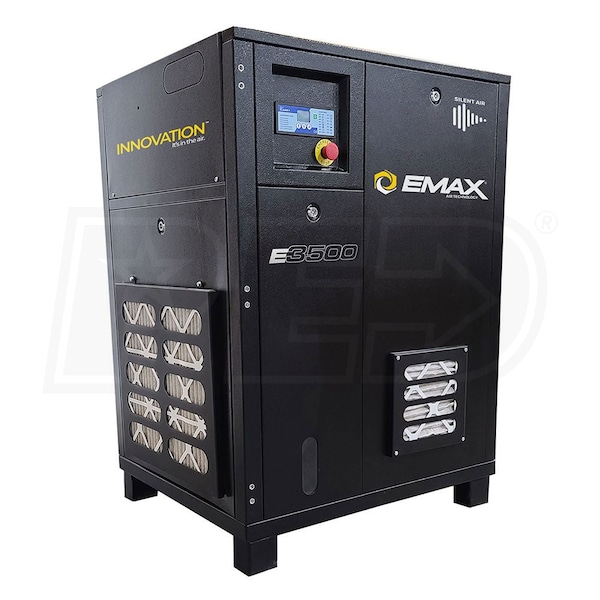
Illustrative image related to electronic air pump
Once you’ve selected a supplier, ensure that all terms are clearly outlined in a purchase agreement. This should include delivery timelines, warranty details, and return policies. Having a clear agreement in place helps prevent misunderstandings and ensures accountability on both sides.
By following this structured checklist, B2B buyers can effectively navigate the procurement process for electronic air pumps, ensuring they make informed and strategic purchasing decisions.
When sourcing electronic air pumps, understanding the cost structure is crucial for B2B buyers. The primary components of the cost include:
I materiali: The quality and type of materials used significantly affect the overall cost. For electronic air pumps, components such as motors, plastic casings, and electronic circuitry are vital. High-grade materials may enhance durability but can also increase costs.
Lavoro: Labor costs vary by region and are influenced by the complexity of assembly processes. In regions with higher labor costs, such as parts of Europe, manufacturing may be more expensive than in countries with lower labor rates.
Spese generali di produzione: This includes expenses related to factory utilities, equipment depreciation, and administrative costs. Efficient manufacturing processes can help minimize overhead costs.
Utensili: The initial investment in tooling can be significant, especially for custom designs. Buyers should consider whether the tooling costs are amortized over large production runs, which can reduce the unit price.
Controllo qualità (CQ): Implementing rigorous QC processes is essential to ensure product reliability and safety. However, these processes add to the overall cost. Investing in QC can lead to fewer defects and returns, ultimately benefiting the buyer.
Logistica: Shipping costs can vary greatly depending on the destination, shipping method, and volume. International buyers should factor in duties, tariffs, and potential delays in logistics planning.
Margine: Suppliers will add a profit margin to their costs, which can vary widely. Understanding market rates can help buyers negotiate better terms.
Several factors can influence the pricing of electronic air pumps:
Volume/MOQ: Bulk orders often lead to lower per-unit costs. Suppliers may offer discounts for larger Minimum Order Quantities (MOQs), making it more economical for buyers who can commit to larger purchases.
Specifiche e personalizzazione: Custom pumps with unique specifications typically command higher prices. Buyers should weigh the need for customization against potential cost savings from standard models.
Qualità dei materiali e certificazioni: Higher quality materials and necessary certifications (e.g., CE, ISO) can increase costs. Buyers should assess whether the benefits of these certifications justify the additional expense.
Fattori di fornitura: The reputation and reliability of suppliers can impact pricing. Established suppliers may charge more due to their experience and proven quality, while new entrants might offer lower prices to gain market share.
Incoterms: The choice of Incoterms affects responsibility for shipping costs and risks. Buyers should clarify terms to avoid unexpected expenses.
To optimize sourcing strategies, international buyers should consider the following tips:
Negoziazione: Always negotiate pricing with suppliers. Understanding the cost components can provide leverage during discussions.
Efficienza dei costi: Look for suppliers who offer a transparent breakdown of costs. This insight can help identify areas for cost reduction without compromising quality.
Costo totale di proprietà (TCO): Consider the long-term costs associated with the product, including maintenance, energy consumption, and potential replacements. A lower upfront cost might lead to higher TCO if the product is less durable.
Le sfumature dei prezzi per gli acquirenti internazionali: Be aware of currency fluctuations, import duties, and shipping variations when sourcing from different regions. These factors can significantly impact the final cost.
When sourcing electronic air pumps, understanding the comprehensive cost structure and pricing influencers is essential for making informed purchasing decisions. By considering these factors, B2B buyers can negotiate better deals, optimize their supply chain, and ultimately enhance their operational efficiency. Always remember that prices can vary significantly based on market conditions and individual supplier practices, so it’s prudent to conduct thorough market research and maintain flexibility in sourcing strategies.

Illustrative image related to electronic air pump
In the realm of inflating and deflating various objects, electronic air pumps serve as a popular choice due to their efficiency and convenience. However, businesses often require a thorough analysis of available alternatives to make informed purchasing decisions. This section compares electronic air pumps with other viable options, allowing B2B buyers to evaluate which solution best meets their operational needs.
| Aspetto di confronto | Electronic Air Pump | Manual Hand Pump | Compressor Pump |
|---|---|---|---|
| Prestazioni | Fast inflation, consistent pressure | Slower inflation, variable pressure | High-speed inflation, powerful output |
| Costo | $20 – $250 depending on features | $15 – $50 | $100 – $500 |
| Facilità di implementazione | Plug-and-play, requires power source | Simple, no power needed | Requires setup and power |
| Manutenzione | Minimal, check for wear and tear | Low, occasional cleaning | Moderate, regular servicing required |
| Il miglior caso d'uso | Camping, inflatable toys, air mattresses | Small inflatables, sports balls | Large inflatables, tires, heavy-duty use |
Manual hand pumps are a traditional method for inflating items like sports balls and small inflatables. They are typically more affordable than electronic air pumps, making them an attractive option for budget-conscious buyers. However, the performance is notably slower, and achieving consistent pressure can be challenging, especially for larger items. While they require no power source and are easy to transport, they may not be suitable for large-scale operations where time efficiency is essential.
Compressor pumps are designed for high-performance applications, providing rapid inflation and deflation capabilities. They are particularly effective for large inflatables or tire inflation, making them ideal for businesses in sectors such as automotive and outdoor recreation. However, they come with a higher initial investment and ongoing maintenance costs due to their complexity and need for regular servicing. Additionally, compressor pumps often require a power source, which can limit their portability compared to electronic air pumps.
When choosing between electronic air pumps and their alternatives, businesses must consider their specific needs and operational contexts. Electronic air pumps offer speed and convenience for everyday tasks, while manual pumps serve well for smaller, infrequent jobs. Compressor pumps, although more expensive, provide the power needed for larger-scale applications. By assessing performance requirements, budget constraints, and maintenance capabilities, B2B buyers can select the most suitable solution that aligns with their operational goals and enhances productivity.
When evaluating electronic air pumps for purchase, understanding their technical properties is essential for making informed decisions. Here are several critical specifications that should be considered:
Power Rating (Wattage)
The power rating of an electronic air pump, usually expressed in watts (W), indicates its efficiency and performance capabilities. Higher wattage pumps can inflate items more quickly and handle larger volumes of air. For B2B buyers, selecting a pump with an appropriate power rating ensures that it meets operational demands, especially in high-volume scenarios like manufacturing or rental services.
Pressure Output (PSI/BAR)
The pressure output, measured in pounds per square inch (PSI) or bar, indicates the maximum air pressure the pump can generate. This specification is crucial for applications requiring specific inflation pressures, such as sports equipment or automotive tires. Buyers must ensure that the pump can achieve the necessary pressure for their intended uses, preventing damage to the items being inflated.
Portata (CFM)
The flow rate, measured in cubic feet per minute (CFM), denotes the volume of air the pump can deliver within a minute. A higher flow rate translates to faster inflation, which is vital in time-sensitive operations. B2B buyers should evaluate flow rates to ensure that the pump can keep up with operational efficiency, particularly in settings like event rentals or outdoor activities.
Material Construction
The materials used in the pump’s construction, such as high-grade plastics, rubber, or metal components, directly affect durability and reliability. Pumps made from robust materials are more likely to withstand repeated use in various environments. For B2B buyers, investing in high-quality materials can reduce maintenance costs and improve the lifespan of the equipment.
Caratteristiche di portabilità
Features such as weight, size, and handle design contribute to the portability of the air pump. Lightweight and compact designs are preferable for outdoor or mobile applications. B2B buyers should consider the logistics of transportation and storage when selecting an air pump, as portability can influence operational flexibility.
Power Source (AC/DC/Battery)
The power source of an electronic air pump can vary, with options including alternating current (AC), direct current (DC), or rechargeable batteries. Each type has its advantages; for example, battery-operated models offer greater flexibility in remote locations. Buyers should assess their operational requirements and choose a power source that aligns with their intended use.
Understanding industry jargon is essential for effective communication and negotiation in B2B transactions. Here are several key terms:
OEM (Original Equipment Manufacturer)
OEM refers to a company that produces parts or equipment that may be marketed by another manufacturer. For electronic air pumps, this means that some brands may source their pumps from OEMs, impacting pricing and quality. Buyers should be aware of OEM relationships to assess product reliability.
MOQ (quantità minima d'ordine)
MOQ is the minimum number of units that a supplier is willing to sell. This term is critical for B2B buyers as it affects inventory management and cash flow. Understanding MOQ can help buyers negotiate better terms and avoid excess stock.
RFQ (Richiesta di offerta)
An RFQ is a formal process in which a buyer requests pricing and terms from suppliers for specific products. For electronic air pumps, submitting an RFQ can help businesses obtain competitive pricing and ensure that they are getting the best deal based on their requirements.
Incoterms (Termini commerciali internazionali)
Incoterms are a set of international rules that define the responsibilities of buyers and sellers in international transactions. They clarify who is responsible for shipping, insurance, and tariffs. Familiarity with Incoterms is essential for B2B buyers engaged in global sourcing of electronic air pumps to avoid misunderstandings.
Tempi di consegna
Lead time refers to the time taken from placing an order until it is received. Understanding lead times is critical for inventory planning and ensuring that operations run smoothly. Buyers should factor in lead times when making procurement decisions to avoid stockouts.
Periodo di garanzia
The warranty period indicates the time frame during which a product is guaranteed to function correctly. For electronic air pumps, a longer warranty period can signify higher quality and reliability. B2B buyers should consider warranty terms as part of their risk management strategy.
By understanding these technical properties and trade terms, B2B buyers can make well-informed purchasing decisions regarding electronic air pumps, ensuring they meet their operational needs efficiently.
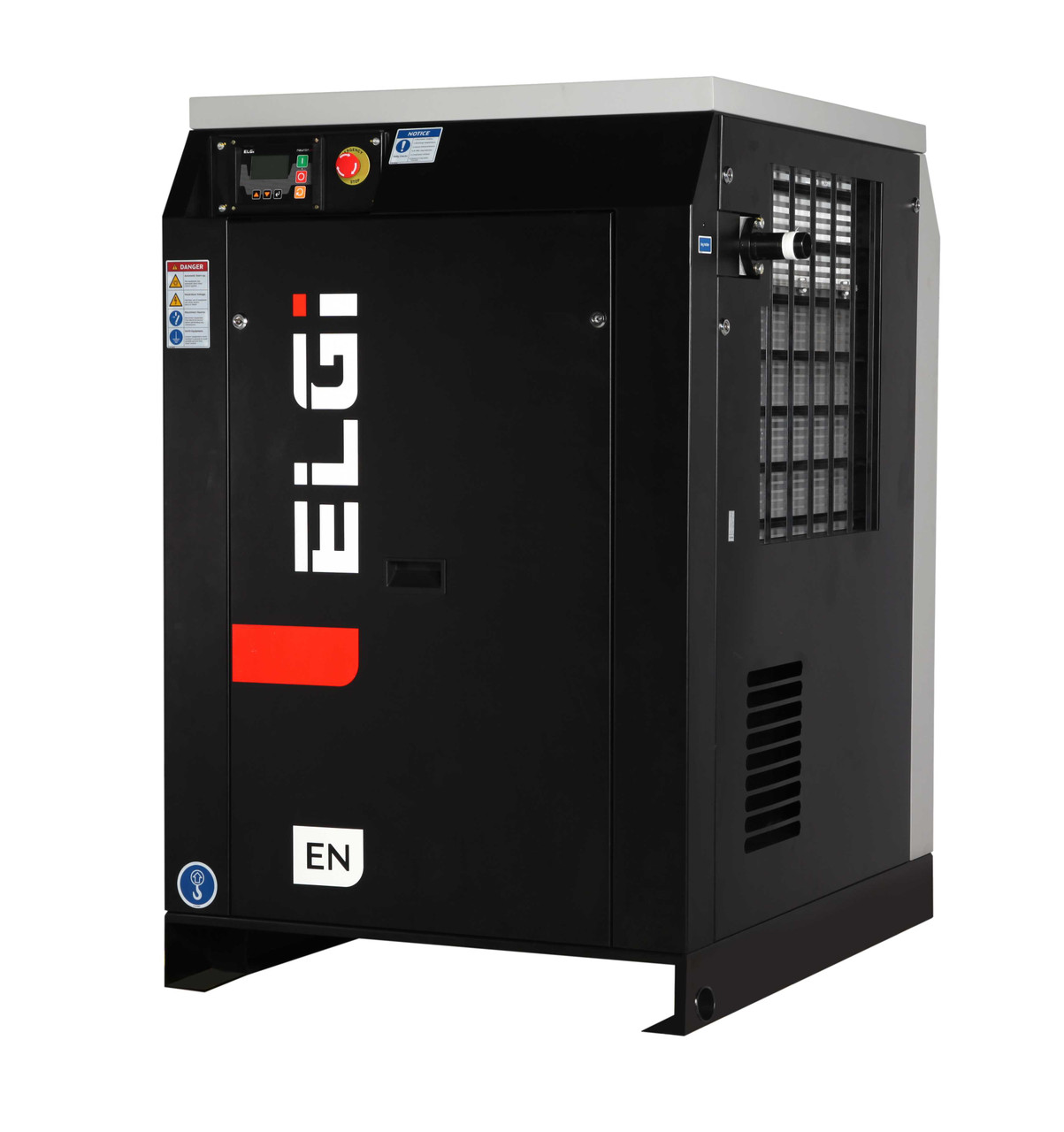
Illustrative image related to electronic air pump
The electronic air pump market is experiencing significant growth driven by the increasing demand for convenience and efficiency across various sectors, including outdoor recreation, automotive, and home use. Global drivers such as a rise in outdoor activities, an expanding e-commerce landscape, and the growing popularity of electric vehicles are propelling the market forward. For international B2B buyers, particularly in regions like Africa, South America, the Middle East, and Europe, understanding these dynamics is crucial for making informed sourcing decisions.
Current sourcing trends reflect a shift towards more technologically advanced pumps that feature rechargeable batteries, compact designs, and multi-functionality. These innovations cater to a diverse range of applications, from inflating sports equipment to providing air pressure for electric vehicle tires. Additionally, the emergence of smart technologies, such as mobile app integration for remote monitoring and operation, is gaining traction. As a result, B2B buyers are advised to seek suppliers that offer cutting-edge products that align with these trends, ensuring they remain competitive in their respective markets.
Moreover, the market is witnessing a growing focus on performance metrics, including inflation speed, power consumption, and noise levels. Buyers should prioritize these factors when evaluating potential suppliers, as they can significantly impact user experience and operational efficiency. As competition intensifies, differentiating products based on these metrics will be essential for suppliers aiming to capture market share.
The importance of sustainability and ethical sourcing in the electronic air pump sector cannot be overstated. As consumers and businesses alike become more environmentally conscious, the demand for products that minimize environmental impact is growing. B2B buyers are increasingly looking for suppliers who prioritize sustainable practices, which include using eco-friendly materials, reducing waste, and implementing energy-efficient manufacturing processes.
Incorporating ‘green’ certifications into sourcing strategies is becoming a critical factor for buyers. Certifications such as Energy Star, RoHS (Restriction of Hazardous Substances), and ISO 14001 (Environmental Management) can serve as indicators of a supplier’s commitment to sustainability. These certifications not only help businesses meet regulatory requirements but also enhance their brand reputation among environmentally conscious consumers.
Furthermore, ethical supply chains are gaining prominence, with buyers demanding transparency regarding the sourcing of materials and labor practices. This trend is particularly relevant for international buyers who may face scrutiny over their supply chain practices. By partnering with suppliers who demonstrate ethical sourcing and sustainability initiatives, businesses can mitigate risks and foster long-term relationships built on shared values.
The evolution of the electronic air pump market can be traced back to its initial designs, which were primarily manual and limited in functionality. The introduction of electric pumps in the late 20th century marked a significant turning point, providing users with enhanced convenience and efficiency. Over the years, technological advancements have led to the development of more sophisticated models featuring rechargeable batteries, higher pressure capabilities, and various nozzle options for diverse applications.
For B2B buyers, understanding this evolution is essential as it highlights the ongoing innovation within the sector. The shift from basic models to advanced, multi-functional air pumps reflects broader trends in consumer expectations for performance, usability, and sustainability. As the market continues to evolve, buyers must stay informed about emerging technologies and trends to make strategic sourcing decisions that align with their business objectives. By recognizing the historical context, buyers can better appreciate the value of investing in modern electronic air pumps that meet the demands of today’s consumers.
How do I choose the right electronic air pump for my business needs?
Selecting the right electronic air pump involves assessing your specific applications, such as inflating sports equipment, camping gear, or automotive tires. Consider factors like the pump’s inflation speed, pressure capacity, and portability. Additionally, evaluate the power source—AC or DC—based on your operational environment. Reading product reviews and comparing specifications from multiple suppliers can also help you make an informed decision tailored to your business requirements.
What are the advantages of using electric air pumps over manual options?
Electric air pumps offer several advantages, including speed and efficiency, making them ideal for high-volume inflation tasks. They eliminate the physical effort associated with manual pumps, thus reducing labor costs. Electric models typically provide consistent pressure, ensuring optimal inflation for various applications. Additionally, many electric pumps come with multiple nozzle attachments, enhancing their versatility across different inflatable products.
What customization options are available for electronic air pumps?
Many manufacturers offer customization options, including branding, color choices, and specific features tailored to your business needs. You can request modifications such as enhanced pressure settings, different power sources, or added functionalities like built-in pressure gauges. Discussing your requirements with suppliers during the initial inquiry phase is crucial to ensure they can meet your specifications effectively.
What is the minimum order quantity (MOQ) for electronic air pumps?
The MOQ for electronic air pumps varies by supplier and can depend on factors such as the type of pump, production capabilities, and your customization requests. Generally, MOQs can range from as low as 50 units to several hundred. It’s advisable to communicate with potential suppliers to determine their specific MOQs and negotiate terms that align with your purchasing strategy.
What payment terms should I expect when sourcing electronic air pumps?
Payment terms can vary significantly among suppliers, with common practices including a deposit upon order confirmation and the balance due prior to shipping. Some suppliers may offer credit terms for established businesses. It’s essential to clarify payment methods—such as wire transfer, credit card, or escrow services—and ensure that the terms are documented in your purchase agreement to avoid misunderstandings.
How can I ensure the quality of the electronic air pumps I am sourcing?
To ensure quality, request certifications such as ISO or CE from potential suppliers, which indicate compliance with international standards. Additionally, consider asking for samples before placing large orders to evaluate the product firsthand. Implementing a thorough quality assurance (QA) process, including inspections during production and pre-shipment, can also help safeguard against defects and ensure that the pumps meet your specifications.
What logistics considerations should I keep in mind when importing electronic air pumps?
When importing electronic air pumps, consider factors such as shipping methods, customs regulations, and delivery timelines. It’s essential to work with a reliable logistics provider experienced in handling international shipments. Ensure you understand the associated costs, including tariffs and taxes, and confirm that your supplier can provide the necessary documentation for customs clearance. Planning for potential delays, particularly during peak seasons, will help mitigate risks.
How do I find reliable suppliers for electronic air pumps in international markets?
To find reliable suppliers, utilize online B2B marketplaces, attend trade shows, and leverage industry networks. Research potential suppliers by checking their business licenses, customer reviews, and case studies. Engaging with suppliers through direct communication can provide insights into their responsiveness and customer service. Establishing relationships with multiple suppliers can also help diversify your sourcing options and mitigate risks associated with supply chain disruptions.

Dominio: target.com
Registrato: 1997 (28 anni)
Introduzione: This company, Target – Electric Air Pump Inflators, is a notable entity in the market. For specific product details, it is recommended to visit their website directly.
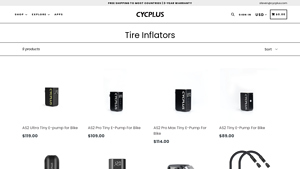
Dominio: cycplus.com
Registrato: 2017 (8 anni)
Introduzione: [{‘name’: ‘AS2 Ultra Tiny E-pump for Bike’, ‘price’: ‘$119.00’}, {‘name’: ‘AS2 Pro Tiny E-Pump For Bike’, ‘price’: ‘$109.00’}, {‘name’: ‘AS2 Pro Max Tiny E-Pump For Bike’, ‘price’: ‘$129.00’, ‘discounted_price’: ‘$114.00’}, {‘name’: ‘AS2 Tiny E-Pump For Bike’, ‘price’: ‘$69.00’}, {‘name’: ‘Electric Air Pump A2 Pro’, ‘price’: ‘$49.00’}, {‘name’: ‘Electric Air Pump A8’, ‘price’: ‘$49.00’}, {‘name’: …
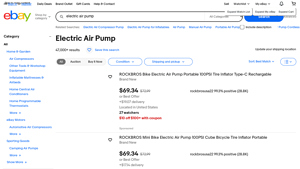
Dominio: ebay.com
Registrato: 1995 (30 anni)
Introduzione: Electric Air Pump available on eBay with various specifications including voltage options (12 V, 110 V, 120 V, 220 V, etc.), brands (Unbranded, DEWALT, Craftsman, etc.), power sources (Corded Electric, Pneumatic, etc.), maximum working pressures (150 Psi, 175 Psi, etc.), lubrication types (Oil-Free, Oil-Lubricated), types (Tank, Piston Compressor, Pancake Air Compressor), colors (Black, Blue, Silv…
Dominio: reddit.com
Registrato: 2005 (20 anni)
Introduzione: Recommended electric air pumps for SUP include the Shark pump, priced around $90. Users suggest that dedicated SUP pumps are more efficient than consumer-level compressors, which may overheat or take too long to inflate. It’s advised to find a pump with a maximum pressure suitable for your board, typically in the range of $100-$150. Some users mention high-end double-chamber tire pumps for off-roa…
In conclusion, strategic sourcing of electronic air pumps presents a unique opportunity for international B2B buyers to enhance their product offerings and operational efficiency. By focusing on key factors such as quality, portability, and versatility, businesses can cater to diverse markets, including outdoor recreation, automotive, and home use. Effective sourcing strategies will not only optimize costs but also ensure a reliable supply chain, which is critical in a global marketplace.
As demand for innovative and efficient inflating solutions continues to rise, particularly in regions such as Africa, South America, the Middle East, and Europe, buyers should prioritize partnerships with reputable manufacturers. This approach will facilitate access to the latest technologies and product developments, ensuring competitiveness in the market.
Now is the time for international buyers to take proactive steps in their sourcing strategies. Explore new suppliers, evaluate product offerings, and leverage market insights to make informed decisions. By doing so, businesses can position themselves to capitalize on emerging trends and meet evolving customer demands, ultimately driving growth and success in their respective industries.
Le informazioni fornite in questa guida, compresi i contenuti relativi ai produttori, alle specifiche tecniche e all'analisi di mercato, hanno uno scopo puramente informativo ed educativo. Non costituiscono una consulenza professionale in materia di acquisti, né una consulenza finanziaria o legale.

Illustrative image related to electronic air pump
Pur avendo compiuto ogni sforzo per garantire l'accuratezza e la tempestività delle informazioni, non siamo responsabili di eventuali errori, omissioni o informazioni non aggiornate. Le condizioni di mercato, i dettagli aziendali e gli standard tecnici sono soggetti a modifiche.
Gli acquirenti B2B devono condurre una due diligence indipendente e approfondita. prima di prendere qualsiasi decisione di acquisto. È necessario contattare direttamente i fornitori, verificare le certificazioni, richiedere campioni e chiedere una consulenza professionale. Il rischio di affidarsi alle informazioni contenute in questa guida è esclusivamente a carico del lettore.


 Italian
  English
  Russian
  Spanish
  Arabic
  Portuguese
  German