
In today’s global market, sourcing high-quality car air pumps for tires presents a multifaceted challenge for B2B buyers. With increasing demand across diverse regions such as Africa, South America, the Middle East, and Europe—including countries like Saudi Arabia and Vietnam—businesses must navigate a landscape filled with varying product specifications, supplier reliability, and competitive pricing. This comprehensive guide is designed to equip international buyers with the insights needed to make informed purchasing decisions regarding tire inflators.
Throughout this guide, we will explore the different types of car air pumps available, their specific applications, and the latest technological advancements that enhance performance and usability. We will also provide valuable criteria for vetting suppliers, ensuring that you engage with reputable manufacturers that meet your standards for quality and service. Additionally, we will delve into cost considerations, helping you understand the pricing dynamics in various markets to negotiate effectively.
By empowering B2B buyers with this knowledge, our guide aims to streamline the sourcing process, reduce risks associated with purchasing decisions, and ultimately enhance the efficiency of your operations. Whether you are looking to replenish your inventory or expand your offerings, understanding the intricacies of car air pumps for tires is crucial in securing a competitive edge in today’s fast-paced automotive accessory market.
| Nome del tipo | Caratteristiche distintive principali | Applicazioni primarie B2B | Brevi pro e contro per gli acquirenti |
|---|---|---|---|
| Gonfiatori portatili per pneumatici | Compact, battery-operated, often with digital gauges | Autofficine, assistenza stradale | Pro: Facile da usare, versatile; Contro: Limited power for larger tires. |
| Compressori d'aria per impieghi gravosi | Larger, often AC-powered, capable of high PSI inflation | Workshops, fleet maintenance, construction | Pro: High performance, durable; Contro: Bulky, less portable. |
| Dual-Cylinder Compressors | Faster inflation with dual-cylinder design | Off-road vehicle services, racing teams | Pro: Quick inflation, efficient; Contro: Higher cost, more complex. |
| Cordless Tire Pumps | Rechargeable, portable, ideal for emergency situations | Emergency response teams, personal use | Pro: Convenient, no cords; Contro: Durata limitata della batteria. |
| Gonfiatori multiuso | Adaptable for various inflatables beyond tires | Sports equipment suppliers, event organizers | Pro: Versatile e multifunzionale; Contro: May lack high PSI capability. |
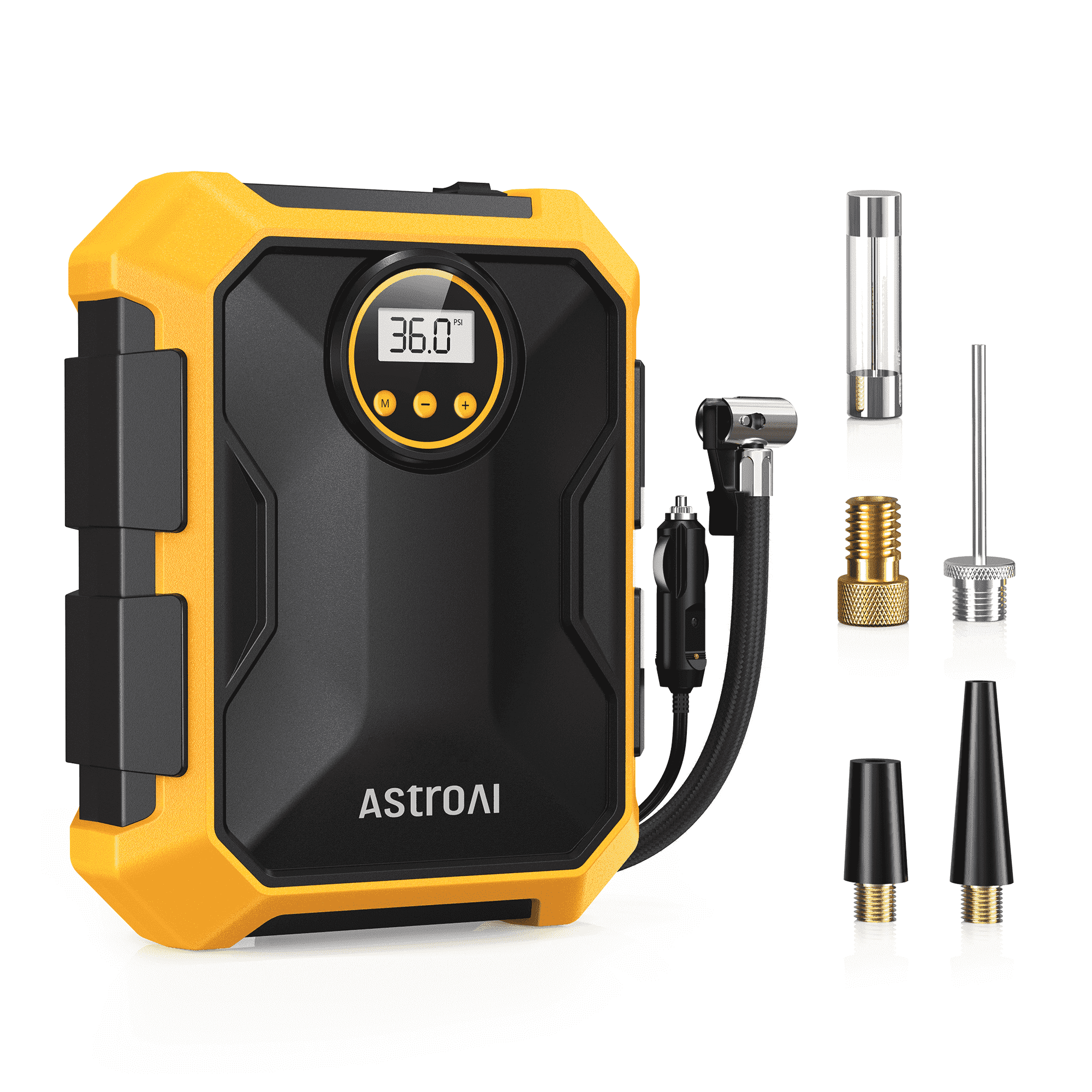
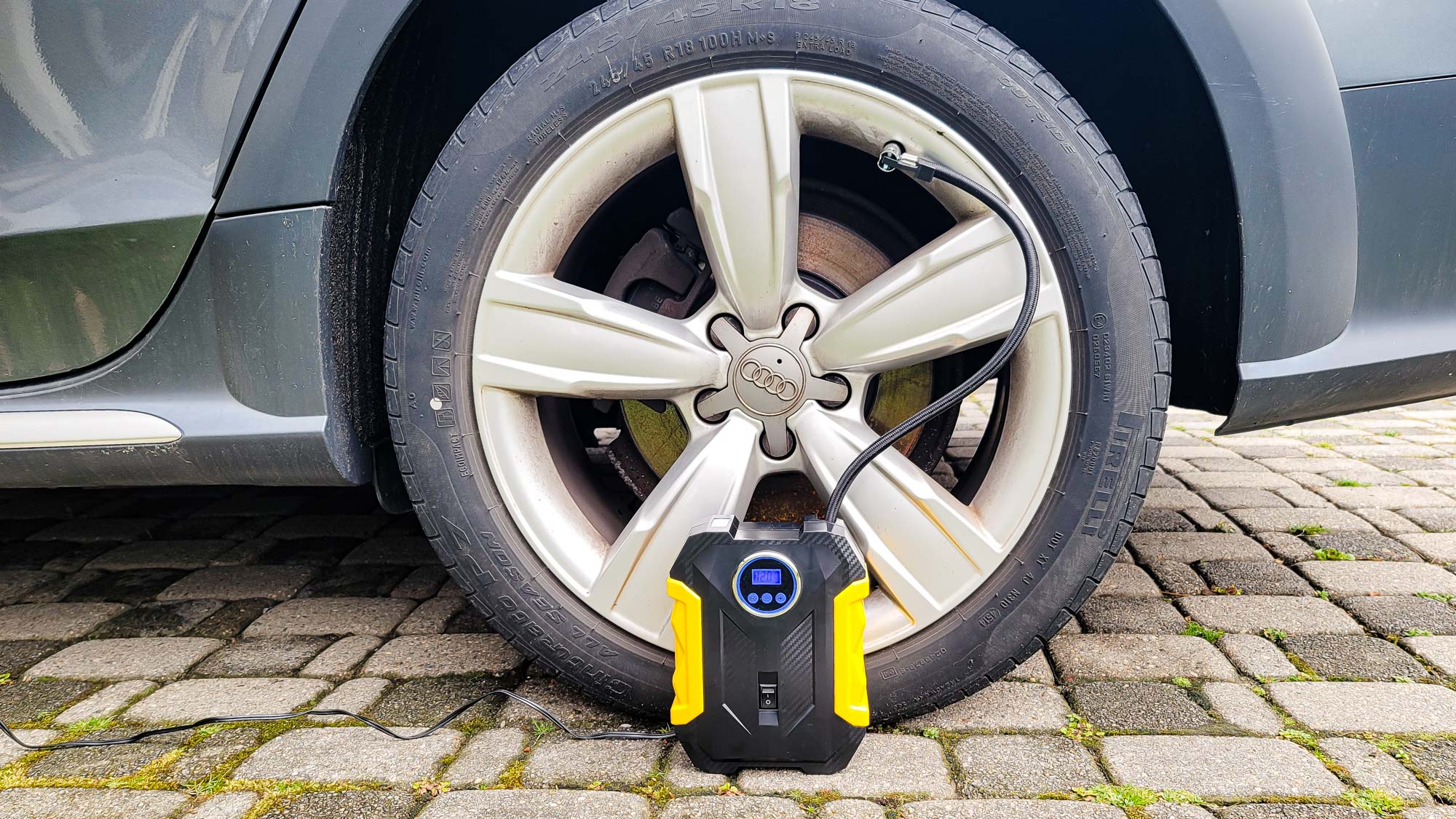
Portable tire inflators are designed for quick and easy tire inflation, typically featuring compact designs that fit in vehicle trunks. They are often battery-operated or plug into a vehicle’s 12V outlet, making them ideal for emergency situations or routine maintenance. B2B buyers should consider the inflator’s PSI capacity, inflation speed, and ease of use, as these factors directly impact their effectiveness in roadside assistance or automotive repair contexts.
Illustrative image related to car air pump for tires
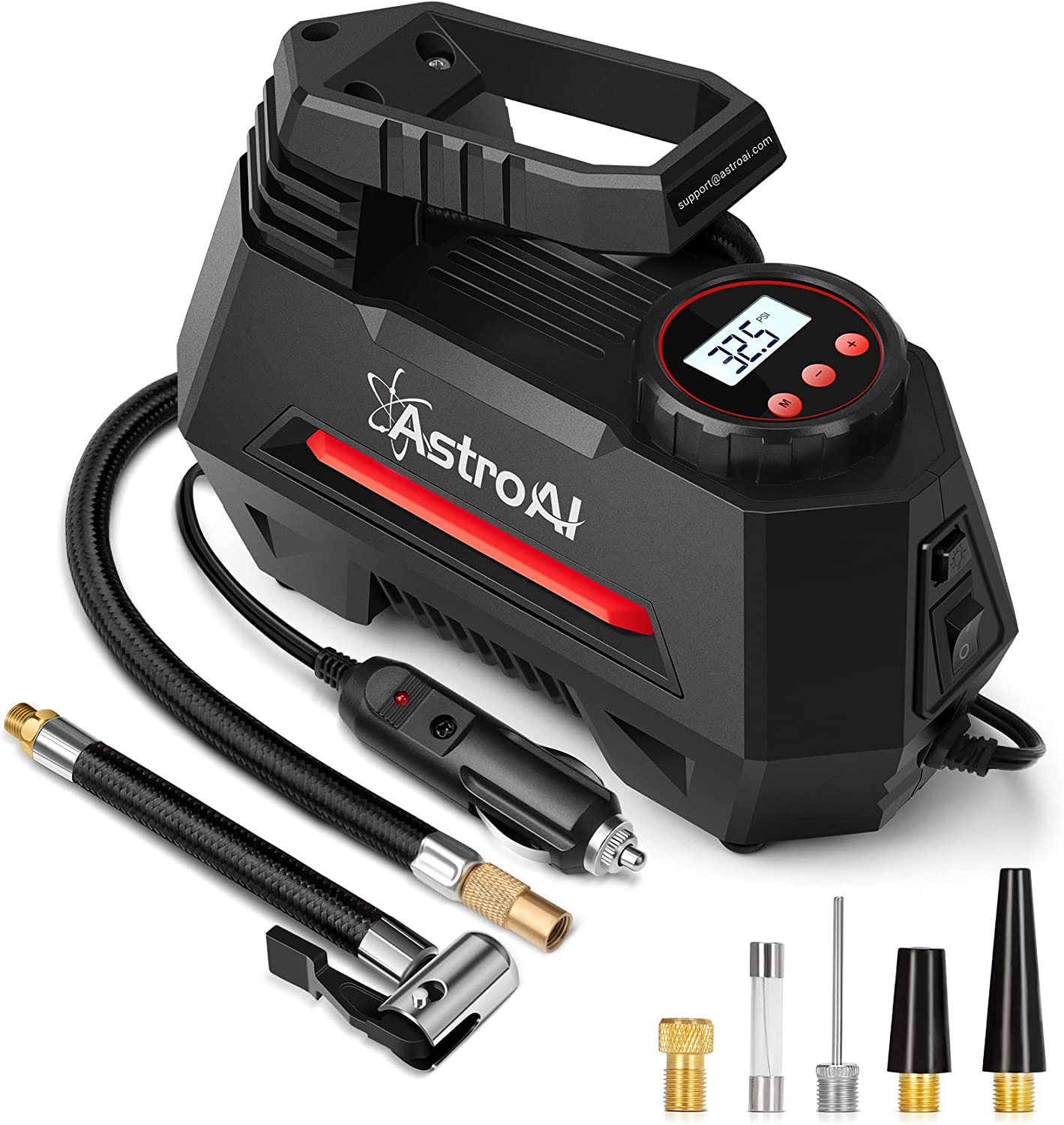
Heavy-duty air compressors are robust machines designed for professional settings, capable of inflating tires to high pressures (often exceeding 100 PSI). These compressors are usually AC-powered and found in workshops or fleet maintenance facilities. Buyers should evaluate their durability, performance specifications, and maintenance requirements, as these compressors are an investment for businesses that require frequent tire servicing or specialized applications in construction and industrial environments.
Dual-cylinder compressors utilize two cylinders to provide faster inflation rates, making them suitable for off-road vehicles and racing applications. These compressors can inflate larger tires more efficiently than single-cylinder models. B2B buyers should assess the compressor’s power output, portability, and noise levels, as these factors affect usability in various environments, especially in competitive or remote settings.
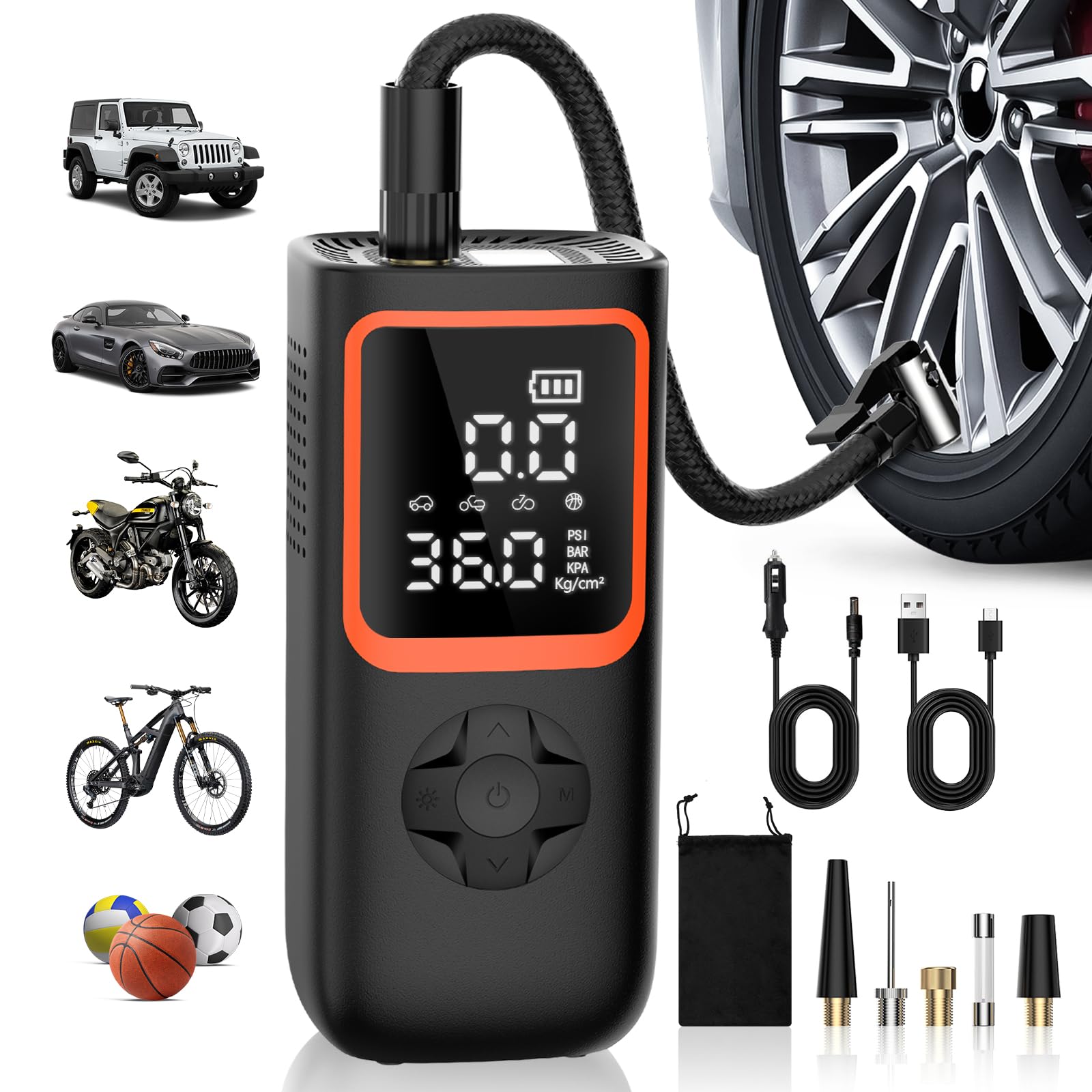
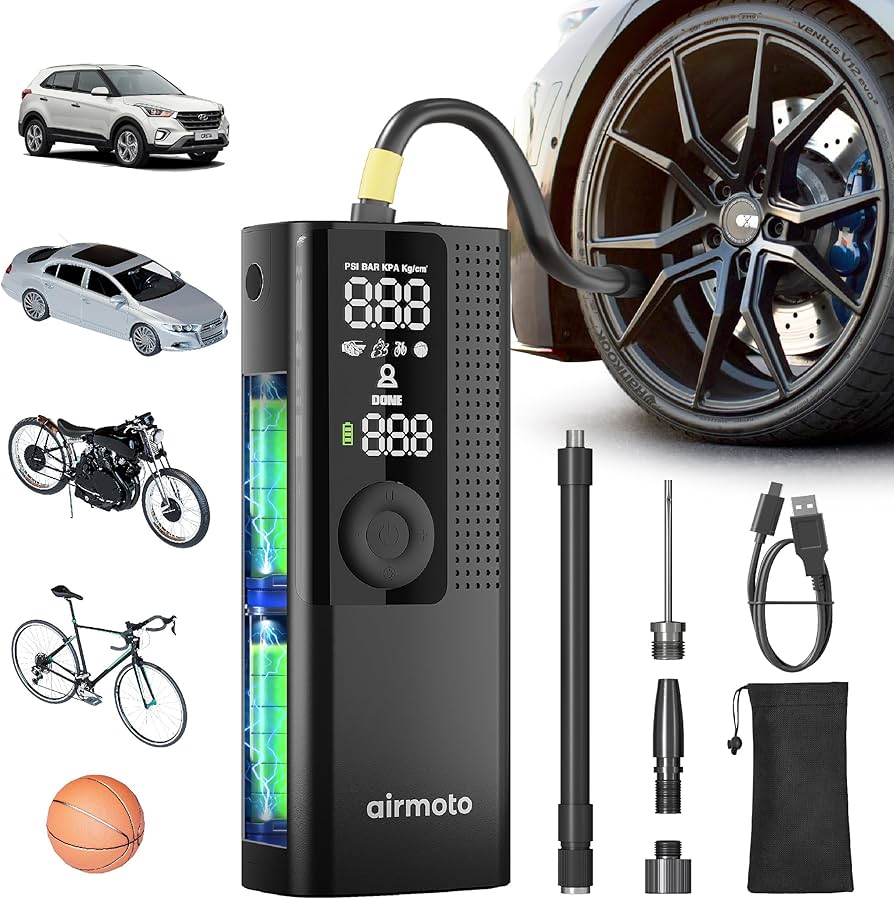
Cordless tire pumps are designed for convenience, allowing users to inflate tires without being tethered to a power source. They are typically rechargeable and perfect for personal use or emergency response teams. When purchasing, B2B buyers should consider the battery life, charging time, and ease of storage, as these aspects determine the pump’s reliability during critical situations.
Multi-purpose inflators can accommodate various inflatables, from vehicle tires to sports equipment. This versatility can be advantageous for businesses that deal with diverse products or services, such as event organizers or sports equipment suppliers. Buyers should look for models that maintain adequate PSI levels while providing multiple nozzle attachments, ensuring they can meet various inflation needs efficiently.
Illustrative image related to car air pump for tires
| Industria/Settore | Specific Application of car air pump for tires | Valore/Beneficio per l'azienda | Considerazioni chiave sull'approvvigionamento per questa applicazione |
|---|---|---|---|
| Riparazione di autoveicoli | Tire maintenance and emergency inflation | Ensures customer safety and satisfaction, reducing downtime for vehicles | Reliability, speed of inflation, and ease of use |
| Logistica e trasporti | Manutenzione dei veicoli della flotta | Enhances fuel efficiency and extends tire life, leading to cost savings | Durability, compatibility with various vehicle types |
| Costruzioni e attrezzature pesanti | Inflation of construction vehicle tires | Maintains optimal performance and safety on job sites | High PSI capacity, rugged design, and portability |
| Recreational Vehicle (RV) Services | On-the-go tire inflation for RVs and trailers | Provides convenience for travelers, reducing the risk of tire-related incidents | Compact size, multi-purpose functionality, and battery options |
| Sports and Leisure | Inflating tires for bicycles and sports equipment | Facilitates quick setup and use, enhancing user experience | Versatility, included attachments, and ease of storage |
In automotive repair shops, car air pumps are essential tools for tire maintenance and emergency inflation. They allow technicians to quickly inflate tires to the correct pressure, ensuring vehicles are safe for operation. This not only enhances customer satisfaction but also minimizes vehicle downtime, a crucial factor in service efficiency. For international buyers, especially in regions with varied climates, sourcing reliable inflators that can handle diverse tire sizes and pressures is vital.
In the logistics and transportation sector, maintaining fleet vehicles is critical for operational efficiency. Car air pumps facilitate timely tire inflation, which is vital for optimizing fuel efficiency and prolonging tire life. This leads to significant cost savings over time. Buyers in regions such as Africa and South America should prioritize pumps with robust construction and compatibility with a range of vehicle types to ensure reliability across diverse terrains.
In construction, tire inflators are crucial for maintaining the operational efficiency of heavy equipment. Properly inflated tires ensure safety and enhance performance on job sites, where conditions can be rugged. Construction companies need inflators that can handle high PSI levels and offer durability. Buyers should focus on sourcing pumps that are portable and rugged to withstand the demands of outdoor work environments, especially in harsh climates found in the Middle East and Africa.
Illustrative image related to car air pump for tires
For RV service providers, car air pumps are indispensable for on-the-go tire inflation. They provide convenience for travelers, allowing for quick adjustments and reducing the risk of tire-related issues during trips. The demand for compact and multi-functional inflators is high, as space is often limited in RVs. International buyers should seek pumps with battery options and versatility to accommodate various recreational equipment, enhancing customer service and satisfaction.
In the sports and leisure sector, car air pumps are used to inflate tires for bicycles and various sporting equipment. Quick inflation capabilities enhance user experience and readiness for activities. Sourcing pumps that are lightweight, portable, and come with multiple attachments is essential for retailers catering to diverse consumer needs. Buyers from Europe and South America should consider the ease of storage and versatility of inflators to meet the demands of active lifestyles.
Il problema: B2B buyers, such as fleet managers or automotive service providers, often struggle with maintaining consistent tire pressure across multiple vehicles. Inconsistent pressure not only affects vehicle performance but can also lead to increased fuel consumption and premature tire wear. Many companies may rely on traditional methods or neglect regular checks, resulting in operational inefficiencies and safety risks.
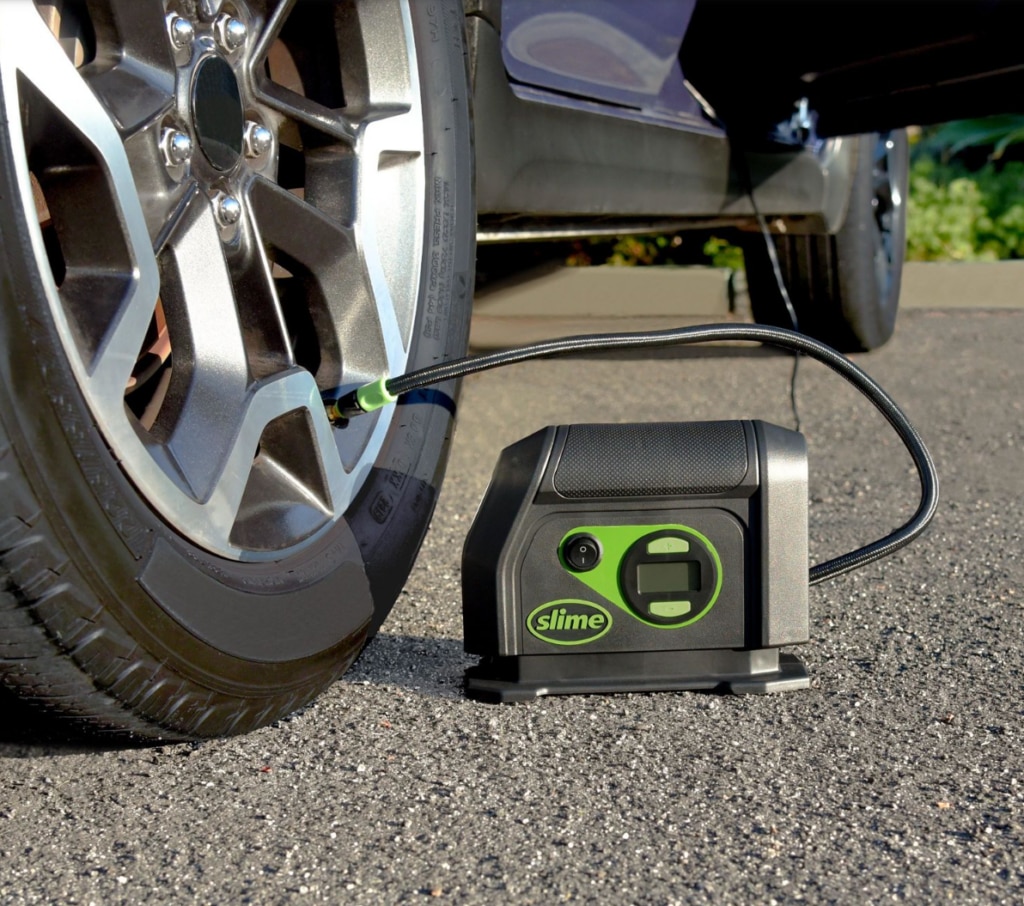
La soluzione: To tackle this issue, buyers should invest in advanced portable tire inflators equipped with digital pressure gauges and auto shut-off features. These devices allow for quick and accurate inflation, ensuring tires are maintained at the optimal pressure. For effective implementation, consider establishing a routine maintenance schedule that integrates tire pressure checks with other vehicle inspections. Educate staff on the importance of tire health and provide training on using the inflators effectively. By choosing inflators that offer multi-purpose functionality, such as inflating sports equipment or other inflatables, businesses can maximize their investment while ensuring all aspects of tire maintenance are covered.
Illustrative image related to car air pump for tires
Il problema: Emergency situations, such as flat tires, can create significant downtime for businesses, especially those dependent on transportation. B2B buyers may find that relying solely on roadside assistance is not always feasible, leading to delays and potential loss of revenue. The challenge lies in ensuring that all vehicles have immediate access to reliable tire inflation solutions.
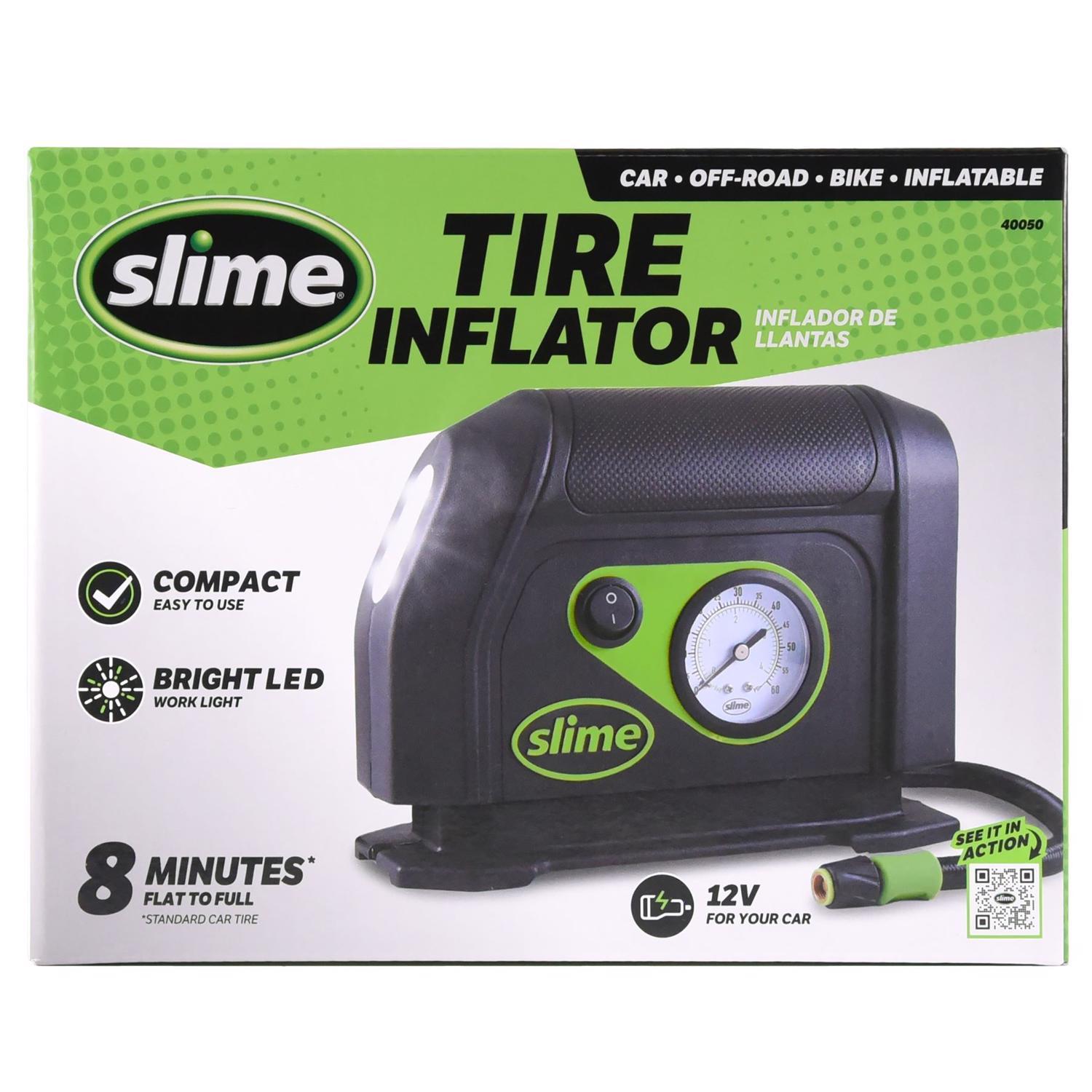
La soluzione: To mitigate this risk, B2B buyers should ensure that every vehicle in their fleet is equipped with a portable tire inflator that is easily accessible and user-friendly. When sourcing these inflators, prioritize models that are compact and lightweight, making them convenient to store in vehicles without taking up excessive space. Consider establishing a policy that mandates regular inspections of these inflators to ensure they are in working order and fully charged. Additionally, equipping inflators with built-in LED lights can enhance safety during nighttime emergencies, making it easier for drivers to address tire issues promptly and efficiently.
Il problema: Many B2B buyers encounter challenges with the complexity of tire inflators, leading to user errors during inflation. Complicated interfaces, unclear instructions, and lack of features can deter staff from using the equipment correctly, resulting in improper tire inflation and potential damage to the tires.
La soluzione: To address this pain point, buyers should seek out tire inflators designed with user-friendliness in mind. Look for models that feature intuitive controls and clear digital displays that show real-time pressure readings. Providing comprehensive training sessions for employees on how to operate these devices can significantly reduce errors. Additionally, consider investing in inflators that include detailed user manuals and quick-start guides, making it easier for staff to troubleshoot common issues. Encouraging feedback from users can also help identify any recurring problems with the equipment, allowing for timely adjustments or replacement if necessary. By focusing on ease of use, businesses can enhance efficiency and ensure proper tire maintenance across their fleet.
Illustrative image related to car air pump for tires
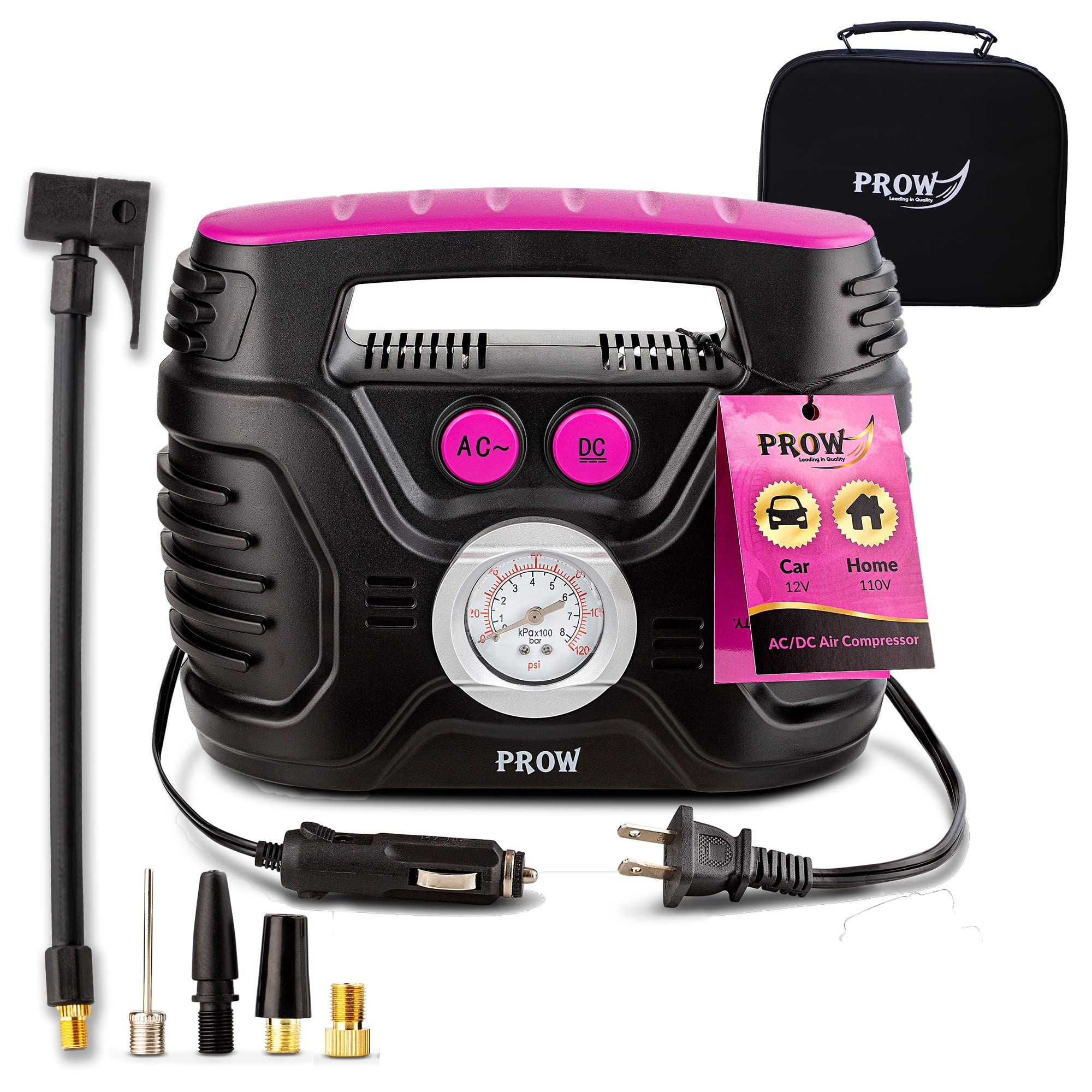
When selecting materials for car air pumps, manufacturers must consider properties that directly impact performance, durability, and cost. The following analysis focuses on four common materials used in the construction of tire inflators: plastic, aluminum, rubber, and stainless steel.
Plastic is often utilized in the housing and components of tire inflators due to its lightweight nature and versatility. Key properties include good temperature resistance and the ability to withstand moderate pressures.
Pro: Plastic is generally cost-effective and can be molded into complex shapes, making it suitable for various designs. It is also resistant to corrosion, which is advantageous in humid or saline environments.
Contro: However, plastic may not withstand extreme temperatures or high pressures as effectively as metals, which could limit its use in heavy-duty applications. Additionally, certain plastics may degrade over time when exposed to UV light.
Illustrative image related to car air pump for tires
Impatto sull'applicazione: Plastic components are often used in portable inflators for everyday consumer use, where weight and ease of handling are prioritized.
Considerazioni per gli acquirenti internazionali: Compliance with safety standards like ASTM and DIN is crucial. Buyers in regions like Africa and South America may prefer durable plastics that can withstand local environmental conditions.
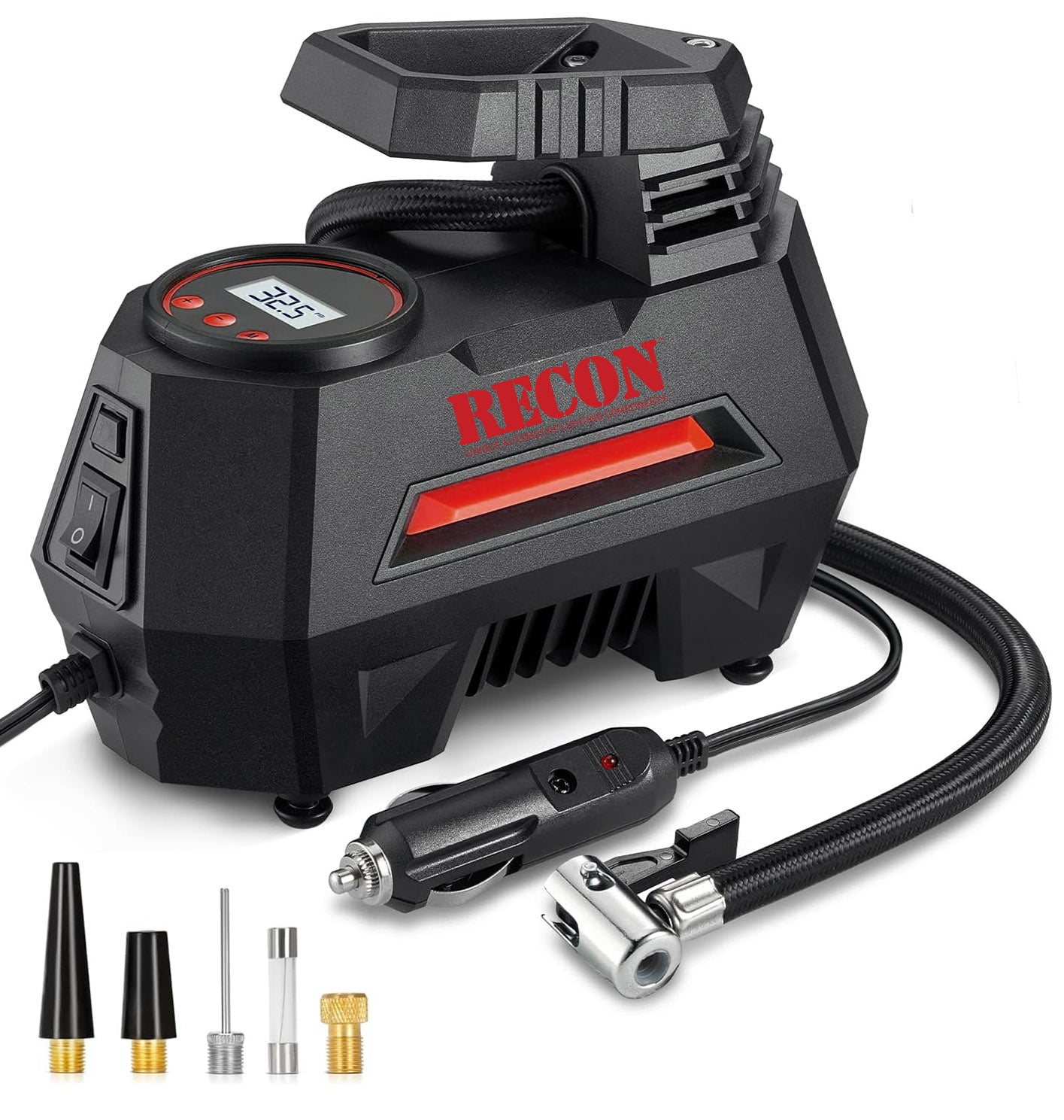
Aluminum is frequently used for the body and internal components of air pumps due to its excellent strength-to-weight ratio and thermal conductivity.
Illustrative image related to car air pump for tires
Pro: It offers high durability and can endure significant pressure, making it suitable for both consumer and industrial applications. Aluminum is also resistant to corrosion, particularly when anodized, which enhances its longevity.
Contro: The primary downside is the higher cost compared to plastic. Manufacturing aluminum components can also be more complex, requiring specialized equipment.
Impatto sull'applicazione: Aluminum is ideal for inflators designed for heavy-duty vehicles, such as trucks and SUVs, where higher pressures are necessary.
Illustrative image related to car air pump for tires
Considerazioni per gli acquirenti internazionali: Buyers should ensure that aluminum components meet international standards for pressure ratings and corrosion resistance, especially in regions with high humidity or salt exposure, such as the Middle East.
Rubber is predominantly used for seals and hoses in tire inflators, providing flexibility and ensuring airtight connections.
Pro: Rubber’s elasticity allows it to maintain a tight seal under varying pressures and temperatures. It is also relatively inexpensive and easy to manufacture.
Contro: However, rubber can degrade over time, especially when exposed to ozone or high temperatures, which may lead to leaks or failures.
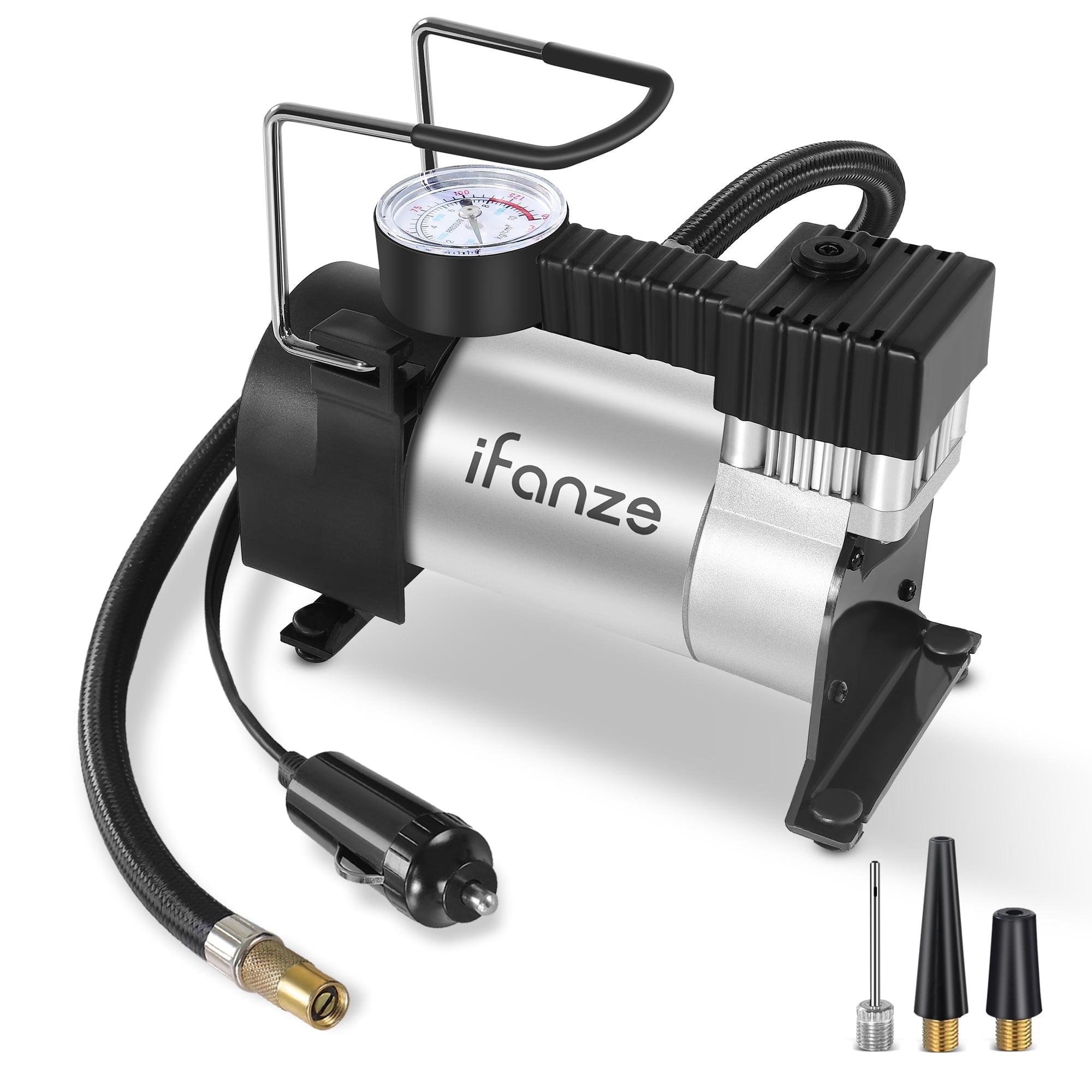
Illustrative image related to car air pump for tires
Impatto sull'applicazione: Rubber components are critical in ensuring the reliability of inflators, especially in portable models where quick inflation is essential.
Considerazioni per gli acquirenti internazionali: Buyers should look for rubber that complies with international standards for durability and resistance to environmental factors, particularly in hot climates like those found in Africa and the Middle East.
Stainless steel is often used for high-pressure components due to its exceptional strength and resistance to corrosion.
Pro: It can withstand high pressures without deforming and is highly resistant to rust and corrosion, making it ideal for use in various environments.
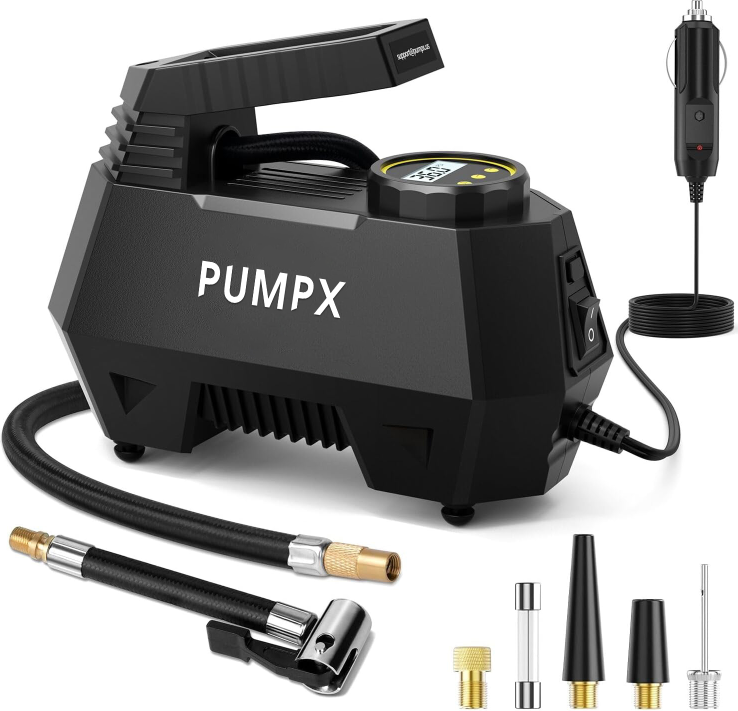
Illustrative image related to car air pump for tires
Contro: The main drawback is its higher cost and weight compared to other materials, which can impact the overall portability of the inflator.
Impatto sull'applicazione: Stainless steel is typically used in commercial-grade inflators designed for heavy-duty applications, where reliability and performance are paramount.
Considerazioni per gli acquirenti internazionali: Compliance with industry standards for pressure ratings and corrosion resistance is essential, especially in regions with extreme weather conditions.
| Materiale | Typical Use Case for car air pump for tires | Vantaggio chiave | Svantaggi/limitazioni principali | Costo relativo (Basso/Medio/Alto) |
|---|---|---|---|---|
| Plastica | Housing and components in portable inflators | Leggero e conveniente | Limited pressure tolerance | Basso |
| Alluminio | Body and internal components in heavy-duty inflators | Elevata durata e resistenza alla corrosione | Costi più elevati e complessità di produzione | Med |
| Gomma | Seals and hoses for airtight connections | Excellent flexibility and sealing | Si degrada nel tempo | Basso |
| Acciaio inox | High-pressure components in commercial inflators | Exceptional strength and corrosion resistance | Costo e peso maggiori | Alto |
This material selection guide provides essential insights for B2B buyers in various regions, helping them make informed decisions based on performance, cost, and compliance with international standards.
The manufacturing process for car air pumps, also known as tire inflators, involves several critical stages: material preparation, forming, assembly, and finishing. Each of these stages is essential to ensure that the final product meets quality standards and performs reliably in various conditions.
Material preparation begins with sourcing high-quality raw materials such as durable plastics, metals, and rubber. Manufacturers often select materials based on their strength, flexibility, and resistance to wear and environmental factors. For instance, the housing of the air pump may be made from high-impact ABS plastic to withstand external shocks, while internal components may utilize lightweight aluminum to reduce overall weight.
Once the materials are sourced, they undergo various treatments like cutting, molding, and surface finishing to ensure they meet precise specifications. Advanced technologies like CNC machining may be employed for metal parts, ensuring high accuracy and repeatability in production.
The forming stage involves shaping the prepared materials into functional components. Common techniques include injection molding for plastic parts, where molten plastic is injected into molds to create the pump’s housing, and stamping for metal components, which allows for the efficient production of flat parts that are later shaped into complex geometries.
For the rubber seals and gaskets, compression molding is typically used, ensuring a tight fit that prevents air leaks. This stage is crucial, as any imperfections in the components can lead to failure during operation, making precision a top priority.
Assembly is where the individual components come together to create the finished product. This stage often involves both manual and automated processes. Skilled workers may assemble the pumps, ensuring that each part fits together correctly, while automation may be employed for repetitive tasks such as screwing and fastening.
Quality checks are embedded in the assembly line to catch any defects early. For example, operators may use torque wrenches to ensure that screws are tightened to the specified levels, preventing future issues related to air leaks or component failure.
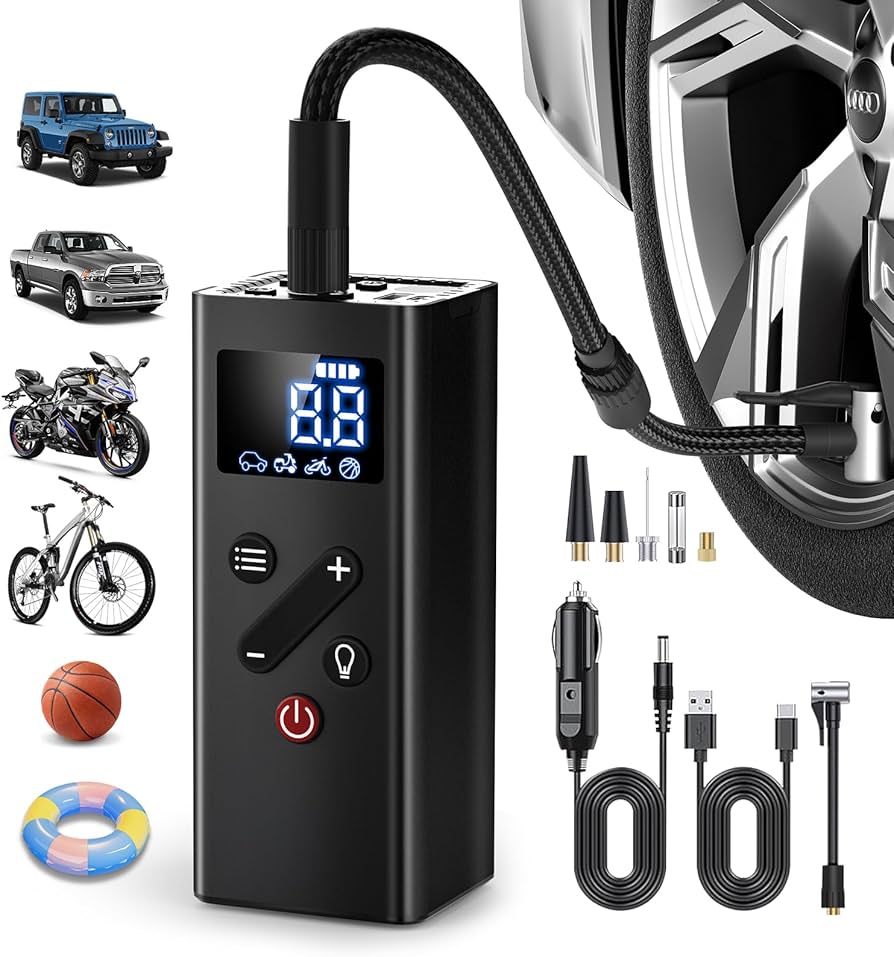
Illustrative image related to car air pump for tires
The finishing stage involves surface treatments and additional components that enhance the pump’s functionality and aesthetics. This may include painting, labeling, and adding protective coatings to resist corrosion and wear.
Additionally, some manufacturers incorporate features like LED lights or digital displays during this stage, increasing the product’s functionality. The final product undergoes a visual inspection to ensure that it meets all design and quality specifications before packaging.
Quality assurance (QA) is a critical aspect of manufacturing, particularly for products like car air pumps that must adhere to safety and performance standards. Compliance with international standards, such as ISO 9001, ensures that manufacturers maintain a consistent quality management system. This standard outlines requirements for a quality management system that can enhance customer satisfaction and ensure product reliability.
In addition to ISO 9001, various industry-specific certifications may apply, such as CE marking in Europe, which indicates compliance with health, safety, and environmental protection standards. For markets in the Middle East, compliance with GCC standards may also be required, while products destined for South America may need to meet local regulations like INMETRO in Brazil.
Quality control (QC) is typically segmented into several checkpoints throughout the manufacturing process:
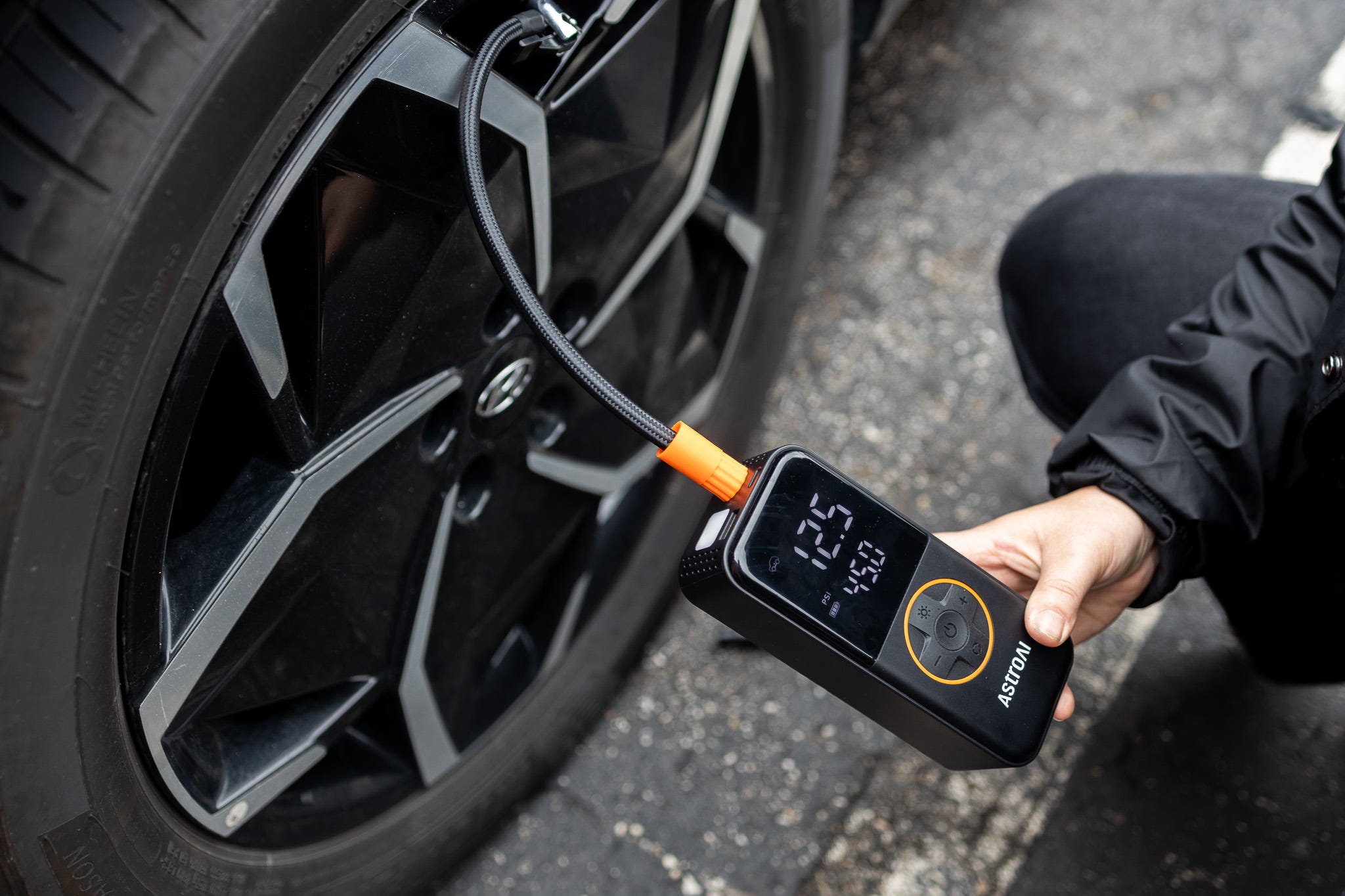
Illustrative image related to car air pump for tires
Controllo qualità in entrata (CQI): This initial checkpoint assesses the quality of raw materials and components before they are used in production. Tests may include material composition analysis and dimensional checks to ensure conformity to specifications.
Controllo di qualità in corso d'opera (IPQC): During manufacturing, IPQC monitors production processes to catch defects early. This may involve regular inspections, monitoring machine performance, and testing components for functionality.
Controllo finale della qualità (CQC): Once assembly is complete, FQC involves thorough testing of the finished product. This can include performance tests, such as checking the inflation rate and pressure accuracy, as well as safety tests to ensure that all electrical components function correctly.
Manufacturers employ various testing methods to ensure the quality and reliability of car air pumps:
Test delle prestazioni: This involves assessing how quickly and efficiently the pump inflates a tire to the required pressure, often simulating real-world conditions.
Test di durata: Pumps are subjected to repeated use cycles to evaluate their longevity and performance under stress, including exposure to extreme temperatures and humidity.
Test di sicurezza: This ensures that the pump operates safely, checking for electrical hazards and ensuring that the design protects users from injury.
Test di conformità: Products are tested against relevant regulatory standards to ensure they meet market-specific requirements.
B2B buyers looking to source car air pumps can verify supplier quality control practices through several methods:
Audit dei fornitori: Conducting on-site audits of potential suppliers allows buyers to assess manufacturing processes, quality control measures, and compliance with international standards.
Rapporti sulla qualità: Requesting detailed quality reports, including data on past performance, defect rates, and testing results, can provide insight into a supplier’s reliability.
Ispezioni di terzi: Engaging third-party inspection services can provide an unbiased assessment of product quality and compliance with standards, ensuring that the products meet the buyer’s expectations.
International buyers, particularly those from diverse regions such as Africa, South America, the Middle East, and Europe, must navigate varying quality control expectations. For example, products sold in Europe may require CE certification, while those in the Middle East may need to comply with local GCC standards.
Additionally, language barriers and cultural differences can affect communication about quality expectations. Buyers should ensure that specifications are clearly documented and understood by all parties involved. Establishing a mutual understanding of quality expectations from the outset can help prevent misunderstandings and ensure that products meet the desired standards.
By focusing on these manufacturing processes and quality assurance practices, B2B buyers can make informed decisions when sourcing car air pumps, ensuring they partner with manufacturers committed to quality and reliability.
In the competitive landscape of B2B procurement, sourcing a reliable car air pump for tires requires careful consideration and strategic planning. This guide serves as a comprehensive checklist to help international buyers efficiently navigate the procurement process, ensuring they select the best products that meet their operational needs.
Before initiating the procurement process, it’s vital to establish clear technical specifications for the car air pumps you require. Consider factors such as maximum PSI, inflator type (cordless or wired), power source, and intended use (personal, commercial, or heavy-duty). Clear specifications will streamline supplier discussions and help you evaluate products effectively.
Conduct thorough market research to understand current pricing trends and popular models in the industry. Look for insights on features that are gaining traction, such as digital displays, auto shut-off functions, or multi-purpose capabilities. This knowledge will empower you to negotiate better terms and make informed purchasing decisions.
Illustrative image related to car air pump for tires
Before committing to a supplier, it’s crucial to vet them thoroughly. Request detailed company profiles, product catalogs, and references from other buyers in your region or industry. Pay attention to their manufacturing capabilities, quality control processes, and customer service reputation to ensure they align with your business standards.
Ensure that your chosen suppliers meet all necessary certifications and compliance requirements relevant to your target markets. Certifications may include ISO standards, CE marking for European markets, or specific regional compliance for Africa and South America. Compliance not only affects product quality but also impacts importation and distribution processes.
Before making a bulk purchase, request samples of the air pumps to evaluate their performance firsthand. Testing the products will allow you to assess their build quality, ease of use, and inflation speed. This step is crucial for confirming that the products meet your specifications and expectations in real-world conditions.
Once you’ve identified suitable suppliers and tested their products, engage in negotiations regarding pricing, payment terms, delivery schedules, and warranty policies. Clear negotiation will help establish a mutually beneficial partnership and ensure that you are covered in case of product issues or delays.
Finally, develop a logistics plan that outlines how the products will be transported from the supplier to your location. Consider factors such as shipping methods, customs clearance, and potential tariffs that may apply. A well-thought-out logistics plan will help mitigate risks associated with international shipping and ensure timely delivery of your air pumps.
By following this checklist, B2B buyers can streamline their sourcing process for car air pumps, ensuring they acquire high-quality products that meet their specific needs while fostering strong supplier relationships.
When sourcing car air pumps for tires, understanding the cost structure is crucial for B2B buyers. The primary cost components include:
I materiali: The choice of materials significantly impacts the overall cost. High-quality plastics, metals, and electronic components used in the construction of air pumps can vary widely in price. Selecting durable materials can enhance product longevity and reliability.
Lavoro: Labor costs will fluctuate based on the manufacturing location. In regions with lower labor costs, such as parts of Asia, you may find more competitive pricing. However, keep in mind that skilled labor may be required for more complex models, affecting costs.
Spese generali di produzione: This includes expenses related to utilities, equipment maintenance, and factory management. Efficient production processes can help minimize these costs, allowing for better pricing flexibility.
Utensili: Initial tooling costs can be substantial, especially for custom designs. For large orders, these costs can be amortized over a higher volume, reducing the cost per unit.
Controllo qualità (CQ): Investing in quality assurance processes is essential to ensure product reliability. While it may increase upfront costs, it can prevent future expenses related to returns and warranty claims.
Logistica: Shipping and handling costs should not be overlooked. This includes freight charges, customs duties, and insurance. The choice of Incoterms can also affect who bears these costs, which should be negotiated clearly.
Margine: Suppliers will typically add a profit margin on top of their costs. Understanding the market dynamics can help buyers negotiate better prices.
Several factors can influence the pricing of car air pumps for tires:
Volume/MOQ: Minimum order quantities (MOQ) can greatly affect pricing. Larger orders often lead to reduced unit costs due to economies of scale. Negotiating MOQ can be beneficial for securing favorable pricing.
Specifiche e personalizzazione: Custom features or specifications can lead to higher costs. Buyers should clearly outline their requirements to avoid unexpected expenses.
I materiali: Premium materials can drive up costs, but they may also enhance the product’s performance and lifespan. Evaluating the balance between cost and quality is essential.
Quality Certifications: Products that meet international standards (e.g., ISO, CE) may command higher prices. However, these certifications can enhance marketability and customer trust.
Fattori di fornitura: The supplier’s reputation, reliability, and location can affect pricing. Established suppliers with a proven track record may charge more, but they often provide better quality and service.
Incoterms: Understanding the implications of different Incoterms is vital. Options such as FOB (Free on Board) or CIF (Cost, Insurance, and Freight) can significantly impact total costs and should be discussed during negotiations.
B2B buyers should consider the following strategies to enhance their sourcing experience:
Leverage Negotiation Skills: Building a strong relationship with suppliers can lead to better pricing and terms. Be prepared to negotiate on MOQ, payment terms, and delivery schedules.
Focus sull'efficienza dei costi: Evaluating the Total Cost of Ownership (TCO) is essential. Consider not just the purchase price but also logistics, maintenance, and potential warranty claims. A lower upfront cost may lead to higher long-term expenses if quality is compromised.
Comprendere le sfumature dei prezzi per i mercati internazionali: Buyers from Africa, South America, the Middle East, and Europe should be aware of regional pricing dynamics. Factors such as import duties, currency fluctuations, and local demand can influence costs.
Richiesta di campioni: Before committing to a large order, request samples to assess quality and performance. This can help avoid costly mistakes and ensure that the product meets your specifications.
Rimanete informati sulle tendenze del mercato: Keeping abreast of market trends and competitor offerings can provide leverage in negotiations. Understanding the landscape will help you make informed decisions and secure better deals.
By focusing on these cost components, price influencers, and negotiation strategies, B2B buyers can optimize their sourcing of car air pumps for tires, ensuring they achieve the best value in their procurement processes.
When it comes to maintaining optimal tire pressure, car air pumps for tires are a common solution. However, there are several alternative methods and technologies that can also achieve this goal. Understanding these alternatives allows B2B buyers to make informed decisions based on their specific needs and operational contexts.
Illustrative image related to car air pump for tires
| Aspetto di confronto | Car Air Pump For Tires | Compressore d'aria portatile | Pompa dell'aria della stazione di servizio |
|---|---|---|---|
| Prestazioni | High-speed inflation, typically 3-8 minutes per tire | Varies, often slower for larger vehicles | Fast, but may be inconsistent due to equipment maintenance |
| Costo | $50 – $300 depending on model and features | $30 – $150 for portable options | Usually free or nominal fee per use |
| Facilità di implementazione | Easy to use; plug and inflate | Requires setup; may need power source | Convenient but requires travel to location |
| Manutenzione | Low maintenance; occasional checks needed | Moderate; should check power sources and hoses | Minimal; dependent on station upkeep |
| Il miglior caso d'uso | Ideal for personal and emergency use | Suitable for frequent users needing portable solutions | Good for infrequent use or when traveling longer distances |
Portable air compressors serve as a versatile alternative to traditional car air pumps. They can inflate tires quickly, often accommodating various types of vehicles, from cars to trucks. While they can be a bit bulkier than standard tire pumps, many models are compact and easy to store. The initial investment can be moderate, typically ranging from $30 to $150. However, their performance can vary based on power source and model, with some requiring a 12V outlet or battery for operation. The need for regular maintenance on hoses and connections can be a downside, but their capability to inflate multiple tires makes them a strong contender for B2B buyers needing reliable solutions.
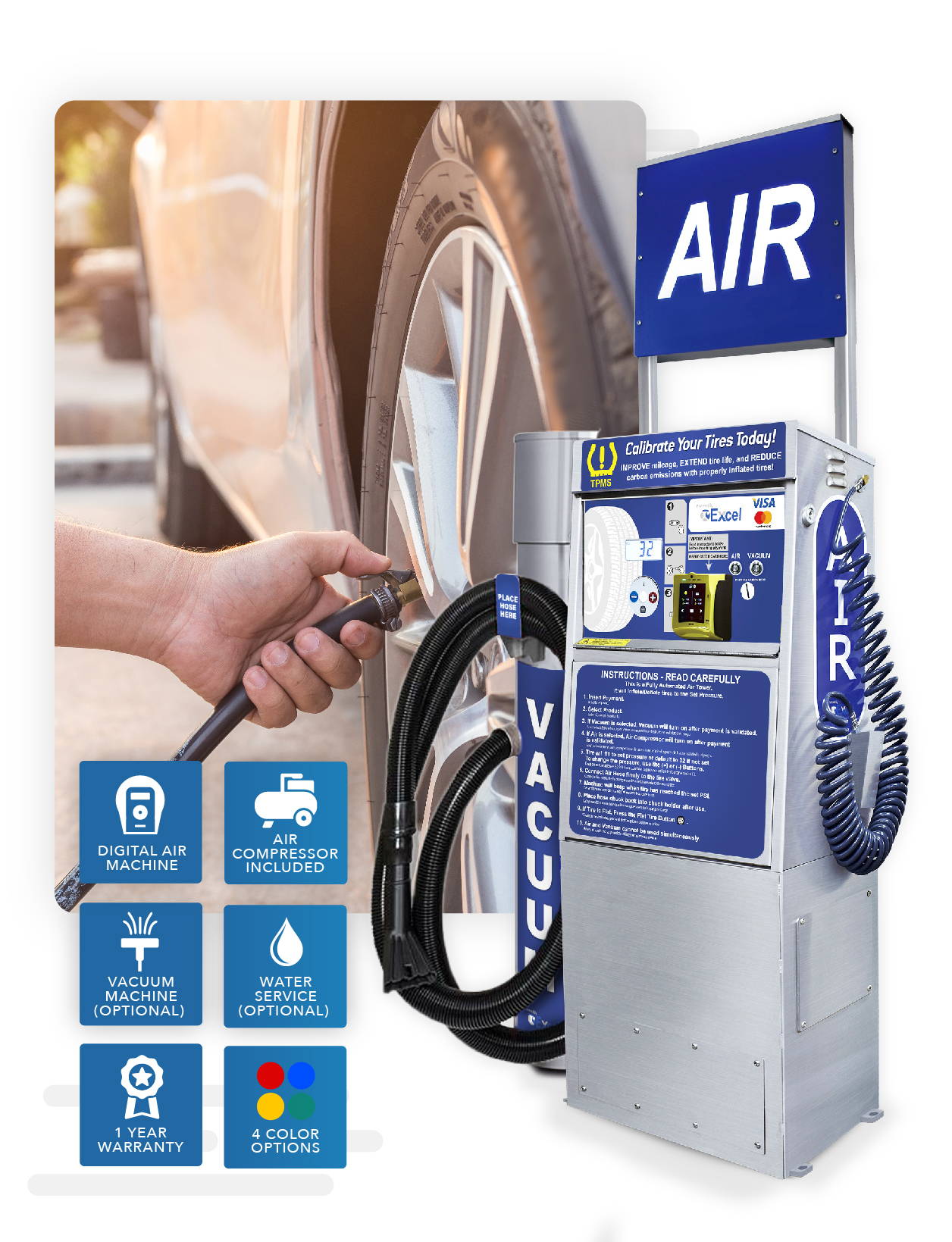
Gas station air pumps are a long-standing solution for tire inflation. They offer the advantage of being readily available in urban areas, often at no cost or for a small fee. This method is particularly beneficial for users who do not want to invest in personal equipment. However, the performance can be inconsistent, as the quality and maintenance of gas station pumps vary widely. Additionally, accessing a gas station can be inconvenient for those in remote areas or on longer journeys. While this option is cost-effective, it may not be ideal for businesses that require consistent and immediate tire inflation solutions.
For B2B buyers evaluating tire inflation solutions, the choice between a car air pump for tires, portable air compressors, and gas station air pumps depends on specific operational needs. If frequent tire maintenance is required, investing in a high-quality portable air compressor may provide the best balance of performance and convenience. Conversely, if budget constraints are a primary concern and usage is infrequent, gas station pumps can suffice. Ultimately, understanding the unique demands of your operations, including frequency of use, vehicle types, and accessibility, will guide you in selecting the most effective tire inflation solution.
Maximum Pressure (PSI) Rating
The maximum pressure rating, typically measured in pounds per square inch (PSI), indicates the highest pressure the tire pump can achieve. For B2B buyers, understanding PSI ratings is crucial as they ensure compatibility with various vehicle types, including passenger cars, SUVs, and trucks. A higher PSI rating is especially important for heavy-duty vehicles that require more robust inflation capabilities.
Fonte di alimentazione
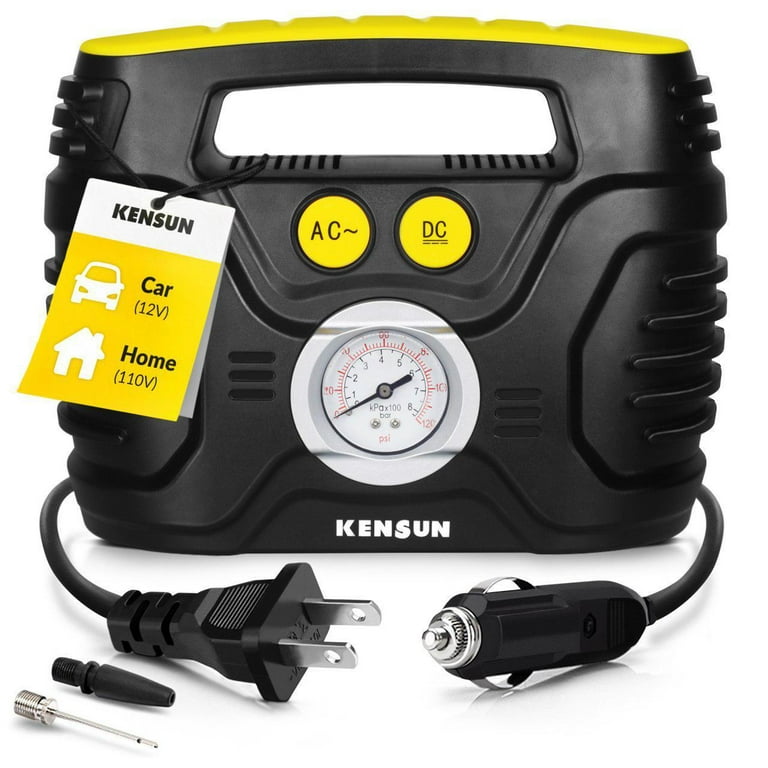
Car air pumps can be powered by various sources, including 12V DC from the vehicle’s cigarette lighter, rechargeable batteries, or standard AC power outlets. The choice of power source affects portability and convenience. For businesses, selecting a pump with a suitable power source can enhance operational efficiency, especially for on-the-go applications or emergency roadside assistance.
Velocità di gonfiaggio
Measured in liters per minute (LPM) or cubic feet per minute (CFM), inflation speed indicates how quickly a pump can inflate a tire to the desired pressure. For B2B operations, faster inflation times can reduce downtime and improve service efficiency. This property is particularly relevant in commercial settings where time is critical, such as fleet maintenance or tire repair services.
Durability and Material Grade
The material grade of the pump components—such as the housing, hoses, and connectors—affects durability and performance under various conditions. Materials like reinforced plastics or high-grade aluminum are preferred for their resistance to wear and corrosion. B2B buyers should prioritize pumps with robust construction to ensure longevity and reliability, especially in harsh environments.
Digital Display and Accuracy
A digital display provides real-time pressure readings, allowing users to monitor inflation progress accurately. Accuracy is vital to avoid over-inflation or under-inflation, which can lead to safety issues or increased tire wear. For businesses, investing in pumps with high-precision gauges can enhance service quality and customer satisfaction.
Ciclo di lavoro
The duty cycle refers to the amount of time the pump can operate before needing a cooldown period. This specification is critical for high-volume applications, as it determines how long a pump can run continuously. Understanding the duty cycle helps B2B buyers select pumps that can handle their workload without overheating, thereby ensuring consistent performance.
OEM (Original Equipment Manufacturer)
OEM refers to companies that manufacture products that are sold under another company’s brand name. In the tire pump industry, understanding OEM relationships is essential for sourcing high-quality products that meet specific standards. B2B buyers often look for OEM products to ensure reliability and performance.
MOQ (quantità minima d'ordine)
MOQ is the minimum quantity of products a supplier is willing to sell in a single order. This term is significant for B2B transactions as it directly impacts inventory management and procurement strategies. Buyers must consider MOQs to avoid overstocking or understocking their inventory.
RFQ (Richiesta di offerta)
An RFQ is a document sent to suppliers requesting pricing and terms for specific products or services. For B2B buyers, issuing an RFQ is a critical step in the procurement process, allowing them to compare offers and negotiate better terms. Understanding how to effectively use RFQs can lead to cost savings and improved supplier relationships.
Incoterms (Termini commerciali internazionali)
Incoterms are a set of international rules that define the responsibilities of buyers and sellers in global trade. Familiarity with Incoterms is essential for B2B transactions involving car air pumps, as they clarify shipping costs, risk transfer, and delivery obligations. Understanding these terms can help businesses navigate international logistics more effectively.
Assistenza post-vendita
This term refers to the services provided by a supplier after a sale is completed, including warranty, maintenance, and technical support. For B2B buyers, evaluating after-sales support is critical to ensuring long-term satisfaction and minimizing downtime related to equipment failures.
By understanding these technical properties and trade terms, B2B buyers can make informed decisions that enhance their procurement strategies and operational efficiencies in the tire pump market.
Illustrative image related to car air pump for tires
The global car air pump for tires market is currently experiencing significant growth, driven by increasing vehicle ownership, heightened awareness of vehicle maintenance, and the growing trend towards DIY automotive care. In regions such as Africa and South America, where vehicle maintenance services may be less accessible, the demand for portable tire inflators is particularly pronounced. Meanwhile, in Europe and the Middle East, consumers are increasingly seeking compact and efficient models that offer features such as digital pressure gauges and auto shut-off functions.
Emerging technologies are also reshaping the market landscape. For instance, advancements in battery technology have led to more efficient cordless tire inflators, which appeal to consumers who prioritize convenience. Furthermore, the integration of smart technology, such as mobile app connectivity for monitoring tire pressure, is becoming more prevalent. This trend is particularly relevant for international B2B buyers who are looking to differentiate their product offerings in competitive markets.
International buyers should also be aware of market dynamics such as fluctuating raw material costs and supply chain disruptions, which can impact pricing and availability. Understanding local regulations and consumer preferences in various regions is crucial for successful sourcing and distribution strategies.
Sustainability is becoming a pivotal concern for international B2B buyers in the car air pump for tires sector. The environmental impact of manufacturing processes and the materials used in tire inflators is under increasing scrutiny. Buyers are encouraged to seek suppliers who prioritize ethical sourcing and environmentally friendly practices. This includes using recyclable materials and minimizing carbon footprints during production.
Moreover, certifications such as ISO 14001 (Environmental Management) and RoHS (Restriction of Hazardous Substances) are gaining traction. These certifications not only demonstrate compliance with environmental regulations but also appeal to environmentally conscious consumers. As sustainability becomes a key differentiator in the marketplace, B2B buyers should actively seek partnerships with manufacturers that align with these values.
In addition to environmental certifications, the trend toward creating multi-functional products—such as tire inflators that can also inflate sports equipment or other inflatables—can further enhance a company’s sustainability profile. By investing in innovative designs and materials, businesses can not only meet consumer demand but also contribute positively to environmental preservation.
The car air pump for tires has evolved significantly from its early mechanical designs to today’s technologically advanced models. Originally, tire pumps were purely manual devices, often cumbersome and limited in functionality. The introduction of electric inflators in the late 20th century marked a turning point, offering greater convenience and efficiency.
Illustrative image related to car air pump for tires
In the 2000s, the rise of portable and cordless inflators reflected a growing consumer preference for convenience, particularly among urban drivers and outdoor enthusiasts. Today’s models often incorporate digital displays and smart features, catering to the increasing demand for precision and user-friendly experiences.
As the market continues to evolve, understanding this historical context can provide valuable insights into consumer preferences and emerging trends, guiding international B2B buyers in making informed sourcing decisions. By recognizing how technological advancements and changing consumer behaviors have shaped the market, businesses can better anticipate future developments and adapt their strategies accordingly.
How do I choose the right car air pump for my business needs?
Choosing the right car air pump involves assessing the specific requirements of your target market. Consider factors such as the types of vehicles commonly used in your region, the typical tire sizes, and the average PSI needed for those tires. Look for pumps that offer durability, portability, and a quick inflation time, as these features are crucial for customer satisfaction. Additionally, explore options with multiple power sources (e.g., battery-operated and 12V) to cater to various user preferences.
Qual è il miglior gonfiatore di pneumatici per veicoli pesanti?
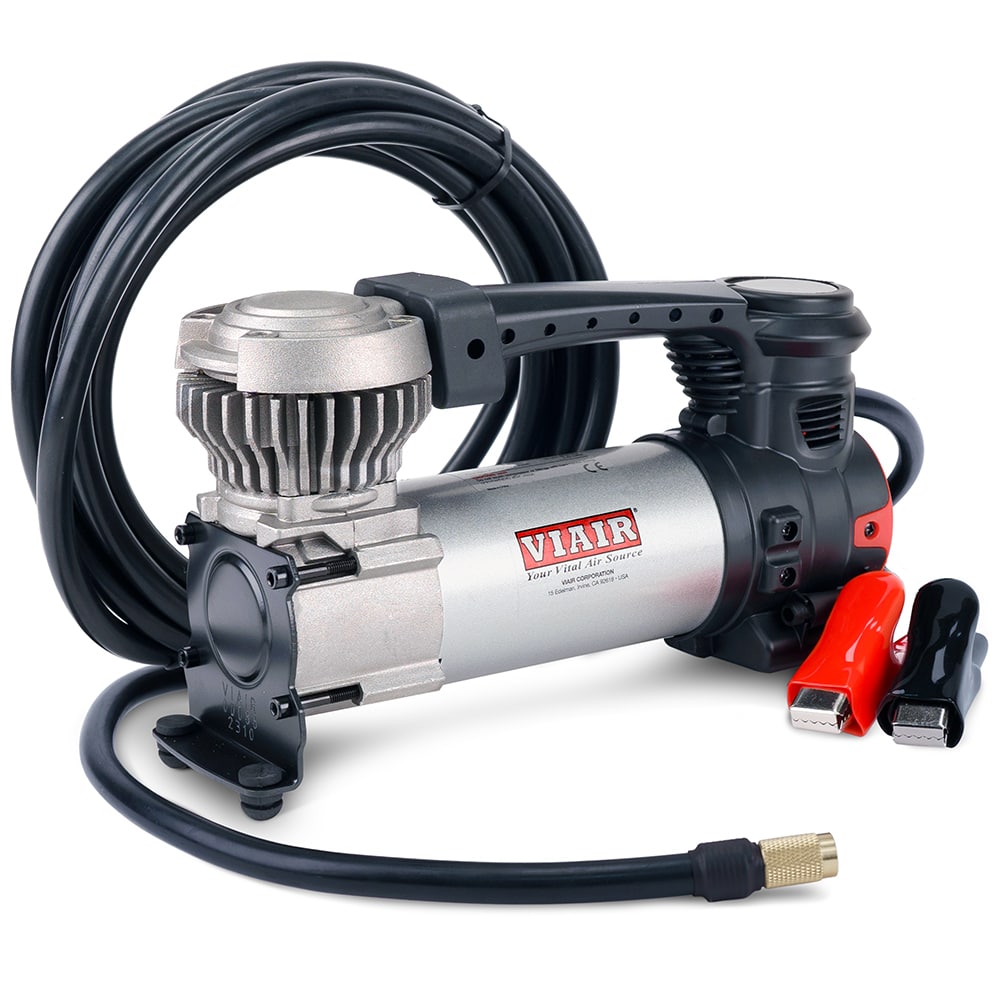
For heavy-duty vehicles, such as trucks and SUVs, it’s essential to select a tire inflator that can handle higher pressure levels and larger tire volumes. Models like the Viair 88P are designed for such applications, providing robust performance with a maximum PSI capability that accommodates larger tires. Additionally, consider inflators that feature a long hose and fast inflation times to enhance usability and efficiency, ensuring that your customers can inflate their tires quickly and effectively.
What customization options are available when sourcing tire inflators?
When sourcing tire inflators, many manufacturers offer customization options to help you differentiate your products. This may include branding (custom logos and colors), specific features (such as digital displays or built-in LED lights), and packaging design. Discuss your requirements with potential suppliers to see how they can meet your needs. Customization can enhance brand visibility and cater to the preferences of your target market, leading to increased sales.
What are the minimum order quantities (MOQs) for tire inflators?
Minimum order quantities for tire inflators can vary significantly based on the manufacturer and the complexity of the product. Typically, MOQs can range from a few hundred units to several thousand. For B2B buyers, it’s advisable to negotiate MOQs that align with your business strategy and market demand. Some suppliers may offer flexibility, especially for new buyers or trial orders, so be sure to communicate your needs and explore potential options.
What payment terms should I expect when sourcing from international suppliers?
Payment terms can differ widely among international suppliers, often influenced by factors such as order size, supplier reputation, and the buyer’s relationship history. Common terms include 30% upfront payment with the balance due before shipment, or net 30-60 days after delivery. It’s crucial to clarify payment terms upfront to avoid misunderstandings. Additionally, consider using secure payment methods like letters of credit or escrow services to mitigate risks in international transactions.
How can I ensure the quality of the tire inflators I source?
To ensure the quality of tire inflators, request samples before placing a bulk order. Conduct thorough inspections and performance tests to verify that the product meets your specifications and industry standards. Additionally, inquire about the supplier’s quality assurance processes, certifications, and compliance with international regulations. Building a strong relationship with your supplier can also help ensure consistent quality and timely communication regarding any potential issues.
Quali sono le considerazioni logistiche da tenere a mente quando si importano gonfiatori per pneumatici?
Logistics is a critical aspect of importing tire inflators. Consider factors such as shipping methods, customs regulations, and delivery timelines. Choose a reliable freight forwarder who can navigate the complexities of international shipping and provide guidance on documentation and tariffs. Additionally, factor in warehousing and distribution strategies in your target market to ensure efficient delivery to customers. Understanding these logistics will help streamline your supply chain and minimize delays.
What are the most common uses for portable tire inflators?
Portable tire inflators are versatile tools used for a variety of applications. Primarily, they serve to inflate vehicle tires, ensuring proper pressure for safety and performance. They are also commonly used for inflating bicycles, motorcycles, and sports equipment, making them ideal for recreational activities. Additionally, many inflators come with attachments for inflating air mattresses and pool toys, enhancing their utility for consumers. Understanding these uses can help you market the products effectively to your target audience.
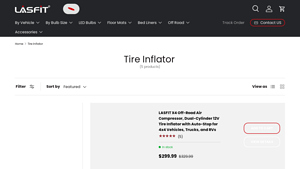
Dominio: lasfit.com
Registrato: 2016 (9 anni)
Introduzione: Lasfit Tire Inflator | Portable Tire Pumps for Pickup Trucks & Large SUVs & Off-Road Vehicles. Key features include: Fast & Accurate Inflation, Compact & Portable Design, Multi-Purpose Air Compressor suitable for car tires, bikes, motorcycles, and more, Digital Display & Auto Shut-Off for precise pressure management. Designed for 12V DC outlets, built with durable components for long-lasting perfo…
Dominio: target.com
Registrato: 1997 (28 anni)
Introduzione: This company, Target – Portable Tire Inflators, is a notable entity in the market. For specific product details, it is recommended to visit their website directly.
In summary, strategic sourcing of car air pumps for tires is essential for B2B buyers aiming to enhance operational efficiency and improve customer satisfaction. Understanding the diverse range of products available—from compact, portable inflators to heavy-duty air compressors—allows businesses to make informed purchasing decisions that cater to their specific market needs. Key considerations include product reliability, speed of inflation, and additional features that can enhance usability, such as auto shut-off functions and multi-purpose applications.
For international buyers in regions such as Africa, South America, the Middle East, and Europe, forging strong relationships with reputable suppliers can lead to cost savings and access to the latest technological advancements. As the demand for reliable tire maintenance solutions grows, it’s crucial to stay ahead by evaluating supplier capabilities and market trends.
Now is the time to leverage strategic sourcing to secure high-quality tire inflators that not only meet but exceed customer expectations. Engage with suppliers who understand your regional market dynamics and can deliver products that ensure safety and reliability on the road. Your proactive approach today will pave the way for sustained growth and competitive advantage in the future.
Le informazioni fornite in questa guida, compresi i contenuti relativi ai produttori, alle specifiche tecniche e all'analisi di mercato, hanno uno scopo puramente informativo ed educativo. Non costituiscono una consulenza professionale in materia di acquisti, né una consulenza finanziaria o legale.
Pur avendo compiuto ogni sforzo per garantire l'accuratezza e la tempestività delle informazioni, non siamo responsabili di eventuali errori, omissioni o informazioni non aggiornate. Le condizioni di mercato, i dettagli aziendali e gli standard tecnici sono soggetti a modifiche.
Gli acquirenti B2B devono condurre una due diligence indipendente e approfondita. prima di prendere qualsiasi decisione di acquisto. È necessario contattare direttamente i fornitori, verificare le certificazioni, richiedere campioni e chiedere una consulenza professionale. Il rischio di affidarsi alle informazioni contenute in questa guida è esclusivamente a carico del lettore.


 Italian
  English
  Russian
  Spanish
  Arabic
  Portuguese
  German