
In the dynamic landscape of automotive tools, sourcing a reliable compact air compressor for cars presents a significant challenge for international B2B buyers. With varying market demands across regions such as Africa, South America, the Middle East, and Europe, businesses must navigate a maze of options to find compressors that meet both performance and cost-efficiency standards. This comprehensive guide aims to simplify that process, providing insights into different types of compact air compressors, their diverse applications, and essential supplier vetting strategies.
Buyers will gain a clear understanding of the key features to look for, such as portability, durability, and energy efficiency, which are crucial in varied environments—from bustling urban settings to remote locations. Additionally, the guide will discuss cost considerations and pricing structures, enabling businesses to make informed financial decisions that align with their operational budgets.
By empowering B2B buyers with actionable knowledge, this resource serves as a critical tool for enhancing procurement strategies and ensuring that organizations can efficiently meet their air compression needs. Whether you are in Nigeria, Vietnam, or anywhere in between, this guide is designed to equip you with the necessary insights to confidently select and source the right compact air compressor for your automotive applications.
| Nome del tipo | Caratteristiche distintive principali | Applicazioni primarie B2B | Brevi pro e contro per gli acquirenti |
|---|---|---|---|
| Portable 12V Air Compressors | Compact, lightweight, powered by vehicle’s battery | Tire inflation, small tool operation | Pro: Easy to transport, versatile; Contro: Potenza limitata per compiti gravosi. |
| Onboard Air Compressors | Mounted in the vehicle, high performance | Off-road vehicle support, tire management | Pro: Always available, powerful; Contro: Installation required, higher cost. |
| Compressori d'aria per impieghi gravosi | Robust construction, designed for frequent use | Commercial vehicle maintenance, workshops | Pro: High durability, capable of heavy workloads; Contro: Bulkier, higher initial investment. |
| Rechargeable Air Compressors | Battery-operated, portable, no need for vehicle power | Emergency roadside assistance, camping | Pro: Convenient for remote areas; Contro: Limited runtime, may require regular charging. |
| Digital Air Compressors | Equipped with digital pressure gauges and settings | Precision tire inflation, automotive shops | Pro: Accurate pressure control; Contro: More expensive, dependent on electronic components. |
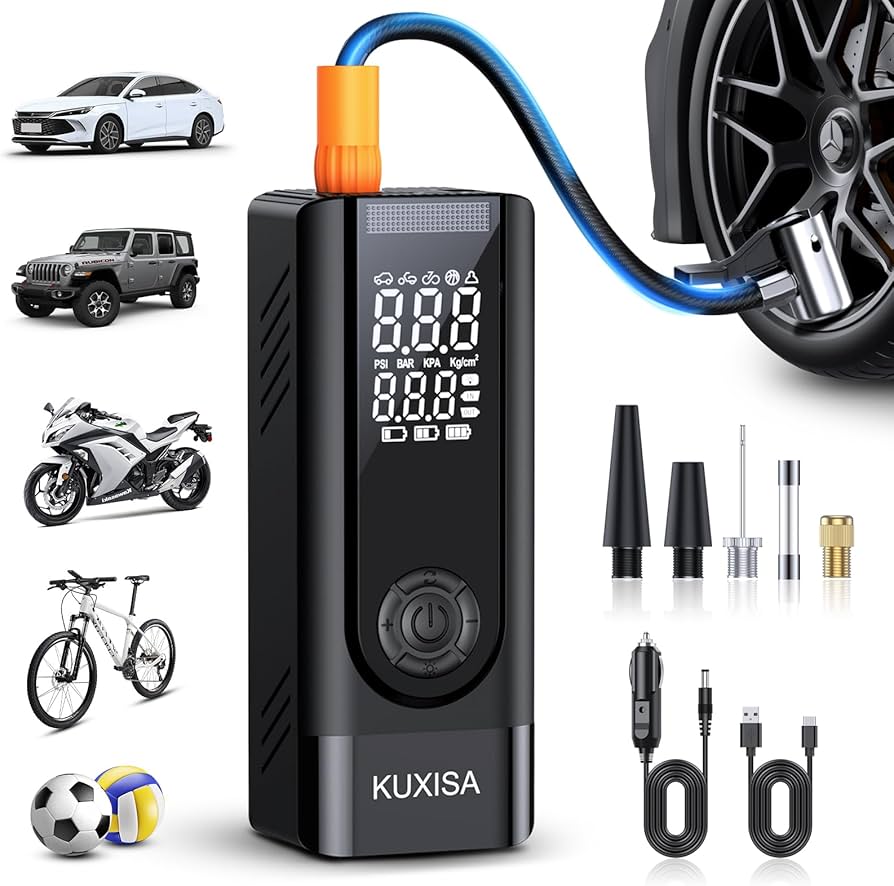
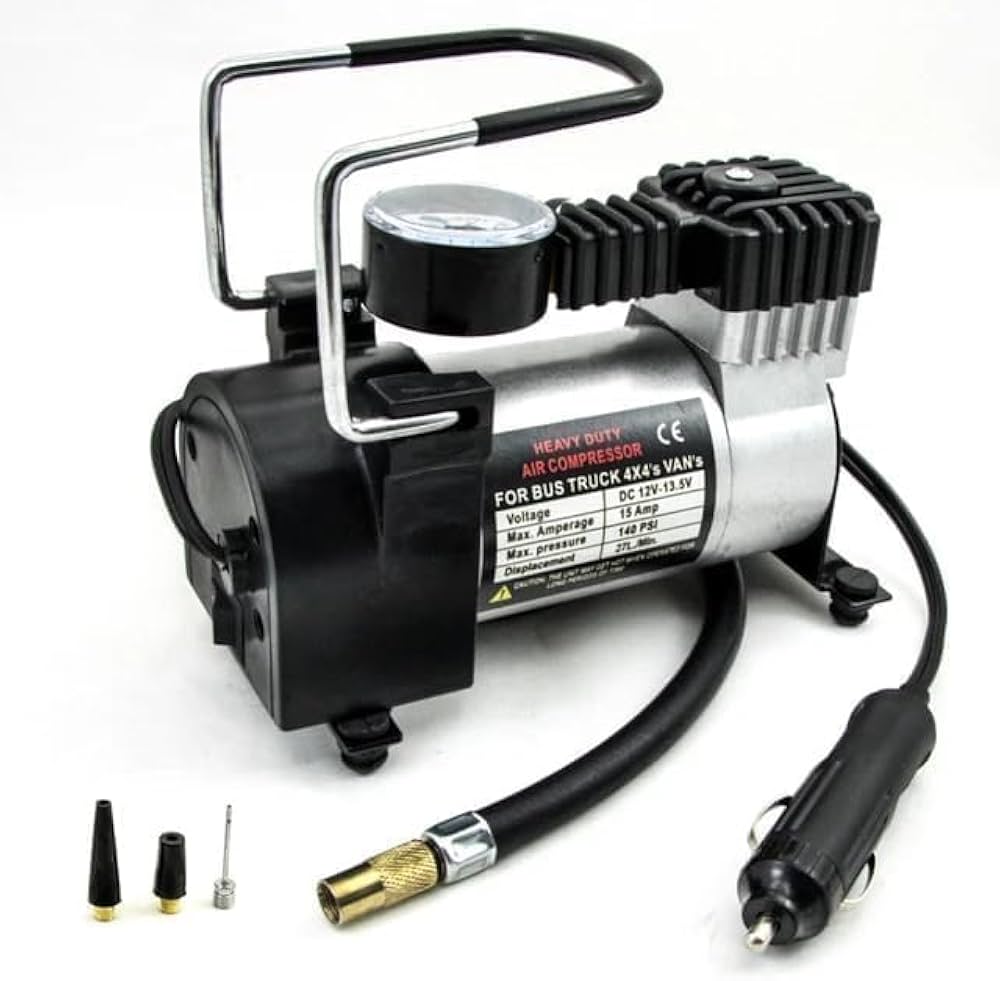
Portable 12V air compressors are compact and lightweight, making them ideal for quick tire inflation and minor tool operations. These compressors draw power directly from the vehicle’s battery, which allows for easy use on the go. B2B buyers should consider the compressor’s inflation rate and maximum pressure, as these factors determine its efficiency for various applications. While they offer versatility and convenience, their power limitations may not suit more demanding tasks.
Onboard air compressors are permanently mounted within vehicles, providing reliable air supply for various functions, including tire inflation and powering pneumatic tools. Their robust performance makes them essential for off-road vehicles that require frequent adjustments to tire pressure based on terrain. B2B buyers should evaluate installation requirements and power output when considering these compressors. While they are more expensive and require professional installation, their constant availability and high performance justify the investment for serious off-road enthusiasts.
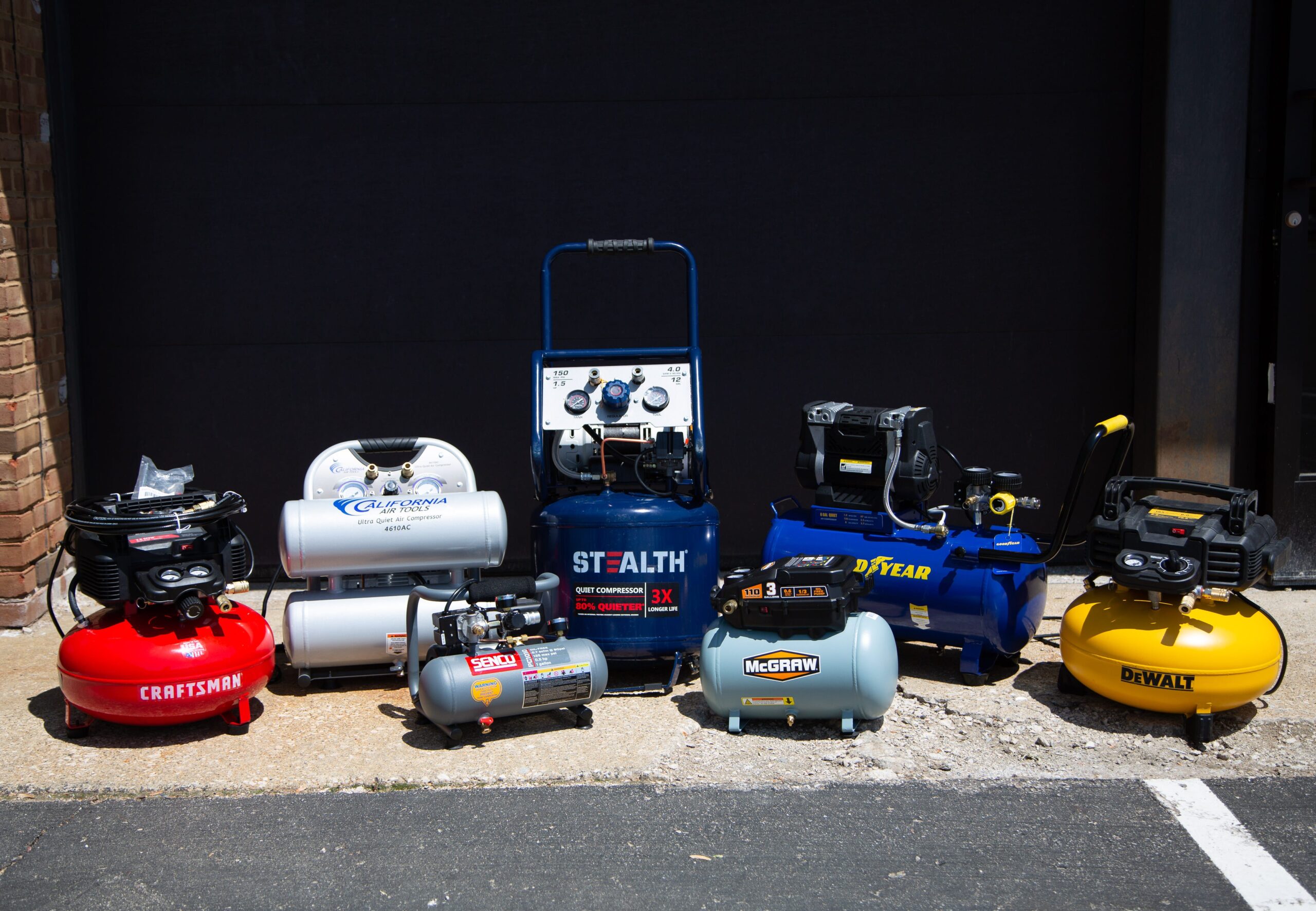
Heavy-duty air compressors are built for durability and frequent use, making them ideal for commercial applications such as vehicle maintenance and workshops. These compressors can handle significant workloads, providing consistent air pressure for tire inflation and tool operation. B2B purchasers should assess their specific needs regarding capacity and power to ensure they select a model that can withstand rigorous demands. While these compressors may have a higher upfront cost and take up more space, their longevity and reliability can lead to significant cost savings over time.
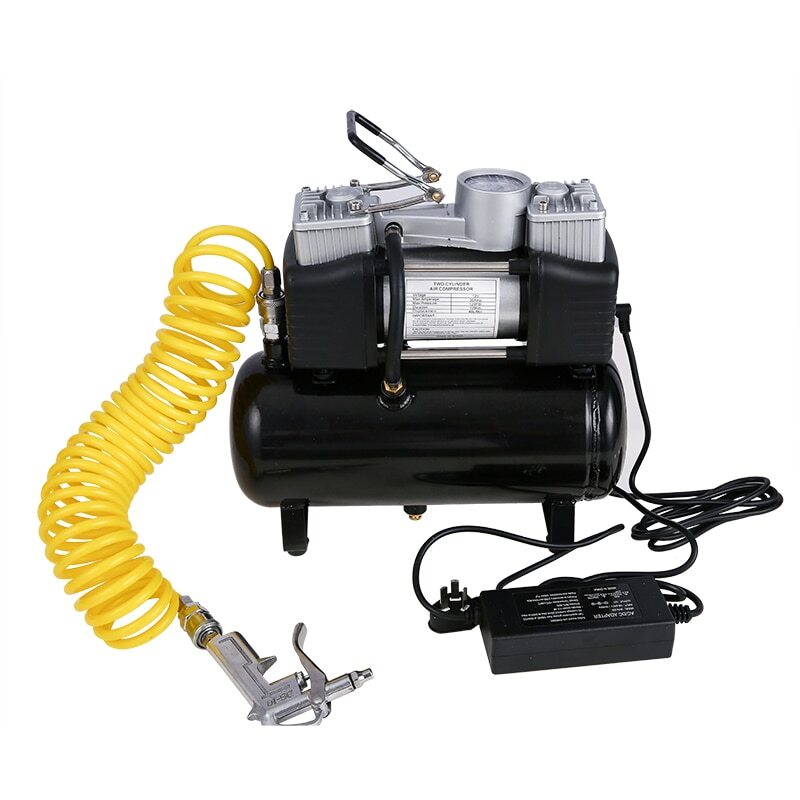
Illustrative image related to compact air compressor for car
Rechargeable air compressors are battery-operated units designed for portability and convenience, making them perfect for emergency roadside assistance or camping trips. They do not require a vehicle power source, allowing users to operate them in remote locations. When purchasing, B2B buyers should consider battery life and charging time, as these factors can impact usability. Although they provide flexibility, the limited runtime and need for regular charging can be drawbacks for high-demand scenarios.
Digital air compressors come equipped with advanced features such as digital pressure gauges and programmable settings, allowing for precise tire inflation. This capability is particularly beneficial for automotive shops and service centers that prioritize accuracy and efficiency. B2B buyers should focus on the compressor’s accuracy, ease of use, and overall reliability when making a selection. While these compressors tend to be more expensive and reliant on electronic components, their precision can enhance service quality and customer satisfaction.
| Industria/Settore | Specific Application of Compact Air Compressor for Car | Valore/Beneficio per l'azienda | Considerazioni chiave sull'approvvigionamento per questa applicazione |
|---|---|---|---|
| Negozi di riparazione di autoveicoli | Tire inflation and pressure adjustment | Ensures safety and efficiency for customers | Durability, ease of use, and power supply compatibility |
| Trasporto e logistica | Routine maintenance of delivery vehicles | Riduce i tempi di inattività e migliora l'efficienza operativa | Compact size, portability, and service support availability |
| Recreational Vehicle (RV) | Inflating camping gear and recreational equipment | Improves customer satisfaction and convenience | Versatility, reliability in various environments |
| Costruzione | Operating pneumatic tools and equipment | Increases productivity on job sites | Power output, noise levels, and maintenance requirements |
| Servizi di emergenza | Gonfiaggio rapido dei pneumatici per i veicoli di pronto intervento | Enhances response time and operational readiness | Reliability, quick inflation capabilities, and compact design |
In automotive repair shops, compact air compressors are essential for tire inflation and pressure adjustments, ensuring vehicles are safe and roadworthy. These compressors provide quick and efficient inflation, which is critical for maintaining proper tire pressure, thus enhancing vehicle performance and safety. For international buyers, especially in regions with varying vehicle standards, sourcing compressors that offer durability and adaptability to different power supplies is crucial. Additionally, ease of use and maintenance support are key factors that influence purchasing decisions.
In the transportation and logistics sector, compact air compressors facilitate routine maintenance of delivery vehicles by enabling quick tire inflation and pressure checks. This functionality minimizes vehicle downtime, allowing for timely deliveries and improved operational efficiency. Buyers from regions with diverse climates and road conditions should prioritize compressors with portability and robust construction to withstand harsh environments. Furthermore, sourcing compressors that can easily integrate with existing vehicle systems is a significant consideration for these businesses.
Recreational vehicle (RV) owners utilize compact air compressors to inflate camping gear, recreational equipment, and vehicle tires. This convenience enhances the overall camping experience, allowing users to quickly set up and enjoy outdoor activities. For B2B buyers targeting the RV market, sourcing versatile compressors that can operate reliably in various environments is essential. Reliability and user-friendly features are particularly important for ensuring customer satisfaction in this highly competitive sector.
In the construction industry, compact air compressors are vital for operating pneumatic tools and equipment, thus increasing productivity on job sites. They provide the necessary power for tools such as nail guns and air hammers, streamlining workflow and reducing manual labor. Buyers in this sector should consider the power output and noise levels of compressors to comply with local regulations. Additionally, understanding maintenance requirements is crucial for ensuring long-term reliability and performance on demanding construction sites.
Emergency services rely on compact air compressors for rapid tire inflation of emergency response vehicles, significantly enhancing response times during critical situations. These compressors are designed for quick operation, ensuring that vehicles are ready to mobilize at a moment’s notice. For international buyers in this sector, sourcing compressors that emphasize reliability and quick inflation capabilities is paramount. Compact designs that allow for easy storage in emergency vehicles are also essential for operational efficiency.
Il problema: B2B buyers often face challenges when sourcing compact air compressors that perform consistently across different environments. For instance, a buyer in Nigeria may require a compressor that can handle high humidity and heat, while a buyer in Europe might need one that operates effectively in colder temperatures. These varying environmental conditions can lead to unreliable performance, affecting operations and causing dissatisfaction among end-users. Without reliable performance, businesses may face downtime, increased costs, and a negative impact on customer satisfaction.
La soluzione: To mitigate these concerns, buyers should prioritize compressors that are specifically designed for diverse climates. When sourcing, look for units that have robust specifications such as a wide temperature operating range and proven reliability in harsh conditions. Brands that offer extensive testing and quality assurance processes can provide more confidence. Additionally, consider units with features like thermal overload protection and weather-resistant enclosures. This ensures the compressor can withstand environmental stresses, thus maintaining consistent performance regardless of location. Furthermore, investing in models with strong customer reviews or testimonials can guide buyers toward reliable options that have performed well in similar conditions.
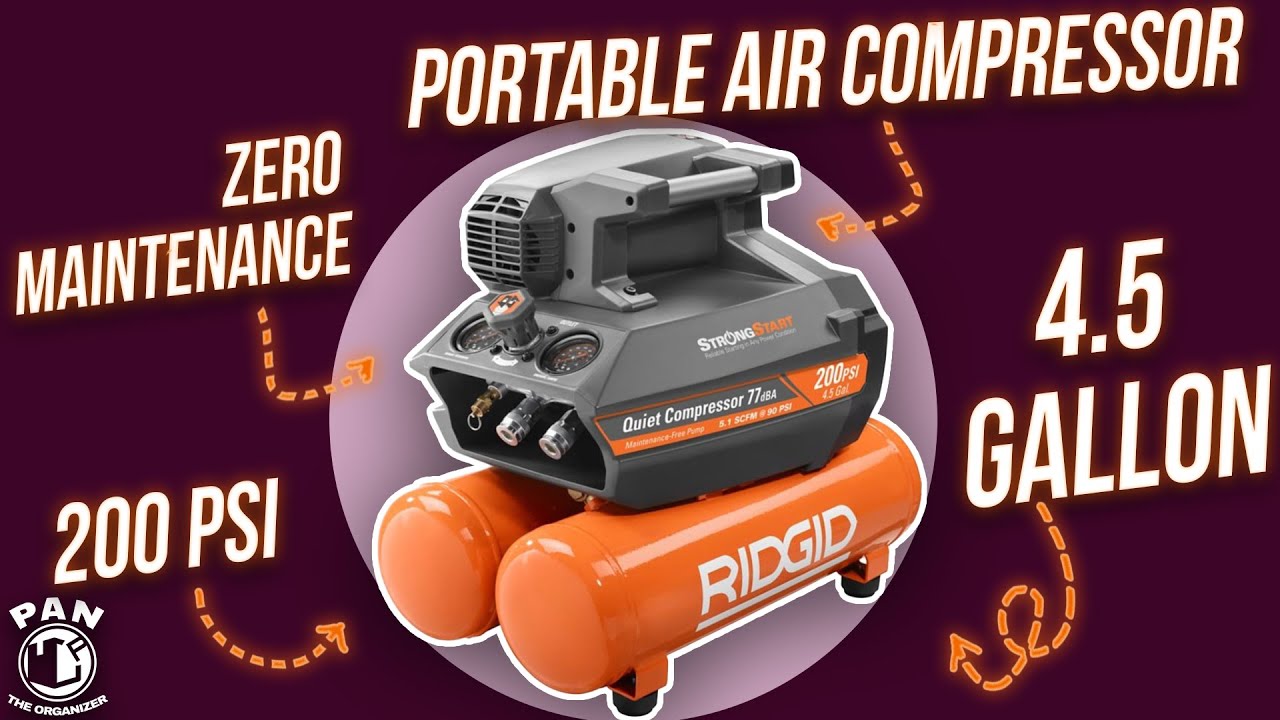
Illustrative image related to compact air compressor for car
Il problema: Compact air compressors can sometimes present challenges related to maintenance and repairs, particularly for businesses that lack in-house technical expertise. A B2B buyer might be concerned about the complexity of routine maintenance, potential downtime during repairs, and the availability of spare parts. For example, a buyer in Vietnam may find that local technicians are not familiar with certain compressor models, leading to extended repair times and increased operational costs.
La soluzione: To address maintenance issues, buyers should seek compressors designed with user-friendly maintenance in mind. Opt for models that are easily accessible for routine checks and repairs, such as those with replaceable filters or easy access to the motor. It’s also crucial to choose compressors from manufacturers that provide comprehensive service manuals, online support, and readily available spare parts. Before purchasing, inquire about the availability of local service providers who are familiar with the brand and model. Additionally, consider training sessions offered by manufacturers for staff to ensure they are equipped to handle basic maintenance tasks, which can significantly reduce downtime and repair costs.
Il problema: Many B2B buyers discover that their compact air compressors do not deliver sufficient airflow for various applications, such as inflating tires, powering tools, or running pneumatic equipment. This inadequacy can lead to frustration and inefficiencies, particularly for businesses that require versatile tools for different tasks. For instance, a company in South America may need to switch between inflating tires and running air tools, but find that their compressor lacks the necessary airflow, resulting in delays and increased labor costs.
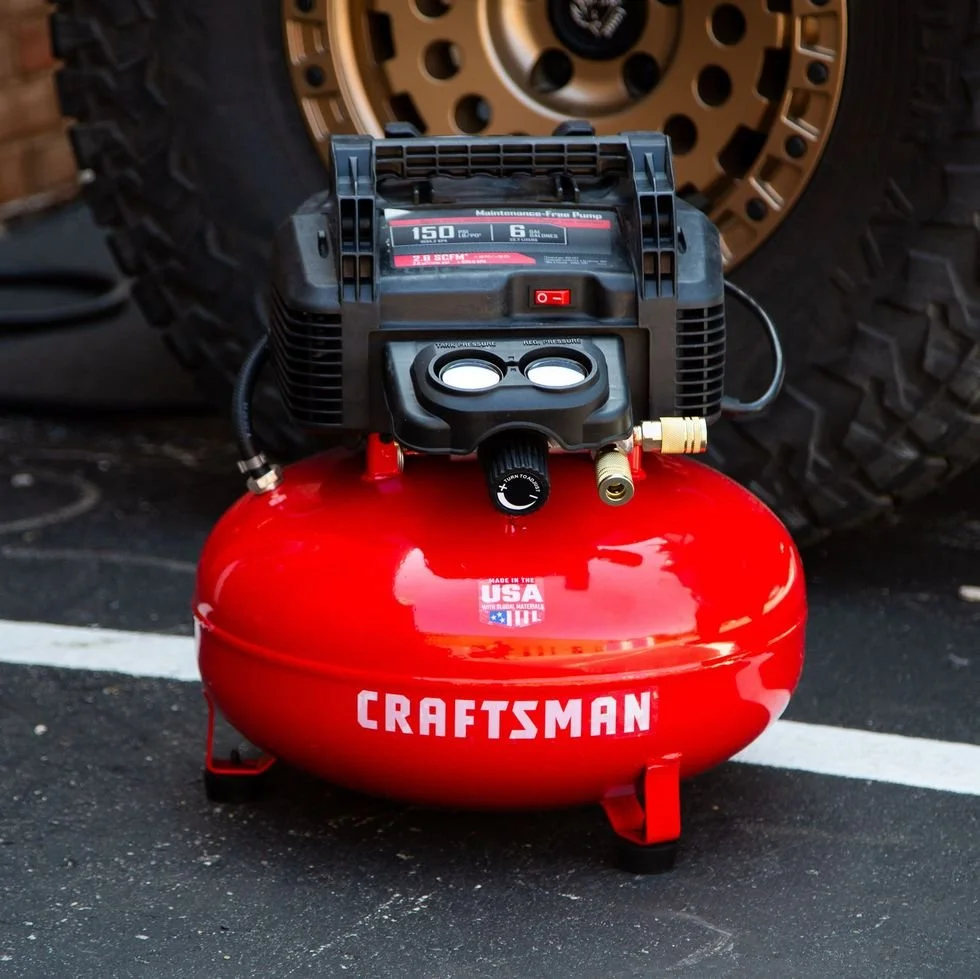
Illustrative image related to compact air compressor for car
La soluzione: Buyers should carefully assess their airflow requirements before making a purchase. Look for compressors that specify their airflow rates (measured in CFM – cubic feet per minute) and ensure these figures align with the intended applications. It may be beneficial to invest in dual-stage compressors, which can provide higher airflow and pressure levels compared to single-stage models. Additionally, consider the inclusion of features such as adjustable pressure settings and multiple output ports, which can enhance versatility. Engage with suppliers to discuss specific application needs and request demonstrations or trials to ensure the chosen compressor meets all operational demands effectively. By taking these steps, businesses can secure a compressor that not only meets but exceeds their performance expectations across various tasks.
When selecting materials for compact air compressors designed for automotive applications, several key factors come into play, particularly for international B2B buyers. Understanding the properties, advantages, and limitations of common materials can significantly impact product performance and marketability. Below is an analysis of four prevalent materials used in the construction of compact air compressors.
Aluminum is widely utilized in the manufacturing of compact air compressors due to its excellent strength-to-weight ratio and corrosion resistance. This lightweight material typically has a temperature rating of up to 150°C and can withstand pressures around 200 psi.
Pro: Aluminum’s lightweight nature enhances portability, making it ideal for compact designs. It is also relatively cost-effective and easy to machine, which simplifies the manufacturing process.
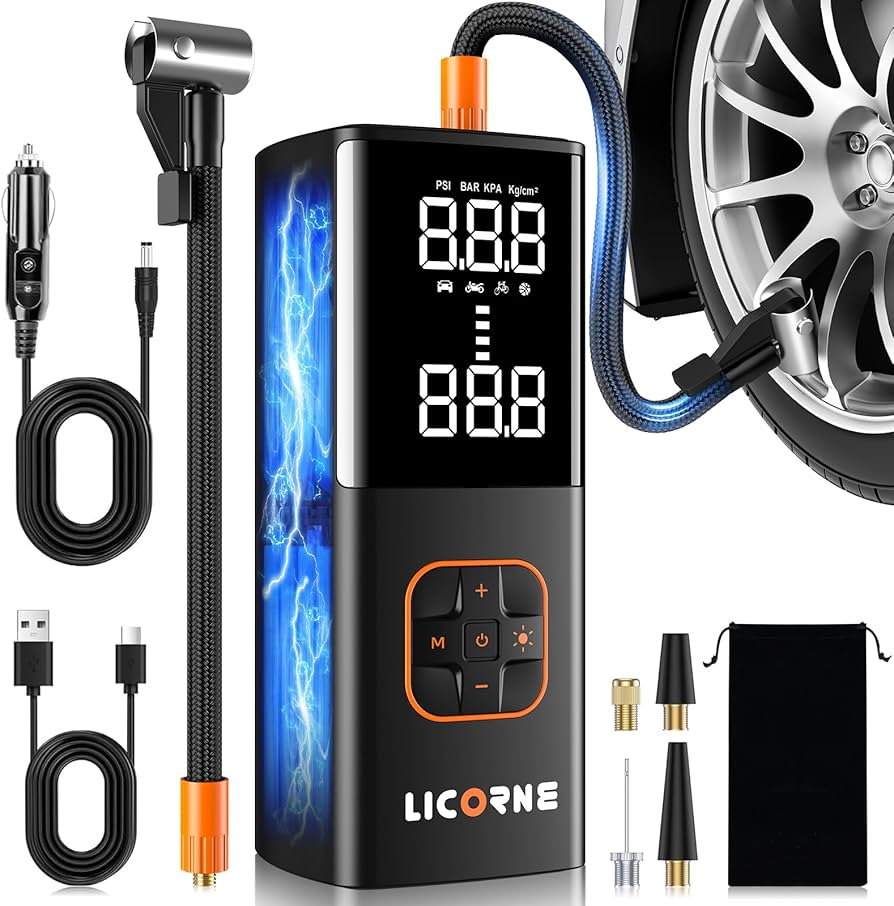
Illustrative image related to compact air compressor for car
Contro: While aluminum is resistant to corrosion, it can be susceptible to fatigue over time, especially under high-stress conditions. Additionally, its thermal conductivity can lead to overheating if not properly managed.
Impatto sull'applicazione: Aluminum is suitable for air compressors that require frequent movement and quick setup, such as those used in off-road or emergency situations.
Considerazioni per gli acquirenti internazionali: Buyers from regions like Africa and South America should ensure compliance with local standards such as ASTM or JIS, as aluminum quality can vary significantly across suppliers.
Steel, particularly stainless steel, is another prevalent material in the construction of compact air compressors. It offers high strength and durability, with temperature ratings exceeding 300°C and pressure ratings around 300 psi.
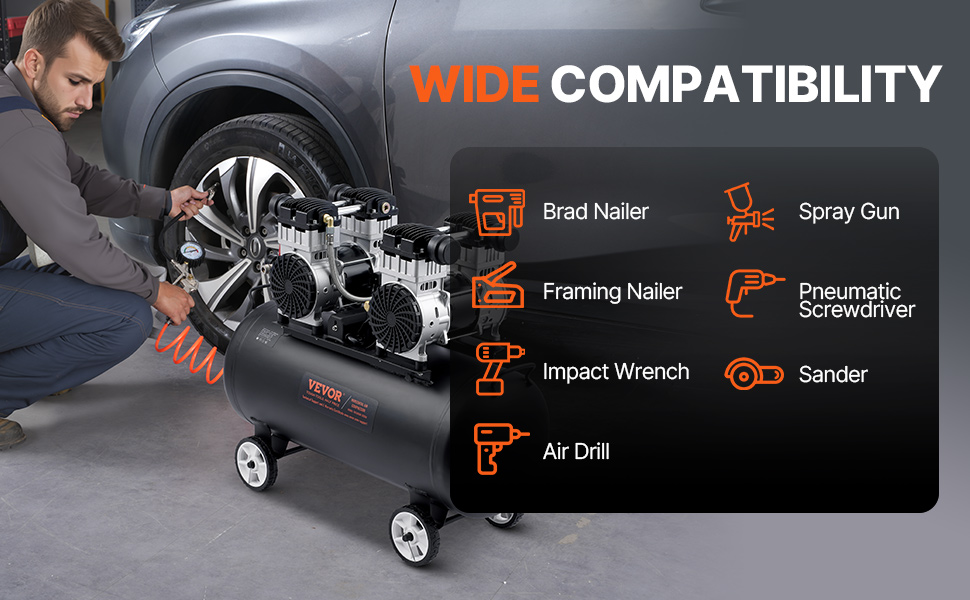
Illustrative image related to compact air compressor for car
Pro: Steel’s robustness makes it ideal for high-performance applications where durability is paramount. It also has excellent resistance to corrosion, especially when treated or alloyed.
Contro: The primary drawback of steel is its weight, which can hinder portability. Additionally, manufacturing steel components can be more complex and costly due to the need for specialized machining.
Impatto sull'applicazione: Steel is particularly advantageous for compressors used in industrial settings or heavy-duty applications where longevity and reliability are critical.
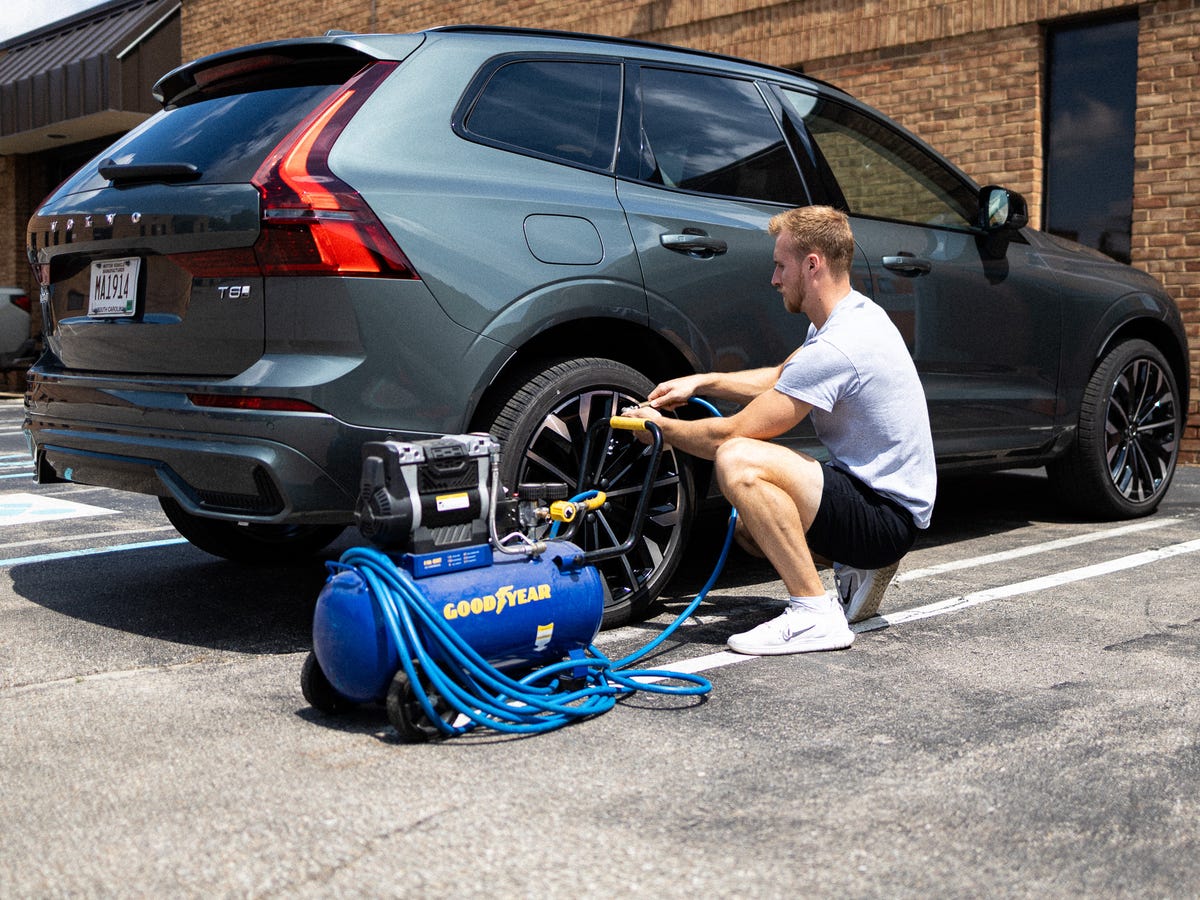
Illustrative image related to compact air compressor for car
Considerazioni per gli acquirenti internazionali: Buyers should be aware of the different grades of steel available and their compliance with international standards. For example, European buyers may prefer materials that meet EN standards.
Plastics, particularly high-density polyethylene (HDPE) and polycarbonate, are increasingly used in compact air compressors for non-structural components. These materials can withstand temperatures up to 80°C and pressures around 100 psi.
Pro: Plastics are lightweight and resistant to corrosion, making them suitable for components that do not bear significant loads. They are also cost-effective and can be molded into complex shapes easily.
Contro: The primary limitation of plastics is their lower strength compared to metals, which may restrict their use in high-pressure applications. They can also degrade under UV exposure unless treated.
Impatto sull'applicazione: Plastics are ideal for housing, covers, or non-critical components in compact air compressors, contributing to overall weight reduction.
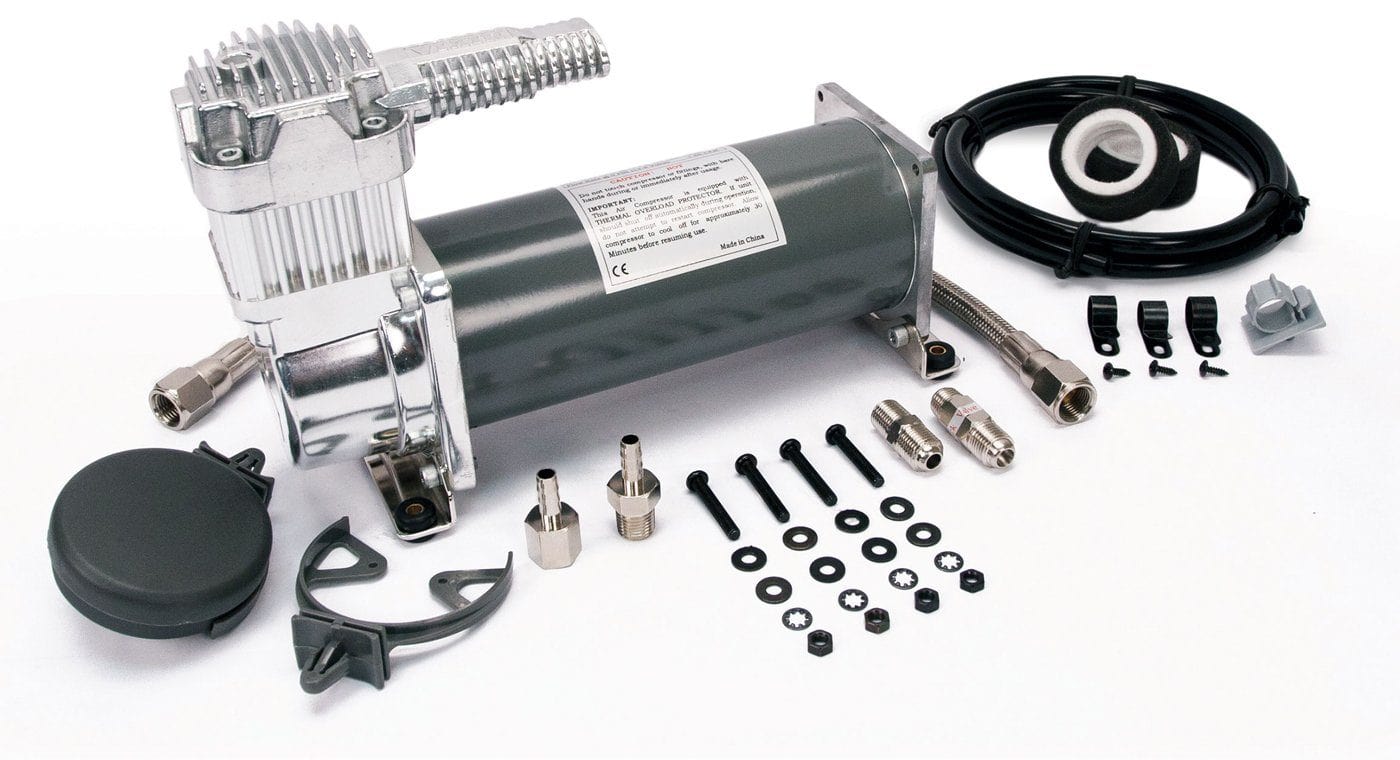
Illustrative image related to compact air compressor for car
Considerazioni per gli acquirenti internazionali: Buyers should verify that plastics used are compliant with local regulations regarding material safety and environmental impact, especially in regions with stringent regulations.
Copper is often used in the manufacturing of air compressor components such as heat exchangers and electrical wiring due to its excellent thermal and electrical conductivity. It can handle temperatures up to 200°C and pressures around 250 psi.
Pro: Copper’s superior conductivity enhances the efficiency of air compressors by improving heat dissipation and electrical performance. It is also resistant to corrosion, particularly in moist environments.
Contro: The main drawback of copper is its cost, which is generally higher than aluminum and plastics. Additionally, copper components can be heavier, impacting the overall portability of the compressor.
Impatto sull'applicazione: Copper is particularly beneficial in applications where heat management is critical, such as in compressors that operate for extended periods.
Considerazioni per gli acquirenti internazionali: Buyers should ensure that copper components meet international standards for electrical safety and environmental compliance, particularly in regions with high humidity levels.
| Materiale | Typical Use Case for compact air compressor for car | Vantaggio chiave | Svantaggi/limitazioni principali | Costo relativo (Basso/Medio/Alto) |
|---|---|---|---|---|
| Alluminio | Lightweight portable compressors for emergency use | Eccellente rapporto resistenza/peso | Susceptible to fatigue under stress | Medio |
| Acciaio | Compressori industriali per impieghi gravosi | Elevata durata e resistenza | Heavier, more complex to manufacture | Alto |
| Plastica | Non-structural components like housings | Leggero e conveniente | Lower strength, may degrade under UV | Basso |
| Rame | Heat exchangers and electrical wiring | Superior thermal and electrical conductivity | Costo e peso maggiori | Alto |
This material selection guide provides a comprehensive overview for B2B buyers, enabling informed decisions based on performance, cost, and compliance with regional standards.
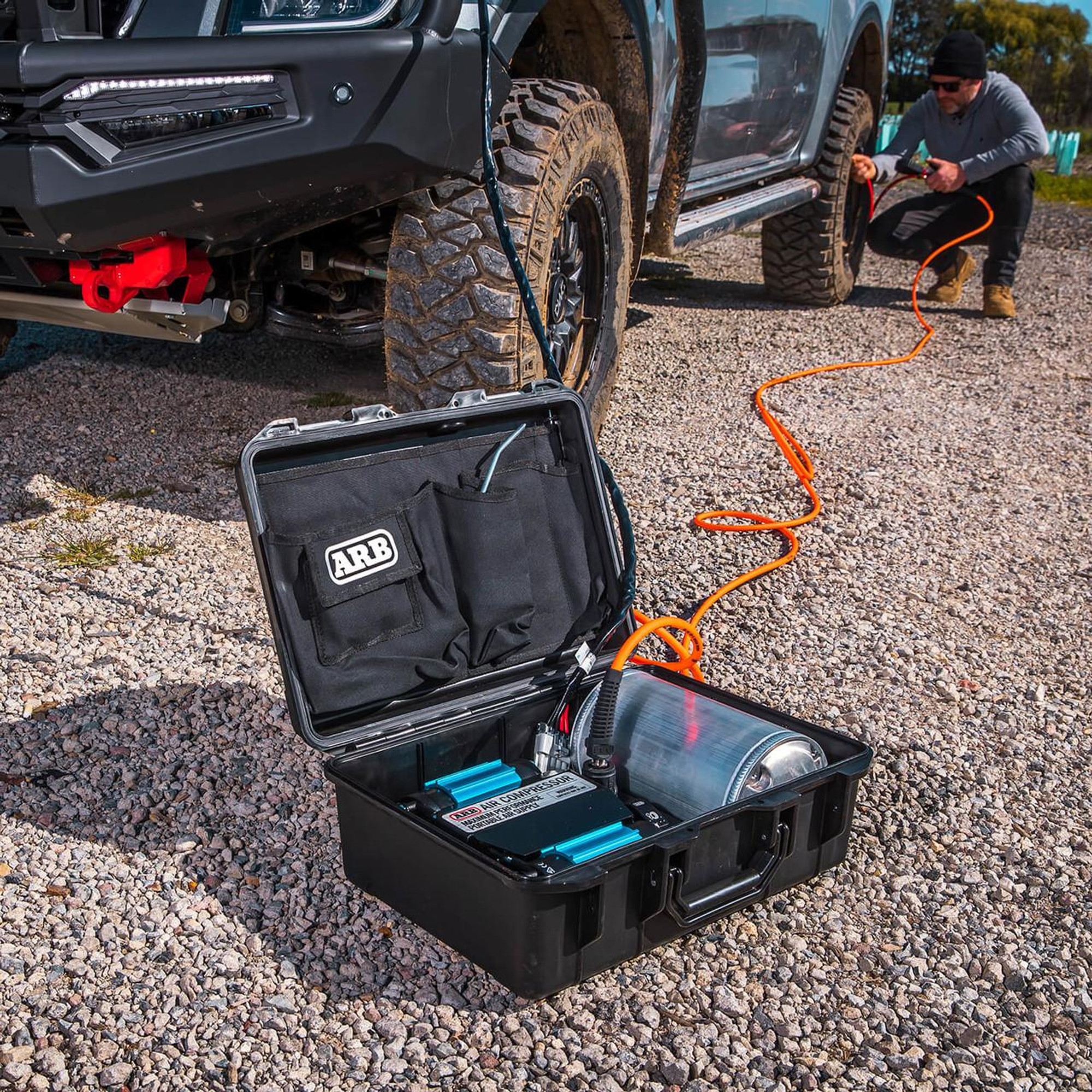
Illustrative image related to compact air compressor for car
The manufacturing process of compact air compressors for cars typically involves several critical stages: material preparation, forming, assembly, and finishing. Each stage is designed to ensure that the final product meets the high-performance standards required by automotive applications.
Preparazione del materiale: The process begins with the selection of high-quality materials such as aluminum, steel, and plastics. These materials are then subjected to various treatments, including heat treatment and surface finishing, to enhance durability and performance. For instance, aluminum components may be anodized to improve corrosion resistance, which is particularly important for compressors used in diverse climates.
Formazione: This stage involves shaping the prepared materials into the required components using techniques such as machining, stamping, and casting. CNC (Computer Numerical Control) machines are commonly used for precision machining of parts like cylinders and pistons. This precision is crucial as it directly impacts the compressor’s efficiency and longevity.
Montaggio: Once the individual components are formed, they are assembled into the final product. This stage often employs automated assembly lines for consistency and speed. Key components, including the motor, pressure gauges, and air tanks, are integrated. The assembly process must ensure that all parts fit together seamlessly to minimize the risk of leaks and mechanical failures.
Finitura: After assembly, the compressors undergo finishing processes such as painting, coating, and quality checks. A protective coating is often applied to prevent rust and enhance aesthetics. This stage may also include the installation of labels and user instructions, ensuring compliance with international standards.
Quality assurance (QA) is integral to the manufacturing process, ensuring that each air compressor meets international standards and customer expectations. Various methodologies and checkpoints are employed throughout the production cycle.
Standard e certificazioni internazionali: Manufacturers often adhere to international quality management standards such as ISO 9001. This certification demonstrates a commitment to consistent quality and continual improvement. Additionally, industry-specific certifications like CE (Conformité Européenne) and API (American Petroleum Institute) are crucial for products intended for the European and American markets, respectively.
Punti di controllo della qualità: Multiple quality checkpoints are established, including Incoming Quality Control (IQC), In-Process Quality Control (IPQC), and Final Quality Control (FQC).
– IQC: This step involves inspecting raw materials upon arrival to ensure they meet specified standards.
– IPQC: During the manufacturing process, random samples are tested to identify defects early. This may involve checking tolerances and conducting performance tests on critical components.
– FQC: Once the compressors are fully assembled, they undergo comprehensive testing, which includes pressure tests, noise level assessments, and performance evaluations to ensure they operate within designated parameters.
Metodi di analisi comuni: Various testing methods are employed, including:
– Test di tenuta: To ensure the integrity of the compressor and prevent air loss.
– Functionality Testing: To validate the performance under simulated operating conditions.
– Test di durata: To assess how well the compressor withstands prolonged use under extreme conditions.
For international B2B buyers, particularly those in Africa, South America, the Middle East, and Europe, verifying a supplier’s quality control processes is essential for ensuring product reliability. Here are effective strategies:
Audit dei fornitori: Conducting on-site audits allows buyers to assess the manufacturing facilities, quality control processes, and adherence to standards. This firsthand observation can provide valuable insights into the supplier’s operational efficiency.
Quality Reports and Documentation: Request detailed quality assurance reports, including test results and compliance certifications. Reputable suppliers should readily provide documentation that outlines their quality control processes and results.
Ispezioni di terzi: Engaging third-party inspection services can provide an unbiased evaluation of the manufacturing processes and product quality. These services can verify compliance with international standards and provide a detailed report on their findings.
Navigating quality control in international transactions can present unique challenges for B2B buyers. Understanding these nuances is crucial for successful procurement.
Differenze culturali: Different regions may have varying standards and practices regarding quality assurance. Buyers should familiarize themselves with local regulations and expectations to ensure compliance and mitigate risks.
Trasparenza della catena di fornitura: Establishing clear communication channels with suppliers can enhance transparency throughout the supply chain. Regular updates on production status and quality checks can help buyers stay informed and address issues promptly.
Logistics and Shipping Considerations: Quality control does not end at manufacturing; it extends to how products are handled during shipping. Buyers should ensure that proper packaging and handling procedures are followed to prevent damage during transit.
Post-Purchase Support and Warranty: Understanding the supplier’s policies regarding warranty and post-purchase support is vital. This includes knowing how defects will be handled and the procedures for returns or replacements.
The manufacturing processes and quality assurance measures for compact air compressors for cars are complex and require meticulous attention to detail. B2B buyers can enhance their procurement strategies by understanding these processes, verifying supplier quality control, and navigating the nuances of international standards. By doing so, they can ensure that they procure reliable and high-performing air compressors that meet their specific needs and those of their customers.
To assist B2B buyers in procuring compact air compressors for cars, this guide provides a structured checklist aimed at ensuring a smooth and informed sourcing process. By following these steps, buyers can make strategic decisions that align with their operational needs and budget constraints.
Establishing clear technical specifications is crucial for identifying the right compact air compressor for your needs. Consider factors such as PSI (pounds per square inch), airflow rate (CFM – cubic feet per minute), and the intended applications (e.g., inflating tires, operating tools). This clarity will help you narrow down options and communicate effectively with suppliers.
Determine a realistic budget that encompasses not only the initial purchase price but also ongoing maintenance and operational costs. Consider potential additional expenses, such as shipping and tariffs, especially for international procurement. This financial framework will guide your supplier selection and help avoid overspending.
Thoroughly vet potential suppliers to ensure reliability and quality. Request company profiles, product certifications, and case studies showcasing their experience within your industry. Look for customer testimonials or references, particularly from businesses in similar regions, to gauge the supplier’s reputation and service reliability.
Ensure that the air compressors comply with relevant international and local standards, such as CE, ISO, or UL certifications. Compliance not only guarantees safety and quality but also facilitates smoother customs processes when importing products. Request documentation to confirm that the products meet these standards.
Illustrative image related to compact air compressor for car
Whenever possible, request samples or arrange for demonstrations of the compact air compressors. This step allows you to assess the performance, build quality, and ease of use firsthand. It’s also an opportunity to evaluate the supplier’s customer service and responsiveness.
Once you have selected potential suppliers, engage in negotiations regarding pricing, payment terms, and delivery timelines. Clear communication about expectations can prevent misunderstandings and foster a positive long-term relationship. Consider discussing warranties, after-sales support, and return policies as well.
Finally, develop a logistics plan that details how the compressors will be shipped and received. Consider factors such as shipping methods, lead times, and import regulations. Having a well-defined logistics strategy helps ensure that you receive your products on time and in good condition.
By following this comprehensive checklist, B2B buyers can navigate the procurement of compact air compressors for cars more effectively, ensuring they make informed decisions that align with their operational goals.
When considering the sourcing of compact air compressors for cars, understanding the cost structure is crucial for B2B buyers. The primary cost components include:
I materiali: The quality and type of materials used directly impact the compressor’s durability and performance. Common materials include aluminum for the housing and high-grade steel for internal components, which contribute significantly to the overall cost.
Lavoro: Labor costs vary by region and can influence the final pricing. In countries with lower labor costs, such as some regions in South America or Africa, manufacturers may offer more competitive pricing. However, skilled labor is essential for ensuring quality assembly and testing.
Spese generali di produzione: This encompasses indirect costs associated with production, such as utilities, rent, and administrative expenses. Efficient operations can help keep these costs low, which is beneficial for pricing strategies.
Utensili: The initial investment in tooling is significant, especially for custom or high-specification units. This cost is amortized over production volume, making it essential to consider the expected order quantities.
Controllo qualità (CQ): Rigorous quality assurance processes ensure that the compressors meet performance and safety standards. This involves additional costs for testing and certification, which are especially important for international markets.
Logistica: Shipping and handling costs can vary widely based on the supplier’s location and the chosen Incoterms. International buyers should account for customs duties and taxes, which can add to the total cost.
Margine: Suppliers typically include a profit margin in their pricing, influenced by market demand, competition, and perceived value.
Several factors influence the pricing of compact air compressors beyond the basic cost structure:
Volume e quantità minima d'ordine (MOQ): Larger order volumes often lead to better pricing due to economies of scale. Suppliers may have a set MOQ, which can affect negotiations.
Specifiche e personalizzazione: Custom features or high-performance specifications can significantly increase costs. Buyers should clearly define their requirements to avoid unexpected expenses.
Qualità dei materiali e certificazioni: Premium materials and certifications (such as ISO or CE) generally command higher prices. Buyers should weigh the benefits of these certifications against their budget constraints.
Fattori di fornitura: The reputation and reliability of the supplier can impact pricing. Established suppliers may charge more due to their proven track record and customer service, while lesser-known suppliers might offer lower prices with higher risk.
Incoterms: The choice of Incoterms affects shipping costs and responsibilities. Understanding terms like FOB (Free on Board) or CIF (Cost, Insurance, and Freight) is crucial for accurate cost assessments.
For international B2B buyers, particularly from Africa, South America, the Middle East, and Europe, several strategies can enhance cost-efficiency:
Negoziazione: Engage in thorough negotiations to secure favorable terms. Discuss volume discounts, payment terms, and potential for long-term partnerships.
Costo totale di proprietà (TCO): Look beyond the initial purchase price. Consider maintenance, energy consumption, and potential downtime costs. A more expensive but durable compressor may offer better long-term value.
Le sfumature dei prezzi per gli acquirenti internazionali: Be aware of currency fluctuations, tariffs, and local regulations that can impact the final cost. Establish relationships with local agents or distributors who understand these factors.
Condurre ricerche di mercato: Assess different suppliers and their offerings. Understanding the competitive landscape can provide leverage during negotiations and help identify the best value options.
Request Sample Units: Before making large purchases, request samples to evaluate quality and performance. This can prevent costly mistakes and ensure the product meets your specifications.
Prices provided in this analysis are indicative and may vary based on supplier negotiations, market conditions, and other influencing factors. Always confirm current pricing and terms with suppliers before making purchasing decisions.
When it comes to inflating tires or powering air tools, compact air compressors for cars are a popular choice due to their convenience and efficiency. However, there are alternative solutions that can also fulfill these needs. Understanding these alternatives is crucial for international B2B buyers looking for the most effective and economical options for their specific applications.
| Aspetto di confronto | Compact Air Compressor For Car | Gonfiatore portatile per pneumatici | Gonfiatore di CO2 |
|---|---|---|---|
| Prestazioni | High PSI, versatile for various applications | Moderate PSI, suitable mainly for tires | Limited PSI, best for quick tire inflation |
| Costo | $50 – $1,500 | $20 – $100 | $30 – $150 |
| Facilità di implementazione | Simple setup, plug-and-play | Very easy, often battery-operated | Requires CO2 cartridges, setup needed |
| Manutenzione | Requires regular checks and servicing | Minimal, typically battery maintenance | Low, but cartridge replacement needed |
| Il miglior caso d'uso | Regular tire inflation, off-road adventures, powering tools | Emergency tire inflation, small vehicles | Recreational use, quick fixes |
Portable tire inflators are lightweight and easy to use, making them an attractive option for users who prioritize convenience. They are typically powered by a car’s 12V outlet or can be battery-operated, which enhances their portability. However, their performance is limited compared to compact air compressors; they generally provide moderate PSI levels, making them less effective for heavy-duty tasks. Their lower cost makes them ideal for consumers on a budget or for those who need an occasional solution rather than a robust tool for frequent use.
CO2 inflators are another alternative that offers quick inflation capabilities, particularly for tires. They are compact and can be easily transported, making them suitable for emergency situations or recreational use such as cycling. The downside, however, is that they rely on CO2 cartridges, which need to be replaced after use, adding to the long-term costs. They also have limited PSI output, which may not suffice for larger vehicles or heavy-duty applications. CO2 inflators are best suited for those who need a quick solution rather than a reliable, long-term inflation method.
Selecting the appropriate inflation solution hinges on several factors, including the specific applications, budget constraints, and maintenance capabilities of the buyer’s operations. Compact air compressors offer versatility and high performance, making them ideal for businesses requiring reliable equipment for diverse tasks. In contrast, portable tire inflators and CO2 inflators provide cost-effective and convenient solutions for less demanding applications. By carefully evaluating their needs and the pros and cons of each alternative, B2B buyers can make informed decisions that align with their operational requirements and budget considerations.
When sourcing compact air compressors for automotive applications, understanding their technical specifications is crucial for making informed purchasing decisions. Here are several key properties that B2B buyers should consider:
Pressure Output (PSI)
The pressure output, measured in pounds per square inch (PSI), indicates the compressor’s ability to inflate tires and operate pneumatic tools. Typical outputs for compact air compressors range from 70 to 150 PSI. Higher PSI ratings allow for quicker inflation times and the ability to power more demanding tools, making this a critical factor for businesses involved in automotive repair or off-road activities.
Air Flow Rate (CFM)
The cubic feet per minute (CFM) rating measures the volume of air the compressor can deliver. A higher CFM is essential for efficiently inflating larger tires or running air tools. For example, a compressor with a CFM rating of 1.5 to 2.5 is generally suitable for inflating car tires, while higher ratings may be necessary for commercial applications. Understanding CFM helps businesses assess whether a compressor meets their operational requirements.
Motor Type
The type of motor used in the compressor can significantly affect its performance and durability. Common types include brushed and brushless motors. Brushless motors tend to be more efficient, quieter, and have a longer lifespan, making them preferable for high-frequency use. This distinction is vital for companies looking for reliable equipment that minimizes downtime.
Fonte di alimentazione (tensione)
Compact air compressors typically operate on 12V or 24V DC power, which is suitable for vehicle battery use. Understanding the power requirements is essential for ensuring compatibility with existing vehicle systems. For B2B buyers, knowing the power source helps in planning for installation and operational costs.
Build Quality and Materials
The materials used in the construction of the compressor, such as aluminum or high-grade plastic, directly influence durability and weight. A robust build quality ensures longevity, particularly in rugged environments. Buyers should evaluate the material grade to ensure that it aligns with their operational demands, especially in regions with extreme weather conditions.
Portability and Weight
Given their intended use in automotive contexts, the weight and portability of a compressor are essential. A lightweight design that is easy to transport can enhance usability, particularly for mobile service providers or off-road enthusiasts. Buyers should consider the weight-to-performance ratio to optimize efficiency.
Familiarity with industry jargon can streamline negotiations and enhance purchasing strategies. Here are essential trade terms relevant to compact air compressors:
Illustrative image related to compact air compressor for car
OEM (Original Equipment Manufacturer)
This term refers to companies that produce parts or equipment that may be marketed by another manufacturer. In the air compressor industry, OEM parts ensure compatibility and reliability for specific vehicle models. Understanding OEM relationships helps buyers identify quality products that meet their specifications.
MOQ (quantità minima d'ordine)
MOQ indicates the smallest quantity of product that a supplier is willing to sell. This is critical for B2B buyers to understand as it affects inventory management and cash flow. Knowing the MOQ allows businesses to plan their purchases effectively and avoid overstocking.
RFQ (Richiesta di offerta)
An RFQ is a document sent to suppliers to request pricing, terms, and availability for specific products. This process is essential for obtaining competitive quotes and making informed procurement decisions. Utilizing RFQs can lead to better pricing strategies and supplier negotiations.
Incoterms (Termini commerciali internazionali)
These are internationally recognized rules that define the responsibilities of sellers and buyers in global trade. Understanding Incoterms helps businesses manage shipping costs, delivery timelines, and risk management. Familiarity with these terms is crucial for B2B transactions, especially when dealing with international suppliers.
Contratti di garanzia e assistenza
Warranty terms define the manufacturer’s commitment to repair or replace defective products. Service agreements may also include maintenance provisions. Buyers should carefully review these terms to ensure long-term operational support and minimize potential risks associated with equipment failure.
Aftermarket Parts
These are parts made by companies other than the OEM. They can often be more affordable but may vary in quality. Understanding the distinction between OEM and aftermarket parts is important for businesses that prioritize cost-effectiveness without compromising reliability.
By grasping these technical properties and trade terms, B2B buyers can make informed decisions that align with their operational needs and financial goals.
The global market for compact air compressors for cars is experiencing significant growth, driven by an increase in automotive production and rising consumer demand for portable and versatile tools. Key trends include the integration of advanced technologies such as brushless motors and digital pressure gauges, which enhance performance and user experience. Furthermore, the proliferation of e-commerce platforms has transformed sourcing practices, enabling B2B buyers from regions like Africa, South America, the Middle East, and Europe to access a wider range of products and suppliers.
International buyers are increasingly prioritizing high-performance products that offer reliability under varying conditions. For instance, compressors designed for both on-road and off-road applications are gaining traction, particularly in markets with diverse terrains. The emphasis on portability and ease of use is also influencing purchasing decisions, making compact designs more desirable. Additionally, the growing trend of DIY automotive maintenance among consumers is driving demand for affordable yet efficient air compressors.
Sustainability is becoming a cornerstone of sourcing strategies in the compact air compressor market. Environmental concerns regarding manufacturing processes and product lifecycle are prompting businesses to seek suppliers that adhere to sustainable practices. The demand for eco-friendly materials and production methods is rising, with buyers increasingly looking for products that minimize environmental impact.
Ethical sourcing is also gaining importance, with international buyers favoring suppliers who demonstrate transparency in their supply chains. Certifications such as ISO 14001 for environmental management and adherence to fair labor practices are becoming critical factors in procurement decisions. As the market evolves, companies are encouraged to invest in ‘green’ technologies and materials, not only to meet regulatory requirements but also to appeal to environmentally conscious consumers. This shift towards sustainability can enhance brand reputation and foster long-term customer loyalty.
Illustrative image related to compact air compressor for car
The compact air compressor market has evolved significantly over the last few decades. Initially, air compressors were bulky, primarily used in industrial settings. However, advancements in technology have led to the development of smaller, more efficient units suitable for automotive applications. The introduction of portable models in the early 2000s revolutionized the market, making it accessible to everyday consumers.
Over the years, innovations such as oil-free designs, improved motor efficiency, and user-friendly features have further expanded the market. As automotive technology continues to advance, the demand for compact air compressors is expected to grow, reflecting the industry’s shift towards multifunctional and sustainable solutions. This evolution highlights the importance of adaptability in sourcing strategies for B2B buyers aiming to stay competitive in a rapidly changing landscape.
How do I choose the right compact air compressor for my needs?
Selecting the ideal compact air compressor involves understanding your specific requirements. Consider the intended use, such as inflating tires, powering pneumatic tools, or recreational applications. Assess the compressor’s PSI (pounds per square inch) and CFM (cubic feet per minute) ratings to ensure they meet your operational needs. Additionally, evaluate the size, weight, and portability features, especially for international shipping and storage constraints. Consult with suppliers for technical specifications and recommendations based on your unique applications.
What is the best compact air compressor for inflating car tires?
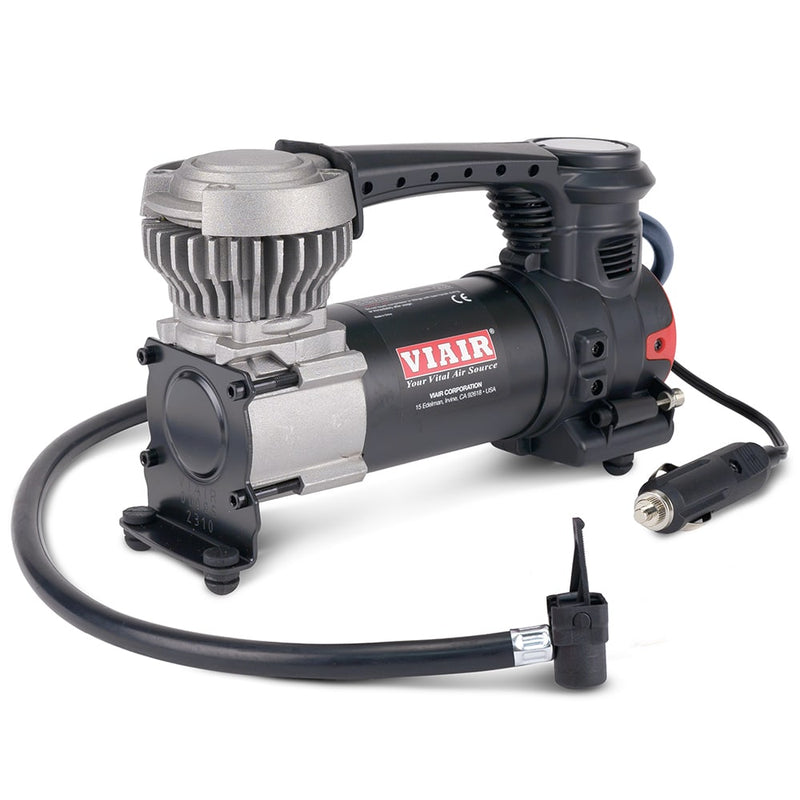
The best compact air compressor for inflating car tires typically features a high PSI rating and efficient airflow. Look for models with at least 30 PSI and a CFM rating of 1.5 to 2.0 for quick inflation. Additionally, consider compressors with automatic shut-off features to prevent over-inflation and those equipped with built-in pressure gauges for accuracy. Brands known for reliability and performance, such as VIAIR or ARB, often provide suitable options, particularly for rugged environments in regions like Africa and the Middle East.
What should I consider regarding supplier vetting for air compressors?
When vetting suppliers for compact air compressors, prioritize their industry experience, product certifications, and customer reviews. Request references and check their compliance with international standards, such as ISO certifications. Evaluate their capacity for customization, minimum order quantities (MOQs), and lead times, especially for bulk orders. It’s also beneficial to inquire about after-sales support and warranty policies to ensure long-term reliability and assistance.
How can I ensure the quality of compact air compressors before purchase?
To ensure quality, request detailed product specifications and certifications from potential suppliers. Conduct factory audits if feasible, or arrange for third-party inspections to verify compliance with quality standards. Additionally, consider requesting samples for testing before placing bulk orders. Establishing a clear quality assurance process that includes testing performance under various conditions will help mitigate risks and ensure that the compressors meet your expectations.
What are the typical payment terms for purchasing compact air compressors internationally?
Payment terms can vary significantly depending on the supplier and the purchasing agreement. Common options include payment in advance, letters of credit, or net terms (30, 60, or 90 days). It’s essential to negotiate terms that protect both parties, especially in international transactions where currency fluctuations can impact pricing. Always clarify the payment method, such as bank transfer or PayPal, and ensure all terms are documented in the sales agreement.
Quali sono le considerazioni logistiche da tenere a mente quando si importano compressori d'aria?
When importing compact air compressors, consider shipping options, customs regulations, and potential tariffs. Ensure that the chosen logistics provider is experienced in handling heavy equipment and can navigate international shipping complexities. It’s crucial to understand the documentation required for customs clearance, including commercial invoices and packing lists. Additionally, evaluate shipping insurance options to protect your investment against damage or loss during transit.
Can I customize compact air compressors to meet specific requirements?
Many manufacturers offer customization options for compact air compressors, allowing you to tailor features such as motor type, PSI ratings, and additional functionalities. Discuss your specific needs with suppliers to explore available customization options. However, be aware that customization may impact lead times and MOQs. Always obtain a detailed quote and timeline before proceeding with customized orders to ensure alignment with your project timelines.
What maintenance is required for compact air compressors to ensure longevity?
Regular maintenance is vital for maximizing the lifespan of compact air compressors. Key maintenance tasks include checking and replacing air filters, inspecting hoses for wear, and ensuring the pressure gauge is functioning accurately. It’s also advisable to periodically lubricate moving parts and drain moisture from the tank if applicable. Establish a maintenance schedule based on usage frequency and consult the manufacturer’s guidelines for specific care instructions to prevent operational issues and ensure reliability.
Dominio: store.arbusa.com
Registrato: 1998 (27 anni)
Introduzione: Portable & Vehicle Mounted Air Compressor Systems | ARB 4×4 USA. ARB Air Compressors are designed for reliable, on-the-go air to power tires, tools, and Air Lockers. Key products include: 1. Twin Motor Onboard 12V Air Compressor CKMTA12 – $593.95 2. Single Motor Onboard 12V Air Compressor CKMA12 – $323.95 3. Single Motor Portable 12V Air Compressor CKMP12V2 – $449.95 4. Twin Motor Portable 12V Air…
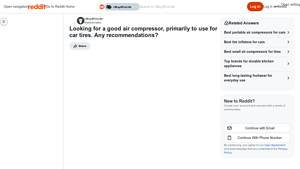
Dominio: reddit.com
Registrato: 2005 (20 anni)
Introduzione: Looking for a good air compressor primarily to use for car tires. Recommendations include: 1. Viair 88p – noted for its value and utility. 2. Milwaukee M18 – praised for its quality, especially if using existing Milwaukee batteries. 3. California Air Tools – recommended for being oil-free and quiet, with a specific mention of an 8-gallon model that is easy to carry.

Dominio: walmart.com
Registrato: 1995 (30 anni)
Introduzione: This company, NEXPOW – Portable Air Compressor, is a notable entity in the market. For specific product details, it is recommended to visit their website directly.
In summary, the strategic sourcing of compact air compressors for cars presents a significant opportunity for international B2B buyers. These devices, valued for their portability and versatility, serve various applications from tire inflation to powering pneumatic tools. By partnering with reliable manufacturers and suppliers, businesses can ensure access to high-performance compressors that meet the demands of diverse markets, particularly in regions like Africa, South America, the Middle East, and Europe.
Investing in quality compressors not only enhances operational efficiency but also positions companies to capitalize on the growing automotive and recreational markets. Buyers should prioritize suppliers that offer robust warranties, comprehensive customer support, and a proven track record of reliability.
Illustrative image related to compact air compressor for car
Looking ahead, the demand for compact air compressors is poised to grow as more consumers and businesses recognize their utility and convenience. This is an ideal time for B2B buyers to evaluate their sourcing strategies and explore innovative solutions that align with their operational needs. Embrace the future of automotive accessories by sourcing wisely and staying ahead in this competitive landscape.
Le informazioni fornite in questa guida, compresi i contenuti relativi ai produttori, alle specifiche tecniche e all'analisi di mercato, hanno uno scopo puramente informativo ed educativo. Non costituiscono una consulenza professionale in materia di acquisti, né una consulenza finanziaria o legale.
Pur avendo compiuto ogni sforzo per garantire l'accuratezza e la tempestività delle informazioni, non siamo responsabili di eventuali errori, omissioni o informazioni non aggiornate. Le condizioni di mercato, i dettagli aziendali e gli standard tecnici sono soggetti a modifiche.
Gli acquirenti B2B devono condurre una due diligence indipendente e approfondita. prima di prendere qualsiasi decisione di acquisto. È necessario contattare direttamente i fornitori, verificare le certificazioni, richiedere campioni e chiedere una consulenza professionale. Il rischio di affidarsi alle informazioni contenute in questa guida è esclusivamente a carico del lettore.


 Italian
  English
  Russian
  Spanish
  Arabic
  Portuguese
  German