
In the rapidly evolving world of motorbike gear, sourcing the right motorbike pack can be a daunting challenge for B2B buyers. With diverse options available globally, businesses must navigate a landscape that includes varying quality standards, design preferences, and functional requirements tailored to specific markets. This guide aims to demystify the complexities of procuring motorbike packs, offering invaluable insights into the types available, their applications, and essential criteria for supplier vetting.
From rugged, waterproof designs suited for long-distance touring to sleek, aerodynamic models ideal for urban commuting, understanding the nuances of each type can significantly enhance a buyer’s decision-making process. We delve into crucial factors such as cost considerations, supplier reliability, and market trends, ensuring that international buyers from regions like Africa, South America, the Middle East, and Europe—including key markets like Saudi Arabia and Germany—are equipped with the knowledge needed to make informed purchasing decisions.
By providing a comprehensive analysis of the global motorbike pack market, this guide empowers businesses to streamline their sourcing processes, ultimately enhancing their product offerings and customer satisfaction. Whether you are looking to expand your inventory or optimize your supply chain, the insights offered here will serve as a roadmap to navigate this competitive landscape effectively.
| Nome del tipo | Caratteristiche distintive principali | Applicazioni primarie B2B | Brevi pro e contro per gli acquirenti |
|---|---|---|---|
| Adventure Backpack | Rugged, waterproof, modular design | Long-distance touring, off-road | Pro: Durable, versatile; Contro: Bulkier than others. |
| Commuter Backpack | Sleek, aerodynamic, often includes laptop compartments | Daily commuting, urban use | Pro: Stylish, efficient storage; Contro: Limited capacity for larger items. |
| Hydration Pack | Integrated hydration systems, lightweight | Off-road riding, sports events | Pro: Keeps riders hydrated, lightweight; Contro: Limited storage for gear. |
| Sport Backpack | Sporty design, ergonomic fit, often with safety features | Racing, sport bike enthusiasts | Pro: Enhanced comfort, style; Contro: May lack versatility for everyday use. |
| Cargo Pack | Larger capacity, often features multiple compartments | Hauling equipment, delivery services | Pro: High storage capacity; Contro: Can be cumbersome to carry. |
Adventure backpacks are designed for durability and functionality, featuring waterproof materials and modular designs that allow riders to customize their storage. They are ideal for long-distance touring or off-road adventures, providing ample space for gear while ensuring protection against the elements. When purchasing, B2B buyers should consider the backpack’s capacity, comfort features, and the ability to attach additional cargo.
Commuter backpacks are characterized by their sleek, aerodynamic design, often including dedicated compartments for laptops and other daily essentials. These packs cater to urban riders who need efficient storage without sacrificing style. For B2B buyers, it’s essential to assess the balance between storage capacity and comfort, as well as how well the pack integrates with various riding gear.
Hydration packs are lightweight and designed with integrated hydration systems, making them perfect for off-road riding and sports events. They provide essential hydration without the bulk of traditional backpacks, allowing riders to focus on their performance. B2B purchasers should evaluate the hydration capacity, overall weight, and additional storage options to ensure they meet the needs of their target market.
Sport backpacks feature ergonomic designs that enhance comfort during high-speed rides, often incorporating safety features such as reflective materials. These packs are tailored for racing and sport bike enthusiasts, providing a blend of style and functionality. Buyers in the B2B space should consider the pack’s weight, safety features, and compatibility with racing gear when making purchasing decisions.
Cargo packs are designed with larger capacities and multiple compartments, making them ideal for hauling equipment or serving delivery services. Their spacious design allows for the transportation of various items, catering to businesses that require efficient logistics. B2B buyers should focus on the pack’s durability, organizational features, and ease of use to ensure they align with operational requirements.
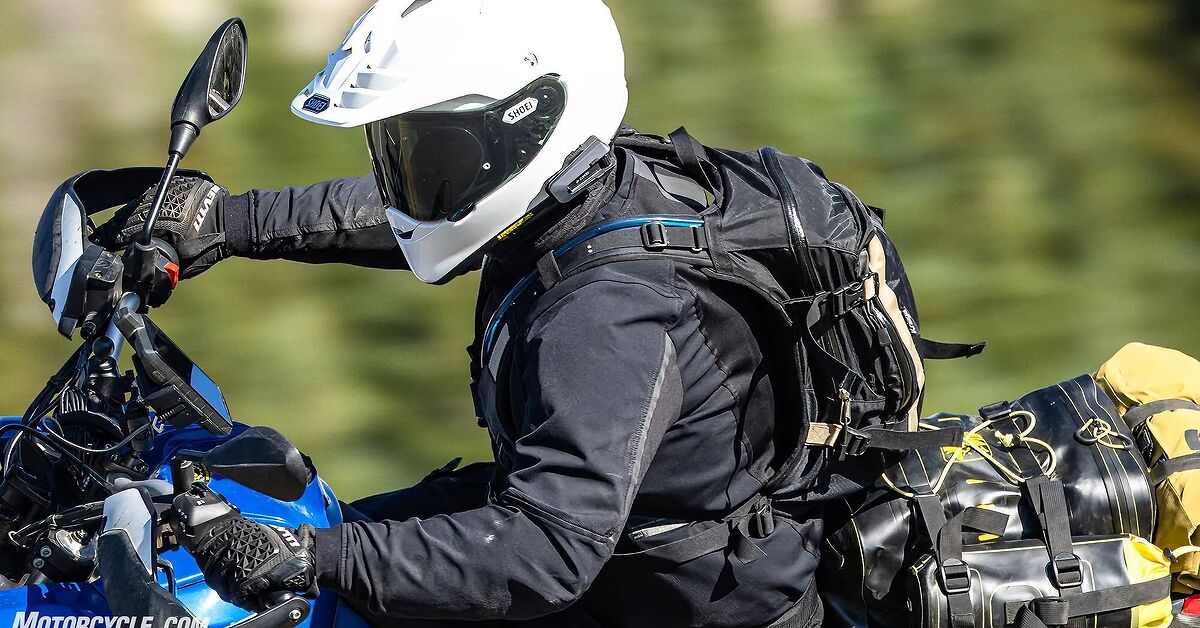
Illustrative image related to motorbike pack
| Industria/Settore | Specific Application of motorbike pack | Valore/Beneficio per l'azienda | Considerazioni chiave sull'approvvigionamento per questa applicazione |
|---|---|---|---|
| Logistica e consegna | Transporting small packages and documents | Increased efficiency in last-mile delivery | Durability, waterproof features, and capacity options |
| Servizi di emergenza | Carrying medical supplies and equipment | Quick access to essential gear in emergencies | Lightweight design, organizational compartments, and safety features |
| Turismo e viaggi d'avventura | Carrying personal items during guided tours | Enhanced customer experience and convenience | Comfort, ergonomic design, and weather resistance |
| Noleggio moto | Providing customers with essential gear for rentals | Improved customer satisfaction and safety | Quality assurance, brand reputation, and versatility |
| Outdoor Sports and Recreation | Storing gear for off-road biking and camping | Increased functionality and ease of transport | Storage capacity, ruggedness, and adaptability to various terrains |
In the logistics and delivery sector, motorbike packs are essential for transporting small packages and documents efficiently. They provide a streamlined method for last-mile delivery, especially in urban environments where traditional vehicles may struggle to navigate. Buyers in this sector should consider features such as durability, waterproof capabilities, and various capacity options to ensure that their deliveries remain safe and intact under different weather conditions.
Motorbike packs are invaluable in emergency services, particularly for transporting medical supplies and equipment swiftly. They enable first responders to access essential gear quickly, which is crucial in life-threatening situations. Buyers in this field should prioritize lightweight designs, organizational compartments for quick retrieval of items, and enhanced safety features to ensure that critical supplies are always ready for use.
In the tourism and adventure travel industry, motorbike packs are utilized for carrying personal items during guided tours. They enhance the overall customer experience by providing convenience and easy access to belongings while on the move. International buyers should focus on comfort, ergonomic designs, and weather resistance to cater to diverse climates and terrains, ensuring that travelers have a pleasant experience regardless of conditions.
Motorcycle rentals benefit significantly from incorporating motorbike packs, which provide customers with essential gear during their rental period. This not only improves customer satisfaction but also ensures safety while riding. When sourcing packs for rental operations, businesses should consider quality assurance, brand reputation, and versatility to meet varying customer needs and preferences.
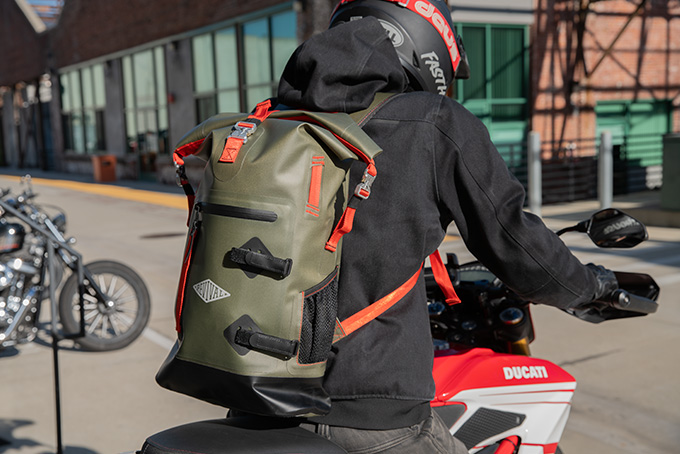
Illustrative image related to motorbike pack
Motorbike packs are vital for outdoor sports and recreation, especially for storing gear during off-road biking and camping trips. They enable riders to transport their equipment easily while maintaining functionality and ease of transport. Buyers in this sector should evaluate storage capacity, ruggedness, and adaptability to various terrains to ensure that the packs can withstand demanding outdoor conditions while providing ample space for gear.
Il problema: B2B buyers often face the challenge of selecting motorbike packs that can withstand various terrains and weather conditions. For instance, a logistics company operating in both arid desert regions and rainy climates requires a versatile solution. They need backpacks that not only offer ample storage but also protect contents from moisture and dust. Buyers worry about investing in products that may not perform well in extreme conditions, leading to potential losses in cargo or operational delays.
La soluzione: When sourcing motorbike packs, prioritize those designed with weather-resistant materials and features such as waterproof zippers and seams. Brands like Kriega and Alpinestars offer advanced options that include modular designs and removable waterproof liners, making them suitable for various environments. Conduct thorough market research to find suppliers who provide detailed product specifications and user reviews. Additionally, consider testing samples under different conditions to ensure performance meets expectations. By selecting packs that are adaptable to changing climates, companies can safeguard their cargo and enhance operational efficiency.
Il problema: B2B buyers in industries such as tourism or long-haul logistics often need motorbike packs that ensure rider comfort during extended use. Discomfort can lead to fatigue, which negatively impacts productivity and safety. Buyers may struggle to find packs that balance storage capacity with ergonomic design, resulting in potential injury risks or rider dissatisfaction.
La soluzione: Focus on sourcing motorbike packs that emphasize ergonomic features such as padded shoulder straps, adjustable chest and waist straps, and breathable back panels. Look for brands that incorporate feedback from long-distance riders in their design process. For example, the Kriega R25 and OGIO No Drag series are known for their comfort and support during long rides. Additionally, consider investing in packs that allow for weight distribution adjustments. Educate your procurement team on the importance of rider comfort by sharing testimonials and studies highlighting the impact of ergonomic design on rider performance. This approach not only enhances rider satisfaction but also contributes to a safer and more efficient operation.
Il problema: B2B buyers often encounter difficulties in managing inventory levels and ensuring cost efficiency when purchasing motorbike packs. Over-ordering can lead to excess stock that ties up capital, while under-ordering can result in missed sales opportunities. Buyers must navigate the balance of purchasing sufficient quantities while staying within budget constraints.
La soluzione: Implement a just-in-time (JIT) inventory strategy combined with data-driven forecasting to manage stock levels effectively. Utilize sales data and market trends to predict demand accurately, ensuring that orders align with customer needs. Partner with suppliers who offer flexible order quantities and competitive pricing, allowing for smaller, more frequent orders without incurring high shipping costs. Additionally, consider leveraging technology such as inventory management software to track stock levels and automate reordering processes. By optimizing inventory management, businesses can maintain a lean operation, reduce overhead costs, and respond swiftly to market demands, ultimately enhancing profitability.
Motorbike packs are essential for riders, offering storage solutions that must withstand various environmental conditions and usage scenarios. The selection of materials for these packs significantly influences their performance, durability, and overall user experience. Below, we analyze four common materials used in motorbike packs, focusing on their properties, advantages, disadvantages, and considerations for international B2B buyers.
Nylon is a widely used synthetic fabric known for its strength and versatility. It exhibits excellent abrasion resistance, making it ideal for motorbike packs that may encounter rough surfaces. Nylon also has a good temperature tolerance, withstanding both high and low temperatures without significant degradation.
Pro: Nylon is lightweight, durable, and resistant to mildew and abrasion. It is relatively inexpensive compared to other materials, making it a popular choice for manufacturers.
Contro: While nylon is durable, it can be prone to UV degradation over time if not treated. Additionally, it may absorb water unless coated with a waterproof layer, which can affect its performance in wet conditions.
Impatto sull'applicazione: Nylon is compatible with various media, including water and oils, but its susceptibility to UV damage should be considered for long-term outdoor use.
Considerazioni per gli acquirenti internazionali: Buyers from regions like Africa and the Middle East should ensure that the nylon used meets local standards for UV resistance, especially in areas with intense sunlight. Compliance with ASTM or DIN standards can also enhance marketability in Europe.
Polyester is another synthetic fabric favored for its resilience and water resistance. It offers good tensile strength and is less prone to stretching compared to nylon. Polyester also has excellent color retention and is less affected by sunlight.
Pro: The material is durable, lightweight, and typically more resistant to fading than nylon. Its inherent water-resistant properties make it suitable for various weather conditions.
Contro: Polyester can be less breathable than nylon, which may affect comfort during prolonged use. It is also generally more expensive than nylon.
Impatto sull'applicazione: Polyester is ideal for packs that require water resistance, making it suitable for riders in wet climates. However, its lower breathability can be a drawback for users in warmer regions.
Considerazioni per gli acquirenti internazionali: B2B buyers in Europe may prefer polyester for its durability and aesthetic appeal. Ensuring compliance with environmental regulations regarding synthetic materials is crucial for market entry.
Cordura® is a high-performance fabric made from nylon or polyester, known for its exceptional durability and resistance to abrasions, tears, and scuffs. This material is often used in premium motorbike packs designed for rugged use.
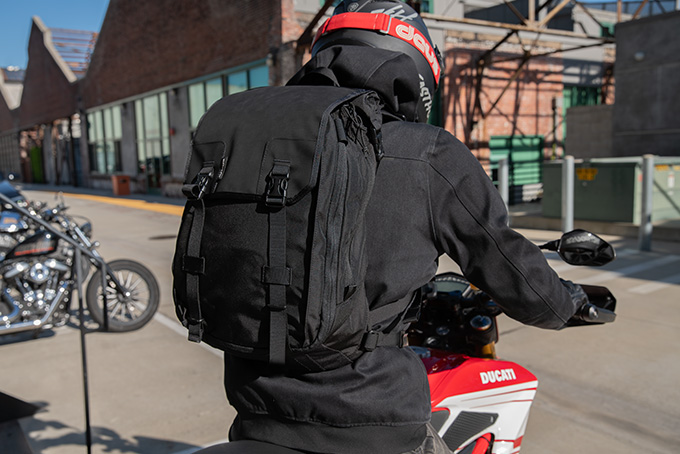
Illustrative image related to motorbike pack
Pro: Cordura® offers superior strength and longevity, making it ideal for long-term use. It is also water-resistant and can be treated for additional waterproofing.
Contro: The cost of Cordura® is significantly higher than standard nylon or polyester, which may limit its use in budget-friendly products. Additionally, its manufacturing process can be more complex.
Impatto sull'applicazione: Cordura® is suitable for heavy-duty applications, providing excellent protection for gear. Its durability makes it a favorite among adventure riders.
Considerazioni per gli acquirenti internazionali: Buyers in regions with demanding riding conditions, such as South America and the Middle East, may prioritize Cordura® for its performance. Compliance with international safety and quality standards is essential for market acceptance.
Leather is a traditional material known for its aesthetic appeal and durability. It provides natural water resistance and excellent abrasion protection, making it a popular choice for motorbike gear.
Illustrative image related to motorbike pack
Pro: Leather is highly durable and offers a classic look that many riders prefer. It also provides good insulation against temperature extremes.
Contro: Leather can be heavy and may require regular maintenance to keep it in good condition. It is also generally more expensive than synthetic materials.
Impatto sull'applicazione: Leather is well-suited for packs intended for casual use or style-focused riders. However, it may not perform as well in extreme weather conditions without additional treatments.
Considerazioni per gli acquirenti internazionali: Buyers in Europe may favor leather for its premium feel, while those in hotter climates should consider the weight and maintenance requirements. Compliance with environmental regulations regarding animal products is also a key consideration.
| Materiale | Typical Use Case for motorbike pack | Vantaggio chiave | Svantaggi/limitazioni principali | Costo relativo (Basso/Medio/Alto) |
|---|---|---|---|---|
| Nylon | General-purpose packs | Leggero e resistente | Degradazione UV nel tempo | Basso |
| Poliestere | Weather-resistant packs | Good water resistance | Less breathable | Medio |
| Cordura® | Heavy-duty adventure packs | Superior strength and longevity | High cost and complex manufacturing | Alto |
| Pelle | Style-focused or casual packs | Estetica e durata | Heavy and requires maintenance | Alto |
This comprehensive analysis provides B2B buyers with valuable insights into material selection for motorbike packs, enabling informed purchasing decisions that align with regional needs and standards.
The manufacturing of motorbike packs involves several critical stages to ensure both functionality and durability. Understanding these stages can help B2B buyers make informed decisions when selecting suppliers.
The first stage in manufacturing motorbike packs is material preparation. Manufacturers typically use high-quality synthetic fabrics like nylon or polyester, which offer durability and weather resistance. Additionally, materials are often treated with waterproof coatings to enhance protection against the elements.
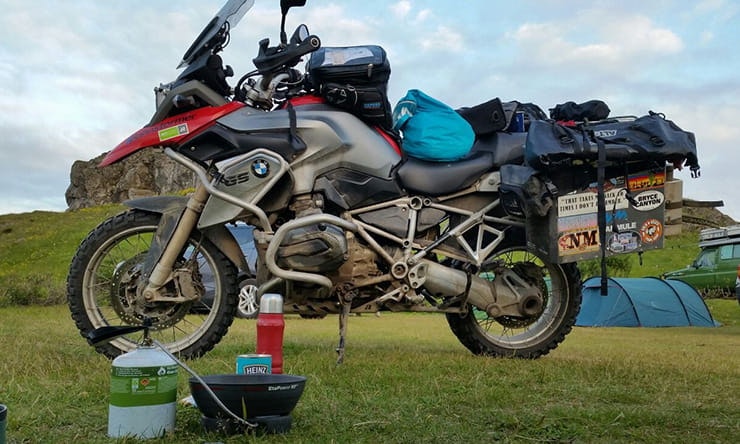
Illustrative image related to motorbike pack
During this stage, materials are sourced from reliable suppliers, and quality checks are performed to ensure they meet specified standards. Buyers should inquire about the sourcing of materials, as this can significantly impact the final product’s quality and performance.
The forming stage involves cutting the prepared materials into specific patterns, which are essential for the pack’s design and functionality. Advanced techniques such as computer-aided design (CAD) are commonly utilized to ensure precision and consistency.
After cutting, the pieces undergo stitching, which is a critical process that determines the strength of the seams. Manufacturers often use reinforced stitching methods to enhance durability, especially in high-stress areas. Buyers should consider the stitching techniques employed by suppliers, as they directly correlate with the longevity of the packs.
Assembly is where the individual components come together to form the final product. This stage may include attaching straps, zippers, and additional features like hydration systems or modular compartments. Quality control during assembly is vital to ensure that all parts fit correctly and function as intended.
Manufacturers may employ both manual labor and automated processes during assembly, depending on the scale of production. Buyers should assess whether the supplier has a balanced approach, as this can affect both quality and cost.
The finishing stage involves final inspections, cleaning, and packaging. This stage ensures that the motorbike packs are free from defects and ready for shipment. Some manufacturers also apply additional treatments, such as UV protection or abrasion resistance, to enhance the product’s performance in various conditions.
B2B buyers should look for suppliers that provide detailed information on their finishing processes, as this can be an indicator of the overall quality of the product.
Quality assurance is a critical aspect of the manufacturing process, especially for products that must withstand harsh conditions. Understanding the relevant international standards and industry-specific certifications can help buyers make informed choices.
For motorbike packs, adherence to international standards such as ISO 9001 is crucial. This standard focuses on quality management systems and ensures that manufacturers maintain a consistent level of quality throughout their production processes.
In addition to ISO standards, industry-specific certifications like CE marking for safety and compliance with the European Union regulations may also be relevant. B2B buyers should verify that suppliers hold these certifications, as they demonstrate a commitment to quality and safety.
Illustrative image related to motorbike pack
Quality control checkpoints are integral to maintaining product integrity. Typically, these include:
B2B buyers should inquire about the specific QC checkpoints utilized by suppliers and how they document these processes.
Common testing methods for motorbike packs include tensile strength tests, waterproofing tests, and abrasion resistance tests. These tests help ensure that the packs can withstand the rigors of motorcycle riding.
B2B buyers should ask suppliers for test reports and certifications that validate the performance of their products. This transparency is essential for building trust and ensuring that the products meet the necessary safety and quality standards.
Verifying a supplier’s quality control processes is crucial for mitigating risks and ensuring product reliability.
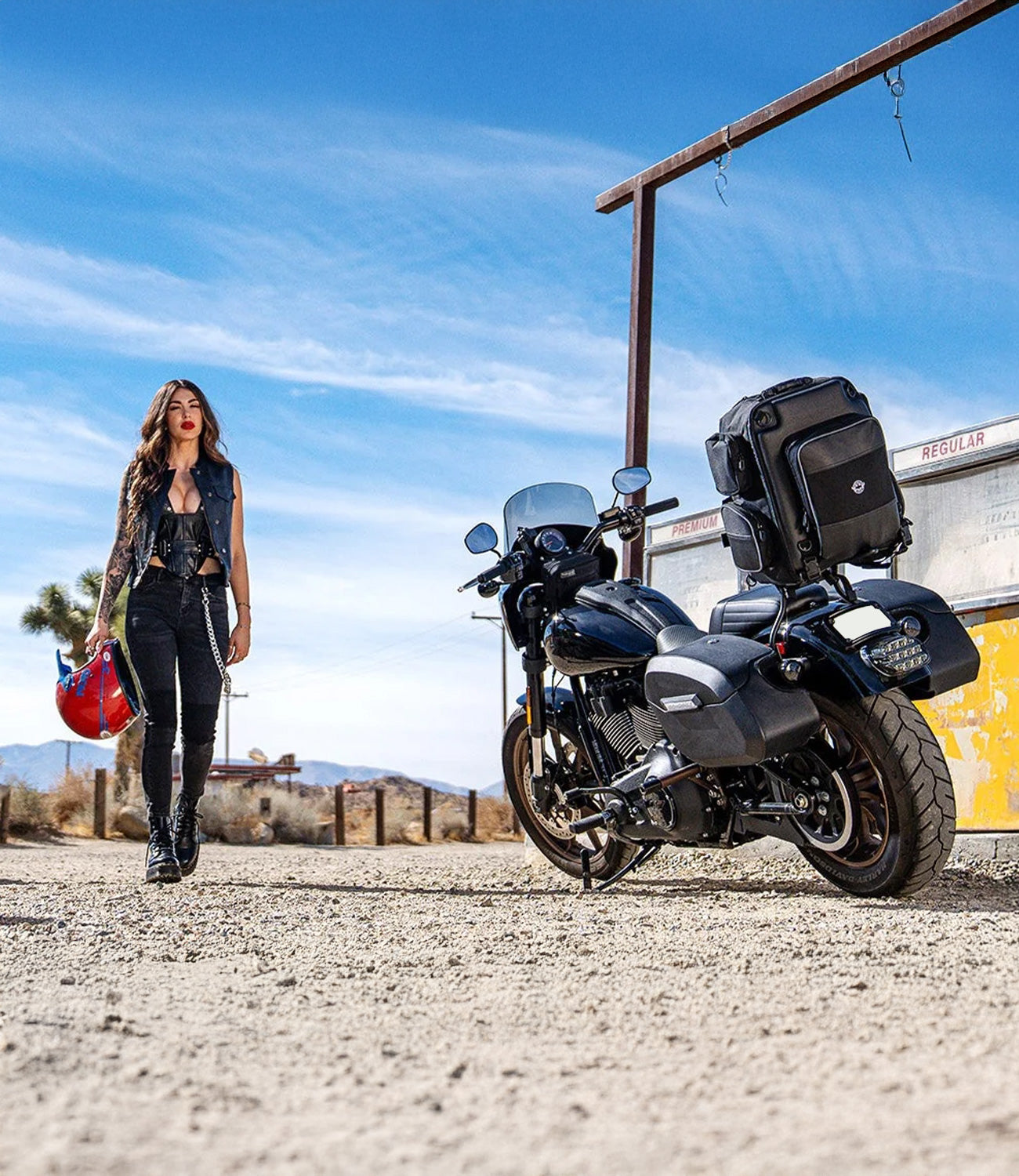
Illustrative image related to motorbike pack
Conducting supplier audits can provide valuable insights into a manufacturer’s quality control processes. Buyers should establish a clear audit protocol that includes checking for certifications, reviewing QC documentation, and observing the manufacturing process.
Additionally, engaging third-party inspection services can provide an unbiased evaluation of the supplier’s quality practices. This is particularly important for buyers in regions like Africa or South America, where local regulations may differ from international standards.
Suppliers should provide detailed reports on their manufacturing and quality assurance processes. B2B buyers should request access to these documents, including material certifications, test results, and quality control logs.
Understanding these documents can help buyers assess the reliability of the supplier and the quality of the motorbike packs being offered.
For international buyers, particularly from diverse markets such as the Middle East and Europe, understanding the nuances of quality control is vital.
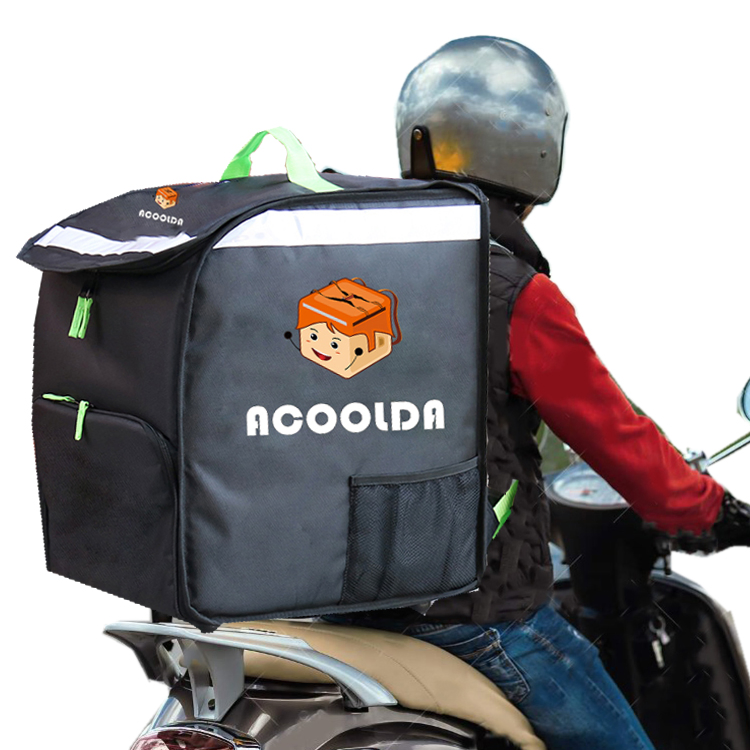
Illustrative image related to motorbike pack
Different regions may have varying regulations and standards that affect product quality. For instance, European buyers may prioritize CE certification, while buyers in the Middle East might focus on compliance with local safety standards.
B2B buyers should familiarize themselves with the specific regulations applicable to their target markets to ensure that the products meet local requirements.
Sourcing motorbike packs from international suppliers can present challenges, such as language barriers, differing quality expectations, and logistical issues.
Illustrative image related to motorbike pack
To mitigate these challenges, B2B buyers should establish clear communication channels with suppliers and consider working with local representatives who understand the market dynamics.
By understanding the manufacturing processes and quality assurance measures associated with motorbike packs, B2B buyers can make more informed decisions that align with their business needs.
This sourcing guide is designed to assist B2B buyers in effectively procuring motorbike packs. By following this step-by-step checklist, buyers can ensure they select high-quality products that meet their specific needs while establishing reliable supplier relationships.
Before initiating the sourcing process, clearly outline the technical specifications required for your motorbike packs. This includes capacity, material, waterproofing features, and any additional functionalities such as hydration systems or modular designs. Having a detailed specification will streamline the selection process and help in evaluating suppliers based on your exact needs.
Understanding the preferences and requirements of your target market is essential. Different regions may have varying demands; for example, buyers in Europe may prioritize stylish designs, while those in Africa might focus on durability and affordability. Conduct market research to identify trends and preferences in your target regions, enabling you to tailor your offerings accordingly.
Illustrative image related to motorbike pack
Thoroughly vet potential suppliers to ensure they can meet your specifications and quality standards. Request company profiles, product samples, and references from similar businesses. Look for certifications that demonstrate compliance with industry standards, which can indicate reliability and quality assurance.
Once you have shortlisted suppliers, evaluate the quality of their motorbike packs. This can involve requesting samples for testing, focusing on aspects such as durability, comfort, and functionality. It’s crucial to assess whether the packs meet your defined specifications and can withstand the conditions of your target market.
Ensure that the motorbike packs comply with international safety and environmental standards relevant to your market. This is particularly important when importing products, as non-compliance can lead to legal issues and damage your brand’s reputation.
Illustrative image related to motorbike pack
Engage in discussions regarding pricing, payment terms, and shipping logistics with your selected suppliers. Be clear about your budget and negotiate terms that align with your financial strategy. Understanding the total cost of ownership, including shipping and potential tariffs, will help you make informed decisions.
Finally, aim to establish a long-term partnership with your chosen suppliers. A good relationship can lead to better pricing, priority service, and collaborative opportunities for product development. Regular communication and feedback will strengthen this partnership, allowing you to adapt to changing market needs effectively.
By following this checklist, B2B buyers can streamline the procurement process for motorbike packs, ensuring they select quality products that align with their business objectives and market demands.
When analyzing the cost structure for sourcing motorbike packs, several components must be considered to ensure a comprehensive understanding of the total expenditure. The primary cost elements include materials, labor, manufacturing overhead, tooling, quality control (QC), logistics, and profit margins.
I materiali: The choice of materials significantly influences the cost. High-quality fabrics, waterproof linings, and durable zippers can increase the price but are crucial for performance and longevity. In contrast, lower-quality materials may reduce costs but could lead to increased returns and customer dissatisfaction.
Lavoro: Labor costs vary by region and can be impacted by local wage standards and the complexity of manufacturing processes. Skilled labor may demand higher wages, particularly if specialized techniques are required for quality craftsmanship.
Spese generali di produzione: This encompasses all indirect costs associated with production, including utilities, facility maintenance, and administrative expenses. Efficient production processes can help minimize these costs, ultimately affecting the pricing strategy.
Utensili: Initial tooling costs for molds and equipment can be substantial, especially for customized designs. Buyers should consider these costs in relation to the expected order volume.
Controllo qualità (CQ): Implementing a robust QC process ensures that the products meet the required standards. This may involve additional costs but can significantly reduce the risk of defects and returns, thus enhancing customer satisfaction.
Logistica: Transportation and warehousing costs play a vital role, particularly for international shipments. The choice of Incoterms can affect the financial responsibility for shipping, insurance, and tariffs, impacting the overall cost structure.
Margine: Finally, manufacturers typically add a profit margin to cover their business expenses and provide a return on investment. This margin can vary based on market demand and competition.
Several factors can influence the pricing of motorbike packs, impacting the buyer’s final cost. Understanding these influences can enhance negotiation strategies and sourcing decisions.
Volume/MOQ: Manufacturers often offer discounts for larger orders. Minimum Order Quantities (MOQs) can vary, and negotiating a lower MOQ may be beneficial for smaller businesses seeking to minimize initial investment.
Specifiche e personalizzazione: Customized designs or specific features can increase costs. Buyers should weigh the benefits of customization against the additional expenses incurred.
Qualità dei materiali e certificazioni: The quality of materials used and relevant certifications (e.g., waterproof ratings) can significantly impact pricing. High-quality, certified materials typically command a premium.
Fattori di fornitura: The reliability and reputation of suppliers can affect pricing. Established suppliers may offer better quality assurance but at a higher cost. Evaluating supplier capabilities and track record is essential.
Incoterms: The choice of Incoterms determines the distribution of shipping responsibilities and costs. Understanding these terms can help buyers negotiate better deals and manage logistics more effectively.
International B2B buyers, especially from regions like Africa, South America, the Middle East, and Europe, should adopt specific strategies to maximize cost-efficiency and minimize risks in sourcing motorbike packs.
Illustrative image related to motorbike pack
Negoziare in modo efficace: Always seek to negotiate terms and prices. Building a relationship with suppliers can lead to better pricing, especially for repeat orders.
Considerare il costo totale di proprietà (TCO): Beyond the initial purchase price, consider the TCO, including logistics, maintenance, and potential warranty costs. A higher upfront cost may lead to lower long-term expenses if the product is durable.
Comprendere le sfumature dei prezzi: Different regions may have varying pricing strategies based on local market conditions, currency fluctuations, and import tariffs. Being aware of these factors can aid in making informed purchasing decisions.
Evaluate Quality vs. Cost: While it may be tempting to opt for the lowest price, compromising on quality can lead to higher long-term costs due to returns and customer dissatisfaction. Prioritize quality to ensure customer loyalty and brand reputation.
The prices for motorbike packs can vary widely based on the factors discussed above. It is advisable for buyers to conduct thorough market research and obtain multiple quotes to ensure competitive pricing that aligns with their specific needs and budget constraints.
When evaluating solutions for transporting goods and gear for motorbike riders, it’s essential to consider various alternatives to the traditional motorbike pack. While motorbike packs are designed specifically for riders, other solutions may offer unique benefits depending on the use case. This analysis compares motorbike packs with two viable alternatives: motorcycle saddlebags and messenger bags, focusing on performance, cost, ease of implementation, maintenance, and best use cases.
| Aspetto di confronto | Motorbike Pack | Motorcycle Saddlebags | Messenger Bag |
|---|---|---|---|
| Prestazioni | High durability; designed for stability at speed; often waterproof | High storage capacity; stable on long rides | Lightweight; quick access to items |
| Costo | Moderato ($100 - $300) | Varies ($50 – $500) | Low to moderate ($30 – $200) |
| Facilità di implementazione | Easy to wear and adjust; compatible with riding gear | Requires installation on the bike; may need modification | Semplice da usare, non richiede installazione |
| Manutenzione | Generally low; occasional cleaning and waterproofing | Moderate; may require hardware checks | Low; easy to clean and maintain |
| Il miglior caso d'uso | Short to medium rides, daily commuting, or off-road adventures | Long-distance touring or carrying large loads | Urban commuting, quick errands, or casual rides |
Motorcycle saddlebags provide a larger storage capacity than motorbike packs, making them ideal for long-distance touring or transporting significant amounts of gear. They are generally designed to be stable at high speeds, ensuring that contents remain secure. However, installation can be cumbersome, often requiring additional hardware or modifications to the motorcycle. Additionally, saddlebags may not offer the same level of waterproofing as specialized motorbike packs, necessitating extra care in inclement weather.
Messenger bags are an excellent alternative for urban commuters looking for quick access to their belongings. They are lightweight and easy to carry, allowing for a casual style that suits city environments. However, they typically lack the durability and weatherproof features found in dedicated motorbike packs. Messenger bags also provide less stability at high speeds, which could be a concern for riders who prioritize safety and performance.
When selecting the right solution for transporting gear while riding, B2B buyers should consider their specific use cases and priorities. If durability and weather resistance are paramount, a motorbike pack is likely the best choice. For those requiring substantial storage capacity for long trips, motorcycle saddlebags may be more appropriate. Conversely, urban riders focused on convenience and quick access to items might find messenger bags to be the most suitable option. By evaluating these factors, buyers can make informed decisions that align with their operational needs and rider preferences.
When sourcing motorbike packs for your business, understanding the technical specifications is crucial for making informed purchasing decisions. Here are several critical properties to consider:
The material used in the construction of motorbike packs significantly influences durability, weight, and weather resistance. Common materials include nylon, polyester, and leather. High-denier fabrics (e.g., 1000D nylon) are often preferred for their strength and resistance to abrasion. Buyers should evaluate material grade to ensure the packs can withstand the rigors of daily use, especially in harsh environments.
Motorbike packs often feature waterproofing technologies, such as sealed seams and water-resistant coatings. This property is vital for protecting contents from rain and moisture, which is especially important for riders in regions with unpredictable weather. Understanding the level of waterproofing can help buyers choose packs suitable for various climates and riding conditions.
Capacity is measured in liters and indicates how much gear the pack can hold. Common sizes range from small (10-20 liters) for everyday commuting to larger packs (30+ liters) for long-distance travel. Buyers should consider their target market’s needs, as different riders will have varying storage requirements based on their riding style and purpose.
The design of the motorbike pack plays a critical role in rider comfort. Look for features such as padded shoulder straps, adjustable sternum straps, and breathable back panels. An ergonomic design reduces fatigue during long rides, making it an essential consideration for B2B buyers targeting serious riders.
Some motorbike packs incorporate safety features, such as reflective strips or built-in armor for added protection. These features enhance visibility and safety, particularly for riders who often travel in low-light conditions. Buyers should prioritize these elements to appeal to safety-conscious customers.
Many modern motorbike packs offer modular designs, allowing users to attach additional accessories or customize their setup. This flexibility can be a selling point for B2B buyers, as it caters to the diverse needs of different riders and enhances the pack’s versatility.
Illustrative image related to motorbike pack
Navigating the motorbike pack market requires familiarity with industry-specific jargon. Here are some key terms that B2B buyers should know:
OEM refers to companies that produce parts and equipment that may be marketed by another manufacturer. For motorbike packs, understanding OEM relationships is crucial for ensuring product quality and compatibility with other motorcycle gear.
MOQ indicates the smallest quantity of a product that a supplier is willing to sell. Knowing the MOQ is essential for budgeting and inventory planning, as it can significantly impact purchasing decisions.
An RFQ is a document sent to suppliers to request pricing and terms for specific products. When sourcing motorbike packs, issuing an RFQ helps buyers gather competitive bids and make informed decisions based on cost and specifications.
Incoterms are a set of rules that define the responsibilities of buyers and sellers in international transactions. Understanding Incoterms is vital for B2B buyers to clarify shipping responsibilities, costs, and risks associated with importing motorbike packs.
Lead time refers to the time taken from placing an order to receiving the product. In the motorbike industry, understanding lead times helps buyers plan inventory and meet customer demands effectively.
Warranty terms specify the conditions under which a manufacturer will repair or replace defective products. Familiarity with warranty terms is crucial for buyers to ensure they are covered in case of product failures, enhancing customer trust and satisfaction.
By grasping these technical properties and trade terms, B2B buyers can make more strategic decisions when sourcing motorbike packs, ultimately enhancing their product offerings and customer satisfaction.
The global motorbike pack market is experiencing significant transformation driven by various factors. As urbanization accelerates, particularly in regions like Africa and South America, the demand for efficient and stylish motorcycle backpacks is on the rise. This growth is complemented by an increase in motorcycle ownership, driven by a preference for cost-effective commuting solutions amidst rising fuel prices and urban congestion.
Emerging technologies are also reshaping sourcing trends within the sector. The integration of smart features, such as built-in GPS tracking and charging capabilities, is becoming increasingly appealing to tech-savvy consumers. Additionally, the rise of e-commerce platforms has enabled international B2B buyers to source products directly from manufacturers and suppliers, enhancing transparency and reducing lead times.
Furthermore, sustainability is becoming a critical focus for buyers, particularly in Europe and the Middle East, where environmental regulations are tightening. Buyers are increasingly seeking products made from recycled materials or those that minimize environmental impact, which will shape sourcing strategies moving forward. As brands innovate to meet these demands, international buyers must stay abreast of these trends to maintain competitive advantages in their respective markets.
Sustainability and ethical sourcing are becoming essential considerations in the motorbike pack sector. The environmental impact of production processes, particularly in the use of plastics and synthetic materials, is prompting buyers to demand greener alternatives. Sustainable practices not only contribute to environmental conservation but also enhance brand reputation, appealing to a growing segment of eco-conscious consumers.
International B2B buyers are increasingly prioritizing suppliers who adhere to ethical supply chain practices. Certifications such as Global Recycle Standard (GRS) and OEKO-TEX® are gaining traction, as they assure buyers of the environmental integrity of the products they are sourcing. Manufacturers are responding by exploring innovative materials, such as bio-based plastics and recycled fabrics, which reduce carbon footprints and promote sustainability.
Moreover, transparency in supply chains is crucial. Buyers are looking for partners who can provide detailed information on sourcing practices and material origins, ensuring that their products align with sustainability goals. As the demand for sustainable motorbike packs continues to grow, suppliers must adapt and innovate to meet these expectations.
The evolution of the motorbike pack market can be traced back to the late 20th century when motorcycle culture began to gain prominence globally. Initially, motorcycle backpacks were functional, focusing primarily on utility rather than aesthetics. However, as motorcycle ownership surged and lifestyle branding became more important, manufacturers began to innovate, introducing designs that catered to both form and function.
By the early 2000s, the market saw the emergence of specialized brands that catered to specific riding styles—whether for commuting, adventure touring, or off-road biking. This segmentation led to a diversification of products, with features such as waterproofing, ergonomic designs, and smart storage solutions becoming standard. Today, the market is characterized by a blend of technology, style, and sustainability, reflecting the evolving needs of riders across diverse regions.
Understanding this history is crucial for B2B buyers, as it highlights the trends that continue to shape consumer preferences and sourcing strategies in the motorbike pack sector. As the market moves forward, staying informed about past developments will help buyers make informed decisions that align with current and future trends.
How can I determine the best motorbike pack for my needs?
To identify the best motorbike pack, consider the specific requirements of your market, such as capacity, durability, and weather resistance. Evaluate the types of rides your target customers undertake—commuting, touring, or off-road adventures. Research brands known for their quality, such as Kriega or Alpinestars, and analyze customer reviews for insights. It’s also beneficial to assess the design and ergonomics of the packs, ensuring they meet rider comfort and usability standards.
What features should I look for in a high-quality motorbike pack?
Key features to look for include waterproof materials, ergonomic designs, and adequate storage capacity. A quality motorbike pack should have compartments for organizing gear and be lightweight yet durable to withstand varying weather conditions. Additionally, consider packs with reflective elements for visibility and safety, as well as adjustable straps for a secure fit. These attributes enhance the user experience, making the packs suitable for diverse riding conditions.
What are the typical minimum order quantities (MOQs) for motorbike packs?
MOQs for motorbike packs can vary significantly by supplier, typically ranging from 50 to 500 units, depending on the manufacturer and the complexity of the design. When sourcing, inquire about flexibility in order sizes, especially if you are entering a new market or testing a product. Establishing a good relationship with your supplier may also allow for lower MOQs as your business grows and you place larger orders over time.
How can I verify the credibility of a motorbike pack supplier?
To vet a supplier, start by checking their business licenses and certifications to ensure compliance with international trade regulations. Look for online reviews and testimonials from other B2B buyers. Request samples to assess product quality firsthand. Additionally, consider visiting the supplier’s facility if feasible, or utilizing third-party inspection services to confirm their manufacturing capabilities and quality control processes.
What payment terms are common in international trade for motorbike packs?
Common payment terms include a 30% deposit upon order confirmation, with the remaining balance due prior to shipment. Some suppliers may offer flexible terms such as net 30 or net 60 days. It’s essential to negotiate terms that provide security for both parties, considering factors like order size and business history. Using secure payment methods like letters of credit or escrow services can also mitigate risks in international transactions.
How do I handle logistics and shipping for international orders of motorbike packs?
Logistics can be managed by partnering with reliable freight forwarders experienced in handling international shipments. Ensure they understand customs regulations for your destination countries, as these can vary significantly, especially in regions like Africa and South America. Discuss incoterms with your supplier to clarify responsibilities for shipping costs and risks. Additionally, consider the use of tracking services to monitor shipments, ensuring timely delivery.
What customization options should I consider for motorbike packs?
Customization options can include branding, color choices, and specific features such as additional pockets or reflective materials. Many suppliers offer bespoke services, allowing you to tailor the product to your target market’s preferences. When discussing customization, ensure that you understand the implications for cost and production timelines, as bespoke options may affect MOQs and lead times.
What quality assurance practices should I expect from motorbike pack manufacturers?
Reputable manufacturers should have stringent quality assurance (QA) processes in place, including material inspections, production monitoring, and final product testing. Request information about their QA protocols, such as certifications like ISO 9001. It’s also advisable to establish clear product specifications and tolerances to avoid misunderstandings. Regular audits or third-party inspections can further ensure that the products meet your quality expectations before they are shipped.
Dominio: revzilla.com
Registrato: 2006 (19 anni)
Introduzione: This company, Revzilla – Motorcycle Backpacks, is a notable entity in the market. For specific product details, it is recommended to visit their website directly.
Dominio: moskomoto.com
Registrato: 2013 (12 anni)
Introduzione: Questa azienda, Mosko Moto - Motorcycle Luggage Systems, è un'entità di rilievo nel mercato. Per informazioni specifiche sui prodotti, si consiglia di visitare direttamente il loro sito web.
Dominio: cyclegear.com
Registrato: 1996 (29 anni)
Introduzione: This company, Cycle Gear – Motorcycle Backpacks, is a notable entity in the market. For specific product details, it is recommended to visit their website directly.

Dominio: riderbagusa.com
Registrazione: 2019 (6 anni)
Introduzione: Reflective Backpack designed for riders, available in 35L capacity. Features include high visibility fluorescent yellow-green color for daytime safety, fully reflective material for nighttime visibility, and water-resistant design. Includes a free high-visibility waterproof backpack cover. Suitable for bike commuters, motorcycle riders, and outdoor enthusiasts. Testimonials highlight its lightweig…
Dominio: reddit.com
Registrato: 2005 (20 anni)
Introduzione: Kriega R20, Kriega R22, ILE Default bag, Timbuk2, Ogio No Drag Mach 5
Dominio: sw-motech.us
Registrazione: 2019 (6 anni)
Introduzione: SW-MOTECH offers a range of motorcycle backpacks designed for various riding needs, including daily commuting, weekend trips, and long-distance touring. Key features of the backpacks include: 1. Enhanced Durability: Built to withstand harsh riding conditions. 2. Aerodynamic Design: Reduces wind resistance. 3. Secure Fit: Prevents shifting while riding. 4. Waterproof or Water-Resistant: Protects ge…
In the rapidly evolving market for motorcycle backpacks, strategic sourcing emerges as a pivotal component for international B2B buyers. Understanding product specifications, such as durability, waterproofing, and ergonomic design, is crucial when evaluating suppliers. Brands like Kriega and Alpinestars exemplify the quality and functionality that end-users seek, making them ideal candidates for partnerships. By leveraging insights into customer preferences and market trends, buyers can enhance their procurement strategies and align with manufacturers who prioritize innovation and rider safety.
Moreover, the global nature of the motorcycle accessories market presents unique opportunities for collaboration across regions, particularly between emerging markets in Africa and South America and established industries in Europe and the Middle East. As demand for high-quality, stylish, and functional motorcycle packs continues to rise, forward-thinking buyers should engage with suppliers who not only meet current needs but also anticipate future trends.
Embrace the potential of strategic sourcing to build resilient supply chains and elevate your product offerings. By fostering strong partnerships with key manufacturers, you can position your business at the forefront of the motorcycle accessory market. Take action now to explore these opportunities and drive your success in this dynamic sector.
Le informazioni fornite in questa guida, compresi i contenuti relativi ai produttori, alle specifiche tecniche e all'analisi di mercato, hanno uno scopo puramente informativo ed educativo. Non costituiscono una consulenza professionale in materia di acquisti, né una consulenza finanziaria o legale.
Pur avendo compiuto ogni sforzo per garantire l'accuratezza e la tempestività delle informazioni, non siamo responsabili di eventuali errori, omissioni o informazioni non aggiornate. Le condizioni di mercato, i dettagli aziendali e gli standard tecnici sono soggetti a modifiche.
Gli acquirenti B2B devono condurre una due diligence indipendente e approfondita. prima di prendere qualsiasi decisione di acquisto. È necessario contattare direttamente i fornitori, verificare le certificazioni, richiedere campioni e chiedere una consulenza professionale. Il rischio di affidarsi alle informazioni contenute in questa guida è esclusivamente a carico del lettore.


 Italian
  English
  Russian
  Spanish
  Arabic
  Portuguese
  German