
In today’s dynamic market, sourcing high-quality side bags for motorcycles presents both opportunities and challenges for international B2B buyers. The growing popularity of motorcycle travel, coupled with diverse consumer preferences across regions, necessitates a keen understanding of product variations, applications, and supplier capabilities. This guide is designed to empower businesses in Africa, South America, the Middle East, and Europe by providing comprehensive insights into the types of side bags available, their practical applications, and effective strategies for supplier vetting.
Motorcycle side bags come in various styles, including soft luggage, hard cases, and custom options tailored to specific bike models. Understanding these differences is crucial for ensuring that the chosen products meet the demands of your target market. Additionally, we will explore the cost implications of different bag types, helping you budget effectively while maximizing value.
As you navigate this global landscape, the guide will also address critical considerations such as supplier reliability, product quality, and compliance with regional regulations. By leveraging the information presented here, B2B buyers can make informed purchasing decisions that align with their business goals, ensuring they offer their customers not just products, but reliable solutions for their motorcycle adventures. Whether you’re catering to emerging markets or established regions, this guide serves as your roadmap to success in the competitive world of motorcycle accessories.
| Nome del tipo | Caratteristiche distintive principali | Applicazioni primarie B2B | Brevi pro e contro per gli acquirenti |
|---|---|---|---|
| Borse | Rigid or semi-rigid, mounted on racks, large storage capacity | Turismo a lungo raggio, avventura | Pro: High durability, secure mounting. Contro: Heavier, requires installation. |
| Saddle Bags | Soft-sided, often attach with straps, versatile fit | Pendolarismo quotidiano, viaggi brevi | Pro: Lightweight, easy to install. Contro: Less secure, may not be waterproof. |
| Sistemi senza cremagliera | No mounting rack required, utilizes straps and harnesses | Off-road and adventure touring | Pro: Lightweight, flexible installation. Contro: Stability can vary, limited capacity. |
| Custodie rigide | Rigid, lockable, often waterproof, designed for security | Security-focused applications, urban commuting | Pro: Maximum protection, secure storage. Contro: Heavier, may require specific mounting. |
| Borse da serbatoio | Mounted on the fuel tank, smaller capacity, quick access | Quick errands, short rides | Pro: Easy access, minimal impact on bike handling. Contro: Limited storage space, may obstruct view. |
Panniers are typically rigid or semi-rigid side bags that attach to a motorcycle’s frame via mounting racks. They offer significant storage capacity, making them ideal for long-distance touring and adventure riding. B2B buyers should consider the material durability and weather resistance of the panniers, as these factors will impact performance in various conditions. Additionally, the installation process can be a key consideration, as some models require specific mounting hardware.
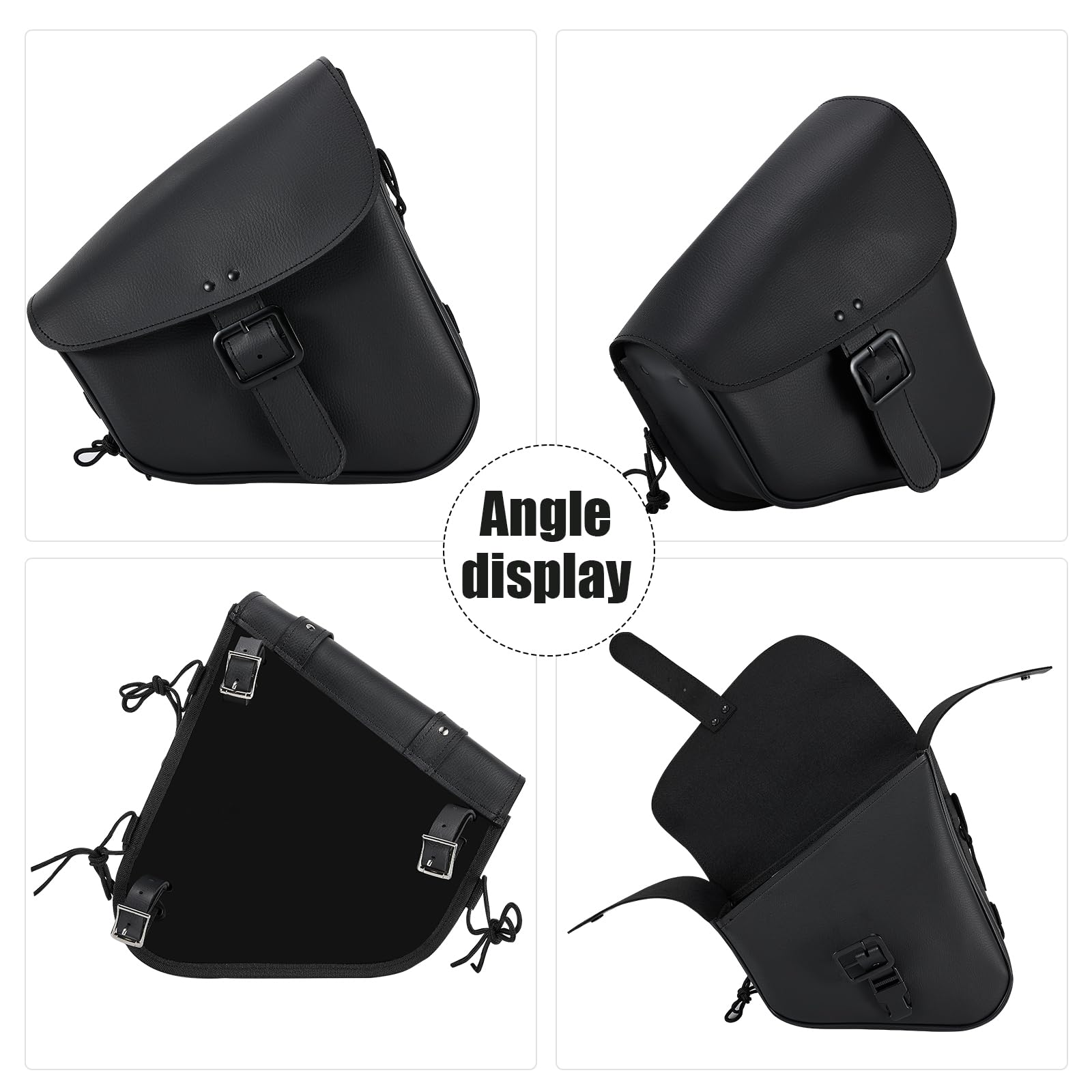
Saddle bags are soft-sided storage options that attach to the sides of a motorcycle using straps or clips. They are versatile and can fit a variety of bike models, making them suitable for daily commuting and short trips. B2B buyers should evaluate the ease of installation and the weight of the saddle bags, as well as their capacity and security features. While they are lightweight and easy to install, they may not offer the same level of security or waterproofing as harder options.
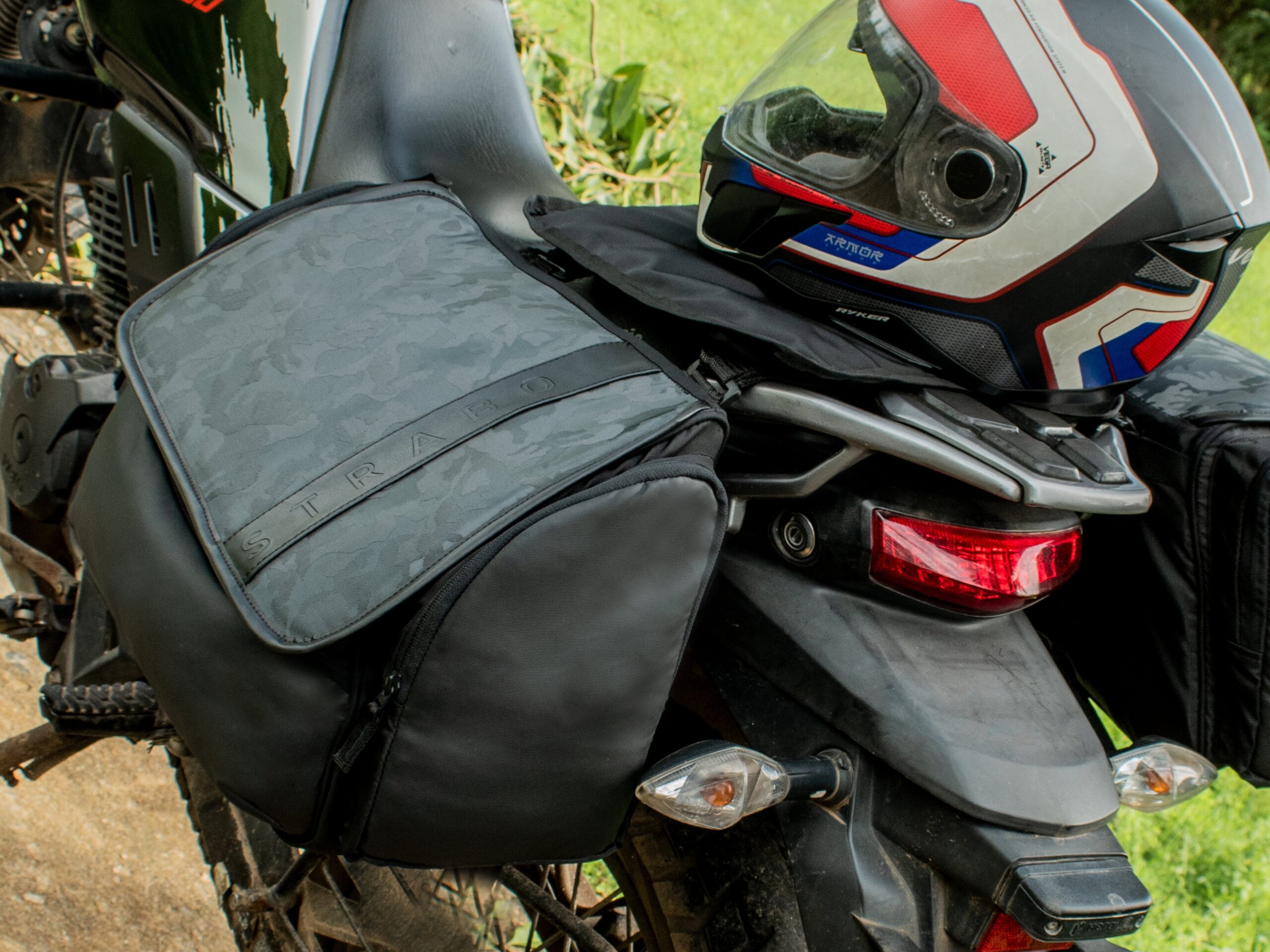
Rackless systems utilize a combination of straps and harnesses to secure bags directly to the motorcycle without the need for a mounting rack. This design is particularly beneficial for off-road and adventure riding, where flexibility and weight savings are crucial. B2B buyers should consider the ease of installation and the potential for varying stability when loaded. While these systems are generally lighter and easier to adjust, they may have limitations regarding capacity and load distribution.
Hard cases are rigid, lockable storage solutions that provide excellent protection against theft and environmental factors. They are ideal for urban commuting or situations where security is a priority. B2B buyers should assess the weight of hard cases, as they can be heavier than soft options, and ensure that their motorcycles can accommodate the specific mounting requirements. While hard cases offer maximum protection, they may limit the overall aesthetic and aerodynamics of the motorcycle.
Tank bags are smaller storage solutions mounted directly on the motorcycle’s fuel tank, providing quick access to essential items during short rides or errands. They are designed to minimize impact on bike handling and are typically easy to remove. B2B buyers should consider the limited storage capacity and potential obstruction of the rider’s view when selecting tank bags. Despite these limitations, their convenience and ease of use make them a popular choice for short-distance travel.
| Industria/Settore | Specific Application of side bags for motorcycle | Valore/Beneficio per l'azienda | Considerazioni chiave sull'approvvigionamento per questa applicazione |
|---|---|---|---|
| Servizi di consegna | Used for last-mile deliveries in urban areas | Enhances efficiency and reduces delivery times | Durability, waterproofing, and compatibility with various motorcycle types |
| Turismo d'avventura | Storage for gear during guided motorcycle tours | Increases customer satisfaction and safety | Lightweight, secure attachment systems, and weather resistance |
| Logistics and Freight | Transporting small cargo between distribution centers | Cost-effective solution for urban logistics | Load capacity, ease of access, and theft prevention features |
| Servizi di emergenza | Carrying medical supplies or equipment in remote areas | Quick access to critical supplies in emergencies | Robust construction, waterproof capabilities, and easy mounting |
| Equitazione ricreativa | Carrying personal items and camping gear for long-distance rides | Enhances rider experience and convenience | Volume capacity, comfort during rides, and aesthetic appeal |
In the delivery services sector, side bags for motorcycles play a crucial role in facilitating last-mile deliveries, particularly in densely populated urban areas. These bags are designed to securely hold packages while providing easy access for riders, thus enhancing operational efficiency and reducing delivery times. For international buyers, especially those in regions with growing e-commerce markets like Africa and South America, sourcing durable and waterproof side bags that can withstand various weather conditions and road types is essential. Buyers should prioritize compatibility with different motorcycle models to ensure a seamless integration into their fleet.
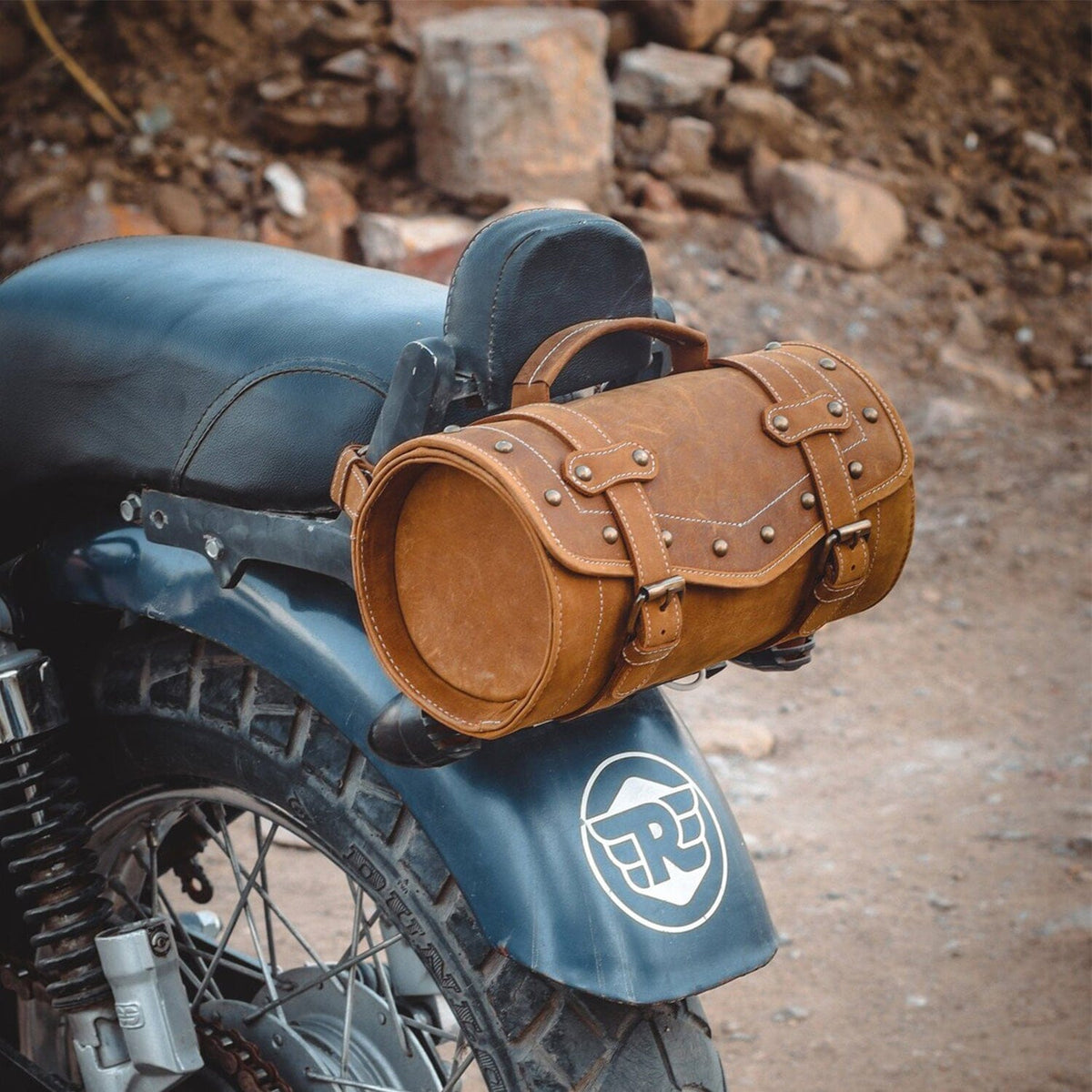
Illustrative image related to side bags for motorcycle
Adventure tourism businesses utilize side bags for motorcycles to store essential gear during guided tours. These bags are vital for carrying camping equipment, food supplies, and personal items, enhancing the overall experience for customers. For B2B buyers in the adventure tourism sector, particularly in regions like the Middle East and Europe, it is important to consider lightweight designs that do not compromise on durability. Additionally, secure attachment systems and weather resistance are crucial to ensure that gear remains safe and dry during excursions.
In the logistics and freight industry, side bags for motorcycles are increasingly used to transport small cargo between distribution centers. This application allows businesses to reduce costs associated with larger delivery vehicles while maintaining flexibility in urban environments. For international buyers in logistics, especially in emerging markets, sourcing bags with high load capacities and ease of access is vital. Features such as theft prevention and robust construction further enhance the value proposition, ensuring that goods are transported safely and efficiently.
Emergency services leverage side bags for motorcycles to carry medical supplies and equipment in remote areas where traditional vehicles may not be able to access. Quick access to critical supplies can save lives in emergencies, making these bags invaluable in such scenarios. For B2B buyers in this sector, particularly those operating in challenging terrains like rural Africa or mountainous regions, sourcing robust and waterproof bags is critical. The ability to easily mount and dismount bags on various motorcycle types can also significantly improve operational efficiency.
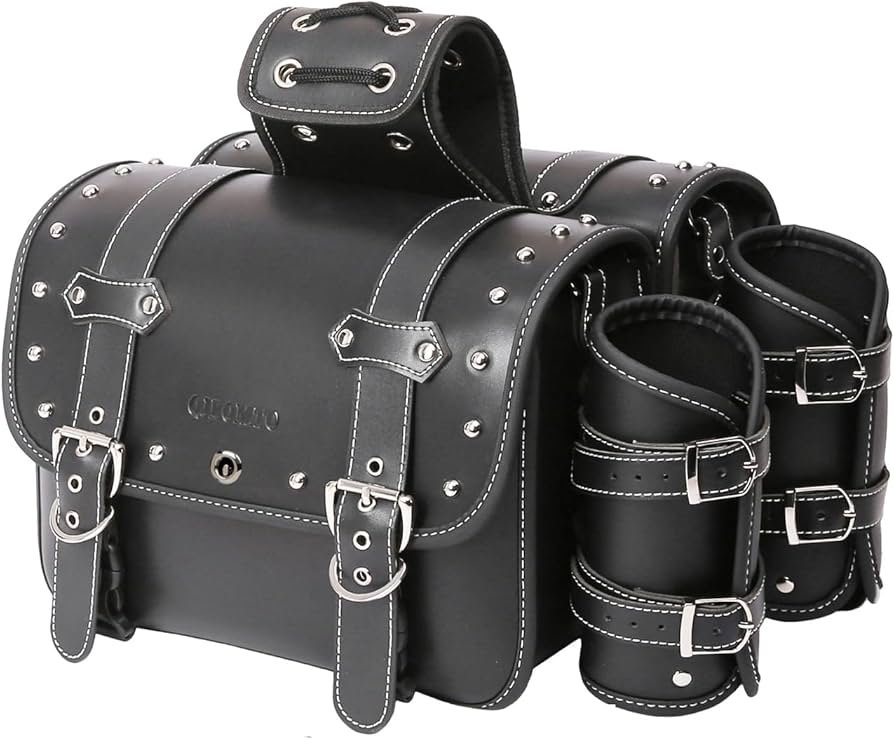
Illustrative image related to side bags for motorcycle
For recreational riders, side bags for motorcycles provide a convenient solution for carrying personal items and camping gear during long-distance rides. They enhance the overall riding experience by allowing riders to pack efficiently without compromising comfort. Buyers from regions with popular motorcycle touring routes, such as Europe and South America, should focus on sourcing bags that offer ample volume capacity while being comfortable to ride with. Aesthetic appeal can also be a consideration, as many riders prefer bags that match their motorcycle’s design.
Il problema: B2B buyers often face the challenge of sourcing side bags for motorcycles that can withstand harsh weather conditions prevalent in their regions, such as heavy rain in South America or extreme heat in the Middle East. Many side bags claim to be waterproof or weather-resistant, but in practice, they often fail under prolonged exposure to the elements, leading to damaged goods and dissatisfied customers. This can significantly impact the reputation of a business that relies on the quality of their offerings.
La soluzione: To mitigate this issue, it’s essential to thoroughly evaluate the materials and construction methods of side bags before purchasing. Look for bags made from high-denier nylon or polyester with sealed seams, as these materials are less likely to absorb water. Additionally, sourcing products from manufacturers that provide detailed specifications about their waterproofing technologies—such as waterproof zippers and roll-top closures—can further ensure that the bags will perform under extreme conditions. Conducting tests or requesting samples for real-world evaluation can also help assess their durability and weather resistance. Establishing a relationship with reputable suppliers who offer warranties or guarantees can provide an additional layer of assurance.
Il problema: Another common issue for B2B buyers is the compatibility of side bags with different motorcycle models. Many suppliers may not provide clear information regarding which side bags are suitable for specific motorcycles, leading to a mismatch between the bags and the bikes they are intended for. This can result in wasted investment and frustration for both the buyer and their customers when bags do not fit or function correctly.
La soluzione: To address this challenge, buyers should prioritize sourcing from manufacturers that offer comprehensive compatibility guides or tools that allow them to filter side bags based on motorcycle make, model, and year. This not only streamlines the selection process but also reduces the chances of returns due to incompatibility. Additionally, investing in adjustable or universal mounting systems can provide flexibility, allowing a single bag model to fit multiple bike types. Engaging with suppliers that offer customization options or modular bag systems can also help cater to a diverse range of motorcycle customers, enhancing product offerings.
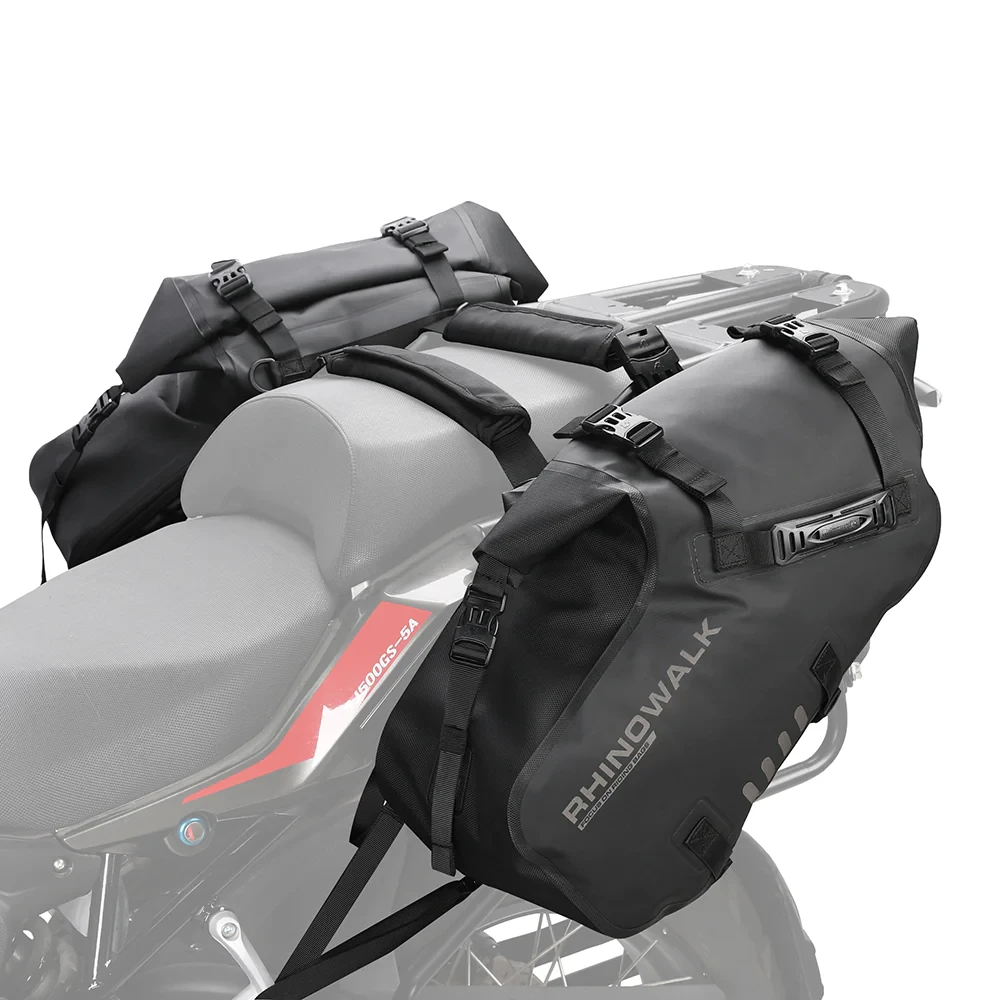
Illustrative image related to side bags for motorcycle
Il problema: B2B buyers often encounter issues related to weight distribution and stability when using side bags on motorcycles. Improperly balanced luggage can lead to handling difficulties, particularly during long rides or in challenging terrains, posing safety risks and discomfort for the rider. This concern is especially critical for businesses that cater to adventure riders or those involved in long-distance touring.
La soluzione: To overcome this problem, it’s crucial to choose side bags designed with weight distribution in mind. Buyers should look for bags that come with features such as low-profile designs, stabilizing straps, and adjustable mounting systems that allow for secure attachment to the bike’s frame. Educating customers on proper packing techniques—such as placing heavier items at the bottom and closer to the bike’s center—can also enhance stability. Offering instructional materials or workshops on how to properly load and secure side bags can further add value to your business, fostering customer loyalty and promoting safety. Engaging with suppliers who can provide feedback on bag performance during testing can also inform better purchasing decisions for optimal balance and stability.
When selecting materials for side bags for motorcycles, it is essential to consider the unique demands of the motorcycle industry. The right material not only influences the durability and functionality of the bags but also impacts the overall user experience. Here’s a detailed analysis of four common materials used in the production of motorcycle side bags, focusing on their properties, advantages, disadvantages, and considerations for international B2B buyers.
Textile materials, such as nylon and polyester, are among the most commonly used for motorcycle side bags. These materials are lightweight yet strong, providing a good balance between durability and weight.
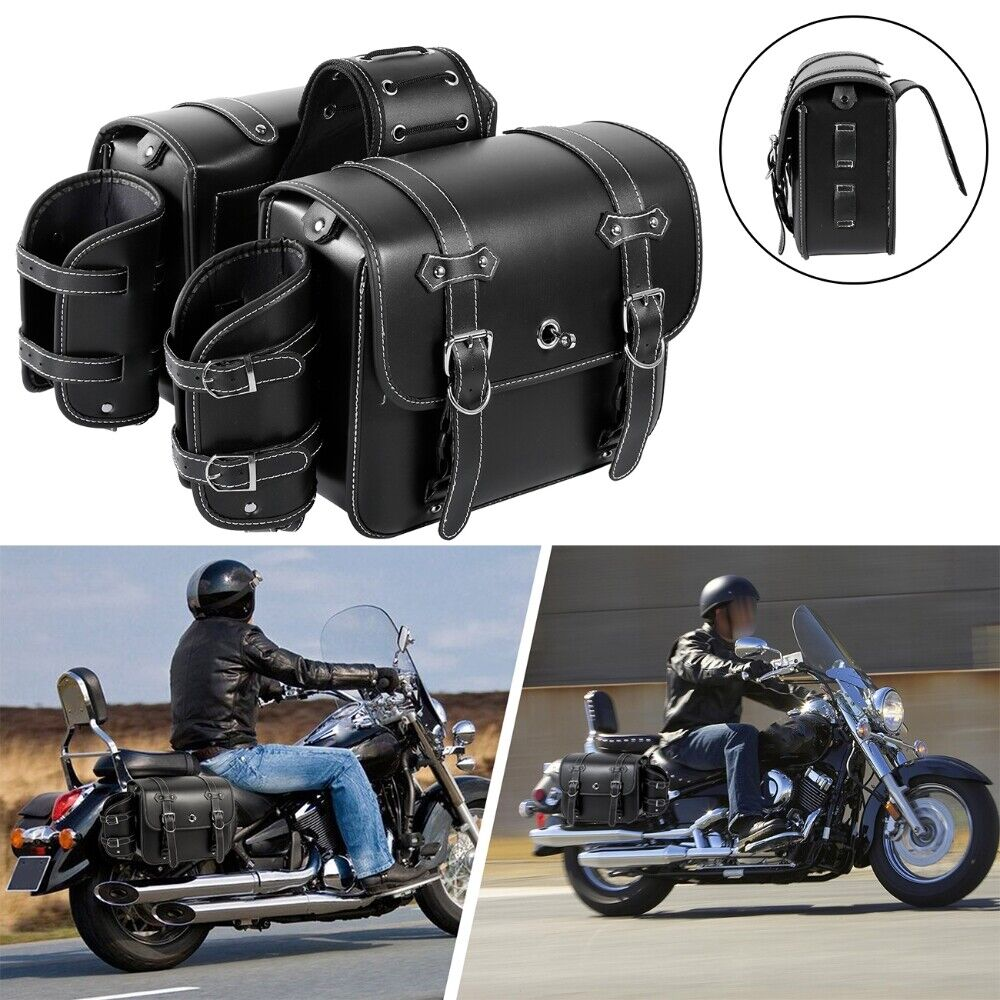
Illustrative image related to side bags for motorcycle
Hard plastics, such as ABS (Acrylonitrile Butadiene Styrene) and Polypropylene, are often used for more rigid motorcycle side bags.
Leather is a traditional material for motorcycle bags, known for its aesthetic appeal and durability.
Composite materials, which combine different materials to leverage their strengths, are increasingly popular in motorcycle side bag production.
| Materiale | Typical Use Case for side bags for motorcycle | Vantaggio chiave | Svantaggi/limitazioni principali | Costo relativo (Basso/Medio/Alto) |
|---|---|---|---|---|
| Tessile | Soft luggage for touring and commuting | Lightweight and flexible | Requires waterproofing treatments | Medio |
| Hard Plastic | Rigid side bags for protection | High impact resistance | Less design flexibility | Alto |
| Pelle | Classic style bags for enthusiasts | Durable and aesthetically pleasing | Higher maintenance required | Alto |
| Composito | Versatile bags for adventure touring | Combines strengths of multiple materials | Maggiore complessità di produzione | Alto |
This strategic material selection guide provides essential insights for B2B buyers in the motorcycle industry, enabling informed decisions that align with regional preferences and compliance standards.
The manufacturing process for motorcycle side bags typically involves several key stages: material preparation, forming, assembly, and finishing. Each stage is critical to ensuring the final product meets quality and performance standards.
Preparazione del materiale
The process begins with the selection of high-quality materials, which can include textiles such as nylon, polyester, or specialized waterproof fabrics. Manufacturers often choose materials based on their durability, weight, and resistance to elements like water and UV light. This stage also involves cutting the materials to the required dimensions, ensuring precise measurements to minimize waste.
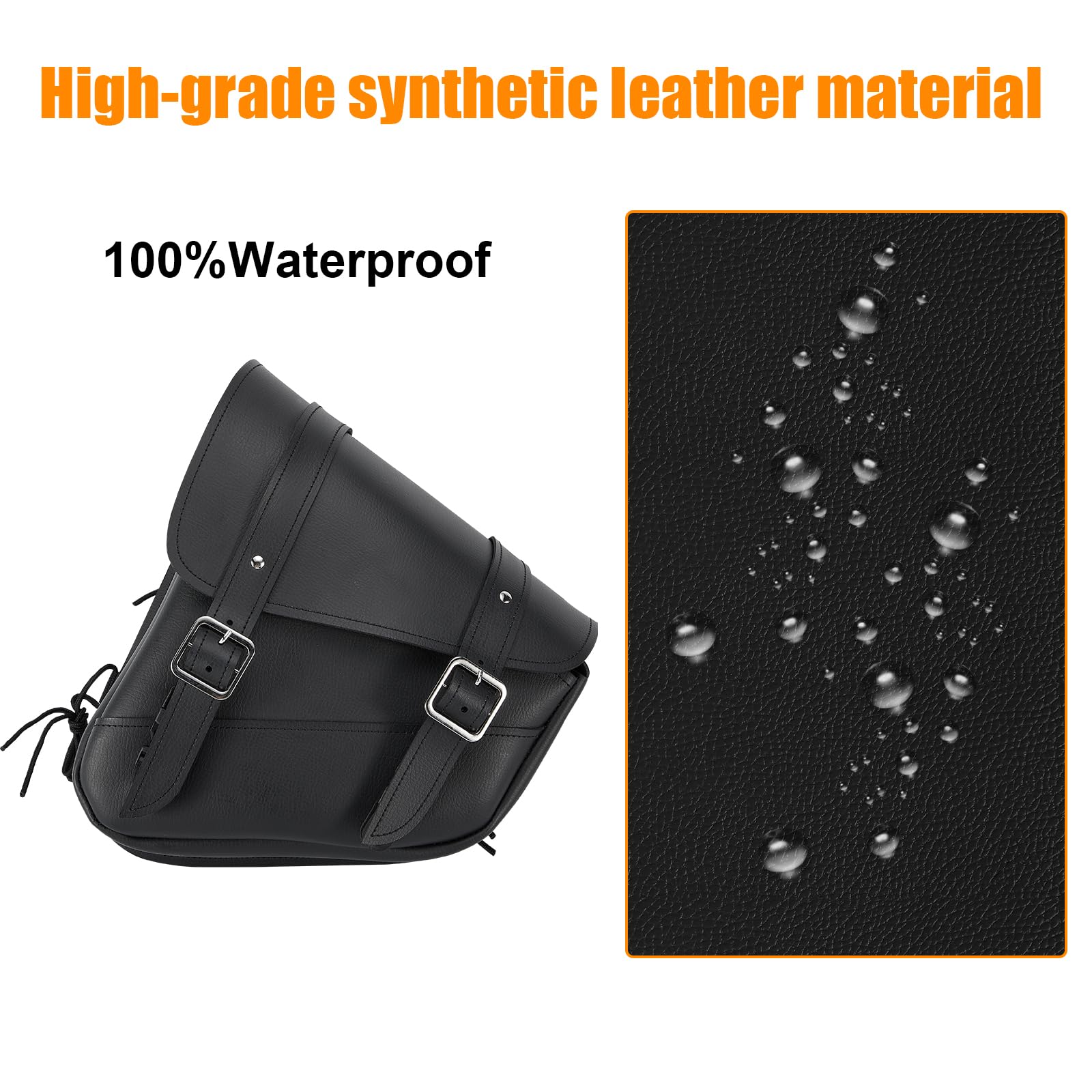
Illustrative image related to side bags for motorcycle
Formazione
Once the materials are prepared, they undergo forming processes. This can include techniques such as sewing, welding, or bonding. For instance, advanced manufacturers may use heat welding to create waterproof seams, ensuring that the bags can withstand harsh weather conditions. This stage may also involve the integration of additional components like zippers, straps, and buckles.
Montaggio
The assembly stage involves stitching the formed components together. Skilled workers or automated systems will meticulously sew the pieces, ensuring strength and durability. Quality control measures are often in place during this stage to catch any defects early, such as misaligned seams or weak stitching.
Finitura
Finally, the bags undergo finishing processes, which may include applying protective coatings, adding branding elements, and conducting final inspections. This stage ensures that the side bags not only function effectively but also appeal to consumers aesthetically.
Quality assurance (QA) is a critical component of the manufacturing process for motorcycle side bags. Implementing robust QA protocols helps manufacturers maintain high standards and build trust with B2B buyers.
Relevant International Standards
Manufacturers often adhere to international standards such as ISO 9001, which outlines requirements for a quality management system (QMS). Compliance with these standards ensures that manufacturers maintain consistent quality and are committed to continuous improvement. Additionally, industry-specific certifications like CE (Conformité Européenne) for products sold in Europe and API (American Petroleum Institute) standards for materials used in products may also apply.
Punti di controllo della qualità
The QA process typically involves several checkpoints:
Metodi di analisi comuni
Testing methods may include tensile strength tests, waterproof tests, and UV resistance assessments to ensure the bags perform under various conditions. These tests validate the durability and functionality of the side bags, crucial for end-users who rely on them for long rides and challenging environments.
For international B2B buyers, particularly those from regions like Africa, South America, the Middle East, and Europe, verifying a supplier’s quality control practices is essential to ensuring product reliability.
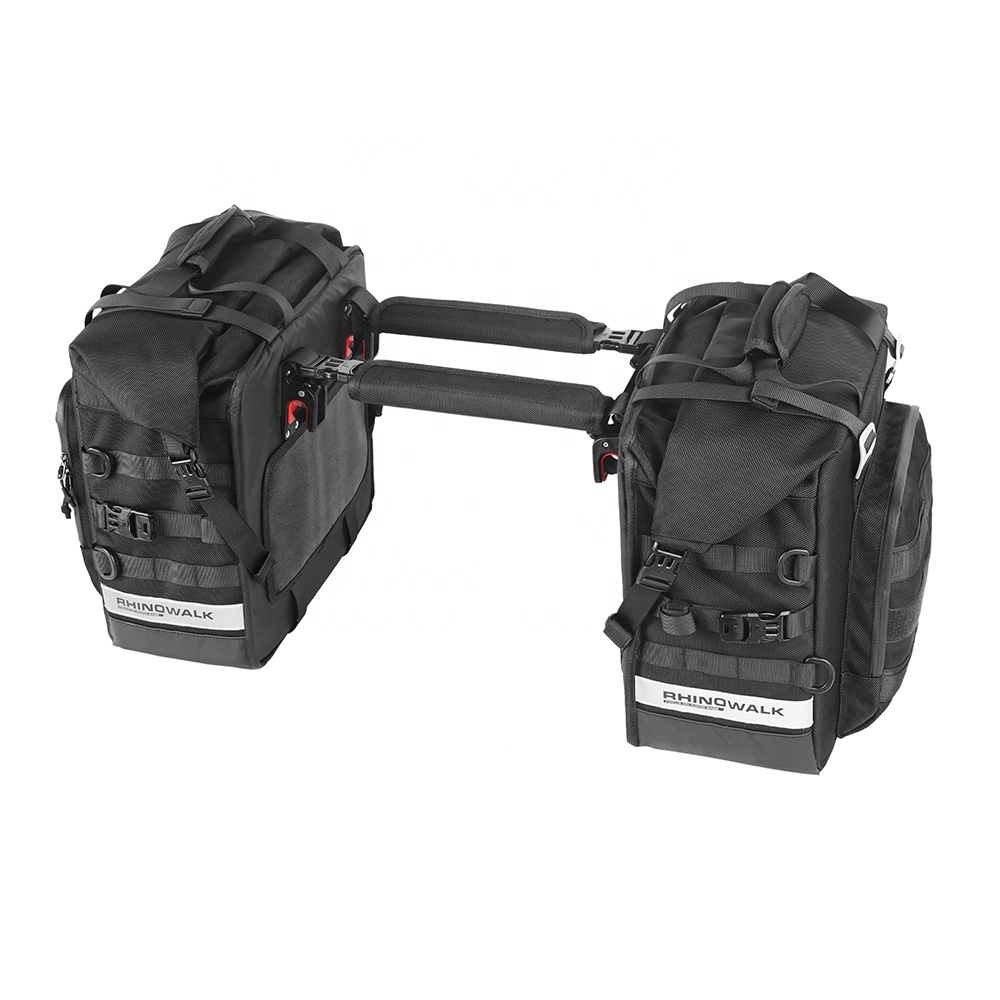
Illustrative image related to side bags for motorcycle
Audit dei fornitori
Conducting supplier audits is one of the most effective methods for verifying quality control. These audits can involve on-site visits where buyers can assess the manufacturing processes, observe quality control measures, and review documentation related to compliance with international standards.
Rapporti sulla qualità
Requesting quality reports from suppliers can also provide insights into their QA processes. These reports should detail the results of various quality tests, including any corrective actions taken in response to identified defects. A transparent supplier will readily share this information, demonstrating their commitment to quality.
Ispezioni di terzi
Engaging third-party inspection services is another strategy for buyers to ensure quality. These independent entities can conduct inspections and testing on behalf of the buyer, providing an unbiased assessment of the supplier’s quality control practices.
When dealing with international suppliers, particularly in diverse markets like Brazil and Vietnam, buyers must navigate specific quality control nuances.
Understanding Local Regulations
Each region may have its own regulations and standards that impact product quality. Buyers should familiarize themselves with these requirements to ensure compliance. For example, certain materials may be restricted in specific markets, affecting the choice of fabrics used in side bags.
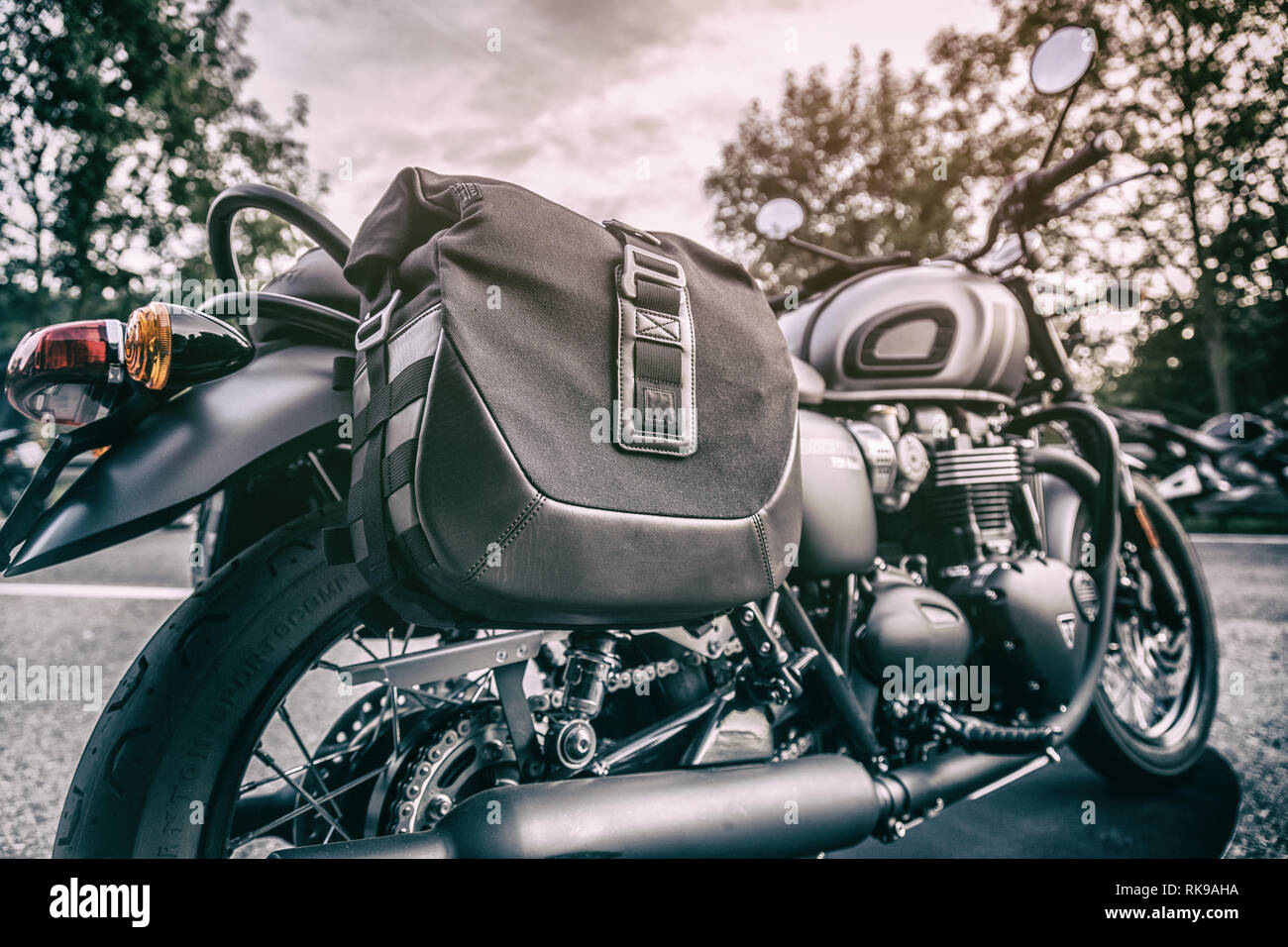
Illustrative image related to side bags for motorcycle
Cultural Factors in Quality Perception
Cultural differences can influence perceptions of quality and acceptable standards. Buyers should engage in open communication with suppliers to establish mutual understanding regarding quality expectations. Building strong relationships can help bridge these gaps and facilitate smoother transactions.
Logistical Considerations
Logistics also plays a significant role in quality assurance. Buyers should consider how shipping conditions may affect the integrity of the products. For instance, extreme temperatures during transport could impact the durability of materials. Working with suppliers who understand these challenges can ensure better quality control throughout the supply chain.
The manufacturing and quality assurance processes for motorcycle side bags are complex and multi-faceted, crucial for ensuring that the final product meets the needs of B2B buyers. By understanding the various stages of manufacturing, the importance of quality control, and how to verify supplier practices, buyers can make informed decisions when sourcing these essential products. This insight is particularly valuable for international markets, where quality standards and consumer expectations may vary significantly.
When sourcing side bags for motorcycles, it’s essential to follow a structured approach to ensure you select the best products that meet your business needs and customer expectations. This guide provides a checklist that will help you navigate the procurement process efficiently.
Understanding your target market is the foundation of your sourcing strategy. Analyze regional preferences, such as material durability, design aesthetics, and capacity. For instance, buyers from Europe may prioritize waterproof options, while those in South America might value affordability and style.
Establish clear specifications for the side bags you wish to procure. This includes dimensions, weight limits, materials (e.g., textile vs. hard cases), and compatibility with different motorcycle types. Precise specifications help in narrowing down suppliers who can meet your exact requirements.
Conduct thorough research to identify reputable suppliers. Look for manufacturers with a strong track record in motorcycle accessories and positive reviews from other B2B buyers. Platforms like trade shows, industry publications, and online directories can be valuable resources for finding potential suppliers.
Ensure that potential suppliers meet relevant industry standards and certifications. This could include quality management certifications (e.g., ISO 9001) or safety compliance specific to motorcycle gear. Such certifications not only reflect the quality of their products but also assure compliance with regulatory requirements in your target markets.
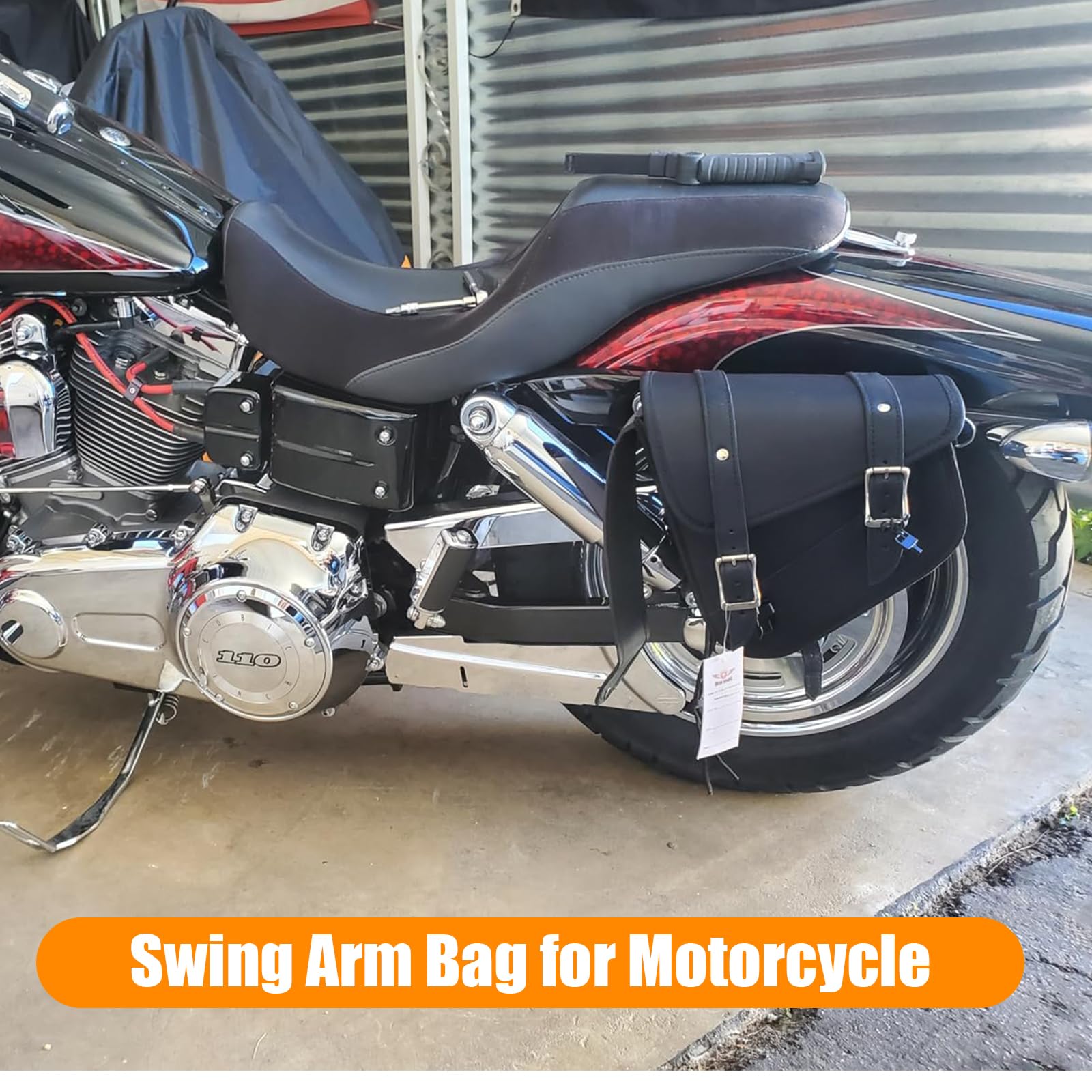
Illustrative image related to side bags for motorcycle
Before finalizing your order, request samples of the side bags. This step is crucial to assess the quality, durability, and functionality of the products firsthand. Pay attention to stitching, material quality, and any additional features such as waterproofing or locking mechanisms.
Once you are satisfied with the samples, engage in negotiations regarding pricing, minimum order quantities, and payment terms. Ensure you discuss lead times and shipping arrangements, as these factors can significantly affect your supply chain and inventory management.
Effective communication with your supplier is vital for a successful partnership. Set up a reliable channel for ongoing communication regarding order status, product updates, and any potential issues. Regular check-ins can help you stay informed and foster a strong working relationship.
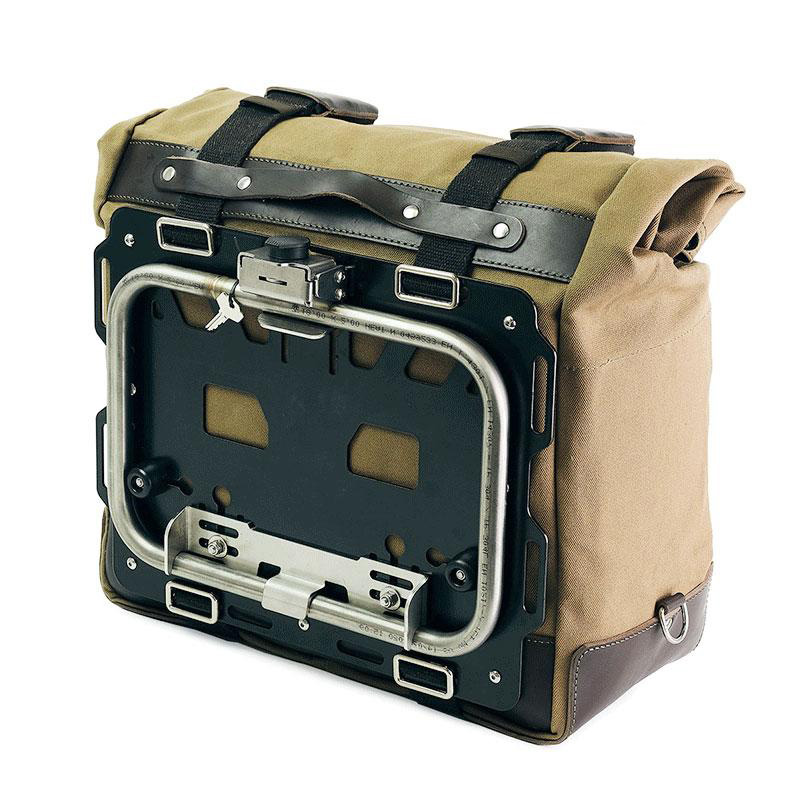
Illustrative image related to side bags for motorcycle
By following this checklist, B2B buyers can streamline the sourcing process for motorcycle side bags, ensuring they select high-quality products that meet the demands of their markets while building strong supplier relationships.
When sourcing side bags for motorcycles, understanding the cost structure and pricing dynamics is essential for international B2B buyers. This analysis will cover the critical cost components, price influencers, and practical tips for negotiation, specifically tailored to buyers from Africa, South America, the Middle East, and Europe.
The cost structure of motorcycle side bags typically consists of several components:
I materiali: The choice of materials significantly impacts the cost. High-quality fabrics, waterproof coatings, and durable hardware (like buckles and zippers) contribute to a higher price. For instance, synthetic textiles or specialized materials like Cordura or ballistic nylon are popular for their resilience but come at a premium.
Lavoro: Labor costs vary by region and can significantly influence the overall price. Countries with lower wage structures may offer more competitive pricing, but this can come at the expense of craftsmanship and quality.
Spese generali di produzione: This includes costs related to utilities, rent, and administrative expenses in the manufacturing facility. Factories with advanced technology may charge more but could also deliver higher-quality products.
Utensili: The initial investment in tooling for specific designs or customizations can be substantial. Buyers seeking unique features or branding will incur additional costs here.
Controllo qualità (CQ): Ensuring that products meet quality standards is critical, especially for safety-related gear. Rigorous QC processes may increase costs but can prevent costly returns and enhance brand reputation.
Logistica: Shipping costs can vary widely based on the origin of the product, shipping method, and destination. Customs duties and tariffs can also impact total costs, particularly for international shipments.
Margine: Suppliers will mark up the product to achieve profitability, which can vary based on market demand and competition.
Several factors can affect the pricing of motorcycle side bags:
Volume e quantità minima d'ordine (MOQ): Purchasing in bulk typically lowers the per-unit cost. Suppliers often provide discounts for larger orders, making it advantageous for buyers to forecast demand accurately.
Specifiche e personalizzazione: Customized products, such as those with specific branding or unique features, usually come at a higher cost. Buyers should weigh the benefits of customization against the additional expenses.
Qualità dei materiali e certificazioni: Products with certifications (e.g., waterproof ratings or safety standards) tend to be priced higher. Buyers should consider the importance of these certifications to their target market.
Fattori di fornitura: The reputation and reliability of the supplier can influence pricing. Established suppliers may charge more due to their proven track record and higher quality assurance.
Incoterms: Understanding shipping terms (e.g., FOB, CIF) is crucial for pricing. Different Incoterms can affect who pays for shipping and insurance, impacting the final cost for the buyer.
To ensure cost-efficiency in sourcing motorcycle side bags, buyers should consider the following negotiation strategies:
Sfruttare gli sconti sui volumi: Buyers should negotiate for better rates based on order size. Establishing a long-term relationship with suppliers can also yield favorable terms.
Costo totale di gestione: Assessing the total cost, including logistics, customs, and potential warranty claims, can provide a clearer picture of the financial commitment involved. Buyers should aim for products that offer durability and reliability, reducing long-term costs.
Essere consapevoli delle sfumature dei prezzi: International buyers must navigate currency fluctuations, economic conditions, and local market trends that can affect pricing. Engaging with local distributors or trade organizations can provide valuable insights.
Condurre ricerche di mercato: Understanding competitor pricing and product offerings can strengthen a buyer’s position during negotiations, enabling them to advocate for better pricing or terms.
Sourcing motorcycle side bags involves a multifaceted understanding of costs and pricing dynamics. By analyzing cost components, recognizing price influencers, and employing effective negotiation strategies, international B2B buyers can make informed decisions that align with their business objectives. It is crucial to remain aware that indicative prices can vary significantly based on the factors discussed, necessitating thorough research and engagement with multiple suppliers to secure the best deal.
When considering motorcycle luggage solutions, side bags are a popular choice among riders due to their versatility and ease of use. However, there are several alternative solutions that can also serve the purpose of transporting gear and essentials during rides. This section will explore and compare side bags for motorcycles with two other viable options: hard cases and tank bags. Understanding these alternatives allows B2B buyers to make informed decisions based on their specific needs and requirements.
| Aspetto di confronto | Side Bags For Motorcycle | Custodie rigide | Borse da serbatoio |
|---|---|---|---|
| Prestazioni | Good balance of capacity and accessibility | Excellent durability and protection | Convenient access while riding |
| Costo | Moderato ($200 - $800) | Higher ($400 – $1,200) | Lower ($50 – $300) |
| Facilità di implementazione | Relatively easy to install and remove | Requires specific mounting systems | Simple attachment with straps or magnets |
| Manutenzione | Moderate; occasional cleaning and checks needed | Low; durable materials require minimal upkeep | Moderate; regular cleaning needed to prevent wear |
| Il miglior caso d'uso | Long-distance touring and daily commuting | Off-road adventures and harsh weather conditions | Short trips and daily commuting |
Custodie rigide
Hard cases, often made of sturdy plastic or aluminum, provide superior protection for contents against impacts and adverse weather conditions. They are ideal for off-road riders and those who frequently travel in diverse environments. However, they tend to be heavier and more expensive compared to side bags. Installation can also be more complex, often requiring specific mounting systems tailored to different motorcycle models. For B2B buyers catering to adventure riders, hard cases might be a favorable option despite the higher price point, due to their robustness and security.
Borse da serbatoio
Tank bags offer a unique advantage with their accessibility, allowing riders to quickly access items without dismounting. They are generally less expensive and easier to install, making them a practical choice for short rides and daily commuting. However, tank bags have limited storage capacity compared to side bags and hard cases. They can also obstruct the rider’s view and may not be suitable for all motorcycle types. For businesses targeting urban riders or those looking for quick storage solutions, tank bags can be an excellent addition to their product offerings.
When selecting the appropriate luggage solution for motorcycles, B2B buyers should consider the specific use cases of their target customers. Side bags provide a versatile option suitable for both commuting and longer journeys. In contrast, hard cases are best for those who prioritize protection and durability, particularly in rugged environments. Tank bags serve well for short trips where quick access is essential. By understanding these alternatives and their respective benefits, businesses can tailor their product offerings to meet the diverse needs of motorcycle enthusiasts across various regions.
When sourcing motorcycle side bags, understanding the critical technical properties is vital for ensuring quality, durability, and functionality. Here are essential specifications to consider:
Composizione del materiale
– Definizione: The type of fabric or material used in the construction of the side bags, such as nylon, polyester, or leather.
– Importanza: Different materials offer varying levels of durability, weather resistance, and weight. For example, high-denier nylon is often preferred for its strength and water resistance, making it suitable for rugged environments. Buyers should assess material properties to ensure the bags can withstand local weather conditions, particularly in regions with high humidity or rainfall.
Resistenza all'acqua
– Definizione: A measure of how well the bags can repel water, often indicated by a specific rating (e.g., IPX5).
– Importanza: For motorcycle riders, especially in regions like South America or the Middle East, water resistance is crucial. It protects valuable gear from moisture damage. Understanding the water resistance capabilities can influence purchasing decisions and customer satisfaction.
Capacità di peso
– Definizione: The maximum load the side bags can safely carry, usually expressed in liters or pounds.
– Importanza: Knowing the weight capacity helps buyers determine the suitability of the bags for their needs—whether for daily commuting or long-distance touring. Underestimating weight limits can lead to safety hazards or product damage.
Compatibilità del sistema di montaggio
– Definizione: The design of the attachment mechanism, which may include strap mounts, quick-release systems, or specific compatibility with motorcycle models.
– Importanza: Ensuring compatibility with a motorcycle’s frame is essential for ease of installation and stability during rides. Buyers should verify that the bags can be securely mounted to their specific motorcycle model to avoid issues during use.
Lockability Features
– Definizione: The presence of locks or security features integrated into the bag design.
– Importanza: Security is a significant concern for motorcycle riders, particularly in urban areas. Bags that offer lockable zippers or integrated locking systems provide added peace of mind for buyers.
Elementi di riflessione
– Definizione: Components designed to enhance visibility in low-light conditions, often made from reflective materials.
– Importanza: Safety is paramount, especially for riders in regions with limited street lighting. Bags featuring reflective elements can enhance visibility and reduce the risk of accidents, making them more appealing to safety-conscious buyers.
In addition to technical specifications, familiarity with industry jargon is essential for effective communication and negotiation in B2B transactions. Here are several key terms:
OEM (Original Equipment Manufacturer)
– Definizione: Un'azienda che produce parti o apparecchiature che possono essere commercializzate da un altro produttore.
– Rilevanza: Understanding OEM relationships is crucial for buyers looking for specific brands or components that fit their motorcycle models.
MOQ (quantità minima d'ordine)
– Definizione: La quantità minima di un prodotto che un fornitore è disposto a vendere.
– Rilevanza: Knowing the MOQ helps buyers gauge inventory levels and manage cash flow effectively. It’s particularly important for businesses aiming to maintain stock without overcommitting financially.
RFQ (Richiesta di offerta)
– Definizione: A document sent to suppliers asking for a price quote on specific goods or services.
– Rilevanza: An RFQ is a critical step in the procurement process, allowing buyers to compare prices and terms from different suppliers before making purchasing decisions.
Incoterms (Termini commerciali internazionali)
– Definizione: A set of predefined commercial terms published by the International Chamber of Commerce (ICC) that clarify the responsibilities of buyers and sellers.
– Rilevanza: Understanding Incoterms is essential for international transactions, as they dictate who bears the risk and costs associated with shipping and delivery.
Tempi di consegna
– Definizione: The time it takes from placing an order until the goods are delivered.
– Rilevanza: Knowing lead times is critical for inventory planning and ensuring that products are available when needed, especially in markets with fluctuating demand.
By grasping these technical properties and industry terms, B2B buyers can make informed decisions when sourcing motorcycle side bags, aligning their needs with the right products and suppliers.
The global market for motorcycle side bags is experiencing significant growth, driven by increasing motorcycle ownership and a rising demand for convenient storage solutions among riders. Key trends include the shift towards lightweight and durable materials, such as synthetic textiles and advanced composites, which enhance both functionality and aesthetic appeal. Additionally, the integration of smart technology, such as GPS tracking and anti-theft features, is becoming more prevalent, especially among tech-savvy riders.

Illustrative image related to side bags for motorcycle
International B2B buyers, particularly from regions like Africa, South America, the Middle East, and Europe, should be aware of the importance of customization options. As consumer preferences diversify, offering tailored solutions can enhance competitive advantage. For instance, buyers in Brazil and Vietnam may prioritize cost-effective solutions, while European markets might demand higher-end, premium products with advanced features. Furthermore, the rise of e-commerce has transformed traditional sourcing methods, allowing for more direct transactions between manufacturers and retailers, thus reducing costs and improving supply chain efficiency.
Sustainability is becoming a crucial factor for B2B buyers in the motorcycle side bag sector. The environmental impact of production processes and the use of non-biodegradable materials have prompted a shift towards more eco-friendly alternatives. Buyers are increasingly seeking suppliers who prioritize sustainable practices, such as using recycled materials and minimizing waste during manufacturing.
Ethical sourcing is equally important, as consumers are more aware of the social implications of their purchases. Companies that demonstrate transparency in their supply chains and adhere to ethical labor practices are likely to foster stronger relationships with B2B partners. Certifications such as Global Organic Textile Standard (GOTS) or OEKO-TEX can serve as valuable indicators of a supplier’s commitment to sustainability. By prioritizing these factors, B2B buyers can not only meet regulatory requirements but also appeal to environmentally-conscious consumers, enhancing brand loyalty.
The evolution of motorcycle side bags can be traced back to the early 20th century when riders sought practical solutions for carrying personal items. Initially made from leather, these bags have transformed significantly over the decades. The introduction of synthetic materials in the latter half of the 20th century allowed for increased durability and weather resistance, catering to the needs of adventure riders and long-distance travelers.
As motorcycle culture expanded globally, particularly in regions like Africa and South America, manufacturers began to innovate with designs that catered to diverse riding styles and preferences. Today, the market offers a wide range of options from minimalist designs to high-capacity modular systems, reflecting the varied demands of international B2B buyers. Understanding this evolution is crucial for buyers looking to align their product offerings with current market expectations and consumer preferences.
How do I choose the right side bags for motorcycles?
Selecting the right side bags involves understanding the specific needs of your target market. Consider factors such as motorcycle type (cruisers, adventure bikes, etc.), intended use (daily commuting, long-distance touring), and storage requirements. Evaluate the materials—waterproof options are essential for varied climates. Additionally, assess compatibility with different bike models and ease of installation. Consulting with your customers can also provide insights into their preferences and pain points.
What are the key features to look for in motorcycle side bags?
When sourcing motorcycle side bags, prioritize durability, waterproofing, and security features. Look for bags made from high-quality materials that can withstand harsh conditions. Adjustable mounting systems and additional compartments enhance functionality. Lockable options provide extra security for valuable items. Lastly, ensure the bags have a stylish design that aligns with your brand image to attract customers.
What are the minimum order quantities (MOQs) for motorcycle side bags?
MOQs can vary significantly among manufacturers and suppliers. Generally, it ranges from 50 to 500 units, depending on the complexity of the product and the customization required. It’s essential to discuss MOQs upfront when negotiating with suppliers to ensure they align with your business needs and inventory management strategies. Consider starting with a smaller order to test market demand before scaling up.
How can I customize motorcycle side bags for my brand?
Customization options typically include branding through logos, color choices, and unique design elements. Many manufacturers offer custom fabric selections and dimensions tailored to your specifications. To initiate this process, clearly communicate your design vision and requirements to the supplier. Be prepared for potential additional costs and lead times associated with custom orders.
What payment terms should I expect when sourcing motorcycle side bags?
Payment terms can vary widely, but common practices include a deposit (typically 30-50%) upfront, with the remainder due before shipment. Some suppliers may offer flexible terms based on your relationship and order size. It’s vital to clarify payment methods (bank transfer, letter of credit, etc.) and ensure all terms are documented to avoid misunderstandings.
What quality assurance measures should I implement when sourcing side bags?
Implementing a robust quality assurance (QA) process is crucial to ensure product reliability. Consider conducting factory audits and requesting samples before placing large orders. Establish clear specifications and standards for materials, stitching, and functionality. Additionally, consider third-party inspections during production and before shipment to verify that the products meet your quality criteria.
How do I manage logistics for importing motorcycle side bags?
Effective logistics management involves selecting reliable shipping partners and understanding international trade regulations. Familiarize yourself with customs duties and taxes applicable in your country. Ensure that all shipping documents are accurate and complete to avoid delays. Planning for potential shipping delays and maintaining clear communication with suppliers will help streamline the import process.
What are the trends in motorcycle side bags that I should be aware of?
Keeping abreast of current trends is vital for competitiveness. Currently, there is a growing demand for sustainable materials and eco-friendly production methods. Additionally, multifunctional designs that offer versatility (e.g., detachable bags or modular systems) are gaining popularity. Stay connected with industry events and consumer feedback to adapt your product offerings accordingly and meet evolving customer expectations.
Dominio: moskomoto.com
Registrato: 2013 (12 anni)
Introduzione: Questa azienda, Mosko Moto - Motorcycle Luggage Systems, è un'entità di rilievo nel mercato. Per informazioni specifiche sui prodotti, si consiglia di visitare direttamente il loro sito web.
Dominio: sw-motech.us
Registrazione: 2019 (6 anni)
Introduzione: Premium Motorcycle Saddle & Side Bags – SW-MOTECH
– Soft luggage for any ride
– Categories: Saddle Bags, Adventure Sets, Tank Bags, Side Cases, Tail Bags, Top Cases
– Product Lines: Legend Gear, SysBag, BLAZE, PRO
– Features: Waterproof options, Lockable designs, Various materials (Textile, Plastic, Metal)
– Price Range: $5.00 – $1,230.00
– Examples:
– Legend Gear side bag system LC Black Editio…
Dominio: saddlemen.com
Registrato: 1996 (29 anni)
Introduzione: Saddlemen Motorcycle Luggage includes a variety of motorcycle bags and luggage options such as sissy bar mounted bags, seat, tail & tunnel mounted bags, rack & trunk mounted bags, tank mounted bags, and universal saddlebag sets. They offer specific fit saddlebags, color flame stitched saddlebags, handlebar mounted & tool bags, bag organizers, packing cubes & liners, and saddlebag mounting hardware…

Dominio: rhinowalk.com
Registrato: 2015 (10 anni)
Introduzione: {“product_name”: “Motorcycle Side Bag”, “store”: “Rhinowalk Official Store”, “in_stock”: 6, “out_of_stock”: 0, “products”: [{“name”: “Waterproof Motorcycle Pannier Side Bag”, “capacity”: “18/28/48L”, “price”: “$11.99”, “regular_price”: “$189.00”}, {“name”: “35L Motorcycle Side Bag”, “features”: “Quick Release Waterproof Saddlebag”, “price”: “$17.99”}, {“name”: “25 litres Motorcycle Side Bag”, “qua…
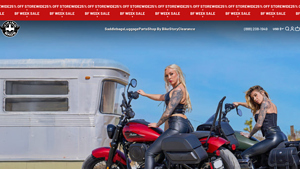
Dominio: vikingbags.com
Registrato: 2006 (19 anni)
Introduzione: Viking Bags offers over 300 designs of motorcycle saddlebags, including leather saddlebags, hard saddlebags, and soft panniers. The saddlebags are waterproof and designed for longevity, enhancing the on-bike experience for various motorcycle types such as adventure motorcycles, power cruisers, sportsbikes, street bikes, naked bikes, and touring motorcycles. Available in four sizes: small, medium, …
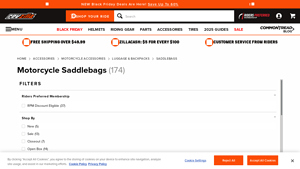
Dominio: revzilla.com
Registrato: 2006 (19 anni)
Introduzione: Motorcycle Saddlebags | Throw Over Soft Materials & Hard Saddlebags – RevZilla
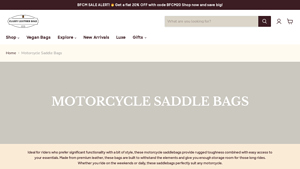
Dominio: classyleatherbags.com
Registrazione: 2020 (5 anni)
Introduzione: Shop Stylish Motorcycle Saddle Bags Online | ClassyLeatherBags. Ideal for riders who prefer functionality with style, these motorcycle saddlebags are made from premium leather, built to withstand the elements, and provide ample storage for long rides. Available products include: 1. Grayson Motorbike Side Pouch – Current price: $89.59 2. Mephisto Motorbike Side Pouch – Current price: $78.40 3. Patr…
Dominio: reddit.com
Registrato: 2005 (20 anni)
Introduzione: This company, Reddit – Weight and Speed Dynamics, is a notable entity in the market. For specific product details, it is recommended to visit their website directly.
As the motorcycle market continues to evolve, the strategic sourcing of side bags presents a significant opportunity for B2B buyers. By prioritizing quality, functionality, and design, companies can enhance their product offerings and meet the diverse needs of riders across various regions, including Africa, South America, the Middle East, and Europe. Understanding the latest trends, such as the growing preference for waterproof materials and customizable options, is crucial for staying competitive.
Illustrative image related to side bags for motorcycle
Moreover, leveraging data-driven insights and supplier relationships can lead to more informed purchasing decisions, ensuring that businesses can provide top-tier products while optimizing costs. The demand for versatile and durable side bags is on the rise, making it imperative for buyers to align their sourcing strategies with market expectations.
Looking ahead, the potential for growth in this sector is substantial. International B2B buyers are encouraged to explore innovative partnerships and invest in high-quality side bags that can cater to the adventurous spirit of motorcycle enthusiasts. By doing so, businesses can position themselves as leaders in the market, ready to meet the evolving demands of a global customer base.
Le informazioni fornite in questa guida, compresi i contenuti relativi ai produttori, alle specifiche tecniche e all'analisi di mercato, hanno uno scopo puramente informativo ed educativo. Non costituiscono una consulenza professionale in materia di acquisti, né una consulenza finanziaria o legale.
Illustrative image related to side bags for motorcycle
Pur avendo compiuto ogni sforzo per garantire l'accuratezza e la tempestività delle informazioni, non siamo responsabili di eventuali errori, omissioni o informazioni non aggiornate. Le condizioni di mercato, i dettagli aziendali e gli standard tecnici sono soggetti a modifiche.
Gli acquirenti B2B devono condurre una due diligence indipendente e approfondita. prima di prendere qualsiasi decisione di acquisto. È necessario contattare direttamente i fornitori, verificare le certificazioni, richiedere campioni e chiedere una consulenza professionale. Il rischio di affidarsi alle informazioni contenute in questa guida è esclusivamente a carico del lettore.


 Italian
  English
  Russian
  Spanish
  Arabic
  Portuguese
  German