
Navigating the complexities of sourcing automotive compressors can be a daunting task for international B2B buyers, especially in rapidly evolving markets across Africa, South America, the Middle East, and Europe. With diverse compressor types, applications, and varying supplier standards, decision-makers face the challenge of ensuring they select the right product that meets both operational demands and budget constraints. This comprehensive guide is designed to illuminate the various aspects of automotive compressors, from understanding the different types—such as rotary, reciprocating, and scroll compressors—to exploring their specific applications in automotive air conditioning, tire inflation, and more.
In this guide, we delve into the critical factors influencing supplier selection, including quality assurance, compliance with international standards, and effective cost management strategies. Buyers will find actionable insights on vetting suppliers, negotiating contracts, and understanding the total cost of ownership. By equipping B2B buyers with the knowledge necessary to make informed purchasing decisions, this resource empowers them to navigate the global market confidently. Whether you’re operating in Nigeria, Vietnam, or elsewhere, our guide is tailored to help you optimize your procurement strategy and secure reliable automotive compressors that enhance operational efficiency and drive business success.
| Nome del tipo | Caratteristiche distintive principali | Applicazioni primarie B2B | Brevi pro e contro per gli acquirenti |
|---|---|---|---|
| Scroll Compressor | Compact design, high efficiency, low noise level | Automotive AC systems, refrigeration units | Pro: Energy-efficient, minimal maintenance. Contro: Costo iniziale più elevato. |
| Reciprocating Compressor | Uses pistons for compression, versatile in pressure and capacity | Tire inflation, general automotive applications | Pro: Cost-effective, widely available. Contro: Noisy operation, larger footprint. |
| Rotary Vane Compressor | Low vibration, compact size, continuous airflow | Automotive AC, pneumatic tools | Pro: Quiet operation, efficient. Contro: Limited capacity compared to others. |
| Turbocharger Compressor | Increases engine intake volume, uses exhaust gas for operation | Performance vehicles, racing applications | Pro: Boosts engine power, lightweight. Contro: Requires precise installation. |
| Compressore d'aria portatile | Lightweight, designed for emergency use, adjustable pressure | Tire inflation, small repairs | Pro: Convenient, easy to transport. Contro: Limited power for larger tasks. |
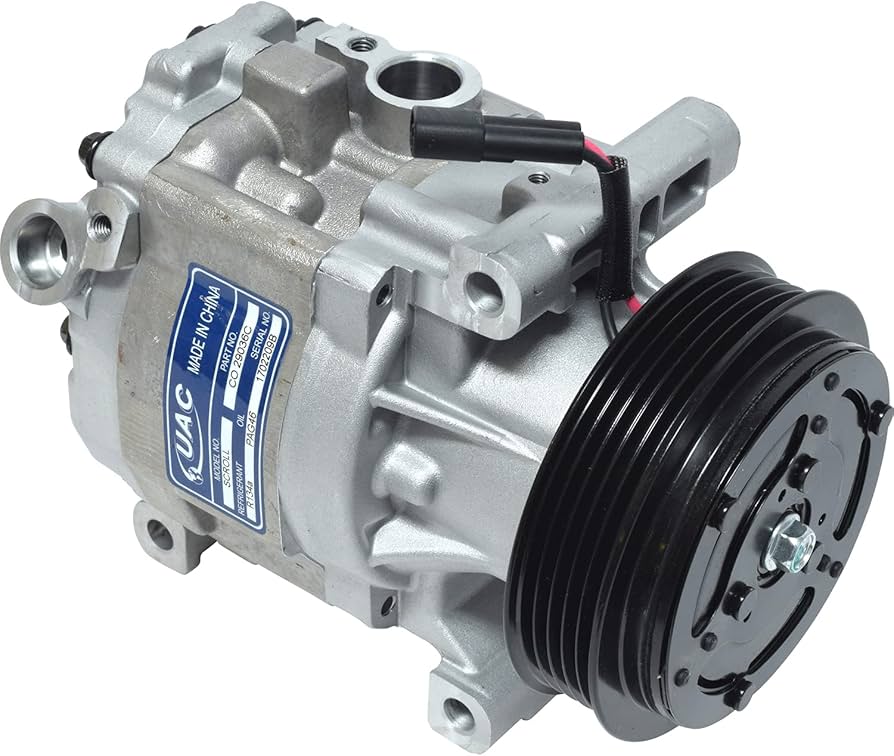
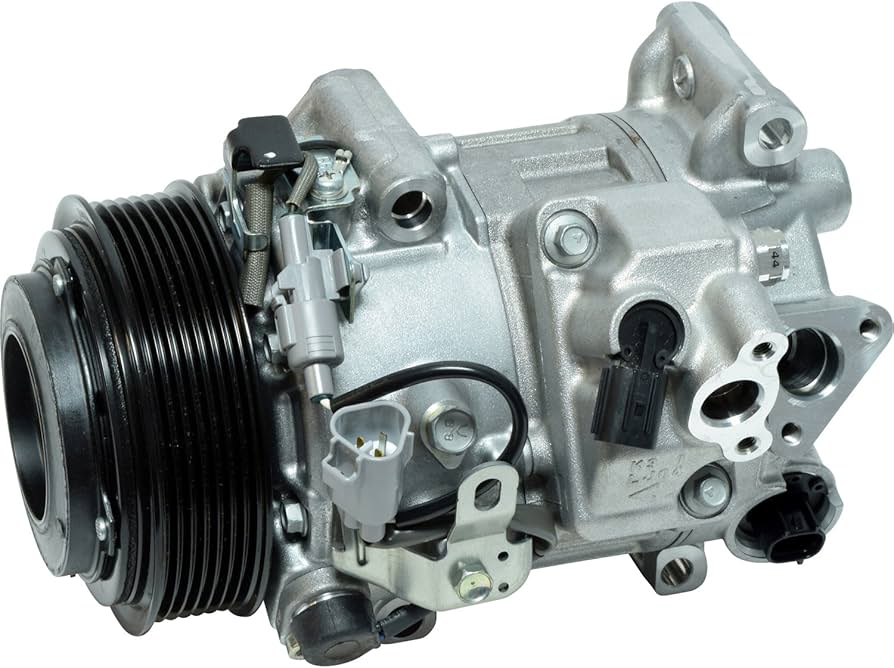
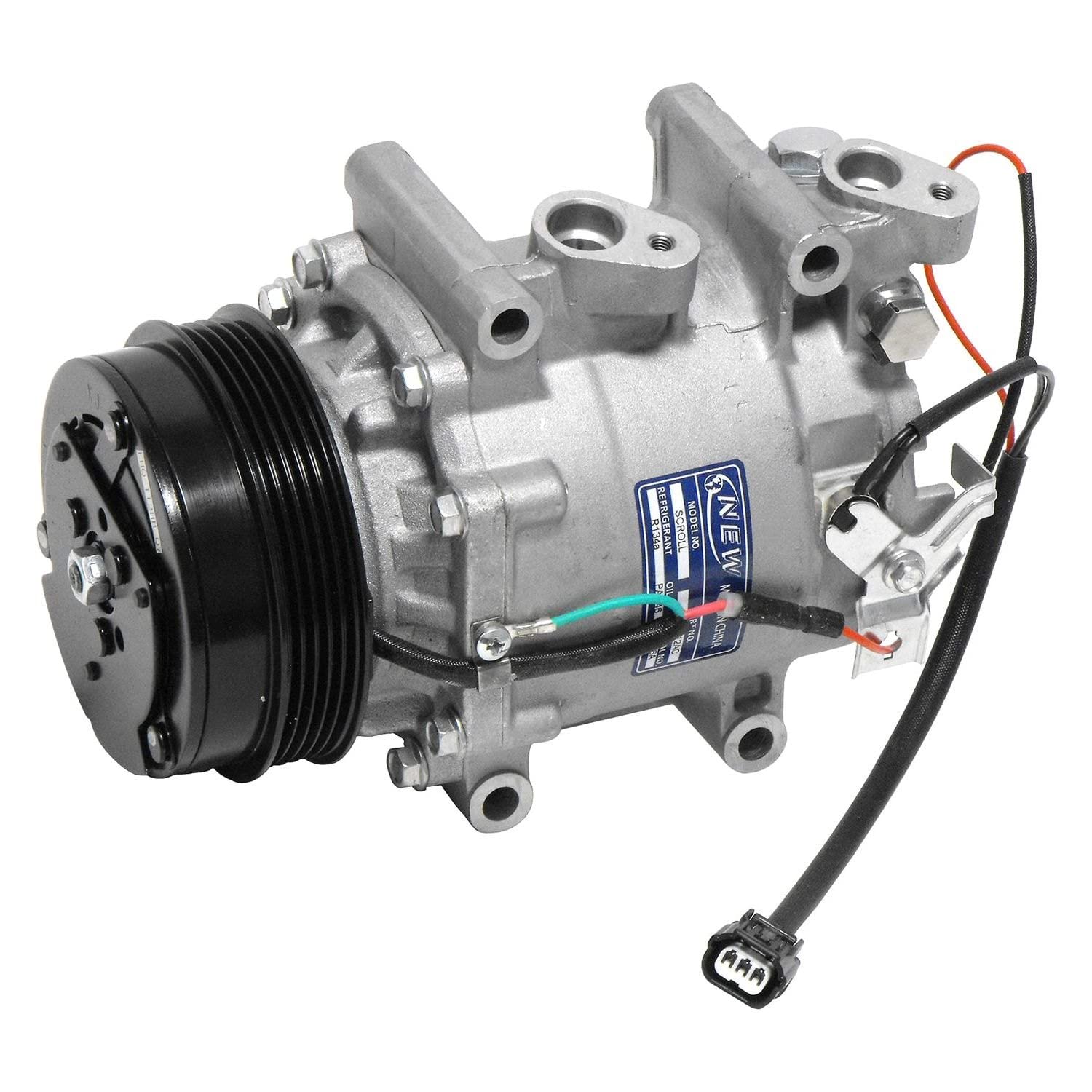
Scroll compressors are recognized for their compact design and high efficiency, making them ideal for automotive air conditioning systems and refrigeration units. They operate with minimal noise, which is a significant advantage in customer-facing environments. B2B buyers should consider the initial investment, as these compressors tend to have a higher upfront cost. However, their energy efficiency and low maintenance requirements can lead to long-term savings.
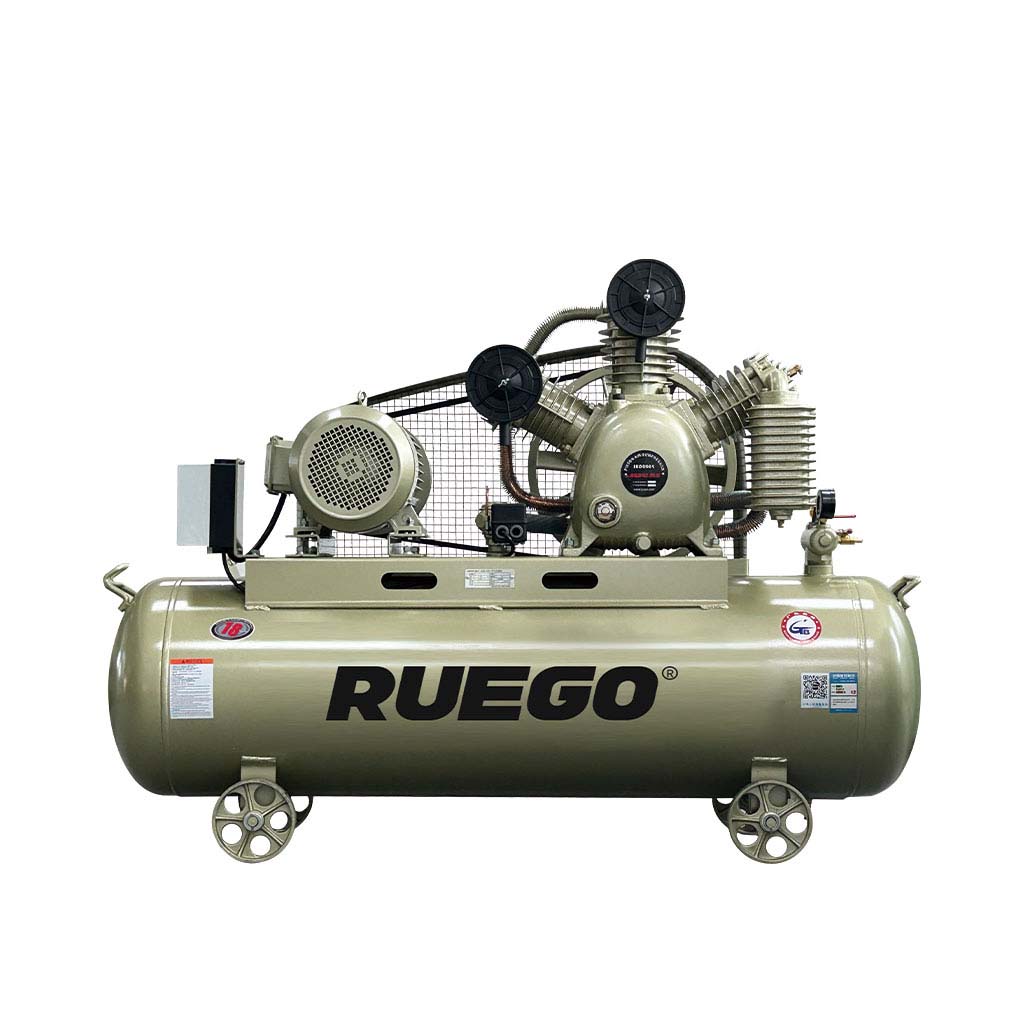
Reciprocating compressors utilize pistons to compress air, making them highly versatile for varying pressure and capacity needs. They are commonly used for tire inflation and general automotive applications due to their cost-effectiveness. While they are widely available, buyers should be aware of their larger footprint and noisier operation compared to other compressor types. This makes them less suitable for environments where noise is a concern.
Rotary vane compressors are distinguished by their low vibration and compact size, which allows for continuous airflow. They find applications in automotive AC systems and pneumatic tools. The quiet operation is a significant selling point for businesses focused on customer experience. However, potential buyers should note that while they offer efficient performance, their capacity may not match that of larger compressor types.
Turbocharger compressors are specialized units that increase engine intake volume by utilizing exhaust gas. This technology is particularly beneficial in performance and racing vehicles, where maximizing power output is critical. B2B buyers should consider the installation complexity and the need for precise fitting. While turbochargers can significantly enhance performance, they require careful integration into existing systems.
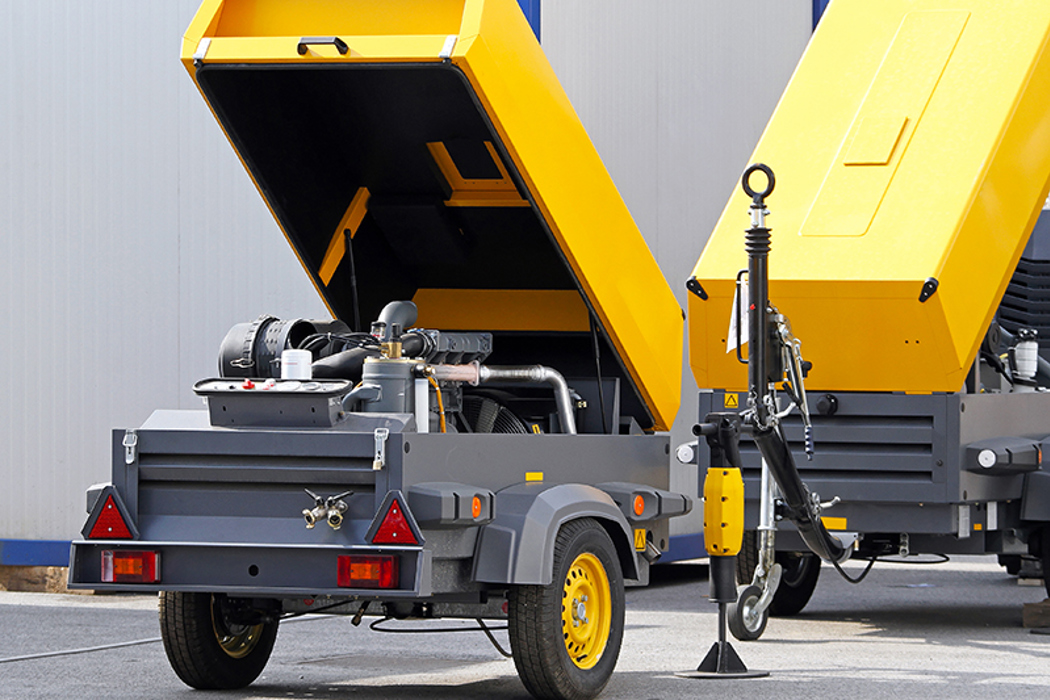
Portable air compressors are designed for convenience and emergency use, making them essential for tire inflation and minor repairs. Their lightweight design and adjustable pressure settings cater to a wide range of applications. However, buyers should be mindful of their limitations in power, as these units may not be suitable for larger tasks. Their ease of transport and usability make them a valuable addition to any automotive toolkit.
| Industria/Settore | Specific Application of automotive compressor | Valore/Beneficio per l'azienda | Considerazioni chiave sull'approvvigionamento per questa applicazione |
|---|---|---|---|
| Produzione automobilistica | Air conditioning systems in vehicles | Enhances passenger comfort and vehicle performance | Reliability, energy efficiency, and compliance with standards |
| Riparazione di autoveicoli | Tire inflation and maintenance | Ensures vehicle safety and operational readiness | Portability, ease of use, and pressure regulation capabilities |
| Automotive Painting | Spray painting and finishing processes | Achieves high-quality finishes and reduces material waste | Consistent pressure output and compatibility with paint types |
| Automotive Aftermarket | Turbocharging for performance enhancement | Increases engine power and efficiency | Durability under high-stress conditions and serviceability |
| Electric Vehicle Sector | Lightweight tire inflation solutions | Reduces vehicle weight and enhances efficiency | Compact design, energy efficiency, and adaptability to EV standards |
In automotive manufacturing, compressors are integral to air conditioning systems, ensuring a comfortable environment for passengers. These compressors compress refrigerants, allowing for efficient heat exchange and temperature control. For international buyers, particularly in regions with extreme climates, sourcing compressors that are reliable and energy-efficient is crucial. Compliance with local environmental regulations and standards also plays a significant role in the purchasing decision.
In the automotive repair sector, compressors are essential for tire inflation and maintenance. They provide the necessary air pressure to inflate tires, ensuring vehicle safety and optimal performance. For B2B buyers, sourcing portable air compressors that are easy to operate and capable of adjusting to various tire pressures is vital. Additionally, durability and maintenance requirements should be considered to minimize downtime in repair shops.
Automotive compressors are used extensively in spray painting and finishing processes, providing a consistent air supply for paint application. This technology allows for smoother finishes and reduces overspray, leading to less material waste. Buyers in this sector must prioritize compressors that maintain consistent pressure and are compatible with various paint types. Understanding local regulations regarding emissions and environmental impact is also important when sourcing equipment.
In the aftermarket, automotive compressors are crucial for turbocharging engines, significantly enhancing performance by increasing air intake. This results in improved power and fuel efficiency, appealing to performance-oriented consumers. Buyers should look for compressors that can withstand high-stress conditions and offer easy serviceability. The ability to adapt to different engine configurations is also a key consideration for international buyers.
For the electric vehicle sector, lightweight tire inflation solutions provided by portable compressors are increasingly important. These compressors help reduce overall vehicle weight, contributing to improved efficiency and range. B2B buyers should focus on sourcing compact, energy-efficient models that meet the specific demands of electric vehicles. Compatibility with advanced tire pressure monitoring systems is also a consideration for ensuring optimal performance.
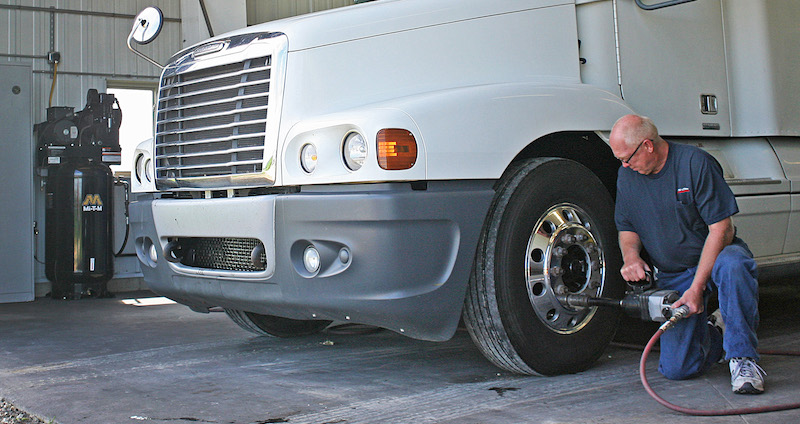
Il problema: One of the most pressing challenges faced by B2B buyers of automotive compressors is inconsistent performance, which can lead to unexpected downtime. For instance, a workshop relying on a specific model of air compressor may experience fluctuations in air pressure, affecting the efficiency of pneumatic tools. This inconsistency not only delays repair jobs but also impacts overall productivity and customer satisfaction, resulting in lost revenue.
La soluzione: To mitigate this issue, B2B buyers should prioritize sourcing high-quality compressors specifically designed for their operational needs. Conducting a thorough assessment of the air compressor’s specifications, such as pressure output, tank size, and duty cycle, is essential. Opt for models that feature advanced pressure regulation systems and quality control mechanisms to ensure stable performance. Regular maintenance schedules should also be established, including checking air filters, lubricating moving parts, and monitoring for leaks. Implementing a predictive maintenance system can help identify potential issues before they lead to downtime, ensuring a smoother workflow.
Illustrative image related to automotive compressor
Il problema: B2B buyers are often concerned about the operational costs associated with running automotive compressors, particularly energy consumption. Compressors that are inefficient or oversized for their applications can significantly inflate electricity bills, cutting into profit margins. This is especially critical for businesses operating in regions where energy costs are already high, such as certain parts of Africa and South America.
La soluzione: Buyers should focus on selecting energy-efficient compressor models that are appropriately sized for their needs. Conduct a comprehensive energy audit to understand the specific requirements of your operations. Look for compressors with variable speed drives (VSD) that can adjust motor speed based on demand, thus optimizing energy use. Additionally, consider investing in rotary screw compressors that typically offer better energy efficiency compared to reciprocating models. Implementing energy management practices, such as scheduling compressor use during off-peak hours or investing in energy recovery systems, can further enhance savings and improve the bottom line.
Il problema: Another common pain point for B2B buyers is the challenge of sourcing replacement parts and receiving timely support for automotive compressors. When a compressor requires maintenance or repair, delays in obtaining parts can lead to extended downtime, which is detrimental to business operations. This issue can be exacerbated in regions where reliable suppliers are scarce, leaving businesses without the necessary support when they need it most.
La soluzione: To avoid this scenario, buyers should establish relationships with reputable suppliers that offer comprehensive after-sales support, including readily available replacement parts. When selecting a compressor, inquire about the manufacturer’s distribution network and the availability of service centers in your region. Opt for brands that provide extensive warranties and customer support services. It may also be beneficial to stock essential spare parts in-house, based on historical usage data, to ensure quick access during emergencies. Furthermore, consider collaborating with local technicians who can perform repairs, thereby reducing reliance on distant service centers and minimizing downtime.
When selecting materials for automotive compressors, it is crucial to consider properties such as temperature and pressure ratings, corrosion resistance, and overall durability. The choice of material can significantly impact the compressor’s performance, longevity, and suitability for specific applications. Below, we analyze four common materials used in automotive compressors, focusing on their properties, advantages, disadvantages, and implications for international B2B buyers.
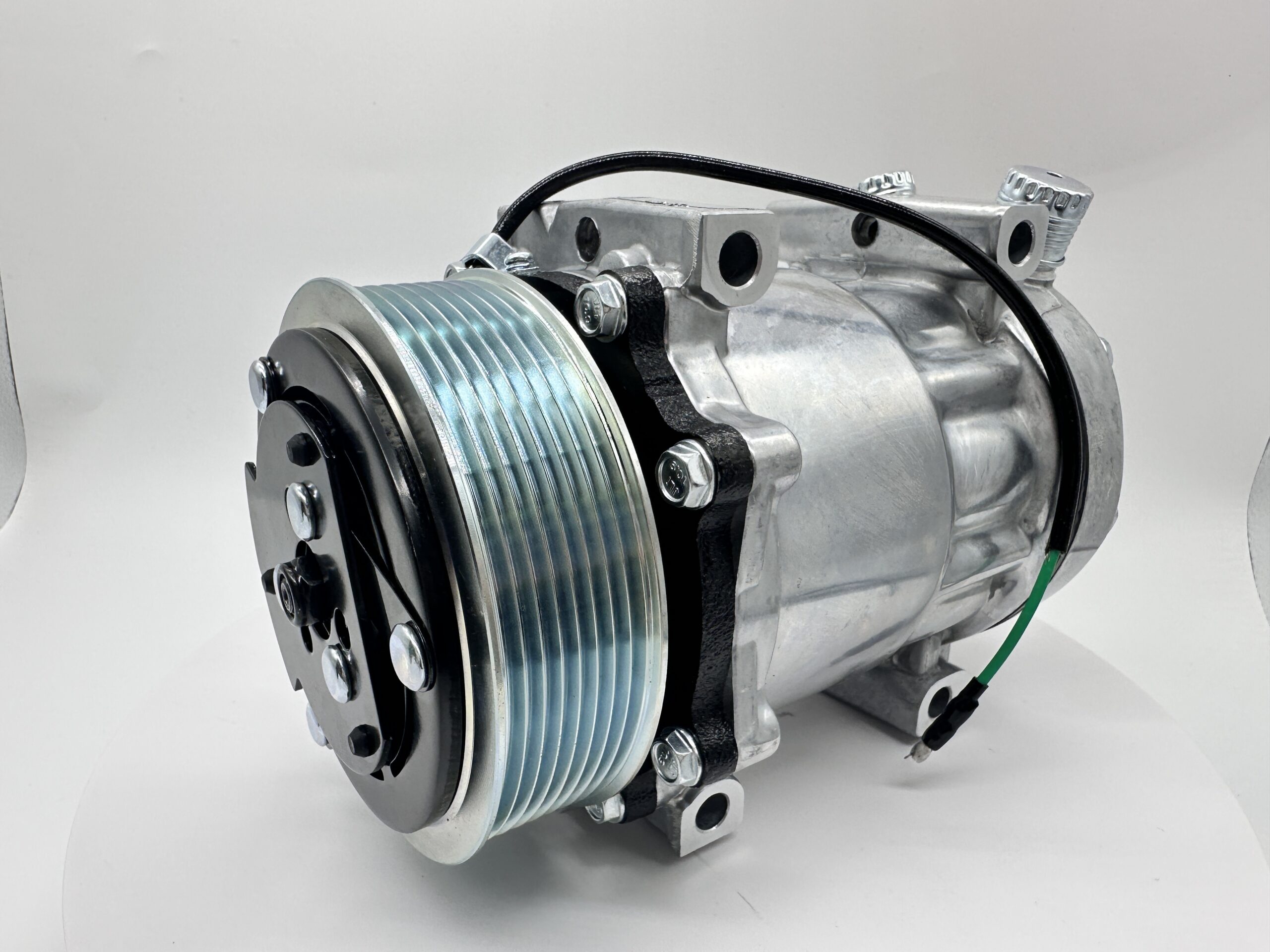
Aluminum is widely used in automotive compressors due to its lightweight nature and excellent thermal conductivity. It typically exhibits good corrosion resistance, especially when anodized or treated. Aluminum can handle moderate temperature and pressure ratings, making it suitable for various compressor applications.
Illustrative image related to automotive compressor
Pro: Aluminum’s lightweight characteristic enhances fuel efficiency in vehicles, which is a significant consideration for manufacturers. Its ease of machining and forming allows for complex designs, which can be beneficial for compact compressor configurations.
Contro: While aluminum is durable, it may not withstand extreme pressures as effectively as some other materials. Additionally, the cost of high-quality aluminum can be higher than that of steel, which may impact budget-conscious manufacturers.
Impatto sull'applicazione: Aluminum compressors are often used in automotive air conditioning systems and lightweight vehicles. However, buyers must ensure that the specific aluminum grade meets the necessary standards for pressure and temperature ratings.
Considerazioni internazionali: Buyers from regions like Africa and South America should be aware of local standards and regulations regarding aluminum usage in automotive applications, such as compliance with ASTM or JIS standards.
Illustrative image related to automotive compressor
Cast iron is another prevalent material in automotive compressors, particularly in applications requiring high durability and strength. It has excellent wear resistance and can handle high temperature and pressure ratings, making it ideal for heavy-duty compressors.
Pro: The durability of cast iron translates to a longer lifespan for compressors, reducing the frequency of replacements. Its ability to absorb vibrations also contributes to quieter operation.
Contro: The primary drawback of cast iron is its weight, which can negatively affect fuel efficiency in vehicles. Additionally, cast iron is more challenging to machine compared to aluminum, potentially increasing manufacturing complexity and costs.
Impatto sull'applicazione: Cast iron compressors are typically used in larger vehicles and industrial applications where durability is prioritized over weight.
Considerazioni internazionali: B2B buyers should consider local manufacturing capabilities and whether suppliers can meet the stringent quality standards often associated with cast iron components.
Stainless steel is renowned for its corrosion resistance and strength, making it a suitable choice for automotive compressors exposed to harsh environments. It can handle high temperatures and pressures, which is essential for compressor performance.
Pro: The corrosion resistance of stainless steel extends the lifespan of compressors, particularly in humid or corrosive environments. Its strength allows for compact designs without compromising structural integrity.
Contro: The primary disadvantage of stainless steel is its cost, which can be significantly higher than aluminum or cast iron. Additionally, machining stainless steel requires specialized tools, increasing manufacturing complexity.
Impatto sull'applicazione: Stainless steel is often used in compressors that require high reliability, such as those in luxury vehicles or in regions with extreme weather conditions.
Considerazioni internazionali: Buyers should ensure that the stainless steel grades comply with international standards, such as ASTM A240, to guarantee performance and safety.
Plastic materials, particularly engineering plastics, are increasingly used in automotive compressors due to their lightweight properties and resistance to corrosion. They can be molded into complex shapes, which can optimize design and functionality.
Pro: The lightweight nature of plastic contributes to overall vehicle efficiency, and its resistance to corrosion makes it suitable for various environments. Moreover, plastics can be more cost-effective than metals.
Contro: The primary limitation of plastics is their lower temperature and pressure ratings compared to metals. They may not be suitable for high-performance applications where durability is critical.
Illustrative image related to automotive compressor
Impatto sull'applicazione: Plastic components are often found in smaller, portable compressors or in applications where weight savings are paramount.
Considerazioni internazionali: Buyers must ensure that the plastics used comply with relevant automotive standards to avoid issues related to performance and safety.
| Materiale | Typical Use Case for automotive compressor | Vantaggio chiave | Svantaggi/limitazioni principali | Costo relativo (Basso/Medio/Alto) |
|---|---|---|---|---|
| Alluminio | Automotive air conditioning systems | Lightweight and good thermal conductivity | Limited pressure handling | Medio |
| Ghisa | Heavy-duty compressors for larger vehicles | High durability and wear resistance | Heavy and complex to machine | Medio |
| Acciaio inox | High-reliability compressors in luxury vehicles | Eccellente resistenza alla corrosione | High cost and machining complexity | Alto |
| Plastica | Portable compressors and lightweight applications | Leggero e resistente alla corrosione | Lower temperature and pressure ratings | Basso |
This strategic material selection guide provides B2B buyers with essential insights into the various materials used in automotive compressors, helping them make informed decisions that align with their operational needs and regional compliance requirements.
Manufacturing automotive compressors involves several critical stages that ensure the final product meets the rigorous demands of the automotive industry. The primary stages include material preparation, forming, assembly, and finishing. Each stage employs specific techniques designed to enhance efficiency and product quality.
Material preparation begins with sourcing high-quality raw materials, typically aluminum or steel, known for their strength and durability. Suppliers must ensure that materials meet specific mechanical properties and standards. Advanced techniques like laser cutting or CNC machining are often utilized to create precise components that will be used in the compressor assembly.
The forming stage involves shaping the prepared materials into usable parts. Common techniques include:
Each technique must be carefully controlled to maintain the integrity of the components and meet industry specifications.
Once the individual parts are prepared, the assembly process begins. This stage typically involves:
Effective assembly is crucial for ensuring that the compressor operates efficiently and reliably in its intended application.
The finishing stage involves treatments that enhance the durability and performance of the compressor. Common techniques include:
Illustrative image related to automotive compressor
Quality assurance (QA) is a vital aspect of manufacturing automotive compressors, ensuring that products meet both international standards and specific industry requirements.
For international buyers, familiarity with standards such as ISO 9001 is essential. This quality management standard focuses on ensuring consistent quality in products and services, promoting a culture of continuous improvement. Additionally, industry-specific certifications like CE (Conformité Européenne) and API (American Petroleum Institute) are critical for demonstrating compliance with safety and performance criteria.
Quality control is integrated into the manufacturing process through several checkpoints:
These checkpoints are crucial for maintaining high-quality standards and minimizing defects.
Testing methods for automotive compressors may include:
These testing methods are critical for validating the performance and safety of the compressors before they reach the market.
For B2B buyers, particularly those in regions like Africa, South America, the Middle East, and Europe, verifying a supplier’s quality control processes is paramount. Here are several strategies:

Illustrative image related to automotive compressor
Conducting supplier audits is an effective way to assess a manufacturer’s quality control practices. Buyers should look for:
These steps help ensure that suppliers adhere to international quality standards and maintain high manufacturing practices.
International buyers must also consider the nuances of quality control and certification in their specific regions. For example, some markets may have additional regulatory requirements that suppliers must comply with. Understanding these differences can help buyers make informed decisions and avoid potential compliance issues.
Illustrative image related to automotive compressor
To ensure ongoing quality assurance in supplier relationships, buyers should:
By fostering strong relationships and emphasizing quality, B2B buyers can ensure they receive reliable automotive compressors that meet their operational needs.
This sourcing guide serves as a practical checklist for B2B buyers looking to procure automotive compressors. Selecting the right compressor is crucial for optimizing performance in automotive applications, ensuring efficiency, and meeting specific operational needs. This step-by-step checklist will help streamline your procurement process and ensure you make informed decisions.
Establishing clear technical specifications is the foundation of your procurement process. Consider the specific applications you require the compressor for, such as tire inflation, air conditioning systems, or pneumatic tools.
Stay updated on the latest trends and innovations in the automotive compressor market. Understanding advancements can provide insights into more efficient and cost-effective options that meet your needs.
Thoroughly vetting potential suppliers is essential to ensure reliability and quality. Look beyond the surface to understand their capabilities and reputation in the industry.
Illustrative image related to automotive compressor
Ensure that suppliers meet relevant industry standards and certifications. This step is crucial for guaranteeing the quality and safety of the compressors you intend to purchase.
After-sales support can significantly impact your overall satisfaction and operational efficiency. Evaluate the warranty terms and the support services offered by suppliers.
Once you have shortlisted potential suppliers, request detailed quotes for the compressors that meet your specifications. Comparing these quotes will help you identify the best value for your investment.
After thorough evaluation and comparison, finalize your procurement process by placing an order with the selected supplier. Ensure all terms and conditions are clearly outlined in the purchase agreement.
By following this checklist, you can effectively navigate the complexities of sourcing automotive compressors, ensuring you make decisions that align with your operational requirements and budget.
When sourcing automotive compressors, understanding the cost structure is vital. The primary cost components include:
I materiali: The raw materials, such as metals (aluminum, steel), plastic components, and electronic parts, constitute a significant portion of the total cost. Fluctuations in global commodity prices can impact these costs, so staying informed about market trends is crucial.
Lavoro: Labor costs vary by region and can significantly affect the overall pricing. Countries with lower labor costs may offer more competitive pricing, but this could also impact quality and consistency.
Spese generali di produzione: This includes indirect costs associated with production, such as utilities, rent, and administrative expenses. These costs can vary widely based on the location and scale of operations.
Utensili: Initial tooling costs can be substantial, especially for custom designs. Buyers should consider these costs when evaluating suppliers, as they can influence the final pricing.
Controllo qualità (CQ): Implementing stringent QC measures ensures product reliability, particularly for automotive applications. However, this adds to the overall cost. Certifications like ISO or industry-specific standards can also drive up expenses.
Logistica: Transportation and warehousing costs are critical, especially for international buyers. Factors such as shipping distance, mode of transport, and handling fees can influence pricing significantly.
Margine: Suppliers typically include a profit margin that varies based on market conditions, competition, and the perceived value of their product. Understanding the average margins in the industry can help buyers negotiate better deals.
Several factors influence the pricing of automotive compressors:
Volume e quantità minima d'ordine (MOQ): Larger orders can lead to discounts due to economies of scale. Buyers should negotiate MOQs to optimize their procurement strategies.
Specifiche e personalizzazione: Custom designs and specifications can increase costs. Buyers should balance the need for tailored solutions with budget constraints.
Qualità e certificazioni: Higher quality standards and certifications often command a premium price. Buyers should evaluate whether the added costs align with their quality requirements.
Fattori di fornitura: Supplier reputation, experience, and production capabilities can affect pricing. Established suppliers may charge more but offer better reliability and support.
Incoterms: Understanding the International Commercial Terms (Incoterms) is essential for assessing total costs. Terms like FOB (Free on Board) or CIF (Cost, Insurance, and Freight) can impact pricing significantly depending on shipping responsibilities.
To maximize value and minimize costs when sourcing automotive compressors, buyers should consider the following strategies:
Negoziare in modo efficace: Leverage volume commitments or long-term contracts to negotiate better prices. Establishing a strong relationship with suppliers can also lead to favorable terms.
Attenzione al costo totale di proprietà (TCO): Evaluate not just the purchase price but also the long-term costs associated with maintenance, efficiency, and potential downtime. A higher upfront cost may result in lower TCO if the compressor is more durable and efficient.
Comprendere le sfumature dei prezzi per i mercati internazionali: Buyers from regions like Africa, South America, the Middle East, and Europe should be aware of regional market dynamics, including local competition and economic conditions. This understanding can provide leverage in negotiations.
Stay Informed About Market Trends: Regularly review market conditions affecting raw material prices, labor costs, and technological advancements. This knowledge can help buyers make informed decisions and anticipate price fluctuations.
Sourcing automotive compressors involves a complex interplay of cost components and price influencers. By understanding these factors and employing strategic procurement practices, international B2B buyers can optimize their sourcing processes and achieve significant cost efficiencies. Always approach negotiations with a clear understanding of your needs and market conditions to secure the best possible outcomes.
In the automotive industry, the demand for reliable and efficient air compression solutions is critical for various applications, including air conditioning systems, tire inflation, and pneumatic tool operation. While automotive compressors are the traditional choice, several alternative technologies and methods can fulfill similar roles. This analysis explores these alternatives, providing insights into their performance, cost-effectiveness, ease of implementation, maintenance requirements, and optimal use cases.
| Aspetto di confronto | Automotive Compressor | Compressore d'aria portatile | Turbocharger | Pompa dell'aria elettrica |
|---|---|---|---|---|
| Prestazioni | High pressure and flow rates suitable for heavy-duty applications | Moderate pressure, ideal for light tasks | High efficiency, boosts engine performance | Low pressure, suitable for small inflatables |
| Costo | Higher initial investment, long-term durability | Lower upfront cost, but may require frequent replacements | Higher initial cost, long-term fuel savings | Very affordable, but limited application |
| Facilità di implementazione | Requires professional installation | User-friendly, portable and easy to set up | Complex installation, requires expertise | Simple plug-and-play design |
| Manutenzione | Manutenzione regolare per prestazioni ottimali | Minimal maintenance, but lifespan varies | Requires specialized maintenance | Very low maintenance needs |
| Il miglior caso d'uso | Automotive AC systems, pneumatic tools | Tire inflation, small air tools | Performance enhancement in turbocharged engines | Inflating small tires, sports equipment |
Portable air compressors are compact, versatile devices suitable for light-duty tasks such as inflating tires and powering small pneumatic tools. Their affordability and ease of use make them popular among DIY enthusiasts and small automotive shops. However, they typically produce moderate pressure, limiting their effectiveness in high-demand environments. While they are less costly upfront, their durability may not match that of automotive compressors, potentially leading to more frequent replacements.
Turbochargers serve as a specialized alternative to automotive compressors, primarily enhancing engine performance by compressing air to improve combustion efficiency. This technology allows for increased power output without significantly increasing engine size. While turbochargers can lead to long-term fuel savings and improved vehicle performance, they come with a higher initial cost and complex installation requirements. Additionally, they necessitate specialized maintenance, which may not be feasible for all automotive shops.
Electric air pumps are cost-effective solutions designed for inflating small items like bike tires and sports equipment. Their plug-and-play design makes them incredibly user-friendly, allowing for quick inflation without the need for extensive setup. However, their limited pressure output restricts their application to lighter tasks. While their affordability is attractive, businesses requiring robust air compression solutions may find these pumps inadequate for more demanding automotive applications.
When evaluating air compression solutions, B2B buyers must consider their specific operational requirements, budget constraints, and long-term maintenance capabilities. Automotive compressors remain the gold standard for high-demand applications, but alternatives like portable air compressors, turbochargers, and electric air pumps can serve specific needs effectively. By analyzing performance, cost, and ease of implementation, buyers can make informed decisions that align with their operational goals and enhance productivity in the automotive sector.
Illustrative image related to automotive compressor
Understanding the technical properties of automotive compressors is crucial for B2B buyers to ensure they select the right product for their operational needs. Here are some essential specifications to consider:
Automotive compressors primarily fall into two categories: reciprocating and rotary. Reciprocating compressors use pistons driven by a crankshaft to compress air, while rotary compressors use rotating elements. Each type has its own advantages in terms of efficiency, size, and application suitability. For instance, reciprocating compressors are often preferred for their robust performance in high-pressure applications, while rotary compressors are favored for their compactness and lower noise levels.
The pressure rating, typically measured in bar or psi, indicates the maximum pressure the compressor can achieve. For automotive applications, standard pressure ratings range from 8 to 12 bar for general use, while specialized applications, such as air conditioning systems, may require higher pressures. A proper understanding of pressure ratings helps buyers select compressors that meet their specific operational requirements, ensuring safety and efficiency.

Illustrative image related to automotive compressor
Measured in liters per minute (L/min) or cubic feet per minute (CFM), the flow rate indicates the volume of air the compressor can deliver within a specified timeframe. A higher flow rate is essential for applications requiring rapid air supply, such as tire inflation or pneumatic tools. B2B buyers must assess their air demand to choose a compressor with an adequate flow rate to avoid operational bottlenecks.
The material used in the compressor construction, such as aluminum or cast iron, significantly impacts durability and weight. High-grade materials can withstand wear and tear, reducing maintenance costs over time. For international buyers, understanding material grades is critical for ensuring compliance with local regulations and standards, especially in regions with specific environmental or safety considerations.
Energy efficiency ratings, often indicated by industry standards, reflect how effectively a compressor converts electrical energy into compressed air. High-efficiency compressors can lead to significant cost savings in energy consumption, making them a smart investment for businesses looking to reduce operational costs.
Familiarizing yourself with industry terminology can streamline the purchasing process and improve communication with suppliers. Here are some key terms:
OEM refers to companies that manufacture products that are sold under another company’s brand. In the context of automotive compressors, OEM parts are designed to meet the exact specifications of the original vehicle manufacturer, ensuring compatibility and performance. Buyers should consider OEM parts for reliability and warranty support.
MOQ is the smallest quantity of a product that a supplier is willing to sell. Understanding MOQ is essential for B2B buyers, as it can affect purchasing decisions, inventory management, and cash flow. Negotiating favorable MOQs can lead to cost savings, especially for smaller businesses.
An RFQ is a formal document sent to suppliers requesting pricing and terms for specific products. B2B buyers use RFQs to gather competitive bids, helping them make informed purchasing decisions. A well-structured RFQ can streamline the negotiation process and foster better supplier relationships.
Incoterms are a series of pre-defined international trade terms that clarify the responsibilities of buyers and sellers in a transaction. Understanding these terms helps B2B buyers navigate shipping, risk, and insurance responsibilities. Familiarity with Incoterms can prevent costly misunderstandings and disputes during the import/export process.
Lead time refers to the time it takes from placing an order until the product is delivered. Understanding lead times is crucial for effective inventory management and planning. Buyers should consider lead times when placing orders to ensure timely availability of compressors, particularly in industries with fluctuating demand.
By grasping these technical properties and trade terms, B2B buyers can make informed decisions when sourcing automotive compressors, ultimately enhancing operational efficiency and product reliability.
The automotive compressor market is currently influenced by several global drivers, including the shift towards electric vehicles (EVs), advancements in automotive technology, and increasing demand for energy-efficient solutions. As countries like Nigeria and Vietnam ramp up their automotive production, the demand for high-performance compressors that can support both traditional internal combustion engines and newer EV technologies is surging. Additionally, the integration of smart technology into compressors, such as IoT connectivity, is becoming an essential feature for optimizing performance and maintenance, appealing to B2B buyers looking for long-term operational efficiencies.
Emerging trends in sourcing indicate a growing preference for suppliers who can offer not only cost-effective solutions but also innovative and adaptable compressor designs. Buyers are increasingly looking for manufacturers that provide a range of compressor types, including rotary, reciprocating, and scroll compressors, each suited for specific applications like air conditioning and turbocharging. Furthermore, the rise of digital platforms for procurement is facilitating easier access to international suppliers, allowing buyers from diverse regions to compare products and negotiate terms more effectively.
Sustainability is becoming a critical consideration in the automotive compressor sector, driven by both regulatory pressures and consumer demand for environmentally friendly products. B2B buyers are increasingly prioritizing suppliers that adhere to sustainable practices, such as using recycled materials and minimizing waste in the manufacturing process. The environmental impact of compressor production, including energy consumption and emissions, is now scrutinized more than ever, making it essential for manufacturers to adopt greener technologies.
Ethical sourcing is equally important, as buyers seek assurance that their suppliers are compliant with labor standards and environmental regulations. Certifications such as ISO 14001 for environmental management and ISO 45001 for occupational health and safety are becoming benchmarks for suppliers aiming to attract conscientious buyers. Buyers should look for partners who not only meet these standards but also actively engage in corporate social responsibility initiatives that contribute positively to their communities and the environment.
The automotive compressor industry has evolved significantly since its inception in the early 20th century, initially driven by the need for efficient air conditioning systems in vehicles. Early models were bulky and less efficient, but technological advancements led to the development of compact and high-performance compressors. The introduction of rotary and scroll compressors revolutionized the market, allowing for quieter operation and greater energy efficiency.
As automotive technology progressed, the focus shifted toward integrating compressors with emerging systems, including hybrid and electric vehicles. This evolution reflects a broader trend in the automotive industry towards sustainability and innovation, positioning the compressor sector as a vital component in the quest for cleaner and more efficient transportation solutions. Today, B2B buyers are looking for partners that not only have a rich history but also demonstrate forward-thinking capabilities to meet the demands of a rapidly changing market.
How do I choose the right automotive compressor for my business needs?
Choosing the right automotive compressor involves assessing your specific requirements, including the type of applications (e.g., AC systems, tire inflation, or automotive painting) and the desired pressure and capacity. Evaluate the compressor types available—such as rotary screw, reciprocating, or scroll compressors—based on their efficiency, noise levels, and maintenance needs. Additionally, consider the compressor’s power source, portability, and size to ensure it fits your workspace. Collaborating with a knowledgeable supplier can provide valuable insights tailored to your operational demands.
What is the best type of automotive compressor for AC systems?
For automotive air conditioning systems, scroll compressors are often considered the best choice due to their compact design, high efficiency, and quiet operation. They provide reliable performance while minimizing vibration and noise, which is crucial in automotive applications. Rotary vane compressors are also effective, offering a balance of size and efficiency. Ultimately, the best type will depend on your specific vehicle models and the operating conditions, so consulting with a supplier for tailored recommendations is advisable.
What should I consider when vetting suppliers for automotive compressors?
When vetting suppliers for automotive compressors, consider their industry reputation, experience, and customer reviews. Verify their certifications and compliance with international quality standards, such as ISO or CE. Request references from other B2B clients in your region to gauge their reliability and support. Assess their product range, customization options, and willingness to provide after-sales service. Engaging in direct communication can also reveal their responsiveness and commitment to customer satisfaction.
What are typical minimum order quantities (MOQ) for automotive compressors?
Minimum order quantities for automotive compressors can vary significantly depending on the supplier and the type of compressor. Generally, MOQs can range from a few units for smaller, portable compressors to several dozen units for larger industrial models. Some suppliers may offer flexibility in MOQs for first-time buyers or bulk orders. Always clarify the MOQ during negotiations, as this can impact your inventory management and cash flow.
What payment terms should I expect when purchasing automotive compressors internationally?
Payment terms for international purchases of automotive compressors typically include options such as advance payment, letter of credit, or payment upon delivery. Most suppliers may require a deposit (usually 30-50%) at the time of order, with the balance due before shipment. It’s essential to discuss these terms upfront to avoid misunderstandings. Additionally, consider transaction fees, currency exchange rates, and the impact on your overall budget when negotiating payment terms.
How can I ensure the quality of automotive compressors before purchasing?
To ensure the quality of automotive compressors, request detailed product specifications, certifications, and test reports from the supplier. Many reputable manufacturers offer warranties and guarantees on their products, which can serve as an assurance of quality. Consider asking for samples or trial units before committing to a larger order. Engaging third-party quality assurance services can also provide an unbiased evaluation of the product’s performance and compliance with standards.
What logistics considerations should I keep in mind when importing automotive compressors?
When importing automotive compressors, consider shipping methods, costs, and delivery timelines. Evaluate whether air or sea freight is more suitable based on your urgency and budget. Customs regulations in your destination country are crucial; ensure that the products comply with local standards to avoid delays. Additionally, discuss with your supplier about packaging and handling to prevent damage during transit. It may also be beneficial to partner with a logistics provider experienced in handling industrial equipment.
Are customization options available for automotive compressors?
Many suppliers offer customization options for automotive compressors to meet specific operational needs. Customizations can include modifications in size, pressure output, and additional features such as noise reduction technology or integrated air filtration systems. Discuss your requirements with potential suppliers to understand what customization options they provide and any associated costs or lead times. Tailored solutions can enhance efficiency and performance, ensuring the compressor aligns with your business objectives.
Dominio: automotiveequipmentspecialists.com
Registrato: 2014 (11 anni)
Introduzione: This company, Ingersoll – Auto Shop Air Compressors, is a notable entity in the market. For specific product details, it is recommended to visit their website directly.
Dominio: mechanicsuperstore.com
Registrazione: 2020 (5 anni)
Introduzione: This collection features a variety of air compressors engineered to meet the demands of automotive shops, industrial facilities, and professional workshops. Models include single-stage and two-stage compressors, portable units, and rotary screw systems, offering a range of capacities and pressures to suit diverse operational needs. Built for durability and efficiency, these compressors provide rel…

Dominio: rycompressors.com
Registrato: 2014 (11 anni)
Introduzione: R & Y A/C Compressors® offers a wide range of automotive air conditioning parts and services, including: Compressors, Compressor Kits, Compressor and Condenser Kits, Compressor Clutches, Compressor Control Valves, Compressor Manifolds, Compressor Speed Sensors, Compressor Bearings, Accumulators/Driers, Expansion Valves/Orifice Tubes, Evaporators, Condensers, Compressors for Non-USA Vehicles, and E…
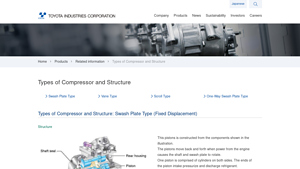
Dominio: toyota-industries.com
Registrato: 2000 (25 anni)
Introduzione: Types of Compressors: 1. Swash Plate Type (Fixed Displacement): – Structure: Composed of pistons that move back and forth, pressurizing and discharging refrigerant. – Actuation: Suction valve opens during left piston movement, allowing refrigerant intake; right movement pressurizes refrigerant for discharge. – Applications: Suitable for small vehicles, mini-vans, large buses, and construction equi…
Dominio: autobodytoolmart.com
Registrato: 1998 (27 anni)
Introduzione: Automotive Air Compressors & Accessories available at Auto Body Toolmart. The site features a wide range of products including air compressors, air tools, air hoses, fittings, and accessories. It offers various types of compressors suitable for different automotive needs, along with a selection of air tools such as impact wrenches, die grinders, and sanders. The product range also includes safety …
In the evolving landscape of the automotive industry, strategic sourcing of compressors is pivotal for ensuring operational efficiency and cost-effectiveness. Key takeaways emphasize the importance of selecting the right compressor type—whether rotary, reciprocating, or turbocharged—to match specific automotive applications, from air conditioning to tire inflation. By leveraging suppliers that prioritize durability, energy efficiency, and maintenance ease, businesses can enhance productivity while minimizing downtime.
Furthermore, as the demand for advanced automotive technologies grows, particularly in regions like Africa, South America, the Middle East, and Europe, the need for reliable compressors becomes even more critical. Buyers should focus on building strong partnerships with manufacturers that offer not only high-quality products but also comprehensive support and expertise in the automotive sector.
Looking ahead, the integration of innovative compressor technologies will be essential in meeting the challenges of sustainability and efficiency. International B2B buyers are encouraged to actively engage with suppliers, ensuring they are equipped with the best solutions to drive their businesses forward. Embrace this opportunity to enhance your sourcing strategy and stay competitive in a rapidly changing market.
Le informazioni fornite in questa guida, compresi i contenuti relativi ai produttori, alle specifiche tecniche e all'analisi di mercato, hanno uno scopo puramente informativo ed educativo. Non costituiscono una consulenza professionale in materia di acquisti, né una consulenza finanziaria o legale.
Pur avendo compiuto ogni sforzo per garantire l'accuratezza e la tempestività delle informazioni, non siamo responsabili di eventuali errori, omissioni o informazioni non aggiornate. Le condizioni di mercato, i dettagli aziendali e gli standard tecnici sono soggetti a modifiche.
Gli acquirenti B2B devono condurre una due diligence indipendente e approfondita. prima di prendere qualsiasi decisione di acquisto. È necessario contattare direttamente i fornitori, verificare le certificazioni, richiedere campioni e chiedere una consulenza professionale. Il rischio di affidarsi alle informazioni contenute in questa guida è esclusivamente a carico del lettore.
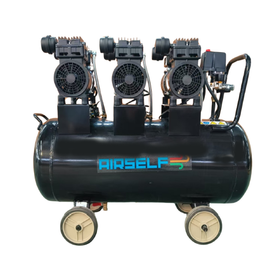
Illustrative image related to automotive compressor


 Italian
  English
  Russian
  Spanish
  Arabic
  Portuguese
  German