
In the dynamic landscape of the global market, sourcing effective tire sealant and inflator solutions poses a significant challenge for B2B buyers. With an increasing demand for reliable tire maintenance products across various sectors—ranging from automotive to logistics—companies must navigate complexities such as product types, regulatory compliance, and supplier reliability. This guide serves as a comprehensive resource, detailing the different types of tire sealants and inflators available, their specific applications, and the criteria for vetting suppliers.
International buyers, particularly from regions such as Africa, South America, the Middle East, and Europe—including key markets like Saudi Arabia and Germany—will find actionable insights to streamline their purchasing decisions. By understanding the cost structures, evaluating product performance, and assessing the reputation of manufacturers, businesses can mitigate risks associated with substandard products and ensure they select solutions that enhance operational efficiency.
This guide not only empowers buyers with the knowledge needed to make informed choices but also highlights best practices for integrating tire maintenance products into their fleets. As the industry evolves, staying ahead of trends and innovations in tire sealant and inflator technology is crucial for maintaining competitiveness in the global market.
| Nome del tipo | Caratteristiche distintive principali | Applicazioni primarie B2B | Brevi pro e contro per gli acquirenti |
|---|---|---|---|
| 12V Tire Inflator and Sealant Kit | Compact, portable, dual functionality (inflation and sealing) | Automotive repair shops, roadside assistance services | Pro: Convenient, easy to use, can repair while driving. Contro: Limited to smaller punctures; single-use sealant. |
| Tire Sealant (Aerosol) | Quick application, suitable for various tire types | Fleet management, logistics companies | Pro: Fast repair, portable, lightweight. Contro: May not work on larger punctures; can leave residue. |
| Liquid Tire Sealant | Poured into tires before use, preventive measure | Manufacturing, construction, off-road vehicle sectors | Pro: Long-lasting protection, effective against multiple punctures. Contro: Requires installation; may need professional application. |
| Manual Tire Repair Kits | Tools for manual repairs, including plugs and patches | DIY automotive maintenance, small repair shops | Pro: Cost-effective, reusable tools. Contro: Requires technical skills; time-consuming. |
| Electric Tire Inflators | Plug-in or battery-operated, often with digital pressure gauges | Automotive retail, service centers | Pro: Accurate pressure readings, versatile for various inflatables. Contro: Heavier, may require power source. |
The 12V Tire Inflator and Sealant Kit is designed for convenience and efficiency, making it a popular choice among automotive repair shops and roadside assistance services. This kit typically features a compact design that allows for easy storage in vehicles. It provides dual functionality, enabling users to inflate tires and seal punctures simultaneously. However, it is primarily effective for small punctures and is limited to a single-use sealant, which can be a drawback for businesses requiring more robust solutions.
Aerosol tire sealants are characterized by their quick application process, making them ideal for fleet management and logistics companies that need to minimize downtime. These products are lightweight and portable, allowing for easy transport and use. While they offer rapid repairs, they are not suitable for larger punctures and can leave a residue inside the tire, potentially complicating future repairs.
Liquid tire sealants are preventative measures that are poured into tires before use, making them a preferred option in industries like manufacturing and construction. Their long-lasting protection can effectively seal multiple punctures, reducing the frequency of tire replacements and repairs. However, proper installation is crucial, and businesses may need to consider professional application, which can add to the overall cost.
Manual tire repair kits provide a cost-effective solution for small repair shops and DIY enthusiasts. These kits typically include tools for plugging and patching tires, allowing for hands-on repairs. While they are reusable and can save costs over time, the need for technical skills and the time-consuming nature of manual repairs may deter some businesses from relying solely on this method.
Electric tire inflators stand out due to their ability to provide accurate pressure readings and versatility for inflating various items beyond tires. They can be powered through a vehicle’s outlet or via batteries, making them suitable for automotive retail and service centers. While they offer convenience and precision, their heavier design and dependence on a power source may be less appealing for mobile applications compared to more compact options.
| Industria/Settore | Specific Application of tire sealant and inflator | Valore/Beneficio per l'azienda | Considerazioni chiave sull'approvvigionamento per questa applicazione |
|---|---|---|---|
| Riparazione di autoveicoli | Quick tire repair solutions for service stations | Riduce i tempi di inattività e migliora la soddisfazione dei clienti | Ensure compatibility with various tire types and TPMS systems. |
| Trasporto e logistica | Emergency tire repair for delivery vehicles | Minimizes disruptions and maintains delivery schedules | Look for compact, portable solutions that can be easily stored in vehicles. |
| Costruzione | Tire maintenance for heavy machinery | Extends equipment lifespan and reduces repair costs | Choose sealants that can withstand rugged conditions and heavy loads. |
| Agricoltura | Tire repair for farming equipment | Ensures operational efficiency and reduces delays | Source durable products that are effective in various environmental conditions. |
| Gestione della flotta | Regular tire maintenance for fleet vehicles | Lowers overall operational costs and improves safety | Opt for bulk purchasing options and consider long-term supply agreements. |
In the automotive repair industry, tire sealant and inflator kits serve as essential tools for service stations. These kits provide a quick solution for punctured tires, allowing mechanics to perform repairs without removing the wheel. This not only minimizes vehicle downtime but also enhances customer satisfaction by speeding up service. For B2B buyers in this sector, sourcing sealants that are compatible with various tire types and TPMS systems is critical to ensure broad applicability and effectiveness.
In the transportation and logistics sector, tire sealant and inflator systems are vital for emergency repairs on delivery vehicles. These kits enable drivers to address tire issues promptly, thus minimizing disruptions to delivery schedules. The ability to quickly repair a tire can significantly impact operational efficiency. Buyers in this industry should consider compact and portable solutions that can be easily stored in vehicles, ensuring that they are prepared for unexpected challenges on the road.
The construction industry frequently relies on heavy machinery, which is susceptible to tire damage. Tire sealant and inflator products are used to maintain these tires, extending their lifespan and reducing repair costs. By enabling quick repairs, these solutions help avoid costly equipment downtime. When sourcing products for this application, it is essential to select sealants that can withstand rugged conditions and support heavy loads, ensuring durability and reliability on the job site.
In agriculture, tire sealant and inflator kits are critical for maintaining farming equipment, which often operates in challenging environments. The ability to quickly repair tires minimizes operational delays, ensuring that farming activities remain efficient. Buyers in this sector should focus on sourcing durable products that perform well under various environmental conditions, as well as those that can handle the specific requirements of agricultural machinery.
For fleet management, regular tire maintenance is crucial for ensuring safety and reducing overall operational costs. Tire sealant and inflator kits allow for prompt repairs, which can significantly enhance vehicle performance and reliability. B2B buyers in this field should consider bulk purchasing options and long-term supply agreements to ensure consistent availability of quality products, facilitating efficient fleet operations and minimizing the risk of unexpected breakdowns.
Illustrative image related to tire sealant and inflator
Il problema: Many B2B buyers, especially those managing fleets or logistics, face the challenge of limited driving range after using tire sealants. After a temporary repair, drivers may feel uncertain about the safety and reliability of traveling longer distances, especially when transporting goods. This can lead to increased downtime, logistical complications, and additional costs, as vehicles may need to be towed or serviced instead of continuing their journey.
La soluzione: To address this issue, buyers should select tire sealants that specifically indicate an extended driving range, such as those allowing up to 125 miles of travel post-repair. When sourcing tire inflators and sealants, prioritize products with clear guidelines on distance limitations, and ensure that the inflator is compatible with the tire sealant used. It is also advisable to conduct regular training sessions for drivers on how to properly utilize these kits. They should be educated on the best practices for tire repair and the importance of adhering to speed limits after a sealant application. Incorporating a fleet management system that tracks tire health can further optimize vehicle performance and reduce the likelihood of breakdowns.
Il problema: B2B buyers often struggle with compatibility issues between tire sealants and their vehicles’ Tire Pressure Monitoring Systems (TPMS). In regions like Europe and the Middle East, where TPMS is a standard feature, using incompatible sealants can damage the sensors, leading to costly repairs and potentially unsafe driving conditions. This incompatibility can deter buyers from effectively using sealants, as they prioritize maintaining the integrity of their vehicle’s systems.
La soluzione: To mitigate compatibility risks, buyers should conduct thorough research on tire sealant products that are explicitly labeled as “TPMS-safe.” When making purchasing decisions, consider collaborating with suppliers who can provide detailed product specifications and certifications that confirm compatibility with TPMS. Additionally, implementing a proactive maintenance schedule that includes regular inspections of tire health can help identify issues early, reducing the need for sealants in the first place. Moreover, training mechanics and drivers on the importance of using the right products can further enhance vehicle safety and operational efficiency.
Il problema: Many B2B buyers, particularly those operating in remote areas or with less experienced personnel, encounter difficulties when using tire sealant and inflator kits. Misunderstanding how to properly use these kits can result in ineffective repairs, leading to repeated failures and increased costs. This is especially prevalent in regions where technical support may not be readily available, causing frustration and operational delays.
Illustrative image related to tire sealant and inflator
La soluzione: To overcome these challenges, buyers should invest in high-quality tire inflator and sealant kits that come with comprehensive, user-friendly instructions. It is beneficial to select kits that include visual aids or QR codes linking to instructional videos for ease of understanding. Additionally, organizing training workshops for staff on the correct procedures for using the kits can significantly enhance their confidence and effectiveness. Buyers should also consider establishing a troubleshooting guide that addresses common issues and solutions, ensuring that users can quickly resolve problems independently. This approach not only improves the reliability of tire repairs but also empowers staff, ultimately leading to reduced downtime and improved operational efficiency.
When selecting materials for tire sealants and inflators, it’s crucial to consider their properties and how they align with product performance requirements. Here, we analyze four common materials used in these applications: latex, polyurethane, rubber, and synthetic sealants.
Latex is a natural polymer known for its flexibility and sealing capability. It exhibits excellent temperature resistance, functioning effectively in a range of -20°C to 70°C (-4°F to 158°F). Its corrosion resistance is moderate, making it suitable for various tire compositions.
Pro: Latex is cost-effective and easy to manufacture, allowing for large-scale production. It also provides a good seal against air leaks, making it a popular choice for emergency tire repair kits.
Contro: However, latex can degrade over time, particularly when exposed to UV light or extreme temperatures, limiting its durability. Additionally, it may not be compatible with certain tire materials, such as those containing oils or solvents.
Illustrative image related to tire sealant and inflator
Considerazioni internazionali: Buyers in regions like Europe and the Middle East should ensure compliance with regulations regarding natural rubber products, as some countries have stringent standards for material sourcing and environmental impact.
Polyurethane is a synthetic polymer that is recognized for its robustness and versatility. It has a high temperature and pressure tolerance, often rated up to 100°C (212°F) and capable of handling significant pressure variations.
Pro: The durability of polyurethane makes it ideal for long-term applications. It is resistant to moisture and chemicals, which enhances its compatibility with various tire materials.
Contro: The manufacturing process for polyurethane can be complex and costly, which may impact the final product price. Additionally, while it offers excellent sealing properties, its rigidity can sometimes lead to challenges in flexibility.
Considerazioni internazionali: Compliance with ASTM standards is essential for buyers in the U.S. and Europe, where material performance is often regulated. Buyers should also consider the environmental regulations surrounding polyurethane production and disposal.
Rubber, particularly synthetic rubber, is widely used in tire sealants due to its elasticity and resilience. It can withstand a broad temperature range, typically from -30°C to 80°C (-22°F to 176°F), and offers good corrosion resistance.
Pro: Rubber’s flexibility allows it to conform to various tire shapes, providing an effective seal. It also has a long lifespan, making it a reliable option for both emergency and long-term use.
Contro: The primary drawback of rubber is its susceptibility to degradation from UV exposure and ozone, which can limit its effectiveness over time. Additionally, the cost of high-quality rubber can be higher than other materials.
Considerazioni internazionali: B2B buyers from Africa and South America should be aware of local regulations regarding rubber materials, including compliance with DIN standards in Europe, which govern the use of rubber in automotive applications.
Illustrative image related to tire sealant and inflator
Synthetic sealants, often composed of various chemical compounds, are engineered for specific performance attributes. They can provide exceptional temperature and pressure resistance, withstanding extremes of -40°C to 100°C (-40°F to 212°F).
Pro: Synthetic sealants are designed for superior durability and can be tailored for specific applications, enhancing their effectiveness in diverse environments. They are also resistant to a wide range of chemicals.
Contro: The complexity of synthetic sealant formulations can lead to higher production costs. Additionally, not all synthetic sealants are biodegradable, raising environmental concerns.
Considerazioni internazionali: Buyers in regions like Saudi Arabia and Germany should consider the environmental impact of synthetic sealants, ensuring compliance with local regulations regarding hazardous materials and waste management.
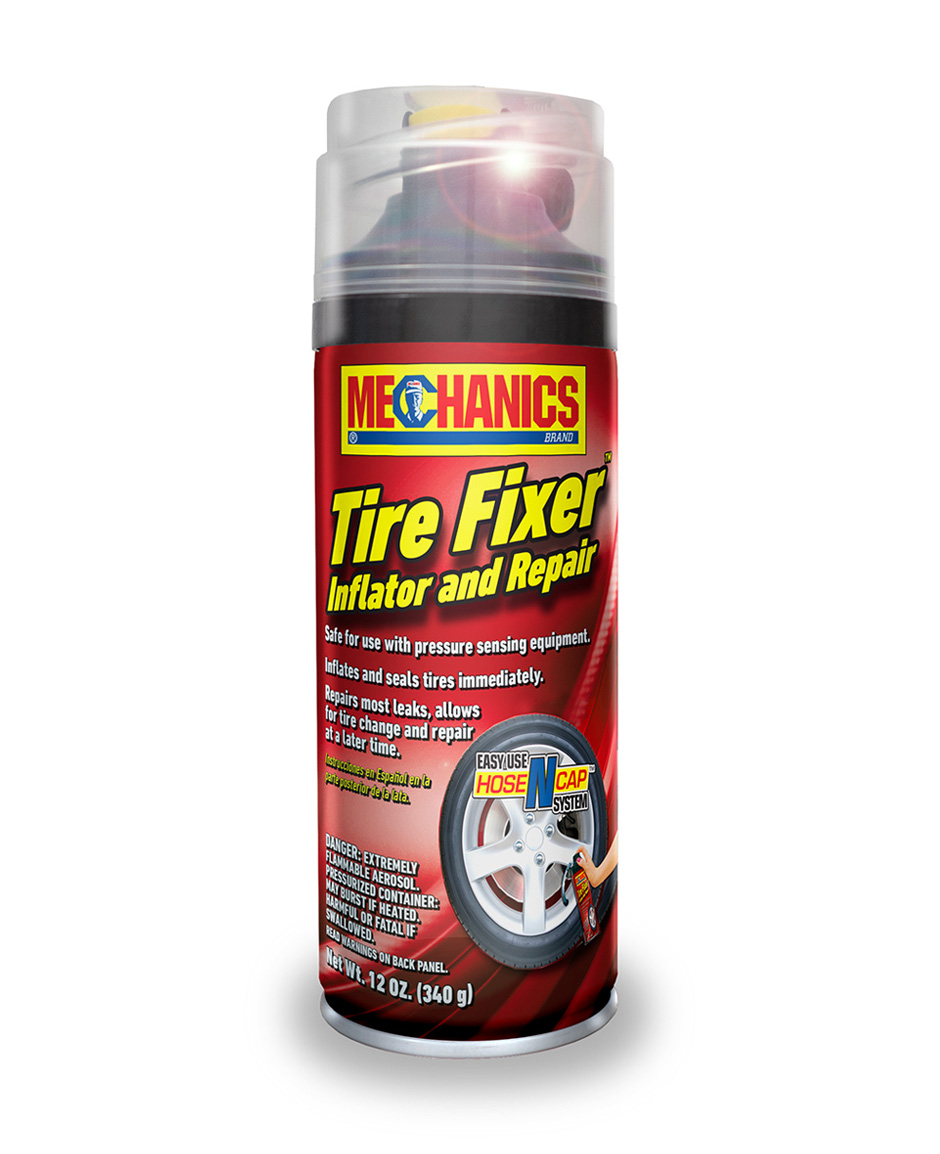
Illustrative image related to tire sealant and inflator
| Materiale | Typical Use Case for tire sealant and inflator | Vantaggio chiave | Svantaggi/limitazioni principali | Costo relativo (Basso/Medio/Alto) |
|---|---|---|---|---|
| Latex | Emergency tire repair kits | Cost-effective and easy to manufacture | Degrades over time, limited compatibility | Basso |
| Poliuretano | Long-term tire sealants | High durability and chemical resistance | Complex manufacturing process, rigidity | Med |
| Gomma | General tire repair applications | Excellent flexibility and lifespan | Suscettibile alla degradazione UV | Med |
| Synthetic Sealants | Specialized tire repair solutions | Tailored performance and durability | Higher production costs, environmental concerns | Alto |
This analysis provides B2B buyers with a comprehensive understanding of material options for tire sealants and inflators, enabling informed decision-making based on performance, cost, and regulatory compliance.
The manufacturing process for tire sealants and inflators involves several critical stages, each contributing to the quality and functionality of the final product.
The first stage in manufacturing involves sourcing high-quality raw materials. For tire sealants, this typically includes polymers, additives, and agents designed for sealing punctures. Inflators require components such as compressors, hoses, and electronic parts. Suppliers often adhere to specifications that meet international quality standards to ensure the durability and effectiveness of the materials. Establishing partnerships with reputable suppliers who provide material certification can enhance the reliability of the manufacturing process.
Once the materials are prepared, the next phase is forming, which includes the production of both the sealant and inflator components. For sealants, this involves mixing the raw materials in precise ratios to achieve the desired viscosity and sealing properties. Advanced blending techniques, such as high-shear mixing, may be utilized to ensure uniform dispersion of additives.
For the inflator, components are typically fabricated using techniques such as injection molding for plastic parts and stamping or machining for metallic components. Each part is designed to meet specific performance criteria, ensuring that the inflator operates efficiently and reliably.
The assembly stage combines the sealant and inflator components into a cohesive product. Automated assembly lines are often used to enhance efficiency and reduce labor costs. During this phase, careful attention is paid to the integration of electronic systems, which may include pressure sensors and power connectors. This is also the stage where packaging for retail or bulk distribution is finalized, ensuring that products are stored and transported safely.
In the finishing stage, products undergo surface treatments and are prepared for quality assurance checks. This may include labeling, which often features vital information such as usage instructions and safety warnings. The final products are then subjected to thorough inspections to ensure they meet both aesthetic and functional standards before leaving the manufacturing facility.
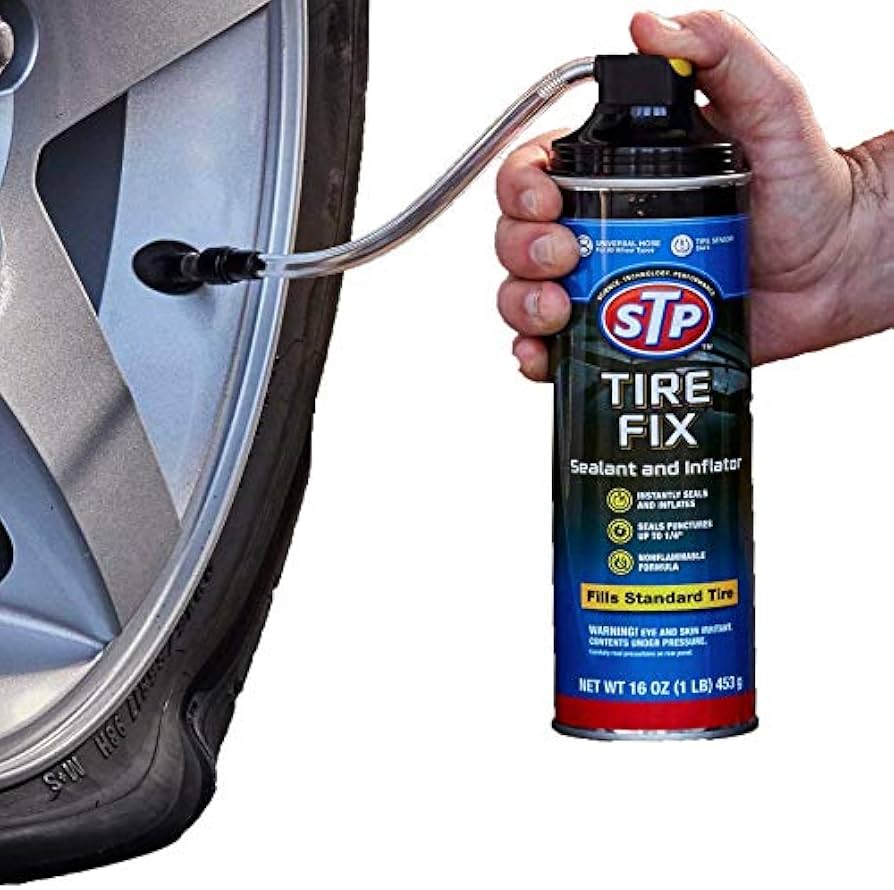
Illustrative image related to tire sealant and inflator
Several key techniques are employed throughout the manufacturing process to enhance efficiency and product quality:
Precision Mixing: Advanced mixing technologies ensure that sealants are uniformly blended, improving their effectiveness.
Automated Assembly Lines: Utilizing robotics and automation reduces human error and increases production speed.
Quality Control Technology: Integration of real-time monitoring systems can detect inconsistencies during production, allowing for immediate corrective actions.
Modular Design Principles: Designing inflators with interchangeable parts can streamline repairs and reduce costs for consumers.
Quality assurance is critical in the manufacturing of tire sealants and inflators, ensuring that products meet safety and performance standards.
Manufacturers must adhere to various international standards to ensure product quality and safety. Key standards include:
ISO 9001: This standard focuses on quality management systems and is applicable to all manufacturers, ensuring consistent product quality.
Marchio CE: For products sold in Europe, CE marking indicates compliance with health, safety, and environmental protection standards.
Standard API: Relevant for products used in automotive applications, ensuring they meet performance and safety requirements.
Quality control (QC) checkpoints are integrated throughout the manufacturing process to maintain high standards:
Controllo qualità in entrata (CQI): This stage involves inspecting raw materials upon delivery to ensure they meet specified standards.
Controllo qualità in corso d'opera (IPQC): Continuous monitoring during production helps identify issues in real-time, allowing for immediate corrective measures.
Controllo qualità finale (CQC): Before products are packaged, they undergo rigorous testing to verify that they meet all functional and safety specifications.
Manufacturers employ various testing methods to ensure product reliability:
Test di pressione: Ensures that inflators can achieve and maintain specified pressures without failure.
Sealant Integrity Tests: Evaluate the sealant’s ability to effectively seal punctures of various sizes.
Test di durata: Products are subjected to extreme conditions to assess their performance over time.
For B2B buyers, especially those sourcing from international markets, it is crucial to verify the quality control processes of suppliers. Here are actionable steps to consider:
Audit dei fornitori: Conduct regular audits to assess the manufacturer’s quality management practices and production capabilities.
Richiesta di rapporti sulla qualità: Ask suppliers for detailed quality reports that outline their QC processes, testing methods, and any certifications they hold.
Third-party Inspections: Engage third-party inspection services to verify compliance with international standards and assess product quality before shipment.
International buyers, particularly from regions like Africa, South America, the Middle East, and Europe, should be aware of specific nuances in quality control and certification:
Conformità normativa: Understand the regulatory requirements specific to your region, as these may differ significantly from the manufacturer’s country.
Certification Recognition: Not all certifications are recognized globally. Verify that the certifications held by your suppliers are acknowledged in your market.
Language and Documentation: Ensure that all product documentation, including safety data sheets and user manuals, are available in the appropriate languages for your market.
By comprehensively understanding the manufacturing processes and quality assurance mechanisms, B2B buyers can make informed decisions when sourcing tire sealants and inflators, ensuring they select reliable suppliers that meet their specific needs and standards.
In the competitive landscape of tire maintenance products, specifically tire sealant and inflators, a strategic approach to sourcing can significantly enhance operational efficiency and customer satisfaction. This guide offers a structured checklist for B2B buyers to ensure they procure quality products that meet their specific needs.
Before initiating the sourcing process, outline the technical specifications required for your tire sealant and inflator. This includes factors such as the type of vehicles you service, the average size of tires, and whether the products need to be compatible with tire pressure monitoring systems (TPMS). Clearly defined specifications help streamline supplier evaluation and ensure that you select products that meet your operational requirements.
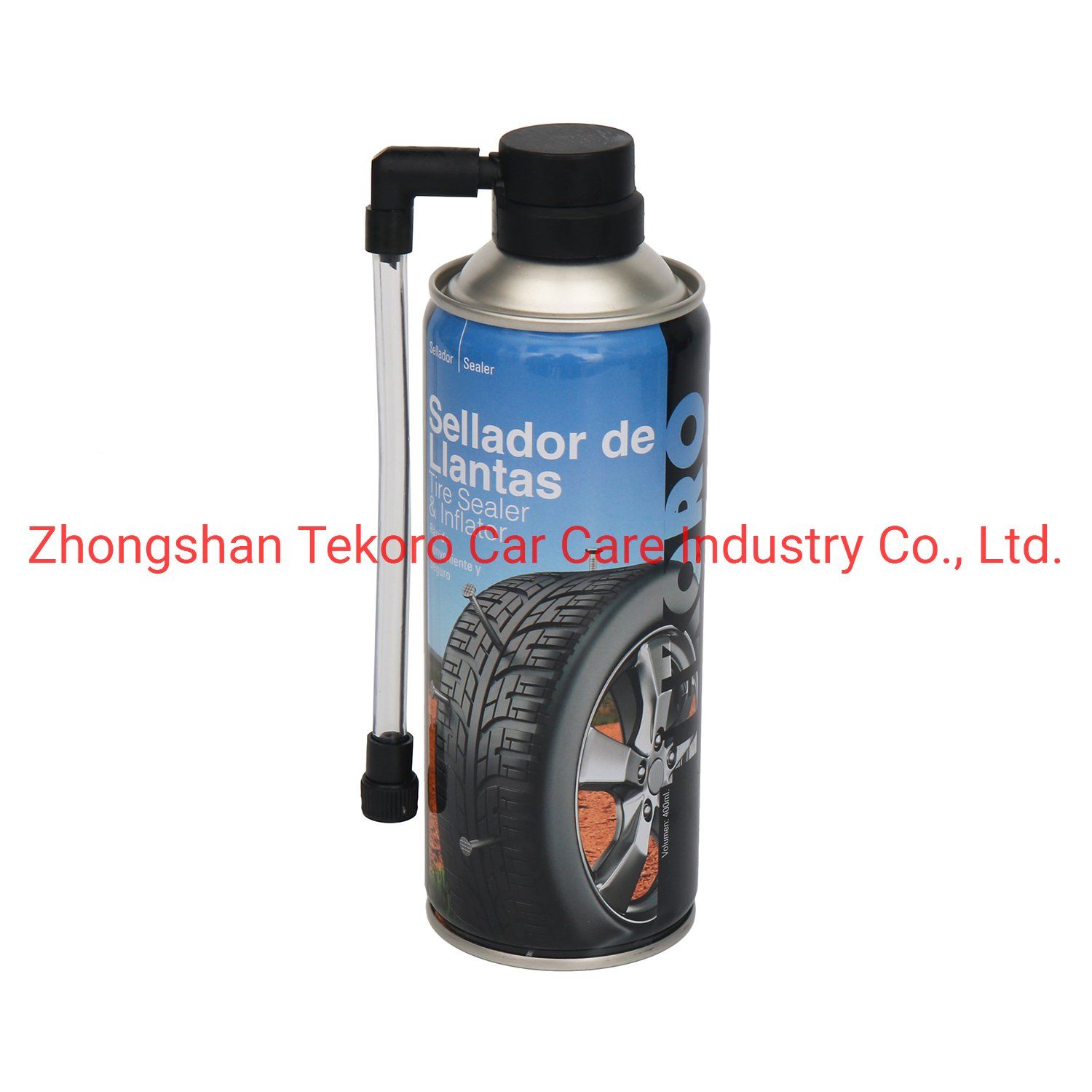
Illustrative image related to tire sealant and inflator
Stay informed about the latest trends and innovations in tire sealants and inflators. This includes understanding advancements in sealant technology, eco-friendly options, and the versatility of inflators. By keeping abreast of market developments, you can make informed decisions and potentially gain a competitive edge by offering superior products.
Thoroughly vet potential suppliers to ensure they can meet your specifications and quality standards. Request comprehensive company profiles, case studies, and references from buyers in similar industries or regions. Look for suppliers with a proven track record of reliability and customer satisfaction, as this can significantly impact your own business reputation.
Before making bulk purchases, request samples of tire sealants and inflators for testing. This step allows you to evaluate the product’s performance in real-world conditions and assess its compatibility with your existing tools and processes. Conduct thorough testing to confirm that the products meet your expectations for quality and reliability.
Analyze pricing structures from different suppliers, but also consider the total cost of ownership (TCO). This includes not only the initial purchase price but also factors such as shipping costs, potential tariffs, and the lifespan of the products. A lower upfront cost may not always equate to better value if the product needs frequent replacements or incurs high maintenance costs.
Once you identify a suitable supplier, engage in negotiations to establish favorable terms and conditions. This includes pricing, payment terms, delivery schedules, and warranty provisions. Clear agreements help prevent misunderstandings and ensure both parties are aligned on expectations.
Consider the long-term relationship with your supplier by evaluating their customer support and supply chain capabilities. Ensure they can provide timely assistance and product replenishment as needed. A reliable supplier partnership can enhance your operational efficiency and enable you to respond swiftly to customer needs.
By following this structured checklist, B2B buyers can effectively navigate the procurement process for tire sealant and inflators, ensuring they make informed, strategic decisions that align with their business goals.
When analyzing the cost structure of tire sealants and inflators, several components need to be taken into account. I materiali are the primary expense, which includes the sealant compounds, metal or plastic casings, and any additional components like hoses and connectors. The quality of these materials can significantly influence the final price, especially if the products are designed to meet specific safety and regulatory standards.
Costo del lavoro are another crucial factor, encompassing the workforce involved in production, assembly, and quality control (QC). In regions like Africa and South America, labor costs may be lower, potentially offering competitive pricing for sourcing. However, these savings must be balanced against potential quality trade-offs.
Spese generali di produzione—which includes utilities, facility costs, and equipment maintenance—also contributes to the overall cost. This aspect can vary greatly depending on the location of the manufacturing plant. For instance, manufacturers in Europe may face higher overhead due to stricter regulations and labor laws compared to those in less regulated regions.
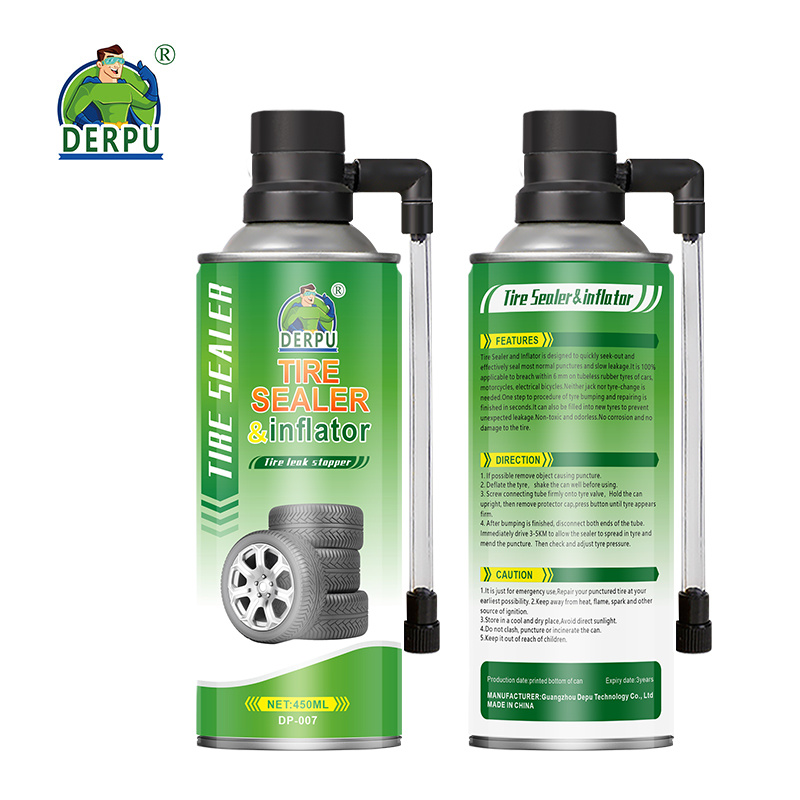
Illustrative image related to tire sealant and inflator
Costi di attrezzaggio are relevant for custom or specialized products. If a buyer requests specific designs or features, initial tooling investments can raise the cost significantly.
Finally, logistics costs—such as transportation, warehousing, and customs duties—must be factored in, particularly for international shipments. These costs can be influenced by the chosen Incoterms, which dictate the responsibilities of buyers and sellers regarding shipping, insurance, and tariffs.
Pricing in the tire sealant and inflator market is not static; it is influenced by various factors. Volume and minimum order quantity (MOQ) can significantly affect pricing. Larger orders typically attract discounts, making it advantageous for buyers to consolidate their purchases when possible.
Specifiche e personalizzazione also play a vital role. Standard products generally have lower prices, while customized solutions will incur additional costs due to unique tooling and material requirements.
Il qualità e certificazioni of the products can also impact pricing. Buyers seeking products that meet specific international safety or environmental standards may need to pay a premium.
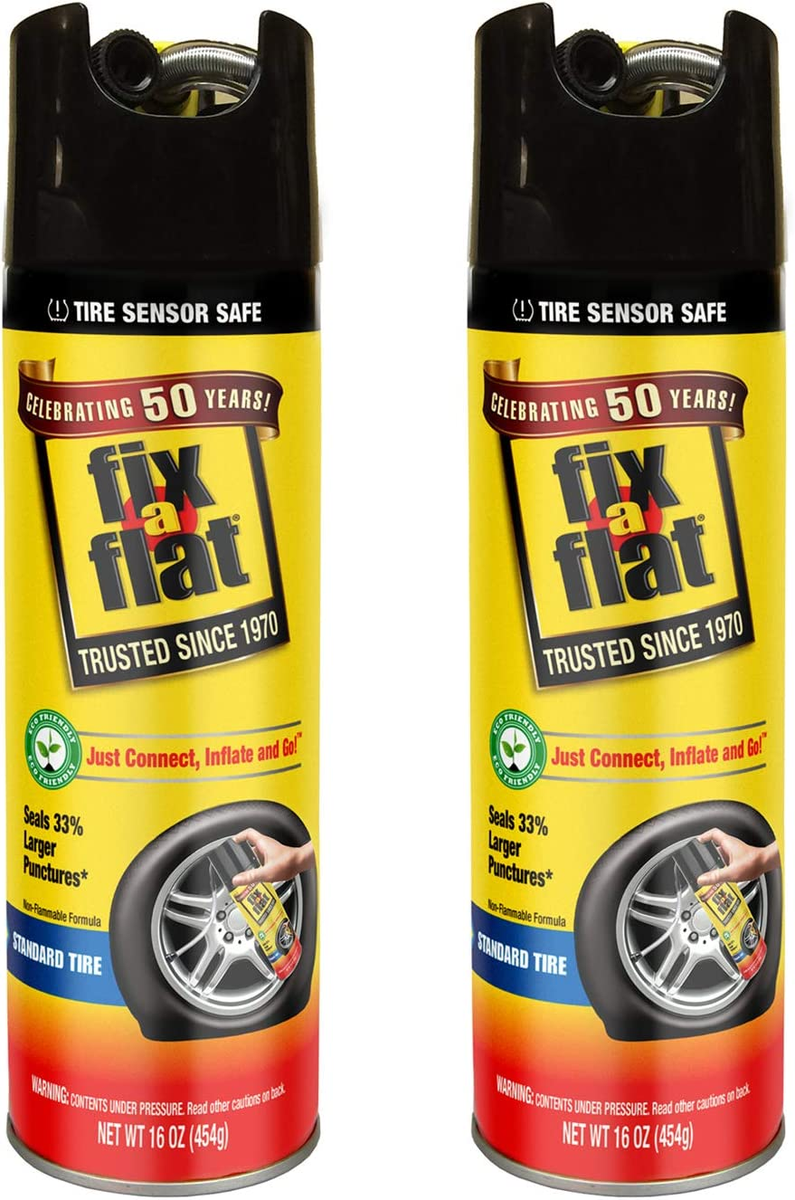
Illustrative image related to tire sealant and inflator
Additionally, supplier factors—such as their reputation, reliability, and relationship with the buyer—can influence pricing negotiations. A trusted supplier may command higher prices but offer greater assurance in terms of product quality and service.
International B2B buyers should adopt strategic approaches to ensure cost-efficiency when sourcing tire sealants and inflators. Negotiation skills are paramount; buyers should engage in discussions about pricing, especially when considering bulk orders or long-term contracts.
Understanding the Costo totale di proprietà (TCO) is crucial. This includes not only the purchase price but also logistics, potential warranty costs, and the expected lifespan of the products. Choosing high-quality products may result in higher upfront costs but can lead to significant savings over time through reduced failure rates and lower replacement costs.
Buyers must also be aware of sfumature di prezzo in different regions. For example, tariffs and import taxes can vary widely between countries, affecting the overall cost structure. Buyers from regions like the Middle East and Europe should familiarize themselves with local regulations and market dynamics to make informed purchasing decisions.
In conclusion, while indicative prices can provide a baseline for negotiations, understanding the comprehensive cost structure and price influencers is essential for international buyers looking to source tire sealants and inflators effectively. By leveraging these insights, businesses can enhance their procurement strategies and optimize their supply chain operations.
In the world of tire maintenance, businesses often seek efficient and cost-effective solutions to handle punctures and air loss. Tire sealants and inflators are popular choices, but they are not the only options available. This analysis will compare tire sealant and inflator systems against two viable alternatives: traditional spare tires and puncture repair kits. Understanding the strengths and weaknesses of each option can help B2B buyers make informed decisions.
| Aspetto di confronto | Tire Sealant and Inflator | Traditional Spare Tire | Puncture Repair Kit |
|---|---|---|---|
| Prestazioni | Temporary fix, effective for small punctures; driving range of up to 125 miles | Reliable for full replacement; no distance limitations | Quick repairs, but effectiveness depends on the type of puncture |
| Costo | Moderate; typically between $40-$60 | Higher upfront cost; varies by vehicle | Low to moderate; costs range from $10-$50 |
| Facilità di implementazione | Simple to use; requires no special tools | Requires storage space; installation may be complex | Requires some mechanical knowledge; tools needed for repairs |
| Manutenzione | Minimal; replacement sealant required after use | Regular checks required for tire condition | Limited maintenance; tools must be kept in good condition |
| Il miglior caso d'uso | Ideal for emergency situations and light-duty vehicles | Best for long-term use; suitable for all vehicle types | Best for DIY enthusiasts and budget-conscious users |
Traditional spare tires offer a reliable solution for punctured tires. They provide a full replacement option without the limitations of distance or speed that sealants impose. However, they come with higher upfront costs and require adequate storage space in the vehicle. Furthermore, changing a tire can be cumbersome, especially for those without mechanical skills. This solution is best suited for businesses that prioritize reliability and have the capacity to manage additional weight and space in their vehicles.
Puncture repair kits, often more economical, provide a quick fix for minor tire issues. They typically include various tools and materials to repair punctures directly. The effectiveness, however, can vary depending on the type of puncture and the user’s mechanical expertise. While they are great for DIY repairs, they may not be as reliable for larger or more complex issues. This option is ideal for budget-conscious businesses or those with staff trained in basic vehicle maintenance.
When selecting the right tire maintenance solution, B2B buyers should consider their specific operational needs, vehicle types, and the environments in which their vehicles operate. Tire sealants and inflators are best for businesses that require quick fixes and have vehicles suited for temporary repairs. Traditional spare tires are more suitable for businesses that prioritize reliability and can accommodate the additional weight. Puncture repair kits cater to those looking for cost-effective solutions and are comfortable with hands-on maintenance. By evaluating these aspects, businesses can make informed choices that align with their operational efficiency and budget constraints.
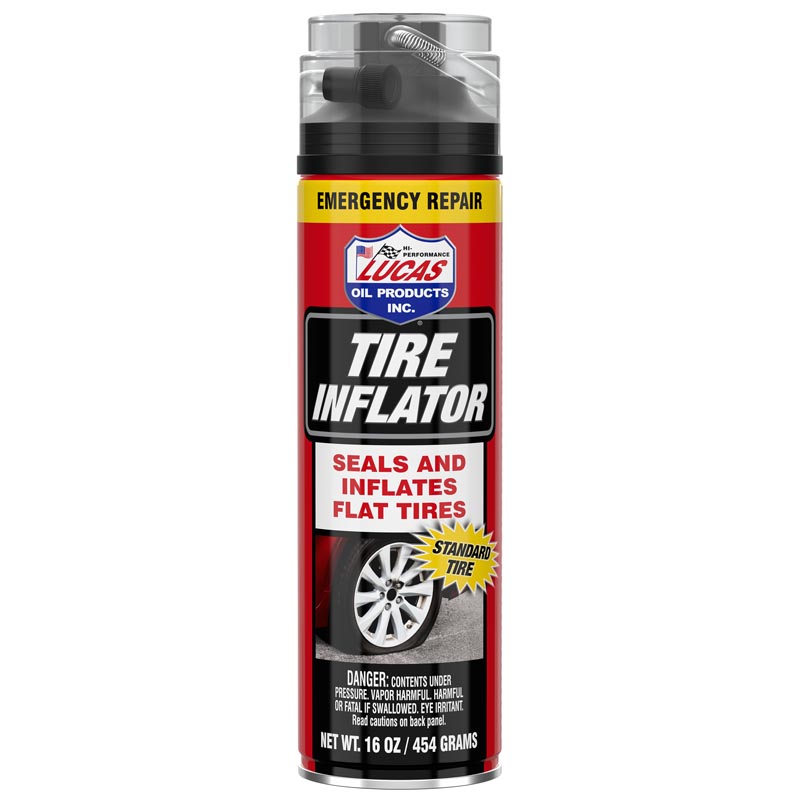
Illustrative image related to tire sealant and inflator
Understanding the technical properties of tire sealants and inflators is crucial for B2B buyers, particularly those involved in automotive, transportation, and logistics sectors. Here are some essential specifications:
Composizione del materiale
Tire sealants are commonly made from latex, rubber, or synthetic polymers. The choice of material affects the sealant’s effectiveness, durability, and compatibility with various tire types. For B2B buyers, selecting a product with appropriate material ensures reliable performance and minimizes risk of damage to tires or rims.
Operating Pressure Range
This specification indicates the tire inflator’s capacity to operate efficiently within a specific pressure range, typically measured in PSI (pounds per square inch). A wider operating range allows for versatility across different tire types, which is vital for businesses managing a fleet of vehicles. Ensuring the inflator meets the required pressure specifications is essential for optimal tire performance and safety.
Repair Range
This refers to the size of punctures that the sealant can effectively seal. Most tire sealants are effective for punctures up to 0.24 inches in diameter. Understanding this property helps B2B buyers assess whether the product meets their operational needs, especially in emergency roadside situations.
Resistenza alla temperatura
The ability of tire sealants and inflators to function effectively in extreme temperatures is critical, especially in regions with varied climates. Sealants should remain effective in both hot and cold conditions to ensure consistent performance. Buyers must consider temperature resistance to avoid product failure during critical operations.
Shelf Life
Shelf life indicates how long a product can be stored without losing effectiveness. For tire sealants, this can range from 1 to 5 years depending on the formulation. B2B buyers need to factor in shelf life to manage inventory efficiently, reducing waste and ensuring that products remain effective when needed.
Driving Range After Repair
This specification denotes the maximum distance a vehicle can travel after using a tire sealant. For example, some products allow for driving up to 125 miles post-repair. Knowing the driving range helps businesses plan for timely repairs and ensure vehicle safety.
Familiarity with industry jargon can streamline communications and negotiations. Here are key terms that B2B buyers should know:
OEM (Original Equipment Manufacturer)
This term refers to companies that manufacture products used in another company’s end product. For tire sealants and inflators, understanding OEM relationships can help buyers ensure compatibility with existing products and identify trusted suppliers.
MOQ (quantità minima d'ordine)
MOQ is the smallest number of units that a supplier is willing to sell. Knowing the MOQ is crucial for B2B buyers to understand inventory requirements and pricing structures. This can influence purchasing decisions, especially for smaller companies that may not need large quantities.
RFQ (Richiesta di offerta)
An RFQ is a document sent to suppliers requesting pricing information for specific products. For tire sealants and inflators, submitting an RFQ can help buyers compare offers and make informed purchasing decisions.
Incoterms (Termini commerciali internazionali)
These are a set of rules that define the responsibilities of buyers and sellers in international transactions. Understanding Incoterms is essential for B2B buyers to clarify shipping, risk, and cost responsibilities, ensuring smooth cross-border transactions.
TPMS (Tire Pressure Monitoring System) Compatibility
This refers to the ability of a tire sealant to be used without interfering with a vehicle’s TPMS. B2B buyers need to verify compatibility to ensure that the sealant does not trigger warning lights or compromise the monitoring system.
Marchio CE
This indicates that a product complies with European safety standards. For companies operating in Europe, understanding CE marking is vital for regulatory compliance and market access.
By grasping these technical properties and trade terms, B2B buyers can make informed decisions, ensuring they select the right tire sealant and inflator solutions for their operational needs.
The global tire sealant and inflator market is experiencing significant growth, driven by increasing vehicle ownership, rising awareness of road safety, and the growing need for convenience in emergency situations. As urbanization accelerates, particularly in regions like Africa and South America, the demand for reliable tire maintenance solutions is surging. In Europe and the Middle East, regulatory frameworks promoting vehicle safety and environmental sustainability are further bolstering market dynamics.
Emerging technologies such as smart tire inflators, which integrate IoT capabilities, are transforming the landscape. These devices not only provide real-time pressure monitoring but also alert users to potential tire issues, thus enhancing safety. Additionally, the trend towards portable and compact inflators is gaining traction, catering to the needs of urban consumers who prioritize convenience and efficiency.
For international B2B buyers, sourcing trends are shifting towards suppliers who offer comprehensive tire maintenance kits that include both sealants and inflators. This shift reflects a growing preference for bundled solutions that simplify inventory management. Furthermore, suppliers that provide clear product specifications and ease of use are becoming increasingly attractive to businesses aiming to enhance customer satisfaction.
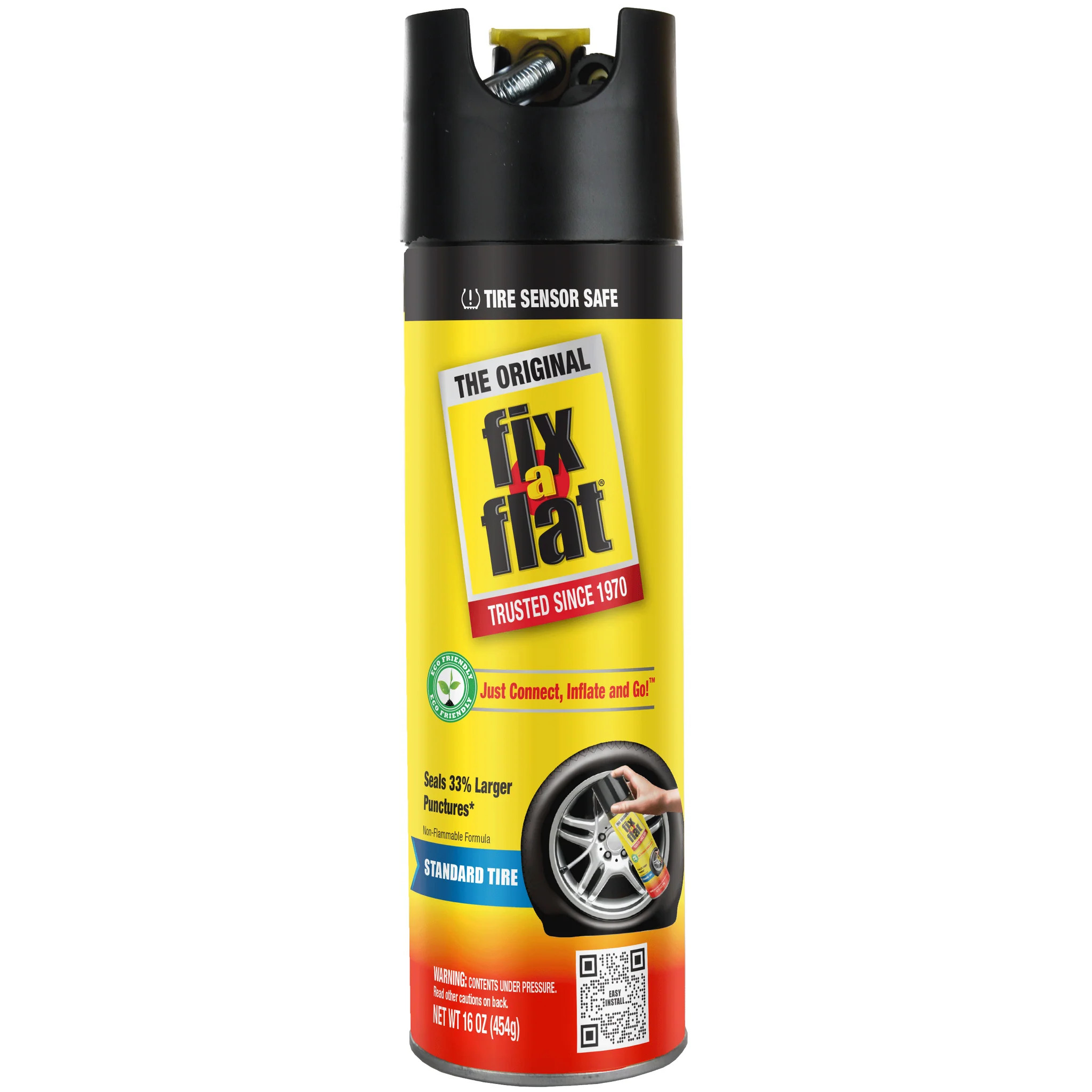
Illustrative image related to tire sealant and inflator
Sustainability is a critical consideration for B2B buyers in the tire sealant and inflator sector. The environmental impact of tire sealants, particularly those containing harmful chemicals, has led to a demand for eco-friendly alternatives. Buyers are increasingly seeking products that utilize biodegradable materials and non-toxic formulations, which not only reduce environmental harm but also align with corporate social responsibility goals.
Ethical sourcing is equally important, as businesses are pressured to ensure that their supply chains adhere to sustainable practices. This includes transparency in sourcing raw materials and ensuring that suppliers comply with environmental regulations. Certifications such as ISO 14001 for environmental management and labels for green products can significantly enhance a company’s credibility in the eyes of eco-conscious consumers.
Moreover, the integration of sustainability into product design—such as recyclable packaging and refillable sealant canisters—presents an opportunity for businesses to differentiate themselves in a competitive market. By prioritizing sustainability, B2B buyers can not only meet regulatory demands but also cater to the growing consumer preference for environmentally responsible products.
The tire sealant and inflator market has evolved significantly over the past few decades. Initially, tire repair solutions were limited to basic puncture kits and air pumps. However, advancements in technology have led to the development of more sophisticated products that offer higher efficiency and user convenience.
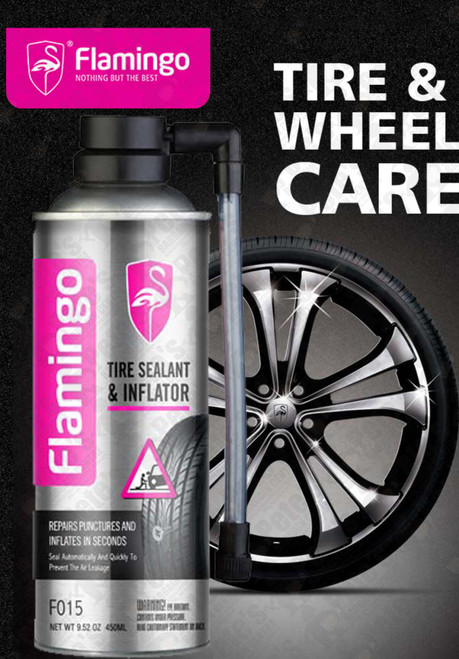
Illustrative image related to tire sealant and inflator
The introduction of aerosol-based sealants revolutionized the industry by allowing for quick repairs without the need for tire removal. As consumer preferences shifted towards DIY solutions, manufacturers responded by enhancing product formulations and packaging for ease of use. Today, modern tire inflators often come equipped with features such as digital pressure gauges and built-in LED lights, catering to the diverse needs of consumers.
In summary, understanding the historical context of the tire sealant and inflator market can provide valuable insights into current trends and future opportunities for international B2B buyers. By leveraging this knowledge, businesses can make informed decisions that align with market demands and consumer expectations.
How do I solve tire inflation issues in remote areas?
To address tire inflation challenges in remote locations, consider sourcing portable tire inflators and sealants designed for emergency repairs. Look for inflators with built-in sealant capabilities that can repair punctures while inflating tires. Ensure the products are compatible with various tire types and come with a clear set of instructions for use. Additionally, inquire about the product’s driving range after repair, typically around 125 miles, to ensure your vehicles can reach the nearest service station without further issues.
What is the best tire sealant for heavy-duty vehicles?
For heavy-duty vehicles, select tire sealants that are specifically formulated for larger tires and higher pressure. Look for products that are TPMS (Tire Pressure Monitoring System) safe and offer robust sealing capabilities for punctures. Sealants like Slime or Fix-a-Flat often have dedicated formulations for commercial applications. Always verify product specifications to ensure compatibility with the vehicle type and intended use, particularly in rugged terrains common in regions like Africa and South America.
What factors should I consider when vetting suppliers of tire sealant and inflators?
When vetting suppliers, assess their reputation, product quality, and compliance with international standards. Check for certifications and customer reviews to gauge reliability. It’s also essential to inquire about their manufacturing processes, sourcing of materials, and whether they offer customization options for your specific market needs. Consider their logistics capabilities and responsiveness to inquiries, as these factors significantly impact your supply chain efficiency.
What are the typical minimum order quantities (MOQs) for tire sealant and inflator products?
Minimum order quantities can vary significantly by supplier and product type. Generally, MOQs for tire sealants and inflators may range from 100 to 1,000 units. Discussing your needs directly with suppliers can sometimes lead to flexibility, especially if you express potential for larger future orders. Ensure you understand any tiered pricing structures associated with higher MOQs, as this can affect your overall budget and inventory management.
What are common payment terms for international purchases of tire sealant and inflators?
Payment terms for international transactions often include options like letters of credit, advance payments, or net 30/60/90 days. It’s crucial to negotiate terms that protect both parties, ensuring secure transactions while maintaining cash flow. Be aware of currency fluctuations and potential additional fees associated with international banking. Discussing payment terms upfront can help prevent misunderstandings and foster a stronger supplier relationship.
How can I ensure quality assurance (QA) for tire sealant and inflator products?
To ensure quality assurance, request detailed documentation from suppliers regarding their QA processes, including testing protocols and compliance with international standards. Consider asking for samples to evaluate product performance firsthand. Establishing a clear communication channel for feedback and concerns can also help maintain product quality over time. Regular audits or inspections, if feasible, can further enhance quality control.
What logistics considerations should I keep in mind when sourcing tire sealant and inflators internationally?
When sourcing internationally, consider the logistics of shipping, including lead times, customs regulations, and potential tariffs. Evaluate the supplier’s ability to handle shipping logistics and their experience with international trade. Ensure they provide tracking information and options for expedited shipping if necessary. Understanding the full cost of logistics, including delivery times and potential delays, will help you plan more effectively and manage inventory.
Can tire sealants be used for punctures in sidewalls?
Most tire sealants are designed for punctures in the tread area and are not effective for sidewall damage. If a sidewall puncture occurs, it’s generally recommended to seek professional assistance rather than relying on sealants. Always check the product specifications for limitations and guidelines on use. For sidewall issues, consider establishing a relationship with roadside assistance services to ensure your clients have access to timely support.
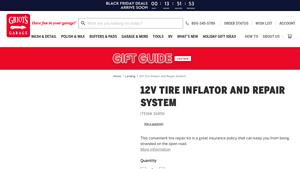
Dominio: griotsgarage.com
Registrato: 1996 (29 anni)
Introduzione: {“product_name”: “12V Tire Inflator and Repair System”, “item_number”: “36859”, “UPC”: “”, “description”: “This convenient tire repair kit is a great insurance policy that can keep you from being stranded on the open road.”, “features”: [“Uses tire, rim, and TPMS-safe sealant”, “Repairs made with wheel on car”, “Provides a driving range of 125 miles”, “Can also be used strictly as an air compresso…
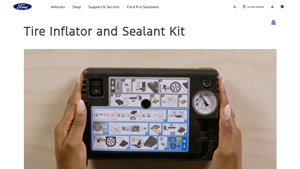
Dominio: ford.com
Registered: 1988 (37 years)
Introduzione: This company, Ford – Tire Sealant Kit, is a notable entity in the market. For specific product details, it is recommended to visit their website directly.
Dominio: lincoln.com
Registrato: 1997 (28 anni)
Introduzione: The Tire Inflator and Sealant Kit is designed to temporarily repair flat tires, allowing drivers to reach a Lincoln Retailer for service. It is an alternative to a spare tire and is equipped with a sealant canister sufficient for one tire repair. The kit is located in the trunk, luggage compartment, or under the front row passenger seat, and its exact location can be found in the Owner’s Manual. T…
In the evolving landscape of tire sealant and inflator products, strategic sourcing stands as a crucial factor for international B2B buyers. Understanding the diverse offerings—from portable tire inflators to advanced sealant kits—can significantly enhance operational efficiency and customer satisfaction. The ability to source high-quality, reliable products ensures that businesses can minimize downtime due to tire-related issues, ultimately leading to cost savings and improved service delivery.
For companies operating in regions like Africa, South America, the Middle East, and Europe, the emphasis should be on partnering with suppliers who prioritize innovation, sustainability, and compliance with local regulations. By focusing on these aspects, buyers can secure not only immediate solutions but also long-term value.
As the market for tire maintenance products continues to grow, now is the time to evaluate your sourcing strategies. Consider investing in comprehensive tire sealant and inflator solutions that align with your business needs. By doing so, you position your organization to thrive in a competitive environment while ensuring the safety and reliability of your fleet. Take the next step in enhancing your procurement strategy and unlock the full potential of tire maintenance solutions.
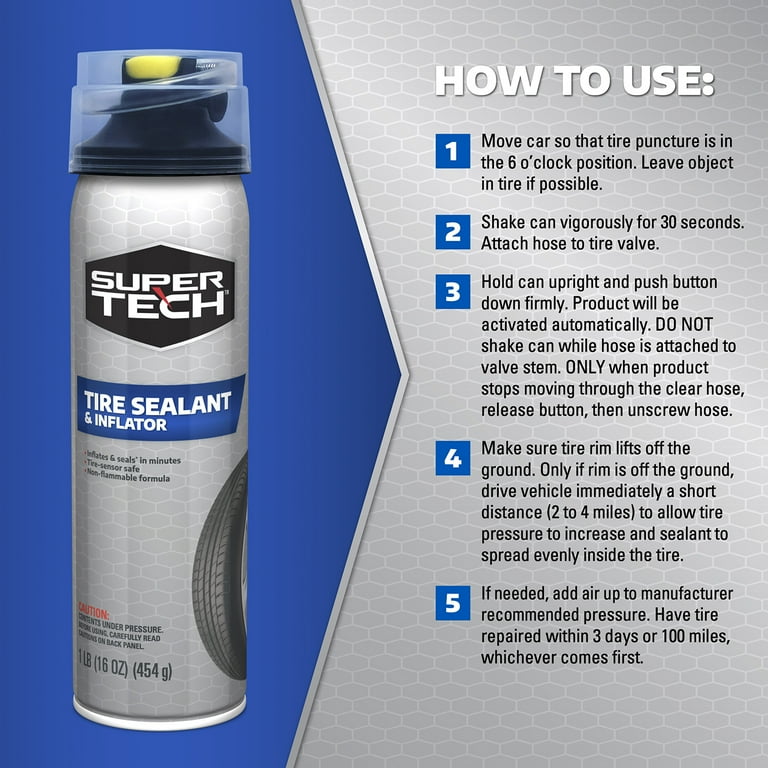
Illustrative image related to tire sealant and inflator
Le informazioni fornite in questa guida, compresi i contenuti relativi ai produttori, alle specifiche tecniche e all'analisi di mercato, hanno uno scopo puramente informativo ed educativo. Non costituiscono una consulenza professionale in materia di acquisti, né una consulenza finanziaria o legale.
Pur avendo compiuto ogni sforzo per garantire l'accuratezza e la tempestività delle informazioni, non siamo responsabili di eventuali errori, omissioni o informazioni non aggiornate. Le condizioni di mercato, i dettagli aziendali e gli standard tecnici sono soggetti a modifiche.
Gli acquirenti B2B devono condurre una due diligence indipendente e approfondita. prima di prendere qualsiasi decisione di acquisto. È necessario contattare direttamente i fornitori, verificare le certificazioni, richiedere campioni e chiedere una consulenza professionale. Il rischio di affidarsi alle informazioni contenute in questa guida è esclusivamente a carico del lettore.


 Italian
  English
  Russian
  Spanish
  Arabic
  Portuguese
  German