
In an increasingly competitive global marketplace, sourcing high-quality motorcycle tail bags can be a daunting task for B2B buyers. The challenge lies not only in finding products that meet stringent quality standards but also in ensuring they cater to diverse market needs across regions such as Africa, South America, the Middle East, and Europe. This comprehensive guide aims to simplify the sourcing process by providing insights into various types of motorcycle tail bags, their applications, and the essential factors to consider when evaluating suppliers.
From robust waterproof designs suitable for long-distance touring to stylish options that appeal to urban riders, motorcycle tail bags come in myriad forms, each tailored to specific consumer preferences. This guide delves into the nuances of selecting the right tail bag, including material durability, capacity, and mounting systems. Additionally, it offers actionable advice on vetting suppliers, understanding pricing structures, and identifying trends that can influence purchasing decisions.
Equipped with this knowledge, international B2B buyers can make informed choices that align with their business goals, ensuring they stock products that resonate with their target markets. By navigating the complexities of the motorcycle tail bag market with confidence, businesses can enhance their offerings and drive sales in an ever-evolving industry landscape.
| Nome del tipo | Caratteristiche distintive principali | Applicazioni primarie B2B | Brevi pro e contro per gli acquirenti |
|---|---|---|---|
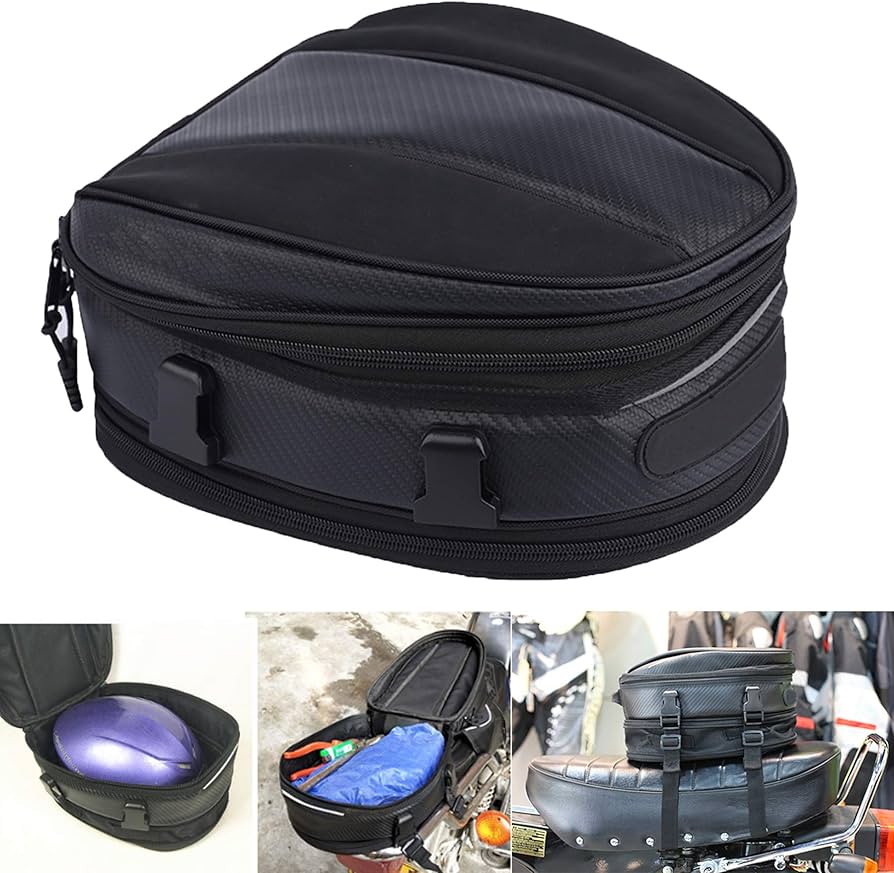
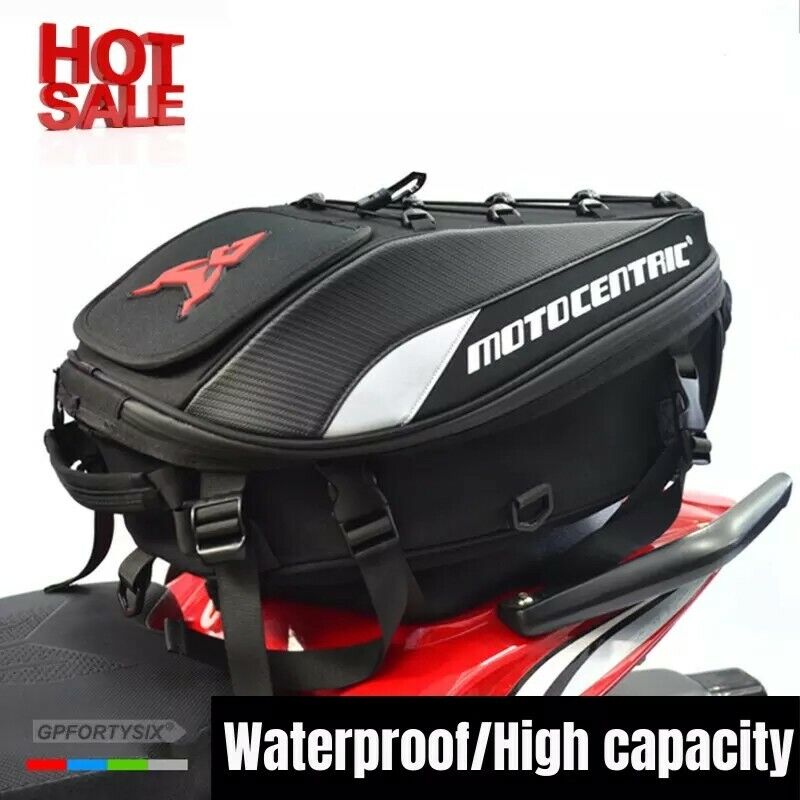
| Soft Tail Bags | Lightweight, flexible, often waterproof, and made from durable textiles. | Daily commuting, weekend rides, short tours. | Pro: Versatile, easy to store; Contro: Less rigid structure may affect protection. |
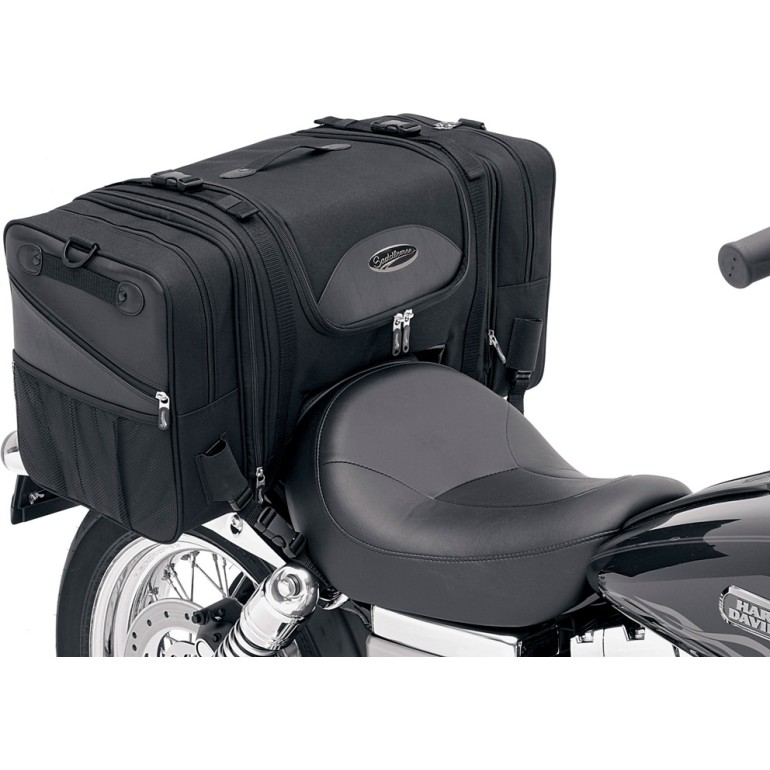
| Hard Tail Bags | Rigid construction, often lockable, providing enhanced security and protection. | Long-distance touring, heavy-duty use. | Pro: Superior protection, secure storage; Contro: Heavier and may require more installation effort. |
| Expandable Tail Bags | Adjustable compartments allowing for increased storage capacity. | Adventure touring, long trips. | Pro: Flexible storage options; Contro: Can be bulkier when expanded. |
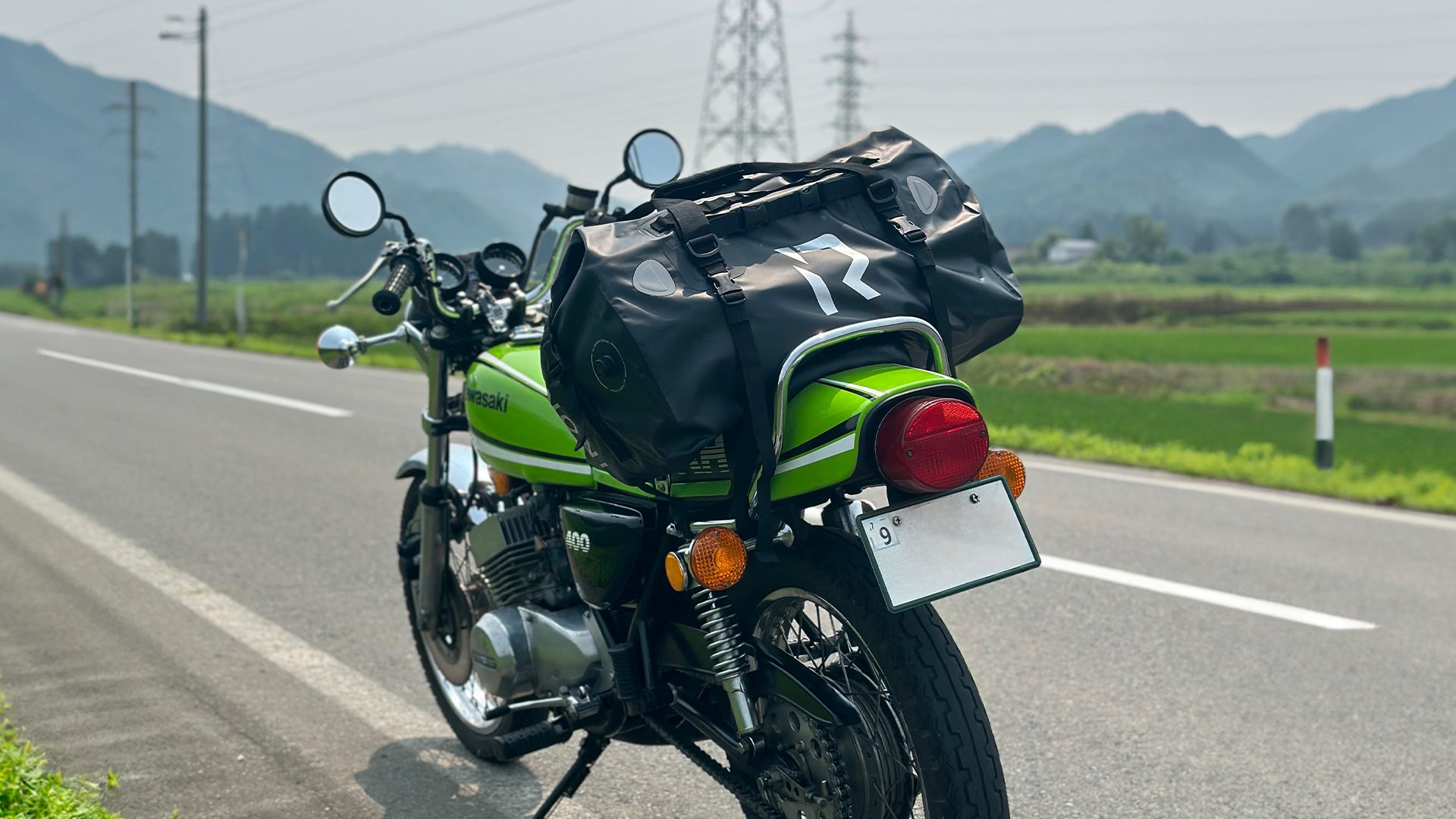
| Waterproof Tail Bags | Fully waterproof materials with sealed seams and roll-top closures. | All-weather riding, off-road adventures. | Pro: Protects contents from elements; Contro: Typically higher price point. |
| Retro/Classic Style Bags | Aesthetic appeal with modern functionality, often made from eco-friendly materials. | Custom builds, style-conscious riders. | Pro: Unique design, blends with vintage bikes; Contro: May lack some modern features. |
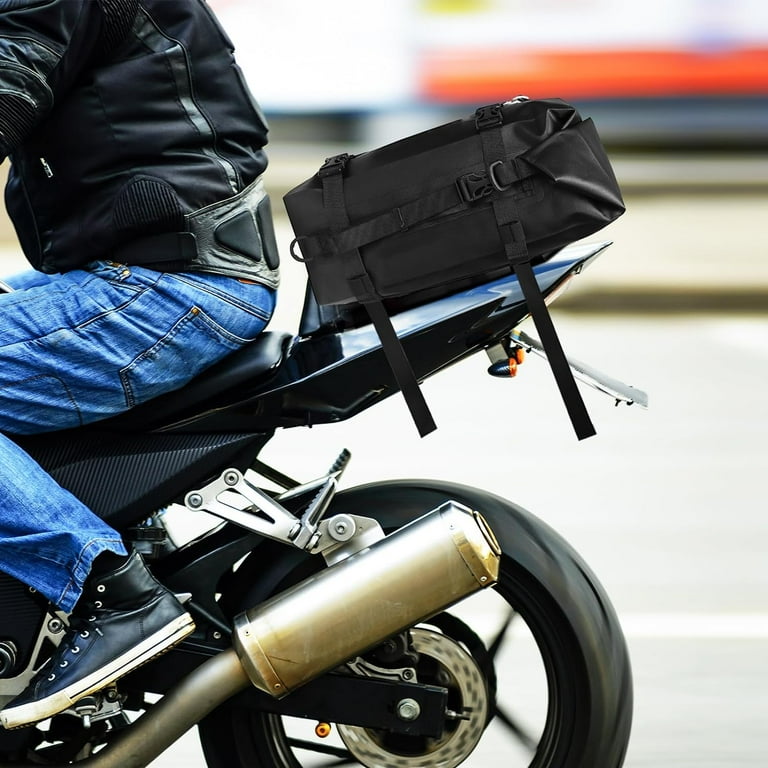
Soft tail bags are designed for versatility and ease of use, making them ideal for daily commuting or weekend rides. Made from durable textiles, these bags are often lightweight and can be easily stored when not in use. They typically come with waterproof features, providing a degree of protection against the elements. B2B buyers should consider the flexibility and storage capacity of soft tail bags, as they can adapt to various riding needs. However, the lack of a rigid structure may not provide the same level of protection for sensitive items compared to hard bags.
Illustrative image related to motorcycle tail bags
Hard tail bags are constructed from rigid materials, offering enhanced security and protection for valuable items. These bags often come with locking mechanisms, making them suitable for long-distance touring or heavy-duty use where security is paramount. B2B buyers in markets with higher theft rates may prioritize hard tail bags for their robust design. While they provide superior protection, buyers should be aware of the added weight and installation complexity, which could affect their logistics and handling.
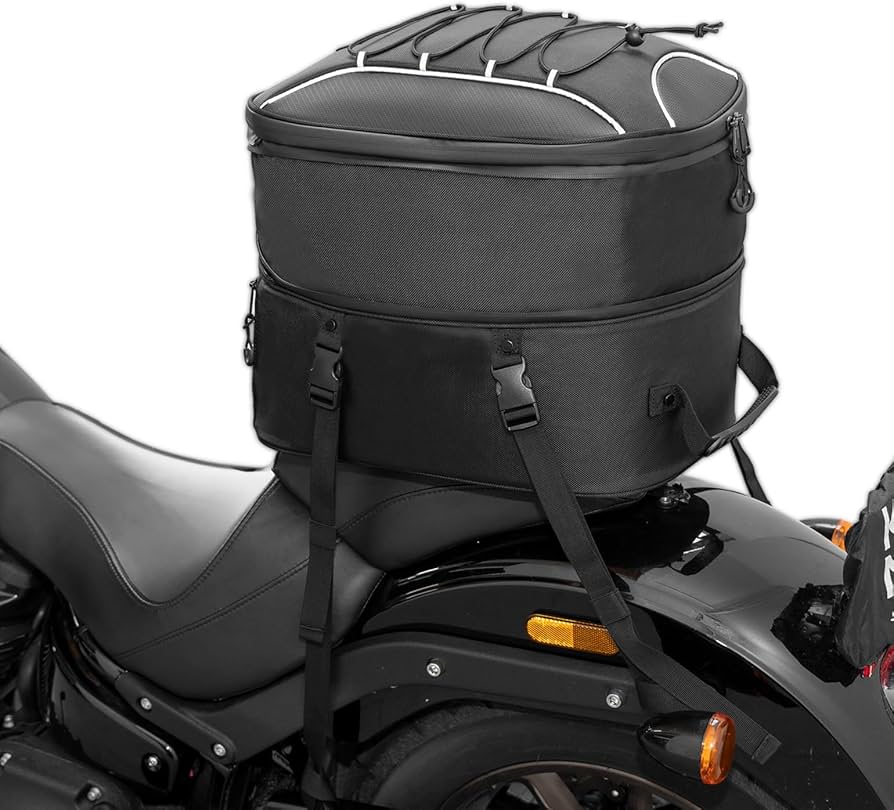
Expandable tail bags are designed with adjustable compartments that allow riders to increase storage capacity as needed. This feature makes them particularly popular among adventure tourists and long-distance riders who may require extra space for gear. B2B buyers should consider the adaptability of these bags for various trip lengths. However, it is essential to note that expanded bags can become bulkier, potentially affecting aerodynamics and handling.
Waterproof tail bags are constructed with materials that feature sealed seams and roll-top closures, ensuring that the contents remain dry even in heavy rain. This makes them ideal for all-weather riding and off-road adventures where exposure to the elements is a concern. B2B buyers focused on adventure motorcycle markets should prioritize these bags for their protective capabilities. The downside is that waterproof bags often come at a higher price point, which may be a consideration for budget-conscious retailers.
Illustrative image related to motorcycle tail bags
Retro or classic style bags combine aesthetic appeal with modern functionality, often made from eco-friendly materials. These bags are particularly attractive to custom builders and style-conscious riders who want to enhance the look of their vintage motorcycles. B2B buyers should consider the unique market segment that values design alongside functionality. However, it is essential to assess whether these bags offer all the modern features required for practical use, as they may not always include the latest innovations found in other bag types.
| Industria/Settore | Specific Application of motorcycle tail bags | Valore/Beneficio per l'azienda | Considerazioni chiave sull'approvvigionamento per questa applicazione |
|---|---|---|---|
| Logistica e consegna | Last-mile delivery solutions for small parcels | Enhanced mobility and capacity for transporting goods efficiently | Waterproof materials, secure mounting systems, and durability |
| Turismo e avventura | Luggage for motorcycle tours and adventure travel | Increased customer satisfaction and repeat business | Versatile designs, capacity options, and aesthetic appeal |
| Servizi di emergenza | Rapid response units for medical or rescue operations | Quick access to essential gear and medical supplies | Lightweight, waterproof, and easy-to-mount features |
| Retail & E-commerce | Promotional use in motorcycle-related events and exhibitions | Brand visibility and engagement with potential customers | Customization options, material quality, and functional design |
| Veicoli ricreazionali | Tail bags for ATV and dirt bike enthusiasts | Improved storage for recreational gear, enhancing user experience | Compatibility with various vehicle types and rugged construction |
In the logistics and delivery sector, motorcycle tail bags are increasingly employed for last-mile delivery solutions. They provide delivery personnel with a practical way to transport small parcels efficiently, especially in congested urban areas. The waterproof and durable materials protect the contents from adverse weather conditions, ensuring that goods arrive in perfect condition. B2B buyers in this sector should prioritize features like secure mounting systems and ample storage capacity to accommodate diverse parcel sizes.
For the tourism and adventure industry, motorcycle tail bags are essential for luggage management during guided tours. They allow riders to carry personal items securely while maintaining balance and stability on their bikes. This enhances customer satisfaction, encouraging repeat business for tour operators. Buyers should look for versatile designs that cater to different motorcycle types and varying trip lengths, as well as options for waterproofing to safeguard belongings against the elements.
Motorcycle tail bags serve a critical function in emergency services, particularly for rapid response units. These bags facilitate quick access to essential equipment and medical supplies, enabling first responders to act swiftly in emergencies. The lightweight design and waterproof features are crucial for maintaining mobility and protecting gear. Buyers in this sector should focus on bags that offer easy mounting and quick-release systems for efficient deployment during critical situations.
Illustrative image related to motorcycle tail bags
In retail and e-commerce, motorcycle tail bags are utilized for promotional purposes during motorcycle-related events and exhibitions. They enhance brand visibility while providing practical solutions for attendees to carry their purchases or promotional materials. Businesses should consider customization options to align with their branding, as well as quality materials that reflect their brand’s commitment to durability and style.
Motorcycle tail bags are also popular among ATV and dirt bike enthusiasts, providing essential storage for recreational gear. These bags improve the user experience by enabling riders to carry tools, snacks, and personal items conveniently. Buyers in this market should ensure compatibility with various vehicle types and prioritize rugged construction to withstand rough terrains. Features like expandable storage and easy attachment mechanisms can further enhance functionality for recreational use.
Il problema: B2B buyers often face challenges when sourcing motorcycle tail bags that can withstand extreme weather and rough terrains. In regions such as Africa and the Middle East, where conditions can be severe, there is a heightened risk that lower-quality bags will fail, leading to damaged goods and dissatisfied customers. Buyers may be particularly concerned about materials that are not waterproof or resistant to UV rays, which can lead to deterioration over time.
Illustrative image related to motorcycle tail bags
La soluzione: To ensure the durability of motorcycle tail bags, prioritize sourcing products made from high-quality materials like PVC-coated polyester or ballistic nylon, which are known for their waterproof and UV-resistant properties. When evaluating suppliers, request samples to test the material’s performance against water and abrasion. Additionally, look for tail bags that feature reinforced seams and robust zippers to enhance longevity. Suppliers that provide detailed specifications and real-world performance data can help buyers make informed decisions. Implementing a rigorous quality assurance process during procurement can further mitigate risks associated with product failure.
Il problema: Another common issue for B2B buyers is the inefficiency of mounting systems for tail bags. Many products on the market use complex or inadequate mounting solutions, which can lead to bags shifting during rides or even detaching completely. This not only poses a safety risk but also results in lost inventory and potential liability issues for businesses that rent or sell motorcycles.
La soluzione: Seek out tail bags that come equipped with user-friendly and secure mounting systems, such as patented hook-and-loop designs or quick-release buckles. When evaluating potential suppliers, inquire about the ease of installation and removal of their products, as well as whether they provide clear instructions or videos for setup. It may also be beneficial to request feedback from existing customers on the performance of the mounting systems. Additionally, consider offering training sessions for staff on proper installation techniques to ensure that customers receive bags that are securely mounted, enhancing both safety and satisfaction.
Il problema: B2B buyers often struggle with the limited capacity of motorcycle tail bags, particularly when catering to diverse customer needs. Some riders may require extra space for longer trips or additional gear, while others may prefer a minimalist option for daily commutes. This lack of flexibility can lead to lost sales opportunities and dissatisfied customers.
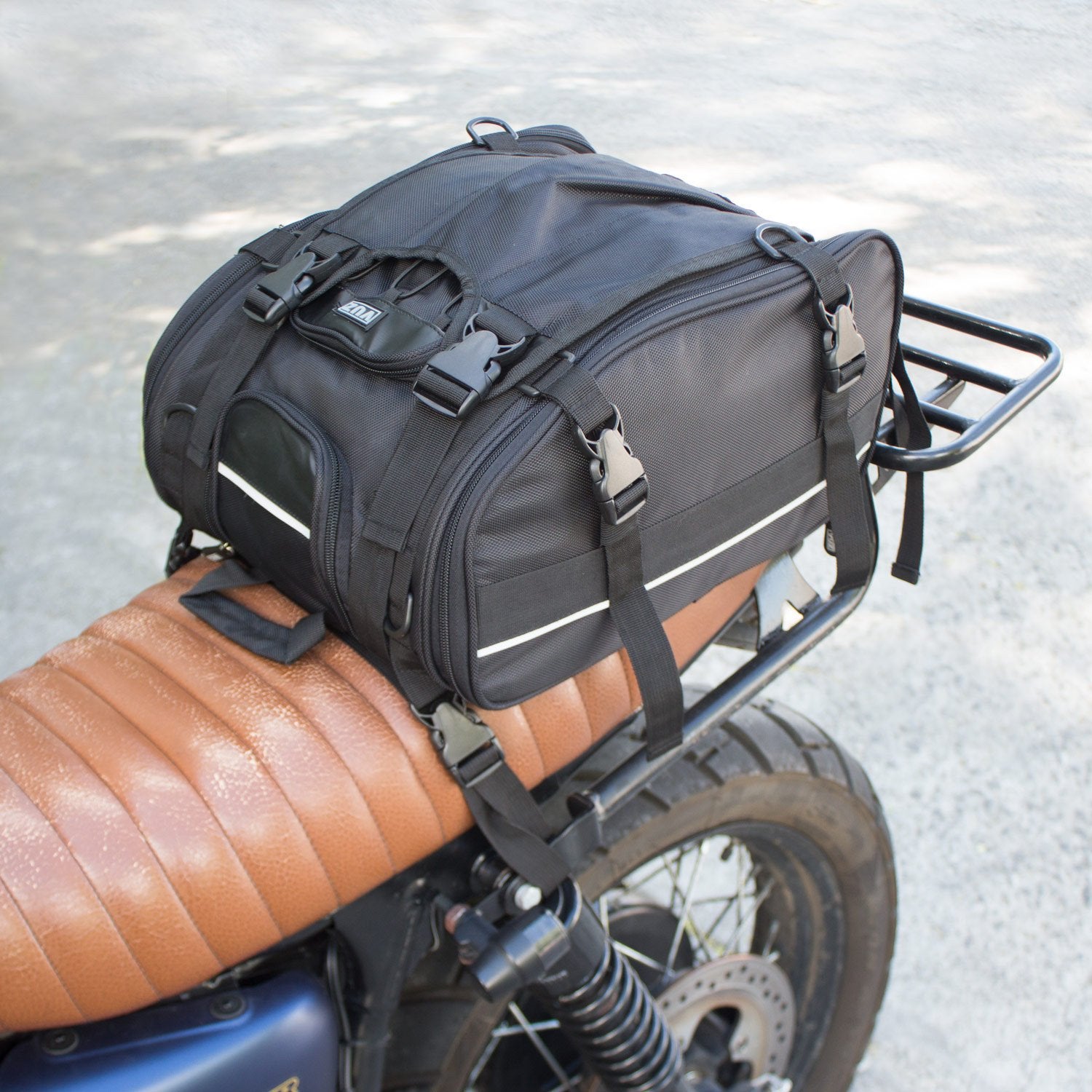
Illustrative image related to motorcycle tail bags
La soluzione: To address capacity concerns, partner with manufacturers that offer modular or expandable tail bags. These bags allow users to adjust storage space according to their needs, making them suitable for both short trips and long tours. When selecting products, consider those that feature removable compartments or additional attachment points for supplementary storage options. Additionally, maintain an open line of communication with your customer base to understand their specific needs and preferences, which can inform your inventory decisions. Implementing a flexible inventory system that accommodates various sizes and styles can also enhance customer satisfaction and drive repeat business.
When selecting materials for motorcycle tail bags, several factors impact performance, durability, and overall user satisfaction. Here, we analyze four common materials used in the production of motorcycle tail bags, focusing on their properties, advantages, disadvantages, and implications for international B2B buyers.
Nylon, particularly high-denier variants, is a popular choice for motorcycle tail bags due to its excellent strength-to-weight ratio. It exhibits good abrasion resistance and flexibility, making it suitable for various riding conditions. Nylon can withstand a wide range of temperatures and is resistant to mildew and rot, which is crucial for outdoor applications.
Pro: Nylon is lightweight, durable, and often less expensive than other synthetic materials. It can be easily treated to enhance waterproofing, making it versatile for different climates.
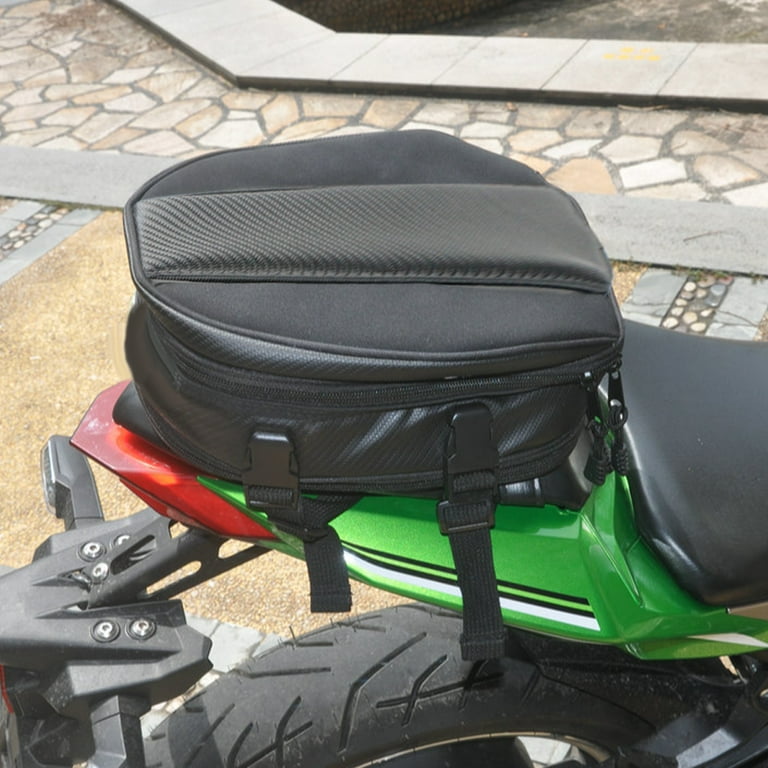
Illustrative image related to motorcycle tail bags
Contro: While it is generally durable, nylon can be susceptible to UV degradation over time, which may lead to fading and reduced strength. It also has a lower resistance to heat compared to materials like polyester.
Impatto sull'applicazione: Nylon is compatible with various media, including water and dirt, but care must be taken to ensure that the waterproofing treatments are effective.
Considerazioni per gli acquirenti internazionali: Buyers in regions with high UV exposure, such as parts of Africa and the Middle East, should prioritize UV-resistant treatments. Compliance with international textile standards, such as ASTM D751 for waterproof fabrics, is also essential.
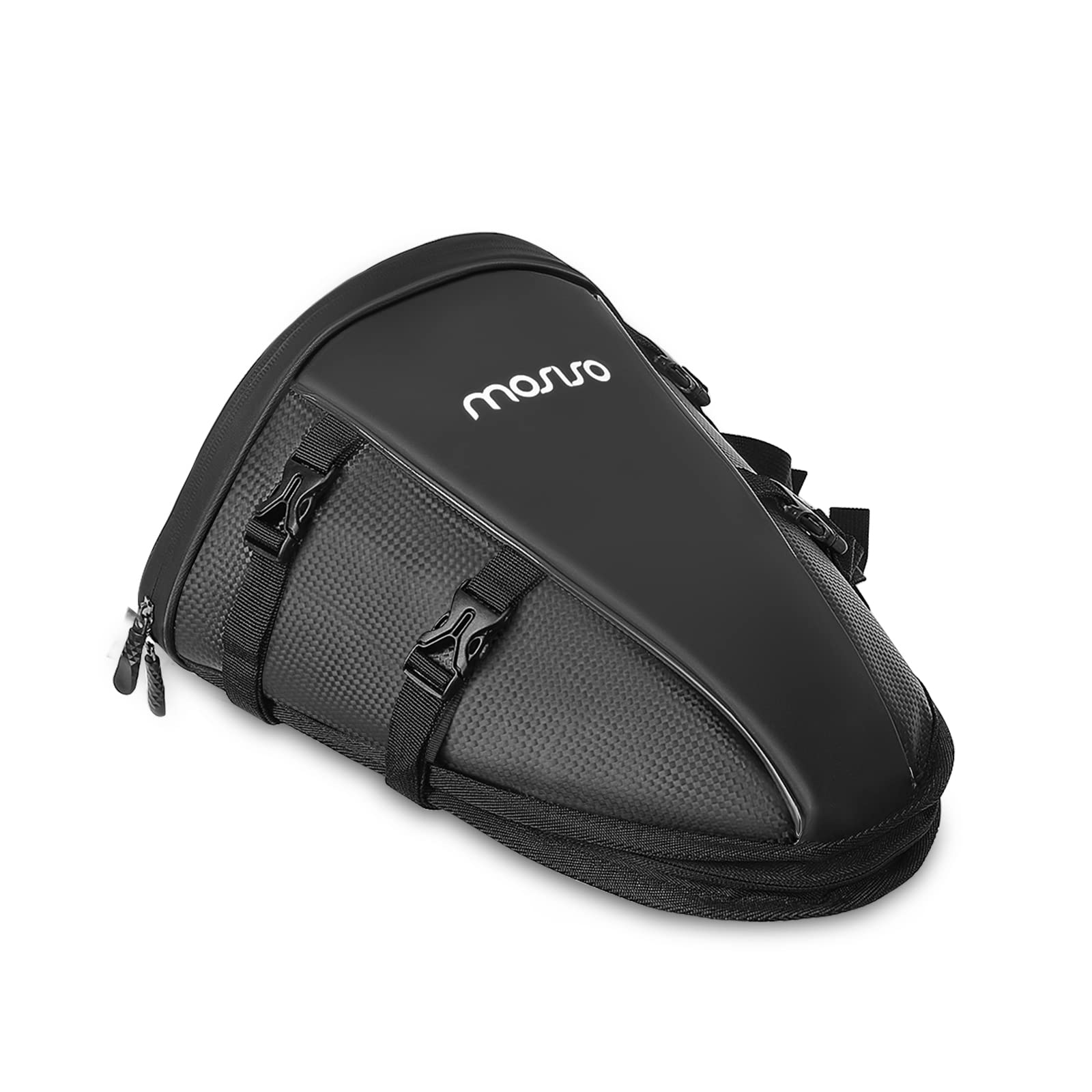
Illustrative image related to motorcycle tail bags
Polyester is another common material used for motorcycle tail bags, especially in the form of high-denier fabrics. It offers good resistance to UV rays and is less prone to fading compared to nylon. Polyester also has a lower moisture absorption rate, which helps in maintaining the bag’s integrity in wet conditions.
Pro: The durability and UV resistance of polyester make it suitable for long-term use. It is also relatively easy to clean and maintain.
Contro: Polyester can be heavier than nylon and may not offer the same level of flexibility. Additionally, its heat resistance is moderate, which might be a concern in extremely hot climates.
Impatto sull'applicazione: Polyester’s low moisture absorption makes it suitable for environments where water exposure is common, ensuring that the contents remain dry.
Considerazioni per gli acquirenti internazionali: Buyers should look for polyester that meets specific quality standards, such as ISO 105 for colorfastness, particularly in regions with high sunlight exposure.
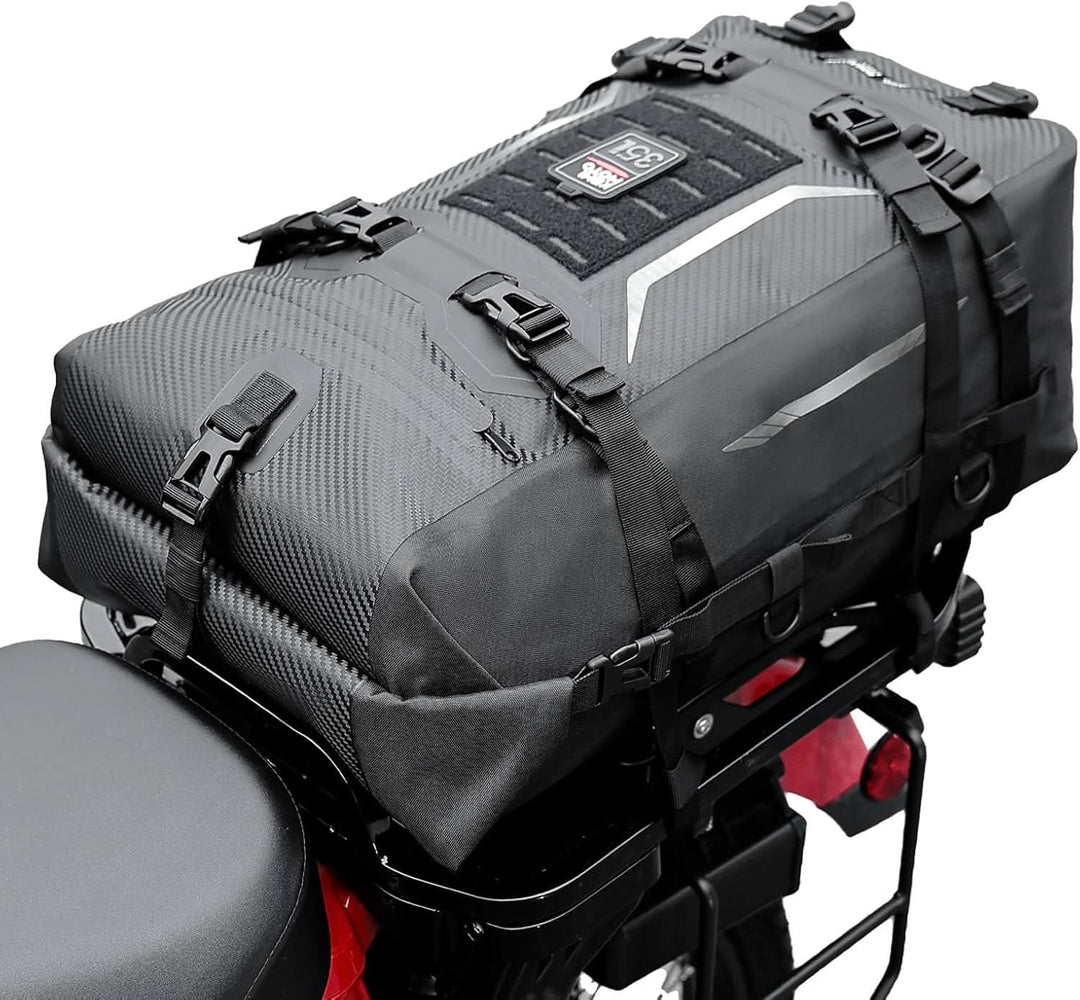
Illustrative image related to motorcycle tail bags
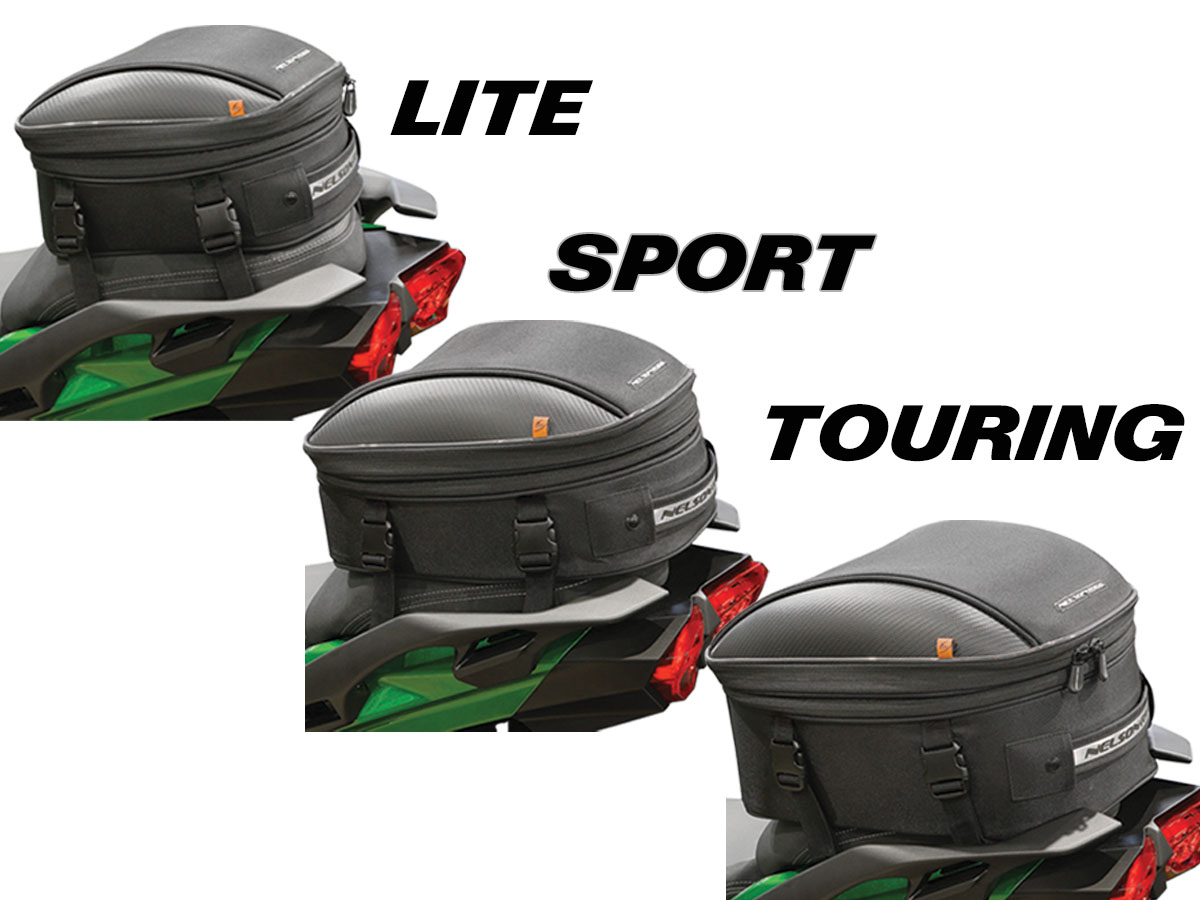
PVC-coated fabrics are often used for motorcycle tail bags designed for extreme weather conditions. The PVC layer provides excellent waterproofing and durability, making it ideal for riders who frequently encounter rain or mud.
Pro: The waterproof nature of PVC-coated fabrics ensures that contents remain dry, while their durability makes them suitable for rugged use.
Contro: PVC can be heavier and less breathable than other materials, which may lead to condensation inside the bag. Additionally, the environmental impact of PVC production is a growing concern.
Illustrative image related to motorcycle tail bags
Impatto sull'applicazione: PVC-coated fabrics are particularly effective in wet conditions, but their weight and lack of breathability can be drawbacks for long-distance touring.
Considerazioni per gli acquirenti internazionali: Compliance with environmental regulations regarding PVC use is critical, especially in Europe where stricter standards may apply.
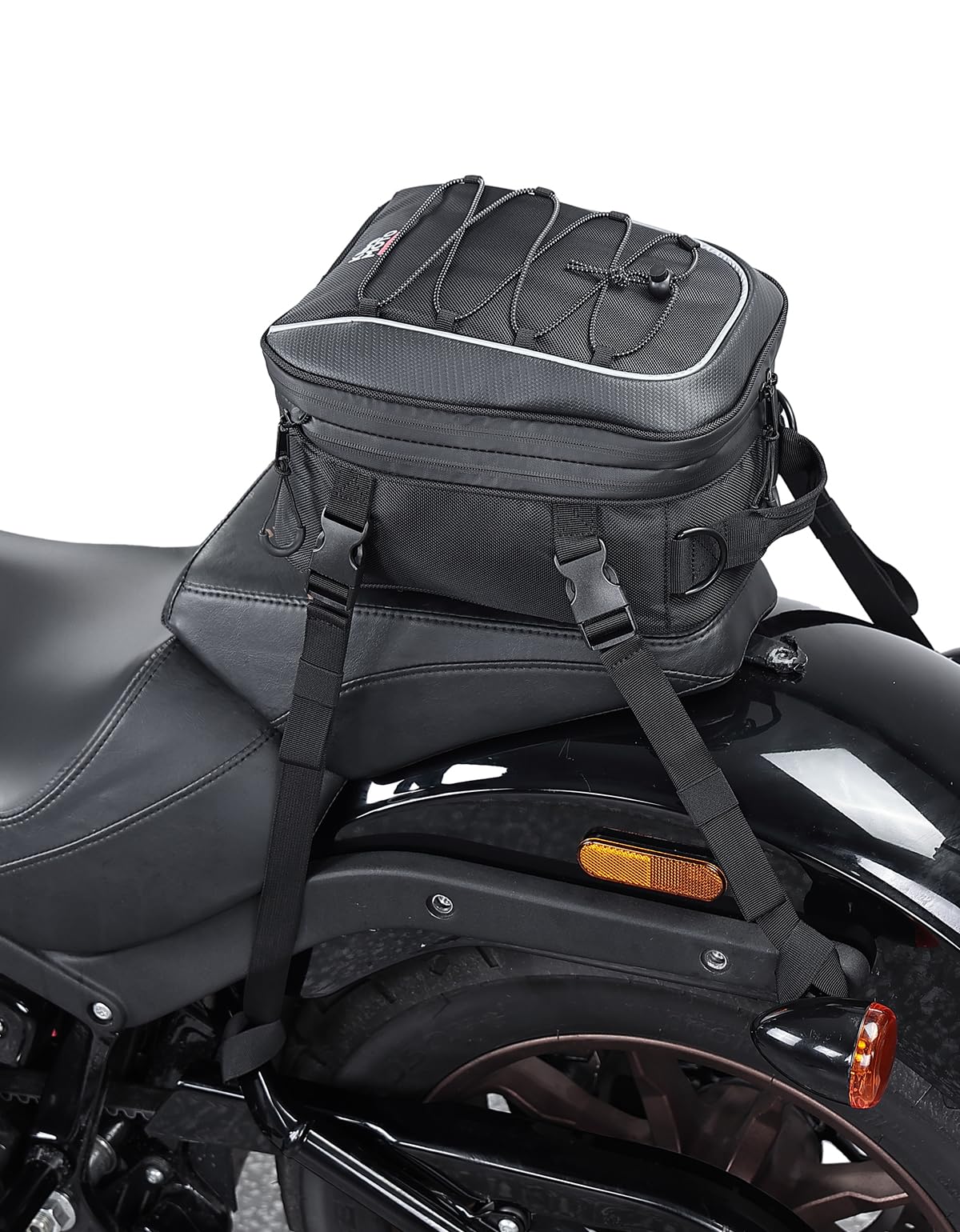
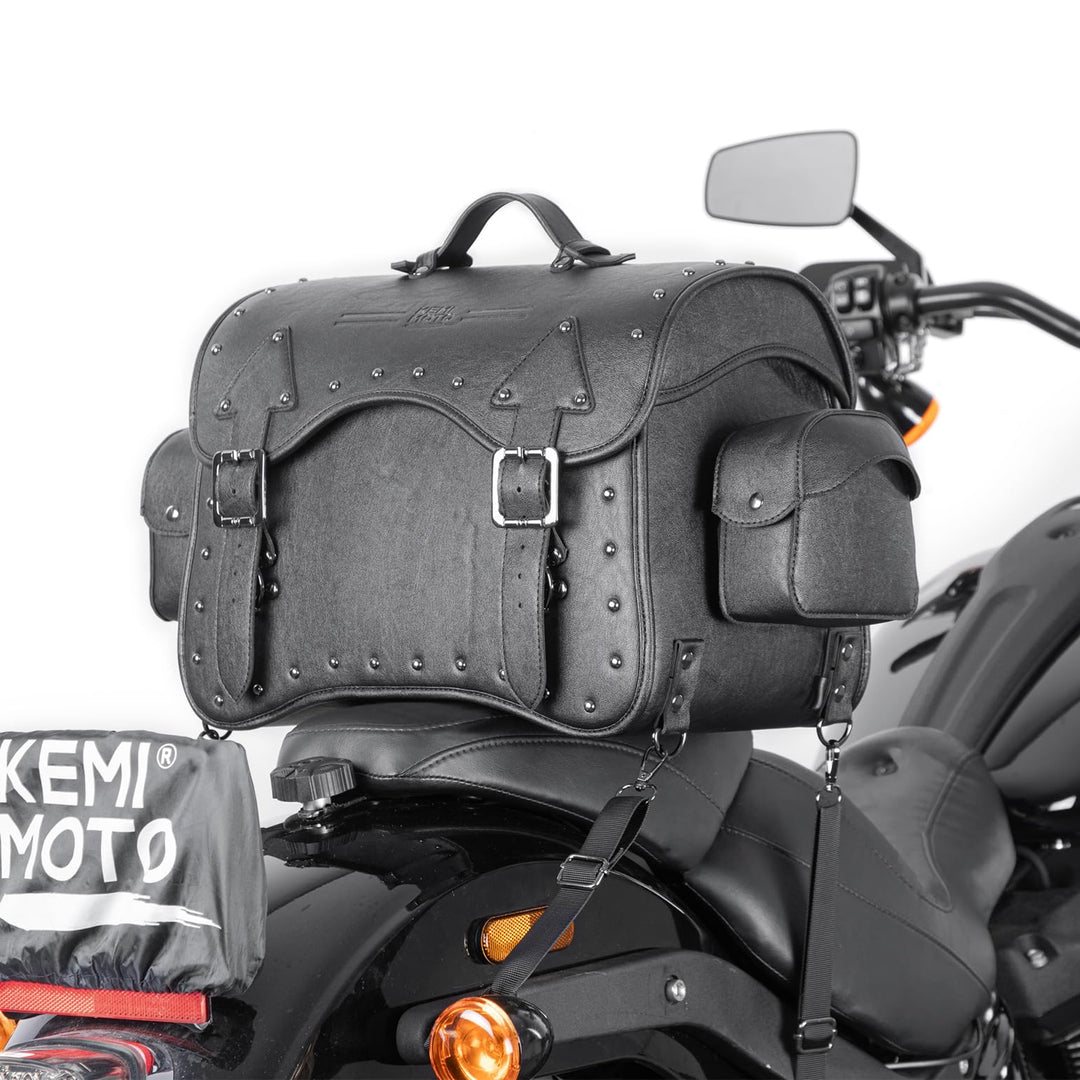
Leather, including synthetic options, is often chosen for its aesthetic appeal and durability. Genuine leather offers excellent abrasion resistance and a classic look, while synthetic leather provides similar benefits with lower maintenance.
Illustrative image related to motorcycle tail bags
Pro: Leather is highly durable and provides a premium appearance. It can also be treated for water resistance.
Contro: Genuine leather can be expensive and requires regular maintenance to prevent drying and cracking. Synthetic leather, while less costly, may not offer the same level of durability.
Impatto sull'applicazione: Leather is suitable for riders seeking style and durability but may not be the best choice for extreme weather conditions unless properly treated.
Considerazioni per gli acquirenti internazionali: Buyers should be aware of ethical sourcing and environmental certifications, especially in regions where sustainability is a priority.
| Materiale | Typical Use Case for motorcycle tail bags | Vantaggio chiave | Svantaggi/limitazioni principali | Costo relativo (Basso/Medio/Alto) |
|---|---|---|---|---|
| Nylon | General-purpose tail bags | Leggero e resistente | Suscettibile alla degradazione UV | Medio |
| Poliestere | All-weather tail bags | UV resistant and easy to maintain | Heavier than nylon | Medio |
| PVC Coated Fabric | Waterproof tail bags | Eccellente impermeabilità | Heavier and less breathable | Alto |
| Leather/Synthetic Leather | Premium aesthetic tail bags | Durable with a classic look | Expensive and requires maintenance | Alto |
This strategic material selection guide provides essential insights for B2B buyers, enabling informed decisions when sourcing motorcycle tail bags that meet the demands of diverse markets.
Illustrative image related to motorcycle tail bags
The manufacturing process for motorcycle tail bags typically involves several critical stages: material preparation, forming, assembly, and finishing. Each stage requires meticulous attention to detail to ensure high-quality end products that meet the rigorous demands of motorcyclists.
Preparazione del materiale
The first step in manufacturing tail bags is selecting high-quality materials. Commonly used materials include 1680D ballistic nylon, PVC-coated polyester, and eco-friendly textiles. These materials are chosen for their durability, waterproofing capabilities, and lightweight properties. Suppliers often conduct tests on raw materials to ensure they meet specific performance standards before proceeding to cutting and shaping.
Formazione
Once the materials are prepared, the next phase involves forming the bag components. This includes cutting the fabric into specified shapes and sizes, which is typically done using precision cutting machines to minimize waste. Techniques such as heat sealing and stitching are employed to create waterproof seams, ensuring that the bags can withstand various weather conditions. Advanced manufacturing technologies, including laser cutting and automated sewing, are increasingly used to enhance accuracy and efficiency.
Montaggio
During assembly, the formed pieces are stitched together, and additional features such as zippers, straps, and buckles are attached. Quality assurance protocols are implemented at this stage to verify that all components are fitted correctly. Assembly often requires skilled labor, as the quality of stitching and assembly directly impacts the bag’s durability and functionality.
Finitura
The final manufacturing stage involves inspecting and finishing the products. This includes applying protective coatings, conducting final quality checks, and packaging. Finishing touches may also include branding and labeling to enhance market appeal. Each bag is carefully inspected to ensure it meets the specifications outlined during the design phase, ensuring that customers receive a product that is not only functional but also aesthetically pleasing.
Quality assurance (QA) is critical in the production of motorcycle tail bags, ensuring that they meet both international standards and customer expectations. The QA process includes several checkpoints and testing methods tailored to the specific requirements of the motorcycle luggage market.
International and Industry-Specific Standards
Manufacturers often adhere to international quality management standards such as ISO 9001, which provides a framework for consistent quality in production processes. In addition, compliance with specific industry standards such as CE marking for safety and performance can be crucial, especially for buyers in regions like Europe and the Middle East. These certifications indicate that products meet rigorous safety and environmental criteria.
Illustrative image related to motorcycle tail bags
Punti di controllo della qualità
Quality control (QC) checkpoints are established throughout the manufacturing process, including:
Metodi di analisi comuni
Manufacturers utilize various testing methods to ensure product quality. These may include:
When sourcing motorcycle tail bags, B2B buyers should implement strategies to verify the quality control practices of potential suppliers. This is particularly important for international buyers from regions like Africa, South America, and the Middle East, where quality standards may vary significantly.
Audit dei fornitori
Conducting audits of potential suppliers can provide valuable insights into their manufacturing processes and quality control measures. Buyers should evaluate the supplier’s facilities, equipment, and workforce to ensure they adhere to the necessary quality standards. This can be done through onsite visits or by hiring third-party inspection firms to conduct the audits.
Revisione dei rapporti sulla qualità
Requesting and reviewing quality assurance reports from suppliers can help buyers understand the QC measures in place. These reports should detail the results of IQC, IPQC, and FQC, as well as any corrective actions taken in response to identified issues. Consistent reporting can indicate a commitment to maintaining high-quality standards.
Illustrative image related to motorcycle tail bags
Engaging Third-Party Inspectors
Utilizing third-party inspection services can offer an unbiased assessment of the supplier’s quality control practices. These inspectors can evaluate the manufacturing process and conduct independent testing on samples to verify compliance with specified standards.
International B2B buyers must be aware of specific nuances in quality control that can affect their procurement processes. Understanding regional standards and expectations is essential for successful transactions.
Cultural and Regulatory Differences
Different regions may have varying expectations for product quality and safety. For instance, European markets may require CE certification, while buyers in Africa or South America might prioritize cost-effectiveness and durability. Buyers should familiarize themselves with local regulations and market demands to make informed decisions.
Communication and Transparency
Establishing clear communication channels with suppliers is vital. Buyers should articulate their quality expectations upfront and seek transparency regarding manufacturing practices and QC measures. This helps in building trust and ensures that suppliers are aligned with the buyer’s quality objectives.
Flexibility and Adaptability
Buyers should remain flexible and adaptable to changes in the supply chain, especially when sourcing from international markets. Factors such as geopolitical issues, shipping logistics, and material availability can impact quality and delivery timelines. Building strong relationships with suppliers can facilitate smoother communication and problem-solving in such scenarios.
Illustrative image related to motorcycle tail bags
By understanding the manufacturing processes and quality assurance measures involved in producing motorcycle tail bags, B2B buyers can make informed decisions and ensure they partner with reliable suppliers who meet their quality standards.
This guide aims to equip B2B buyers with a practical checklist for sourcing motorcycle tail bags effectively. By following these steps, you can ensure that your procurement process is streamlined and that you select high-quality products that meet your business needs.
Understanding your target market is crucial for selecting the right motorcycle tail bags. Consider the specific preferences of your customers based on regional trends, riding styles, and types of motorcycles.
– Ricerche di mercato: Conduct surveys or interviews to gather insights on what features are most valued, such as waterproofing, capacity, or design.
– Demographic Analysis: Tailor your offerings to the demographics of your customers, such as adventure riders versus urban commuters.
Clearly outline the technical specifications required for the tail bags you intend to source. This ensures that your product meets the necessary quality and functionality standards.
– Material Selection: Look for durable materials like ballistic nylon or PVC-coated polyester that offer waterproof capabilities and resistance to wear and tear.
– Size and Capacity: Determine the volume and dimensions that will suit various motorcycle models and riding needs, ensuring versatility in your product line.
Before committing to a supplier, it’s essential to conduct thorough evaluations. This will help you identify reliable partners who can consistently meet your quality and delivery expectations.
– Supplier Credentials: Request certifications, such as ISO standards, to confirm their manufacturing quality.
– Riferimenti e recensioni: Seek testimonials from other businesses in your industry to gauge their reputation and reliability.
Illustrative image related to motorcycle tail bags
Always request product samples to evaluate their quality firsthand. This step allows you to assess the materials, construction, and overall design before making bulk purchases.
– Hands-on Testing: Examine the tail bags for comfort, usability, and durability under various conditions.
– Fit and Compatibility: Ensure that the bags fit a range of motorcycle models as advertised, which can be a significant selling point.
Once you’ve identified a suitable supplier, engage in negotiations to secure favorable pricing and terms. This can significantly impact your profit margins.
– Sconti per volume: Discuss potential discounts for bulk orders, which can lower your cost per unit.
– Condizioni di pagamento: Clarify payment terms, including deposits, payment schedules, and any guarantees on delivery timelines.
Assess the supplier’s logistics capabilities to ensure timely delivery, especially if you are operating in regions with specific logistical challenges.
– Opzioni di spedizione: Inquire about available shipping methods and their reliability.
– Lead Times: Confirm estimated lead times for production and delivery to avoid stock shortages.
Ensure that your supplier offers robust after-sales support and warranty options. This is crucial for maintaining customer satisfaction and handling potential returns or issues.
– Termini di garanzia: Review warranty coverage for defects in materials or workmanship.
– Customer Support: Verify the supplier’s capacity to provide ongoing support, including replacement parts or assistance with product issues.
By following this checklist, B2B buyers can navigate the sourcing process for motorcycle tail bags with confidence, ensuring they select high-quality products that align with their business needs and customer expectations.
Illustrative image related to motorcycle tail bags
When evaluating the cost structure for motorcycle tail bags, several critical components come into play. The primary cost components include:
I materiali: The choice of materials significantly influences pricing. High-quality fabrics, such as 1680 Trimax ballistic nylon or PVC-coated polyester, are common for their durability and waterproof properties. Customization options, such as color and design, can also affect material costs.
Lavoro: Labor costs vary based on geographical location and manufacturing standards. Countries with lower labor costs may provide initial savings, but this should be weighed against potential quality issues.
Spese generali di produzione: This includes the costs of utilities, rent, and equipment depreciation. Factories that specialize in motorcycle accessories might have higher overheads due to advanced machinery and technology, which can be reflected in the pricing.
Utensili: Tooling costs for molds and dies used in production can be significant, particularly for customized or uniquely designed bags. Investing in quality tooling can reduce long-term costs by increasing production efficiency.
Controllo qualità (CQ): Ensuring that products meet quality standards is crucial, especially for international markets. QC processes add to the overall cost but are essential for maintaining brand reputation.
Logistica: Shipping costs can vary widely depending on the origin and destination. Factors such as shipping method, weight, dimensions, and Incoterms (International Commercial Terms) will influence logistics expenses.
Margine: Suppliers typically add a profit margin that can range from 10% to 30%, depending on the brand’s positioning and market demand.
Various factors affect the pricing structure of motorcycle tail bags:
Volume/MOQ: Minimum Order Quantities (MOQs) can significantly influence pricing. Ordering in bulk often results in lower per-unit costs, making it essential for businesses to assess their demand and storage capabilities.
Specifiche e personalizzazione: Tail bags can be customized in terms of size, design, and additional features (e.g., waterproofing, lockability). Customization usually entails higher costs due to the need for specialized materials and production processes.
Qualità dei materiali e certificazioni: Higher-quality materials often come with certifications, ensuring durability and safety. Buyers should be prepared to pay a premium for certified products.
Fattori di fornitura: The reputation and reliability of suppliers can affect pricing. Established brands with a history of quality may charge higher prices, while newer or less-known suppliers might offer competitive rates.
Incoterms: Understanding Incoterms is vital for international buyers. Terms like FOB (Free on Board) or CIF (Cost, Insurance, and Freight) can affect the total cost by determining who bears responsibility for shipping and insurance.
International B2B buyers should consider the following strategies to enhance cost-efficiency:
Negoziare i termini: Leverage your purchasing power to negotiate better pricing, payment terms, or shipping costs. Establishing long-term relationships with suppliers may yield additional benefits.
Valutare il costo totale di proprietà (TCO): Beyond initial pricing, consider the TCO, which includes maintenance, durability, and potential replacement costs. Investing in higher-quality bags may reduce long-term expenses.
Sfumature di prezzo per i mercati internazionali: Be aware of currency fluctuations, import duties, and local taxes that can affect overall costs. Understanding the local market dynamics in regions such as Africa, South America, the Middle East, and Europe can provide insights into pricing trends.
It is essential to approach indicative pricing with caution. Prices can vary based on market demand, seasonal trends, and changes in material costs. Regularly revisiting supplier agreements and market conditions will help buyers make informed sourcing decisions, ensuring they remain competitive in their respective markets.
When considering storage solutions for motorcycles, it’s essential to evaluate various options that meet diverse needs. Motorcycle tail bags are widely recognized for their versatility and ease of use, but there are alternative solutions that may suit specific requirements or preferences. This analysis compares motorcycle tail bags with two other viable alternatives: panniers and backpacks.
| Aspetto di confronto | Borse posteriori per moto | Borse | Zaini |
|---|---|---|---|
| Prestazioni | Moderate capacity, easy access | High capacity, secure storage | Limited capacity, highly portable |
| Costo | Moderate ($60 – $300) | Higher ($150 – $600) | Low to moderate ($30 – $150) |
| Facilità di implementazione | Installazione semplice | Requires mounting hardware | Directly worn, no installation needed |
| Manutenzione | Minimal, mostly cleaning | Moderate, may require part replacements | Low, generally easy to clean |
| Il miglior caso d'uso | Short trips, touring, and daily rides | Long-distance touring and adventure | Urban commuting, short rides |
Panniers are hard or soft-sided bags that attach to either side of a motorcycle. They are often favored for their substantial storage capacity, making them ideal for long-distance touring. One of the key advantages of panniers is their secure mounting, which minimizes the risk of losing items during travel. However, they can be pricier than tail bags, and their installation often requires additional hardware. Panniers can also add extra weight to the bike, which may affect handling, especially for smaller motorcycles.
Backpacks are another alternative for motorcycle storage, particularly favored for their portability. They are ideal for riders who prioritize convenience, as they can be easily worn off the bike. Backpacks typically have lower storage capacity compared to tail bags and panniers, making them more suitable for short trips or daily commutes. They are generally more affordable and require no installation. However, they may not be as comfortable for long-distance rides, especially if heavily loaded, leading to fatigue.
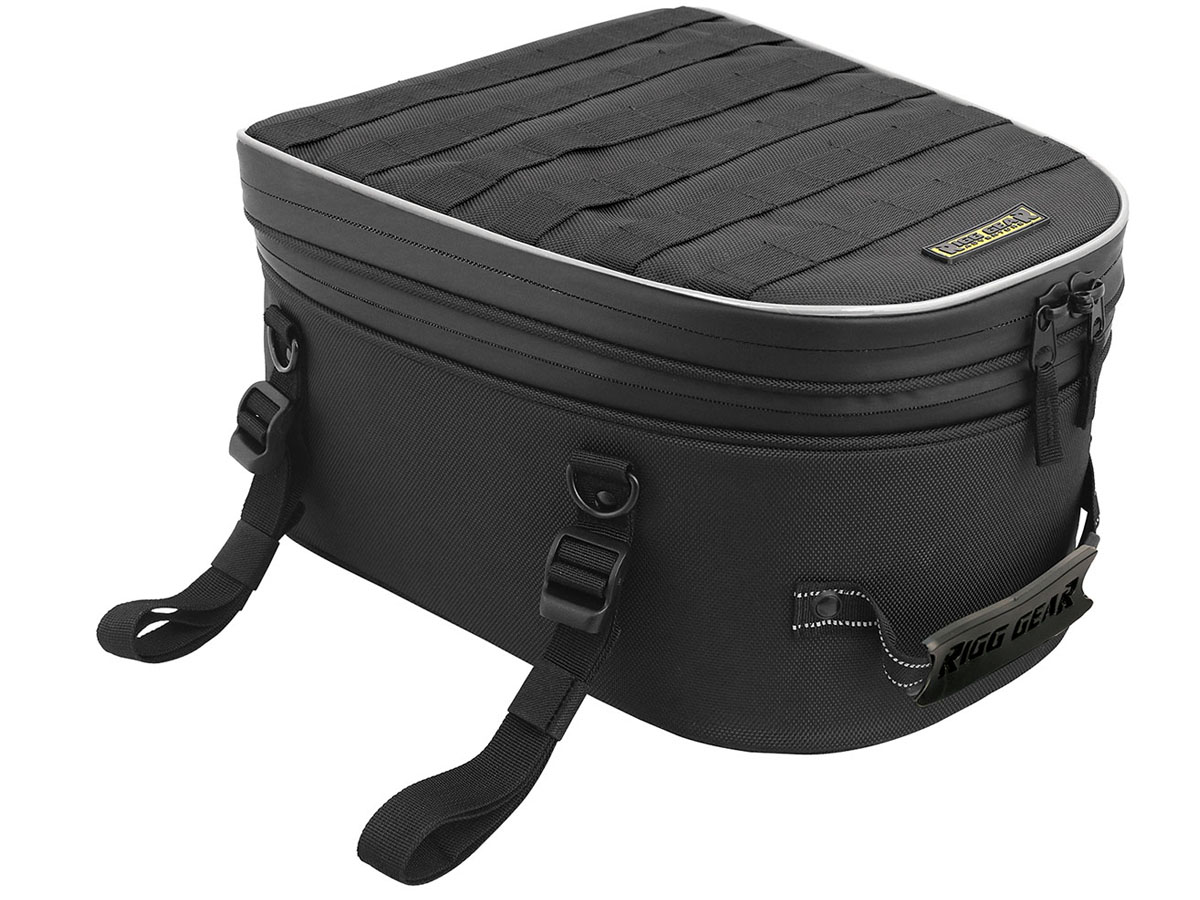
Illustrative image related to motorcycle tail bags
Selecting the appropriate storage solution for motorcycles largely depends on the specific needs and riding habits of the user. B2B buyers should consider factors such as the type of riding (daily commuting vs. long-distance touring), budget constraints, and the desired level of convenience. Tail bags offer a balanced option for riders needing moderate storage with ease of access, while panniers are better for those prioritizing maximum storage and security. Conversely, backpacks can serve well for riders who need a lightweight, portable solution for shorter journeys. Evaluating these factors will enable buyers to make informed decisions that align with their operational needs and customer preferences.
Understanding the essential technical properties of motorcycle tail bags is crucial for B2B buyers looking to make informed purchasing decisions. Here are some critical specifications to consider:
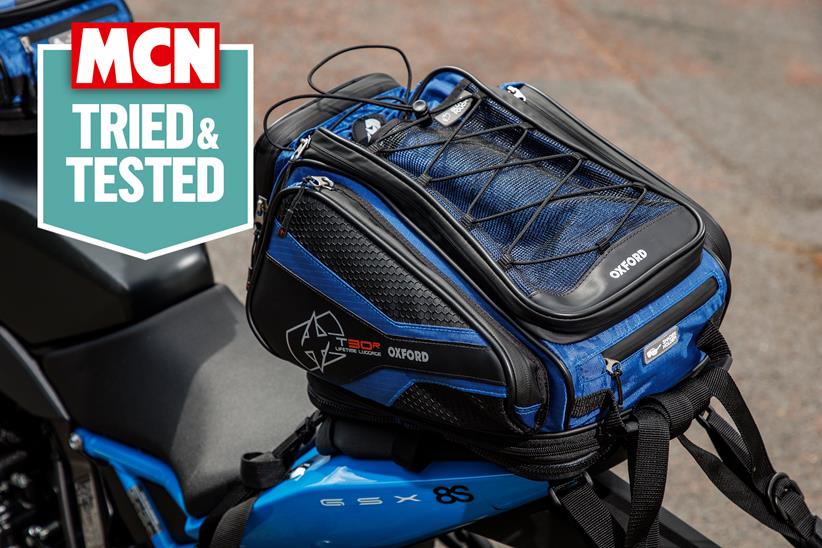
Motorcycle tail bags are typically made from various materials, including ballistic nylon, polyester, and PVC. The material grade influences durability, weight, and waterproofing capabilities. Higher-grade materials, such as 1680D ballistic nylon, offer superior abrasion resistance and longevity, which is essential for riders who frequently traverse rugged terrains.
Capacity is usually measured in liters and indicates the volume of storage a tail bag can accommodate. Common sizes range from 20L for minimal trips to over 70L for extended journeys. Understanding the required capacity helps businesses align their product offerings with customer needs, whether targeting daily commuters or long-distance travelers.
Waterproofing is a critical property, especially for riders who encounter varied weather conditions. Tail bags often feature waterproof materials and roll-top closures or come with rain covers. Ensuring that the products are adequately waterproofed protects the contents from moisture damage, enhancing customer satisfaction and reducing return rates.
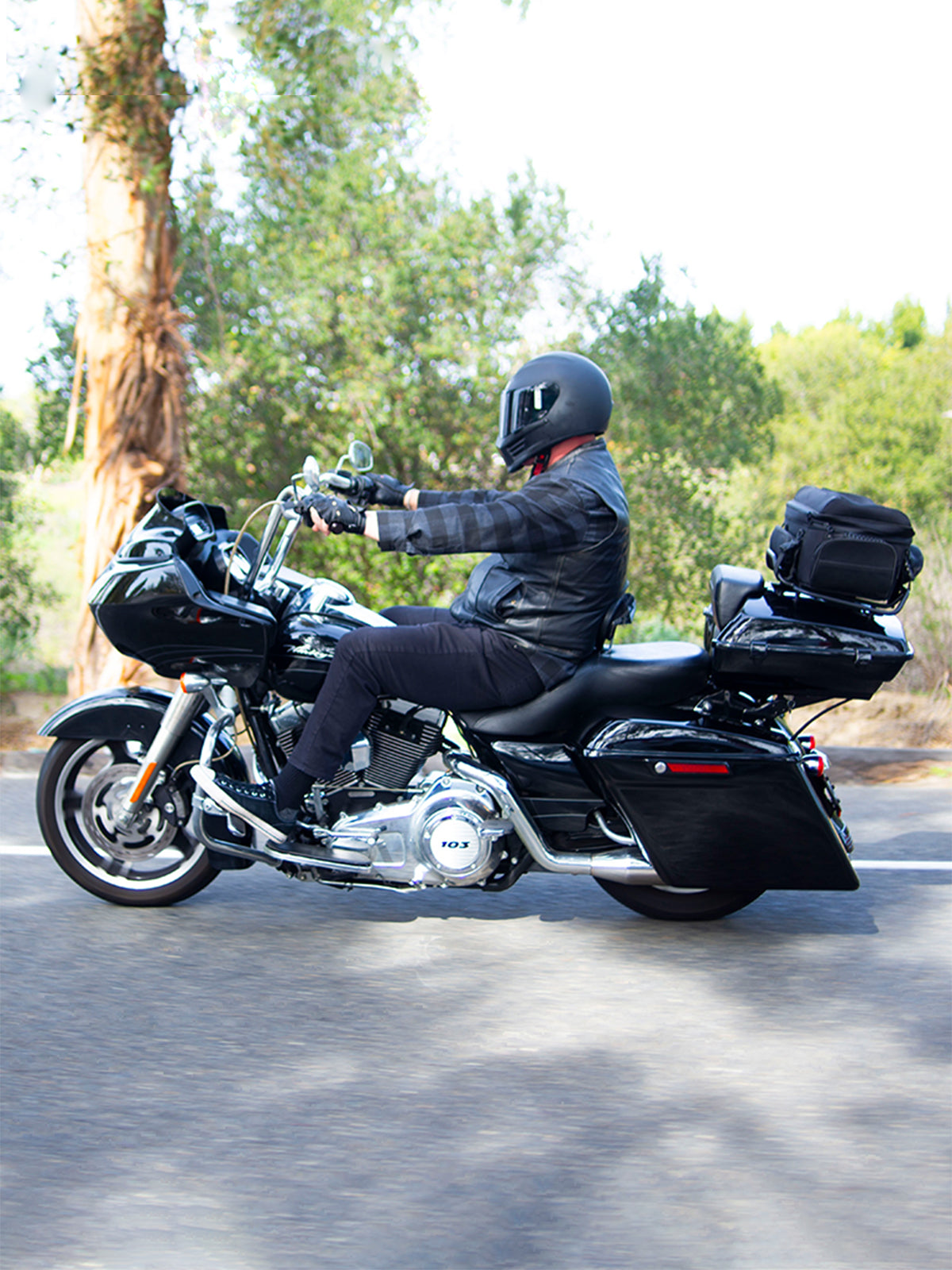
Illustrative image related to motorcycle tail bags
The mounting system refers to how the tail bag attaches to the motorcycle. Options include strap mounts, quick-release systems, and integrated hooks. A reliable mounting system is essential for ensuring that the bag remains securely in place during rides, which is crucial for rider safety and product reliability.
Some tail bags feature expandable designs, allowing for increased capacity when needed. This property is particularly appealing to riders who may require additional space for varying trip lengths. Offering expandable options can enhance product versatility and appeal to a broader range of customers.
Weight limits indicate the maximum load a tail bag can safely carry. This specification is vital for both safety and performance. Exceeding the weight limit can compromise the bag’s integrity and the motorcycle’s handling. B2B buyers should ensure that the weight limits align with the intended use cases of their target market.
Familiarity with industry jargon can enhance communication and negotiation between suppliers and buyers. Here are some essential trade terms:
OEM refers to companies that produce parts and products that are marketed by another company. In the context of motorcycle tail bags, OEMs may supply components or complete bags for brands looking to enhance their product lines without investing in manufacturing.
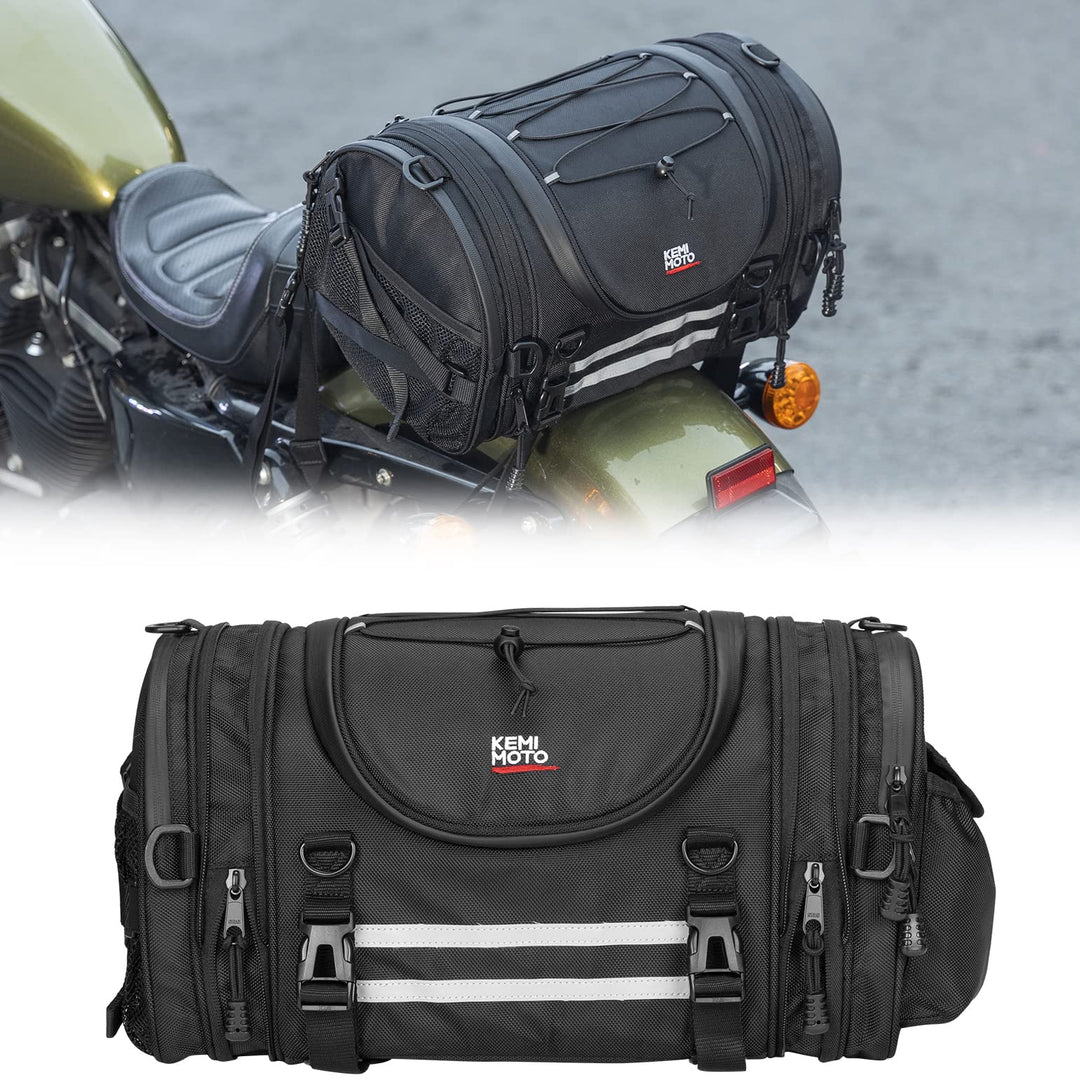
Illustrative image related to motorcycle tail bags
MOQ is the smallest quantity of a product that a supplier is willing to sell. Understanding the MOQ is vital for B2B buyers as it affects inventory management and cash flow. Buyers should negotiate MOQs that align with their sales forecasts to avoid overstock or stockouts.
An RFQ is a document sent to suppliers requesting pricing and terms for specific products. In the motorcycle tail bag market, issuing an RFQ allows buyers to compare multiple suppliers and make informed decisions based on pricing, lead times, and product specifications.
Incoterms are international commercial terms that define the responsibilities of buyers and sellers in shipping agreements. Familiarity with these terms helps businesses navigate logistics and understand costs related to shipping, insurance, and delivery.
A SKU is a unique identifier for each product variant, enabling efficient inventory management. For B2B buyers, understanding SKUs helps track product availability and streamline ordering processes.
Lead time refers to the time taken from placing an order to receiving the goods. Knowing lead times is essential for inventory planning, ensuring that businesses can meet customer demand without delays.
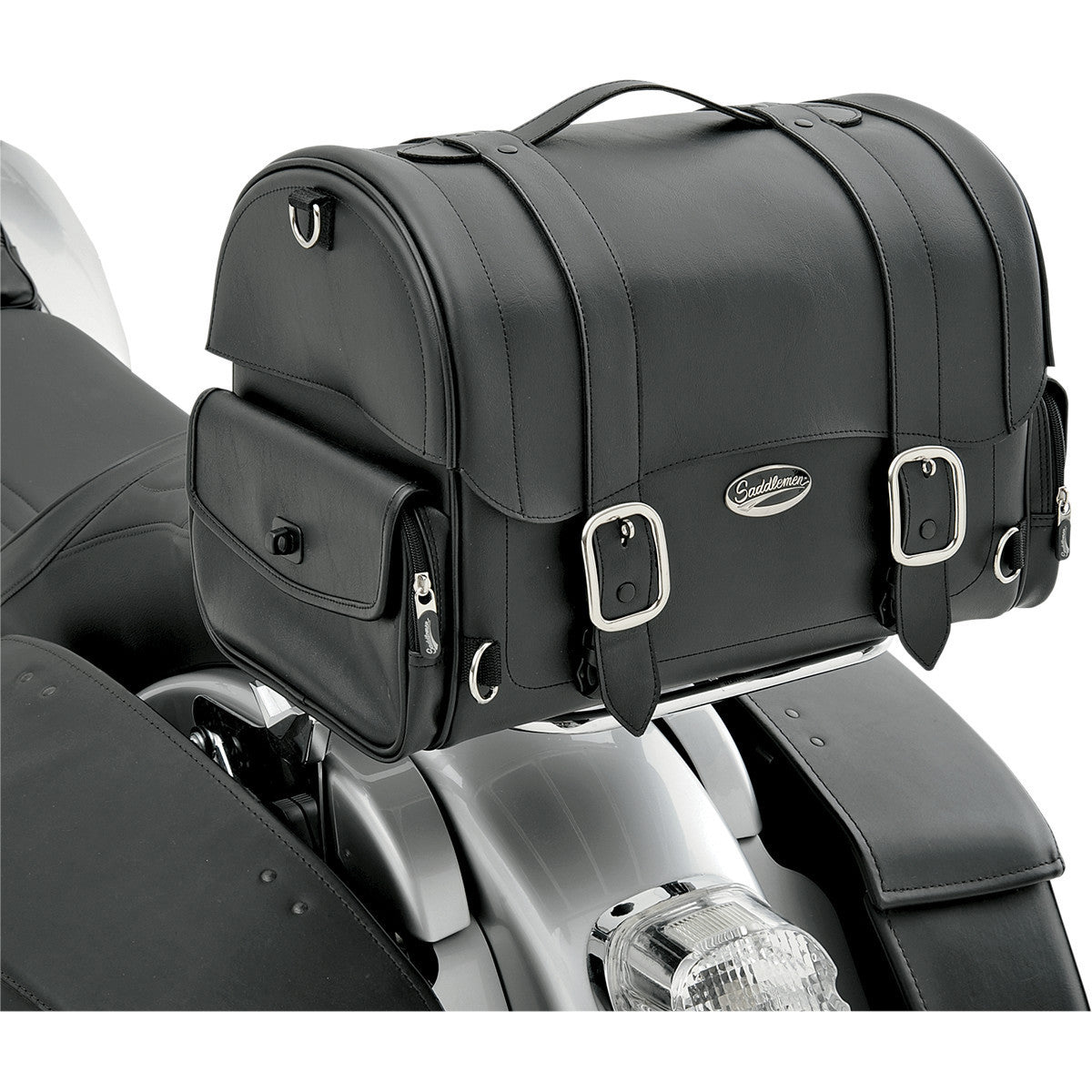
Illustrative image related to motorcycle tail bags
By grasping these technical properties and trade terms, B2B buyers can make more informed decisions in the motorcycle tail bag market, ultimately enhancing their product offerings and customer satisfaction.
The motorcycle tail bags sector is experiencing dynamic growth driven by several global factors. The increasing popularity of motorcycling as a leisure activity, particularly in emerging markets in Africa and South America, has led to a surge in demand for versatile and reliable luggage solutions. Additionally, the rise in adventure tourism is pushing manufacturers to innovate and offer products that cater to long-distance touring needs, ensuring that tail bags are durable, waterproof, and easy to attach.
Technological advancements are also transforming how tail bags are designed and manufactured. For instance, the integration of smart materials that are lightweight yet robust is becoming a standard feature. Many brands are now offering modular designs that allow riders to customize their luggage systems based on their specific needs. This trend is particularly appealing to B2B buyers in regions like the Middle East and Europe, where customization is often a significant purchasing factor.
Moreover, the global supply chain landscape is evolving, with a shift towards local sourcing to mitigate risks associated with international logistics. B2B buyers are increasingly looking for suppliers who can provide quick turnaround times and flexible delivery options, especially in the context of fluctuating demand patterns. This trend emphasizes the need for robust partnerships with manufacturers who understand local market nuances and can adapt quickly.
Sustainability is becoming a crucial consideration for B2B buyers in the motorcycle tail bags sector. Environmental impact is a growing concern, as manufacturers are now held accountable for their carbon footprints and resource usage. The demand for eco-friendly materials, such as recycled plastics and sustainably sourced textiles, is on the rise. This shift is particularly prominent among European buyers, who often prioritize sustainable practices when selecting suppliers.
Ethical sourcing is another vital aspect. Buyers are increasingly seeking manufacturers who adhere to fair labor practices and maintain transparency in their supply chains. Certifications such as Global Organic Textile Standard (GOTS) and OEKO-TEX are gaining traction, providing assurance that products are made with minimal environmental impact and under humane working conditions.
Incorporating ‘green’ certifications into product offerings not only enhances brand reputation but also aligns with the values of environmentally conscious consumers. B2B buyers who prioritize these aspects can differentiate themselves in competitive markets by offering products that resonate with the ethical expectations of their customers.
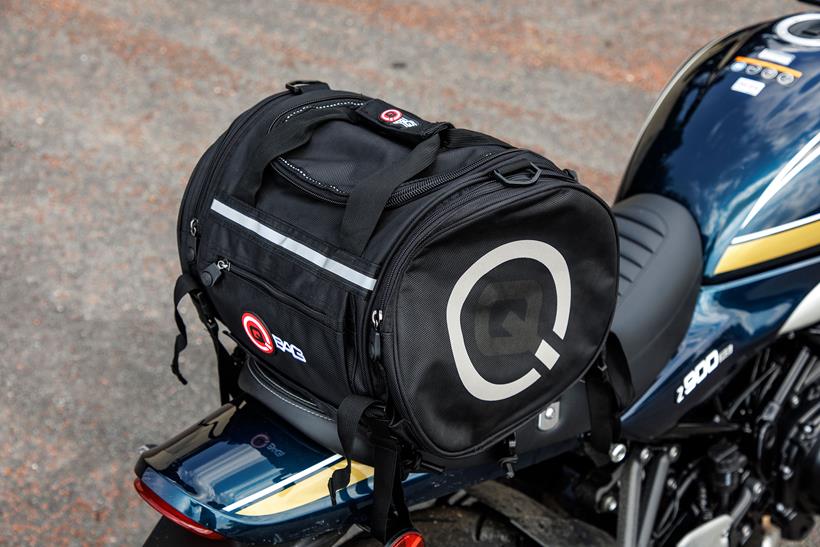
The evolution of motorcycle tail bags reflects broader changes in consumer preferences and technological advancements. Initially, tail bags were simple, utilitarian designs focused solely on functionality. As motorcycling culture grew, particularly in the late 20th century, manufacturers began to recognize the need for more sophisticated designs that catered to aesthetic preferences as well as functionality.
Illustrative image related to motorcycle tail bags
Over the years, innovations such as waterproof materials, modular designs, and improved attachment systems have transformed tail bags into essential accessories for riders. The introduction of smart features, such as built-in charging ports and GPS tracking, indicates a significant shift towards integrating technology into motorcycle luggage. This evolution not only enhances the rider’s experience but also opens new avenues for B2B partnerships, as businesses seek to offer cutting-edge products that meet the demands of modern motorcyclists.
In conclusion, the motorcycle tail bags sector is poised for continued growth, driven by evolving consumer needs, sustainability trends, and technological advancements. B2B buyers must stay informed about these dynamics to make strategic sourcing decisions that align with market demands and consumer expectations.
How do I choose the right motorcycle tail bag for my needs?
Choosing the right motorcycle tail bag depends on several factors, including your bike type, storage requirements, and riding style. Consider bags that offer versatility, such as expandable storage and waterproof features, especially for long-distance touring. Additionally, look for a secure mounting system that fits your motorcycle model. Research brands that provide durable materials and consider user reviews to ensure the bag meets your expectations for quality and performance.
What are the key features to look for in a motorcycle tail bag?
When sourcing motorcycle tail bags, prioritize features such as waterproofing, durable materials (like ballistic nylon), and secure mounting systems. Consider bags with expandable compartments for added versatility and ease of access to stored items. A non-slip base is also essential to prevent shifting during rides. Lastly, check for user-friendly features such as stowable backpack straps, which enhance convenience when off the bike.
What is the minimum order quantity (MOQ) for motorcycle tail bags?
Minimum order quantities (MOQs) for motorcycle tail bags can vary significantly by supplier. Typically, MOQs may range from 50 to 500 units, depending on the manufacturer and customization options. It’s advisable to inquire directly with potential suppliers to understand their specific MOQs and whether they offer flexibility for smaller orders, especially for new businesses testing the market.
How do I vet suppliers for motorcycle tail bags?
Vetting suppliers involves assessing their reputation, product quality, and reliability. Start by checking online reviews and testimonials from other B2B buyers. Request samples to evaluate the quality of the tail bags firsthand. Additionally, confirm the supplier’s compliance with international trade regulations and their ability to meet your specific requirements, such as delivery timelines and customization options. Engaging in direct communication can also provide insight into their customer service standards.
What are the payment terms typically offered by suppliers?
Payment terms can vary widely among suppliers, but common options include advance payment, net 30, or net 60 terms. Some suppliers may require a deposit upfront, with the balance due upon delivery. It’s crucial to negotiate terms that align with your cash flow and financial practices. Always ensure that payment methods are secure and verify any potential foreign exchange implications if dealing with international suppliers.
How can I ensure the quality of motorcycle tail bags before purchase?
To ensure quality, request product samples from suppliers before making a bulk order. Evaluate the materials, stitching, and overall craftsmanship of the bags. Additionally, inquire about the supplier’s quality assurance processes and whether they perform regular inspections during production. Establishing a clear communication channel for feedback and concerns can also help maintain quality standards throughout the order process.
What logistics considerations should I keep in mind when importing motorcycle tail bags?
Logistics is crucial when importing motorcycle tail bags. Consider factors such as shipping costs, delivery timelines, and customs regulations for your region. It’s advisable to work with freight forwarders who specialize in motorcycle accessories to navigate potential hurdles. Additionally, ensure that the supplier can provide all necessary documentation, including invoices and certificates of origin, to facilitate smooth customs clearance.
Are there customization options available for motorcycle tail bags?
Many suppliers offer customization options for motorcycle tail bags, including branding, color choices, and specific size adjustments to fit different bike models. It’s essential to discuss your customization needs upfront and confirm any associated costs and lead times. Customization can enhance your product’s market appeal and differentiate your offerings in competitive markets, so consider it a valuable investment in your brand’s identity.
Dominio: moskomoto.com
Registrato: 2013 (12 anni)
Introduzione: This company, Moskomoto – Motorcycle Luggage Solutions, is a notable entity in the market. For specific product details, it is recommended to visit their website directly.
Dominio: sw-motech.us
Registrazione: 2019 (6 anni)
Introduzione: SW-MOTECH offers a variety of motorcycle tail bags designed for versatility and durability. Key features include:
1. **Product Lines**:
– PRO Tail Bags: Quick attachment with patented hook system, durable materials, expandable storage for long-distance touring.
– ION Series: Budget-friendly, minimalist design, reliable zippers, flexible mounting options, available in three sizes.
– Dryba…

Dominio: vikingbags.com
Registrato: 2006 (19 anni)
Introduzione: Motorcycle Tail Bags for Luggage Rack – VikingBags. Key products include: 57L – Voyage Premium XL Motorcycle Tail Bag (Sale price: $159.37, Regular price: $212.49, Rating: 5.0), 42L – Voyage Elite XL Motorcycle Luggage Rack Bag (Sale price: $93.74, Regular price: $124.99, Rating: 4.6), 28L – Century Large Leather Motorcycle Tail Bag (Sale price: $187.49, Regular price: $249.99, Rating: 4.8), 20L -…
Dominio: motorcyclenews.com
Registrato: 1999 (26 anni)
Introduzione: [{‘name’: ‘Kriega Rollpack 20’, ‘price’: ‘£129.99’, ‘capacity’: ’20 litres’, ‘dimensions’: ’75cm x 36cm’, ‘weight’: ‘643g’, ‘waterproof’: ‘Yes’, ‘luggage_rack_required’: ‘No’, ‘pros’: [‘Tough construction’, ‘Effectively waterproof’, ‘Easy to attach’], ‘cons’: [‘None found’], ‘ratings’: {‘quality’: 5.0, ‘ease_of_use’: 5.0, ‘value’: 5.0, ‘verdict’: 5.0}}, {‘name’: ‘SW-MOTECH Legend Gear Tail Bag LR2…
Dominio: revzilla.com
Registrato: 2006 (19 anni)
Introduzione: This company, RevZilla – Tail Bags, is a notable entity in the market. For specific product details, it is recommended to visit their website directly.

Dominio: reddit.com
Registrato: 2005 (20 anni)
Introduzione: Wild Heart tail bag: good reviews, experience shared by users, holds up well for camping gear, some leakage in heavy storms noted. SW Motech: durable and decent price, considered a knock-off of their bag. Lomo and Tusk: good value options. Kriega bags (US40, US5, US20): versatile, tough, and highly rated compared to cheaper alternatives. Saddlemen: quality products in the $175-$250 range.
Dominio: saddlemen.com
Registrato: 1996 (29 anni)
Introduzione: Saddlemen Tail, Tunnel and Mounted Motorcycle Seat Bags; Compatible with various Harley-Davidson models from 1997-2025, including Touring, Softail, Dyna, Sportster, and more; Features include universal mounting system, padded backpack straps, and multiple bag models such as BR4200, BR3400, BR3400 D, BR3400EXS, and BR1800EXS; Price range from $252.95 to $282.95.
As the demand for motorcycle tail bags continues to grow across global markets, strategic sourcing has emerged as a crucial factor for B2B buyers looking to capitalize on this trend. By prioritizing quality, durability, and versatility, international buyers can offer products that meet the diverse needs of riders in regions such as Africa, South America, the Middle East, and Europe. Tail bags serve not only as essential storage solutions but also enhance the overall riding experience, making them a valuable addition to any motorcycle accessory portfolio.
Investing in high-quality materials and innovative designs can set suppliers apart in a competitive landscape. The rise of waterproof and modular options caters to the increasing expectations of adventure-seeking consumers. Furthermore, understanding regional preferences and tailoring offerings accordingly can lead to stronger market penetration and customer loyalty.
Looking ahead, B2B buyers are encouraged to forge partnerships with manufacturers that emphasize sustainability and technological advancements in their product lines. By doing so, they will not only meet the evolving demands of motorcycle enthusiasts but also contribute to the future of the industry. Embrace these insights to ensure your sourcing strategy aligns with market trends, positioning your business for success in the expanding motorcycle luggage sector.
Le informazioni fornite in questa guida, compresi i contenuti relativi ai produttori, alle specifiche tecniche e all'analisi di mercato, hanno uno scopo puramente informativo ed educativo. Non costituiscono una consulenza professionale in materia di acquisti, né una consulenza finanziaria o legale.
Pur avendo compiuto ogni sforzo per garantire l'accuratezza e la tempestività delle informazioni, non siamo responsabili di eventuali errori, omissioni o informazioni non aggiornate. Le condizioni di mercato, i dettagli aziendali e gli standard tecnici sono soggetti a modifiche.
Gli acquirenti B2B devono condurre una due diligence indipendente e approfondita. prima di prendere qualsiasi decisione di acquisto. È necessario contattare direttamente i fornitori, verificare le certificazioni, richiedere campioni e chiedere una consulenza professionale. Il rischio di affidarsi alle informazioni contenute in questa guida è esclusivamente a carico del lettore.


 Italian
  English
  Russian
  Spanish
  Arabic
  Portuguese
  German