
In today’s fast-paced global marketplace, sourcing high-quality pannier boxes that meet diverse logistical needs poses a significant challenge for B2B buyers. Whether you’re operating in the bustling streets of Lagos, the vibrant markets of São Paulo, or the advanced supply chains of Germany, understanding the myriad options available is crucial. This guide is designed to equip international buyers with the knowledge necessary to navigate the complex landscape of pannier boxes, encompassing various types, applications, and essential factors for supplier vetting.
From waterproof designs ideal for outdoor adventures to customizable solutions for urban logistics, the range of pannier boxes is vast. This comprehensive resource will delve into the specific applications of different pannier boxes, helping buyers identify the best fit for their operational requirements. Additionally, we will explore critical aspects of cost, quality assurance, and supplier evaluation, ensuring that you make informed purchasing decisions that align with your business goals.
With a focus on the unique needs of buyers from Africa, South America, the Middle East, and Europe, this guide aims to empower you to streamline your sourcing process. By leveraging actionable insights and best practices, you can confidently select the right pannier boxes that enhance your operational efficiency and drive your business forward.
| Nome del tipo | Caratteristiche distintive principali | Applicazioni primarie B2B | Brevi pro e contro per gli acquirenti |
|---|---|---|---|
| Waterproof Panniers | Made from waterproof materials; sealed seams | Long-distance touring, cargo transport | Pro: Durable, protects contents from elements. Contro: Generally more expensive. |
| Commuter Panniers | Designed for daily use; quick-release systems | Urban commuting, deliveries | Pro: Facile da attaccare/staccare, leggero. Contro: May lack high storage capacity. |
| Cargo Panniers | Larger capacity; robust construction | Freight transport, logistics | Pro: High storage capacity, sturdy. Contro: Heavier, may require specific racks. |
| Bikepacking Panniers | Lightweight, compact; optimized for stability | Adventure travel, off-road cycling | Pro: Lightweight, designed for rough terrain. Contro: Limited capacity for long trips. |
| Multi-functional Panniers | Can convert to backpacks; versatile designs | Retail, multi-use applications | Pro: Versatile, can serve multiple functions. Contro: May compromise on specialized features. |
Waterproof panniers are essential for businesses involved in long-distance cycling or those operating in regions with inclement weather. These panniers are constructed from durable, waterproof materials and feature sealed seams to ensure that contents remain dry. When purchasing, consider the weight capacity and the ease of attachment to bike frames, as these factors can impact functionality during transport. Their durability often justifies a higher price point, making them a worthwhile investment for businesses prioritizing reliability.
Commuter panniers are designed for urban environments, offering quick-release systems that allow for rapid attachment and detachment. These are ideal for businesses that rely on bicycles for daily deliveries or commuting. When selecting commuter panniers, focus on their weight, ease of use, and capacity. While they may not offer the same storage as larger models, their lightweight design and practicality make them a popular choice for urban logistics.
Cargo panniers are built for heavy-duty use, featuring larger storage capacities and robust construction. They are particularly advantageous for businesses engaged in freight transport or logistics, where the ability to carry substantial loads is critical. Buyers should evaluate the compatibility of cargo panniers with their bike racks, as some models may require specific mounting systems. While they provide ample storage, the increased weight can be a consideration for some users.
Bikepacking panniers are specifically designed for adventure travel, focusing on lightweight and compact designs that optimize stability on rough terrains. These panniers are suitable for businesses involved in outdoor activities or adventure tourism. When purchasing, businesses should consider the balance between weight and storage capacity, as these panniers prioritize portability. Their specialized design caters to those who venture off the beaten path, making them a valuable asset for outdoor-oriented businesses.
Multi-functional panniers are designed to serve various purposes, often converting into backpacks or featuring additional compartments. These are ideal for businesses that need flexibility in their operations, such as retail or multi-use applications. When choosing multi-functional panniers, assess their durability and the practicality of their design to ensure they meet specific business needs. While they offer versatility, it’s essential to verify that they do not compromise on the specialized features of dedicated pannier types.
| Industria/Settore | Specific Application of pannier box | Valore/Beneficio per l'azienda | Considerazioni chiave sull'approvvigionamento per questa applicazione |
|---|---|---|---|
| Logistics & Transport | Cargo transportation on bicycles | Enhanced mobility and reduced transportation costs | Durability, load capacity, and weather resistance |
| Ricreazione all'aperto | Storage for camping and hiking gear | Efficient organization and easy access to gear | Weight, waterproof features, and ease of attachment |
| Food Delivery | Delivery of food items in urban areas | Increased efficiency in last-mile delivery | Insulation, size, and ease of cleaning |
| Agricoltura | Transport of tools and supplies | Improved productivity and ease of transport in rural areas | Capacity, compatibility with different bike types |
| Servizi di emergenza | Carrying medical supplies in remote areas | Quick response times and enhanced service delivery | Accessibility, durability, and rapid deployment features |
In the logistics and transport sector, pannier boxes are increasingly used for cargo transportation via bicycles. This method is particularly beneficial in urban settings where traffic congestion can impede traditional vehicle deliveries. Pannier boxes facilitate efficient mobility, allowing businesses to lower transportation costs while maintaining delivery schedules. Buyers in this sector should consider durability, load capacity, and weather resistance to ensure that the pannier boxes can withstand various environmental conditions.
For the outdoor recreation industry, pannier boxes serve as essential storage solutions for camping and hiking gear. They enable users to organize their equipment efficiently, ensuring easy access during excursions. This organization minimizes the time spent searching for items, enhancing the overall outdoor experience. B2B buyers in this sector should prioritize lightweight designs, waterproof features, and ease of attachment to bikes, as these factors significantly impact usability and customer satisfaction.
In the food delivery sector, especially in densely populated urban areas, pannier boxes are utilized to transport food items efficiently. These boxes help streamline last-mile delivery processes, enabling riders to carry multiple orders securely. The inclusion of insulation features can also maintain food temperatures, ensuring that items arrive fresh. When sourcing pannier boxes for this application, businesses should focus on size, insulation quality, and ease of cleaning to meet hygiene standards and operational needs.
Illustrative image related to pannier box
In agriculture, pannier boxes are used to transport tools and supplies, particularly in rural areas where access to traditional transport may be limited. These boxes enhance productivity by allowing farmers to carry essential items directly to their fields without the need for larger vehicles. Buyers in this sector should consider capacity and compatibility with different bike types to ensure that the pannier boxes meet the specific needs of agricultural operations.
Emergency services utilize pannier boxes for carrying medical supplies in remote or hard-to-reach areas. These boxes enable quick response times, which are critical in life-threatening situations. The ability to access supplies rapidly can significantly improve service delivery. When sourcing pannier boxes for this application, factors such as accessibility, durability, and rapid deployment features are crucial to ensure that emergency personnel can effectively respond to crises.
Il problema: B2B buyers often face the challenge of sourcing pannier boxes that can withstand diverse environmental conditions. For companies operating in regions with extreme weather—such as heavy rain in parts of Africa or intense heat in South America—finding durable and waterproof pannier solutions is critical. Buyers worry that low-quality materials can lead to product failures, resulting in costly replacements and damaged cargo.
Illustrative image related to pannier box
La soluzione: To combat this issue, buyers should prioritize sourcing pannier boxes constructed from high-grade, waterproof materials such as PVC-coated nylon or heavy-duty polyester. When evaluating suppliers, request detailed product specifications, including material composition, weight capacity, and waterproof ratings. Additionally, look for panniers that feature reinforced seams and robust attachment systems to ensure they remain securely fastened during transit. Engaging with manufacturers who provide samples or conduct stress tests can also help buyers verify durability before making bulk purchases. Implementing these strategies can lead to long-lasting investments that enhance operational efficiency.
Il problema: Another common issue faced by B2B buyers is the challenge of maximizing storage capacity and organization within pannier boxes. Companies often need to transport various items, from tools and equipment to personal belongings. However, poorly designed panniers may not offer adequate compartments or customizable storage solutions, leading to disorganization and wasted time during loading and unloading.
La soluzione: Buyers should look for pannier boxes that come with customizable interior layouts or modular compartments. This can greatly enhance organization, allowing for easy access to tools or supplies when needed. Some manufacturers provide pannier boxes with adjustable dividers or removable inserts, which can adapt to various cargo types. Additionally, opting for panniers with external pockets or attachment points can help manage smaller items efficiently. When sourcing, consider discussing with suppliers the option of custom designs that fit specific needs, ensuring that your chosen pannier solution aligns perfectly with your operational requirements.
Il problema: Compatibility issues between pannier boxes and various bike models can create significant headaches for B2B buyers, particularly those purchasing for a fleet of bikes. Misalignment of mounting systems or differences in frame design can prevent effective installation, resulting in additional costs and logistical challenges.
Illustrative image related to pannier box
La soluzione: To mitigate compatibility issues, buyers should conduct thorough research on the mounting systems of their fleet’s bikes before making a purchase. It’s crucial to work with manufacturers who provide detailed compatibility charts or guidelines for their pannier boxes. Engaging in direct communication with suppliers about the specific bike models in use can also yield valuable insights. Furthermore, consider investing in adjustable or universal mounting systems that can accommodate various bike frames, which can help streamline operations and reduce the risk of mismatched equipment. By ensuring compatibility, buyers can improve the efficiency of their logistics and reduce the likelihood of returns or exchanges.
When selecting materials for pannier boxes, it is crucial to consider the properties, advantages, limitations, and regional compliance standards that can influence performance and marketability. Below is an analysis of four common materials used in the manufacturing of pannier boxes, tailored for B2B buyers from diverse regions including Africa, South America, the Middle East, and Europe.
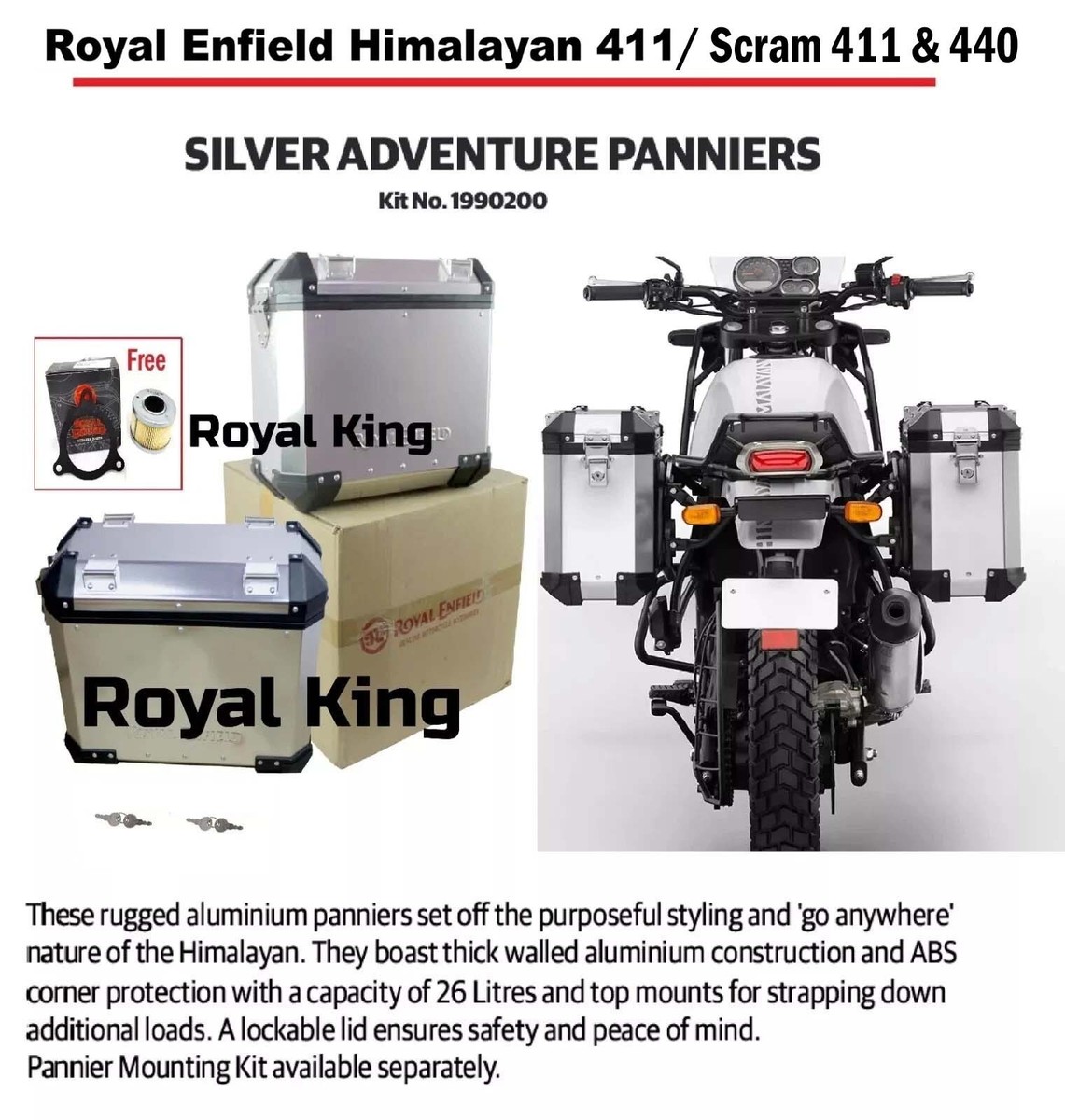
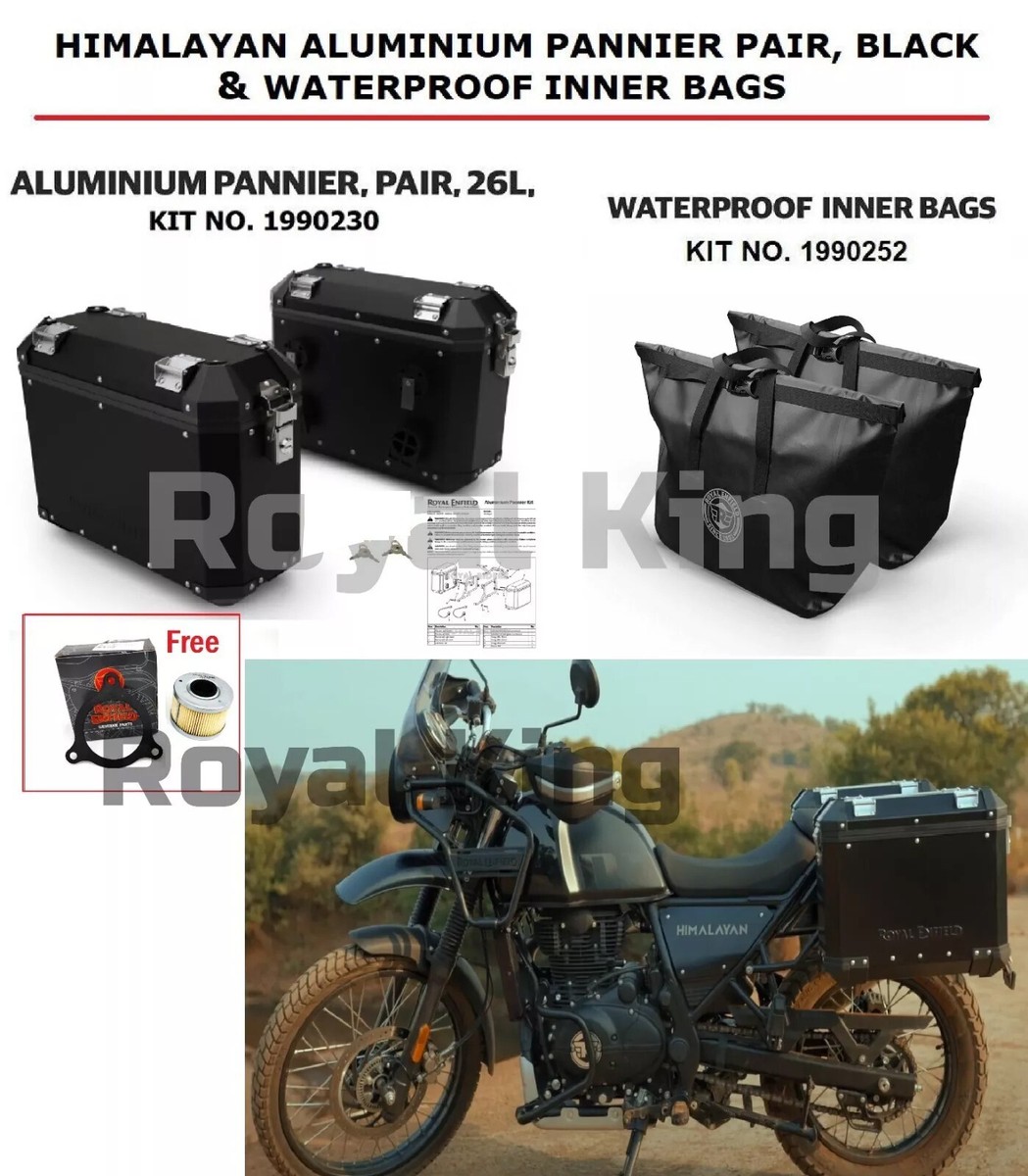
Aluminum is widely used for pannier boxes due to its excellent strength-to-weight ratio. It is lightweight yet robust, making it suitable for various applications. Key properties include a temperature rating of up to 600°F and good corrosion resistance, particularly when anodized. However, aluminum can be susceptible to dents and scratches, which may affect aesthetics and functionality.
Pro: Aluminum is durable and lightweight, which enhances portability. It is also relatively easy to manufacture and can be recycled, appealing to environmentally conscious buyers.
Contro: The initial cost of aluminum can be higher than other materials, and it may require additional coatings to enhance corrosion resistance.
Aluminum pannier boxes are ideal for transporting sensitive equipment, as they provide a good balance of protection and weight. However, they may not be suitable for extreme environments without additional treatment.
HDPE is a thermoplastic known for its high impact resistance and durability. It can withstand temperatures ranging from -40°F to 120°F, making it suitable for various climates. HDPE is also resistant to many chemicals, which is beneficial for transporting diverse media.
Pro: HDPE is cost-effective and offers excellent resistance to impact and chemicals. It is lightweight and can be molded into various shapes, allowing for design flexibility.
Contro: While HDPE is durable, it may not have the same aesthetic appeal as aluminum, and its UV resistance can diminish over time without proper additives.
Illustrative image related to pannier box
HDPE is particularly suitable for applications requiring chemical resistance, making it ideal for transporting agricultural products or hazardous materials. Compliance with regional standards like ASTM D3350 is essential for international buyers.
Steel, particularly stainless steel, is recognized for its high strength and durability. It offers excellent corrosion resistance, especially when treated with protective coatings. Steel can withstand high temperatures and pressures, making it suitable for heavy-duty applications.
Pro: Steel is incredibly strong and can provide superior protection for contents. It is also less prone to dents compared to aluminum.
Contro: The weight of steel can be a disadvantage for portable applications, and it may require more complex manufacturing processes, leading to higher costs.
Steel pannier boxes are ideal for heavy equipment transport, especially in rugged environments. Buyers should consider compliance with international standards such as DIN EN 10088 for stainless steel.
Illustrative image related to pannier box
Composite materials, often a blend of plastics and fibers, offer unique properties such as lightweight construction and high strength. They can be engineered for specific applications, providing tailored solutions for various needs.
Pro: Composites can be designed for specific performance characteristics, such as enhanced impact resistance or thermal insulation. They are also lightweight and can be produced in various shapes.
Contro: The manufacturing process can be complex and costly, and the long-term durability of some composites may not match that of metals.
Composite pannier boxes can be used in specialized applications, such as sports equipment transport or sensitive electronic devices. Compliance with relevant standards, such as JIS K 6251 for plastics, is essential for international buyers.
| Materiale | Typical Use Case for pannier box | Vantaggio chiave | Svantaggi/limitazioni principali | Costo relativo (Basso/Medio/Alto) |
|---|---|---|---|---|
| Alluminio | Lightweight transport of gear | Eccellente rapporto resistenza/peso | Susceptible to dents | Alto |
| Polietilene ad alta densità (HDPE) | Chemical transport | Cost-effective and impact-resistant | Degradazione UV nel tempo | Basso |
| Acciaio | Heavy equipment transport | Resistenza e durata superiori | Heavier and more complex to manufacture | Medio |
| Materiali compositi | Specialized equipment transport | Tailored performance characteristics | Maggiore complessità di produzione | Medium to High |
This analysis equips B2B buyers with the necessary insights to make informed decisions regarding material selection for pannier boxes, ensuring compliance with regional standards and meeting specific application needs.
Manufacturing pannier boxes involves a series of well-defined stages that ensure high-quality products suitable for varied applications. The primary stages of manufacturing include material preparation, forming, assembly, and finishing.
Preparazione del materiale: The choice of materials is critical for durability and functionality. Common materials include high-density polyethylene (HDPE), aluminum, and waterproof fabrics. Suppliers typically source these materials from certified vendors who meet specific quality standards. Before production, materials are inspected for defects, ensuring only the best are used.
Formazione: This stage involves shaping the materials into the desired forms. For plastic pannier boxes, techniques like injection molding or thermoforming are employed, while aluminum boxes may use extrusion or stamping processes. Each technique has its advantages; for instance, injection molding allows for complex shapes and designs, while extrusion is efficient for uniform profiles.
Montaggio: After forming, the components are assembled, which may include adding straps, buckles, or mounting systems. Automated assembly lines are common in larger manufacturing facilities, ensuring consistency and speed. Manual assembly may still be used for more intricate designs, allowing for greater attention to detail.
Finitura: The final stage includes surface treatments such as painting, coating, or adding protective layers. This not only enhances aesthetics but also improves water resistance and durability. Quality checks are implemented throughout this stage to ensure that the product meets design specifications.
Quality control (QC) is essential in maintaining product integrity and ensuring that pannier boxes meet international standards. A structured QC process involves several checkpoints and adherence to recognized standards.
Standard internazionali: Compliance with standards such as ISO 9001 ensures that manufacturers follow quality management principles that enhance customer satisfaction. Specific certifications like CE mark indicate compliance with European health, safety, and environmental protection standards, while others may be relevant for different markets.
Punti di controllo della qualità:
– Controllo qualità in entrata (CQI): Materials are inspected upon arrival to verify that they meet specified requirements. This includes checking for certifications from suppliers.
– Controllo qualità in corso d'opera (IPQC): Regular checks during manufacturing processes help identify any deviations from standards early. This includes monitoring temperature, pressure, and other critical parameters in forming processes.
– Controllo qualità finale (CQC): A thorough examination of finished products ensures they meet all specifications before shipping. This may include visual inspections, functional testing, and performance evaluations.
Testing Methods: Various testing methods are employed to assess the quality of pannier boxes. Common tests include:
– Test di resistenza all'acqua: Ensures that the pannier can withstand exposure to rain and moisture without leaking.
– Test di carico: Verifies that the pannier can hold specified weights without structural failure.
– Test di durata: Involves repeated handling and use simulations to test longevity under real-world conditions.
For international B2B buyers, particularly those in Africa, South America, the Middle East, and Europe, verifying a supplier’s QC process is critical to ensure product reliability.
Audit dei fornitori: Conducting audits of potential suppliers allows buyers to assess their manufacturing processes and QC measures firsthand. This can include reviewing documentation related to quality management systems and certifications.
Rapporti sulla qualità: Requesting regular quality reports from suppliers provides insight into their QC performance. These reports should detail metrics such as defect rates, testing outcomes, and corrective actions taken for any non-compliance issues.
Ispezioni di terzi: Engaging third-party inspection services can provide an unbiased evaluation of the manufacturing processes and quality assurance measures. This is particularly beneficial for buyers unfamiliar with local suppliers, as it mitigates risks associated with quality discrepancies.
Understanding the nuances of quality control is essential for international buyers navigating diverse regulatory landscapes.
Standard regionali: Different regions may have varying standards for quality and safety. For example, European buyers might prioritize CE marking, while those in the Middle East may focus on Gulf Standards Organization (GSO) requirements. Buyers should familiarize themselves with these standards to ensure compliance.
Considerazioni culturali: Cultural differences can impact quality perceptions and practices. For instance, manufacturers in some regions may prioritize cost over quality, while others may have a strong emphasis on craftsmanship. Understanding these cultural dynamics can help buyers set realistic expectations and foster better supplier relationships.
Sfide logistiche: When importing pannier boxes, logistical issues such as shipping delays or customs regulations can affect quality assurance timelines. Buyers should work closely with suppliers to establish clear communication channels and contingency plans to address potential disruptions.
In summary, the manufacturing processes and quality assurance for pannier boxes involve meticulous planning and execution. By understanding these processes, B2B buyers can make informed decisions and ensure that they source reliable, high-quality products that meet their specific needs.
To assist international B2B buyers in sourcing pannier boxes effectively, this guide provides a clear and actionable checklist. By following these steps, you can ensure that your procurement process is thorough, efficient, and aligned with your specific needs.
Before engaging with suppliers, clearly outline what you need from the pannier boxes. Consider factors such as size, weight capacity, material (e.g., waterproofing), and intended use (e.g., commuting, touring). Understanding your requirements upfront helps streamline the sourcing process and ensures that you select products that meet your operational demands.
Start by compiling a list of potential suppliers who specialize in pannier boxes. Look for companies with a proven track record in your target regions, such as Africa, South America, the Middle East, and Europe. Utilize online platforms, trade shows, and industry contacts to gather information about suppliers and their offerings.
✅ Verify Supplier Certifications
Ensure that suppliers possess relevant certifications, such as ISO standards or environmental compliance. These certifications can serve as indicators of quality and reliability. Additionally, check for any local certifications that may be pertinent to your region or industry, which can impact your procurement process.
Before making a large purchase, request samples from shortlisted suppliers. Testing samples allows you to assess the quality, durability, and functionality of the pannier boxes. This step is crucial in avoiding costly mistakes and ensuring that the products meet your specifications.
💲 Compare Pricing Structures
Gather detailed quotations from multiple suppliers and analyze their pricing structures. Look beyond the initial cost—consider shipping fees, bulk discounts, and payment terms. Understanding the total cost of ownership will help you make a more informed decision and budget accordingly.
Investigate the reliability and reputation of potential suppliers by checking customer reviews and testimonials. Engage with other businesses that have previously sourced from these suppliers to gain insights into their experiences. A supplier’s reliability can significantly affect your supply chain and customer satisfaction.
Illustrative image related to pannier box
Once you have identified a suitable supplier, engage in negotiations to finalize the terms of purchase. Discuss delivery timelines, warranty conditions, and after-sales support. Ensure that all agreements are documented in a contract to protect both parties and establish clear expectations.
By adhering to this checklist, B2B buyers can navigate the sourcing process for pannier boxes more effectively, ensuring they select the right products from reputable suppliers that align with their operational needs.
When sourcing pannier boxes, understanding the cost structure is essential for international B2B buyers. The primary cost components include:
Materiali: The choice of materials significantly impacts the cost. High-quality, durable materials like waterproof nylon or PVC can increase initial expenses but may offer better long-term performance. Sustainable materials may also carry a premium but can appeal to environmentally conscious consumers.
Lavoro: Labor costs vary by region. In countries with lower labor costs, such as some in Africa or South America, manufacturing may be cheaper. However, consider the trade-offs in quality and expertise, which can affect the final product.
Spese generali di produzione: This includes costs related to factory operations, utilities, and equipment maintenance. Efficient manufacturers often have lower overhead, which can translate to better pricing for buyers.
Utensili: Custom designs or specific features may require specialized tooling, increasing the upfront cost. However, once the tooling is established, it can lead to lower per-unit costs in large orders.
Controllo qualità (CQ): Implementing stringent QC processes can add to costs but is crucial for ensuring product reliability, especially for international markets where standards may vary.
Logistica: Shipping costs can fluctuate based on distance, weight, and mode of transport. Buyers must consider logistics when evaluating total costs, particularly for international shipments.
Margine: Manufacturers typically add a profit margin to cover risks and ensure sustainability. Understanding the margin expectations can help buyers negotiate better deals.
Several factors influence the pricing of pannier boxes, making it vital for buyers to consider these when negotiating:
Volume and Minimum Order Quantity (MOQ): Larger orders usually secure lower per-unit pricing. Understanding the supplier’s MOQ can help buyers assess the feasibility of bulk purchasing.
Specifiche e personalizzazione: Custom features or specifications may lead to higher costs. Buyers should clearly define their needs to avoid unexpected expenses.
Materiali e certificazioni di qualità: Premium materials and certifications (like ISO or environmental standards) can raise costs. However, they often enhance product appeal and marketability.
Fattori fornitori: The reputation and reliability of suppliers can influence pricing. Established suppliers may charge more due to their quality assurance practices, while newer entrants might offer lower prices to build market share.
Incoterms: The terms of trade can significantly affect total costs. Understanding Incoterms (like FOB or CIF) is crucial for calculating final costs, including shipping and insurance.
For B2B buyers, especially those from Africa, South America, the Middle East, and Europe, implementing strategic sourcing practices can enhance cost efficiency:
Negotiation Strategies: Engage in open discussions with suppliers about pricing, terms, and potential discounts for larger orders. Building a relationship can lead to better deals.
Costo totale di proprietà (TCO): Look beyond the initial purchase price. Consider factors such as durability, maintenance, and potential repair costs, which can influence long-term expenses.
Le sfumature dei prezzi per gli acquirenti internazionali: Be aware of currency fluctuations, import duties, and taxes that can affect total costs. Familiarize yourself with local regulations to avoid unexpected charges.
While this analysis provides a framework for understanding the costs and pricing of pannier boxes, actual prices may vary based on specific circumstances. Buyers should conduct thorough research and engage with multiple suppliers to ensure they achieve the best possible deal. A well-informed approach will lead to smarter sourcing decisions and enhanced value for their investment.
When considering effective transportation and storage solutions for goods, particularly in outdoor and cycling environments, businesses often evaluate various options to determine the best fit for their operational needs. The pannier box, designed for secure, waterproof storage while cycling, presents one viable solution among several alternatives. This analysis will compare the pannier box against two other solutions: bike cargo racks and handlebar bags, focusing on performance, cost, ease of implementation, maintenance, and best use cases.
| Aspetto di confronto | Pannier Box | Bike Cargo Rack | Handlebar Bag |
|---|---|---|---|
| Prestazioni | High capacity, waterproof | Moderate capacity, versatile | Limited capacity, easily accessible |
| Costo | Moderate ($100-$200) | Low to moderate ($30-$150) | Low ($20-$80) |
| Facilità di implementazione | Requires compatible bike setup | Installazione semplice | Quick to attach and detach |
| Manutenzione | Low (durable materials) | Moderate (check mounts regularly) | Low (occasional cleaning) |
| Il miglior caso d'uso | Long-distance tours, commuting | General cargo transport | Quick errands, smaller loads |
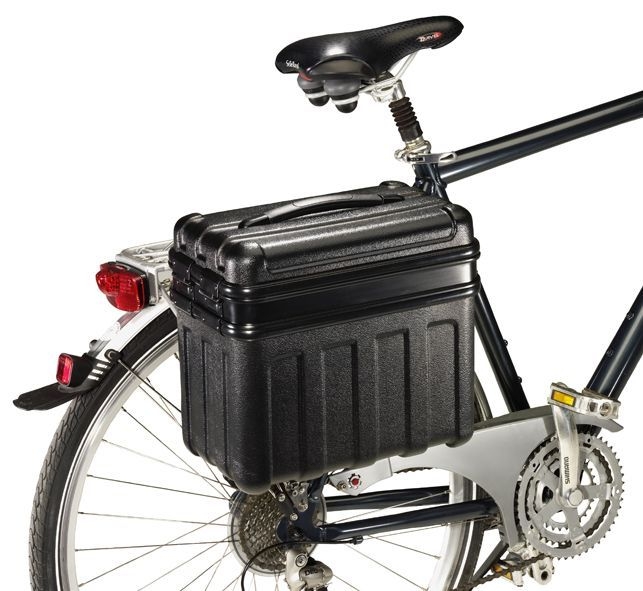
Bike cargo racks offer a robust solution for transporting larger items on bicycles. They provide a stable platform for attaching various types of cargo bags, including panniers or trunk bags, enabling users to customize their storage needs. The installation process is generally straightforward, making it a viable option for users looking for flexibility. However, cargo racks typically have a lower weight capacity compared to dedicated pannier boxes and may require regular checks to ensure that the mounts remain secure. They are ideal for businesses needing a versatile solution for transporting goods without the constraints of waterproofing.
Handlebar bags are compact storage solutions mounted on the front of the bicycle, offering immediate access to essentials like tools, snacks, or small items. Their lightweight design and ease of attachment make them suitable for quick errands and urban commuting. However, they have limited capacity compared to pannier boxes, which may restrict their use for longer trips or larger loads. Handlebar bags are generally more affordable, making them an attractive option for businesses that prioritize budget over extensive storage needs.
Choosing the right solution depends on the specific operational requirements of the business. For companies engaged in long-distance deliveries or tours where waterproofing and high capacity are essential, the pannier box stands out as the superior choice. Conversely, businesses that require flexibility and lower costs may find bike cargo racks to be more suitable. For quick, everyday tasks, handlebar bags can provide a cost-effective and convenient solution. Ultimately, evaluating the nature of the goods being transported, the frequency of use, and the environmental conditions will guide buyers in making the best decision tailored to their unique needs.
Illustrative image related to pannier box
When considering the procurement of pannier boxes, understanding their technical specifications is crucial for ensuring that they meet the intended operational requirements. Here are some essential properties to consider:
Pannier boxes are typically made from various materials including high-density polyethylene (HDPE), aluminum, or fiberglass. Each material offers distinct advantages; for instance, HDPE is known for its resistance to impact and chemicals, making it suitable for harsh environments. Aluminum, while lightweight and strong, may be more prone to dents. B2B buyers should assess the material based on durability requirements and environmental conditions.
Load capacity refers to the maximum weight the pannier box can safely carry. This specification is critical for businesses involved in logistics or transportation, as exceeding the load limit can result in damage to the pannier or cargo, and may pose safety risks. Buyers should ensure that the load capacity aligns with their operational needs, considering factors such as the type of goods being transported and the frequency of use.
The dimensions of a pannier box dictate its storage capacity and how it fits onto vehicles or bikes. Volume is often measured in liters, indicating how much cargo can be stored. For B2B operations, understanding the size is essential for optimizing space and ensuring compatibility with existing transport systems. Buyers should evaluate their storage needs and select sizes that maximize efficiency.
Many pannier boxes are designed to be water-resistant or waterproof, which is vital for protecting contents from moisture and adverse weather conditions. This feature is particularly important in regions with heavy rainfall or humid climates. B2B buyers should prioritize this property to ensure cargo safety and reduce potential losses from water damage.
The weight of the pannier box itself affects the overall efficiency of transportation. Lightweight options can enhance fuel efficiency and ease of handling, which is crucial for logistics companies. Buyers should consider the trade-off between durability and weight, as heavier materials may offer more protection but could increase transport costs.
Understanding industry terminology can streamline communication and negotiations in B2B transactions. Here are some key terms related to pannier boxes:
OEM refers to companies that manufacture products that are sold under another company’s brand name. In the context of pannier boxes, an OEM might produce boxes for a larger brand that markets them. Understanding OEM relationships can help buyers identify quality standards and warranty conditions.
MOQ indicates the smallest quantity of products a supplier is willing to sell. This term is crucial for B2B buyers as it impacts inventory management and initial investment costs. Buyers should negotiate MOQs that align with their purchasing capacity to avoid excess stock.
Illustrative image related to pannier box
An RFQ is a document used to solicit price quotes from suppliers. It typically includes specifications, quantities, and delivery requirements. Crafting a detailed RFQ can help buyers receive accurate and competitive pricing for pannier boxes, ensuring better budgeting and cost analysis.
Incoterms are a series of pre-defined commercial terms published by the International Chamber of Commerce (ICC). They clarify the responsibilities of buyers and sellers regarding shipping, insurance, and tariffs. Familiarity with Incoterms helps B2B buyers understand their obligations and risks during international transactions, particularly when sourcing from diverse regions.
Lead time is the period between the initiation of an order and its completion. For pannier boxes, this includes manufacturing and shipping times. Buyers should factor in lead times when planning inventory levels and ensuring timely delivery to customers.
In summary, understanding the technical properties and trade terminology associated with pannier boxes empowers B2B buyers to make informed decisions, streamline procurement processes, and enhance operational efficiency.
The global pannier box market is experiencing robust growth, driven primarily by the increasing demand for eco-friendly and efficient transportation solutions. Urbanization, coupled with a rise in cycling as a sustainable mode of transport, particularly in cities across Africa, South America, the Middle East, and Europe, is reshaping the landscape. The market is witnessing a shift towards multifunctional and lightweight pannier boxes that cater to diverse consumer needs, such as commuting, touring, and cargo transport.
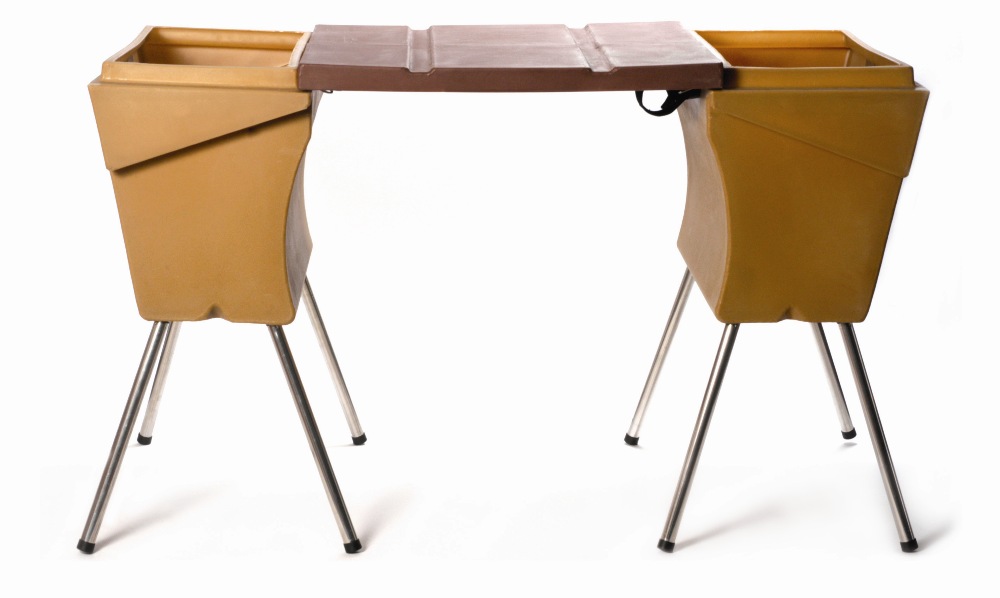
Illustrative image related to pannier box
Emerging technologies are also influencing sourcing trends in this sector. Innovations in materials, such as lightweight composites and waterproof fabrics, are enhancing product performance and durability. Digital platforms are facilitating easier sourcing and procurement processes, allowing international buyers to connect with manufacturers directly. This trend is particularly beneficial for buyers from regions like Nigeria and Germany, where local production may not meet demand.
Moreover, the rise of e-commerce is altering the distribution channels, enabling manufacturers and retailers to reach a global audience more effectively. Key players in the market are adopting data analytics and customer feedback mechanisms to refine their product offerings, ensuring they meet the evolving preferences of international buyers.
Sustainability is at the forefront of the pannier box sector, as consumers and businesses alike become increasingly aware of environmental impacts. Buyers are actively seeking products that are manufactured using sustainable practices and materials, such as recycled plastics and biodegradable fabrics. The importance of ethical sourcing cannot be understated, as consumers are now more inclined to support brands that prioritize transparency and social responsibility in their supply chains.
Certifications such as Global Organic Textile Standard (GOTS) and the Bluesign® system are gaining traction, offering assurance to buyers regarding the environmental and social credentials of products. These certifications not only enhance brand reputation but also serve as a competitive advantage in a crowded marketplace. International buyers from regions like Europe are particularly focused on these credentials, as regulatory frameworks increasingly mandate sustainable practices.
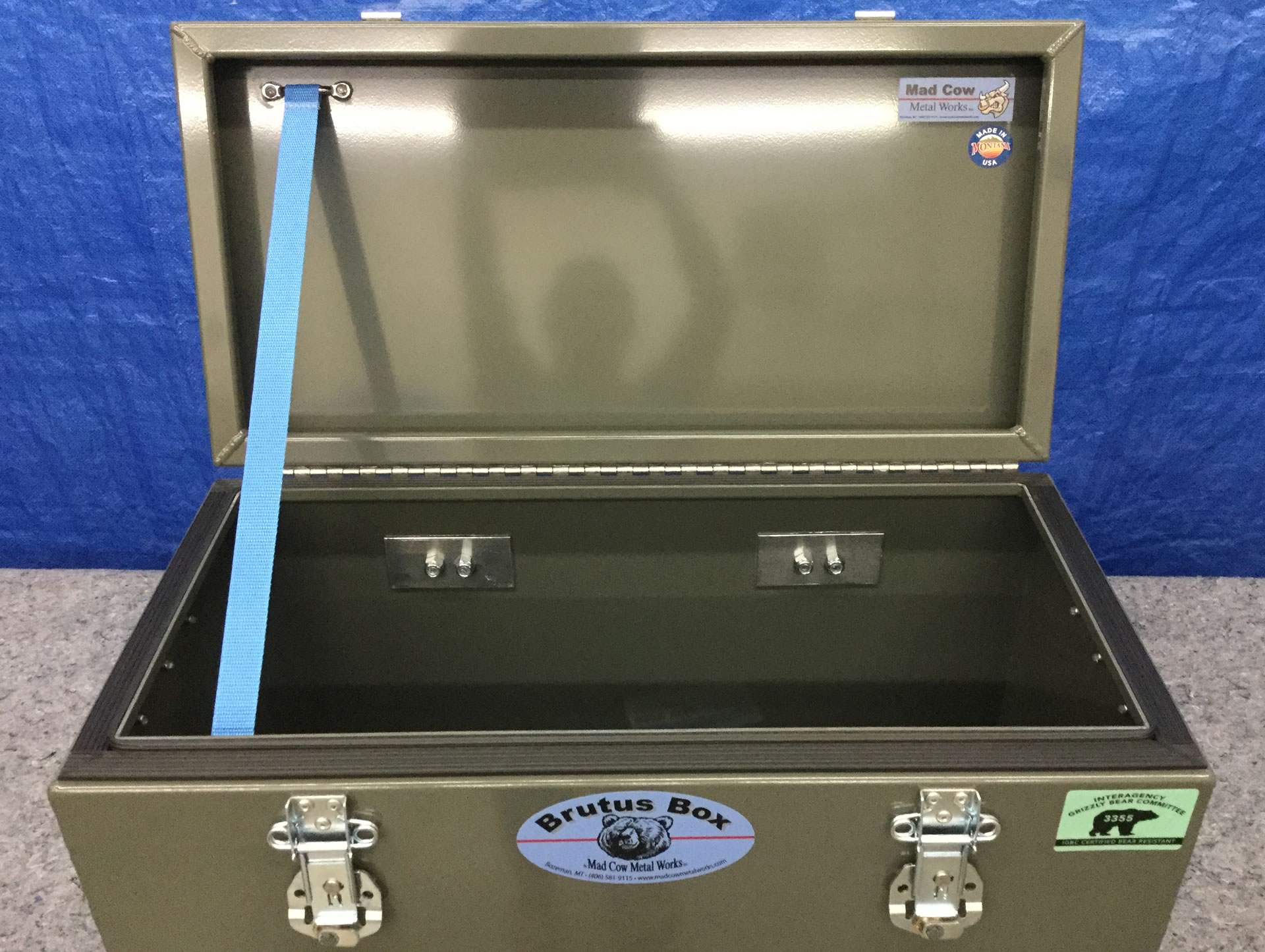
Illustrative image related to pannier box
Furthermore, ethical sourcing practices contribute to the resilience of supply chains. By fostering relationships with local suppliers and investing in community development, businesses can mitigate risks associated with global supply chain disruptions. This approach not only benefits the environment but also enhances the economic stability of sourcing regions, making it a win-win for both buyers and suppliers.
The pannier box has evolved significantly from its early iterations as basic storage solutions for bicycles. Initially designed for functionality, modern pannier boxes now incorporate advanced design elements and materials that cater to a wider range of consumer needs. The introduction of waterproof technologies and ergonomic designs reflects a growing focus on user experience and product longevity.
In the past two decades, the shift towards sustainable transportation has catalyzed innovation in the sector. As cycling becomes more mainstream, particularly in urban settings, manufacturers have responded with specialized products that not only serve as cargo carriers but also enhance the overall cycling experience. This evolution is indicative of a broader trend in the B2B market, where adaptability and responsiveness to consumer demands are crucial for success.
As international buyers navigate this dynamic landscape, understanding these historical shifts can provide valuable insights into future purchasing decisions and sourcing strategies.
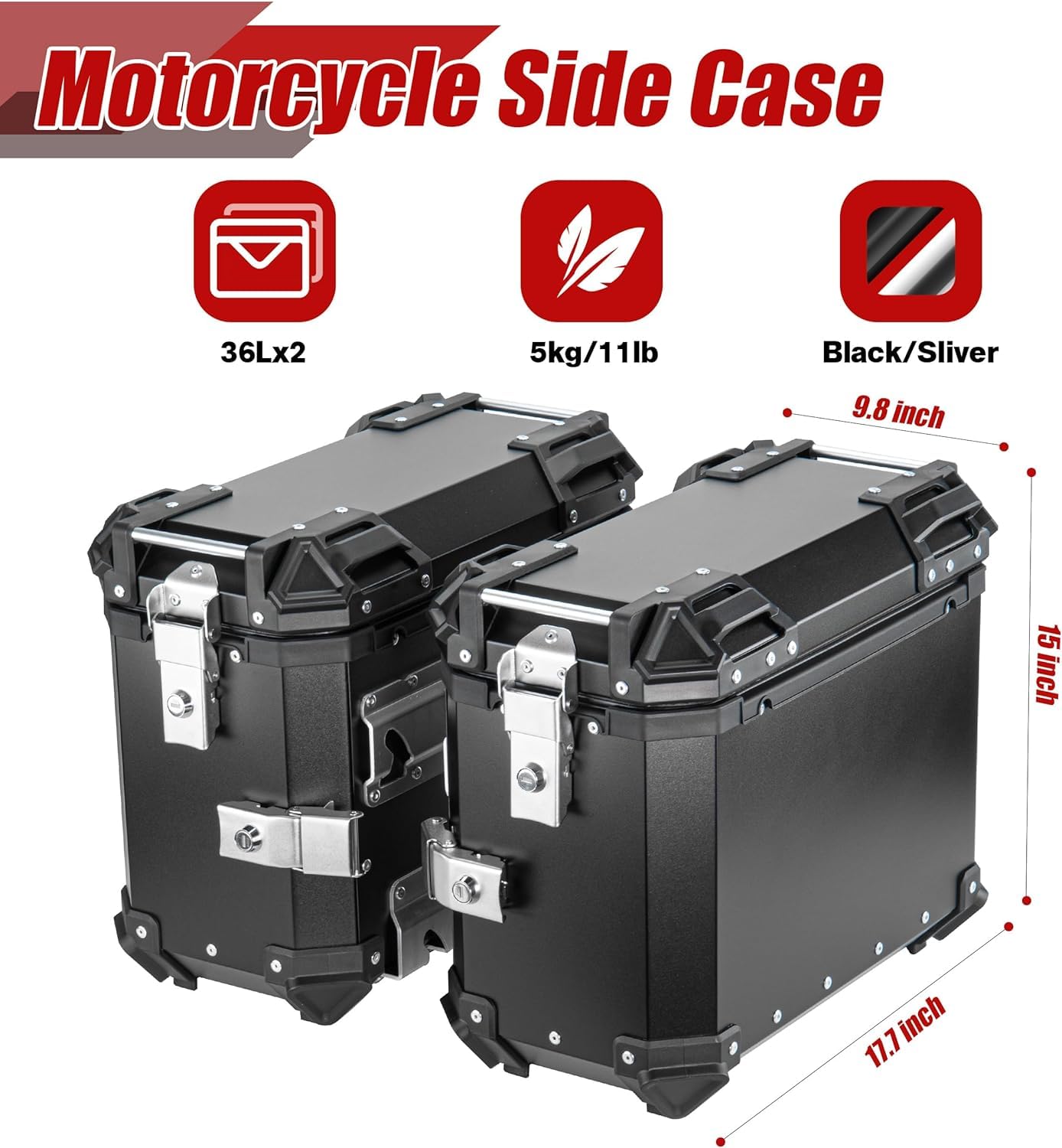
Illustrative image related to pannier box
How do I choose the right pannier box for my business needs?
Selecting the appropriate pannier box involves assessing your specific requirements, such as size, weight capacity, material, and intended use. Consider whether the panniers will be used for daily commuting, long-distance touring, or commercial purposes. Additionally, evaluate features like waterproofing, ease of attachment, and durability to withstand various environmental conditions. Engaging with suppliers who offer samples can also help you gauge the quality and suitability for your target market.
What is the best material for pannier boxes in different climates?
The best material for pannier boxes largely depends on the climate in which they will be used. For humid and rainy regions, waterproof materials like PVC or coated nylon are ideal to prevent water damage. In hotter climates, lightweight yet durable materials such as polyester or treated canvas are preferable as they can withstand high temperatures without compromising structural integrity. Always verify with suppliers about the material specifications and their performance in extreme weather conditions.
What are the common customization options for pannier boxes?
Customization options for pannier boxes typically include size adjustments, color variations, branding through logos, and adding extra features such as reflective strips or additional compartments. Many manufacturers offer bespoke solutions to meet specific business needs. When sourcing, inquire about the minimum order quantities (MOQ) for customized products and the lead times involved in production to ensure they align with your business timelines.
How can I effectively vet suppliers for pannier boxes?
To effectively vet suppliers, start by checking their reputation and reviews from previous clients. Request samples of their products to assess quality firsthand. Look for certifications that indicate compliance with international quality standards, such as ISO or CE marking. Additionally, consider visiting their manufacturing facilities if possible, or utilizing third-party inspection services to verify their production capabilities and ethical practices.
What are the typical payment terms for international orders of pannier boxes?
Payment terms for international orders can vary widely among suppliers. Common arrangements include a deposit (often 30-50%) upfront, with the balance due before shipment or upon delivery. Some suppliers may offer flexible payment options such as letters of credit or payment through secure platforms like PayPal or escrow services. It’s essential to negotiate terms that provide security for both parties and ensure clarity in the payment schedule to avoid disputes.
What logistics considerations should I keep in mind when importing pannier boxes?
When importing pannier boxes, consider shipping methods (air vs. sea), customs regulations, and potential tariffs that may apply to your product. Establish a reliable logistics partner to manage the supply chain efficiently, including warehousing and last-mile delivery. Ensure that your supplier is familiar with international shipping requirements and can provide necessary documentation, such as bills of lading and certificates of origin, to facilitate smooth customs clearance.
How do I ensure quality assurance for pannier boxes before shipment?
Implementing a robust quality assurance (QA) process is crucial to ensure the pannier boxes meet your specifications. This can include setting up pre-shipment inspections where you or a third-party inspector evaluates the products against agreed standards. Additionally, establish clear quality metrics with your supplier and request regular updates during the production process. Consider also a return policy for defective products to safeguard your investment.
What are the implications of minimum order quantities (MOQ) in my purchasing strategy?
Understanding MOQs is vital in your purchasing strategy as it affects cash flow and inventory management. Suppliers often set MOQs to cover production costs; however, consider negotiating lower MOQs if you are a new buyer or if you plan to conduct a trial run in your market. Balancing MOQ with demand forecasting is essential to avoid overstocking or stockouts, which can impact your business operations and customer satisfaction.
Dominio: touratech-usa.com
Registrato: 2001 (24 anni)
Introduzione: Tool Box for ZEGA Evo / Evo X Pannier Systems, R1300 / 1250GS / R1200GS & ADV (’13+) & KTM 1290 (’22+) – $249.95 (Item # 045-5614)
Tool Box for BMW OEM Pannier Rack, R1250GS / ADV & R1200GS / ADV – $249.95 (Item # 045-5610)
Touratech Liner Bags for Zega Panniers & Topcase – $69.95 (Item # 050-085X)
Expandable Pannier Top Bag – $289.95 (Item # 055-1277)
Zega Pro – Base Plate for Bottle/Accessory Ho…

Dominio: valleyvet.com
Registrato: 1996 (29 anni)
Introduzione: CRITICAL: You MUST output ONLY the JSON object, with no other text, commentary, or markdown formatting. The entire response must be a single, valid JSON object like this: {“product_details”: “string”}. If no info is found, use an empty string for the value.
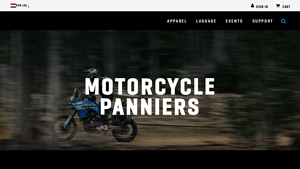
Dominio: moskomoto.com
Registrato: 2013 (12 anni)
Introduzione: Questa azienda, Moskomoto - Borse morbide da telaio, è un'entità di rilievo nel mercato. Per informazioni specifiche sui prodotti, si consiglia di visitare direttamente il loro sito web.
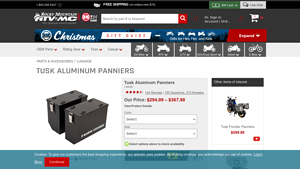
Dominio: rockymountainatvmc.com
Registrato: 2002 (23 anni)
Introduzione: Tusk Aluminum Panniers are designed for extreme adventure motorcycling, made from durable yet lightweight aluminum with a powder-coated finish in silver or black. They feature a unique design that eliminates seams on the back vertical edges and reinforced welded seams for added strength. Each box comes with 4 matched locks and keys, a weatherproof lid with a rubber gasket, and 4 bolt-on footman lo…
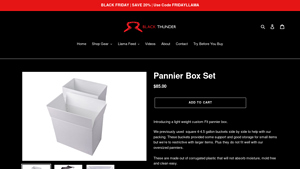
Dominio: blackthundergear.com
Registrazione: 2020 (5 anni)
Introduzione: {“name”: “Llama Pannier Box Set”, “price”: “$85.00”, “dimensions”: “18.5 \” x 10.5 \” x 15 \””, “material”: “corrugated plastic”, “features”: [“lightweight”, “moisture resistant”, “mold free”, “easy to clean”, “custom fit for Black Thunder Panniers”], “description”: “Introducing a lightweight custom fit pannier box designed to provide good structure for odd shaped gear and equipment, replacing tra…
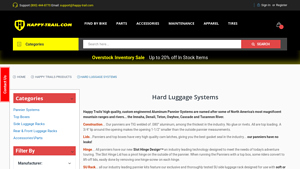
Dominio: happy-trail.com
Registrato: 1999 (26 anni)
Introduzione: Happy Trails’ Aluminum Pannier Systems are custom engineered and named after North America’s mountain ranges and rivers. Key features include:
– Construction: TIG welded .080” aluminum, top loading, with a 3/4″ lip around the opening.
– Lids: High quality cam latches for a superior gasket seal, ensuring no leaks.
– Hinge: New Slot Hinge Design™ with a pivot hinge on the outside, allowing for li…
Dominio: cyclegear.com
Registrato: 1996 (29 anni)
Introduzione: This company, Cycle Gear – Durable Panniers, is a notable entity in the market. For specific product details, it is recommended to visit their website directly.
In the ever-evolving landscape of logistics and transportation, the strategic sourcing of pannier boxes represents a pivotal opportunity for international B2B buyers. By focusing on quality, durability, and functionality, businesses can enhance their operational efficiency and customer satisfaction. Sourcing from reputable manufacturers, particularly those offering eco-friendly and innovative solutions, not only ensures reliability but also aligns with the growing demand for sustainable practices in global supply chains.
Engaging in strategic sourcing allows businesses to leverage market trends, optimize costs, and improve product quality. By evaluating suppliers from diverse regions, including Africa, South America, the Middle East, and Europe, companies can tap into a wealth of resources and expertise. This approach not only mitigates risks associated with single-source suppliers but also fosters stronger partnerships and collaboration across borders.
As we look to the future, it is imperative for B2B buyers to stay informed about emerging technologies and market dynamics that can influence the pannier box industry. Embrace the opportunity to explore new suppliers, innovative designs, and sustainable practices. Begin your strategic sourcing journey today to secure a competitive edge in the market and drive your business forward.
Le informazioni fornite in questa guida, compresi i contenuti relativi ai produttori, alle specifiche tecniche e all'analisi di mercato, hanno uno scopo puramente informativo ed educativo. Non costituiscono una consulenza professionale in materia di acquisti, né una consulenza finanziaria o legale.
Pur avendo compiuto ogni sforzo per garantire l'accuratezza e la tempestività delle informazioni, non siamo responsabili di eventuali errori, omissioni o informazioni non aggiornate. Le condizioni di mercato, i dettagli aziendali e gli standard tecnici sono soggetti a modifiche.
Gli acquirenti B2B devono condurre una due diligence indipendente e approfondita. prima di prendere qualsiasi decisione di acquisto. È necessario contattare direttamente i fornitori, verificare le certificazioni, richiedere campioni e chiedere una consulenza professionale. Il rischio di affidarsi alle informazioni contenute in questa guida è esclusivamente a carico del lettore.


 Italian
  English
  Russian
  Spanish
  Arabic
  Portuguese
  German