
In the ever-evolving landscape of global commerce, sourcing high-quality motorbike suitcases presents unique challenges for B2B buyers. With the increasing popularity of motorcycle travel, the demand for durable, versatile, and secure luggage options has surged. However, navigating the market can be daunting, especially for international buyers from regions like Africa, South America, the Middle East, and Europe, including key markets such as Brazil and Germany. This guide aims to demystify the process of acquiring motorbike suitcases by providing insights into various types, applications, and critical considerations for sourcing.
Within these pages, you will find a thorough examination of the different categories of motorbike suitcases, including soft luggage, hard cases, and specialized bags designed for specific motorcycle models. The guide also delves into the importance of supplier vetting, ensuring that you align with reputable manufacturers who prioritize quality and customer satisfaction. Furthermore, we will discuss pricing structures and key factors influencing costs, enabling you to make informed decisions that align with your budget and business needs.
By leveraging the insights offered in this guide, B2B buyers can confidently navigate the complexities of the motorbike suitcase market, ensuring they select products that meet the demands of their customers while enhancing their own competitive edge. Whether you are a retailer or distributor, this comprehensive resource empowers you to make strategic purchasing decisions that drive success in your business.
| Type Name | Key Distinguishing Features | Primary B2B Applications | Brief Pros & Cons for Buyers |
|---|---|---|---|
| Hard Cases | Rigid structure, weather-resistant, security locks | Long-distance travel, touring | Pros: High durability, excellent protection. Cons: Heavier, less flexible storage options. |
| Soft Luggage | Lightweight, flexible materials, easy to pack | Adventure riding, short trips | Pros: Lightweight, easy to store. Cons: Less protection, may not be waterproof without additional covers. |
| Panniers | Side-mounted, often lockable, various sizes | Commuting, touring | Pros: Balanced weight distribution, easy access. Cons: Can affect bike handling, may require additional mounting hardware. |
| Tail Bags | Compact, attachable to rear of bike, versatile | Day trips, weekend getaways | Pros: Easy to install, great for quick access. Cons: Limited capacity, may not fit larger items. |
| Tank Bags | Mounted on the fuel tank, often with clear map pocket | Navigation, short rides | Pros: Convenient access, keeps essentials visible. Cons: Can obstruct fuel access, may scratch tank. |
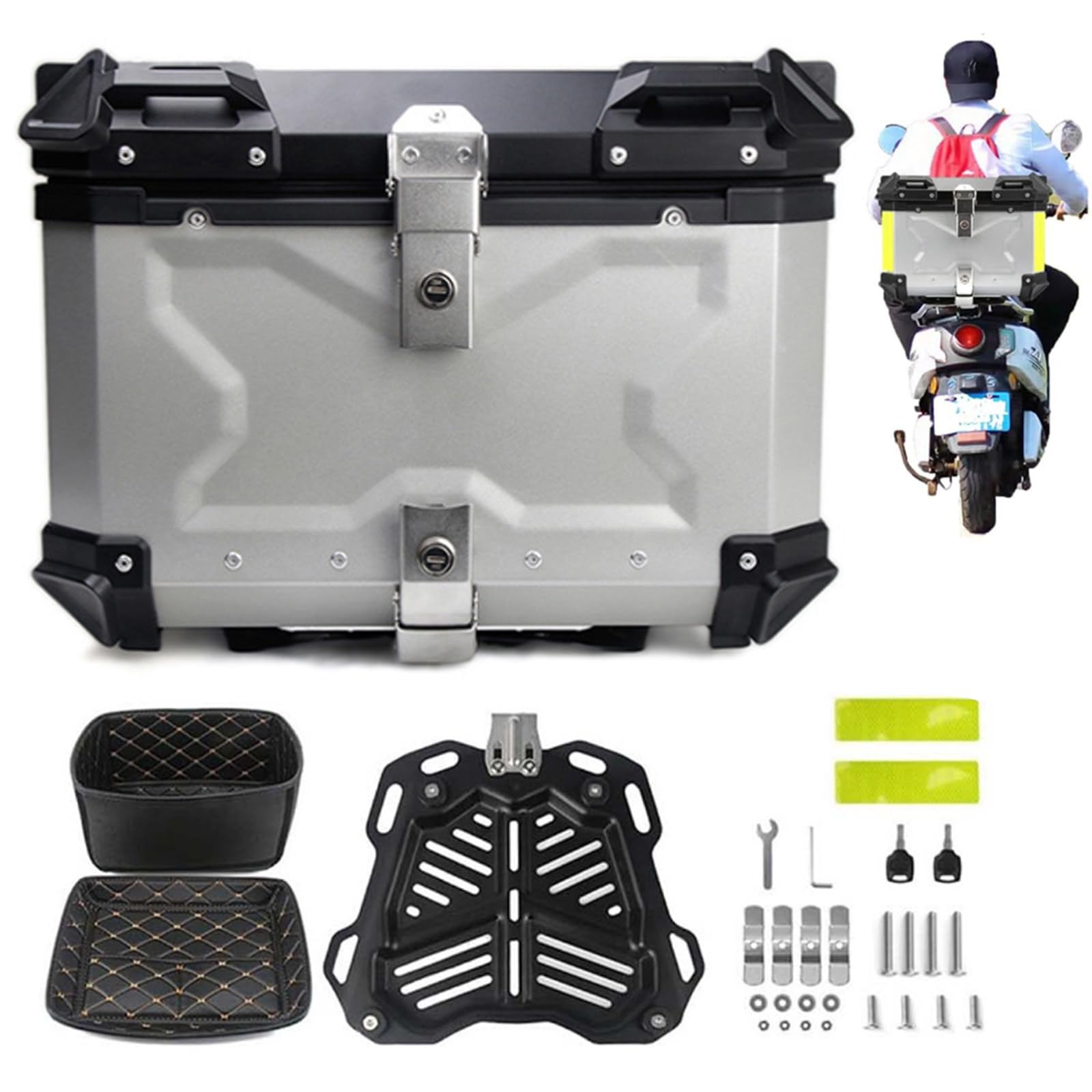
Hard cases are designed with a rigid exterior, often made from high-impact plastic or aluminum, providing maximum protection against impacts and weather conditions. They are ideal for long-distance travel and touring, where the safety of contents is paramount. B2B buyers should consider the security features, such as locking mechanisms, and the weight of the cases, as these can impact transportation costs and usability.
Soft luggage is characterized by its lightweight and flexible construction, making it easier to pack and store when not in use. This type of luggage is particularly suited for adventure riding and short trips, where space and weight are critical. B2B buyers should evaluate the materials used for durability and weather resistance, as well as the availability of waterproof covers to protect against rain.
Panniers are side-mounted storage solutions that come in various sizes, offering a balanced weight distribution that enhances bike handling. They are commonly used for commuting and touring, providing ample space for larger items. Buyers should consider the mounting hardware required for installation and the potential impact on bike aerodynamics when selecting panniers.
Tail bags are compact storage solutions that attach to the rear of the motorcycle, making them ideal for day trips or weekend getaways. They provide easy access to essentials and can be quickly removed when not in use. B2B buyers should assess the capacity of tail bags and their compatibility with different motorcycle models to ensure a proper fit.
Tank bags are mounted on the fuel tank and often feature a clear pocket for maps or devices, making them excellent for navigation during short rides. They allow for convenient access to frequently used items without dismounting. When purchasing tank bags, B2B buyers should consider the potential for scratches on the tank and whether the bag design allows for easy fuel access.
Illustrative image related to motorbike suitcase
| Industry/Sector | Specific Application of motorbike suitcase | Value/Benefit for the Business | Key Sourcing Considerations for this Application |
|---|---|---|---|
| Adventure Tourism | Luggage for guided motorcycle tours | Enhances customer experience by providing durable storage options | Lightweight, waterproof materials; ease of attachment to bikes |
| Logistics and Delivery Services | Transporting goods in remote areas | Increases efficiency in last-mile delivery in challenging terrains | Robust construction; security features; customizable sizes |
| Motorcycle Retail and Accessories | Display and transport for motorcycle gear | Streamlines inventory management and enhances product visibility | Versatility in design; branding options; pricing competitiveness |
| Emergency Services | Quick deployment of essential medical supplies | Facilitates rapid response in emergency situations | Waterproofing; organizational compartments; durability |
| Off-road Racing | Storage for equipment and personal items during events | Supports racers by keeping gear organized and accessible | Lightweight design; easy-to-use fastening systems; safety features |
In the adventure tourism sector, motorbike suitcases serve as essential luggage for guided motorcycle tours. Tour operators require sturdy, weather-resistant storage solutions to ensure that riders can safely transport their belongings while navigating diverse terrains. This application addresses the challenge of providing travelers with practical and reliable luggage that enhances their overall experience. Buyers in this sector should prioritize lightweight materials, waterproof capabilities, and ease of attachment to various motorcycle models to meet the demands of international travelers.
For logistics and delivery services operating in remote or rugged regions, motorbike suitcases are invaluable for transporting goods. These suitcases enable businesses to efficiently conduct last-mile deliveries where conventional vehicles may struggle. By providing secure, robust storage options, companies can ensure that products reach customers in pristine condition. Buyers in this industry should consider sourcing suitcases that offer a high level of durability, security features, and customizable sizes to fit specific delivery needs.
Motorcycle retailers can utilize motorbike suitcases for displaying and transporting gear, which streamlines inventory management and enhances product visibility. By incorporating these suitcases into their retail strategy, businesses can offer customers a practical solution for their gear needs while promoting brand identity through customized designs. Retailers should focus on versatility in design, branding options, and competitive pricing when sourcing these products to attract a diverse customer base.
In emergency services, motorbike suitcases facilitate the quick deployment of essential medical supplies. These suitcases allow first responders to carry necessary equipment efficiently while ensuring that supplies remain organized and accessible during urgent situations. Buyers in this sector should prioritize waterproofing, organizational compartments, and overall durability, as these factors are critical to maintaining operational effectiveness in high-pressure environments.
Off-road racers benefit from motorbike suitcases that provide organized storage for equipment and personal items during events. These suitcases help racers keep their gear accessible and organized, which is crucial for performance and efficiency. When sourcing for this application, buyers should look for lightweight designs, easy-to-use fastening systems, and safety features to ensure that the suitcases can withstand the rigors of competitive racing environments.
The Problem: One common challenge faced by B2B buyers when sourcing motorbike suitcases is ensuring the right fit for various motorcycle models. Many buyers may not have precise measurements or specifications for the motorcycles they are catering to. This can lead to purchasing luggage that is either too large, causing instability during rides, or too small, limiting storage capacity. Additionally, mismatched designs and mounting systems can result in compatibility issues, leading to customer dissatisfaction and potential returns.
The Solution: To address sizing and fit issues, B2B buyers should prioritize sourcing from manufacturers that provide detailed product specifications, including dimensions and compatibility charts for different motorcycle models. It’s crucial to establish a relationship with suppliers who offer customization options, allowing for tailored solutions that meet specific client needs. Implementing a standardized measurement guide for all motorcycles in your inventory can help streamline the selection process. Offering training for sales teams on how to assess and recommend the appropriate suitcase based on customer needs can further enhance customer satisfaction and reduce returns.
The Problem: Buyers often struggle with selecting motorbike suitcases that can withstand varying environmental conditions. This is particularly relevant for international buyers operating in diverse climates, from the humid tropics of South America to the arid deserts of the Middle East. Many products on the market may not be adequately tested for durability, leading to concerns over water resistance, UV protection, and material wear and tear. Such issues can result in high warranty claims and negatively impact brand reputation.
The Solution: To mitigate durability concerns, it is essential to partner with reputable manufacturers known for rigorous testing of their products under various environmental conditions. Look for suitcases made from high-quality materials like reinforced nylon or polyester, which offer water resistance and UV protection. Request samples for testing in real-world conditions to evaluate performance before committing to bulk purchases. Additionally, consider offering a warranty that aligns with the durability of the product, as this can provide peace of mind to customers and reduce long-term liability.
The Problem: Another pain point is the complexity involved in the installation and usage of motorbike suitcases. B2B buyers may encounter difficulties if the luggage systems require intricate mounting procedures or if they lack clear instructions. This can lead to installation errors, which not only frustrate end-users but also increase the likelihood of damage to both the suitcase and the motorcycle. Poor user experiences can result in negative reviews and impact future sales.
The Solution: To overcome installation and usage challenges, buyers should seek products that feature user-friendly designs with intuitive installation processes. Collaborate with manufacturers that provide comprehensive installation guides, video tutorials, and customer support. Consider offering installation services as part of your sales strategy, which can enhance customer satisfaction and ensure proper setup. Additionally, creating a feedback loop with customers can help identify common installation problems, allowing for the development of improved product designs or supplementary instructional materials. This proactive approach not only enhances the user experience but also builds long-term customer loyalty.
When selecting materials for motorbike suitcases, it is essential to consider various factors such as durability, weight, resistance to environmental conditions, and manufacturing complexity. Below are analyses of four common materials used in the production of motorbike suitcases, focusing on their properties, advantages, disadvantages, and considerations for international B2B buyers.
Illustrative image related to motorbike suitcase
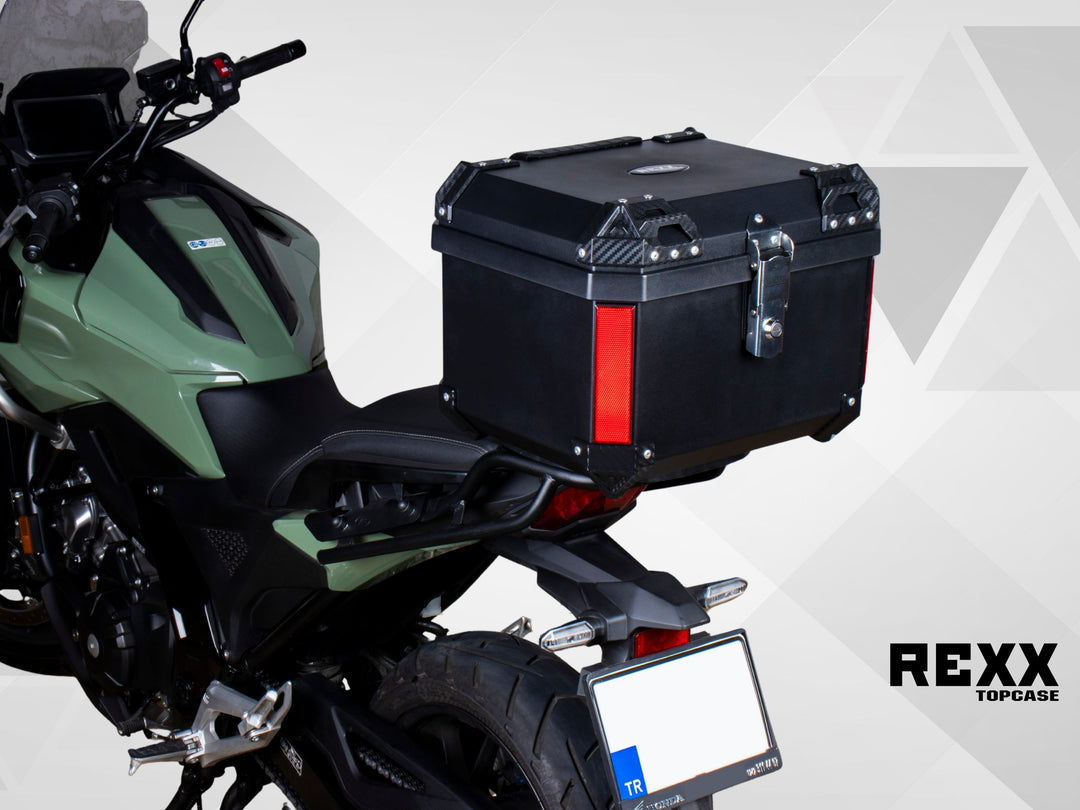
Aluminum is a popular choice for motorbike suitcases due to its lightweight and high strength-to-weight ratio. It offers excellent corrosion resistance, making it suitable for various climates, including humid and coastal environments. Aluminum can withstand significant pressure, which is crucial for protecting contents during transport.
Pros: Aluminum is durable and resistant to rust, making it a long-lasting option. It also has a sleek appearance that appeals to many consumers.
Cons: The cost of aluminum is relatively high compared to other materials, and it can be prone to dents and scratches. Manufacturing complexity is moderate, as aluminum requires specialized welding techniques.
Impact on Application: Aluminum suitcases are ideal for rugged use and can handle diverse media, including water and dust, due to their sealing capabilities.
Considerations for International Buyers: Compliance with standards such as ASTM for aluminum alloys is crucial. Buyers from regions like Europe may prefer aluminum due to its recyclability and environmental benefits.
Polypropylene is a thermoplastic polymer known for its toughness and flexibility. It has a high resistance to impact and is lightweight, making it suitable for motorbike suitcases that require frequent handling.
Pros: Polypropylene is cost-effective and can be molded into complex shapes, allowing for innovative designs. It also offers excellent chemical resistance, making it suitable for various environments.
Cons: While it is durable, polypropylene can be less resistant to extreme temperatures compared to metals, which may limit its performance in very hot or cold climates.
Impact on Application: This material is compatible with a wide range of media, including liquids, making it suitable for carrying tools or other gear that may leak.
Considerations for International Buyers: Compliance with international standards like ISO for plastics is essential. Buyers in Africa and South America may favor polypropylene for its affordability and versatility.
Illustrative image related to motorbike suitcase
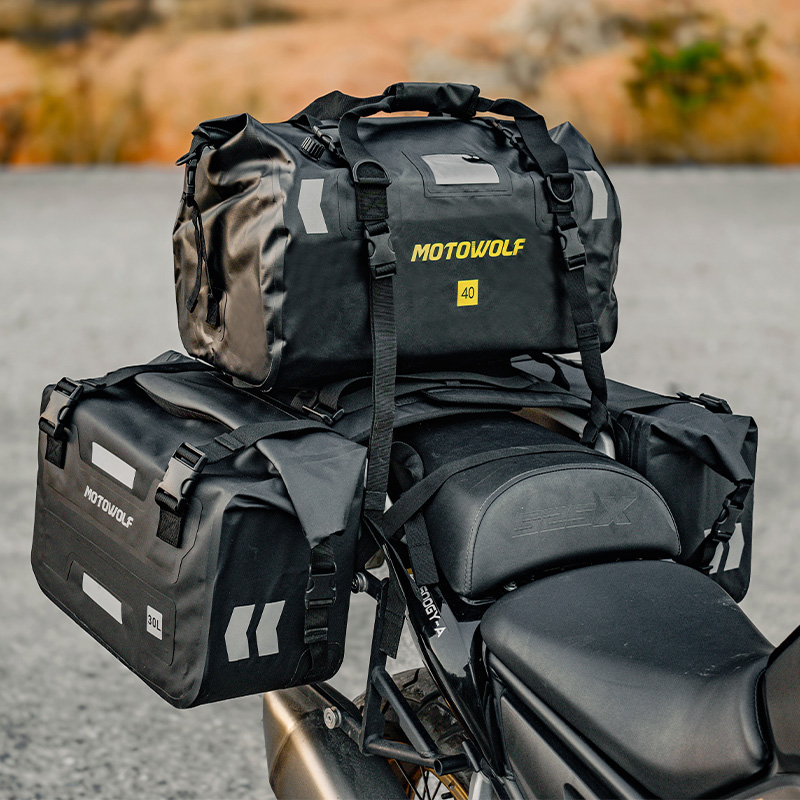
Nylon is a synthetic fabric that offers high tensile strength and flexibility. It is often used in soft luggage options, such as bags and pouches, due to its lightweight nature and resistance to wear and tear.
Pros: Nylon is highly durable and resistant to abrasion, making it suitable for outdoor use. It is also water-resistant, which adds to its appeal for motorbike riders.
Cons: The main drawback of nylon is its susceptibility to UV degradation over time, which can affect its longevity. Additionally, it may require additional treatments to enhance water resistance.
Impact on Application: Nylon is ideal for carrying lightweight items and can handle various media, including tools and personal belongings.
Considerations for International Buyers: Compliance with textile standards is important, especially in regions like Europe, where consumers may prioritize sustainable and eco-friendly materials.
Illustrative image related to motorbike suitcase
Steel, particularly stainless steel, is sometimes used in the construction of motorbike suitcases for its exceptional strength and durability. It is resistant to corrosion and can withstand harsh environmental conditions.
Pros: Steel offers unmatched durability and security for high-value items, making it a preferred choice for heavy-duty applications.
Cons: The weight of steel can be a significant disadvantage, especially for motorbike riders who prioritize lightweight gear. Additionally, the manufacturing process can be more complex and costly.
Impact on Application: Steel is excellent for applications requiring high security, such as carrying expensive tools or equipment.
Considerations for International Buyers: Compliance with standards like ASTM for steel grades is crucial. Buyers in the Middle East may prefer steel for its robustness in extreme conditions.
| Material | Typical Use Case for motorbike suitcase | Key Advantage | Key Disadvantage/Limitation | Relative Cost (Low/Med/High) |
|---|---|---|---|---|
| Aluminum | Rigid cases for rugged use | Lightweight and corrosion-resistant | High cost and prone to dents | High |
| Polypropylene | Soft bags and pouches | Cost-effective and flexible | Less temperature resistant | Low |
| Nylon | Lightweight soft luggage | Durable and water-resistant | Susceptible to UV degradation | Medium |
| Steel | Heavy-duty cases for security | Exceptional strength and durability | Heavy and costly to manufacture | High |
This guide provides valuable insights for B2B buyers, helping them make informed decisions on material selection based on performance, cost, and regional preferences.
The manufacturing of motorbike suitcases involves several critical stages that ensure durability, functionality, and aesthetic appeal. Each stage is integral to producing a high-quality product that meets the demands of international markets.
The first step in the manufacturing process is the selection and preparation of materials. Typically, motorbike suitcases are made from high-grade materials such as nylon, polyester, or reinforced plastics, designed to withstand extreme weather conditions and rough handling. For hard suitcases, materials like ABS plastic or polycarbonate are favored for their strength and lightweight properties. Additionally, waterproof coatings or treatments are often applied to ensure the contents remain dry during adverse weather.
Once materials are prepared, the next step is the forming process. This involves cutting, shaping, and molding the materials into the desired suitcase form. Techniques such as die-cutting for fabric and injection molding for hard shells are commonly used. Advanced manufacturing technologies, including CNC machining and laser cutting, are increasingly being employed to enhance precision and reduce waste. These processes not only improve product quality but also allow for customization to cater to varying consumer preferences.
Following the forming stage, assembly is conducted, where different components of the suitcase, such as zippers, straps, and compartments, are brought together. Automated assembly lines may be used for efficiency, but skilled labor is essential for quality assurance at this stage. Each component must be carefully inspected to ensure compatibility and durability. This stage also includes the integration of features like security locks and reflective strips, which are crucial for enhancing user safety and convenience.
The final stage of manufacturing is finishing, which involves adding the final touches to the product. This may include applying protective coatings, attaching branding elements, and conducting aesthetic inspections. Quality checks during this phase are critical, as they ensure that the product meets the desired specifications and visual standards. Techniques such as heat treatment or surface polishing may also be employed to enhance durability and appearance.
Quality assurance (QA) is an integral part of the manufacturing process that ensures products meet specified requirements and standards. For B2B buyers, understanding these QA measures is crucial for ensuring the reliability and safety of motorbike suitcases.
International standards play a significant role in quality assurance. ISO 9001 is a widely recognized standard that focuses on quality management systems. Adhering to this standard ensures that manufacturers maintain consistent quality in their processes and products. Additionally, certifications like CE marking (European Conformity) and API (American Petroleum Institute) are vital for compliance in various markets. These certifications indicate that products have been tested and meet relevant safety and environmental standards.
Quality control checkpoints are established at various stages of the manufacturing process to ensure product integrity.
Incoming Quality Control (IQC): This initial check involves inspecting raw materials upon arrival to ensure they meet specified standards.
In-Process Quality Control (IPQC): Conducted during the manufacturing process, IPQC monitors production to catch any defects early. This includes dimensional checks and material integrity assessments.
Final Quality Control (FQC): The final inspection occurs after assembly and finishing. This thorough check verifies that the product meets all functional and aesthetic requirements before shipping.
Implementing these QC checkpoints helps minimize defects and ensures that only high-quality products reach the market.
B2B buyers must take proactive measures to verify the quality control practices of their suppliers. This is particularly important for international transactions, where standards may vary.
Conducting supplier audits is one of the most effective ways to assess a manufacturer’s quality assurance processes. Buyers should request access to the supplier’s quality management system documentation, including their ISO certifications and internal audit reports. On-site audits can provide valuable insights into manufacturing practices, equipment, and employee training programs.
In addition to internal audits, engaging third-party inspection services can provide an unbiased assessment of product quality. These inspections typically occur at various manufacturing stages and can be tailored to specific requirements. By employing third-party inspectors, buyers gain an additional layer of assurance that products meet international standards.
Testing methods for motorbike suitcases are essential to ensure safety and durability. Common tests include:
Water Resistance Testing: Ensures that the suitcase can withstand heavy rain and splashes.
Drop Tests: Assess the suitcase’s durability under impact conditions, simulating rough handling during transport.
Load Tests: Evaluate how well the suitcase holds up under maximum weight conditions, ensuring it does not deform or break.
By understanding and implementing these testing methods, manufacturers can enhance product reliability and customer satisfaction.
International buyers, particularly those from diverse regions such as Africa, South America, the Middle East, and Europe, should be aware of specific quality control nuances.
Different regions may have varying regulatory standards that affect quality assurance. For instance, products sold in Europe must comply with CE marking requirements, while buyers in the Middle East may focus on local compliance certifications. Understanding these regional standards can help buyers ensure that products are not only safe but also compliant with local regulations.
Effective communication between buyers and suppliers is critical for successful quality control. Regular updates regarding manufacturing processes, changes in standards, and compliance issues can help prevent misunderstandings and ensure that products meet expectations. Buyers should establish clear channels of communication and foster a collaborative relationship with their suppliers to enhance quality assurance efforts.
By comprehensively understanding the manufacturing processes and quality assurance measures in the production of motorbike suitcases, B2B buyers can make informed purchasing decisions that align with their quality standards and market demands.
This practical sourcing guide provides a structured checklist for B2B buyers interested in procuring motorbike suitcases. Sourcing the right motorbike luggage is essential for ensuring durability, functionality, and compatibility with various motorcycle models. This checklist will help streamline your decision-making process and ensure you select the best options for your business needs.
Establishing clear technical specifications is the foundation of your sourcing process. Consider factors such as material durability, weight capacity, and storage capacity.
– Material: Look for materials like waterproof fabrics or ballistic nylon to ensure longevity.
– Dimensions: Ensure the suitcase fits the motorcycles in your inventory or aligns with customer preferences.
Understanding your target market will guide your sourcing decisions. Different regions may have specific needs based on climate, terrain, and consumer preferences.
– Regional Needs: For example, buyers in Africa may prioritize rugged, waterproof options, while those in Europe might prefer lightweight designs.
– Market Trends: Research current trends in motorbike luggage to align your offerings with consumer demand.
Before committing to any supplier, it’s crucial to perform a thorough evaluation. Request company profiles, product catalogs, and references from businesses in similar markets.
– Reputation: Look for suppliers with a solid reputation for quality and customer service.
– Certifications: Verify any industry certifications that indicate compliance with safety and quality standards.
Once you have shortlisted suppliers, request product samples for hands-on evaluation. Testing the luggage will help assess quality and functionality.
– Durability Tests: Conduct stress tests to evaluate how well the suitcase holds up under various conditions.
– Compatibility Checks: Ensure that the suitcases fit securely on a range of motorcycle models.
Understanding the pricing structure is essential for maintaining profitability. Evaluate the cost of the suitcases, including shipping and any import duties.
– Bulk Discounts: Inquire about bulk purchase discounts or tiered pricing for larger orders.
– Total Cost of Ownership: Consider long-term costs, such as warranty services and potential replacement parts.
Effective negotiation can lead to better pricing and favorable terms. Be clear about your expectations regarding delivery timelines, payment terms, and return policies.
– Payment Flexibility: Discuss options for payment terms that suit your cash flow needs.
– Warranty and Support: Ensure that the supplier offers a comprehensive warranty and reliable customer support.
Once you have settled on a supplier and negotiated terms, finalize the purchase agreement. Ensure that all agreed-upon terms are documented to prevent misunderstandings.
– Legal Review: Consider having a legal professional review the agreement to ensure compliance with local regulations.
– Follow-Up: Establish a point of contact for ongoing communication regarding order status and future needs.
By following this checklist, B2B buyers can confidently navigate the sourcing process for motorbike suitcases, ensuring they select high-quality products that meet their operational needs.
Understanding the cost structure of motorbike suitcases is crucial for international B2B buyers, especially when sourcing from diverse markets such as Africa, South America, the Middle East, and Europe. Each component of the cost structure plays a significant role in determining the final price, which can vary widely based on several factors.
Materials: The choice of materials significantly influences the cost of motorbike suitcases. High-quality fabrics, waterproof zippers, and durable hardware can increase the initial material cost. Buyers should consider the trade-off between quality and price, as premium materials can enhance product longevity and customer satisfaction.
Labor: Labor costs depend on the region where the manufacturing occurs. Countries with lower labor costs may offer cheaper pricing, but this can sometimes come at the expense of quality. Understanding the labor market and its implications on quality control is vital for buyers looking for reliable suppliers.
Manufacturing Overhead: This includes costs related to utilities, rent, and administrative expenses incurred during production. Efficient manufacturing processes can help minimize overhead costs, which can be an important negotiation point with suppliers.
Tooling: If a buyer requires custom molds or specific tooling for unique designs, these costs can add up quickly. Buyers should account for these expenses in their budget and be prepared to discuss tooling costs during negotiations.
Quality Control (QC): Implementing stringent QC measures ensures that the products meet the required specifications and standards. While this may add to the overall cost, it ultimately reduces the risk of defects and returns, enhancing the Total Cost of Ownership (TCO).
Logistics: Shipping costs, including freight and import duties, can vary greatly depending on the shipping method and destination. Understanding the logistics involved and negotiating favorable shipping terms can lead to significant savings.
Margin: Suppliers will add a margin to cover their costs and profit. This margin can fluctuate based on the supplier’s market positioning and the perceived value of their products.
Volume/MOQ: Minimum Order Quantities (MOQ) can significantly affect pricing. Higher volume orders often lead to discounts, making it essential for buyers to assess their purchasing capabilities and potential for bulk buying.
Specifications and Customization: Tailoring suitcases to meet specific needs can increase costs. Buyers should weigh the benefits of customization against the added expense and consider how this aligns with market demand.
Materials and Quality Certifications: Products that come with quality certifications or adhere to specific industry standards may command higher prices. Buyers should evaluate whether these certifications are necessary for their target markets.
Supplier Factors: Supplier reputation, reliability, and service level can also impact pricing. Established suppliers may charge more due to their track record, while newer suppliers might offer lower prices to gain market entry.
Incoterms: The choice of Incoterms (International Commercial Terms) affects the total landed cost of the products. Understanding terms like FOB (Free on Board) or CIF (Cost, Insurance, and Freight) is crucial for accurately calculating total costs.
Research and Benchmarking: Understanding market prices and benchmarking against competitors can empower buyers during negotiations. This knowledge allows for informed discussions and helps identify fair pricing.
Total Cost of Ownership (TCO): Buyers should consider not just the purchase price but also the long-term costs associated with the product, including maintenance and potential replacements. A higher upfront cost may lead to lower TCO if the product is more durable.
Leverage Relationships: Building strong relationships with suppliers can lead to better pricing, terms, and service. Regular communication and feedback can foster trust and encourage suppliers to offer competitive pricing.
Be Open to Alternatives: If a supplier cannot meet pricing expectations, being open to alternative materials or designs can help achieve cost savings without compromising quality.
Prices for motorbike suitcases can vary widely based on the aforementioned factors. The figures indicated in this analysis are indicative and subject to change based on market conditions, supplier negotiations, and specific buyer requirements. Always conduct thorough research and consult multiple suppliers to ensure competitive pricing.
In the competitive landscape of motorcycle luggage solutions, it is vital for international B2B buyers to consider various alternatives to the traditional motorbike suitcase. Each option has its unique advantages and drawbacks, making it essential to evaluate them based on specific business needs and operational contexts. This analysis presents a comparative overview of motorbike suitcases against other viable solutions, enabling informed decision-making.
| Comparison Aspect | Motorbike Suitcase | Soft Luggage (e.g., Tail Bags) | Hard Luggage (e.g., Panniers) |
|---|---|---|---|
| Performance | High durability and protection for contents. | Flexible and lightweight, but less protective. | Excellent protection, but heavier and bulkier. |
| Cost | Typically mid-range pricing. | Generally more affordable. | Higher initial investment but offers longevity. |
| Ease of Implementation | Easy to install and remove. | Quick to attach/detach, versatile. | Requires specific mounting hardware, more complex installation. |
| Maintenance | Minimal upkeep required. | Regular checks for wear and tear. | Durable but may require seal replacements. |
| Best Use Case | Long-distance touring, protecting delicate items. | Short trips, casual rides, or variable loads. | Adventure touring, heavy-duty usage, and off-road conditions. |
Soft luggage, such as tail bags, provides a flexible and lightweight alternative to motorbike suitcases. These bags are easy to attach and detach, making them ideal for short trips or casual rides where quick access is necessary. However, they typically offer less protection against weather and impacts compared to hard luggage. Additionally, while they are generally more affordable, their durability may be less than that of a motorbike suitcase, especially in rugged conditions.
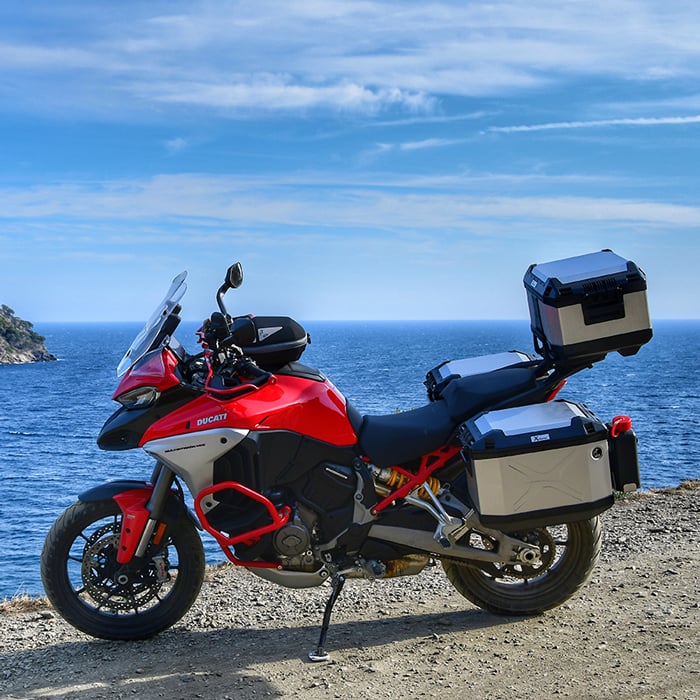
Illustrative image related to motorbike suitcase
Hard luggage, represented by panniers, is another alternative that excels in durability and security. These cases are designed to withstand harsh conditions and provide maximum protection for the contents. While they are often more expensive and heavier than motorbike suitcases, they are ideal for long-distance touring and adventure riding where equipment safety is paramount. The installation process may require specific mounting systems, adding to the complexity of setup, but their longevity and robustness can justify the investment.
When selecting a motorcycle luggage solution, B2B buyers must evaluate their specific operational needs and the environments in which they will be used. A motorbike suitcase offers a balanced approach with durability and ease of use, making it suitable for long trips with delicate items. In contrast, soft luggage provides affordability and flexibility for shorter rides, while hard luggage is best suited for heavy-duty applications requiring maximum protection. By carefully considering these factors, businesses can make informed decisions that align with their logistical requirements and budget constraints.
Understanding the essential technical properties of motorbike suitcases is crucial for B2B buyers in making informed purchasing decisions. Here are some critical specifications that directly impact performance, durability, and customer satisfaction:
Material Grade
The material used in manufacturing motorbike suitcases significantly influences their durability and weight. Common materials include high-denier nylon, polyester, and aluminum. High-denier fabrics are essential for abrasion resistance and weatherproofing, while aluminum provides robust protection against impacts. B2B buyers should prioritize materials that balance weight with durability, especially for long-distance journeys.
Capacity (Volume)
The capacity of a motorbike suitcase is typically measured in liters (L). Understanding the volume is vital for ensuring that the suitcase meets the specific storage needs of riders. For instance, a suitcase with a capacity of 30L might be suitable for day trips, while a 60L suitcase would be ideal for extended travels. Buyers should assess their target market’s typical use cases to select the right capacity.
Weight Tolerance
Weight tolerance refers to the maximum load a suitcase can support without compromising its integrity. This specification is crucial for safety, as overloaded suitcases can lead to performance issues and potential accidents. B2B buyers must consider the weight tolerance in relation to the intended use of the suitcase and ensure it aligns with the carrying capacity of the motorcycles they cater to.
Water Resistance Rating
The water resistance rating indicates how well a suitcase can withstand exposure to moisture. This is particularly important for motorbike suitcases, as riders often encounter various weather conditions. A higher rating (e.g., IPX6) implies better protection against water ingress. Buyers should seek suitcases with robust water resistance to appeal to adventure riders who demand reliability in diverse environments.
Attachment Mechanism
The attachment mechanism, such as quick-release buckles or integrated mounting systems, is critical for ease of use and security. Suitcases should offer reliable attachment options that allow for quick mounting and dismounting from the motorcycle. B2B buyers should consider how these mechanisms align with the preferences of their customers, as convenience can significantly enhance user experience.
Familiarity with industry terminology is essential for effective communication and negotiation in the B2B space. Here are some key terms that buyers should know:
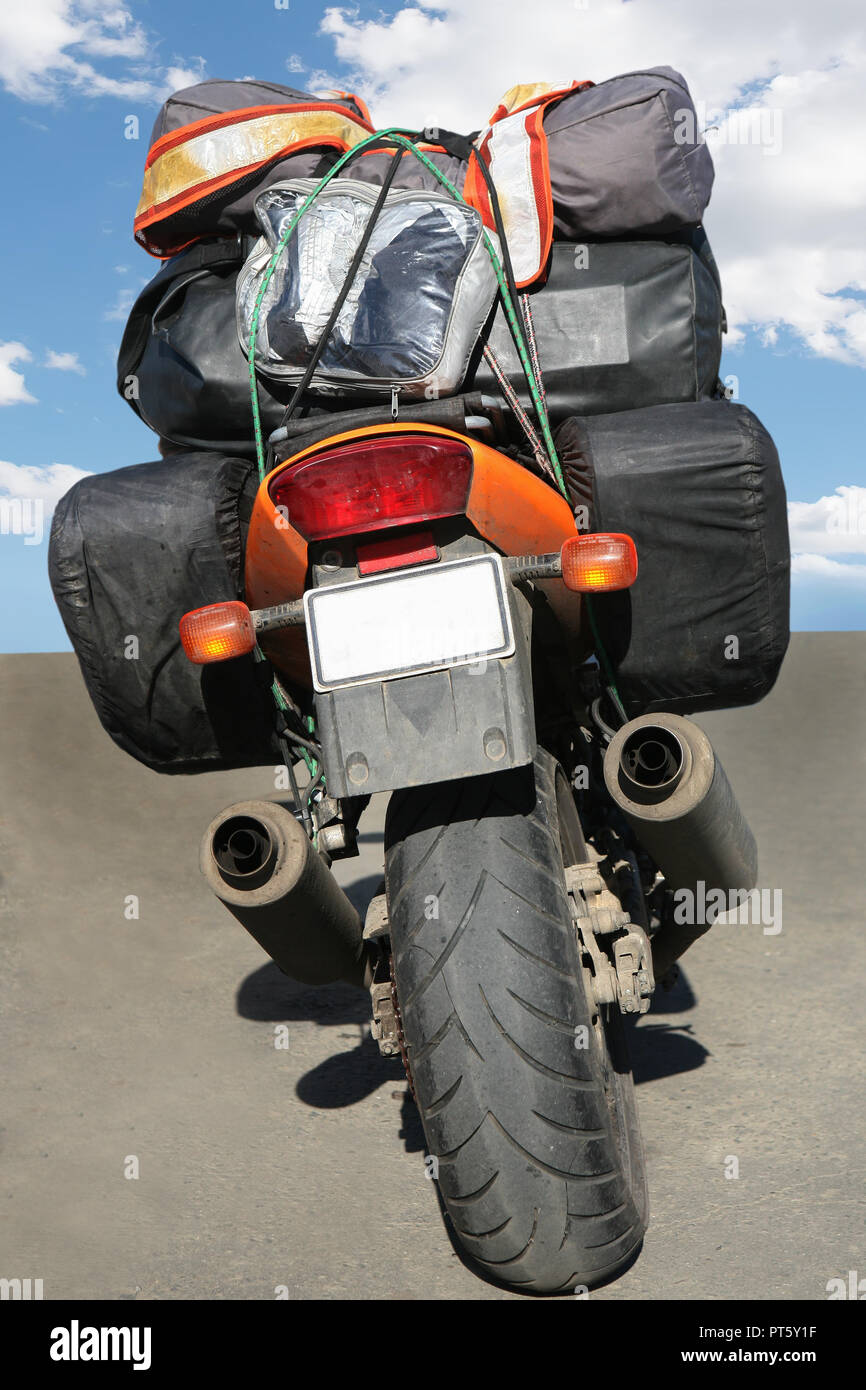
Illustrative image related to motorbike suitcase
OEM (Original Equipment Manufacturer)
OEM refers to companies that produce parts or products that are used in another company’s end product. In the context of motorbike suitcases, understanding OEM relationships can help buyers identify high-quality manufacturers that adhere to industry standards, ensuring reliability and performance.
MOQ (Minimum Order Quantity)
MOQ is the smallest quantity of a product that a supplier is willing to sell. For motorbike suitcases, MOQs can vary significantly between manufacturers. B2B buyers need to consider their inventory needs and budget constraints when negotiating MOQs, as larger orders may yield better pricing but require more upfront investment.
RFQ (Request for Quotation)
An RFQ is a formal document issued by buyers to suppliers requesting pricing and terms for specific products. In the motorbike suitcase market, issuing an RFQ helps buyers gather competitive quotes and compare options effectively, ensuring they get the best deal possible.
Incoterms (International Commercial Terms)
Incoterms are standardized trade terms used in international contracts to define the responsibilities of buyers and sellers regarding shipping, insurance, and tariffs. Understanding these terms is vital for B2B buyers to ensure clarity in logistics and avoid unexpected costs during the transportation of motorbike suitcases.
Lead Time
Lead time refers to the time it takes from placing an order to receiving the product. For motorbike suitcases, understanding lead times is crucial for inventory management and planning. Buyers should communicate clearly with suppliers to ensure that lead times align with their operational timelines.
By grasping these technical properties and industry terms, B2B buyers can make informed decisions that enhance their product offerings and meet the needs of their customers effectively.
The global motorbike suitcase market is experiencing robust growth driven by increasing motorcycle ownership and the rising popularity of adventure tourism. Key markets in Africa, South America, the Middle East, and Europe, particularly Brazil and Germany, are witnessing a surge in demand for durable and functional luggage solutions tailored for motorbike enthusiasts. As riders seek to enhance their travel experiences, the focus has shifted towards lightweight, waterproof, and high-capacity luggage options. This trend is accompanied by a growing preference for modular systems that allow for customization and ease of use.
Emerging technologies are also shaping the sourcing landscape. The integration of e-commerce platforms has streamlined the purchasing process, enabling international B2B buyers to access a broader range of suppliers and products. Additionally, advancements in materials technology, such as the use of high-strength synthetic fabrics and advanced waterproof coatings, are enhancing product durability and performance. Buyers are increasingly prioritizing suppliers that offer innovative designs that cater to the specific needs of motorcyclists, such as easy attachment systems and ergonomic shapes.
Sustainability is becoming a critical consideration in the motorbike suitcase sector, with an increasing number of manufacturers adopting environmentally friendly practices. The impact of production processes on the environment is under scrutiny, prompting buyers to seek suppliers committed to reducing their carbon footprint. Ethical sourcing practices are gaining importance as businesses recognize the need for transparency in their supply chains. This trend is particularly relevant for B2B buyers in regions like Europe, where consumers are increasingly favoring brands that demonstrate a commitment to sustainability.
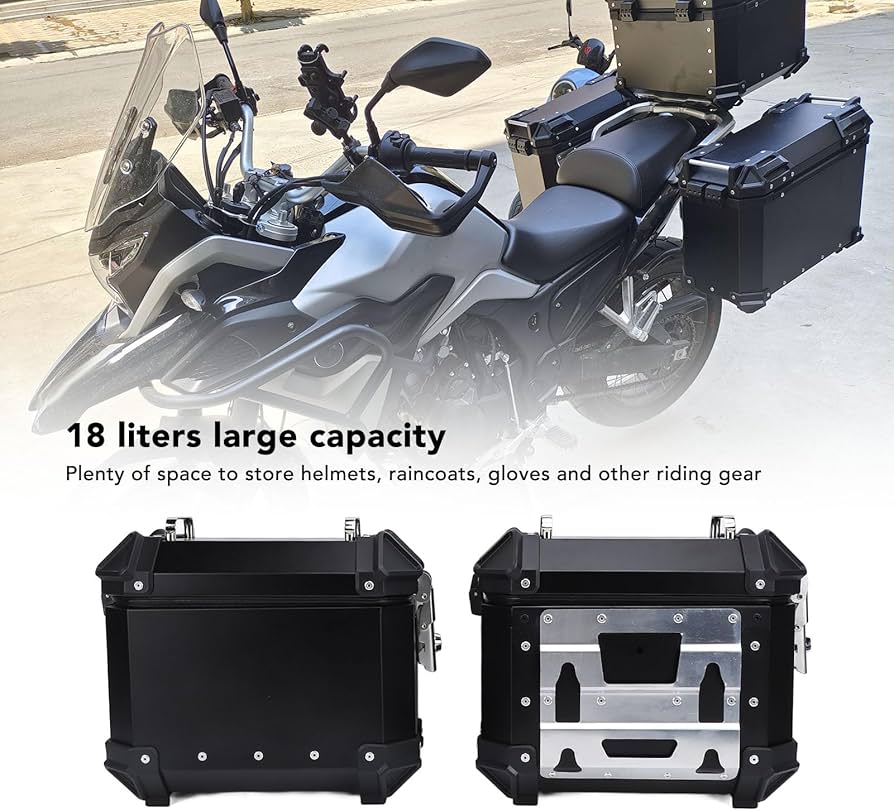
Illustrative image related to motorbike suitcase
In response to these pressures, many manufacturers are investing in ‘green’ certifications and materials. This includes the use of recycled fabrics, biodegradable components, and non-toxic production processes. By prioritizing suppliers who adhere to sustainable practices, international B2B buyers can not only enhance their brand reputation but also meet the growing demand for eco-friendly products in their respective markets.
The motorbike suitcase sector has evolved significantly over the past few decades. Initially, motorcycle luggage was primarily functional, focusing on basic storage needs. However, as the motorcycle culture has expanded globally, so too has the complexity and demand for innovative designs. The introduction of high-performance materials and ergonomic designs has transformed luggage from mere storage solutions into essential travel companions that enhance the riding experience.
As the market continues to mature, the focus is shifting towards creating products that combine functionality with style, ensuring that motorbike luggage meets the diverse needs of a global audience. This evolution reflects broader trends in consumer preferences, where aesthetics, durability, and sustainability are becoming paramount in purchasing decisions. International B2B buyers are encouraged to stay informed about these trends to better align their sourcing strategies with the evolving demands of the market.
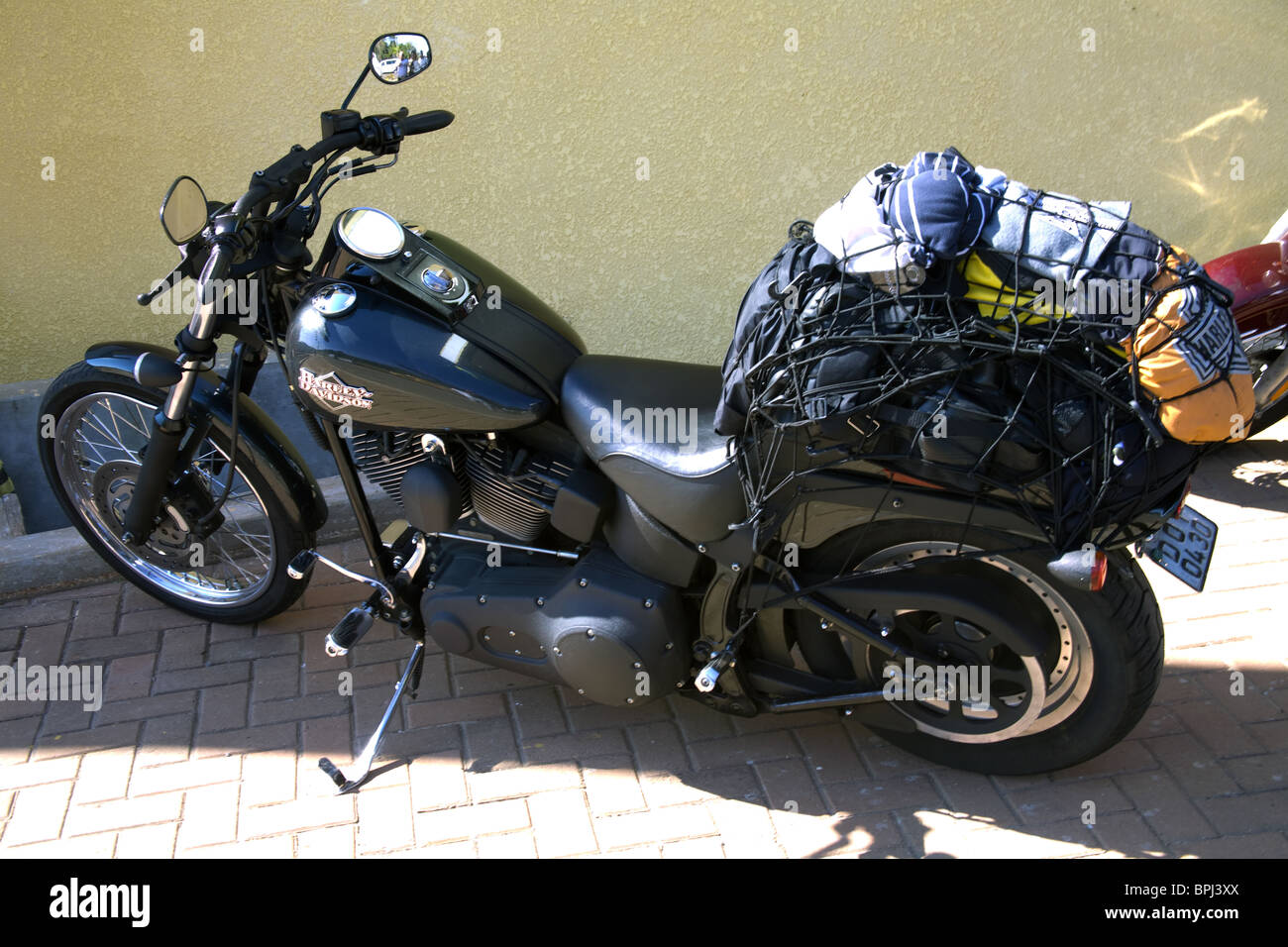
Illustrative image related to motorbike suitcase
How do I choose the right motorbike suitcase for my needs?
Selecting the appropriate motorbike suitcase depends on several factors, including the type of motorcycle, intended use, and personal preferences. For long-distance travel, opt for larger, durable options like panniers or hard luggage that can withstand weather conditions. If you require flexibility, consider soft luggage or tail bags that are easier to attach and remove. Assess the weight capacity of your motorcycle and ensure that the suitcase fits securely without compromising safety.
What materials are best for motorbike suitcases?
The best materials for motorbike suitcases include durable fabrics such as ballistic nylon for soft luggage and high-impact ABS or aluminum for hard cases. These materials provide resistance to abrasion, UV rays, and moisture, ensuring longevity. Look for suitcases with waterproof features or rain covers to protect your gear. Additionally, consider materials that offer lightweight properties without sacrificing strength, as this can impact your motorcycle’s handling.
What customization options are available for motorbike suitcases?
Many manufacturers offer customization options for motorbike suitcases, allowing businesses to brand their products or tailor features to specific needs. Customization can include color choices, logo placements, and additional compartments for organization. It’s essential to communicate your requirements to suppliers early in the sourcing process, as some may have minimum order quantities (MOQs) for customized products. Ensure that the customization aligns with your target market’s preferences and regional styles.
What are the typical minimum order quantities (MOQs) for motorbike suitcases?
MOQs for motorbike suitcases can vary significantly based on the supplier and the specific product. Typically, for bulk orders, MOQs can range from 50 to 500 units. It’s advisable to discuss your needs with potential suppliers upfront to understand their MOQ policies. If you’re testing the market or launching a new product line, look for suppliers who offer lower MOQs or sample orders to minimize risk.
How can I vet suppliers for motorbike suitcases effectively?
To vet suppliers, conduct thorough research by checking their business licenses, certifications, and customer reviews. Request references from previous clients to gauge their reliability and product quality. Additionally, consider visiting their manufacturing facilities if possible or utilizing third-party inspection services. Engaging in direct communication to assess responsiveness and professionalism can also provide insights into their operational standards and customer service.
What payment terms should I expect when sourcing motorbike suitcases?
Payment terms can vary widely among suppliers but typically include options such as a deposit followed by payment upon shipment or a net-30 arrangement after delivery. It’s crucial to clarify payment terms during negotiations to avoid any misunderstandings. Consider using secure payment methods like letters of credit for larger transactions, which provide additional protection. Understanding the payment landscape in your supplier’s country can also help navigate potential currency exchange issues.
How do I ensure quality assurance for my motorbike suitcase orders?
Implementing a robust quality assurance (QA) process is vital when sourcing motorbike suitcases. Establish clear quality standards and specifications with your supplier before production begins. Request samples to evaluate materials and craftsmanship. Consider hiring third-party inspection services to conduct quality checks during and after production. Regular communication and feedback with your supplier can help address any issues proactively, ensuring that the final product meets your expectations.
What logistics considerations should I keep in mind for international shipping of motorbike suitcases?
When planning for international shipping, consider factors such as shipping methods, customs regulations, and lead times. Choose between air freight for faster delivery or sea freight for cost-effectiveness, depending on your timeline and budget. Familiarize yourself with import/export regulations in your target markets, including tariffs and taxes. Collaborate with logistics partners who have experience in handling motorcycle accessories to streamline the shipping process and ensure compliance with local laws.
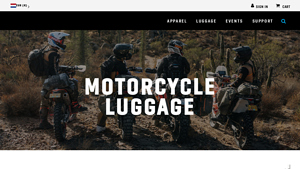
Domain: moskomoto.com
Registered: 2013 (12 years)
Introduction: Motorcycle Luggage | Mosko Moto SALE! 15 – 30% OFF Free Shipping On Orders Over $200 USD
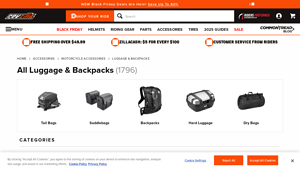
Domain: revzilla.com
Registered: 2006 (19 years)
Introduction: Motorcycle Luggage & Bags available at RevZilla, featuring various types including backpacks, dry bags, gear bags, hard luggage, hydration packs, and luggage accessories. Key brands include Alpinestars, REV’IT!, Dainese, and TCX. Current promotions include Black Friday deals with discounts up to 60% on select items. Additional perks include 5% cash back and 10% off select brands with RPM membershi…
Domain: giviusa.com
Registered: 2000 (25 years)
Introduction: GIVI offers a wide range of motorcycle luggage and accessories including Monokey and Monolock cases, various series like Alaska, Dolomiti, Outback, and Trekker, as well as case accessories such as keys, back rest pads, brake light kits, colored case covers, inner bags, and liners. They also provide luggage racks, side hard bags, soft luggage options like backpacks, tail packs, tank bags, and top c…
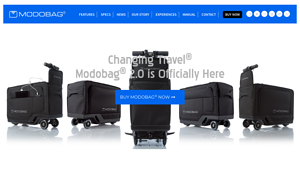
Domain: modobag.com
Registered: 2014 (11 years)
Introduction: Modobag® 2.0 is the world’s only motorized, smart, connected carry-on luggage. Key features include: 1. New removable battery ensuring 100% TSA, FAA & IATA compliance. 2. Upgraded wheels and handlebar for versatile driving. 3. Storage capacity of 2000 cubic inches. 4. Dual 5V USB ports for charging devices. Modobag® allows travelers to reach their destination up to three times faster than walking.
As the market for motorbike suitcases continues to expand globally, strategic sourcing emerges as a vital approach for international B2B buyers. The key takeaways from this guide emphasize the importance of understanding regional preferences, material quality, and the diversity of product offerings. By leveraging these insights, buyers can select high-quality luggage solutions that meet the demands of their clientele, whether in Africa, South America, the Middle East, or Europe.
Furthermore, effective sourcing strategies can lead to enhanced negotiation power, reduced costs, and the ability to respond quickly to market trends. Emphasizing partnerships with reliable manufacturers and distributors can facilitate access to innovative designs and sustainable materials, aligning with the growing consumer demand for eco-friendly options.
Looking ahead, the motorbike luggage sector is poised for growth, driven by rising adventure tourism and a surge in motorcycle ownership. B2B buyers are encouraged to stay ahead of the curve by continually assessing market dynamics and exploring new product lines that resonate with their customers. Now is the time to invest in strategic sourcing to secure a competitive edge and capitalize on the opportunities within this vibrant market.
The information provided in this guide, including content regarding manufacturers, technical specifications, and market analysis, is for informational and educational purposes only. It does not constitute professional procurement advice, financial advice, or legal advice.
While we have made every effort to ensure the accuracy and timeliness of the information, we are not responsible for any errors, omissions, or outdated information. Market conditions, company details, and technical standards are subject to change.
Illustrative image related to motorbike suitcase
B2B buyers must conduct their own independent and thorough due diligence before making any purchasing decisions. This includes contacting suppliers directly, verifying certifications, requesting samples, and seeking professional consultation. The risk of relying on any information in this guide is borne solely by the reader.


 English
  Russian
  Spanish
  Italian
  Arabic
  Portuguese
  German