
Motorcycle panniers hard serve as essential companions for adventurers and daily riders alike, offering secure storage solutions that withstand diverse conditions. However, sourcing high-quality hard panniers can pose significant challenges for international B2B buyers, particularly those operating in regions like Africa, South America, the Middle East, and Europe. With varying market standards and supplier capabilities, ensuring durability, functionality, and cost-effectiveness becomes paramount.
This comprehensive guide addresses these complexities, providing insights into the types of hard panniers available, their applications across different motorcycle models, and essential factors for vetting suppliers. By exploring various materials, designs, and features, buyers will gain a nuanced understanding of what to prioritize based on their specific needs. Additionally, the guide delves into cost considerations, helping businesses make informed decisions that align with their budget and quality requirements.
Ultimately, this resource empowers B2B buyers to navigate the global market for motorcycle panniers hard with confidence. By equipping themselves with the knowledge to discern quality from subpar options, buyers can secure reliable products that enhance customer satisfaction and foster long-term partnerships with suppliers. Whether you are sourcing for a retail operation or an adventure touring service, this guide is designed to facilitate strategic purchasing decisions that drive business success.
| Type Name | Key Distinguishing Features | Primary B2B Applications | Brief Pros & Cons for Buyers |
|---|---|---|---|
| Aluminum Panniers | Durable, lightweight, waterproof, often lockable | Adventure touring, long-distance travel | Pros: High durability, secure storage. Cons: Higher cost, potential for scratches. |
| ABS Plastic Panniers | Lightweight, impact-resistant, often less expensive | Commuting, daily use | Pros: Cost-effective, lightweight. Cons: Less durable than aluminum, may not be waterproof. |
| Modular Pannier Systems | Versatile configurations, can be used as side/top cases | Customizable setups for different needs | Pros: Flexibility, adaptability. Cons: Complexity in installation, potential compatibility issues. |
| Hard Shell Soft Panniers | Hybrid design with soft edges, rigid structure | Off-road touring, adventure riding | Pros: Stability in rough terrain, lighter than full hard cases. Cons: May lack full waterproofing. |
| Lockable Side Cases | Secure locking mechanisms, often bike-specific | Security-focused applications | Pros: Enhanced security, peace of mind. Cons: May add weight, locking mechanisms can fail. |
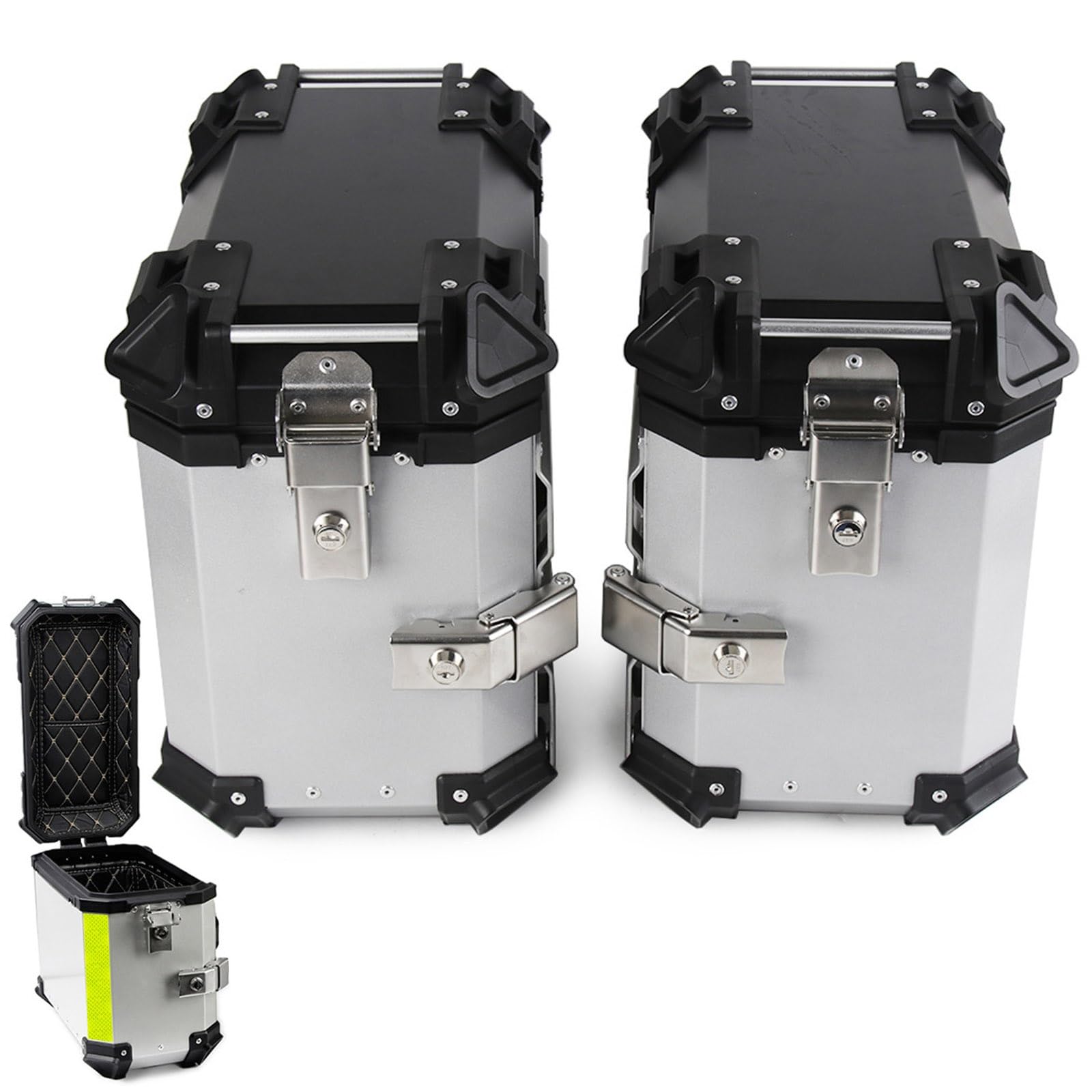
Aluminum panniers are favored for their robust construction, typically made from 1.5 mm aluminum, making them ideal for adventure touring and long-distance travel. Their lightweight nature and excellent waterproof capabilities make them suitable for a range of weather conditions. B2B buyers should consider factors such as lockability and compatibility with specific motorcycle models, as well as the potential for scratches and dents, which can affect resale value.
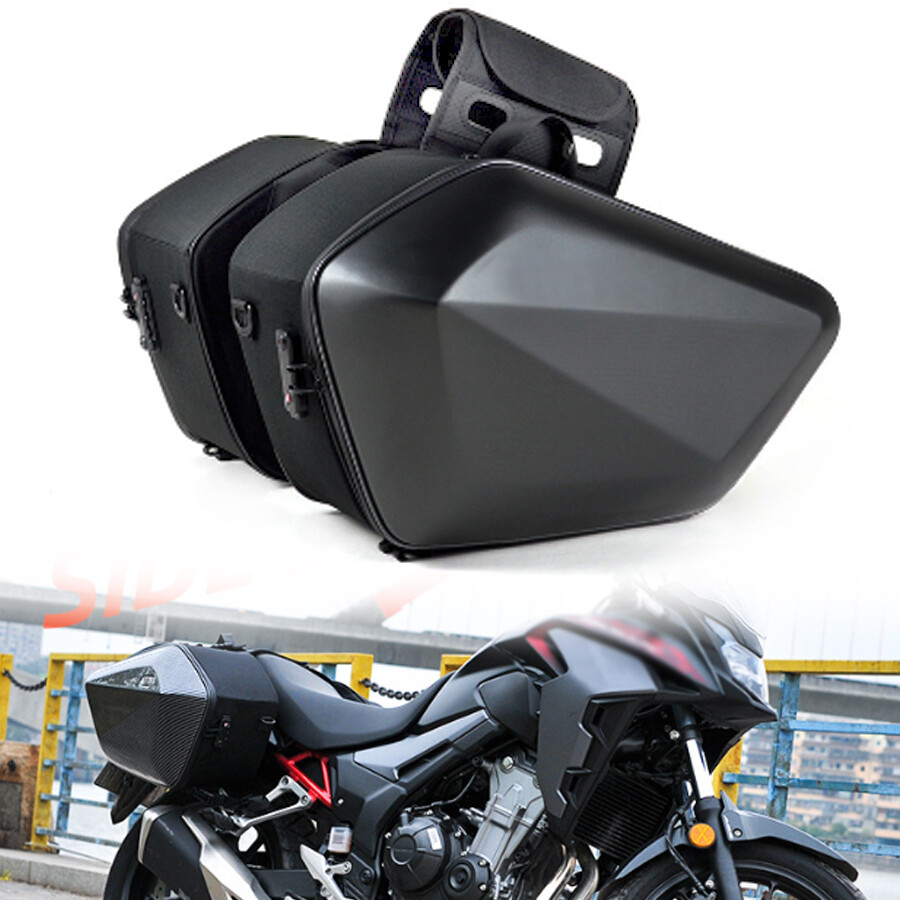
ABS plastic panniers are known for their cost-effectiveness and lightweight features, making them popular for daily commuting and short trips. While they offer good impact resistance, they may not provide the same level of waterproofing as aluminum options. B2B buyers should evaluate their durability needs against the lower price point, as these panniers can be a great entry-level option for businesses catering to budget-conscious riders.
Illustrative image related to motorcycle panniers hard
Modular pannier systems allow for versatile configurations, enabling users to adapt their luggage setup for various riding scenarios. This flexibility is particularly beneficial for businesses that cater to a diverse customer base with differing needs. When purchasing, B2B buyers should assess the ease of installation and compatibility with various motorcycle brands, as well as the potential for future upgrades or expansions.
Hard shell soft panniers combine the stability of hard cases with the lightweight benefits of soft luggage, making them particularly effective for off-road touring. Their design often includes soft edges that provide additional safety while maintaining a rigid structure. B2B buyers should consider the balance of weight and stability, as well as the need for waterproofing, depending on the intended use of the panniers.
Lockable side cases offer enhanced security for riders, making them ideal for businesses focusing on safety and theft prevention. These cases typically feature bike-specific designs that ensure a snug fit and ease of use. While they provide peace of mind, B2B buyers should also consider the potential added weight and the reliability of locking mechanisms, which can impact overall user experience.
| Industry/Sector | Specific Application of motorcycle panniers hard | Value/Benefit for the Business | Key Sourcing Considerations for this Application |
|---|---|---|---|
| Adventure Tourism | Used by tour operators for guided motorcycle tours | Enhanced customer experience and safety during trips | Durability, weather resistance, and ease of mounting/removal |
| Logistics and Delivery | Employed for urban delivery services on motorcycles | Improved cargo security and efficiency in urban settings | Size compatibility, weight capacity, and lockability |
| Emergency Services | Utilized by paramedics and rescue teams on motorcycles | Quick access to medical supplies and equipment | Waterproofing, organizational features, and rugged design |
| Military Operations | Used for transporting gear in remote areas | Increased mobility and operational readiness | Robust construction, compatibility with military vehicles |
| Off-Road Racing | Essential for racers to carry spare parts and tools | Enhanced performance and support during races | Lightweight design, aerodynamic features, and ease of access |
In the adventure tourism sector, motorcycle panniers hard are vital for tour operators offering guided motorcycle trips. These panniers provide secure storage for essential gear, ensuring that tourists have everything they need while enjoying their journey. The rugged design and weather resistance of these panniers enhance customer safety and experience, as they protect valuable items from the elements. For international buyers, especially in regions like Africa and South America, sourcing durable and reliable panniers that can withstand diverse terrains is critical.
Motorcycle panniers hard are increasingly being adopted in the logistics and delivery industry, particularly for urban delivery services. They offer a secure solution for transporting goods, ensuring that items remain intact and protected from theft or environmental factors. This application is particularly beneficial in densely populated areas where space is limited. Buyers in this sector should prioritize features such as size compatibility with various motorcycle models, weight capacity, and lockability to maximize efficiency and security.
Illustrative image related to motorcycle panniers hard
Emergency services, including paramedics and rescue teams, utilize motorcycle panniers hard to transport medical supplies and equipment swiftly. These hard cases allow for quick access to critical items in emergency situations, which can be life-saving. The waterproofing and organizational features of these panniers are particularly advantageous in unpredictable environments. For international buyers in the Middle East and Europe, sourcing panniers that meet specific durability and accessibility standards is essential to ensure operational effectiveness.
In military operations, motorcycle panniers hard are employed to transport gear and supplies in remote areas where traditional vehicles may struggle. Their robust construction and ability to securely hold equipment make them invaluable for maintaining mobility and operational readiness. Buyers in the defense sector must consider compatibility with military vehicles and the ruggedness of the panniers to withstand harsh conditions. Additionally, features such as modularity and ease of attachment can enhance their utility in various military applications.
Off-road racers rely on motorcycle panniers hard to carry spare parts, tools, and supplies during competitions. These panniers are designed to be lightweight yet durable, allowing racers to maintain optimal performance while ensuring they are prepared for any mechanical issues. Aerodynamic features can also be beneficial in reducing drag during races. For international buyers in competitive racing markets, sourcing high-quality, performance-oriented panniers that are easy to access during a race is crucial for success.
Illustrative image related to motorcycle panniers hard
The Problem: One of the most common pain points for B2B buyers is the challenge of ensuring that hard motorcycle panniers fit specific motorcycle models. Given the diverse range of motorcycle brands and models, it can be overwhelming to determine which panniers are compatible. This often leads to costly mistakes, wasted time, and frustration when products do not fit as expected. Buyers in regions with a variety of motorcycle types, such as Africa and South America, face this issue frequently, especially when sourcing products from international suppliers who may not provide detailed fitment information.
The Solution: To mitigate compatibility issues, B2B buyers should prioritize sourcing from suppliers that offer comprehensive fitment guides and detailed specifications for each pannier model. This includes not only compatibility with specific motorcycle brands but also the necessary mounting hardware. Before making a purchase, buyers should take the time to consult these guides and, if possible, reach out to suppliers for clarification. Additionally, investing in modular pannier systems that can be adjusted or customized for various models can provide added flexibility and value. Suppliers should also consider providing a customer support line or chat feature to assist buyers in real-time, ensuring they can make informed decisions.
The Problem: Another significant concern for B2B buyers is the durability and weather resistance of hard motorcycle panniers. Many businesses operate in challenging environments, where heavy rain, dust, or rough terrain can compromise the integrity of their luggage. Buyers often worry that low-quality panniers may fail during critical journeys, leading to damaged goods or costly replacements. This concern is especially pronounced in regions like the Middle East, where extreme weather conditions are common.
The Solution: To address durability concerns, B2B buyers should focus on sourcing hard panniers made from high-quality materials such as aluminum or reinforced ABS plastic. It’s advisable to look for products that have undergone rigorous testing for weather resistance and impact durability. Reviews and testimonials from other businesses can provide insight into the real-world performance of the panniers. Additionally, buyers should inquire about warranty options and after-sales support to ensure that they are protected in the event of a product failure. Educating clients about proper care and maintenance can also extend the life of the panniers, reinforcing the value of investing in high-quality products.
The Problem: Managing weight and storage capacity is a critical challenge for B2B buyers who rely on motorcycle panniers for transporting goods. Buyers often face limitations regarding the weight that their motorcycles can carry, especially when considering fuel efficiency and safety. Furthermore, insufficient storage space can hinder operational efficiency, particularly for businesses that transport equipment or goods frequently across various terrains.
Illustrative image related to motorcycle panniers hard
The Solution: To effectively manage weight and storage capacity, buyers should evaluate the specific needs of their operations and select panniers that offer a balance between lightweight construction and ample storage space. Hard panniers that are designed with a modular approach allow businesses to adjust their setup based on specific trips, enabling them to carry only what is necessary. For instance, choosing a combination of smaller side cases and a larger top case can provide flexibility for different loads. Additionally, suppliers should offer detailed specifications on the weight capacity of their panniers, allowing buyers to make informed decisions. Implementing best practices for loading and securing the panniers can further optimize performance and safety on the road.
When selecting materials for hard motorcycle panniers, it is crucial to consider properties such as durability, weight, and resistance to environmental factors. The choice of material can significantly affect the performance and longevity of the product, making it essential for international B2B buyers to understand the implications of each option.
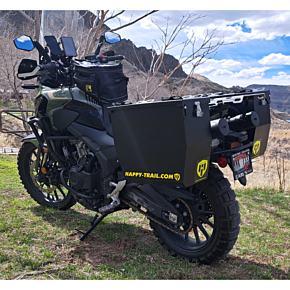
Aluminum is a popular choice for hard motorcycle panniers due to its excellent strength-to-weight ratio. It typically has a high corrosion resistance, particularly when anodized, and can withstand a wide range of temperatures. Aluminum panniers are often designed to be waterproof, making them suitable for various weather conditions.
Pros:
– Lightweight yet strong, enhancing fuel efficiency.
– Resistant to corrosion, extending the lifespan of the product.
– Easy to manufacture and shape into complex designs.
Illustrative image related to motorcycle panniers hard
Cons:
– Higher initial cost compared to some other materials.
– Can be prone to dents and scratches, which may affect aesthetics.
– Requires careful handling to avoid bending.
Impact on Application: Aluminum is compatible with various media, making it ideal for adventure touring and off-road applications where durability is essential.
Considerations for International Buyers: Buyers should ensure compliance with relevant standards such as ASTM for materials. In regions like Africa and South America, where road conditions may be challenging, the durability of aluminum is a significant advantage.
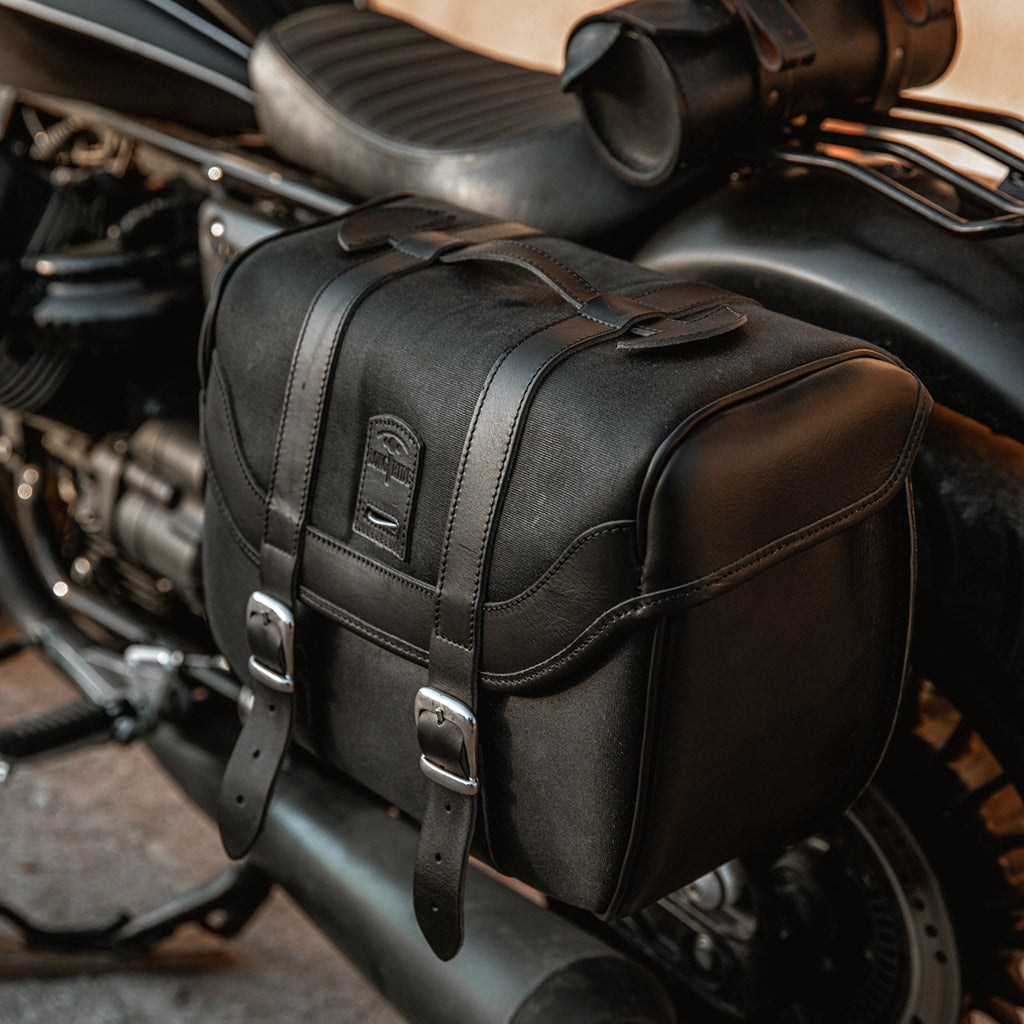
High-Density Polyethylene (HDPE) is another viable option for hard motorcycle panniers. Known for its impact resistance and flexibility, HDPE can withstand extreme temperatures and is resistant to many chemicals, which is beneficial for riders who may transport fuel or other substances.
Pros:
– Excellent impact resistance, reducing the likelihood of damage in rough conditions.
– Lightweight and cost-effective, making it suitable for budget-conscious buyers.
– Resistant to UV radiation, preventing degradation over time.
Illustrative image related to motorcycle panniers hard
Cons:
– Less rigid than metal options, which may affect load-bearing capacity.
– Can warp under extreme heat if not properly engineered.
– Limited aesthetic options compared to aluminum.
Impact on Application: HDPE is well-suited for urban commuting and recreational riding, where the risk of impact is more prevalent than exposure to extreme weather conditions.
Considerations for International Buyers: Buyers in the Middle East and Europe should check compliance with local environmental regulations regarding plastic materials. HDPE’s recyclability can be a selling point in regions focusing on sustainability.
Acrylonitrile Butadiene Styrene (ABS) is a thermoplastic known for its toughness and impact resistance. It is commonly used in the production of hard motorcycle panniers due to its lightweight properties and ability to be molded into complex shapes.
Pros:
– High impact resistance and durability, making it suitable for everyday use.
– Lightweight, which aids in overall vehicle performance.
– Cost-effective compared to metal options.
Cons:
– Less resistant to extreme temperatures compared to aluminum or HDPE.
– Can be susceptible to scratches and fading over time.
– Limited load-bearing capacity compared to metal alternatives.
Impact on Application: ABS is often used in urban environments where the risk of impact is moderate, making it suitable for daily commuting.
Considerations for International Buyers: Buyers from Europe and South America should ensure that ABS products meet local safety and environmental standards, as regulations can vary significantly.
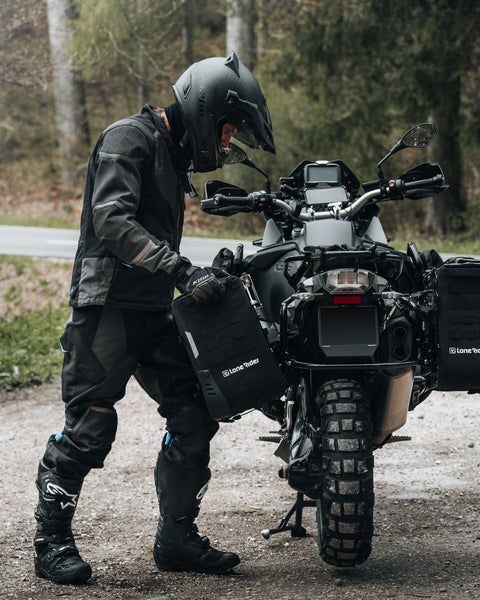
Steel, particularly stainless steel, is used in some high-end motorcycle panniers due to its exceptional strength and durability. It offers excellent corrosion resistance when properly treated, making it suitable for various environments.
Pros:
– Extremely durable and resistant to wear and tear.
– Offers a premium feel and aesthetic appeal.
– Can withstand heavy loads without deforming.
Cons:
– Heavier than aluminum and plastic options, which may affect fuel efficiency.
– Higher cost associated with manufacturing and material.
– Requires more complex manufacturing processes.
Illustrative image related to motorcycle panniers hard
Impact on Application: Steel is ideal for heavy-duty applications where maximum durability is required, making it suitable for long-distance touring.
Considerations for International Buyers: Buyers should consider the weight implications for motorcycle performance and ensure compliance with international shipping regulations for heavier materials.
| Material | Typical Use Case for motorcycle panniers hard | Key Advantage | Key Disadvantage/Limitation | Relative Cost (Low/Med/High) |
|---|---|---|---|---|
| Aluminum | Adventure touring, off-road riding | Lightweight and corrosion-resistant | Prone to dents and scratches | High |
| High-Density Polyethylene (HDPE) | Urban commuting, recreational riding | Excellent impact resistance | Less rigid, can warp under heat | Medium |
| ABS Plastic | Daily commuting | Cost-effective and lightweight | Less temperature resistant | Low |
| Steel | Heavy-duty touring | Extremely durable | Heavier and more expensive | High |
This strategic material selection guide provides insights into the properties, advantages, and limitations of various materials used in hard motorcycle panniers. Understanding these factors will help international B2B buyers make informed decisions tailored to their specific market needs and conditions.
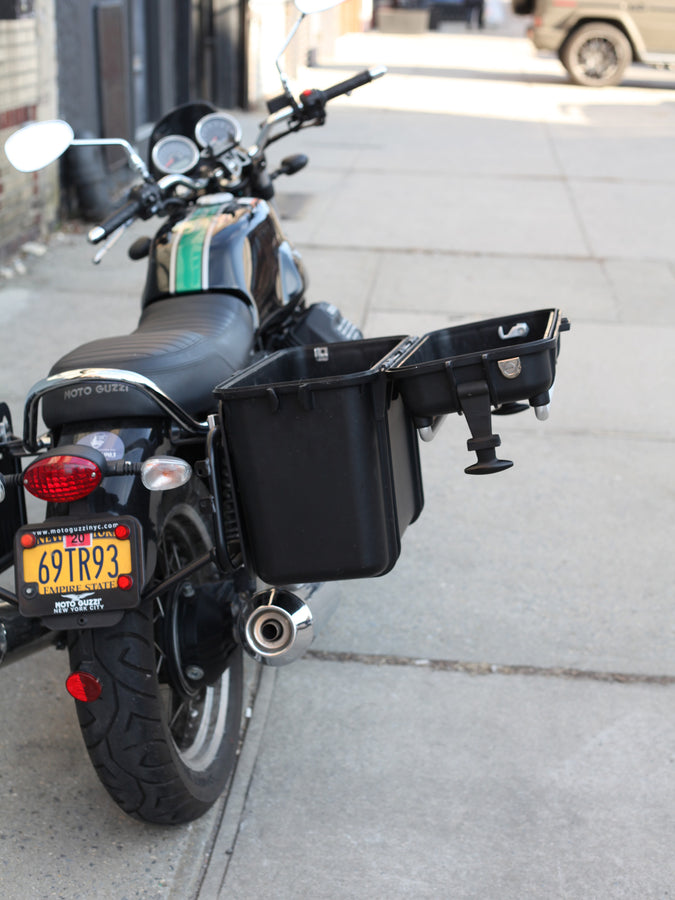
The manufacturing of hard motorcycle panniers involves several critical stages that ensure the final product is durable, functional, and meets the expectations of the end-user. Understanding these stages can help B2B buyers assess the quality and reliability of their suppliers.
Illustrative image related to motorcycle panniers hard
The first step in the manufacturing process is material selection. Common materials for hard motorcycle panniers include:
Once the material is selected, it undergoes cutting and shaping to form the basic components of the panniers. This can involve advanced techniques such as CNC machining for precision parts or injection molding for plastic components.
The forming stage includes various techniques depending on the chosen materials:
Once the components are formed, they move to the assembly line. Here, various parts such as lids, locks, and mounting brackets are assembled. The assembly process may include:
The finishing stage is crucial for both aesthetics and functionality. This includes surface treatments and final inspections:
Quality assurance is critical in ensuring that hard motorcycle panniers are safe and durable. Relevant international standards include:
Quality control (QC) involves several checkpoints throughout the manufacturing process:
B2B buyers must take proactive steps to verify the quality assurance processes of their suppliers:
For international buyers, particularly those from diverse regions such as Africa, South America, the Middle East, and Europe, understanding regional nuances in quality control is crucial:
In conclusion, understanding the manufacturing processes and quality assurance protocols for hard motorcycle panniers is essential for B2B buyers. By focusing on materials, forming techniques, assembly, finishing, and quality standards, buyers can make informed decisions and establish reliable partnerships with manufacturers.
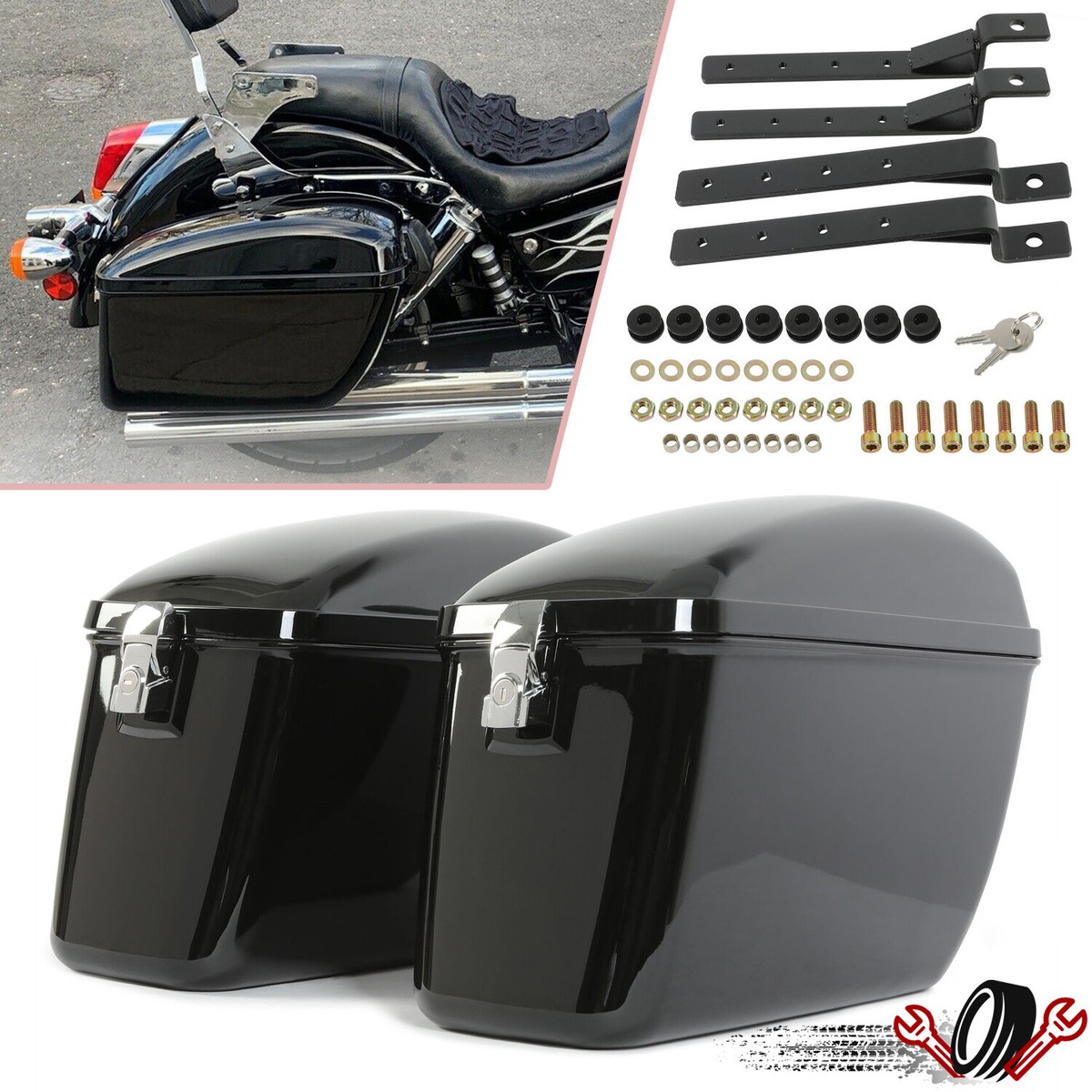
Illustrative image related to motorcycle panniers hard
This practical sourcing guide is designed for B2B buyers looking to procure hard motorcycle panniers. The checklist provides actionable steps to ensure that your sourcing process is efficient, effective, and aligned with your business needs. By following these guidelines, you can make informed decisions that lead to successful procurement.
Establishing clear technical specifications is crucial for ensuring that the hard panniers meet your operational requirements. Consider factors such as size, weight capacity, material durability, and waterproof capabilities. This will help streamline your search and ensure compatibility with the motorcycles in your fleet.
Conduct comprehensive research to identify potential suppliers of hard motorcycle panniers. Look for manufacturers with a solid reputation in the market, focusing on those that specialize in motorcycle accessories. Use online directories, industry forums, and trade shows to gather a list of suppliers who can meet your specifications.
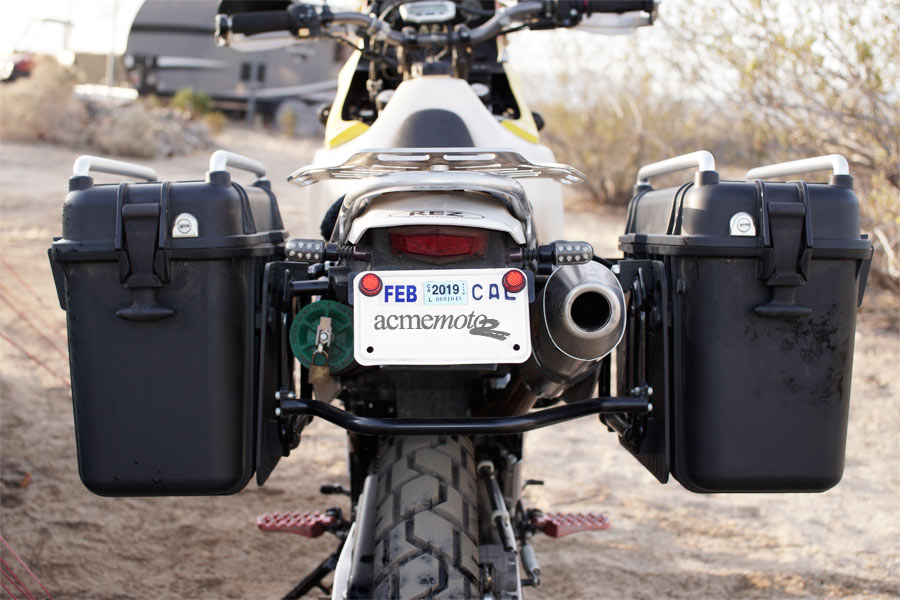
Illustrative image related to motorcycle panniers hard
Before committing to a supplier, it’s essential to thoroughly vet them. Request company profiles, case studies, and references from buyers in similar industries or regions. Pay attention to their production capabilities, quality control processes, and customer service responsiveness.
Always request samples before making a bulk order. This allows you to assess the quality, durability, and functionality of the panniers firsthand. When evaluating samples, consider aspects such as ease of installation, weight, and overall fit on various motorcycle models.
Compare pricing structures among shortlisted suppliers, but remember that the lowest price does not always equate to the best value. Assess payment terms, including deposit requirements, credit options, and any potential discounts for bulk orders. Understanding the total cost of ownership will help you make a more informed decision.
Ensure that your chosen supplier can meet your logistical needs. Verify their shipping options, delivery timelines, and handling of international shipping regulations, especially if you are sourcing from different continents. A reliable supplier should have a robust logistics plan to minimize delays and ensure smooth delivery.
Consider building a long-term partnership with your supplier. A reliable supplier can provide ongoing support, including product updates, warranty services, and bulk order discounts. Establishing a collaborative relationship can lead to better pricing, priority service, and customized solutions as your business grows.
By following this step-by-step checklist, B2B buyers can navigate the complexities of sourcing hard motorcycle panniers effectively, ensuring that they find the right products to meet their needs.
When sourcing hard motorcycle panniers, understanding the cost structure is essential for B2B buyers aiming to optimize their investments. The primary cost components include materials, labor, manufacturing overhead, tooling, quality control (QC), logistics, and the desired profit margin.
Materials: The choice of materials significantly impacts cost. High-quality aluminum or advanced polymer materials offer durability but may increase costs. Buyers should evaluate the balance between material quality and price to ensure product longevity.
Labor: Labor costs vary based on the region of production. Countries with lower wage rates may provide cost advantages but could compromise quality if not managed properly. Skilled labor is essential for ensuring that manufacturing processes meet quality standards.
Manufacturing Overhead: This includes expenses related to utilities, facility maintenance, and indirect labor. Efficient production facilities can lower overhead costs, which can be passed on to buyers.
Tooling: Custom tooling for specific designs can be a significant upfront investment. However, these costs can be amortized over larger production runs, making it more economical for high-volume orders.
Quality Control: Implementing stringent QC processes adds to costs but is crucial for maintaining product integrity. Certifications like ISO can increase costs but also enhance marketability and trust among buyers.
Logistics: Shipping and handling costs can vary widely depending on the destination and Incoterms. International shipping may incur tariffs and customs fees, which should be factored into the total cost.
Margin: Supplier margins can vary based on market positioning and competition. Understanding these margins is vital for negotiating pricing effectively.
Several factors can influence the pricing of motorcycle panniers, which B2B buyers should consider:
Volume/MOQ: Manufacturers often provide discounts for larger orders due to reduced per-unit costs. Understanding minimum order quantities (MOQs) can help buyers negotiate better pricing.
Specifications and Customization: Custom designs or features typically lead to higher costs. Buyers should clearly define their needs to avoid unnecessary expenses.
Quality and Certifications: Higher quality materials and certifications can increase prices. However, investing in quality can lead to lower Total Cost of Ownership (TCO) due to reduced replacement and maintenance costs.
Supplier Factors: Supplier reputation, reliability, and location can significantly affect pricing. Established suppliers may charge more but offer better service and reliability.
Incoterms: Understanding Incoterms is crucial for international transactions. Terms like FOB (Free on Board) or CIF (Cost, Insurance, and Freight) dictate who bears costs at various stages of transport, impacting the overall price.
International B2B buyers, particularly from regions like Africa, South America, the Middle East, and Europe, should adopt strategic approaches to negotiation and sourcing:
Negotiate Based on Total Cost of Ownership: Instead of focusing solely on the purchase price, consider the TCO, which includes maintenance, durability, and potential replacement costs over time.
Leverage Competitive Quotes: Obtaining quotes from multiple suppliers can provide leverage in negotiations. Highlighting competitive pricing can encourage suppliers to offer better deals.
Understand Local Market Dynamics: Each region has unique market conditions that can affect pricing. Familiarizing oneself with local competitors and market demands can inform negotiation strategies.
Evaluate Supplier Relationships: Building long-term relationships with suppliers can lead to better pricing and service. Regular communication and feedback can foster trust and collaboration.
Consider Bulk Purchases: If feasible, purchasing in bulk can lead to significant savings. This approach also helps in managing inventory costs effectively.
Sourcing motorcycle panniers requires a thorough understanding of cost structures, pricing influencers, and effective negotiation strategies. By considering these factors, B2B buyers can make informed decisions that optimize their investments while ensuring product quality and reliability. Remember to stay aware of market trends and supplier capabilities to navigate the complexities of international sourcing successfully.
When it comes to transporting gear on motorcycles, the choice of luggage can significantly impact performance, convenience, and overall riding experience. While hard motorcycle panniers are a popular option for many riders, there are viable alternatives that cater to different needs and preferences. This analysis compares hard panniers with soft luggage systems and tail bags, providing insights into their respective benefits and limitations.
| Comparison Aspect | Motorcycle Panniers Hard | Soft Luggage Systems | Tail Bags |
|---|---|---|---|
| Performance | High durability, waterproof, secure attachment | Moderate durability, often water-resistant | Low durability, may not secure heavy loads |
| Cost | High ($600 – $2000) | Moderate ($100 – $600) | Low ($50 – $300) |
| Ease of Implementation | Requires specific racks, longer installation | Easier to install, often universal fit | Very simple to attach, minimal setup |
| Maintenance | Low (occasional cleaning) | Moderate (cleaning and repairs) | Low (minimal upkeep) |
| Best Use Case | Long-distance touring, off-road adventures | Commuting, casual rides, light touring | Short trips, daily use, quick errands |
Soft Luggage Systems
Soft luggage systems, such as saddle bags and duffel bags, offer flexibility and are generally lighter than their hard counterparts. They are easier to attach and remove, making them ideal for casual riders or those who frequently switch between different bikes. However, they may lack the durability and security features of hard panniers, making them less suitable for long-distance or off-road adventures. Additionally, while many soft bags are water-resistant, they may not provide the same level of waterproofing as hard cases, potentially risking the contents during inclement weather.
Tail Bags
Tail bags are compact and designed to sit on the rear seat or luggage rack of a motorcycle. They are particularly advantageous for short trips or daily commutes, where quick access to gear is essential. Their lightweight design makes them easy to handle and install. However, they typically offer limited storage capacity and may not secure heavier items well, making them unsuitable for extensive touring. Tail bags also tend to be less durable than hard panniers, which could lead to wear and tear over time, especially if exposed to harsh conditions.
When selecting the ideal motorcycle luggage solution, B2B buyers should consider their specific use case and riding style. For long-distance touring or off-road riding, hard panniers are likely the best choice due to their durability and security. Conversely, if the focus is on everyday commuting or short trips, soft luggage systems or tail bags may offer the convenience and flexibility needed. Evaluating factors such as cost, ease of implementation, and maintenance will help buyers make an informed decision that aligns with their operational needs and budget constraints.
When selecting hard motorcycle panniers, several technical properties are crucial for ensuring durability, functionality, and compatibility with various motorcycle models. Here are some of the most significant specifications:
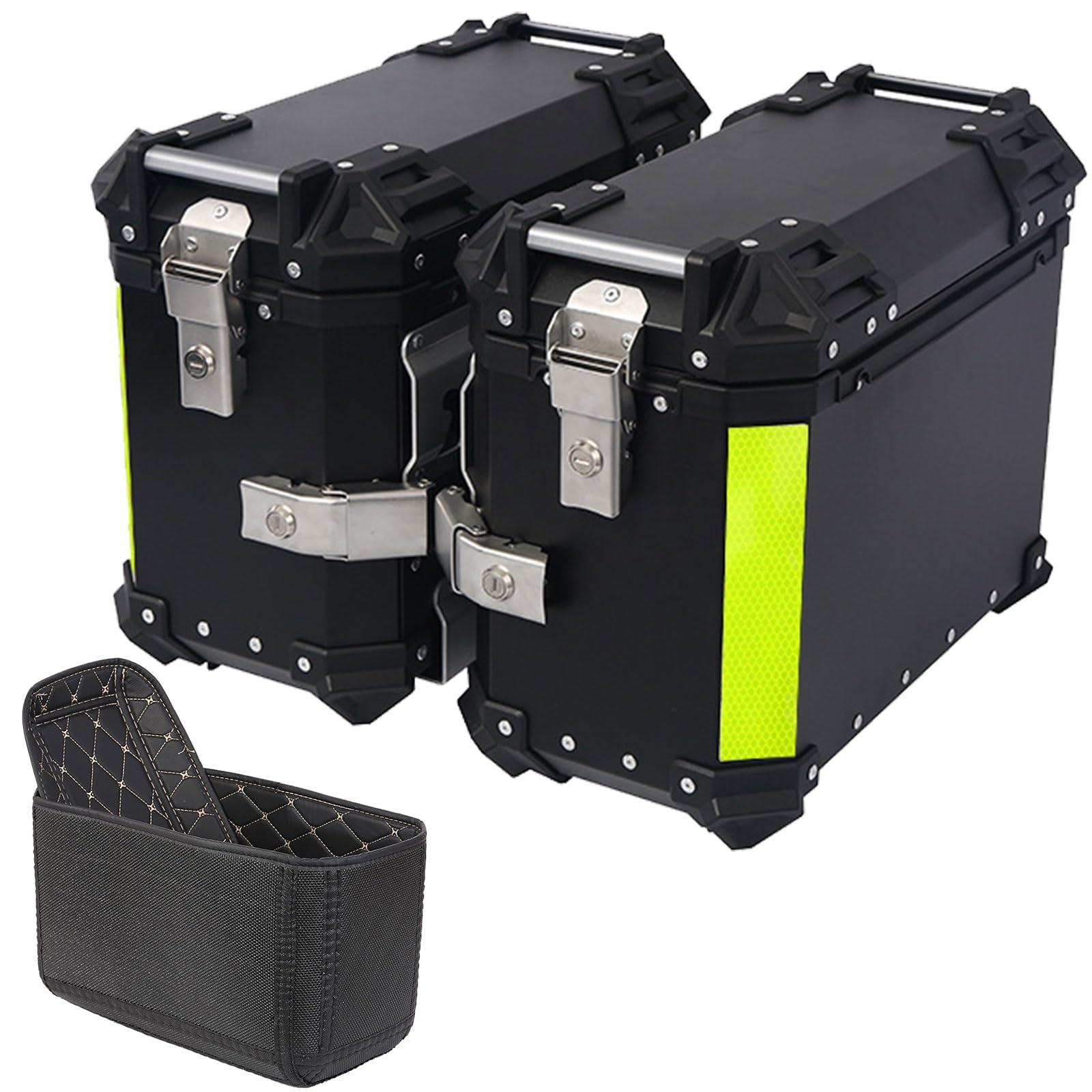
Illustrative image related to motorcycle panniers hard
Material Grade
The material used in the construction of hard panniers typically includes aluminum, ABS plastic, or a combination of both. Aluminum is favored for its strength and resistance to corrosion, making it ideal for rugged environments. ABS plastic, while lighter, offers good impact resistance. The choice of material affects the pannier’s weight, durability, and overall performance, which are key considerations for B2B buyers focusing on long-term use and reliability.
Capacity
The volume of each pannier is usually measured in liters (L). Common sizes range from 25L to 50L, allowing for various storage needs. Understanding capacity is essential for buyers as it directly influences how much gear can be transported. Businesses must consider their customers’ requirements for different types of trips, whether they are short commutes or long-distance adventures.
Waterproof Rating
Many manufacturers provide a waterproof rating, often indicated by an IP (Ingress Protection) code. This rating quantifies the level of protection against water and dust ingress. A higher rating means better protection, which is vital for riders in regions with adverse weather conditions. For B2B buyers, offering products with higher waterproof ratings can enhance customer satisfaction and reduce return rates.
Lockability
Security features are critical in hard panniers, especially for long trips or urban commuting. Panniers with built-in locking mechanisms help deter theft. Buyers should prioritize products that offer robust locking systems, as this feature can be a significant selling point for end-users concerned about the safety of their belongings.
Mounting System
The design and compatibility of the mounting system determine how easily the panniers can be attached or removed from the motorcycle. Common systems include frame-mounted options and quick-release mechanisms. Understanding the mounting system is important for B2B buyers because it affects installation efficiency and user experience, which can influence purchasing decisions.
Familiarity with industry jargon is essential for effective communication between manufacturers, distributors, and retailers. Here are several key terms that B2B buyers should know:
OEM (Original Equipment Manufacturer)
OEM refers to companies that manufacture products that are then marketed under another company’s brand name. In the context of motorcycle panniers, OEM parts may be used to ensure compatibility with specific motorcycle models. Understanding OEM relationships can help buyers assess product quality and reliability.
MOQ (Minimum Order Quantity)
MOQ is the smallest quantity of a product that a supplier is willing to sell. This term is vital for B2B transactions, as it affects inventory management and cash flow. Buyers need to negotiate favorable MOQs to ensure they can meet customer demand without overcommitting resources.
RFQ (Request for Quotation)
An RFQ is a standard business process where buyers request price quotes from suppliers. In the context of motorcycle panniers, issuing an RFQ allows businesses to compare prices, specifications, and delivery terms. Understanding how to effectively use RFQs can lead to better pricing strategies and supplier relationships.
Incoterms (International Commercial Terms)
Incoterms are a set of predefined international trade terms that clarify the responsibilities of buyers and sellers regarding shipping, insurance, and tariffs. Familiarity with these terms helps buyers understand shipping costs and liabilities, which is crucial for international transactions involving motorcycle panniers.
SKU (Stock Keeping Unit)
A SKU is a unique identifier for each distinct product and service that can be purchased. For B2B buyers, managing SKUs effectively is essential for inventory control and sales tracking. Understanding how to categorize products using SKUs can streamline operations and improve supply chain management.
By grasping these technical properties and industry terms, B2B buyers can make informed decisions that enhance their product offerings and meet customer demands effectively.
The global market for motorcycle panniers, particularly hard cases, is witnessing significant growth, driven by several factors. The increasing popularity of adventure motorcycling and long-distance touring is propelling demand for durable, high-capacity luggage solutions. Regions like Africa, South America, the Middle East, and Europe are emerging as key markets, fueled by a rise in disposable income and a growing interest in recreational motorcycling. Additionally, advancements in material technology, such as the use of lightweight yet robust materials like aluminum and high-density plastics, are enhancing product performance and appeal.
Current B2B sourcing trends indicate a shift towards e-commerce platforms, enabling international buyers to access a broader range of products and suppliers. Online marketplaces provide the advantage of comparing prices, specifications, and customer reviews, which is particularly beneficial for B2B buyers seeking competitive pricing and quality assurance. Furthermore, manufacturers are increasingly focusing on customization options, allowing businesses to tailor products to specific regional needs or consumer preferences. This trend not only meets diverse market demands but also fosters brand loyalty among consumers who value unique offerings.
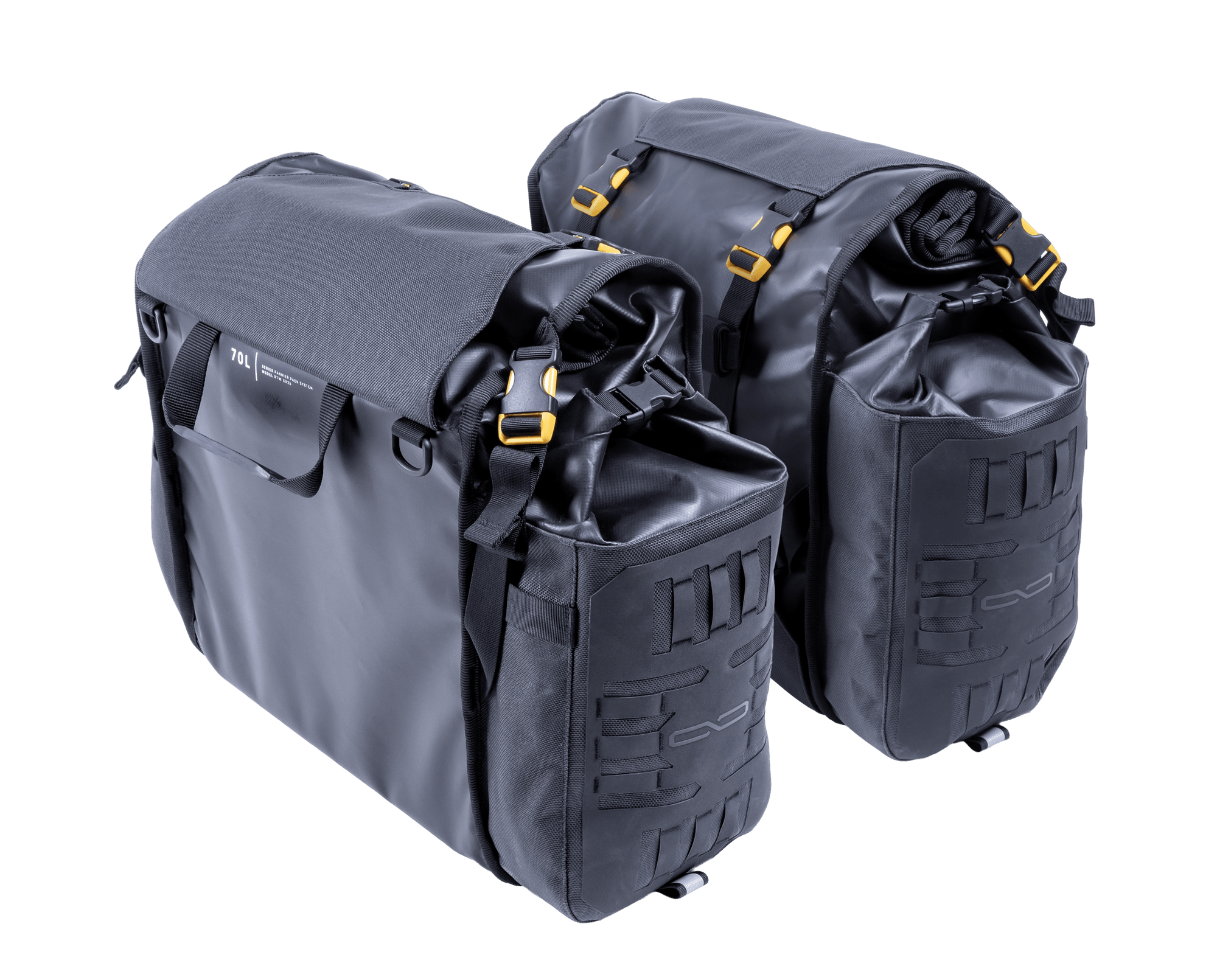
Illustrative image related to motorcycle panniers hard
Sustainability is becoming a pivotal consideration in the sourcing of motorcycle panniers hard. With growing awareness of environmental issues, B2B buyers are increasingly prioritizing products made from eco-friendly materials and ethical production practices. The impact of manufacturing on the environment, including carbon emissions and waste generation, is prompting companies to seek suppliers that demonstrate a commitment to sustainability.
In response, many manufacturers are adopting ‘green’ certifications and utilizing sustainable materials, such as recycled plastics and responsibly sourced metals, in their products. This shift not only helps in reducing the environmental footprint but also appeals to a consumer base that is becoming more eco-conscious. Buyers should assess suppliers for certifications like ISO 14001 (Environmental Management) and look for products that feature sustainable attributes. Incorporating sustainability into procurement strategies not only enhances brand reputation but can also lead to cost savings through efficiencies in production and waste management.
The evolution of motorcycle panniers can be traced back to the early days of motorcycling, where riders needed practical solutions for carrying essential gear. Initially made from leather and canvas, these bags evolved with advancements in technology and materials. The introduction of hard cases in the late 20th century marked a significant turning point, as manufacturers began utilizing durable materials like aluminum and high-grade plastics, providing enhanced protection against the elements and rough terrains.
Over the years, the design of motorcycle panniers has also transformed to accommodate the needs of adventure riders. The integration of features such as waterproofing, lockability, and modular designs has made hard panniers essential for long-distance travelers. This evolution reflects not only advancements in material science but also a deeper understanding of consumer needs, shaping the current landscape of the motorcycle luggage market. Today, as the sector continues to innovate, B2B buyers can leverage this historical context to make informed sourcing decisions that align with both market demands and consumer expectations.
How do I choose the right hard motorcycle panniers for my business needs?
Choosing the right hard motorcycle panniers involves assessing your target market’s preferences and riding conditions. Consider factors such as the size and capacity of the panniers, material durability, and weather resistance. Evaluate whether your customers prefer aluminum for its ruggedness or ABS for its lightweight nature. Additionally, ensure compatibility with various motorcycle models and racks, as this will broaden your customer base. Gathering feedback from potential users can also guide your selection process to meet demand effectively.
What is the best material for hard motorcycle panniers?
The best materials for hard motorcycle panniers are typically aluminum and high-quality ABS plastic. Aluminum is favored for its durability and resistance to harsh conditions, making it ideal for adventure riding. In contrast, ABS offers a lightweight option with good impact resistance and weatherproofing, suitable for everyday commuting. Consider your target market’s riding habits and terrain when deciding on materials, as this can significantly influence customer satisfaction and product longevity.
What are the minimum order quantities (MOQs) for motorcycle panniers?
Minimum order quantities for motorcycle panniers can vary significantly among suppliers, typically ranging from 50 to 500 units per order. Factors influencing MOQs include production capacity, customization options, and material costs. It’s essential to discuss MOQs during negotiations to ensure they align with your business goals and inventory management. Suppliers may offer lower MOQs for established buyers or bulk orders, so building a good relationship can provide flexibility.
How can I ensure the quality of the motorcycle panniers I source?
To ensure the quality of motorcycle panniers, conduct thorough supplier vetting by checking certifications, customer reviews, and production capabilities. Request samples to evaluate the materials, craftsmanship, and overall design. Implementing quality assurance processes such as third-party inspections during production can further safeguard against defects. Establish clear quality standards in your agreements with suppliers to maintain consistency across your product line.
What customization options are typically available for hard motorcycle panniers?
Customization options for hard motorcycle panniers often include size variations, color choices, and branding elements such as logos or graphics. Some manufacturers may offer tailored features like additional compartments, lock mechanisms, or specific mounting systems to cater to different motorcycle models. Discuss your specific needs with suppliers to explore available customization avenues that can enhance your product offering and appeal to your target market.
What payment terms should I expect when sourcing motorcycle panniers internationally?
Payment terms for international purchases of motorcycle panniers vary but commonly include options such as advance payment, letter of credit, or payment upon delivery. Many suppliers may request a deposit (e.g., 30-50%) upfront, with the balance due before shipping. It’s crucial to clarify these terms upfront and ensure they align with your cash flow capabilities. Additionally, consider currency exchange rates and potential fees when negotiating payment terms.
How can I navigate logistics for importing motorcycle panniers?
Navigating logistics for importing motorcycle panniers involves selecting a reliable freight forwarder familiar with customs regulations in your country. Evaluate shipping options such as air freight for speed or sea freight for cost-effectiveness. Ensure all necessary documentation, including bills of lading and customs declarations, is accurate and complete to avoid delays. Understanding import duties and taxes will also help you calculate the total landed cost and maintain profitability.
What are common challenges in sourcing motorcycle panniers and how can I overcome them?
Common challenges in sourcing motorcycle panniers include fluctuating material costs, quality inconsistencies, and delays in shipping. To mitigate these issues, establish strong relationships with multiple suppliers to ensure competitive pricing and reliability. Implement a thorough quality control process and maintain clear communication regarding timelines and expectations. Staying informed about industry trends and potential supply chain disruptions can also help you adapt proactively to changing conditions.
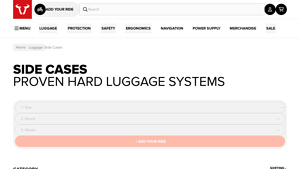
Domain: sw-motech.us
Registered: 2019 (6 years)
Introduction: Motorcycle Panniers for Every Adventure – SW-MOTECH offers a wide range of durable side cases designed for secure, weatherproof, and comfortable luggage transport on various rides. Key product lines include: 1. TRAX ADV aluminum cases – made from 1.5 mm robot-welded aluminum, waterproof, with removable lids and stainless-steel latches. 2. DUSC hard case – combines aluminum frame stability with lig…
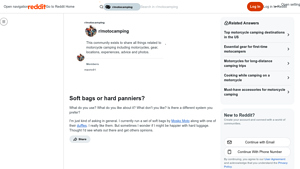
Domain: reddit.com
Registered: 2005 (20 years)
Introduction: Soft bags by Mosko Moto, hard panniers by SHAD SH-36. Soft bags are flexible, help break falls, and are less likely to injure the rider. Hard panniers provide security, are waterproof, and lockable. SHAD cases are low profile and cost around $360 in Asia, but closer to $600 elsewhere. Users appreciate the durability and convenience of hard cases for road use, while soft bags are favored for off-ro…
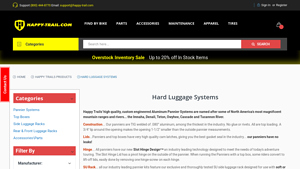
Domain: happy-trail.com
Registered: 1999 (26 years)
Introduction: Happy Trails’ Aluminum Pannier Systems are custom engineered and named after North America’s mountain ranges and rivers. Key features include:
– Construction: TIG welded .080” aluminum, among the thickest in the industry; no glue or rivets; top loading design with a 3/4″ lip around the opening.
– Lids: High-quality cam latches for the best gasket seal, ensuring no leaks.
– Hinge: New Slot Hinge…

Domain: touratech-usa.com
Registered: 2001 (24 years)
Introduction: Motorcycle Panniers & Luggage, Categories: Panniers, Bags & Luggage, Pannier Systems, Topcase Systems, Tank & Tail Bags, Pannier, Topcase, & Luggage Racks, Individual Panniers & Topcases, Pannier Accessories, Straps & Tie-Downs, Duffle & Dry Bags, Mounting Kits & Spares. Compatible Motorcycle Brands: BMW, KTM, Triumph, Honda, Yamaha, Aprilia, Harley-Davidson, Suzuki, Kawasaki, Ducati, Husqvarna, I…
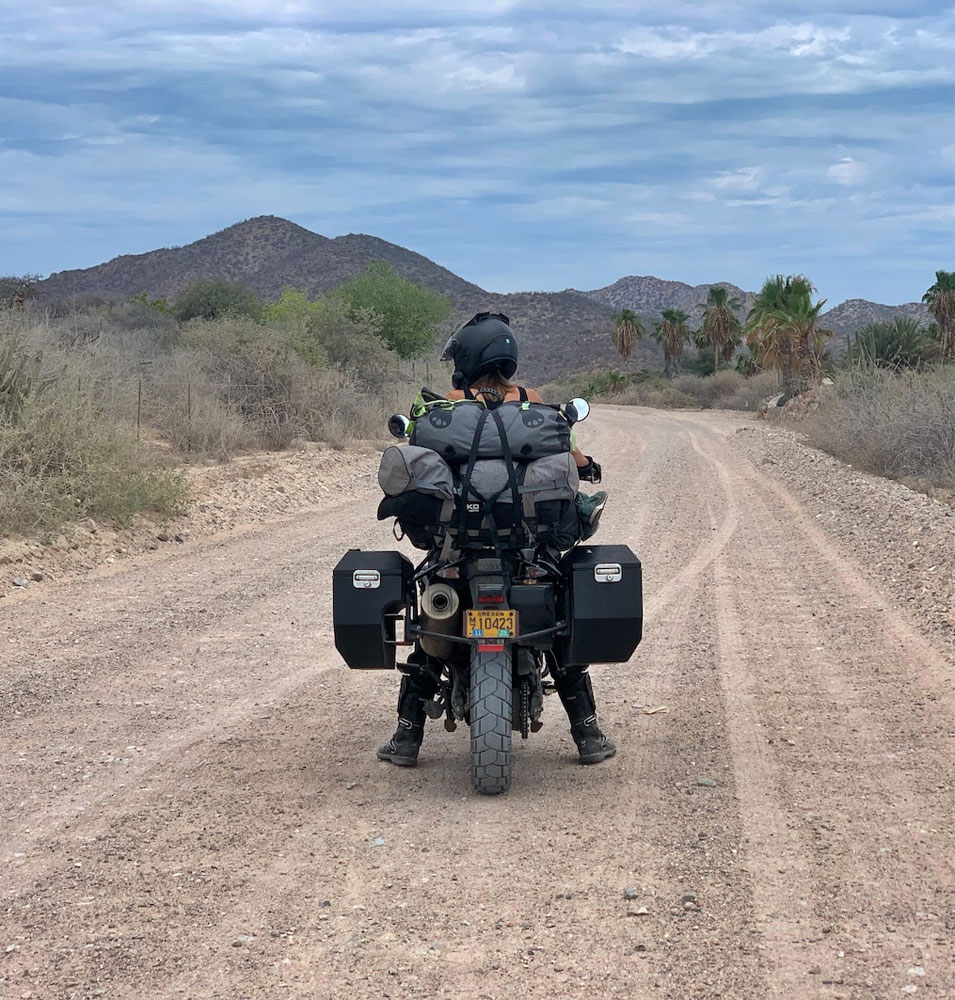
In navigating the competitive landscape of hard motorcycle panniers, international B2B buyers must prioritize strategic sourcing to ensure they acquire high-quality products that meet diverse market needs. Key considerations include evaluating the durability, weather resistance, and compatibility of panniers with various motorcycle models. By partnering with reputable manufacturers, businesses can leverage innovative designs and reliable materials, enhancing their product offerings and customer satisfaction.
Illustrative image related to motorcycle panniers hard
Furthermore, understanding regional preferences and compliance requirements across markets in Africa, South America, the Middle East, and Europe is essential for successful procurement. Buyers should not only focus on price but also consider the long-term value that robust, well-engineered panniers bring to the riding experience.
As the demand for adventure and touring motorcycles continues to rise, the outlook for hard panniers remains strong. Now is the time for B2B buyers to capitalize on this trend by exploring partnerships with leading brands and investing in high-quality luggage solutions. By doing so, businesses can position themselves as trusted suppliers in the motorcycle accessories market, ready to meet the evolving needs of riders worldwide.
The information provided in this guide, including content regarding manufacturers, technical specifications, and market analysis, is for informational and educational purposes only. It does not constitute professional procurement advice, financial advice, or legal advice.
While we have made every effort to ensure the accuracy and timeliness of the information, we are not responsible for any errors, omissions, or outdated information. Market conditions, company details, and technical standards are subject to change.
B2B buyers must conduct their own independent and thorough due diligence before making any purchasing decisions. This includes contacting suppliers directly, verifying certifications, requesting samples, and seeking professional consultation. The risk of relying on any information in this guide is borne solely by the reader.


 English
  Russian
  Spanish
  Italian
  Arabic
  Portuguese
  German