
In the rapidly evolving global market for motorcycle saddlebags, B2B buyers face the challenge of sourcing high-quality, versatile storage solutions that meet diverse needs across various regions. Whether you’re in Africa, South America, the Middle East, or Europe, understanding the nuances of motorcycle saddlebags is crucial. This comprehensive guide will explore the different types of saddlebags available, their specific applications, and essential criteria for supplier vetting. From premium leather options that enhance aesthetics and durability to modern, waterproof textile alternatives suited for adventure riding, the choices are vast.
As motorcycle culture grows globally, the demand for reliable and stylish saddlebags continues to surge, prompting buyers to consider factors such as material quality, installation methods, and compatibility with various motorcycle models. This guide empowers international B2B buyers by providing insights into pricing strategies, market trends, and quality assurance practices that can lead to informed purchasing decisions. By understanding the landscape of motorcycle saddlebags, buyers can confidently navigate supplier options, ensuring they select products that not only meet their business needs but also resonate with the preferences of their clientele. Prepare to transform your sourcing strategy with actionable insights tailored to the unique dynamics of your market.
| Type Name | Key Distinguishing Features | Primary B2B Applications | Brief Pros & Cons for Buyers |
|---|---|---|---|
| Leather Saddlebags | Crafted from premium leather, durable, classic aesthetic. | Motorcycle dealerships, custom shops. | Pros: Long-lasting, stylish; Cons: Higher price point, maintenance required. |
| Soft Saddlebags | Made from textiles, lightweight, often waterproof. | Adventure touring, rental services. | Pros: Versatile, easy to install; Cons: Less durable than rigid options. |
| Rigid Saddlebags | Hard shell construction, designed for specific models. | OEM replacements, high-end custom builds. | Pros: Excellent protection, secure fit; Cons: Heavier, limited compatibility. |
| Throw-Over Saddlebags | Attach via straps, flexible fit for various motorcycles. | Budget-conscious buyers, casual riders. | Pros: Affordable, easy to remove; Cons: Stability concerns at high speeds. |
| Saddlebag Systems | Integrated systems with additional features (lockable, waterproof). | High-end motorcycle retailers. | Pros: Comprehensive solutions, enhanced functionality; Cons: More complex installation. |
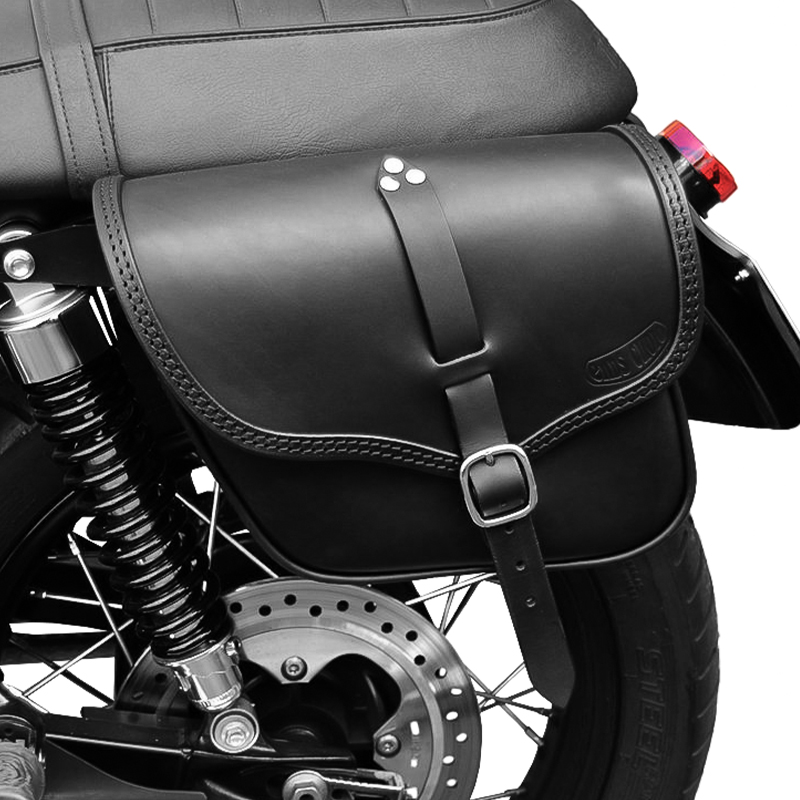
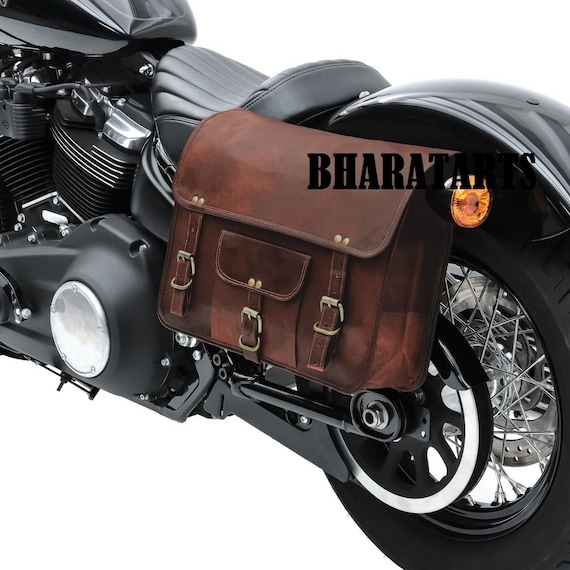
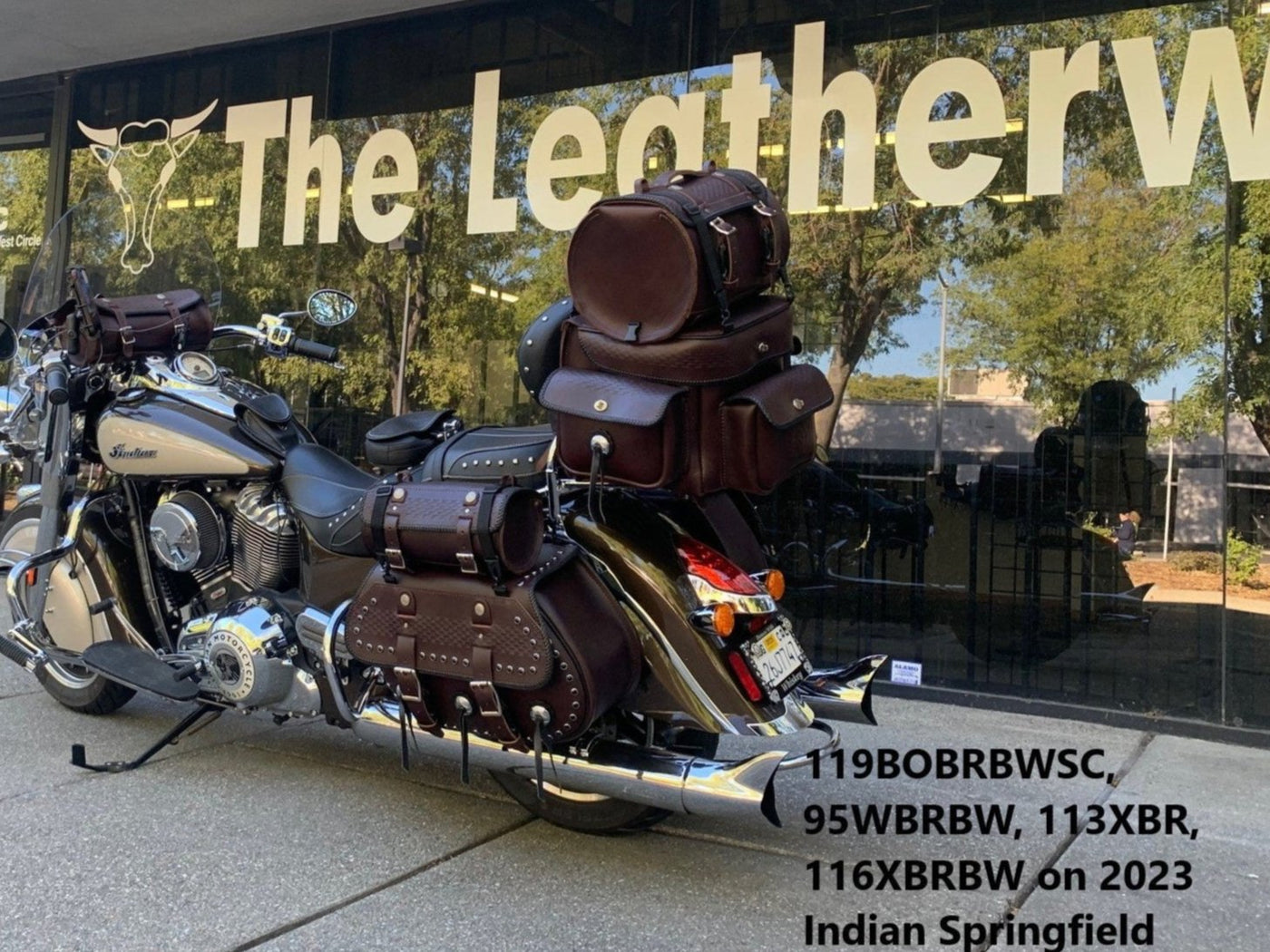
Leather saddlebags are renowned for their premium quality and classic appeal. Made from high-grade leather, these bags offer durability and a timeless aesthetic that appeals to motorcycle enthusiasts. They are particularly suitable for dealerships and custom shops targeting high-end customers. When considering leather saddlebags, B2B buyers should account for the higher price point and the maintenance required to keep the leather in optimal condition.
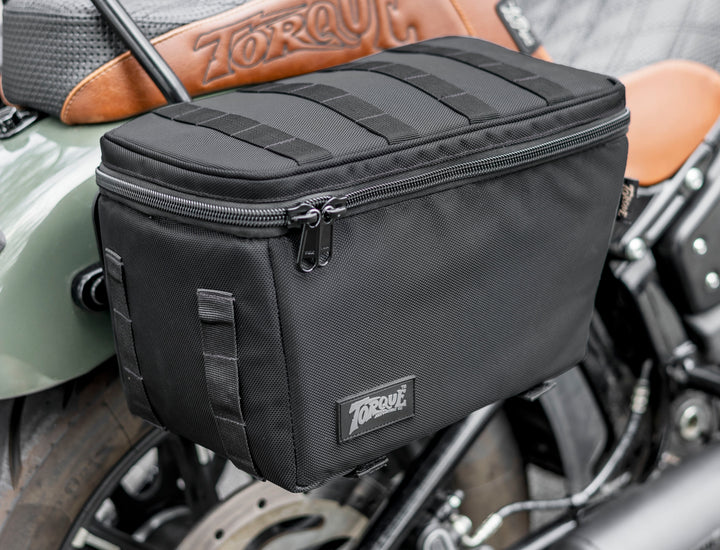
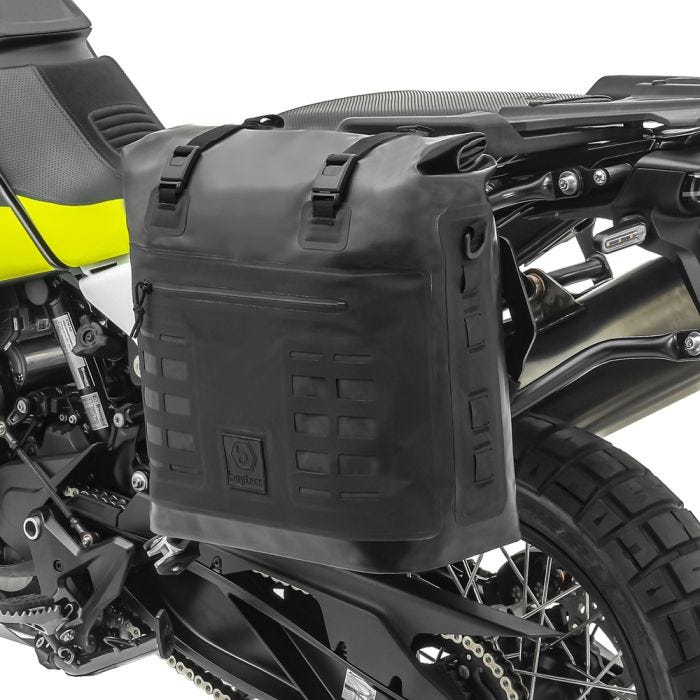
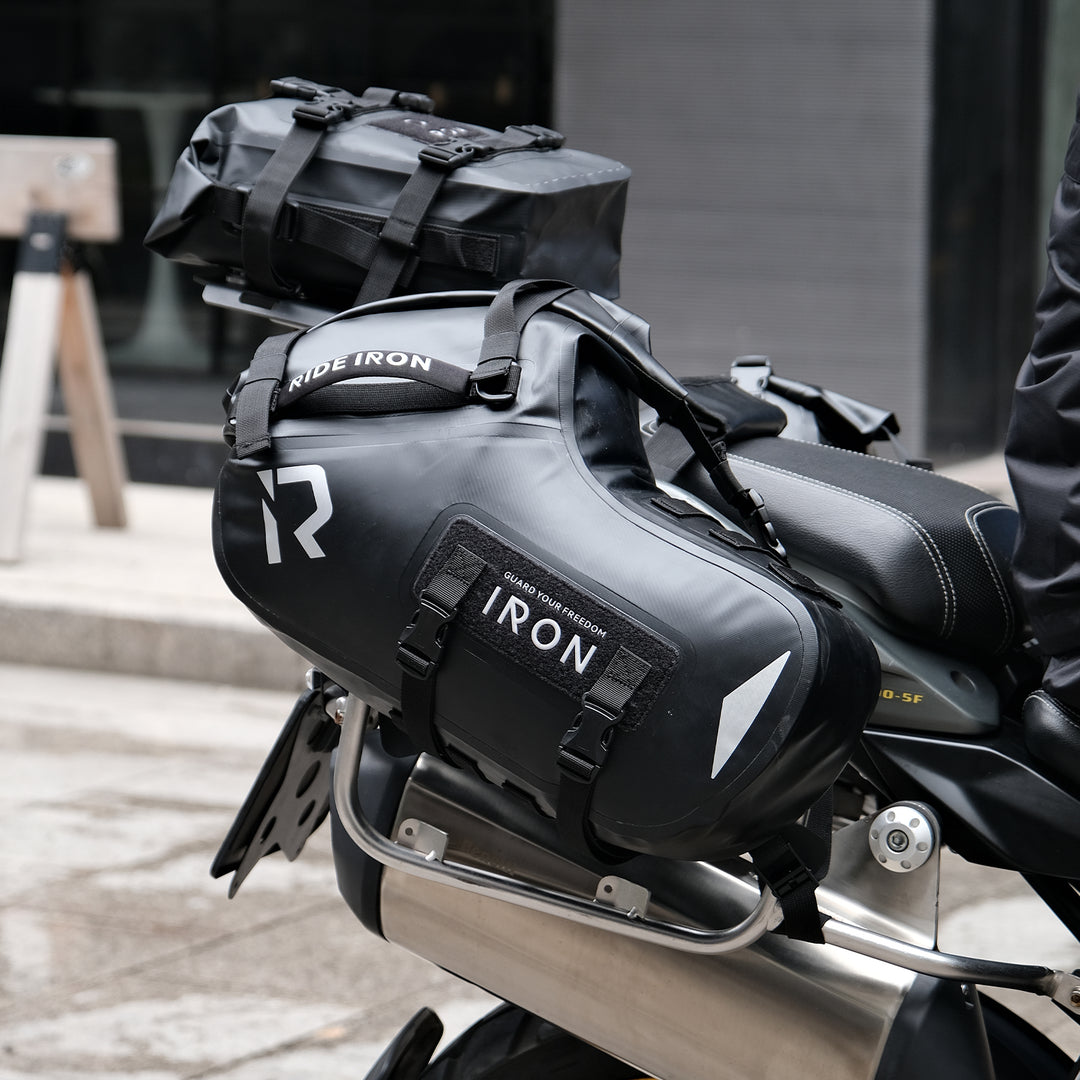
Soft saddlebags are crafted from lightweight textiles, often featuring waterproof materials that cater to adventure riders. Their versatility makes them an excellent choice for rental services and touring companies. B2B buyers should consider the ease of installation and removal, as well as the bags’ storage capacity. However, it’s important to note that while soft saddlebags are adaptable, they may not provide the same level of durability as rigid alternatives.
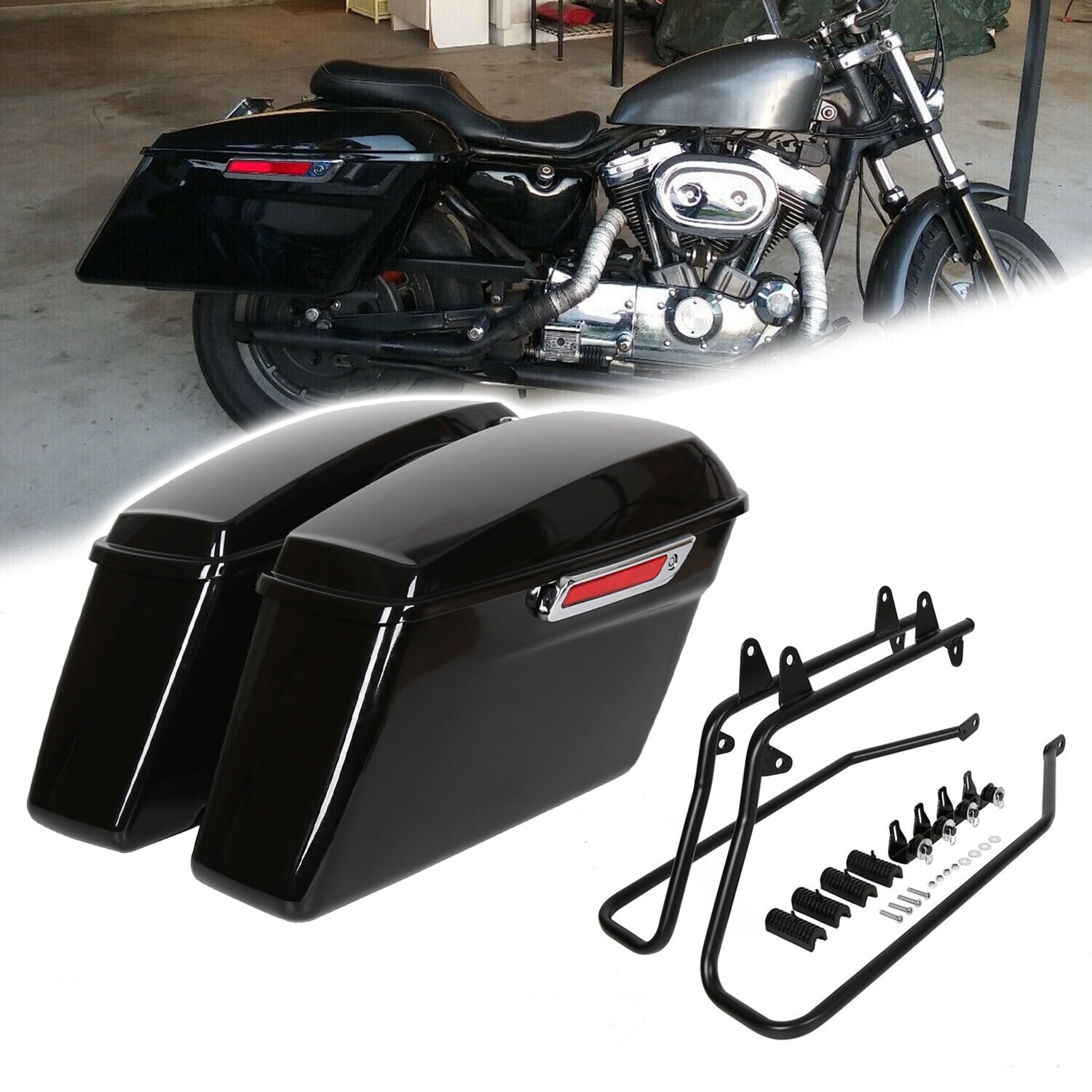
Rigid saddlebags are designed with a hard shell, providing excellent protection for contents and a secure fit tailored to specific motorcycle models. They are often used as OEM replacements and in high-end custom builds. B2B buyers should evaluate their compatibility with various motorcycle brands and models, as well as the added weight they bring. The investment in rigid saddlebags is justified by their longevity and robust nature, making them a reliable choice for serious riders.
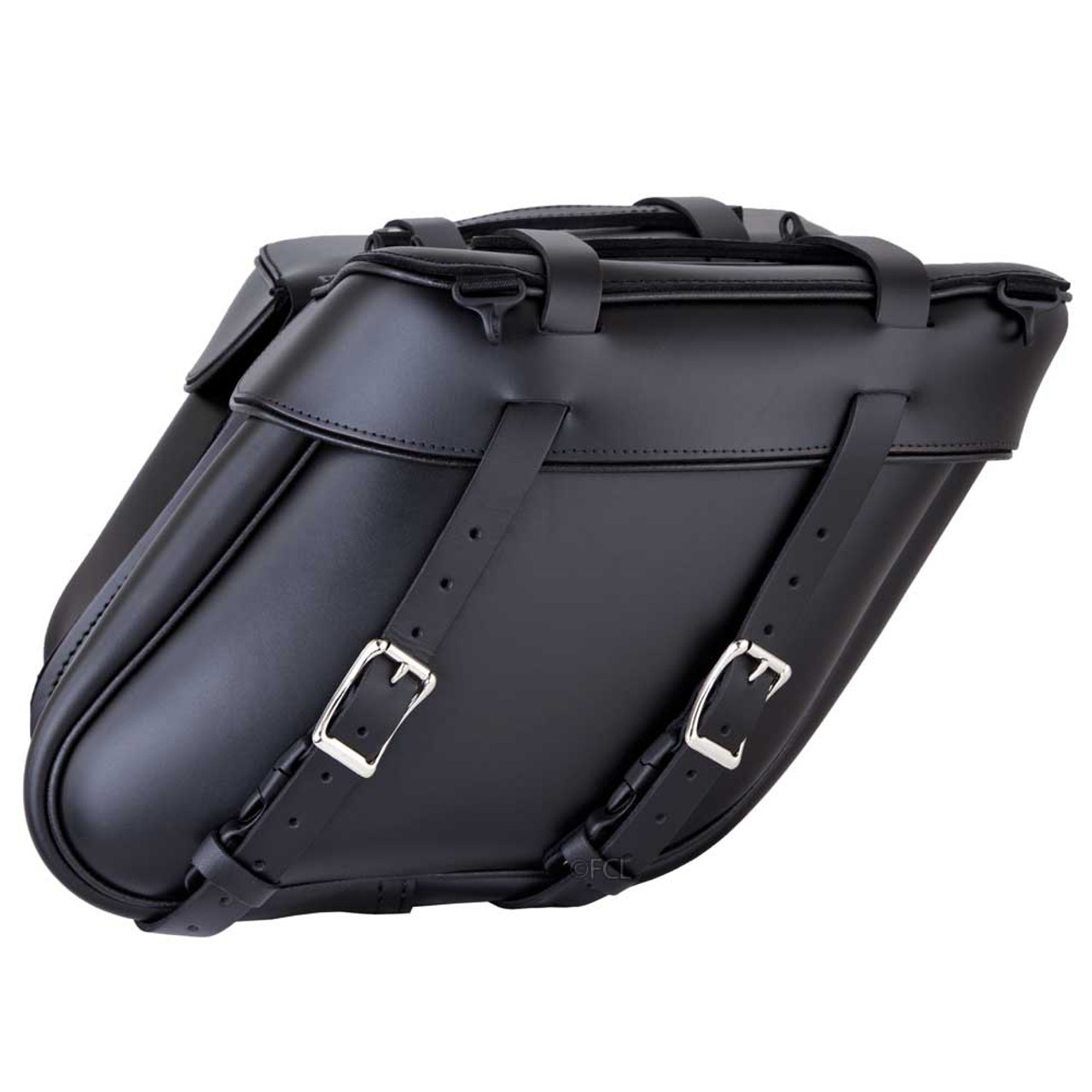
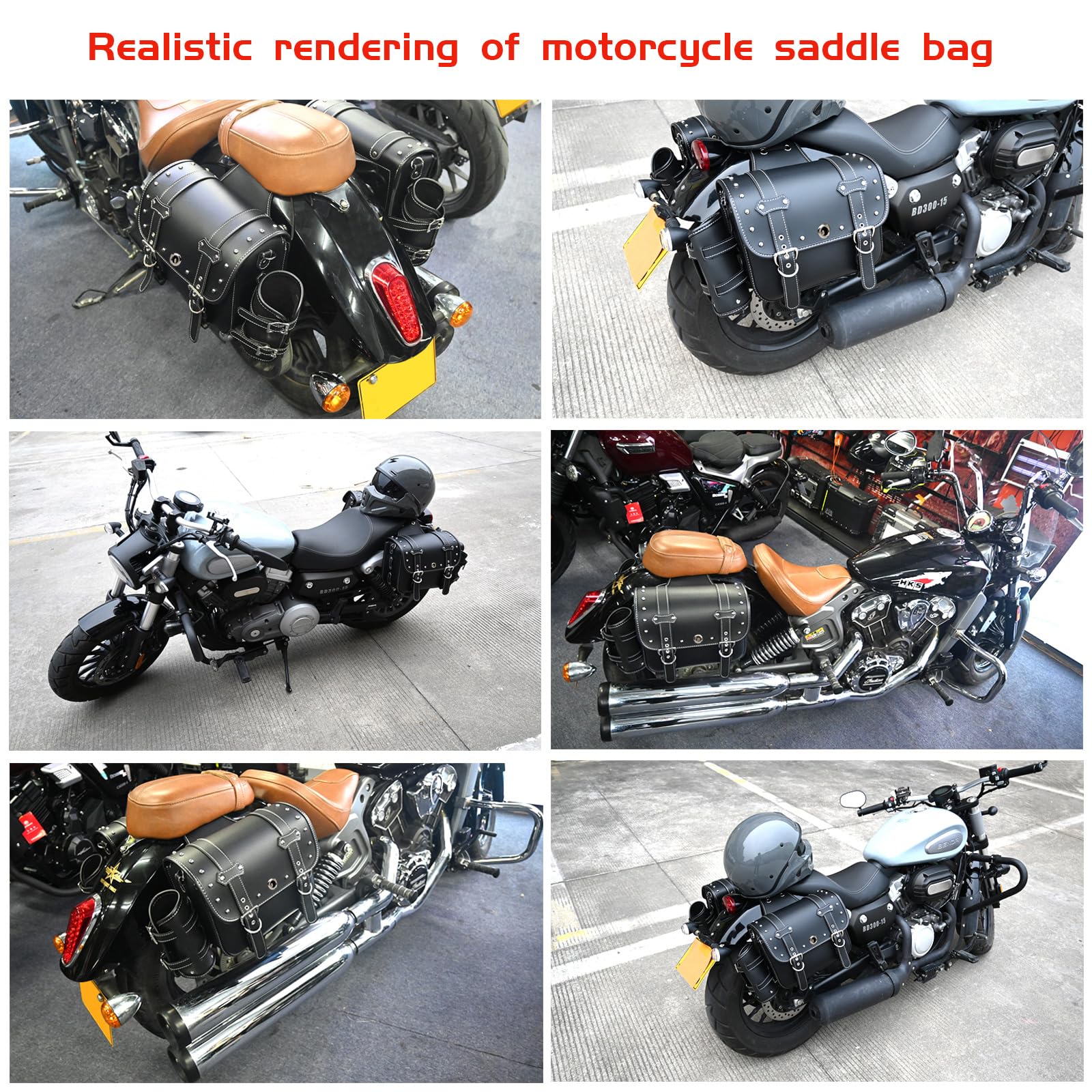
Throw-over saddlebags are characterized by their strap-based attachment system, allowing for flexibility across different motorcycle types. They are ideal for budget-conscious buyers and casual riders who need a temporary solution. While these bags are affordable and easy to remove, B2B buyers should be aware of potential stability issues, particularly at higher speeds. Their lightweight design may also lead to less protection compared to more rigid options.
Saddlebag systems integrate multiple features, such as lockability and waterproofing, to offer a complete luggage solution for motorcyclists. These systems are particularly appealing to high-end motorcycle retailers looking to provide customers with enhanced functionality. B2B buyers should consider the complexity of installation and the additional features that may justify a higher price point. The investment in a comprehensive saddlebag system can significantly improve customer satisfaction and retention.
| Industry/Sector | Specific Application of motorcycle saddlebag | Value/Benefit for the Business | Key Sourcing Considerations for this Application |
|---|---|---|---|
| Tourism and Adventure | Luggage for motorcycle tours and rentals | Enhances customer experience by providing secure storage for personal items during trips | Durability, weather resistance, and capacity are critical; consider local climate conditions for material selection. |
| Logistics and Delivery | Mobile storage for delivery personnel on motorcycles | Increases efficiency in transporting goods while ensuring items remain secure and organized | Assess the weight capacity, ease of access, and compatibility with various motorcycle models. |
| Motorcycle Dealerships | Accessory sales for new and used motorcycles | Generates additional revenue through upselling saddlebags as essential accessories | Focus on trends in design and functionality to meet diverse customer preferences. |
| Motorcycle Clubs and Groups | Group rides requiring shared storage solutions | Facilitates shared gear transportation, enhancing group cohesion and experience | Look for customizable options that allow branding or personalization for group identity. |
| Emergency Services | Quick-access storage for medical and emergency supplies | Provides critical access to tools and supplies during emergencies, improving response times | Prioritize waterproof and rugged designs to withstand various environmental conditions. |
In the tourism and adventure sectors, motorcycle saddlebags serve as essential luggage for riders embarking on multi-day trips. They provide ample space for personal items, ensuring that riders can travel comfortably without compromising on storage. Buyers in this sector must prioritize durability and weather resistance, as bags will be exposed to various climates. Sourcing saddlebags that can withstand heavy use while remaining lightweight and easy to attach is crucial for enhancing the customer experience.
For logistics and delivery services using motorcycles, saddlebags act as mobile storage units that enable personnel to transport goods securely. This application is particularly beneficial in urban areas where space is limited, allowing for efficient navigation. Buyers should consider the weight capacity and accessibility of the bags to ensure quick loading and unloading. Additionally, compatibility with various motorcycle models is vital to maintain operational efficiency across a fleet.

Illustrative image related to motorcycle saddlebag
Motorcycle dealerships can enhance their product offerings by selling saddlebags as accessories for new and used motorcycles. This not only provides customers with a complete package but also generates additional revenue streams for the business. Dealerships should focus on current design trends and functionalities that appeal to diverse customer preferences. Understanding the local market’s specific needs can help in selecting the right saddlebag models to stock.
Motorcycle clubs often organize group rides that require shared storage solutions for gear and supplies. Saddlebags facilitate this by allowing members to transport items collectively, enhancing the overall experience. Customizable options that allow for branding or personalization can foster a sense of identity among club members. Sourcing saddlebags that can accommodate various group sizes and needs will be essential for maintaining club cohesion.
In emergency services, motorcycle saddlebags are vital for storing medical and emergency supplies. They provide quick access to essential tools and equipment during critical situations, improving response times. Buyers in this sector must prioritize waterproof and rugged designs to ensure reliability in diverse environmental conditions. Additionally, features such as easy attachment and detachment can enhance the functionality of saddlebags for emergency personnel.
The Problem:
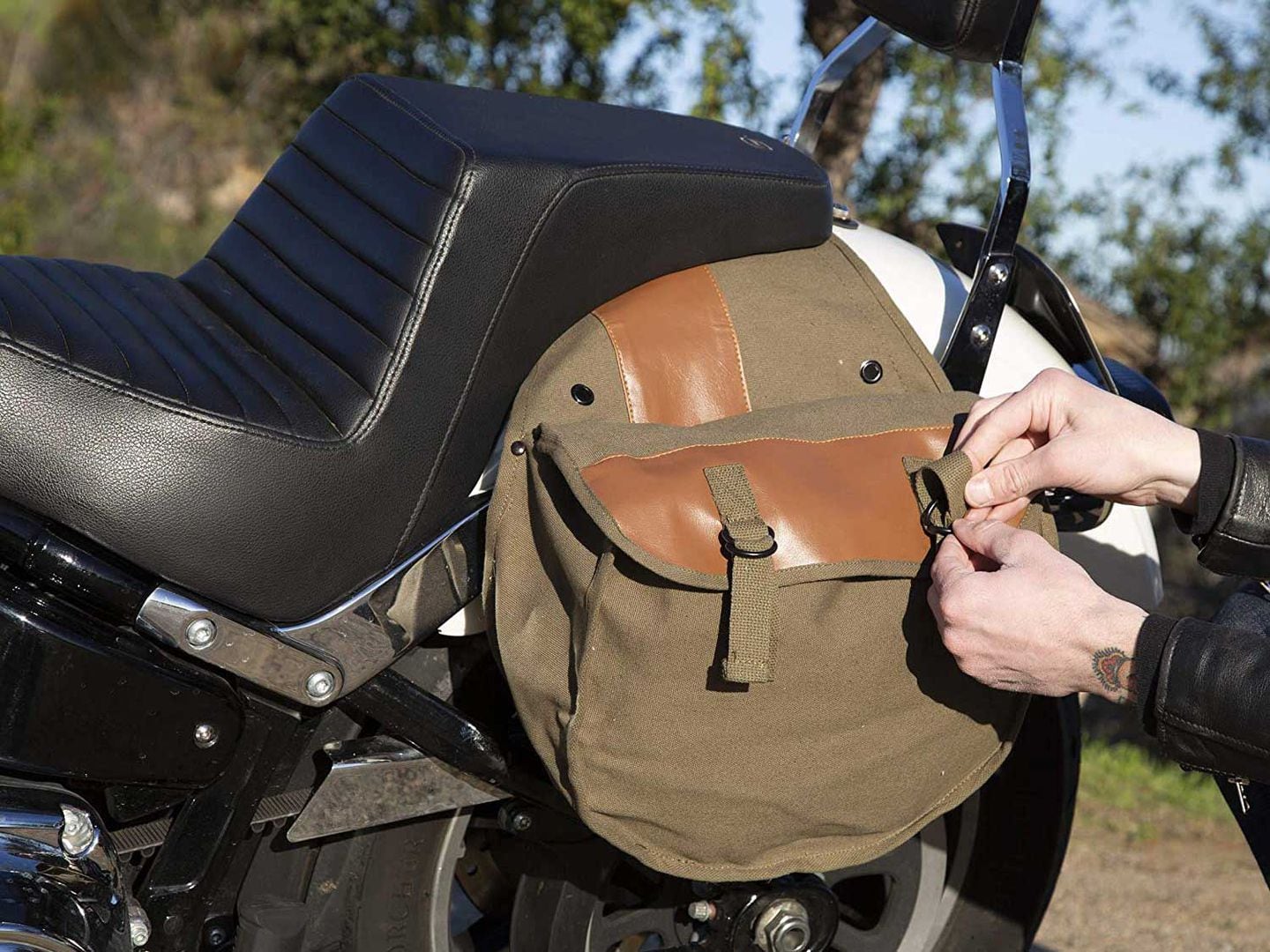
B2B buyers often face challenges when it comes to selecting motorcycle saddlebags that fit specific bike models. With numerous brands and styles available, there is a high risk of purchasing bags that do not align with the bike’s design or mounting points. This can lead to wasted resources, as returns and exchanges can be costly and time-consuming, particularly for international buyers who may incur additional shipping fees and customs duties.
Illustrative image related to motorcycle saddlebag
The Solution:
To effectively tackle sizing issues, it is crucial for buyers to conduct thorough research before purchasing motorcycle saddlebags. Start by consulting the manufacturer’s fitment guide, which typically outlines compatible models and specifications. Additionally, engaging directly with suppliers can provide insights into the latest models and any adjustments made to previous designs. Requesting detailed specifications or even samples can also help ensure a perfect fit. Lastly, leveraging customer reviews and feedback on specific models can provide real-world insights into their compatibility, thereby minimizing the risk of costly mistakes.
The Problem:
Durability is a primary concern for B2B buyers, especially in regions with diverse climates such as Africa and South America. Saddlebags made from inferior materials may not withstand harsh weather conditions, leading to product degradation and potential loss of stored items. Buyers are often left searching for replacements, which can disrupt supply chains and affect customer satisfaction.
The Solution:
To ensure durability and weather resistance, B2B buyers should prioritize saddlebags made from high-quality materials, such as heavyweight leather or specialized waterproof textiles. When sourcing products, buyers should inquire about the manufacturing processes and material specifications. Look for saddlebags that feature reinforced seams and weatherproof treatments to enhance longevity. Establishing a relationship with reputable manufacturers who offer warranties can also provide peace of mind, as this indicates confidence in their products’ durability. Conducting a thorough analysis of the return policies can further protect the investment in case the product fails to meet expectations.
The Problem:
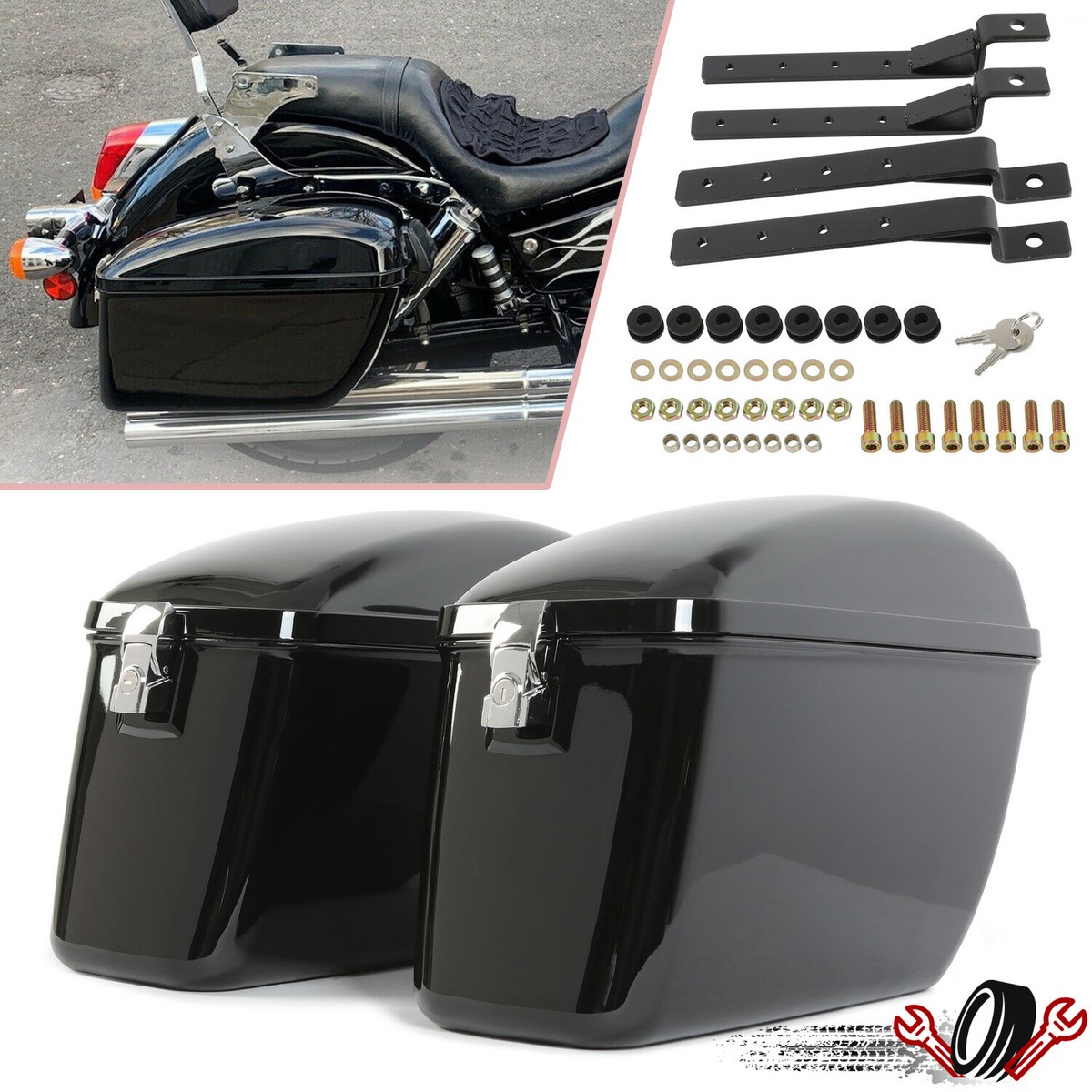
Another common issue faced by B2B buyers is the complexity of installing saddlebags. Many products come with various mounting systems, which can lead to confusion and installation errors. This is particularly problematic for buyers in regions where professional installation services may not be readily available, leading to delayed product launches or dissatisfied customers.
Illustrative image related to motorcycle saddlebag
The Solution:
To mitigate installation complications, buyers should opt for saddlebags that come with clear installation instructions and all necessary hardware included. When possible, sourcing products that offer multiple mounting options can enhance flexibility and ease of use. Additionally, buyers can request video tutorials or installation guides from manufacturers to aid in the installation process. Collaborating with suppliers who provide comprehensive customer support can also prove beneficial; they can assist with troubleshooting and offer installation advice. Finally, encouraging end-users to share their installation experiences can foster a community of support and knowledge sharing, reducing installation issues over time.
When selecting materials for motorcycle saddlebags, buyers must consider various factors such as durability, cost, and suitability for specific applications. Below is an analysis of four common materials used in the production of motorcycle saddlebags, focusing on their properties, advantages, disadvantages, and implications for international B2B buyers.
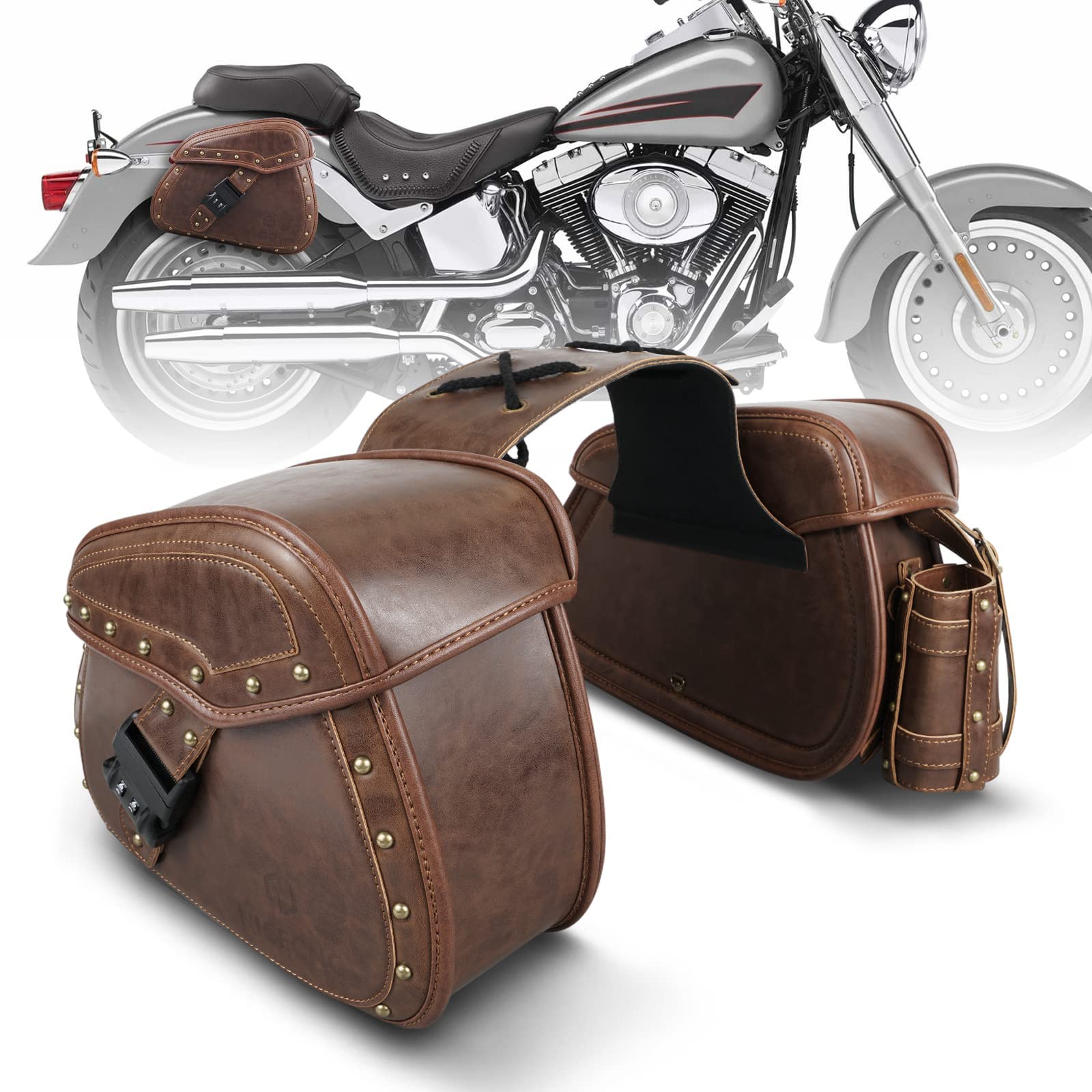
Leather is a traditional choice for motorcycle saddlebags, prized for its aesthetic appeal and durability. High-quality leather, such as full-grain or top-grain, offers excellent resistance to wear and tear, making it suitable for rugged use. It can withstand a wide range of temperatures and provides a degree of water resistance when treated properly. However, leather requires regular maintenance to prevent cracking and fading, especially in harsh climates.
Illustrative image related to motorcycle saddlebag
Pros:
– Exceptional durability and longevity.
– Aesthetic appeal that enhances the motorcycle’s appearance.
– Natural resistance to abrasion.
Cons:
– Higher cost compared to synthetic materials.
– Requires ongoing maintenance to preserve quality.
– Less resistant to extreme weather unless treated.
For international buyers, particularly in regions like Africa and the Middle East where climate can be harsh, it is crucial to ensure that the leather is sourced from reputable suppliers who adhere to environmental and ethical standards. Compliance with local regulations regarding leather sourcing and treatment is also essential.
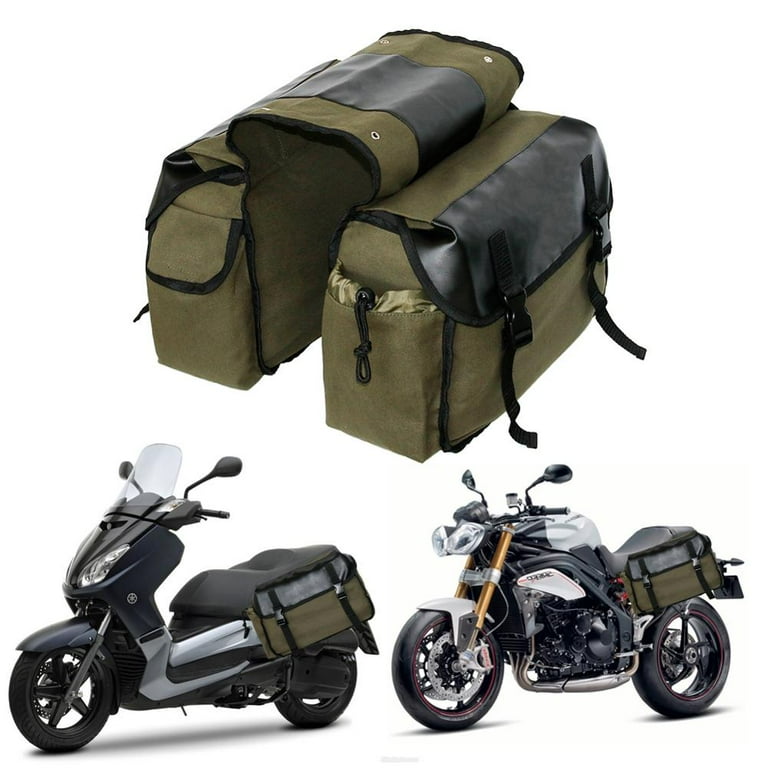
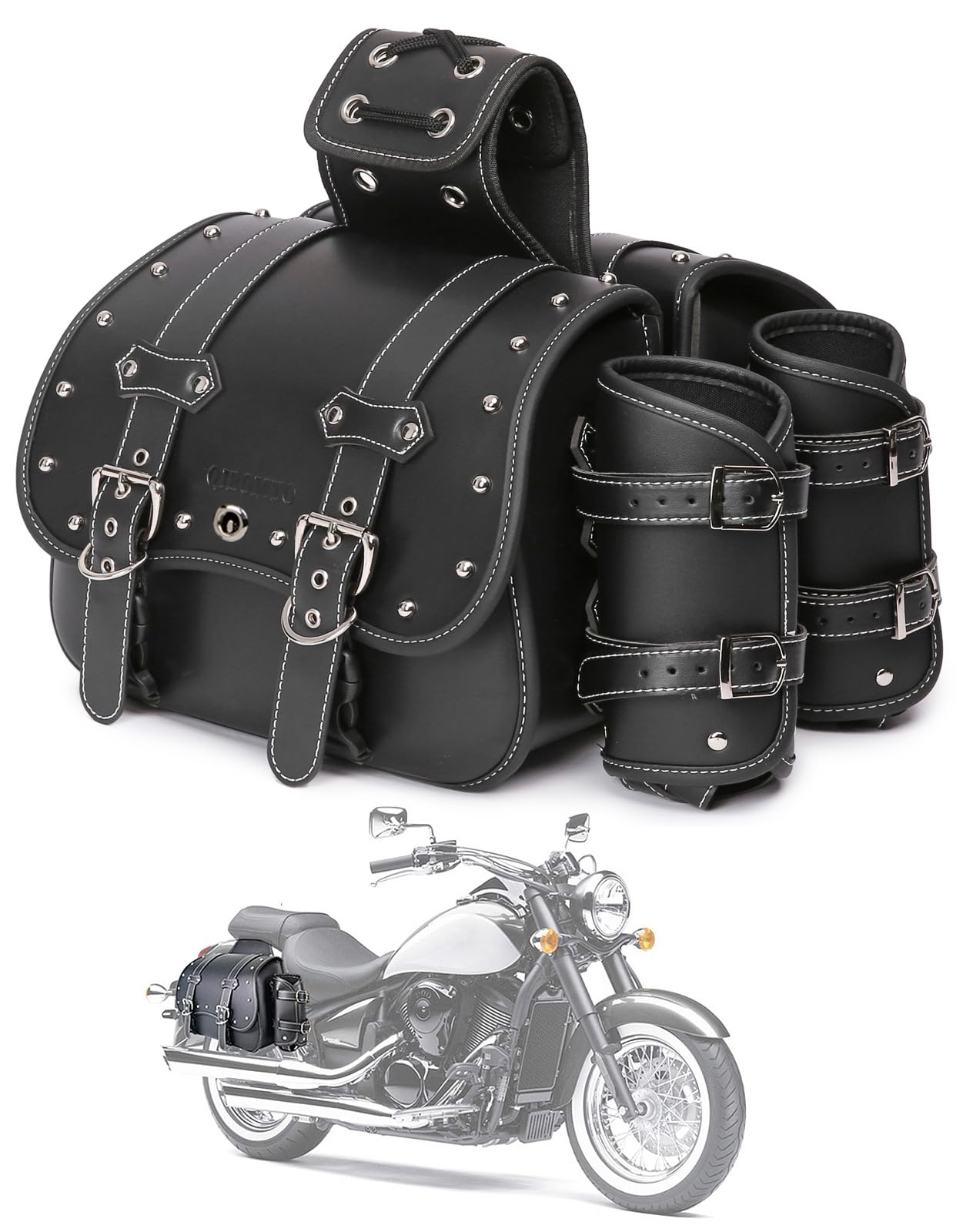
Textile materials, such as nylon and polyester, are increasingly popular for motorcycle saddlebags due to their lightweight nature and versatility. These materials can be engineered to be waterproof and UV resistant, making them suitable for various weather conditions. Textiles can also be designed with additional features such as reflective strips for safety.
Pros:
– Lightweight and easy to handle.
– Cost-effective and available in various colors and designs.
– Often comes with waterproofing options.
Illustrative image related to motorcycle saddlebag
Cons:
– Generally less durable than leather.
– May not offer the same aesthetic appeal.
– Can be prone to tearing under extreme conditions.
For buyers in Europe, compliance with EU textile regulations, including safety standards and environmental impact assessments, is critical. Buyers should also consider the end-market preferences, as some regions may favor the classic look of leather over the modern appearance of textiles.
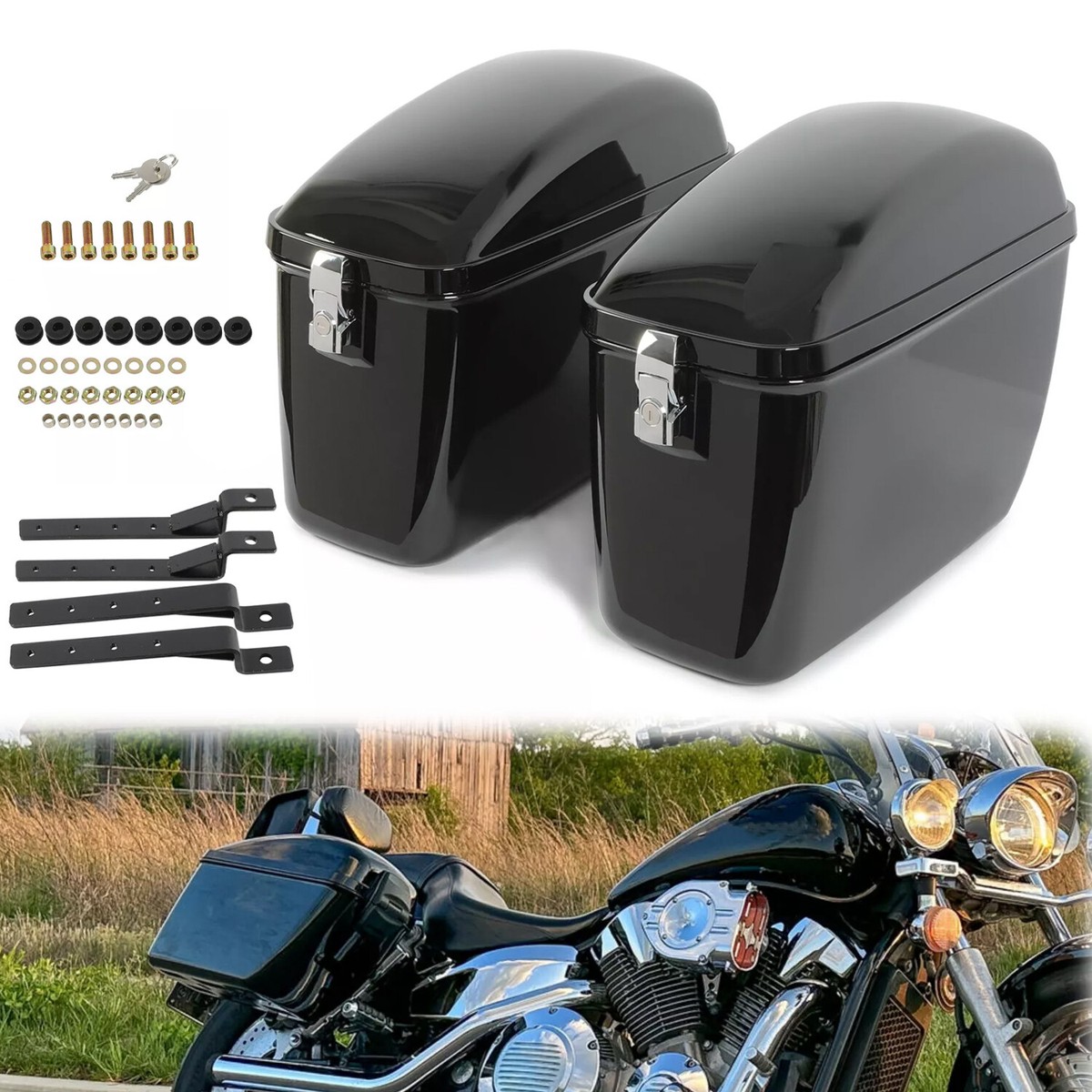
Synthetic materials, such as PVC and ABS plastics, are used for rigid saddlebags. These materials offer excellent resistance to corrosion, impact, and UV rays, making them ideal for long-term use. They can be molded into various shapes, allowing for innovative designs that optimize storage capacity.
Illustrative image related to motorcycle saddlebag
Pros:
– High durability and resistance to environmental factors.
– Lightweight and easy to manufacture in various designs.
– Generally lower cost than leather.
Cons:
– Less breathable than natural materials, which can lead to moisture buildup.
– May lack the aesthetic appeal of leather.
– Potential environmental concerns regarding plastic use.
International buyers should be aware of regulations surrounding plastic materials, particularly in Europe, where there are stringent rules on recyclability and environmental impact. Understanding local regulations can help avoid compliance issues.
Metal, particularly aluminum, is sometimes used in the construction of motorcycle saddlebags for added strength and security. Metal saddlebags are highly durable and can withstand significant impacts, making them suitable for off-road conditions. They are also resistant to corrosion, especially when treated with protective coatings.
Pros:
– Exceptional durability and security.
– Resistant to corrosion and environmental wear.
– Can be designed for specific fitment on various motorcycle models.
Illustrative image related to motorcycle saddlebag
Cons:
– Heavier than other materials, which can affect handling.
– Higher manufacturing costs and complexity.
– Limited design flexibility compared to textiles and plastics.
For B2B buyers, particularly in regions with challenging terrains like South America, understanding the weight implications and ensuring compliance with local regulations regarding metal use is essential for market acceptance.
| Material | Typical Use Case for motorcycle saddlebag | Key Advantage | Key Disadvantage/Limitation | Relative Cost (Low/Med/High) |
|---|---|---|---|---|
| Leather | Premium saddlebags for touring motorcycles | Exceptional durability | Requires maintenance | High |
| Textile | Lightweight saddlebags for daily use | Cost-effective and versatile | Less durable than leather | Medium |
| Synthetic | Rigid saddlebags for adventure bikes | High durability and lightweight | Less aesthetic appeal | Medium |
| Metal | Heavy-duty saddlebags for off-road use | Exceptional strength and security | Heavier and more costly | High |
This strategic material selection guide provides B2B buyers with actionable insights into the various materials available for motorcycle saddlebags, helping them make informed decisions that align with their market needs and compliance requirements.
Illustrative image related to motorcycle saddlebag
The manufacturing process of motorcycle saddlebags involves several critical stages that ensure the final product meets quality and performance standards. Understanding these stages helps B2B buyers appreciate the craftsmanship involved and evaluate suppliers more effectively.
The choice of materials is crucial in the production of motorcycle saddlebags. High-quality leather, such as American-sourced heavyweight leather, is often preferred for its durability and aesthetic appeal. Synthetic materials like high-denier textiles are also used, especially for waterproof options. The initial stage involves sourcing these materials, ensuring they meet specific quality standards, and preparing them for further processing. This preparation may include cutting materials to size, treating leather to enhance water resistance, and pre-conditioning textiles to prevent damage during subsequent manufacturing steps.
The forming stage typically employs various techniques, depending on the material used. For leather saddlebags, the process often includes molding and stitching, where pieces of leather are shaped and sewn together using industrial-strength nylon threads. This stitching process is critical for ensuring durability, particularly at stress points, which are often reinforced with hand rivets.
For textile saddlebags, the process may involve cutting-edge techniques such as ultrasonic welding, which bonds materials without the need for traditional stitching, thus enhancing waterproof capabilities. The use of advanced sewing machines also enables precision in creating pockets, straps, and other functional elements.
Once the components are formed, they move to the assembly stage. This involves combining all parts, including buckles, straps, and any additional features like reflective strips for safety. During this stage, manufacturers often implement modular designs that allow for easy customization and fitting to various motorcycle models. Quick-release mechanisms may also be integrated to enhance user convenience.
This stage is critical for ensuring that all components are aligned and securely attached, as improper assembly can lead to product failure and customer dissatisfaction. Quality control measures should be in place at this stage to catch any defects early.
Finishing is the final stage of the manufacturing process, where saddlebags undergo treatments to improve their appearance and functionality. This includes applying protective coatings to enhance water resistance and applying dyes or finishes to achieve the desired look. For leather products, conditioning treatments are applied to maintain suppleness and prevent cracking.
Additionally, the final inspection often occurs during this stage to ensure that each product meets the required specifications before being packaged and shipped.
Illustrative image related to motorcycle saddlebag
Quality assurance is a critical aspect of the manufacturing process, ensuring that the final product meets both international and industry-specific standards. This is particularly important for B2B buyers who need reliable, high-quality products.
Many manufacturers adhere to international quality management standards such as ISO 9001, which provides a framework for consistent quality in production. Compliance with ISO standards indicates that a manufacturer has established processes for continuous improvement and customer satisfaction.
Additionally, industry-specific certifications may be relevant, such as CE marking for products sold in Europe, which signifies compliance with health, safety, and environmental protection standards. Buyers should inquire about these certifications when evaluating suppliers.
Illustrative image related to motorcycle saddlebag
Quality control in motorcycle saddlebag production typically involves several checkpoints:
Incoming Quality Control (IQC): This initial stage checks the quality of raw materials before production begins. Suppliers should provide documentation proving material compliance with quality standards.
In-Process Quality Control (IPQC): Throughout the manufacturing process, periodic inspections are conducted to ensure adherence to specifications. This may include checking stitching quality, material integrity, and assembly accuracy.
Final Quality Control (FQC): Before packaging, finished products undergo a comprehensive inspection to verify that they meet all design and performance specifications. This includes testing for waterproof capabilities, durability, and overall aesthetic quality.
B2B buyers can take several proactive steps to verify the quality control processes of potential suppliers:
Buyers should request detailed documentation of the supplier’s quality control processes, including quality assurance certifications, inspection reports, and testing methodologies. This information is essential for assessing the reliability of the supplier’s practices.
Conducting on-site audits is an effective way to evaluate a supplier’s manufacturing capabilities and quality control processes. During an audit, buyers can observe the production environment, review quality management systems, and verify compliance with industry standards. This hands-on approach can provide invaluable insights into the supplier’s operations.
Illustrative image related to motorcycle saddlebag
Engaging third-party inspection services can offer an additional layer of assurance. These independent organizations can conduct thorough evaluations of the manufacturing processes and final products, ensuring they meet the required standards. This is particularly useful for buyers in international markets, where local knowledge of suppliers may be limited.
International buyers, particularly those from diverse markets like Africa, South America, the Middle East, and Europe, must navigate specific challenges related to quality assurance:
Cultural Differences: Understanding local manufacturing practices and quality perceptions can affect supplier selection. Buyers should be aware of how cultural nuances impact quality expectations.
Regulatory Compliance: Different regions have unique regulations that may affect product standards. Buyers should ensure that suppliers comply with local regulations in their target markets, particularly for products like saddlebags that may be subject to safety and environmental standards.
Logistics and Supply Chain: The complexity of international logistics can impact product quality. Buyers should consider how transportation and storage conditions might affect the quality of saddlebags during shipment.
In conclusion, an in-depth understanding of the manufacturing processes and quality assurance measures involved in motorcycle saddlebags can significantly enhance the decision-making process for B2B buyers. By focusing on these key areas, buyers can ensure they partner with reliable suppliers who deliver high-quality products tailored to their market needs.
Illustrative image related to motorcycle saddlebag
Sourcing motorcycle saddlebags requires careful consideration to ensure that you procure high-quality products that meet both your business needs and the expectations of your customers. This practical guide offers a step-by-step checklist designed to streamline the sourcing process, helping B2B buyers make informed decisions while navigating the complexities of international procurement.
Establishing clear technical specifications is crucial before initiating the sourcing process. Define the materials, dimensions, weight capacity, and mounting systems required for your target market. This clarity ensures that you only consider suppliers who can meet these specific requirements, saving time and reducing the risk of returns.
Conduct thorough research to identify potential suppliers who specialize in motorcycle saddlebags. Look for manufacturers with a proven track record in the industry, preferably with experience in international markets.
Illustrative image related to motorcycle saddlebag
Product quality is paramount when sourcing saddlebags, as it directly impacts customer satisfaction and brand reputation. Request samples to assess the craftsmanship, materials, and features of the products.
Before finalizing your supplier choice, verify their certifications and compliance with international standards. This step is essential to ensure that the products meet safety and quality benchmarks.
Pricing can vary significantly among suppliers. Ensure that you receive detailed quotes that outline all costs, including shipping and customs duties.
Illustrative image related to motorcycle saddlebag
Effective communication is vital for successful sourcing. Establish clear lines of communication with your suppliers to address any questions or concerns throughout the procurement process.
Finally, plan the logistics of transporting the saddlebags to your location or directly to your customers. Consider the most efficient shipping methods based on cost, speed, and reliability.
By following this checklist, B2B buyers can navigate the complexities of sourcing motorcycle saddlebags more effectively, ensuring that they select products that meet market demands while fostering strong supplier relationships.
When evaluating the cost structure for sourcing motorcycle saddlebags, several critical components must be considered. These include materials, labor, manufacturing overhead, tooling, quality control (QC), logistics, and profit margins.
Materials: The choice of materials significantly impacts the overall cost. High-quality leather, for instance, commands a premium price but offers durability and aesthetic appeal. Manufacturers may also use synthetic materials, which can reduce costs but might compromise quality. Understanding the material specifications and their sources can help buyers anticipate costs effectively.
Labor: Labor costs vary based on the region and the skill level required for the production process. In countries with higher labor costs, such as Germany, expect to pay more for skilled artisans who can produce premium saddlebags. Conversely, sourcing from regions with lower labor costs, such as parts of Africa or South America, may reduce expenses but could affect quality and turnaround times.
Manufacturing Overhead: This includes the indirect costs associated with production, such as utilities, rent, and administrative expenses. Overhead can vary significantly based on the location of the manufacturing facility and the efficiency of operations.
Tooling: Custom tooling for specific designs or features can add to the initial costs. If a buyer requires bespoke saddlebags tailored to unique specifications, this upfront investment must be factored into the total cost.
Quality Control: Implementing strict QC measures is crucial, especially for high-value products like motorcycle saddlebags. The costs associated with QC can include testing materials, inspecting products during production, and ensuring compliance with international standards.
Logistics: Shipping and handling costs can vary widely based on distance, mode of transport, and shipping terms (Incoterms). International buyers must consider these costs, which can significantly affect the total landed cost of the saddlebags.
Margin: Finally, suppliers will include their profit margin in the pricing. This margin can fluctuate based on market demand, competition, and the perceived value of the product.
Several factors can influence pricing when sourcing motorcycle saddlebags, particularly for international B2B buyers:
Illustrative image related to motorcycle saddlebag
Volume and Minimum Order Quantity (MOQ): Bulk orders often lead to lower per-unit costs. Buyers should negotiate MOQs with suppliers to secure better pricing.
Specifications and Customization: Custom features, like unique branding or specialized fittings, can drive up costs. Buyers should clearly define their requirements to avoid unexpected charges.
Materials and Quality Certifications: High-quality materials and certifications (like ISO or CE) can increase costs but may also enhance the product’s appeal in markets that value quality.
Supplier Factors: The reputation and reliability of the supplier can affect pricing. Established suppliers may charge more due to their track record of quality and service.
Incoterms: Understanding shipping terms (FOB, CIF, etc.) is vital, as they dictate who bears the cost and risk at various points in the supply chain. This knowledge can influence negotiations and the overall cost structure.
Understanding Total Cost of Ownership (TCO): Buyers should consider not just the purchase price but also the costs associated with maintenance, potential repairs, and resale value. This broader perspective can justify higher upfront costs if quality is superior.
Researching Market Prices: Conducting thorough market research will provide insights into competitive pricing. This knowledge can empower buyers during negotiations.
Building Relationships: Establishing long-term partnerships with suppliers can lead to better terms and preferential pricing. Trust and reliability can often outweigh the benefits of switching suppliers for lower prices.
Flexibility in Specifications: Being open to alternative materials or designs can enable buyers to negotiate better deals. Suppliers may have excess inventory or discounts on specific items that fit the buyer’s needs.
Leveraging Payment Terms: Negotiating favorable payment terms, such as extended payment schedules or discounts for upfront payments, can enhance cash flow and reduce overall costs.
In conclusion, understanding the comprehensive cost structure and pricing dynamics for motorcycle saddlebags is essential for international B2B buyers. By focusing on the key cost components, price influencers, and effective negotiation strategies, buyers can navigate the complexities of sourcing and achieve favorable outcomes. Always remember that indicative prices fluctuate based on market conditions, and it’s prudent to seek tailored quotes for accurate budgeting.
In the realm of motorcycle luggage solutions, saddlebags are a popular choice for riders seeking additional storage. However, alternative methods and products can also meet the needs of motorcycle enthusiasts and businesses alike. This analysis will compare motorcycle saddlebags with two viable alternatives: tail bags and hard cases. Each option has distinct features that may appeal to different segments of the B2B market, especially for international buyers looking for practical and efficient solutions.
| Comparison Aspect | Motorcycle Saddlebag | Tail Bag | Hard Case |
|---|---|---|---|
| Performance | Excellent for weight distribution and accessibility. | Good for lightweight, compact storage. | Offers superior protection against impact and weather. |
| Cost | Moderate to high, depending on material and brand. | Generally lower cost, depending on size and material. | Higher initial investment but durable long-term. |
| Ease of Implementation | Requires mounting hardware; installation can be complex. | Easy to install with straps or magnets. | May require specific mounting systems; heavier. |
| Maintenance | Requires regular cleaning and conditioning (especially leather). | Low maintenance; easy to clean. | Minimal upkeep; durable materials resist wear. |
| Best Use Case | Ideal for long-distance touring and carrying bulky items. | Best for short trips or minimal gear. | Suitable for adventure riding or harsh conditions needing extra protection. |
Tail bags provide a versatile and lightweight alternative to traditional saddlebags. They typically attach to the rear seat or tail of the motorcycle using straps or magnets, making them easy to install and remove. This solution is particularly advantageous for riders who prefer a compact storage option for short trips or daily commutes. However, tail bags generally offer less capacity than saddlebags and may not provide the same level of weight distribution, which can affect handling during longer rides. Additionally, they may lack robust weather resistance compared to saddlebags designed for long-term use.
Illustrative image related to motorcycle saddlebag
Hard cases, or rigid luggage systems, present a durable alternative for motorcycle storage. These cases are built to withstand harsh conditions, offering superior protection against impacts and inclement weather. They are particularly beneficial for adventure riders who tackle rugged terrains where extra protection is crucial. However, hard cases can be more expensive and heavier than saddlebags, potentially affecting motorcycle handling. Moreover, installation may require specific mounting hardware, making them less accessible for casual riders. Still, their longevity and security make them a worthy investment for businesses that prioritize durability.
When selecting the ideal storage solution for motorcycles, B2B buyers should consider their specific needs, including the typical use case, budget constraints, and the desired level of protection. For businesses catering to long-distance riders, motorcycle saddlebags might be the best option due to their capacity and accessibility. Conversely, for companies targeting urban commuters or short-trip riders, tail bags may offer an attractive and cost-effective solution. Lastly, for those looking to serve adventure riders, investing in hard cases could provide the durability and security that this segment demands. By aligning product offerings with customer needs, businesses can enhance their market competitiveness and drive sales.
Motorcycle saddlebags are essential components for riders seeking efficient storage solutions. Understanding their technical properties and industry terminology is vital for B2B buyers to make informed purchasing decisions. Below are critical specifications and commonly used terms that define this market.
The most common materials used in motorcycle saddlebags include leather, textile, and synthetic compounds. Leather is prized for its durability and classic appearance, while textiles often provide lighter weight and waterproof capabilities. For B2B buyers, material choice impacts not only the aesthetic appeal but also the longevity and performance of the product, which can affect customer satisfaction and brand reputation.
Waterproofing is crucial for protecting contents from rain and moisture. Saddlebags may feature water-resistant treatments or be made from waterproof materials like nylon or PVC. Understanding the waterproof rating (often measured in millimeters of water resistance) helps buyers assess how well a product can withstand adverse weather conditions, which is particularly important in regions prone to heavy rainfall.

Illustrative image related to motorcycle saddlebag
Each saddlebag has a specified weight capacity, which is critical for ensuring safe handling and performance of the motorcycle. Exceeding this capacity can lead to handling issues and potential safety hazards. B2B buyers need to ensure that the products they select can accommodate the storage needs of their customers without compromising safety.
The mounting system refers to how the saddlebags attach to the motorcycle. Options include quick-release systems, rigid mounts, and strap mounts. Each system has its advantages in terms of ease of use and security. Understanding the mounting options helps buyers choose products that will be compatible with a variety of motorcycle models, enhancing their marketability.
Security features such as lockable zippers, integrated locks, and reinforced stitching are essential for protecting the contents of saddlebags. For B2B buyers, offering products with enhanced security can differentiate their offerings in the marketplace, appealing to customers who prioritize safety for their belongings.
Illustrative image related to motorcycle saddlebag
Customization options, including color, size, and branding, allow businesses to cater to specific market segments. Saddlebags that can be tailored to fit different motorcycle models or styled to reflect individual rider preferences can enhance customer satisfaction and brand loyalty.
OEM refers to products made by a company that is used as components in another company’s end product. In the context of saddlebags, it means sourcing products that match the specifications set by motorcycle manufacturers. This is crucial for B2B buyers seeking to align with industry standards and enhance compatibility.
MOQ is the smallest number of units a supplier is willing to sell. Understanding MOQ helps businesses manage inventory costs and negotiate better terms with suppliers, ensuring that they can meet customer demand without overcommitting resources.
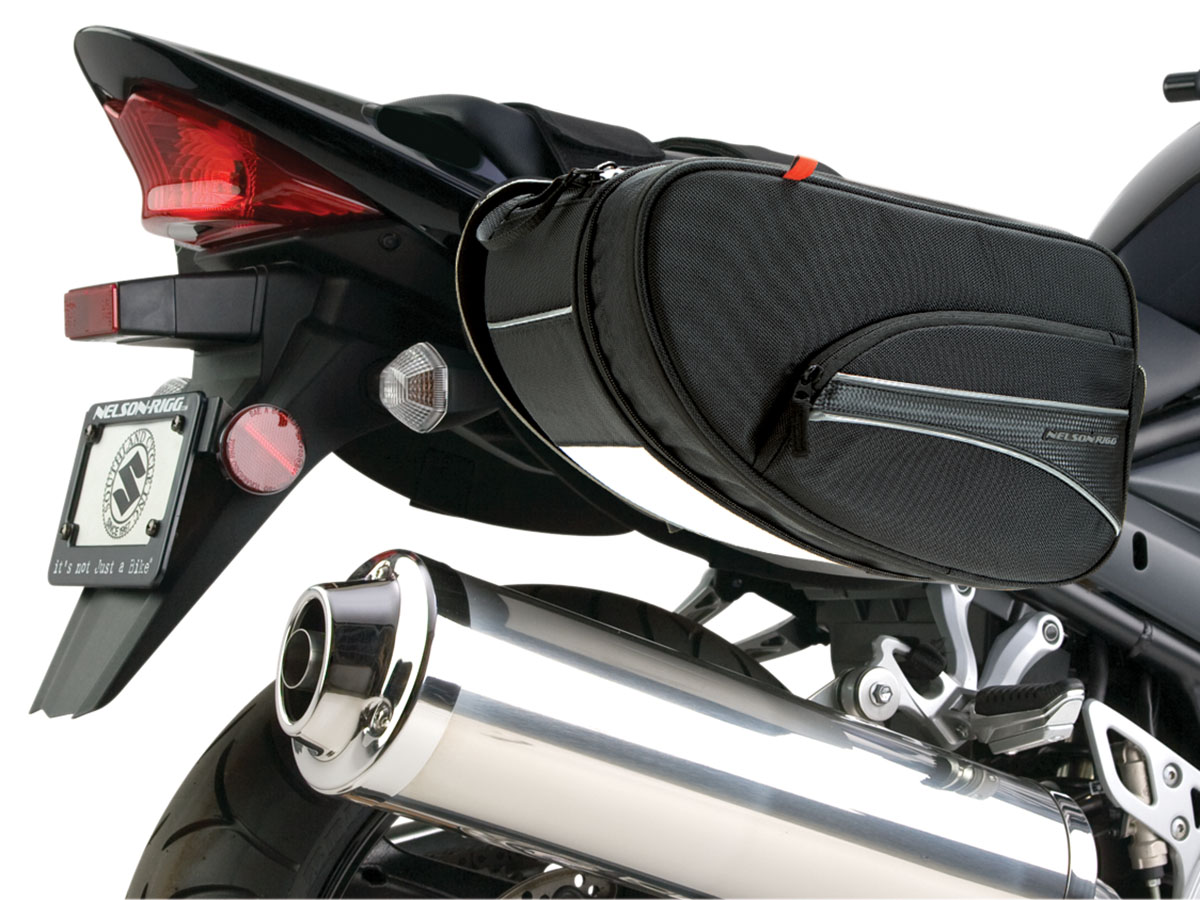
Illustrative image related to motorcycle saddlebag
An RFQ is a document sent to suppliers requesting pricing information for specified products. This process is essential for B2B buyers to compare costs and evaluate potential suppliers based on price, quality, and lead time.
Incoterms are a set of predefined commercial terms that define the responsibilities of buyers and sellers in international trade. Familiarity with these terms helps B2B buyers understand shipping costs, risks, and responsibilities, which is vital for efficient procurement and logistics.
SKU is a unique identifier for each distinct product and service that can be purchased. For B2B buyers, a well-organized SKU system simplifies inventory management and aids in tracking sales trends across various product lines.
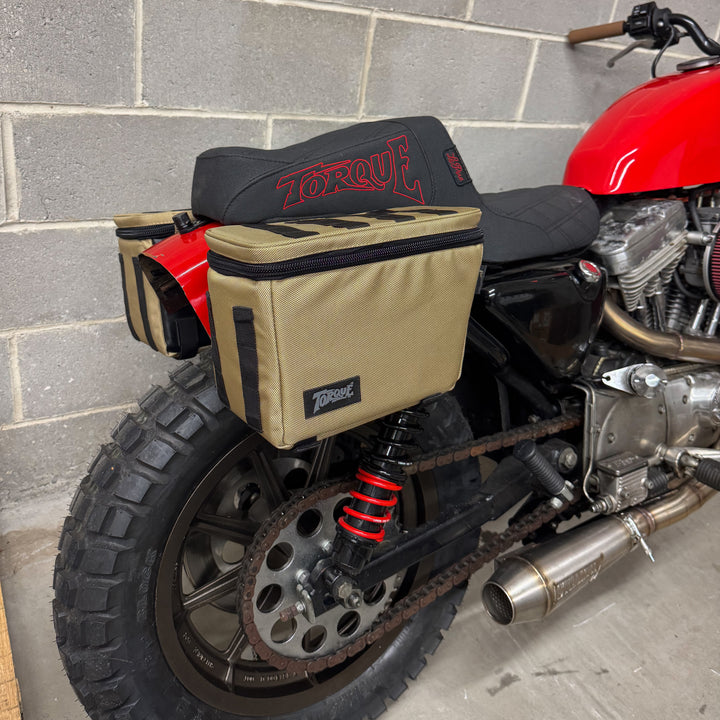
Illustrative image related to motorcycle saddlebag
Lead time refers to the time taken from placing an order to receiving it. Understanding lead times is crucial for B2B buyers to manage inventory levels and meet customer expectations effectively.
By mastering these technical properties and industry terms, B2B buyers can enhance their product offerings and improve their competitive edge in the motorcycle saddlebag market.
The motorcycle saddlebag sector is experiencing dynamic shifts driven by a combination of consumer preferences, technological advancements, and global market conditions. A notable trend is the increasing demand for high-quality, durable materials, with premium leather and synthetic alternatives gaining traction due to their aesthetic appeal and resilience. Buyers, particularly in emerging markets in Africa and South America, are looking for products that offer both functionality and style, which has led to a rise in customizable options that cater to individual tastes and bike models.
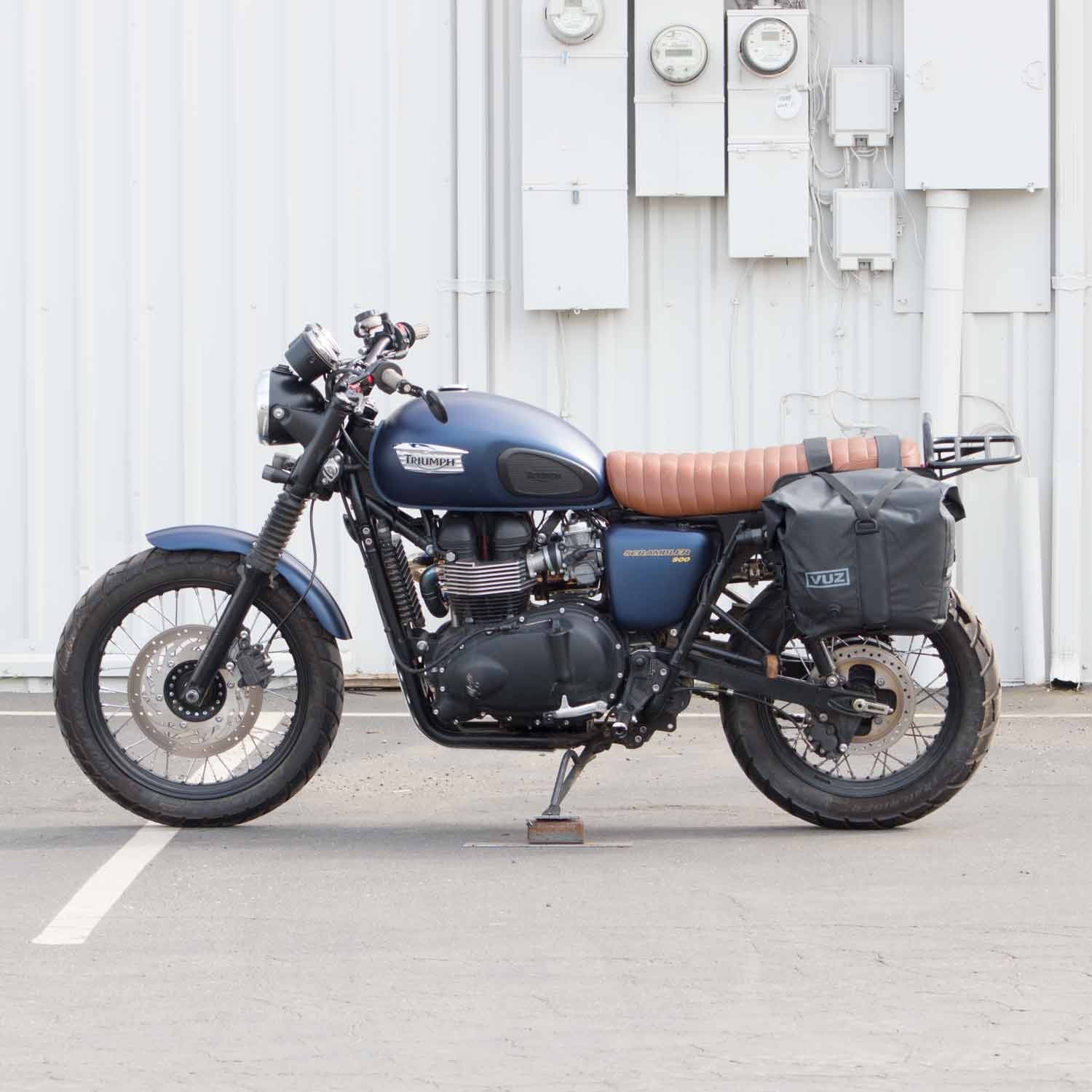
Illustrative image related to motorcycle saddlebag
Furthermore, the integration of smart technology into saddlebags, such as built-in GPS tracking and anti-theft features, is becoming a significant differentiator. This trend is particularly appealing to B2B buyers in Europe, where advanced features are increasingly expected in high-end products. Additionally, the rise of e-commerce platforms is facilitating more straightforward sourcing processes, allowing international buyers to access a wider range of products and suppliers without geographical constraints.
Market dynamics are also influenced by regional factors; for instance, European buyers may prioritize compliance with stringent EU regulations on materials and safety, while Middle Eastern buyers might focus on the ruggedness and adaptability of saddlebags for varying terrains. As a result, suppliers must adapt their offerings to meet the diverse needs of international markets while maintaining competitive pricing.
Sustainability is becoming a critical consideration in the motorcycle saddlebag industry, impacting sourcing decisions and supplier relationships. The environmental footprint associated with the production of saddlebags, especially those made from leather, has prompted buyers to seek out manufacturers who prioritize ethical sourcing and sustainable practices. This includes using eco-friendly tanning processes for leather and sourcing materials that are free from harmful chemicals.
Moreover, many companies are now seeking certifications such as Global Organic Textile Standard (GOTS) or Leather Working Group (LWG) certifications to assure their products meet sustainability benchmarks. These certifications not only enhance brand reputation but also cater to a growing consumer base that values environmental responsibility.
B2B buyers are encouraged to engage with suppliers who can demonstrate a commitment to sustainable practices, as this aligns with increasing regulatory pressures and consumer expectations in various regions. In markets like Europe and North America, ethical sourcing is not just a trend but a necessity for maintaining competitiveness and relevance in the marketplace.
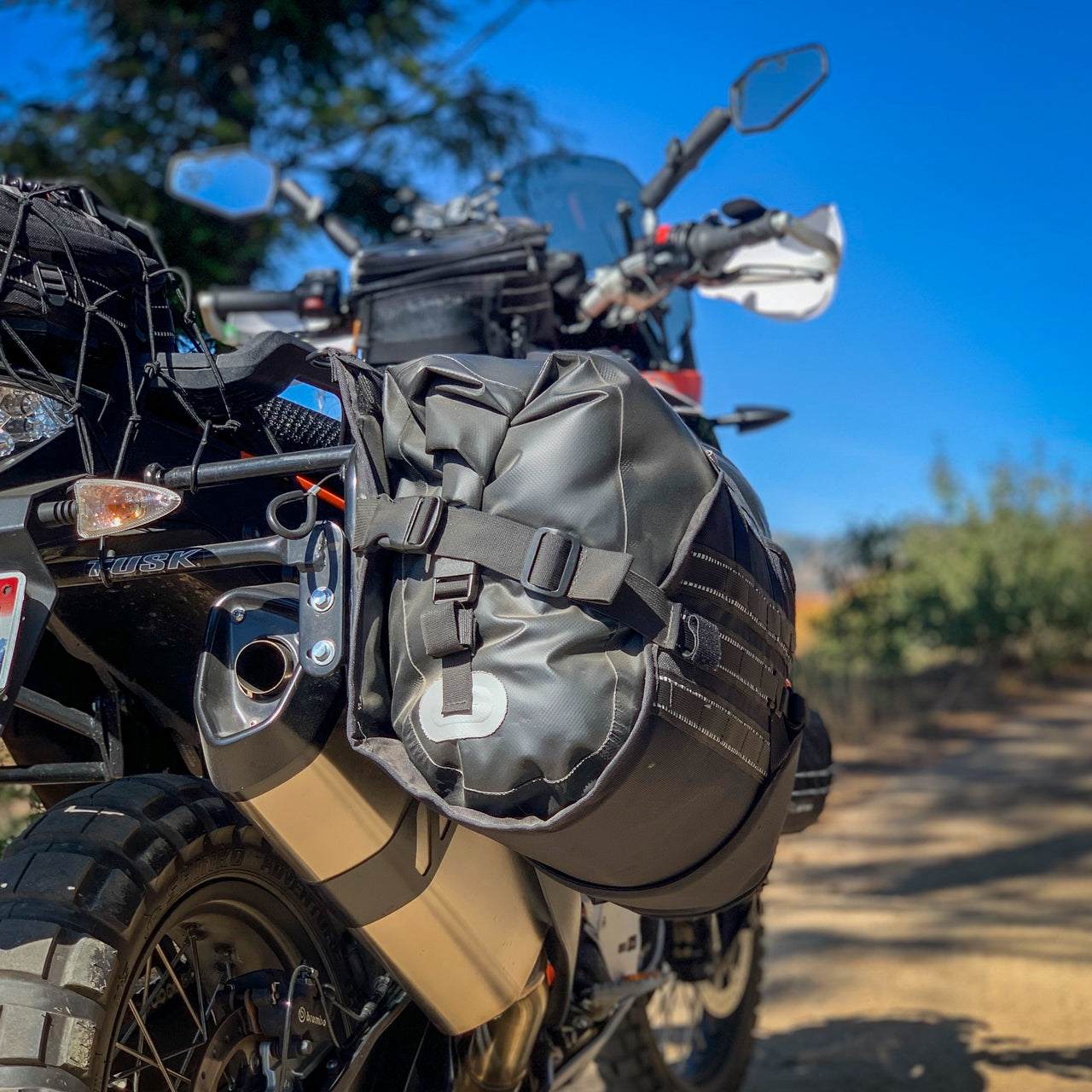
Illustrative image related to motorcycle saddlebag
The evolution of motorcycle saddlebags traces back to the early days of motorcycling, where practicality and utility were paramount. Initially, saddlebags were simple, utilitarian designs that focused on providing storage for long rides. Over the decades, as motorcycle culture expanded and diversified, so too did the design and functionality of saddlebags.
The late 20th century saw a shift toward more stylish and durable options, with leather becoming a favored material due to its aesthetic appeal and longevity. The rise of custom motorcycle modifications further propelled the demand for unique saddlebag designs tailored to specific models and rider preferences. Today, the market reflects a blend of historical craftsmanship and modern innovation, catering to both nostalgic enthusiasts and tech-savvy riders looking for advanced features.
This historical context is vital for B2B buyers to understand, as it informs current market offerings and consumer expectations, guiding purchasing decisions that align with both tradition and modernity.
How do I determine the right size and type of motorcycle saddlebag for my needs?
When selecting a motorcycle saddlebag, consider the type of motorcycle, your riding style, and the items you plan to carry. Measure the available space on your bike to ensure proper fitment. For longer trips, larger bags with higher capacities are ideal, while smaller, more streamlined options are better for day-to-day commuting. Be sure to check the manufacturer’s fitment guide and customer reviews for insights on compatibility and user experience.
What materials are best for motorcycle saddlebags in various climates?
For varying climates, choose saddlebags made from durable, weather-resistant materials. Leather is a classic option, offering style and longevity, but it requires regular maintenance. Synthetic materials like nylon or polyester offer excellent waterproof capabilities, making them ideal for rainy conditions. If you’re in a region with extreme weather, consider bags with additional waterproof liners or rain covers to protect your gear effectively.
What are the common customization options available for motorcycle saddlebags?
Customization options typically include size adjustments, color choices, and additional features like reflective strips for safety. Some manufacturers offer personalized embroidery or patches to enhance brand visibility. When sourcing saddlebags, inquire about the potential for custom designs that align with your company’s branding and the specific needs of your clientele.
What is the typical minimum order quantity (MOQ) for motorcycle saddlebags from international suppliers?
The MOQ for motorcycle saddlebags can vary significantly based on the supplier and the complexity of the order. Generally, it ranges from 50 to 200 units. It’s essential to discuss this upfront with potential suppliers to ensure their production capabilities align with your purchasing needs. Additionally, some manufacturers may offer flexibility in MOQs for first-time buyers or bulk purchases.
How can I vet a supplier for motorcycle saddlebags to ensure quality and reliability?
To vet a supplier, start by checking their industry reputation through reviews and testimonials from other B2B buyers. Request samples to assess the quality of their products firsthand. Evaluate their manufacturing processes, materials used, and certifications, such as ISO standards. Finally, consider their communication responsiveness and willingness to provide after-sales support, which are critical for long-term partnerships.
What payment terms are commonly offered by suppliers of motorcycle saddlebags?
Payment terms can vary widely among suppliers, but common options include net 30, net 60, or even net 90 days, depending on your relationship with the supplier. Some may require an upfront deposit, while others might offer payment upon delivery. It’s crucial to negotiate terms that fit your cash flow and ensure you understand any potential fees associated with international transactions.
What quality assurance measures should I expect from motorcycle saddlebag suppliers?
Reputable suppliers should have established quality assurance protocols, including inspections at various stages of production. Look for manufacturers that conduct rigorous testing for durability, waterproofing, and fitment. Request documentation on their QA processes and any certifications they hold. Engaging in regular communication with the supplier can also help ensure that your quality expectations are met throughout the production cycle.
What logistics considerations should I keep in mind when importing motorcycle saddlebags?
When importing motorcycle saddlebags, consider shipping methods, customs regulations, and potential tariffs in your country. Work with freight forwarders who understand the complexities of international shipping to ensure timely delivery. Be mindful of lead times, especially if your order is customized. Additionally, ensure that the supplier provides accurate documentation to facilitate a smooth customs clearance process.
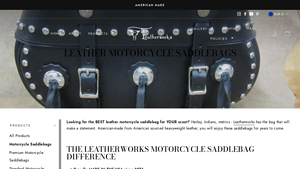
Domain: leatherworksinc.com
Registered: 1999 (26 years)
Introduction: Premium Leather Motorcycle Saddlebags from Leatherworks Inc. are American-made using heavyweight 10 oz leather. They feature ABS plastic reinforcement and rubber backing to prevent sagging, with hand-riveted stress points and industrial strength nylon stitching for durability. Quick-release access buckles allow for easy use, and all bags come with carrying handles. They are water-resistant and hav…
Domain: sw-motech.us
Registered: 2019 (6 years)
Introduction: Premium Motorcycle Saddle & Side Bags – SW-MOTECH
– Soft luggage suitable for various types of motorcycles including sport bikes, naked bikes, cruisers, Harley-Davidsons, and adventure bikes.
– Product categories: Saddle Bags, Saddle Bag Sets, Accessories for Soft Luggage, Saddlebags for Carriers, Saddlebags with Strap Mounting, Side Case Sets.
– Key product lines: Legend Gear, SysBag, BLAZE, PRO….

Domain: saddlemen.com
Registered: 1996 (29 years)
Introduction: Saddlemen Motorcycle Luggage includes a variety of motorcycle bags and luggage options such as sissy bar mounted bags, seat, tail & tunnel mounted bags, rack & trunk mounted bags, tank mounted bags, universal saddlebag sets, and specific fit saddlebags. The product range covers various motorcycle brands including Harley-Davidson, Indian, Honda, Yamaha, Suzuki, Kawasaki, and Triumph. Key models inc…
Domain: moskomoto.com
Registered: 2013 (12 years)
Introduction: This company, Mosko Moto – Motorcycle Luggage Systems, is a notable entity in the market. For specific product details, it is recommended to visit their website directly.
In today’s competitive landscape, effective strategic sourcing is essential for international B2B buyers seeking motorcycle saddlebags. By understanding the diverse offerings—from premium leather options to versatile soft luggage systems—buyers can tailor their purchases to meet market demands and customer preferences. Prioritizing quality, durability, and innovative design will not only enhance product appeal but also ensure customer satisfaction and loyalty.
Moreover, leveraging the supply chain by establishing strong relationships with reputable manufacturers, particularly those specializing in high-quality materials and craftsmanship, can lead to significant cost savings and improved product offerings. As markets in Africa, South America, the Middle East, and Europe continue to expand, the demand for reliable and stylish motorcycle luggage solutions will grow.
Looking ahead, now is the time to reassess your sourcing strategies and align them with emerging trends in the motorcycle accessory market. Embrace the opportunity to innovate and differentiate your offerings by investing in high-quality saddlebags that resonate with your target audience. Engage with suppliers who share your vision of excellence, and position your business for success in this evolving industry.
The information provided in this guide, including content regarding manufacturers, technical specifications, and market analysis, is for informational and educational purposes only. It does not constitute professional procurement advice, financial advice, or legal advice.
While we have made every effort to ensure the accuracy and timeliness of the information, we are not responsible for any errors, omissions, or outdated information. Market conditions, company details, and technical standards are subject to change.
B2B buyers must conduct their own independent and thorough due diligence before making any purchasing decisions. This includes contacting suppliers directly, verifying certifications, requesting samples, and seeking professional consultation. The risk of relying on any information in this guide is borne solely by the reader.


 English
  Russian
  Spanish
  Italian
  Arabic
  Portuguese
  German