
No atual mercado global em ritmo acelerado, o fornecimento de uma bomba de ar pequena e eficiente para pneus apresenta desafios significativos para os compradores B2B, especialmente aqueles que operam em diversas regiões, como África, América do Sul, Oriente Médio e Europa. Com a crescente demanda por infladores de pneus portáteis, confiáveis e fáceis de usar, as empresas precisam navegar em um cenário complexo de produtos que variam em desempenho, recursos e preços. Este guia tem o objetivo de desmistificar o processo, oferecendo uma visão geral abrangente dos diferentes tipos de bombas de ar pequenas disponíveis, suas aplicações em vários setores e as considerações essenciais para a avaliação do fornecedor.
Desde a compreensão das nuances das métricas de desempenho até a avaliação da relação custo-benefício, esse recurso fornece aos compradores internacionais o conhecimento necessário para tomar decisões de compra bem informadas. Analisamos fatores essenciais, como a compatibilidade com vários tipos de pneus, a facilidade de uso e as funcionalidades adicionais, como medidores de pressão integrados e luzes de LED que melhoram a experiência do usuário. Além disso, abordamos a importância de avaliar a confiabilidade do fornecedor e a qualidade do produto, garantindo que seus investimentos produzam benefícios a longo prazo.
Ao aproveitar os insights fornecidos neste guia, os compradores B2B podem selecionar com confiança pequenas bombas de ar que atendam às suas necessidades operacionais e, ao mesmo tempo, otimizar suas estratégias de cadeia de suprimentos. Independentemente de sua sede ser no Brasil ou na Nigéria, esse recurso abrangente o capacitará a navegar no mercado global com precisão, aumentando a eficiência de sua empresa e a satisfação do cliente.
| Nome do tipo | Principais características distintivas | Aplicativos B2B primários | Prós e contras resumidos para compradores |
|---|---|---|---|
| Infladores de pneus sem fio | Alimentado por bateria, portátil, geralmente leve | Oficinas de reparos automotivos, serviços de frota | Prós: Alta portabilidade, sem necessidade de fonte de alimentação. Contras: Duração limitada da bateria, podendo ser necessário recarregá-la. |
| Infladores de pneus de 12V CC | Conecta-se à tomada de 12V do veículo, geralmente compacta | Assistência nas estradas, kits de emergência | Prós: Conveniente para veículos, com inflação rápida. Contras: Dependendo da potência do veículo, pode não alcançar todos os pneus com facilidade. |
| Mini bombas de ar | Extremamente compacto, muitas vezes multifuncional | Veículos recreativos, bicicletas | Prós: Muito portátil, pode inflar vários itens. Contras: Potência e desempenho limitados para pneus maiores. |
| Compressores de ar para serviços pesados | Alta capacidade de PSI, construção robusta | Manutenção de veículos comerciais, maquinário pesado | Prós: Adequado para veículos maiores, durável. Contras: Mais pesado e menos portátil do que os modelos menores. |
| Infladores de pneus digitais | Medidores de pressão embutidos, desligamento automático | Indústrias automotivas, estações de serviço | Prós: Leituras precisas, fáceis de usar. Contras: Normalmente mais caro, pode exigir baterias ou fonte de alimentação. |
Os infladores de pneus sem fio são projetados para máxima portabilidade, alimentados por baterias recarregáveis. Esse tipo é ideal para oficinas de reparos automotivos e serviços de frota que exigem enchimento rápido e eficiente dos pneus sem o incômodo dos cabos. Ao comprar, considere a duração da bateria e o tempo de recarga, pois esses fatores afetam diretamente a usabilidade em situações de emergência.
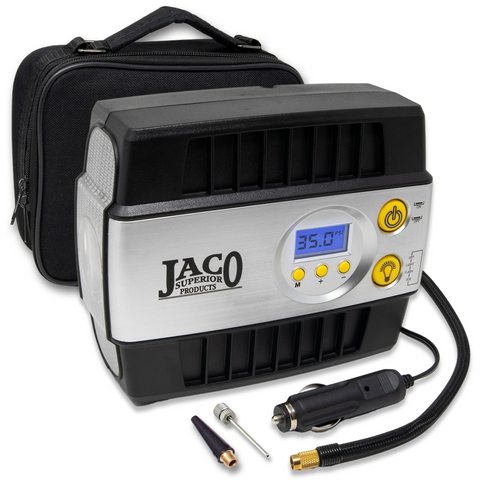
Imagem ilustrativa relacionada à bomba de ar pequena para pneus
Os infladores de pneus de 12V CC são comumente usados em kits de emergência e assistência nas estradas devido à sua capacidade de serem conectados diretamente à tomada elétrica do veículo. Eles são compactos e podem inflar pneus rapidamente, o que os torna essenciais para empresas que prestam serviços em trânsito. Os compradores devem avaliar o comprimento do cabo e a velocidade de enchimento para garantir que atendam às demandas de suas operações.
As minibombas de ar são extremamente compactas e geralmente multifuncionais, o que as torna perfeitas para inflar pneus de bicicleta, equipamentos esportivos e pequenos infláveis. Elas são particularmente úteis para proprietários de veículos recreativos e empresas envolvidas em atividades ao ar livre. Entretanto, sua potência limitada significa que podem não ser adequadas para pneus maiores, portanto, as empresas devem avaliar suas necessidades específicas antes da compra.
Os compressores de ar para serviços pesados são construídos para alto desempenho, capazes de inflar pneus maiores e lidar com condições difíceis. Eles são comumente usados na manutenção de veículos comerciais e em aplicações de maquinário pesado. Embora essas unidades ofereçam durabilidade e potência, os compradores devem considerar seu peso e portabilidade, pois esses fatores podem afetar a facilidade de uso em ambientes variados.
Os infladores digitais de pneus são equipados com medidores de pressão integrados e recursos de desligamento automático, aumentando a precisão e a conveniência do usuário. Eles são geralmente preferidos nos setores automotivos e nas estações de serviço, onde a precisão é crucial. Os compradores devem pesar os benefícios da precisão em relação aos custos mais altos associados a esses recursos avançados, garantindo que eles se alinhem aos seus orçamentos operacionais.
| Indústria/Setor | Aplicação específica da bomba de ar pequena para pneus | Valor/benefício para a empresa | Principais considerações de fornecimento para este aplicativo |
|---|---|---|---|
| Reparo automotivo | Manutenção de pneus e reparos de emergência | Aumenta a satisfação do cliente e a eficiência do serviço | Durabilidade, portabilidade, compatibilidade com a fonte de alimentação |
| Logística e transporte | Gerenciamento da pressão dos pneus da frota | Reduz os custos operacionais por meio de maior eficiência de combustível | Tamanho, peso, facilidade de uso e velocidade de inflação |
| Esportes e recreação | Inflagem de equipamentos esportivos e veículos recreativos | Aumenta a conveniência para os usuários e aprimora as ofertas de produtos | Design compacto, multifuncionalidade e facilidade de armazenamento |
| Equipamentos agrícolas | Manutenção da pressão dos pneus em veículos e máquinas agrícolas | Garante o desempenho ideal e reduz o tempo de inatividade | Robustez, adaptabilidade a vários tamanhos de pneus e confiabilidade |
| Construção | Enchimento de pneus para máquinas e veículos pesados | Evita atrasos no projeto e garante a segurança no local | Capacidade de potência, velocidade de inflação e durabilidade sob uso intenso |
No setor de reparos automotivos, as pequenas bombas de ar são ferramentas indispensáveis para a manutenção de pneus e reparos de emergência. Os técnicos usam esses infladores portáteis para resolver rapidamente a baixa pressão dos pneus, garantindo que os veículos estejam seguros e em condições de rodar. Essa capacidade não apenas aumenta a satisfação do cliente, mas também aumenta a eficiência do serviço, permitindo que as oficinas lidem com mais veículos em menos tempo. Para os compradores internacionais, especialmente em regiões como a África e a América do Sul, é fundamental adquirir modelos duráveis que possam resistir a condições ambientais variadas.
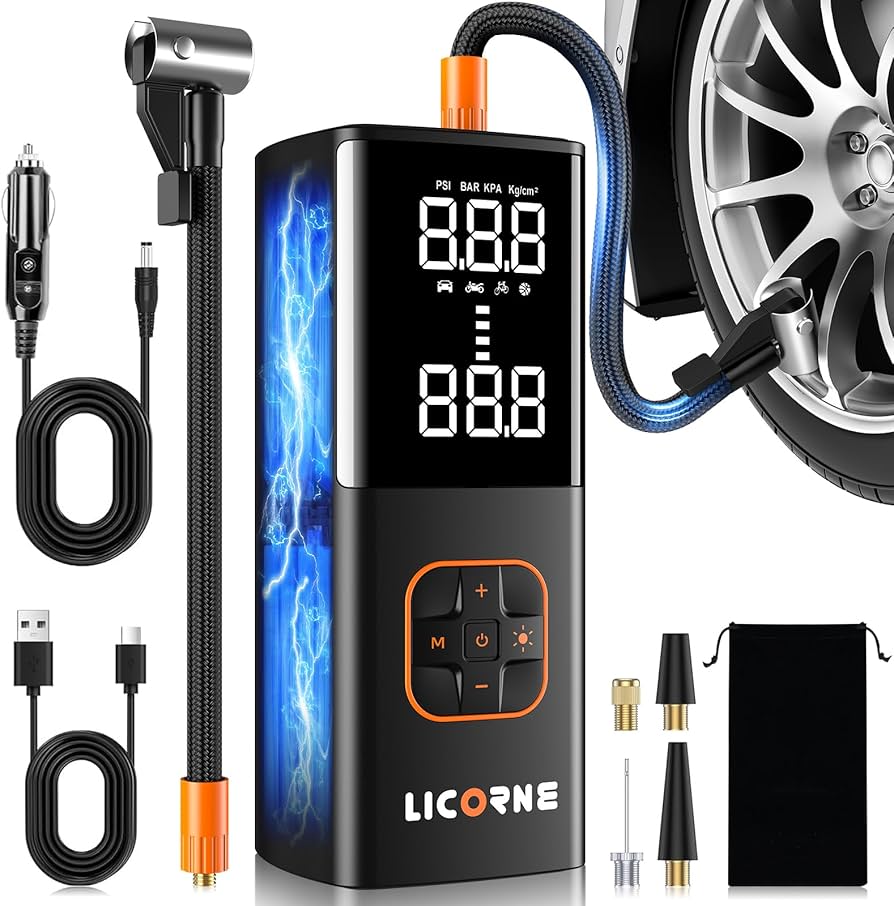
Imagem ilustrativa relacionada à bomba de ar pequena para pneus
Em logística e transporte, manter a pressão adequada dos pneus em uma frota é vital para a eficiência operacional. As bombas de ar de pequeno porte ajudam as empresas de logística a garantir que todos os veículos sejam monitorados e inflados de forma consistente, o que resulta em maior eficiência de combustível e menor desgaste dos pneus. Para empresas que operam em climas diversos, como as do Oriente Médio, é essencial considerar o tamanho, o peso e a facilidade de uso da bomba para facilitar a inflação rápida durante as verificações na estrada ou nos depósitos.
As bombas de ar pequenas são amplamente usadas no setor de esportes e recreação para inflar vários equipamentos, como bolas, barcos infláveis e bicicletas. Seu design compacto e sua versatilidade as tornam uma opção atraente para atletas e entusiastas de atividades ao ar livre que precisam de soluções de inflação confiáveis. Para os compradores B2B, especialmente na Europa e no Brasil, avaliar a multifuncionalidade dessas bombas e sua conveniência de armazenamento pode melhorar as ofertas de produtos em serviços de varejo ou de aluguel.
Na agricultura, manter a pressão dos pneus em veículos e máquinas agrícolas é essencial para o desempenho e a eficiência ideais. Pequenas bombas de ar permitem que os agricultores encham rapidamente os pneus, evitando o tempo de inatividade durante operações críticas. Para as empresas agrícolas em regiões como a Nigéria, o fornecimento de infladores robustos e confiáveis que possam lidar com vários tamanhos e condições de pneus é vital para manter a produtividade no campo.
No setor de construção, as pequenas bombas de ar são essenciais para encher os pneus de máquinas e veículos pesados, o que é fundamental para a segurança e os cronogramas dos projetos. Essas bombas ajudam a evitar atrasos causados por pneus furados e garantem que o maquinário opere com eficiência máxima. Para as empresas de construção, especialmente nos mercados em desenvolvimento, a seleção de modelos duráveis com alta capacidade de potência e velocidade de inflação pode afetar significativamente a confiabilidade operacional e a segurança nos locais de trabalho.
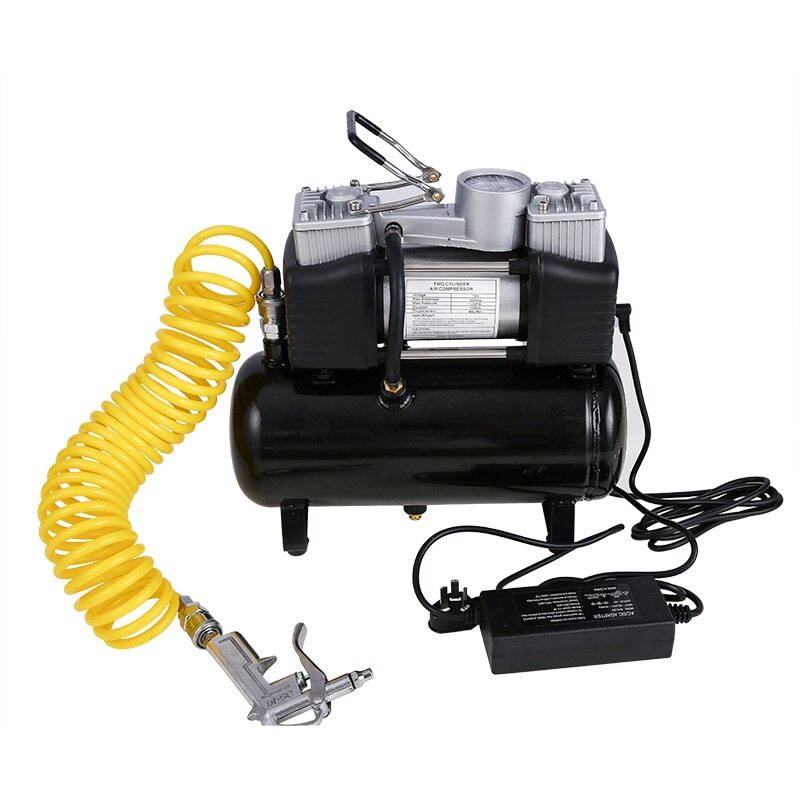
Imagem ilustrativa relacionada à bomba de ar pequena para pneus
O problema: Os compradores B2B geralmente enfrentam desafios ao adquirir pequenas bombas de ar adequadas para vários mercados regionais. Por exemplo, um distribuidor na Nigéria pode ter dificuldades para encontrar produtos que atendam aos padrões locais de fornecimento de energia e aos requisitos de pressão dos pneus. Além disso, a variação das preferências dos consumidores nas regiões pode complicar as decisões de estoque, levando a um possível excesso de estoque de modelos impopulares e à perda de oportunidades para modelos populares.
A solução: Para obter pequenas bombas de ar de forma eficaz, os compradores devem realizar uma pesquisa de mercado completa para entender as especificações regionais e as preferências dos consumidores. Envolva-se com parceiros ou distribuidores locais para obter informações sobre tendências de demanda e recursos populares. Ao fazer a aquisição, priorize os fabricantes que oferecem opções personalizáveis para se adaptarem aos requisitos locais, como compatibilidade de voltagem e configurações de pressão. Estabeleça relações com vários fornecedores para garantir uma linha de produtos diversificada que atenda a vários mercados. Esse fornecimento estratégico não apenas reduzirá o risco de excesso de estoque, mas também aumentará a capacidade de resposta do mercado.
O problema: Muitos compradores B2B encontram problemas de qualidade com pequenas bombas de ar que levam à insatisfação do cliente. Por exemplo, um gerente de frota no Brasil pode investir em bombas que não conseguem manter uma pressão consistente ou são propensas a falhas mecânicas após um uso limitado. Isso não apenas afeta a segurança e o desempenho dos veículos, mas também reflete negativamente na reputação da marca do comprador.
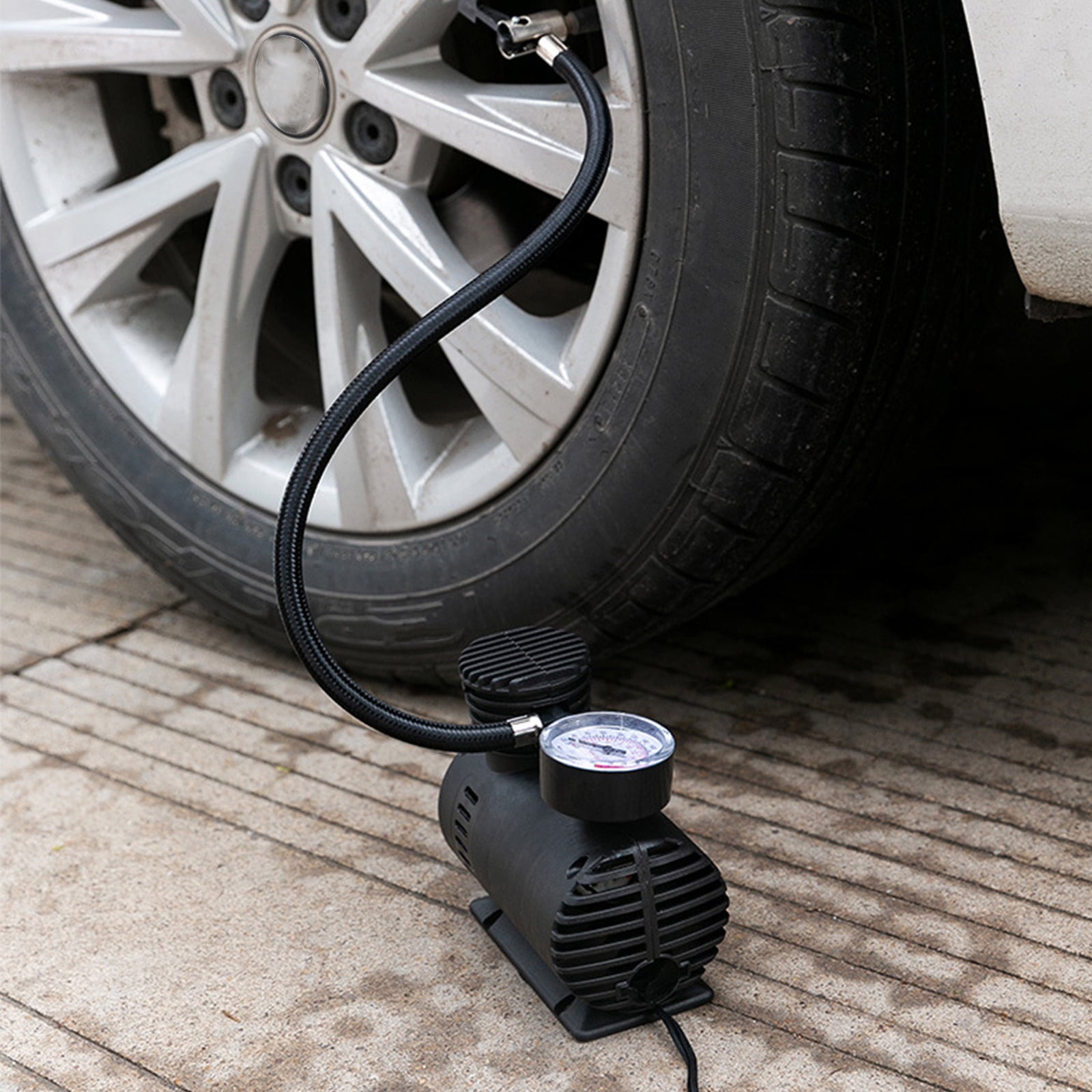
Imagem ilustrativa relacionada à bomba de ar pequena para pneus
A solução: Para reduzir os problemas de desempenho, é fundamental que os compradores realizem testes e avaliações rigorosos dos produtos antes de comprar em grandes quantidades. Procure fornecedores que forneçam especificações detalhadas do produto, incluindo pressão máxima, ciclo de trabalho e cobertura de garantia. Solicite amostras para testes reais para avaliar o desempenho em várias condições. Além disso, considere a possibilidade de fazer parcerias com fabricantes que tenham um histórico sólido e avaliações positivas no setor. A implementação de um processo de garantia de qualidade, como inspeções de rotina e ciclos de feedback dos usuários finais, ajudará a garantir que somente bombas confiáveis sejam distribuídas.
O problema: Os compradores B2B geralmente descobrem que seus clientes não estão utilizando plenamente as pequenas bombas de ar devido à falta de treinamento ou suporte. Por exemplo, um varejista na África do Sul pode vender infladores de pneus de alta qualidade, mas os clientes têm dificuldade para operá-los com eficiência, o que gera frustração e críticas negativas. Essa lacuna no conhecimento do usuário pode resultar no aumento de devoluções e na diminuição da fidelidade do cliente.
A solução: Para melhorar a experiência e a satisfação do usuário, é essencial fornecer materiais abrangentes de treinamento e suporte juntamente com o produto. Desenvolva vídeos instrutivos, manuais do usuário e perguntas frequentes que descrevam claramente os procedimentos operacionais e as dicas de solução de problemas. Considere a possibilidade de oferecer sessões de treinamento ou workshops para os usuários finais, pessoalmente ou on-line, para demonstrar os recursos da bomba e as práticas recomendadas de uso. Além disso, estabelecer um canal de atendimento ao cliente responsivo pode ajudar a resolver prontamente as preocupações dos usuários, promovendo um relacionamento positivo entre o comprador e seus clientes. Ao investir na educação do usuário, os compradores podem aumentar a satisfação com o produto e reduzir significativamente as taxas de devolução.
Ao selecionar materiais para pequenas bombas de ar projetadas para encher pneus, vários fatores devem ser considerados, incluindo desempenho, durabilidade, custo e conformidade com padrões internacionais. Esta análise se concentra em quatro materiais comuns usados na construção dessas bombas: alumínio, plástico, borracha e aço inoxidável.
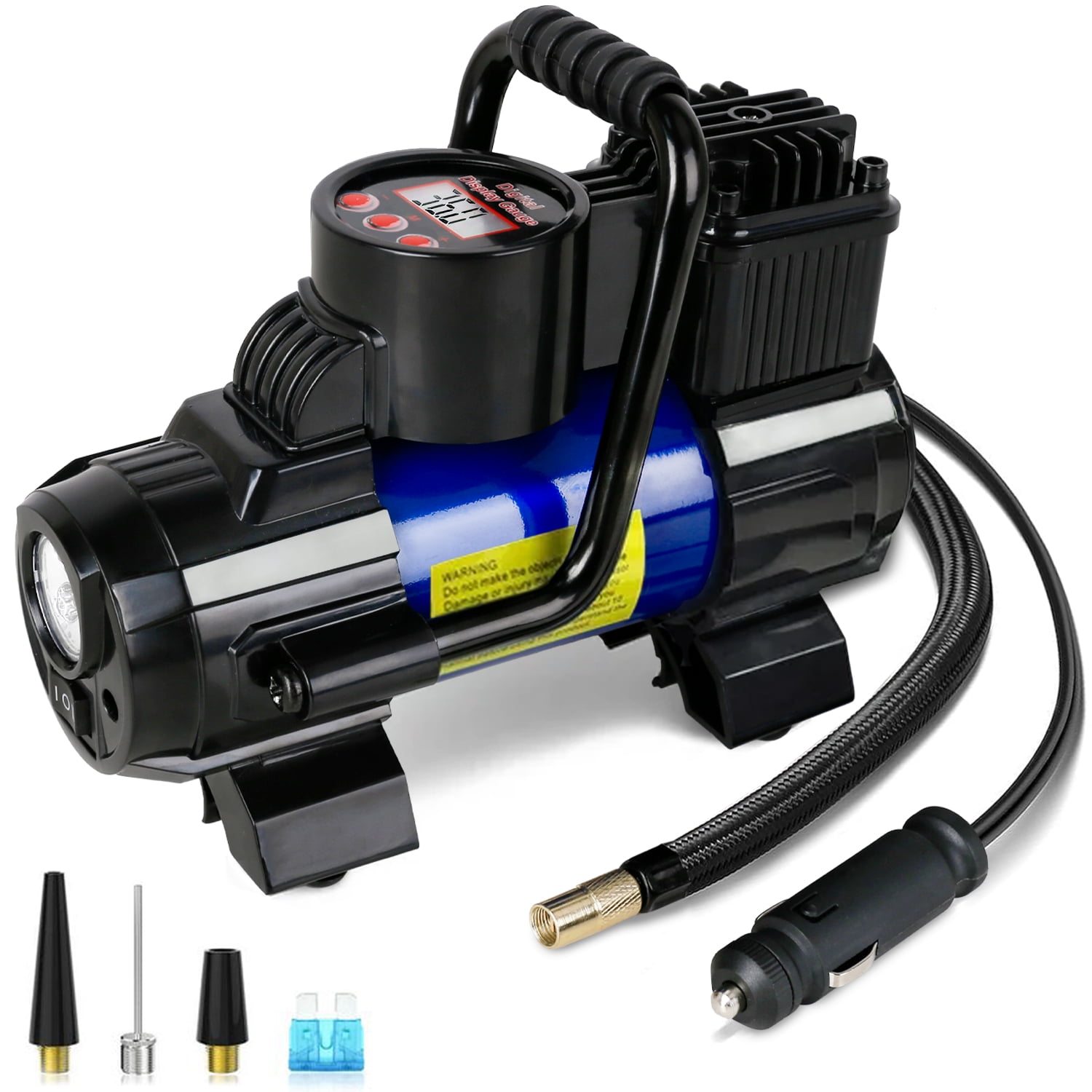
Imagem ilustrativa relacionada à bomba de ar pequena para pneus
O alumínio é uma escolha popular para o corpo de pequenas bombas de ar devido à sua natureza leve e à excelente relação resistência/peso. Normalmente, ele tem uma classificação de temperatura de até 200°C e pode suportar níveis de pressão moderados, o que o torna adequado para aplicações de enchimento de pneus.
Prós: O alumínio é resistente à corrosão, o que é crucial para bombas que podem ser expostas à umidade ou a condições climáticas variáveis. Sua propriedade de leveza também facilita o transporte, o que atrai os consumidores que buscam soluções portáteis.
Contras: Embora o alumínio seja durável, ele pode ser mais caro do que algumas alternativas de plástico. Além disso, os processos de fabricação de peças de alumínio podem ser complexos, o que pode levar a custos de produção mais altos.
Impacto no aplicativo: A compatibilidade do alumínio com vários meios (ar, umidade) faz dele uma opção versátil para os mercados internacionais. No entanto, os compradores devem garantir a conformidade com normas como a ASTM para a qualidade do material.
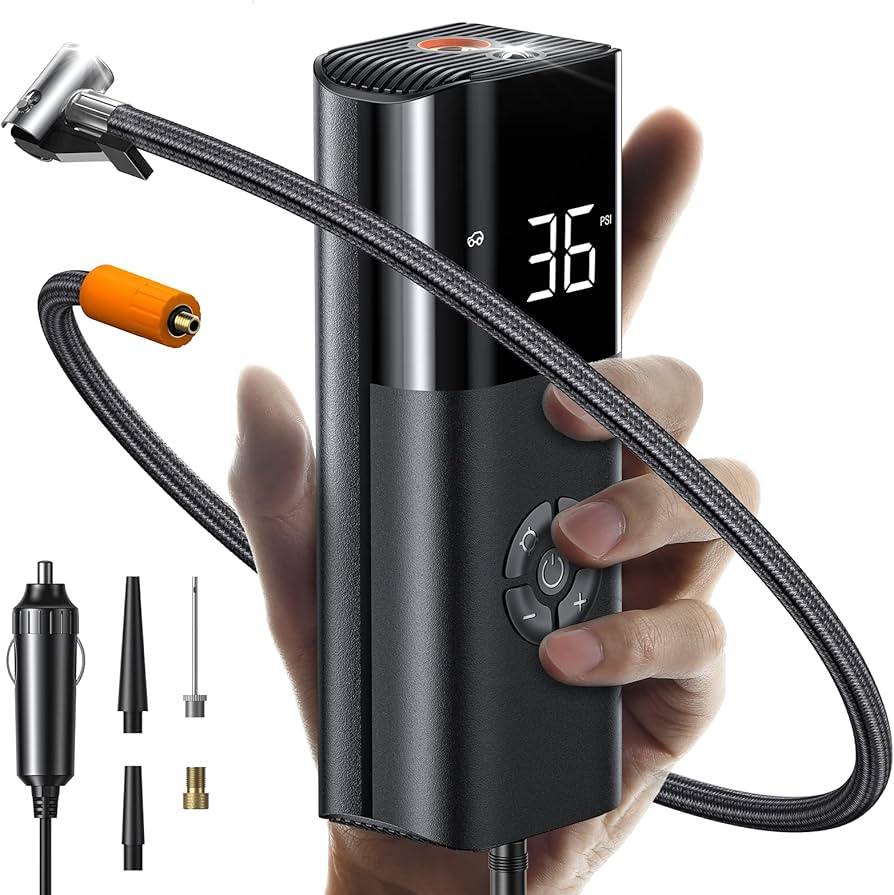
Imagem ilustrativa relacionada à bomba de ar pequena para pneus
O plástico é frequentemente usado na construção de componentes menores de bombas de ar, como carcaças e bicos. Normalmente, ele oferece uma boa classificação de temperatura de até 80°C e pode suportar níveis de pressão baixos a moderados.
Prós: A principal vantagem do plástico é o baixo custo e a facilidade de fabricação. Ele pode ser moldado em formas complexas, permitindo designs inovadores que podem melhorar a experiência do usuário.
Contras: O plástico geralmente é menos durável do que os metais e pode se degradar com o tempo, especialmente quando exposto à luz UV ou a temperaturas extremas. Isso pode levar a falhas no desempenho ao longo do tempo.
Impacto no aplicativo: Embora os componentes de plástico possam ser eficazes para aplicações leves, os compradores em regiões com condições climáticas extremas devem considerar a confiabilidade de longo prazo das peças de plástico. A conformidade com os padrões ambientais também pode ser uma preocupação.
A borracha é usada principalmente para vedações e gaxetas em bombas de ar. Ela tem excelente elasticidade e pode suportar temperaturas que variam de -30°C a 100°C, o que a torna adequada para vários ambientes.
Prós: A borracha oferece excelentes recursos de vedação, evitando vazamentos de ar e garantindo uma operação eficiente. Ela também é relativamente barata e está prontamente disponível.
Contras: A borracha pode se degradar com o tempo, especialmente quando exposta ao ozônio ou a determinados produtos químicos. Isso pode reduzir a vida útil dos componentes feitos de borracha.
Impacto no aplicativo: Para os compradores internacionais, é essencial conhecer os tipos específicos de borracha e sua conformidade com os padrões (como o JIS). Os compradores também devem considerar o clima local, pois condições extremas podem afetar o desempenho da borracha.
O aço inoxidável é frequentemente usado para componentes críticos, como válvulas e conexões, devido à sua alta resistência à corrosão e força. Ele pode suportar altas temperaturas (até 800°C) e pressões, o que o torna ideal para aplicações pesadas.
Prós: A durabilidade e a longevidade dos componentes de aço inoxidável podem reduzir os custos de substituição ao longo do tempo. Sua resistência à ferrugem e à corrosão é particularmente benéfica em ambientes úmidos ou salinos.
Contras: A principal desvantagem é o custo mais alto associado ao aço inoxidável em comparação com outros materiais. Além disso, os processos de fabricação podem ser mais complexos, o que afeta os custos gerais de produção.
Impacto no aplicativo: Os compradores devem se certificar de que os componentes de aço inoxidável atendam às normas internacionais, pois isso pode afetar a aceitação do mercado. Em regiões com alta umidade, como as áreas costeiras, o aço inoxidável é a escolha preferida devido à sua resistência.
| Material | Caso de uso típico de uma bomba de ar pequena para pneus | Principais vantagens | Principal desvantagem/limitação | Custo relativo (baixo/médio/alto) |
|---|---|---|---|---|
| Alumínio | Corpo da bomba | Leve e resistente à corrosão | Maior complexidade de fabricação | Médio |
| Plástico | Carcaças e bicos | Baixo custo e fácil de moldar | Menos durável, suscetível a danos causados por raios UV | Baixa |
| Borracha | Vedações e gaxetas | Excelente capacidade de vedação | Degrada-se com o tempo, especialmente no ozônio | Baixa |
| Aço inoxidável | Válvulas e conexões | Alta durabilidade e resistência à corrosão | Custo mais alto e fabricação complexa | Alta |
Esse guia de seleção de materiais fornece aos compradores B2B percepções críticas sobre as propriedades, vantagens e limitações dos materiais usados em pequenas bombas de ar para pneus, garantindo decisões de compra informadas que se alinham aos padrões regionais e às necessidades do mercado.
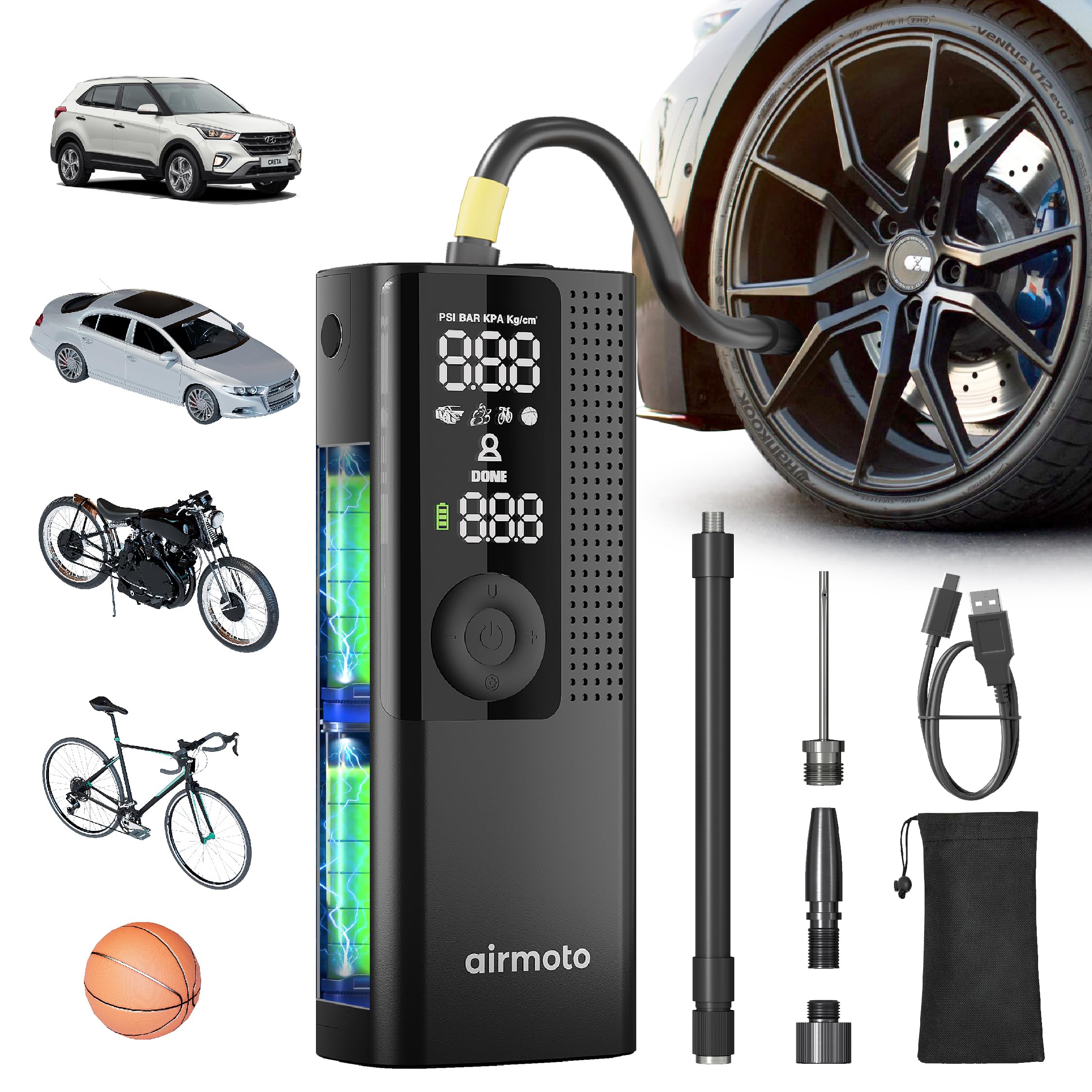
Imagem ilustrativa relacionada à bomba de ar pequena para pneus
O processo de fabricação de pequenas bombas de ar para pneus normalmente envolve vários estágios críticos: preparação do material, formação, montagem e acabamento. Cada estágio é crucial para garantir que o produto final atenda aos padrões de desempenho e qualidade.
A primeira etapa envolve a seleção de materiais de alta qualidade que possam suportar a pressão e proporcionar durabilidade. Os materiais comuns incluem:
Depois que os materiais são selecionados, eles passam por processos como corte, moldagem e usinagem para prepará-los para a montagem. Por exemplo, as peças de plástico podem ser moldadas por injeção, enquanto os componentes de metal podem ser usinados para obter precisão.
No estágio de formação, os fabricantes moldam os materiais preparados em componentes que acabarão se unindo para criar a bomba de ar. As técnicas incluem:
O processo de formação é vital para garantir que as peças se encaixem perfeitamente, o que afeta a eficiência e a confiabilidade gerais da bomba.
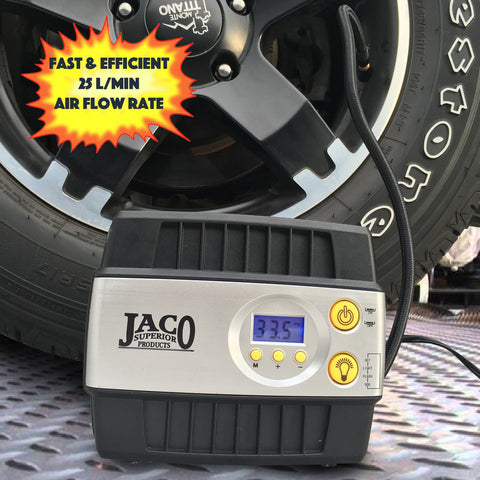
Imagem ilustrativa relacionada à bomba de ar pequena para pneus
O processo de montagem é onde todos os componentes são reunidos. Técnicos especializados ou sistemas automatizados colocam as peças em suas respectivas posições, geralmente seguindo um processo detalhado de linha de montagem. Normalmente, esse estágio inclui:
As medidas de controle de qualidade são integradas em todo o processo de montagem para detectar defeitos antecipadamente, reduzindo o desperdício e garantindo um produto de alta qualidade.
A etapa de acabamento envolve os retoques finais que aprimoram o apelo estético e a funcionalidade do produto. As técnicas usadas incluem:
A garantia de qualidade é fundamental na fabricação de pequenas bombas de ar para atender aos padrões internacionais e garantir a segurança e a confiabilidade. Os principais padrões incluem:
O controle de qualidade (QC) é parte integrante do processo de fabricação. Os pontos de controle de QC relevantes incluem:
Os compradores B2B devem garantir que seus fornecedores mantenham medidas robustas de controle de qualidade. Aqui estão algumas estratégias para verificação:
Os compradores internacionais, principalmente de regiões como África, América do Sul, Oriente Médio e Europa, devem estar cientes das nuances específicas do controle de qualidade e da certificação:
Em conclusão, os processos de fabricação e as medidas de garantia de qualidade para pequenas bombas de ar para pneus são fundamentais para garantir a confiabilidade, a segurança e o desempenho. Para os compradores B2B, a compreensão desses processos e a capacidade de verificar o controle de qualidade do fornecedor podem levar a melhores decisões de compra e parcerias de longo prazo. Ao se concentrarem em práticas de fabricação robustas e aderirem a padrões internacionais, os fornecedores podem fornecer produtos que atendam às diversas necessidades do mercado global.
Este guia fornece uma lista de verificação abrangente para compradores B2B que buscam adquirir pequenas bombas de ar para pneus, garantindo que o processo de sourcing seja eficiente e eficaz. Ao seguir essas etapas, os compradores podem tomar decisões informadas que se alinham com suas necessidades operacionais e restrições orçamentárias.
Estabelecer especificações técnicas claras é fundamental para garantir que as bombas de ar atendam aos seus requisitos operacionais. Considere fatores como a capacidade de pressão (medida em PSI), a fonte de alimentação (bateria, CA ou CC) e o tamanho para portabilidade. Além disso, descreva todos os recursos especiais que você possa precisar, como medidores de pressão embutidos ou luzes de LED para uso noturno.
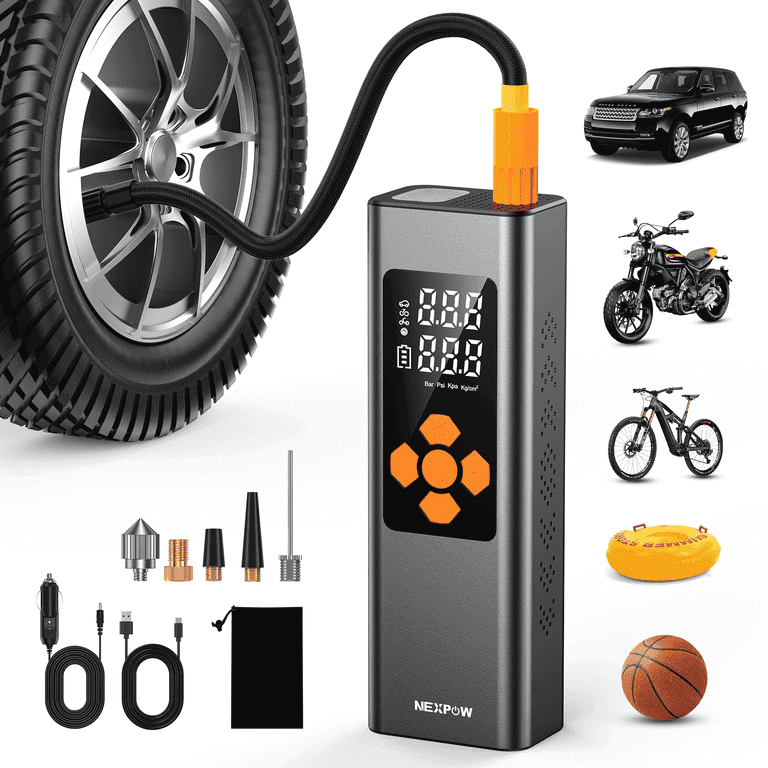
Imagem ilustrativa relacionada à bomba de ar pequena para pneus
A compreensão das tendências atuais do mercado pode ajudá-lo a identificar os melhores produtos disponíveis. Analise os relatórios do setor e as avaliações dos consumidores para descobrir quais marcas e modelos são preferidos por sua confiabilidade e desempenho. Preste atenção especial aos produtos que foram testados quanto à durabilidade, especialmente em condições climáticas variadas típicas de regiões como a África e a América do Sul.
Antes de se comprometer com um fornecedor, é essencial realizar uma diligência prévia completa. Solicite perfis de empresas, certificações e referências de outras empresas de seu setor. Além disso, considere o histórico do fornecedor com remessas internacionais, especialmente se você estiver adquirindo produtos de diferentes continentes. Isso pode ajudar a reduzir os riscos associados à entrega e à conformidade do produto.
Depois de identificar os possíveis fornecedores, compare seus modelos de preços e condições de pagamento. Procure transparência nos preços - entenda se os custos incluem remessa, impostos e taxas. Opte por fornecedores que ofereçam opções de pagamento flexíveis, como cartas de crédito ou pagamentos parcelados, o que pode ser vantajoso para o gerenciamento do fluxo de caixa.
Certifique-se de que as bombas de ar atendam aos padrões internacionais relevantes de segurança e qualidade. Verifique se há certificações, como ISO ou CE, que indiquem conformidade com as normas de fabricação. Essa etapa é vital não apenas para a qualidade do produto, mas também para minimizar problemas de responsabilidade no futuro.
O suporte pós-venda pode afetar significativamente sua experiência com o produto. Informe-se sobre os termos da garantia e a disponibilidade do atendimento ao cliente. Um sistema de suporte robusto garante que qualquer problema operacional possa ser resolvido rapidamente, minimizando o tempo de inatividade e mantendo a satisfação do cliente.
Antes de finalizar seu pedido, solicite amostras das bombas de ar. Testar os produtos em cenários reais o ajudará a avaliar seu desempenho e compatibilidade com suas necessidades operacionais. Essa etapa é fundamental para garantir que o produto atenda às suas especificações e expectativas.
Seguindo essa lista de verificação estruturada, os compradores B2B podem navegar pelas complexidades do fornecimento de pequenas bombas de ar para pneus, levando a decisões de compra informadas que aumentam a eficiência operacional e a confiabilidade do produto.
Ao adquirir pequenas bombas de ar para pneus, entender a estrutura de custos é essencial para um orçamento e uma negociação de preços eficazes. Os principais componentes de custo incluem:
Materiais: A escolha dos materiais afeta significativamente o custo total. Os materiais comuns incluem plástico para a carcaça e borracha para as mangueiras. Materiais de maior qualidade podem aumentar a durabilidade, mas também elevam o preço.
Trabalho: Os custos de mão de obra variam de acordo com a região e podem ser influenciados pelos padrões salariais locais. Em áreas com custos trabalhistas mais altos, como partes da Europa, os fabricantes podem repassar esses custos aos compradores.
Custos indiretos de fabricação: Isso inclui os custos associados à manutenção da fábrica, serviços públicos e despesas administrativas. Processos de produção eficientes podem ajudar a minimizar esses custos indiretos.
Ferramentas: O investimento inicial em ferramentas pode ser substancial, principalmente para projetos personalizados. Os compradores devem considerar se o fornecedor já possui o ferramental necessário ou se são necessários novos investimentos.
Controle de qualidade (QC): Garantir que o produto atenda aos padrões de segurança e desempenho envolve processos de controle de qualidade que aumentam o custo total. As certificações de órgãos reconhecidos podem elevar ainda mais os custos, mas podem ser necessárias para a conformidade em determinados mercados.
Logística: Os custos de envio podem variar de acordo com a distância, o peso e o modo de transporte. Para compradores internacionais, entender os Incoterms é fundamental para determinar quem é responsável pelos custos de remessa.
Margem: Normalmente, os fornecedores aplicam uma margem de lucro para cobrir seus riscos e despesas. Essa margem pode variar muito com base nas condições de mercado e na concorrência.
Vários fatores podem influenciar o preço de pequenas bombas de ar para pneus, que são cruciais para os compradores B2B considerarem:
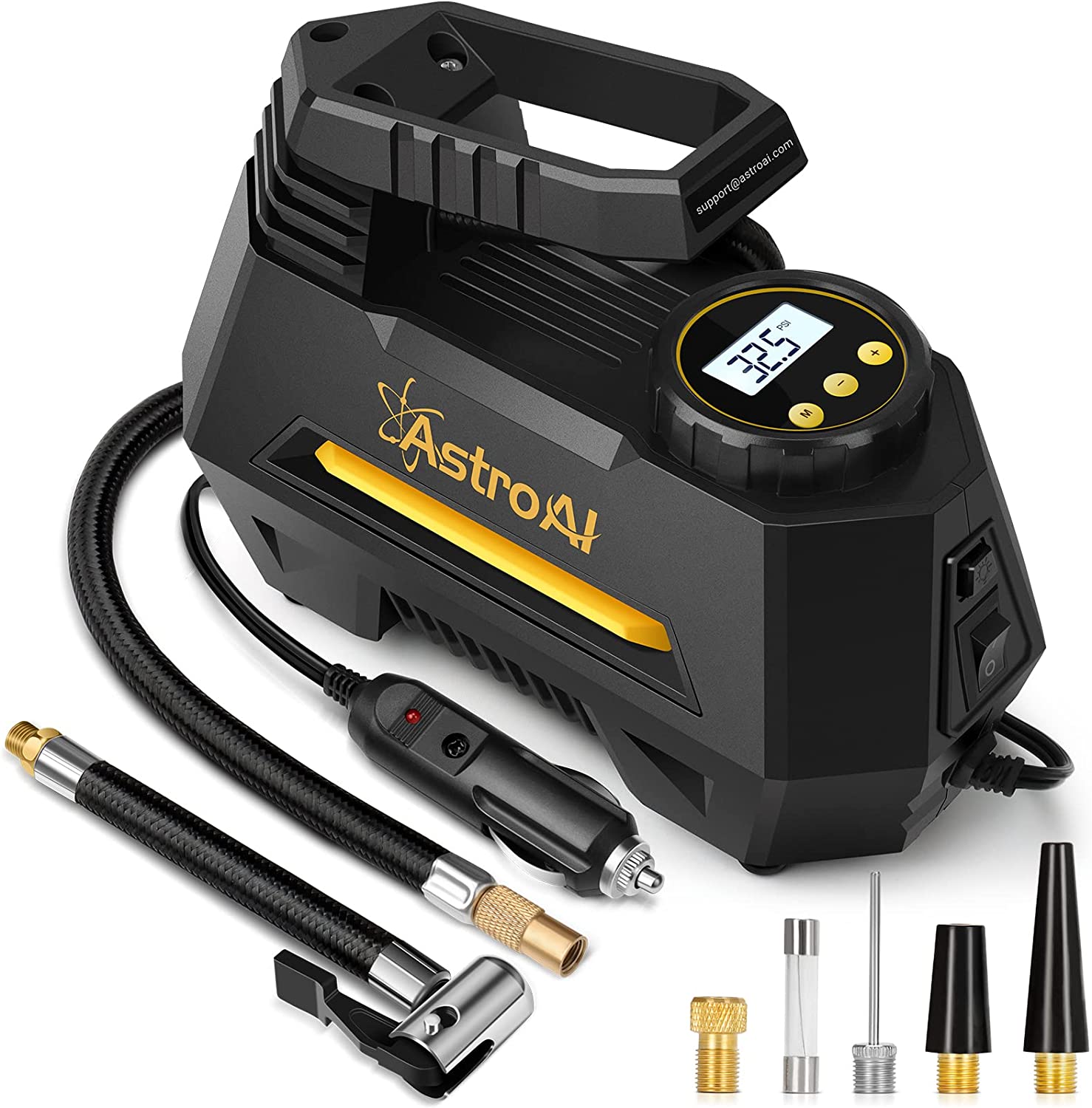
Imagem ilustrativa relacionada à bomba de ar pequena para pneus
Volume e quantidade mínima de pedidos (MOQ): A compra em quantidades maiores geralmente resulta em custos unitários mais baixos. Os compradores devem negociar MOQs que se alinhem às suas necessidades de estoque sem se comprometerem demais.
Especificações e personalização: A personalização de bombas para atender a requisitos específicos (por exemplo, classificações de pressão, tamanho) pode levar a um aumento de custos. Os compradores devem pesar os benefícios da personalização em relação às despesas associadas.
Qualidade do material e certificações: Materiais e certificações de maior qualidade podem aumentar a confiabilidade e a segurança do produto, mas também aumentarão os custos. Os compradores em mercados regulamentados talvez precisem priorizar esses aspectos.
Fatores do fornecedor: A reputação e a confiabilidade dos fornecedores podem influenciar os preços. Fornecedores estabelecidos com um histórico podem cobrar mais devido à sua confiabilidade e aos processos de garantia de qualidade.
Incoterms: Entender os termos de envio é vital para os compradores internacionais. Termos como FOB (Free on Board) ou CIF (Cost, Insurance, and Freight) podem afetar significativamente os custos e as responsabilidades totais.
Para compradores B2B internacionais, especialmente de regiões como África, América do Sul, Oriente Médio e Europa, estratégias eficazes de negociação e gerenciamento de custos são essenciais:
Aproveite o custo total de propriedade (TCO): Em vez de se concentrar apenas no preço de compra, considere o TCO, que inclui manutenção, eficiência operacional e possíveis reparos. Essa visão holística pode ajudar a justificar custos iniciais mais altos para produtos de melhor qualidade.
Negociar com base em pesquisas de mercado: Faça uma pesquisa completa sobre os preços de mercado e as ofertas da concorrência para fortalecer sua posição de negociação. Estar bem informado pode ajudá-lo a garantir melhores negócios.
Crie relacionamentos de longo prazo: O estabelecimento de uma parceria de longo prazo com os fornecedores pode levar a melhores preços, pois os fornecedores podem oferecer descontos para negócios repetidos ou fidelidade.
Considere as variações regionais: Os preços podem variar significativamente de acordo com a região. Entender a dinâmica do mercado local em países como o Brasil ou a Nigéria pode ser uma vantagem nas negociações.
Seja claro quanto às expectativas: Comunique claramente suas especificações e expectativas para evitar mal-entendidos que possam resultar em custos adicionais posteriormente.
Os preços de pequenas bombas de ar para pneus podem flutuar com base em vários fatores, inclusive custos de matéria-prima, estratégias de preços do fornecedor e demanda do mercado. É aconselhável que os compradores solicitem cotações de vários fornecedores para garantir preços competitivos e para se manterem informados sobre as tendências do mercado que podem afetar os custos.
Na busca por soluções eficientes de enchimento de pneus, os compradores B2B geralmente exploram várias opções além da tradicional bomba de ar pequena para pneus. Diferentes tecnologias e métodos podem oferecer vantagens exclusivas, dependendo das necessidades operacionais específicas, das restrições orçamentárias e do ambiente em que serão usados. Essa análise compara as bombas de ar pequenas com duas alternativas viáveis: compressores de ar portáteis e infladores de CO2, permitindo que as empresas tomem decisões de compra informadas.
| Aspecto de comparação | Bomba de ar pequena para pneus | Compressor de ar portátil | Inflador de CO2 |
|---|---|---|---|
| Desempenho | PSI moderado, adequado para pneus pequenos e médios | PSI alto, adequado para todos os tamanhos de pneus | PSI limitado, melhor para enchimentos rápidos |
| Custo | Baixo a moderado ($20-$50) | Moderado a alto ($50-$200) | Baixo a moderado ($15-$60) |
| Facilidade de implementação | Design plug-and-play simples | Requer fonte de alimentação; alguns modelos são operados por bateria | Muito fácil, sem necessidade de fonte de alimentação |
| Manutenção | Baixa manutenção; limpeza ocasional | Moderado; pode exigir troca de óleo e filtro | Mínimo; basta substituir os cartuchos de CO2 |
| Melhor caso de uso | Situações de emergência, veículos compactos | Manutenção de rotina, veículos maiores | Consertos rápidos para pneus pequenos, equipamentos esportivos |
Os compressores de ar portáteis são um passo à frente em termos de desempenho em comparação com as bombas de ar pequenas. Eles podem fornecer níveis mais altos de PSI, o que os torna adequados para uma gama mais ampla de veículos, inclusive caminhões e SUVs. Embora tendam a ser mais caros, sua versatilidade e capacidade de inflar pneus rapidamente os tornam uma ferramenta valiosa para empresas que exigem manutenção regular dos pneus. No entanto, eles geralmente precisam de uma fonte de energia, o que pode limitar seu uso em locais remotos sem acesso à eletricidade. A manutenção também é mais complexa, pois alguns modelos exigem troca de óleo e substituição de filtros.
Os infladores de CO2 são uma alternativa única, especialmente para empresas que precisam de reparos rápidos e temporários. Eles são leves e altamente portáteis, o que os torna ideais para inflar pneus de emergência e pequenos equipamentos, como bicicletas ou bolas esportivas. Os infladores de CO2 operam sem eletricidade, o que permite o uso fácil em vários ambientes. Entretanto, sua principal limitação está na capacidade de PSI, que geralmente é menor do que a de pequenas bombas de ar e compressores portáteis. Além disso, o custo recorrente dos cartuchos de CO2 pode aumentar com o tempo, tornando-os menos econômicos para uso frequente.
Ao selecionar a solução de enchimento de pneus mais adequada, os compradores B2B devem avaliar seus requisitos específicos, como os tipos de veículos que gerenciam, a frequência de uso e os ambientes em que operam. Uma bomba de ar pequena pode ser ideal para empresas focadas em veículos compactos e uso emergencial, enquanto os compressores de ar portáteis são melhores para quem precisa de uma solução robusta para manutenção regular. Por outro lado, os infladores de CO2 podem ser perfeitos para necessidades rápidas e em movimento. Ao avaliar essas alternativas, as empresas podem investir no equipamento certo que se alinha com suas demandas operacionais e considerações financeiras.
Ao avaliar pequenas bombas de ar para pneus, várias especificações técnicas críticas são essenciais para garantir a qualidade, o desempenho e a adequação do produto a várias aplicações. O entendimento dessas propriedades pode ajudar os compradores B2B a tomar decisões de compra bem informadas.
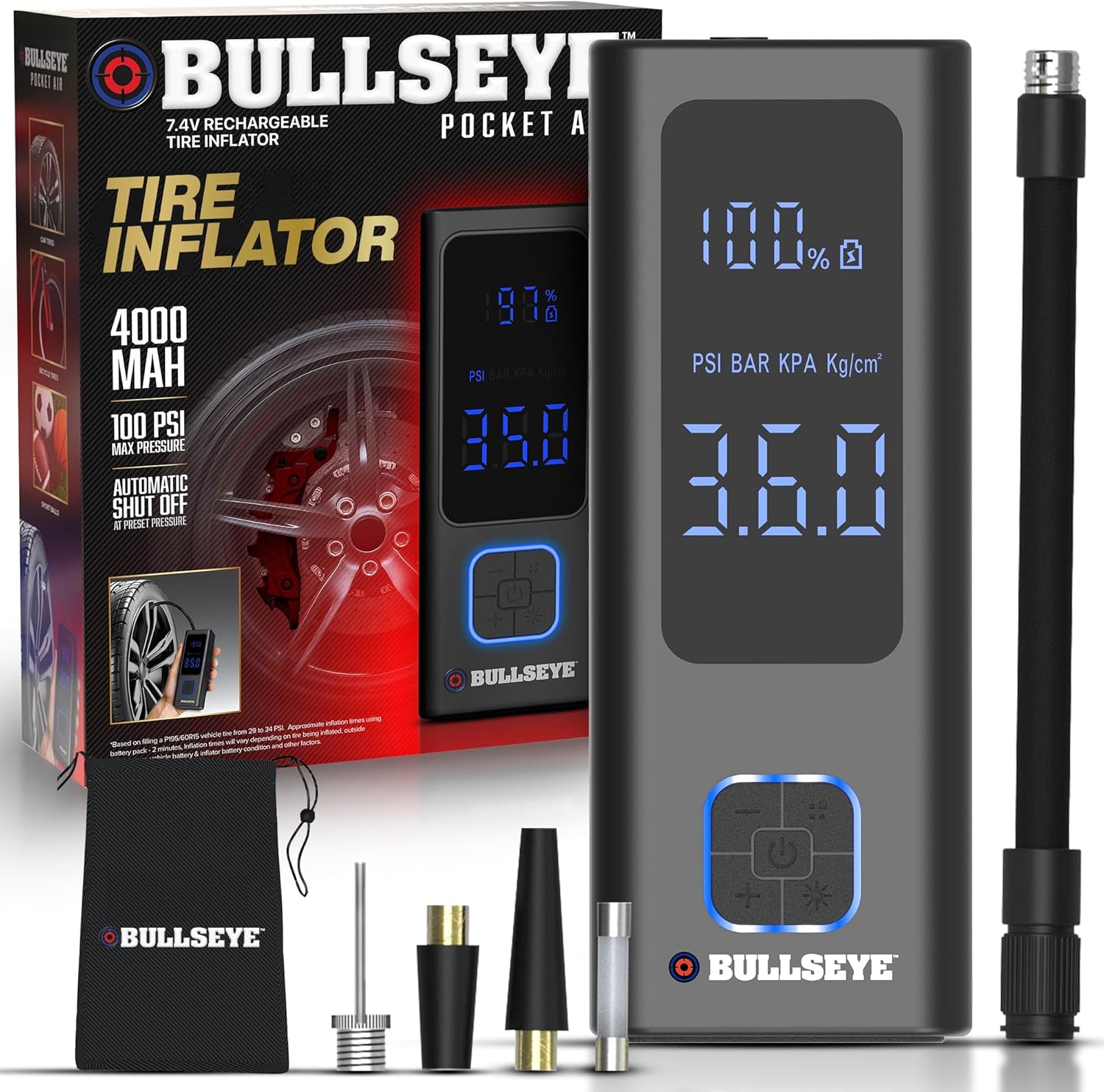
Imagem ilustrativa relacionada à bomba de ar pequena para pneus
A classificação de pressão indica a pressão de ar máxima que a bomba pode atingir, geralmente medida em libras por polegada quadrada (PSI). Para bombas de ar pequenas, as classificações típicas variam de 30 PSI a mais de 160 PSI. Um PSI mais alto é crucial para inflar pneus de veículos maiores ou aplicações de serviço pesado. Os compradores devem avaliar os requisitos de pressão de seus mercados-alvo para garantir que selecionem bombas que atendam a essas especificações.
As bombas de ar pequenas podem ser alimentadas por várias fontes, incluindo a rede elétrica CA, tomadas de 12V para veículos ou baterias recarregáveis. Entender a fonte de energia é fundamental para determinar onde e como a bomba pode ser usada. Os compradores B2B devem considerar a conveniência e a acessibilidade da fonte de energia para os usuários finais em suas regiões-alvo, pois algumas áreas podem ter acesso limitado à energia CA.
O ciclo de trabalho refere-se ao tempo que uma bomba pode operar antes de precisar esfriar. Normalmente, ele é expresso como uma porcentagem (por exemplo, o ciclo de serviço 50% significa que a bomba pode funcionar por 5 minutos e, em seguida, deve esfriar por 5 minutos). Um ciclo de serviço mais alto é vantajoso para empresas que exigem uso frequente ou contínuo, pois garante que a bomba possa lidar com a alta demanda sem superaquecimento.
As dimensões e o peso da bomba desempenham um papel fundamental em sua portabilidade e facilidade de uso. Modelos menores e leves são preferidos para veículos pessoais e kits de emergência, enquanto unidades maiores podem ser adequadas para aplicações comerciais ou industriais. Os compradores devem avaliar os requisitos de armazenamento e transporte com base em suas necessidades específicas de mercado.
Os materiais usados na construção da bomba de ar afetam sua durabilidade, desempenho e resistência a fatores ambientais. Os materiais comuns incluem plástico de alta qualidade e componentes metálicos. Os compradores B2B devem priorizar as bombas fabricadas com materiais robustos para garantir a longevidade, especialmente nos mercados em que a durabilidade é fundamental devido a condições adversas.
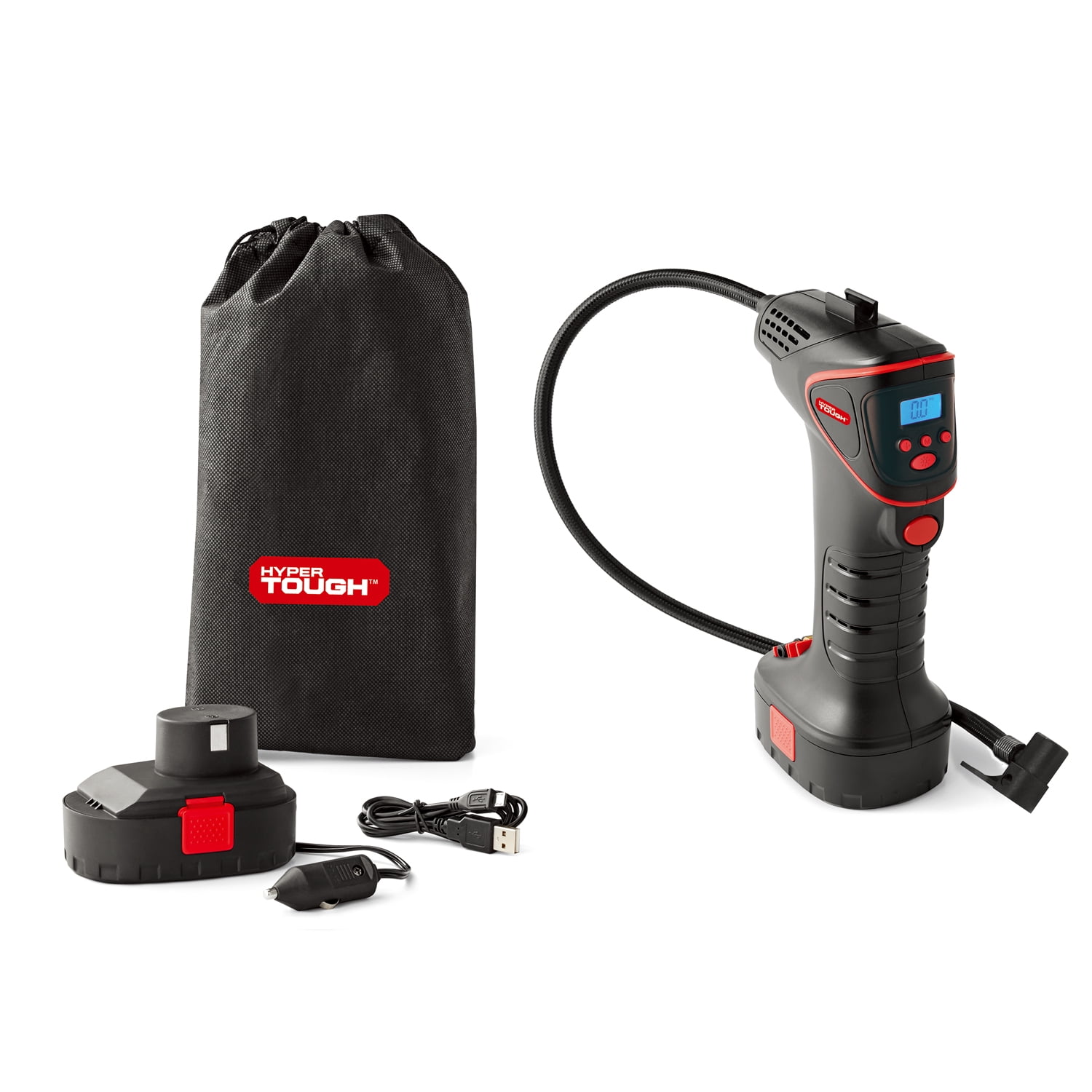
Imagem ilustrativa relacionada à bomba de ar pequena para pneus
O tempo de inflação é a duração necessária para inflar totalmente um pneu, desde o estado vazio até o PSI desejado. Tempos de inflação mais rápidos melhoram a experiência e a eficiência do usuário, especialmente em aplicações comerciais. Os compradores devem procurar bombas com tempos de inflação competitivos para aumentar a satisfação do cliente.
Entender o jargão específico do setor é fundamental para uma comunicação e negociação eficazes no espaço B2B. Aqui estão alguns termos-chave relevantes para pequenas bombas de ar para pneus:
Um OEM refere-se a uma empresa que produz peças ou equipamentos que podem ser comercializados por outro fabricante. No contexto das bombas de ar, esse termo é vital para os compradores que desejam obter produtos que possam ser marcados com seu nome, garantindo qualidade e consistência no fornecimento.
O MOQ indica o menor tamanho de pedido que um fornecedor está disposto a aceitar. Entender o MOQ ajuda os compradores B2B a gerenciar o estoque e o fluxo de caixa de forma eficaz, garantindo que eles peçam quantidades suficientes sem comprometer demais os recursos.
Imagem ilustrativa relacionada à bomba de ar pequena para pneus
Uma RFQ é um documento enviado aos fornecedores solicitando uma cotação de preços para produtos específicos. É uma etapa essencial no processo de aquisição, permitindo que os compradores comparem preços, termos e condições de vários fornecedores, facilitando assim a tomada de decisões informadas.
Os Incoterms são regras reconhecidas internacionalmente que definem as responsabilidades de compradores e vendedores em transações internacionais. A familiaridade com esses termos é fundamental para que os compradores B2B entendam a logística de remessa, as responsabilidades de custo e o gerenciamento de riscos ao importar bombas de ar.
O lead time refere-se ao período entre a colocação de um pedido e a entrega do produto. Para as empresas, entender os prazos de entrega é essencial para o gerenciamento de estoques e para garantir que os produtos estejam disponíveis quando necessário, especialmente para demandas sazonais.

Imagem ilustrativa relacionada à bomba de ar pequena para pneus
Ao compreender essas propriedades técnicas e termos comerciais, os compradores B2B podem tomar decisões mais informadas em relação à aquisição de pequenas bombas de ar para pneus, garantindo que elas atendam às suas necessidades operacionais e às demandas do mercado de forma eficaz.
O setor de pequenas bombas de ar para pneus está testemunhando um crescimento significativo, impulsionado por vários fatores globais. O aumento das taxas de propriedade de veículos nas regiões em desenvolvimento, especialmente na África e na América do Sul, está impulsionando a demanda por soluções eficientes e portáteis de enchimento de pneus. Além disso, a urbanização e o aumento da renda disponível estão contribuindo para um aumento nos gastos dos consumidores com acessórios automotivos, incluindo infladores de pneus.
As tecnologias emergentes estão remodelando o cenário para os compradores B2B internacionais. A integração da tecnologia inteligente nas bombas de ar, como medidores de pressão embutidos, recursos de desligamento automático e opções de conectividade para aplicativos de smartphones, está aprimorando a experiência e a segurança do usuário. Além disso, a tendência de infladores sem fio e recarregáveis está alinhada com a crescente preferência dos consumidores por conveniência e portabilidade. Como resultado, as empresas que buscam adquirir pequenas bombas de ar devem considerar os fornecedores que oferecem produtos inovadores equipados com recursos avançados para atender às demandas dos consumidores modernos.
A dinâmica do mercado também é influenciada pelo cenário competitivo, com vários participantes oferecendo uma ampla gama de produtos. Os compradores internacionais devem se concentrar na confiabilidade do fornecedor, na qualidade do produto e na conformidade com os padrões de segurança. Além disso, a compreensão das tendências do mercado regional, como a preferência por designs compactos e leves na Europa, em comparação com as opções mais robustas preferidas na América do Norte, pode ajudar os compradores a tomar decisões informadas sobre o fornecimento.
Imagem ilustrativa relacionada à bomba de ar pequena para pneus
A sustentabilidade está se tornando uma consideração crucial no setor de pequenas bombas de ar para pneus. Com a crescente conscientização sobre as questões ambientais, os compradores B2B estão priorizando cada vez mais os produtos que minimizam o impacto ecológico. Isso inclui a aquisição de bombas feitas de materiais recicláveis e aquelas que reduzem o consumo de energia durante a operação. Os fabricantes estão respondendo com o desenvolvimento de infladores que não apenas atendem aos padrões de desempenho, mas também cumprem as normas ambientais.
As práticas de fornecimento ético são igualmente importantes, principalmente para compradores internacionais que desejam alinhar suas estratégias de aquisição com as metas de responsabilidade social corporativa (CSR). O fornecimento de fabricantes que aderem a práticas trabalhistas justas e mantêm cadeias de suprimentos transparentes pode melhorar a reputação da marca de uma empresa e promover a fidelidade do cliente. Certificações como a ISO 14001 (Gestão Ambiental) ou produtos fabricados com materiais reciclados podem garantir ainda mais aos compradores o compromisso de um fornecedor com a sustentabilidade.
À medida que o mercado evolui, os compradores B2B devem buscar ativamente fornecedores que demonstrem um compromisso com o fornecimento ético e a sustentabilidade. Isso não apenas beneficia o meio ambiente, mas também posiciona as empresas como líderes em responsabilidade corporativa, atraindo um segmento crescente de consumidores com consciência ecológica.
Imagem ilustrativa relacionada à bomba de ar pequena para pneus
A pequena bomba de ar para pneus evoluiu significativamente desde sua criação. Inicialmente, o enchimento de pneus era um processo manual, que dependia de bombas manuais que exigiam esforço e tempo consideráveis. Com o advento dos infladores elétricos e operados por bateria no final do século XX, o mercado começou a se voltar para a conveniência e a eficiência.
Nos últimos anos, os avanços na tecnologia transformaram ainda mais o setor. A introdução de medidores digitais, recursos de desligamento automático e designs compactos tornou a inflação de pneus mais fácil e acessível aos consumidores. Como a indústria automotiva continua a inovar, é provável que o setor de bombas de ar de pequeno porte para pneus veja uma evolução contínua, impulsionada pelas necessidades dos consumidores e pelos avanços tecnológicos. Esse contexto histórico é essencial para que os compradores B2B entendam a trajetória do desenvolvimento de produtos e a importância de se manter à frente em um mercado competitivo.
Como posso escolher a bomba de ar pequena para pneus certa para minha empresa?
A seleção da bomba de ar pequena adequada envolve considerar suas necessidades específicas, como os tipos de veículos que você atende e a frequência de uso. Avalie fatores como PSI máximo, fonte de energia (operada por bateria ou plug-in) e portabilidade. Além disso, considere a qualidade de construção da bomba, a garantia e as avaliações dos clientes. Para empresas que operam em climas diferentes, certifique-se de que a bomba possa lidar com várias condições ambientais. Por fim, avalie se a bomba pode inflar com eficiência não apenas pneus, mas também outros infláveis, aumentando sua utilidade para suas operações.
Qual é a melhor bomba de ar pequena para pneus para uso frequente em ambientes comerciais?
Para uso comercial frequente, procure bombas de ar pequenas que ofereçam alta durabilidade, tempos de enchimento rápidos e uma classificação PSI robusta. Modelos como o AstroAI Cordless Tire Inflator são bem conceituados por sua eficiência e portabilidade, o que os torna adequados para veículos de serviço. Certifique-se de que a bomba tenha recursos como medidores de pressão integrados, vários acessórios de bico para diferentes infláveis e um estojo de transporte resistente para facilitar o transporte. Sempre avalie o ciclo de trabalho da bomba e a vida útil da bateria para garantir que ela atenda às demandas de sua empresa.
Quais são os principais fatores a serem considerados ao selecionar fornecedores de pequenas bombas de ar?
Ao avaliar os fornecedores, priorize sua reputação, experiência e qualidade do produto. Verifique as certificações e a conformidade com os padrões internacionais, principalmente se estiver importando para mercados da África, América do Sul ou Europa. Solicite amostras para avaliar a qualidade do produto em primeira mão. Investigue seus processos de fabricação e os materiais utilizados. Além disso, informe-se sobre sua capacidade de fornecer suporte contínuo, opções de personalização e sua capacidade de resposta a consultas, o que pode ser um indicativo de seu atendimento ao cliente.
Quais são as quantidades mínimas de pedido (MOQs) típicas para bombas de ar pequenas?
As quantidades mínimas para pedidos de pequenas bombas de ar podem variar significativamente de acordo com o fornecedor e o produto específico. Em geral, os MOQs variam de 50 a 500 unidades para pedidos no atacado. Para novas empresas ou para aquelas que estão testando o mercado, alguns fornecedores podem oferecer MOQs mais baixos ou termos flexíveis. É aconselhável discutir suas necessidades diretamente com os possíveis fornecedores para negociar termos favoráveis, especialmente se você estiver procurando estabelecer uma parceria de longo prazo ou se precisar de produtos personalizados.
Como posso garantir a garantia de qualidade (QA) de pequenas bombas de ar compradas internacionalmente?
Para assegurar a garantia de qualidade ao adquirir pequenas bombas de ar, estabeleça especificações e padrões claros antecipadamente com seu fornecedor. Solicite amostras detalhadas do produto e realize inspeções em diferentes estágios de produção. É vantajoso trabalhar com serviços de inspeção terceirizados para verificar a qualidade do produto antes do envio. Além disso, considere implementar um período de teste em que você possa avaliar o desempenho do produto em condições reais. Manter uma comunicação aberta com seu fornecedor durante todo o processo é fundamental para tratar prontamente de qualquer problema de qualidade.
Quais são as condições de pagamento normalmente oferecidas pelos fornecedores de pequenas bombas de ar?
As condições de pagamento podem variar muito entre os fornecedores, mas as práticas comuns incluem opções como pagamento antecipado, líquido 30 ou líquido 60 dias. Alguns fornecedores podem exigir um depósito inicial, seguido do saldo no momento da remessa. É essencial esclarecer os métodos de pagamento aceitos, como transferências bancárias, cartas de crédito ou plataformas de pagamento on-line. Ao negociar os termos, considere seu fluxo de caixa e busque condições favoráveis que se alinhem à sua estratégia de compras, garantindo, ao mesmo tempo, a proteção adequada contra possíveis riscos.
Que considerações logísticas devo ter em mente ao importar pequenas bombas de ar?
As considerações logísticas incluem métodos de remessa, regulamentos alfandegários e prazos de entrega. Escolha entre frete aéreo para uma entrega mais rápida ou frete marítimo para uma melhor relação custo-benefício, dependendo da sua urgência e do seu orçamento. Familiarize-se com as taxas e os impostos de importação aplicáveis em seu país, pois eles podem afetar significativamente os custos totais. Estabeleça um agente de carga confiável que possa navegar pelos processos alfandegários com eficiência. O planejamento do armazenamento e da distribuição na chegada também é crucial para garantir o gerenciamento contínuo do estoque.
As bombas de ar pequenas podem ser personalizadas para fins de marca?
Sim, muitos fabricantes oferecem opções de personalização para pequenas bombas de ar, incluindo a marca com o logotipo de sua empresa, cores específicas e designs de embalagens. Discuta seus requisitos com os possíveis fornecedores no início do processo de negociação. A personalização pode afetar o MOQ e os prazos de entrega, portanto, esteja preparado para possíveis ajustes. Isso pode aumentar a visibilidade da sua marca e proporcionar uma vantagem competitiva no mercado, especialmente quando se tem como alvo regiões específicas, como a África ou a América do Sul, onde a marca local pode repercutir bem entre os consumidores.
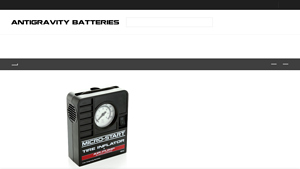
Domínio: antigravitybatteries.com
Registrado: 2010 (15 anos)
Introdução: {"name": "Inflador de pneus portátil/Mini bomba de ar", "marca": "Antigravity Batteries" (Baterias Antigravidade), "price" (preço): "$24.99", "dimensões": "3,5 x 1,5 x 4,25 polegadas (89x38x108mm)", "peso": "16 oz (454 g)", "recursos": ["Extremamente compacto e portátil", "Luz LED embutida", "Manômetro", "Compatível com portas de saída de 12V CC", "Inclui dois cabos de alimentação e duas pontas para versatilidade"], "kit_includes": ["Inflador de pneus...
Domínio: lasfit.com
Registrado: 2016 (9 anos)
Introdução: Inflador de pneus Lasfit | Bombas de pneus portáteis para caminhonetes, SUVs grandes e veículos fora de estrada. Os principais recursos incluem: inflação rápida, leituras precisas de pressão, design compacto para fácil armazenamento, uso multiuso para pneus de carros, bicicletas, motocicletas e muito mais, visor digital e desligamento automático para inflação precisa. Projetado para tomadas de 12V CC, construído com componentes duráveis para um desempenho duradouro...
No mercado em rápida evolução de pequenas bombas de ar para pneus, o sourcing estratégico desempenha um papel fundamental para garantir que os compradores B2B internacionais permaneçam competitivos e atendam às necessidades dos clientes. Ao aproveitar os insights sobre o desempenho do produto e as preferências do consumidor, as empresas podem tomar decisões informadas sobre fornecedores e especificações do produto. A crescente demanda por infladores compactos, eficientes e multifuncionais destaca a importância do sourcing de produtos que não apenas atendam aos padrões de qualidade, mas também se alinhem às diversas exigências de diferentes mercados.
Ao olharmos para o futuro, é essencial que os compradores B2B de regiões como a África, a América do Sul, o Oriente Médio e a Europa priorizem parcerias com fabricantes que enfatizem a inovação e a sustentabilidade. Investir em infladores de pneus portáteis e de alta qualidade pode aumentar significativamente a satisfação e a retenção do cliente.
Imagem ilustrativa relacionada à bomba de ar pequena para pneus
Para capitalizar as oportunidades emergentes, considere diversificar sua base de fornecedores e explorar novas tecnologias de enchimento de pneus. Com isso, você pode garantir um fornecimento constante de produtos que atendam às demandas em evolução de seus clientes. Abrace o futuro da manutenção de pneus, tornando o fornecimento estratégico uma pedra angular de sua estratégia de negócios - isso não apenas impulsionará o crescimento, mas também posicionará sua empresa como líder no mercado.
As informações fornecidas neste guia, inclusive o conteúdo referente a fabricantes, especificações técnicas e análise de mercado, são apenas para fins informativos e educacionais. Elas não constituem aconselhamento profissional sobre compras, aconselhamento financeiro ou aconselhamento jurídico.
Embora tenhamos feito todos os esforços para garantir a precisão e a atualidade das informações, não nos responsabilizamos por quaisquer erros, omissões ou informações desatualizadas. As condições de mercado, os detalhes da empresa e os padrões técnicos estão sujeitos a alterações.
Os compradores B2B devem realizar sua própria due diligence independente e completa antes de tomar qualquer decisão de compra. Isso inclui entrar em contato diretamente com os fornecedores, verificar as certificações, solicitar amostras e buscar consultoria profissional. O risco de confiar em qualquer informação contida neste guia é de responsabilidade exclusiva do leitor.


 Portuguese
  English
  Russian
  Spanish
  Italian
  Arabic
  German