
In the rapidly evolving landscape of motorcycle accessories, sourcing high-quality soft luggage for motorcycles presents a unique challenge for international B2B buyers. With diverse regional preferences and varying standards of durability, comfort, and functionality, making informed purchasing decisions can be daunting. This comprehensive guide is designed to equip buyers from Africa, South America, the Middle East, and Europe—particularly Germany and Saudi Arabia—with the insights needed to navigate this complex market effectively.
Throughout this guide, we will explore the different types of soft luggage available, including saddlebags, tank bags, and tail bags, each tailored to meet specific riding needs and preferences. We will also delve into applications, highlighting how various products can enhance the riding experience, whether for long-distance travel or daily commutes. Additionally, we will cover essential supplier vetting processes, ensuring that buyers can identify reputable manufacturers who deliver quality and reliability. Finally, we will provide a detailed analysis of cost structures, enabling businesses to make budget-conscious decisions without compromising on quality.
By leveraging the information presented in this guide, B2B buyers will be empowered to make strategic purchasing choices that align with their operational goals and customer expectations, ultimately enhancing their competitive edge in the global motorcycle market.
| Nome do tipo | Principais características distintivas | Aplicativos B2B primários | Prós e contras resumidos para compradores |
|---|---|---|---|
| Bolsas de selim | Attach to the sides of the motorcycle; offer significant storage capacity. | Adventure touring, long-distance travel. | Prós: High storage volume, versatile. Contras: May require specific mounting systems. |
| Bolsas de tanque | Mounted on the fuel tank; often include quick-release systems. | Commuting, short trips, and day rides. | Prós: Easy access to essentials, compact. Contras: Limited storage capacity compared to saddlebags. |
| Bolsas de cauda | Positioned at the rear of the motorcycle; suitable for lightweight items. | Urban commuting, casual rides. | Prós: Easy to attach and detach, lightweight. Contras: Less secure for valuable items. |
| Alforjes | Rigid or semi-rigid bags that offer a structured form; often waterproof. | Long-distance touring and off-road riding. | Prós: Enhanced protection for gear, stability. Contras: Bulkier than soft options, may be more expensive. |
| Sistemas Rackless | Designed to secure bags without a traditional rack; offers flexibility. | Adventure and off-road riding. | Prós: Lightweight, adaptable to different bikes. Contras: Stability can be an issue on rough terrain. |
Saddle bags are a staple in motorcycle luggage, offering substantial storage capacity while being securely attached to the sides of the bike. They are ideal for adventure touring and long-distance travel, making them a favorite among commercial rental services and touring companies. When considering saddle bags, B2B buyers should evaluate the mounting systems required for various motorcycle models and ensure compatibility with their fleet. The high volume of storage they provide is an asset for businesses that cater to long-range riders.
Tank bags are designed for quick access, mounted directly on the motorcycle’s fuel tank. They are particularly beneficial for urban commuting and short trips, allowing riders to carry essentials like tools, snacks, or electronics. For B2B buyers, the quick-release feature is crucial for ease of use in rental or guided tour settings. However, buyers should be mindful of the limited storage capacity and ensure that the tank bag’s design aligns with their motorcycle models for optimal functionality.
Tail bags are versatile and lightweight, positioned at the rear of the motorcycle. They are perfect for urban commuting and casual rides, providing a convenient way to carry smaller items. B2B buyers should consider the ease of attachment and detachment, as well as the bag’s ability to securely hold items without the risk of loss. While tail bags are less secure for valuables, they serve as an excellent option for businesses looking to offer riders a lightweight luggage solution.
Panniers, whether rigid or semi-rigid, are designed to provide structured storage that is often waterproof. They are well-suited for long-distance touring and off-road riding, making them a preferred choice for motorcycle rental companies and adventure tour operators. B2B buyers should assess the durability and protective features of panniers, as they must withstand varied conditions. Although they may be bulkier and more expensive, their stability and protection for gear make them a worthwhile investment for serious riders.
Rackless systems allow for the attachment of soft luggage without the need for a traditional rack, providing flexibility for various motorcycle models. They are particularly appealing to adventure and off-road riders who value lightweight gear. B2B buyers should consider the adaptability of these systems and their ease of use in different riding conditions. While they offer significant weight savings, buyers must also evaluate the stability of the luggage on rough terrain to ensure a safe and enjoyable riding experience.
| Indústria/Setor | Specific Application of Soft Luggage for Motorcycles | Valor/benefício para a empresa | Principais considerações de fornecimento para este aplicativo |
|---|---|---|---|
| Turismo de aventura | Soft luggage for guided motorcycle tours | Enhances customer experience with practical storage | Durability, waterproofing, and ease of use |
| Entrega e logística | Cargo transport for last-mile deliveries | Reduces transport costs and increases flexibility | Weight capacity, mounting systems, and security |
| Militar e Defesa | Transporting gear and supplies in rugged terrains | Provides reliable storage solutions in challenging conditions | Resistance to environmental factors and modularity |
| Aluguel de motocicletas | Luggage options for rental fleets | Attracts more customers with diverse needs | Compatibility with various bike models and pricing |
| Corridas off-road | Support gear for racers during events | Facilitates quick access to equipment and supplies | Lightweight design, ease of attachment, and storage capacity |
In the adventure tourism industry, soft luggage is essential for guided motorcycle tours across diverse terrains. Tour operators utilize soft luggage to provide customers with secure and easily accessible storage for personal belongings, camping gear, and other essentials. The waterproof and durable nature of these products ensures that gear remains protected from the elements, enhancing the overall customer experience. For international buyers, sourcing luggage that can withstand various environmental conditions, while being easy to mount and dismount, is crucial for customer satisfaction and operational efficiency.
Soft luggage is increasingly being adopted in the delivery and logistics sector, particularly for last-mile delivery services. Lightweight and flexible, these bags can be easily attached to motorcycles, allowing delivery personnel to navigate urban environments efficiently. The ability to customize storage solutions based on specific delivery needs reduces overall transport costs and enhances operational flexibility. When sourcing soft luggage for this application, businesses should prioritize weight capacity, secure mounting systems, and the ability to safeguard items during transit.
In military and defense sectors, soft luggage is used for transporting gear and supplies in rugged terrains. These bags are designed to withstand harsh conditions, providing reliable storage solutions for personnel in the field. The modularity of soft luggage allows for easy organization and quick access to vital equipment, which is essential during operations. Buyers in this sector should focus on sourcing products that offer high resistance to environmental factors, such as water and dust, along with customizable features to cater to specific mission requirements.
Motorcycle rental companies benefit significantly from offering soft luggage options to their customers. By providing various luggage solutions, rental businesses can cater to a wider clientele, including tourists and adventure seekers. This not only enhances customer satisfaction but also encourages repeat business. Key considerations for sourcing soft luggage in this sector include compatibility with different motorcycle models, pricing strategies, and the overall durability of the products to withstand frequent use.
In the competitive world of off-road racing, soft luggage serves as a crucial element for racers needing to transport gear and supplies during events. These bags enable quick access to tools, fuel, and spare parts, which is vital for maintaining performance on the track. The lightweight design of soft luggage is particularly advantageous, as it does not add unnecessary weight to the motorcycle. Buyers in this industry should prioritize features such as ease of attachment, storage capacity, and the ability to withstand the rigors of off-road environments when sourcing products.
O problema: B2B buyers often face challenges with soft luggage failing to keep contents dry during extended motorcycle journeys. This is particularly critical for businesses catering to adventure tourism or long-haul motorcycle rentals in regions with unpredictable weather, such as South America and Africa. Heavy rain or moisture can lead to damaged equipment and lost revenue, as customers may be dissatisfied with wet gear or clothing.
A solução: To address waterproofing concerns, B2B buyers should prioritize sourcing soft luggage with high-quality materials specifically designed for weather resistance. Look for products featuring waterproof zippers, sealed seams, and durable outer fabrics that resist moisture. For instance, selecting brands known for their specialized adventure gear, like those from SW-MOTECH or Nelson-Rigg, can significantly enhance water protection. Additionally, incorporating waterproof liners or dry bags inside the luggage can offer an extra layer of security for sensitive items. Regularly assessing the condition of the luggage and performing maintenance can also prolong its waterproof capabilities, ensuring customer satisfaction and minimizing returns.
O problema: Many B2B buyers struggle with soft luggage compatibility across different motorcycle models. This is particularly relevant for companies that deal with a diverse fleet of motorcycles, such as rental services or tour operators in Europe and the Middle East. Incompatibility can lead to increased costs due to product returns and the need for additional inventory, as well as logistical challenges in fulfilling customer demands.
A solução: To mitigate compatibility issues, B2B buyers should focus on sourcing universal fit soft luggage or customizable options that can adapt to various motorcycle types. Collaborating with suppliers who offer a range of mounting systems, such as quick-release plates or adjustable straps, can enhance the versatility of the luggage. Brands like Mosko Moto and Kriega provide adjustable systems that fit multiple models, reducing the need for excessive inventory. Additionally, investing in comprehensive training for staff on how to install and adjust these systems can streamline the operational process and improve customer experiences.
O problema: B2B buyers often encounter difficulties with soft luggage storage capacity, especially for businesses focused on long-distance motorcycle tours. Customers expect adequate space for personal items, gear, and equipment, and inadequate storage can lead to dissatisfaction and negative reviews. This is especially critical for businesses in regions where adventure tourism is booming, as inadequate storage can hinder their competitiveness.
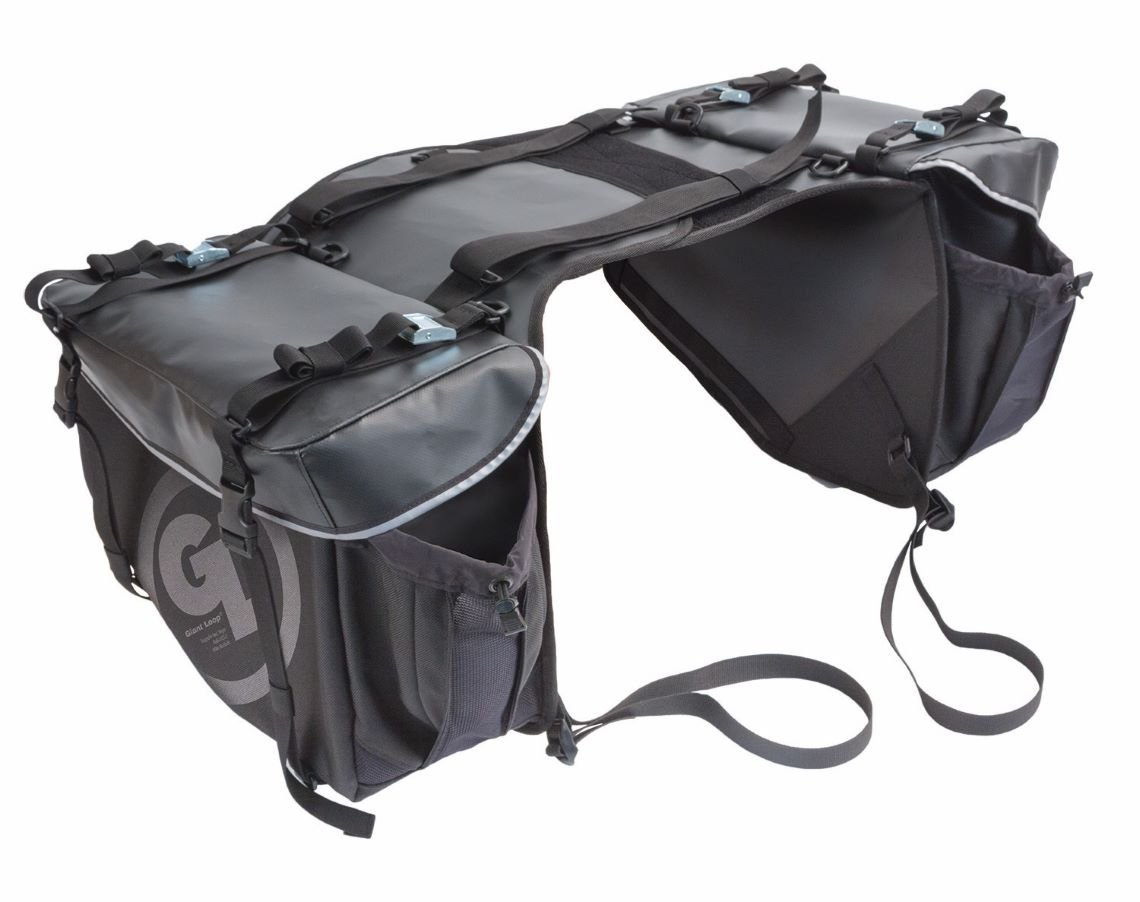
Illustrative image related to soft luggage for motorcycles
A solução: To solve storage capacity issues, buyers should seek soft luggage options designed specifically for long-haul travel, such as large panniers or expandable saddlebags. Products like the Reckless 80L from Mosko Moto offer ample storage while maintaining a streamlined profile. Additionally, encouraging customers to utilize packing cubes or compression bags can optimize space within the luggage, allowing for better organization and maximizing storage efficiency. Providing customers with detailed guides or recommendations on packing strategies can also enhance their experience, ensuring they can fit all necessary items without compromising safety or comfort on the road.
When selecting materials for soft luggage designed for motorcycles, it is crucial to consider their properties, advantages, disadvantages, and suitability for various applications. Below, we analyze four common materials used in the production of soft luggage, providing insights specifically tailored for international B2B buyers.
Nylon is a widely used synthetic fabric known for its strength and durability. It typically has a high abrasion resistance, making it suitable for rugged environments. Nylon can withstand a temperature range of -40°F to 180°F, ensuring it performs well in diverse climates.
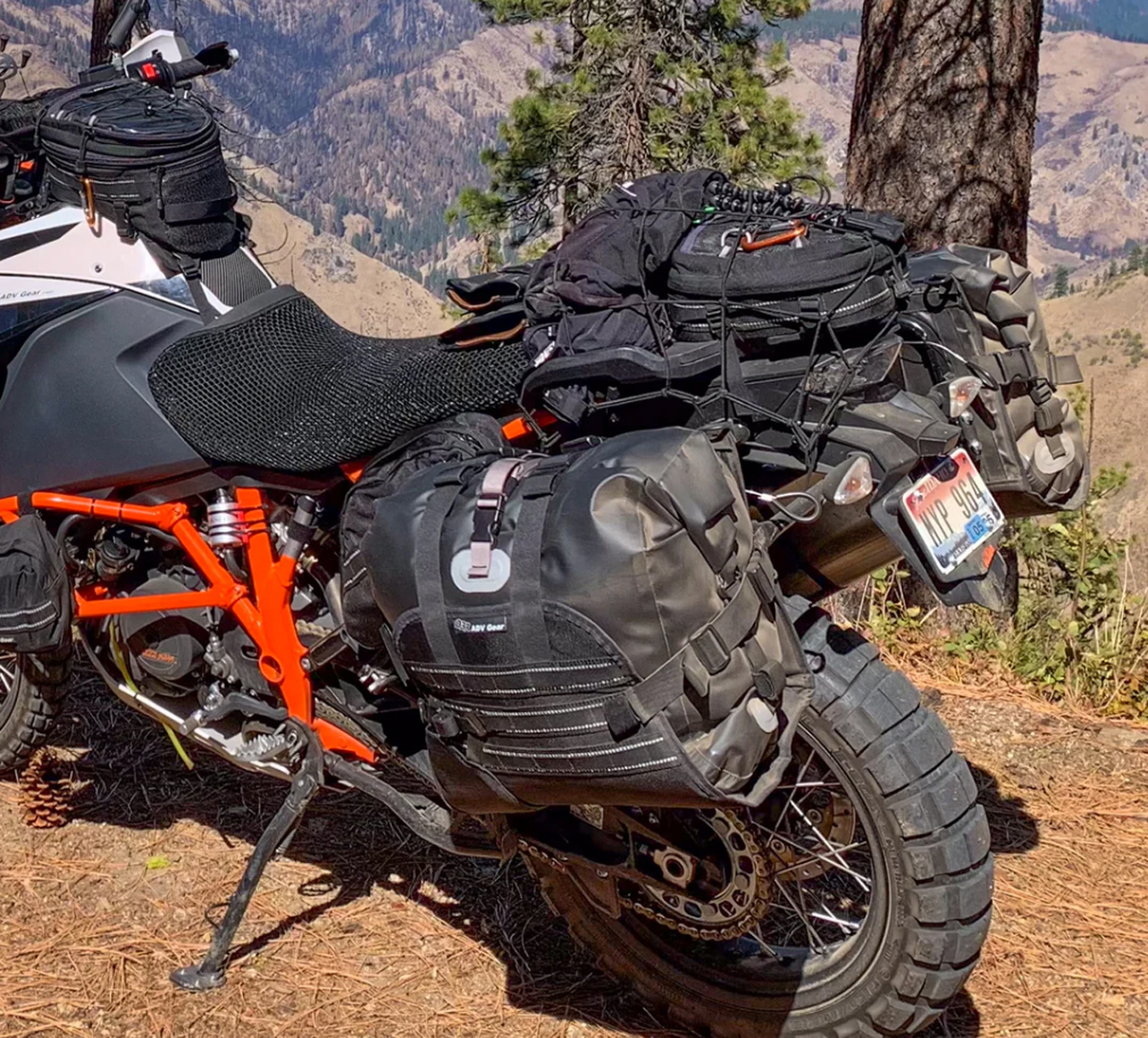
Illustrative image related to soft luggage for motorcycles
Prós: The lightweight nature of nylon contributes to easy handling and transport. Additionally, it is relatively cost-effective, offering good performance without a high price tag.
Contras: While nylon is durable, it can be susceptible to UV degradation over time, which may affect its longevity in sunny climates. Moreover, it may not be fully waterproof unless treated with additional coatings.
Impacto no aplicativo: Nylon is compatible with various media, including water and dirt, but may require additional waterproofing for extended exposure to moisture.
Considerações para compradores internacionais: Compliance with international standards such as ASTM and DIN for textile durability is essential. Buyers from regions with high UV exposure, like Africa and the Middle East, should consider UV-resistant treatments.
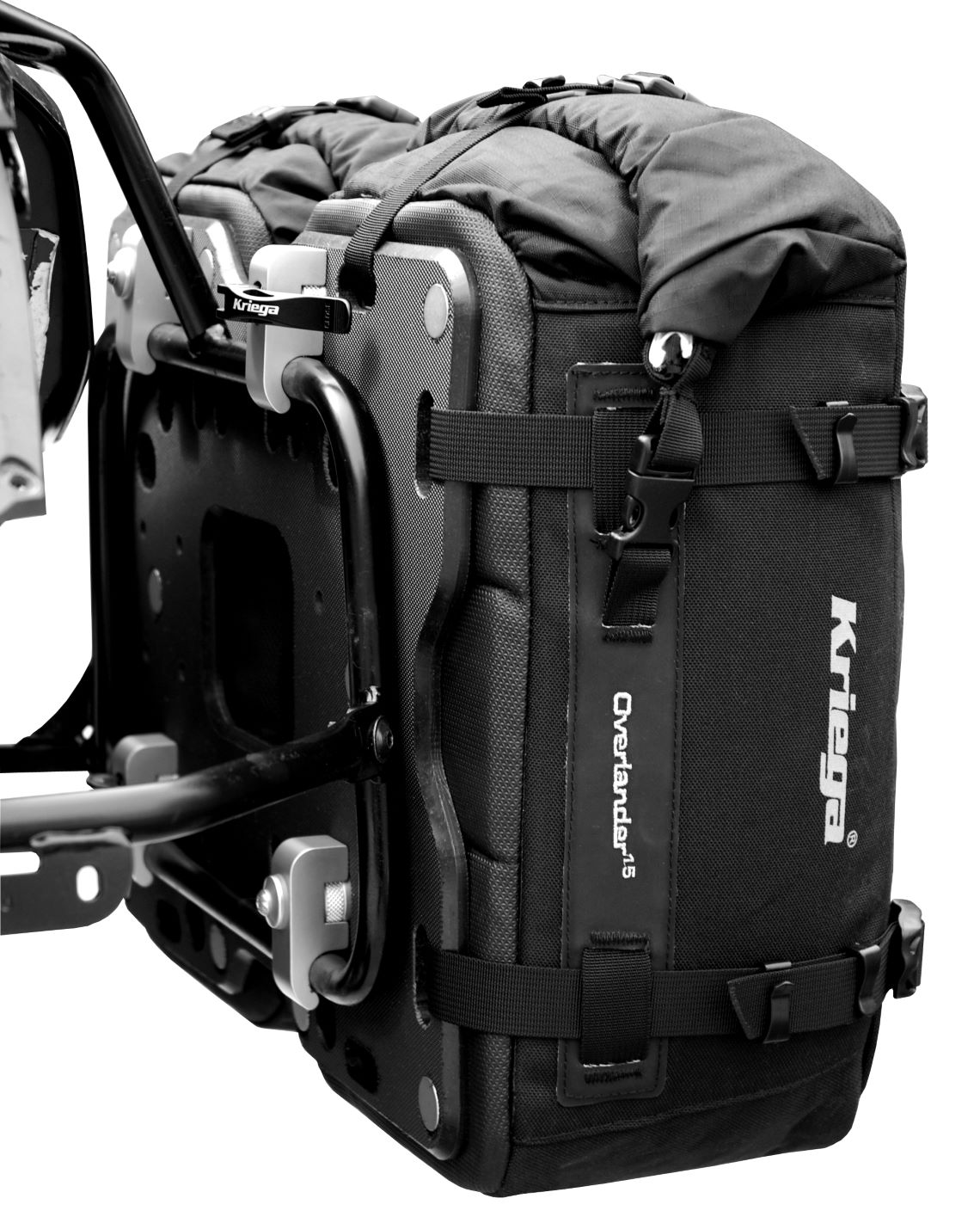
Illustrative image related to soft luggage for motorcycles
Polyester is another popular choice for soft luggage due to its excellent resistance to shrinking and stretching. It performs well in a temperature range of -20°F to 140°F, making it suitable for moderate climates.
Prós: Polyester is highly resistant to mildew and fading, which is beneficial for long-term use. It is also more affordable than some other materials, making it a cost-effective option for manufacturers.
Contras: While it is durable, polyester may not be as strong as nylon, leading to potential wear in extremely rugged conditions. It also has a lower resistance to extreme temperatures.
Impacto no aplicativo: Polyester is suitable for various applications, including water and dirt exposure, but may not hold up as well under extreme conditions without additional treatments.
Considerações para compradores internacionais: Buyers should ensure compliance with local standards for textile quality and durability. In regions like Europe, where environmental regulations are stringent, ensuring eco-friendly production processes can enhance marketability.
Polyvinyl chloride (PVC) is a synthetic plastic polymer known for its waterproof properties and durability. It can withstand a temperature range of -30°F to 150°F, making it versatile for varying climates.
Prós: PVC offers excellent waterproofing, making it ideal for motorcycle luggage that may encounter rain or wet conditions. Its durability against wear and tear is also a significant advantage.
Contras: The main drawback of PVC is its weight, which can make the luggage heavier. Additionally, it can be less flexible than fabric options, potentially limiting design versatility.
Impacto no aplicativo: PVC is particularly well-suited for applications requiring high water resistance, making it ideal for adventure and touring motorcycles.
Considerações para compradores internacionais: Compliance with international safety and environmental standards is critical, especially in regions like Europe where regulations on plastic use are increasingly stringent.
Cordura is a brand of nylon fabric known for its exceptional durability and resistance to abrasions, tears, and scuffs. It typically performs well in a temperature range of -40°F to 180°F.
Prós: The strength of Cordura makes it an excellent choice for rugged use, ensuring that the luggage can withstand harsh conditions. It also offers a degree of water resistance, enhancing its suitability for various environments.
Contras: Cordura tends to be more expensive than other materials, which may affect the overall cost of the final product. Additionally, it may require additional treatments for complete waterproofing.
Impacto no aplicativo: Cordura is ideal for high-performance applications, such as off-road riding, where durability is paramount.
Considerações para compradores internacionais: Buyers should verify that Cordura products meet international standards for textile performance and durability. In regions with extreme weather conditions, such as South America, ensuring the material’s robustness is vital.
| Material | Typical Use Case for Soft Luggage for Motorcycles | Principais vantagens | Principal desvantagem/limitação | Custo relativo (baixo/médio/alto) |
|---|---|---|---|---|
| Nylon | General motorcycle touring and adventure riding | Leve e econômico | Degradação por UV ao longo do tempo | Médio |
| Poliéster | Casual riding and moderate conditions | Mildew and fade resistant | Lower strength than nylon | Baixa |
| PVC | Waterproof applications for touring and adventure | Excelente impermeabilização | Heavier and less flexible | Médio |
| Cordura | Rugged off-road and adventure riding | Superior durability | Higher cost and may need waterproofing | Alta |
This analysis provides international B2B buyers with essential insights into material selection for motorcycle soft luggage, enabling informed decisions that align with market demands and regional preferences.
The manufacturing of soft luggage for motorcycles involves several critical stages that ensure both functionality and durability. These stages include material preparation, forming, assembly, and finishing, each employing specific techniques to guarantee high-quality products.
The first step in the manufacturing process is sourcing raw materials. Manufacturers typically use high-grade synthetic fabrics such as nylon or polyester, known for their strength, water resistance, and lightweight properties. In addition to fabric, other materials like zippers, buckles, and straps are sourced from reliable suppliers to ensure uniform quality.
Once materials are obtained, they undergo rigorous testing to assess their durability, weather resistance, and abrasion resistance. This is crucial, as soft luggage must withstand harsh riding conditions, including rain, dust, and varying temperatures.
After the materials are prepared, the next stage involves cutting and shaping them according to specific designs. This process often utilizes advanced cutting machines, ensuring precision and reducing material waste.
Manufacturers may also employ techniques like heat sealing or ultrasonic welding to create seams, which enhances the waterproofing of the luggage. These techniques ensure that the luggage remains lightweight while providing a strong, watertight seal.
Assembly is where the individual components come together to form the final product. This stage typically involves sewing the cut fabric pieces, attaching zippers, and integrating various compartments based on the design specifications.
Quality control measures are critical at this stage; operators often inspect each piece for stitching integrity and overall construction quality. Automated sewing machines may be used alongside skilled labor to enhance efficiency while maintaining high standards.
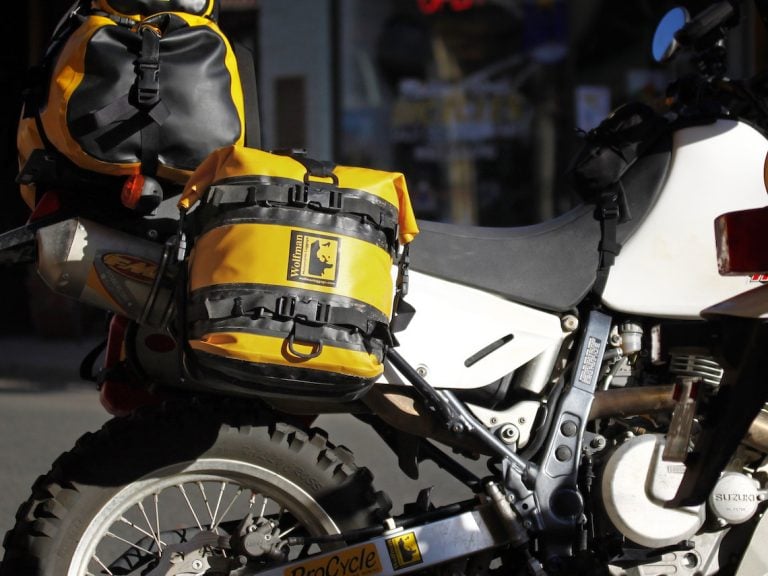
Illustrative image related to soft luggage for motorcycles
The final stage of manufacturing involves finishing touches, which include the addition of branding, final inspections, and packaging. During this phase, manufacturers conduct comprehensive quality checks to ensure that the product meets all specifications and industry standards.
Packaging is also carefully managed, with an emphasis on protecting the luggage during shipping while providing an appealing presentation for the end customer.
Quality assurance (QA) is a cornerstone of the manufacturing process, ensuring that products meet both international standards and customer expectations.
Manufacturers of soft luggage must adhere to several international standards, with ISO 9001 being one of the most significant. This standard focuses on quality management systems, ensuring that manufacturers consistently meet customer and regulatory requirements.
In addition to ISO 9001, specific industry standards like CE marking (for products sold in Europe) and API standards (for materials and components) may apply. These certifications assure B2B buyers of the product’s safety and quality, critical when operating in diverse international markets.
Quality control in the manufacturing of motorcycle soft luggage typically involves several checkpoints:
Controle de qualidade de entrada (IQC): This step checks the quality of raw materials upon arrival at the manufacturing facility. It ensures that all materials meet the required specifications before production begins.
Controle de qualidade durante o processo (IPQC): During manufacturing, continuous monitoring occurs at various stages, such as cutting, sewing, and assembly. This includes visual inspections and measurements to ensure adherence to design specifications.
Controle de qualidade final (FQC): After assembly, a comprehensive inspection takes place, assessing the product for defects, functionality, and overall quality. Only products that pass this inspection are packaged for distribution.
Manufacturers employ various testing methods to validate the performance of soft luggage. Common tests include:
Teste de resistência à água: Ensures that the luggage can withstand exposure to moisture without leaking.
Abrasion Resistance Testing: Assesses the durability of materials against wear and tear, simulating real-world conditions.
Load Testing: Evaluates the strength of seams and zippers under various weights to ensure they can handle the expected load during use.
B2B buyers should take several steps to verify the quality assurance processes of their suppliers:
Realizar auditorias: Regular audits of suppliers can help ensure compliance with quality standards. Buyers can request to see documentation of past audits and any corrective actions taken.
Solicitar relatórios de qualidade: Suppliers should provide detailed quality reports that outline their QA processes, including results from recent testing and inspections. This transparency is vital for building trust.
Envolva inspetores terceirizados: For buyers operating in regions where they cannot easily conduct on-site audits, engaging third-party inspection services can provide an unbiased assessment of a supplier’s quality assurance practices.
For international B2B buyers, understanding the specific quality control and certification requirements for different markets is crucial.
Africa and South America: Buyers should be aware of regional standards and certifications that may differ from global norms. It’s essential to research local regulations that may affect product acceptance in these markets.
Middle East: Compliance with specific standards like the Gulf Cooperation Council (GCC) certification may be required. Manufacturers should understand these regional nuances to ensure smooth market entry.
Europe (e.g., Germany): The CE marking is crucial for products sold in the EU, indicating compliance with health, safety, and environmental protection standards. Buyers should verify that their suppliers are compliant with these regulations.
In conclusion, the manufacturing processes and quality assurance practices for soft luggage for motorcycles are complex but essential for ensuring product durability and customer satisfaction. By understanding these processes, B2B buyers can make informed decisions and foster strong partnerships with reliable suppliers.
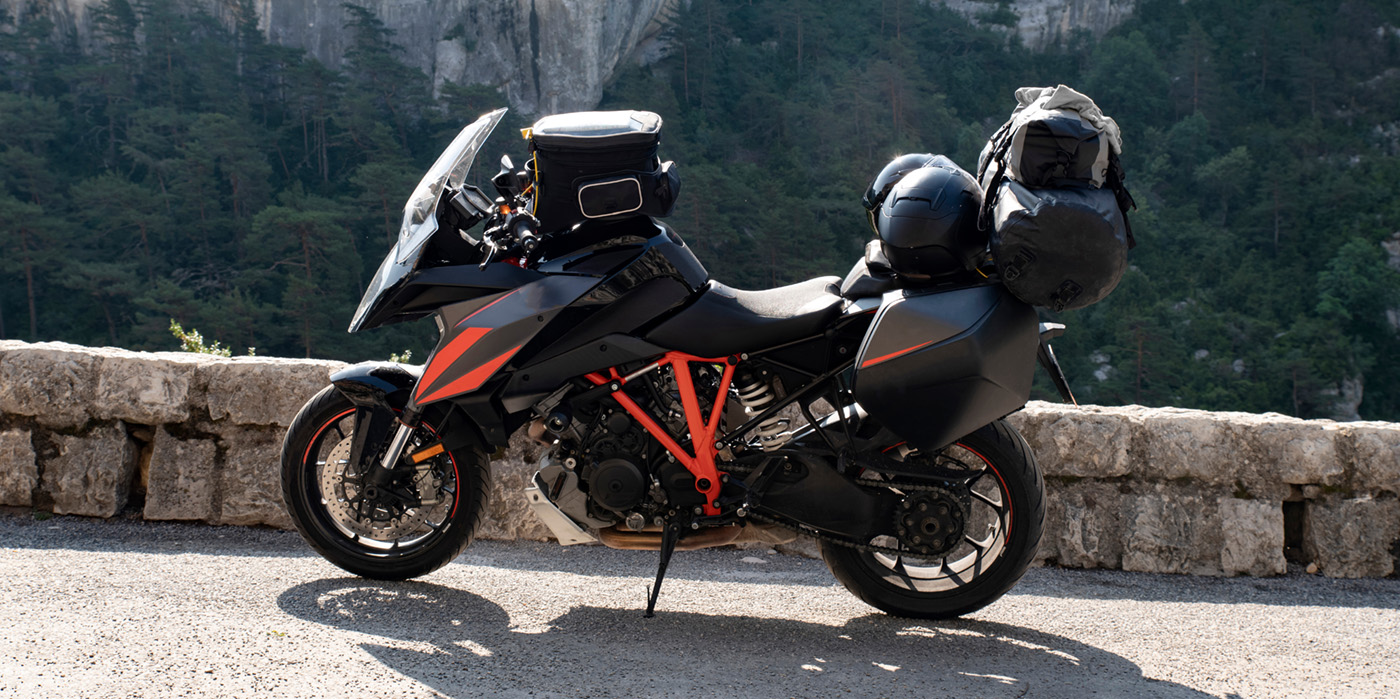
Illustrative image related to soft luggage for motorcycles
This guide serves as a comprehensive checklist for B2B buyers seeking to procure high-quality soft luggage for motorcycles. With various options available in the market, it’s essential to have a structured approach to ensure that the products meet your specific needs and quality standards. By following these steps, you can streamline your sourcing process, minimize risks, and make informed decisions.
Establishing clear technical specifications is critical for ensuring that the soft luggage fits the intended motorcycle models and meets the usage requirements. Consider factors such as capacity (liters), material (water-resistant or waterproof), and compatibility with different motorcycle types (e.g., adventure, touring, or cruiser bikes). This clarity will guide your supplier discussions and product evaluations.
Staying updated on current market trends can provide insights into new materials, designs, and functionalities that enhance the user experience. Look for innovations such as quick-release mounting systems, modular designs, or integrated security features. Understanding these trends helps you offer competitive products that meet evolving customer demands.
Before making a commitment, it is essential to conduct thorough evaluations of potential suppliers. Request detailed company profiles, including their production capabilities and industry experience. Additionally, seek case studies or references from other businesses within similar sectors to gauge reliability and quality. This step minimizes risks associated with supplier performance.
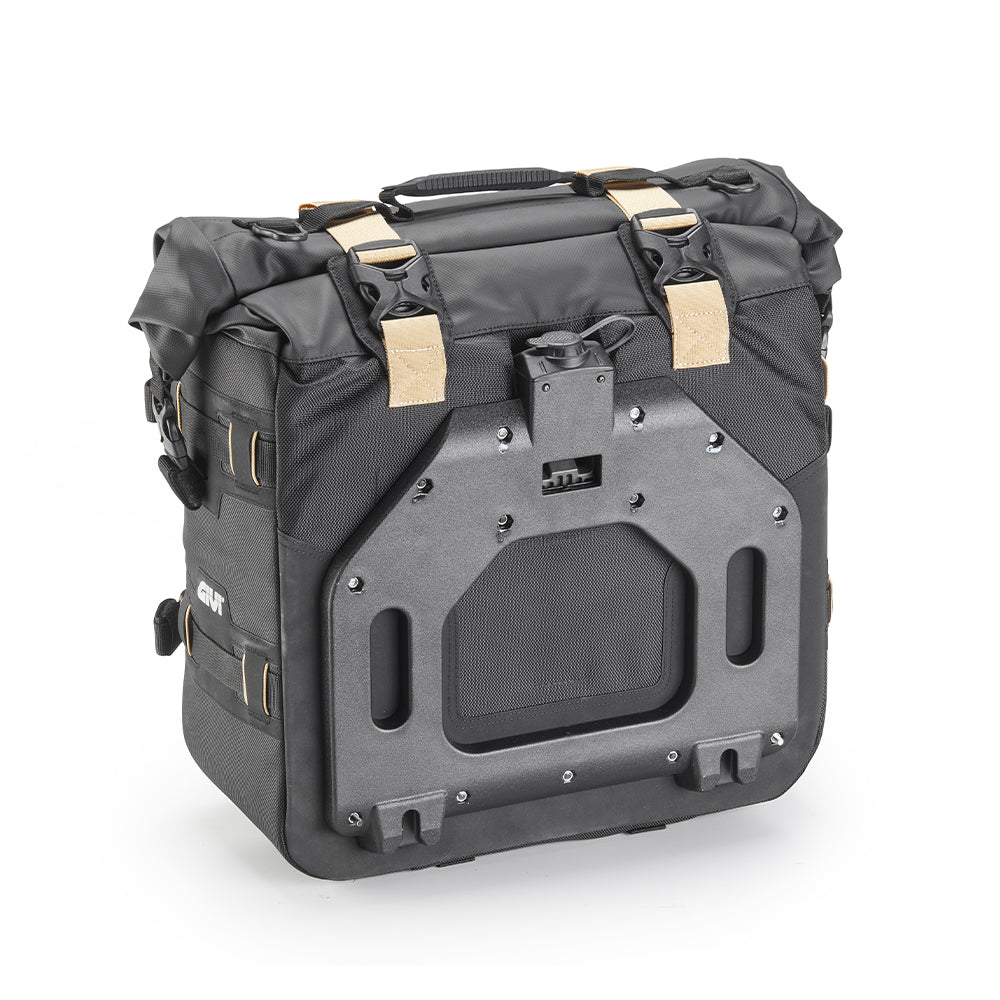
Illustrative image related to soft luggage for motorcycles
Quality assurance is paramount when sourcing motorcycle luggage. Request samples to assess the durability, stitching, and material quality firsthand. Additionally, check for compliance with relevant industry standards and certifications, particularly those applicable in your target markets. Ensuring quality reduces returns and enhances customer satisfaction.
Understanding the pricing structure and payment terms is crucial for maintaining healthy cash flow and profitability. Compare quotes from multiple suppliers to ensure competitive pricing while considering factors such as bulk discounts, shipping costs, and lead times. Favorable payment terms can also improve your financial flexibility.
Once you’ve identified potential suppliers, engage in negotiations to secure the best possible terms. Discuss aspects such as minimum order quantities, warranty conditions, and after-sales support. A well-negotiated contract protects your interests and sets clear expectations for both parties.
Finally, consider the logistics involved in transporting the soft luggage from the supplier to your distribution points. Assess shipping methods, delivery times, and customs regulations specific to your target markets. Efficient logistics planning ensures that your products reach customers promptly, enhancing your reputation and competitiveness in the market.
By following this structured checklist, you can effectively navigate the sourcing process for soft luggage for motorcycles, ensuring that you select high-quality products that meet your business needs.
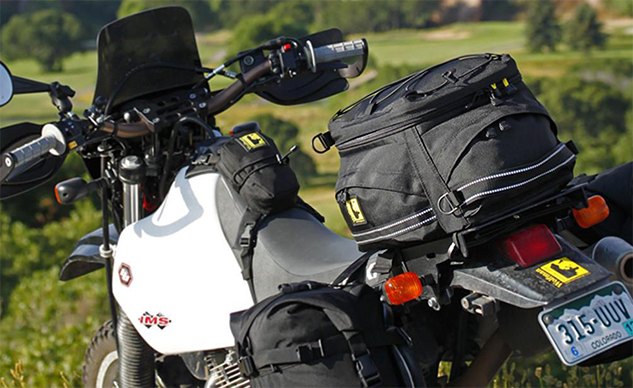
Illustrative image related to soft luggage for motorcycles
When sourcing soft luggage for motorcycles, understanding the underlying cost structure is essential for B2B buyers. The primary cost components typically include:
Materiais: The quality of materials directly impacts the durability and performance of the luggage. Common materials include high-denier nylon, waterproof fabrics, and various plastics. Premium materials often lead to higher costs but can enhance longevity and user satisfaction.
Trabalho: Labor costs can vary significantly based on the manufacturing location. Regions with lower labor costs, such as parts of Asia, may offer more competitive pricing, while European or North American manufacturers may charge more due to higher wage standards.
Custos indiretos de fabricação: This includes indirect costs associated with production, such as utilities, facility maintenance, and administrative expenses. Overhead costs are often distributed across all products manufactured, influencing the final pricing.
Ferramentas: Initial tooling costs for custom designs or specialized manufacturing processes can be substantial. This cost is often amortized over the production volume, making larger orders more cost-effective per unit.
Controle de qualidade (QC): Rigorous QC processes ensure product reliability and safety, especially for items used in challenging conditions. This may involve additional testing and inspection costs, which are factored into the overall pricing.
Logística: Shipping and handling costs can add significantly to the final price, particularly for international buyers. Factors such as shipping distance, mode of transport, and import duties must be considered.
Margem: Suppliers typically add a profit margin to cover risks and ensure sustainability. Margins can vary widely based on market competition, brand reputation, and product uniqueness.
Several factors can influence the pricing of soft luggage for motorcycles, particularly for B2B buyers:
Volume e quantidade mínima de pedidos (MOQ): Suppliers often offer better pricing on larger orders. Understanding the MOQ can help buyers negotiate better terms and reduce costs.
Especificações e personalização: Custom designs, colors, or features will increase costs. Buyers should weigh the benefits of customization against the potential for higher pricing.
Qualidade do material e certificações: High-quality materials and certifications (like waterproof ratings or environmental certifications) can lead to higher prices but may justify the investment through improved performance and customer satisfaction.
Fatores do fornecedor: The reputation, reliability, and location of the supplier can significantly affect pricing. Established suppliers with a good track record may charge a premium, while newer suppliers may offer lower prices to penetrate the market.
Incoterms: Understanding shipping terms and responsibilities (like FOB, CIF, etc.) is crucial for managing logistics costs effectively. Buyers should negotiate terms that minimize their total landed cost.
For international B2B buyers, particularly from diverse regions such as Africa, South America, the Middle East, and Europe, the following tips can enhance cost-efficiency:
Negociar termos: Always engage in negotiations to find the best possible pricing and terms. Suppliers may have flexibility in pricing based on order size or long-term partnerships.
Avaliar o custo total de propriedade (TCO): Look beyond the initial purchase price. Consider factors such as durability, warranty, maintenance, and potential replacement costs to assess the TCO.
Entenda as nuances dos preços: Be aware of regional pricing strategies and market conditions. For example, suppliers in Europe may have different pricing models compared to those in South America, influenced by local demand and competition.
Leverage Relationships: Building strong relationships with suppliers can lead to better pricing, priority service, and more favorable terms in future transactions.
The prices mentioned in various sources are indicative and can vary based on factors such as market fluctuations, supplier negotiations, and specific order requirements. Always consult directly with suppliers for the most accurate and current pricing information.
When evaluating solutions for motorcycle luggage, it’s essential to consider not just soft luggage options but also viable alternatives that may cater to specific needs or preferences. In the competitive landscape of motorcycle storage solutions, understanding the strengths and weaknesses of each option can empower B2B buyers to make informed decisions.
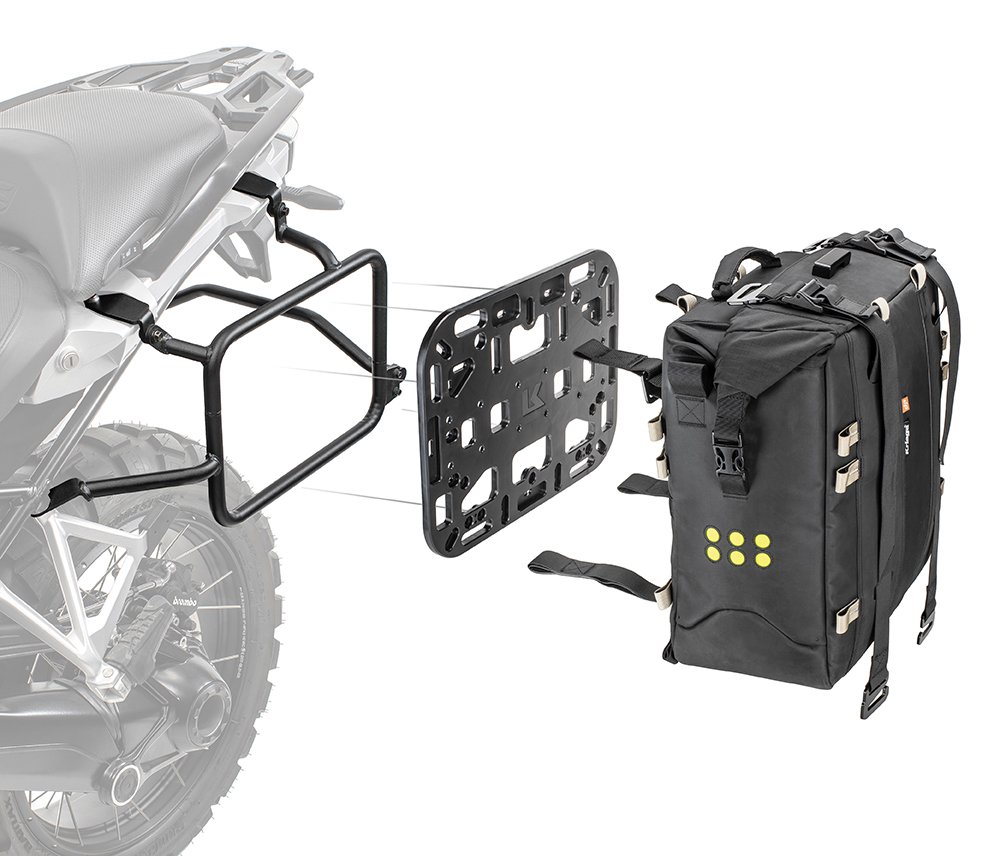
Illustrative image related to soft luggage for motorcycles
| Aspecto de comparação | Soft Luggage For Motorcycles | Hard Luggage (Panniers) | Backpacks & Tail Bags |
|---|---|---|---|
| Desempenho | Flexible, lightweight, and adaptable for various terrains | Rigid, provides superior protection and stability | Good for short trips, easy to carry |
| Custo | Generally more affordable | Investimento inicial mais alto | Moderate pricing, depending on quality |
| Facilidade de implementação | Quick to attach and remove | Requires installation of racks | Simple, ready to use without installation |
| Manutenção | Minimal upkeep, water-resistant options available | Requires cleaning and care to prevent rust | Easy to clean, but may wear out faster |
| Melhor caso de uso | Adventure touring, casual rides, and off-road adventures | Long-distance travel with heavy loads | Daily commuting or short excursions |
Hard luggage systems, such as panniers, offer a rigid structure that provides enhanced protection for stored items. They are ideal for long-distance travel where security and stability are paramount. However, the installation process can be complex, often requiring additional racks and hardware. Furthermore, hard cases are typically heavier and less adaptable to varying terrain compared to soft luggage. While they provide excellent protection against the elements and potential impacts, their higher cost and maintenance requirements may deter some buyers.
Backpacks and tail bags serve as a more casual alternative to traditional motorcycle luggage. They are lightweight, easy to carry, and often have quick-release features for convenience. These options are perfect for daily commutes or short rides, where heavy loads are not a concern. However, they lack the capacity and protection that hard and soft luggage systems provide, making them less suitable for long-distance travel. Additionally, their durability may vary, leading to quicker wear and tear compared to more robust solutions.
Selecting the appropriate motorcycle luggage solution requires a thorough assessment of specific needs, including travel duration, load capacity, and riding conditions. For B2B buyers, understanding the performance and cost implications of soft luggage versus hard luggage and alternative solutions like backpacks can lead to more strategic purchasing decisions. Ultimately, the best choice will depend on the intended use case, budget constraints, and the nature of the riding environment. By weighing these factors, businesses can align their purchasing strategies with the demands of their clientele, ensuring customer satisfaction and operational efficiency.
Soft luggage for motorcycles is designed to withstand the rigors of travel while offering functionality and convenience. Understanding the essential technical properties can help B2B buyers make informed decisions.
Grau do material
The material used in soft luggage varies widely, typically ranging from nylon to polyester and even waterproof fabrics. Higher-grade materials offer improved durability, resistance to abrasions, and weatherproof capabilities. For B2B buyers, selecting high-quality materials is crucial as it impacts product longevity and customer satisfaction, especially in diverse climates.
Classificação de resistência à água
This specification indicates how well a product can repel water. Ratings often range from water-resistant (with limited protection) to waterproof (where no water can penetrate). For international buyers, especially in regions with heavy rainfall, understanding water resistance can prevent returns and enhance the product’s marketability.
Capacidade de carga
Load capacity refers to the maximum weight a bag can safely carry. This is measured in liters or kilograms and varies by product design. It’s essential for B2B buyers to align load capacity with customer needs, ensuring that the products can accommodate different riding styles and travel requirements.
Attachment System
The method by which luggage attaches to a motorcycle—whether through straps, clips, or mounting plates—affects usability and convenience. A robust attachment system ensures that the luggage remains secure during rides. For B2B buyers, understanding various attachment systems allows for better alignment with consumer preferences and ease of use.
Dimensions and Fit
The dimensions of the luggage must be compatible with various motorcycle models. This includes assessing the fitment on different bike types, such as cruisers or adventure bikes. Buyers need to consider these specifications to ensure that the products meet the diverse needs of their customers.
Peso
The overall weight of the luggage itself is crucial, as it affects the motorcycle’s handling and fuel efficiency. Lightweight materials can enhance performance without compromising durability. B2B purchasers should focus on products that strike a balance between weight and robustness to appeal to performance-oriented consumers.
Familiarity with trade terminology is essential for effective communication and negotiation in the B2B space. Here are several key terms:
OEM (fabricante original do equipamento)
This term refers to companies that manufacture products that may be marketed by another company. For B2B buyers, engaging with OEMs can ensure access to high-quality, reliable products that meet industry standards.
MOQ (Quantidade mínima de pedido)
MOQ is the smallest quantity of a product that a supplier is willing to sell. Understanding MOQ is vital for B2B buyers as it affects inventory planning and cash flow. Buyers must evaluate their sales forecasts against MOQ requirements to ensure profitability.
RFQ (Request for Quotation, solicitação de cotação)
An RFQ is a document sent to suppliers requesting pricing and other details for specific products. It is a critical step in procurement, allowing buyers to compare offers and negotiate terms effectively. B2B buyers should be prepared with detailed specifications to receive accurate quotes.
Incoterms (Termos Comerciais Internacionais)
These are a set of rules that define the responsibilities of buyers and sellers in international transactions. Familiarity with Incoterms is crucial for B2B buyers as they clarify shipping responsibilities, risk, and costs, impacting overall pricing and logistics.
Prazo de entrega
Lead time is the time it takes from placing an order to receiving it. Understanding lead times helps B2B buyers plan their inventory and meet customer demand. Buyers should always inquire about lead times when placing orders to avoid stockouts.
Garantia
A warranty is a promise made by the manufacturer regarding the condition of the product and the conditions under which repairs or replacements will be made. For B2B buyers, evaluating warranty terms is essential for risk management and ensuring product reliability in the market.
By understanding these technical properties and trade terms, B2B buyers can make informed decisions that align with their business goals and customer expectations in the motorcycle soft luggage market.
The global market for soft luggage for motorcycles is experiencing notable growth, driven by rising adventure tourism, increased motorcycle ownership, and a growing preference for lightweight, versatile luggage solutions. In regions such as Africa and South America, where off-road and adventure biking is gaining popularity, the demand for durable and adaptable soft luggage is on the rise. This trend is further supported by the increasing availability of advanced materials that enhance weather resistance and durability, catering to the needs of long-distance riders.
Emerging B2B technology trends are also influencing sourcing strategies. Innovations in materials science, such as the use of waterproof and tear-resistant fabrics, are reshaping product offerings. Additionally, digital platforms for B2B procurement are becoming essential, allowing international buyers to compare products, assess supplier reliability, and streamline their purchasing processes. As e-commerce continues to evolve, companies that invest in robust online sales channels and digital marketing strategies are likely to gain a competitive edge in the market.
Furthermore, sustainability is becoming increasingly important. Buyers are seeking suppliers who prioritize eco-friendly practices and can demonstrate compliance with international environmental standards. This dynamic creates opportunities for manufacturers who can leverage sustainable materials and ethical production processes.
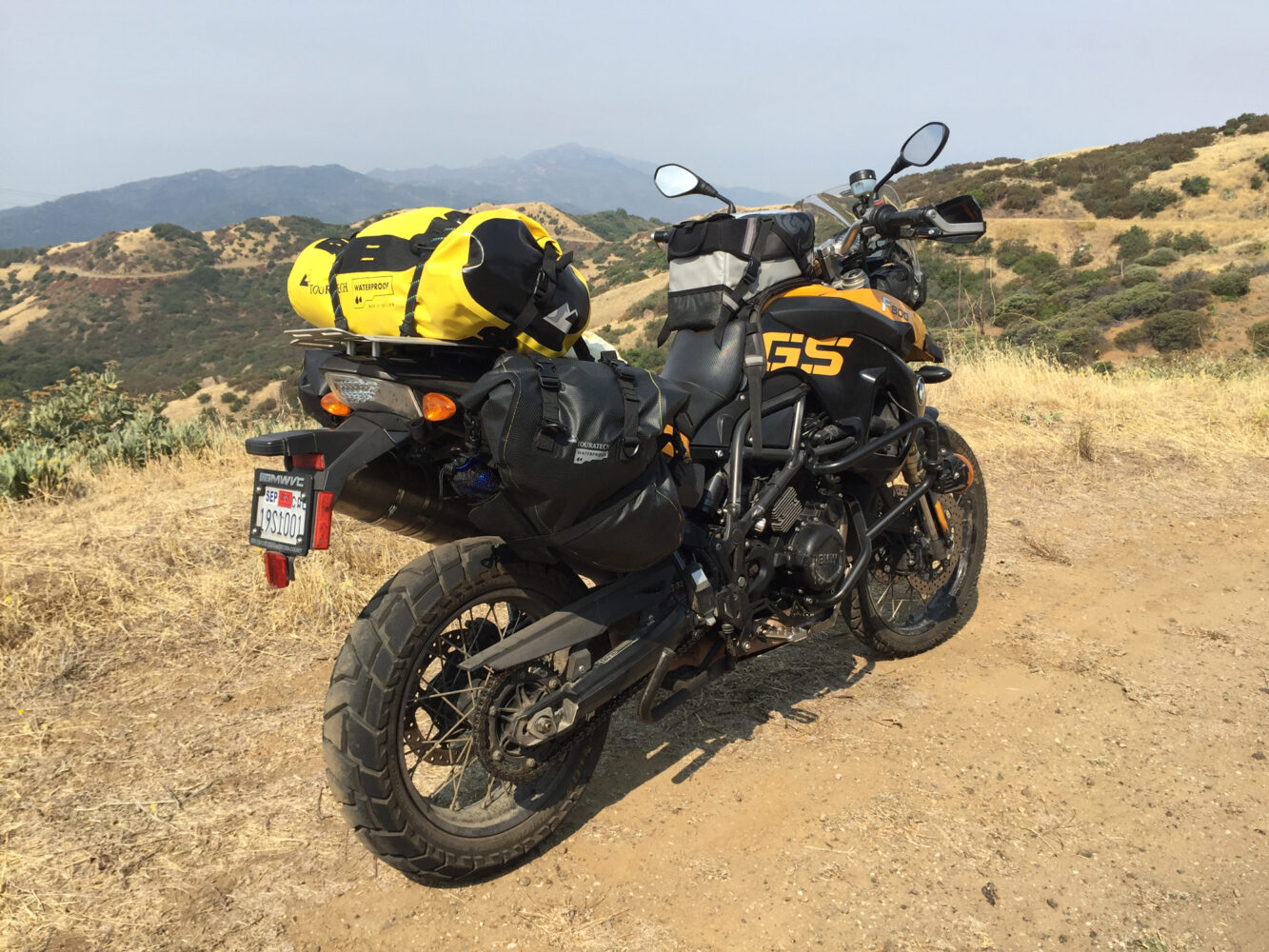
Illustrative image related to soft luggage for motorcycles
Sustainability is a key consideration for B2B buyers in the soft luggage for motorcycles sector. With growing awareness of environmental issues, companies are increasingly prioritizing suppliers who adhere to ethical sourcing practices and demonstrate a commitment to reducing their ecological footprint. This includes using recycled materials, minimizing waste during production, and implementing eco-friendly packaging solutions.
Buyers are also looking for products that carry recognized certifications, such as Global Recycled Standard (GRS) or OEKO-TEX, which indicate compliance with environmental standards and responsible manufacturing practices. Products made from sustainable materials not only appeal to environmentally conscious consumers but also enhance brand reputation and customer loyalty.
In addition to ethical sourcing, businesses are recognizing that sustainability can lead to cost savings in the long term. Companies that invest in energy-efficient manufacturing processes or utilize materials that require less energy to produce can benefit from reduced operational costs. As consumers increasingly demand transparency, B2B buyers must ensure that their supply chains are transparent and accountable.
The evolution of soft luggage for motorcycles has been marked by significant advancements in design and materials. Initially, motorcycle luggage was primarily limited to hard cases, which offered durability but lacked flexibility and adaptability. The introduction of soft luggage options in the late 20th century transformed the market, providing riders with lightweight, versatile solutions that could be easily adjusted or removed.
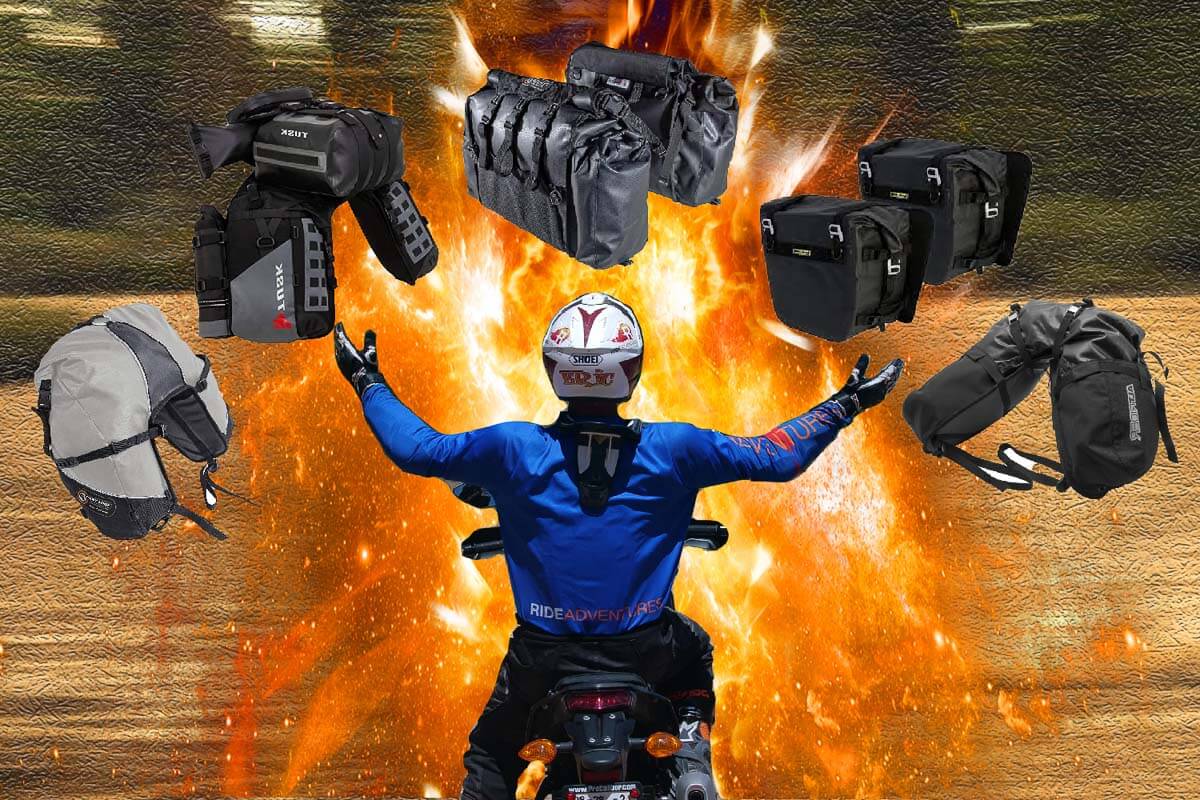
Illustrative image related to soft luggage for motorcycles
Over the years, manufacturers have focused on enhancing the functionality of soft luggage. Innovations such as waterproof zippers, modular designs, and quick-release mounting systems have made these products more user-friendly and suitable for various types of motorcycles. As adventure riding continues to grow in popularity, the demand for high-quality, durable soft luggage is expected to increase, driving further innovation in the sector.
In summary, the soft luggage for motorcycles market is evolving rapidly, influenced by trends in sustainability, technology, and changing consumer preferences. International B2B buyers must stay informed about these dynamics to make strategic sourcing decisions that align with market demands and ethical standards.
How do I choose the right soft luggage for motorcycles?
Choosing the right soft luggage involves assessing your specific needs, such as the type of motorcycle, riding conditions, and the duration of trips. Consider factors like capacity, waterproofing, durability, and ease of installation. Look for products with reliable mounting systems that ensure stability while riding. Additionally, consult customer reviews and product specifications to ensure the luggage can withstand your intended use, especially in diverse climates found in regions like Africa and South America.
What is the best soft luggage option for long-distance motorcycle touring?
For long-distance touring, look for high-capacity soft luggage systems that provide ample storage while ensuring durability and waterproofing. Options like the Giant Loop Great Basin Saddlebag or Mosko Moto’s Reckless series are designed for adventure and touring, offering features like compression straps and modular designs. Ensure the luggage fits securely on your motorcycle and can accommodate additional gear, such as camping equipment or personal items.
What are the benefits of using soft luggage over hard luggage for motorcycles?
Soft luggage is generally lighter, more flexible, and easier to store when not in use compared to hard luggage. It can conform to the shape of your motorcycle, reducing wind resistance and improving aerodynamics. Additionally, soft luggage often features waterproof materials that protect contents from rain and dirt. This adaptability makes it an excellent choice for diverse terrains and riding conditions, especially in regions with varying climates.
What are the typical minimum order quantities (MOQ) for soft luggage when sourcing from suppliers?
Minimum order quantities can vary significantly depending on the manufacturer and the specific product. Generally, MOQs for soft luggage can range from 50 to 500 units. It’s crucial to negotiate with suppliers to find terms that align with your business needs, especially if you’re entering new markets in Africa or South America. Always ask about bulk pricing and the possibility of mixed orders to optimize inventory.
How can I ensure quality assurance (QA) when sourcing soft luggage for motorcycles?
To ensure quality assurance, request samples from potential suppliers before committing to a large order. Conduct thorough inspections of materials, stitching, and waterproofing features. Establish clear quality standards and performance benchmarks, and consider setting up a third-party inspection service to evaluate products at the factory. Building strong relationships with suppliers can also facilitate better quality control processes.
What payment terms are common in international B2B transactions for soft luggage?
Common payment terms in international B2B transactions include a 30% deposit upon order confirmation and the remaining 70% before shipment. Some suppliers may offer letters of credit or payment through platforms like PayPal for smaller orders. Always clarify payment terms upfront and ensure they align with your cash flow needs. Be cautious of suppliers that demand full payment in advance, especially if you are unfamiliar with them.
What logistics considerations should I keep in mind when importing soft luggage?
When importing soft luggage, consider shipping methods, customs regulations, and import duties. Choose between air freight for speed or sea freight for cost-effectiveness based on your timelines. Familiarize yourself with the documentation required for customs clearance, including invoices and packing lists. Partnering with a logistics provider experienced in international shipping can help navigate these complexities, ensuring timely delivery to your market.
How can I customize soft luggage to meet my branding requirements?
Many manufacturers offer customization options for soft luggage, such as color choices, logo placement, and specific features tailored to your brand’s needs. When discussing customization, provide detailed specifications and examples of desired features. Be prepared for minimum order quantities and additional costs associated with customization. Establish clear communication with the supplier to ensure the final product meets your expectations and branding strategy.
Domínio: moskomoto.com
Registrado: 2013 (12 anos)
Introdução: Essa empresa, Mosko Moto - Motorcycle Luggage Systems, é uma entidade notável no mercado. Para obter detalhes específicos do produto, é recomendável visitar diretamente o site da empresa.
Domínio: adventure-motorcycling.com
Registrado: 1999 (26 anos)
Introdução: Best Motorcycle Soft Baggage 2026 includes reviews and tests of various products such as Kriega OS22 pannier, Kriega Trail18 daypack, Ortlieb 30L Travel Zip, Kriega Overlander S – OS-32, Giant Loop Fandango Pro Tank Bag, Enduristan Monsoon, and Giant Loop Siskiyou throwovers. The article discusses the effectiveness of ROK Straps and provides insights into the size and utility of soft baggage for a…
Domínio: sw-motech.us
Registrado: 2019 (6 anos)
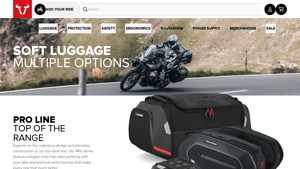
Introdução: SW-MOTECH offers a range of soft luggage for motorcycles, including the PRO, ION, Legend Gear, Drybags, and SysBag WP series. The PRO series features high-quality, water-repellent materials with MOLLE attachment systems and quick-attach PRO tank ring mounting. The ION series is known for its excellent price-performance ratio, made from durable 600D polyester with integrated rain covers. The Legend…

Domínio: touratech-usa.com
Registrado: 2001 (24 anos)
Introdução: Motorcycle Soft Luggage & Bags available for various motorcycle brands including BMW, KTM, Triumph, Honda, Yamaha, Aprilia, Harley-Davidson, Suzuki, Kawasaki, Ducati, Husqvarna, and Indian. Categories include Tank Bags, Tail Bags, Waterproof Saddle Bags, Duffle & Dry Bags. Specific models supported include R1300GS, R1250GS, R1200GS, Africa Twin CRF1000L, Tenere 700, Multistrada 1200, Tiger 900, an…
In conclusion, effective strategic sourcing of soft luggage for motorcycles is essential for international B2B buyers looking to enhance their product offerings. By prioritizing quality, versatility, and innovative design, businesses can cater to diverse markets across Africa, South America, the Middle East, and Europe. The insights gathered from leading manufacturers highlight the growing demand for durable and weather-resistant luggage solutions, which are critical for adventure and long-distance riders.
Investing in reliable suppliers and understanding regional preferences will empower businesses to remain competitive in this dynamic industry. The value of strategic sourcing extends beyond cost savings; it fosters strong supplier relationships and ensures access to the latest technology and trends in motorcycle luggage.
As we move forward, international B2B buyers should seize the opportunity to explore partnerships with reputable manufacturers, leveraging their expertise to meet evolving customer needs. Embrace the future of motorcycle travel by sourcing high-quality soft luggage that enhances the riding experience, ensuring your business thrives in a global marketplace.
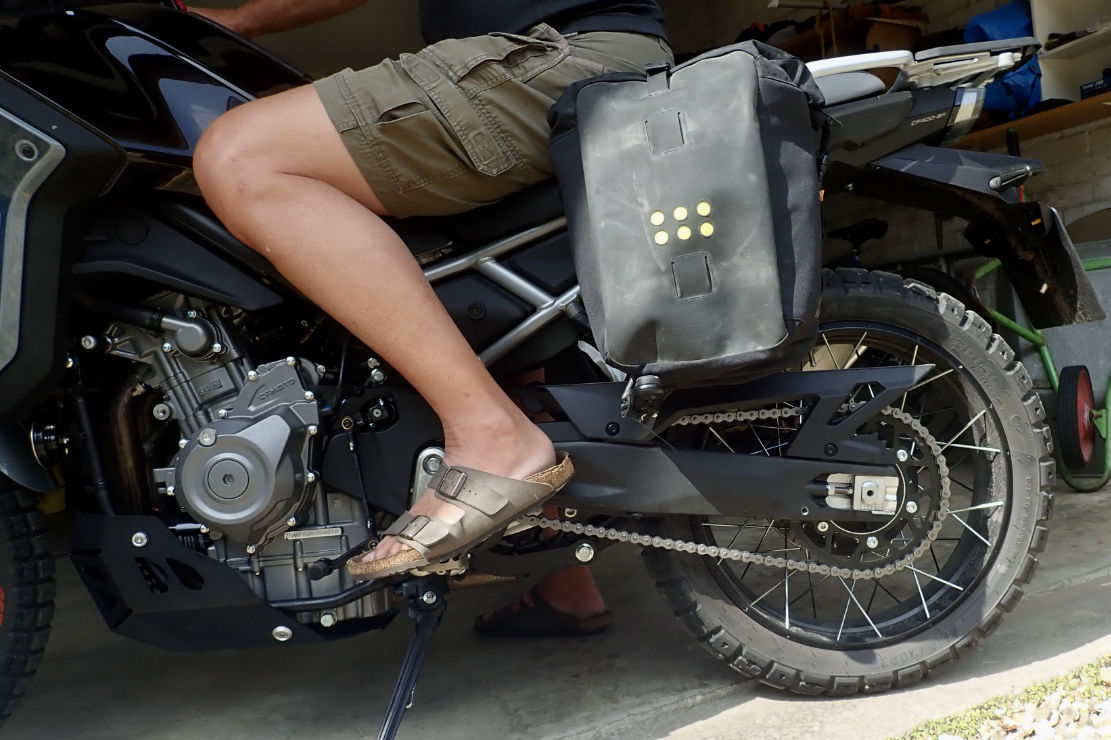
Illustrative image related to soft luggage for motorcycles
As informações fornecidas neste guia, inclusive o conteúdo referente a fabricantes, especificações técnicas e análise de mercado, são apenas para fins informativos e educacionais. Elas não constituem aconselhamento profissional sobre compras, aconselhamento financeiro ou aconselhamento jurídico.
Embora tenhamos feito todos os esforços para garantir a precisão e a atualidade das informações, não nos responsabilizamos por quaisquer erros, omissões ou informações desatualizadas. As condições de mercado, os detalhes da empresa e os padrões técnicos estão sujeitos a alterações.
Os compradores B2B devem realizar sua própria due diligence independente e completa antes de tomar qualquer decisão de compra. Isso inclui entrar em contato diretamente com os fornecedores, verificar as certificações, solicitar amostras e buscar consultoria profissional. O risco de confiar em qualquer informação contida neste guia é de responsabilidade exclusiva do leitor.

Illustrative image related to soft luggage for motorcycles


 Portuguese
  English
  Russian
  Spanish
  Italian
  Arabic
  German