
In the rapidly evolving landscape of global commerce, sourcing high-quality electric inflators has become a pivotal challenge for B2B buyers across diverse markets, including Africa, South America, the Middle East, and Europe. Whether you are looking to procure compact inflators for bicycles or heavy-duty models for industrial applications, understanding the array of available options is crucial. This guide serves as a comprehensive resource, exploring various types of electric inflators, their applications, and the nuances of supplier vetting.
Buyers will gain insights into the latest technological advancements, such as fast-charging capabilities and compatibility with multiple valve types, which can significantly enhance operational efficiency. Furthermore, we delve into cost considerations, helping businesses navigate budget constraints while ensuring product reliability and performance.
By equipping international buyers, particularly those in regions like Nigeria and Brazil, with the knowledge necessary to make informed purchasing decisions, this guide not only facilitates effective sourcing but also fosters long-term supplier relationships. With a focus on actionable insights and practical advice, you’ll be empowered to select the right electric inflator that meets your unique business needs, driving both productivity and profitability in your operations.
| Nome do tipo | Principais características distintivas | Aplicativos B2B primários | Prós e contras resumidos para compradores |
|---|---|---|---|
| Inflador portátil alimentado por bateria | Compact, rechargeable, often USB-C charging, high PSI output | Automotive service, cycling, outdoor sports | Prós: Easy to transport, quick setup. Contras: Limited battery life, may require frequent recharging. |
| Corded Electric Inflator | Plugs into wall outlets, continuous power supply, high volume | Manufacturing, construction, home use | Prós: Unlimited use time, higher power. Contras: Limited mobility due to cord, requires proximity to power source. |
| 12V Vehicle Inflator | Connects to vehicle’s power outlet, typically low PSI | Automotive, recreational vehicles, camping | Prós: Ideal for on-the-go inflation, multi-functional. Contras: Limited to vehicle use, lower PSI capabilities. |
| Dual Action Inflator | Inflates and deflates, often used for inflatables, lightweight | Water sports, camping, leisure activities | Prós: Versatile, saves time on inflation/deflation. Contras: May not achieve high pressure, less durable. |
| Smart Inflator | Features digital display, preset pressure settings, automatic shut-off | Automotive, biking, high-end consumer goods | Prós: User-friendly, precise inflation. Contras: Higher cost, potential for electronic failure. |
Portable battery-powered inflators are designed for convenience and mobility, making them ideal for B2B applications in automotive service, cycling, and outdoor sports. These inflators typically feature a compact design, allowing them to fit easily into a vehicle or backpack. They often charge via USB-C and can achieve high PSI outputs, making them suitable for various tire types. Buyers should consider battery life and charging time, as these factors can influence operational efficiency, especially in high-demand environments.
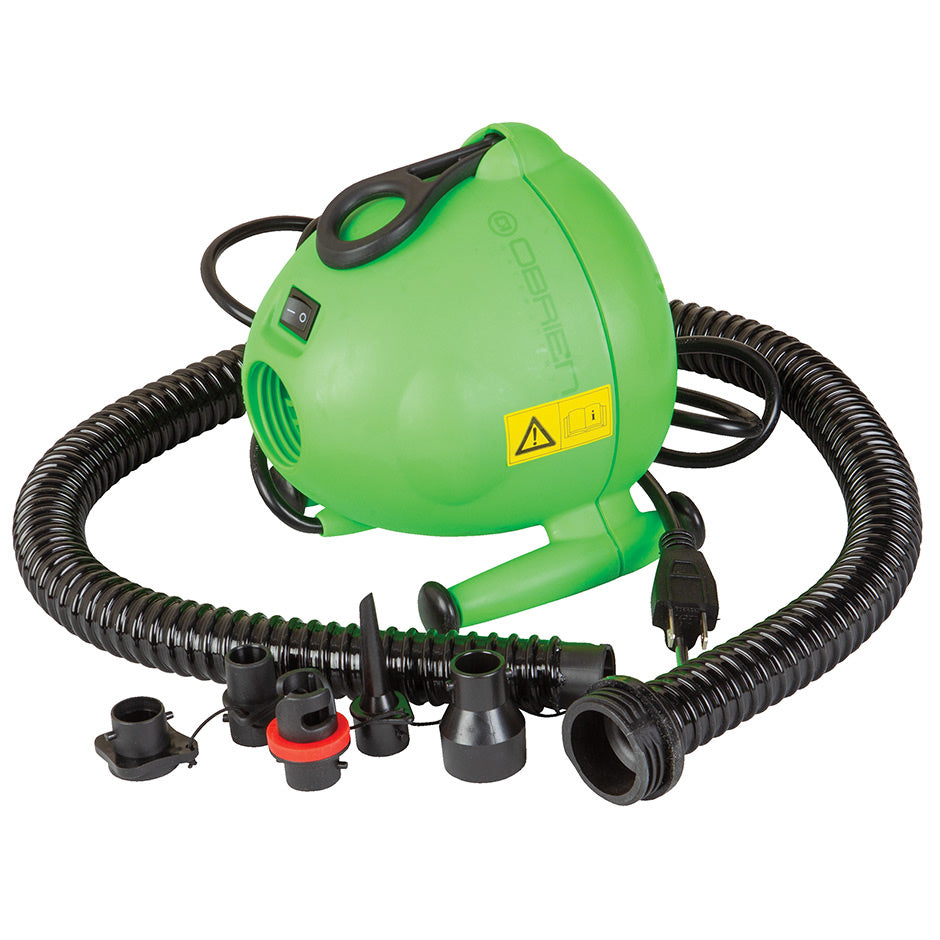
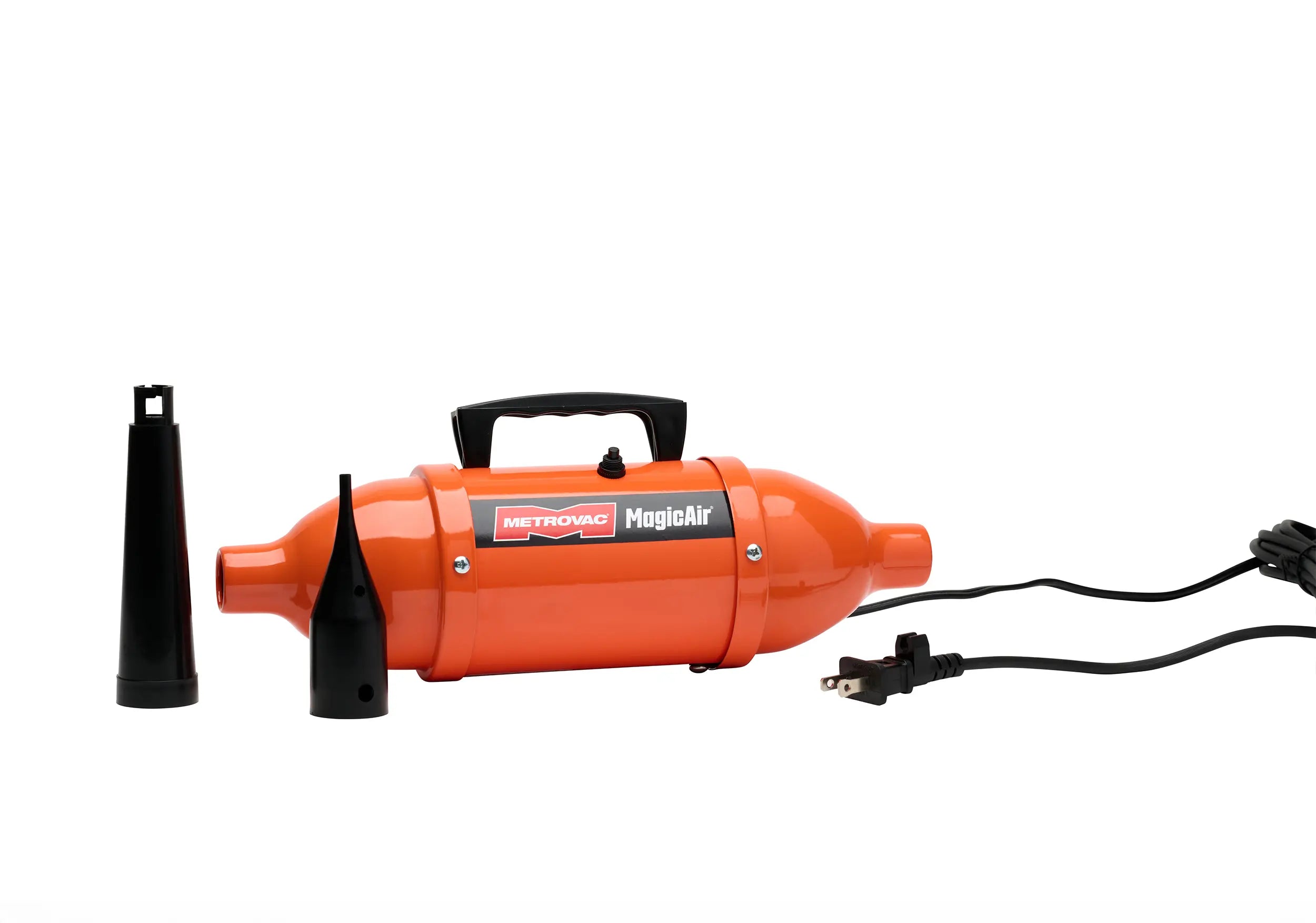
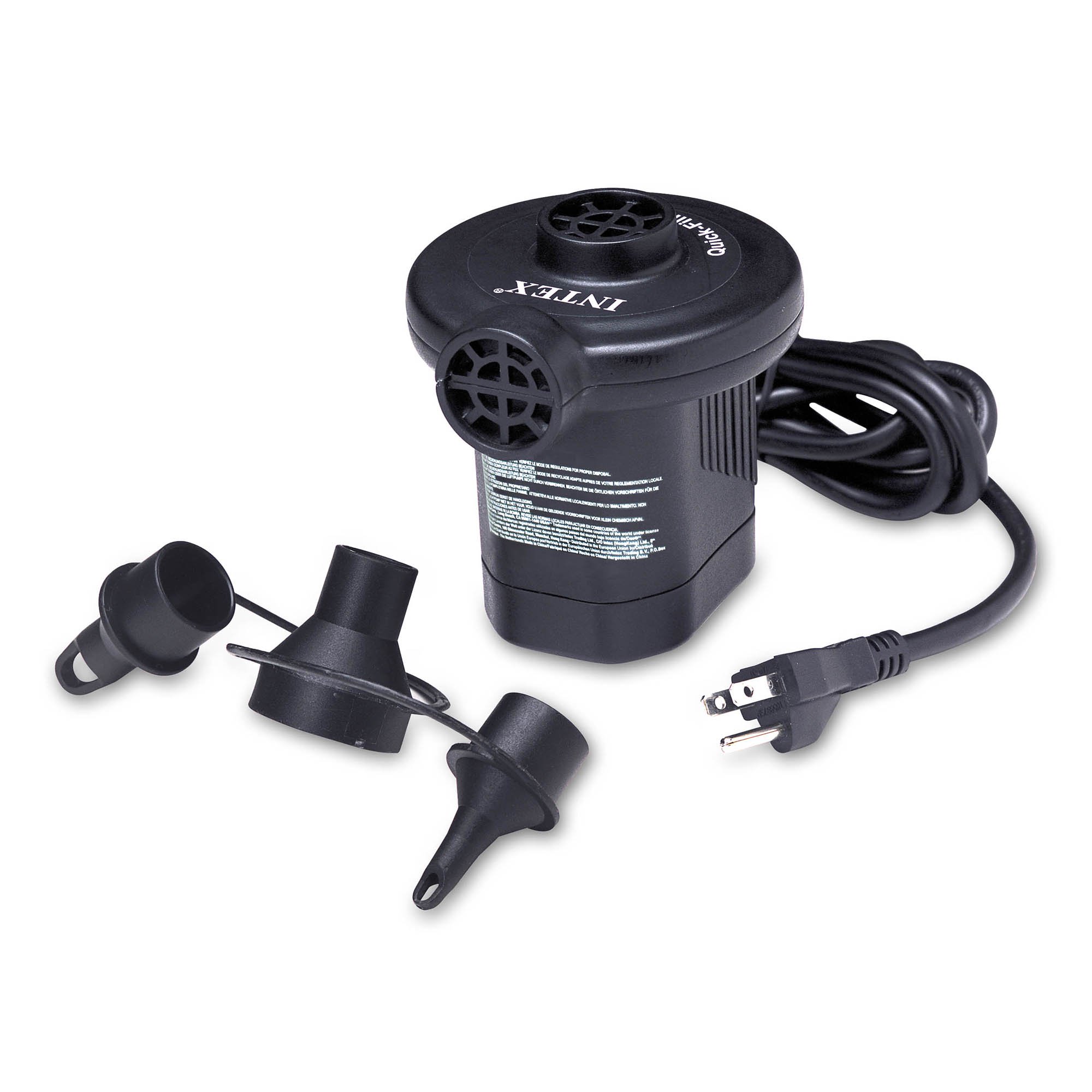
Corded electric inflators are characterized by their ability to connect directly to wall outlets, providing a continuous power supply for high-volume inflation tasks. They are commonly used in manufacturing, construction, and home applications where consistent power is essential. While they offer unlimited use time and higher inflation capabilities, buyers must account for their limited mobility due to the cord, which necessitates proximity to a power source. This can be a significant consideration for businesses requiring flexibility in various work environments.
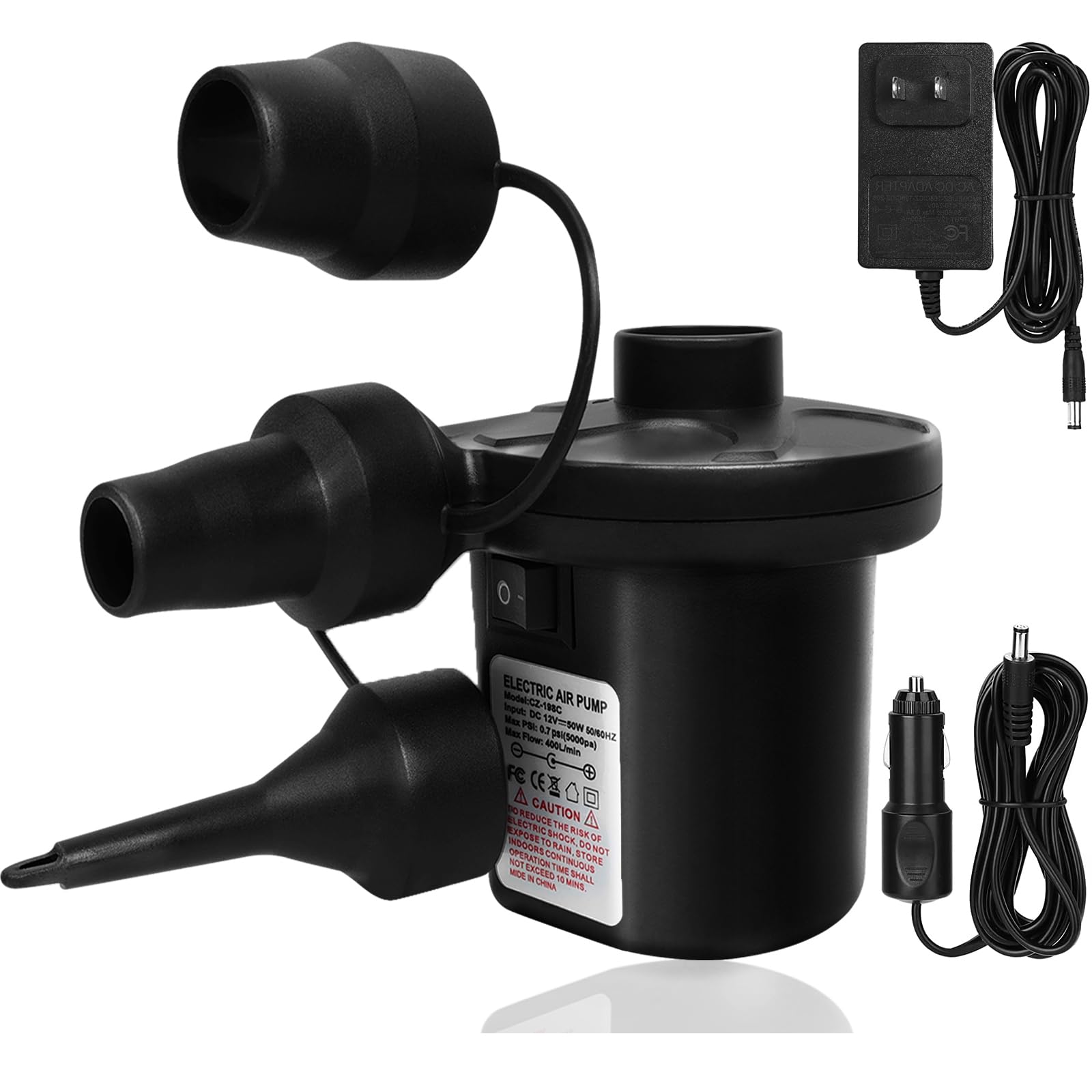
12V vehicle inflators connect to a car’s power outlet, making them particularly useful for automotive and recreational applications. They are lightweight and often designed to inflate items like tires and inflatable boats to lower PSI levels, which is adequate for many casual uses. Their primary advantage lies in their portability and ease of use while traveling. However, businesses should be aware of their limitations in terms of PSI output and that they are primarily designed for use in vehicles, which may restrict their versatility.
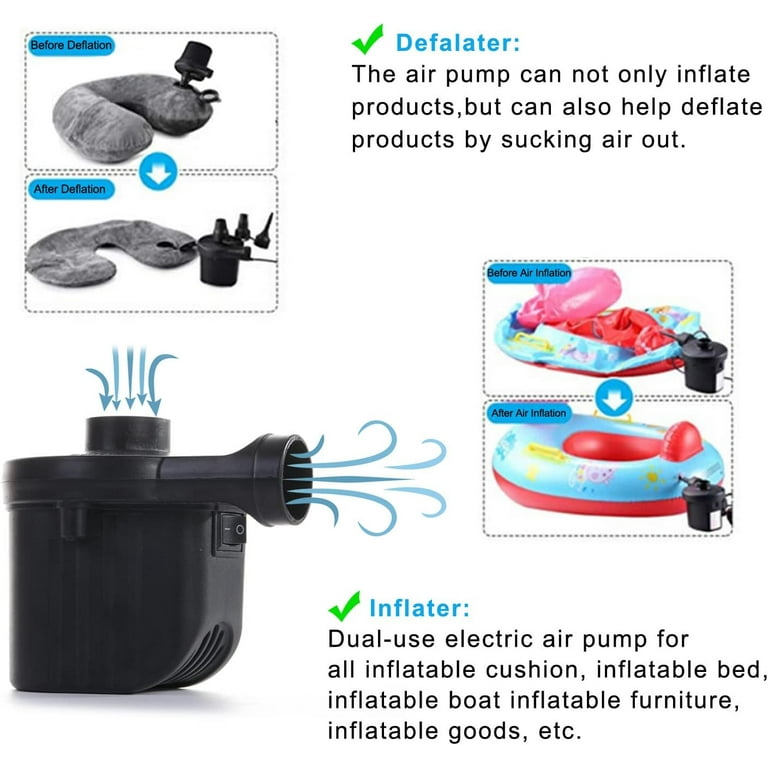
Dual action inflators are versatile tools that can both inflate and deflate various items, such as inflatable boats or camping gear. Their lightweight design makes them suitable for outdoor activities and leisure applications. The ability to perform both functions saves time and effort for users, particularly in environments where quick setup is crucial. However, businesses should consider that while they are convenient, dual action inflators may not achieve the high pressures required for certain applications, which could limit their effectiveness in more demanding scenarios.
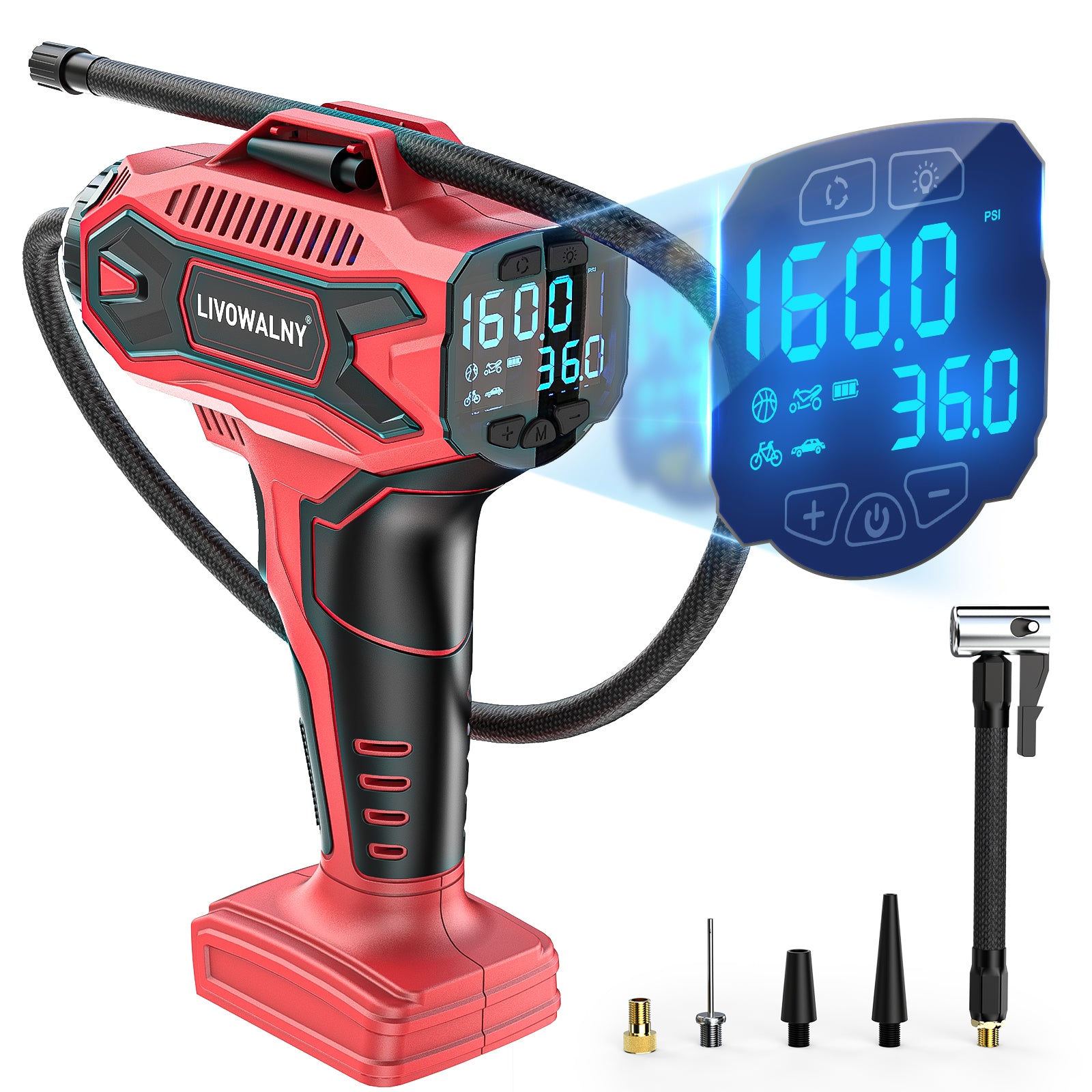
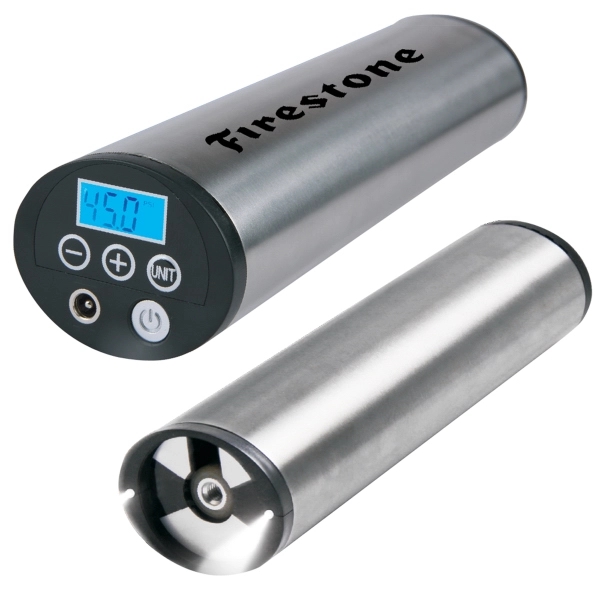
Smart inflators are equipped with digital displays, preset pressure settings, and automatic shut-off features, making them user-friendly and precise. These inflators are popular in automotive and high-end consumer markets where accuracy is critical. While they provide a modern solution to inflation needs, the higher cost and potential for electronic malfunctions are drawbacks that buyers should evaluate. Businesses investing in smart inflators should weigh the benefits of advanced features against the risks of technology-dependent equipment.
| Indústria/Setor | Specific Application of Electric Inflator | Valor/benefício para a empresa | Principais considerações de fornecimento para este aplicativo |
|---|---|---|---|
| Automotivo | Tire inflation for vehicles and equipment | Reduces downtime and enhances operational efficiency | Compatibility with various valve types, portability, and battery life |
| Recreational Vehicles (RVs) | Inflating inflatable boats, rafts, and camping gear | Saves time and labor, enhancing customer satisfaction | Durability, power source options, and multi-use capabilities |
| Construção | Inflating air cushions and pneumatic tools | Increases productivity and reduces manual labor costs | Pressure range, ease of use, and maintenance requirements |
| Esportes e condicionamento físico | Inflating sports equipment (balls, inflatable gear) | Improves service delivery and customer experience | Speed of inflation, portability, and ease of operation |
| Aviation | Pre-flight tire checks and inflating emergency equipment | Enhances safety and compliance with regulations | Compliance with aviation standards, battery reliability, and portability |
In the automotive industry, electric inflators are essential for maintaining optimal tire pressure in vehicles and heavy equipment. They enable quick and efficient inflation, reducing downtime significantly. Businesses can enhance their operational efficiency by ensuring that vehicles are always ready for use. Buyers should consider compatibility with various valve types, portability for on-site use, and battery life to ensure uninterrupted operations.
For recreational vehicles, electric inflators are invaluable for inflating inflatable boats, rafts, and camping gear. They save substantial time and labor compared to manual pumping, thereby enhancing customer satisfaction. When sourcing these inflators, businesses should prioritize durability, power source options (such as rechargeable batteries), and multi-use capabilities to cater to various inflatable products.
In the construction sector, electric inflators are used to inflate air cushions and pneumatic tools, which are crucial for various applications, including lifting and support. By automating the inflation process, companies can increase productivity and reduce manual labor costs. Key sourcing considerations include the pressure range needed for specific tools, ease of use in rugged environments, and maintenance requirements to ensure reliability on job sites.
Illustrative image related to electric inflator
Electric inflators are widely used in the sports and fitness industry for inflating sports equipment such as balls and inflatable gear. Quick inflation improves service delivery and enhances the customer experience, particularly in settings like gyms and sports clubs. Buyers should focus on the speed of inflation, portability for easy transport, and user-friendly operation to ensure efficient service.
In aviation, electric inflators are critical for pre-flight tire checks and inflating emergency equipment. They enhance safety and compliance with aviation regulations by ensuring that all equipment is properly inflated before takeoff. When sourcing inflators for this sector, businesses must ensure compliance with aviation standards, battery reliability for consistent performance, and portability to facilitate easy access during inspections.
O problema: B2B buyers often face challenges when sourcing electric inflators that are compatible with a variety of applications. For instance, businesses in the automotive, sports, and leisure industries may require inflators that can accommodate different valve types, such as Presta and Schrader. This lack of compatibility can lead to inefficiencies, increased operational costs, and frustrations among staff who have to manage multiple inflators or spend additional time adapting equipment.
A solução: When selecting electric inflators, prioritize models that offer versatility in valve compatibility. Look for inflators that come with interchangeable nozzles or adapters designed to work with multiple valve types. Suppliers should provide detailed specifications that highlight these features, ensuring you can easily integrate the inflator into your existing workflow. Additionally, consider investing in inflators with an automatic shut-off feature that allows for precise inflation without manual oversight, thus reducing the risk of over-inflation and subsequent damage to equipment. For instance, models with a built-in LED pressure gauge can simplify monitoring and enhance operational efficiency, particularly in high-demand scenarios.
O problema: A common pain point for B2B buyers is dealing with electric inflators that have insufficient battery life or lengthy charging times. In fast-paced environments, such as automotive repair shops or sporting events, the ability to quickly recharge and use inflators without downtime is crucial. An inflator that only accommodates a couple of tires on a single charge or takes hours to recharge can severely disrupt operations and lead to dissatisfied customers.
A solução: Opt for electric inflators that feature quick charge technology and robust battery life. Models that can fully recharge in under an hour while providing sufficient power to inflate multiple tires on a single charge are ideal. Look for inflators with lithium-ion batteries, as they typically offer longer life spans and better performance than traditional batteries. Furthermore, ensure that the inflator supports USB-C charging, which allows for faster and more efficient power delivery. Establishing a routine maintenance schedule that includes regular checks on battery health can also help maximize performance and longevity.
O problema: Many electric inflators are cumbersome and challenging to transport, especially for businesses that require mobility, such as those involved in outdoor events or remote work sites. A heavy or bulky inflator can hinder operational efficiency, making it difficult for staff to carry the equipment to where it is needed, leading to delays and increased labor costs. Additionally, a complicated user interface can result in improper use, causing further frustration.
A solução: When sourcing electric inflators, prioritize lightweight and compact designs that enhance portability without sacrificing performance. Models that weigh less than 2 pounds and have a compact footprint can be easily transported in vehicles or carried by hand. Furthermore, choose inflators with user-friendly interfaces that allow staff to operate them with minimal training. Features such as one-touch operation, clear digital displays, and straightforward instructions can significantly reduce the learning curve and improve productivity. It may also be beneficial to include carrying cases or straps with the inflators to enhance mobility and protect the equipment during transport. By investing in user-centric designs, businesses can streamline their operations and enhance overall satisfaction.
When selecting materials for electric inflators, it is crucial to consider their properties, performance, and suitability for specific applications. Here, we analyze four common materials used in electric inflators: aluminum, high-density polyethylene (HDPE), rubber, and stainless steel.
Aluminum is a popular choice for the casing and structural components of electric inflators due to its lightweight nature and excellent strength-to-weight ratio. It typically exhibits a good temperature resistance and can withstand pressures up to 120 psi, making it suitable for high-performance applications.
Prós: Aluminum is durable, corrosion-resistant, and relatively easy to manufacture, which can lead to lower production costs. Its lightweight characteristic enhances portability, an essential feature for users needing a compact inflator.
Contras: While aluminum is resistant to corrosion, it can be prone to dents and scratches, which may affect aesthetics and performance over time. Additionally, the cost can be higher compared to some plastic alternatives.
Impacto no aplicativo: Aluminum’s compatibility with various media, such as air and certain gases, makes it ideal for inflators. However, international buyers should ensure compliance with local manufacturing standards, such as ASTM or DIN, particularly in regions like Europe and the Middle East.
High-density polyethylene (HDPE) is often utilized for components such as housing, nozzles, and seals in electric inflators. It boasts good chemical resistance and can operate effectively in a range of temperatures.
Prós: HDPE is lightweight, cost-effective, and resistant to impact and moisture. Its flexibility allows for easy molding into complex shapes, which can enhance the design of inflators.
Contras: While HDPE is durable, it may not withstand high temperatures or pressures as effectively as metals. This limitation can restrict its use in high-performance inflators requiring robust materials.
Impacto no aplicativo: HDPE’s chemical resistance makes it suitable for inflators that may come into contact with various substances. Buyers from regions like Africa and South America should consider local environmental conditions that may affect material longevity.
Rubber is commonly used for seals, gaskets, and hoses in electric inflators. Its inherent elasticity and ability to maintain a tight seal under pressure are critical for performance.
Prós: Rubber provides excellent durability and flexibility, ensuring a reliable seal that prevents air leaks. It is also relatively low-cost, making it an economical choice for manufacturers.
Illustrative image related to electric inflator
Contras: Rubber can degrade over time due to exposure to UV light and extreme temperatures, potentially leading to failure in seals. Furthermore, it may not be suitable for applications involving high-pressure air.
Impacto no aplicativo: The effectiveness of rubber seals is crucial for maintaining pressure in inflators. International buyers should verify that the rubber used meets relevant safety and performance standards, especially in regions with stringent regulations.
Stainless steel is often selected for high-stress components, such as valves and connectors, due to its strength and corrosion resistance. It can handle high-pressure applications, making it suitable for more demanding inflators.
Prós: Stainless steel is highly durable, resistant to corrosion, and can withstand high temperatures and pressures. Its longevity makes it a preferred choice for industrial applications.
Illustrative image related to electric inflator
Contras: The primary drawback of stainless steel is its higher cost compared to other materials. Additionally, its weight can be a disadvantage for portable inflators.
Impacto no aplicativo: Stainless steel’s compatibility with various gases and its robust nature make it ideal for heavy-duty inflators. B2B buyers should ensure that the stainless steel components meet international standards, such as JIS, particularly in regions like Europe and the Middle East.
| Material | Typical Use Case for electric inflator | Principais vantagens | Principal desvantagem/limitação | Custo relativo (baixo/médio/alto) |
|---|---|---|---|---|
| Alumínio | Casing and structural components | Leve e resistente à corrosão | Propenso a amassados e arranhões | Médio |
| High-Density Polyethylene (HDPE) | Housing and nozzles | Cost-effective and flexible | Limited high-temperature resistance | Baixa |
| Borracha | Vedações e gaxetas | Excellent durability and flexibility | Degrada-se sob exposição aos raios UV | Baixa |
| Aço inoxidável | Valves and connectors | Altamente durável e resistente à corrosão | Maior custo e peso | Alta |
This strategic material selection guide provides essential insights for B2B buyers in diverse international markets, enabling informed decisions that align with regional standards and application requirements.
The manufacturing process for electric inflators involves several critical stages that ensure the final product meets quality and performance standards. Understanding these stages can help B2B buyers select reliable suppliers.
The first step in the manufacturing process is material preparation. Manufacturers source high-quality components, including durable plastics, metals (such as aluminum), and electrical parts (like lithium-ion batteries). The selection of materials is crucial as it impacts the inflator’s durability, weight, and performance. Suppliers often conduct tests to ensure these materials meet required specifications before proceeding to the next stage.

Illustrative image related to electric inflator
In the forming stage, raw materials are shaped into usable components. Techniques such as injection molding for plastic parts and extrusion for rubber seals are commonly employed. For metal components, processes like die-casting or CNC machining are utilized to achieve precise dimensions. This stage is vital as it defines the inflator’s structural integrity and performance capabilities.
The assembly stage involves integrating all prepared components into a finished product. This process typically includes:
Efficient assembly lines often use automated systems to enhance precision and speed, reducing the potential for human error.
Illustrative image related to electric inflator
The finishing stage includes surface treatments, painting, and branding. This not only enhances the visual appeal of the product but also adds layers of protection against environmental factors. Additionally, manufacturers may apply coatings to improve durability and resistance to wear and tear, which is particularly important for products intended for outdoor or rugged use.
Quality control is critical in the manufacturing process of electric inflators, as it ensures product safety, reliability, and compliance with international standards. B2B buyers should be aware of the various QC measures that suppliers implement.
International standards play a significant role in ensuring that products are safe and reliable. Key standards relevant to electric inflators include:
Quality control checkpoints are strategically placed throughout the manufacturing process:
Manufacturers employ various testing methods to verify the performance and safety of electric inflators:
For international B2B buyers, verifying a supplier’s quality control processes is paramount to ensuring product reliability. Here are several methods to consider:
Illustrative image related to electric inflator
Conducting audits is an effective way to assess a supplier’s quality management practices. Buyers can request:
Engaging third-party inspection services can provide an unbiased assessment of the supplier’s quality control processes. These inspections often include:
Understanding the regional nuances in quality control and certification is critical for B2B buyers, especially those from diverse markets such as Africa, South America, the Middle East, and Europe.
By focusing on these aspects of the manufacturing process and quality assurance, B2B buyers can make informed decisions, ensuring they partner with suppliers that prioritize quality and compliance. This diligence not only enhances the reliability of their product offerings but also builds trust in the marketplace.
Illustrative image related to electric inflator
This guide serves as a comprehensive checklist for B2B buyers seeking to procure electric inflators. Whether you are sourcing for retail, rental services, or manufacturing purposes, following these steps will help ensure that you make informed decisions and secure quality products.
Establishing clear technical specifications is crucial before beginning your search for electric inflators. Consider the intended use—will the inflator be for tires, inflatable products, or other applications? Key specifications to define include:
– Faixa de pressão: Look for inflators that can reach your desired PSI levels.
– Fonte de energia: Determine whether you need a battery-operated or corded model based on your operational requirements.
Understanding current market trends can provide insights into what features are most sought after by end-users. Analyze data to identify popular brands and technologies, such as fast charging capabilities and compatibility with various valve types. This knowledge can guide your procurement strategy and help in negotiating better prices.
Before committing to a supplier, thorough evaluation is essential. Request detailed company profiles, including their history, production capacity, and distribution capabilities. Look for:
– References and Reviews: Check for testimonials from other B2B buyers to gauge reliability and service quality.
– Certificações: Ensure suppliers hold relevant certifications (e.g., ISO) that validate their manufacturing processes.
Quality and durability are paramount when selecting electric inflators, particularly for high-volume use. Inquire about the materials used (e.g., aircraft-grade aluminum for lightweight models) and test for:
– Métricas de desempenho: Ensure the inflator meets or exceeds the specified PSI and charging time.
– Warranty Coverage: A robust warranty can indicate manufacturer confidence in their product’s longevity.
Compliance with local regulations is critical, especially for international procurement. Research the safety and environmental regulations applicable to electric inflators in your target market. Look for:
– Certificações: Verify compliance with standards such as CE marking in Europe or other local certifications.
– Import Duties and Taxes: Be aware of any tariffs or taxes that may affect the total cost of ownership.
Once you have narrowed down your suppliers, it’s time to negotiate favorable terms. Discuss pricing, payment terms, and delivery schedules to ensure they align with your operational needs. Consider:
– Descontos para compras em massa: Ask for discounts based on order volume.
– Shipping Costs and Times: Factor these into your overall budget and timeline.
Before making a significant investment, consider placing a trial order with your selected supplier. This allows you to assess product quality, performance, and supplier reliability firsthand. Monitor:
– Delivery Timeliness: Ensure the supplier meets agreed-upon shipping schedules.
– Product Performance: Evaluate the inflator’s functionality under real-world conditions.
By following this checklist, B2B buyers can streamline their procurement process for electric inflators, ensuring they select products that meet their operational needs while maintaining quality and compliance.
When considering the manufacturing of electric inflators, several cost components play a crucial role in determining the overall pricing structure. The primary elements include:
Materiais: The choice of materials significantly influences the cost. For instance, high-grade aluminum or durable plastics may increase material expenses but enhance product longevity and performance. Additionally, components such as batteries, motors, and electronic displays contribute to the material costs.
Trabalho: Labor costs can vary widely based on the region of production. Countries with lower labor costs may provide a competitive edge in pricing, while regions with higher labor standards might incur increased costs. Skilled labor is often necessary for assembly and quality control.
Custos indiretos de fabricação: This includes costs associated with utilities, equipment maintenance, and factory space. Efficient manufacturing processes can help mitigate these costs, while advanced machinery may require higher initial investment but can lead to long-term savings.
Ferramentas: The initial setup for production, including molds and dies for plastic parts, can be a significant upfront expense. This cost may be amortized over larger production volumes, making it essential to consider the minimum order quantity (MOQ).
Controle de qualidade (QC): Implementing stringent quality control measures ensures product reliability and compliance with international standards, which can add to the overall cost. However, it is vital for maintaining brand reputation and customer satisfaction.
Logística: Shipping and handling costs, including customs duties and taxes, can vary dramatically based on the destination. Understanding local import regulations is crucial for accurate cost forecasting.
Margem: Manufacturers typically aim for a profit margin that reflects the quality and innovation of their products. This margin can be influenced by market demand, competition, and perceived value.
Several influencers impact the pricing of electric inflators, particularly in the context of international B2B transactions:
Volume/MOQ: Bulk orders often attract discounts, making it essential for buyers to negotiate favorable terms based on their purchasing power. Establishing a strong relationship with suppliers can also lead to better pricing.
Especificações e personalização: Custom features such as specific PSI requirements or additional functionalities (e.g., LED displays) can affect pricing. Suppliers may charge more for tailored solutions, but these can also enhance marketability.
Materials and Certifications: Higher quality materials and certifications (such as ISO or CE marks) justify higher prices. Buyers should assess the long-term benefits of investing in quality versus opting for cheaper alternatives.
Fatores do fornecedor: The reputation and reliability of the supplier can significantly influence pricing. Established suppliers may command higher prices due to their proven track record, while newer entrants might offer competitive pricing to gain market share.
Incoterms: Understanding Incoterms is crucial for managing logistics costs. Terms such as FOB (Free On Board) or CIF (Cost Insurance and Freight) dictate who bears shipping costs and risks, impacting the total landed cost.
To maximize cost efficiency, B2B buyers should consider the following strategies:
Negotiate with Suppliers: Engaging in open discussions about pricing, especially for bulk orders, can yield significant discounts. Establishing a long-term partnership may also lead to better pricing structures.
Avaliar o custo total de propriedade (TCO): Beyond initial purchase price, consider factors such as maintenance, warranty, and potential failure rates. Higher upfront costs may be justified by lower long-term operational costs.
Entenda as nuances dos preços: Pricing can vary based on regional market dynamics, currency fluctuations, and local economic conditions. Buyers in Africa, South America, the Middle East, and Europe should be aware of these factors when sourcing.
Request Multiple Quotes: Gathering quotes from various suppliers provides leverage in negotiations and helps identify the best value proposition.
Stay Informed about Market Trends: Keeping abreast of industry developments, technological advancements, and competitor pricing can inform better purchasing decisions.
Prices for electric inflators can fluctuate based on market conditions, supplier agreements, and changes in material costs. Therefore, the figures mentioned in this analysis should be viewed as indicative, and buyers should conduct thorough research and negotiations to secure the best possible pricing for their specific needs.
When evaluating the best solutions for tire inflation and similar applications, it is essential to consider various alternatives to electric inflators. This analysis will compare electric inflators with manual pumps and 12V inflators, highlighting their respective strengths and weaknesses. Understanding these alternatives will help B2B buyers make informed decisions based on their specific operational needs.
| Aspecto de comparação | Electric Inflator | Bomba manual | 12V Inflator |
|---|---|---|---|
| Desempenho | High PSI output (up to 120 PSI), fast inflation | Moderate PSI output, time-consuming | Low PSI output (up to 2 PSI), quick inflation for specific applications |
| Custo | Generally higher initial investment ($100+) | Low cost (typically $20-$40) | Moderate cost (typically $30-$50) |
| Facilidade de implementação | User-friendly, minimal setup required | Requires physical effort and technique | Easy to use, plugs into vehicle’s cigarette lighter |
| Manutenção | Low maintenance, rechargeable batteries | Minimal maintenance | Low maintenance, but reliant on vehicle power |
| Melhor caso de uso | Ideal for bicycles, motorcycles, and emergencies | Good for casual use or low-frequency needs | Best for inflating SUPs, rafts, and camping gear |
Manual pumps are a traditional and cost-effective solution for inflation tasks. They are lightweight, portable, and do not require any power source, making them suitable for outdoor activities. However, they can be labor-intensive and time-consuming, requiring significant physical effort to achieve the desired PSI. This can be a drawback for users needing quick inflation or dealing with larger tires, where a manual pump’s performance may not suffice.
12V inflators offer a convenient solution for users who are on the go, particularly when traveling in vehicles. They can quickly inflate items like inflatable boats or paddleboards, making them ideal for recreational activities. However, their performance is typically limited to lower PSI outputs (around 2 PSI), which may not be sufficient for tasks like inflating car tires. Additionally, they rely on a vehicle’s power source, which may not always be available in remote locations.
Choosing the right inflation solution depends on various factors, including the specific application, budget, and user convenience. Electric inflators excel in performance and ease of use, making them ideal for businesses that prioritize efficiency and require high PSI outputs. Manual pumps are best suited for low-frequency use and budget-conscious buyers, while 12V inflators are perfect for portable applications but may fall short in performance. By assessing these factors, B2B buyers can select the solution that best aligns with their operational requirements and budget constraints.
Illustrative image related to electric inflator
Understanding the essential technical properties of electric inflators is crucial for B2B buyers, particularly those sourcing products for varied applications across industries. Here are some critical specifications to consider:
Pressure Rating (PSI/BAR)
The pressure rating indicates the maximum air pressure the inflator can achieve, commonly measured in PSI (pounds per square inch) or BAR. For instance, a unit capable of reaching 120 PSI is suitable for a wide range of applications, from bicycle tires to inflatable boats. This property is vital for buyers to ensure the inflator meets specific operational requirements.
Capacidade da bateria (mAh)
The battery capacity, usually measured in milliamp hours (mAh), signifies how long the inflator can operate before needing a recharge. A higher capacity translates to longer usage times, which is especially important for businesses that require prolonged inflation capabilities without downtime. For example, a 450mAh battery allows for inflating multiple tires on a single charge, enhancing efficiency.
Tempo de carregamento
The charging time indicates how quickly the inflator can be ready for use after being depleted. Fast-charging capabilities, such as a 30-minute recharge time, are advantageous for B2B buyers who prioritize operational efficiency and minimal downtime in their workflows. This feature is crucial for industries requiring quick turnaround times, such as automotive or outdoor recreation.
Grau do material
The material grade of the inflator, such as aircraft-grade aluminum, affects its durability and weight. A robust construction ensures longevity and reliability, which are essential for businesses that depend on consistent performance in rugged environments. Lightweight materials also enhance portability, making it easier for users to transport the inflator as needed.
Compatibility with Valve Types
Compatibility with various valve types (Presta, Schrader, etc.) ensures that the inflator can be used across different products. This versatility is particularly important for businesses dealing with diverse inventory, as it reduces the need for multiple tools. A unit that accommodates multiple valve types streamlines operations and minimizes investment in additional equipment.
Familiarity with industry-specific terminology is essential for effective communication and negotiation in the B2B space. Here are some common terms that buyers should understand:
OEM (fabricante original do equipamento)
OEM refers to companies that produce parts or equipment that may be marketed by another manufacturer. Understanding OEM relationships helps buyers ensure they are sourcing quality products that adhere to industry standards, which is critical for maintaining brand reputation.
MOQ (Quantidade mínima de pedido)
MOQ indicates the smallest number of units a supplier is willing to sell. This term is crucial for buyers as it affects inventory management and cash flow. Knowing the MOQ helps businesses plan their purchasing strategy effectively, especially when entering new markets.
RFQ (Request for Quotation, solicitação de cotação)
An RFQ is a document sent to suppliers requesting a price quote for a specific quantity of goods. For B2B buyers, issuing RFQs allows them to compare pricing and terms across multiple suppliers, facilitating informed decision-making and budget management.
Incoterms (Termos Comerciais Internacionais)
Incoterms are a set of international rules that define the responsibilities of sellers and buyers in shipping contracts. Familiarity with these terms helps buyers understand shipping costs, risks, and logistics, ensuring smooth transactions across borders.
Termos de garantia e serviço
Warranty terms specify the duration and conditions under which a product is guaranteed against defects. Understanding warranty provisions is vital for B2B buyers to assess the long-term value and reliability of their investment, particularly in products like electric inflators that may require maintenance or replacement parts.
By grasping these technical properties and trade terms, international B2B buyers can make more informed purchasing decisions, ensuring that they select the right electric inflators to meet their operational needs.
Illustrative image related to electric inflator
The electric inflator market is experiencing robust growth, driven by several global factors. Increased demand for electric inflators in diverse sectors, including automotive, sports, and recreational activities, is a primary driver. As urbanization progresses in regions such as Africa and South America, the need for convenient and efficient solutions for tire inflation is rising. Additionally, the growing popularity of electric bicycles and scooters, particularly in Europe and the Middle East, is propelling the market forward.
Emerging technology trends are also shaping the sector. Innovations such as smart inflators with integrated pressure gauges and automatic shut-off features are becoming standard. B2B buyers are increasingly seeking products that offer versatility, such as compatibility with various valve types and rechargeable battery options. The trend towards portable and compact designs, as seen in products like the AirMach Electric Mini Inflator, caters to the growing need for convenience among consumers. Furthermore, the rise of e-commerce platforms allows international buyers to source electric inflators from manufacturers worldwide, enhancing market accessibility.
Sustainability is becoming a pivotal consideration for B2B buyers in the electric inflator market. The environmental impact of manufacturing and disposing of electronic products necessitates ethical sourcing practices. Buyers are increasingly demanding products made from eco-friendly materials and sustainable manufacturing processes. This shift is prompting manufacturers to adopt green certifications, such as ISO 14001, which demonstrates a commitment to environmental management.
Moreover, the importance of ethical supply chains cannot be overstated. Buyers are looking for suppliers who adhere to fair labor practices and transparent sourcing methods. This focus on sustainability not only enhances brand reputation but also aligns with the growing consumer expectation for responsible business practices. As a result, companies that prioritize sustainable sourcing and offer products that minimize environmental impact will likely gain a competitive edge in the market.
The electric inflator has evolved significantly since its inception. Initially designed for automotive use, the technology has expanded to cater to various applications, including recreational activities and home use. The introduction of battery-operated models revolutionized the market, providing users with portable and convenient solutions. Over the years, advancements in battery technology and motor efficiency have led to the development of compact inflators that deliver high performance in a small form factor.
The shift towards electric models is also reflective of broader trends in consumer behavior, with increasing preferences for electric and rechargeable products over traditional, manual options. As global markets continue to evolve, the electric inflator sector is poised for further growth, driven by innovation and changing consumer demands. International B2B buyers should remain informed about these trends to make strategic sourcing decisions that align with market dynamics.
How do I choose the right electric inflator for my business needs?
Selecting the right electric inflator involves assessing your specific application requirements, such as the types of products you will inflate (e.g., tires, inflatables, or sports equipment). Consider factors like maximum pressure (psi), charging time, portability, and compatibility with different valve types (like Presta and Schrader). Additionally, evaluate the durability and warranty terms, especially if you plan to use the inflator in a commercial setting. Reading reviews and comparing specifications from multiple suppliers will help you make an informed decision.
What is the best electric inflator for high-volume operations?
For high-volume operations, look for electric inflators with rapid inflation capabilities, high psi ratings, and long-lasting battery life. Models that can inflate multiple items on a single charge, such as those with a capacity to inflate up to 4 tires or equivalent items, are ideal. Additionally, inflators that come with multiple nozzle attachments for different applications can enhance versatility. Brands that offer robust construction and warranties are often more reliable for continuous use in a commercial setting.
What customization options are available for electric inflators?
Many manufacturers offer customization options for electric inflators, including branding, color, and specific features tailored to your business needs. You can request modifications such as unique nozzle attachments, enhanced battery capacity, or additional functionalities like integrated pressure gauges. When sourcing inflators, inquire about the minimum order quantities (MOQs) for customized products, as this can vary significantly among suppliers. Customization can provide a competitive edge and ensure the inflators meet your operational requirements.
How do I vet suppliers for electric inflators?
When vetting suppliers, consider their industry reputation, experience, and certifications. Request references from other clients and check online reviews. Assess the supplier’s production capabilities, quality control processes, and compliance with international standards. Additionally, visit their manufacturing facility if possible, or request virtual tours. Establish clear communication channels to discuss specifications, timelines, and after-sales support. A reliable supplier will provide detailed product information and be responsive to your inquiries.
What payment terms should I expect when sourcing electric inflators internationally?
Payment terms can vary based on the supplier and your negotiation power. Common terms include advance payment, letter of credit, or payment upon delivery. Many suppliers may offer flexible options like partial payments for large orders. Ensure to clarify all terms before finalizing the contract, including currency exchange rates and potential fees. It’s advisable to use secure payment methods and consider trade finance options to mitigate risks associated with international transactions.
What quality assurance measures should I consider?
Quality assurance is crucial when sourcing electric inflators. Request detailed product specifications and quality certifications from the supplier, such as ISO standards or CE marking. It’s beneficial to conduct factory audits or request samples before placing large orders. Discuss warranty terms and return policies to ensure you have recourse in case of defective products. Consider implementing your own quality checks upon receipt of goods to ensure they meet your specifications and performance expectations.
How can logistics impact my sourcing of electric inflators?
Logistics play a significant role in the sourcing process, affecting delivery times, costs, and overall supply chain efficiency. Consider the location of your supplier in relation to your business to minimize shipping costs and transit times. Understand the logistics options they provide, such as air or sea freight, and their experience with customs clearance. Additionally, assess the packaging used to protect the inflators during transit, as this can prevent damage and ensure timely delivery.
Are there specific regulations for importing electric inflators into my region?
Import regulations for electric inflators can vary by country and region. Research the specific requirements for your target market, including safety standards, certifications, and import duties. In regions such as Africa and South America, ensure compliance with local regulations regarding electrical appliances and energy efficiency. Consulting with a customs broker or legal expert can provide insights into the documentation needed for smooth customs clearance and help you avoid potential delays or penalties.
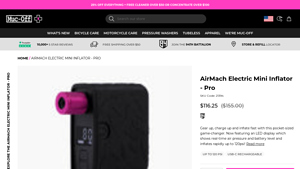
Domínio: us.muc-off.com
Registrado: 2002 (23 anos)
Introdução: AirMach Electric Mini Inflator – Pro
SKU Code: 21394
Price: $116.25 (originally $155.00)
Features:
– Aircraft grade aluminum construction
– Inflates up to 120psi
– Knurled/Anodized head with 2in1 valve pin
– Compatible with Presta, Schrader, and Big Bore Tubeless Valves
– Real-time air pressure and battery level display
– Inflates up to 4 tires on one charge
– USB-C rechargeable in 30 minutes
– De…
Domínio: solpaddle.com
Registered: 2011 (14 years)
Introdução: This company, SolPaddle – 12V Electric Inflator and Deflator, is a notable entity in the market. For specific product details, it is recommended to visit their website directly.
Domínio: target.com
Registrado: 1997 (28 anos)
Introdução: This company, Target – Electric Air Pump Inflators, is a notable entity in the market. For specific product details, it is recommended to visit their website directly.
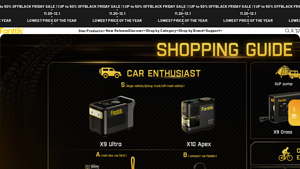
Domínio: fanttik.com
Registrado: 2020 (5 anos)
Introdução: 2X Faster Electric Tire Inflators; Products include: Fanttik X9 Ace, Fanttik X9 Pro, Fanttik X8 APEX, Fanttik X9 APEX, Fanttik X9 Classic, Fanttik X9 Ultra, Fanttik X10 Cross; Sale prices range from $48.99 to $199.97; Discounts up to 50% off during Black Friday Sale; Regular prices range from $59.97 to $129.99; Customer ratings around 4.8 for several models; Extra coupons available for additional …
In conclusion, the strategic sourcing of electric inflators offers significant advantages for B2B buyers across diverse markets, including Africa, South America, the Middle East, and Europe. The demand for efficient, portable, and user-friendly inflators is rising, driven by various sectors such as automotive, outdoor recreation, and consumer goods. Emphasizing products with advanced features—such as rapid charging capabilities, compatibility with multiple valve types, and real-time pressure monitoring—can enhance operational efficiency and customer satisfaction.
As international buyers navigate the complexities of sourcing, prioritizing suppliers who demonstrate innovation and reliability will be crucial. The integration of technology in electric inflators not only streamlines operations but also aligns with sustainability goals, reducing manual labor and improving user experience.
Looking ahead, the electric inflator market is poised for growth, fueled by ongoing advancements in battery technology and the increasing demand for convenience in everyday tasks. Buyers should actively seek partnerships with manufacturers that invest in research and development to stay ahead of market trends. By doing so, they will not only secure a competitive edge but also contribute to a more efficient and sustainable future in their respective industries.
As informações fornecidas neste guia, inclusive o conteúdo referente a fabricantes, especificações técnicas e análise de mercado, são apenas para fins informativos e educacionais. Elas não constituem aconselhamento profissional sobre compras, aconselhamento financeiro ou aconselhamento jurídico.
Embora tenhamos feito todos os esforços para garantir a precisão e a atualidade das informações, não nos responsabilizamos por quaisquer erros, omissões ou informações desatualizadas. As condições de mercado, os detalhes da empresa e os padrões técnicos estão sujeitos a alterações.
Os compradores B2B devem realizar sua própria due diligence independente e completa antes de tomar qualquer decisão de compra. Isso inclui entrar em contato diretamente com os fornecedores, verificar as certificações, solicitar amostras e buscar consultoria profissional. O risco de confiar em qualquer informação contida neste guia é de responsabilidade exclusiva do leitor.


 Portuguese
  English
  Russian
  Spanish
  Italian
  Arabic
  German