
In an increasingly competitive global market, sourcing a reliable handheld tire air compressor can be a pivotal challenge for B2B buyers. The ability to maintain optimal tire pressure is not only essential for vehicle performance but also for ensuring safety and reducing operational costs. This comprehensive guide delves into the diverse types of handheld tire air compressors available, their various applications, and the nuances of supplier vetting, allowing international buyers from regions such as Africa, South America, the Middle East, and Europe—including key markets like Germany and Saudi Arabia—to navigate their purchasing decisions with confidence.
Throughout this guide, we will examine the latest technological advancements in tire inflators, including their efficiency, portability, and multi-power options. We will also provide insights on cost considerations, ensuring that buyers can balance quality with budget constraints. Additionally, the guide will highlight best practices for supplier evaluation, emphasizing the importance of reliability and customer service in a successful partnership.
By empowering B2B buyers with actionable insights and a thorough understanding of the market landscape, this resource aims to streamline the procurement process, ultimately enabling businesses to secure high-quality handheld tire air compressors that meet their operational needs. Whether for automotive maintenance, commercial fleet management, or recreational use, making informed choices will enhance performance and drive value in your business operations.
| Nome do tipo | Principais características distintivas | Aplicativos B2B primários | Prós e contras resumidos para compradores |
|---|---|---|---|
| Infladores de pneus sem fio | Battery-operated, portable, often features built-in gauges | Oficinas de reparos automotivos, assistência nas estradas | Prós: High portability, easy to use. Contras: Duração limitada da bateria, podendo ser necessário recarregá-la. |
| Infladores de pneus de 12V CC | Connects to vehicle’s power outlet, often compact | Fleet maintenance, personal vehicles | Prós: Continuous power while vehicle is running. Contras: Limited reach without extension cables. |
| AC/DC Tire Inflators | Dual power options (AC and DC), often includes digital gauges | Workshops, commercial vehicle maintenance | Prós: Versatile, can be used in various locations. Contras: Bulkier than other types. |
| Heavy-Duty Tire Compressors | High PSI capabilities, designed for larger tires | Off-road vehicle maintenance, trucking | Prós: Fast inflation for large tires. Contras: Requires more space and may be heavier. |
| Ultra-Compact Tire Inflators | Small size, often USB rechargeable, designed for convenience | Emergency kits, personal use | Prós: Extremely portable, easy to store. Contras: Slower inflation rates, limited power. |
Cordless tire inflators are designed for maximum portability, making them ideal for B2B applications in automotive repair shops and roadside assistance services. These devices typically feature rechargeable lithium-ion batteries, allowing users to inflate tires without being tethered to a power source. When purchasing, businesses should consider battery life and the unit’s ability to inflate multiple tires on a single charge, as efficiency is crucial in emergency situations.
12V DC tire inflators connect directly to a vehicle’s power outlet, making them a reliable choice for fleet maintenance and personal vehicle use. Their compact design allows for easy storage in vehicles, ensuring they are readily available when needed. Buyers should evaluate the inflator’s hose length and the ease of accessing all tires, as this can impact the efficiency of tire maintenance tasks.
AC/DC tire inflators offer the flexibility of being powered by both AC and DC sources, making them suitable for workshops and commercial vehicle maintenance. These inflators often come with advanced features like digital pressure gauges and automatic shut-off functions, which can enhance user experience and safety. B2B buyers should assess the compressor’s PSI ratings and overall durability, particularly for high-volume usage.
Heavy-duty tire compressors are designed to handle the demands of larger tires, particularly in off-road vehicle maintenance and trucking applications. They typically provide high PSI capabilities and faster inflation times, which are critical for businesses that require quick turnaround times. When selecting a heavy-duty model, buyers should consider the compressor’s size and weight, as well as its compatibility with various tire sizes.
Ultra-compact tire inflators are small and lightweight, often featuring USB charging capabilities, making them perfect for emergency kits and personal use. Their convenience and ease of storage make them appealing for businesses focused on customer service and roadside assistance. However, buyers should be aware of their slower inflation rates and limited power, ensuring they match the device’s capabilities with their specific operational needs.
| Indústria/Setor | Specific Application of Handheld Tire Air Compressor | Valor/benefício para a empresa | Principais considerações de fornecimento para este aplicativo |
|---|---|---|---|
| Reparo automotivo | Quick tire inflation for customer vehicles | Enhances customer satisfaction by reducing wait times | Reliability, ease of use, and compatibility with various tire types |
| Transporte e logística | Maintenance of fleet vehicles’ tire pressure | Ensures safety and improves fuel efficiency in long hauls | Durability, portability, and power options (AC/DC) |
| Construção e equipamentos pesados | Inflation of tires for construction vehicles | Minimizes downtime on job sites, ensuring productivity | High PSI capability, rugged design, and performance in harsh conditions |
| Agricultura | Tire inflation for agricultural machinery | Supports efficient operation of tractors and equipment | Lightweight design, battery options, and ease of transport |
| Recreação ao ar livre | Inflating tires for recreational vehicles (ATVs, bikes) | Enhances user experience and safety during outdoor activities | Compact size, multi-functional features, and quick inflation time |
In automotive repair shops, handheld tire air compressors are indispensable tools for quickly inflating tires of customer vehicles. These compressors enable mechanics to promptly address tire pressure issues, enhancing customer satisfaction by minimizing wait times. Buyers in this sector should prioritize compressors that offer reliability and ease of use, ensuring compatibility with a variety of tire types and sizes. Additionally, features such as built-in pressure gauges and automatic shut-off mechanisms are essential for maintaining optimal tire pressure without overinflation.
For businesses in the transportation and logistics sector, maintaining proper tire pressure in fleet vehicles is crucial for safety and fuel efficiency. Handheld tire air compressors allow drivers and fleet managers to regularly check and inflate tires, reducing the risk of blowouts and improving overall vehicle performance. International buyers should consider compressors that are durable and portable, with both AC and DC power options to accommodate various environments. Ensuring that the compressor can handle high pressures is also vital for larger vehicles.

Illustrative image related to handheld tire air compressor
In the construction industry, handheld tire air compressors are essential for inflating tires on heavy machinery such as bulldozers and excavators. Maintaining proper tire pressure minimizes downtime on job sites, directly impacting productivity and project timelines. Buyers in this sector should focus on compressors with high PSI capabilities and rugged designs that can withstand harsh conditions. Additionally, features like portability and quick inflation times are important to ensure ease of use across various locations.
Agricultural operations rely heavily on machinery, making handheld tire air compressors vital for inflating tires on tractors and other equipment. Proper tire inflation helps enhance operational efficiency and safety in the field. Buyers from the agricultural sector should look for lightweight and easily transportable compressors, as well as those with battery options for remote locations. The ability to quickly inflate tires can significantly reduce downtime during critical planting and harvesting periods.
In the outdoor recreation sector, handheld tire air compressors are commonly used to inflate tires for ATVs, bicycles, and other recreational vehicles. These compressors enhance user experience by ensuring that tires are properly inflated before embarking on adventures, which is crucial for safety and performance. Buyers should prioritize compact models that are easy to carry and feature multi-functional capabilities, such as inflating sports equipment or air mattresses. Quick inflation times are also a significant consideration for recreational users who value convenience.

Illustrative image related to handheld tire air compressor
O problema: A common challenge faced by B2B buyers, particularly those in the automotive or transport sectors, is the inconsistency in tire pressure readings. Many handheld tire air compressors come with built-in gauges that may not be calibrated accurately, leading to inflated or deflated tires. This can result in increased fuel consumption, safety hazards, and premature tire wear. Buyers often find it difficult to identify which models provide reliable and precise readings, especially when dealing with a range of vehicle types and tire specifications.
A solução: To ensure accurate tire pressure readings, B2B buyers should prioritize purchasing handheld tire air compressors with digital gauges known for their precision. Look for models that offer calibration features or come with third-party certifications. Additionally, buyers should invest in a separate, high-quality tire pressure gauge as a supplementary tool. This dual approach allows for cross-verification of readings, ensuring that the compressor’s built-in gauge is functioning properly. When sourcing these products, consider suppliers that provide extensive product specifications and user reviews to validate the accuracy of their equipment.
O problema: Many handheld tire air compressors on the market are either too bulky or lack the necessary power options for diverse applications. This is especially problematic for businesses that require quick tire inflation in various locations, such as roadside assistance services or fleet management. Buyers often struggle with compressors that can only operate from a vehicle’s power outlet or are not compact enough to store easily in a service vehicle.
A solução: B2B buyers should seek handheld tire air compressors that offer multiple power options, such as battery, AC, and DC capabilities. This versatility allows for operation in various environments, whether in a workshop, on the road, or at an outdoor job site. When evaluating products, consider models that have a lightweight, compact design without sacrificing performance. Additionally, investing in rechargeable battery-operated compressors can enhance portability, making them easier to carry and store. Suppliers should provide detailed specifications on size, weight, and power capabilities, enabling buyers to make informed decisions tailored to their operational needs.
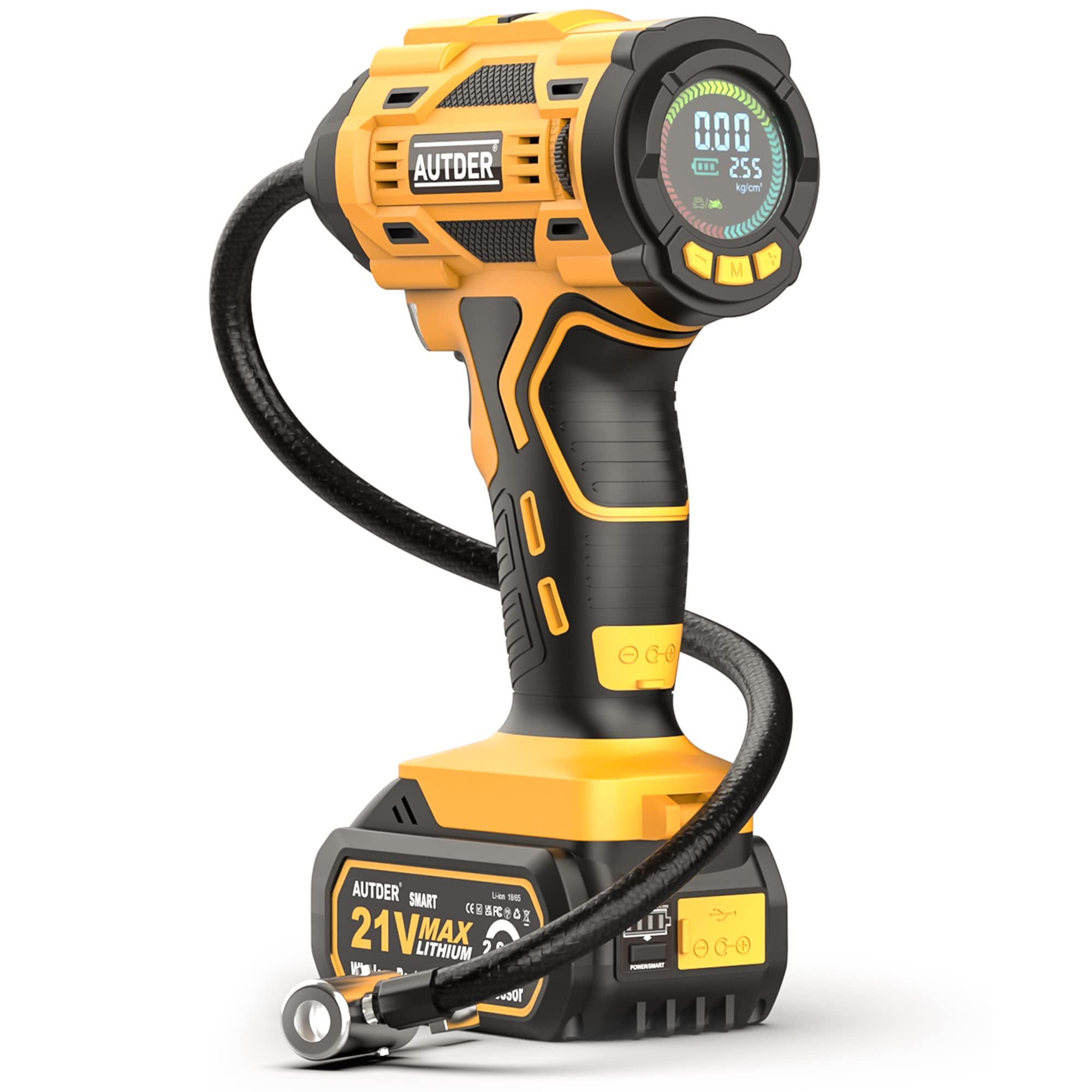
Illustrative image related to handheld tire air compressor
O problema: For B2B buyers operating in rugged environments—such as construction sites or remote areas—the durability and reliability of handheld tire air compressors can be a significant concern. Many products fail to withstand the elements, leading to malfunctions or breakdowns when they are needed most. Buyers often worry about investing in compressors that won’t hold up under extreme conditions, resulting in lost time and increased operational costs.
A solução: To address durability concerns, B2B buyers should focus on sourcing handheld tire air compressors that are specifically designed for heavy-duty use. Look for models that feature robust construction materials, weather-resistant housings, and reliable performance ratings. Manufacturers that offer warranties and have a strong reputation for customer service can provide additional peace of mind. Before making a purchase, it can be beneficial to request performance demonstrations or trial periods to ensure the compressor meets the operational demands. Additionally, consider brands that provide comprehensive maintenance guidelines to extend the lifespan of the equipment, ensuring it remains reliable in challenging conditions.
When selecting materials for handheld tire air compressors, it is crucial to consider their properties, advantages, and disadvantages. The choice of material directly influences the product’s performance, durability, and compliance with international standards. Below is an analysis of four common materials used in the manufacturing of these devices.
Aluminum is a popular choice for the body and components of handheld tire air compressors due to its lightweight nature and excellent corrosion resistance. With a temperature rating that can handle moderate heat generated during operation, aluminum is suitable for various environments.
Prós: The lightweight characteristic of aluminum makes it easy to handle and transport, which is essential for portable devices. Additionally, its resistance to corrosion ensures longevity, especially in humid or coastal regions.
Contras: Although aluminum is durable, it can be more expensive than other materials like plastic. Manufacturing complexity can also increase due to the need for specialized tooling and processes.
Impacto no aplicativo: Aluminum is compatible with various media, including air and some non-corrosive gases, making it versatile for different applications.
Considerações para compradores internacionais: Buyers from regions like Europe and the Middle East should ensure compliance with standards such as ASTM and DIN for aluminum components. The lightweight nature of aluminum is particularly advantageous in regions where shipping costs are a concern.
Plastic is often used for housing and non-structural components in handheld tire air compressors. Its versatility and ability to be molded into various shapes make it a common choice.
Prós: Plastic is generally less expensive than metals, making it an attractive option for cost-sensitive markets. It is also lightweight and can be designed to be impact-resistant.
Contras: Plastic may not withstand high temperatures or pressures as effectively as metals, which can limit its use in specific applications. Additionally, certain plastics may degrade over time when exposed to UV light or extreme temperatures.
Impacto no aplicativo: While suitable for air compressors, the choice of plastic must consider the compressor’s operating environment, particularly in regions with extreme weather conditions.
Considerações para compradores internacionais: Buyers should look for plastics that meet international safety and environmental standards, especially in regions like Europe where regulations are stringent.
Steel is often used for structural components and high-stress areas in handheld tire air compressors due to its strength and durability.
Prós: Steel offers excellent strength and can withstand high pressures, making it ideal for heavy-duty applications. Its durability ensures a long lifespan, even in rigorous use.
Contras: The main drawback of steel is its weight, which can make the compressor less portable. Additionally, steel is prone to rust if not properly coated or treated.
Impacto no aplicativo: Steel is suitable for high-pressure applications, but buyers must ensure that the compressor is designed to handle the specific pressures required for their use.
Considerações para compradores internacionais: Compliance with international standards such as JIS for steel components is essential, particularly in markets like Japan and Germany, where quality assurance is critical.
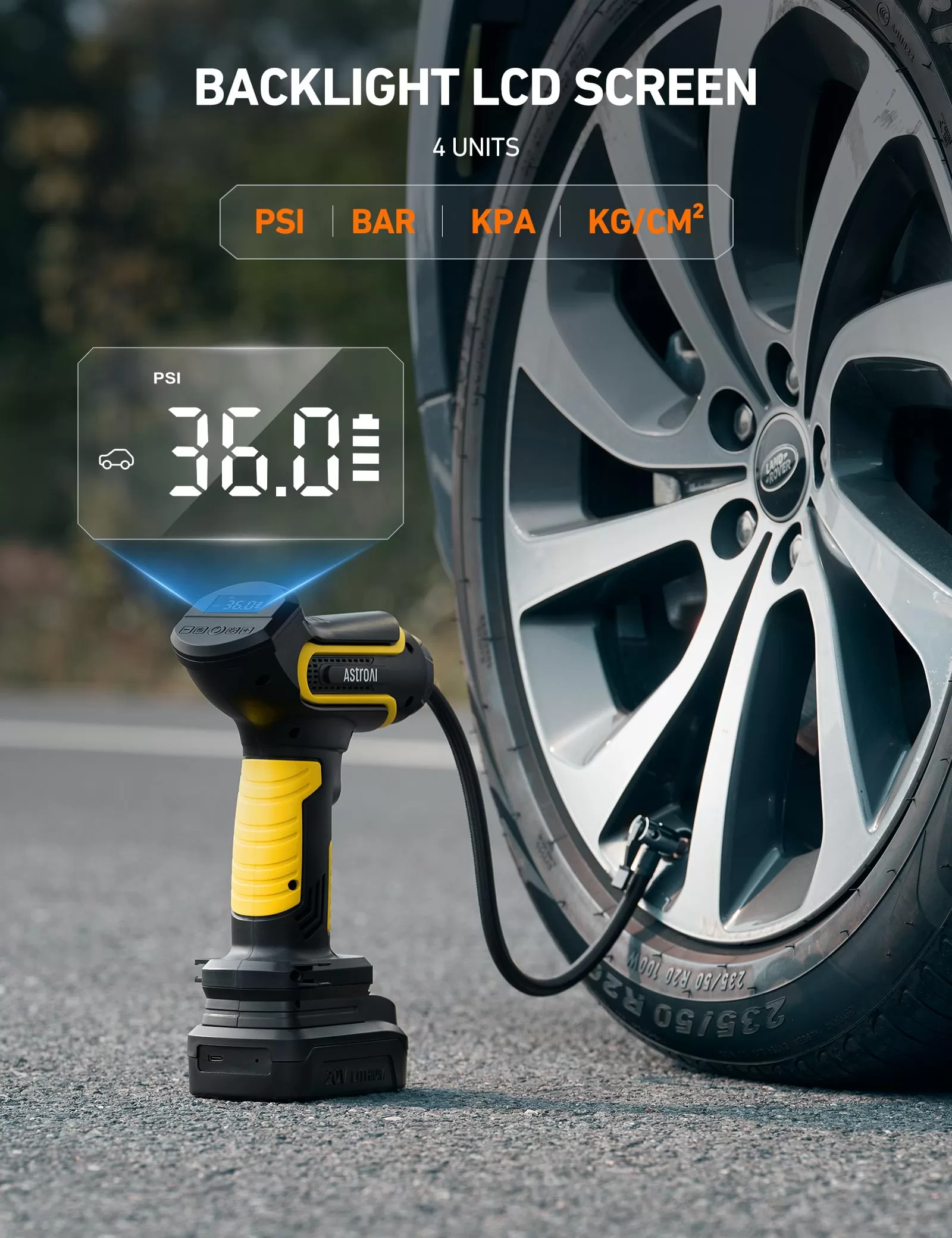
Illustrative image related to handheld tire air compressor
Copper is primarily used in the electrical components of handheld tire air compressors due to its excellent conductivity.
Prós: Copper has superior electrical conductivity, which enhances the efficiency of the compressor’s motor and electronic components. It is also resistant to corrosion, ensuring reliable performance over time.
Contras: Copper can be more expensive than other materials, which may increase the overall cost of the compressor. Additionally, its weight can be a consideration for portable devices.

Illustrative image related to handheld tire air compressor
Impacto no aplicativo: Copper is essential for electrical connections, ensuring that the compressor operates efficiently and reliably.
Considerações para compradores internacionais: Buyers should ensure that copper components meet international standards for electrical safety, particularly in regions with strict regulations like Europe and North America.
| Material | Typical Use Case for handheld tire air compressor | Principais vantagens | Principal desvantagem/limitação | Custo relativo (baixo/médio/alto) |
|---|---|---|---|---|
| Alumínio | Body and structural components | Leve e resistente à corrosão | Maior custo e complexidade de fabricação | Médio |
| Plástico | Housing and non-structural parts | Cost-effective and impact-resistant | Limited temperature and pressure tolerance | Baixa |
| Aço | High-stress structural components | Excellent strength and durability | Heavier and prone to rust | Médio |
| Cobre | Electrical components | Superior electrical conductivity | Maior custo e peso | Alta |
This strategic material selection guide provides international B2B buyers with actionable insights to make informed decisions when sourcing handheld tire air compressors. Understanding the properties and implications of each material can significantly impact product performance and compliance with regional standards.
Manufacturing handheld tire air compressors involves a series of methodical stages that ensure the final product meets both performance and safety standards. The primary stages include material preparation, forming, assembly, and finishing.
The manufacturing process begins with the selection and preparation of raw materials, primarily metals and plastics. High-quality aluminum or steel is often chosen for the compressor housing due to its durability and lightweight properties. Plastics are utilized for components like the casing and buttons, chosen for their resistance to impact and environmental factors. The materials undergo rigorous testing for quality and compatibility to ensure they meet international standards.
The forming stage involves various techniques such as extrusion, injection molding, and stamping.
Each technique is selected based on the specific requirements of the component, balancing cost-effectiveness with quality.
Assembly is where various components come together to form the final product. This process is typically automated to improve efficiency but may also include manual assembly for intricate parts. Key components like the motor, air pump, pressure gauge, and hoses are carefully integrated, ensuring they function together seamlessly. During this stage, manufacturers may employ techniques such as soldering and crimping to secure electrical connections, followed by a preliminary quality check to identify any immediate defects.
The finishing stage is crucial for both aesthetics and functionality. It typically includes painting, coating, and labeling.
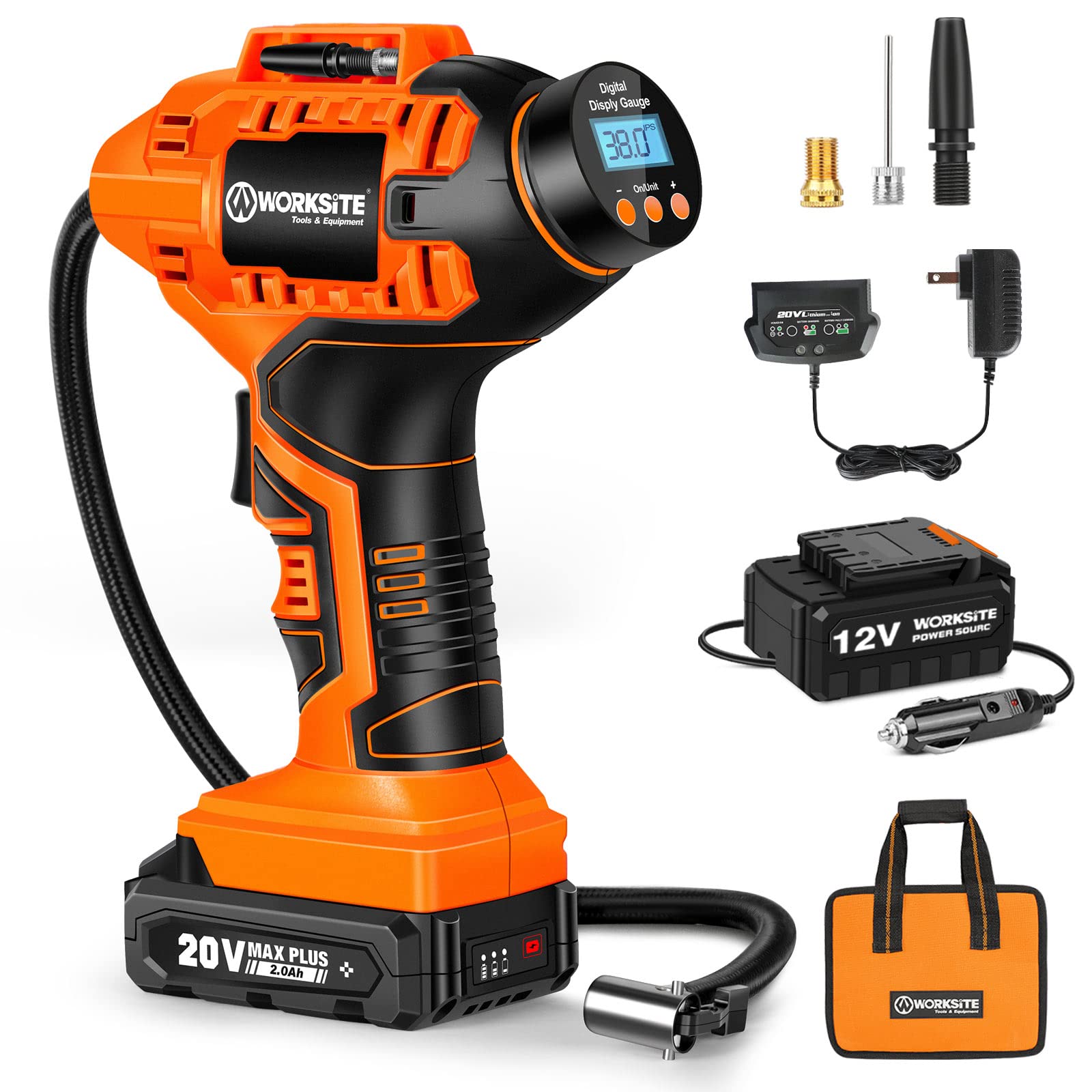
Illustrative image related to handheld tire air compressor
This stage not only enhances the product’s visual appeal but also ensures compliance with international standards.
Quality assurance (QA) is integral to the manufacturing process, ensuring that the final product meets stringent safety and performance standards. Various international and industry-specific standards govern these processes.
ISO 9001 is a universally recognized standard for quality management systems, ensuring consistent quality across manufacturing processes. Manufacturers of handheld tire air compressors often pursue this certification to demonstrate their commitment to quality. Additionally, compliance with CE marking is critical for products sold in Europe, indicating conformity with health, safety, and environmental protection standards.
For products designed for specific industries, certifications from organizations like the American Petroleum Institute (API) may also be relevant. These certifications can assure B2B buyers that the product has been tested under rigorous conditions and meets industry-specific requirements.
Effective quality control (QC) checkpoints are established at various stages of the manufacturing process to catch defects early and ensure compliance with standards.
B2B buyers must conduct due diligence when selecting suppliers to ensure they adhere to quality standards. Here are some actionable steps:
Auditorias de fornecedores: Regular audits of suppliers can provide insights into their manufacturing processes and QC practices. Buyers should request audit reports and certifications to verify compliance with relevant standards.
Inspeções de terceiros: Engaging third-party inspection services can provide an unbiased assessment of the supplier’s quality control processes and product compliance. This is especially valuable for international buyers who may not have direct access to suppliers.
Documentation of QC Procedures: Suppliers should provide documentation of their QC procedures, including inspection plans, testing methods, and records of previous inspections. This transparency is critical for building trust.
International buyers, particularly from regions like Africa, South America, the Middle East, and Europe, must navigate additional nuances in quality control and certification.
Different regions may have varying regulations regarding product safety and environmental standards. For example, products sold in Europe must comply with CE marking, while those in the Middle East may need to adhere to local standards. Buyers should familiarize themselves with these regulations to ensure compliance and avoid potential market entry barriers.
Cultural understanding can significantly impact supplier relationships. Buyers should be aware of the business practices and negotiation styles prevalent in the supplier’s region. Building strong relationships based on mutual respect and understanding can facilitate smoother transactions and enhance cooperation in quality assurance efforts.
In summary, understanding the manufacturing processes and quality assurance measures for handheld tire air compressors is crucial for B2B buyers. By focusing on material preparation, forming techniques, assembly, and finishing, along with a robust quality control framework, buyers can ensure they partner with reliable manufacturers that meet their specific needs and standards.
This guide aims to provide a comprehensive checklist for B2B buyers seeking to procure handheld tire air compressors. Ensuring that you choose the right product can significantly enhance your operational efficiency, reduce downtime, and meet customer expectations in various markets.
Establishing clear technical specifications is essential to ensure that the compressor meets your operational needs. Consider factors such as maximum PSI, power source (AC, DC, or cordless), and airflow rate (CFM). Additionally, assess the compressor’s compatibility with different tire types, including passenger vehicles, trucks, and motorcycles, to ensure versatility in your offerings.
Quality assurance is critical when sourcing equipment that will be used regularly. Look for compressors that have undergone rigorous testing and meet industry standards. Seek information on the materials used, as durable and weather-resistant components can prolong the lifespan of the compressor, especially in demanding environments.
Before committing to a supplier, conduct thorough evaluations. Request detailed company profiles, product samples, and references from previous clients, particularly those in similar industries or geographical regions. This step is crucial to verify the supplier’s reputation and reliability, ensuring that you partner with a trustworthy source.
Ensure that the products you consider comply with international safety and quality standards. Certifications such as ISO, CE, or UL can indicate a supplier’s commitment to quality and safety. Compliance with local regulations in your target markets, such as those in Africa, Europe, or the Middle East, is also essential to avoid legal issues and ensure customer satisfaction.
Carefully compare pricing structures among different suppliers. Look for transparency in pricing, including hidden costs associated with shipping, customs, and taxes. Additionally, negotiate favorable payment terms that align with your cash flow needs, such as bulk purchase discounts or extended payment periods, which can significantly affect your budgeting.
Robust after-sales support can be a deciding factor in your purchasing decision. Confirm the warranty offered on the compressors and the availability of spare parts. Reliable customer service can help resolve issues quickly, minimizing downtime and maintaining customer trust in your business.
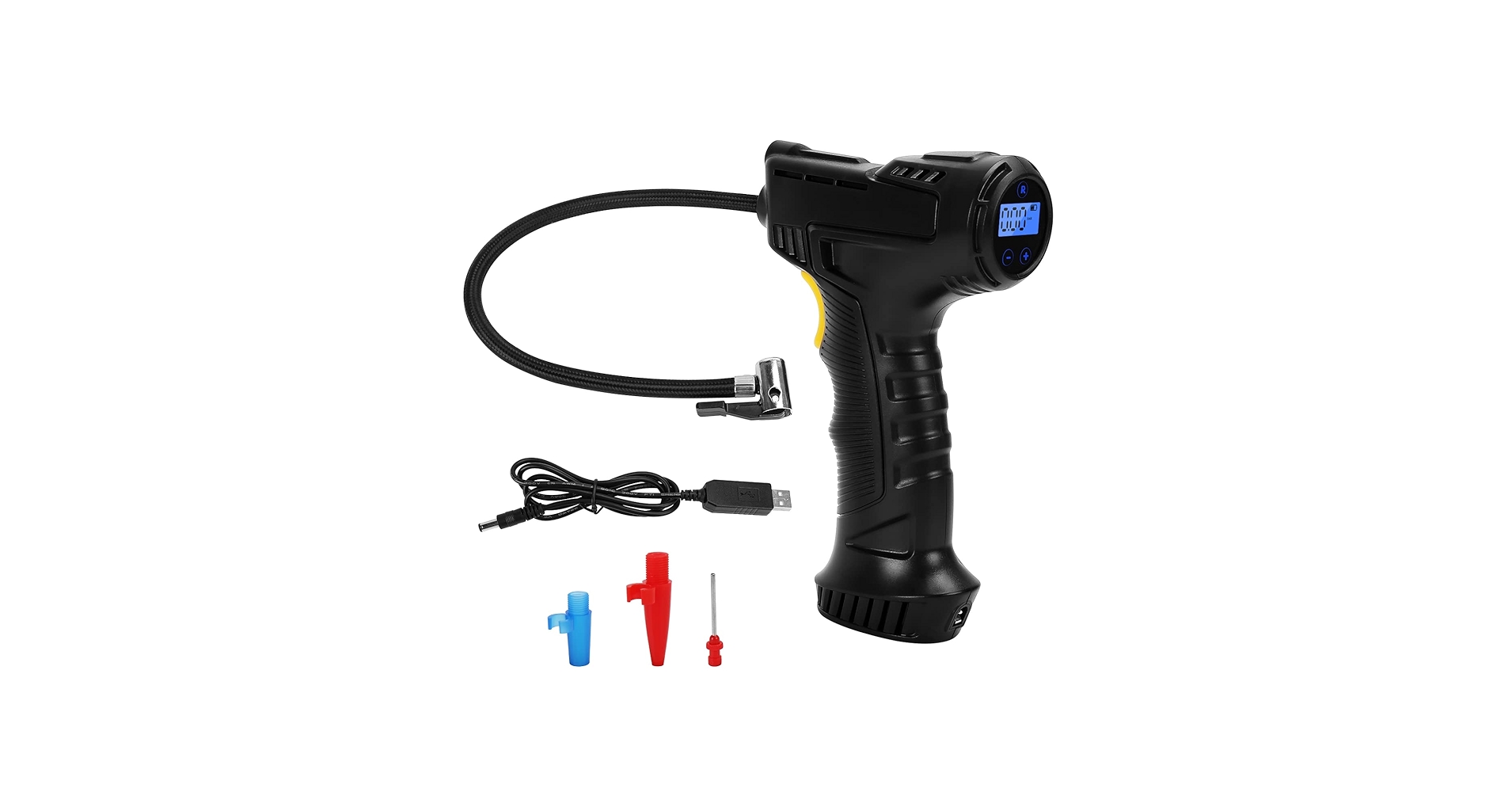
Illustrative image related to handheld tire air compressor
Stay updated on market trends and customer feedback regarding different compressor models. Analyze reviews and ratings from other businesses, as well as insights from industry publications, to make informed decisions. Understanding customer preferences can help you select products that are more likely to succeed in your target markets.
By following this checklist, B2B buyers can make informed decisions when sourcing handheld tire air compressors, ensuring that they invest in reliable, high-quality products that meet their operational needs.
When sourcing handheld tire air compressors, understanding the cost structure is essential for making informed purchasing decisions. The primary cost components include:
Materiais: The type and quality of materials used in manufacturing significantly impact costs. Common materials include high-grade plastics for housing, metal for internal components, and rubber for hoses and seals. Higher quality materials generally lead to increased durability and performance, but they also raise the production cost.
Trabalho: Labor costs vary by region and can be influenced by local wage standards and the complexity of the assembly process. Regions with lower labor costs may offer more competitive pricing, but this can sometimes compromise quality.
Custos indiretos de fabricação: This includes utilities, rent, and other operational expenses necessary to run a manufacturing facility. Efficient factories often have lower overhead costs, which can translate into better pricing for buyers.
Ferramentas: The costs associated with creating molds and tools for production can be significant, especially for custom designs. Buyers should consider whether they need standard or specialized tooling, as this can affect upfront costs.
Controle de qualidade (QC): Ensuring that products meet safety and performance standards is critical, particularly in international markets. Investing in robust QC processes may increase costs but can prevent costly recalls and damage to reputation.
Logística: Shipping, handling, and storage costs can vary widely, especially for international shipments. Factors such as distance, mode of transportation, and customs duties play a crucial role in determining overall logistics costs.
Margem: Suppliers will add a profit margin to cover their costs and ensure profitability. Understanding typical margins in your target market can help in negotiating better prices.
Several factors influence the pricing of handheld tire air compressors:
Volume e quantidade mínima de pedidos (MOQ): Larger orders typically lead to lower unit prices due to economies of scale. Buyers should negotiate MOQs that align with their inventory needs without overcommitting.
Especificações e personalização: Custom features such as digital displays, additional accessories, or unique designs can increase costs. Buyers should assess whether these enhancements are necessary for their target market.
Materiais e certificações de qualidade: Products that meet international quality standards (such as ISO or CE certifications) often command higher prices. Buyers need to balance the benefits of certified products against their budget constraints.
Fatores do fornecedor: The reputation and reliability of suppliers can impact pricing. Established suppliers may charge more due to their track record, but they may also offer better service and quality assurance.
Incoterms: Understanding the implications of Incoterms is crucial for international transactions. Terms like FOB (Free On Board) or CIF (Cost, Insurance, and Freight) can affect overall pricing, as they delineate who is responsible for shipping costs and risks.
To maximize cost-efficiency when sourcing handheld tire air compressors, buyers can adopt several strategies:
Negociar com eficácia: Always engage in negotiations with suppliers. Understanding the cost structure can provide leverage in discussions. Be prepared to walk away if terms do not meet your budget.
Considere o custo total de propriedade (TCO): Evaluate not just the purchase price but also the long-term costs associated with maintenance, durability, and potential failures. A cheaper unit may lead to higher TCO if it requires frequent replacements.
Be Aware of Pricing Nuances for International Markets: Different regions may have varying pricing structures influenced by local demand, economic conditions, and competition. For example, European markets might prioritize quality and certifications, while emerging markets may focus on affordability.
Mantenha-se informado sobre as tendências do mercado: Keep abreast of industry trends and competitor pricing. This knowledge can provide insights into fair market value and help in negotiations.
In conclusion, understanding the comprehensive cost structure and pricing dynamics associated with handheld tire air compressors is essential for international B2B buyers. By considering the above factors and strategies, businesses can make informed purchasing decisions that align with their operational needs and budget constraints.
In the quest for maintaining optimal tire pressure, B2B buyers often consider various solutions. While handheld tire air compressors are popular for their portability and efficiency, it’s essential to evaluate alternatives that may offer distinct advantages depending on specific needs and contexts. Below, we compare handheld tire air compressors against two viable alternatives: traditional floor-mounted air compressors and CO2 tire inflators.
| Aspecto de comparação | Handheld Tire Air Compressor | Traditional Floor-Mounted Air Compressor | Inflador de pneus CO2 |
|---|---|---|---|
| Desempenho | Moderate PSI, suitable for light to medium vehicles | High PSI, ideal for heavy-duty applications | Quick inflation for small tires |
| Custo | $30 – $100 | $100 – $300+ | $50 – $150 |
| Facilidade de implementação | Plug-and-play, easy to use | Requires setup and space; can be complex | Simple, requires CO2 cartridges |
| Manutenção | Low, minimal upkeep | Moderate, needs regular maintenance | Low, replace cartridges as needed |
| Melhor caso de uso | Emergency situations, roadside assistance | Workshops, garages, and heavy-duty use | Off-road adventures, quick fixes |
Traditional floor-mounted air compressors are robust machines designed for high-volume inflation. They typically deliver high PSI levels, making them suitable for heavy-duty applications, including inflating large tires found on trucks and SUVs. Their primary advantage lies in their speed and efficiency, as they can inflate multiple tires quickly and are ideal for businesses that require frequent tire maintenance.
However, these compressors can be bulky and require a dedicated space, which might not be feasible for all buyers, especially those with limited workshop space. Additionally, they can be more expensive and necessitate regular maintenance to ensure optimal performance.
CO2 tire inflators are a unique alternative that uses pressurized CO2 cartridges to quickly inflate tires. These inflators are compact and portable, making them suitable for off-road enthusiasts and emergency situations where speed is essential. They can inflate small to medium-sized tires efficiently, making them a popular choice for cyclists and off-road vehicles.
The main drawback of CO2 inflators is that they are not suitable for larger tires or for extensive inflation needs, as the cartridges can deplete quickly. Additionally, the ongoing cost of purchasing CO2 cartridges can add up over time, making it less economical for frequent use compared to other solutions.
When selecting the most appropriate tire inflation solution, B2B buyers should consider their specific operational needs. Handheld tire air compressors offer flexibility and convenience, making them ideal for emergency situations and light-duty applications. In contrast, traditional floor-mounted air compressors are better suited for businesses requiring high-volume and heavy-duty tire inflation capabilities. Meanwhile, CO2 tire inflators serve niche markets, particularly for those engaged in outdoor activities where portability and quick inflation are paramount.
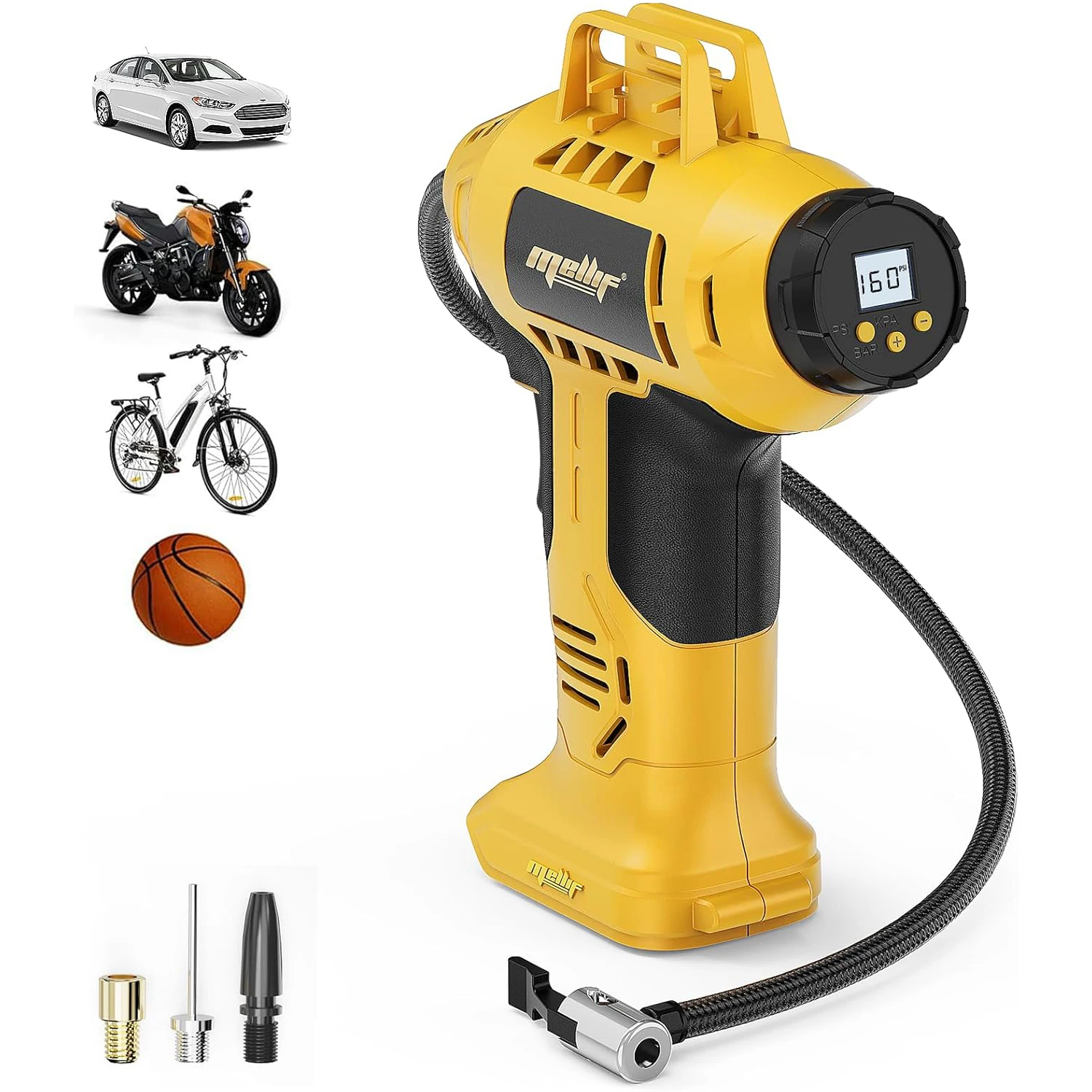
Illustrative image related to handheld tire air compressor
Ultimately, understanding the unique demands of your business operations will guide you in choosing the right tire inflation solution that balances performance, cost, and convenience.
Understanding the essential technical specifications of handheld tire air compressors is crucial for B2B buyers looking to make informed purchasing decisions. Here are some of the critical properties to consider:
Maximum pressure, measured in pounds per square inch (PSI), indicates how much air pressure the compressor can deliver. Most handheld tire air compressors range from 100 to 150 PSI, with some heavy-duty models reaching even higher pressures. For businesses, knowing the PSI is vital for ensuring the compressor can adequately inflate various tire sizes, especially in sectors like automotive services and logistics where diverse vehicle types are prevalent.
The airflow rate, often expressed in cubic feet per minute (CFM), measures how quickly air is delivered to the tire. A higher CFM means quicker inflation, which is essential for minimizing downtime in commercial settings. For instance, a compressor with a CFM of 3.5 can efficiently service multiple tires in a short timeframe, boosting productivity in tire shops or fleets.
Handheld tire air compressors can be powered by various sources, including 12V DC (car battery) and 120V AC (household outlet). Understanding the power requirements is crucial for businesses that need portable solutions, as it determines where and how the compressor can be used. Selecting a model with dual power options can enhance versatility, allowing for use in various environments, from roadside assistance to garage settings.
The duty cycle indicates how long a compressor can operate continuously before requiring a cooldown period. This specification is particularly important for businesses that rely on rapid, repeated use. For example, a compressor with a 20-minute duty cycle can sustain operations during peak times without overheating, ensuring reliability in high-demand situations.
The materials used in construction affect the compressor’s durability and resistance to wear and tear. Look for compressors made from high-grade plastics or metals that can withstand rigorous use. This property is essential for businesses operating in tough environments, as it directly influences the lifespan of the equipment and reduces replacement costs.
Familiarity with industry jargon can significantly enhance communication and negotiations in B2B transactions. Here are some essential terms:
OEM refers to companies that produce parts or equipment that may be marketed by another manufacturer. In the context of handheld tire air compressors, an OEM might provide the core components that are assembled and sold under various brand names. Understanding OEM relationships can help buyers assess product quality and reliability.
MOQ is the minimum number of units a supplier is willing to sell. For B2B buyers, knowing the MOQ is crucial for budgeting and inventory management. It can affect purchasing decisions, especially for smaller businesses that may not require large quantities.
An RFQ is a standard business process used to invite suppliers to bid on supplying specific goods or services. In the context of tire compressors, submitting an RFQ can help buyers get competitive pricing and understand the full scope of available options.
Incoterms are internationally recognized rules that define the responsibilities of sellers and buyers in international transactions. Familiarity with Incoterms is essential for B2B buyers to understand shipping arrangements, risk transfer, and cost responsibilities, particularly when importing or exporting handheld tire air compressors.
The CE marking indicates that a product complies with European safety, health, and environmental protection standards. For buyers in Europe, ensuring that a handheld tire air compressor has CE marking can facilitate market entry and compliance with local regulations.
By understanding these technical specifications and trade terminologies, B2B buyers can make informed decisions when sourcing handheld tire air compressors, ensuring they select products that meet their operational needs and market standards.
The handheld tire air compressor market is witnessing significant growth driven by a surge in consumer demand for portable automotive maintenance tools. Key market drivers include the increasing number of vehicles on the road, rising awareness about vehicle safety, and the necessity for regular tire maintenance to enhance fuel efficiency and safety. In regions like Africa, South America, and the Middle East, urbanization and the expansion of the automotive sector are fueling the demand for compact and efficient tire inflators.
Emerging trends in B2B sourcing emphasize technological advancements such as smart inflators equipped with digital pressure gauges, automatic shut-off features, and multi-functional capabilities. Manufacturers are focusing on innovation, introducing products that not only inflate tires but also serve additional purposes, such as charging devices or providing emergency lighting. The rise of e-commerce platforms is facilitating easier access for international buyers, allowing them to source products from diverse markets, including established suppliers in Europe and emerging manufacturers in Asia.
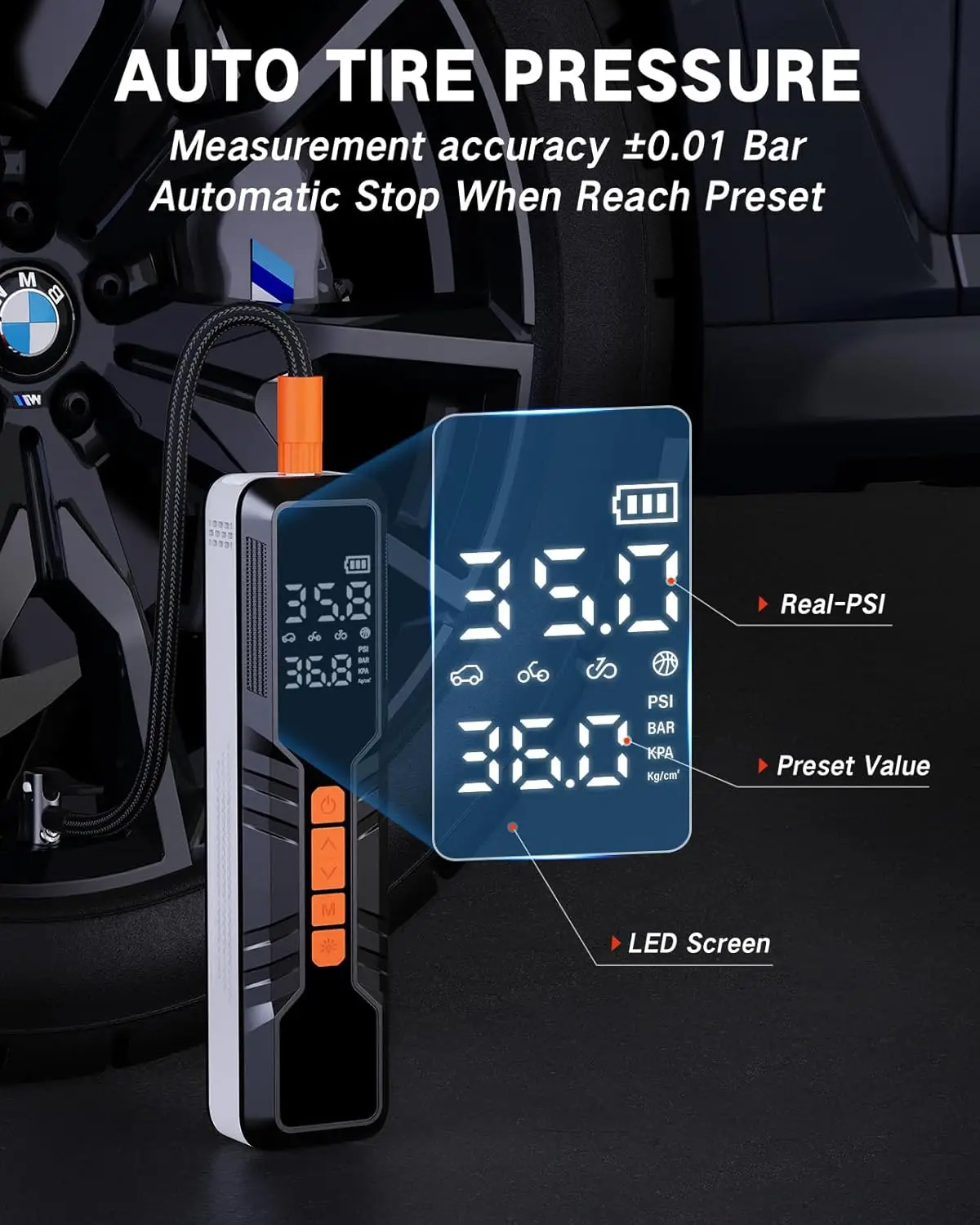
Illustrative image related to handheld tire air compressor
Furthermore, sustainability is becoming increasingly important in sourcing decisions. B2B buyers are now looking for suppliers who prioritize eco-friendly practices and materials in their manufacturing processes. The integration of energy-efficient technologies and sustainable materials in product design is likely to shape purchasing decisions in the coming years.
The environmental impact of manufacturing handheld tire air compressors is drawing scrutiny from both consumers and regulators. As the global focus on sustainability intensifies, ethical sourcing and green certifications are becoming critical factors in B2B purchasing decisions. Buyers are increasingly prioritizing suppliers who demonstrate a commitment to reducing their carbon footprint through sustainable manufacturing processes and materials.
To address these concerns, manufacturers are exploring the use of recyclable materials and energy-efficient production methods. Certifications such as ISO 14001 for environmental management and the Energy Star label for energy efficiency are becoming valuable credentials for suppliers aiming to appeal to environmentally-conscious buyers. Additionally, companies that adopt circular economy principles, such as designing products for longevity and recyclability, are more likely to gain traction in competitive markets.
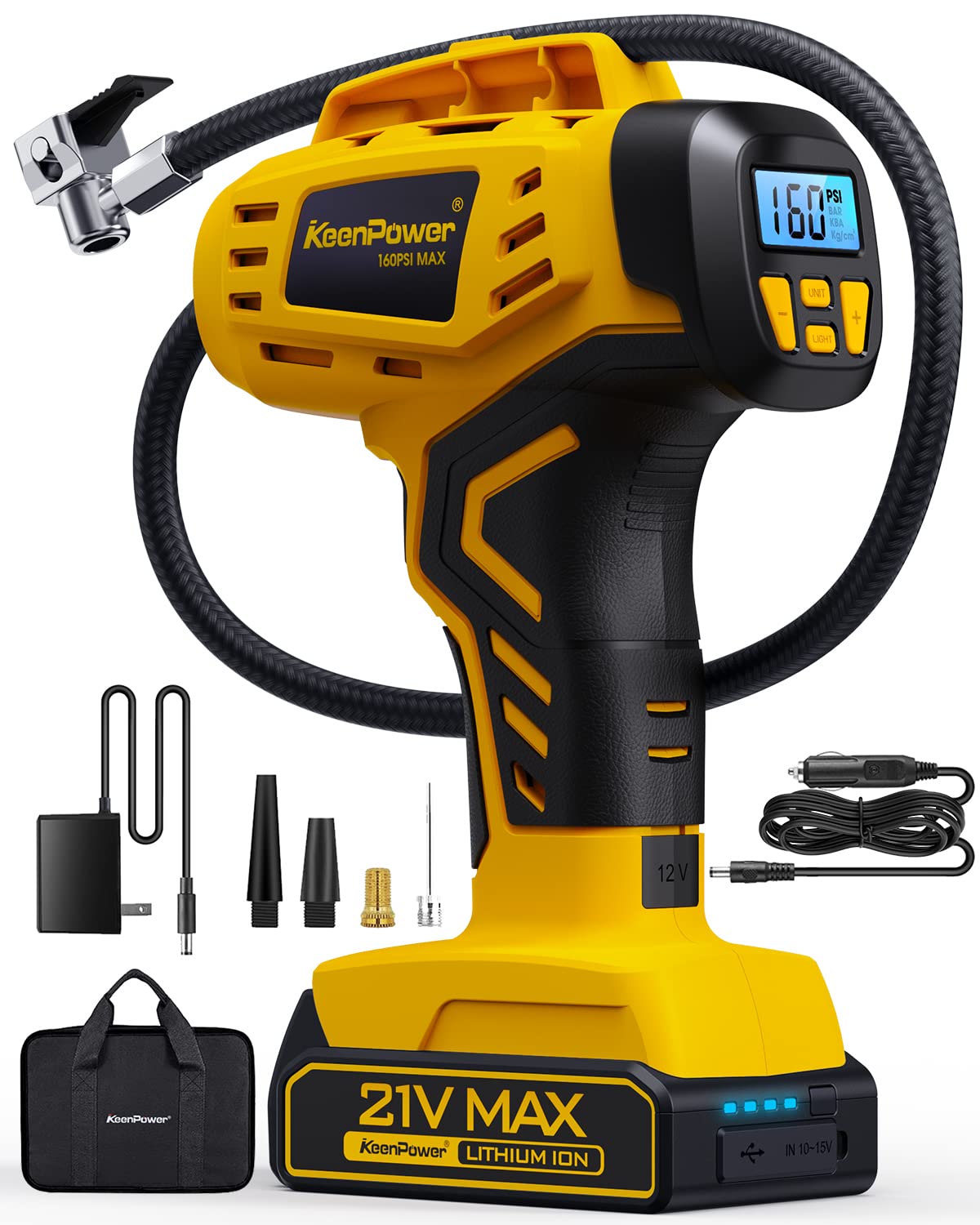
Illustrative image related to handheld tire air compressor
Ethical supply chains are also critical, with buyers seeking transparency regarding sourcing practices and labor conditions. Ensuring that components are sourced from responsible suppliers not only enhances brand reputation but also mitigates risks associated with unethical practices. As sustainability becomes a key differentiator, B2B buyers must evaluate potential partners based on their commitment to environmental and social governance.
The handheld tire air compressor has evolved significantly since its inception, transitioning from bulky, manual pumps to compact, battery-operated devices that offer convenience and efficiency. Early models required significant physical effort and were often impractical for everyday use. However, the introduction of electric and cordless options revolutionized the market, allowing users to inflate tires quickly and with minimal effort.
Technological advancements have further enhanced product capabilities, with modern inflators now featuring digital displays, preset inflation settings, and even smart connectivity options. These innovations cater to the growing demand for user-friendly tools among both consumers and professional users. The integration of additional functionalities, such as built-in LED lights and USB charging ports, reflects a broader trend towards multifunctional devices in the automotive maintenance sector.
As the market continues to evolve, the focus on portability, performance, and sustainability is set to drive future developments in the handheld tire air compressor sector. B2B buyers must stay informed about these changes to effectively navigate the marketplace and make informed sourcing decisions.
How do I choose the right handheld tire air compressor for my business needs?
When selecting a handheld tire air compressor, consider factors such as the maximum PSI required, portability, power source (AC, DC, or battery), and additional features like built-in pressure gauges or automatic shut-off. Evaluate the types of vehicles your clients typically use; for example, heavy-duty compressors are essential for trucks and SUVs. Additionally, assess the compressor’s speed and efficiency to ensure it meets your operational requirements.
What are the advantages of using a cordless tire inflator for my fleet?
Cordless tire inflators offer significant advantages, including portability and ease of use without the hassle of cords. They are ideal for servicing vehicles in various locations, especially where power sources are limited. A quality cordless model can quickly inflate tires, ensuring that your fleet remains operational with minimal downtime. Look for models with long battery life and fast inflation rates to maximize efficiency.
What should I consider when vetting suppliers of handheld tire air compressors?
When vetting suppliers, prioritize their experience in the industry, product quality, and reliability. Request samples to assess the performance and build quality of their compressors. Check for certifications and compliance with international standards, especially if you’re sourcing from regions with different regulations. Additionally, evaluate their customer service, warranty terms, and delivery times to ensure they can meet your business needs consistently.
What are typical minimum order quantities (MOQs) for tire air compressors?
MOQs for handheld tire air compressors can vary significantly depending on the supplier and the product line. Generally, expect MOQs to range from 100 to 500 units for bulk orders. However, some manufacturers may offer lower MOQs for first-time buyers or specific models. It’s advisable to discuss your requirements directly with suppliers to negotiate terms that align with your inventory strategy and sales forecasts.
What payment terms are commonly offered by suppliers of handheld tire air compressors?
Payment terms can vary, but many suppliers offer options such as advance payment, 30-day net terms, or letters of credit for larger orders. It’s crucial to clarify these terms during negotiations to ensure they align with your cash flow needs. Additionally, consider using trade finance options if available, as they can provide flexibility and security in international transactions, especially for larger orders.
How can I ensure quality assurance (QA) for the tire air compressors I purchase?
To ensure quality assurance, request detailed product specifications and compliance documentation from your supplier. Implement a QA process that includes inspecting samples before the bulk order is shipped. Consider third-party inspections or certifications to verify that the products meet your specifications and international standards. Establishing a clear return policy for defective products is also essential to protect your investment.
What logistics considerations should I keep in mind when importing tire air compressors?
When importing tire air compressors, consider shipping methods, customs regulations, and potential tariffs. Select a reliable logistics partner experienced in handling international shipments to ensure timely delivery. Additionally, factor in lead times for production and shipping, especially when sourcing from overseas suppliers. Understanding local regulations regarding importation can also help avoid delays and unexpected costs.
Can I customize the handheld tire air compressors to suit my brand?
Yes, many manufacturers offer customization options for handheld tire air compressors, including branding, color schemes, and specific features tailored to your market needs. Discuss your requirements with potential suppliers and ask for examples of previous custom projects. Customization can enhance your brand visibility and make your product offering more appealing in competitive markets. Be sure to verify any additional costs and lead times associated with custom orders.
Domínio: jacosuperiorproducts.com
Registrado: 2014 (11 anos)
Introdução: Portable Air Compressors & Tire Inflators from JACO. 20V Cordless Tire Inflator Air Compressor – 150 PSI priced at $89.99 (originally $109.99). Available for pre-order, coming November 2025. Features include: 100% Lifetime Warranty, 35 years of industry experience, free shipping on all USA orders, and a 30-day return policy. Benefits include saving money on fuel, enhanced driving safety, longer-la…
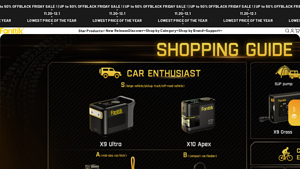
Domínio: fanttik.com
Registrado: 2020 (5 anos)
Introdução: 2X Faster Electric Tire Inflators; Products include: Fanttik X9 Ace, Fanttik X9 Pro, Fanttik X8 APEX, Fanttik X9 APEX, Fanttik X9 Classic, Fanttik X9 Ultra, Fanttik X10 Cross; Sale prices range from $48.99 to $199.97; Discounts available up to 50%; Regular prices range from $59.97 to $129.99; Ratings for products are around 4.8; Black Friday Sale from 11.20-12.1.
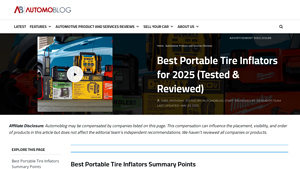
Domínio: automoblog.com
Registrado: 2004 (21 anos)
Introdução: Best Portable Tire Inflators for 2025: 1. Slime Cordless Tire Inflator – Easy to use and stow. 2. 20V Avid Power – Drill-style design with carrying case. 3. Fanttik X8 Apex – Overall good quality and functionality. 4. DeWalt 20V MAX – Built for lifetime usage and ownership. 5. Milwaukee M18 – Robust and powerful with four memory settings. Price range: $80 to $180. Features to consider: robust cons…
In conclusion, the market for handheld tire air compressors presents significant opportunities for strategic sourcing, particularly for international B2B buyers in Africa, South America, the Middle East, and Europe. As vehicle ownership continues to rise and the demand for reliable maintenance tools grows, sourcing high-quality, efficient tire inflators becomes paramount. Key considerations include product durability, versatility, and performance metrics such as maximum PSI and inflation speed.
Investing in innovative products like the AstroAI Cordless Tire Inflator or the Craftsman 12V Max Portable Air Inflator can enhance customer satisfaction and loyalty, making these products essential for distributors and retailers alike. Furthermore, understanding local market dynamics and consumer preferences can inform sourcing strategies, ensuring a competitive edge in diverse regions.
As we look ahead, it is crucial for B2B buyers to stay informed about advancements in compressor technology and emerging trends in the automotive maintenance sector. By prioritizing strategic sourcing, businesses can not only optimize their supply chains but also drive growth in an increasingly competitive landscape. Take action today to evaluate your sourcing strategy and align it with the evolving needs of your customers, ensuring long-term success in the handheld tire air compressor market.
As informações fornecidas neste guia, inclusive o conteúdo referente a fabricantes, especificações técnicas e análise de mercado, são apenas para fins informativos e educacionais. Elas não constituem aconselhamento profissional sobre compras, aconselhamento financeiro ou aconselhamento jurídico.
Embora tenhamos feito todos os esforços para garantir a precisão e a atualidade das informações, não nos responsabilizamos por quaisquer erros, omissões ou informações desatualizadas. As condições de mercado, os detalhes da empresa e os padrões técnicos estão sujeitos a alterações.
Os compradores B2B devem realizar sua própria due diligence independente e completa antes de tomar qualquer decisão de compra. Isso inclui entrar em contato diretamente com os fornecedores, verificar as certificações, solicitar amostras e buscar consultoria profissional. O risco de confiar em qualquer informação contida neste guia é de responsabilidade exclusiva do leitor.


 Portuguese
  English
  Russian
  Spanish
  Italian
  Arabic
  German