
In the ever-evolving landscape of industrial machinery, sourcing reliable air compressor air pumps poses a significant challenge for B2B buyers across the globe. As businesses in diverse regions like Africa, South America, the Middle East, and Europe seek to optimize their operations, understanding the nuances of air compressor technology becomes critical. This guide offers a comprehensive exploration of air compressor air pumps, detailing the various types available, their applications across industries, and practical insights into supplier vetting and cost considerations.
Our aim is to empower international B2B buyers with the knowledge necessary to make informed purchasing decisions. By breaking down the complexities of air compressor air pump selection, we help businesses navigate key factors such as performance specifications, energy efficiency, and maintenance requirements. Additionally, this guide highlights critical market trends and regional considerations, particularly for buyers from countries like Saudi Arabia and Brazil, who may face unique logistical and regulatory challenges.
With actionable insights and expert recommendations, this resource serves as a valuable tool for businesses looking to enhance their operational capabilities and ensure a seamless procurement process. Equip your organization with the information needed to confidently invest in air compressor air pumps that meet your specific needs and drive your success in the global market.
| Nome do tipo | Principais características distintivas | Aplicativos B2B primários | Prós e contras resumidos para compradores |
|---|---|---|---|
| Reciprocating Air Compressors | Uses pistons to compress air; available in single and two-stage variations | Automotive repair, manufacturing, and construction | Prós: High pressure, versatile; Contras: Noisy, maintenance-intensive. |
| Rotary Screw Compressors | Continuous air supply; uses rotating screws for compression | Large-scale industrial applications, HVAC systems | Prós: Efficient, low maintenance; Contras: Custo inicial mais alto. |
| Scroll Compressors | Compact design; uses two spiral elements for compression | Medical equipment, refrigeration, and small workshops | Prós: Quiet operation, energy-efficient; Contras: Limited pressure output. |
| Centrifugal Compressors | Utilizes high-speed rotating impellers; ideal for large volumes | Petrochemical, power generation, and large manufacturing | Prós: High flow rates, efficient for large applications; Contras: Complex design, expensive to maintain. |
| Diaphragm Compressors | Uses a diaphragm to compress air; oil-free operation | Laboratory applications, food processing, and pharmaceuticals | Prós: Oil-free, clean air supply; Contras: Limited capacity, higher cost per unit of air. |
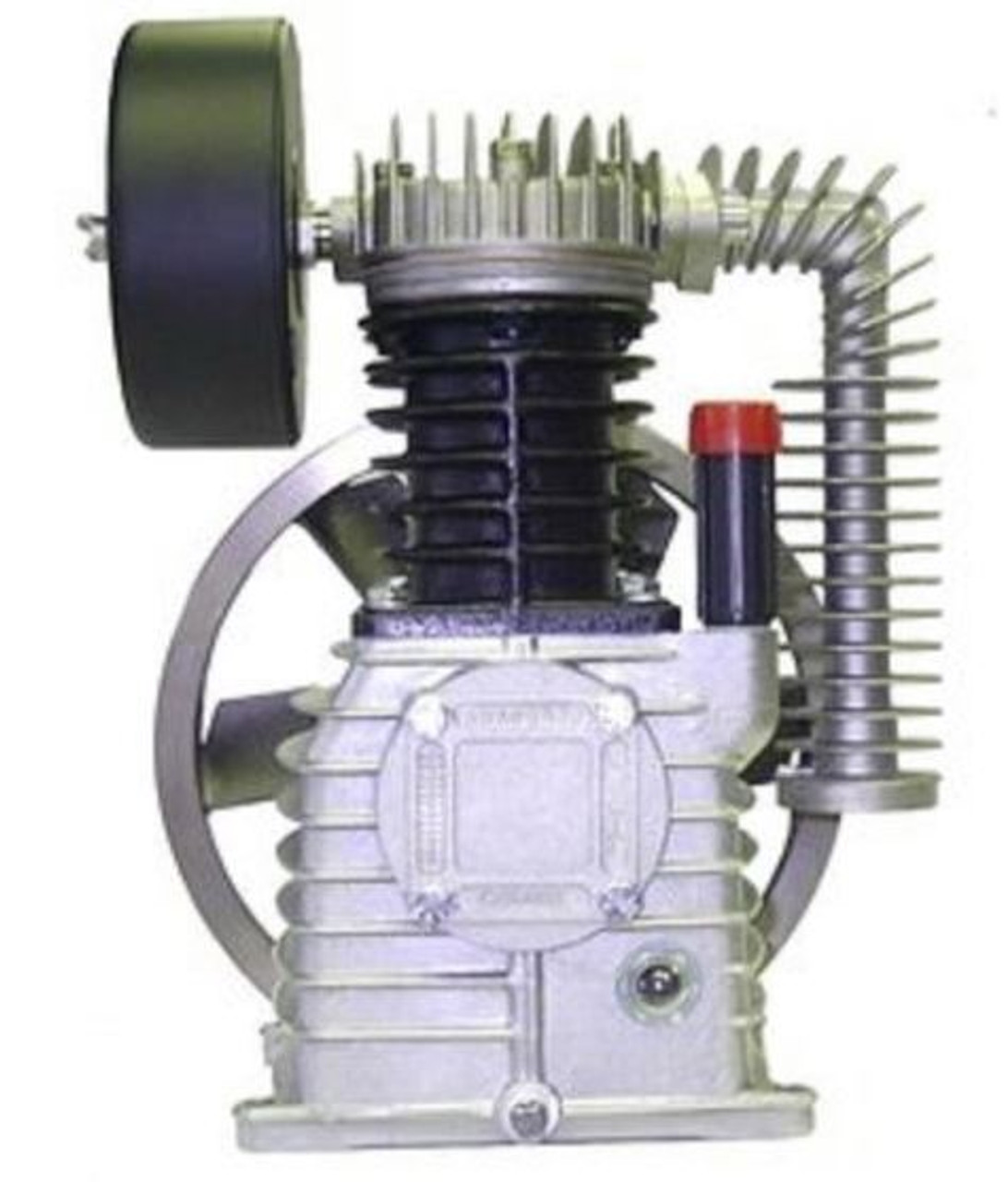
Reciprocating air compressors are among the most common types used in various industries. They operate by using pistons to compress air, which can be configured in single or two-stage designs for different pressure needs. Their versatility makes them suitable for applications ranging from automotive repair to manufacturing. Buyers should consider the noise levels and maintenance requirements, as these compressors can be quite loud and require regular upkeep.
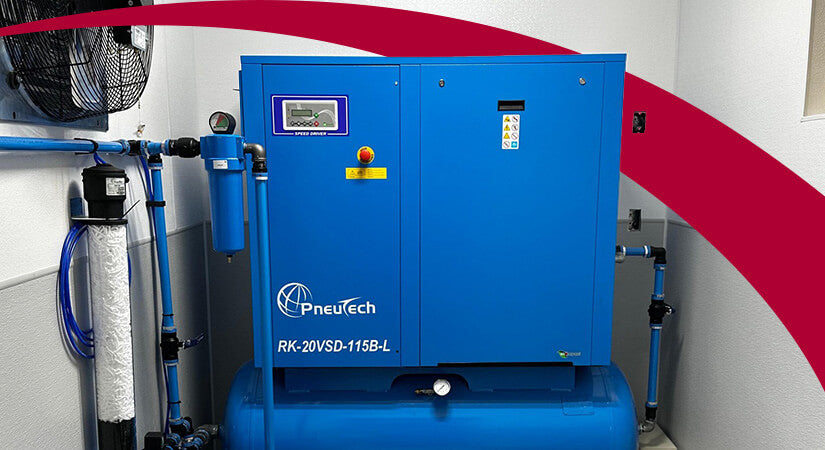
Rotary screw compressors are designed for continuous operation and utilize rotating screws to compress air efficiently. They are particularly favored in large-scale industrial applications, including HVAC systems and manufacturing plants. Their efficiency and low maintenance needs make them a popular choice, although the higher initial investment can be a barrier for some businesses. Buyers should assess their air demand to justify the investment.
Scroll compressors feature a compact design and operate using two spiral elements for air compression. They are well-suited for applications requiring clean and quiet operation, such as medical equipment and refrigeration. Their energy efficiency is a significant advantage, but their limited pressure output may not meet the needs of all industrial applications. Buyers should evaluate their specific requirements before opting for this type.
Centrifugal compressors are known for their ability to deliver high flow rates and are commonly used in large-scale applications like petrochemical plants and power generation. They utilize high-speed rotating impellers to compress air, making them efficient for high-volume needs. However, their complex design can lead to higher maintenance costs. B2B buyers must weigh the advantages of efficiency against the potential challenges of maintenance.
Diaphragm compressors are notable for their oil-free operation, making them ideal for environments where air purity is critical, such as in laboratories or food processing. They operate by using a diaphragm to compress air, ensuring that no oil contaminants are introduced. While they offer clean air and are suitable for specialized applications, their limited capacity and higher cost per unit of air may deter some buyers. Understanding the specific application requirements is essential when considering this option.
| Indústria/Setor | Specific Application of air compressor air pump | Valor/benefício para a empresa | Principais considerações de fornecimento para este aplicativo |
|---|---|---|---|
| Fabricação | Operating pneumatic tools and machinery | Increases productivity and efficiency in production | Ensure compatibility with existing equipment and power supply |
| Construção | Powering air-driven construction tools | Enhances work speed and reduces manual labor | Consider the portability and durability of the pump |
| Automotivo | Spray painting and surface preparation | Achieves high-quality finishes and reduces rework costs | Look for pumps with consistent pressure and low noise levels |
| Food and Beverage | Packaging and processing applications | Maintains hygiene and efficiency in food production | Verify compliance with health and safety regulations |
| Oil and Gas | Supporting drilling operations and equipment maintenance | Improves operational reliability and safety | Assess the pump’s performance in extreme conditions |
In the manufacturing sector, air compressor air pumps are essential for powering pneumatic tools such as drills, wrenches, and assembly line machinery. These pumps provide a steady supply of compressed air, which enhances productivity by enabling tools to operate efficiently. For international buyers, particularly in emerging markets, sourcing pumps that are compatible with local power supplies and conditions is critical. Reliability and maintenance support are also vital considerations to minimize downtime and ensure smooth operations.
In construction, air compressor air pumps are used to power air-driven tools like nail guns, jackhammers, and concrete vibrators. This application significantly speeds up the construction process and reduces the physical strain on workers. Buyers from regions with varying climates, such as the Middle East or South America, should prioritize pumps that are portable and durable to withstand tough job site conditions. Additionally, evaluating the pump’s noise levels is important for compliance with local regulations and worker comfort.
In the automotive industry, air compressor air pumps are vital for spray painting and surface preparation tasks. They provide the necessary pressure for spray guns to apply paint evenly, ensuring high-quality finishes. For B2B buyers, particularly in Europe and Brazil, sourcing pumps that maintain consistent pressure and operate quietly can enhance production quality and reduce rework costs. Compliance with environmental regulations regarding emissions and noise is also a key consideration when selecting equipment.
In the food and beverage industry, air compressor air pumps facilitate packaging and processing applications. They help maintain hygiene standards by ensuring that air used in processes is clean and free of contaminants. International buyers should ensure that the pumps comply with health and safety regulations specific to food production in their regions. Additionally, sourcing pumps with low energy consumption can provide significant cost savings while supporting sustainability initiatives.
In the oil and gas sector, air compressor air pumps support drilling operations and equipment maintenance by providing a reliable source of compressed air for various tools and processes. This application enhances operational reliability and safety, which are paramount in this industry. Buyers in regions with extreme weather conditions, such as the Middle East, should assess the pump’s performance under such conditions and consider sourcing models designed for high durability and efficiency to minimize operational risks.
O problema: Many B2B buyers, especially those in manufacturing or construction sectors, struggle to determine the appropriate air compressor pump size for their specific applications. This often leads to choosing a pump that either underperforms—resulting in inefficiency and delays—or is over-specified, leading to unnecessary capital expenditure and increased operational costs. The challenge is further compounded by the diverse range of pump specifications, including CFM (cubic feet per minute), PSI (pounds per square inch), and stage types, which can overwhelm buyers unfamiliar with air compressor systems.
A solução: To mitigate this issue, buyers should conduct a thorough needs analysis before sourcing an air compressor pump. Begin by assessing the air requirements of all tools and equipment that will be used in conjunction with the pump. Utilize a CFM calculator to determine the cumulative air demand and choose a compressor that exceeds this figure by at least 20% to accommodate variations in usage. Additionally, consider the duty cycle—how long the compressor will run continuously—and select a model that can handle the workload without overheating. Collaborate with suppliers who can offer detailed specifications and assist in matching the right pump to your needs, ensuring you maximize both performance and cost-effectiveness.
O problema: Many businesses experience frequent breakdowns or maintenance issues with their air compressor pumps, leading to costly downtime. This is often due to inadequate maintenance practices or a lack of understanding about the maintenance requirements of different types of air compressors. In regions with extreme temperatures or dust, these factors can exacerbate wear and tear, causing further operational disruptions.
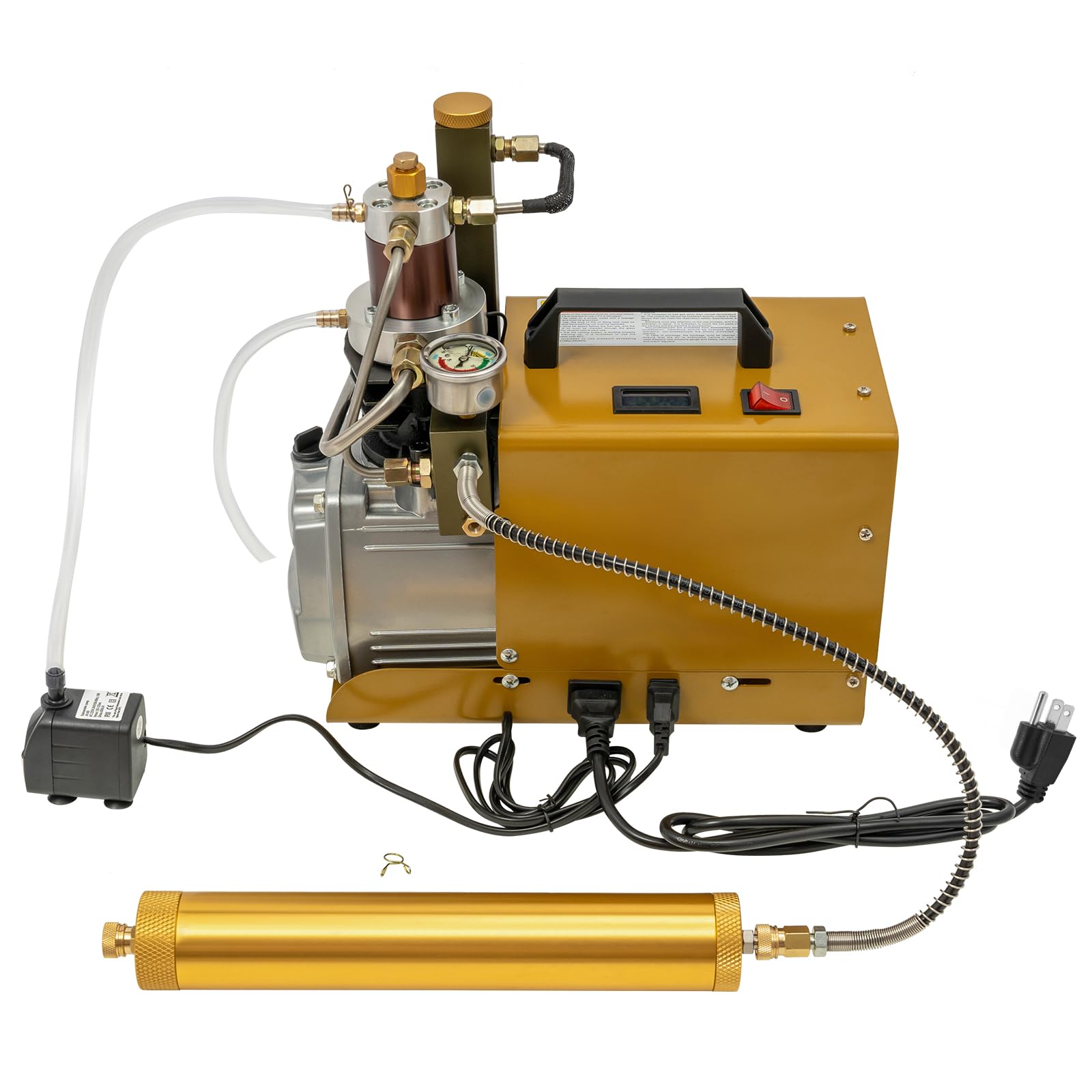
Illustrative image related to air compressor air pump
A solução: Implementing a proactive maintenance schedule can significantly reduce downtime and extend the lifespan of air compressor pumps. Begin by establishing a routine inspection checklist that includes checking oil levels, inspecting belts and hoses for wear, and cleaning air filters to prevent clogging. Additionally, invest in monitoring technology that can provide real-time data on performance metrics such as temperature and pressure, enabling early detection of potential issues. Training staff on basic maintenance procedures can also empower them to address minor issues before they escalate. Partnering with a reliable service provider for periodic professional maintenance checks will ensure that your equipment remains in optimal condition, minimizing disruptions to operations.
O problema: B2B buyers, especially in developing markets across Africa and South America, often face challenges in sourcing reliable and high-quality air compressor pumps. Issues such as long lead times, inconsistent product availability, and concerns about the quality of imported products can hinder their ability to procure essential equipment for their operations.
A solução: To overcome sourcing challenges, buyers should develop relationships with multiple suppliers, including local distributors and international manufacturers, to ensure a diverse supply chain. Conducting thorough due diligence on suppliers—checking their reputation, customer reviews, and warranty offerings—can help mitigate risks associated with quality. Additionally, consider participating in industry trade shows or networking events to connect directly with manufacturers and gain insights into product innovations and reliability. Leveraging online platforms that specialize in industrial equipment can also provide access to a broader range of products and facilitate comparisons based on specifications and pricing. Engaging in bulk purchasing agreements can lead to better pricing and more favorable terms, ultimately enhancing procurement efficiency and reliability.
When selecting materials for air compressor air pumps, it is essential to consider the specific properties and performance characteristics that will impact the pump’s efficiency, durability, and overall functionality. Here, we analyze four common materials used in manufacturing air compressor air pumps: aluminum, cast iron, stainless steel, and composite materials.
Aluminum is a lightweight metal known for its excellent thermal conductivity and corrosion resistance. It typically has a temperature rating of up to 150°C and can handle moderate pressure levels. The primary advantage of aluminum is its low weight, which facilitates easier installation and transportation. However, while it is durable, aluminum may not withstand extreme pressure as effectively as other materials, making it less suitable for heavy-duty applications.
For international buyers, especially in regions like Africa and the Middle East, aluminum’s resistance to corrosion is particularly beneficial due to the high humidity and saline environments. Compliance with ASTM standards is essential, and aluminum components often meet these requirements, making them a preferred choice for many applications.
Cast iron is a traditional material known for its exceptional durability and ability to withstand high pressure and temperature. It can handle temperatures up to 300°C and is highly resistant to wear and tear, making it ideal for heavy-duty applications. The primary disadvantage of cast iron is its weight, which can complicate installation and transportation. Additionally, cast iron is prone to rust if not properly maintained.
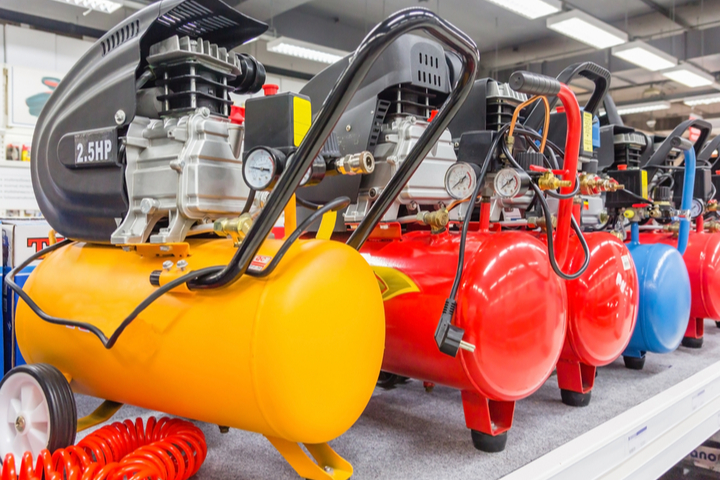
Illustrative image related to air compressor air pump
For B2B buyers in South America and Europe, cast iron pumps often comply with various industrial standards, including DIN and JIS. The material’s longevity can lead to lower lifecycle costs, making it an attractive option despite its higher initial cost.
Stainless steel is celebrated for its corrosion resistance and strength, with temperature ratings exceeding 300°C. It is particularly advantageous in applications where the pump may come into contact with moisture or corrosive substances. The primary drawback of stainless steel is its higher cost compared to other materials, which can impact budget considerations for some businesses.
International buyers, particularly in the Middle East, should note that stainless steel components often comply with stringent hygiene standards, making them suitable for industries like food processing and pharmaceuticals. Understanding the specific grades of stainless steel (e.g., 304, 316) is crucial for ensuring compatibility with the intended application.
Composite materials, often a blend of polymers and fibers, are gaining popularity due to their lightweight nature and resistance to corrosion. They typically perform well under moderate temperature and pressure conditions, making them suitable for specific applications. The main advantage of composites is their versatility, allowing for tailored properties to meet unique requirements. However, they may not be as durable as metals and can be more expensive to manufacture.
For B2B buyers in diverse regions, including Africa and Europe, the use of composite materials can help meet specific regulatory standards regarding weight and emissions. Understanding local compliance standards is essential when considering these materials.
| Material | Typical Use Case for air compressor air pump | Principais vantagens | Principal desvantagem/limitação | Custo relativo (baixo/médio/alto) |
|---|---|---|---|---|
| Alumínio | Lightweight applications | Excellent corrosion resistance | Limited pressure handling | Baixa |
| Cast Iron | Heavy-duty industrial applications | Durabilidade excepcional | Heavy and prone to rust | Alta |
| Aço inoxidável | Corrosive environments | Superior corrosion resistance | Higher cost | Alta |
| Composto | Specialized lightweight applications | Versatile and customizable properties | May lack durability compared to metals | Médio |
This strategic material selection guide provides a comprehensive overview of the materials commonly used in air compressor air pumps, helping international B2B buyers make informed decisions based on performance, cost, and compliance with regional standards.
The manufacturing process of air compressor air pumps is intricate, involving several key stages: material preparation, forming, assembly, and finishing. Each stage is critical to ensuring the final product meets performance specifications and quality standards.
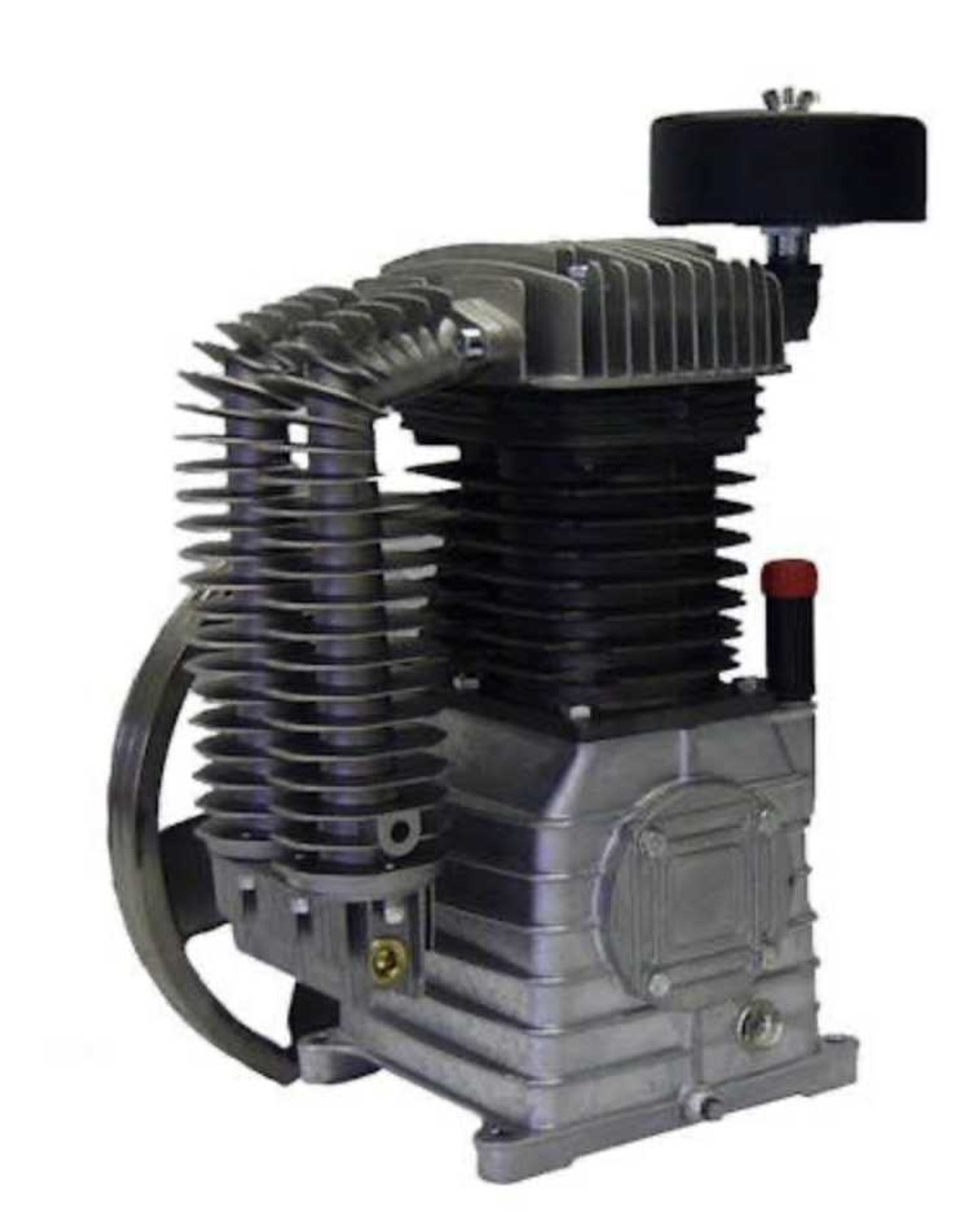
Illustrative image related to air compressor air pump
The first step involves sourcing high-quality materials, typically metals like aluminum and cast iron, which are favored for their durability and heat resistance. Suppliers are carefully vetted to ensure compliance with international standards. Once materials are acquired, they undergo processes like cutting and machining to create individual components such as cylinders, pistons, and heads. Precision in this stage is crucial; inaccuracies can lead to inefficiencies in the pump’s performance.
The forming process often employs techniques such as casting, forging, and machining. In casting, molten metal is poured into molds to create complex shapes, while forging involves shaping metal through compressive forces. Machining is used for finishing processes, where components are refined to achieve tight tolerances. These techniques ensure that each part of the air compressor pump can withstand high pressure and operational stress.
During the assembly phase, components are systematically integrated to form the complete pump. Skilled technicians often perform this work, employing both manual and automated methods. Each assembly line typically follows a strict protocol to ensure that components are installed correctly and securely. This stage may also involve the application of lubricants and sealants to enhance performance and longevity.
Finishing processes can include surface treatment techniques such as painting, anodizing, or powder coating, aimed at enhancing corrosion resistance and aesthetics. Additionally, detailed inspections are conducted to ensure that the finished product meets all specifications. This stage may also involve the installation of accessories and testing of electrical components, ensuring the pump is ready for operation.
Quality assurance (QA) is a cornerstone of the manufacturing process, ensuring that air compressor air pumps meet both international and industry-specific standards. The following key aspects outline how quality is maintained throughout production.
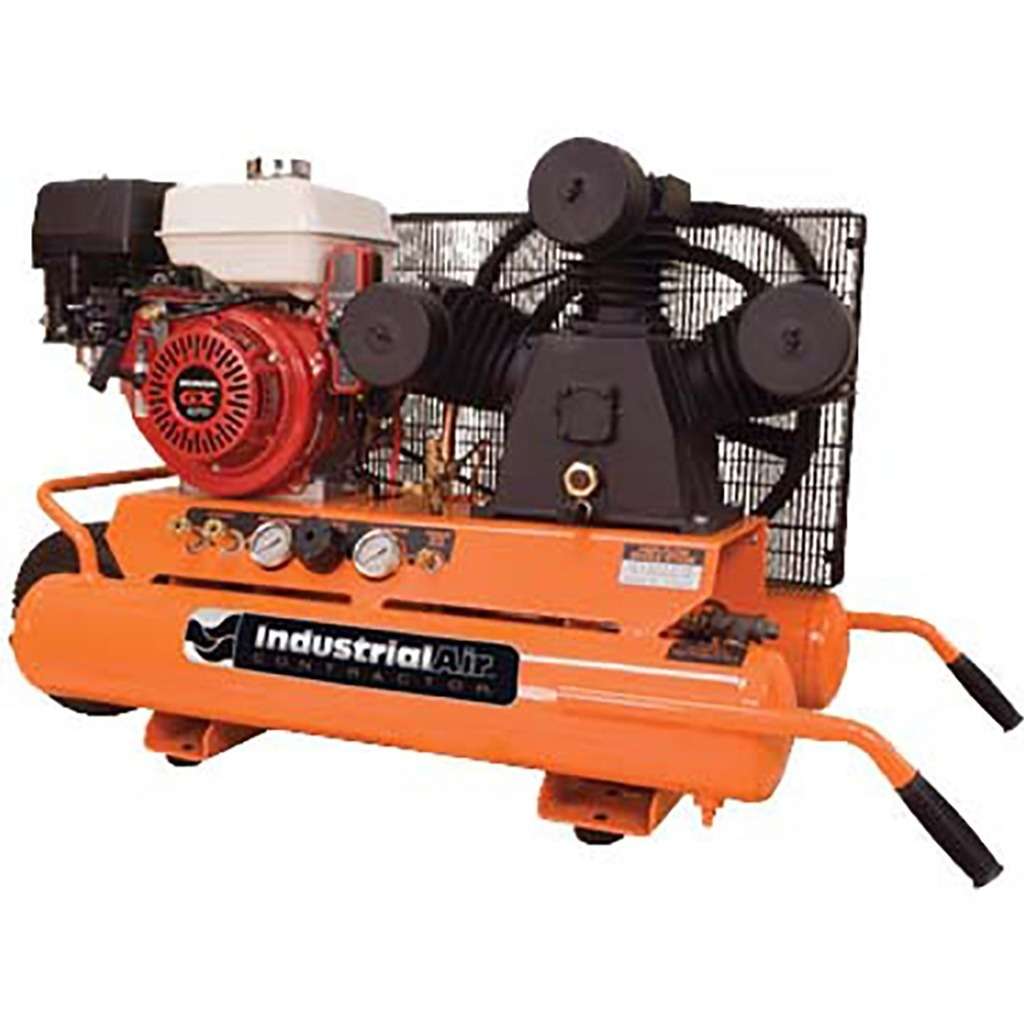
Illustrative image related to air compressor air pump
International standards such as ISO 9001 play a significant role in quality management systems for manufacturers. Compliance with ISO 9001 ensures that organizations consistently meet customer and regulatory requirements while improving overall satisfaction. Additionally, industry-specific certifications like CE (Conformité Européenne) for European markets and API (American Petroleum Institute) standards for oil and gas applications provide further assurance of quality and safety.
Quality control (QC) checkpoints are strategically placed throughout the manufacturing process to identify defects early. These checkpoints include:
Common testing methods for air compressor air pumps include pressure testing, performance testing, and durability testing. Pressure tests assess the pump’s ability to withstand operational pressures without failure. Performance tests evaluate parameters like flow rate and efficiency, ensuring the pump operates within the specified range. Durability tests simulate extended use to gauge the pump’s longevity under typical operating conditions.
B2B buyers seeking to validate the quality control processes of their suppliers should consider several approaches:
For international B2B buyers, especially those from regions like Africa, South America, the Middle East, and Europe, understanding the nuances of quality control is essential. Different regions may have varying standards and expectations, and buyers should be aware of the following:
Understanding the manufacturing processes and quality assurance measures associated with air compressor air pumps is critical for B2B buyers. This knowledge enables buyers to make informed decisions when selecting suppliers, ensuring that they receive reliable and high-quality products. By focusing on these aspects, buyers can enhance their operational efficiency and achieve long-term success in their respective markets.
In the competitive landscape of B2B procurement, acquiring the right air compressor air pump is essential for operational efficiency and reliability. This guide serves as a practical checklist to streamline your sourcing process, ensuring that you make informed decisions that align with your business needs and budget. Follow these steps to identify and procure the most suitable air compressor air pump for your operations.
Before initiating the procurement process, clearly outline the technical specifications required for your air compressor air pump. Consider factors such as pressure ratings, flow rates, and the intended application of the pump.
– Pressure Ratings: Assess the maximum pressure your operations require to ensure optimal performance.
– Flow Rates: Determine the necessary cubic feet per minute (CFM) to match your operational demands.
Illustrative image related to air compressor air pump
Conduct thorough market research to identify the range of air compressor air pumps available. Explore various brands, models, and features to understand the competitive landscape.
– Product Reviews: Look for independent reviews and testimonials from other businesses in your industry to gauge performance and reliability.
– Innovative Features: Consider advanced features such as energy efficiency, noise reduction, and maintenance requirements that could impact your operational costs.
Before committing to a purchase, vet potential suppliers meticulously. This step is critical to ensure you partner with reputable companies that can meet your quality and service expectations.
– Supplier Credentials: Request documentation of industry certifications, quality control processes, and compliance with international standards.
– Client References: Ask for references from similar businesses to assess the supplier’s reliability and customer service.
Once you have shortlisted potential suppliers, request detailed quotes for the air compressor air pumps that meet your specifications. Comparing quotes will help you identify the best value for your investment.
– Transparent Pricing: Ensure that the quotes include all costs, such as shipping, installation, and any additional components required.
– Descontos para compras em massa: Inquire about discounts for larger orders or long-term contracts, which could significantly reduce your overall costs.
Illustrative image related to air compressor air pump
Negotiation is a vital step in securing favorable terms and ensuring that both parties are aligned on expectations. Focus on key aspects such as payment terms, delivery schedules, and warranty provisions.
– Flexible Payment Options: Explore options that could ease cash flow, such as extended payment terms or financing solutions.
– Warranty and Service Agreements: Ensure that warranties cover defects and that service agreements are in place for maintenance and support.
Once you’ve finalized your supplier, confirm the logistics and delivery arrangements to avoid any disruptions in your operations.
– Delivery Timeframes: Clarify expected delivery dates and any potential delays that could affect your operations.
– Transport Considerations: Ensure that the supplier can accommodate your specific transportation needs, especially if you are operating in remote areas.
After confirming all details, proceed to finalize your order. Ensure that all agreements, specifications, and terms are documented to prevent misunderstandings.
– Order Confirmation: Obtain a written confirmation of your order, including all agreed-upon terms.
– Documentation for Future Reference: Keep all correspondence and documentation organized for future procurement processes or disputes.
By following this checklist, you can streamline your sourcing process for air compressor air pumps, ensuring that your investment meets your operational needs effectively.
Illustrative image related to air compressor air pump
When assessing the cost structure of air compressor air pumps, several components contribute to the final pricing. The primary cost elements include:
Materiais: The choice of materials significantly impacts costs. High-grade alloys and durable plastics are often required for components that endure high pressures and temperatures. The global prices of these materials fluctuate, influenced by market demand and availability.
Trabalho: Labor costs vary by region and manufacturing method. For instance, automated production may lower labor costs compared to manual assembly, but the initial investment in automation can be substantial.
Custos indiretos de fabricação: This encompasses costs related to facility maintenance, utilities, and administrative expenses. Efficient production processes can help mitigate these costs, allowing for more competitive pricing.
Ferramentas: Initial tooling costs for molds and dies can be significant, especially for custom designs. These costs are usually amortized over large production runs, making high-volume orders more cost-effective.
Controle de qualidade (QC): Rigorous testing and quality assurance protocols are essential, particularly in industries where reliability is critical. These QC processes incur costs that must be factored into the overall pricing strategy.
Logística: Shipping and handling costs can vary widely depending on the distance, method of transport, and current fuel prices. For international buyers, understanding the implications of logistics on pricing is vital.
Margem: Manufacturers typically apply a profit margin to cover operational costs and ensure sustainability. This margin can vary based on market competition and demand.
Several factors influence the pricing of air compressor air pumps, especially for B2B transactions:
Volume/MOQ: Bulk orders often lead to lower per-unit costs due to economies of scale. Understanding minimum order quantities (MOQs) can help buyers negotiate better pricing.
Especificações e personalização: Custom features or specifications can significantly increase costs. Buyers should assess whether these customizations are essential for their operations or if standard models suffice.
Qualidade do material e certificações: Pumps made from higher-quality materials or those that meet specific industry certifications (like ISO or CE) typically command a higher price. Buyers should weigh the benefits of these certifications against the additional costs.
Fatores do fornecedor: Supplier reputation, reliability, and location can influence pricing. Established suppliers may charge a premium for their products due to perceived reliability and service quality.
Incoterms: The chosen Incoterms (International Commercial Terms) can affect pricing. Buyers should be aware of who is responsible for shipping, insurance, and tariffs, as these elements can add significant costs to the purchase price.
Effective negotiation strategies can lead to more favorable pricing for air compressor air pumps:
Entenda o custo total de propriedade (TCO): Beyond the initial purchase price, consider maintenance, energy consumption, and potential downtime costs. A more expensive pump that offers lower operational costs may be more cost-effective in the long run.
Aproveite os descontos por volume: If possible, consolidate purchases to meet higher volume thresholds that can unlock discounts. Communicating potential future orders can incentivize suppliers to offer better pricing.
Assess Market Trends: Stay informed about market fluctuations in material costs and supplier capabilities. This knowledge can provide leverage in negotiations.
Criar relacionamentos: Establishing a strong rapport with suppliers can lead to better pricing and terms. Long-term partnerships often yield benefits such as priority service or early access to new products.
For buyers in Africa, South America, the Middle East, and Europe, specific considerations are critical:
Currency Fluctuations: Be mindful of exchange rates, as they can impact the final cost when purchasing from international suppliers.
Import Duties and Taxes: Understand the tariffs and taxes applicable in your country, as these can significantly affect the total cost.
Local Regulations: Ensure compliance with local standards and certifications to avoid costly delays or penalties.
Shipping Times: Consider the lead times for international shipping, especially if there are pressing operational deadlines.
By understanding these cost components, price influencers, and negotiation strategies, B2B buyers can make informed decisions that optimize their sourcing of air compressor air pumps.
In the realm of industrial applications, achieving optimal air pressure is crucial for various processes, from powering tools to operating machinery. While air compressor air pumps are the most common solution, there are alternative technologies that can provide similar functionalities. Understanding these alternatives allows B2B buyers to make informed decisions based on performance, cost, and specific application requirements.
| Aspecto de comparação | Air Compressor Air Pump | Vacuum Pump | Regenerative Blower |
|---|---|---|---|
| Desempenho | High airflow rates, suitable for various applications | Lower airflow rates, ideal for vacuum applications | Moderate airflow rates, suitable for aeration and conveying |
| Custo | Moderate to high initial investment | Generally lower initial cost but may have higher operating costs | Moderate cost with potentially lower energy consumption |
| Facilidade de implementação | Requires significant installation space and setup | Easier to install with smaller footprint | Relatively easy to implement with minimal space requirements |
| Manutenção | Regular maintenance needed, including oil changes | Low maintenance, but seals may require replacement | Minimal maintenance, primarily filter changes |
| Melhor caso de uso | Construction, automotive, manufacturing | Packaging, food processing, lab applications | Wastewater treatment, pneumatic conveying |
Vacuum pumps create a vacuum by removing air and gases from a sealed environment. They are ideal for applications that require suction, such as packaging or food processing. The primary advantage of vacuum pumps is their lower initial cost and ease of installation, making them accessible for smaller operations. However, they typically operate at lower airflow rates compared to air compressor air pumps, which may limit their use in high-demand environments. Additionally, while maintenance is generally low, the seals in vacuum pumps may require periodic replacement, adding to long-term costs.
Illustrative image related to air compressor air pump
Regenerative blowers, also known as side channel blowers, utilize a rotating impeller to draw air in and then discharge it at a higher pressure. This technology is particularly effective for applications such as wastewater treatment and pneumatic conveying. One of the significant benefits of regenerative blowers is their minimal maintenance requirements; they primarily need filter changes. Furthermore, they can be energy-efficient, often consuming less power than traditional air compressors. However, their airflow rates are moderate, which may not meet the demands of heavy-duty industrial tasks, making them less suitable for high-pressure applications.
When selecting the right air compression solution, B2B buyers should consider their specific operational needs, including the required airflow rates, budget constraints, and maintenance capabilities. Air compressor air pumps are versatile and effective for high-demand applications but may come with higher costs and maintenance requirements. In contrast, vacuum pumps and regenerative blowers offer unique advantages for specific scenarios, particularly in terms of installation ease and energy efficiency. By carefully assessing the performance characteristics and long-term implications of each option, businesses can choose the best solution that aligns with their operational goals and budgetary constraints.
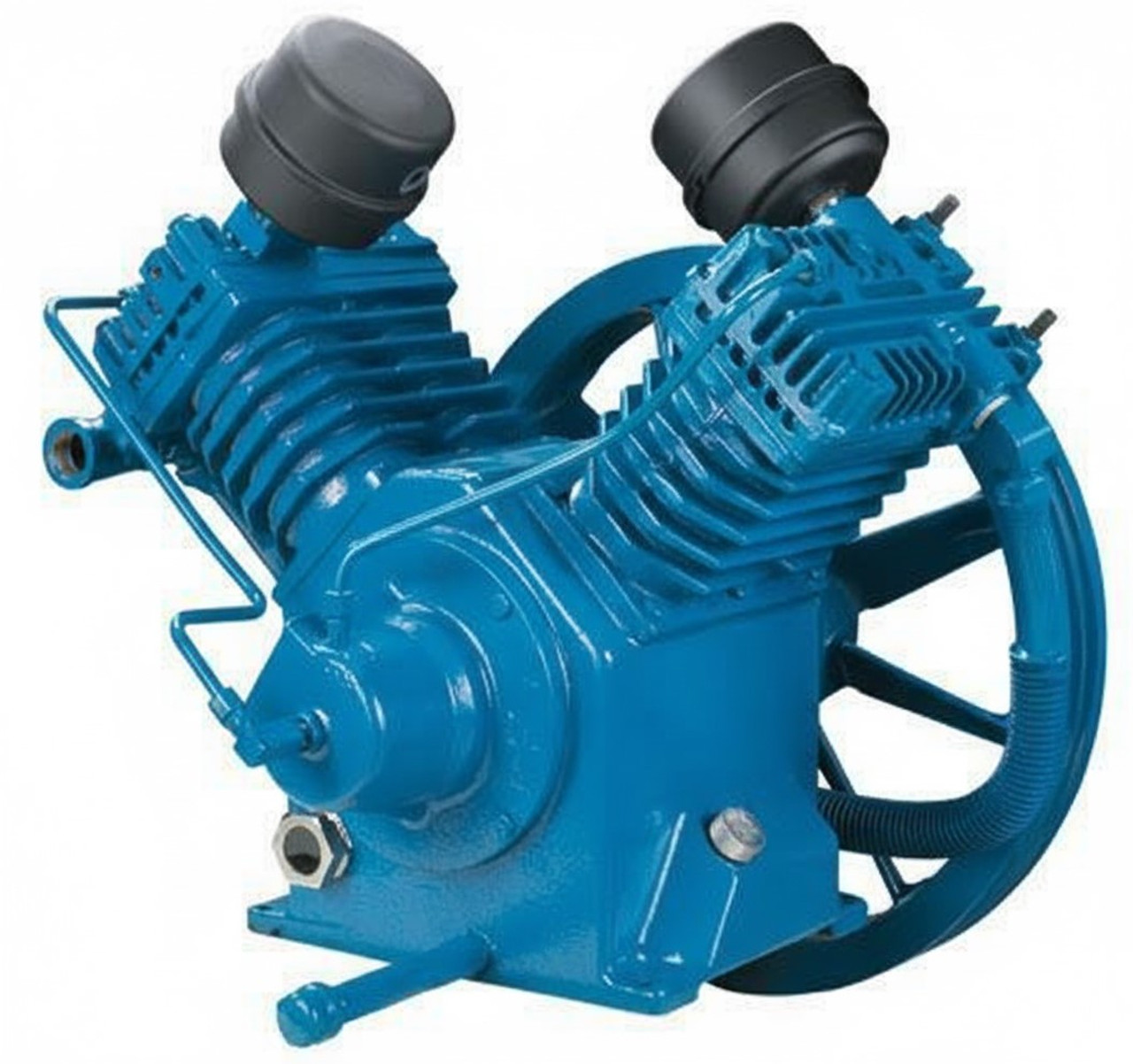
When evaluating air compressor air pumps, several technical specifications are critical for ensuring optimal performance and compatibility with your operational needs. Here are some essential properties to consider:
Illustrative image related to air compressor air pump
CFM (Cubic Feet per Minute)
CFM measures the volume of air that an air compressor can deliver. This specification is vital for determining whether the pump can meet the demands of your tools and equipment. Higher CFM ratings are essential for applications requiring sustained high airflow, such as pneumatic tools or painting.
PSI (Pounds per Square Inch)
PSI indicates the air pressure generated by the compressor. It is crucial for applications requiring specific pressure levels, such as inflating tires or operating heavy machinery. Understanding the PSI rating helps buyers select a pump that can deliver the necessary pressure for their specific applications.
Motor Power (HP)
The horsepower (HP) rating of the motor powering the air compressor pump directly correlates with its performance capabilities. Higher HP ratings typically mean greater efficiency and the ability to handle more demanding tasks. This factor is important for B2B buyers looking for durability and reliability in high-use environments.
Tank Size
The tank size, usually measured in gallons, determines how much compressed air can be stored for immediate use. Larger tanks provide a buffer for continuous air supply, making them ideal for industries with high air demand. Buyers should consider tank size based on their operational needs to avoid interruptions in workflow.
Grau do material
The materials used in the construction of the compressor pump affect its durability and longevity. For instance, pumps made of high-grade aluminum or cast iron are typically more robust and resistant to wear. Selecting the right material is vital for minimizing maintenance costs and maximizing the lifespan of the equipment.
Nível de ruído
Measured in decibels (dB), the noise level of an air compressor pump can impact workplace comfort and compliance with local regulations. Many industries now prioritize quieter models to enhance employee satisfaction and reduce noise-related disruptions.
Understanding industry jargon is essential for making informed purchasing decisions. Here are some common terms that B2B buyers should be familiar with:
OEM (fabricante original do equipamento)
OEM refers to companies that produce parts or equipment that may be marketed by another manufacturer. In the context of air compressor pumps, purchasing OEM parts ensures compatibility and quality, which is crucial for maintaining equipment performance.
MOQ (Quantidade mínima de pedido)
MOQ is the smallest quantity of a product that a supplier is willing to sell. This term is significant for businesses planning to stock air compressor pumps or parts, as it affects inventory management and budgeting.
RFQ (Request for Quotation, solicitação de cotação)
An RFQ is a document sent to suppliers requesting pricing and terms for specific products. For B2B buyers, submitting an RFQ for air compressor pumps can facilitate competitive pricing and ensure that they receive the best possible deal.
Incoterms (Termos Comerciais Internacionais)
Incoterms define the responsibilities of buyers and sellers in international transactions. Familiarity with these terms helps businesses understand shipping costs, risks, and responsibilities associated with importing air compressor pumps from different regions.
Prazo de entrega
Lead time refers to the amount of time it takes from placing an order until the product is delivered. Understanding lead times is essential for B2B buyers to plan their operations effectively and ensure that they have the necessary equipment when needed.
Garantia
A warranty is a promise from the manufacturer regarding the condition of the product. Knowing the warranty terms for air compressor pumps can protect buyers from unexpected repair costs and provide peace of mind regarding product reliability.
By familiarizing themselves with these technical properties and trade terms, B2B buyers can make more informed decisions regarding air compressor air pumps, ultimately enhancing their operational efficiency and effectiveness.
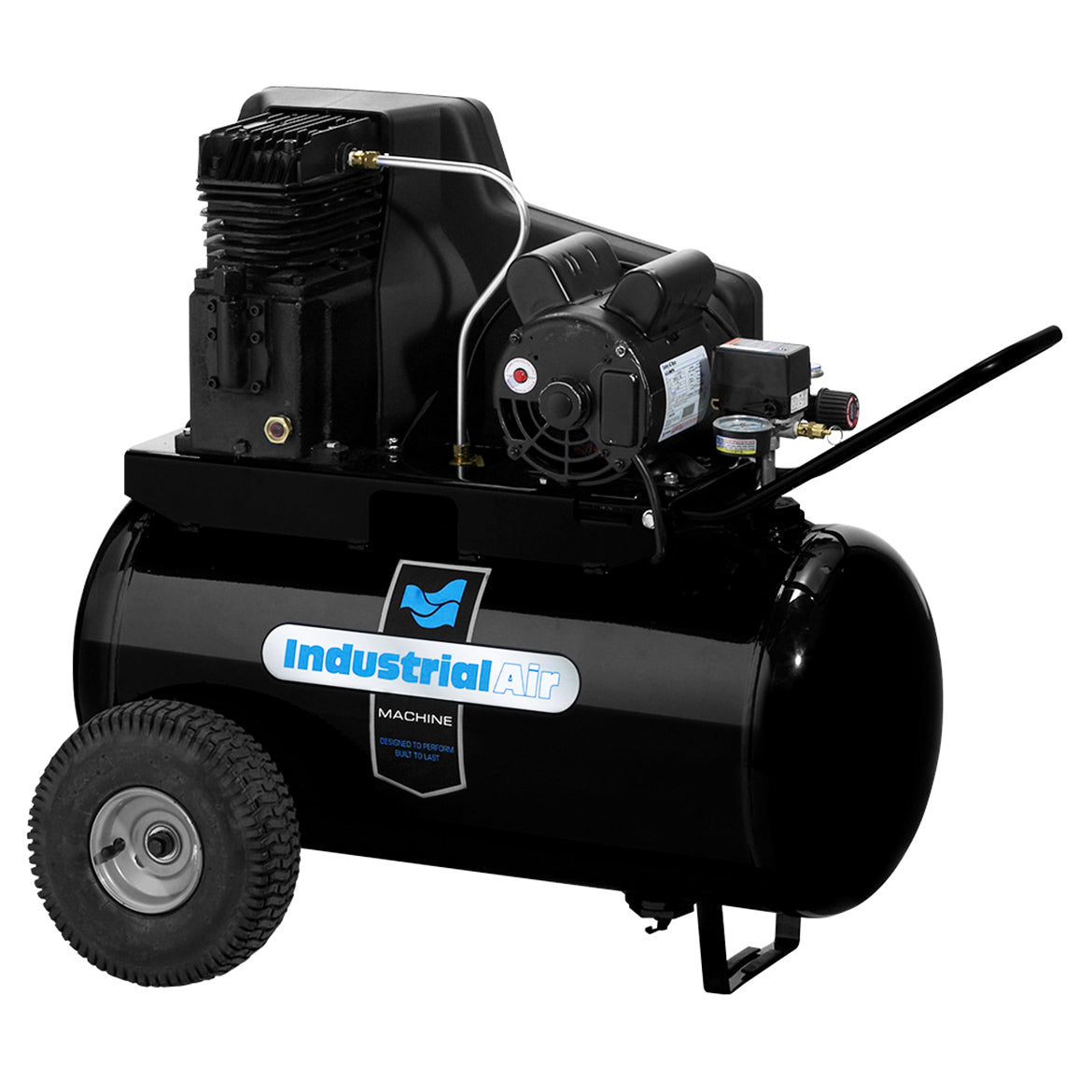
The air compressor air pump sector is witnessing significant growth driven by various global factors. The demand for compressed air systems across industries, including manufacturing, automotive, and construction, is propelling this market forward. Particularly in emerging markets such as Africa, South America, the Middle East, and Europe, there is a rising need for reliable and efficient air compressor solutions. The increasing focus on automation and Industry 4.0 technologies is reshaping the landscape, with businesses seeking advanced air compressor systems that integrate seamlessly into their operations.
Key trends include the adoption of IoT-enabled air compressors, allowing for real-time monitoring and predictive maintenance. This technology not only enhances operational efficiency but also reduces downtime and maintenance costs, which is crucial for businesses in competitive markets. Furthermore, the demand for energy-efficient solutions is on the rise as companies aim to minimize operational costs and comply with stringent environmental regulations. In regions like Saudi Arabia and Brazil, where energy costs can be significant, sourcing energy-efficient air compressor pumps is becoming a priority for B2B buyers.
The competitive landscape is also evolving, with manufacturers focusing on innovation and customization to meet specific industry needs. As international B2B buyers navigate these market dynamics, understanding local regulations, logistics, and supplier capabilities will be essential to making informed sourcing decisions.
Sustainability has emerged as a critical consideration for B2B buyers in the air compressor air pump sector. The environmental impact of manufacturing processes and energy consumption of air compressors is under scrutiny, prompting businesses to seek sustainable solutions. Buyers are increasingly looking for suppliers that prioritize eco-friendly practices, such as using recyclable materials and implementing energy-efficient technologies.
Ethical sourcing is also gaining traction, particularly in regions where supply chain transparency is becoming mandatory. Companies are now more aware of the importance of establishing ethical supply chains that ensure fair labor practices and responsible sourcing of materials. Certifications such as ISO 14001 (Environmental Management) and energy efficiency labels are becoming essential criteria for B2B buyers when selecting suppliers.
Moreover, the integration of ‘green’ materials in manufacturing air compressor pumps not only reduces environmental impact but can also enhance the reputation of businesses. Suppliers that can demonstrate commitment to sustainability and ethical practices are likely to gain a competitive edge in this evolving market landscape.
Illustrative image related to air compressor air pump
The air compressor industry has undergone significant evolution since its inception in the late 19th century. Initially, air compressors were simple mechanical devices used primarily in industrial settings. Over the decades, advancements in technology have led to the development of more sophisticated systems, including rotary screw and reciprocating compressors, which offer improved efficiency and reliability.
The introduction of variable speed drive (VSD) technology revolutionized the market, allowing compressors to adjust their speed according to demand, thus optimizing energy consumption. Today, with the advent of smart technology and IoT integration, air compressors are becoming more connected and intelligent, enabling remote monitoring and management.
For B2B buyers, understanding this evolution is vital. It not only highlights the importance of investing in advanced technology for operational efficiency but also underscores the need to choose suppliers that are at the forefront of innovation. As the market continues to evolve, keeping abreast of technological advancements will empower buyers to make strategic sourcing decisions that align with their operational goals and sustainability objectives.
How do I select the right air compressor pump for my business needs?
Choosing the right air compressor pump depends on your specific applications, required pressure, and airflow needs. Evaluate the CFM (cubic feet per minute) ratings, which indicate the pump’s capacity. For heavy-duty tasks, consider a two-stage pump for higher pressure. Also, assess the power source—electric or gas—and ensure compatibility with your existing equipment. If you’re operating in a specific environment, such as extreme temperatures or humidity, opt for pumps designed for those conditions. Consulting with suppliers for recommendations based on your operational requirements can also be beneficial.
What are the key features to look for in an air compressor pump?
When sourcing an air compressor pump, consider features such as efficiency, noise levels, and maintenance requirements. Look for pumps with a high CFM rating for better performance and those that are oil-free if you require a cleaner air supply. Durability is crucial, so check for quality materials and construction. Additionally, features like adjustable pressure settings and built-in safety mechanisms enhance usability. Understanding the warranty and support options offered by the manufacturer can also influence your decision, ensuring long-term reliability.
What are the typical payment terms for international orders of air compressor pumps?
Payment terms for international orders vary by supplier and region. Commonly, suppliers may require a deposit (usually 30-50%) upfront, with the balance due before shipment or upon delivery. Some suppliers offer flexible terms such as letters of credit or payment through escrow services to ensure security for both parties. Always clarify payment methods accepted, including bank transfers, credit cards, or PayPal. It’s advisable to negotiate terms that suit your cash flow needs while ensuring the supplier’s confidence in the transaction.
How can I assess the reliability of a supplier for air compressor pumps?
To evaluate a supplier’s reliability, start by checking their reputation through customer reviews and testimonials. Look for companies with a solid track record in your industry and those that have been in business for several years. Request references from other customers and inquire about their experiences. Additionally, consider suppliers that are certified by recognized standards organizations, which can indicate adherence to quality and safety regulations. Engaging in direct communication with the supplier can also provide insights into their responsiveness and customer service.
What is the minimum order quantity (MOQ) for air compressor pumps?
Minimum order quantities (MOQ) for air compressor pumps can vary significantly based on the supplier and the type of pump. Some suppliers may have an MOQ of one unit, especially for standard products, while others may require larger quantities for customized or specialized pumps. It’s essential to discuss MOQs during the negotiation phase and assess if they align with your purchasing strategy. Additionally, consider the potential for bulk discounts if you plan to order larger quantities in the future.
Can I customize my air compressor pump order to fit specific requirements?
Many suppliers offer customization options for air compressor pumps to meet specific business needs. Customizations may include adjustments to CFM ratings, pressure specifications, or modifications for unique environmental conditions. It’s advisable to communicate your requirements clearly to the supplier and inquire about the feasibility and costs associated with custom orders. Be aware that customizations may also affect delivery timelines, so factor this into your procurement planning.
What quality assurance processes should I expect from a reputable supplier?
A reputable supplier should implement stringent quality assurance (QA) processes to ensure the reliability and performance of their air compressor pumps. Expect to see certifications such as ISO 9001, which demonstrate adherence to international quality management standards. Suppliers should conduct rigorous testing of their products, including performance tests, safety inspections, and durability assessments. Inquire about their QA procedures, including any third-party testing or inspections that may be involved, to ensure you receive a high-quality product.
What are the logistics considerations when importing air compressor pumps?
When importing air compressor pumps, several logistics factors need to be considered. Assess shipping methods (air or sea) based on urgency and budget, as well as potential customs duties and taxes applicable in your country. Ensure that the supplier provides necessary shipping documentation, including invoices, packing lists, and certificates of origin, to facilitate customs clearance. Additionally, consider working with a freight forwarder to navigate the complexities of international shipping, including insurance options for your shipment to mitigate risks during transit.

Domínio: store.arbusa.com
Registrado: 1998 (27 anos)
Introdução: Portable & Vehicle Mounted Air Compressor Systems | ARB 4×4 USA. ARB Air Compressors are designed for reliable, on-the-go air to power tires, tools, and Air Lockers. Key products include: 1. Twin Motor Onboard 12V Air Compressor CKMTA12 – $593.95. 2. Single Motor Onboard 12V Air Compressor CKMA12 – $323.95. 3. Single Motor Portable 12V Air Compressor CKMP12V2 – $449.95. 4. Twin Motor Portable 12V …
Domínio: acehardware.com
Registrado: 1995 (30 anos)
Introdução: Principais detalhes do produto:
– Types of Air Compressors:
– Portable Air Compressors: Ideal for small tasks and easy to move.
– Stationary Air Compressors: Suitable for larger, demanding jobs.
– Oil-Free Compressors: Require less maintenance, great for occasional use.
– Oil-Lubricated Compressors: More durable, suitable for heavy-duty tasks.
– Gas-Powered Compressors: For job sites without electr…
In the competitive landscape of air compressor air pumps, strategic sourcing is essential for international B2B buyers. Companies must prioritize quality, reliability, and supplier reputation to ensure optimal performance and longevity of their equipment. By leveraging local pickup options and understanding shipping logistics, businesses can enhance operational efficiency and reduce costs. Additionally, exploring financing options and discounts can lead to significant savings, empowering buyers to make informed purchasing decisions.
As industries evolve, the demand for advanced air compressor technologies continues to rise. Buyers from Africa, South America, the Middle East, and Europe should stay abreast of emerging trends such as energy efficiency and eco-friendly options. Investing in innovative solutions will not only enhance productivity but also align with global sustainability goals.
In conclusion, proactive sourcing strategies will position businesses to thrive in a dynamic market. Embrace the opportunities presented by strategic sourcing to secure high-quality air compressor air pumps that meet your unique operational needs. Engage with reputable suppliers today to ensure your organization is well-prepared for future challenges and advancements in the industry.
As informações fornecidas neste guia, inclusive o conteúdo referente a fabricantes, especificações técnicas e análise de mercado, são apenas para fins informativos e educacionais. Elas não constituem aconselhamento profissional sobre compras, aconselhamento financeiro ou aconselhamento jurídico.
Embora tenhamos feito todos os esforços para garantir a precisão e a atualidade das informações, não nos responsabilizamos por quaisquer erros, omissões ou informações desatualizadas. As condições de mercado, os detalhes da empresa e os padrões técnicos estão sujeitos a alterações.
Os compradores B2B devem realizar sua própria due diligence independente e completa antes de tomar qualquer decisão de compra. Isso inclui entrar em contato diretamente com os fornecedores, verificar as certificações, solicitar amostras e buscar consultoria profissional. O risco de confiar em qualquer informação contida neste guia é de responsabilidade exclusiva do leitor.


 Portuguese
  English
  Russian
  Spanish
  Italian
  Arabic
  German