
The global market for air pump compressors presents a myriad of opportunities and challenges for international B2B buyers. One of the primary hurdles faced by businesses in regions such as Africa, South America, the Middle East, and Europe is sourcing reliable and efficient air pump compressors tailored to specific industrial applications. This guide is designed to illuminate the complexities of the market by providing a comprehensive overview of the various types of air pump compressors available, their diverse applications, and essential strategies for supplier vetting.
In this guide, we delve into critical aspects such as the performance specifications, maintenance requirements, and cost considerations associated with air pump compressors. Buyers will gain insights into how to assess the quality and reliability of compressors, ensuring that their investments yield long-term benefits. Furthermore, we explore the nuances of regional market dynamics, helping businesses navigate local regulations and supplier landscapes effectively.
By equipping international buyers with actionable insights, this guide empowers them to make informed purchasing decisions that align with their operational needs and budget constraints. Whether your company is in Brazil, Vietnam, or elsewhere, understanding the intricacies of the air pump compressor market will enhance your procurement strategy and drive operational efficiency.
| Nome do tipo | Principais características distintivas | Aplicativos B2B primários | Prós e contras resumidos para compradores |
|---|---|---|---|
| Reciprocating Air Compressors | Uses pistons to compress air; available in single or multi-stage | Manufacturing, automotive repair | Pros: Cost-effective, versatile. Cons: Noisy, larger footprint. |
| Rotary Screw Compressors | Continuous operation with two helical screws; efficient for high-volume air | Industrial applications, HVAC systems | Pros: High efficiency, low maintenance. Cons: Higher initial cost. |
| Scroll Compressors | Uses spiral elements to compress air; compact and quiet | Medical equipment, refrigeration | Pros: Quiet operation, compact size. Cons: Limited capacity for heavy-duty tasks. |
| Portable Air Compressors | Lightweight and easily transportable; often battery or vehicle powered | Construction, outdoor activities | Pros: Mobility, versatility. Cons: Lower power output compared to stationary units. |
| Oil-Free Air Compressors | Designed to operate without lubrication; ideal for clean environments | Food processing, pharmaceuticals | Pros: Clean air supply, low maintenance. Cons: Typically lower pressure output. |
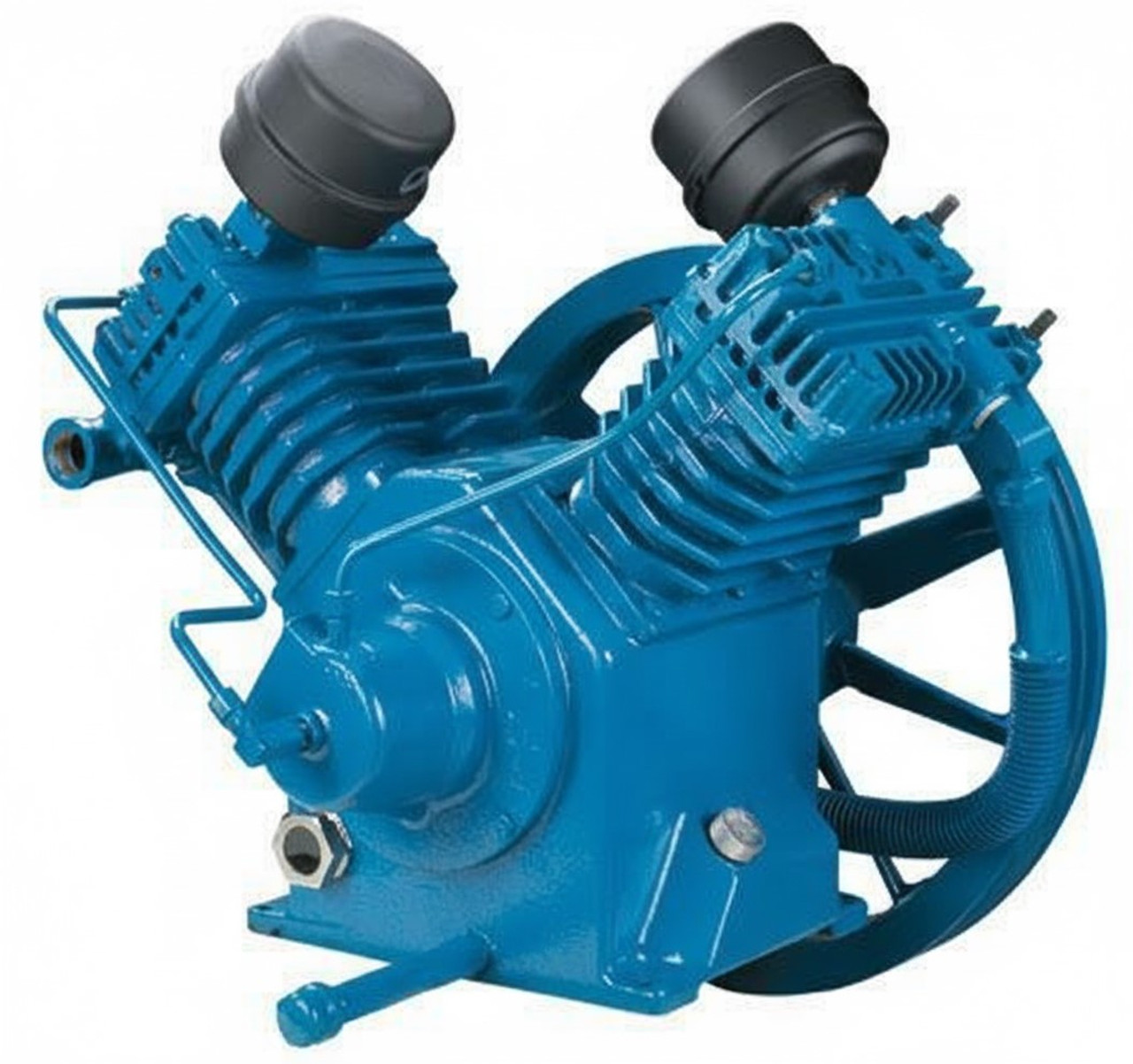
Reciprocating air compressors are among the most common types used in various industries. They operate using pistons to compress air, making them suitable for tasks that require intermittent air supply. These compressors are cost-effective and versatile, making them a popular choice for manufacturing and automotive repair sectors. However, they can be noisy and require more space, which may be a drawback for businesses with limited operational areas.
Rotary screw compressors are designed for continuous operation, making them ideal for high-demand environments like industrial manufacturing and HVAC systems. They utilize two helical screws to compress air efficiently, providing a steady airflow. While they come with a higher initial investment, their low maintenance needs and energy efficiency can lead to significant cost savings in the long run, making them a preferred choice for businesses looking to optimize their air supply systems.
Scroll compressors are known for their compact design and quiet operation, making them suitable for environments where noise levels must be minimized, such as medical facilities and refrigeration applications. Their operation involves spiral elements that compress air, resulting in fewer moving parts and lower maintenance needs. However, their capacity may be limited for heavy-duty applications, which is an essential consideration for businesses needing robust air supply solutions.
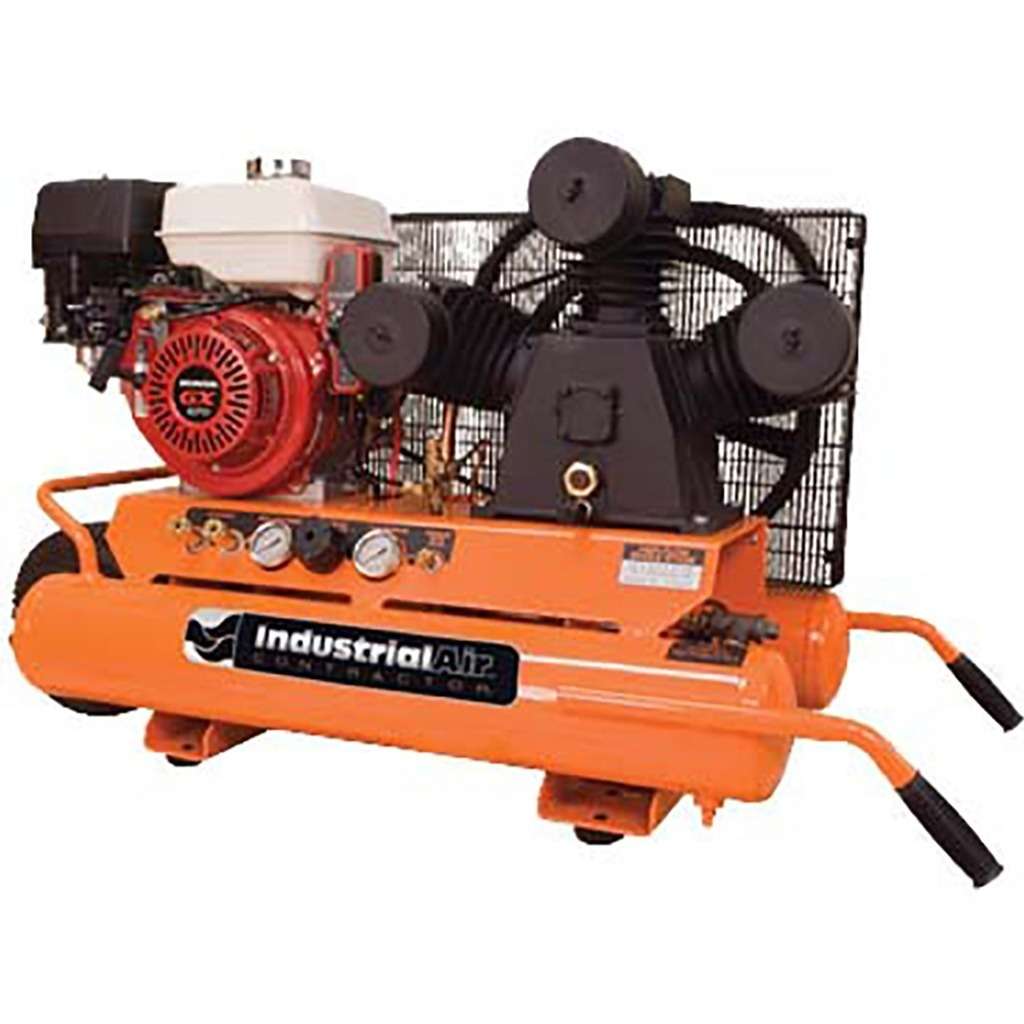
Portable air compressors are designed for mobility and ease of use, making them ideal for construction sites and outdoor activities. These compressors are lightweight and often powered by batteries or vehicles, allowing for versatile applications in various settings. While they offer the advantage of portability, their power output is generally lower than that of stationary units, which may limit their use in high-demand scenarios.
Oil-free air compressors operate without lubrication, providing a clean air supply that is crucial for industries like food processing and pharmaceuticals. These compressors reduce the risk of contamination, making them highly suitable for sensitive applications. Although they typically deliver lower pressure output compared to oil-lubricated models, their low maintenance requirements and the assurance of clean air make them a valuable investment for businesses prioritizing hygiene and quality.
| Indústria/Setor | Specific Application of air pump compressor | Valor/benefício para a empresa | Principais considerações de fornecimento para este aplicativo |
|---|---|---|---|
| Automotivo | Tire inflation and maintenance for vehicles | Enhanced vehicle performance and safety | Durability under extreme conditions; portability; power source compatibility |
| Construção | Powering pneumatic tools and equipment | Increased efficiency in construction tasks | Pressure capacity; energy consumption; maintenance support |
| Agricultura | Crop spraying and irrigation systems | Improved crop yield and resource management | Compatibility with various spray equipment; pressure regulation; ease of transport |
| Fabricação | Compressed air supply for assembly lines | Streamlined production processes and reduced downtime | Reliability; energy efficiency; availability of spare parts |
| Oil and Gas | Well drilling and maintenance operations | Enhanced operational efficiency and safety | Robustness; ability to handle harsh environments; service support availability |
In the automotive sector, air pump compressors are essential for tire inflation and maintenance. They allow for quick adjustments to tire pressure, which is crucial for optimizing vehicle performance and safety. The ability to inflate tires on-site saves time and enhances the convenience for drivers, especially in remote areas. Buyers in this sector should consider the durability of the compressor, its portability for use in various locations, and compatibility with different vehicle power sources, particularly in regions with varying electrical infrastructure.
In construction, air pump compressors power pneumatic tools and equipment, significantly increasing efficiency and productivity on job sites. These compressors can operate various tools such as nail guns, drills, and jackhammers, facilitating faster project completion. For international buyers, especially in developing regions, sourcing compressors that are energy-efficient and robust enough to withstand harsh working conditions is vital. Additionally, maintenance support and availability of spare parts should be prioritized to minimize downtime on projects.
Air pump compressors are utilized in agriculture for crop spraying and irrigation systems, providing a reliable air source for spraying pesticides and fertilizers. This application leads to improved crop yields and better resource management, essential for farmers looking to maximize output. Buyers must focus on compressors that are compatible with various spraying equipment and offer precise pressure regulation. In regions with limited access to electricity, the portability and ease of transport of these compressors become critical considerations.
In the manufacturing industry, air pump compressors supply compressed air for assembly lines, enabling streamlined production processes. They help reduce downtime by ensuring that pneumatic tools operate efficiently and effectively. When sourcing compressors, businesses should prioritize reliability and energy efficiency to lower operational costs. Additionally, the availability of spare parts is crucial for maintaining continuous operations, especially in regions where supply chains may be less stable.
Air pump compressors are vital in the oil and gas sector for well drilling and maintenance operations. They enhance operational efficiency and safety by providing the necessary pressure for various drilling equipment. International buyers should seek compressors that are robust enough to handle harsh environments and demanding workloads. Furthermore, service support availability is a key consideration to ensure that equipment can be quickly repaired or maintained to avoid costly delays in operations.
O problema: One common pain point for B2B buyers of air pump compressors is the issue of inconsistent air pressure, which can lead to equipment malfunction. For industries that rely on pneumatic tools or machinery, such as manufacturing or automotive repair, maintaining a stable air pressure is crucial. Fluctuating pressure not only affects the performance of tools but can also result in increased wear and tear, costly downtime, and reduced productivity. Companies operating in remote locations may find it particularly challenging, as access to service and maintenance can be limited.
A solução: To combat this issue, B2B buyers should invest in high-quality air pump compressors with integrated pressure regulation systems. These systems allow for precise control of air pressure, ensuring that it remains consistent regardless of fluctuations in air demand. When sourcing compressors, look for models that feature built-in digital gauges and automatic shut-off capabilities. Additionally, establish a regular maintenance schedule that includes checking and calibrating the pressure settings. Consider partnering with suppliers who offer training on the proper usage and maintenance of their equipment, which can greatly enhance operational efficiency and minimize risks of equipment failure.
O problema: Another significant challenge faced by B2B buyers is the escalating energy costs linked to air compressor operations. Compressors can be energy-intensive, leading to inflated operational expenses, especially for companies that rely on them heavily for production. This is particularly pertinent in regions where electricity costs are high, such as parts of Africa and South America. Businesses must find a way to balance the need for reliable air pressure with the financial burden of energy consumption.
A solução: To mitigate energy costs, consider investing in energy-efficient air pump compressors that utilize advanced technologies such as variable frequency drives (VFDs). These compressors adjust their motor speed to match air demand, which can significantly lower energy consumption. Additionally, implementing a centralized compressed air system can optimize energy use across multiple machines, reducing wastage. B2B buyers should conduct a thorough energy audit to identify inefficiencies and explore potential savings through the use of energy recovery systems. Furthermore, collaborating with suppliers that provide energy-efficient solutions and incentives can help to offset initial investment costs.
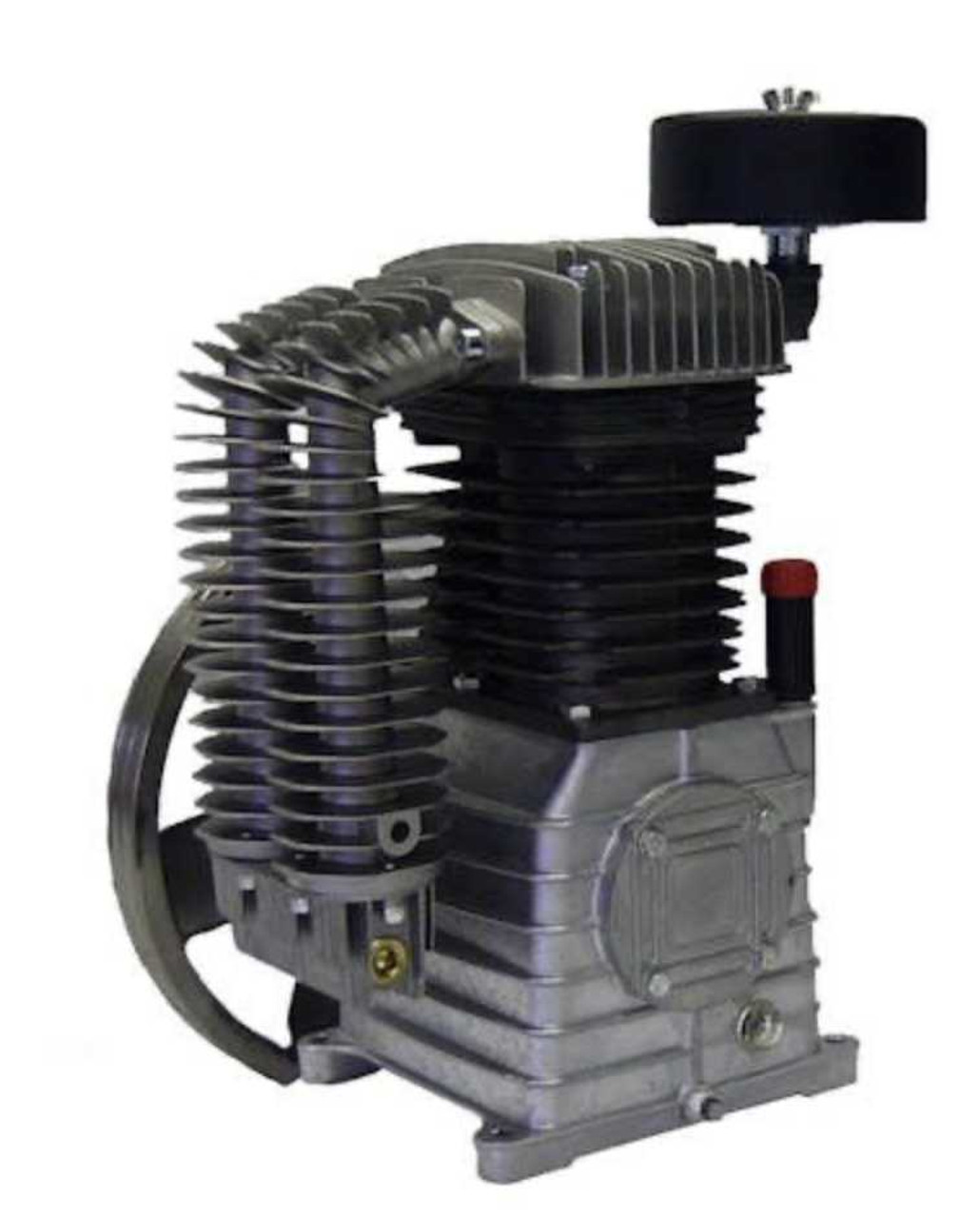
Illustrative image related to air pump compressor
O problema: B2B buyers often face difficulties in sourcing spare parts and reliable maintenance services for their air pump compressors, especially in remote or underserved regions. Delays in obtaining necessary components can lead to prolonged downtime, resulting in lost revenue and decreased productivity. This is particularly challenging for companies that rely on specific compressor models, which may not have widespread support or availability of parts.
A solução: To address this concern, buyers should prioritize selecting air pump compressors from manufacturers with a strong global presence and an established distribution network. This ensures that spare parts and maintenance services are readily available, regardless of the geographical location. Establishing a long-term partnership with a reputable supplier can also facilitate quicker access to parts and service. Additionally, consider investing in compressors that are modular and designed for easy maintenance, allowing in-house teams to perform repairs without needing specialized training. Finally, keep an inventory of essential spare parts on-site to prevent unexpected downtime and maintain operational efficiency.
When selecting materials for air pump compressors, it is crucial to consider their properties, advantages, and limitations. The choice of material can significantly impact the performance, durability, and overall cost-effectiveness of the compressor. Below are analyses of four common materials used in air pump compressors.
Aluminum is a popular choice for air pump compressors due to its lightweight nature and excellent corrosion resistance. It typically has a temperature rating up to 150°C and can handle moderate pressures, making it suitable for various applications.
Prós: Aluminum is durable and offers good thermal conductivity, which helps in dissipating heat generated during operation. Its lightweight nature also contributes to easier installation and portability.
Contras: While aluminum is resistant to corrosion, it can be more expensive than other materials like steel. Additionally, it may not withstand extremely high pressures as effectively as some other metals.
Impacto no aplicativo: Aluminum is ideal for portable air compressors used in automotive and recreational applications, where weight is a critical factor.
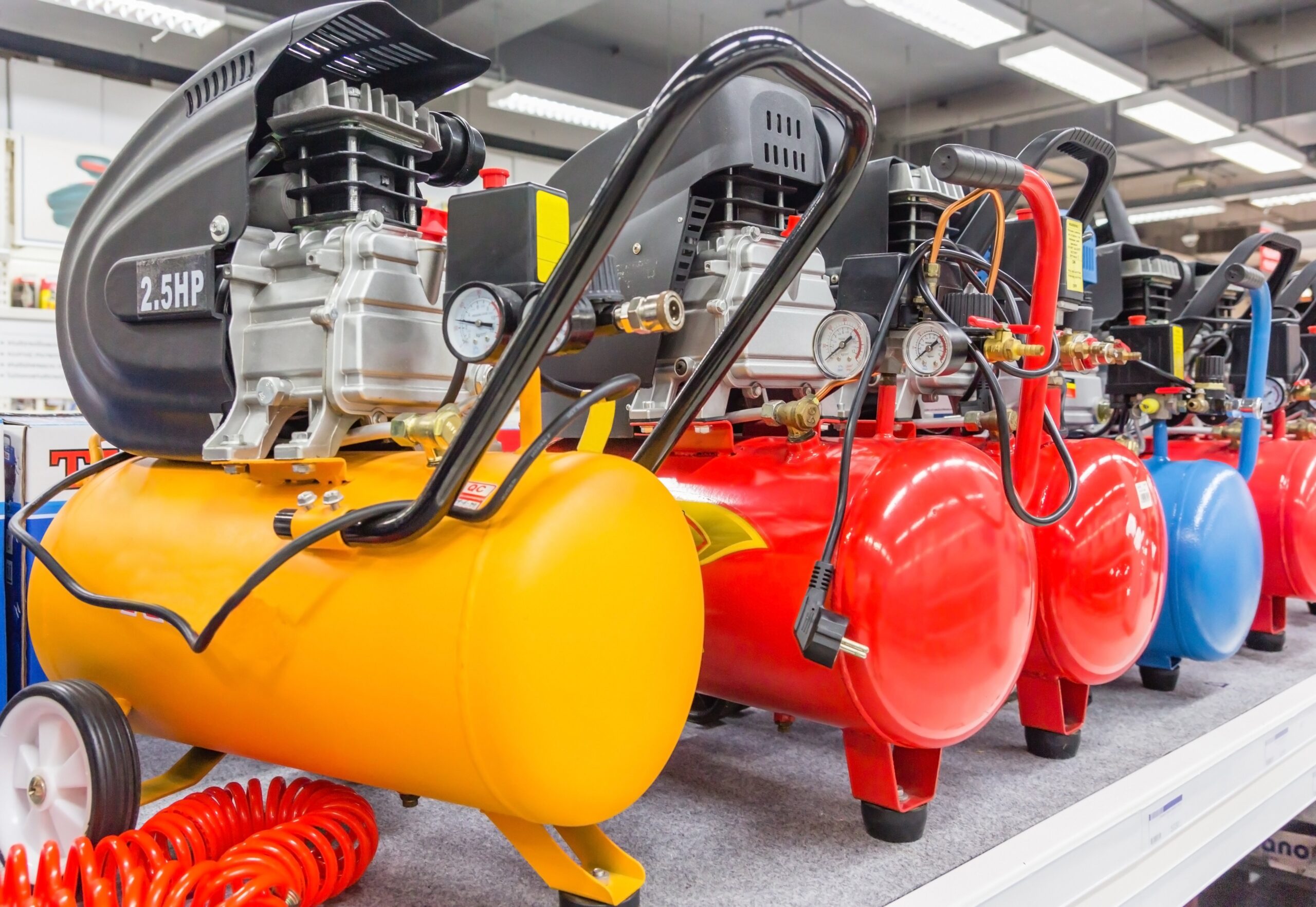
Illustrative image related to air pump compressor
Considerações para compradores internacionais: Buyers from regions like Africa and South America should ensure compliance with local standards for aluminum alloys, such as ASTM or JIS. The availability of aluminum components may vary, influencing lead times.
Steel is another common material used in air pump compressors, particularly for stationary models. It offers high strength and can handle higher pressure ratings, typically up to 300 PSI.
Prós: Steel is incredibly durable, making it suitable for heavy-duty applications. It is also relatively cost-effective, which can lower the overall manufacturing cost of the compressor.
Contras: Steel is heavier than aluminum, which may limit its use in portable applications. Additionally, it is susceptible to corrosion, requiring protective coatings or treatments.
Impacto no aplicativo: Steel is often used in industrial air compressors that require high pressure and durability, such as those found in manufacturing or construction.
Considerações para compradores internacionais: Buyers in Europe and the Middle East should be aware of corrosion resistance standards, as well as manufacturing certifications like ISO.
Composite materials, often a blend of plastics and fibers, are increasingly used in air pump compressors for specific components. They offer unique properties, including low weight and high resistance to corrosion.
Prós: Composites can be engineered for specific applications, providing excellent thermal and chemical resistance. They are also lightweight, which can enhance the portability of compressors.
Contras: The manufacturing process for composite materials can be complex and costly. Additionally, they may not be suitable for high-pressure applications compared to metals.
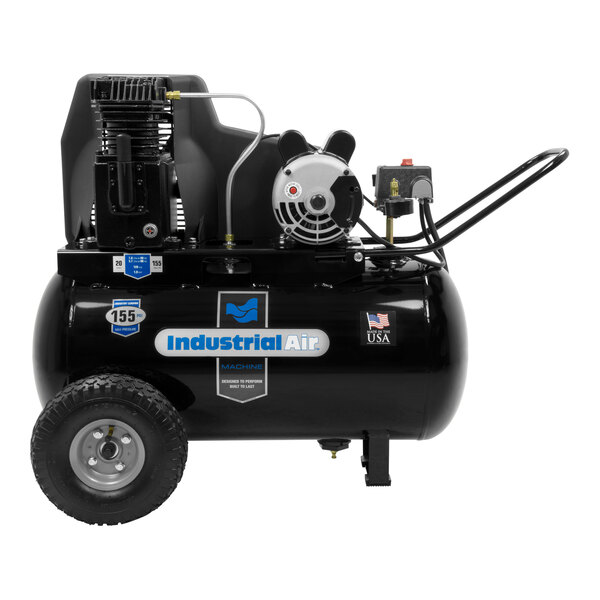
Illustrative image related to air pump compressor
Impacto no aplicativo: Composites are often used in non-structural components or for lightweight portable compressors used in outdoor or recreational settings.
Considerações para compradores internacionais: Buyers should check for compliance with international standards for composite materials, especially in regions like Africa and South America where regulations may differ.
Cast iron is a traditional material used in air pump compressors, particularly for the pump body and cylinder. It offers excellent durability and wear resistance.
Prós: Cast iron can withstand high temperatures and pressures, making it suitable for heavy-duty applications. It also has good vibration dampening properties.
Contras: Cast iron is heavy and can be more expensive to manufacture. It is also prone to rust if not properly maintained.
Impacto no aplicativo: Cast iron is commonly used in industrial air compressors where durability and longevity are essential.
Considerações para compradores internacionais: Buyers from Europe and the Middle East should ensure that cast iron components meet local standards, such as DIN or ASTM, to ensure quality and safety.
| Material | Typical Use Case for air pump compressor | Principais vantagens | Principal desvantagem/limitação | Custo relativo (baixo/médio/alto) |
|---|---|---|---|---|
| Alumínio | Portable air compressors | Leve e resistente à corrosão | Higher cost; lower pressure rating | Médio |
| Aço | Industrial air compressors | High strength and cost-effective | Heavy; prone to corrosion | Baixa |
| Composto | Lightweight portable compressors | Excellent thermal and chemical resistance | Complex manufacturing process | Alta |
| Cast Iron | Heavy-duty industrial compressors | Durable and high-pressure resistant | Heavy; requires maintenance | Médio |
In conclusion, selecting the right material for air pump compressors involves balancing performance, cost, and application requirements. By understanding the properties and implications of each material, international B2B buyers can make informed decisions that align with their operational needs and compliance standards.
The manufacturing process of air pump compressors is multifaceted, involving several critical stages that ensure the final product meets both performance and quality standards.
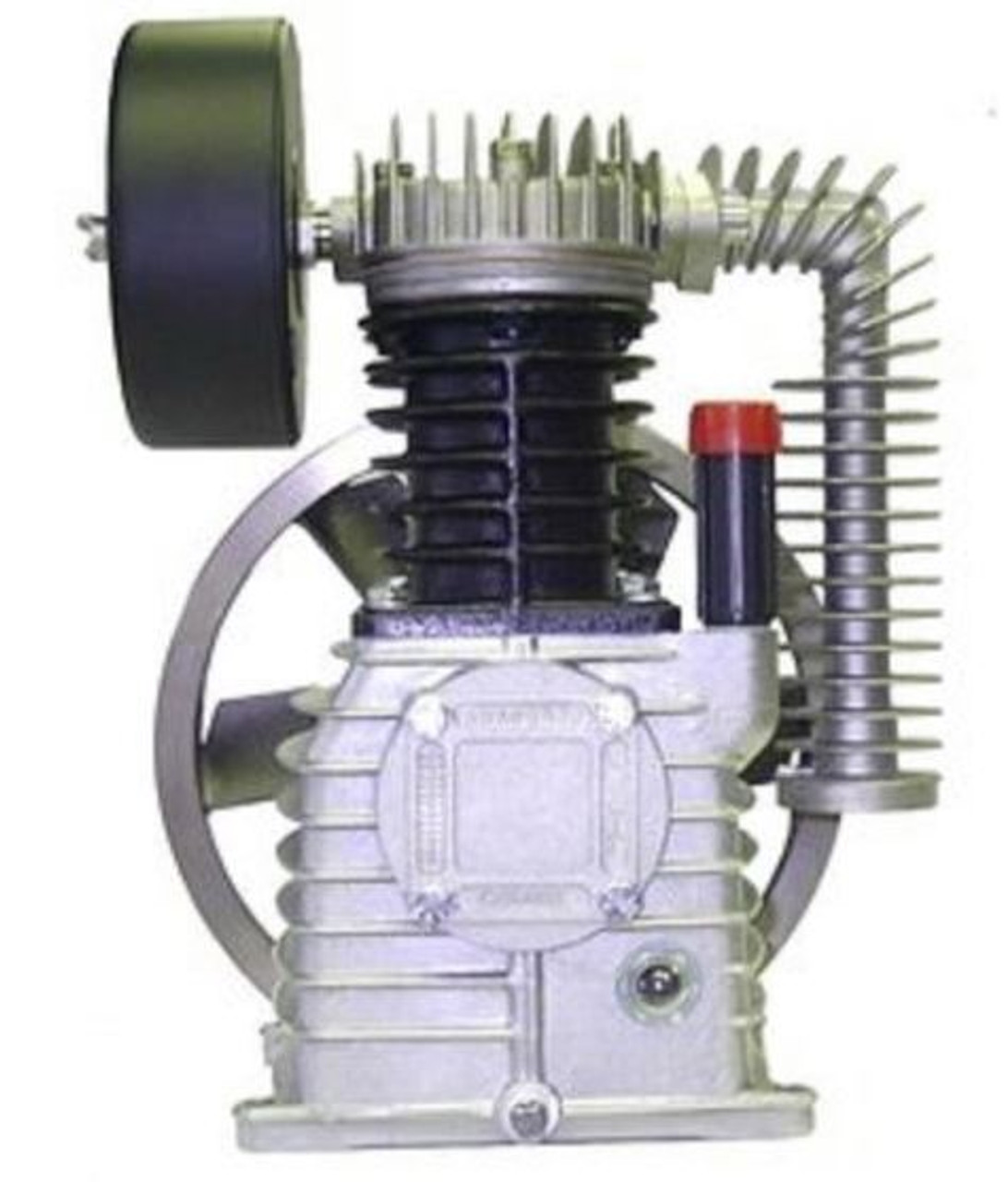
Illustrative image related to air pump compressor
The first stage begins with the selection of raw materials, which typically include high-grade metals like aluminum and steel for durability and resistance to corrosion. These materials undergo rigorous quality checks to ensure they meet the necessary specifications. Suppliers often provide certifications for their materials, which can be verified through documentation. In addition, modern manufacturers may use advanced materials such as composite plastics or special alloys to enhance performance and reduce weight.
Once the materials are prepared, they are subjected to various forming techniques. Common methods include casting, forging, and machining.
These techniques are critical for ensuring that components fit together seamlessly, which is vital for the compressor’s efficiency and longevity.
Illustrative image related to air pump compressor
The assembly stage is where individual components come together to form the complete air pump compressor. This process typically includes:
The finishing stage enhances both aesthetics and functionality. This includes:
Finishing is not merely cosmetic; it plays a crucial role in the compressor’s longevity and performance under various operating conditions.
For B2B buyers, understanding the quality assurance standards that govern air pump compressor manufacturing is crucial.
The most recognized international standard is ISO 9001, which focuses on quality management systems. Compliance with ISO 9001 indicates that a manufacturer has established a systematic approach to quality, emphasizing continuous improvement and customer satisfaction.
Illustrative image related to air pump compressor
Additionally, industry-specific certifications such as CE (Conformité Européenne) and API (American Petroleum Institute) certifications are essential for ensuring that products meet safety and performance requirements.
Quality control (QC) is integral to the manufacturing process, with multiple checkpoints established to maintain product integrity.
During the IQC stage, raw materials are inspected upon arrival to verify that they meet specified standards. This includes checking for material certifications and conducting physical inspections.
As components move through the manufacturing process, IPQC ensures that each stage adheres to quality standards. This involves monitoring machine performance, verifying dimensional tolerances, and conducting functional tests on sub-assemblies.
Illustrative image related to air pump compressor
At the FQC stage, finished compressors are subjected to rigorous testing, including pressure tests, performance evaluations, and safety checks. This ensures that each unit operates efficiently and meets the manufacturer’s specifications.
For international buyers, particularly those from Africa, South America, the Middle East, and Europe, verifying a supplier’s quality control processes is essential for mitigating risks.
Audits: Conducting on-site audits provides direct insight into a manufacturer’s operations and quality control measures. Buyers can assess compliance with international standards and evaluate the manufacturing environment.
Relatórios de qualidade: Requesting detailed quality reports from suppliers can reveal their testing methodologies, failure rates, and corrective actions taken for any issues that arise.
Inspeções de terceiros: Engaging third-party inspection services can provide an unbiased assessment of the manufacturing process and product quality. This is particularly valuable for buyers in regions with less stringent local regulations.
Navigating quality control nuances can be complex for international buyers. Buyers should be aware of regional standards and practices that might differ from their own.
For example, products sold within the European Union must comply with CE marking regulations, while those distributed in the Middle East may need to adhere to specific local standards. Understanding these requirements is crucial for ensuring compliance and minimizing delays in product acceptance.
Illustrative image related to air pump compressor
In summary, the manufacturing processes and quality assurance measures for air pump compressors are comprehensive and critical to delivering reliable products. By understanding these processes, B2B buyers can make informed decisions, ensuring that they partner with manufacturers who prioritize quality and compliance with international standards. This is essential for maintaining operational efficiency and meeting customer expectations in diverse markets.
When sourcing air pump compressors for your business, a structured approach can help ensure you select the right product that meets your operational needs. This guide offers a practical checklist to streamline your procurement process and enhance decision-making.
Before initiating your search, clearly outline the technical specifications required for your air pump compressor. Consider factors such as pressure output, flow rate, and motor type (e.g., electric or gas-powered). Understanding these requirements is crucial to ensure the compressor will effectively meet your operational demands.
Conduct thorough research to identify potential suppliers that specialize in air pump compressors. Look for companies with a solid reputation in your target markets, especially in regions like Africa, South America, and Europe. This step is vital to ensure reliability and quality in your sourcing process.
Verify that potential suppliers hold relevant certifications and comply with international quality standards. Certifications such as ISO 9001 can indicate a commitment to quality management systems. This step is essential to mitigate risks associated with product quality and reliability.
Before making a bulk purchase, request samples or detailed specifications of the compressors you are considering. Testing a sample can provide insights into the product’s performance and suitability for your applications.
Inquire about the after-sales support provided by the supplier. A reliable supplier should offer maintenance services, spare parts availability, and technical support. This is crucial for ensuring the longevity and optimal performance of your air pump compressor.
Once you have shortlisted potential suppliers, compare their pricing and payment terms. Look for transparency in pricing structures and be cautious of deals that seem too good to be true, as they may indicate lower quality.
Illustrative image related to air pump compressor
After thorough evaluation, finalize the contract with your chosen supplier. Ensure that all terms, including delivery timelines, warranty conditions, and after-sales support, are clearly outlined. A well-defined contract protects your interests and fosters a good relationship with the supplier.
Following this checklist will help you make informed decisions when sourcing air pump compressors, ensuring you choose a solution that aligns with your operational needs and budget.
Understanding the cost structure of air pump compressors is crucial for B2B buyers. The primary cost components typically include materials, labor, manufacturing overhead, tooling, quality control (QC), logistics, and the supplier’s profit margin.
Materiais: The cost of raw materials, such as metals and plastics, can fluctuate based on market conditions. High-quality materials may increase initial costs but can enhance durability and performance, leading to long-term savings.
Trabalho: Labor costs depend on the geographical location of the manufacturing facility. For instance, sourcing from regions with lower labor costs can significantly reduce overall expenses, but it may also impact quality and lead times.
Custos indiretos de fabricação: This includes fixed costs associated with production facilities, such as utilities, rent, and equipment maintenance. Efficient manufacturing processes can help mitigate these costs.
Ferramentas: Initial investments in tooling for specialized designs can be substantial. However, these costs can be distributed over larger production runs, making them more manageable per unit.
Controle de qualidade: Rigorous QC processes ensure product reliability, but they also add to the overall cost. Investing in quality can reduce the risk of returns and warranty claims, ultimately enhancing customer satisfaction.
Logística: Transportation costs vary based on distance, shipping methods, and regional tariffs. These can be significant, especially for international shipments, and should be factored into the total cost.
Margem: Suppliers will typically add a profit margin to their costs, which can vary based on competition and perceived value. Understanding this can help buyers negotiate better pricing.
Several factors influence the pricing of air pump compressors that international buyers should consider:
Illustrative image related to air pump compressor
Volume/MOQ: Bulk purchases often lead to lower per-unit costs. Understanding a supplier’s minimum order quantities (MOQs) can help buyers optimize their procurement strategy.
Especificações e personalização: Customized compressors may incur additional costs due to unique requirements. Buyers should balance customization needs with budget constraints to avoid overspending.
Materiais e certificações de qualidade: Higher-quality materials and recognized certifications (e.g., ISO) can justify higher prices. Buyers should assess whether the additional costs align with their operational needs.
Fatores do fornecedor: Supplier reputation, reliability, and service capabilities can impact pricing. Established suppliers may charge more due to their proven track record.
Incoterms: The choice of Incoterms (International Commercial Terms) can significantly influence costs. Buyers should clearly understand who bears the risks and costs during transport to avoid unexpected expenses.
For international B2B buyers, particularly from regions like Africa, South America, the Middle East, and Europe, several strategies can enhance cost-efficiency:
Negociação: Engage suppliers in discussions about pricing and terms. Leverage volume commitments or long-term contracts to secure better deals.
Custo total de propriedade (TCO): Consider not just the purchase price but also maintenance, operation, and disposal costs. A lower upfront cost might lead to higher long-term expenses.
Nuances de preços: Be aware of currency fluctuations, tariffs, and taxes that can affect international purchases. Building these factors into the budget can prevent cost overruns.
Diversificação de fornecedores: Avoid dependence on a single supplier. Exploring multiple options can lead to competitive pricing and better service levels.
Pesquisa de mercado: Conduct thorough research on pricing trends, emerging suppliers, and new technologies. This knowledge can empower buyers to make informed decisions.
While this analysis provides a framework for understanding costs and pricing in air pump compressor sourcing, prices can vary widely based on the aforementioned factors. Buyers should conduct their due diligence to obtain accurate and current pricing information tailored to their specific needs and circumstances.
In the realm of air compression technologies, various alternatives exist that cater to different needs and applications. Businesses must evaluate these options based on performance, cost, implementation ease, maintenance requirements, and best use cases. This section provides a comparative analysis of air pump compressors against two viable alternatives: electric air pumps and manual hand pumps.
| Aspecto de comparação | Air Pump Compressor | Bomba de ar elétrica | Bomba manual de mão |
|---|---|---|---|
| Desempenho | High air pressure and volume | Moderate air pressure, slower output | Low pressure, limited output |
| Custo | Moderate to high initial investment | Generally lower initial investment | Very low initial investment |
| Facilidade de implementação | Requires installation and electrical setup | Plug-and-play, minimal setup needed | Simple to use, no setup required |
| Manutenção | Regular checks and servicing required | Low maintenance, occasional checks | Minimal maintenance, easy to clean |
| Melhor caso de uso | Heavy-duty applications (e.g., automotive, construction) | Light to moderate tasks (e.g., inflating tires, air mattresses) | Occasional use for small items (e.g., sports equipment) |
Electric air pumps serve as a popular alternative to air pump compressors, particularly for light to moderate inflation tasks. They are typically more affordable than compressors, making them accessible for small businesses or individual users. Electric pumps are easy to operate—most simply plug into a power source and are ready to go. However, their performance is limited compared to compressors; they deliver lower pressure and volume, which may not suffice for heavy-duty applications. Additionally, reliance on electrical outlets can be a disadvantage in remote locations.
Manual hand pumps represent the most basic alternative and are extremely cost-effective. They are lightweight, portable, and require no electricity, making them suitable for remote or outdoor environments. However, their performance is significantly limited; they are inefficient for high-volume tasks and can be physically demanding to use over extended periods. Manual pumps are best suited for low-pressure applications, such as inflating sports balls or small inflatable items. While they require minimal maintenance, their limited capability makes them less ideal for serious industrial or automotive uses.
When selecting between an air pump compressor and its alternatives, B2B buyers must assess their specific operational requirements. For heavy-duty applications, such as automotive repair or construction, air pump compressors offer the necessary power and efficiency. Conversely, if the tasks are lighter and the budget is tighter, electric air pumps may provide an adequate solution. Manual hand pumps, while limited, can be effective for casual or low-pressure needs. Ultimately, understanding the specific use case and operational environment will guide businesses in making an informed decision that aligns with their needs and budget.
When considering an air pump compressor, it’s essential to understand the technical specifications and the terminology commonly used in the industry. This knowledge will empower B2B buyers to make informed decisions and engage effectively with suppliers.
1. Maximum Pressure Rating (PSI)
The maximum pressure rating, measured in pounds per square inch (PSI), indicates the highest pressure the compressor can achieve. This specification is critical for B2B buyers as it determines the compressor’s suitability for various applications, such as powering pneumatic tools or inflating tires. Higher PSI ratings often equate to greater efficiency in demanding industrial environments.
Illustrative image related to air pump compressor
2. Airflow Rate (CFM)
The airflow rate, expressed in cubic feet per minute (CFM), represents the volume of air the compressor can deliver. For businesses that rely on continuous air supply, such as automotive or manufacturing industries, understanding CFM is vital. A higher CFM allows for quicker tool operation and reduced downtime, directly impacting productivity.
3. Power Source (HP/Wattage)
The power source, typically measured in horsepower (HP) or wattage, indicates the energy required to operate the compressor. B2B buyers must assess the compatibility of the compressor with their existing electrical infrastructure. For instance, a high HP rating may be necessary for heavy-duty applications, while lower ratings might suffice for light use.
4. Duty Cycle
The duty cycle defines the ratio of time a compressor can run versus the time it needs to rest. A compressor with a high duty cycle can operate for extended periods without overheating, making it essential for industries with continuous air needs. This specification helps buyers evaluate the longevity and reliability of the compressor in their operations.
5. Tank Size
The size of the air tank is significant for determining how much air the compressor can store. A larger tank allows for longer usage between refills, which can be crucial for tasks that require a steady air supply. Understanding tank size helps buyers match their operational needs with the appropriate compressor model.
1. OEM (fabricante original do equipamento)
An OEM is a company that produces parts or equipment that may be marketed by another manufacturer. For B2B buyers, knowing whether a compressor is OEM can assure them of its quality and compatibility with existing systems. OEM products often come with warranties and reliable support.
2. MOQ (Quantidade mínima de pedido)
MOQ refers to the smallest number of units a supplier is willing to sell. Understanding MOQ is crucial for buyers, especially when sourcing components for large-scale projects. A high MOQ may require buyers to invest more upfront, impacting cash flow and inventory management.
3. RFQ (Request for Quotation, solicitação de cotação)
An RFQ is a document issued by a buyer to solicit price quotes from suppliers. For B2B buyers, crafting a detailed RFQ can lead to better pricing and terms, as suppliers have clear expectations regarding the required specifications and quantities.
4. Incoterms (Termos Comerciais Internacionais)
Incoterms are a series of international sales terms that define the responsibilities of buyers and sellers in international transactions. Familiarity with Incoterms is vital for B2B transactions as it clarifies aspects such as shipping costs, risk transfer, and delivery responsibilities, ensuring smooth transactions across borders.
5. Tolerance
Tolerance refers to the allowable deviation from a specified dimension or property in manufacturing. In the context of air pump compressors, understanding tolerance levels is essential for ensuring that components fit correctly and function as intended. Precise tolerances can prevent operational issues and enhance product reliability.
By grasping these technical specifications and industry terms, B2B buyers can navigate the complexities of purchasing air pump compressors more effectively, leading to better investment decisions and optimized operational performance.
Illustrative image related to air pump compressor
The air pump compressor market is experiencing robust growth driven by a surge in demand across various sectors, including automotive, construction, and industrial applications. Globalization and technological advancements are reshaping how businesses source air compressors, with key trends emerging. For international B2B buyers, particularly from regions like Africa, South America, the Middle East, and Europe, understanding these dynamics is crucial.
Key drivers include the rising need for efficient air compression solutions in manufacturing processes, as well as the growing popularity of portable and vehicle-mounted compressors among off-road enthusiasts and outdoor adventurers. The trend towards smart technology integration is also notable, with manufacturers increasingly offering IoT-enabled compressors that allow for remote monitoring and control, enhancing operational efficiency. Furthermore, the expansion of e-commerce platforms is facilitating easier access to diverse suppliers, enabling buyers to source products directly from manufacturers worldwide.
Another significant trend is the emphasis on customization. Businesses are looking for compressors that can be tailored to specific needs, whether for unique applications or compatibility with existing equipment. This demand for bespoke solutions is pushing suppliers to innovate and diversify their product offerings, thus improving competitiveness in the market.
Sustainability has become a pivotal consideration for B2B buyers in the air pump compressor sector. The environmental impact of manufacturing processes and product lifecycle is under scrutiny, prompting companies to adopt more sustainable practices. Buyers are increasingly favoring suppliers who demonstrate a commitment to reducing their carbon footprint and promoting ethical sourcing.
This shift is leading to the integration of ‘green’ certifications and materials in the production of air compressors. Suppliers that use recyclable materials and energy-efficient manufacturing processes are gaining a competitive edge. Additionally, certifications such as ISO 14001, which focuses on effective environmental management systems, are becoming essential for suppliers aiming to attract environmentally-conscious buyers.
Moreover, there is a growing trend towards the use of alternative energy sources, such as solar-powered compressors, which significantly reduce reliance on fossil fuels. This move not only supports sustainability goals but also aligns with governmental regulations and incentives aimed at promoting greener technologies. B2B buyers are encouraged to evaluate their supply chains and partner with manufacturers who prioritize sustainability, as this can enhance brand reputation and meet the increasing consumer demand for environmentally-friendly products.
The evolution of the air pump compressor sector can be traced back to the late 19th century when the first mechanical air compressors were developed. Initially used in industrial settings, these machines have transformed significantly over the decades. The introduction of electric-powered compressors in the early 20th century marked a turning point, making air compression more accessible and versatile across various applications.
As technology advanced, the design and efficiency of air compressors improved, leading to the development of portable models that cater to diverse sectors, including automotive and construction. The latter part of the 20th century saw the rise of variable speed compressors, allowing for greater energy savings and operational flexibility.
Today, the market is characterized by innovation, with manufacturers focusing on smart technology, sustainability, and customization. This evolution reflects the changing needs of businesses and consumers alike, making it essential for international B2B buyers to stay informed on the latest trends and technologies in the air pump compressor sector to make strategic sourcing decisions.
How do I solve compatibility issues with air pump compressors?
To address compatibility issues, first, identify the specific requirements of your application, such as pressure ratings, flow rates, and power sources. Consult the technical specifications of the air pump compressor you’re considering to ensure they align with your needs. Additionally, engage with suppliers to inquire about any required adapters or modifications. It’s advisable to conduct a trial run or request samples when possible, allowing you to assess performance in real-world conditions before making a bulk purchase.
What is the best air pump compressor for industrial applications?
The best air pump compressor for industrial applications typically features high CFM (Cubic Feet per Minute) ratings, robust build quality, and energy efficiency. Look for models that offer multi-stage compression and advanced cooling systems to handle extended use. Additionally, consider compressors that provide options for customization, such as varying pressure levels and power sources, to meet specific operational demands. Brands with a proven track record in industrial settings often provide the reliability needed for sustained performance.
How can I vet suppliers for air pump compressors in international markets?
Vetting suppliers involves researching their reputation, experience, and compliance with international standards. Start by checking customer reviews and testimonials, as well as their certifications, such as ISO. It’s also beneficial to request references from other businesses in your industry. Consider visiting their facilities if possible or conducting virtual audits to assess their production capabilities. Engaging in clear communication about your requirements and expectations during initial discussions can also help gauge their professionalism and reliability.
What should I know about customization options for air pump compressors?
Customization options can vary significantly by manufacturer. When sourcing air pump compressors, inquire about available features such as pressure settings, tank sizes, and motor types that can be tailored to your needs. Some suppliers may offer bespoke solutions for specific applications, while others might provide a range of standardized options. Ensure that any customizations meet both your operational requirements and regulatory standards in your region, and confirm lead times for production to avoid project delays.
What are typical minimum order quantities (MOQs) for air pump compressors?
Minimum order quantities (MOQs) for air pump compressors vary widely among suppliers, depending on factors such as product type, manufacturing processes, and market demand. Generally, MOQs can range from a single unit for specialized equipment to hundreds for standard models. When negotiating with suppliers, it’s essential to discuss your specific needs and explore options for lower MOQs, especially if you are a new buyer or testing a new product line. Establishing a good relationship with suppliers can often lead to more flexible terms.
What payment terms should I expect when buying air pump compressors internationally?
Payment terms can vary greatly depending on the supplier’s policies and your negotiation skills. Common options include upfront payments, partial payments, or payment upon delivery. For international transactions, suppliers may prefer secure methods like letters of credit or escrow services to mitigate risks. Always clarify terms regarding currency, payment methods, and potential fees associated with cross-border transactions. Establishing clear agreements helps protect both parties and ensures a smooth purchasing process.
How do I ensure quality assurance (QA) when sourcing air pump compressors?
To ensure quality assurance, first, select suppliers that are certified by recognized standards (e.g., ISO 9001). Request detailed product specifications and quality control processes from the manufacturer. Consider conducting inspections during production or before shipment, either by using third-party services or by arranging visits to the manufacturing site. It’s also wise to ask for product samples or trial units to assess performance and durability before committing to larger orders, thereby minimizing the risk of defects.
What logistics considerations should I keep in mind when importing air pump compressors?
Logistics considerations include shipping methods, customs regulations, and lead times. Determine the most efficient shipping options based on your location and urgency, balancing cost and delivery speed. Familiarize yourself with import duties and taxes applicable in your country, as these can significantly affect your total cost. Engage with a logistics partner experienced in international trade to navigate documentation and compliance requirements. Additionally, planning for potential delays due to customs clearance or transportation issues can help avoid disruptions in your supply chain.
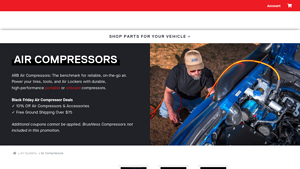
Domínio: store.arbusa.com
Registrado: 1998 (27 anos)
Introdução: Portable & Vehicle Mounted Air Compressor Systems by ARB 4×4 USA. Key features include: durable, high-performance compressors for tires, tools, and Air Lockers; available in brushless, onboard, and portable designs; various models such as Twin Motor Onboard 12V Air Compressor (CKMTA12), Single Motor Onboard 12V Air Compressor (CKMA12), and more; pricing ranges from $224.95 to $1,379.95; promotions…
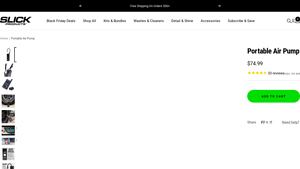
Domínio: slickproductsusa.com
Registrado: 2012 (13 anos)
Introdução: Bomba de ar portátil
Preço: $74.99
SKU: SP-AIR
Maximum Pressure: 150 PSI
Battery: 2000 MAH, rechargeable
Features: Digital tire pressure gauge, USB port for charging devices, integrated LED flashlight, emergency blinker
Use Cases: Inflates car tires, motorcycle tires, bike tires, sports balls (basketballs, footballs, soccer balls)
Portability: Lightweight and compact design
Warranty: 2-year limited w…
In the rapidly evolving landscape of air pump compressors, strategic sourcing remains a critical component for international B2B buyers. Understanding the diverse applications and performance capabilities of various compressor types—from portable to vehicle-mounted solutions—allows businesses to tailor their procurement strategies effectively. Key considerations include evaluating the reliability, durability, and maintenance requirements of compressors, which can significantly impact operational efficiency and long-term costs.
For buyers in regions such as Africa, South America, the Middle East, and Europe, leveraging local partnerships can enhance supply chain resilience and reduce lead times. Engaging with manufacturers who prioritize quality and offer robust customer support can further ensure that your investment yields optimal returns.
As the market continues to innovate, the demand for versatile, high-performance compressors will only grow. Now is the time for B2B buyers to align their sourcing strategies with emerging trends, ensuring they are well-equipped to meet future challenges. Explore your options, engage with industry experts, and make informed decisions that will position your business for success in this dynamic sector.
As informações fornecidas neste guia, inclusive o conteúdo referente a fabricantes, especificações técnicas e análise de mercado, são apenas para fins informativos e educacionais. Elas não constituem aconselhamento profissional sobre compras, aconselhamento financeiro ou aconselhamento jurídico.
Embora tenhamos feito todos os esforços para garantir a precisão e a atualidade das informações, não nos responsabilizamos por quaisquer erros, omissões ou informações desatualizadas. As condições de mercado, os detalhes da empresa e os padrões técnicos estão sujeitos a alterações.
Os compradores B2B devem realizar sua própria due diligence independente e completa antes de tomar qualquer decisão de compra. Isso inclui entrar em contato diretamente com os fornecedores, verificar as certificações, solicitar amostras e buscar consultoria profissional. O risco de confiar em qualquer informação contida neste guia é de responsabilidade exclusiva do leitor.


 Portuguese
  English
  Russian
  Spanish
  Italian
  Arabic
  German