
As the demand for motorcycle side bags continues to surge globally, B2B buyers face the challenge of sourcing high-quality, versatile solutions that meet diverse market needs. Whether for urban commuting or long-distance touring, the right side bags can enhance the riding experience while providing essential storage. This guide offers a comprehensive overview of the various types of side bags available, their applications across different motorcycle models, and insights into supplier vetting processes.
With a focus on critical factors such as materials, waterproof capabilities, and locking mechanisms, buyers will find actionable information to make informed purchasing decisions. The guide also addresses cost considerations, helping businesses from Africa, South America, the Middle East, and Europe—including key markets like Brazil and Saudi Arabia—navigate the complexities of international procurement.
By delving into the specifics of design, functionality, and market trends, this resource empowers B2B buyers to select side bags that not only meet their operational requirements but also align with their brand values. With a strategic approach to sourcing, businesses can enhance their offerings, cater to the evolving demands of motorcycle enthusiasts, and ultimately drive sales growth in a competitive landscape.
| Nome do tipo | Principais características distintivas | Aplicativos B2B primários | Prós e contras resumidos para compradores |
|---|---|---|---|
| Soft Saddlebags | Lightweight, flexible, and often waterproof | Adventure touring, casual riding | Prós: Easy to mount, affordable. Contras: Less secure than hard bags. |
| Estojos rígidos | Rigid, lockable, and durable construction | Long-distance touring, security-focused | Prós: High security, weather-resistant. Contras: Mais pesado, mais caro. |
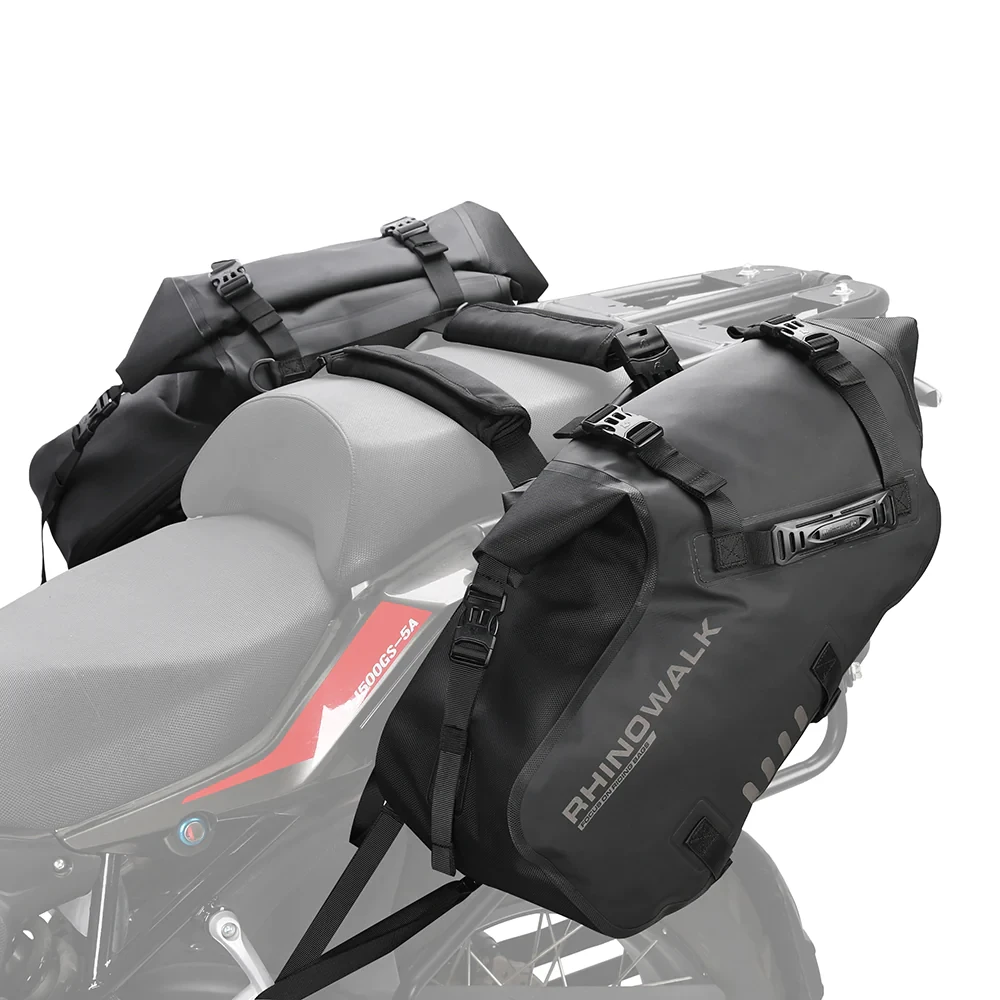
| Sistemas Rackless | Designed to be mounted without a frame, versatile for various bikes | Off-road adventures, minimalist setups | Prós: Lightweight, adaptable. Contras: May require additional accessories for mounting. |
| Alforjes | Typically symmetrical, available in various materials and sizes | Commuting, long trips | Prós: Balanced weight distribution, ample storage. Contras: Can be bulky. |
| Expandable Bags | Adjustable capacity for varying storage needs | Short trips, variable load requirements | Prós: Versatile, space-saving. Contras: May be less stable when fully expanded. |
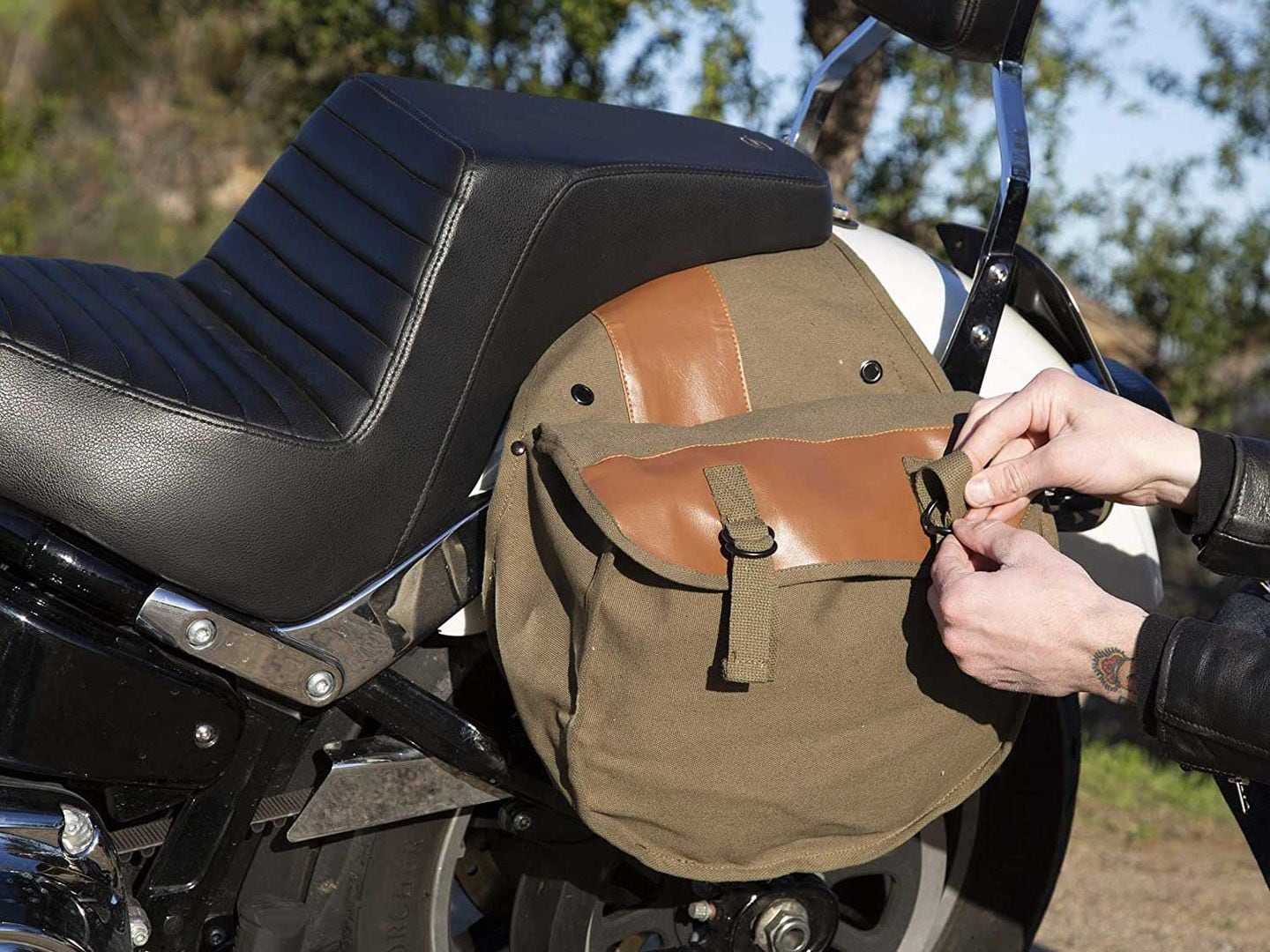
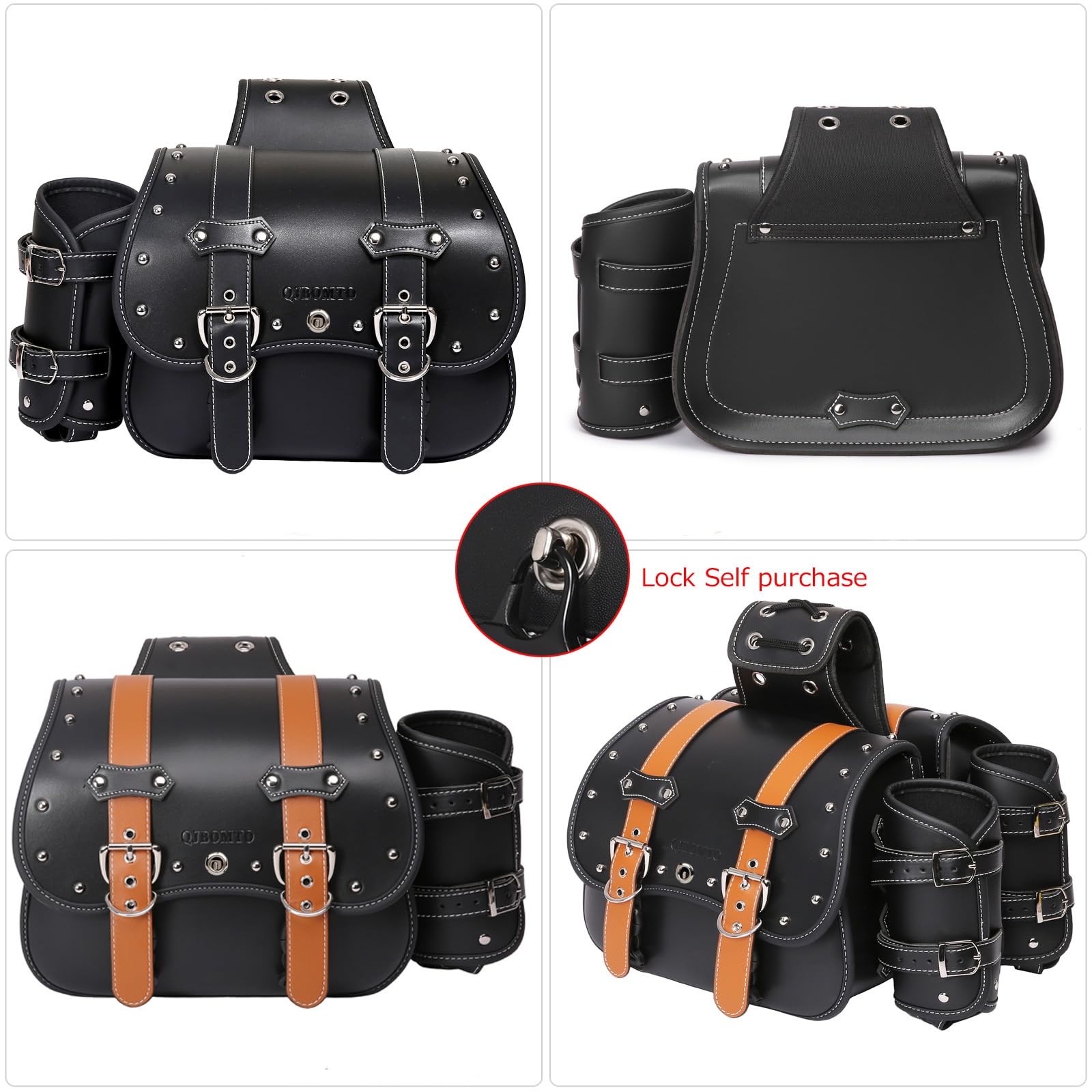
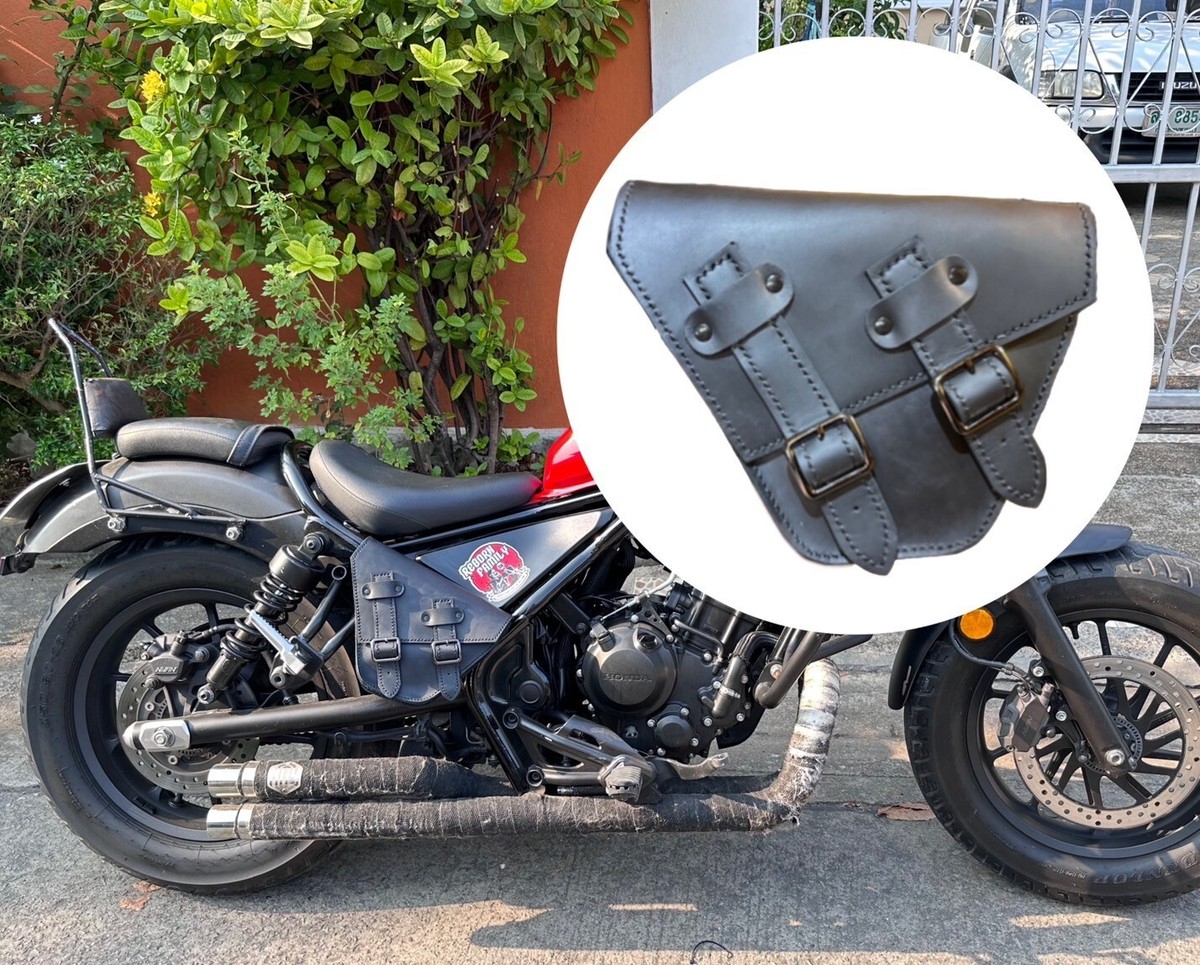
Soft saddlebags are crafted from lightweight materials, making them an excellent choice for riders seeking flexibility and ease of use. They are often waterproof, providing protection against the elements during adventure tours or casual rides. B2B buyers should consider the ease of mounting and affordability, as these bags are typically less expensive than their hard counterparts. However, their security features may not be as robust, which can be a concern for businesses focused on high-value cargo transport.
Illustrative image related to side bags for motorcycles
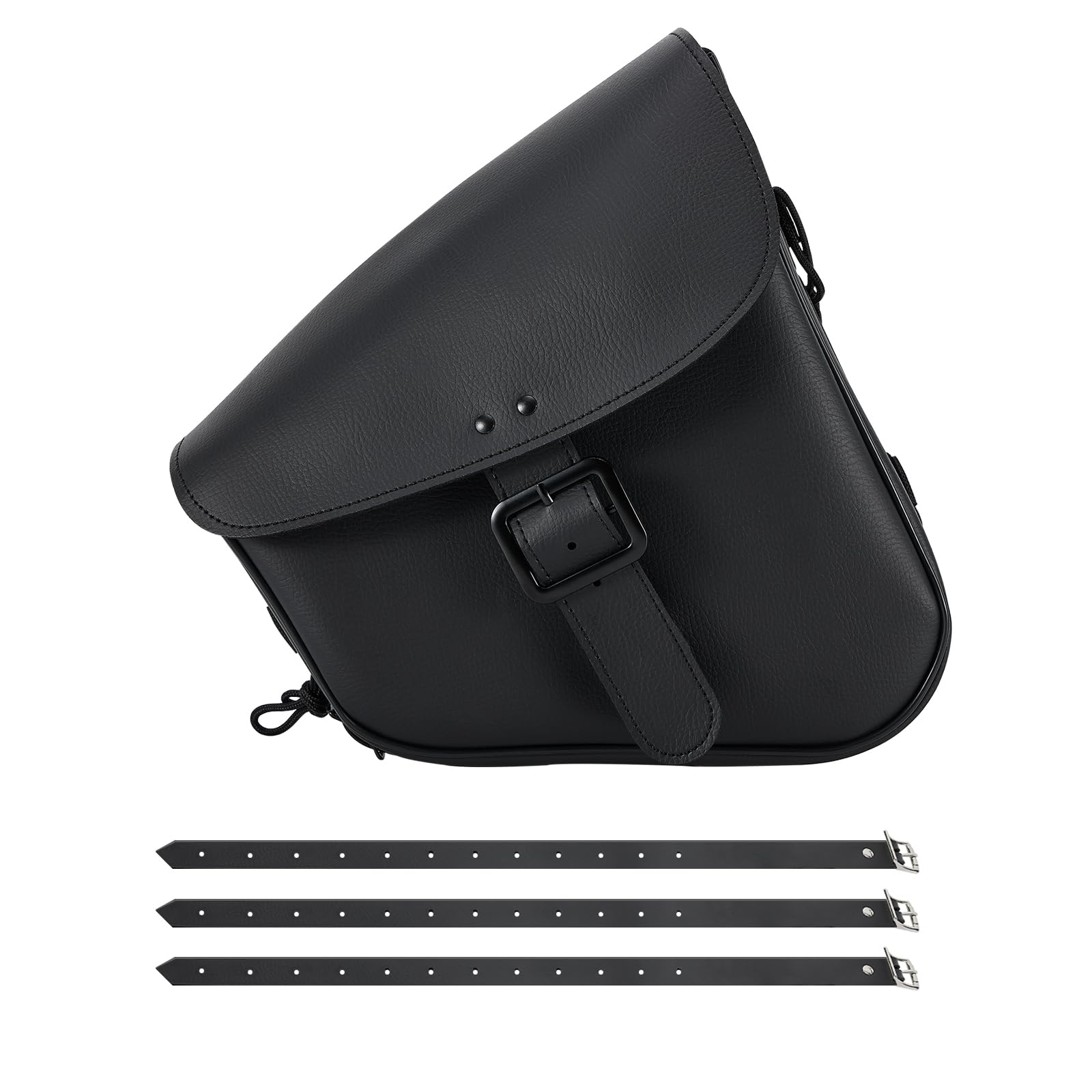
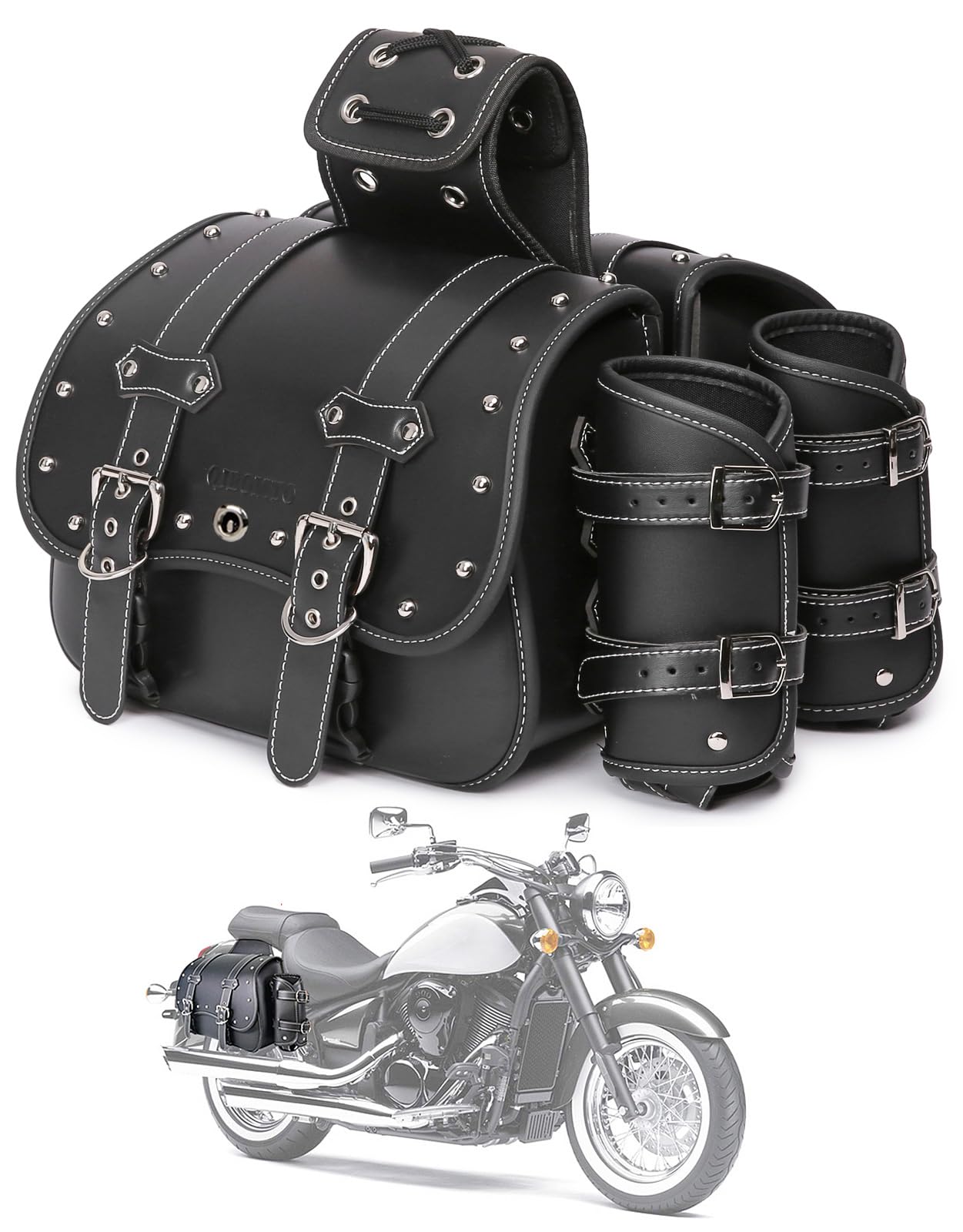
Hard cases are characterized by their rigid structure, offering enhanced security and durability. These bags are ideal for long-distance touring, especially for businesses that prioritize the safety of their goods. B2B buyers will appreciate the lockable features and weather resistance, ensuring that contents remain secure and dry in various conditions. However, the weight and cost may be prohibitive for some, making it essential for buyers to weigh their specific needs against these factors.
Rackless systems are designed to attach directly to the motorcycle without the need for a frame, making them highly versatile and suitable for off-road adventures. Their lightweight design appeals to riders who prioritize minimalism and adaptability. For B2B buyers, these bags can be particularly advantageous in rugged terrains where traditional mounts may fail. However, additional accessories may be needed for secure mounting, which could increase overall costs.
Panniers are symmetrical storage solutions that provide balanced weight distribution, making them popular among commuters and long-distance travelers. They come in various materials, catering to different rider preferences. For B2B applications, their ample storage capacity allows for efficient transportation of goods. However, buyers should consider the potential bulkiness of panniers, which may affect maneuverability in urban settings.
Illustrative image related to side bags for motorcycles
Expandable bags are designed with adjustable capacities, making them suitable for short trips where storage needs may fluctuate. Their versatility allows riders to adapt to different loads, which is particularly beneficial for businesses that experience variable demand. While these bags can save space and enhance storage efficiency, buyers should be aware of potential stability issues when the bags are fully expanded, which could impact handling during rides.
| Indústria/Setor | Specific Application of Side Bags for Motorcycles | Valor/benefício para a empresa | Principais considerações de fornecimento para este aplicativo |
|---|---|---|---|
| Logística e entrega | Delivery services using motorcycles | Enhanced capacity for transporting goods, leading to increased efficiency and reduced delivery times. | Need for waterproof, secure, and easy-to-mount bags for various motorcycle models. |
| Turismo e aventura | Guided motorcycle tours | Provides tourists with essential storage for personal items, enhancing the overall travel experience. | Lightweight, durable, and stylish designs that are easy to attach and detach. |
| Serviços de emergência | Medical emergency response vehicles | Quick access to medical supplies while ensuring secure transport during high-speed travel. | Waterproof and rugged designs to withstand adverse weather conditions. |
| Agricultura e agropecuária | Transportation of agricultural tools and supplies | Facilitates easier movement of tools and supplies between locations, increasing operational efficiency. | Strong, durable materials that can withstand rough terrains and heavy loads. |
| Equitação recreativa | Passeios off-road e de aventura | Allows riders to carry necessary gear, improving safety and enjoyment during long rides. | Lightweight, aerodynamic designs that do not hinder motorcycle handling. |
In the logistics and delivery sector, side bags for motorcycles are invaluable for couriers and delivery services. These bags increase the cargo capacity of motorcycles, allowing delivery personnel to transport more items securely and efficiently. The waterproof and lockable features of these bags address the challenges of transporting goods in various weather conditions, ensuring that deliveries arrive in pristine condition. Buyers in this sector must prioritize compatibility with different motorcycle models and the ability to withstand heavy use.
For tourism and adventure companies, side bags are essential for guided motorcycle tours, providing tourists with a convenient way to carry personal items such as clothing, food, and gear. These bags not only enhance the rider’s experience by keeping essentials within easy reach but also contribute to a more organized and enjoyable journey. Buyers from this industry should look for lightweight, stylish, and easily detachable designs that can cater to various motorcycle types, ensuring a seamless experience for tourists.
Illustrative image related to side bags for motorcycles
In emergency services, particularly in medical response, side bags for motorcycles are crucial for carrying medical supplies and equipment. These bags are designed for quick access, allowing responders to efficiently transport life-saving gear to the scene of an emergency. The ability to withstand adverse weather conditions while maintaining a lightweight profile is essential for this application. Buyers need to ensure that the bags are rugged and secure, enabling safe transportation during high-speed responses.
In the agriculture sector, side bags for motorcycles facilitate the transportation of tools and supplies between fields or farms. These bags allow farmers to carry essential items without needing a larger vehicle, thus increasing operational efficiency. The durability and strength of the bags are critical, as they must withstand rough terrain and heavy loads. Buyers should focus on sourcing bags made from high-quality materials that can endure the rigors of agricultural use, ensuring longevity and reliability.
For recreational riders, especially those engaged in off-road and adventure biking, side bags are a vital accessory. They provide the necessary space to carry gear, tools, and supplies, contributing to a safer and more enjoyable riding experience. Lightweight and aerodynamic designs help maintain motorcycle handling while ensuring that riders have what they need for long journeys. Buyers in this market should prioritize ease of mounting and the ability to attach bags securely to various motorcycle models, enhancing the adventure experience.
O problema: Many B2B buyers struggle with finding side bags that are compatible with various motorcycle models. The diverse range of motorcycles on the market, including sport bikes, cruisers, and adventure bikes, often leads to confusion regarding fitment and mounting systems. Buyers may face frustration when they discover that the bags they ordered do not fit the intended models, leading to increased return rates and lost sales opportunities. This is particularly challenging for retailers in regions like Africa and South America, where the market for motorcycle accessories is rapidly evolving, and the need for specific model compatibility is crucial.
Illustrative image related to side bags for motorcycles
A solução: To alleviate compatibility issues, B2B buyers should prioritize sourcing products from manufacturers that offer detailed fitment guides and universal mounting systems. When selecting side bags, look for brands that provide comprehensive compatibility information based on motorcycle make, model, and year. Additionally, consider investing in adjustable or modular bag systems that can adapt to various motorcycle designs. Offering customers a robust selection of bags that include both universal fits and model-specific options can enhance customer satisfaction and reduce return rates. Furthermore, educating your sales team on the nuances of compatibility can empower them to assist customers effectively.
O problema: Buyers often express concerns about the durability and weather resistance of side bags for motorcycles, especially in regions with varied climates, such as the Middle East and Europe. Many side bags on the market may not withstand harsh weather conditions, leading to potential damage to the contents and the motorcycle itself. Retailers may receive complaints or returns due to bags that fail to perform under heavy rain or extreme temperatures, which can tarnish their reputation and affect customer loyalty.
A solução: To address these concerns, it is essential to source side bags made from high-quality, weather-resistant materials, such as heavy-duty textiles or synthetic fabrics with waterproof coatings. When evaluating potential suppliers, request samples to test their durability in real-world conditions. Look for products that feature reinforced seams, waterproof zippers, and additional weatherproofing accessories, such as rain covers. Providing detailed product descriptions and performance ratings on your e-commerce platform can help buyers make informed decisions. Additionally, consider offering warranties or guarantees on durability to instill confidence in your customers.
O problema: B2B buyers often encounter challenges related to the storage capacity and organizational features of motorcycle side bags. Many users require bags that not only provide sufficient space for their gear but also include compartments for better organization. Inadequate storage solutions can lead to disorganized packing and difficulty accessing essential items during rides, particularly for long-distance travelers and adventure riders.
A solução: When selecting side bags, prioritize those that offer versatile storage options, such as expandable compartments and multiple pockets for organization. Evaluate products that provide different volume capacities to cater to various customer needs, from daily commuters to long-distance travelers. Encourage customers to consider their specific use cases when choosing bags, and provide them with usage scenarios to help them visualize how the bags will meet their requirements. Additionally, offering accessories like packing cubes or organizers can enhance the functionality of the side bags and improve the overall user experience. Providing detailed information on storage solutions in your marketing materials can attract buyers looking for practical and efficient gear.
When selecting materials for motorcycle side bags, B2B buyers must consider various factors including durability, cost, and suitability for specific applications. Below, we analyze four common materials used in the manufacturing of side bags, focusing on their properties, advantages, disadvantages, and implications for international markets.
Illustrative image related to side bags for motorcycles
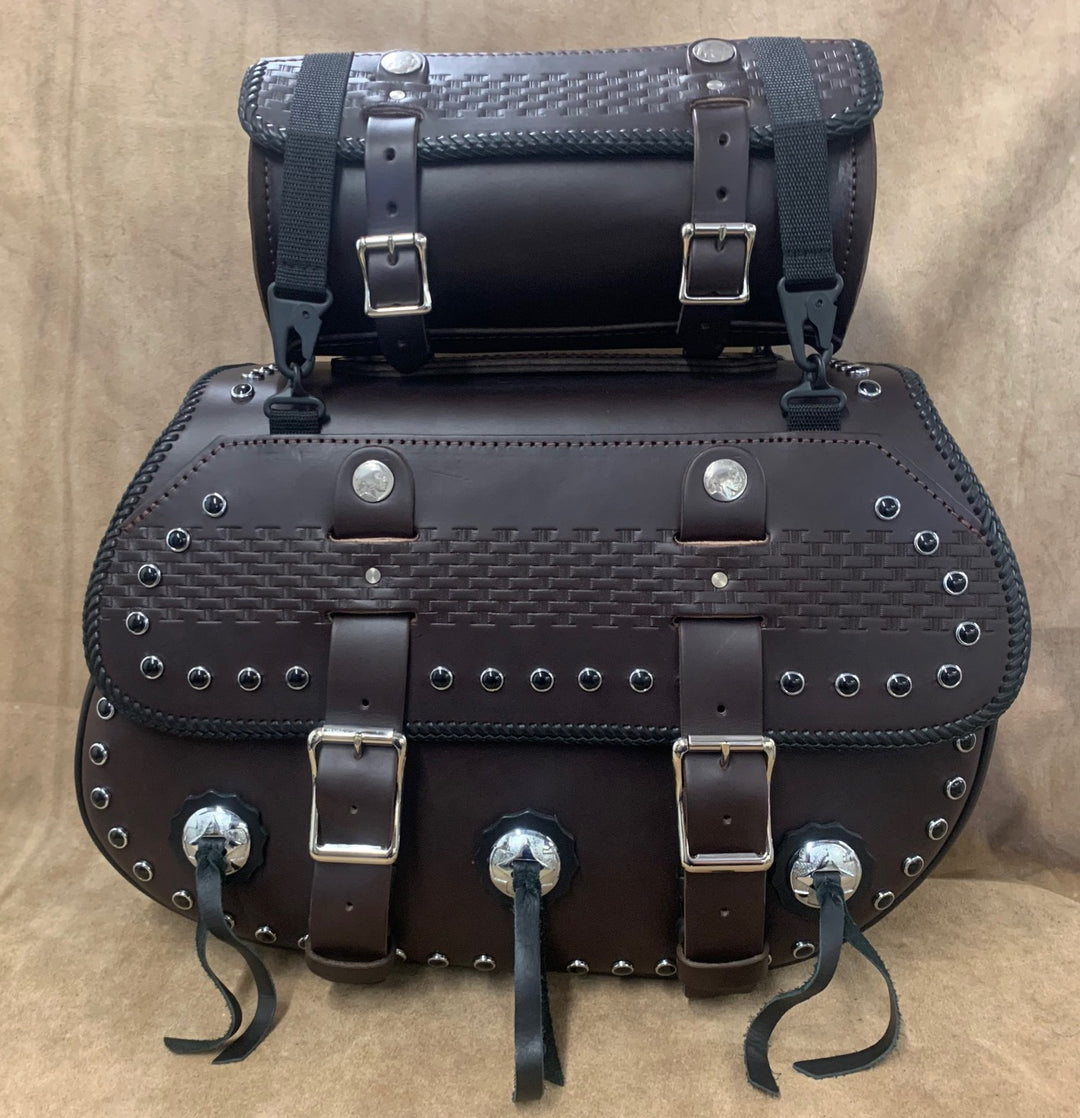
Textile materials, such as nylon and polyester, are popular choices for motorcycle side bags due to their lightweight nature and flexibility. These materials typically exhibit high tensile strength, making them resistant to tearing and abrasion. Additionally, they can be treated to enhance water resistance, which is crucial for riders in diverse weather conditions.
Prós: Textile materials are generally cost-effective and can be produced in various colors and designs, appealing to a wide range of consumer preferences. They are also lightweight, minimizing the overall weight of the motorcycle.
Contras: While durable, textiles can degrade over time when exposed to UV light and harsh weather conditions. They may require additional coatings or treatments to enhance their waterproof capabilities, which can complicate manufacturing.
Considerações internacionais: Buyers in regions with high humidity or extreme temperatures, such as parts of Africa and South America, should prioritize textiles with UV and water-resistant treatments. Compliance with international standards like ASTM for textile performance can also be a consideration.
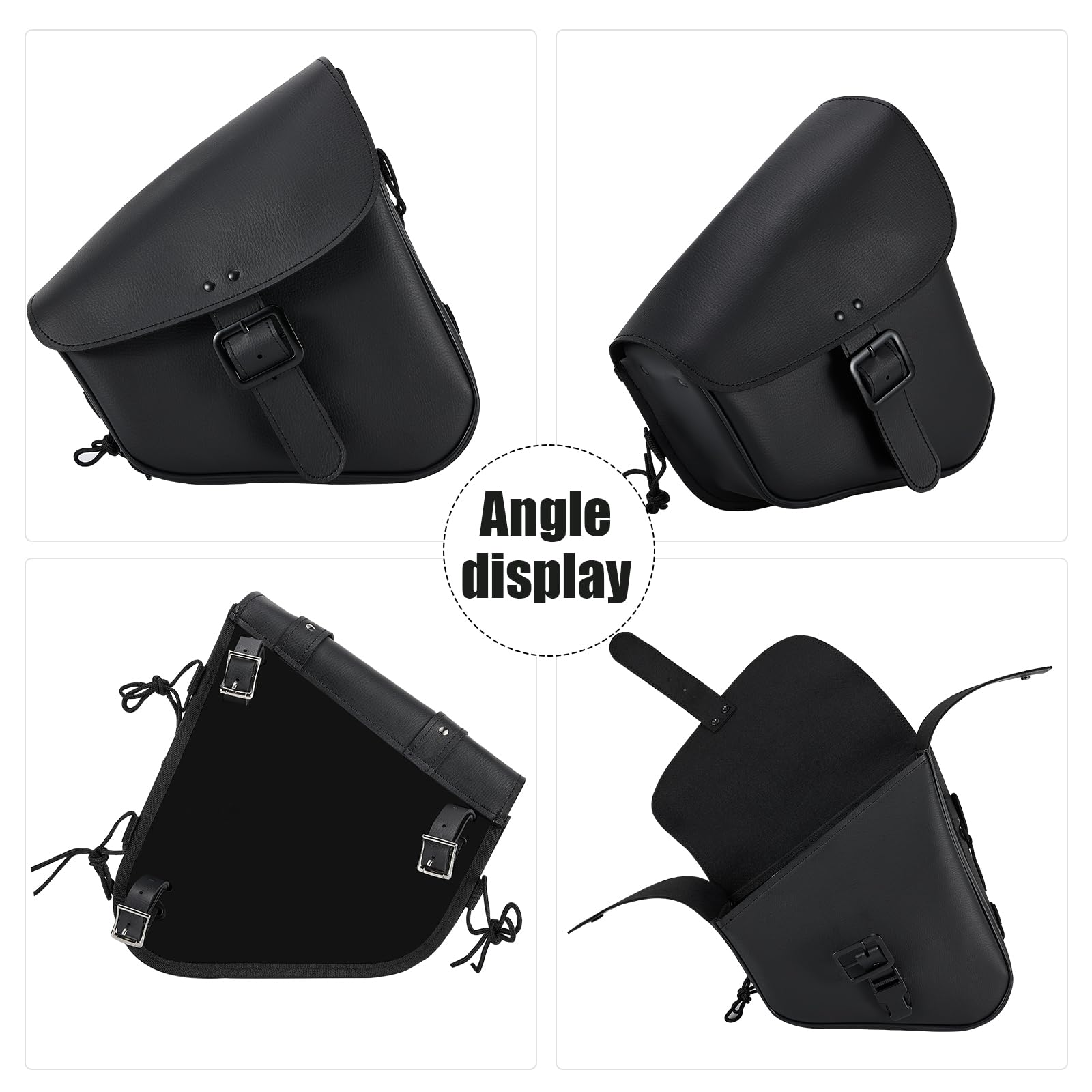
Metal components, often used in frame structures or as part of the mounting system, provide exceptional strength and durability. Common metals include aluminum and stainless steel, both of which offer good corrosion resistance and can withstand high temperatures.
Illustrative image related to side bags for motorcycles
Prós: Metal components enhance the structural integrity of side bags, ensuring they can handle heavy loads and rough conditions. They are also relatively low-maintenance compared to other materials.
Contras: The primary drawback is weight; metal can significantly increase the overall weight of the side bags. Additionally, the cost of high-quality metals can be prohibitive, impacting the overall product pricing.
Considerações internacionais: Buyers should consider the corrosive environments in regions like the Middle East, where salt and sand can accelerate wear. Selecting stainless steel or aluminum with appropriate coatings can mitigate these issues. Compliance with standards such as JIS for metal quality is also crucial.

Illustrative image related to side bags for motorcycles
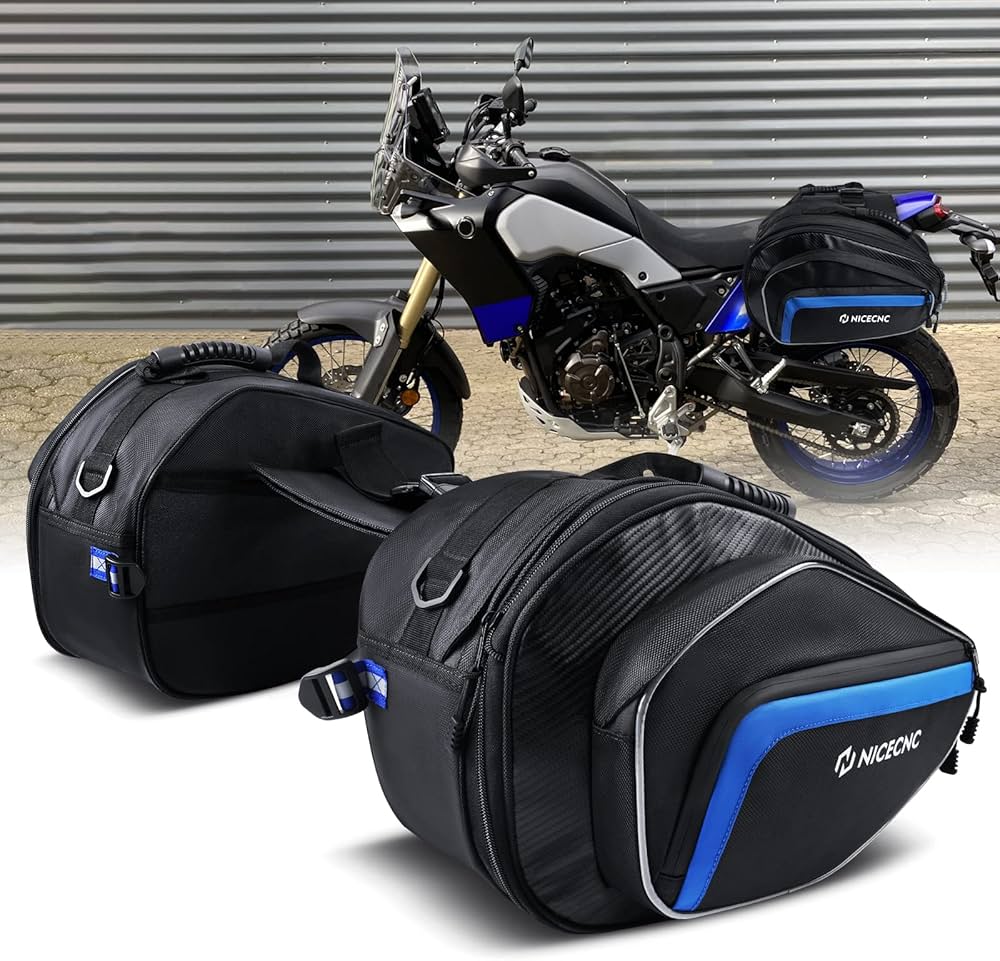
Plastic materials, particularly high-density polyethylene (HDPE) and polycarbonate, are increasingly used in motorcycle side bags due to their lightweight and impact-resistant properties. These materials can be molded into various shapes, allowing for innovative designs.
Prós: Plastics are resistant to corrosion and can withstand a wide range of temperatures, making them ideal for diverse environments. They are also typically more affordable than metals.
Contras: Plastics can become brittle over time, especially when exposed to UV light, leading to potential cracking. Additionally, they may not provide the same level of aesthetic appeal as textiles or metals.
Illustrative image related to side bags for motorcycles
Considerações internacionais: Buyers should ensure that the plastics used comply with environmental regulations in their regions, particularly in Europe, where there are stringent standards regarding plastic waste and recycling.
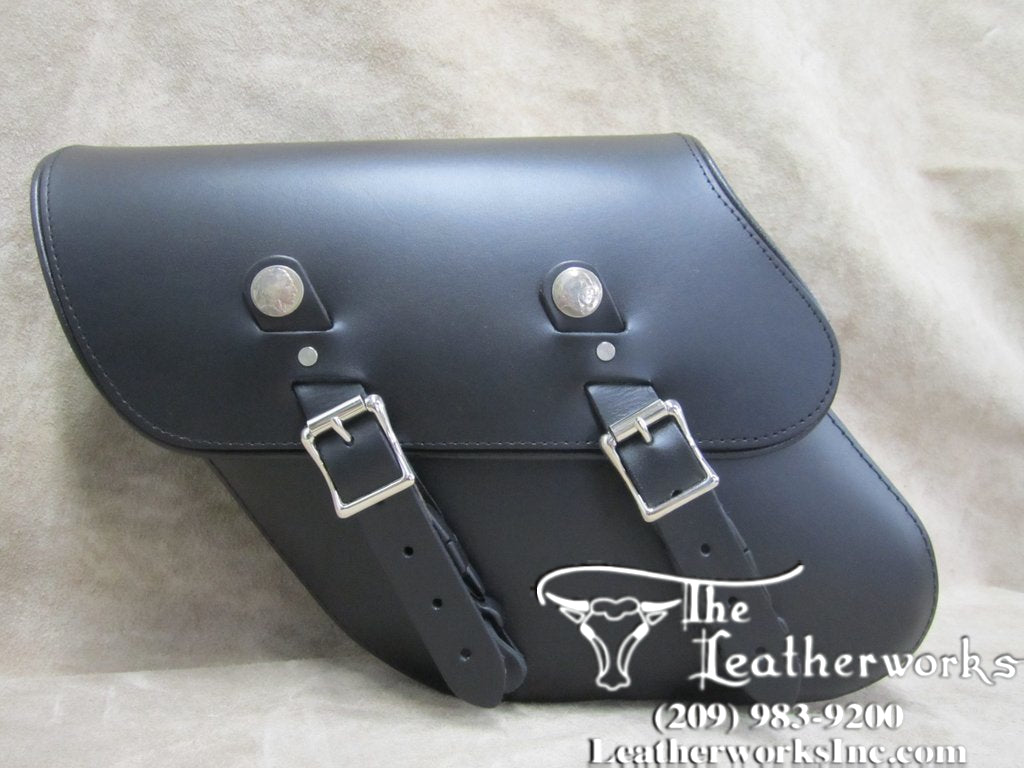
Composite materials, which combine different substances (like textiles reinforced with plastics), offer unique advantages in terms of performance. These materials can provide the best of both worlds—lightweight yet durable.
Prós: Composites can be engineered to meet specific performance requirements, such as enhanced waterproofing and resistance to wear and tear. They also allow for creative designs that can appeal to various consumer segments.
Illustrative image related to side bags for motorcycles
Contras: The manufacturing process for composites can be complex and costly, potentially leading to higher prices for the end product. Additionally, the recycling of composite materials can pose challenges.
Considerações internacionais: Buyers in emerging markets should consider the cost implications of composites, as well as their environmental impact. Compliance with global standards for composite materials is essential, especially in markets like Europe that prioritize sustainability.
| Material | Typical Use Case for side bags for motorcycles | Principais vantagens | Principal desvantagem/limitação | Custo relativo (baixo/médio/alto) |
|---|---|---|---|---|
| Têxtil | Soft luggage for various motorcycle types | Leve e econômico | Degradação por UV ao longo do tempo | Médio |
| Metal | Structural components and mounting systems | Alta durabilidade e resistência à corrosão | Increased weight and cost | Alta |
| Plástico | Rigid side bags and protective cases | Corrosion-resistant and affordable | Potential brittleness over time | Baixa |
| Composto | High-performance, innovative designs | Tailored performance characteristics | Complex manufacturing process | Alta |
This strategic material selection guide provides valuable insights for B2B buyers looking to source motorcycle side bags that meet both performance and market demands. Understanding the properties and implications of each material will enable informed purchasing decisions that align with regional needs and compliance standards.
Illustrative image related to side bags for motorcycles
The manufacturing process of motorcycle side bags involves several critical stages, each designed to ensure that the final product meets the highest standards of quality and functionality. The main stages include material preparation, forming, assembly, and finishing.
The process begins with the selection of appropriate materials. Common materials used for motorcycle side bags include high-denier nylon, polyester, and waterproof coatings. These materials are chosen for their durability, weather resistance, and lightweight characteristics, which are essential for maintaining performance during rides.
Once materials are selected, they undergo a thorough inspection to ensure they meet specified standards. This includes checking for defects, strength, and waterproofing capabilities. After inspection, the materials are cut into appropriate shapes and sizes, following precise patterns to minimize waste and ensure consistency across products.
In the forming stage, the cut materials are subjected to various techniques such as sewing, welding, or bonding, depending on the design specifications. For instance, high-frequency welding is often employed for waterproof seams, which creates a strong, sealed bond without the need for additional stitching.
This stage may also include the incorporation of structural components like frames or support systems. For example, some side bags feature reinforced bases or internal structures that help maintain shape and support weight. The choice of forming technique directly impacts the bag’s durability and usability, making it crucial for manufacturers to employ methods that align with their quality assurance goals.
Illustrative image related to side bags for motorcycles
Once the individual components are formed, they are brought together in the assembly stage. This involves stitching together the bag’s body, attaching straps, and integrating any additional features such as pockets, zippers, or reflective elements. Quality control measures are put in place during assembly to ensure that all components fit together seamlessly and function as intended.
Manufacturers often utilize assembly line techniques to optimize efficiency, but they must also ensure that skilled labor is involved to maintain craftsmanship quality. This balance between automation and skilled labor is vital for achieving high-quality products that meet customer expectations.
The final stage of the manufacturing process is finishing, which includes applying any necessary coatings or treatments to enhance the product’s performance. This can involve water-repellent treatments, UV protection, or abrasion-resistant finishes. The bags are also subjected to final inspections to check for defects in stitching, material integrity, and overall aesthetics.
Illustrative image related to side bags for motorcycles
Finishing touches may also include branding elements such as logos or tags, which are often applied using heat transfer or embroidery techniques. The quality of these finishing elements can significantly impact the product’s market appeal, making this stage essential for manufacturers targeting B2B buyers.
Quality assurance in the manufacturing of motorcycle side bags is paramount, especially for B2B buyers looking for reliability and performance. Key international standards such as ISO 9001 provide a framework for quality management systems, ensuring that manufacturers consistently meet customer requirements and enhance satisfaction.
In addition to general quality management standards, industry-specific certifications like CE marking or API (American Petroleum Institute) standards may also apply, depending on the intended use of the bags. CE marking indicates compliance with European health, safety, and environmental protection standards, while API standards may be relevant for bags used in more specialized contexts.
Illustrative image related to side bags for motorcycles
B2B buyers should inquire about a manufacturer’s compliance with these standards to ensure that the products meet regulatory requirements in their respective markets.
Quality control (QC) checkpoints are essential throughout the manufacturing process. Common QC checkpoints include:
B2B buyers can take several steps to verify the quality control measures of potential suppliers. Conducting audits is one of the most effective methods. These audits can be done either in-person or through third-party inspection services that specialize in evaluating manufacturing practices.
Additionally, buyers should request quality assurance reports that detail the QC processes, standards adhered to, and any certifications obtained. Third-party inspection can provide an unbiased view of a supplier’s capabilities and adherence to quality standards.
International buyers, especially from regions like Africa, South America, the Middle East, and Europe, should be aware of specific nuances in quality control. For example, varying standards and regulations across countries can impact product compliance. It’s crucial for buyers to understand their local regulations and ensure that suppliers are capable of meeting these requirements.
Moreover, logistical considerations such as shipping and handling can affect product integrity during transit. Buyers should discuss packaging and shipping practices with suppliers to mitigate potential issues upon arrival.
In summary, the manufacturing processes for motorcycle side bags are complex and require meticulous attention to detail at every stage. From material preparation to finishing, each stage plays a crucial role in ensuring that the final product meets quality standards. By understanding the manufacturing process and quality assurance practices, B2B buyers can make informed decisions when sourcing motorcycle side bags, ensuring that they select reliable suppliers who meet their quality expectations.
Sourcing side bags for motorcycles is a critical step for businesses in the motorcycle accessory market. This guide offers a practical checklist to help B2B buyers navigate the procurement process efficiently, ensuring that they select high-quality products that meet their customers’ needs. Whether you’re looking for waterproof options for adventure riders or stylish designs for urban commuters, following these steps will streamline your purchasing decisions.
Clearly outline the specifications needed for your motorcycle side bags, including size, material, and mounting systems. Understanding these requirements helps in filtering potential suppliers and ensures that the products meet the specific needs of your target market.
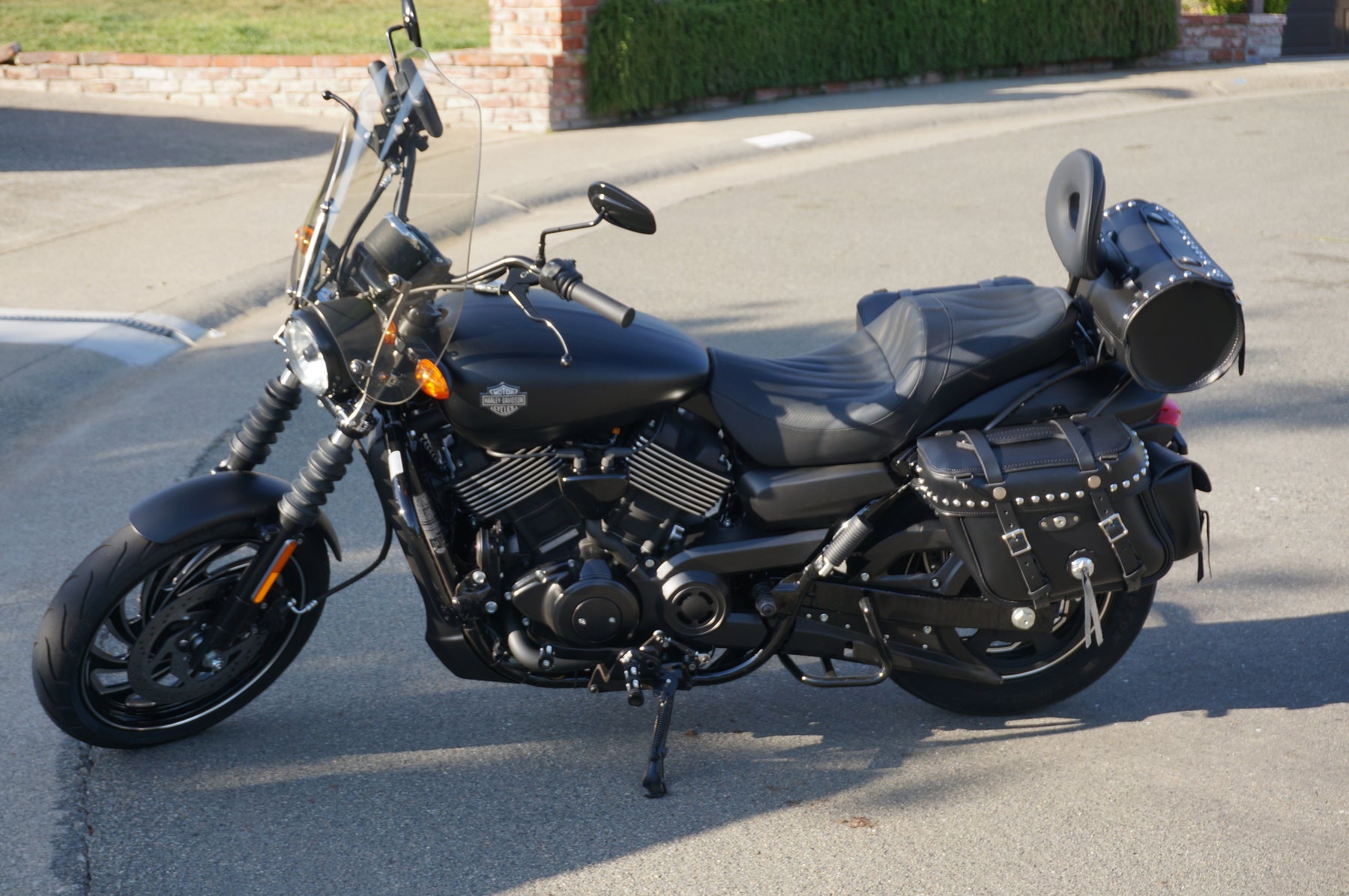
Illustrative image related to side bags for motorcycles
Stay informed about current market trends and consumer preferences in the motorcycle accessories sector. This knowledge will guide you in selecting products that resonate with your audience, enhancing your competitive edge.
Before committing to any supplier, conduct a thorough evaluation to ensure they meet your quality and reliability standards. This is crucial for maintaining your brand’s reputation and customer satisfaction.
Verify that the suppliers adhere to relevant industry standards and certifications. This step is vital to ensure product safety, quality, and legal compliance, particularly in diverse markets across Africa, South America, the Middle East, and Europe.
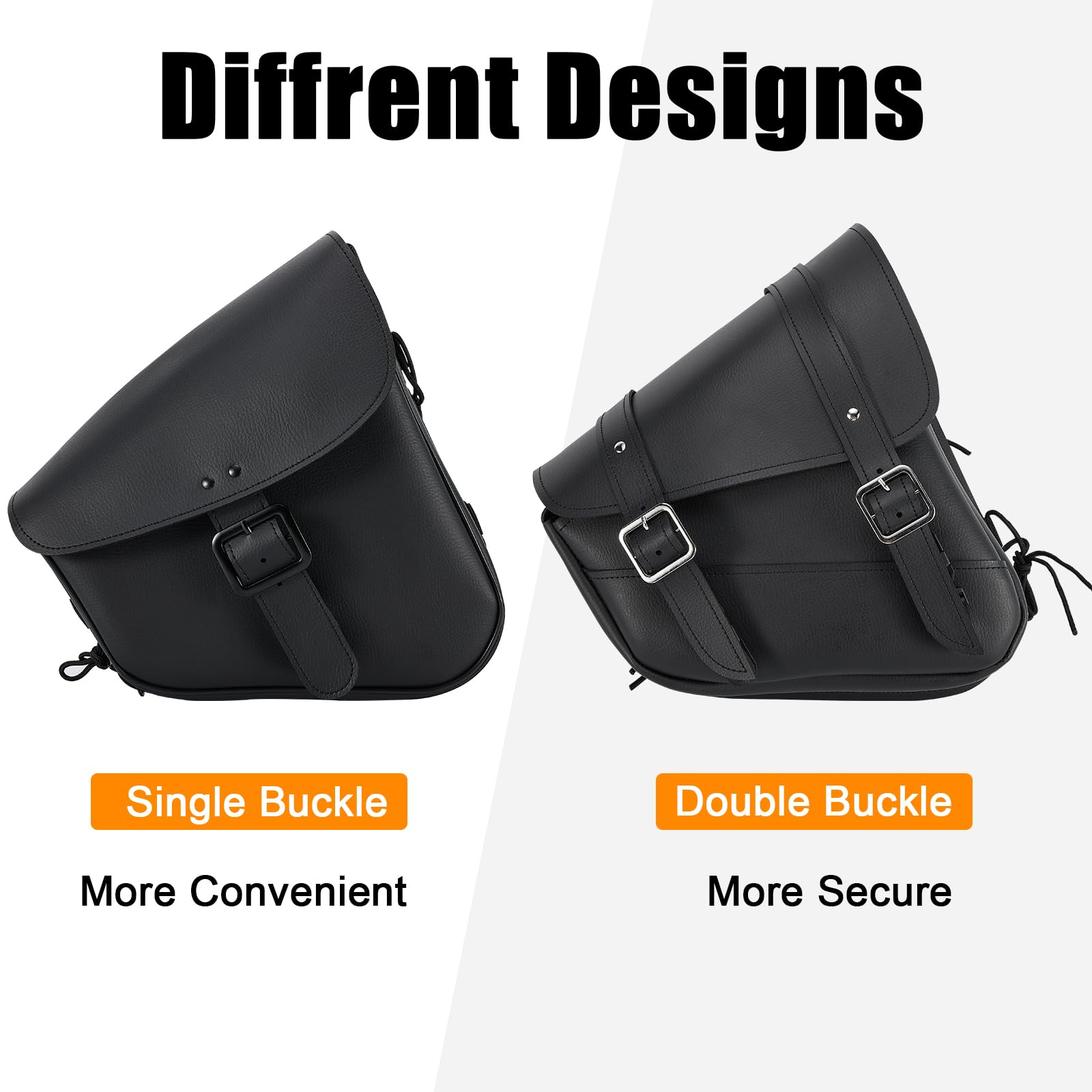
Illustrative image related to side bags for motorcycles
Before placing a bulk order, always request samples of the side bags. Testing samples allows you to assess the quality, functionality, and suitability of the products for your customers.
Once you’ve identified potential suppliers and tested samples, engage in negotiations regarding pricing, minimum order quantities, and payment terms. This step is crucial to secure favorable conditions that align with your business model.
Finalize logistics, including shipping methods and delivery timelines. Clear communication on these aspects will help ensure timely availability of products in your inventory.
By following this comprehensive checklist, B2B buyers can streamline their sourcing process for motorcycle side bags, ensuring they make informed decisions that benefit both their business and their customers.
When sourcing side bags for motorcycles, understanding the comprehensive cost structure and pricing dynamics is crucial for B2B buyers. This analysis will provide insights into cost components, price influencers, and practical tips for negotiating favorable terms, especially for buyers in regions such as Africa, South America, the Middle East, and Europe.
The cost structure of motorcycle side bags can be broken down into several key components:
Materiais: The choice of materials significantly affects the price. Options range from basic textiles to high-end waterproof fabrics and durable plastics. High-quality materials often translate to higher costs but also enhance longevity and performance.
Trabalho: Labor costs vary by region and complexity of the manufacturing process. In countries with lower labor costs, such as certain regions in Southeast Asia, buyers may find more competitive pricing. Conversely, production in Europe or North America may incur higher labor expenses.
Custos indiretos de fabricação: This includes utilities, equipment maintenance, and factory operation costs. A well-optimized production facility may have lower overhead, which can be passed on to buyers in the form of lower prices.
Ferramentas: Initial setup costs for molds and specialized equipment can be substantial. However, these costs are often amortized over large production runs, making larger orders more cost-effective.
Controle de qualidade (QC): Ensuring that products meet required standards incurs costs, especially if rigorous testing and certification are involved. Buyers should inquire about the QC processes to gauge product reliability.
Logística: Shipping costs vary greatly depending on the distance from the manufacturer, the mode of transport, and the size of the order. Buyers should account for these costs in their total budget.
Margem: Suppliers will typically add a profit margin, which can vary based on market conditions, competition, and brand positioning.
Several factors can influence the pricing of motorcycle side bags:
Volume/MOQ (quantidade mínima de pedido): Larger orders often lead to significant discounts. Buyers should evaluate their needs carefully to maximize cost efficiency.
Especificações e personalização: Custom features or specific branding requirements can increase costs. Buyers should weigh the benefits of customization against the potential price increase.
Qualidade e certificações: Products with certifications (e.g., ISO standards) or superior quality may command higher prices. Buyers in regions with stringent regulations may need to prioritize certified products.
Fatores do fornecedor: Established suppliers with a good reputation may charge more due to perceived value. However, newer or less-known suppliers might offer lower prices to gain market share.
Incoterms: The terms of shipment and delivery can significantly affect overall costs. Understanding responsibilities for shipping, insurance, and customs clearance is essential for budgeting.
To navigate the complexities of sourcing motorcycle side bags, consider these tips:
Negociação: Always negotiate prices and terms. Suppliers may have room for flexibility, especially for bulk orders.
Eficiência de custo: Focus on the Total Cost of Ownership (TCO), which includes initial purchase price, maintenance, and durability. Sometimes, higher upfront costs can lead to lower long-term expenses.
Nuances de preços para compradores internacionais: Buyers from Africa, South America, and the Middle East should be aware of local tariffs, import duties, and logistical challenges that could affect pricing. Engaging with local distributors can also help mitigate some of these costs.
Research and Comparison: Evaluate multiple suppliers and compare their offerings not just on price, but also on quality, service, and reliability.
While the prices for motorcycle side bags can range widely—from as low as $150 to over $1,200 depending on features and specifications—these figures are indicative and subject to change based on market conditions, supplier pricing strategies, and other variables. Buyers are encouraged to conduct thorough market research and request quotes tailored to their specific needs.
When considering motorcycle luggage solutions, side bags are often the go-to choice for many riders due to their practicality and versatility. However, various alternatives can provide similar or even enhanced functionality, depending on specific needs and preferences. In this analysis, we will compare side bags with two notable alternatives: motorcycle top cases and tank bags. This comparison will help B2B buyers make informed decisions regarding their motorcycle luggage solutions.
| Aspecto de comparação | Side Bags For Motorcycles | Motorcycle Top Cases | Bolsas de tanque |
|---|---|---|---|
| Desempenho | Good capacity, balanced weight distribution | High capacity, secure and stable | Moderate capacity, easy access |
| Custo | $150 – $1,200 | $200 – $800 | $100 – $400 |
| Facilidade de implementação | Moderate installation | Moderate to complex | Easy to install |
| Manutenção | Baixa manutenção | Moderate maintenance | Baixa manutenção |
| Melhor caso de uso | Long trips, versatile storage | Commuting, touring | Quick trips, daily use |
Motorcycle top cases offer a significant advantage in terms of security and capacity. These hard-shell cases are mounted on the rear of the bike, providing a stable platform for storing gear. Their lockable nature adds an extra layer of protection for valuables. However, top cases can affect the bike’s aerodynamics and handling, particularly in high-speed scenarios. Additionally, they are generally more expensive than side bags and may require a specific mounting system, which can complicate installation.
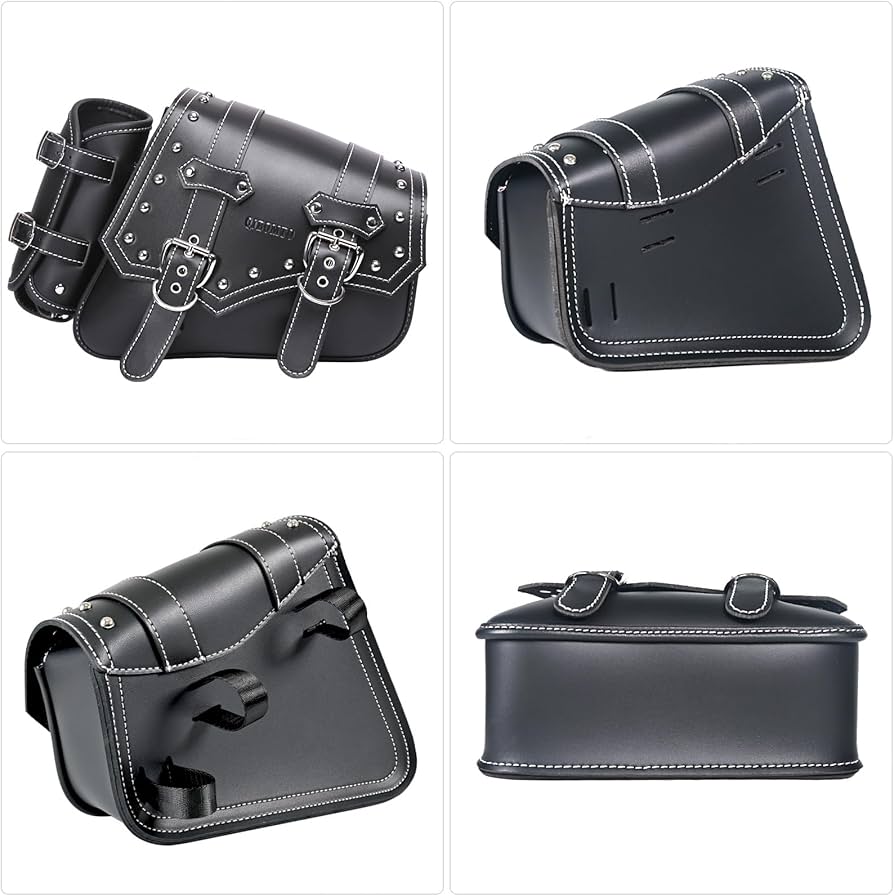
Illustrative image related to side bags for motorcycles
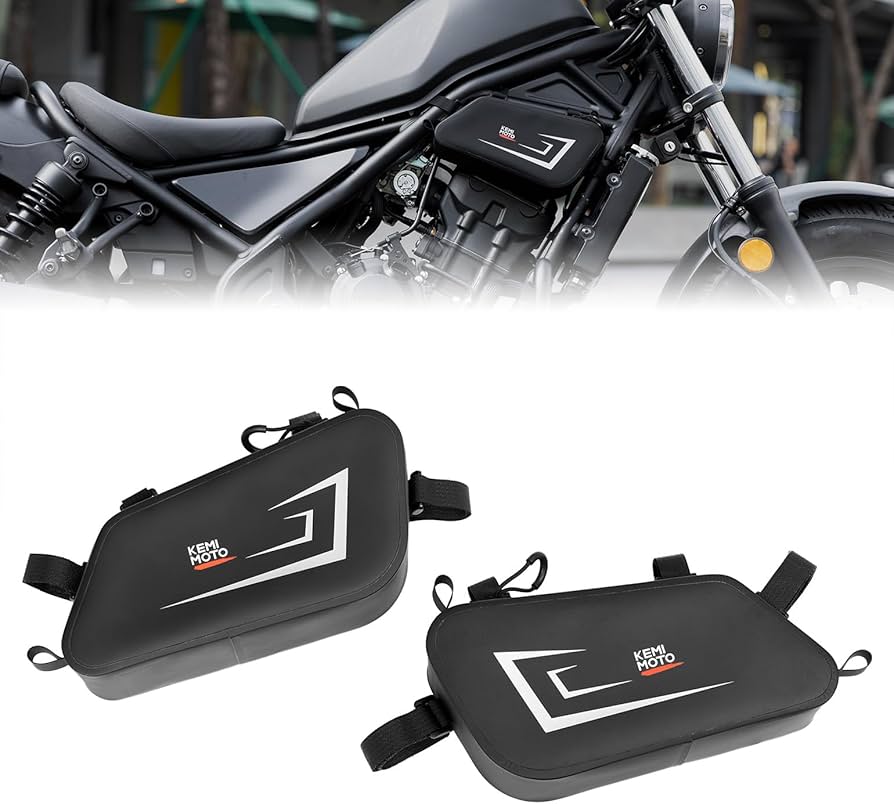
Tank bags are another alternative that caters to specific needs. They attach to the motorcycle’s fuel tank, providing easy access to essentials like maps, phones, or small tools during rides. Their compact design minimizes wind resistance and does not significantly alter the bike’s center of gravity. However, tank bags typically have a lower storage capacity compared to side bags and top cases, making them less suitable for long trips. They can also interfere with riding posture and visibility, especially on larger motorcycles.
Selecting the right motorcycle luggage solution hinges on understanding the unique requirements of your riding style and the specific use cases. Side bags excel in versatility and capacity, making them ideal for long journeys and varied storage needs. In contrast, motorcycle top cases offer enhanced security and stability, while tank bags provide easy access for quick trips. B2B buyers should consider factors such as performance, cost, and ease of implementation to determine which solution aligns best with their operational goals and rider preferences. By evaluating these aspects carefully, businesses can ensure they invest in the most effective motorcycle luggage system for their needs.
When sourcing side bags for motorcycles, understanding the technical properties is crucial for ensuring product quality and performance. Here are essential specifications to consider:
The material used in motorcycle side bags typically ranges from high-denier textile fabrics to reinforced synthetic materials. Common grades include 600D polyester and nylon, which offer durability and water resistance. The choice of material affects not only the bag’s lifespan but also its weight, load capacity, and resistance to abrasions. B2B buyers should prioritize materials that meet specific industry standards for weather resistance and strength to ensure longevity and reliability in various riding conditions.
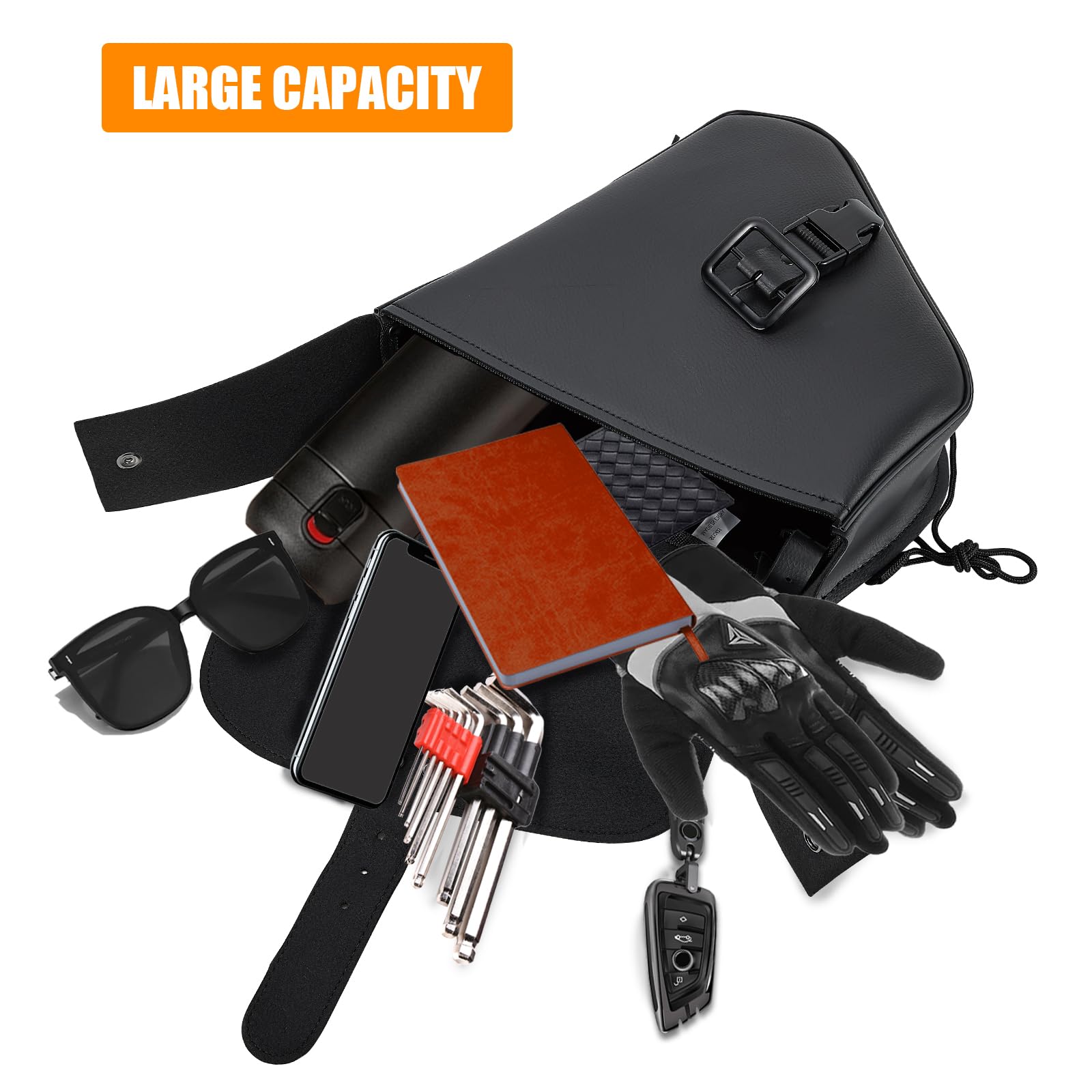
Capacity refers to the volume of storage space available in the bags, usually measured in liters. Side bags can vary significantly, with options ranging from 20 liters to over 50 liters per bag. Understanding capacity is essential for buyers to match the product with the intended use, whether for daily commuting or long-distance touring. In B2B contexts, this can impact customer satisfaction and the overall utility of the product.
Many motorcycle side bags are designed with waterproof or water-resistant features. This can include fully sealed seams, waterproof zippers, and the use of waterproof materials. B2B buyers should consider the level of waterproofing necessary based on the regions where the products will be sold. Effective waterproofing is critical for protecting contents from rain and splashes, thus enhancing the product’s appeal to end users.
Lockability refers to the ability to secure the bags against theft. Many models come with integrated locking mechanisms or are compatible with additional locking accessories. For B2B buyers, offering lockable options can be a significant selling point in markets where theft is a concern, thus enhancing the perceived value of the product.
Understanding the compatibility of side bags with various motorcycle models is crucial. Many manufacturers provide specific fitment details for different makes and models, which can influence purchasing decisions. B2B buyers should ensure that the products they stock can cater to a broad range of motorcycle types to maximize market reach.
The weight of side bags is an important consideration, especially for adventure riders who prioritize lightweight setups. Heavier bags can affect the motorcycle’s handling and performance. Buyers should evaluate the weight of products relative to their durability and capacity to ensure they meet the needs of their target market.
Familiarity with industry terminology is essential for effective communication and negotiation in B2B transactions. Here are some key terms:
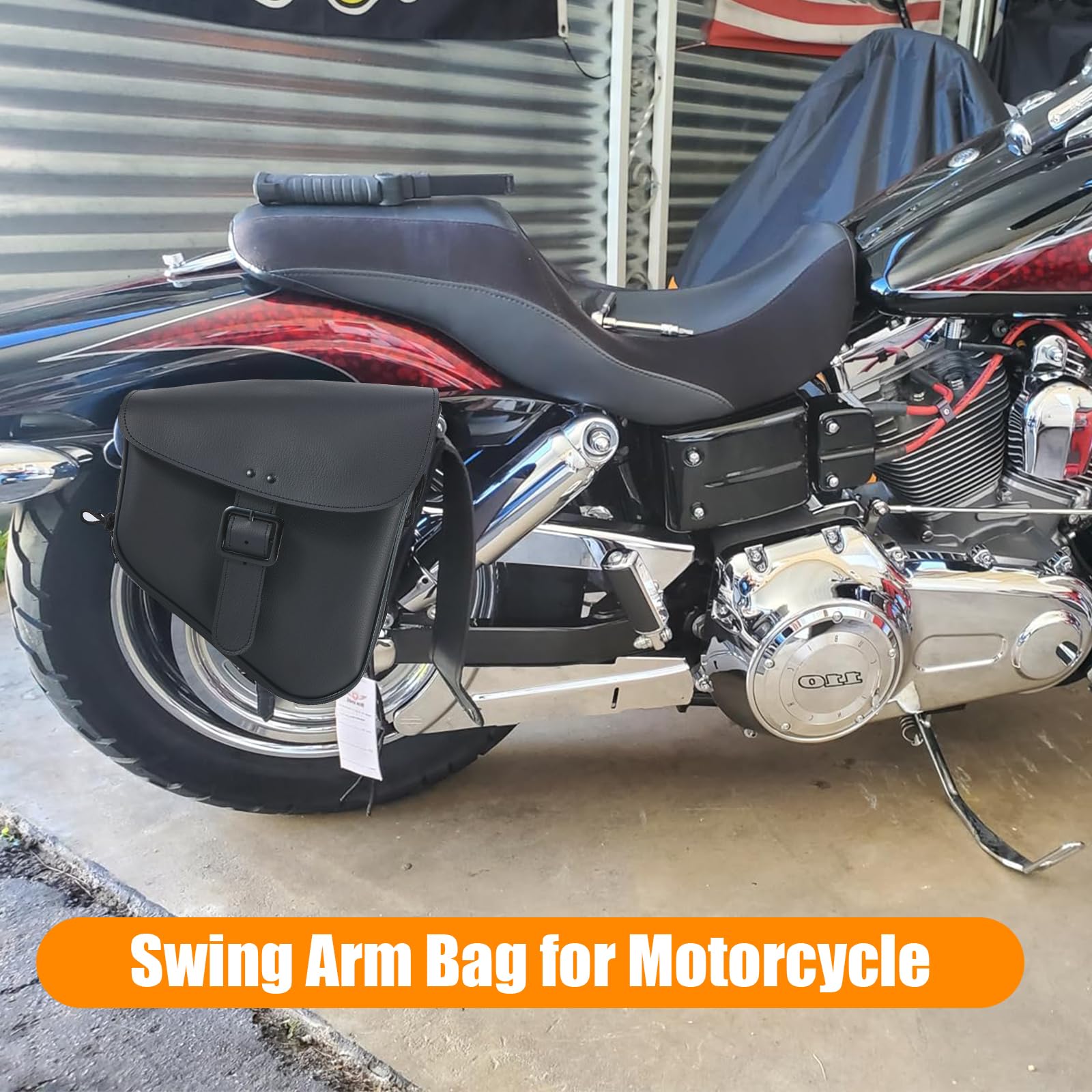
Illustrative image related to side bags for motorcycles
OEM refers to companies that produce parts or products that are marketed under another company’s brand. In the context of motorcycle side bags, OEM manufacturers often supply bags that are branded by motorcycle manufacturers. Understanding OEM relationships can help B2B buyers identify reliable suppliers and potential cost-saving opportunities.
MOQ is the smallest quantity of a product that a supplier is willing to sell. For side bags, MOQs can vary widely based on the manufacturer and the type of product. Recognizing MOQs is essential for B2B buyers to manage inventory effectively and align purchasing strategies with market demand.
An RFQ is a document that buyers send to suppliers to request pricing and other details for specific products. This process is critical for B2B buyers to gather competitive pricing and terms from multiple vendors, enabling informed purchasing decisions.
Incoterms (International Commercial Terms) are a set of rules that define the responsibilities of buyers and sellers in international transactions. These terms clarify who is responsible for shipping, insurance, and tariffs. For B2B buyers, understanding Incoterms is essential for mitigating risks and ensuring smooth logistics in global sourcing.
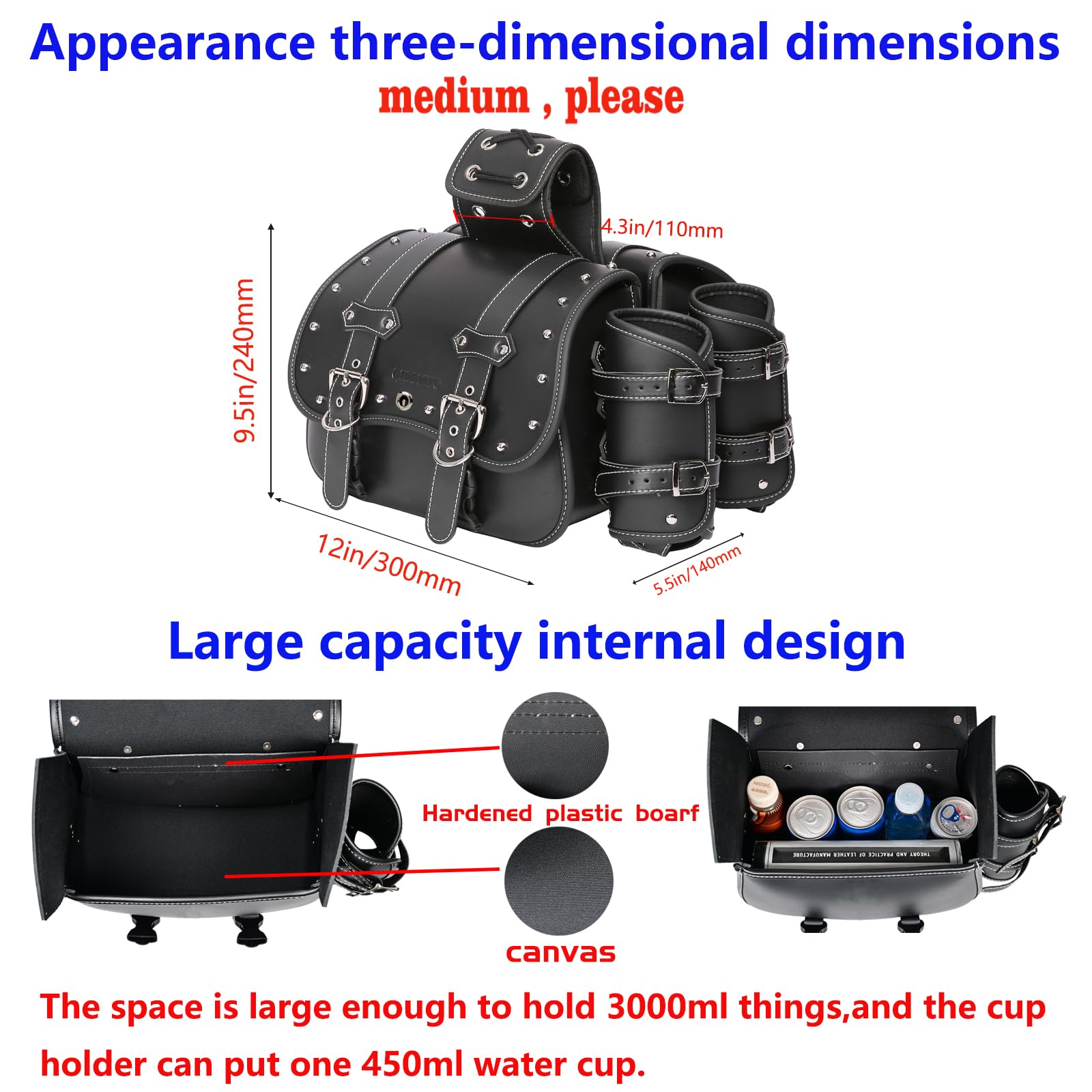
Illustrative image related to side bags for motorcycles
Lead time refers to the time it takes from placing an order until the goods are delivered. In the motorcycle side bag industry, lead times can impact stock levels and sales. B2B buyers should consider lead times when planning inventory to avoid stockouts and ensure timely product availability.
The warranty period is the duration for which the manufacturer guarantees the product against defects. A robust warranty can enhance buyer confidence and serve as a selling point in B2B negotiations. Buyers should evaluate warranty terms to ensure they align with market expectations and product quality standards.
By understanding these technical properties and trade terms, B2B buyers can make informed decisions, ensuring they select the right side bags for motorcycles that meet their customers’ needs and expectations.

Illustrative image related to side bags for motorcycles
The global market for motorcycle side bags is experiencing robust growth, driven by increasing motorcycle ownership and a rising trend in adventure tourism. As more riders seek versatile and durable luggage solutions, manufacturers are innovating to meet diverse needs. Key trends include the integration of advanced materials that enhance weather resistance, lightweight designs for better aerodynamics, and customizable options to fit various motorcycle models. B2B buyers, particularly in regions like Africa, South America, the Middle East, and Europe, are focusing on quality and functionality. The demand for universal fit systems is also rising, as they cater to a broader range of motorcycle types, from sport bikes to cruisers.
Emerging technologies are reshaping sourcing strategies in this sector. The adoption of e-commerce platforms enables international buyers to access a wider array of products and suppliers. Additionally, digital tools like product configurators and virtual fittings are enhancing the purchasing experience, allowing buyers to make informed decisions based on their specific motorcycle models. Furthermore, data analytics is helping companies predict trends and manage inventory more effectively, ensuring that they can respond quickly to market demands.
The motorcycle side bag industry is increasingly prioritizing sustainability and ethical sourcing. The environmental impact of production processes has become a critical concern, prompting manufacturers to explore eco-friendly materials such as recycled textiles and biodegradable plastics. These initiatives not only reduce carbon footprints but also appeal to a growing segment of consumers who prioritize sustainability.
Ethical supply chains are also gaining traction, with buyers demanding transparency regarding labor practices and sourcing origins. Companies that can demonstrate compliance with fair labor standards and environmentally responsible practices are likely to gain a competitive edge. Certifications such as Global Recycled Standard (GRS) and OEKO-TEX® are becoming essential for suppliers aiming to establish credibility and trust with B2B buyers.
In addition, many manufacturers are investing in sustainable packaging solutions to minimize waste, reinforcing their commitment to environmental responsibility. This trend is particularly relevant for international buyers looking to align their sourcing practices with global sustainability goals.
The side bags for motorcycles have evolved significantly over the past few decades. Initially designed for basic utility, these bags have transformed into sophisticated storage solutions that combine style, durability, and advanced functionality. The introduction of soft luggage systems marked a turning point, allowing for lightweight and adaptable options that cater to various riding styles.
As motorcycle culture expanded globally, so did the demand for specialized luggage solutions. Manufacturers began to innovate with materials like high-denier nylon and waterproof textiles, enhancing performance in diverse weather conditions. The evolution of design has also embraced aesthetic elements, allowing riders to express their individuality while ensuring practicality.
Today, the market is characterized by a blend of traditional craftsmanship and modern technology, catering to a wide array of consumer preferences and riding scenarios. This ongoing evolution signals an exciting future for the side bags for motorcycles sector, with opportunities for B2B buyers to engage with innovative suppliers committed to quality and sustainability.
How do I choose the right side bags for my motorcycle fleet?
Selecting the right side bags involves assessing the specific needs of your motorcycle models and the types of rides your customers undertake. Consider factors such as size, material, waterproof capabilities, and ease of installation. It’s essential to evaluate the bag’s compatibility with different motorcycle types (e.g., cruisers, adventure bikes) and the average load your riders will carry. Request samples from suppliers to test for durability and functionality before making bulk purchases.
What is the best material for motorcycle side bags?
The best material for motorcycle side bags largely depends on the intended use. For rugged, all-weather conditions, waterproof textiles such as nylon or polyester are ideal, while leather offers durability and style for urban rides. Evaluate the weight of the material as well, since lighter options enhance performance without compromising strength. Additionally, ensure that the bags have reinforced stitching and weather-resistant features to withstand harsh environments.
What customization options are available for motorcycle side bags?
Many manufacturers offer customization options such as branding, color choices, and size adjustments to meet your specific requirements. Consider discussing your needs with suppliers to explore options like embroidered logos, custom designs, or tailored features that enhance usability. Customization can help differentiate your product in competitive markets and align with local consumer preferences, making it an appealing factor for B2B buyers.
What is the minimum order quantity (MOQ) for motorcycle side bags?
The MOQ for motorcycle side bags varies by supplier and depends on factors such as material costs and production capabilities. Typically, MOQs can range from 50 to 500 units. It’s crucial to negotiate with suppliers to find terms that suit your business model, especially if you are entering a new market or testing new products. Some manufacturers may offer flexibility on MOQs for initial orders or long-term partnerships.
How can I ensure the quality of motorcycle side bags from suppliers?
To ensure quality, conduct thorough due diligence on potential suppliers. Request product samples to assess materials, craftsmanship, and features firsthand. Additionally, review certifications and quality assurance processes they have in place. It’s advisable to check customer testimonials and case studies, and consider visiting manufacturing facilities if feasible. Implementing a quality control plan during production can further safeguard your investment.
What payment terms should I expect when sourcing motorcycle side bags internationally?
Payment terms can vary based on supplier policies and your negotiation leverage. Common terms include a deposit (usually 30-50%) upfront, with the balance payable upon shipment. Consider discussing flexible payment options, including letters of credit or escrow services, especially for large orders. Understanding the currency exchange rates and associated fees is also crucial for international transactions to avoid unexpected costs.
What logistics considerations should I keep in mind when importing motorcycle side bags?
Logistics is critical when importing motorcycle side bags. Evaluate shipping methods (air vs. sea), lead times, and costs, considering the urgency of your market needs. Familiarize yourself with customs regulations in your target countries, including tariffs and duties that may apply. Partnering with a reputable freight forwarder can streamline the process and ensure compliance with international shipping standards.
How do I handle warranty and after-sales service for motorcycle side bags?
Establish clear warranty policies with your suppliers to protect your business and customers. A standard warranty often covers manufacturing defects for a specific period, typically ranging from six months to two years. Additionally, create a system for handling after-sales service, including repairs and replacements, to enhance customer satisfaction. Communicating warranty terms effectively can boost trust and encourage repeat business in competitive markets.
Domínio: moskomoto.com
Registrado: 2013 (12 anos)
Introdução: Essa empresa, Mosko Moto - Motorcycle Luggage Systems, é uma entidade notável no mercado. Para obter detalhes específicos do produto, é recomendável visitar diretamente o site da empresa.
Domínio: sw-motech.us
Registrado: 2019 (6 anos)
Introdução: Premium Motorcycle Saddle & Side Bags – SW-MOTECH offers soft luggage solutions for various motorcycle types including sport bikes, naked bikes, cruisers, Harley-Davidsons, and adventure bikes. Key product lines include PRO BLAZE saddlebags, which are lightweight and aerodynamic, SysBag WP series that is fully waterproof, and Legend Gear series with a classic design. The saddlebags are designed fo…
Domínio: rhinowalk.com
Registrado: 2015 (10 anos)
Introdução: Motorcycle Side Bag – Rhinowalk Official Store
– In stock: 6
– Out of stock: 0
– Price range: from $11.99 to $189.00
– Products available:
1. Waterproof Motorcycle Pannier Side Bag 18/28/48L – Pair/Rackless – Regular price: $189.00, Sale price: from $11.99
2. 35L Motorcycle Side Bag – Quick Release Waterproof Saddlebag – from $17.99
3. 25 litres Motorcycle Side Bag – 1 piece – from $15.00
…
Domínio: giviusa.com
Registrado: 2000 (25 anos)
Introdução: This company, GIVI – Corium CRM102 Side Bag, is a notable entity in the market. For specific product details, it is recommended to visit their website directly.
Domínio: saddlemen.com
Registrado: 1996 (29 anos)
Introdução: Saddlemen Motorcycle Luggage includes a variety of motorcycle bags and luggage options such as sissy bar mounted bags, seat, tail & tunnel mounted bags, rack & trunk mounted bags, tank mounted bags, and universal saddlebag sets. They offer specific fit saddlebags for various motorcycle models including Harley-Davidson, Indian, Honda, Yamaha, Suzuki, Kawasaki, and more. Key products include rigid m…
Domínio: revzilla.com
Registrado: 2006 (19 anos)
Introdução: This company, RevZilla – Motorcycle Bags & Accessories, is a notable entity in the market. For specific product details, it is recommended to visit their website directly.
As the motorcycle accessories market continues to expand, the strategic sourcing of side bags has become increasingly critical for international B2B buyers. By prioritizing high-quality, versatile, and durable products, companies can cater to a diverse range of consumer needs, from casual riders to adventure enthusiasts. Collaborating with reputable manufacturers that offer innovative designs and reliable supply chains will ensure competitive pricing and product availability, essential for maintaining market share in regions like Africa, South America, the Middle East, and Europe.
Furthermore, understanding local market preferences and regulatory requirements will empower buyers to make informed decisions that resonate with their target demographics. The trend towards waterproof, lightweight, and aesthetically appealing side bags presents opportunities for differentiation and brand loyalty.
Looking ahead, the demand for motorcycle side bags is set to grow, fueled by increasing motorcycle ownership and a rising interest in outdoor activities. B2B buyers are encouraged to explore strategic partnerships with manufacturers who align with their vision for quality and sustainability. Embrace this opportunity to enhance your product offerings and ensure your business remains at the forefront of the evolving motorcycle accessory landscape.
As informações fornecidas neste guia, inclusive o conteúdo referente a fabricantes, especificações técnicas e análise de mercado, são apenas para fins informativos e educacionais. Elas não constituem aconselhamento profissional sobre compras, aconselhamento financeiro ou aconselhamento jurídico.
Embora tenhamos feito todos os esforços para garantir a precisão e a atualidade das informações, não nos responsabilizamos por quaisquer erros, omissões ou informações desatualizadas. As condições de mercado, os detalhes da empresa e os padrões técnicos estão sujeitos a alterações.
Os compradores B2B devem realizar sua própria due diligence independente e completa antes de tomar qualquer decisão de compra. Isso inclui entrar em contato diretamente com os fornecedores, verificar as certificações, solicitar amostras e buscar consultoria profissional. O risco de confiar em qualquer informação contida neste guia é de responsabilidade exclusiva do leitor.


 Portuguese
  English
  Russian
  Spanish
  Italian
  Arabic
  German