
In the rapidly evolving landscape of cycling accessories, sourcing reliable bicycle tire inflators presents a significant challenge for international B2B buyers. As the demand for high-quality, efficient inflators rises, especially across regions like Africa, South America, the Middle East, and Europe, understanding the diverse types and applications of these products becomes essential. This comprehensive guide delves into the intricacies of bicycle tire inflators, covering various models from electric pumps to CO2 inflators, alongside their specific use cases and benefits for different cycling environments.
In addition to exploring the types of inflators, this guide provides valuable insights into supplier vetting processes, ensuring that buyers can identify trustworthy manufacturers who meet international quality standards. Cost considerations, including pricing strategies and bulk purchasing options, are also addressed to facilitate informed financial decisions. By equipping B2B buyers with the necessary knowledge and tools, this guide empowers them to make strategic purchasing decisions that align with their business needs and market demands. Whether you are sourcing for retail, distribution, or service providers, understanding the nuances of bicycle tire inflators will enhance your competitive edge in the global market, ensuring you meet the needs of your customers effectively.
| Nome do tipo | Principais características distintivas | Aplicativos B2B primários | Prós e contras resumidos para compradores |
|---|---|---|---|
| Bombas manuais | Manual operation, lightweight, portable | Retail bike shops, mobile repair services | Prós: Econômico, sem necessidade de energia. Contras: Trabalho intensivo, inflação mais lenta. |
| Infladores de CO2 | Usa cartuchos de CO2 para inflação rápida | Emergency repair kits, cycling events | Prós: Fast inflation, compact. Contras: Limited to cartridge availability, one-time use. |
| Bombas elétricas | Battery-operated, often with digital pressure gauges | Workshops, rental services, high-end retail | Prós: Effortless operation, precise pressure control. Contras: Higher cost, requires charging. |
| Floor Pumps | Large, stable design for home or shop use | Bike shops, personal use, maintenance facilities | Prós: High volume, efficient for multiple tires. Contras: Bulky, less portable. |
| Hybrid Pumps | Combines manual and CO2 inflation methods | Versatile applications in retail and events | Prós: Flexibility in inflation methods. Contras: May be heavier, more complex design. |
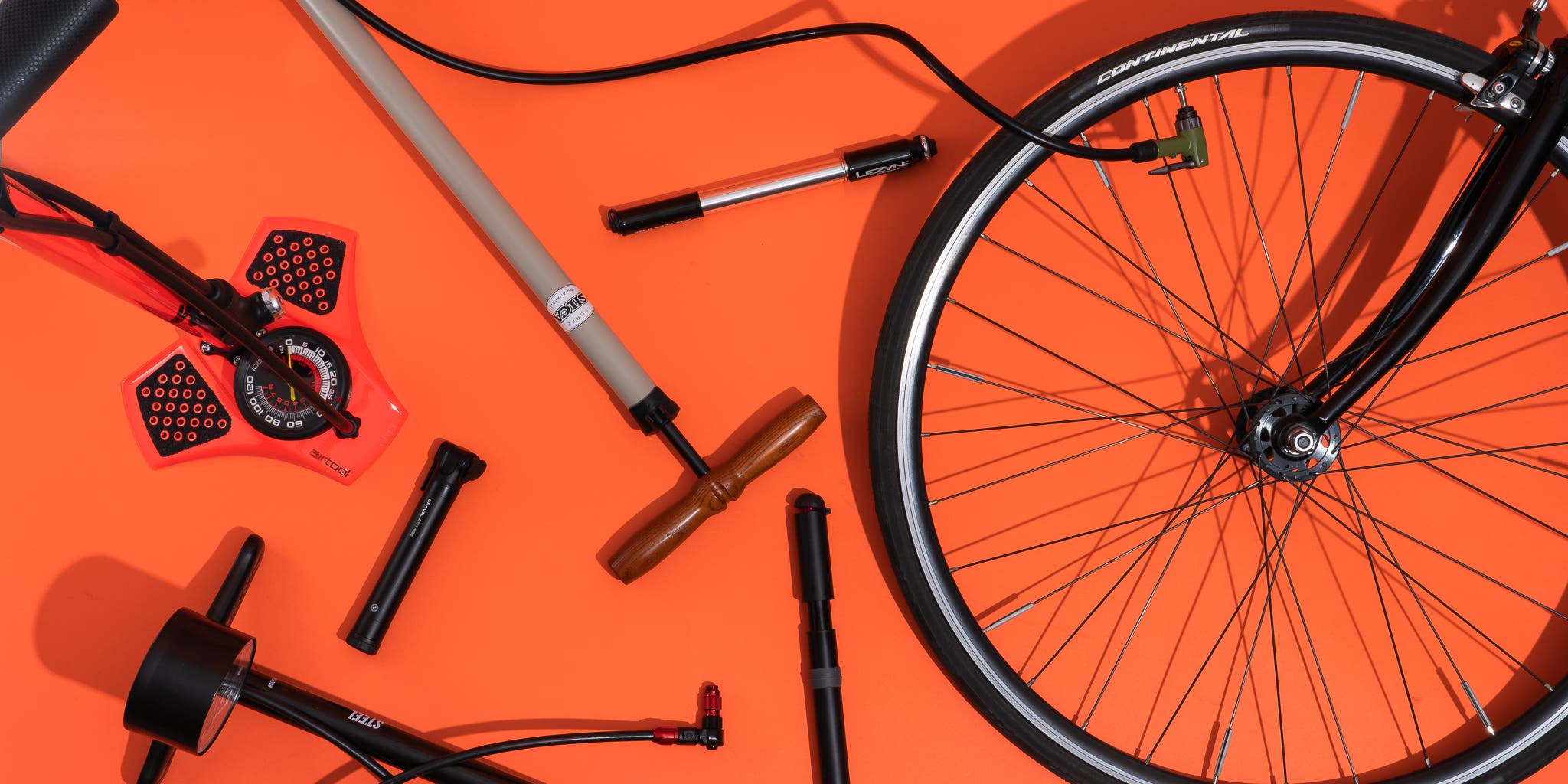
Hand pumps are a staple in the cycling industry, known for their simplicity and portability. They are manually operated, making them an ideal choice for mobile repair services and retail bike shops where cost-effectiveness is essential. While hand pumps are lightweight and easy to store, they require physical effort to inflate tires, which can be a drawback for some users. B2B buyers should consider the volume of sales and service demands when selecting hand pumps, as they may be more suitable for businesses focusing on budget-conscious consumers.
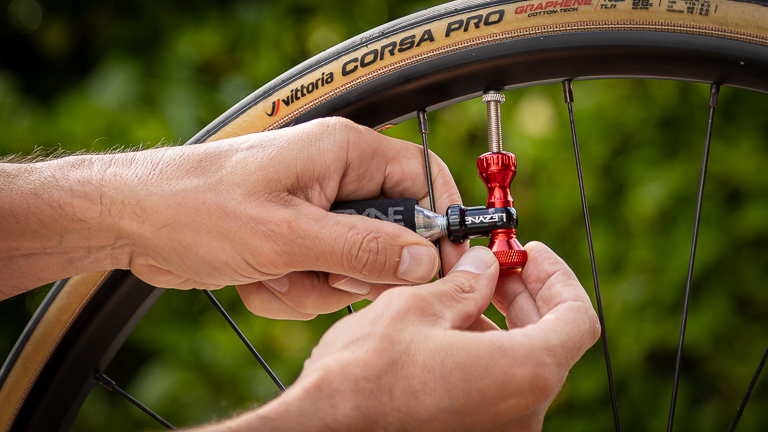
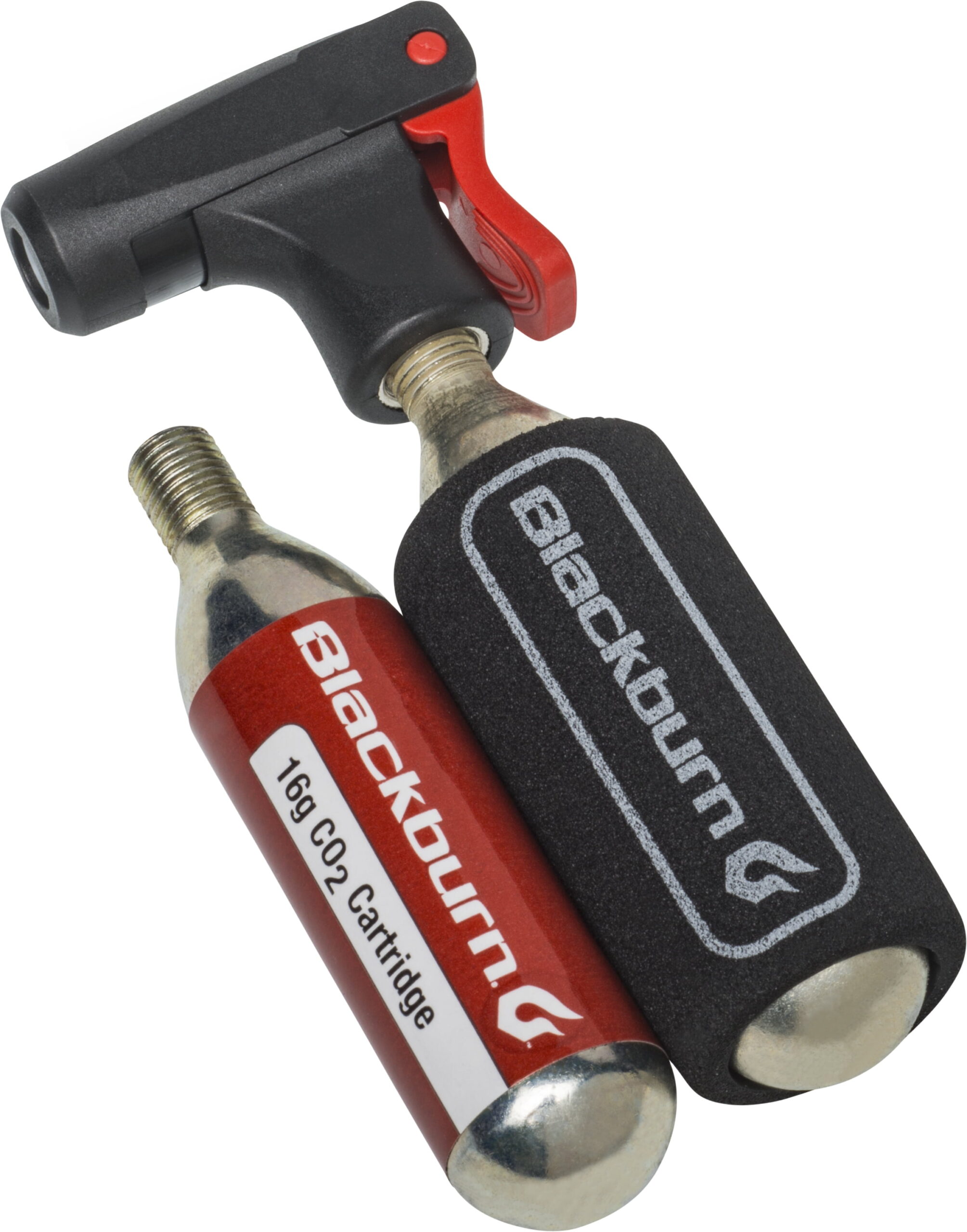
CO2 inflators are designed for rapid tire inflation using compressed CO2 cartridges. Their compact nature makes them an excellent choice for emergency repair kits and cycling events where speed is crucial. B2B buyers in the sporting goods sector can benefit from offering CO2 inflators, as they appeal to competitive cyclists who value quick fixes. However, it’s essential to consider the recurring cost of cartridges and limited inflation capacity, which may require customers to purchase refills frequently.
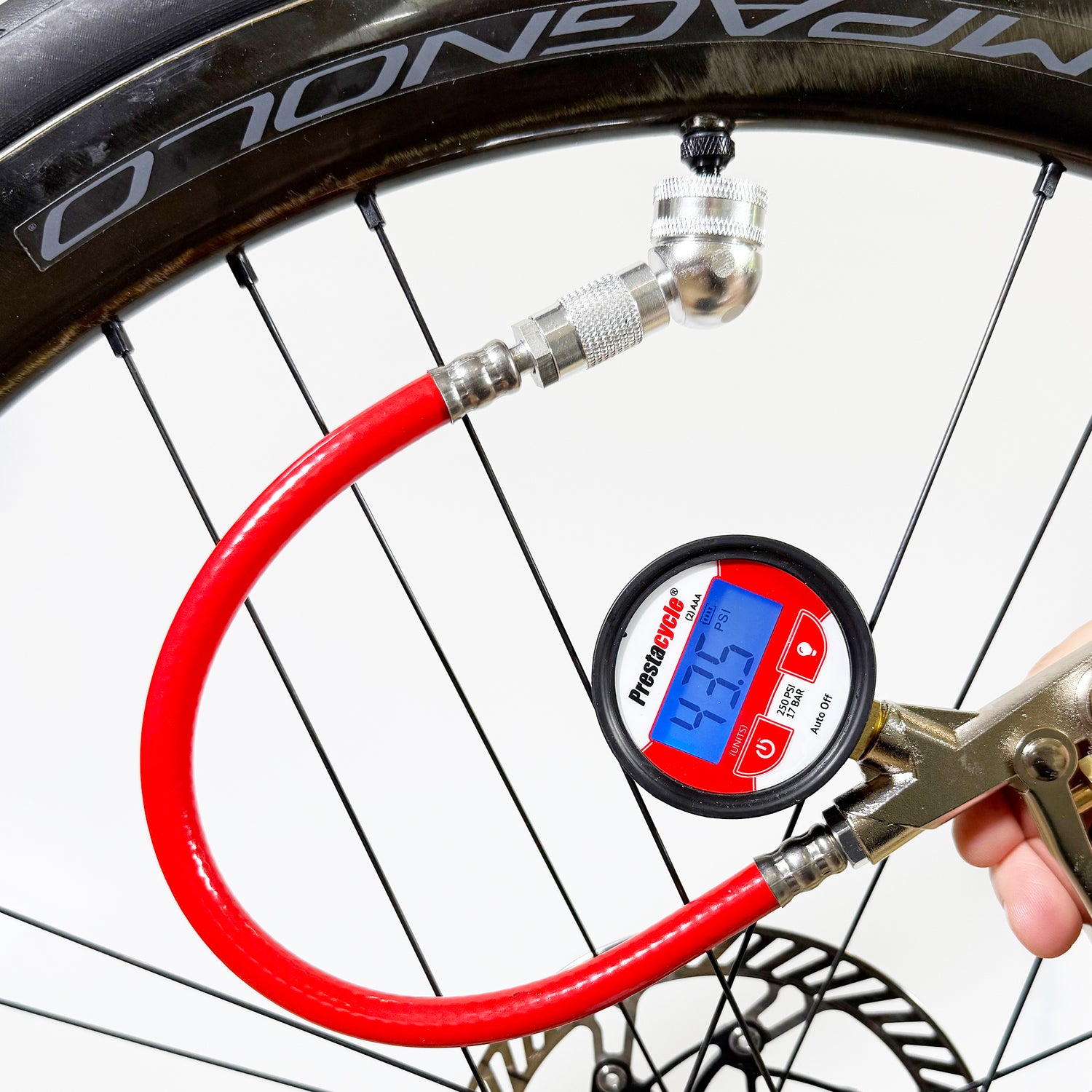
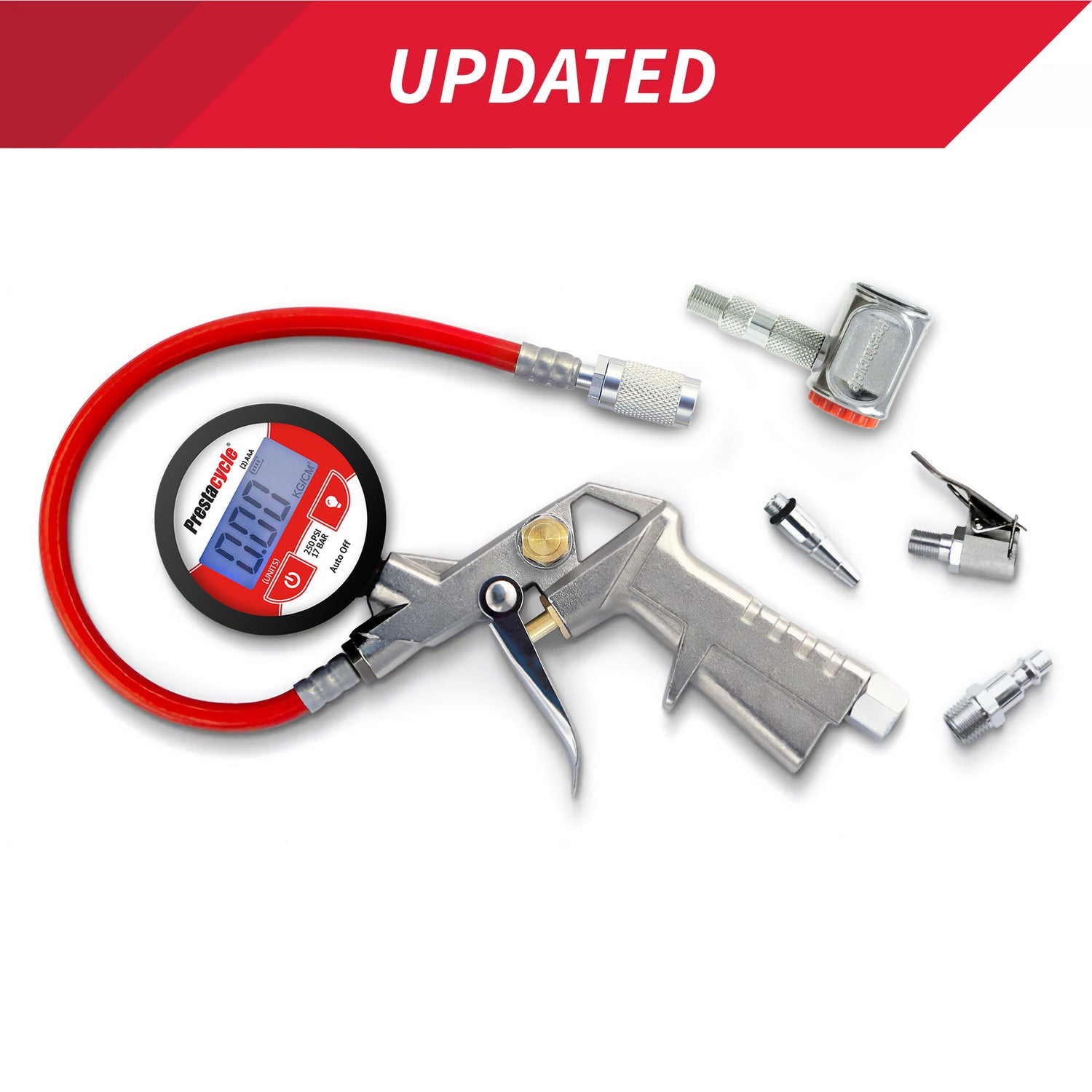
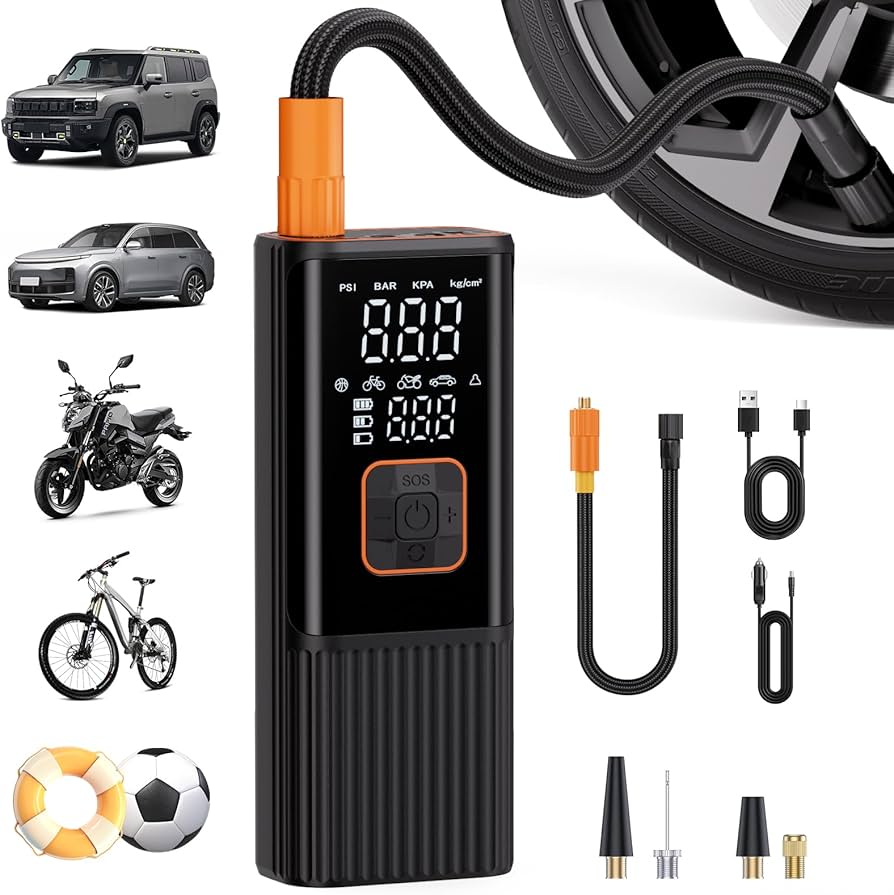
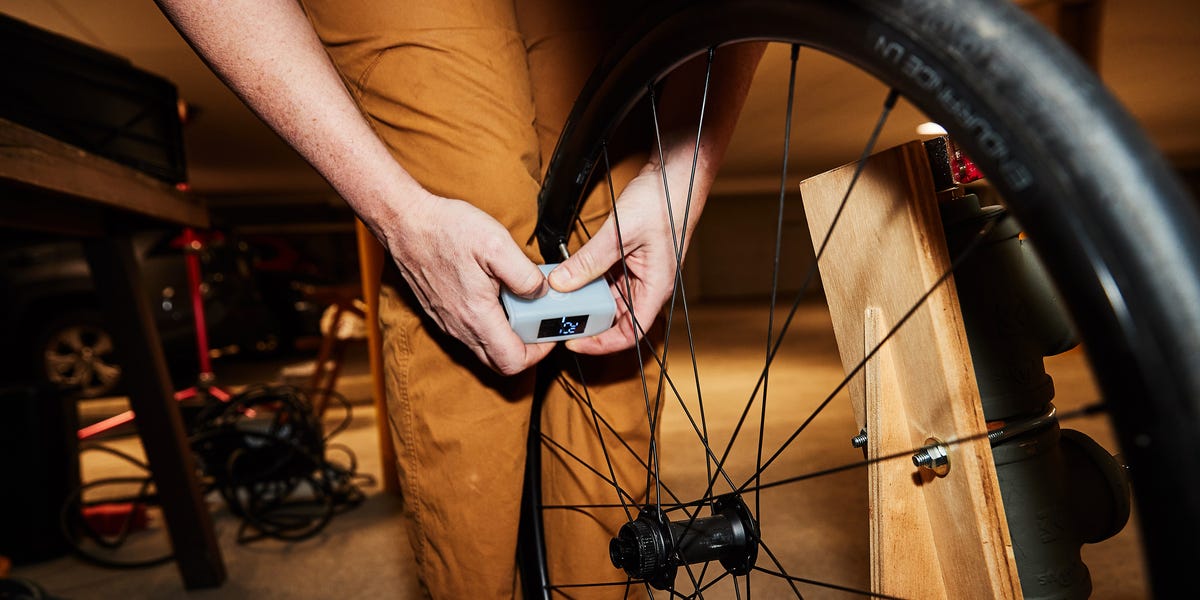
Electric pumps have transformed tire inflation with their ease of use and accuracy. They typically feature built-in digital gauges, allowing for precise pressure settings, which is particularly beneficial in workshop environments or rental services. B2B buyers should evaluate the initial investment against long-term efficiency gains, as electric pumps can significantly reduce time spent on tire maintenance. However, they do require charging and may come with a higher price tag, which could affect pricing strategies in retail.
Floor pumps are designed for high-volume inflation, making them ideal for bike shops and maintenance facilities. Their stable design allows for efficient inflation of multiple tires in a short time, catering to both professional mechanics and serious cyclists. B2B buyers should consider the durability and capacity of floor pumps, as these factors can influence customer satisfaction in busy environments. However, their bulkiness may limit portability, which is an important consideration for mobile services.
Illustrative image related to bicycle tire inflators
Hybrid pumps combine the features of manual and CO2 inflators, providing flexibility for users. They are suitable for diverse applications, from retail sales to event support, appealing to a wide range of cyclists. B2B buyers should assess the hybrid pump’s design and weight, as these factors can influence customer preferences. While they offer versatility, potential buyers should also be aware of the complexity in operation, which may require additional training for staff in retail settings.
| Indústria/Setor | Specific Application of Bicycle Tire Inflators | Valor/benefício para a empresa | Principais considerações de fornecimento para este aplicativo |
|---|---|---|---|
| Bicycle Retail and Service | On-site tire inflation for customers during service appointments | Enhances customer satisfaction and reduces turnaround time | Durability, ease of use, and compatibility with various tire types |
| Entrega e logística | Inflation stations for delivery bikes and fleet maintenance | Increases operational efficiency and minimizes downtime | Portable designs, power source options, and maintenance support |
| Outdoor and Adventure Tourism | Rental bike inflation at tourist locations | Improves customer experience and safety for adventure activities | Compact size, reliability, and rapid inflation capabilities |
| Sports and Recreational Events | Tire inflation for competitive cycling events | Ensures optimal performance and safety for participants | Precision in pressure settings, speed of inflation, and portability |
| Serviços de emergência | Quick inflation solutions for service vehicles and emergency bikes | Enhances response times and operational readiness | Robust construction, reliability under pressure, and ease of transport |
In bicycle retail and service centers, tire inflators are essential tools for providing quick and efficient service. By offering on-site tire inflation, businesses can enhance customer satisfaction, reduce waiting times, and foster loyalty. Retailers need inflators that are durable and easy to operate, accommodating various tire types and valve systems. For international buyers, especially in regions with diverse cycling cultures, sourcing inflators that can handle different tire pressures and sizes is crucial.
In the delivery and logistics sector, bicycle tire inflators are increasingly used at inflation stations to maintain delivery bikes and ensure fleet readiness. By minimizing downtime through efficient tire inflation, businesses can improve their operational efficiency and service reliability. Buyers in this sector should consider portable and robust inflators that can withstand frequent use and varying environmental conditions, particularly in regions like Africa and South America where infrastructure may be less developed.
Illustrative image related to bicycle tire inflators
For the outdoor and adventure tourism industry, rental bike services often require reliable tire inflation solutions at tourist hotspots. Providing easy access to tire inflators enhances customer experience and safety during outdoor activities. Companies should focus on compact and lightweight inflators that are user-friendly and can deliver rapid inflation to accommodate the needs of tourists. Sourcing considerations should include reliability and the ability to handle various tire types commonly used in adventure cycling.
In competitive cycling and recreational events, precise tire inflation is vital for ensuring optimal performance and safety. Event organizers utilize tire inflators to assist participants in achieving the correct tire pressure before races, which can significantly impact speed and comfort. Buyers in this field should prioritize inflators that offer accurate pressure settings and quick inflation times, as well as those that are portable enough for easy transport to various event locations.
Emergency services, including police and medical response teams that use bicycles, require quick and reliable tire inflation solutions to maintain operational readiness. Inflators that can rapidly inflate tires help reduce response times in critical situations. For international buyers, especially in the Middle East and Europe, sourcing durable and reliable inflators that can function well under pressure and are easy to transport is essential for ensuring effective emergency response capabilities.
O problema:
B2B buyers in the bicycle industry often face challenges with tire inflation accuracy, which can significantly affect the performance of bicycles. Many inflators on the market provide inconsistent readings, leading to under-inflated or over-inflated tires. This inconsistency not only hampers the riding experience but can also lead to increased wear and tear on tires, resulting in higher replacement costs. Buyers may struggle to find reliable inflators that maintain precise pressure levels, leading to frustration and potential financial losses.
A solução:
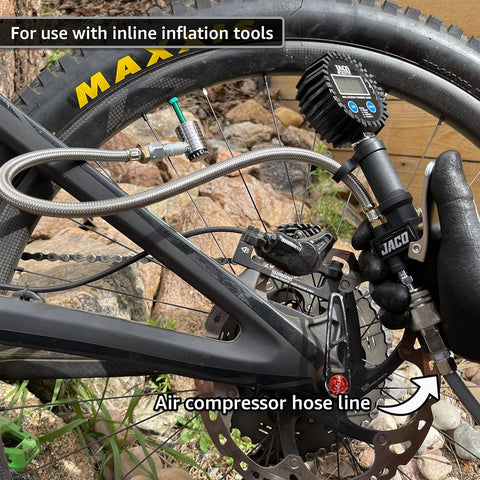
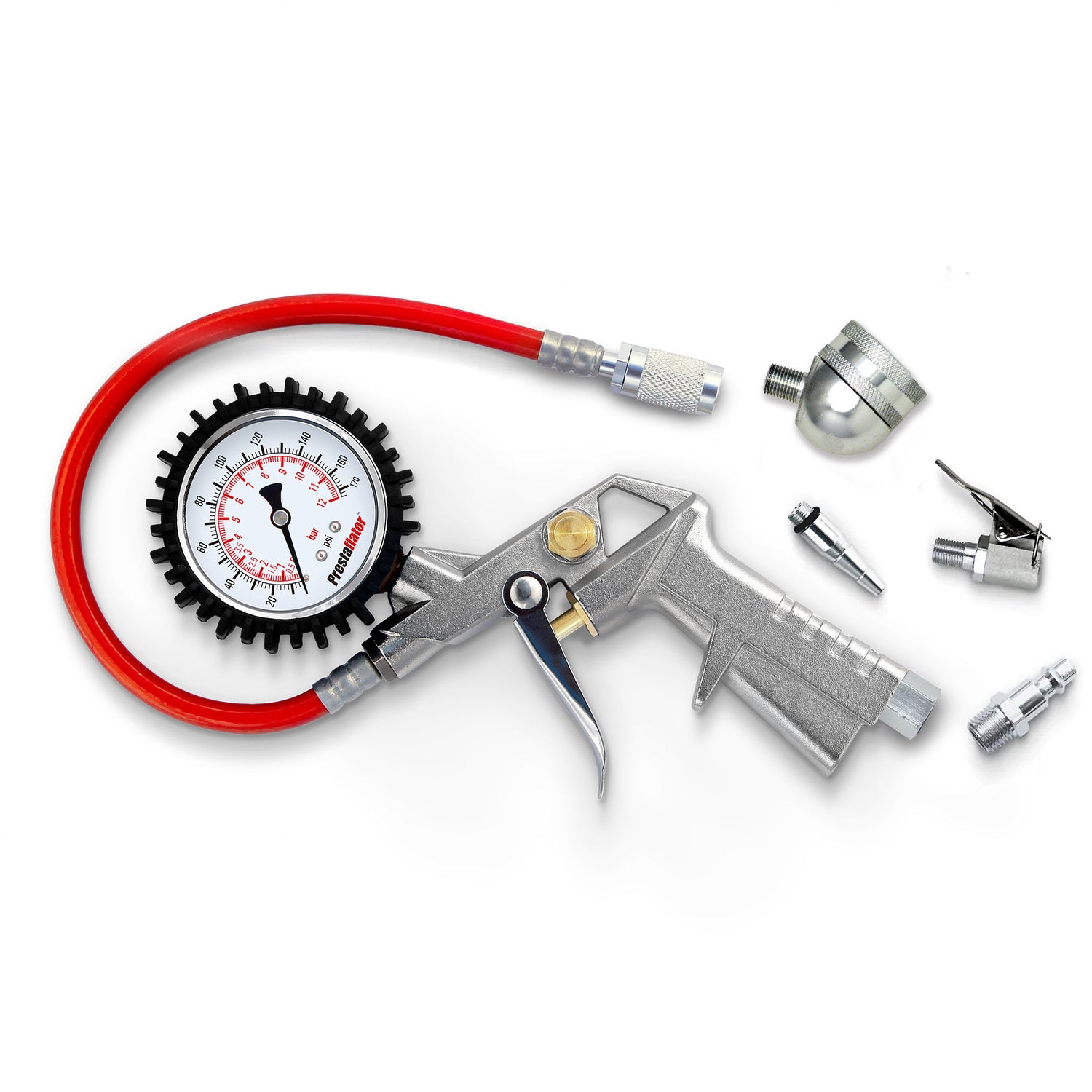
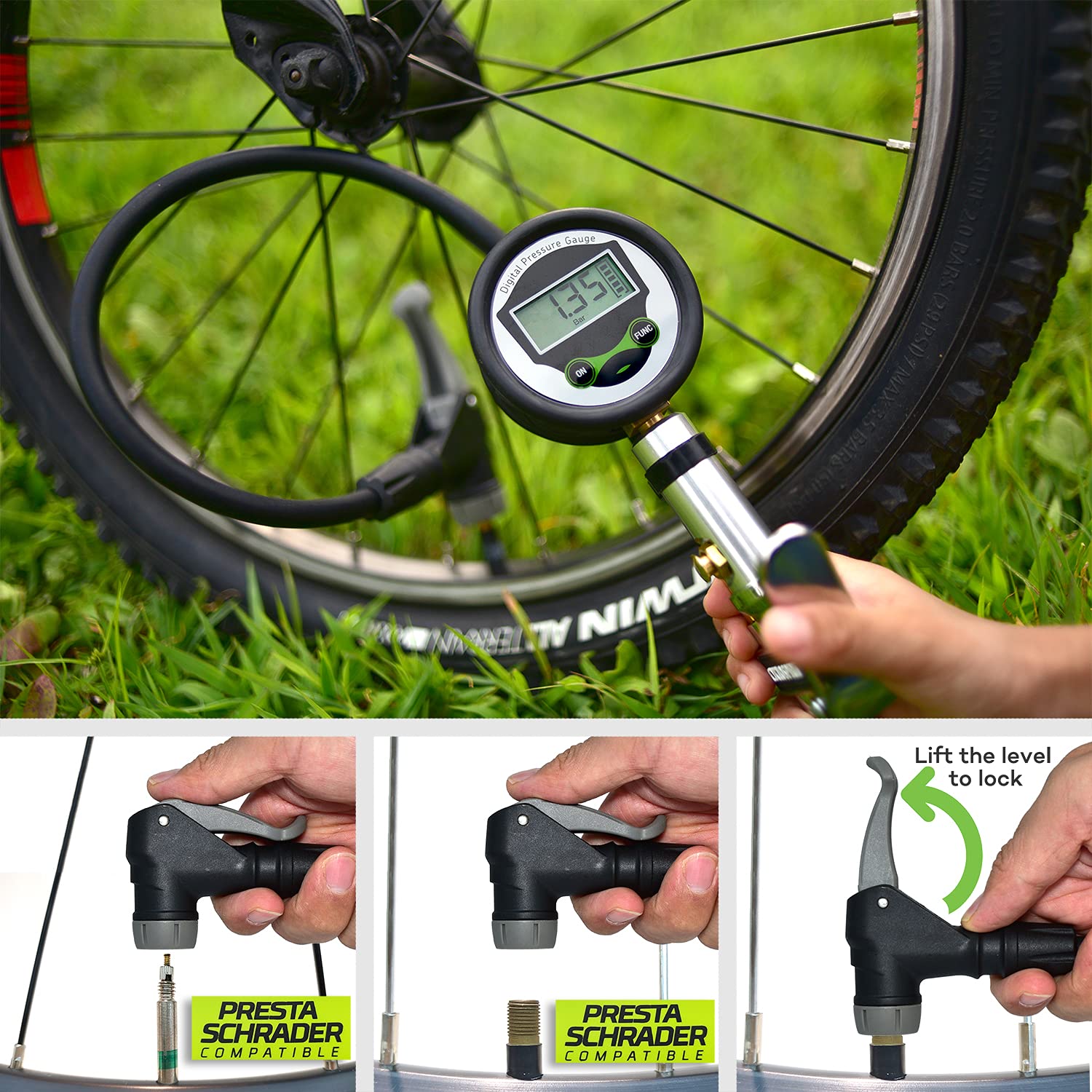
To address this issue, buyers should prioritize sourcing tire inflators equipped with high-precision digital gauges that offer real-time pressure readings with 0.1 PSI accuracy. When selecting a product, look for inflators that include user reviews highlighting their reliability and accuracy in various conditions. It’s advisable to invest in inflators from reputable brands known for their rigorous quality control processes. Additionally, offering calibration services or training for staff on how to properly use the inflators can enhance accuracy and instill confidence in customers. Buyers should also consider inflators that allow easy switching between Presta and Schrader valves to accommodate a broader range of bicycles, thereby improving overall service efficiency.
Illustrative image related to bicycle tire inflators
O problema:
B2B buyers in regions with rough terrains or remote cycling paths often encounter difficulties with the portability of tire inflators. Heavy or bulky inflators can be cumbersome for cyclists who need to carry them on long rides. This inconvenience can lead to cyclists opting for inferior, less effective inflation methods that compromise safety and performance. Buyers are tasked with sourcing inflators that balance functionality with portability, which can be a daunting challenge.
A solução:
To overcome portability issues, buyers should look for compact, lightweight inflators that can easily fit into a jersey pocket or saddlebag. Models that combine both CO2 and manual inflation capabilities are particularly valuable, as they provide flexibility depending on the situation. When sourcing, consider partnerships with manufacturers that specialize in innovative designs focused on portability, ensuring that the products remain user-friendly. Providing promotional materials that educate end-users on the advantages of these compact inflators can also help facilitate sales. Additionally, offering bundled products that include a small carry case can enhance the value proposition, encouraging more cyclists to choose portable solutions.
O problema:
In markets characterized by diverse and challenging climates, such as those in Africa or South America, durability and reliability of tire inflators are paramount concerns for B2B buyers. Inflators that fail under extreme temperatures or rough handling can lead to significant downtime and customer dissatisfaction. Buyers often find it challenging to identify inflators that can withstand these conditions without frequent failures, resulting in lost sales and damaged reputations.
A solução:
To combat durability issues, buyers should seek inflators made from high-quality, weather-resistant materials designed for extreme conditions. It’s crucial to evaluate products with robust construction and a proven track record in similar environments. Buyers can benefit from establishing relationships with manufacturers who offer warranties or guarantees, as this demonstrates confidence in their products. Implementing thorough testing protocols before introducing new inflators to the market can also help ensure that only the most reliable products are offered. Additionally, providing after-sales support and maintenance tips can reassure customers that they are investing in a durable solution, fostering long-term loyalty and repeat business.
Bicycle tire inflators are essential tools for cyclists, and their performance heavily relies on the materials used in their construction. Understanding the properties, advantages, disadvantages, and international considerations of these materials is crucial for B2B buyers looking to make informed purchasing decisions.
Illustrative image related to bicycle tire inflators
Aluminum is a popular choice for bicycle tire inflators due to its lightweight and corrosion-resistant properties. It typically has a temperature rating of up to 150°C and can withstand pressures of around 300 psi, making it suitable for high-performance applications.
Prós: Aluminum inflators are durable and lightweight, which makes them easy to carry. They also offer good thermal conductivity, which can help dissipate heat during use.
Contras: While aluminum is generally cost-effective, it can be more expensive than plastic alternatives. Additionally, it may not be as robust as steel under extreme conditions, leading to potential deformation.
Impacto no aplicativo: Aluminum is compatible with various media, including air and CO2, making it versatile for different inflating needs.
Illustrative image related to bicycle tire inflators
Considerações internacionais: Buyers should ensure compliance with international standards such as ASTM and DIN, especially in regions like Europe and the Middle East, where quality and safety certifications are critical.
Plastic is often used for components such as handles and housings in bicycle tire inflators. It is lightweight, cost-effective, and can be molded into complex shapes, making it suitable for various designs.
Prós: Plastic inflators are generally less expensive and can be produced in high volumes with lower manufacturing complexity. They are also resistant to corrosion and can be made in various colors and styles.
Contras: However, plastic can be less durable than metal options and may not withstand high pressures as effectively. Over time, exposure to UV light can degrade certain plastics, leading to brittleness.
Impacto no aplicativo: Plastic is typically used in non-pressurized parts or in low-pressure applications, making it less suitable for high-performance inflators.
Considerações internacionais: B2B buyers should be aware of regulations regarding plastic materials, particularly concerning recyclability and environmental impact, which are increasingly scrutinized in regions like Europe.
Steel is known for its strength and durability, making it a reliable option for bicycle tire inflators, especially for heavy-duty applications. It can handle high pressures and has a temperature rating similar to aluminum.
Prós: Steel inflators are highly durable and can withstand harsh conditions, making them suitable for professional use. They also offer excellent pressure resistance.
Contras: The main drawback is weight; steel inflators tend to be heavier than those made from aluminum or plastic. They also require more complex manufacturing processes, which can increase costs.
Impacto no aplicativo: Steel is ideal for high-pressure applications and can be used with both air and CO2, ensuring versatility.
Considerações internacionais: Buyers should check for compliance with relevant standards, particularly in regions with strict manufacturing regulations, such as Europe and North America.
Illustrative image related to bicycle tire inflators
Composite materials, which blend plastics with other substances like carbon fiber, are emerging in the bicycle tire inflator market. These materials offer unique properties that can enhance performance.
Prós: Composites can be engineered to be lightweight yet strong, offering excellent pressure resistance without the weight of metal. They can also be molded into intricate shapes.
Contras: The manufacturing process for composites can be complex and costly, potentially leading to higher retail prices. Additionally, not all composites are equally durable, and some may degrade over time.
Impacto no aplicativo: Composites can be used in high-performance inflators, particularly where weight savings are critical, such as in competitive cycling.
Considerações internacionais: B2B buyers should be aware of the varying quality standards for composite materials across different regions, particularly in Africa and South America, where material sourcing may differ.
Illustrative image related to bicycle tire inflators
| Material | Typical Use Case for bicycle tire inflators | Principais vantagens | Principal desvantagem/limitação | Custo relativo (baixo/médio/alto) |
|---|---|---|---|---|
| Alumínio | High-performance inflators | Leve e resistente à corrosão | Can deform under extreme conditions | Médio |
| Plástico | Handles and non-pressurized components | Cost-effective and versatile | Less durable under high pressure | Baixa |
| Aço | Heavy-duty inflators | Extremamente durável e resistente | Heavier and more complex to manufacture | Alta |
| Composto | High-performance and competitive inflators | Lightweight with high strength | Higher manufacturing costs | Alta |
This analysis provides B2B buyers with a comprehensive understanding of the materials used in bicycle tire inflators, enabling them to make informed purchasing decisions that align with their specific market needs and regional regulations.
The manufacturing process of bicycle tire inflators involves several critical stages, each designed to ensure the final product is efficient, durable, and reliable. The main stages typically include material preparation, forming, assembly, and finishing.
Preparação de materiais: The process begins with the selection of high-quality materials. Manufacturers often use durable plastics, metals, and rubber to ensure the inflators can withstand various environmental conditions. Suppliers must comply with international material standards to guarantee safety and performance.
Formação: In this stage, the raw materials are shaped into specific components using techniques such as injection molding for plastics and stamping or machining for metal parts. Precision is key; components like valves and nozzles must fit perfectly to prevent air leaks.
Montagem: Once all components are formed, they are assembled into the final product. This stage may involve automated machinery for efficiency, but skilled labor is also essential for tasks requiring fine motor skills, such as attaching small components or performing quality checks.
Acabamento: The final stage includes surface treatments such as painting, coating, or polishing to enhance aesthetics and protect against corrosion. Quality assurance checks are typically integrated into this stage to ensure each inflator meets established standards.
Manufacturers employ various techniques throughout the production of bicycle tire inflators to enhance functionality and reliability. Key techniques include:
Precision Machining: This technique is vital for creating components that require exact tolerances, such as the threading on valves and fittings.
Moldagem por injeção: Used extensively for plastic parts, this technique allows for high-volume production while maintaining consistent quality.
Automated Assembly Lines: These lines streamline the assembly process, reducing production time and minimizing human error.
Quality Control Testing: Advanced testing methods, including pressure testing and durability tests, ensure the inflators function correctly under typical usage conditions.
Quality assurance is paramount in the manufacturing of bicycle tire inflators, particularly for B2B buyers concerned about reliability and safety. Common international standards include:
ISO 9001: This widely recognized quality management standard focuses on meeting customer expectations and delivering quality products. Manufacturers often seek ISO 9001 certification to demonstrate their commitment to quality.
Marcação CE: Particularly relevant in Europe, CE marking signifies compliance with health, safety, and environmental protection standards. This certification is crucial for products sold in the European market.
Padrões API: While more common in the oil and gas sector, some manufacturers may adhere to API standards for components related to inflators that interface with pressurized systems.
Quality control (QC) is integrated into various stages of the manufacturing process through specific checkpoints:
Controle de qualidade de entrada (IQC): This initial checkpoint involves inspecting raw materials upon arrival to ensure they meet specified quality standards before production begins.
Controle de qualidade durante o processo (IPQC): During manufacturing, IPQC checks are performed at different stages to monitor processes and ensure that components are being produced according to quality specifications.
Controle de qualidade final (FQC): After assembly, FQC involves thorough testing of the finished product. Common tests include pressure testing to check for leaks, functional tests to ensure the inflator operates as intended, and aesthetic inspections to assess the finish and overall appearance.
Os compradores B2B podem tomar várias medidas para verificar as práticas de controle de qualidade dos possíveis fornecedores:
Auditorias de fornecedores: Conducting on-site audits provides insight into a manufacturer’s processes, quality control measures, and adherence to international standards. Audits can reveal not only compliance but also the overall operational efficiency of the supplier.
Relatórios de qualidade: Requesting detailed quality reports and certifications can help buyers assess whether suppliers consistently meet quality standards. These reports often include information about past performance and specific QC measures taken.
Inspeções de terceiros: Engaging third-party inspection services can provide an unbiased evaluation of the manufacturing processes and quality assurance measures in place. This is particularly useful for buyers operating in regions with strict import regulations.
For international B2B buyers, particularly those from Africa, South America, the Middle East, and Europe, several nuances should be considered:
Conformidade regulatória: Different regions may have specific regulations concerning product safety and quality. Buyers should familiarize themselves with local requirements to ensure compliance.
Considerações culturais: Understanding cultural differences in business practices can facilitate smoother negotiations and partnerships. It is essential to establish clear communication about quality expectations.
Logistical Challenges: Shipping and logistics can impact product quality. Buyers should work with suppliers who have robust systems in place to manage transportation and storage, especially for sensitive components.
Barreiras linguísticas: Effective communication is crucial for quality assurance. Buyers should ensure that language differences do not lead to misunderstandings regarding specifications and quality requirements.
By understanding these manufacturing processes and quality assurance measures, B2B buyers can make informed decisions when sourcing bicycle tire inflators, ensuring they select suppliers who prioritize quality and reliability.
Illustrative image related to bicycle tire inflators
This sourcing guide provides a structured checklist for B2B buyers aiming to procure bicycle tire inflators. By following these steps, businesses can ensure they select high-quality products that meet their operational needs while navigating the complexities of international procurement.
Before initiating the sourcing process, clearly outline the technical specifications required for the tire inflators. Consider factors such as pressure range, compatibility with tire types (e.g., Presta and Schrader valves), and whether you prefer manual or electric inflators. Establishing these criteria will help streamline your search and ensure that the products you consider align with your business needs.
Understanding current market trends is vital for making informed purchasing decisions. Analyze the demand for various types of inflators in your target regions—Africa, South America, the Middle East, and Europe. For instance, electric inflators may be more popular in urban areas, while manual pumps could be favored in remote regions with limited access to power. This insight will guide your procurement strategy and inventory planning.
Illustrative image related to bicycle tire inflators
Thoroughly vet potential suppliers to ensure they meet your standards for quality and reliability. Request company profiles, product certifications, and references from other buyers in your industry. Consider the supplier’s experience in your target markets and their capacity to meet your volume requirements, which is crucial for maintaining a steady supply chain.
Quality should be a top priority when selecting tire inflators. Review product specifications, materials used, and durability features. Look for inflators with digital gauges for accuracy and easy-to-use designs that enhance customer satisfaction. Additionally, consider warranty and service options, as these can indicate the manufacturer’s confidence in their product quality.
While initial pricing is important, it’s essential to evaluate the total cost of ownership, which includes maintenance, potential repairs, and replacement parts. Gather quotes from multiple suppliers and compare them against the features offered. Be cautious of prices that seem too low; they may indicate compromised quality or hidden costs down the line.
Ensure that the inflators comply with relevant international standards and regulations, especially if you are importing products. Check for certifications such as CE or ISO that validate product safety and performance. Compliance is crucial not only for legal reasons but also for building trust with your customers and partners.
Finally, consider the logistics of shipping and distributing the inflators. Evaluate potential shipping methods, lead times, and customs requirements for your target markets. A well-thought-out logistics plan will minimize delays and ensure that products reach your customers promptly, enhancing your reputation in the market.
By following this checklist, B2B buyers can effectively navigate the complexities of sourcing bicycle tire inflators, ensuring they select products that meet their operational needs and market demands.
When sourcing bicycle tire inflators, several cost components contribute to the overall price. These include:
Materiais: The choice of materials significantly impacts production costs. High-quality plastics, metals, and electronic components used in electric inflators often lead to higher costs but can enhance durability and performance.
Trabalho: Labor costs vary by region. In countries with lower labor costs, such as some in Asia, manufacturers can offer more competitive prices. However, labor quality and expertise are crucial for ensuring the reliability of inflators.
Custos indiretos de fabricação: This includes expenses related to factory operation, utilities, and equipment maintenance. Efficient manufacturing processes can reduce overhead costs, allowing for better pricing flexibility.
Ferramentas: The initial investment in molds and tooling for production can be substantial. Custom designs or unique specifications may require higher tooling costs, which need to be factored into the pricing.
Controle de qualidade (QC): Stringent quality control processes are essential for maintaining product standards. Implementing robust QC measures can increase initial costs but reduce returns and warranty claims, ultimately lowering the Total Cost of Ownership (TCO).
Logística: Shipping and handling costs can vary significantly based on the origin of the goods and the destination market. Factors such as distance, mode of transport, and local tariffs play a role in the overall logistics cost.
Margem: Suppliers typically add a margin to cover their costs and ensure profitability. This margin can fluctuate based on market demand and competition.
Several factors influence the pricing of bicycle tire inflators:
Volume/MOQ (quantidade mínima de pedido): Suppliers often offer better pricing for larger orders. B2B buyers should consider consolidating orders to achieve economies of scale, thereby reducing the unit price.
Especificações e personalização: Custom specifications, such as branding or unique features, can increase costs. Buyers should balance the need for customization with the potential for higher pricing.
Materiais: The choice of materials not only affects performance but also the price. Premium materials may enhance functionality but at a higher cost.
Qualidade e certificações: Inflators with industry certifications or advanced features (like digital gauges) typically command higher prices. Buyers should evaluate the value these features bring to their target market.
Fatores do fornecedor: Supplier reliability, reputation, and production capacity can influence pricing. Established suppliers may offer better support but at a premium price.
Incoterms: The choice of Incoterms affects shipping and delivery costs. Understanding the responsibilities of buyers and sellers in terms of freight, insurance, and customs can lead to cost savings.
B2B buyers can implement various strategies to improve cost efficiency when sourcing bicycle tire inflators:
Negociação: Engage suppliers in negotiations to secure favorable terms. Understanding the supplier’s cost structure can provide leverage during discussions.
Considere o custo total de propriedade (TCO): Evaluate not just the purchase price but also the long-term costs associated with maintenance, warranty, and potential replacements. A lower upfront cost may lead to higher TCO if the product is of inferior quality.
Nuances de preços para compradores internacionais: Buyers from regions such as Africa, South America, the Middle East, and Europe should be aware of local market conditions, currency fluctuations, and import tariffs that can affect pricing. Building relationships with local suppliers may also yield better pricing and support.
Explorar vários fornecedores: Diversifying suppliers can lead to competitive pricing and reduce dependency on a single source. It also provides leverage for better terms and conditions.
In conclusion, a comprehensive understanding of the cost structure and price influencers in bicycle tire inflators can empower B2B buyers to make informed purchasing decisions. By employing strategic sourcing practices, businesses can achieve significant cost savings while ensuring product quality and reliability.
In the realm of bicycle maintenance, ensuring optimal tire pressure is crucial for safety, performance, and rider comfort. While bicycle tire inflators are a popular choice among cyclists, various alternatives can also achieve effective tire inflation. This analysis compares bicycle tire inflators with two viable alternatives: manual hand pumps and CO2 inflators, focusing on performance, cost, ease of implementation, maintenance, and best use cases.
| Aspecto de comparação | Bicycle Tire Inflators | Manual Hand Pumps | Infladores de CO2 |
|---|---|---|---|
| Desempenho | Fast and efficient inflation | Slower, requires physical effort | Quick inflation, but limited use |
| Custo | Mid-range ($49 – $129) | Low-cost ($15 – $50) | Moderate ($20 – $40 per unit) |
| Facilidade de implementação | Simple, often battery-operated | Requires physical effort and skill | Very easy, requires no special skill |
| Manutenção | Minimal; regular battery checks | Baixa; é necessária uma limpeza ocasional | Low; cartridges need to be replaced |
| Melhor caso de uso | Long rides, frequent use | Casual cyclists, short trips | Emergency situations, racing |
Manual hand pumps are a traditional and cost-effective solution for tire inflation. They are lightweight, portable, and do not rely on batteries or cartridges, making them suitable for casual cyclists and short trips. However, their performance can be slower compared to electric inflators, requiring more physical effort and time to achieve the desired tire pressure. They may also be less effective for high-volume tires, which can be challenging to inflate manually.
CO2 inflators offer a fast and efficient solution for inflating tires, particularly in emergency situations where time is of the essence. They are compact and easy to use, making them popular among racers and those seeking lightweight gear. However, the need for CO2 cartridges can be a drawback, as they are single-use and require replacement after each use, potentially leading to increased long-term costs. Additionally, they may not be ideal for regular tire maintenance since they provide limited air volume per cartridge.
When selecting a tire inflation solution, B2B buyers should consider their specific use cases and requirements. Bicycle tire inflators are well-suited for frequent riders needing quick and efficient inflation, while manual hand pumps are ideal for casual cyclists or those prioritizing budget-friendly options. CO2 inflators are best for emergency situations or competitive settings where speed is essential. Ultimately, understanding the pros and cons of each option will help buyers make informed decisions tailored to their operational needs.
Illustrative image related to bicycle tire inflators
Understanding the technical specifications of bicycle tire inflators is crucial for B2B buyers looking to make informed purchasing decisions. Here are some essential properties to consider:
The material used in tire inflators significantly impacts durability and performance. Common materials include high-grade aluminum and reinforced plastic. Aluminum is lightweight yet robust, making it ideal for portable inflators, while reinforced plastic is often used for its cost-effectiveness and resistance to corrosion. For B2B buyers, selecting inflators made from premium materials can lead to longer-lasting products and reduced warranty claims.
The pressure range, measured in pounds per square inch (PSI), indicates the maximum and minimum pressure the inflator can handle. Most bicycle tires require a pressure between 30 to 100 PSI. An inflator with a wider range can accommodate various bicycle types, from road bikes to mountain bikes. This versatility is essential for businesses that cater to diverse cycling markets, ensuring they can meet varied customer needs.
Illustrative image related to bicycle tire inflators
Inflation speed, typically measured in liters per minute (L/min), indicates how quickly the inflator can fill a tire. Faster inflation is beneficial for time-sensitive situations, such as during races or emergencies. For B2B buyers, investing in high-speed inflators can enhance customer satisfaction by minimizing downtime during tire repairs.
Bicycle tire inflators can be powered in various ways, including manual pumps, CO2 cartridges, or electric motors. Electric inflators often come with rechargeable batteries or a plug-in option, providing convenience and ease of use. Understanding the power source is crucial for buyers, as it affects the inflator’s portability and suitability for specific markets, such as urban cycling or long-distance touring.
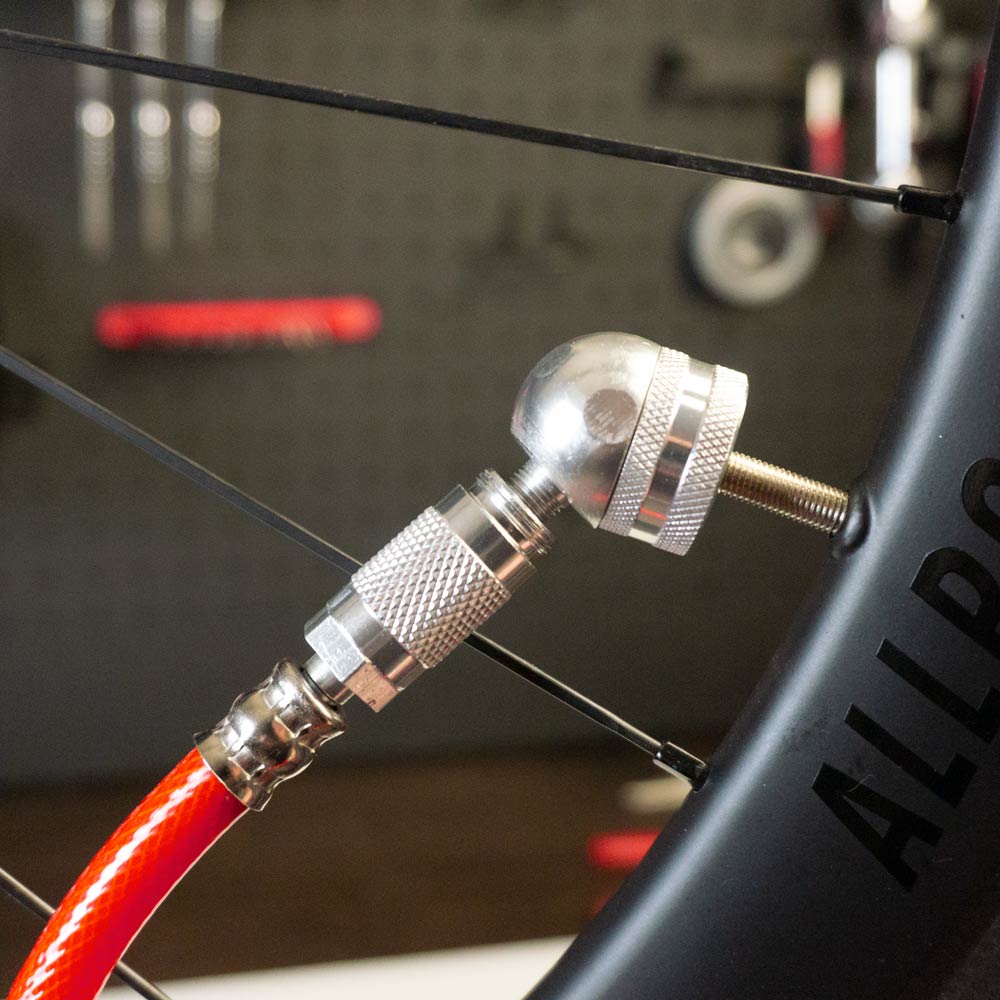
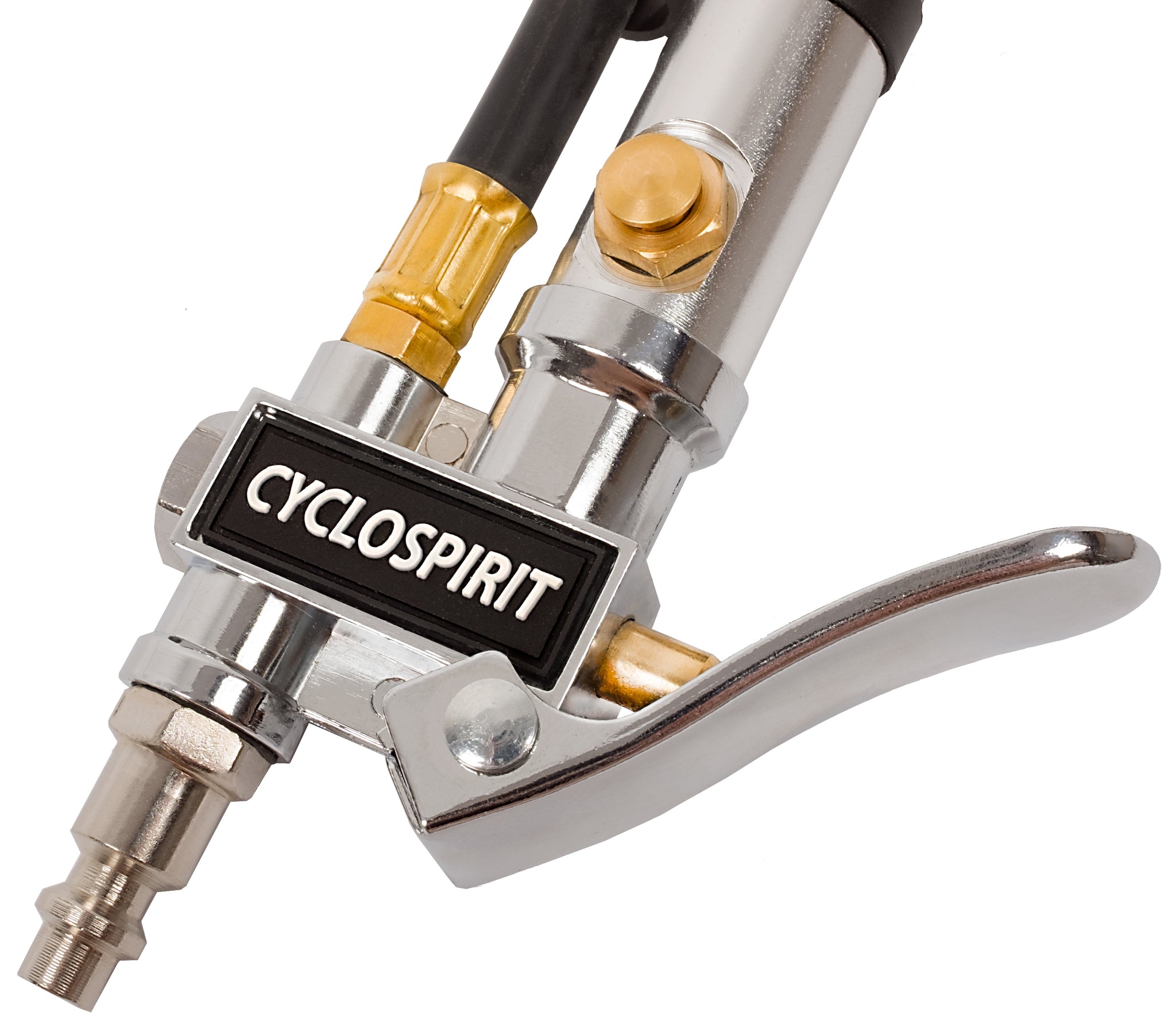
Bicycle tires typically use either Presta or Schrader valves. An inflator’s compatibility with these valve types is essential for functionality. Some inflators feature dual heads that allow for easy switching between valve types. For B2B buyers, offering inflators that cater to multiple valve types can enhance product appeal and reduce inventory complexity.
Illustrative image related to bicycle tire inflators
Familiarizing yourself with industry terminology can streamline the purchasing process and enhance communication with suppliers. Here are key trade terms to understand:
OEM refers to companies that manufacture products to be sold under another company’s brand. Understanding OEM relationships is vital for B2B buyers as it can impact product quality, pricing, and branding opportunities.
MOQ is the smallest number of units a supplier is willing to sell in a single order. Knowing the MOQ helps businesses plan their inventory and cash flow effectively. Buyers should negotiate MOQ to align with their market demands and storage capabilities.
An RFQ is a document that a buyer sends to suppliers to request pricing and other details for a specific product. Crafting a comprehensive RFQ can lead to better pricing and terms, making it a critical tool for B2B negotiations.
Incoterms are a set of international rules that define the responsibilities of buyers and sellers regarding shipping and delivery. Familiarity with these terms is essential for B2B buyers engaged in international trade, as they clarify cost allocation and risk management.
Lead time refers to the period between placing an order and receiving it. Understanding lead times is crucial for inventory management and customer fulfillment. Buyers should consider lead times when planning product launches or seasonal sales.
By grasping these technical properties and trade terms, B2B buyers can make informed decisions, ensuring they invest in high-quality bicycle tire inflators that meet market demands while optimizing their supply chain operations.
The bicycle tire inflators market is experiencing notable growth driven by several global factors, including the increasing popularity of cycling as a sustainable mode of transport and recreational activity. In regions like Africa, South America, the Middle East, and Europe, there is a rising demand for efficient and portable inflation solutions, particularly among urban commuters and cycling enthusiasts. The shift towards electric and hybrid inflators is a significant trend, as these devices offer convenience and ease of use, appealing to a broader audience.
Illustrative image related to bicycle tire inflators
Emerging technologies, such as smart tire inflators equipped with digital gauges and preset pressure settings, are changing the landscape. These innovations not only enhance user experience but also provide accurate inflation, reducing the risk of tire damage. B2B buyers are increasingly looking for suppliers who can provide high-quality, reliable products that cater to diverse inflation needs—from compact hand pumps to advanced electric inflators.
Additionally, the COVID-19 pandemic has accelerated the trend towards e-commerce, prompting manufacturers and suppliers to optimize their online presence. Buyers are now more inclined to source products through digital platforms, requiring suppliers to invest in robust online marketing strategies and seamless logistics.
Sustainability has become a pivotal consideration for B2B buyers in the bicycle tire inflators market. The environmental impact of manufacturing processes and materials used in production is under increasing scrutiny. Buyers are seeking suppliers who prioritize ethical sourcing and environmentally friendly practices, aligning with global sustainability goals.
The use of recycled materials in inflator production is gaining traction. Suppliers who can certify their products with ‘green’ labels or eco-friendly certifications are likely to appeal to conscientious buyers. Furthermore, the trend towards reducing plastic usage in packaging and the promotion of refillable CO2 cartridges reflect a growing commitment to sustainability.
In addition to material choices, ethical labor practices in the supply chain are crucial. Buyers are increasingly aware of the social implications of their sourcing decisions, favoring suppliers who demonstrate fair labor practices and transparency. This trend is particularly evident in regions like Europe and North America, where consumers demand accountability from brands.
The evolution of bicycle tire inflators has been marked by significant technological advancements and changing consumer preferences. Initially, hand pumps dominated the market, offering a simple and cost-effective solution for cyclists. However, as cycling gained popularity, particularly in urban settings, the need for more efficient and user-friendly options emerged.
The introduction of CO2 inflators revolutionized the market, providing cyclists with rapid inflation capabilities. These portable devices quickly became essential for riders seeking convenience during long rides or races. More recently, electric tire inflators have entered the scene, combining speed with precision. This evolution reflects a broader trend towards integrating technology into cycling accessories, catering to the needs of modern cyclists.
As the market continues to evolve, B2B buyers must stay informed about these trends and innovations to make strategic sourcing decisions that align with consumer demands and market dynamics.
How do I choose the right bicycle tire inflator for my business needs?
Choosing the right bicycle tire inflator involves considering several factors, including the type of inflators (manual, electric, or CO2), the volume of sales you anticipate, and the specific needs of your target market. For high-volume sales, electric inflators with fast inflation rates and accuracy are ideal. On the other hand, CO2 inflators are excellent for portable solutions. Additionally, assess the compatibility of the inflators with various valve types (Presta and Schrader) and ensure they come with durable construction for longevity.
What is the best bicycle tire inflator for retail in emerging markets?
For retail in emerging markets, the best bicycle tire inflator is typically a compact, durable, and multi-functional model. A combination of a hand pump and CO2 inflator can cater to diverse customer preferences. Models that offer ease of use, such as those with built-in pressure gauges and dual valve compatibility, can enhance customer satisfaction. Researching local cycling habits and preferences can also help in selecting inflators that meet your market’s specific needs.
What are the common payment terms for international suppliers of bicycle tire inflators?
Common payment terms for international suppliers typically include options such as advance payment, letter of credit, or payment upon delivery. Many suppliers may request a deposit (20-30%) when the order is confirmed, with the balance payable before shipping. Negotiating favorable terms can be crucial, especially for bulk orders, so it’s important to establish a relationship and discuss terms that can accommodate cash flow needs while ensuring supplier trust.
What is the minimum order quantity (MOQ) for bicycle tire inflators?
Minimum order quantities for bicycle tire inflators can vary widely depending on the supplier and the type of inflator. Generally, MOQs range from 100 to 1,000 units for bulk orders. It’s advisable to inquire directly with suppliers about their MOQs and consider negotiating lower quantities for initial orders, especially when testing new products or entering a new market.
How can I vet suppliers for bicycle tire inflators?
Vetting suppliers involves assessing their credibility, product quality, and customer service. Start by reviewing their business licenses, certifications, and online reviews. Request samples to evaluate product quality and ensure they meet your standards. Additionally, consider their production capabilities, lead times, and responsiveness to inquiries. Engaging with other businesses that have worked with the supplier can also provide valuable insights into their reliability.
What quality assurance measures should I expect from bicycle tire inflator suppliers?
Suppliers should provide quality assurance measures such as product testing, certifications, and compliance with international standards. Look for suppliers that conduct rigorous testing for durability, safety, and performance. Additionally, inquire about their return policy and warranty terms, which can indicate their confidence in product quality. Establishing a clear quality control process, including inspections before shipment, is also advisable to mitigate risks.
What logistics considerations should I keep in mind when sourcing inflators internationally?
When sourcing bicycle tire inflators internationally, consider shipping methods, costs, and delivery times. Evaluate whether air freight or sea freight is more suitable based on urgency and budget. Ensure that the supplier has experience in international shipping and can handle customs documentation efficiently. Additionally, factor in potential tariffs and taxes that may apply to your shipments in your country.
How can customization options enhance my business offerings for bicycle tire inflators?
Customization options, such as branding, colors, and features, can significantly enhance your business offerings. Providing personalized inflators that align with your brand identity can differentiate your products in a competitive market. Additionally, offering features like built-in pressure gauges or multi-function capabilities can cater to diverse customer preferences. Collaborate with suppliers to understand the scope of customization available and the associated costs to ensure it aligns with your target market’s needs.
Domínio: cycplus.com
Registrado: 2017 (8 anos)
Introdução: {“products”:[{“name”:”AS2 Ultra Tiny E-pump for Bike”,”regular_price”:”$119.00″},{“name”:”AS2 Pro Tiny E-Pump For Bike”,”regular_price”:”$109.00″},{“name”:”AS2 Pro Max Tiny E-Pump For Bike”,”regular_price”:”$129.00″,”discounted_price”:”$114.00″},{“name”:”AS2 Tiny E-Pump For Bike”,”regular_price”:”$69.00″},{“name”:”Electric Air Pump A2 Pro”,”regular_price”:”$49.00″},{“name”:”Electric Air Pump A8″,”…
Domínio: planetbike.com
Registrado: 1997 (28 anos)
Introdução: [{‘name’: ‘ALX 2.0 bike floor pump’, ‘price’: ‘$60.00’}, {‘name’: ’20g CO2 replacement cartridges – threaded’, ‘price’: ‘$15.00 – $55.00’}, {‘name’: ‘Red Zeppelin CO2 bike tire inflator’, ‘price’: ‘$20.00’}, {‘name’: ‘Comp 2.0 bike floor pump’, ‘price’: ‘$30.00’}, {‘name’: ‘STX bike floor pump’, ‘price’: ‘$55.00’}, {‘name’: ‘Fresh Air mini pump’, ‘price’: ‘$20.00’}, {‘name’: ‘Shockmate 3.0 bike su…
Domínio: ridepdw.com
Registrado: 2008 (17 anos)
Introdução: Timber to Town: Cloud Cap CO2 Inflator – $39.00; Shiny Object – from $19.00; Tiny Object – $22.00; Fatty Object – from $19.00; Timber to Town: Cloud Cap Gravel Pump + CO2 Inflator – $89.00; Ninja Pump – $35.00; 38g CO2 Cartridge – $15.00; 16g CO2 Cartridge – Packs from $10.00; Leather CO2 Cartridge Sleeve – $5.00; Pump Mount – $5.00; Shiny Object Rebuild Kit – $4.00; Tiny Object Rebuild Kit – $4.0…
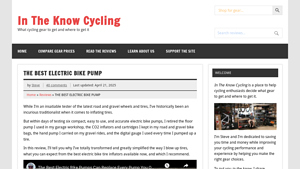
Domínio: intheknowcycling.com
Registrado: 2013 (12 anos)
Introdução: The best electric bike pumps are compact, easy to use, and accurate. They are the size of a GoPro camera or small bike computer, weighing around 150 grams (5½ ounces). Prices range from $50 to $75. They can fully inflate a flat 28mm road tire to 70 psi or a 40mm gravel tire to 45 psi in about a minute, with a capacity for 3 to 4 full inflations on a single charge. They are designed for both Presta…
Domínio: bicycling.com
Registrado: 1999 (26 anos)
Introdução: Best Overall Floor Pump: Silca Terra
Best Cheap Pump: Vibrelli Bike Floor Pump
Best Value Floor Pump: Specialized Air Tool Comp
Best Value Electric Mini Inflator: Cycplus Electric Mini Pump with Gauge
Best Mini Pump: Topeak Mountain DA Mini
Vibrelli Bike Floor Pump:
– Height: 2 feet
– Weight: 2.75 pounds
– Max pressure gauge: Accurate up to 100 psi (graduations to 160 psi)
– Best for: Road and th…
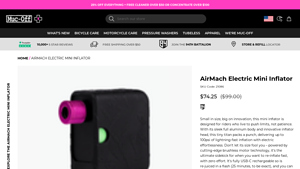
Domínio: us.muc-off.com
Registrado: 2002 (23 anos)
Introdução: AirMach Electric Mini Inflator
– SKU Code: 21086
– Price: $74.25 (originally $99.00)
– Size: 64 x 56 x 28mm
– Weight: 97g without case (114g with case)
– Max Air Pressure: 100psi
– Rechargeable: USB-C, charging time 25 minutes
– Battery: Lithium-ion 300mAh 7.4v
– Rated Power: 40W
– Working Current: 2.5 – 5.5 A
– Inflates up to 2 tires on one charge (based on 700Cx25: 0–80psi in ≈ 80 -90 seconds)
-…
As the market for bicycle tire inflators continues to evolve, B2B buyers must prioritize strategic sourcing to meet the diverse needs of their customers. Key takeaways from this guide highlight the importance of offering a range of products—ranging from compact manual inflators to advanced electric pumps—to cater to various consumer preferences and regional demands. Notably, the growing trend towards electric tire inflators underscores the necessity for suppliers to adapt their inventories accordingly.
Illustrative image related to bicycle tire inflators
Moreover, understanding the pricing dynamics and features of different inflator models can help businesses optimize their purchasing strategies. By investing in high-quality, reliable products, suppliers can enhance customer satisfaction and loyalty, driving repeat business and referrals.
Looking ahead, international B2B buyers from regions such as Africa, South America, the Middle East, and Europe should seize the opportunity to diversify their offerings and invest in innovative solutions. By leveraging strategic sourcing practices, companies can position themselves as leaders in the bicycle accessories market. Embrace this momentum and explore partnerships that align with your business goals, ensuring you meet the evolving demands of cyclists worldwide.
As informações fornecidas neste guia, inclusive o conteúdo referente a fabricantes, especificações técnicas e análise de mercado, são apenas para fins informativos e educacionais. Elas não constituem aconselhamento profissional sobre compras, aconselhamento financeiro ou aconselhamento jurídico.
Embora tenhamos feito todos os esforços para garantir a precisão e a atualidade das informações, não nos responsabilizamos por quaisquer erros, omissões ou informações desatualizadas. As condições de mercado, os detalhes da empresa e os padrões técnicos estão sujeitos a alterações.
Os compradores B2B devem realizar sua própria due diligence independente e completa antes de tomar qualquer decisão de compra. Isso inclui entrar em contato diretamente com os fornecedores, verificar as certificações, solicitar amostras e buscar consultoria profissional. O risco de confiar em qualquer informação contida neste guia é de responsabilidade exclusiva do leitor.


 Portuguese
  English
  Russian
  Spanish
  Italian
  Arabic
  German