
As the demand for motorcycle travel continues to grow globally, sourcing high-quality motorcycle luggage boxes has become a pivotal challenge for B2B buyers. The right luggage box not only enhances the riding experience but also ensures that valuable cargo remains safe and secure during transit. This guide offers a comprehensive overview of the motorcycle luggage box market, covering essential aspects such as types, applications, supplier vetting processes, and cost considerations.
International buyers from regions like Africa, South America, the Middle East, and Europe, including Nigeria and Germany, will find actionable insights tailored to their unique market dynamics. With a focus on various luggage solutions—from hard cases to soft bags—this guide equips businesses with the knowledge needed to make informed purchasing decisions.
Whether you’re looking to cater to adventure motorcyclists or urban commuters, understanding the nuances of motorcycle luggage boxes can significantly influence your product offerings and competitive edge. By navigating this guide, B2B buyers will gain the confidence to select suppliers that meet their specific needs, ultimately enhancing their market position and customer satisfaction.
| Nome do tipo | Principais características distintivas | Aplicativos B2B primários | Prós e contras resumidos para compradores |
|---|---|---|---|
| Estojos rígidos | Durable, weather-resistant, often lockable | Long-distance touring, delivery | Prós: High security, weatherproof. Contras: Mais pesado, mais caro. |
| Soft Bags | Lightweight, flexible, often expandable | Short trips, casual use | Prós: Lightweight, versatile. Contras: Less secure, may not be waterproof. |
| Alforjes | Side-mounted, offers balanced weight distribution | Adventure touring, commuting | Prós: Increased storage, balanced load. Contras: Can affect bike width, expensive. |
| Principais casos | Mounted on rear, easy access, often detachable | Urban commuting, touring | Prós: Convenient access, versatile. Contras: Limited space compared to panniers. |
| Bolsas de tanque | Mounted on the fuel tank, often magnetic or strapped | Short trips, navigation | Prós: Easy access, low profile. Contras: Limited capacity, may obstruct tank access. |
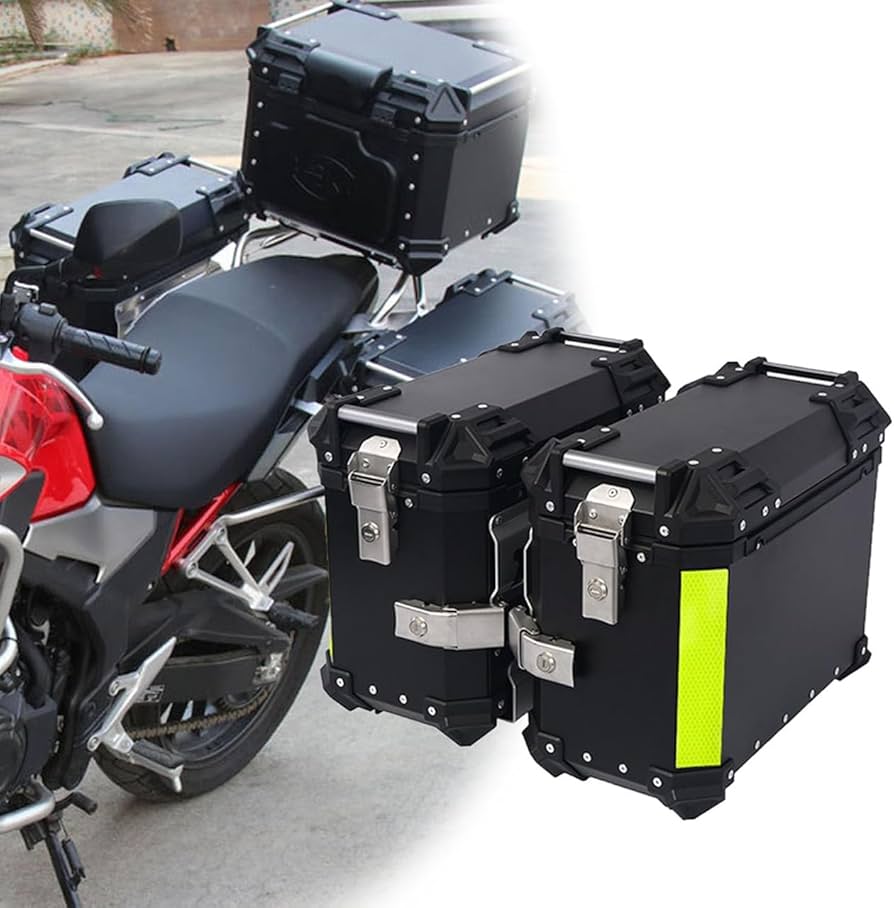
Hard cases are constructed from robust materials like aluminum or high-impact plastic, making them ideal for long-distance touring and delivery applications. Their lockable features provide enhanced security for valuable cargo, making them suitable for businesses that prioritize safety. When considering hard cases, B2B buyers should assess compatibility with their motorcycle models and factor in the added weight, which can affect fuel efficiency and handling.
Soft bags are known for their lightweight and flexible nature, making them a popular choice for short trips and casual use. They are often expandable, allowing for versatile storage options. For B2B buyers, the primary considerations include the bag’s material durability and waterproof capabilities, as these factors will influence the longevity of the product. While they are generally more affordable, their lack of security compared to hard cases may be a drawback for businesses transporting sensitive items.
Panniers are side-mounted luggage solutions that enhance motorcycle stability and weight distribution, making them particularly valuable for adventure touring and commuting. Their larger storage capacity allows businesses to transport more goods securely. Buyers should consider the mounting system and compatibility with their motorcycles, as well as the cost, which can vary significantly. While they offer excellent storage, panniers can increase the bike’s width, potentially complicating navigation in urban environments.
Top cases are mounted on the rear of the motorcycle, providing easy access for urban commuting and touring. Their convenience allows quick loading and unloading, which is advantageous for businesses with frequent stops. When evaluating top cases, B2B buyers should look for features such as detachable designs for added flexibility. However, while they offer convenience, their storage capacity may be limited compared to side-mounted options like panniers.
Tank bags are designed for short trips and navigation, typically mounted on the fuel tank using magnetic or strap systems. Their low-profile design provides easy access to essentials, making them ideal for quick errands or day rides. For B2B applications, buyers should consider the tank bag’s capacity and whether it obstructs access to the fuel tank. Although they are lightweight and easy to manage, their limited storage space may not meet the needs of businesses requiring significant cargo capacity.

Illustrative image related to motorcycle luggage box
| Indústria/Setor | Specific Application of motorcycle luggage box | Valor/benefício para a empresa | Principais considerações de fornecimento para este aplicativo |
|---|---|---|---|
| Logística e entrega | Used by courier services for transporting goods on motorcycles | Enhances delivery efficiency and reduces operational costs | Durability, weather resistance, and capacity for various goods |
| Turismo e viagens | Luggage solutions for motorcycle rental businesses | Increases customer satisfaction and safety for travelers | Compatibility with different motorcycle models and ease of use |
| Serviços de emergência | Transporting medical supplies and equipment | Quick access to essential items during emergencies | Secure locking mechanisms and robust construction |
| Adventure and Outdoor Sports | Gear storage for adventure motorcycling tours | Facilitates organized transport of equipment for outdoor activities | Lightweight design and waterproof features |
| E-commerce and Retail | Delivery of products directly to consumers | Expands reach and improves customer service | Cost-effectiveness and customization options |
In the logistics and delivery sector, motorcycle luggage boxes are essential for courier services that utilize motorcycles for last-mile delivery. These boxes allow couriers to securely transport packages while ensuring quick access to items during busy delivery schedules. The main requirements for buyers in this sector include durability to withstand frequent use, weather resistance to protect contents from rain and dust, and adequate capacity to accommodate various package sizes. As the demand for efficient delivery solutions grows, sourcing high-quality luggage boxes can lead to significant operational cost reductions.
Motorcycle rental businesses often rely on luggage boxes to enhance the travel experience for their customers. These boxes provide secure storage for personal belongings, ensuring that travelers can enjoy their rides without the worry of losing items. Buyers in this sector must consider compatibility with different motorcycle models, ease of installation, and user-friendly locking mechanisms. By investing in quality luggage solutions, rental companies can improve customer satisfaction, leading to repeat business and positive reviews.
In emergency services, motorcycle luggage boxes are utilized for transporting medical supplies and equipment swiftly to critical locations. These boxes facilitate quick access to essential items, which can be crucial in life-saving situations. Buyers in this sector prioritize secure locking mechanisms and robust construction to ensure that the contents remain protected and intact during transport. Furthermore, the ability to customize luggage boxes to fit specific equipment needs can enhance operational efficiency for emergency responders.
Adventure motorcycling tours frequently require participants to carry various gear, from camping equipment to sports gear. Motorcycle luggage boxes provide a practical solution for organizing and securely transporting these items. Buyers in this sector look for lightweight designs that do not add excessive weight to the motorcycle while also demanding waterproof features to protect gear from the elements. By meeting these requirements, suppliers can cater to the growing market of adventure enthusiasts seeking reliable luggage solutions.
E-commerce businesses that leverage motorcycles for deliveries benefit significantly from using motorcycle luggage boxes. These boxes enable efficient and secure transport of products directly to consumers, enhancing the overall shopping experience. Key considerations for buyers include cost-effectiveness and options for customization to reflect branding. By sourcing suitable luggage boxes, companies can expand their delivery capabilities and improve customer service, ultimately driving growth in the competitive e-commerce landscape.
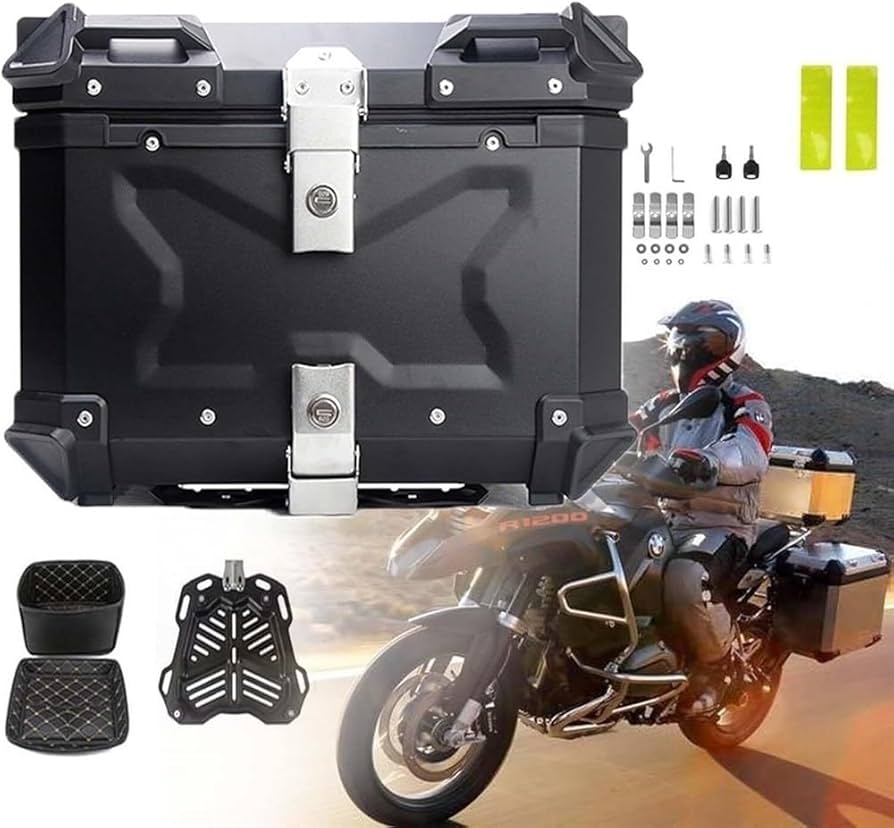
Illustrative image related to motorcycle luggage box
O problema: A common challenge faced by B2B buyers of motorcycle luggage boxes is ensuring compatibility with various motorcycle models. This issue is particularly pronounced for companies that operate across diverse markets, such as Africa, Europe, and South America, where motorcycle specifications can vary widely. Buyers often struggle with selecting a luggage box that not only fits the specific motorcycle model but also meets regional regulations regarding size and design.
A solução: To navigate this compatibility challenge, buyers should prioritize sourcing luggage boxes from reputable manufacturers that provide detailed fitment information and comprehensive installation guidelines. When evaluating products, ensure that the specifications include compatibility charts that list various motorcycle models, along with any necessary mounting kits. Additionally, consider investing in adjustable or universal mounting systems that can accommodate a range of models. Engaging with manufacturers or suppliers that offer expert consultations can further assist in selecting the right product tailored to your specific fleet of motorcycles.
O problema: Buyers often express concerns about the durability and weather resistance of motorcycle luggage boxes, particularly in regions with extreme weather conditions. For example, in parts of Africa and the Middle East, high temperatures and heavy rainfall can significantly impact the performance and longevity of luggage boxes. Buyers fear that investing in subpar products will lead to frequent replacements, increasing operational costs and affecting customer satisfaction.
A solução: To address durability concerns, B2B buyers should focus on sourcing luggage boxes made from high-quality materials, such as aluminum or reinforced plastics, known for their resilience against harsh weather conditions. Look for products that are specifically marketed as weatherproof or waterproof, and check for certifications or testing results that validate these claims. Additionally, consider opting for luggage boxes that feature robust locking mechanisms and reinforced hinges, which can provide added security and longevity. Regular maintenance, such as checking seals and cleaning the boxes, can also help preserve their integrity over time.
O problema: Another significant pain point for B2B buyers is the inadequacy of storage capacity in standard motorcycle luggage boxes. Businesses catering to various customer segments—such as long-distance travelers, delivery services, or commercial riders—often find that a one-size-fits-all solution does not meet their diverse needs. This mismatch can lead to frustration, as customers may require additional storage for gear, tools, or personal items.
A solução: To overcome storage limitations, buyers should evaluate motorcycle luggage boxes based on their volume and design flexibility. Prioritize options that offer modular storage systems or expandable compartments that can adapt to varying loads. Additionally, consider products with customizable interior layouts, allowing users to organize their belongings efficiently. Encouraging customers to assess their specific storage needs before purchasing can also guide them toward the right solution. Providing a range of sizes and configurations can enhance customer satisfaction and increase sales potential, catering to a broader market spectrum.
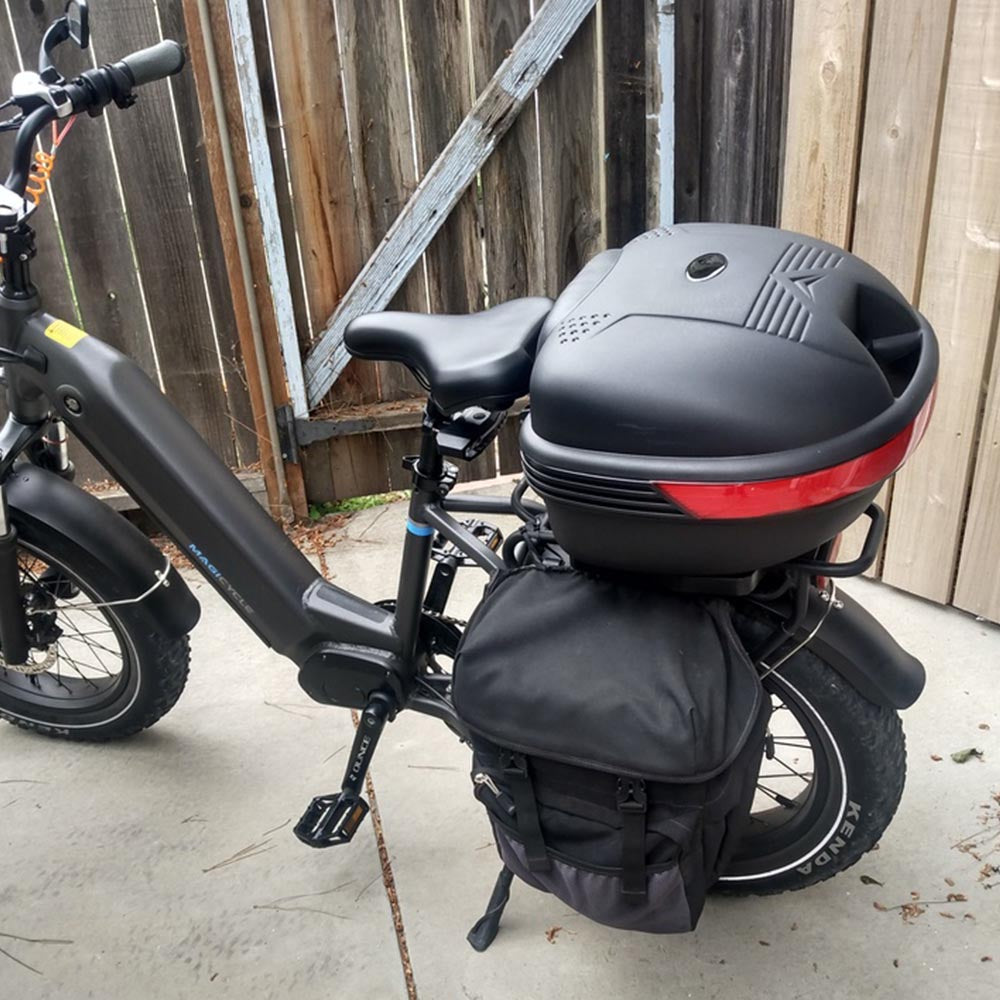
Illustrative image related to motorcycle luggage box
When selecting materials for motorcycle luggage boxes, it is essential to consider the properties, advantages, and limitations of various materials to ensure optimal performance, durability, and compliance with international standards. Here, we analyze four common materials used in the manufacturing of motorcycle luggage boxes: Aluminum, ABS Plastic, Polypropylene, and Fiberglass.
Aluminum is a lightweight yet robust material known for its excellent strength-to-weight ratio. It exhibits high corrosion resistance, making it suitable for various environmental conditions. Aluminum can withstand high temperatures and pressures, which is beneficial for motorcycle luggage subjected to varying climates and road conditions.
Prós e contras do alumínio: The primary advantage of aluminum is its durability and resistance to rust, which prolongs the lifespan of the luggage box. However, it can be more expensive than other materials and may require complex manufacturing processes such as welding or anodizing for enhanced surface protection.
Impacto no aplicativo: Aluminum is compatible with various media, including moisture and salt, making it ideal for riders in coastal or humid regions.
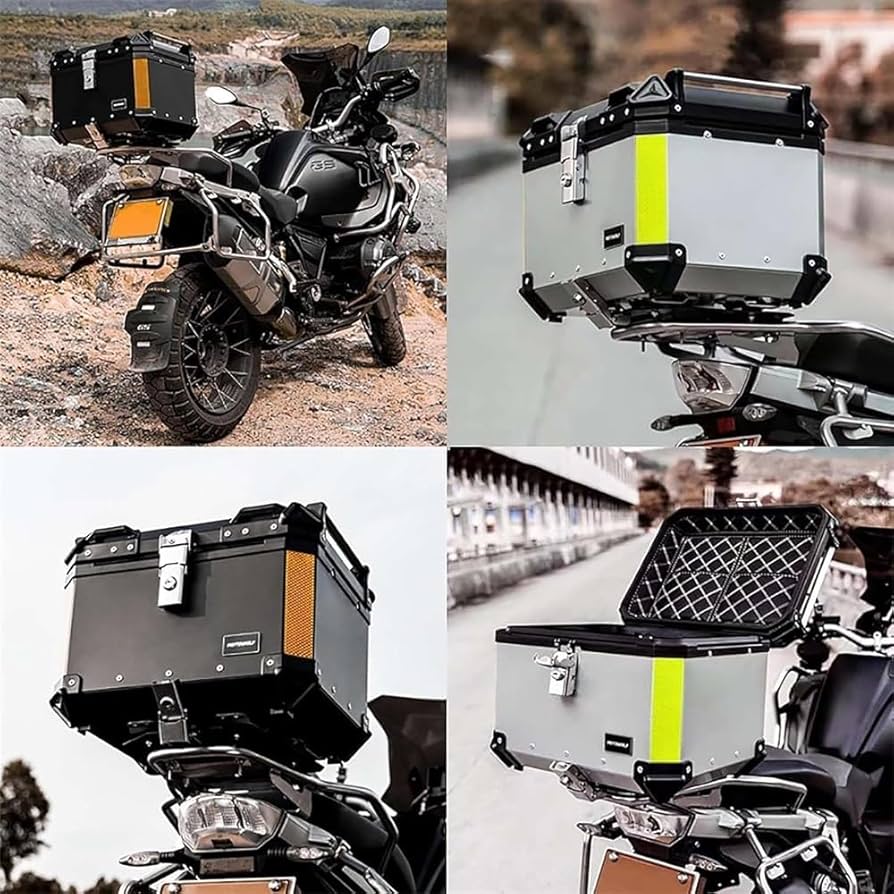
Illustrative image related to motorcycle luggage box
Considerações para compradores internacionais: Buyers from regions like Europe and the Middle East may prefer aluminum due to its lightweight nature and strength, aligning with standards like DIN for material properties.
Acrylonitrile Butadiene Styrene (ABS) plastic is a popular choice for motorcycle luggage due to its impact resistance and lightweight characteristics. It is also resistant to chemicals and UV radiation, ensuring that the luggage box maintains its appearance over time.
Pros and Cons of ABS Plastic: ABS is typically more affordable than aluminum and easier to mold into complex shapes, which can simplify manufacturing. However, it may not offer the same level of durability as aluminum and can become brittle at extreme temperatures.
Impacto no aplicativo: ABS is suitable for riders looking for cost-effective solutions that still provide adequate protection against the elements.
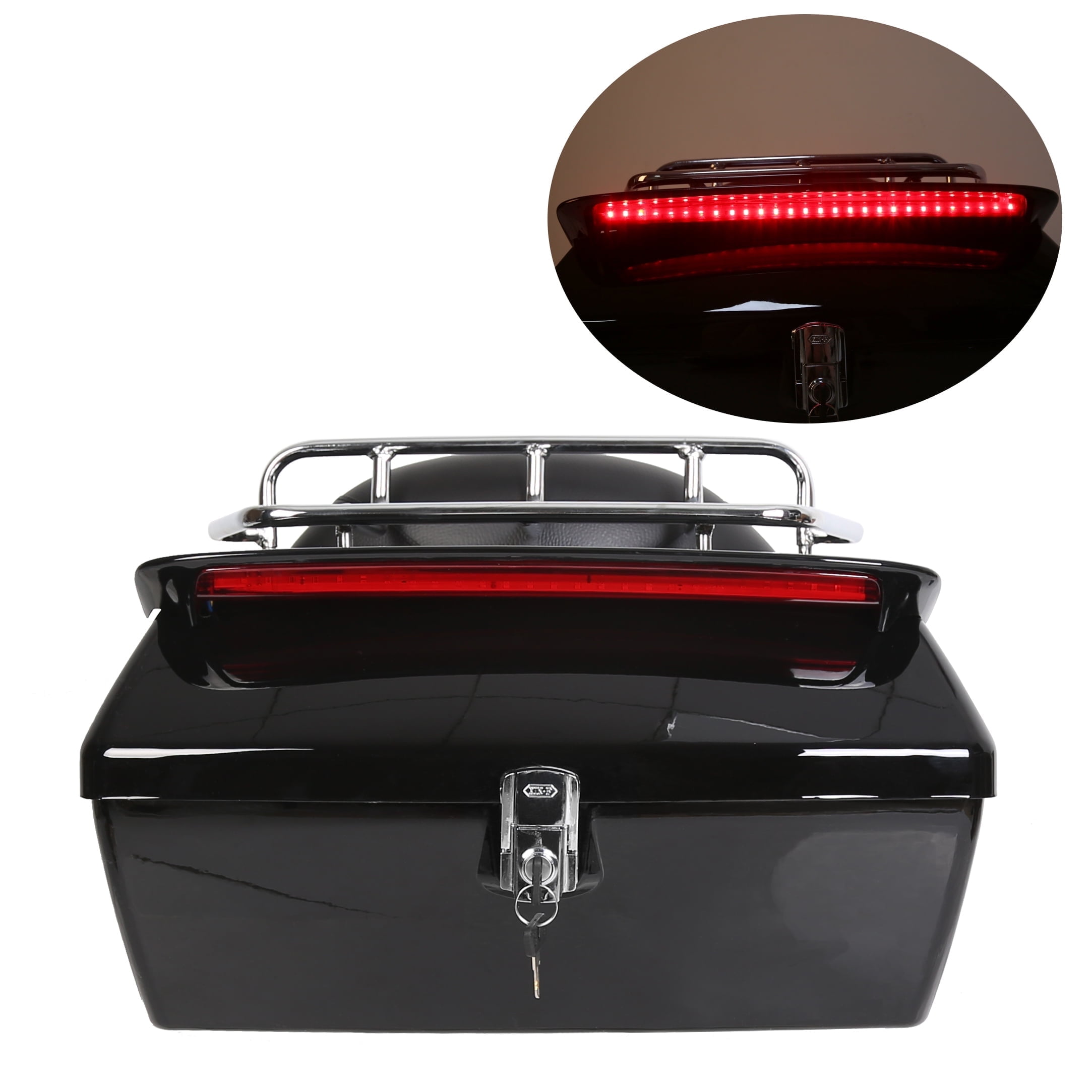
Illustrative image related to motorcycle luggage box
Considerações para compradores internacionais: Buyers in regions like South America may favor ABS for its cost-effectiveness and ease of production, though they should ensure compliance with local standards for plastic materials.
Polypropylene is a thermoplastic polymer known for its flexibility and resistance to chemicals and moisture. It is lightweight and can endure varying temperatures, making it suitable for outdoor use.
Pros and Cons of Polypropylene: The key advantage of polypropylene is its affordability and resistance to impact, which protects the contents of the luggage box. However, it may not be as aesthetically pleasing as aluminum or ABS and can fade over time when exposed to UV light.
Impacto no aplicativo: Polypropylene is particularly suitable for riders in regions with fluctuating temperatures, as it maintains its integrity under thermal stress.
Considerações para compradores internacionais: Buyers from Africa may find polypropylene appealing due to its cost-effectiveness and resilience, but they should verify compliance with local regulations regarding plastic products.
Fiberglass is a composite material made from glass fibers and resin, known for its high strength and lightweight properties. It offers excellent durability and is resistant to corrosion and UV radiation.
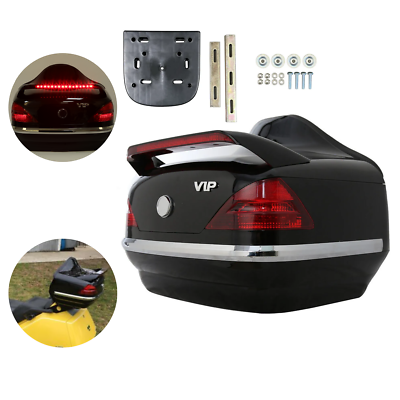
Illustrative image related to motorcycle luggage box
Pros and Cons of Fiberglass: The main advantage of fiberglass is its strength and ability to be molded into aerodynamic shapes, enhancing the motorcycle’s aesthetics. However, it can be more expensive and requires specialized manufacturing techniques, which can complicate production.
Impacto no aplicativo: Fiberglass is ideal for riders looking for high-performance luggage solutions that require both strength and lightweight features.
Considerações para compradores internacionais: Buyers in Europe may appreciate fiberglass for its aesthetic appeal and performance characteristics, but they should ensure that the manufacturing processes comply with European standards for composite materials.
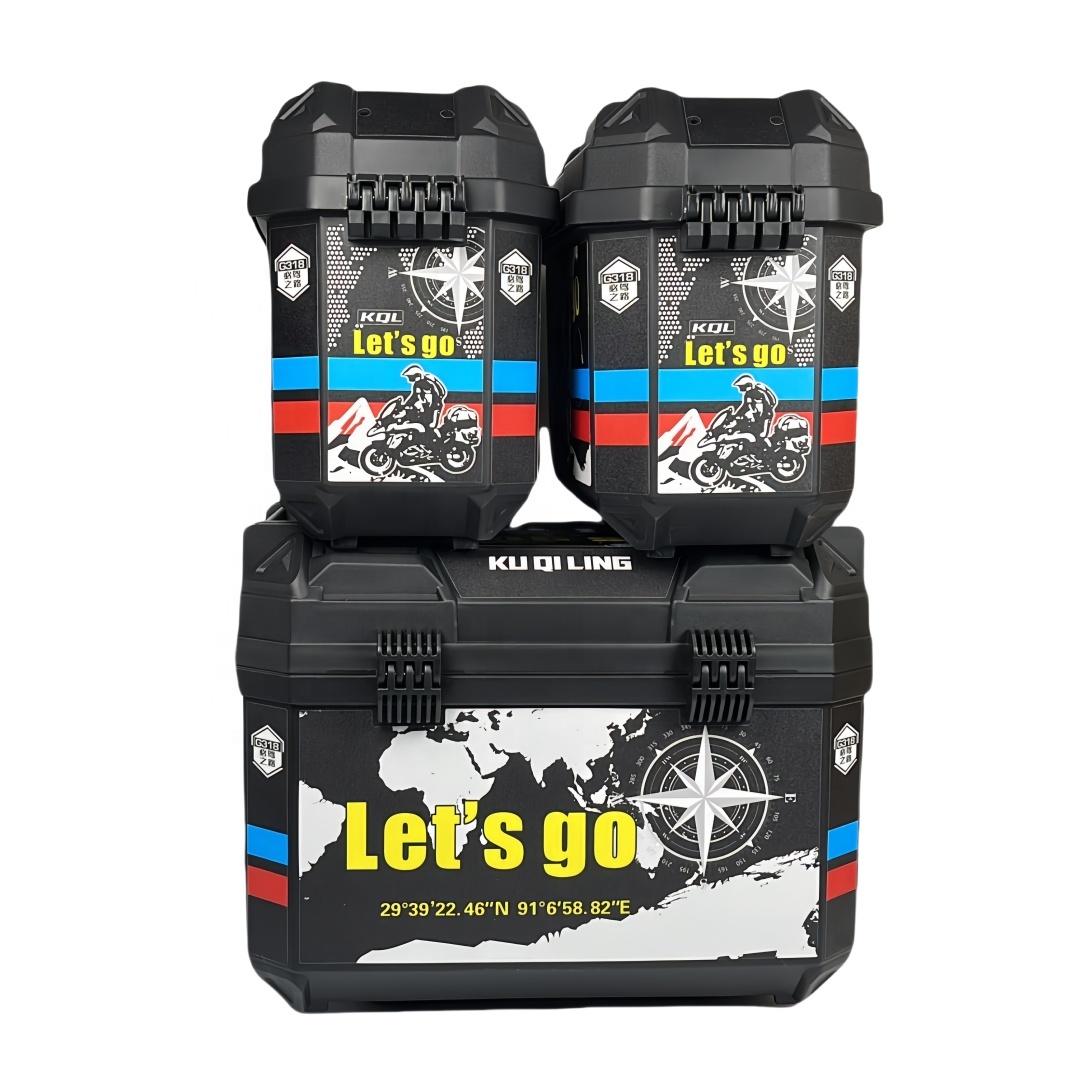
Illustrative image related to motorcycle luggage box
| Material | Typical Use Case for motorcycle luggage box | Principais vantagens | Principal desvantagem/limitação | Custo relativo (baixo/médio/alto) |
|---|---|---|---|---|
| Alumínio | High-end touring and adventure bikes | Excelente durabilidade e resistência à corrosão | Higher manufacturing complexity and cost | Alta |
| ABS Plastic | Budget-friendly options for city riders | Cost-effective and easy to mold | Less durable than metal alternatives | Baixa |
| Polypropylene | Versatile applications for various riders | Lightweight and impact-resistant | Aesthetic limitations and UV fading | Baixa |
| Fiberglass | Premium luggage solutions for performance bikes | High strength and aesthetic flexibility | Maior custo e complexidade de fabricação | Alta |
This guide provides a comprehensive overview of material selection for motorcycle luggage boxes, enabling B2B buyers to make informed decisions based on performance, cost, and regional compliance.
The manufacturing of motorcycle luggage boxes involves a series of critical stages that ensure both durability and functionality. Understanding these processes can help B2B buyers make informed decisions when selecting suppliers.
The first stage in manufacturing motorcycle luggage boxes is material preparation. This typically involves selecting high-quality materials such as ABS plastic, aluminum, or fiberglass. Each material has distinct properties that influence weight, durability, and resistance to weather and impacts.
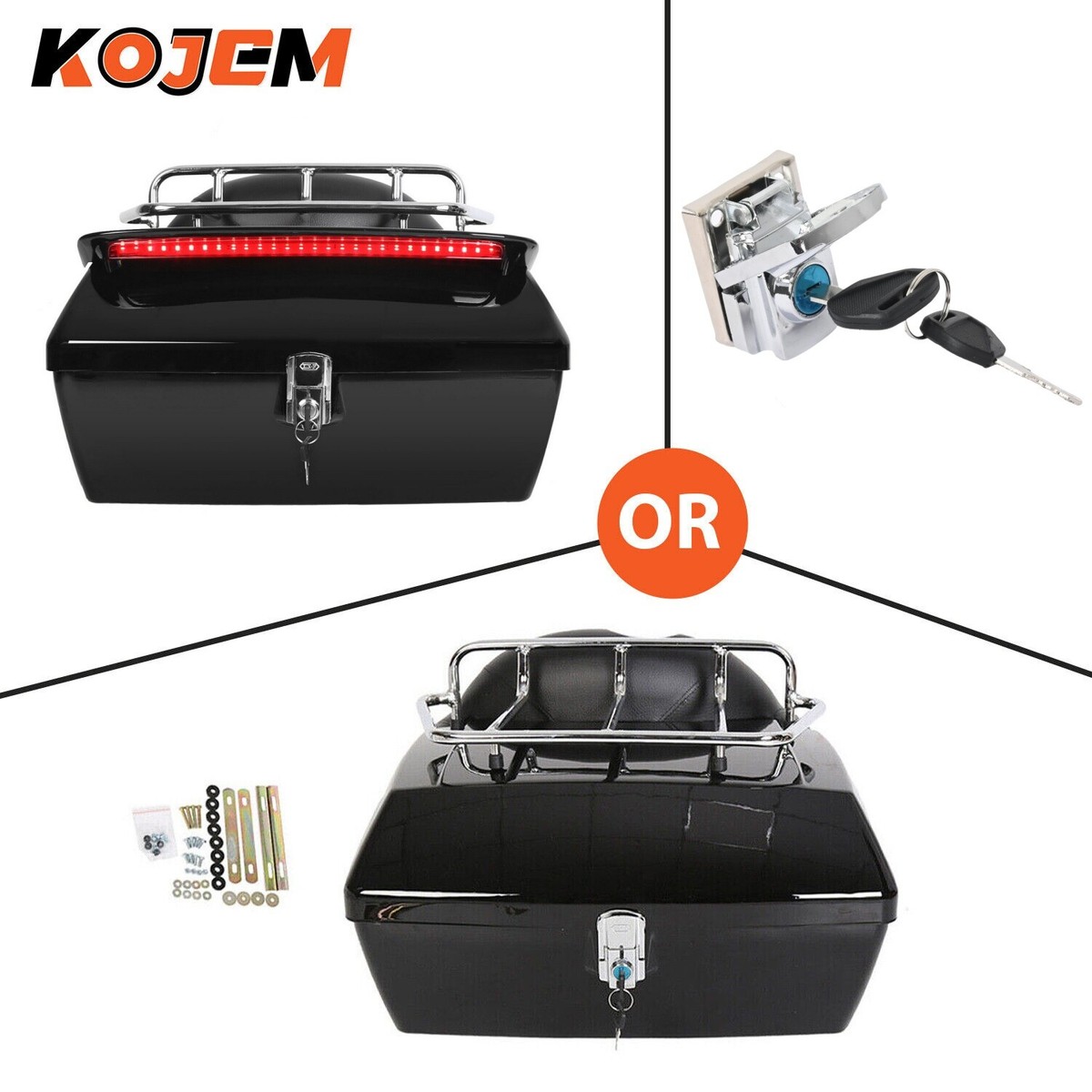
Illustrative image related to motorcycle luggage box
Material Selection: Suppliers often choose materials based on the intended use of the luggage box. For example, aluminum may be preferred for off-road or adventure motorcycles due to its robustness, while plastic may be used for lighter, more cost-effective options.
Pre-processing: Once selected, materials undergo pre-processing, which may include cutting, shaping, and treatment to enhance properties such as corrosion resistance. This step is crucial for ensuring that the final product meets quality standards.
After material preparation, the next stage is forming, where the raw materials are shaped into the desired form.
Moldagem por injeção: For plastic luggage boxes, injection molding is a prevalent technique. It allows for intricate designs and ensures uniform thickness, which contributes to the structural integrity of the box.
Sheet Metal Fabrication: In the case of aluminum boxes, processes like stamping or laser cutting are often used. These methods provide precision and can accommodate various design features such as locks and mounting points.
Thermoforming: This technique is also employed for certain plastic components, where sheets of plastic are heated and molded over a form. It is effective for creating lightweight, durable products.
The assembly stage is where all the manufactured components come together to form the final product.
Joining Techniques: Depending on the materials used, various joining techniques such as welding, riveting, or using adhesives are employed. For example, aluminum boxes may be welded to ensure a waterproof seal, while plastic components might be bonded with strong adhesives.
Quality Checks During Assembly: It is essential to have quality checkpoints during assembly. This includes verifying the alignment of components and ensuring that all parts fit properly before proceeding to the next stage.
Finishing processes are vital for enhancing both the aesthetics and functionality of motorcycle luggage boxes.
Tratamento de superfície: Techniques such as powder coating, anodizing, or painting are commonly used to provide a protective layer against environmental factors. This step not only improves appearance but also extends the lifespan of the luggage box.
Final Inspections: Before packaging, a thorough inspection is conducted to ensure that the product meets all specifications and quality standards. This may include checking for scratches, dents, or other imperfections.
Quality assurance is critical in the manufacturing of motorcycle luggage boxes, ensuring that products meet international standards and are safe for use.
B2B buyers should be aware of several international quality standards applicable to motorcycle luggage boxes:
ISO 9001: This standard focuses on quality management systems and is essential for manufacturers seeking to demonstrate their ability to consistently provide products that meet customer and regulatory requirements.
Marcação CE: For products sold in the European Union, CE marking indicates compliance with health, safety, and environmental protection standards. Buyers should verify that their suppliers hold valid CE certifications.
Padrões API: The American Petroleum Institute (API) sets standards for products that may come into contact with fuels or oils. For luggage boxes designed for specific motorcycle applications, adherence to API standards may be necessary.
Quality control (QC) is an integral part of the manufacturing process, and several checkpoints should be established:
Controle de qualidade de entrada (IQC): This initial stage involves inspecting raw materials upon arrival to ensure they meet specified standards. Suppliers should provide documentation proving that materials are compliant with relevant standards.
Controle de qualidade durante o processo (IPQC): During manufacturing, random checks should be conducted to ensure that the production process is under control and that products are being made to the required specifications.
Controle de qualidade final (FQC): Before shipment, a comprehensive inspection of the finished products should be carried out. This includes functionality tests, aesthetic checks, and packaging inspections.
For B2B buyers, verifying the quality control practices of potential suppliers is essential for ensuring product reliability.
Auditorias de fornecedores: Conducting audits of potential suppliers can provide valuable insights into their manufacturing processes and quality control systems. Buyers should look for documented evidence of adherence to international standards.
Reviewing Quality Reports: Suppliers should provide regular quality reports that detail inspection results, defect rates, and corrective actions taken. This transparency is crucial for building trust.
Inspeções de terceiros: Engaging third-party inspection services can offer an unbiased assessment of a supplier’s quality control practices. These organizations typically conduct comprehensive inspections and provide detailed reports.
When sourcing motorcycle luggage boxes from international suppliers, B2B buyers must consider the nuances of quality certifications.
Regional Compliance: Different regions may have specific certifications that are mandatory. For instance, buyers in Africa may need to consider local standards, while those in Europe should prioritize CE certification.
Language Barriers: Documentation and reports from suppliers may be in different languages. Buyers should ensure they have access to translated versions to fully understand compliance status.
Diferenças culturais: Different countries may have varying approaches to quality assurance. Buyers should familiarize themselves with the cultural context of their suppliers to better navigate negotiations and expectations.
By understanding the manufacturing processes and quality assurance measures associated with motorcycle luggage boxes, B2B buyers can make informed decisions that align with their specific needs and regulatory requirements, ultimately leading to successful partnerships and high-quality products.
This practical sourcing guide serves as a comprehensive checklist for B2B buyers seeking to procure motorcycle luggage boxes. The motorcycle luggage market is diverse, with various styles, materials, and functionalities available. By following this step-by-step guide, buyers can ensure they make informed decisions, aligning their procurement with their business needs and market demands.
Begin by outlining the specific technical requirements for the motorcycle luggage box. This includes dimensions, weight capacity, and material preferences (e.g., aluminum, plastic, or composite). Clearly defined specifications will help streamline the selection process and ensure compatibility with the motorcycles intended for use.
Understanding current market trends is crucial for making strategic purchasing decisions. Analyze consumer preferences, seasonal demand, and emerging styles in motorcycle luggage. This insight will help you align your inventory with market needs and maximize sales potential.
Before committing to any supplier, conduct a thorough evaluation. Request company profiles, product catalogs, and references from other businesses in your region or industry. This step is vital to ensure that you are partnering with reliable manufacturers who can meet your quality and service expectations.
Confirm that the products meet necessary industry standards and regulations. This includes safety certifications, environmental compliance, and any regional regulations that may apply to motorcycle accessories. Ensuring compliance protects your business from legal issues and enhances your credibility in the market.
Always request samples of the motorcycle luggage boxes before placing a bulk order. Evaluating the quality, durability, and functionality of the products firsthand will help you make an informed decision. This step is crucial for assessing whether the product meets your specifications and quality standards.
Once you’ve selected a supplier, engage in negotiations to finalize terms and pricing. Discuss payment terms, minimum order quantities, and potential discounts for bulk purchases. Strong negotiation can lead to cost savings and better conditions for your business.
Finally, consider the logistics involved in transporting and distributing the motorcycle luggage boxes. This includes shipping methods, warehousing solutions, and local distribution channels. Effective logistics planning ensures that you can meet customer demand promptly and efficiently.
By following this checklist, B2B buyers can make informed decisions when sourcing motorcycle luggage boxes, ensuring quality, compliance, and market alignment.
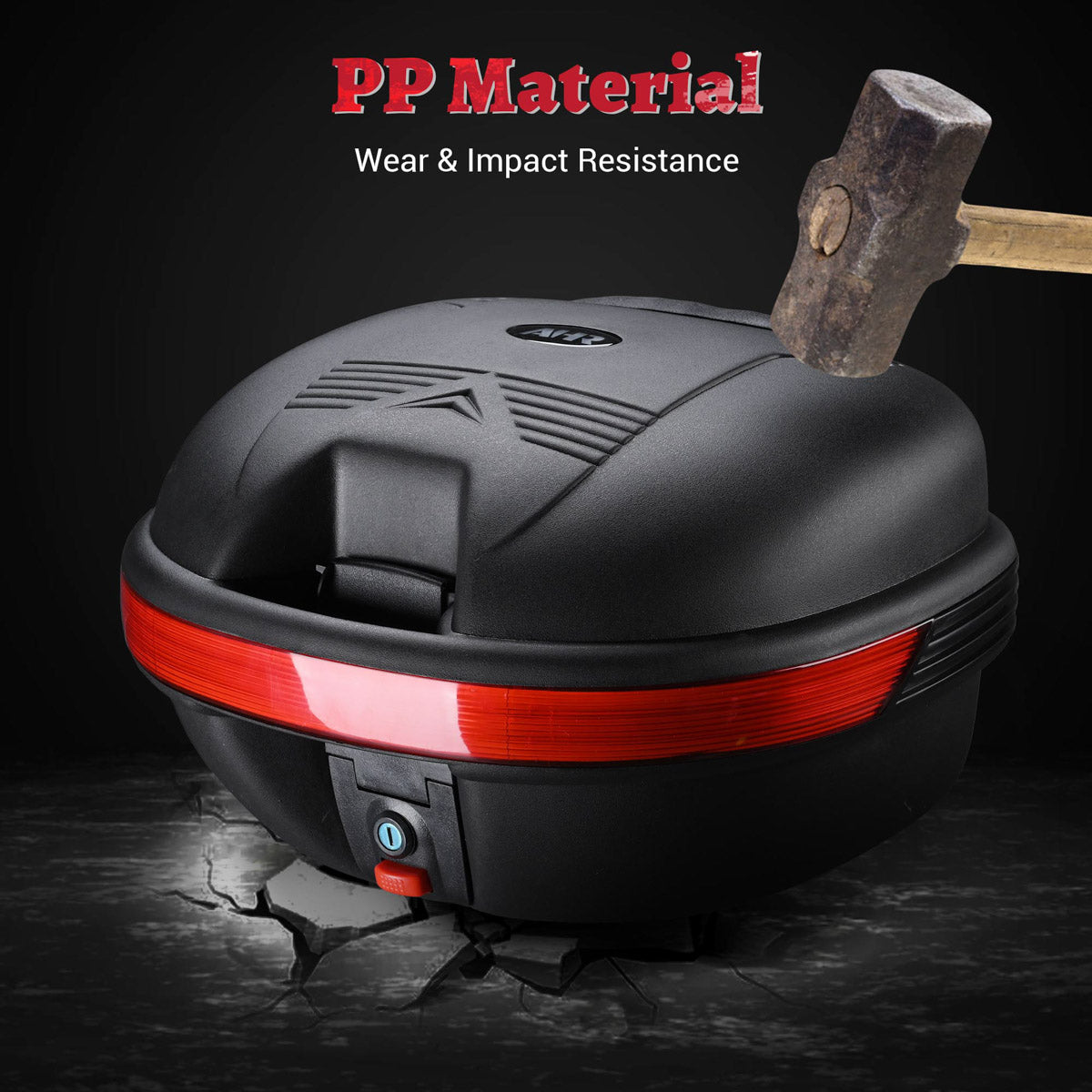
Illustrative image related to motorcycle luggage box
Understanding the cost structure and pricing dynamics of motorcycle luggage boxes is crucial for international B2B buyers looking to source these products effectively. This analysis will delve into the various cost components, price influencers, and provide actionable tips for buyers to enhance their procurement strategies.
Materiais: The primary materials used in motorcycle luggage boxes include high-grade plastics, aluminum, and steel, each affecting the final cost significantly. For instance, aluminum cases tend to be more expensive due to their durability and lightweight properties, while plastic cases offer a budget-friendly alternative but may not provide the same level of protection.
Trabalho: Labor costs vary by region and the complexity of the manufacturing process. In countries with lower labor costs, such as those in South America and Africa, manufacturers may offer competitive pricing, but this can also come with varying quality standards.
Custos indiretos de fabricação: This encompasses expenses related to factory operations, including utilities, rent, and equipment maintenance. Efficient manufacturers manage overhead costs well to keep their pricing competitive.
Ferramentas: The initial investment in tooling for molds and machinery can be significant, especially for custom designs. This cost is often amortized over larger production runs, making volume purchasing advantageous for buyers.
Controle de qualidade (QC): Rigorous QC processes ensure that products meet safety and quality standards, which can add to the cost. Certifications from recognized bodies can also influence the price but are essential for international trade compliance.
Logística: Shipping costs can vary based on distance, shipping method, and the chosen Incoterms. Import duties and taxes should also be considered, as they can significantly affect the total landed cost.
Margem: Suppliers typically add a profit margin to cover risks and ensure sustainability. Understanding the typical margins in your target market can aid in negotiations.
Volume/MOQ (quantidade mínima de pedido): Suppliers often provide discounts for larger orders, making it essential for buyers to assess their inventory needs accurately. Bulk purchases can lead to significant savings.
Especificações e personalização: Custom designs or unique specifications may incur additional costs. Buyers should weigh the benefits of customization against the increased expenses.
Qualidade e certificações: Higher-quality luggage boxes with certifications (e.g., ISO standards) typically command higher prices. Buyers must evaluate the importance of these certifications based on their market needs.
Fatores do fornecedor: The reputation and reliability of the supplier can also impact pricing. Established suppliers may offer better warranty terms and customer support, which can justify higher costs.
Incoterms: Understanding the chosen Incoterms (e.g., FOB, CIF) is vital as they dictate who bears the cost at various stages of the shipping process. This can significantly affect the overall price.
Volume de alavancagem: Buyers should negotiate based on order volume. Establishing long-term relationships with suppliers can also lead to better pricing.
Assess Total Cost of Ownership (TCO): Consider not just the purchase price but also logistics, maintenance, and potential returns. A lower upfront cost may not always translate to better value in the long run.
Pesquisa de mercado: Conduct thorough market research to understand prevailing prices and quality standards. This information can strengthen your negotiating position.
Cultural Sensitivity in Negotiations: Different regions may have distinct negotiation styles. Understanding these cultural nuances, especially in markets like Africa and the Middle East, can lead to more fruitful discussions.
Be Open to Alternatives: If a supplier cannot meet your price expectations, consider alternative products or configurations that may fit your needs without compromising quality.
Navigating the cost and pricing landscape of motorcycle luggage boxes requires a strategic approach that considers various factors from material choices to supplier reliability. By understanding these components and employing effective negotiation tactics, B2B buyers can optimize their sourcing decisions, ensuring they receive quality products at competitive prices. Always remember that prices can fluctuate based on market conditions, so staying informed is key to successful procurement.
When considering the logistics of transporting goods on motorcycles, the choice of luggage system plays a critical role in efficiency and convenience. While motorcycle luggage boxes are popular for their durability and capacity, exploring alternative solutions can help businesses identify the best fit for their operational needs.
| Aspecto de comparação | Motorcycle Luggage Box | Soft Saddle Bags | Cargo Net Systems |
|---|---|---|---|
| Desempenho | High capacity, weather-resistant, secure | Moderate capacity, flexible shape, less secure | Low capacity, versatile, limited protection |
| Custo | Mid to high price range | Custo geralmente mais baixo | Low cost |
| Facilidade de implementação | Requires specific mounting systems | Simple to attach, may require straps | Easy to use, no installation needed |
| Manutenção | Low maintenance, durable | Moderate, may require cleaning | Very low, just store when not in use |
| Melhor caso de uso | Long-distance travel, heavy cargo | Short trips, casual use | Quick, lightweight loads |
Soft saddle bags are an appealing alternative for motorcycle luggage due to their lightweight and flexible design. They typically provide moderate storage capacity and are easy to attach to various motorcycle models. However, while they offer quick access and are generally more affordable, they may lack the security and weather resistance that hard luggage boxes provide. For businesses that prioritize cost and flexibility, soft saddle bags can be a practical choice, especially for short-distance travel.
Cargo net systems are designed for lightweight, quick-loading situations. They offer the advantage of versatility, allowing users to secure various items of different shapes and sizes. However, their low storage capacity and limited protection against weather elements can be a drawback for businesses needing to transport fragile or sensitive goods. Cargo nets are particularly useful for short, quick trips where quick access to items is a priority, but they may not be suitable for longer journeys or heavier loads.
Selecting the right luggage solution for motorcycles depends on several factors, including the nature of the cargo, travel distance, and budget constraints. Motorcycle luggage boxes are ideal for businesses that require robust, secure storage for long-distance travel. In contrast, soft saddle bags and cargo nets may suit those needing flexibility and quick access for shorter trips. By evaluating the specific operational needs and considering the pros and cons of each option, B2B buyers can make informed decisions that align with their logistical requirements.
Motorcycle luggage boxes serve as essential accessories for riders, providing the capacity to carry gear safely and securely. Here are some critical technical properties that B2B buyers should consider when sourcing these products:
Grau do material: The choice of material significantly impacts the durability and weight of the luggage box. Common materials include high-grade aluminum, ABS plastic, and fiberglass. Aluminum is favored for its lightweight and robust characteristics, while ABS plastic offers good resistance to impact and weather. Understanding the material grade helps buyers assess the product’s longevity and suitability for different riding conditions.
Capacidade: This specification refers to the volume the luggage box can hold, typically measured in liters. Common capacities range from 30 to over 60 liters. Buyers should align the capacity with their target market’s needs, whether for daily commutes or long-distance touring, ensuring the box can accommodate standard gear such as helmets, clothing, or camping equipment.
Tolerância de peso: The weight tolerance indicates how much load the luggage box can safely carry without compromising its integrity. It is crucial for ensuring safety and performance, especially under heavy loads. Buyers should consider the weight limits to avoid product returns or complaints from customers who overload their boxes.
Resistência às intempéries: Luggage boxes should be designed to withstand various environmental conditions. Features like watertight seals, UV-resistant coatings, and corrosion-resistant materials enhance the product’s reliability. Buyers need to prioritize weather resistance to meet customer expectations, particularly in regions with harsh climates.
Sistema de montagem: The compatibility of the luggage box with different motorcycle models is determined by its mounting system, which can include Monokey, Monolock, or proprietary fittings. A versatile mounting system allows for easier installation and removal, catering to a broader range of motorcycles. Buyers should ensure that the boxes can be easily adapted to their customers’ bikes.
Locking Mechanism: Security features, such as advanced locking systems, are essential to protect the contents of the luggage box. Buyers should look for products with robust locking mechanisms that deter theft while being user-friendly. This aspect is crucial for attracting customers who prioritize security in their travel gear.
Understanding the terminology used in the motorcycle luggage box industry is vital for effective communication and negotiation between buyers and suppliers. Here are some common terms:
OEM (fabricante original do equipamento): This term refers to companies that manufacture products that are sold under another brand’s name. In the context of motorcycle luggage boxes, an OEM might produce boxes for well-known motorcycle brands, ensuring quality and compatibility. Buyers should be aware of OEM products as they often guarantee higher standards.
MOQ (Quantidade mínima de pedido): MOQ specifies the least number of units a supplier is willing to sell. This can vary significantly between manufacturers. Understanding MOQ is essential for buyers to manage inventory effectively and ensure they meet their operational needs without over-committing financially.
RFQ (Request for Quotation, solicitação de cotação): An RFQ is a formal document requesting pricing and other details from suppliers. It is commonly used in B2B transactions to initiate negotiations. Buyers should prepare detailed RFQs to ensure they receive comprehensive quotes that meet their specifications.
Incoterms (Termos Comerciais Internacionais): These are a set of predefined international rules that clarify the responsibilities of buyers and sellers in international trade. Common Incoterms include FOB (Free on Board) and CIF (Cost, Insurance, and Freight). Buyers must understand these terms to avoid misunderstandings regarding shipping responsibilities and costs.
Prazo de entrega: This term refers to the time taken from placing an order to its delivery. It is crucial for inventory planning and fulfilling customer demands. Buyers should negotiate lead times to align with their sales cycles and customer expectations.
Garantia: A warranty is a guarantee provided by the manufacturer regarding the quality and longevity of the product. Understanding warranty terms is essential for buyers, as it affects customer satisfaction and potential returns. Buyers should seek products with favorable warranty conditions to enhance their offerings.
By understanding these technical specifications and trade terms, B2B buyers can make informed decisions, ensuring they select the right motorcycle luggage boxes that meet market demands and enhance customer satisfaction.
The motorcycle luggage box market is experiencing a dynamic shift influenced by several global drivers. Increasing motorcycle ownership in emerging markets like Africa and South America is a primary factor fueling demand. As urbanization continues, more individuals are opting for motorcycles as a cost-effective and efficient means of transportation. This trend is complemented by a growing interest in adventure touring and long-distance riding, particularly in regions like the Middle East and Europe.
Illustrative image related to motorcycle luggage box
In terms of technology, the rise of e-commerce platforms is transforming B2B sourcing. International buyers can now access a wider variety of products from manufacturers around the globe, enhancing competition and driving innovation. Additionally, manufacturers are integrating smart technologies into luggage solutions, such as GPS tracking and anti-theft features, appealing to tech-savvy consumers. Sustainability is also becoming a significant consideration, with buyers increasingly seeking products made from eco-friendly materials.
Market dynamics indicate that while established brands dominate, there is a growing space for niche players who can offer customized solutions tailored to specific market needs. For international buyers, understanding regional preferences and adapting to local market dynamics will be crucial for successful sourcing.
Sustainability is becoming a pivotal factor in the sourcing decisions of B2B buyers in the motorcycle luggage box sector. The environmental impact of production processes and materials used in manufacturing is under scrutiny, prompting buyers to prioritize suppliers who demonstrate a commitment to sustainable practices. This shift is particularly pronounced in Europe, where regulations around carbon footprints and waste management are stringent.
Ethical sourcing practices are gaining traction, with buyers increasingly looking for transparency in supply chains. This includes ensuring fair labor practices and environmentally friendly materials. Certifications such as ISO 14001 for environmental management and the use of recycled materials are becoming essential criteria in supplier selection.
Manufacturers that utilize biodegradable plastics or recycled aluminum not only reduce their environmental impact but also appeal to a market segment that values sustainability. For international buyers, aligning with suppliers who prioritize sustainable practices can enhance brand reputation and meet the growing consumer demand for environmentally responsible products.
The motorcycle luggage box industry has evolved significantly since its inception. Initially, luggage solutions were rudimentary and primarily focused on functionality rather than aesthetics or advanced features. Over the decades, as motorcycles gained popularity, particularly in Europe and North America, the demand for more sophisticated luggage systems increased.
The introduction of hard cases in the 1970s marked a turning point, offering enhanced durability and security compared to traditional soft bags. As motorcycle tourism expanded in the late 20th century, manufacturers began to innovate, introducing varied designs, sizes, and materials tailored for different riding styles and preferences.
Today, the market is characterized by a diverse range of products, from high-end aluminum cases to lightweight plastic options, reflecting the industry’s response to changing consumer preferences and technological advancements. This evolution highlights the importance of adaptability for B2B buyers looking to source products that meet the demands of a rapidly changing market.
How do I choose the right motorcycle luggage box for my business needs?
Choosing the right motorcycle luggage box involves assessing your specific requirements such as size, material, and purpose. Consider the types of motorcycles you are catering to—sport, touring, or adventure bikes—as different models may have unique mounting systems. Additionally, evaluate the storage capacity needed for your target market. Materials like aluminum offer durability and weather resistance, while plastic cases are lighter and often more affordable. It’s also essential to review the warranty and customer service support provided by the supplier.
What is the best material for motorcycle luggage boxes?
The best material for motorcycle luggage boxes depends on your target market and usage scenarios. Aluminum cases are highly durable and offer excellent protection against impacts and weather, making them ideal for adventure touring. Plastic boxes, on the other hand, are lightweight and cost-effective, suitable for casual riders or those looking for budget-friendly options. Consider offering a mix of both materials to cater to varying customer preferences and needs in your region.
What are the typical minimum order quantities (MOQs) for motorcycle luggage boxes?
Minimum order quantities (MOQs) for motorcycle luggage boxes can vary significantly between suppliers and manufacturers. Generally, MOQs can range from 50 to 500 units, depending on the complexity of the product and the customization options. When negotiating with suppliers, clarify the MOQ to ensure it aligns with your inventory capabilities and market demand. Some manufacturers may offer lower MOQs for standardized products, while customized items usually require higher quantities.
How can I verify the credibility of a motorcycle luggage box supplier?
To verify a motorcycle luggage box supplier’s credibility, conduct thorough due diligence. Check their business licenses, certifications, and customer reviews. Request references from other B2B clients and evaluate their production capabilities by visiting their facilities if possible. It’s also beneficial to review their quality assurance processes and any industry awards or recognitions they have received. Engaging with suppliers at trade shows can provide firsthand insights into their offerings and reliability.
What customization options are available for motorcycle luggage boxes?
Customization options for motorcycle luggage boxes often include size, color, branding, and additional features such as locks, mounting systems, and internal compartments. Many suppliers offer the ability to print your logo or brand on the cases, enhancing your brand visibility. Discuss your specific requirements with potential suppliers to understand the extent of customization they can provide, and ensure that the options align with your target market’s preferences.
What payment terms should I expect when sourcing motorcycle luggage boxes internationally?
Payment terms for international sourcing can vary widely but typically include options such as upfront payment, partial payment upon order confirmation, and the balance before shipment. Common methods include wire transfers, letters of credit, and PayPal. It’s crucial to negotiate terms that protect your interests while considering the supplier’s policies. Be aware of any additional costs such as duties, taxes, and shipping fees that may affect the overall pricing.
How do I handle quality assurance for motorcycle luggage boxes?
Implementing a robust quality assurance (QA) process is critical when sourcing motorcycle luggage boxes. Establish clear specifications and quality standards with your supplier upfront. Consider conducting pre-shipment inspections to verify that the products meet your standards. Additionally, request samples before placing larger orders to evaluate the materials and craftsmanship. Building a strong relationship with your supplier can facilitate open communication regarding any quality concerns that may arise.
What logistics considerations should I keep in mind when importing motorcycle luggage boxes?
When importing motorcycle luggage boxes, several logistics considerations are essential. Evaluate shipping methods (air vs. sea) based on your budget and urgency. Understand the customs regulations and import duties applicable in your country, as these can significantly impact costs. Work with a reliable freight forwarder who can help navigate the complexities of international shipping and ensure compliance with all regulations. Additionally, consider the storage and distribution logistics once the products arrive to optimize your supply chain efficiency.
Domínio: giviusa.com
Registrado: 2000 (25 anos)
Introdução: Motorcycle Hard Cases, including Monokey Cases, Monolock Cases, and various series such as Alaska, Dolomiti, Outback, and Trekker. Accessories include keys, back rest pads, brake light kits, colored case covers, inner bags and liners, luggage racks, side hard bags, soft luggage, backpacks, tail packs, tank bags, and top case plates. Compatible with a wide range of motorcycle brands including April…
Domínio: cyclegear.com
Registrado: 1996 (29 anos)
Introdução: This company, Cycle Gear – Top Motorcycle Cases, is a notable entity in the market. For specific product details, it is recommended to visit their website directly.

Domínio: ebay.com
Registrado: 1995 (30 anos)
Introdução: Motorcycle & Scooter Luggage, Racks & Storage available for sale on eBay. Categories include Saddlebags & Panniers, Luggage Racks, Top Boxes & Tail Bags, Tank Bags & Flanges, Onboard Tool Bags & Repair Kits. Brands featured include TCMT, Harley-Davidson, GIVI, Honda, and Advan Black. Related searches include Motorcycle Storage, Motorcycle Luggage, Motorcycle Trunk Organizer, and Motorcycle Rear St…
Domínio: revzilla.com
Registrado: 2006 (19 anos)
Introdução: This company, RevZilla – Motorcycle Luggage, is a notable entity in the market. For specific product details, it is recommended to visit their website directly.
As the global demand for motorcycle luggage boxes continues to rise, strategic sourcing has become a pivotal element for B2B buyers aiming to enhance their competitive edge. The insights gathered from leading manufacturers like GIVI and Hepco & Becker underscore the importance of selecting high-quality products that cater to diverse customer needs. Buyers should prioritize partnerships with suppliers that offer innovative designs and materials, ensuring they can provide durable and stylish options for various motorcycle types.
Moreover, understanding regional market preferences can help buyers tailor their offerings effectively. For instance, the growing motorcycle culture in Africa and South America presents unique opportunities for businesses to supply tailored luggage solutions that meet local demands.
Looking ahead, businesses should leverage data-driven sourcing strategies to identify emerging trends, optimize inventory, and enhance customer satisfaction. By staying proactive and adaptable, international buyers from regions such as Nigeria and Germany can position themselves at the forefront of the motorcycle luggage market. Engage with reliable suppliers today to explore how strategic sourcing can unlock new avenues for growth and profitability in this dynamic industry.
As informações fornecidas neste guia, inclusive o conteúdo referente a fabricantes, especificações técnicas e análise de mercado, são apenas para fins informativos e educacionais. Elas não constituem aconselhamento profissional sobre compras, aconselhamento financeiro ou aconselhamento jurídico.
Embora tenhamos feito todos os esforços para garantir a precisão e a atualidade das informações, não nos responsabilizamos por quaisquer erros, omissões ou informações desatualizadas. As condições de mercado, os detalhes da empresa e os padrões técnicos estão sujeitos a alterações.
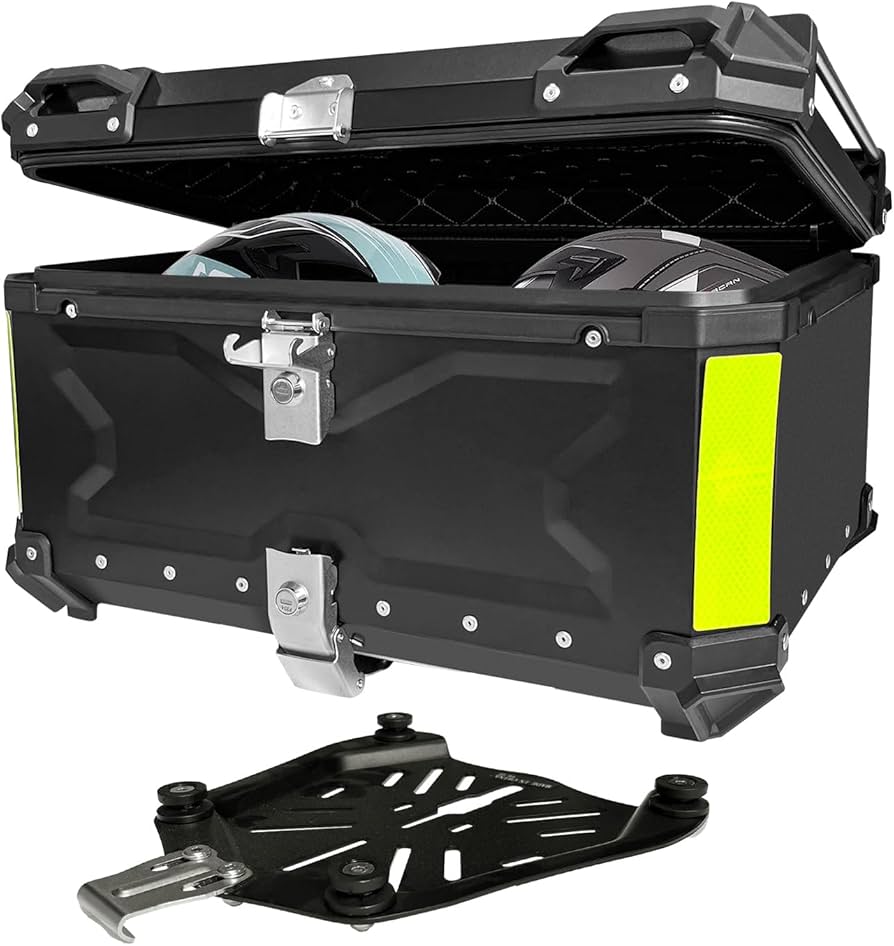
Illustrative image related to motorcycle luggage box
Os compradores B2B devem realizar sua própria due diligence independente e completa antes de tomar qualquer decisão de compra. Isso inclui entrar em contato diretamente com os fornecedores, verificar as certificações, solicitar amostras e buscar consultoria profissional. O risco de confiar em qualquer informação contida neste guia é de responsabilidade exclusiva do leitor.


 Portuguese
  English
  Russian
  Spanish
  Italian
  Arabic
  German