
Em um mundo cada vez mais interconectado, o fornecimento de bombas de ar manuais confiáveis representa um desafio significativo para os compradores B2B internacionais. Essas ferramentas essenciais são fundamentais em vários setores, desde equipamentos recreativos até serviços automotivos. No entanto, navegar no diversificado mercado global pode ser complicado devido à vasta gama de opções, especificações e confiabilidade do fornecedor. Este guia tem o objetivo de equipá-lo com o conhecimento necessário para tomar decisões de compra bem informadas, explorando os diferentes tipos de bombas de ar manuais, suas aplicações e os fatores essenciais a serem considerados na avaliação dos fornecedores.
Ao longo deste guia abrangente, vamos nos aprofundar nas várias categorias de bombas de ar manuais, incluindo modelos manuais e de pedal, e discutir sua adequação a aplicações específicas, como inflar equipamentos esportivos, colchões de ar e pneus de veículos. Além disso, abordaremos considerações sobre custos, permitindo que você entenda as estruturas de preços e faça um orçamento eficaz para suas compras.
Para compradores B2B da África, América do Sul, Oriente Médio e Europa, incluindo países como Alemanha e Brasil, este guia serve como um recurso valioso para otimizar seu processo de sourcing. Ao compreender as nuances do mercado de bombas de ar manuais, você pode aprimorar sua estratégia de aquisição, garantindo a seleção de produtos de alta qualidade que atendam às suas necessidades operacionais e, ao mesmo tempo, otimizem os custos. Aproveite os insights fornecidos aqui para navegar pelas complexidades do sourcing de bombas de ar manuais com confiança e precisão.
| Nome do tipo | Principais características distintivas | Aplicativos B2B primários | Prós e contras resumidos para compradores |
|---|---|---|---|
| Bomba manual | Leve, portátil, requer esforço manual, geralmente com vários acessórios de bocal. | Equipamentos esportivos, infláveis, colchões de ar. | Prós: Econômico e fácil de usar. Contras: Trabalho intensivo, inflação mais lenta. |
| Bomba de pé | Operado com o pé, permite o uso com as mãos livres e, normalmente, apresenta bombeamento de dupla ação. | Oficinas de conserto de bicicletas, eventos ao ar livre. | Prós: Eficiente, reduz a fadiga do usuário. Contras: Mais volumosas do que as bombas manuais, podem exigir espaço. |
| Bomba de alto volume | Projetado para inflação rápida com ação bidirecional, geralmente inclui medidores de pressão. | Infláveis comerciais, colchões de ar grandes. | Prós: Inflação rápida, versátil para várias aplicações. Contras: Mais pesado, pode ser mais caro. |
| Bomba de bicicleta | Especializado para pneus de bicicleta, geralmente equipado com adaptadores Schrader e Presta. | Varejistas de bicicletas e oficinas de reparos. | Prós: Inflação precisa para pneus, compacto. Contras: Limitado a aplicativos para bicicletas. |
| Mini bomba manual | Tamanho compacto, ideal para uso portátil, geralmente usado para pequenos infláveis ou bolas esportivas. | Escolas, academias, eventos ao ar livre. | Prós: Altamente portátil e econômico. Contras: Capacidade limitada, inflação mais lenta. |
As bombas manuais estão entre os tipos mais comuns de bombas de ar manuais, conhecidas por sua simplicidade e versatilidade. Normalmente, elas apresentam vários acessórios de bico, o que as torna adequadas para uma série de aplicações, desde inflar equipamentos esportivos até colchões de ar. Para os compradores B2B, a principal consideração é o equilíbrio entre custo e intensidade de trabalho, pois essas bombas exigem esforço manual para inflar. Sua natureza leve as torna ideais para empresas que precisam de uma solução portátil para tarefas ocasionais de inflação.
As bombas de pé permitem a operação com as mãos livres, o que as torna uma opção popular para usuários que precisam inflar itens enquanto realizam várias tarefas. Em geral, elas apresentam bombeamento de ação dupla, o que significa que podem empurrar o ar para dentro de um objeto tanto na subida quanto na descida, aumentando a eficiência. Os compradores B2B devem considerar as bombas de pé para ambientes como oficinas de conserto de bicicletas ou eventos ao ar livre, onde a velocidade e a redução da fadiga do usuário são cruciais. Entretanto, seu design mais volumoso pode exigir mais espaço de armazenamento.
As bombas de alto volume são projetadas para inflar rapidamente, o que as torna ideais para empresas que lidam com itens maiores, como infláveis comerciais ou colchões de ar. Essas bombas geralmente vêm com medidores de pressão embutidos e podem utilizar uma ação bidirecional para obter resultados mais rápidos. Os compradores B2B devem considerar essas bombas por sua eficiência e versatilidade; no entanto, elas tendem a ser mais pesadas e mais caras do que os modelos mais simples. Esse tipo é mais adequado para empresas que precisam inflar itens grandes com frequência.
As bombas para bicicletas são feitas sob medida para encher pneus de bicicletas, equipadas com adaptadores para válvulas Schrader e Presta. Sua precisão em fornecer a quantidade certa de pressão de ar as torna essenciais para varejistas e oficinas de bicicletas. Os compradores B2B devem observar que, embora as bombas para bicicletas sejam compactas e eficazes, seu uso é limitado a aplicações em bicicletas, o que pode não justificar o investimento para empresas que exigem mais versatilidade.
As mini bombas manuais oferecem uma solução compacta para inflar itens pequenos, como bolas esportivas ou infláveis pequenos. Sua portabilidade as torna uma excelente opção para escolas, academias e eventos ao ar livre onde o espaço é limitado. Embora sejam econômicas e fáceis de transportar, os compradores B2B devem estar cientes de que as minibombas têm capacidade limitada e podem não ser adequadas para tarefas de inflagem maiores. Seu caso de uso específico pode ser benéfico para empresas focadas em nichos de mercado.
| Indústria/Setor | Aplicação específica da bomba de ar manual | Valor/benefício para a empresa | Principais considerações de fornecimento para este aplicativo |
|---|---|---|---|
| Esportes e recreação | Inflar equipamentos esportivos (por exemplo, bolas, brinquedos infláveis) | Garante a prontidão e a segurança para eventos e atividades | Durabilidade, facilidade de uso e compatibilidade com vários bicos |
| Reparo automotivo | Inflação de pneus e sistemas de suspensão a ar | Aumenta a eficiência operacional e a satisfação do cliente | Precisão do medidor de pressão, portabilidade e facilidade de armazenamento |
| Construção e engenharia | Inflação de estruturas temporárias (por exemplo, tendas com suporte de ar) | Oferece configuração rápida e flexibilidade nos locais de trabalho | Construção robusta, resistência a intempéries e facilidade de transporte |
| Ar livre e acampamento | Inflar colchões de ar e equipamentos recreativos | Melhora o conforto e a experiência do usuário em ambientes externos | Design leve, facilidade de operação e tamanho para portabilidade |
| Gerenciamento de eventos | Inflagem de infláveis e decorações promocionais | Aumenta a visibilidade da marca e o envolvimento em eventos | Tempo de inflação rápido, confiabilidade e adaptabilidade a vários tamanhos |
No setor de esportes e recreação, as bombas de ar manuais são essenciais para inflar vários equipamentos, como bolas de futebol, bolas de basquete e brinquedos infláveis. Essas bombas permitem uma inflação rápida e eficiente, garantindo que o equipamento esteja pronto para uso quando necessário. Para os compradores B2B, o fornecimento de bombas duráveis e fáceis de usar é crucial, especialmente em regiões onde o acesso à energia elétrica pode ser limitado. A compatibilidade com vários tamanhos de bico também pode ser uma consideração importante para atender a diferentes tipos de equipamentos esportivos.
As bombas de ar manuais são vitais no reparo automotivo para inflar pneus e sistemas de suspensão a ar. Elas são particularmente úteis em regiões onde a assistência nas estradas pode ser limitada ou durante situações de emergência. Uma bomba manual confiável pode aumentar a eficiência operacional, permitindo que os mecânicos ofereçam um serviço mais rápido aos clientes. Ao adquiri-las, as empresas devem priorizar bombas com medidores de pressão precisos e portáteis, garantindo que possam ser facilmente transportadas para vários locais de trabalho.
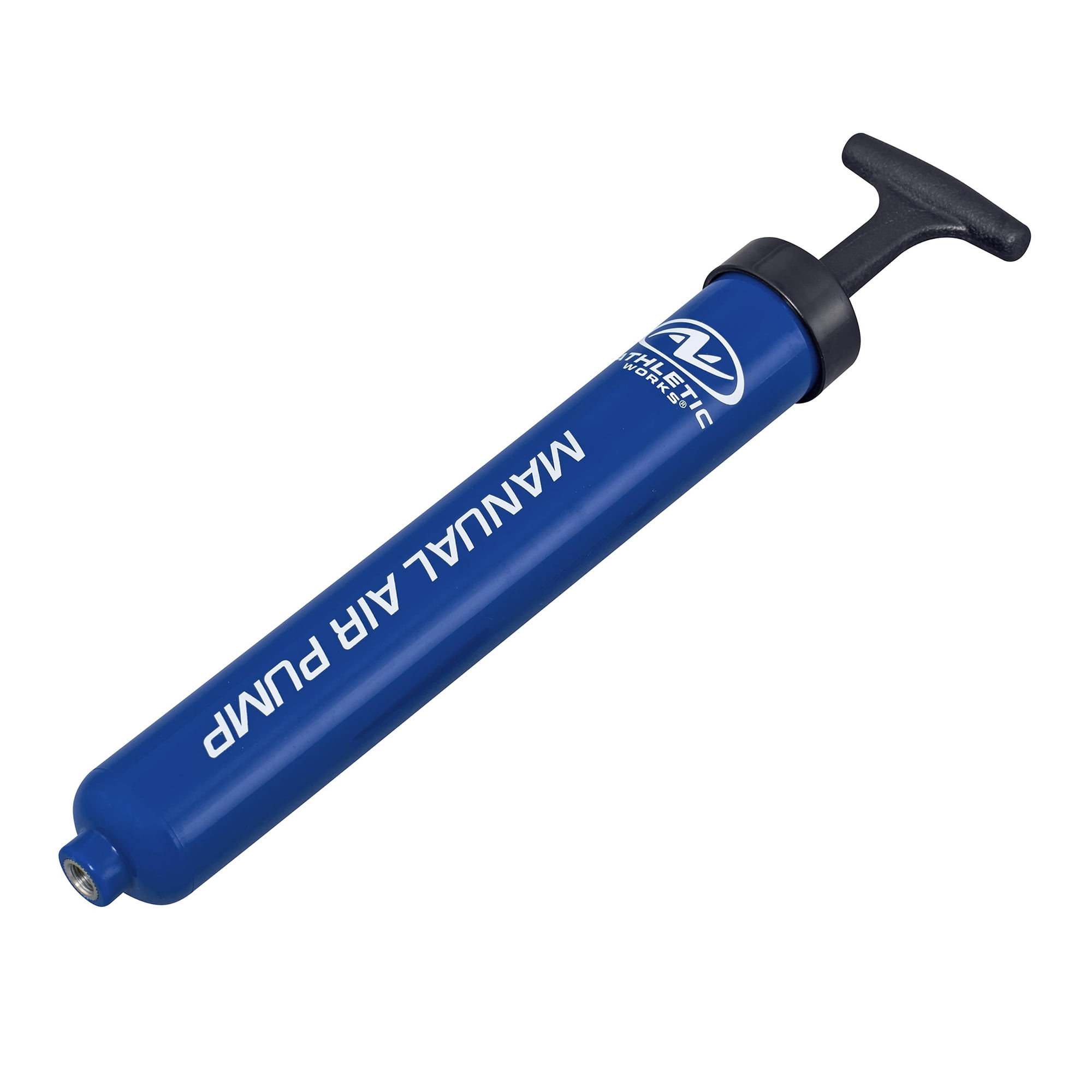
Imagem ilustrativa relacionada à bomba de ar manual
Nos setores de construção e engenharia, as bombas de ar manuais são usadas para inflar estruturas temporárias, como tendas com suporte de ar, que são essenciais para armazenar equipamentos ou fornecer abrigo nos locais de trabalho. Essas bombas permitem configuração rápida e flexibilidade, acomodando várias necessidades do projeto. Os compradores devem se concentrar na aquisição de bombas robustas que possam resistir a condições climáticas adversas e sejam fáceis de transportar, garantindo que atendam às demandas dos ambientes de construção ao ar livre.
Para aplicações ao ar livre e em acampamentos, as bombas de ar manuais são indispensáveis para inflar colchões de ar, caiaques infláveis e outros equipamentos de recreação. Elas aumentam o conforto e a experiência geral do usuário durante as atividades ao ar livre. Os compradores desse setor devem procurar bombas leves e portáteis que sejam fáceis de operar, especialmente para viajantes que precisam levar pouca bagagem. A capacidade de inflar rapidamente o equipamento pode melhorar significativamente a conveniência das viagens de acampamento.
No gerenciamento de eventos, as bombas de ar manuais são essenciais para inflar infláveis promocionais e decorações que podem aumentar a visibilidade da marca. Essas bombas garantem que os infláveis estejam prontos para serem exibidos, atraindo a atenção e engajando os participantes. Os compradores B2B devem considerar bombas que ofereçam tempos de inflação rápidos e confiabilidade, bem como bombas adaptáveis a vários tamanhos de infláveis, para garantir uma execução perfeita do evento.
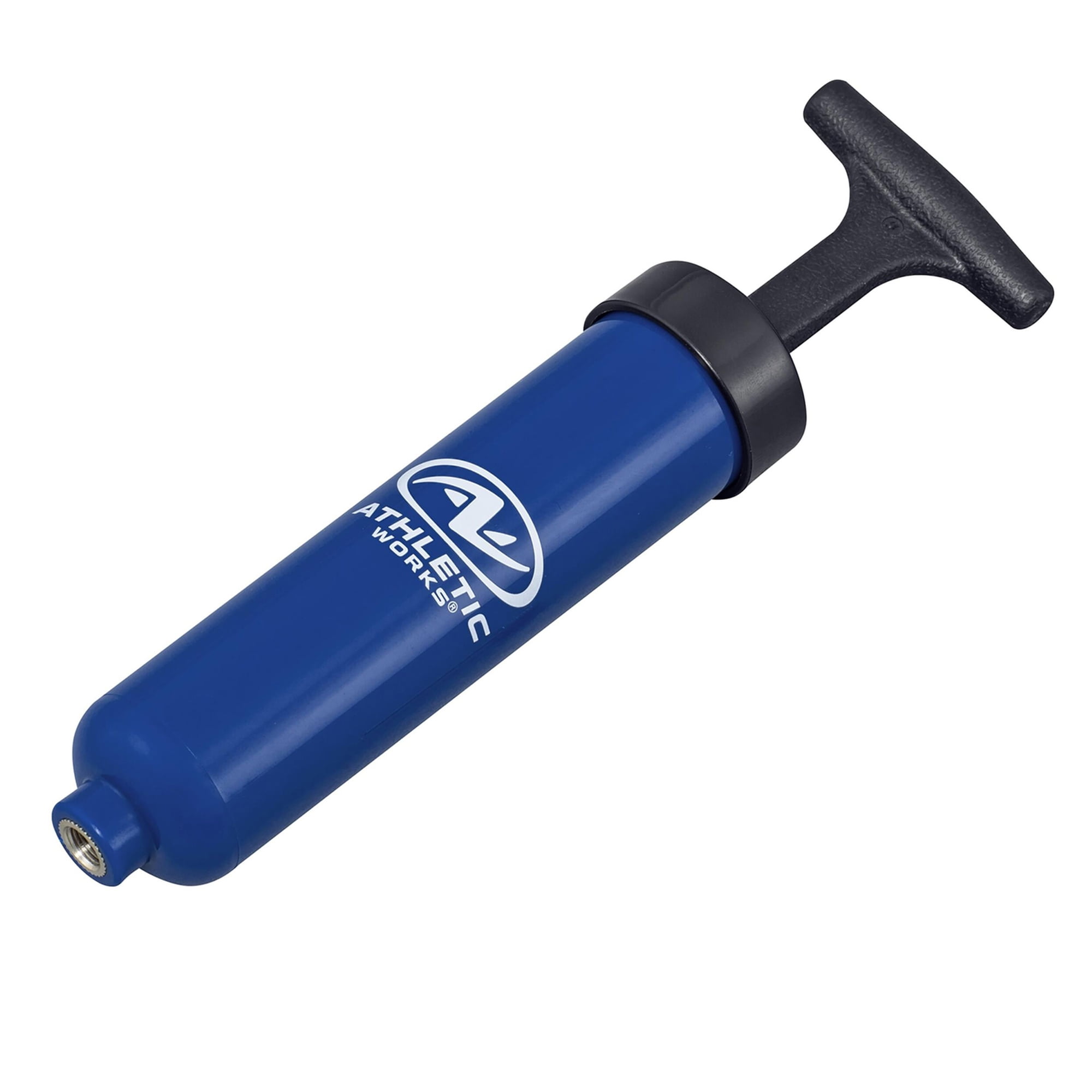
Imagem ilustrativa relacionada à bomba de ar manual
O problema: Muitos compradores B2B enfrentam o desafio de inflar itens grandes, como barracas infláveis, casas de pula-pula ou colchões de ar grandes. Esses produtos exigem um volume substancial de ar, e uma bomba de ar manual muitas vezes não é tão eficiente e eficiente. Isso pode levar a esforços demorados e à frustração, especialmente no planejamento de eventos ou em empresas de recreação, em que a velocidade e a eficiência são fundamentais.
A solução: Para superar esse problema, os compradores devem considerar investir em uma bomba de ar manual de alto fluxo que ofereça ação de bombeamento bidirecional. Esse design permite que o ar seja bombeado durante os movimentos de subida e descida, aumentando significativamente o volume de ar fornecido. Ao adquirir essas bombas, procure modelos que venham com vários bicos e adaptadores de válvula para garantir a compatibilidade com diferentes tipos de infláveis. Além disso, dê prioridade a bombas com medidores de pressão integrados para monitorar os níveis de inflação com precisão. O treinamento adequado sobre a operação da bomba também pode melhorar o desempenho, garantindo que as equipes estejam capacitadas para maximizar os recursos da bomba para infláveis maiores.
O problema: Em cenários em que as bombas de ar manuais são usadas por períodos prolongados, como durante eventos de grande escala ou em empresas de aluguel, a fadiga do usuário pode se tornar um problema significativo. Isso não só afeta a eficiência de inflar itens, mas também pode levar à diminuição do moral e da produtividade dos funcionários.
A solução: Para reduzir a fadiga do usuário, os compradores devem procurar bombas de ar manuais equipadas com designs ergonômicos, como bases e alças confortáveis. Uma bomba com uma base resistente permite que os usuários estabilizem a bomba, possibilitando que eles usem a força das pernas em vez de dependerem apenas da força dos braços. Além disso, considere bombas que sejam leves e fáceis de transportar, reduzindo o esforço físico dos usuários durante a preparação. Investir em sessões de treinamento que enfatizem técnicas adequadas de bombeamento pode ajudar ainda mais os usuários a manter os níveis de energia e, ao mesmo tempo, garantir uma inflação eficaz.
O problema: Os compradores B2B frequentemente se deparam com problemas de compatibilidade ao tentar inflar itens que vêm com diferentes tipos de válvulas, como as válvulas Schrader e Presta, comumente encontradas em bicicletas e colchões de ar. Isso pode levar a atrasos no serviço e à insatisfação dos clientes que esperam soluções rápidas e eficazes.
A solução: Para enfrentar os desafios de compatibilidade, é fundamental selecionar uma bomba de ar manual que inclua vários adaptadores de válvula e tenha recursos de compatibilidade universal. Ao adquirir as bombas, os compradores devem se certificar de que as especificações do produto listam explicitamente os adaptadores incluídos. Também é vantajoso fornecer treinamento para a equipe sobre como alternar rapidamente entre os adaptadores com base no tipo de válvula, reduzindo o tempo de inatividade. Além disso, manter um pequeno estoque de adaptadores adicionais à mão pode garantir que qualquer solicitação de última hora possa ser atendida com eficiência, aumentando a satisfação do cliente e a eficácia operacional.
Ao selecionar materiais para bombas de ar manuais, várias opções são comumente empregadas, cada uma com propriedades distintas que influenciam o desempenho, a durabilidade e o custo. Aqui, analisamos quatro materiais predominantes: plástico, alumínio, aço e borracha.
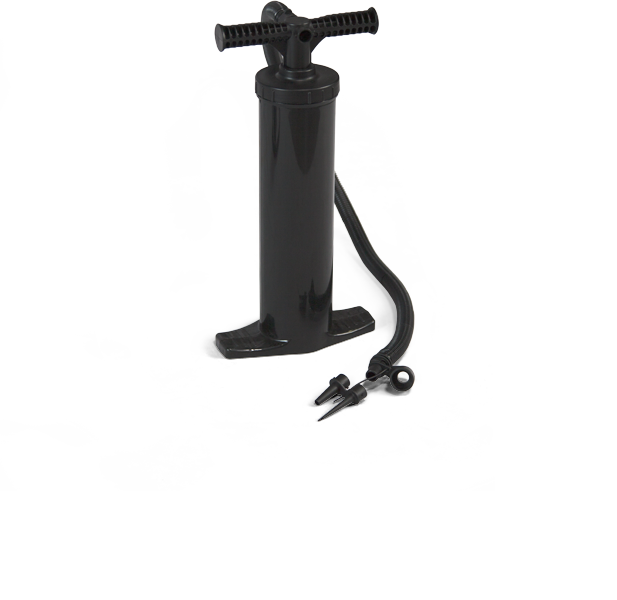
Imagem ilustrativa relacionada à bomba de ar manual
O plástico, especialmente o polietileno de alta densidade (HDPE) e o polipropileno, é amplamente usado em bombas de ar manuais devido à sua natureza leve e resistência à corrosão. Em geral, esses materiais podem suportar variações moderadas de pressão e temperatura, o que os torna adequados para várias aplicações, inclusive para inflar itens recreativos e colchões de ar.
Prós: O plástico é geralmente econômico e fácil de moldar, permitindo projetos complexos e estruturas leves. Ele também é resistente à umidade e a muitos produtos químicos, o que aumenta sua longevidade.
Contras: No entanto, o plástico pode não resistir a aplicações de alta pressão com a mesma eficácia que os metais e pode se degradar com a exposição aos raios UV ao longo do tempo. Além disso, sua menor durabilidade em comparação com os metais pode limitar seu uso em ambientes mais exigentes.
Impacto no aplicativo: As bombas de plástico são ideais para uso casual, mas podem não ser adequadas para aplicações industriais que exijam alta pressão ou temperaturas extremas.
O alumínio é outro material popular para bombas de ar manuais, especialmente em projetos que exigem um equilíbrio entre peso e resistência. Ele pode suportar pressões mais altas do que o plástico e é resistente à corrosão, o que o torna adequado para aplicações externas.
Prós: O alumínio é leve, mas forte, proporcionando excelente durabilidade. Ele também tem boa condutividade térmica, o que pode ser benéfico em aplicações em que a dissipação de calor é necessária.
Contras: A principal desvantagem é o custo mais alto em comparação com o plástico, e pode exigir tratamentos de superfície adicionais para aumentar a resistência à corrosão em ambientes adversos.
Impacto no aplicativo: As bombas de alumínio são adequadas para aplicações que envolvem pressões mais altas, como bombas de bicicleta ou equipamentos esportivos, mas podem não ser a melhor opção para ambientes com elementos extremamente corrosivos.
O aço, especialmente o aço inoxidável, é conhecido por sua excepcional resistência e durabilidade. Ele pode suportar altas pressões e é resistente ao desgaste, o que o torna ideal para aplicações pesadas.
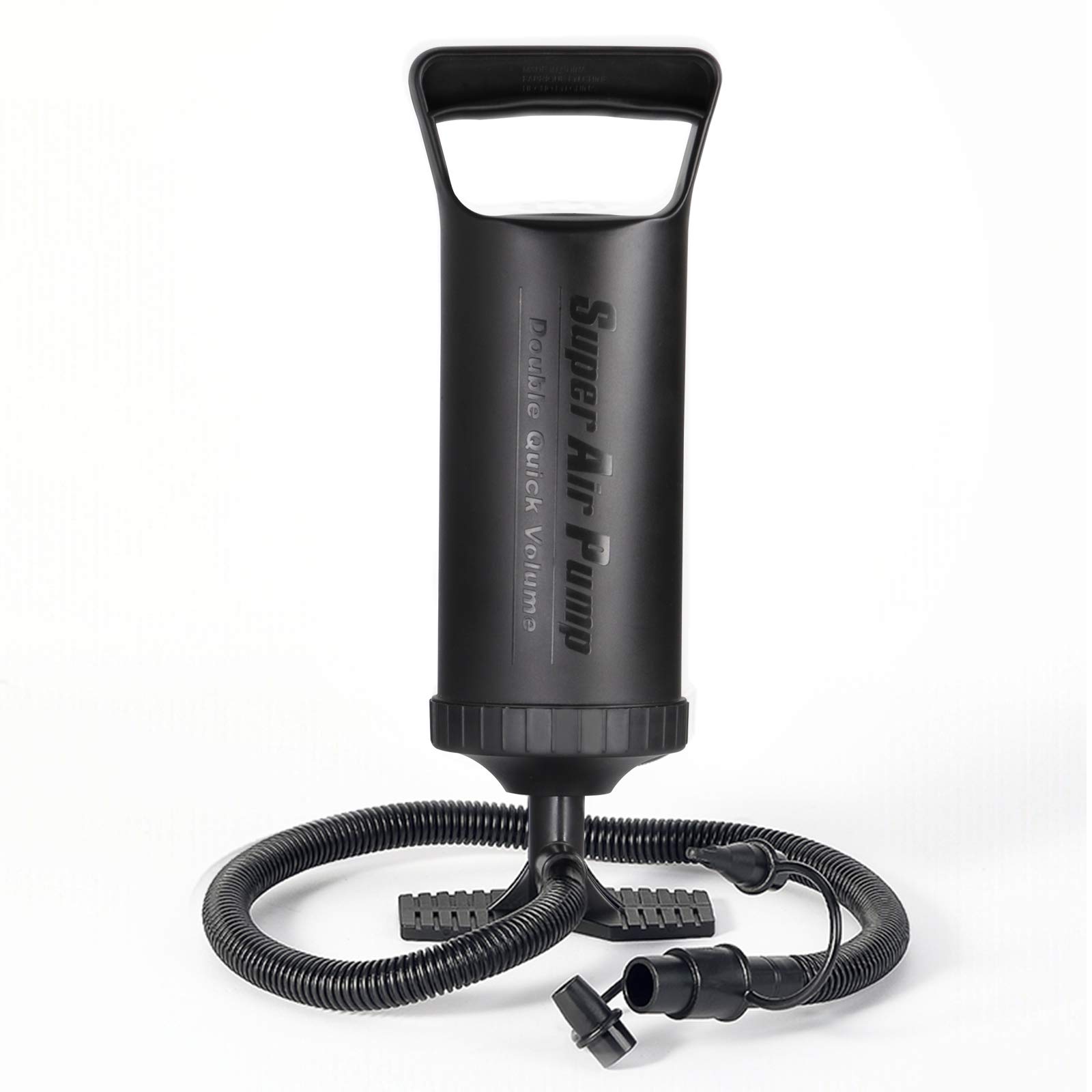
Imagem ilustrativa relacionada à bomba de ar manual
Prós: As bombas de aço oferecem excelente longevidade e podem suportar condições adversas, inclusive temperaturas extremas e ambientes corrosivos. Elas são geralmente preferidas para aplicações industriais.
Contras: As principais desvantagens incluem peso e custo; as bombas de aço são mais pesadas e mais caras de fabricar. Elas também podem exigir revestimentos adicionais para evitar a ferrugem.
Impacto no aplicativo: O aço é ideal para aplicações que exigem alta durabilidade e pressão, como em ambientes automotivos ou industriais.
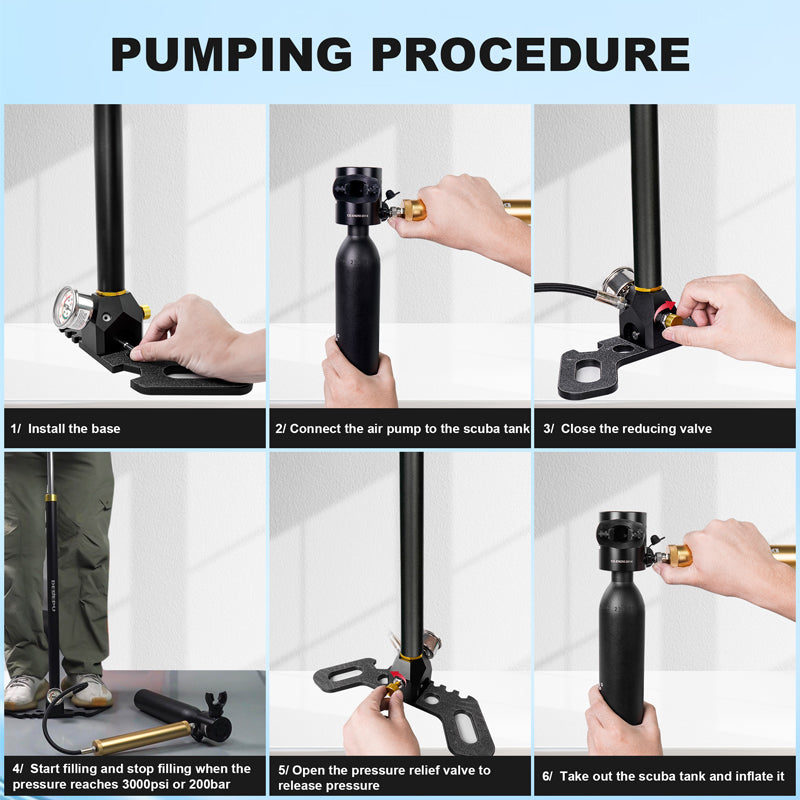
Imagem ilustrativa relacionada à bomba de ar manual
A borracha é usada principalmente em vedações e juntas de bombas de ar manuais. Sua elasticidade e flexibilidade a tornam uma excelente opção para garantir vedações herméticas, o que é fundamental para manter a pressão.
Prós: A borracha é altamente eficaz em proporcionar uma vedação firme, evitando vazamentos de ar. Além disso, é relativamente barata e pode suportar uma variedade de temperaturas.
Contras: Entretanto, a borracha pode se degradar com o tempo, especialmente quando exposta à luz UV ou a produtos químicos agressivos. Essa degradação pode levar à redução do desempenho e à necessidade de substituição de peças.
Impacto no aplicativo: Os componentes de borracha são essenciais para manter a eficiência das bombas de ar, mas devem ser monitorados quanto ao desgaste, principalmente em aplicações externas.
| Material | Caso de uso típico para bomba de ar manual | Principais vantagens | Principal desvantagem/limitação | Custo relativo (baixo/médio/alto) |
|---|---|---|---|---|
| Plástico | Itens recreativos, colchões de ar | Leve e econômico | Resistência limitada à pressão | Baixa |
| Alumínio | Bombas para bicicletas, equipamentos esportivos | Resistente e leve | Custo mais alto, requer tratamento de superfície | Médio |
| Aço | Aplicações industriais, automotivas | Durabilidade e manuseio de pressão excepcionais | Mais pesado, mais caro | Alta |
| Borracha | Vedações e gaxetas em bombas de ar | Vedações herméticas eficazes | Degrada-se com o tempo | Baixa |
Esse guia estratégico de seleção de materiais fornece insights valiosos para compradores B2B em mercados internacionais, ajudando-os a tomar decisões informadas com base no desempenho, no custo e na adequação da aplicação.
A fabricação de bombas de ar manuais envolve vários estágios críticos que garantem que o produto final atenda aos padrões funcionais e de qualidade. Essas etapas incluem a preparação do material, a formação, a montagem e o acabamento.
A primeira etapa na fabricação de bombas de ar manuais é a seleção e a preparação do material. Materiais de alta qualidade, como plásticos e metais duráveis, são essenciais para garantir a longevidade e o desempenho. Os fornecedores geralmente usam materiais resistentes ao desgaste, aos raios UV e a outros fatores ambientais. O processo de preparação do material geralmente envolve corte, moldagem e, às vezes, tratamento de materiais para melhorar suas propriedades.
O estágio de formação é quando as matérias-primas são moldadas nos componentes da bomba de ar. Isso pode envolver técnicas como moldagem por injeção para peças de plástico ou estampagem para componentes de metal. As tecnologias avançadas de formação podem incluir a usinagem CNC, que oferece precisão e reduz o desperdício. É fundamental que esse estágio seja monitorado de perto para garantir que as dimensões e tolerâncias atendam às especificações exigidas.
Após a formação, o próximo estágio é a montagem. Isso envolve a junção de vários componentes, como o corpo da bomba, as válvulas e os bicos. Uma técnica comum é o uso de linhas de montagem automatizadas, que aumentam a eficiência e a consistência. A montagem manual também pode ser empregada para componentes mais complexos, garantindo que cada bomba seja montada corretamente. As verificações de qualidade nesse estágio são vitais para identificar quaisquer defeitos no início do processo.
Os processos de acabamento incluem pintura, revestimento e embalagem. Esses processos não apenas aprimoram o apelo estético das bombas de ar, mas também oferecem proteção adicional contra fatores ambientais. O controle de qualidade durante o acabamento garante que os produtos atendam aos padrões internacionais e estejam prontos para distribuição.
A garantia de qualidade (QA) é um aspecto essencial do processo de fabricação, especialmente para transações B2B internacionais. Vários padrões e pontos de controle são estabelecidos para garantir que os produtos atendam às expectativas dos clientes e aos requisitos regulatórios.
As normas internacionais, como a ISO 9001, desempenham um papel importante na garantia de qualidade das bombas de ar manuais. A ISO 9001 descreve os requisitos para um sistema de gerenciamento de qualidade (QMS) que pode ajudar as organizações a melhorar seus processos e garantir uma qualidade consistente. Além disso, podem ser aplicadas certificações específicas do setor, como a CE (Conformité Européenne) para os mercados europeus e as normas API (American Petroleum Institute), dependendo do uso pretendido das bombas.
Os pontos de verificação de controle de qualidade são implementados em todo o processo de fabricação. Esses pontos incluem:
Os métodos de teste comuns para bombas de ar manuais incluem teste de pressão, teste de vazamento e teste de desempenho. O teste de pressão garante que a bomba possa suportar os níveis de pressão necessários sem falhas. O teste de vazamento verifica se há possíveis vazamentos de ar, enquanto o teste de desempenho avalia a eficiência da bomba em inflar vários itens.
Para os compradores B2B, especialmente os de regiões como África, América do Sul, Oriente Médio e Europa, verificar as práticas de controle de qualidade de um fornecedor é fundamental para garantir a confiabilidade do produto.
A realização de auditorias de fornecedores pode fornecer informações valiosas sobre os processos de controle de qualidade de um fabricante. Os compradores devem procurar fornecedores que estejam abertos a auditorias e que possam fornecer documentação de seus sistemas de gerenciamento de qualidade. Em geral, uma auditoria completa avalia os processos de fabricação, os protocolos de garantia de qualidade e a conformidade com os padrões internacionais.
Os fornecedores devem ser capazes de fornecer relatórios de qualidade detalhados, incluindo resultados de inspeções internas e externas. As inspeções de terceiros podem validar ainda mais a qualidade dos produtos. Os compradores devem considerar a possibilidade de trabalhar com órgãos de inspeção credenciados que possam fornecer avaliações imparciais dos processos de fabricação.
Os compradores internacionais devem estar cientes das nuances da garantia de qualidade em diferentes mercados. As variações nos requisitos regulatórios, nos padrões de qualidade e nas expectativas culturais podem afetar o processo de fabricação. Por exemplo, os padrões europeus podem ser mais rigorosos do que os de outras regiões, o que exige um entendimento completo dos requisitos de conformidade.
Compreender os processos de fabricação e as medidas de garantia de qualidade das bombas de ar manuais é essencial para os compradores B2B que buscam produtos confiáveis. Ao se informar sobre os principais estágios da fabricação, as normas internacionais e as práticas de controle de qualidade, os compradores podem tomar decisões bem fundamentadas e estabelecer parcerias com fornecedores confiáveis. Esse conhecimento não apenas aumenta a confiabilidade do produto, mas também apoia o sucesso de longo prazo dos relacionamentos B2B em diversos mercados globais.
Neste guia, fornecemos uma lista de verificação prática para compradores B2B que desejam adquirir bombas de ar manuais. Essa abordagem passo a passo ajudará a garantir que você tome decisões informadas, encontre fornecedores confiáveis e adquira produtos que atendam às suas necessidades comerciais.
Antes de iniciar o processo de aquisição, defina claramente seus requisitos técnicos. Considere fatores como a pressão máxima da bomba, o volume do fluxo de ar e a compatibilidade com várias válvulas. Essa clareza o ajudará a se comunicar de forma eficaz com os fornecedores e a garantir que os produtos adquiridos atendam às suas necessidades operacionais.
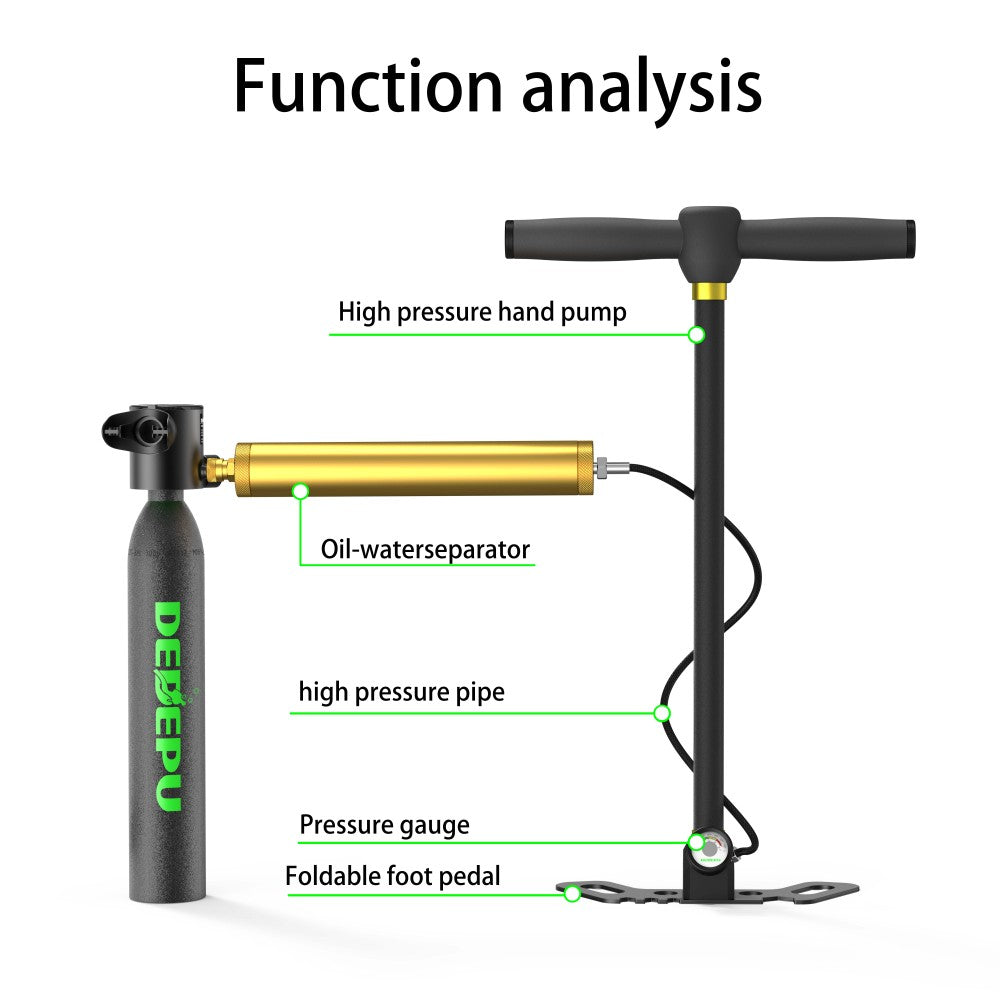
Imagem ilustrativa relacionada à bomba de ar manual
Compreender o cenário atual do mercado é essencial para tomar decisões de compra bem informadas. Pesquise como as bombas de ar manuais estão sendo utilizadas em diferentes setores, como esportes, atividades ao ar livre ou aplicações automotivas. Essa percepção permitirá que você identifique os produtos mais adequados para o seu mercado específico e para as demandas dos clientes.
Antes de se comprometer com um fornecedor, é fundamental examiná-lo minuciosamente. Solicite perfis de empresas, estudos de caso e referências de compradores de setores ou regiões semelhantes. Procure fornecedores com um histórico comprovado de confiabilidade e qualidade, pois isso pode afetar significativamente suas operações.
Depois de selecionar os possíveis fornecedores, solicite amostras de produtos para avaliar a qualidade em primeira mão. O teste das bombas permitirá que você verifique a durabilidade, a facilidade de uso e o desempenho geral. Essa etapa é fundamental para garantir que os produtos estejam alinhados com suas especificações e expectativas.
Converse com os fornecedores sobre preços, condições de pagamento e prazos de entrega. Estabelecer um acordo mutuamente benéfico é fundamental para manter uma parceria de longo prazo. Não deixe de esclarecer quaisquer custos adicionais, como frete ou taxas alfandegárias, para evitar surpresas posteriores.
Compreender a logística envolvida no processo de aquisição é vital para a entrega em tempo hábil. Discuta com seu fornecedor as opções de remessa, os cronogramas e os possíveis atrasos. Certifique-se de que ele possa fornecer informações de rastreamento e suporte em caso de problemas durante o trânsito.
Quando todos os termos forem acordados, formalize a compra com um contrato que inclua especificações detalhadas, preços, cronogramas de entrega e garantias. Esse documento protegerá ambas as partes e esclarecerá as expectativas, minimizando o risco de disputas no futuro.
Seguindo essas etapas, os compradores B2B podem navegar pelo processo de sourcing de bombas de ar manuais com mais eficiência, garantindo que tomem decisões informadas e alinhadas com suas necessidades e objetivos comerciais.
Ao adquirir bombas de ar manuais, é essencial compreender a estrutura de custos. Os principais componentes incluem:
Materiais: A escolha dos materiais afeta significativamente o custo total. Os materiais comuns incluem plásticos e metais duráveis, cujo preço varia de acordo com a qualidade e o local de fornecimento. Por exemplo, vedações de borracha de alta qualidade e plásticos reforçados podem aumentar a durabilidade, mas também o custo.
Trabalho: Os custos de mão de obra podem variar dependendo do país de fabricação. As regiões com salários mais baixos podem oferecer preços competitivos, mas é importante equilibrar isso com o nível de habilidade e a experiência da força de trabalho para garantir a qualidade do produto.
Custos indiretos de fabricação: Isso inclui custos indiretos, como serviços públicos, aluguel e despesas administrativas. Processos de fabricação e instalações eficientes podem ajudar a manter os custos indiretos baixos.
Ferramentas: Os custos iniciais de ferramental para moldes e maquinário podem ser substanciais, especialmente para projetos personalizados. Os compradores devem considerar a amortização desses custos ao longo do volume de produção esperado.
Controle de qualidade (QC): A implementação de processos rigorosos de controle de qualidade é fundamental para manter os padrões, principalmente nos mercados internacionais, onde as certificações podem ser exigidas. Os custos associados a testes e conformidade devem ser considerados na estratégia geral de preços.
Logística: Os custos de transporte e armazenagem podem variar muito de acordo com a localização do fornecedor e os Incoterms escolhidos. Entender esses custos é fundamental para calcular o custo total de desembarque.
Margem: Normalmente, os fornecedores acrescentam uma margem de lucro para cobrir riscos e garantir a sustentabilidade do negócio. Essa margem pode variar de acordo com a posição de mercado e o cenário competitivo do fornecedor.
Vários fatores influenciam o preço das bombas de ar manuais:
Volume e quantidade mínima de pedidos (MOQ): Volumes maiores de pedidos geralmente levam a melhores preços devido a economias de escala. Os compradores devem negociar preços mais baixos com base nas quantidades previstas de pedidos.
Especificações e personalização: Bombas personalizadas com recursos ou marcas específicas geralmente têm custos mais altos. A comunicação clara dos requisitos pode ajudar a obter cotações precisas.
Qualidade do material e certificações: As bombas que atendem aos padrões internacionais de qualidade ou que possuem certificações específicas (por exemplo, ISO, CE) podem ter um preço superior. Os compradores devem pesar os benefícios da qualidade em relação ao custo.
Fatores do fornecedor: A reputação e a confiabilidade do fornecedor podem afetar o preço. Fornecedores estabelecidos podem cobrar mais caro, mas oferecem melhor confiabilidade e serviço.
Incoterms: A escolha dos Incoterms determina quem arca com os custos e riscos de remessa. Isso pode afetar significativamente o custo total e deve ser considerado cuidadosamente ao negociar os termos.
Navegar pelas complexidades do fornecimento de bombas de ar manuais pode ser assustador, especialmente para compradores internacionais. Aqui estão algumas dicas:
Negociar com eficácia: Desenvolva uma estratégia de negociação sólida. Destaque seu potencial para pedidos de longo prazo para garantir melhores preços.
Foco na eficiência de custos: Avalie os fornecedores com base no custo total de propriedade e não apenas no preço unitário. Isso inclui considerar o envio, as taxas e as possíveis devoluções.
Entenda as nuances dos preços para mercados internacionais: Diferentes regiões têm estruturas de preços distintas influenciadas pelas condições econômicas locais, custos de mão de obra e disponibilidade de materiais. Por exemplo, o fornecimento de um país com uma base de fabricação robusta pode gerar preços mais baixos em comparação com outros.
Avalie os riscos e benefícios da personalização: Embora os produtos personalizados possam atender a necessidades específicas, eles geralmente têm um preço mais alto. Avalie se os benefícios justificam os custos adicionais.
Mantenha-se informado sobre as tendências do mercado: Monitorar regularmente as condições do mercado e os preços dos materiais para tomar decisões informadas sobre o fornecimento.
O preço das bombas de ar manuais pode variar muito com base nos fatores discutidos acima. Os preços mencionados em várias fontes servem como diretriz e podem não refletir os custos reais em todos os mercados ou para todos os fornecedores. Sempre solicite cotações detalhadas adaptadas às suas necessidades específicas para garantir um orçamento preciso.
No campo da inflação de ar, as bombas de ar manuais são uma solução amplamente reconhecida para várias aplicações, desde inflar equipamentos esportivos até colchões de ar. Entretanto, existem várias alternativas que podem oferecer vantagens distintas, dependendo dos requisitos específicos. Esta análise tem como objetivo comparar as bombas de ar manuais com as bombas de ar elétricas e os infladores de CO2, fornecendo aos compradores B2B insights práticos para embasar suas decisões de compra.
| Aspecto de comparação | Bomba de ar manual | Bomba de ar elétrica | Inflador de CO2 |
|---|---|---|---|
| Desempenho | Fluxo de ar moderado, trabalho intensivo | Alto fluxo de ar, inflação rápida | Inflação instantânea, uso limitado |
| Custo | Baixo investimento inicial | Investimento moderado a alto | Investimento baixo a moderado |
| Facilidade de implementação | Operação simples, requer esforço físico | Fácil de usar, plug-and-play | Requer cartuchos de CO2 |
| Manutenção | Manutenção mínima necessária | Requer limpeza ocasional | Necessidade de substituição do cartucho |
| Melhor caso de uso | Portátil, situações de emergência | Uso regular, infláveis grandes | Inflação rápida de itens menores |
Bombas de ar elétricas
As bombas de ar elétricas são projetadas para serem eficientes, fornecendo altas taxas de fluxo de ar que reduzem significativamente o tempo de inflação. Elas são particularmente vantajosas para itens maiores, como piscinas infláveis, colchões de ar e casas de salto. No entanto, elas exigem uma fonte de energia, o que pode limitar a portabilidade, especialmente em ambientes externos ou regiões com eletricidade não confiável. Embora o investimento inicial possa ser mais alto, a economia de tempo e a facilidade de uso podem justificar o custo para as empresas que precisam inflar o ar com frequência.
Infladores de CO2
Os infladores de CO2 são uma excelente opção para aplicações específicas, como inflar pneus de bicicleta ou bolas esportivas. Eles oferecem inflação instantânea com o mínimo de esforço, o que os torna ideais para reparos rápidos. No entanto, seu uso é limitado a itens menores, e a necessidade de cartuchos de CO2 pode levar a custos contínuos e preocupações com a disponibilidade. Para empresas que precisam de inflação rápida em movimento, os infladores de CO2 podem ser uma solução prática, mas talvez não substituam a versatilidade de uma bomba manual ou elétrica para aplicações maiores.
Ao selecionar a solução de insuflação de ar adequada, os compradores B2B devem considerar suas necessidades operacionais exclusivas, as restrições orçamentárias e os casos de uso específicos que encontram. As bombas de ar manuais oferecem uma opção econômica e de baixa manutenção para uso ocasional e portabilidade. Por outro lado, as bombas elétricas oferecem eficiência e conveniência para tarefas de inflagem frequentes ou em larga escala. Os infladores de CO2 atendem a nichos de mercado em que a velocidade é crucial, mas apresentam limitações nos casos de uso. Ao avaliar cuidadosamente esses aspectos, as empresas podem fazer escolhas informadas que aumentem sua eficiência operacional e atendam às suas necessidades de insuflação de ar de forma eficaz.
Compreender as propriedades técnicas essenciais e a terminologia comercial associada às bombas de ar manuais é fundamental para os compradores B2B, especialmente aqueles que operam em diversos mercados na África, na América do Sul, no Oriente Médio e na Europa. Esse conhecimento ajuda as empresas a tomar decisões de compra informadas e a estabelecer relacionamentos eficazes com os fornecedores.
Os materiais usados nas bombas manuais de ar, geralmente plástico, metal ou uma combinação deles, influenciam a durabilidade, o peso e o custo. As bombas de plástico de alta qualidade são leves e resistentes à corrosão, o que as torna ideais para aplicações portáteis. Por outro lado, as bombas de metal podem oferecer maior durabilidade e resistência à pressão, adequadas para uso em serviços pesados. A compreensão das propriedades dos materiais ajuda os compradores a avaliar a longevidade e a adequação de uma bomba para aplicações específicas.
Essa especificação indica a pressão mais alta que a bomba pode gerar, geralmente medida em PSI (libras por polegada quadrada). Uma classificação de pressão máxima mais alta é essencial para aplicações que exigem inflação firme, como equipamentos esportivos ou infláveis grandes. Os compradores devem considerar as necessidades de pressão de seus produtos para garantir a compatibilidade, pois o uso de uma bomba com capacidade de pressão inadequada pode levar à falha ou à ineficiência do produto.
A taxa de fluxo, normalmente expressa em litros por minuto (LPM), mede a quantidade de ar que a bomba pode fornecer em um período de tempo específico. Uma vazão maior significa uma inflação mais rápida, o que é vantajoso em ambientes comerciais em que a eficiência do tempo é fundamental. Os compradores devem avaliar a taxa de fluxo em relação às suas demandas operacionais para selecionar uma bomba que atenda aos requisitos de velocidade de inflação.
As bombas de ar manuais podem ter mecanismos de ação simples ou dupla. As bombas de ação simples inflacionam em um curso, enquanto as bombas de ação dupla inflacionam nos cursos para cima e para baixo, fornecendo mais ar a cada movimento. Compreender o tipo de ação da bomba pode ajudar os compradores a selecionar um produto que se alinhe à eficiência e ao conforto do usuário, especialmente em cenários de uso de alto volume.
O design da bomba, incluindo o peso e a facilidade de manuseio, é vital para a portabilidade. Recursos como uma base para os pés e alças ergonômicas aumentam o conforto do usuário e reduzem a fadiga durante o uso prolongado. Para empresas envolvidas em atividades ao ar livre ou aplicações móveis, a escolha de uma bomba leve e com design ergonômico pode melhorar significativamente a eficiência operacional.
OEM refere-se a uma empresa que produz peças ou equipamentos que podem ser comercializados por outro fabricante. No contexto das bombas manuais de ar, entender as relações de OEM é essencial para garantir a qualidade e a compatibilidade ao integrar as bombas a sistemas ou produtos maiores.
O MOQ especifica o número mínimo de unidades que um fornecedor está disposto a vender em um único pedido. É fundamental que os compradores entendam esse termo, pois ele afeta o gerenciamento do estoque e os custos gerais de compra. Os compradores devem negociar MOQs que se alinhem com suas previsões de demanda para otimizar os níveis de estoque.
Uma RFQ é uma solicitação formal enviada aos fornecedores para obter preços e condições para quantidades específicas de produtos. A utilização de RFQs ajuda os compradores a obter preços e condições competitivos de vários fornecedores, facilitando a tomada de decisões e o gerenciamento de custos.
Os Incoterms definem as responsabilidades de compradores e vendedores em transações internacionais, incluindo remessa, seguro e gerenciamento de riscos. A familiaridade com os Incoterms é vital para que os compradores B2B entendam suas obrigações e direitos, garantindo processos de comércio internacional tranquilos.
O lead time refere-se ao período entre a colocação de um pedido e o recebimento das mercadorias. Entender os prazos de entrega é essencial para que os compradores B2B planejem o estoque e atendam às demandas dos clientes com eficiência. Os compradores devem comunicar suas expectativas de lead time aos fornecedores para evitar interrupções em sua cadeia de suprimentos.
Ao compreender essas propriedades técnicas e terminologias comerciais, os compradores B2B podem navegar pelas complexidades do fornecimento de bombas de ar manuais, garantindo que selecionem os produtos certos para atender às suas necessidades comerciais de forma eficaz.
O mercado de bombas de ar manuais está experimentando um crescimento robusto, impulsionado por uma demanda crescente por soluções de inflação portáteis e versáteis em vários setores. À medida que os compradores B2B internacionais, principalmente da África, América do Sul, Oriente Médio e Europa, avaliam as opções de fornecimento, surgem várias tendências importantes. Em primeiro lugar, o foco na conveniência e na facilidade de uso está moldando os designs dos produtos. As bombas de ar manuais modernas estão cada vez mais apresentando mecanismos de dupla ação, o que permite inflar mais rapidamente com menos esforço, atraindo tanto os consumidores quanto as empresas.
Além disso, a crescente tendência de atividades recreativas ao ar livre está alimentando a demanda por bombas de ar manuais. Com mais consumidores envolvidos em acampamentos, ciclismo e esportes aquáticos, a necessidade de soluções de inflação confiáveis é fundamental. Essa tendência é particularmente significativa em regiões com mercados emergentes de atividades ao ar livre, como o Brasil e a África do Sul, onde a cultura de atividades ao ar livre está florescendo.
Os avanços tecnológicos também estão influenciando as estratégias de sourcing. Os compradores B2B estão buscando cada vez mais fornecedores que ofereçam soluções integradas, como bombas com vários adaptadores de bocal para compatibilidade com vários produtos. Os fornecedores que utilizam plataformas de comércio eletrônico e estratégias de marketing digital estão ganhando uma vantagem competitiva, facilitando o acesso a compradores internacionais.
A sustentabilidade está se tornando um fator crítico no fornecimento de bombas de ar manuais. Com o aumento da conscientização global sobre as questões ambientais, os compradores B2B estão priorizando fornecedores que aderem a práticas sustentáveis. O uso de materiais ecologicamente corretos e a implementação de cadeias de suprimentos éticas não são mais opcionais; eles são essenciais para manter a competitividade no mercado.
Os fabricantes estão adotando cada vez mais métodos de produção sustentáveis, como a utilização de plásticos reciclados ou materiais biodegradáveis em suas bombas. Além disso, certificações como a ISO 14001 (Gestão Ambiental) e outras certificações verdes estão ganhando importância, pois garantem o compromisso do fornecedor com a redução do impacto ambiental.
Os compradores B2B também devem considerar a possibilidade de reciclagem no fim da vida útil das bombas de ar manuais. Os produtos projetados para fácil desmontagem e reciclagem podem reduzir significativamente o desperdício e alinhar-se às metas de sustentabilidade dos compradores. A escolha de fornecedores que promovem ativamente a sustentabilidade não apenas melhora a reputação da marca, mas também atende à crescente demanda de consumidores preocupados com o meio ambiente.
A evolução das bombas de ar manuais remonta ao início do século XX, inicialmente projetadas para inflar pneus e equipamentos esportivos. Ao longo das décadas, o design e a funcionalidade dessas bombas melhoraram significativamente, adaptando-se às diversas necessidades dos consumidores. A introdução de materiais leves e mecanismos de bombeamento mais eficientes ampliou sua aplicação, levando ao seu uso em diversos setores, incluindo os mercados recreativo, automotivo e industrial.
Com a expansão das economias globais, especialmente na segunda metade do século XX, também aumentou a demanda por bombas de ar manuais. Esse crescimento foi ainda mais acelerado pelo aumento das atividades ao ar livre e dos esportes, que exigiam soluções portáteis de inflação. As bombas de ar manuais de hoje não são apenas ferramentas; elas representam uma convergência de funcionalidade, conveniência e sustentabilidade, refletindo a dinâmica mutável das preferências dos consumidores e das demandas do mercado.
Em resumo, compreender essas dinâmicas e tendências do mercado é fundamental para os compradores B2B que buscam obter bombas de ar manuais de forma eficaz, garantindo que elas se alinhem às demandas atuais e às metas futuras de sustentabilidade.
Como escolho a bomba de ar manual certa para minhas necessidades comerciais?
Ao escolher uma bomba de ar manual, considere as aplicações específicas para as quais ela é necessária, como inflar equipamentos esportivos, colchões de ar ou brinquedos de piscina. Avalie a capacidade máxima de pressão da bomba, o volume do fluxo de ar e os adaptadores de bico incluídos para garantir a compatibilidade com seus produtos. Além disso, avalie a durabilidade e o material da bomba, especialmente se ela for usada em ambientes difíceis. Ler as avaliações dos clientes e comparar os recursos de diferentes marcas pode ajudar a tomar uma decisão informada.
Quais recursos devo procurar em uma bomba de ar manual?
Os principais recursos a serem considerados incluem a classificação de pressão máxima da bomba, que deve corresponder às suas necessidades de inflação, e sua taxa de fluxo de ar, que afeta a eficiência. Procure bombas com vários adaptadores de bico para acomodar vários tipos de válvulas. Uma base para os pés ou um design ergonômico podem melhorar a usabilidade, reduzindo a fadiga do usuário durante a operação. Além disso, verifique se há medidores de pressão embutidos para monitorar os níveis de inflação com precisão e considere o material da bomba quanto à durabilidade e à resistência ao desgaste.
Quais são os usos comuns das bombas de ar manuais em ambientes comerciais?
As bombas de ar manuais são ferramentas versáteis comumente usadas em vários setores. Elas são essenciais no setor esportivo para inflar bolas e equipamentos, na hotelaria para colchões de ar e na recreação ao ar livre para brinquedos de piscina e infláveis. Além disso, são úteis para a manutenção automotiva, como inflar pneus. Compreender os requisitos específicos da sua empresa pode ajudá-lo a selecionar o tipo certo de bomba de ar manual para atender às suas necessidades operacionais.
Como posso garantir a qualidade ao adquirir bombas de ar manuais de fornecedores?
Para garantir a qualidade, faça uma diligência completa nos possíveis fornecedores. Solicite amostras de produtos para avaliar a durabilidade e a funcionalidade em primeira mão. Verifique seus processos de fabricação e certificações, como a ISO 9001, que indicam a adesão aos padrões de gerenciamento de qualidade. Além disso, considere fornecedores com avaliações positivas de clientes e registros de histórico no seu setor. Estabeleça uma comunicação clara com relação às expectativas de qualidade e aos processos de inspeção para reduzir os riscos.
Quais são as quantidades mínimas de pedido (MOQs) típicas para bombas de ar manuais?
As quantidades mínimas de pedido podem variar significativamente, dependendo do fornecedor e do modelo específico da bomba de ar manual. Em geral, os MOQs podem variar de 100 unidades a vários milhares para pedidos em massa. É aconselhável discutir os MOQs antecipadamente durante as negociações e explorar opções de pedidos iniciais menores para testar a demanda do mercado. Alguns fornecedores podem oferecer MOQs flexíveis para compradores de primeira viagem ou relacionamentos estabelecidos, portanto, vale a pena perguntar.
Que condições de pagamento devo esperar ao adquirir bombas de ar manuais internacionalmente?
As condições de pagamento podem variar muito de acordo com o fornecedor e seu poder de negociação. Os termos comuns incluem um depósito inicial (normalmente 30-50%) e o saldo devido na remessa ou entrega. Considere o uso de métodos de pagamento seguros, como cartas de crédito ou serviços de custódia, para proteger sua transação. Sempre esclareça as condições de pagamento, inclusive a moeda, os métodos de pagamento aceitáveis e os prazos, para evitar mal-entendidos.
Quais são as opções de remessa disponíveis para a importação de bombas de ar manuais?
As opções de remessa dependerão do volume de seu pedido e de seu orçamento. Os métodos comuns incluem o frete aéreo, que é mais rápido, porém mais caro, e o frete marítimo, que é econômico para remessas maiores, porém mais demorado. Certifique-se de que o fornecedor possa acomodar o método de remessa de sua preferência e informe-se sobre os custos associados. Além disso, confirme se o fornecedor cuida do desembaraço alfandegário ou se você precisa providenciar isso separadamente.
Como posso personalizar as bombas de ar manuais para que se alinhem à minha marca?
Muitos fabricantes oferecem opções de personalização, como a marca da bomba com seu logotipo ou a seleção de cores e designs específicos para combinar com a identidade de sua marca. Para iniciar a personalização, discuta seus requisitos com os possíveis fornecedores e solicite informações sobre suas capacidades. Lembre-se de que a personalização pode afetar as quantidades mínimas de pedidos e os prazos de entrega, portanto, leve isso em consideração em sua estratégia de fornecimento.
Domínio: intexcorp.com
Registrado: 1995 (30 anos)
Introdução: [{'SKU': '69613E', 'nome': 'Bomba manual Double Quick Mini', 'preço': '$4.99'}, {'SKU': '69611E', 'nome': 'Bomba de pé com fole - 11 polegadas', 'preço': '$7.99'}, {'SKU': '68612E', 'nome': 'Bomba manual Double Quick I', 'preço': '$4.99'}, {'SKU': '68605E', 'nome': 'Bomba manual Double Quick III S', 'preço': '$8.99'}, {'SKU': '68614E', 'nome': 'Bomba manual Double Quick II', 'preço': '$5.99'}, {'SKU': '68615E', 'nome...
Domínio: target.com
Registrado: 1997 (28 anos)
Introdução: As bombas de ar manuais disponíveis na Target são essenciais para vários usos, como inflar bolas de exercício, colchões de ar e brinquedos de piscina. Elas são fornecidas em uma variedade de opções, incluindo bombas de aerador manuais, elétricas, operadas por bateria e feitas de metal ou plástico durável. Alguns modelos possuem soquetes de carregador de 12 volts para uso em carros ou barcos. Em geral, as bombas de ar oferecem várias configurações de potência ou velocidade...
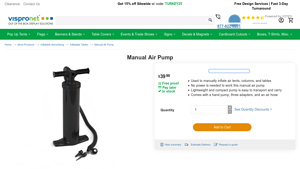
Domínio: vispronet.com
Registrado: 2007 (18 anos)
Introdução: Bomba de ar manual
Preço: $39.99
Frete grátis
Usado para inflar manualmente tendas de ar, colunas e mesas
Não é necessária energia elétrica para operar essa bomba de ar manual
A bomba leve e compacta é fácil de transportar e carregar
Inclui: bomba manual, três adaptadores e uma mangueira de ar
Domínio: airhead.com
Registrado: 1995 (30 anos)
Introdução: {"products":[{"name": "12 Volt Towable Air Pump", "price": "$84.99″},{"name": "120 Volt Towable Tube Super Air Pump", "price": "$108.99″},{"name": "120 Volt Towable Tube Air Pump I", "price": "$84.99″},{"nome": "Bomba de ar para flutuação em piscina com clipes de 12 volts", "preço": "$84.99″},{"nome": "Bomba de ar recarregável para flutuação em piscina", "preço": "$47.99″},{"nome": "Bomba de ar para pés com ação de fole de alto volume", "preço": "$23.99″},{"nome": "Bomba de ar para...
O mercado de bombas de ar manuais apresenta uma oportunidade única para o fornecimento estratégico, especialmente para compradores B2B internacionais. À medida que a demanda por soluções de inflação confiáveis cresce em vários setores - de produtos recreativos a aplicações automotivas -, investir em bombas de ar manuais de alta qualidade pode melhorar significativamente suas ofertas de produtos. As principais considerações para o fornecimento incluem a avaliação da eficiência, durabilidade e adaptabilidade da bomba a diferentes necessidades de inflação. Os compradores também devem priorizar fornecedores que ofereçam preços competitivos e suporte pós-venda robusto.
O sourcing estratégico não apenas otimiza os custos de aquisição, mas também garante o acesso a produtos inovadores que atendem às diversas demandas do mercado. À medida que os compradores da África, da América do Sul, do Oriente Médio e da Europa navegam nesse cenário dinâmico, o estabelecimento de parcerias sólidas com fabricantes de boa reputação pode levar ao crescimento sustentável dos negócios.
Olhando para o futuro, a tendência de bombas de ar manuais versáteis e ecologicamente corretas provavelmente moldará o mercado. Mantendo-se informados sobre esses desenvolvimentos e alinhando as estratégias de fornecimento com as preferências emergentes dos consumidores, os compradores B2B podem se posicionar para o sucesso. Entre em contato com os fornecedores agora para garantir uma vantagem competitiva em seu mercado, assegurando que você esteja bem equipado para o futuro das soluções de inflação.
As informações fornecidas neste guia, inclusive o conteúdo referente a fabricantes, especificações técnicas e análise de mercado, são apenas para fins informativos e educacionais. Elas não constituem aconselhamento profissional sobre compras, aconselhamento financeiro ou aconselhamento jurídico.
Embora tenhamos feito todos os esforços para garantir a precisão e a atualidade das informações, não nos responsabilizamos por quaisquer erros, omissões ou informações desatualizadas. As condições de mercado, os detalhes da empresa e os padrões técnicos estão sujeitos a alterações.
Os compradores B2B devem realizar sua própria due diligence independente e completa antes de tomar qualquer decisão de compra. Isso inclui entrar em contato diretamente com os fornecedores, verificar as certificações, solicitar amostras e buscar consultoria profissional. O risco de confiar em qualquer informação contida neste guia é de responsabilidade exclusiva do leitor.


 Portuguese
  English
  Russian
  Spanish
  Italian
  Arabic
  German