
As the motorcycle touring market continues to grow globally, sourcing the right motorcycle touring luggage can pose significant challenges for B2B buyers. Whether you are looking to equip a fleet of adventure motorcycles for tours across the rugged terrains of South America or outfitting luxury touring bikes for clients in Europe, understanding the diverse types of luggage available—such as panniers, tank bags, and tail bags—is essential. This guide provides an in-depth exploration of the various motorcycle touring luggage options, their applications, and key factors for supplier vetting.
In the competitive landscape of international markets, particularly in regions like Africa, the Middle East, and Europe, buyers must navigate a myriad of choices that meet not only quality standards but also the unique demands of their customer base. From material durability and waterproof capabilities to ergonomic design and ease of installation, the considerations are vast. Furthermore, this guide addresses cost implications and strategies for negotiating with suppliers, ensuring that businesses can make informed purchasing decisions.
By equipping B2B buyers with comprehensive insights into the motorcycle touring luggage market, this resource empowers companies to enhance their product offerings, meet customer expectations, and ultimately drive sales in an increasingly competitive environment. Whether you are an established distributor or a new entrant in the market, understanding these dynamics is crucial for success.
| Nome do tipo | Principais características distintivas | Aplicativos B2B primários | Prós e contras resumidos para compradores |
|---|---|---|---|
| Alforjes | Hard or soft, mounted on the sides of the motorcycle, offering significant storage capacity and security. | Passeios de longa distância, passeios de aventura | Prós: Secure, ample storage, weather-resistant. Contras: May require installation, can affect bike width. |
| Sistemas Rackless | Soft luggage systems that attach directly to the bike without a rack, designed for versatility and ease of use. | Off-road touring, casual rides | Prós: Lightweight, easy to install, flexible. Contras: Less secure, may not protect against heavy rain. |
| Bolsas de cauda | Compact bags that attach to the rear of the motorcycle, ideal for short trips or additional storage. | Day trips, urban commuting | Prós: Convenient for quick access, easy to attach. Contras: Limited capacity, less secure than larger options. |
| Bolsas de tanque | Bags that sit on the motorcycle tank, often featuring magnetic or strap attachments, providing easy access to essentials. | Daily commuting, short tours | Prós: Easy access, keeps important items visible. Contras: Can obstruct fuel tank access, limited space. |
| Mochilas | Designed for riders to carry personal items, often with additional features like hydration systems. | Versatile use for touring, commuting | Prós: Personal items can be easily carried, versatile. Contras: Can be uncomfortable over long distances, less stable. |
Panniers are a popular choice among motorcycle touring enthusiasts due to their robust construction and significant storage capacity. Typically available in both hard and soft materials, they can securely mount on the sides of the motorcycle, providing a balanced distribution of weight. For B2B buyers, the primary consideration is the material durability and waterproofing, especially in regions prone to adverse weather conditions. Additionally, compatibility with various motorcycle models and the ease of installation are vital factors that influence purchasing decisions.
Illustrative image related to motorcycle touring luggage
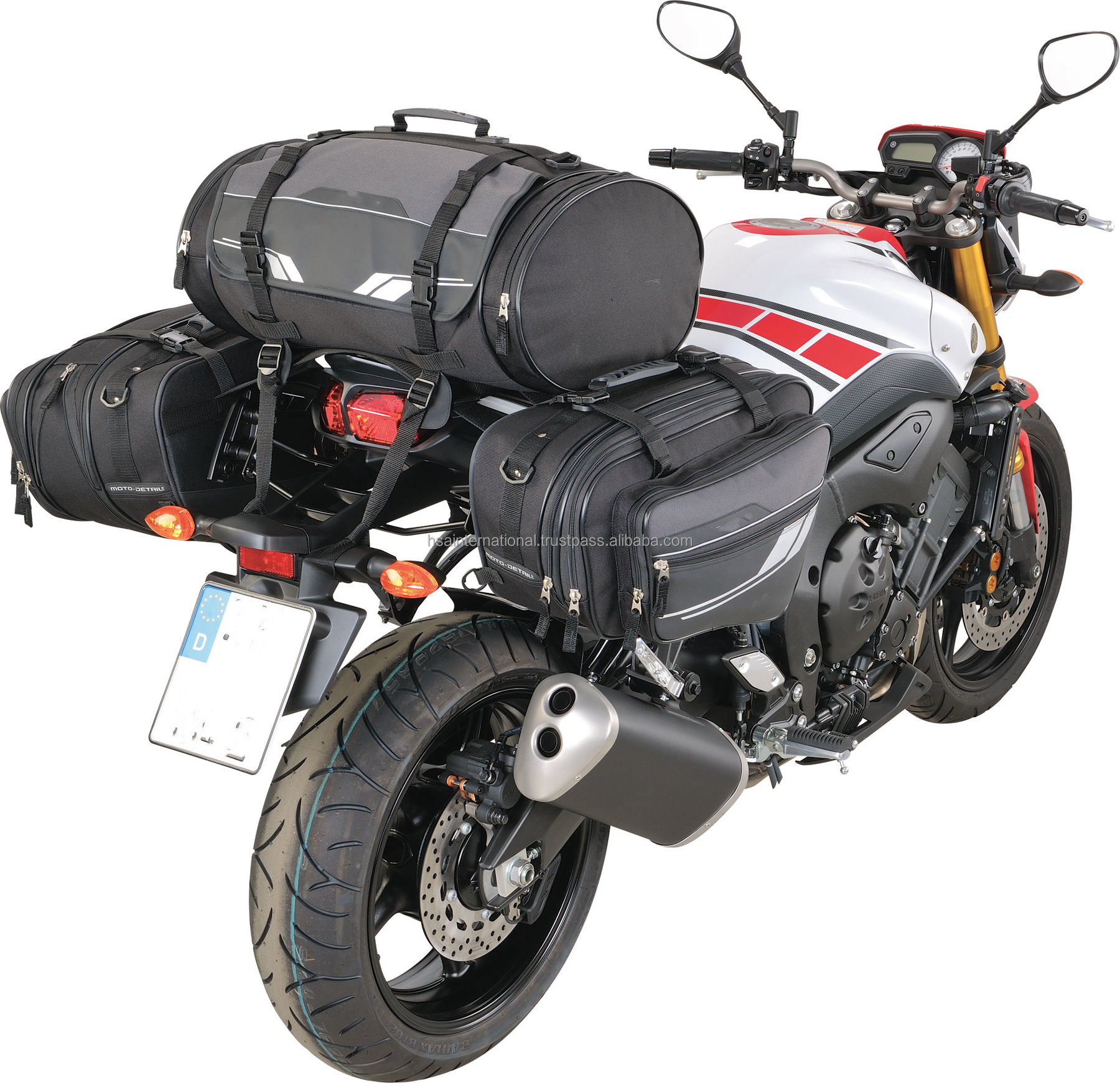
Rackless systems are gaining traction among adventure riders who prioritize lightweight and flexible luggage solutions. These soft luggage systems attach directly to the motorcycle without the need for a rack, making them ideal for off-road conditions. B2B buyers should consider the system’s ease of use, storage capacity, and weather resistance. While they offer great versatility and are easy to pack and unpack, buyers must be cautious about security and water protection, as these systems may not provide the same level of safety as traditional panniers.
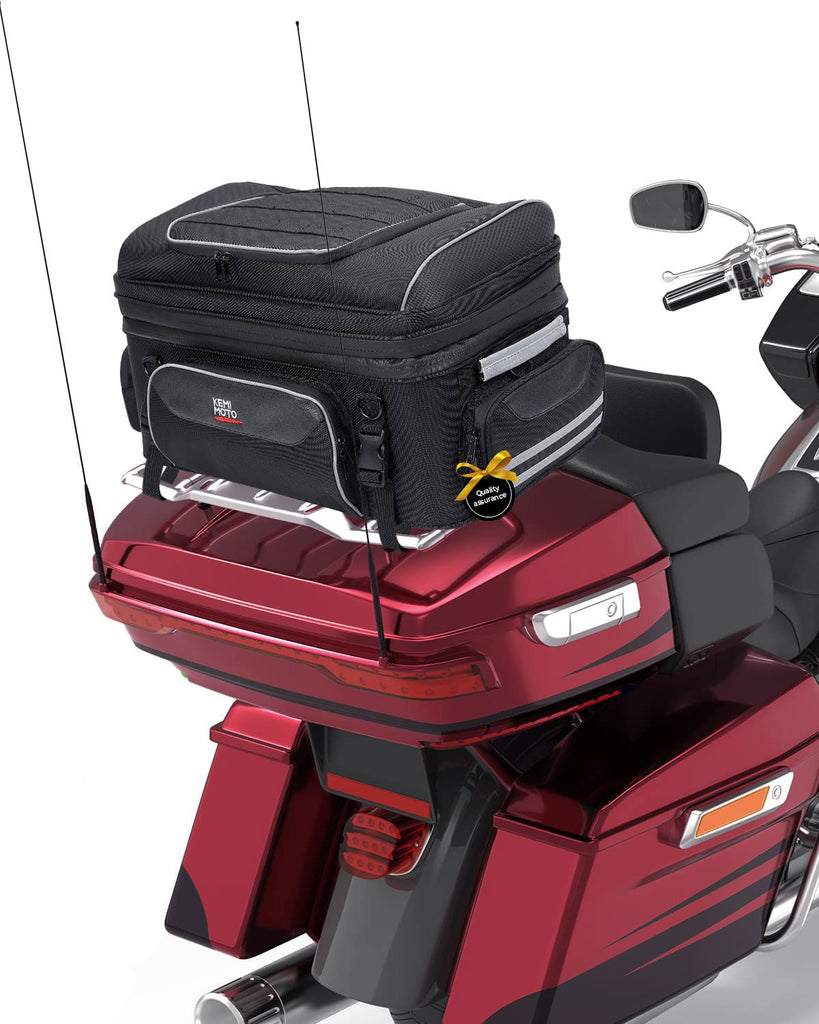
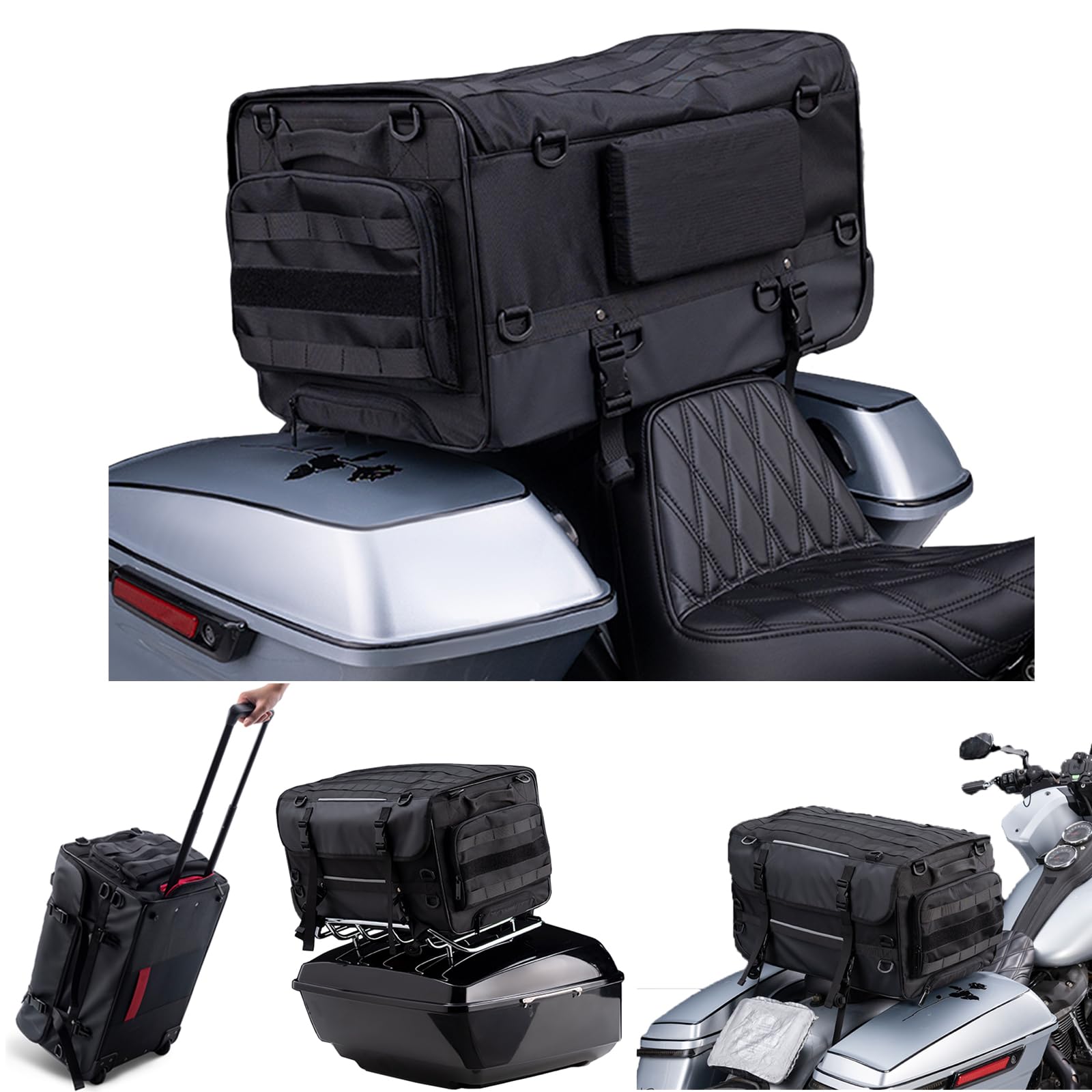
Tail bags are compact storage solutions that attach to the rear of a motorcycle, making them suitable for day trips or as supplementary storage for longer journeys. Their lightweight design and ease of attachment appeal to B2B buyers looking for convenience. However, while tail bags offer quick access to items, their limited capacity may not meet the needs of long-distance tourers. Buyers should evaluate the bag’s security features and weather resistance, especially if used in varying climates.
Tank bags provide a practical solution for daily commuting and short tours, allowing riders to keep essential items within easy reach. These bags often feature magnetic or strap attachments for stability and quick access. For B2B buyers, the size and design of the tank bag are crucial, as they must ensure it does not obstruct the motorcycle’s fuel tank access. While tank bags are convenient, buyers should consider their limited storage capacity and the potential for interference with riding dynamics.
Backpacks designed for motorcycle touring offer riders the flexibility to carry personal items while on the move. Many feature additional functionalities, such as hydration systems, making them suitable for long rides. B2B buyers should focus on comfort and ergonomic design, especially for long-distance travel, as an uncomfortable backpack can detract from the riding experience. Despite their versatility, potential downsides include stability issues at high speeds and reduced storage compared to dedicated motorcycle luggage.
| Indústria/Setor | Specific Application of motorcycle touring luggage | Valor/benefício para a empresa | Principais considerações de fornecimento para este aplicativo |
|---|---|---|---|
| Turismo de aventura | Luggage for guided motorcycle tours | Enhances customer experience and satisfaction | Durability, waterproofing, ease of attachment |
| Logistics and Delivery Services | Cargo transport for remote areas | Increases operational efficiency in challenging terrains | Weight capacity, ruggedness, quick-release mechanisms |
| Serviços de emergência | Rapid deployment kits for rescue operations | Facilitates swift response in emergencies | Compact design, accessibility, visibility features |
| Militar e Defesa | Tactical storage solutions for personnel | Provides reliable gear transport in diverse environments | Compliance with military standards, durability, security |
| Varejo e comércio eletrônico | Sales of motorcycle luggage to consumers | Expands product offerings and attracts new customers | Brand reputation, warranty terms, inventory management |
In the adventure tourism sector, motorcycle touring luggage is essential for guided motorcycle tours. Tour operators rely on durable, weather-resistant bags to ensure that customers can safely transport their belongings while navigating diverse terrains. This type of luggage enhances the customer experience by offering convenience and organization, allowing riders to focus on the journey rather than logistics. Buyers in this sector should prioritize features such as waterproofing, durability, and ease of attachment to various motorcycle models to meet the demands of diverse riding conditions across regions like Africa and South America.
Illustrative image related to motorcycle touring luggage
Logistics and delivery services operating in remote areas utilize motorcycle touring luggage to transport goods efficiently. These rugged bags are designed to withstand challenging environments, making them ideal for delivery personnel who encounter rough terrains. The use of specialized luggage increases operational efficiency by allowing for secure and organized cargo transport. Businesses in this sector should consider weight capacity, ruggedness, and quick-release mechanisms when sourcing luggage, ensuring that their teams can navigate difficult landscapes effectively, particularly in regions with limited infrastructure.
Emergency services benefit significantly from motorcycle touring luggage by using it for rapid deployment kits. These bags are designed to carry essential medical supplies, tools, and communication devices, facilitating swift responses in emergencies. The compact design and accessibility features are crucial for first responders who need to act quickly in critical situations. Sourcing considerations for emergency services include ensuring that the luggage complies with visibility standards and offers durability under extreme conditions, which is vital for operations in various environments.
In the military and defense sectors, motorcycle touring luggage serves as tactical storage solutions for personnel. These bags are crucial for transporting equipment and supplies in diverse environments, from urban settings to rugged terrains. Reliability and compliance with military standards are paramount, as personnel depend on their gear in high-stakes situations. When sourcing luggage for this application, businesses must prioritize durability, security features, and the ability to withstand harsh weather conditions, ensuring that soldiers can trust their equipment in any scenario.
For retail and e-commerce businesses, offering motorcycle touring luggage expands product offerings and attracts new customers. With the rise of motorcycle tourism and adventure riding, retailers can tap into a growing market by providing high-quality luggage options. Key considerations for sourcing include brand reputation, warranty terms, and effective inventory management to ensure that products meet consumer demands. By emphasizing quality and reliability, businesses can enhance customer loyalty and drive sales in an increasingly competitive market.
O problema: Many B2B buyers face the challenge of insufficient storage space in motorcycle touring luggage for long-distance journeys. This is particularly problematic for businesses that cater to adventure riders or motorcycle rental services in regions with vast landscapes, such as Africa and South America. Riders often require enough storage for not only personal items but also for tools, spare parts, and safety equipment. The lack of adequately designed luggage can lead to frustration, lost items, and even safety hazards if essential tools or gear are left behind.

Illustrative image related to motorcycle touring luggage
A solução: To address this issue, B2B buyers should prioritize sourcing motorcycle touring luggage that offers modular designs and expandable storage options. Look for products that feature multiple compartments, external attachment points, and the ability to add or remove bags depending on the trip’s length. Brands like Mosko Moto and Saddlemen provide versatile luggage systems that can adapt to various needs. Additionally, consider offering packing cubes or organizers to help riders maximize space and keep items easily accessible. By equipping riders with the right luggage solutions, businesses can enhance customer satisfaction and encourage repeat rentals or purchases.
O problema: Weather resistance is a significant concern for B2B buyers in regions prone to sudden rain or extreme temperatures. Inadequate protection can lead to damage of personal belongings, causing dissatisfaction and potential liability for businesses that rent or sell motorcycle touring luggage. Many motorcycle riders have experienced the frustration of dealing with soaked clothing or electronics due to subpar waterproofing in their luggage.
A solução: When sourcing motorcycle touring luggage, it is essential to prioritize products with high-quality waterproof materials and features. Look for options that include heat-sealed seams, water-resistant zippers, and durable outer shells that can withstand harsh conditions. Companies like Nelson-Rigg offer luggage specifically designed for adverse weather, ensuring that riders’ belongings remain safe and dry. Furthermore, consider providing waterproof covers as add-ons or recommendations, allowing riders to add an extra layer of protection when they anticipate challenging weather. By focusing on weather-resistant solutions, businesses can significantly enhance the reliability of their offerings and improve customer trust.
O problema: A common pain point for B2B buyers is the complexity associated with mounting and dismounting motorcycle touring luggage. Riders often struggle with cumbersome straps, complicated mounting systems, or incompatible hardware, leading to wasted time and potential damage to the motorcycle or luggage. This issue is particularly relevant for businesses in regions with a diverse range of motorcycle types and models, where a one-size-fits-all solution does not apply.
A solução: To alleviate this challenge, buyers should seek out motorcycle touring luggage that features user-friendly mounting systems. Look for products that utilize quick-release mechanisms, adjustable straps, and universal fit designs that can accommodate various motorcycle models. Brands that provide comprehensive installation guides or video tutorials can greatly enhance the user experience. For added value, consider offering training sessions or workshops for customers on how to effectively use and maintain their luggage systems. By simplifying the mounting and dismounting process, businesses can foster a positive user experience, encouraging loyalty and increasing the likelihood of referrals.
When selecting materials for motorcycle touring luggage, understanding the properties, advantages, and limitations of each material is essential for B2B buyers. This guide analyzes four common materials used in the manufacturing of motorcycle luggage, offering insights that can aid in making informed purchasing decisions.
Nylon is a synthetic polymer known for its strength and versatility. It typically has a high tensile strength, good abrasion resistance, and can withstand a wide range of temperatures. Nylon’s ability to resist mildew and rot makes it suitable for outdoor applications, ensuring durability in various weather conditions.
Prós: Nylon is lightweight and relatively inexpensive, making it a popular choice for both manufacturers and consumers. Its flexibility allows for a variety of designs and styles, which can be tailored to specific touring needs.
Contras: While nylon is durable, it can degrade under prolonged exposure to UV light, leading to fading and loss of structural integrity. Additionally, it may not be as waterproof as other materials unless treated with coatings.
Impacto no aplicativo: Nylon is compatible with various outdoor environments, but its UV sensitivity may be a concern in regions with intense sunlight, such as parts of Africa and the Middle East.
Polyester is another synthetic material frequently used in motorcycle luggage. It offers excellent resistance to stretching and shrinking, making it stable under varying conditions. Polyester is also resistant to mildew and fading, which enhances its longevity.
Illustrative image related to motorcycle touring luggage
Prós: The cost-effectiveness of polyester is a significant advantage, along with its ability to retain color and resist UV damage better than nylon. It is also easier to clean, which is beneficial for touring applications.
Contras: Polyester can be less durable than nylon when it comes to abrasion resistance, making it more susceptible to wear in rugged conditions. It generally has a lower temperature tolerance compared to nylon.
Impacto no aplicativo: Polyester is suitable for a variety of climates, but buyers should consider its lower abrasion resistance in environments with rough terrains, common in regions like South America and parts of Africa.
Polyvinyl chloride (PVC) is a plastic material often used for waterproof luggage. It is known for its excellent resistance to chemicals, moisture, and UV light, making it ideal for outdoor applications.
Prós: PVC is highly durable and waterproof, providing excellent protection for contents against rain and moisture. Its chemical resistance is particularly beneficial for carrying fuel or other hazardous materials.
Contras: The manufacturing complexity of PVC can lead to higher costs. Additionally, PVC can become brittle over time, especially in extreme temperatures, which may limit its lifespan.
Impacto no aplicativo: PVC’s waterproof properties make it suitable for regions with heavy rainfall, but its environmental impact and potential for degradation under extreme conditions should be considered, especially in diverse climates across Europe and the Middle East.
Aluminum is a metal known for its lightweight and high strength-to-weight ratio. It is commonly used in hard luggage systems that require structural integrity and security.
Prós: Aluminum is highly durable and resistant to corrosion, making it an excellent choice for long-term use. Its rigidity provides added protection for fragile items, and it can be easily molded into various shapes.
Contras: The cost of aluminum luggage can be significantly higher than soft materials like nylon or polyester. Additionally, while it is resistant to corrosion, it can dent or scratch easily, which may affect aesthetics.
Impacto no aplicativo: Aluminum is particularly well-suited for regions with harsh weather conditions, such as the Middle East, where corrosion resistance is critical. However, its weight might be a consideration for buyers focused on lightweight touring solutions.
| Material | Typical Use Case for motorcycle touring luggage | Principais vantagens | Principal desvantagem/limitação | Custo relativo (baixo/médio/alto) |
|---|---|---|---|---|
| Nylon | Soft luggage, bags, and backpacks | Lightweight and flexible | Degradação por UV ao longo do tempo | Médio |
| Poliéster | Soft luggage, tank bags, and duffels | Cost-effective and UV resistant | Lower abrasion resistance | Baixa |
| PVC | Waterproof bags and hard cases | Excelente impermeabilização | Maior complexidade de fabricação | Médio |
| Alumínio | Malas rígidas e alforjes | Altamente durável e resistente à corrosão | Higher cost and potential for dents | Alta |
This strategic material selection guide provides B2B buyers with essential insights into the properties, advantages, and limitations of various materials used in motorcycle touring luggage, enabling informed purchasing decisions tailored to specific regional needs.
The manufacturing of motorcycle touring luggage involves several critical stages, ensuring the final product meets the rigorous demands of long-distance travel. Understanding these stages helps B2B buyers assess suppliers and their capabilities.
Illustrative image related to motorcycle touring luggage
The first step in the manufacturing process is material preparation, which typically involves selecting high-quality, durable materials. Common materials include:
Once the materials are selected, they undergo cutting and shaping to prepare for the next stages of production.
The forming stage is where the cut materials are shaped into their intended forms. This can involve various techniques, including:
The choice of forming technique significantly impacts the durability and functionality of the luggage.
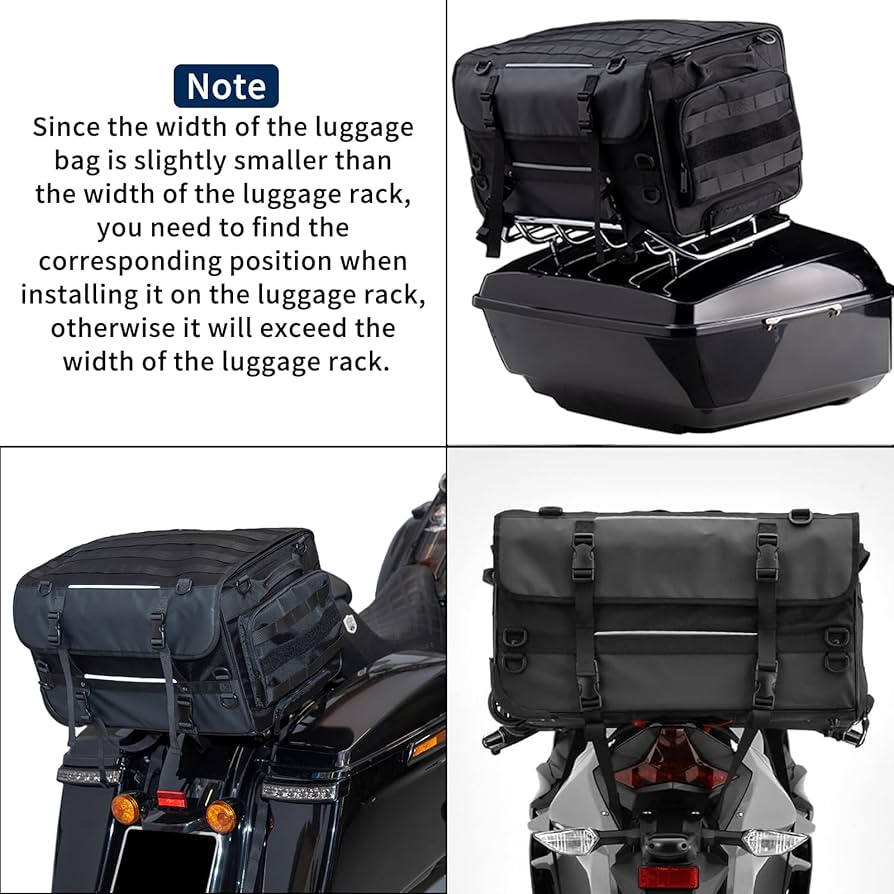
Illustrative image related to motorcycle touring luggage
Assembly is a critical phase where different components come together to create the final product. This includes:
Attention to detail during assembly is crucial, as any oversight can lead to product failure in the field.
The finishing stage involves adding final touches to the luggage, which can include:
This stage also includes final inspections to confirm that the product meets all quality and aesthetic standards.
Quality assurance (QA) is essential in the manufacturing process to ensure that the final products meet international standards and customer expectations.
B2B buyers should be aware of several international quality standards when evaluating suppliers:
These certifications provide buyers with confidence that the products have undergone rigorous testing and meet industry expectations.
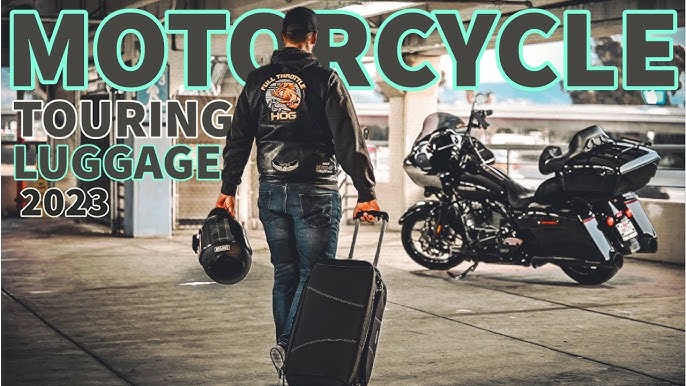
Illustrative image related to motorcycle touring luggage
Quality control involves several checkpoints throughout the manufacturing process, which include:
Implementing these checkpoints helps manufacturers catch issues early, reducing the likelihood of defective products reaching the market.
Manufacturers utilize various testing methods to ensure the durability and functionality of motorcycle touring luggage:
B2B buyers should inquire about the specific tests conducted by manufacturers to ensure they are aligned with industry standards.
Verification of a supplier’s quality control practices is crucial for B2B buyers to ensure product reliability. Here are several strategies:
In regions such as Africa, South America, the Middle East, and Europe, understanding local regulations and compliance requirements can also play a significant role in the verification process.
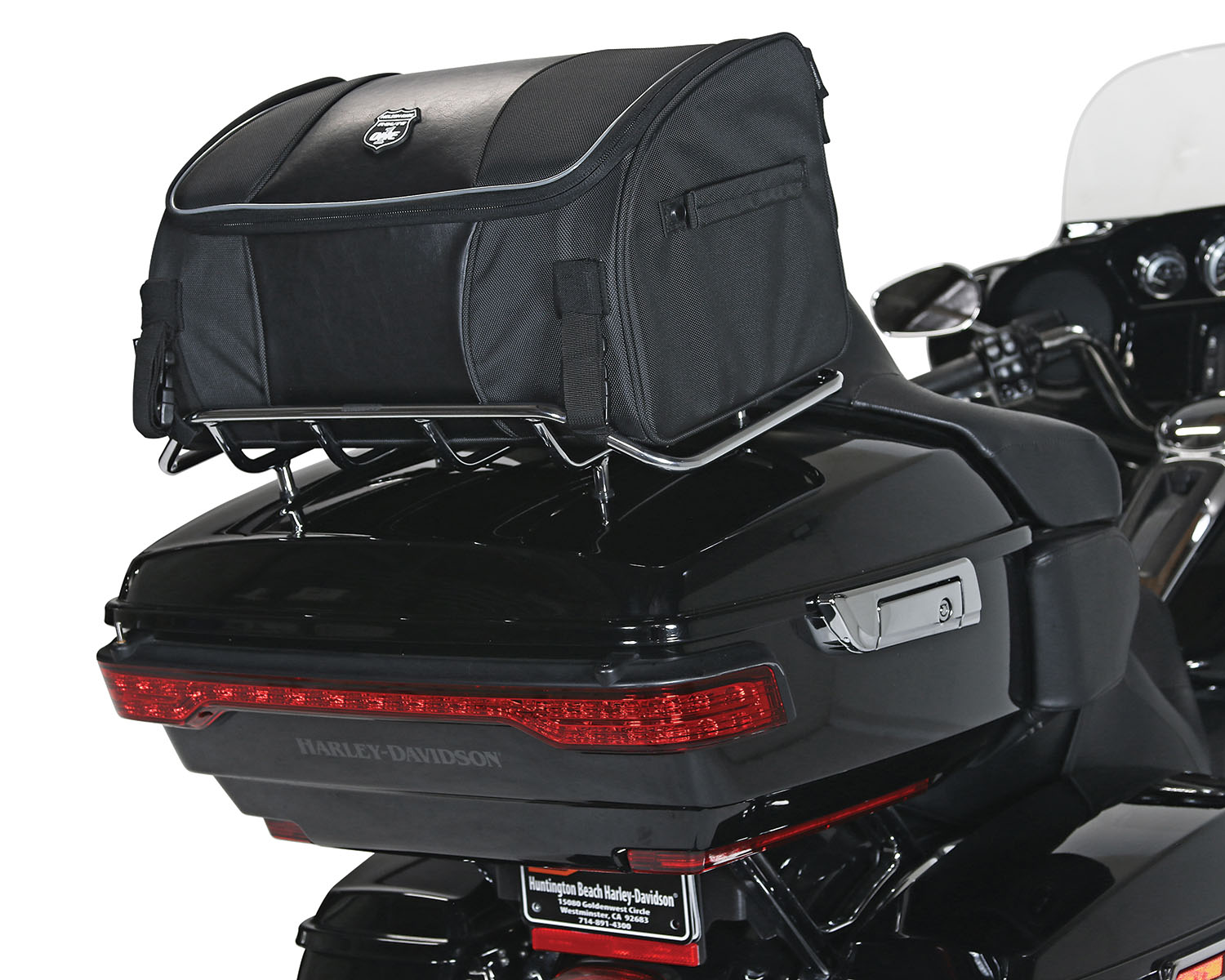
Illustrative image related to motorcycle touring luggage
International buyers face unique challenges regarding quality assurance and certification. Key considerations include:
By being aware of these nuances, B2B buyers can better navigate the complexities of international procurement and ensure they partner with reliable manufacturers.
This sourcing guide serves as a comprehensive checklist for B2B buyers seeking to procure motorcycle touring luggage. As the demand for reliable and high-quality luggage increases, especially in diverse markets such as Africa, South America, the Middle East, and Europe, it’s essential to adopt a structured approach to sourcing. This checklist will help you navigate the complexities of selecting the right products, ensuring that you meet both your business needs and customer expectations.
Establishing clear technical specifications is foundational to your sourcing process. Determine the types of luggage required—such as panniers, tank bags, or tail bags—and their intended use cases. Consider factors like size, weight capacity, weather resistance, and material durability.
Understanding current market trends can provide insights into consumer preferences and emerging demands. Investigate popular luggage styles, features, and price ranges within your target markets.
Before committing, it’s crucial to vet suppliers thoroughly. Request company profiles, case studies, and references from buyers in a similar industry or region. Look beyond their website to assess their credibility and reliability.
Obtaining samples or prototypes is essential to evaluate the quality and functionality of the products. This step allows you to assess materials, craftsmanship, and usability firsthand.
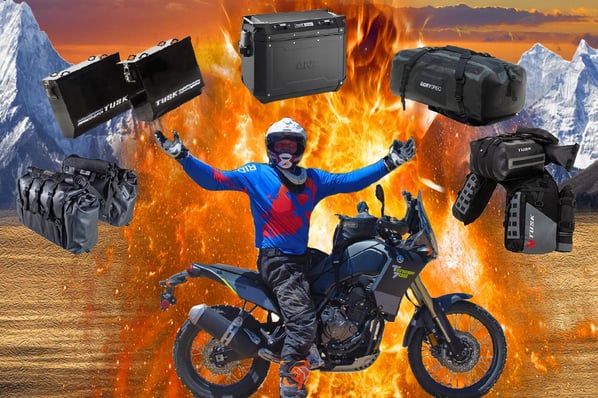
Illustrative image related to motorcycle touring luggage
Once you have identified suitable suppliers and evaluated samples, it’s time to negotiate terms. Discuss pricing, minimum order quantities, lead times, and payment terms.
Establishing quality assurance procedures is crucial to maintaining product standards throughout the manufacturing process. Define your inspection criteria and methods for evaluating products before shipment.
Finally, develop a logistics plan that outlines how you will receive, store, and distribute the motorcycle luggage. Consider factors such as shipping costs, customs clearance, and warehousing.
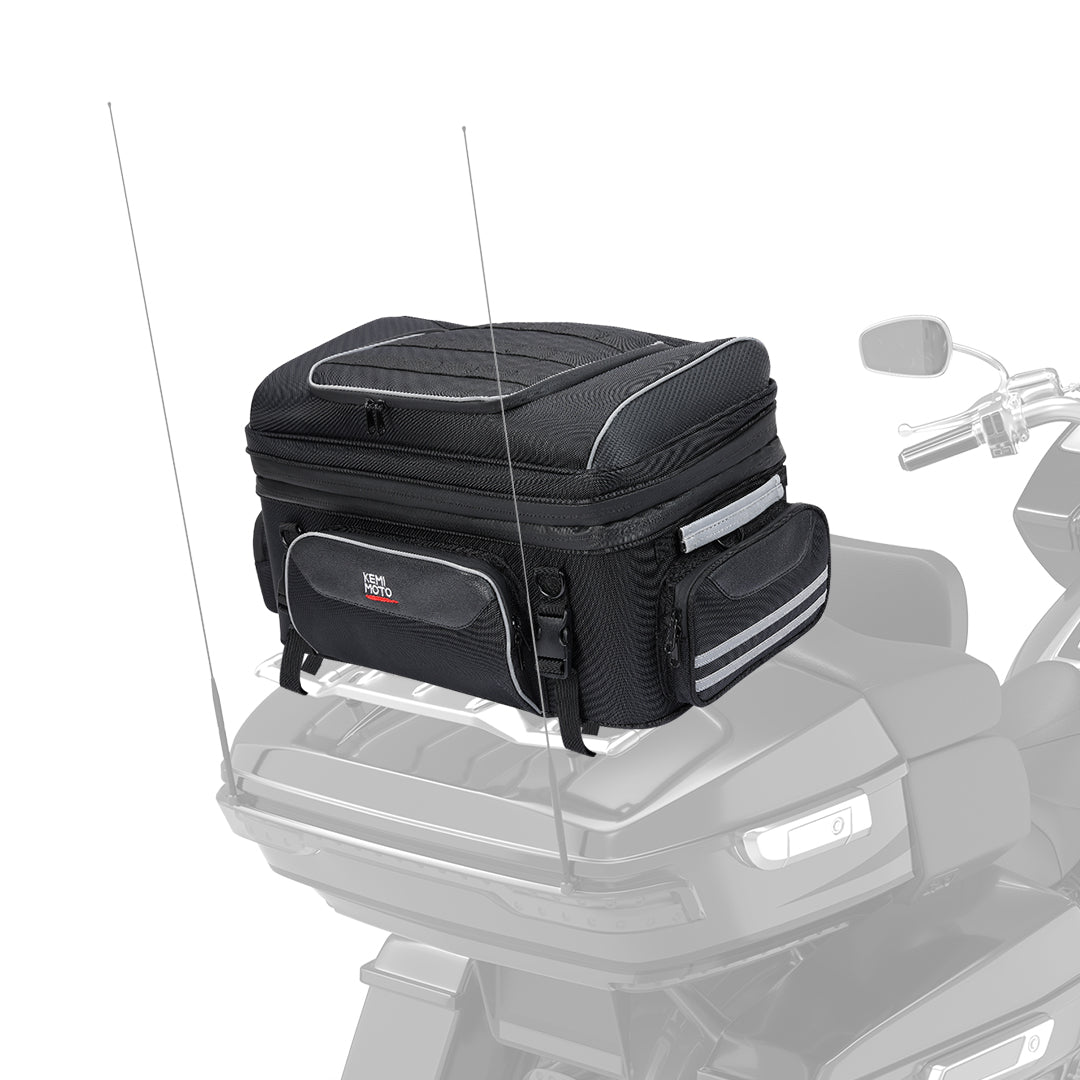
Illustrative image related to motorcycle touring luggage
By following this checklist, B2B buyers can streamline the procurement process for motorcycle touring luggage, ensuring that they select high-quality products that meet the needs of their markets.
Understanding the cost structure of motorcycle touring luggage is essential for B2B buyers seeking to source effectively. The primary cost components include:
Materiais: High-quality materials like waterproof fabrics, durable zippers, and reinforced stitching are crucial for ensuring the longevity and functionality of motorcycle luggage. The choice of materials significantly impacts both cost and performance.
Trabalho: Labor costs can vary based on the region of production. Countries with lower labor costs may offer cheaper options, but this can affect the overall quality of the product. Skilled labor is essential for ensuring that complex designs and features are executed correctly.
Custos indiretos de fabricação: This encompasses all costs associated with the production process, excluding direct materials and labor. Overhead can include utilities, rent, and administrative expenses, which need to be factored into the pricing structure.
Ferramentas: The initial investment in tooling for production can be substantial, particularly for custom designs. Buyers should be aware that these costs can be amortized over larger production runs, leading to lower unit costs for higher volumes.
Controle de qualidade (QC): Implementing rigorous QC processes is vital for maintaining product standards, especially in markets where safety and durability are paramount. This can add to the overall cost but is often justified by reduced returns and enhanced customer satisfaction.
Logística: Shipping and handling costs can significantly influence the final price. International shipping, customs duties, and storage fees are all aspects that need careful consideration.
Margem: Suppliers typically add a profit margin to cover their costs and ensure business sustainability. Understanding typical margins in the industry can help buyers negotiate better deals.
Several factors can influence the pricing of motorcycle touring luggage. These include:
Volume e quantidade mínima de pedidos (MOQ): Suppliers often provide better pricing for larger orders. Buyers should consider their inventory needs and negotiate MOQs that align with their sales forecasts.
Especificações e personalização: Customized designs or unique specifications can lead to higher costs due to the additional time and resources needed. Buyers should balance the desire for tailored products with budget constraints.
Qualidade do material e certificações: Higher-quality materials and certifications (e.g., ISO standards) often come at a premium but can enhance product appeal and customer trust. Buyers must assess the long-term value of investing in higher-quality products.
Fatores do fornecedor: The reputation and reliability of the supplier can impact pricing. Established suppliers may charge more but often provide better service and quality assurance.
Incoterms: Understanding Incoterms (International Commercial Terms) is crucial for international transactions. They define the responsibilities of buyers and sellers regarding shipping, insurance, and tariffs, which can affect the overall cost.
Negociar termos: Leverage the potential for bulk orders to negotiate better pricing and payment terms. Suppliers are often willing to offer discounts for larger commitments.
Avaliar o custo total de propriedade (TCO): Consider not only the purchase price but also the costs associated with maintenance, warranty claims, and potential returns. A cheaper product may end up costing more in the long run.
Research Pricing Nuances for International Markets: Buyers from regions like Africa, South America, the Middle East, and Europe should be aware of local market conditions and currency fluctuations, which can affect pricing.
Entenda as regulamentações locais: Compliance with local laws and regulations can influence the choice of materials and designs. Ensure that the selected products adhere to the necessary standards to avoid costly penalties or recalls.
Criar relacionamentos: Establishing strong relationships with suppliers can lead to better pricing and service. Long-term partnerships often yield more favorable terms as trust and understanding grow.
Prices for motorcycle touring luggage can vary widely based on the factors discussed above. It is advisable for buyers to conduct thorough market research and obtain multiple quotes to ensure they are making informed purchasing decisions.
When it comes to motorcycle touring, choosing the right luggage solution is crucial for both performance and convenience. While traditional motorcycle touring luggage offers a range of benefits, several alternative solutions can also meet the needs of riders. This section will compare motorcycle touring luggage with two viable alternatives: soft-sided luggage and cargo nets.
| Aspecto de comparação | Motorcycle Touring Luggage | Soft-Sided Luggage | Cargo Nets |
|---|---|---|---|
| Desempenho | High durability, weatherproof | Moderate durability, often less weatherproof | Variable, depends on load security |
| Custo | Faixa média a alta | Custo geralmente mais baixo | Low cost |
| Facilidade de implementação | Requires mounting systems | Easy to attach and detach | Simple to use, minimal setup |
| Manutenção | Regular checks for wear and tear | Necessidade mínima de manutenção | Baixa manutenção |
| Melhor caso de uso | Long-distance touring, rugged conditions | Viagens curtas, passeios casuais | Quick, temporary storage for light loads |
Soft-Sided Luggage
Soft-sided luggage presents a flexible alternative to traditional hard-shell motorcycle bags. These bags are often lighter, making them easier to handle, and they can be more affordable than their hard-shell counterparts. Their flexibility allows them to fit into tighter spaces on the bike. However, they may lack the same level of weather resistance and structural integrity, which can be a concern for long-distance touring in varied climates. Additionally, soft-sided options may require more frequent monitoring to ensure they remain securely attached and free from wear.
Cargo Nets
Cargo nets are a simple and cost-effective solution for securing items on a motorcycle. They are easy to deploy, making them suitable for quick stops or short trips where bulky luggage is unnecessary. Cargo nets excel in providing a lightweight option for securing irregularly shaped items. However, they offer limited protection against the elements, and their ability to secure loads is highly dependent on the rider’s skill in properly securing the items. This method is best suited for casual riders or those who need a temporary solution rather than for serious touring.
When selecting a luggage solution for motorcycle touring, B2B buyers should consider the specific requirements of their customers, such as the types of trips they will be taking and the typical weather conditions they may encounter. Motorcycle touring luggage is ideal for serious riders who prioritize durability and weather resistance for long journeys. In contrast, soft-sided luggage may appeal to those looking for a lighter, more flexible option, while cargo nets serve well for quick, informal trips. By understanding these alternatives and their respective benefits and drawbacks, buyers can make informed decisions that cater to the diverse needs of the riding community.
When sourcing motorcycle touring luggage, understanding the technical specifications is crucial for making informed purchasing decisions. Here are some critical properties to consider:
The material used in motorcycle luggage significantly affects its durability and weather resistance. Common materials include high-denier nylon, polyester, and TPU (thermoplastic polyurethane). Higher denier counts (e.g., 500D, 1000D) indicate a thicker, more robust fabric that can withstand abrasions and tears, making it ideal for rugged touring conditions. For B2B buyers, selecting luggage made from high-quality materials ensures longevity and reduces the frequency of replacements.
Luggage designed for motorcycle touring must offer superior waterproofing to protect contents from rain and moisture. This is often achieved through materials that are either inherently waterproof or treated with coatings such as silicone or polyurethane. Additionally, features like heat-sealed seams and waterproof zippers enhance protection. Understanding these properties helps businesses meet customer expectations for reliability in various weather conditions.
Different luggage types have varying weight capacities, often specified in liters (e.g., 30L, 40L). It’s essential to consider the load distribution features such as reinforced mounting points or load-bearing systems that can evenly distribute weight across the motorcycle. This not only ensures safety while riding but also enhances the riding experience. B2B buyers should evaluate these specifications to recommend suitable products that meet the touring needs of their clients.
Luggage can be attached to motorcycles using various systems, including rack-mounted, strap-on, or magnetic attachments. The choice of attachment system affects installation ease, stability during rides, and overall user satisfaction. For B2B suppliers, understanding the pros and cons of each system can guide recommendations to retailers and end-users, fostering better sales opportunities.
Security is a growing concern among motorcycle riders. Luggage with built-in locking systems, reflective materials for visibility, and anti-theft designs are increasingly popular. Offering products with these features can enhance marketability and appeal to safety-conscious consumers, making it a key consideration for B2B transactions.
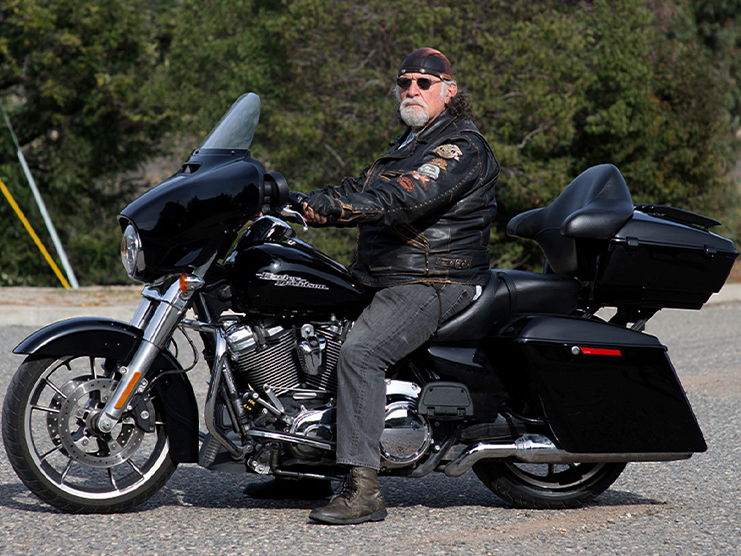
Illustrative image related to motorcycle touring luggage
Familiarity with industry terminology is essential for effective communication and negotiation in the B2B space. Here are several critical terms:
OEM refers to companies that produce parts or products that are sold under another company’s brand. In motorcycle luggage, OEMs might create custom luggage solutions tailored for specific motorcycle brands. Understanding OEM relationships can help B2B buyers identify reliable suppliers and negotiate better terms.
MOQ is the minimum number of units a supplier is willing to sell in a single order. Knowing the MOQ is vital for inventory management and cost-effectiveness. Businesses must evaluate their sales forecasts against MOQs to ensure they are not overcommitting financially.
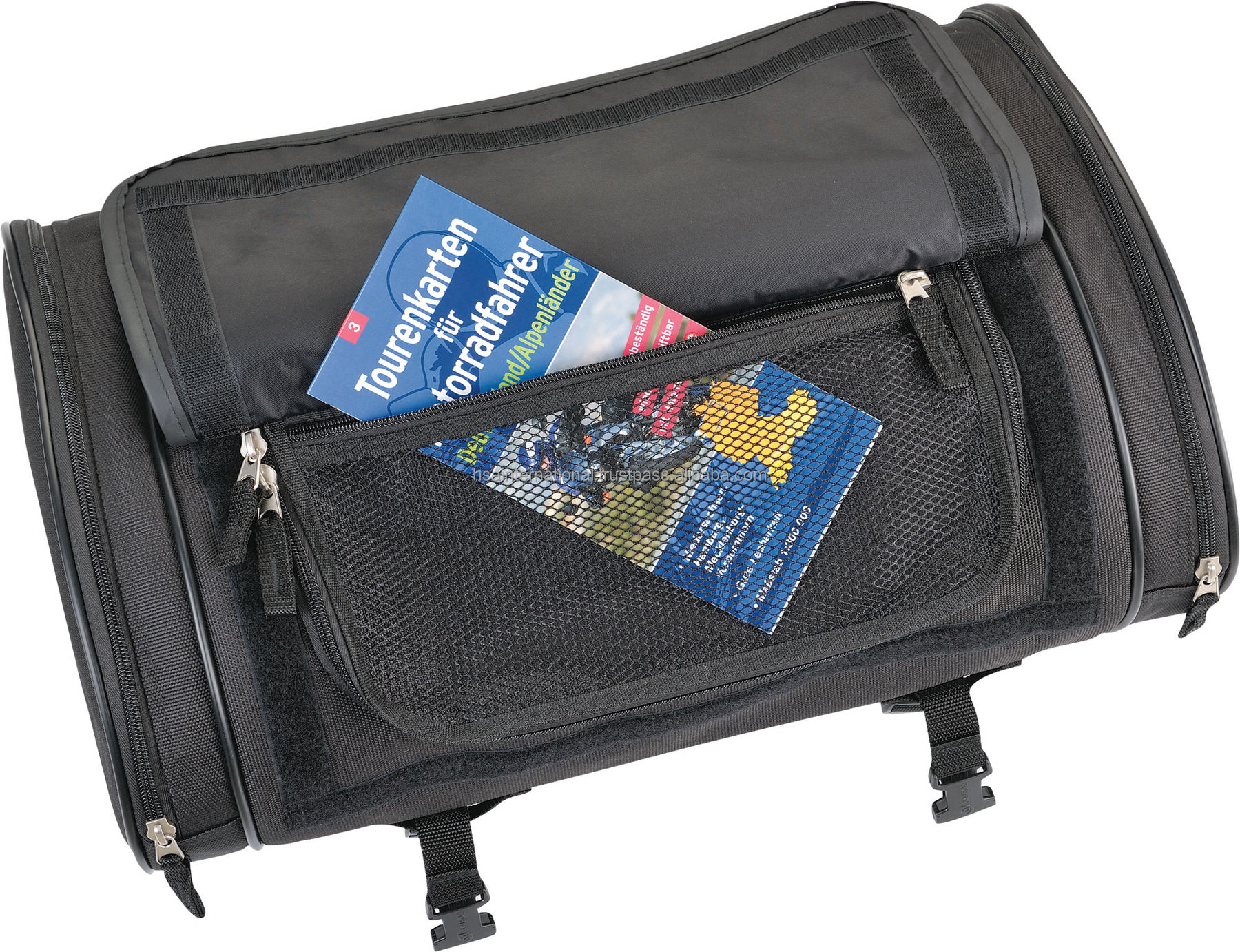
Illustrative image related to motorcycle touring luggage
An RFQ is a document used to solicit price bids from suppliers. For B2B buyers, issuing RFQs can help compare pricing and terms from different manufacturers, ensuring the best deal for motorcycle luggage procurement.
Incoterms are international commercial terms that define the responsibilities of buyers and sellers in shipping goods. Understanding these terms is crucial for B2B transactions, as they clarify who is responsible for shipping costs, insurance, and risk during transport.
SKU is a unique identifier for each product, making inventory management more efficient. For B2B buyers, having a clear understanding of SKUs helps in tracking inventory levels and managing orders effectively.
By grasping these technical properties and trade terms, B2B buyers can navigate the motorcycle touring luggage market more effectively, ensuring they make informed decisions that cater to their clients’ needs.
The motorcycle touring luggage sector is experiencing significant growth driven by a surge in global tourism and adventure travel. As more enthusiasts seek long-distance riding experiences, the demand for high-quality, durable luggage solutions has intensified. Notably, regions such as Africa and South America are witnessing increased interest in motorcycle touring, fueled by expanding road networks and a growing middle class eager for adventure. International buyers should be aware of the growing trend towards modular and customizable luggage systems, allowing riders to tailor their setups according to individual needs.
Emerging technologies such as smart luggage, equipped with GPS tracking and anti-theft features, are becoming increasingly popular among consumers. Additionally, the integration of lightweight, high-strength materials, such as carbon fiber and advanced polymers, enhances performance and durability, which is critical for long-distance travelers. For B2B buyers, understanding these technological advancements can provide a competitive edge in offering innovative products that meet consumer expectations.
Furthermore, the rise of e-commerce platforms and digital marketing strategies is reshaping how businesses source and sell motorcycle luggage. Buyers from regions like the Middle East and Europe should consider partnerships with manufacturers that emphasize online presence and customer engagement, as this can facilitate better inventory management and customer feedback loops.
In today’s marketplace, sustainability and ethical sourcing are not just trends; they are critical factors influencing purchasing decisions. The motorcycle touring luggage sector faces scrutiny regarding its environmental impact, particularly concerning materials used in production. Manufacturers are increasingly adopting eco-friendly practices by utilizing recycled materials and reducing waste during the manufacturing process. B2B buyers should prioritize suppliers who demonstrate commitment to sustainability through certifications such as ISO 14001 or the Global Recycle Standard.

Illustrative image related to motorcycle touring luggage
Ethical supply chains also enhance brand reputation and foster consumer loyalty. Buyers should consider sourcing from companies that are transparent about their labor practices and environmental policies. This approach not only mitigates risks associated with unethical practices but also aligns with the growing consumer demand for responsible products. As global awareness around climate change and social issues rises, integrating sustainable practices into sourcing strategies will be vital for long-term success in the motorcycle touring luggage market.
The motorcycle touring luggage industry has evolved significantly over the past few decades. Initially, luggage solutions were primarily focused on utility, with basic designs made from heavy materials that lacked durability and weather resistance. As motorcycle touring gained popularity, especially in the late 20th century, manufacturers began innovating with lightweight, waterproof materials that offered enhanced protection against the elements.
The introduction of modular luggage systems in the early 2000s marked a turning point, allowing riders to customize their setups based on trip duration and personal preferences. Today, the sector is characterized by a blend of functionality and style, with brands offering a diverse range of products, from panniers to tank bags, that cater to varying rider needs. This evolution reflects broader trends in consumer preferences for personalized, high-quality products, making it essential for B2B buyers to stay informed about historical developments that continue to influence the market landscape.
How do I choose the right motorcycle touring luggage for my business needs?
Selecting the appropriate motorcycle touring luggage involves understanding the specific needs of your target market. Consider factors such as the type of motorcycles your customers use, the typical distance of their tours, and the climates they encounter. Evaluate luggage options like panniers, tank bags, and tail bags based on durability, waterproofing, and ease of installation. It’s also essential to assess the price range that suits your market segment while ensuring that the quality aligns with customer expectations.
What are the key features to look for in motorcycle touring luggage?
When sourcing motorcycle touring luggage, prioritize features such as waterproof materials, strong zippers, and secure mounting systems. Look for luggage that offers expandable storage options and ergonomic designs for comfort during long rides. Additionally, assess whether the luggage includes safety features like reflective strips or integrated locks. It’s crucial that the products are lightweight yet durable to withstand various road conditions and weather elements.
What are the standard minimum order quantities (MOQs) for motorcycle luggage suppliers?
Minimum order quantities (MOQs) can vary significantly by supplier and product type. Typically, MOQs for motorcycle touring luggage may range from 50 to 500 units, depending on the manufacturer’s capabilities and the complexity of the items. When negotiating with suppliers, inquire about the possibility of smaller test orders to evaluate product quality before committing to larger purchases. This approach can help mitigate risks while establishing a reliable supply chain.
How can I ensure the quality of motorcycle touring luggage before purchasing?
To ensure quality, request samples from potential suppliers to evaluate material durability, stitching, and overall design. Conduct factory visits if possible, or utilize third-party inspection services to assess manufacturing processes. Checking for certifications related to materials and manufacturing standards can also provide insight into the quality of the products. Establishing a clear quality assurance protocol with suppliers can help maintain standards throughout your partnership.
What payment terms are typically offered by motorcycle luggage suppliers?
Payment terms can vary widely depending on the supplier and your negotiation leverage. Common arrangements include upfront payments, partial payments upon order confirmation, and the balance due before shipment. Some suppliers may offer favorable terms such as net 30 or net 60 days after delivery. Always clarify payment methods accepted (e.g., wire transfer, credit card) and ensure that terms are documented in your contract to avoid misunderstandings.
What logistics considerations should I keep in mind when importing motorcycle luggage?
When importing motorcycle luggage, consider shipping options, customs duties, and import regulations specific to your country. It’s essential to work with logistics partners experienced in handling motorcycle accessories to navigate potential challenges effectively. Ensure that your supplier provides the necessary documentation for customs clearance and inquire about shipping insurance to protect your investment during transit. Timely communication with your logistics provider can help manage delivery schedules and mitigate delays.
How do I evaluate potential suppliers for motorcycle touring luggage?
To effectively evaluate suppliers, start by researching their reputation through online reviews and industry references. Assess their experience in manufacturing motorcycle luggage and their ability to meet your specific needs. Request information on their production capabilities, lead times, and compliance with international standards. Establishing a strong relationship through transparent communication and regular updates can also enhance collaboration and ensure that your expectations are met.
Can I customize motorcycle touring luggage for my brand?
Yes, many suppliers offer customization options for motorcycle touring luggage, including branding, color choices, and specific design modifications. When discussing customization, be clear about your branding requirements and the intended market. Keep in mind that custom orders may require higher MOQs and longer lead times, so plan accordingly. Collaborating with the supplier on design elements can create unique products that resonate with your target audience and strengthen your brand identity.
Domínio: moskomoto.com
Registrado: 2013 (12 anos)
Introdução: Essa empresa, Mosko Moto - Motorcycle Luggage Systems, é uma entidade notável no mercado. Para obter detalhes específicos do produto, é recomendável visitar diretamente o site da empresa.
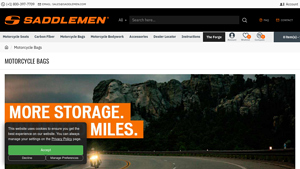
Domínio: saddlemen.com
Registrado: 1996 (29 anos)
Introdução: [{‘brand’: ‘Universal’, ‘model’: ‘Highwayman Riveted Slant Saddlebag’, ‘description’: ‘Highwayman™ Riveted Medium Slant-Style Saddlebags. Offers high quality at a competitive, low price. Adjustable yoke construction helps produce the perfect fit on most popular cruisers.’, ‘price’: ‘$117.00’}, {‘brand’: ‘Universal’, ‘model’: ‘R1300LXE Tactical Deluxe Roll Bag’, ‘description’: “Universal Mounting -…
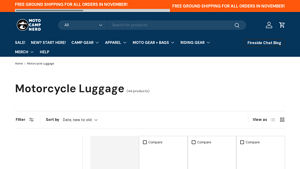
Domínio: motocampnerd.com
Registrado: 2020 (5 anos)
Introdução: Motorcycle Luggage includes various products such as Soft Panniers, Rackless Saddlebags, Moto Dry Bags, Tank & Tail Bags, and Luggage Straps. Brands featured include Giant Loop, Green Chile Adventure Gear, Kriega, and Nelson-Rigg. Products are available in multiple colors (e.g., Black, Blue, Coyote, Gray, Hot Yellow, Lime Green, Multicam Black, Orange, Red) and sizes (e.g., 1 Gallon, 2 Gallon, 25 …
Domínio: vikingbags.com
Registrado: 2006 (19 anos)
Introdução: Viking Bags offers a wide selection of motorcycle luggage bags, including saddlebags, trunks, and tank bags, designed for various motorcycle models. Key features include:
– Quick disconnect system for easy mounting and dismounting of luggage.
– Variety of styles, shapes, and colors to suit different rider preferences.
– Products are engineered for durability and weather resistance, with most being…
Domínio: harley-davidson.com
Registrado: 1994 (31 anos)
Introdução: Sturdy and durable motorcycle bags, luggage, and racks designed for Harley-Davidson motorcycles. Features include solid construction, large capacities for long-distance travel, hard and soft shell options, detachable duffle bags with thick handles, and backrest organizers. Made from high-quality materials that resist wear and fading, ensuring longevity. Designed for convenience and easy installati…
Domínio: sw-motech.us
Introdução: Key product categories include: Adventure Sets, Tank Bags, Tank Rings, Tank Straps, Saddle Bags, Side Cases, Side Carriers, Tail Bags, Top Cases, and Luggage Racks. Notable products include: URBAN ABS side case system (2x 16.5 l) for KTM 125/390 Duke ($610), TRAX ADV aluminium case system (37/37 l) for Moto Morini X-Cape 650 ($1,500), SLC side carrier for BMW R nineT ($130), URBAN ABS top case sys…
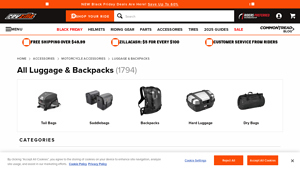
Domínio: revzilla.com
Registrado: 2006 (19 anos)
Introdução: Motorcycle Luggage & Bags available at RevZilla, featuring various types including backpacks, dry bags, gear bags, hard luggage, hydration luggage, and luggage accessories. Key brands include Alpinestars, Dainese, and REV’IT! with discounts up to 60% off during Black Friday sales. Additional offerings include saddlebag liners, luggage racks, saddlebags, side cases, soft luggage, tail bags, tank ba…
As the global demand for motorcycle touring luggage continues to rise, strategic sourcing remains a critical component for B2B buyers. By leveraging insights from various markets, including Africa, South America, the Middle East, and Europe, businesses can identify high-quality products that meet the unique needs of their customers. Key takeaways include the importance of durability, adaptability, and innovative designs that cater to diverse riding conditions and preferences.
Investing in reliable suppliers who prioritize quality and customer support can significantly enhance your product offerings. Furthermore, understanding regional trends and preferences can help you make informed decisions that resonate with your target audience.
Looking ahead, the motorcycle touring luggage market is poised for growth, driven by increasing interest in adventure tourism and outdoor activities. We encourage international buyers to explore emerging opportunities and strengthen partnerships with manufacturers that align with their vision. By prioritizing strategic sourcing, you can ensure a competitive edge in this dynamic market, ultimately driving customer satisfaction and business success. Engage with suppliers who not only offer quality products but also share your commitment to innovation and sustainability.
As informações fornecidas neste guia, inclusive o conteúdo referente a fabricantes, especificações técnicas e análise de mercado, são apenas para fins informativos e educacionais. Elas não constituem aconselhamento profissional sobre compras, aconselhamento financeiro ou aconselhamento jurídico.
Embora tenhamos feito todos os esforços para garantir a precisão e a atualidade das informações, não nos responsabilizamos por quaisquer erros, omissões ou informações desatualizadas. As condições de mercado, os detalhes da empresa e os padrões técnicos estão sujeitos a alterações.
Os compradores B2B devem realizar sua própria due diligence independente e completa antes de tomar qualquer decisão de compra. Isso inclui entrar em contato diretamente com os fornecedores, verificar as certificações, solicitar amostras e buscar consultoria profissional. O risco de confiar em qualquer informação contida neste guia é de responsabilidade exclusiva do leitor.


 Portuguese
  English
  Russian
  Spanish
  Italian
  Arabic
  German