
Navigating the global market for portable car compressors poses unique challenges for B2B buyers, especially those operating in diverse regions such as Africa, South America, the Middle East, and Europe. With the demand for efficient, reliable inflation solutions on the rise, sourcing the right portable car compressor can significantly impact operational efficiency and customer satisfaction. This guide aims to demystify the complexities associated with selecting portable car compressors by providing a comprehensive overview of various types, applications, and critical factors to consider during the purchasing process.
From compact models ideal for personal vehicles to heavy-duty compressors suited for commercial trucks, understanding the nuances of performance specifications, durability, and additional features is essential. Buyers will also find valuable insights on supplier vetting, ensuring they partner with reputable manufacturers who meet international standards. Additionally, we will delve into cost considerations, helping businesses maximize their investment while meeting their unique operational needs.
By equipping international B2B buyers with actionable knowledge and strategic approaches, this guide empowers informed purchasing decisions. Whether you are looking to enhance your service offerings in Vietnam or streamline operations in Saudi Arabia, understanding the portable car compressor landscape will position your business for success in a competitive market.
| Nome do tipo | Principais características distintivas | Aplicativos B2B primários | Prós e contras resumidos para compradores |
|---|---|---|---|
| Infladores de pneus sem fio | Battery-operated, compact design, preset pressure settings | Automotive repair shops, road service | Prós: Highly portable, easy to use. Contras: Limited battery life, may struggle with larger tires. |
| 12V Plug-In Compressors | Powered via vehicle’s 12V outlet, often includes adapters | Automotive maintenance, fleet services | Prós: Convenient for on-the-go use, generally affordable. Contras: Limited reach, dependent on vehicle power. |
| Compressores de ar para serviços pesados | High PSI capabilities, often uses direct battery clamps | Construction, off-road applications | Prós: Suitable for larger tires and tools, robust performance. Contras: Bulky, requires vehicle battery access. |
| Infladores de pneus digitais | Integrated digital display, automatic shut-off features | Automotive retailers, tire shops | Prós: Accurate pressure readings, user-friendly. Contras: May be pricier, requires careful monitoring. |
| Multi-Purpose Compressors | Versatile, with attachments for various inflatables | Recreational vehicle service, sports | Prós: Flexible use cases, suitable for multiple applications. Contras: May lack power for heavy-duty tasks. |
Cordless tire inflators are characterized by their battery-operated functionality, making them extremely portable and user-friendly. These devices are particularly suitable for quick tire inflation in emergency situations or for regular maintenance in smaller automotive operations. When purchasing, B2B buyers should consider battery life and the maximum PSI capability, especially if used for larger tires or multiple vehicles.
Illustrative image related to portable car compressor
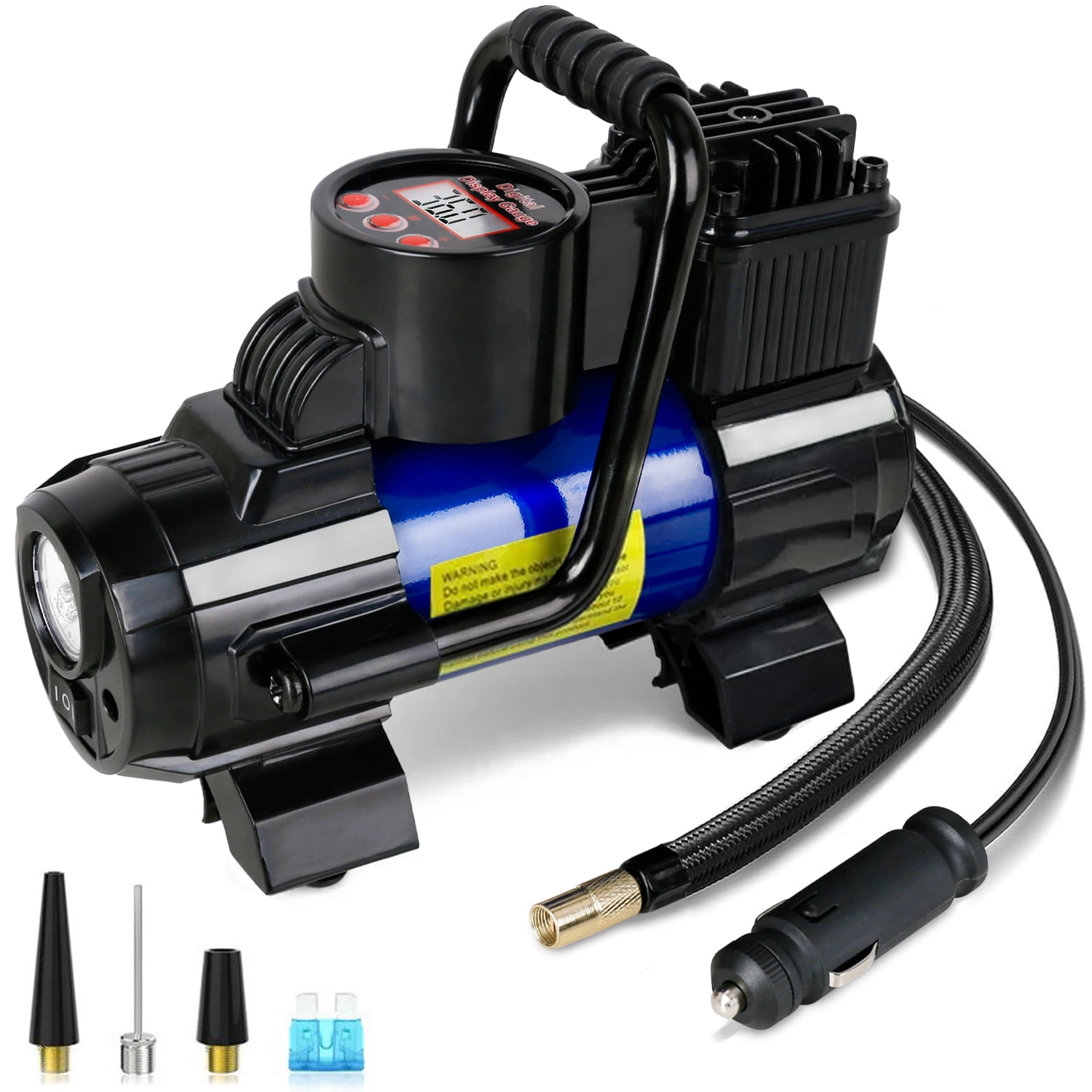
12V plug-in compressors utilize a vehicle’s power outlet, offering a practical solution for on-the-go tire inflation. Their compact nature makes them ideal for automotive maintenance and fleet services, where quick access to tire inflation is essential. Buyers should evaluate the compressor’s power cord length and included adapters to ensure compatibility with various tire types and sizes.
Heavy-duty air compressors are designed for high-pressure applications, making them suitable for construction and off-road activities. Their ability to inflate larger tires and power pneumatic tools is a significant advantage for businesses in these sectors. When considering a purchase, B2B buyers should assess the compressor’s size, weight, and the need for direct battery access, as these factors can impact usability in the field.
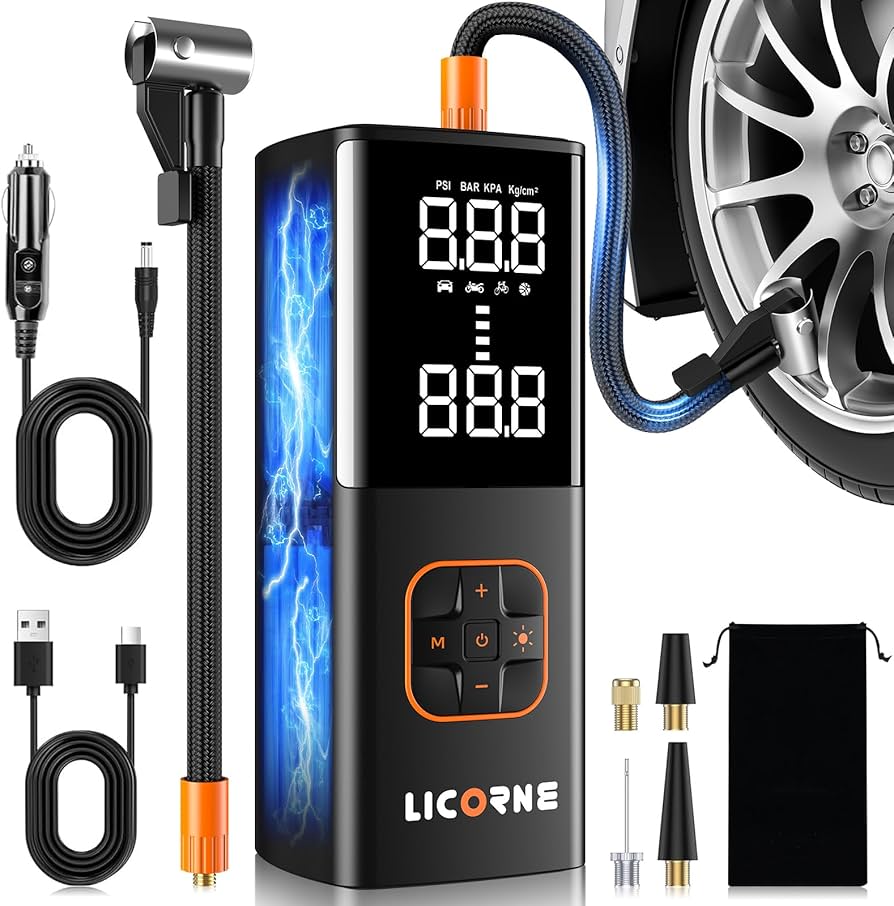
Digital tire inflators offer advanced features such as integrated displays and automatic shut-off mechanisms, ensuring precise inflation. These devices are especially beneficial for automotive retailers and tire shops that prioritize accuracy and efficiency. B2B buyers should weigh the advantages of digital technology against the potential higher costs and ensure that the device meets their specific inflation needs.
Multi-purpose compressors are versatile tools that come with various attachments for inflating not just tires but also sports equipment and recreational items. Their flexibility makes them a valuable asset for businesses involved in recreational vehicle services or sports equipment rentals. Buyers should consider the range of attachments included and whether the compressor can handle heavy-duty inflation tasks when making a decision.
| Indústria/Setor | Specific Application of Portable Car Compressor | Valor/benefício para a empresa | Principais considerações de fornecimento para este aplicativo |
|---|---|---|---|
| Reparo automotivo | Enchimento e manutenção de pneus | Ensures vehicle safety and reduces downtime for repairs | Look for compressors with high PSI and reliability |
| Roadside Assistance | Emergency tire inflation for stranded vehicles | Quick response time enhances customer satisfaction | Consider portability and power source options |
| Construção | Operating pneumatic tools and equipment | Increases operational efficiency and reduces manual labor | Evaluate power capacity and compatibility with tools |
| Logística e transporte | Regular tire pressure checks for fleet vehicles | Improves fuel efficiency and prolongs tire lifespan | Ensure ease of use and storage capacity for multiple units |
| Veículos recreativos | Inflating tires for off-road vehicles and trailers | Enhances safety and performance during outdoor activities | Look for rugged designs and quick inflation features |
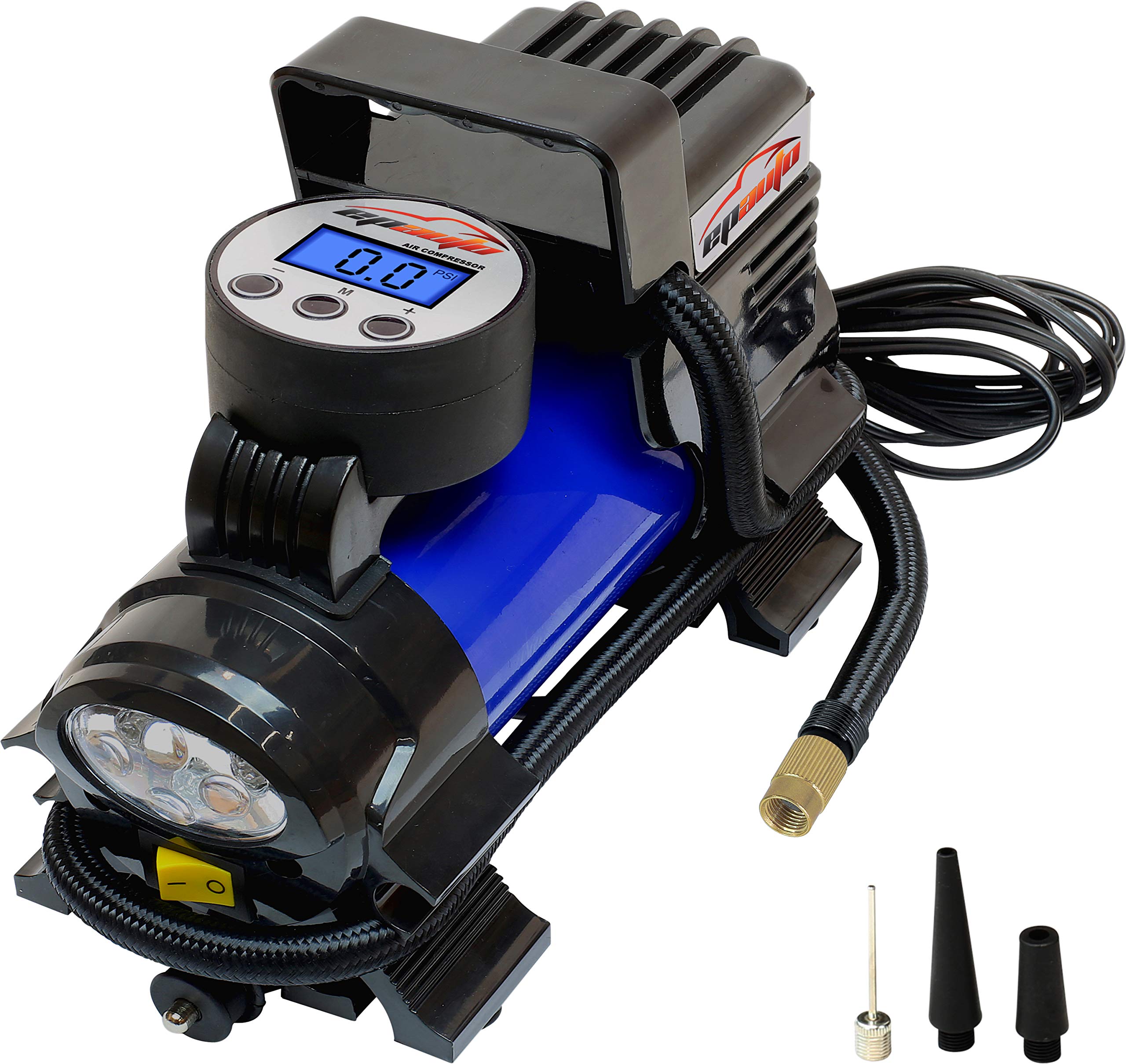
In the automotive repair sector, portable car compressors are essential for tire inflation and maintenance. They enable mechanics to quickly and efficiently inflate tires to the recommended pressure, ensuring vehicle safety and optimal performance. This application is particularly vital in regions with fluctuating weather conditions, where tire pressure can change rapidly. B2B buyers in this sector should prioritize compressors with high PSI capabilities and robust construction to withstand frequent use.
Illustrative image related to portable car compressor
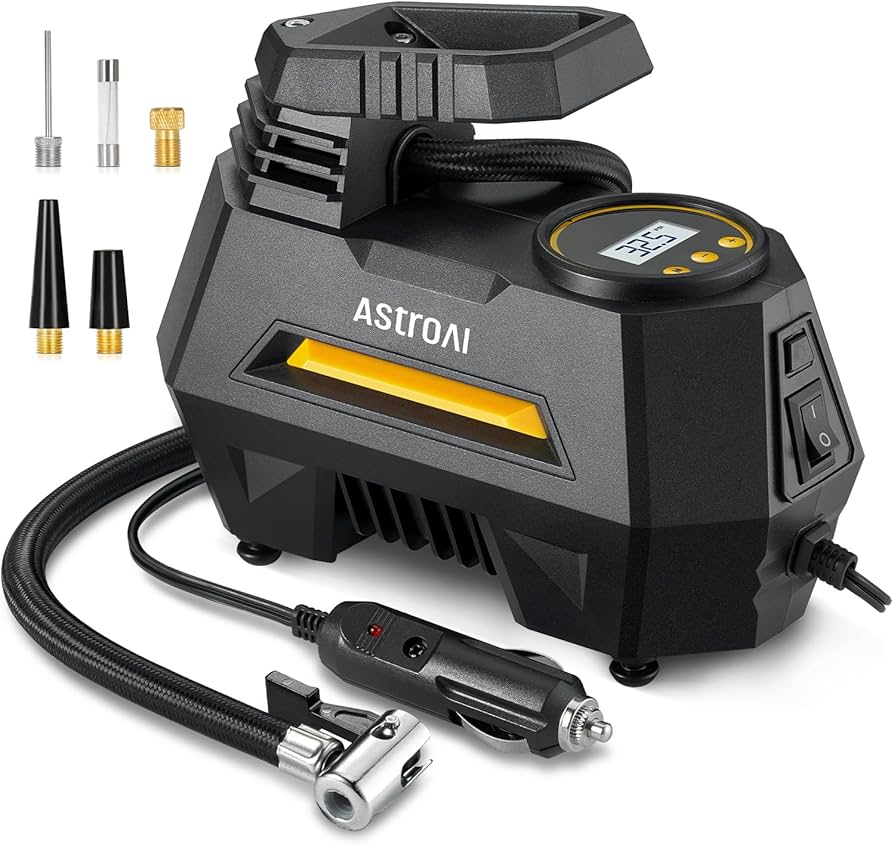
For roadside assistance services, a portable car compressor is a critical tool for providing emergency tire inflation to stranded motorists. The ability to quickly inflate a flat tire can significantly reduce wait times and enhance customer satisfaction. In markets like Africa and South America, where road conditions can be unpredictable, having a reliable compressor is essential. Buyers should consider models that are lightweight, easy to transport, and equipped with multiple power options, including battery and vehicle adapter capabilities.
In the construction industry, portable car compressors are utilized to operate pneumatic tools and equipment, such as nail guns and air hammers. This application streamlines workflows and reduces the physical labor required for various tasks. In regions with limited access to electricity, having a portable solution is particularly advantageous. B2B buyers in this sector should focus on compressors with sufficient power capacity and compatibility with various pneumatic tools to ensure versatility on job sites.
In the logistics and transport sector, regular tire pressure checks using portable car compressors can lead to improved fuel efficiency and extended tire lifespan for fleet vehicles. Maintaining optimal tire pressure reduces rolling resistance, which is crucial for cost savings in transportation. Buyers from Europe and the Middle East should seek compressors that are easy to use and have a compact design for convenient storage in vehicles, allowing for regular maintenance checks on the go.
For recreational vehicle (RV) owners, portable car compressors are vital for inflating tires, especially for off-road adventures. Proper tire inflation enhances safety and performance, particularly when navigating rugged terrains. In regions like Saudi Arabia, where outdoor activities are popular, having a reliable compressor can make a significant difference. Buyers should look for rugged designs that can handle the demands of outdoor use and quick inflation features to minimize downtime during trips.
O problema: B2B buyers often face challenges in sourcing portable car compressors that not only meet performance expectations but also comply with regional safety and quality standards. In markets like Africa and South America, where infrastructure can be less developed, ensuring that suppliers provide reliable and durable products becomes essential. Buyers may encounter subpar products that fail to deliver, leading to increased operational costs and customer dissatisfaction.
Illustrative image related to portable car compressor
A solução: To effectively source high-quality portable car compressors, buyers should conduct thorough market research to identify reputable manufacturers known for their durability and performance. Establish relationships with suppliers who offer warranties and after-sales support. Look for certifications that align with international quality standards, such as ISO certification. Additionally, leveraging platforms that provide reviews and ratings from other B2B users can help in making informed decisions. Engaging in direct conversations with suppliers to clarify specifications and performance metrics is crucial. This proactive approach not only enhances product reliability but also builds long-term partnerships.
O problema: In commercial settings, inefficiencies in the operation of portable car compressors can lead to unexpected downtime. For example, a compressor that is unable to maintain consistent pressure or takes too long to inflate tires can disrupt logistics and service delivery. This scenario is particularly concerning for businesses that rely on fleet vehicles, where timely maintenance is critical to avoiding delays and additional costs.
A solução: To mitigate operational inefficiencies, it is essential to invest in portable car compressors with advanced features such as automatic shut-off and built-in digital pressure gauges. Buyers should prioritize models that allow for quick inflation and offer multiple power sources, including battery and vehicle charging options. Regular maintenance checks, including lubrication and inspection of hoses, can prevent performance drops. Providing training for staff on the proper use and maintenance of compressors can further enhance efficiency. By ensuring that the right model is selected and maintained, companies can minimize downtime and maintain operational flow.
O problema: B2B buyers often encounter difficulties when selecting portable car compressors that need to serve multiple functions, such as inflating tires, powering pneumatic tools, or servicing different vehicle types. This versatility is crucial for businesses operating in diverse environments, yet many compressors fall short in their adaptability, limiting their utility.
A solução: To address the need for multifunctionality, buyers should seek portable car compressors that come with a variety of attachments and adaptors for different inflation tasks. Models designed for versatility often include features that cater to various applications, such as high PSI capabilities for larger vehicles and compatibility with multiple power sources. When sourcing these compressors, inquire about the range of accessories available and ensure that they can be easily integrated into existing operations. Additionally, conducting field tests with different applications can provide insights into the compressor’s performance across various tasks. This approach allows businesses to maximize the utility of their investment and enhance service offerings to their customers.
When selecting materials for portable car compressors, several factors such as performance, durability, cost, and compliance with international standards come into play. Below, we analyze four common materials used in the construction of these compressors, focusing on their properties, advantages, disadvantages, and considerations for international B2B buyers.
Aluminum is frequently used in the housing and components of portable car compressors due to its lightweight nature and excellent corrosion resistance. Key properties include a temperature rating of up to 400°F and a pressure rating that can exceed 300 psi, making it suitable for various applications.
Prós: Aluminum is durable and resistant to rust, which is particularly beneficial in humid environments found in regions like South America and the Middle East. It is also relatively easy to manufacture and shape, allowing for complex designs.
Contras: While aluminum is generally cost-effective, it can be more expensive than some alternatives like plastic. Additionally, it may not withstand extreme impacts as well as steel, which could be a concern in rugged environments.
Impacto no aplicativo: Aluminum’s compatibility with various media makes it suitable for both air and non-corrosive gases. However, it may not be ideal for applications involving aggressive chemicals.
Steel, particularly stainless steel, is another common material used in portable car compressors. It boasts high strength and durability, with a temperature rating up to 1,500°F and excellent pressure handling capabilities.
Prós: Steel is incredibly robust and can withstand harsh environments, making it ideal for heavy-duty applications. It is also cost-effective for manufacturers, especially in bulk production.
Contras: The primary drawback of steel is its susceptibility to rust if not properly coated, which can be a concern in humid regions. Additionally, steel components can add significant weight to the compressor, potentially impacting portability.
Impacto no aplicativo: Steel is suitable for high-pressure applications and can be used with a variety of gases. However, its weight may limit the design of ultra-portable models.
Plastic materials, particularly high-density polyethylene (HDPE) and polypropylene, are often utilized for components like casings and internal parts. These materials are lightweight and have a temperature resistance of about 180°F.
Prós: Plastics are generally less expensive than metals and can be molded into complex shapes, allowing for innovative designs. They also provide good insulation properties.
Contras: While plastic is lightweight, it may not offer the same level of durability as metals. It can be prone to cracking under extreme conditions or heavy use.
Illustrative image related to portable car compressor
Impacto no aplicativo: Plastic is suitable for low-pressure applications and environments where weight is a critical factor. However, it may not be compatible with high-temperature or aggressive media.
Rubber is primarily used for seals, gaskets, and hoses in portable car compressors. It has excellent elasticity and can handle temperatures from -40°F to 250°F.
Prós: Rubber provides a tight seal, preventing air leaks and ensuring efficient operation. It is also relatively inexpensive and easy to manufacture.
Contras: Rubber can degrade over time, especially when exposed to UV light or extreme temperatures, leading to potential failures.
Impacto no aplicativo: Rubber is ideal for applications involving air and non-corrosive gases. However, its longevity may be a concern in regions with high UV exposure, requiring regular maintenance or replacement.
| Material | Typical Use Case for portable car compressor | Principais vantagens | Principal desvantagem/limitação | Custo relativo (baixo/médio/alto) |
|---|---|---|---|---|
| Alumínio | Housing and components for lightweight models | Excellent corrosion resistance | Less impact resistance than steel | Médio |
| Aço | Heavy-duty applications requiring high strength | High durability and pressure handling | Susceptible to rust without coating | Baixa |
| Plástico | Casings and internal parts for low-pressure models | Leve e econômico | Menos durável que os metais | Baixa |
| Borracha | Seals and gaskets in various compressor designs | Provides effective sealing | Degrada-se com o tempo | Baixa |
This strategic material selection guide aims to provide B2B buyers with actionable insights into the materials used in portable car compressors, helping them make informed decisions tailored to their specific market needs and environmental conditions.
The manufacturing process for portable car compressors involves several critical stages, each designed to ensure that the final product meets performance and durability standards. These stages include material preparation, forming, assembly, and finishing.
Preparação de materiais
The first step involves selecting high-quality materials that will be used in the compressor’s construction. Common materials include aluminum for the casing, steel for internal components, and various plastics for fittings and attachments. Suppliers often provide materials that meet international standards, ensuring compatibility with global markets. Advanced material handling systems may be employed to minimize contamination and ensure the integrity of the materials before they enter production.
Formação
In this stage, raw materials are shaped into the necessary components through processes such as machining, casting, or injection molding. For instance, the housing of the compressor might be die-cast from aluminum, while internal parts such as pistons could be machined for precision. Techniques like CNC machining allow for high accuracy, which is crucial for the performance of the compressor. This stage requires skilled technicians who can monitor the forming processes to maintain quality and efficiency.
Montagem
Once components are formed, the assembly process begins. This can be either manual or automated, depending on the scale of production. Workers or robotic systems assemble the motor, pump, and other components into a cohesive unit. Quality control checkpoints are established throughout this stage to catch defects early. For instance, a common practice is to conduct tests on individual components before they are integrated into the final assembly.
Acabamento
The finishing stage involves applying protective coatings and conducting final inspections. Components may be painted or anodized to enhance durability and aesthetics. Additionally, surface treatments can be applied to reduce wear and improve performance. Quality assurance protocols at this stage include functional testing of the assembled compressors to ensure they meet specified performance metrics, such as maximum PSI levels and operational noise levels.
Quality assurance (QA) is an integral part of the manufacturing process for portable car compressors, ensuring that products not only meet design specifications but also comply with international standards.
What International Standards Are Relevant for Portable Car Compressors?
Compliance with international quality standards such as ISO 9001 is essential for manufacturers targeting global markets. ISO 9001 focuses on effective quality management systems that enhance customer satisfaction and ensure consistent product quality. Additionally, certifications such as CE (Conformité Européenne) are crucial for entering the European market, confirming that products meet safety and environmental protection standards. For compressors used in industrial applications, API (American Petroleum Institute) certifications may also be relevant, particularly for products used in oil and gas sectors.
Quais são os principais pontos de verificação do controle de qualidade no processo de fabricação?
Quality control in the manufacturing of portable car compressors typically includes several checkpoints:
– Controle de qualidade de entrada (IQC): This involves inspecting raw materials and components upon arrival at the manufacturing facility. Ensuring that materials meet specified standards is critical to preventing defects in the final product.
– Controle de qualidade durante o processo (IPQC): Throughout the production process, various checks are performed to monitor quality. This can include measurements of component dimensions, checks for proper assembly, and preliminary functional tests.
– Controle de qualidade final (FQC): Once the compressors are fully assembled, they undergo comprehensive testing to ensure they operate correctly under specified conditions. This may include pressure tests, noise level assessments, and performance evaluations.
Quais métodos de teste comuns são usados na garantia de qualidade?
Testing methods are crucial for validating the performance and safety of portable car compressors. Common techniques include:
– Teste de pressão: To ensure the compressor can withstand the maximum pressure it is designed for.
– Teste funcional: Verifying that all features, such as automatic shut-off and pressure gauges, function correctly.
– Teste de durabilidade: Subjecting compressors to extended use to simulate real-world conditions and identify potential failure points.
For B2B buyers, particularly those in regions like Africa, South America, the Middle East, and Europe, verifying a supplier’s quality control practices is vital for ensuring product reliability. Here are some strategies:
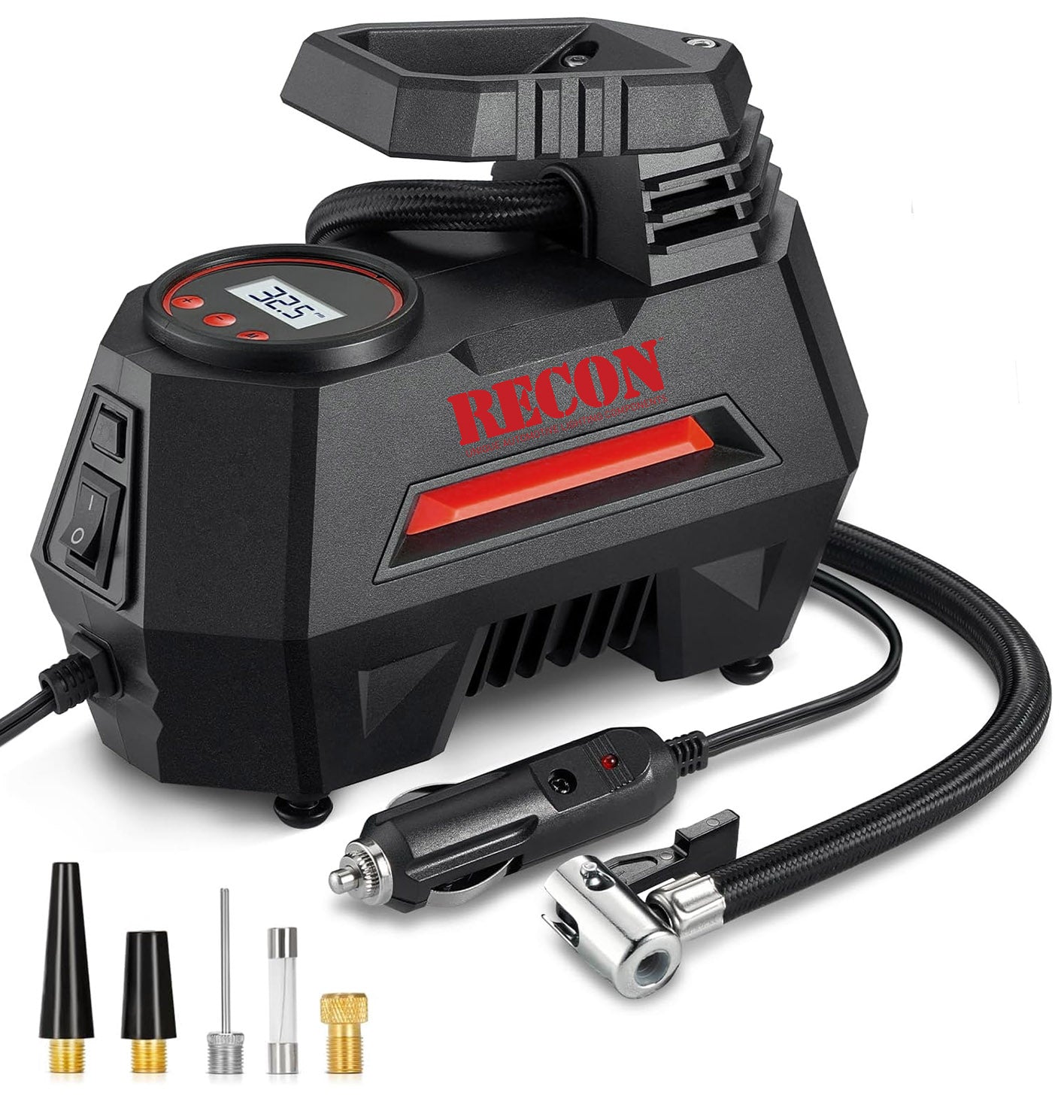
Illustrative image related to portable car compressor
Realização de auditorias de fornecedores
Regular audits allow buyers to assess the manufacturing processes and quality control measures in place. During an audit, buyers can evaluate documentation, observe production lines, and assess the adherence to international standards. This firsthand insight can reveal the supplier’s commitment to quality.
Requesting Quality Assurance Reports
Suppliers should provide detailed quality assurance reports that outline their testing methods, results, and compliance with relevant standards. Buyers can use these reports to gauge the reliability of the supplier’s processes and products.
Contratação de serviços de inspeção de terceiros
Employing third-party inspection services can offer an impartial assessment of a supplier’s quality control practices. These services can conduct independent tests on products before shipment, ensuring that they meet the required specifications.
Navigating the complexities of quality control and certification can be challenging for international B2B buyers. Here are some nuances to consider:
Compreensão dos padrões regionais
Different regions may have varying standards for quality and safety. For instance, while CE certification is essential for the European market, other markets might have specific local regulations that must be adhered to. Buyers should familiarize themselves with these standards to ensure compliance.
Barreiras de idioma e documentação
Language differences can complicate the process of verifying quality control practices. Buyers should request documentation in their preferred language or seek translation services to ensure clarity in understanding quality metrics and certifications.
Cultural Differences in Business Practices
Cultural perceptions of quality and reliability can vary significantly across regions. Buyers must engage with suppliers to ensure mutual understanding of quality expectations, which can involve detailed discussions about product specifications, testing methods, and compliance requirements.
By understanding the intricacies of the manufacturing processes and quality assurance protocols for portable car compressors, B2B buyers can make informed decisions, ensuring that they source reliable and high-quality products suited for their markets.
In today’s competitive market, sourcing a reliable portable car compressor is essential for businesses that cater to automotive needs. This guide provides a structured approach to help B2B buyers navigate the procurement process effectively, ensuring they choose a product that meets their operational requirements.
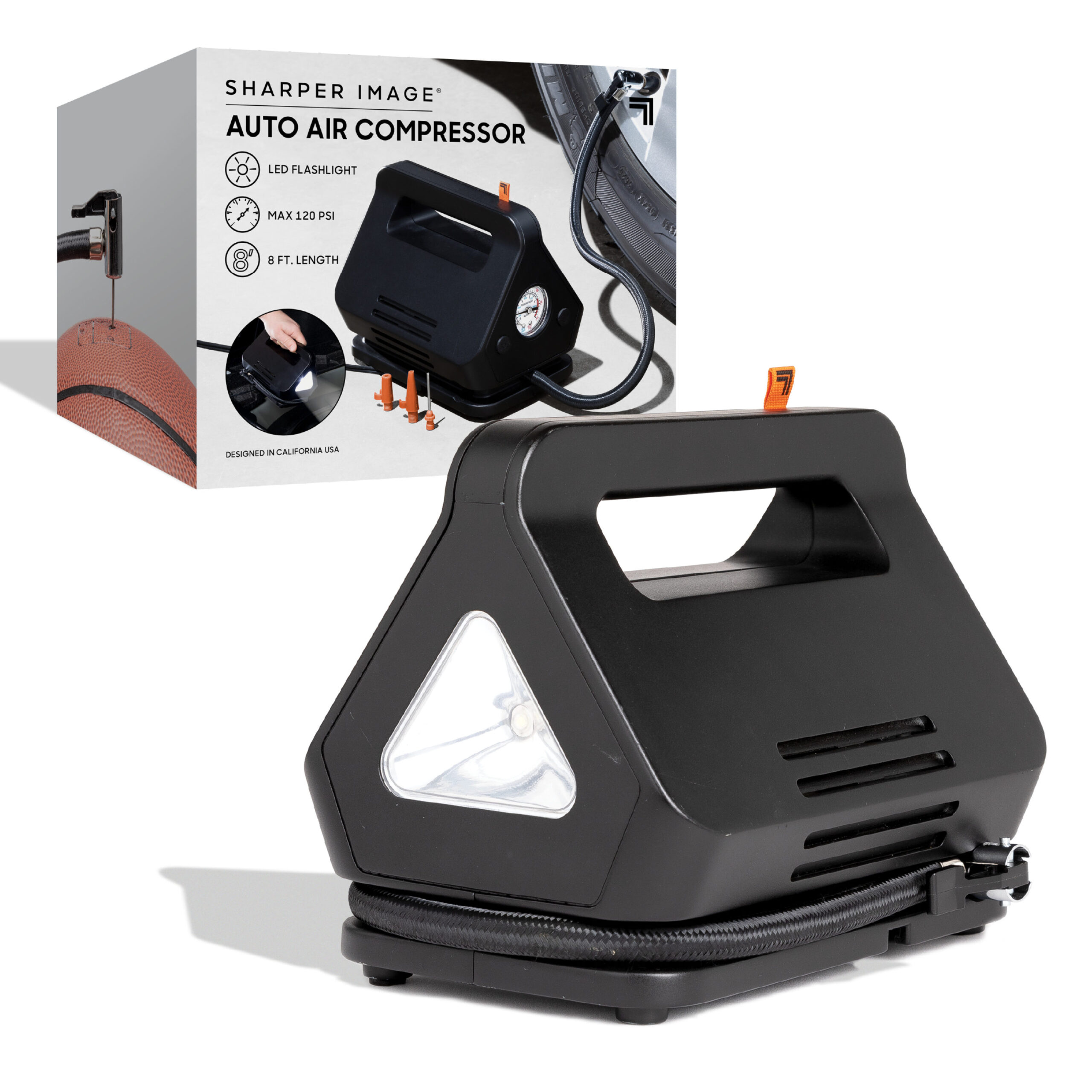
Illustrative image related to portable car compressor
Before beginning your search, clearly outline the technical specifications that your portable car compressor must meet. Consider factors such as maximum pressure output (psi), power source (battery-operated vs. corded), and size. This will help narrow down options and ensure the compressor fits your specific applications, whether for inflating tires or powering pneumatic tools.
Stay informed about current market trends and industry standards for portable car compressors. Understanding the latest advancements in technology and user preferences can guide your purchasing decisions. Look for features such as digital pressure gauges, automatic shut-off functions, and additional accessories that enhance usability.
Before making a commitment, it’s crucial to vet potential suppliers thoroughly. Request company profiles, case studies, and references from buyers in similar industries or regions. Ensure that the suppliers have a solid reputation and experience in manufacturing or distributing portable car compressors.
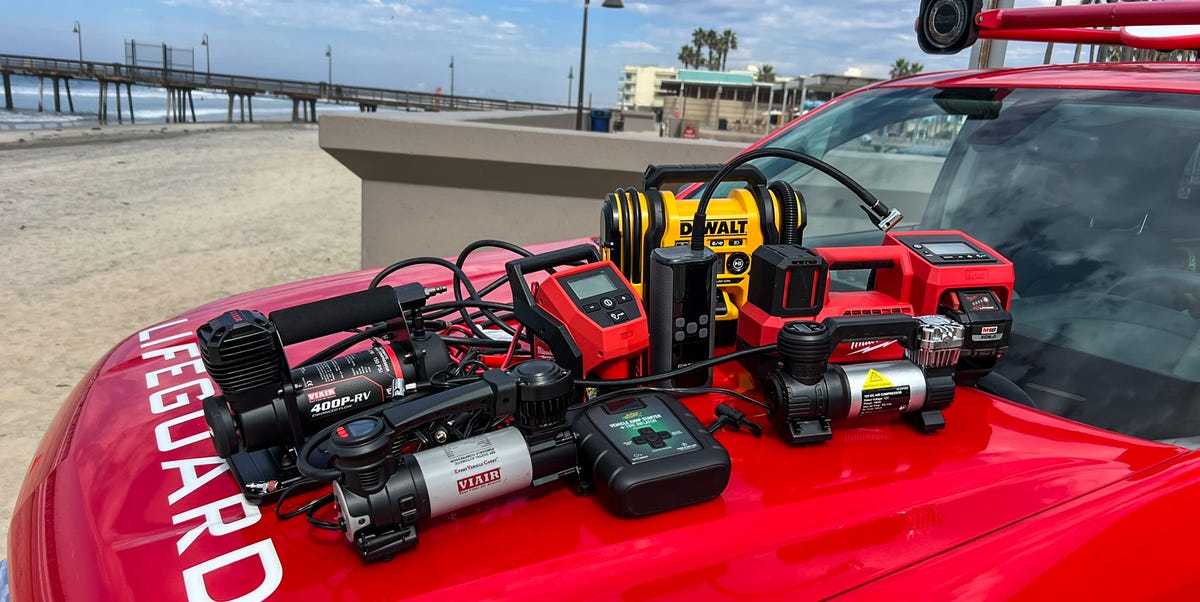
Illustrative image related to portable car compressor
Once you have shortlisted suppliers, request product samples to evaluate their compressors directly. Assess the build quality, ease of use, and performance under real-world conditions. Testing products firsthand can reveal potential issues that may not be evident through specifications alone.
Gather detailed quotes from your shortlisted suppliers, and compare not just the prices, but also payment terms, shipping costs, and warranty conditions. A lower price may not always equate to the best value, especially if the warranty is limited or shipping costs are high.
Evaluate the logistics capabilities of your chosen suppliers. Confirm their shipping methods, delivery times, and return policies to ensure they align with your operational needs. Reliable delivery is crucial for maintaining stock levels and meeting customer demands.
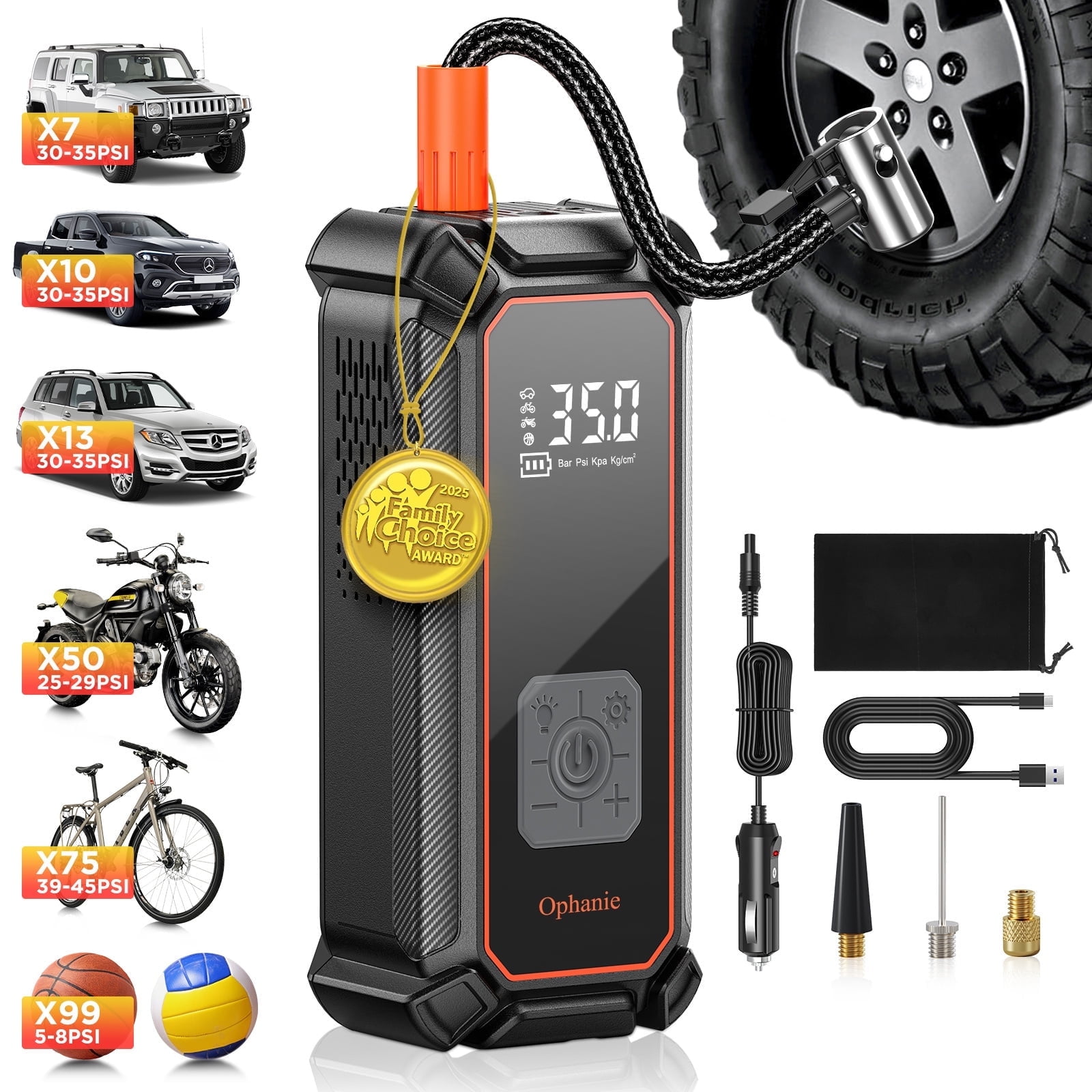
Illustrative image related to portable car compressor
Once you have selected a supplier, ensure that all agreements are clearly documented in a contract. This should include pricing, delivery schedules, warranty details, and any other terms discussed. A well-defined contract protects both parties and sets clear expectations for the procurement process.
By following this structured checklist, B2B buyers can make informed decisions when sourcing portable car compressors, ultimately leading to better operational efficiency and customer satisfaction.
When analyzing the cost structure for sourcing portable car compressors, several key components come into play:
Materiais: The choice of materials significantly impacts the cost. High-quality components such as durable metals, plastics, and rubber are essential for performance and longevity. For example, compressors using oil-free designs or gearless direct-drive motors may have higher initial material costs but offer better reliability and lower maintenance.
Trabalho: Labor costs can vary widely based on the location of the manufacturing facility. In regions such as Asia, labor costs are generally lower, which can reduce overall production expenses. However, labor quality and expertise must also be considered, as skilled labor contributes to better assembly and quality control.
Custos indiretos de fabricação: This includes utilities, facility maintenance, and administrative costs associated with production. Factories that employ efficient manufacturing processes can mitigate these costs, which can ultimately benefit pricing strategies.
Ferramentas: Investment in specialized tooling for production can be significant, especially for custom designs. The amortization of these costs over larger production runs can help maintain competitive pricing.
Controle de qualidade (QC): Implementing stringent QC measures ensures that each unit meets performance standards, which is crucial for maintaining brand reputation. However, robust QC processes can add to production costs.
Logística: Transportation and shipping costs can vary based on distance and method. Factors such as freight charges, customs duties, and insurance are essential considerations when calculating the total cost of bringing products to market.
Margem: Suppliers typically add a margin to cover their operational costs and profit. This margin can fluctuate based on market demand, competition, and the perceived value of the product.
Several factors can influence the pricing of portable car compressors, particularly in the B2B sector:
Illustrative image related to portable car compressor
Volume/MOQ: Bulk purchasing often allows buyers to negotiate better pricing. Manufacturers are more inclined to offer discounts for larger orders, which can significantly reduce per-unit costs.
Especificações e personalização: Customized solutions tailored to specific needs can lead to higher costs. Buyers should weigh the benefits of customization against standard models that may suffice for their applications.
Materiais e certificações de qualidade: Higher-quality materials and certifications (such as ISO or CE) can lead to increased costs but often translate into better performance and reliability, which can justify the investment.
Fatores do fornecedor: The reputation and reliability of the supplier can also influence pricing. Established suppliers may charge a premium but offer better service, support, and warranty terms.
Incoterms: Understanding Incoterms is crucial for international transactions. Terms such as FOB (Free On Board) or CIF (Cost Insurance and Freight) will affect the total landed cost and should be carefully negotiated.
When engaging in negotiations, B2B buyers should consider the following strategies:
Pesquisa de preços de mercado: Understanding the average pricing for similar products in the market can provide leverage during negotiations.
Avaliar o custo total de propriedade (TCO): Buyers should consider not just the purchase price but also long-term costs such as maintenance, energy consumption, and potential downtime. A higher upfront cost may result in lower TCO.
Criar relacionamentos: Establishing strong relationships with suppliers can lead to better pricing and service. A reliable partnership can also facilitate smoother negotiations in the future.
Flexibility on Terms: Being flexible with payment terms or delivery schedules can sometimes yield better pricing. Suppliers may be more inclined to offer discounts for favorable terms.
Considere os fornecedores locais: For buyers in regions like Africa, South America, and the Middle East, sourcing from local suppliers may reduce shipping costs and lead times, potentially offsetting higher local prices.
International B2B buyers of portable car compressors should remain aware of the complexities involved in sourcing, from understanding the cost components to leveraging price influencers. The landscape of global trade is dynamic, and being informed can lead to more favorable purchasing decisions. Always approach negotiations with a clear understanding of your needs and the broader market context, and keep in mind that prices can fluctuate based on various factors.
Isenção de responsabilidade: Prices and specifications mentioned are indicative and may vary based on market conditions, supplier negotiations, and currency fluctuations. Always consult directly with suppliers for the most accurate pricing and terms.
When it comes to inflating tires or powering pneumatic tools, portable car compressors are a popular choice among automotive professionals and enthusiasts alike. However, there are several alternative solutions that may also meet the needs of businesses, particularly in regions like Africa, South America, the Middle East, and Europe. Understanding these options can help B2B buyers make informed decisions.
| Aspecto de comparação | Portable Car Compressor | Manual Tire Pump | Electric Tire Inflator |
|---|---|---|---|
| Desempenho | High PSI capability, fast inflation | Moderate PSI, slower inflation | Varies by model, generally fast |
| Custo | $50 – $500 | $15 – $50 | $30 – $150 |
| Facilidade de implementação | Simple plug-and-play | Requires manual effort | Plug-in or battery-operated |
| Manutenção | Minimal (occasional checks) | Low (periodic cleaning) | Moderate (battery care) |
| Melhor caso de uso | Emergency roadside assistance, off-road vehicles | Casual use, bicycles, low-pressure needs | Quick inflation for cars, motorcycles, and recreational items |
A manual tire pump is a straightforward alternative that relies on human effort to inflate tires. Typically, these pumps are lightweight, portable, and require no power source, making them ideal for emergency situations or for those who prefer a hands-on approach. However, the significant downside is that they require physical effort, making them less practical for large tires or frequent use. Additionally, their performance is limited in terms of PSI, which can be a drawback for heavier vehicles or high-performance needs.
Electric tire inflators offer a middle ground between manual pumps and portable car compressors. These devices can be powered through a vehicle’s battery or a standard outlet, and they typically feature automatic shut-off and digital pressure gauges for convenience. While they tend to be faster than manual pumps, their performance can vary significantly based on the model. The initial investment is generally lower than that of a portable compressor, but ongoing battery maintenance can be a consideration for long-term users. They are suitable for quick inflation tasks but may not provide the same high PSI levels as dedicated compressors.
Selecting the right inflation solution depends on the specific requirements of your business. For enterprises focused on emergency roadside assistance or frequent off-road vehicle use, a portable car compressor is likely the best option due to its high performance and efficiency. Conversely, if the primary need is for light, casual use or for inflating smaller tires, a manual tire pump may suffice. For businesses seeking a balance between convenience and cost, an electric tire inflator could be an excellent choice. Ultimately, evaluating the intended applications, budget constraints, and desired performance levels will guide B2B buyers in making the most informed decision.
When evaluating portable car compressors, understanding their technical specifications is essential for making informed purchasing decisions. Below are critical properties that impact performance, durability, and usability.
Illustrative image related to portable car compressor
Maximum pressure, measured in pounds per square inch (PSI), indicates the highest pressure the compressor can achieve. For B2B buyers, selecting a compressor with the appropriate PSI rating is crucial, especially for heavy-duty applications like inflating truck tires or operating pneumatic tools. A higher PSI ensures versatility and efficiency, enabling the compressor to perform well across various tasks.
The duty cycle refers to the ratio of operational time to rest time during a compressor’s use, typically expressed as a percentage. For instance, a 50% duty cycle means the compressor can run for 5 minutes and then needs 5 minutes to cool down. This specification is vital for businesses that rely on continuous operation, as it impacts productivity and overall equipment longevity.
Airflow rate, measured in cubic feet per minute (CFM), indicates how much air the compressor can deliver. A higher CFM rating translates to faster inflation and more efficient operation, which is particularly important for B2B buyers needing to serve multiple customers quickly. Understanding airflow rates can help businesses choose compressors that meet their operational demands effectively.
Portable compressors can be powered by various sources, including 12-volt battery outlets or rechargeable batteries. The power source significantly affects the compressor’s portability and usability in different environments. For international buyers, especially in regions with inconsistent power supply, battery-operated models may offer greater reliability and convenience.
The materials used in a compressor’s construction, such as aluminum or high-grade plastics, determine its durability and weight. Lightweight yet robust materials enhance portability without compromising performance. B2B buyers should consider the intended use and transport conditions when evaluating material choices to ensure longevity and reliability.
Illustrative image related to portable car compressor
Understanding industry jargon is essential for navigating B2B transactions effectively. Here are key terms that buyers should be familiar with:
OEM, or Original Equipment Manufacturer, refers to companies that produce components that are used in another company’s end product. In the context of portable car compressors, purchasing OEM parts can ensure compatibility and quality, which is crucial for businesses looking to maintain high standards in their service offerings.
MOQ, or Minimum Order Quantity, is the smallest quantity of a product that a supplier is willing to sell. This term is crucial for B2B buyers, as understanding MOQ can help in budgeting and inventory management. Suppliers often set MOQs to cover production costs, so negotiating these terms can lead to more favorable pricing and stock availability.
RFQ, or Request for Quotation, is a standard business process in which a buyer requests pricing and terms from suppliers. An RFQ can streamline procurement by allowing multiple suppliers to compete for a contract, ensuring that businesses receive competitive pricing and favorable terms for portable car compressors.
Incoterms, or International Commercial Terms, are a set of rules that define the responsibilities of buyers and sellers in international transactions. Understanding these terms is vital for B2B buyers, as they clarify shipping costs, risks, and delivery responsibilities, thereby reducing misunderstandings and potential disputes in cross-border trade.
By grasping these technical properties and trade terms, B2B buyers can make more informed decisions when sourcing portable car compressors, ensuring that their investments align with operational needs and market demands.
Illustrative image related to portable car compressor
The global portable car compressor market is witnessing significant transformation driven by several factors. As vehicle ownership rises in emerging markets across Africa, South America, and the Middle East, the demand for portable compressors is escalating. Increased awareness of vehicle maintenance and tire safety is prompting consumers and businesses alike to prioritize tire inflation. Furthermore, technological advancements are leading to more compact, efficient, and user-friendly designs, making these devices indispensable for both personal and commercial use.
Emerging trends include the integration of smart technology, such as digital pressure gauges and automatic shut-off features, which enhance usability and safety. B2B buyers should also note the growing popularity of cordless models, which offer greater convenience for end-users. In regions like Europe and Vietnam, regulatory frameworks are becoming more stringent, pushing manufacturers to innovate in terms of energy efficiency and product design. This aligns with a broader trend of digitalization in the B2B sector, where online platforms facilitate easier sourcing and purchasing processes, allowing buyers to compare products and suppliers effectively.
Sustainability is increasingly becoming a focal point in the portable car compressor sector. As B2B buyers become more environmentally conscious, the demand for products that minimize ecological impact is rising. This includes the use of eco-friendly materials and processes in manufacturing, as well as the adoption of energy-efficient technologies. Portable compressors that are designed to be energy-efficient not only reduce operational costs for businesses but also align with global sustainability goals.
Ethical sourcing is paramount in this landscape. Buyers should prioritize suppliers who demonstrate transparency in their supply chains, ensuring that raw materials are sourced responsibly. Certifications such as ISO 14001 (Environmental Management) and Energy Star can serve as indicators of a manufacturer’s commitment to sustainable practices. By choosing compressors that adhere to these standards, B2B buyers can enhance their corporate social responsibility initiatives while appealing to a growing market segment that values sustainability.
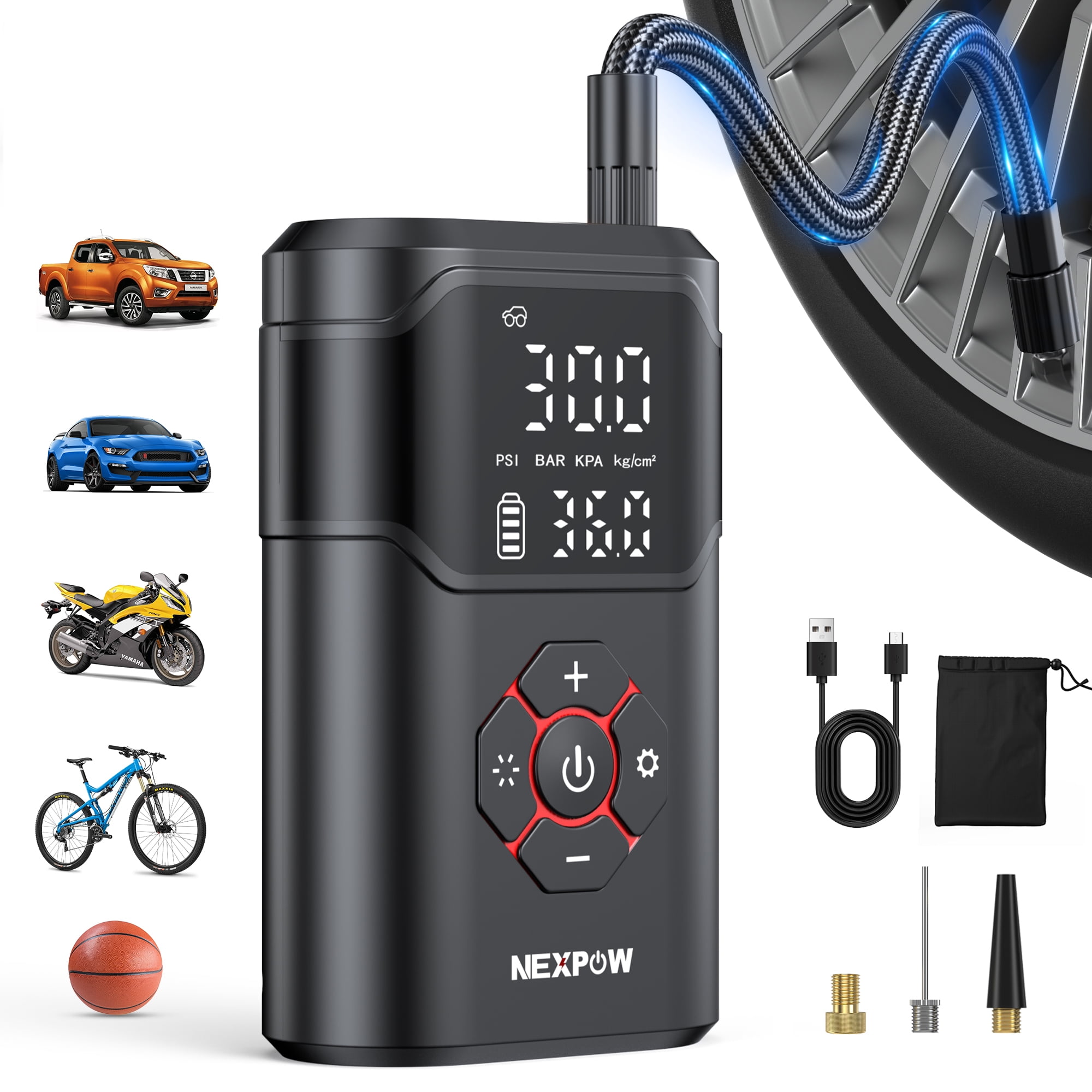
Illustrative image related to portable car compressor
The portable car compressor has evolved significantly since its inception. Initially designed for basic tire inflation, these devices have transformed into multifunctional tools capable of servicing a variety of pneumatic needs. The early models were often bulky and limited in capability, but advancements in technology have led to the development of lightweight, portable options that are both powerful and efficient.
The introduction of battery-operated models in the late 20th century marked a turning point, allowing users to inflate tires without needing a power source. As automotive technology advanced, so did the requirements for compressors, leading to innovations such as digital displays and integrated safety features. Today, portable car compressors are essential tools for both automotive enthusiasts and everyday drivers, reflecting the growing importance of convenience, safety, and efficiency in the automotive sector.
By understanding these dynamics, international B2B buyers can make informed decisions that align with market trends, sustainability goals, and the evolving needs of their customers.
How do I choose the right portable car compressor for my business needs?
Choosing the right portable car compressor involves assessing your specific requirements, such as the typical tire sizes you deal with, the frequency of use, and the types of vehicles in your portfolio. Consider factors like maximum pressure (psi), inflating speed, and portability. Additionally, look for features such as built-in pressure gauges, multiple power options, and adapters for various inflatables. Research brands that offer reliable performance and good customer service to ensure long-term satisfaction and support.
What is the best portable car compressor for heavy-duty vehicles?
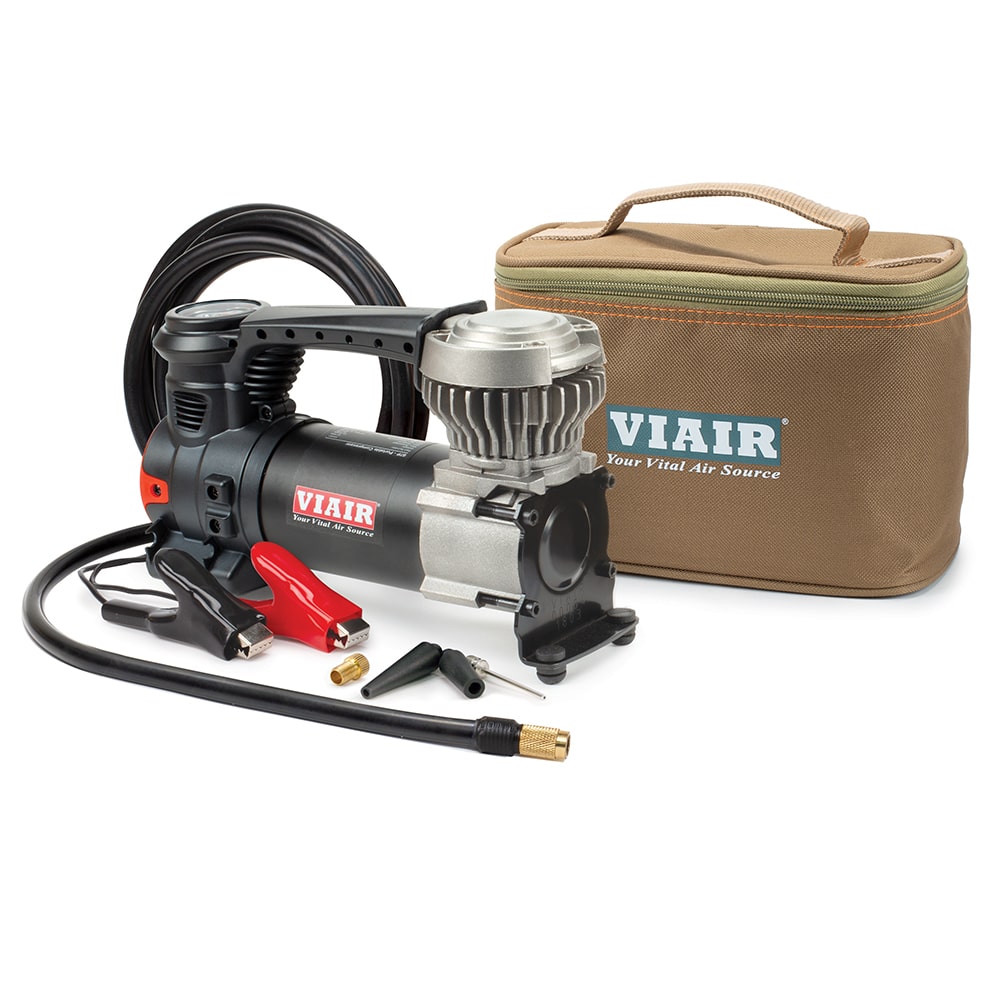
For heavy-duty vehicles such as trucks and SUVs, the Viair 88P is often recommended due to its high performance and capability to inflate larger tires quickly. It operates via direct battery connection, making it efficient for frequent use in demanding environments. Look for compressors with high psi ratings (120 psi or more) and robust construction to withstand heavy use. Ensure that the compressor you choose can handle the specific demands of your fleet.
What are the minimum order quantities (MOQs) when sourcing portable car compressors?
Minimum order quantities (MOQs) for portable car compressors can vary significantly among suppliers. Typically, MOQs may range from 50 to 500 units, depending on the manufacturer and customization options. It’s crucial to discuss MOQs upfront to ensure they align with your purchasing strategy. Some suppliers may offer flexible terms for first-time buyers or bulk orders, so it’s advisable to negotiate based on your business needs.
What payment terms should I expect when buying portable car compressors internationally?
Payment terms for international purchases of portable car compressors can vary by supplier and region. Common terms include advance payment (e.g., 30% deposit and 70% upon shipment) or net 30-60 days after delivery. It’s essential to clarify payment methods accepted, such as bank transfers, letters of credit, or payment through platforms like PayPal. Ensure that you have a clear understanding of any additional fees or currency exchange implications that may arise during the transaction.
How can I vet suppliers of portable car compressors?
Vetting suppliers is critical for ensuring quality and reliability. Start by researching potential suppliers through trade shows, online marketplaces, and industry directories. Evaluate their production capabilities, certifications (such as ISO), and customer reviews. Request samples to assess product quality and service responsiveness. Additionally, consider visiting the supplier’s facility if feasible, or using third-party inspection services to verify their operations before committing to a contract.
What customization options are available for portable car compressors?
Many manufacturers offer customization options for portable car compressors, including branding, specific features (like pressure gauges or additional adapters), and color choices. Some suppliers may also accommodate custom packaging to enhance your brand presence. When discussing customization, ensure you communicate your needs clearly and inquire about any additional costs or lead times associated with these options.
What quality assurance processes should I expect from suppliers?
Reputable suppliers typically implement quality assurance (QA) processes to ensure their products meet industry standards. Expect them to conduct thorough testing during production, including pressure testing and performance assessments. Inquire about their QA certifications and processes for addressing defects or returns. A solid warranty policy can also indicate confidence in product quality and the supplier’s commitment to customer satisfaction.
What logistics considerations should I keep in mind when importing portable car compressors?
Logistics is a key factor in international trade. Consider shipping methods (air freight vs. sea freight), associated costs, and delivery timelines. Ensure that you are aware of customs regulations and import duties in your country, as these can significantly affect your total costs. Collaborating with a logistics provider experienced in handling automotive equipment can streamline the import process and help you navigate any challenges efficiently.
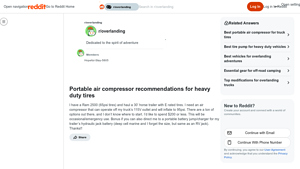
Domínio: reddit.com
Registrado: 2005 (20 anos)
Introdução: 1. **Vehicle Compatibility**: Ram 2500 with 65psi tires and E rated tires for a 30’ horse trailer.
2. **Pressure Requirement**: Must inflate to 95psi.
3. **Power Source**: Operates off the truck’s 115V outlet.
4. **Budget**: $200 or less.
5. **Usage**: Occasional/emergency use.
6. **Additional Request**: Portable battery jump/charger for trailer’s hydraulic jack battery (deep cell marine, RV jack …
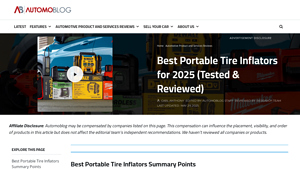
Domínio: automoblog.com
Registrado: 2004 (21 anos)
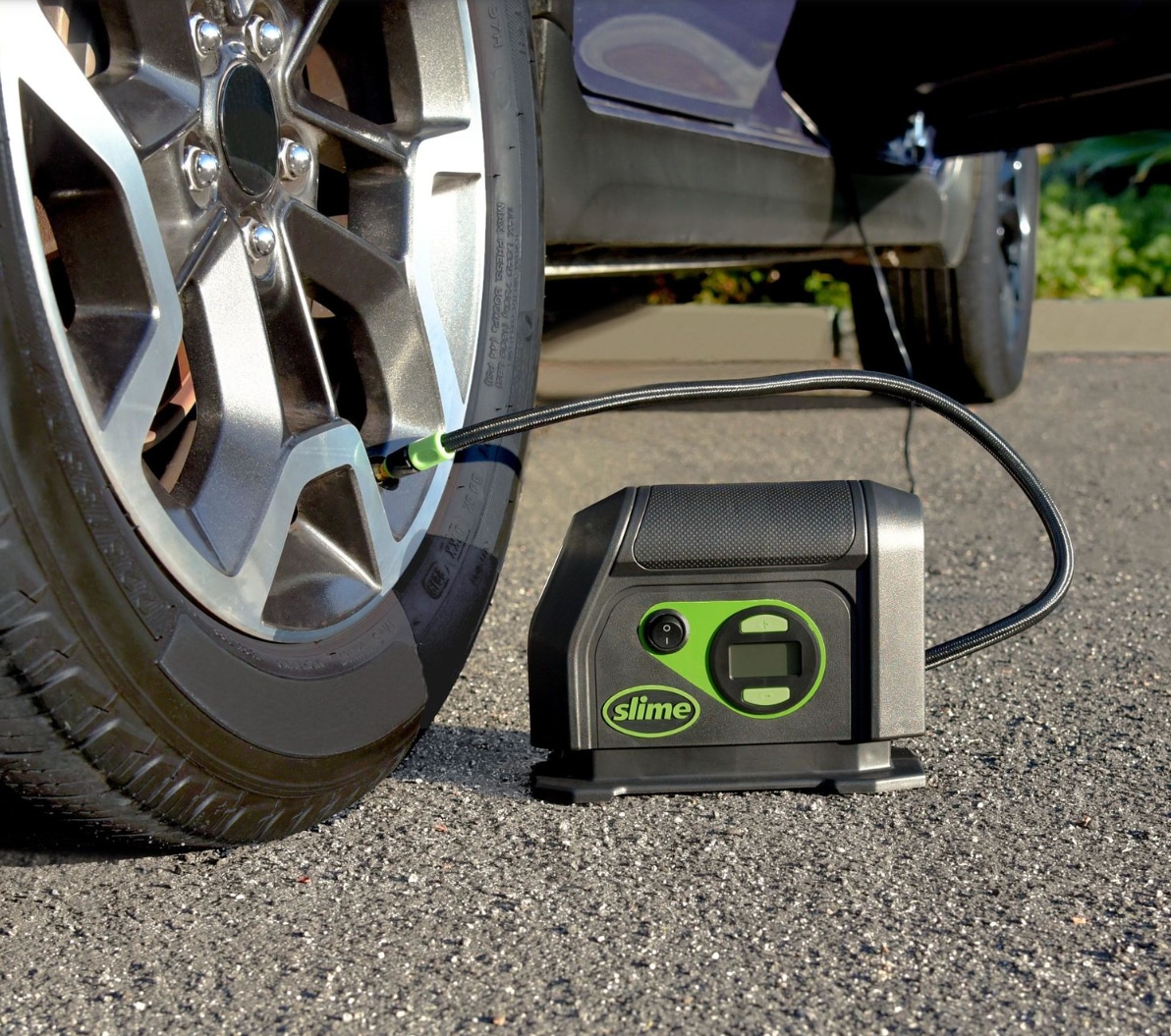
Introdução: Melhores infladores de pneus portáteis para 2025: 1. Inflador de pneus sem fio Slime - Fácil de usar e guardar. 2. Inflador de pneus sem fio Avid Power 20V - Design em estilo de furadeira e estojo de transporte. 3. Fanttik X8 Apex - boa qualidade e funcionalidade em geral. 4. Inflador de pneus DeWalt 20V MAX - Construído para uso vitalício, pode exigir a compra de uma bateria separada. 5. Inflador de pneus sem fio Milwaukee M18 - Robusto e potente, com...
In the rapidly evolving landscape of portable car compressors, strategic sourcing emerges as a critical factor for B2B buyers looking to optimize their procurement processes. By understanding the diverse offerings in the market—from high-performance models suited for heavy-duty applications to ultra-compact units ideal for personal use—buyers can make informed decisions that align with their operational needs. Leveraging insights from product performance evaluations and user feedback can significantly enhance the selection process, ensuring that sourced products not only meet quality standards but also deliver value over time.
As international markets continue to expand, particularly in regions like Africa, South America, the Middle East, and Europe, the demand for reliable and efficient portable car compressors is set to increase. Buyers should prioritize partnerships with manufacturers that offer robust after-sales support and warranty options, as these factors can greatly influence long-term satisfaction and operational efficiency.
Looking ahead, the focus should be on integrating advanced technologies and innovative features into sourcing strategies. As the market evolves, embracing these changes will position businesses for success. Now is the time to take action—explore your options, evaluate suppliers, and invest in high-quality portable car compressors that will meet the demands of your customers and enhance your competitive edge.
As informações fornecidas neste guia, inclusive o conteúdo referente a fabricantes, especificações técnicas e análise de mercado, são apenas para fins informativos e educacionais. Elas não constituem aconselhamento profissional sobre compras, aconselhamento financeiro ou aconselhamento jurídico.
Embora tenhamos feito todos os esforços para garantir a precisão e a atualidade das informações, não nos responsabilizamos por quaisquer erros, omissões ou informações desatualizadas. As condições de mercado, os detalhes da empresa e os padrões técnicos estão sujeitos a alterações.
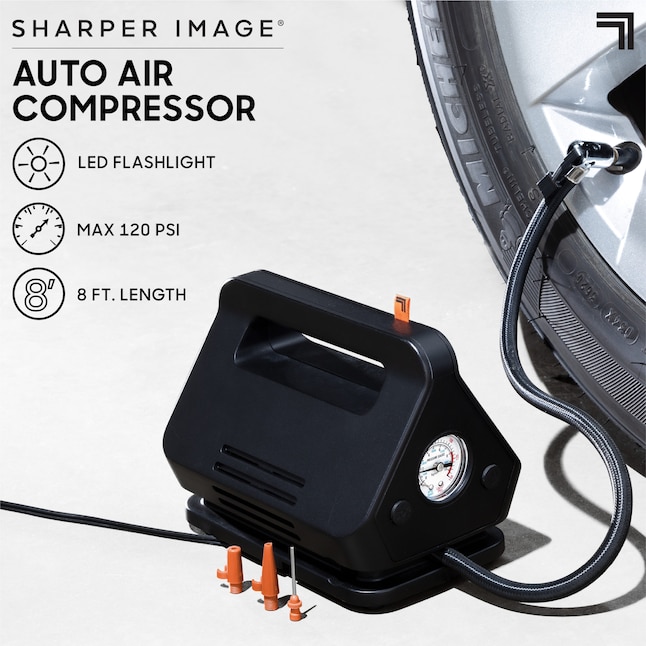
Illustrative image related to portable car compressor
Os compradores B2B devem realizar sua própria due diligence independente e completa antes de tomar qualquer decisão de compra. Isso inclui entrar em contato diretamente com os fornecedores, verificar as certificações, solicitar amostras e buscar consultoria profissional. O risco de confiar em qualquer informação contida neste guia é de responsabilidade exclusiva do leitor.


 Portuguese
  English
  Russian
  Spanish
  Italian
  Arabic
  German