
In an increasingly interconnected world, the demand for reliable automotive solutions is paramount, especially for businesses operating in diverse regions like Africa, South America, the Middle East, and Europe. One of the most versatile products gaining traction among B2B buyers is the jump starter with tire inflator. These dual-function devices not only provide an emergency boost to vehicles but also ensure that tires are adequately inflated, minimizing downtime and enhancing operational efficiency. However, sourcing the right jump starter with tire inflator can be challenging due to the variety of models available, differing specifications, and fluctuating market prices.
This comprehensive guide aims to equip international B2B buyers with the insights needed to make informed purchasing decisions. We will explore the various types of jump starters with tire inflators, their applications across different vehicle types, and the critical factors to consider when vetting suppliers. Additionally, we will delve into cost considerations, ensuring that you understand the value proposition of each option. By synthesizing this information, this guide empowers you to navigate the global market effectively, ensuring your fleet remains operational and ready to meet demands. Whether you are based in bustling urban centers or remote locations, understanding these products will enable you to make strategic purchases that enhance your business’s reliability and efficiency.
| Nome do tipo | Principais características distintivas | Aplicativos B2B primários | Prós e contras resumidos para compradores |
|---|---|---|---|
| Standard Jump Starter | Basic jump-starting capability, typically up to 800 amps | Automotive repair shops, fleet maintenance | Prós: Affordable, easy to use. Contras: Limited tire inflation capabilities. |
| Compact Jump Starter | Lightweight, portable design, often with USB charging ports | Small businesses, roadside assistance | Prós: Easy to carry, versatile. Contras: Lower power output, may not suit heavy vehicles. |
| Heavy-Duty Jump Starter | High amperage (up to 2000+ amps), rugged construction | Commercial trucking, construction vehicles | Prós: Reliable for heavy-duty applications. Contras: Bulky and expensive. |
| Multi-Function Unit | Combines jump starter, tire inflator, and additional features like LED lights | Emergency services, outdoor adventures | Prós: Versatile, all-in-one solution. Contras: Can be heavier and more complex. |
| Smart Jump Starter | Bluetooth connectivity, app integration for monitoring | Tech-savvy businesses, luxury vehicle services | Prós: Advanced features, real-time data. Contras: Higher cost, requires tech familiarity. |
Standard jump starters are designed primarily for jump-starting vehicles, typically providing up to 800 amps of power. They are often compact and user-friendly, making them suitable for automotive repair shops and fleet maintenance operations. When purchasing, businesses should consider the device’s battery type and charging time, as these factors can impact the unit’s readiness for use in emergency situations.
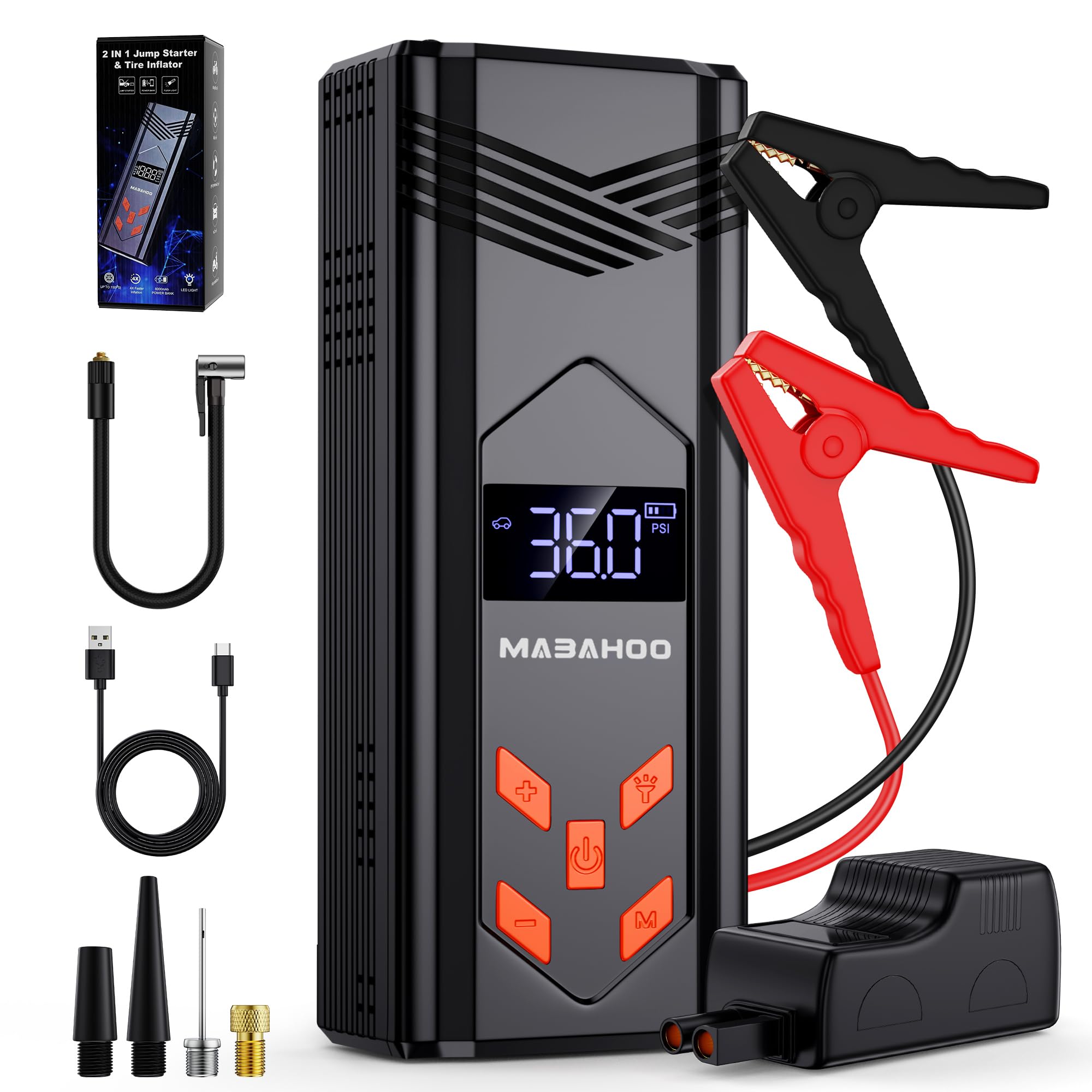
Compact jump starters offer a lightweight and portable solution, often featuring USB charging ports for added versatility. These units are particularly appealing to small businesses and roadside assistance services that require a quick, efficient way to assist stranded motorists. Buyers should evaluate the unit’s power output and battery life, as these can vary significantly among models, potentially affecting performance during critical moments.
Illustrative image related to jump starter with tire inflator
Heavy-duty jump starters deliver high amperage, often exceeding 2000 amps, making them ideal for commercial trucking or construction applications where larger vehicles are common. Their rugged construction ensures durability in demanding environments. When considering a purchase, businesses must weigh the unit’s size and weight against the necessity for high power, as these units can be bulky and costly.
Multi-function units combine jump-starting capabilities with tire inflators and additional features like LED lights, making them invaluable for emergency services and outdoor adventures. These all-in-one devices provide convenience and efficiency, but they may be heavier and more complex than standard models. Buyers should assess the specific features they need, as well as the unit’s weight and ease of use in various situations.
Smart jump starters incorporate Bluetooth connectivity and app integration, allowing users to monitor battery status and performance metrics in real-time. These devices cater to tech-savvy businesses and luxury vehicle services seeking advanced features. However, their higher cost and reliance on technology may not suit all buyers. It is essential to consider whether the added functionality justifies the investment for the intended application.
| Indústria/Setor | Specific Application of jump starter with tire inflator | Valor/benefício para a empresa | Principais considerações de fornecimento para este aplicativo |
|---|---|---|---|
| Oficinas de reparo automotivo | Quick battery jumps and tire inflation for customer vehicles | Reduces wait times, enhances customer satisfaction | Reliability, ease of use, compact design for storage |
| Transporte e logística | On-the-road emergency assistance for fleet vehicles | Minimizes downtime, increases operational efficiency | Durability, portability, ability to handle multiple jump starts |
| Construção | Powering equipment and inflating tires on construction sites | Ensures continuous operation of machinery and vehicles | High amperage output, rugged design for harsh environments |
| Agricultura | Supporting farm vehicles and equipment in remote locations | Reduces labor costs and improves productivity on-site | Compatibility with various vehicle types, ease of transport |
| Recreação ao ar livre | Providing power and inflation for recreational vehicles and equipment | Enhances user experience, ensuring readiness for outdoor activities | Lightweight, compact, and multifunctional design for portability |
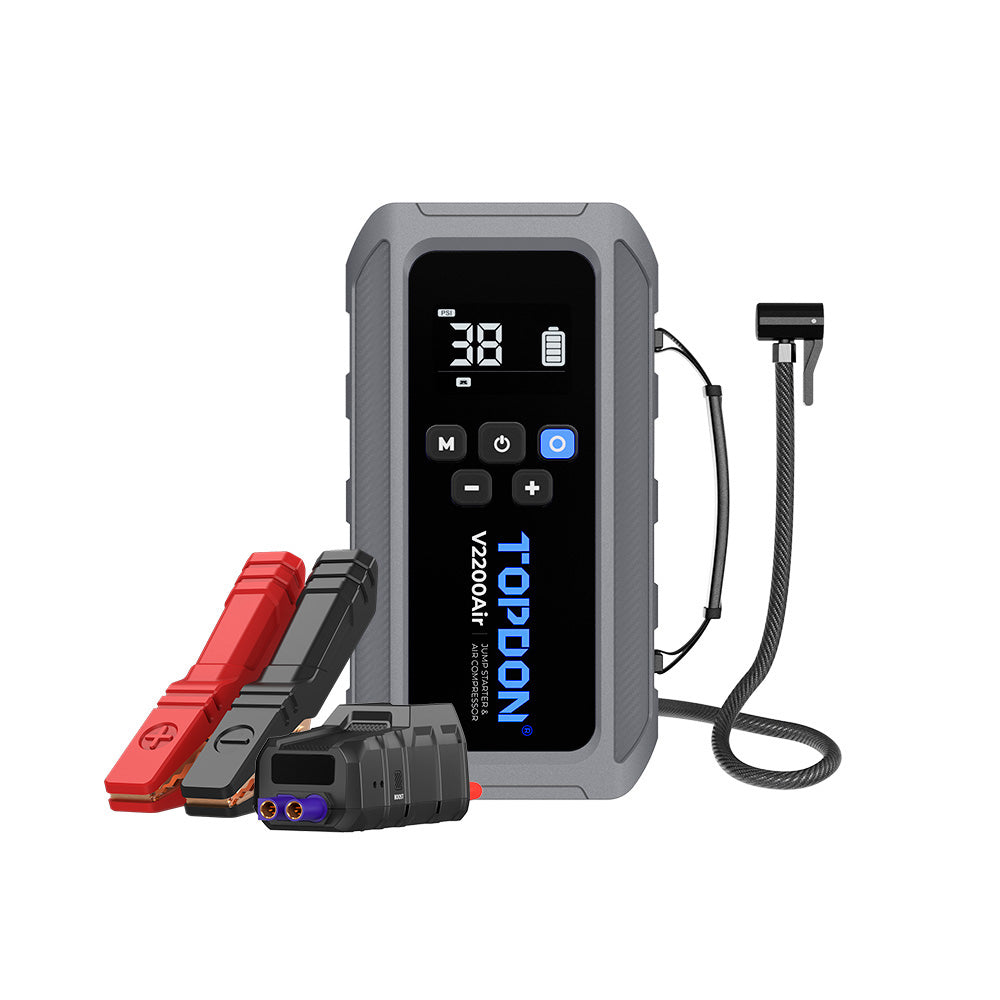
In automotive repair shops, jump starters with tire inflators are invaluable for quickly addressing customer needs. These devices enable technicians to swiftly jump-start vehicles and inflate tires, significantly reducing customer wait times. For B2B buyers in this sector, sourcing models that are reliable and easy to use is crucial. Compact designs allow for efficient storage in busy workshops, ensuring that these tools are always on hand when needed.
Illustrative image related to jump starter with tire inflator
Transportation and logistics companies frequently encounter situations where fleet vehicles experience battery failures or flat tires. A jump starter with a tire inflator provides a quick solution, minimizing vehicle downtime and enhancing operational efficiency. Buyers in this industry should prioritize durability and the ability to perform multiple jump starts on a single charge, ensuring that their devices can withstand the rigors of frequent use.
In the construction sector, jump starters with tire inflators are essential for maintaining the functionality of heavy machinery and vehicles in remote locations. They allow construction teams to quickly resolve battery issues and inflate tires, preventing costly delays. Buyers should look for models that offer high amperage output and rugged designs that can withstand harsh environments, ensuring reliability on job sites.
Farmers often work in isolated areas where access to traditional power sources may be limited. Jump starters with tire inflators provide a practical solution for powering farm vehicles and equipment, helping to reduce labor costs and improve productivity. When sourcing these devices, agricultural buyers should consider compatibility with various vehicle types and ease of transport, as these factors can significantly impact on-site efficiency.
For outdoor recreation enthusiasts, jump starters with tire inflators are essential for ensuring that recreational vehicles and equipment are always ready for use. These tools provide the convenience of quick power and inflation, enhancing the overall outdoor experience. B2B buyers in this sector should focus on lightweight, compact models that are multifunctional, as portability is critical for outdoor activities.
O problema: B2B buyers often struggle to find high-quality jump starters with tire inflators that can withstand the rigors of diverse operating environments. Many products on the market may not meet the specific power requirements for various vehicle types, especially in regions with varying climatic conditions such as Africa and South America. Buyers may face challenges in validating product specifications, resulting in purchasing equipment that fails to perform under pressure, leading to potential downtime and increased operational costs.
Illustrative image related to jump starter with tire inflator
A solução: To effectively source reliable jump starters with tire inflators, B2B buyers should focus on suppliers that provide comprehensive product documentation, including specifications, performance metrics, and customer reviews. It’s beneficial to partner with manufacturers who offer rigorous testing data, particularly for high-amp output and rapid inflation capabilities. Buyers should also inquire about warranty options and support services that can assure them of the product’s durability. Additionally, engaging in discussions with other businesses in similar markets can provide insights into the most effective products, ensuring that the chosen devices are well-suited for the specific conditions they will face.
O problema: Once a jump starter with tire inflator is acquired, many businesses face challenges in maximizing its utility due to improper usage or lack of maintenance knowledge. Users may not be familiar with the operational protocols, which can lead to equipment failure or inefficient performance. For instance, not charging the device correctly or failing to check tire pressure settings can result in subpar outcomes, frustrating users and increasing the risk of being stranded.
A solução: To ensure effective use and maintenance, businesses should implement a comprehensive training program for employees on how to operate and care for the jump starter with tire inflator. This includes understanding charging cycles, recognizing the indicators of device performance, and performing regular maintenance checks. Providing an easy-to-follow user manual with visual aids can also enhance usability. Furthermore, creating a routine schedule for inspecting and testing the equipment will help identify potential issues before they escalate, ensuring that the devices are always ready for use when needed.
O problema: Safety is a paramount concern for B2B buyers when it comes to jump starters with tire inflators. Many users worry about the risks associated with incorrect usage, such as reverse polarity connections or electrical shorts, which can lead to injuries or equipment damage. This concern is amplified in industries where employees may not have extensive training in handling such devices, leading to hesitation in using the equipment effectively.
Illustrative image related to jump starter with tire inflator
A solução: To alleviate safety concerns, B2B buyers should prioritize sourcing jump starters that come equipped with essential safety features such as spark-proof technology and reverse polarity protection. When evaluating products, buyers should look for certifications from recognized safety organizations, indicating that the equipment has undergone rigorous testing. Additionally, suppliers should provide detailed information on the safety mechanisms built into their devices. Offering training sessions that emphasize safe operation practices will also empower employees, fostering a culture of safety and reducing the likelihood of accidents while using the equipment. By focusing on these aspects, businesses can ensure they are investing in products that not only perform well but also protect their users.
When selecting materials for jump starters with tire inflators, several factors must be considered, including performance, durability, and cost. Here, we analyze four common materials used in these devices: plastic, aluminum, steel, and rubber.
Principais propriedades: Plastic is lightweight and can be molded into complex shapes. It typically has a temperature resistance ranging from -40°C to 80°C, making it suitable for various climates.
Prós e contras: Plastic is cost-effective and offers good corrosion resistance. However, it can be less durable than metals and may degrade over time with exposure to UV light. Manufacturing processes for plastic can be complex, especially for high-performance grades.
Impacto no aplicativo: Plastic is often used for the outer casing of jump starters and inflators, providing insulation and protection from environmental factors. However, it may not withstand high-pressure scenarios as effectively as metals.
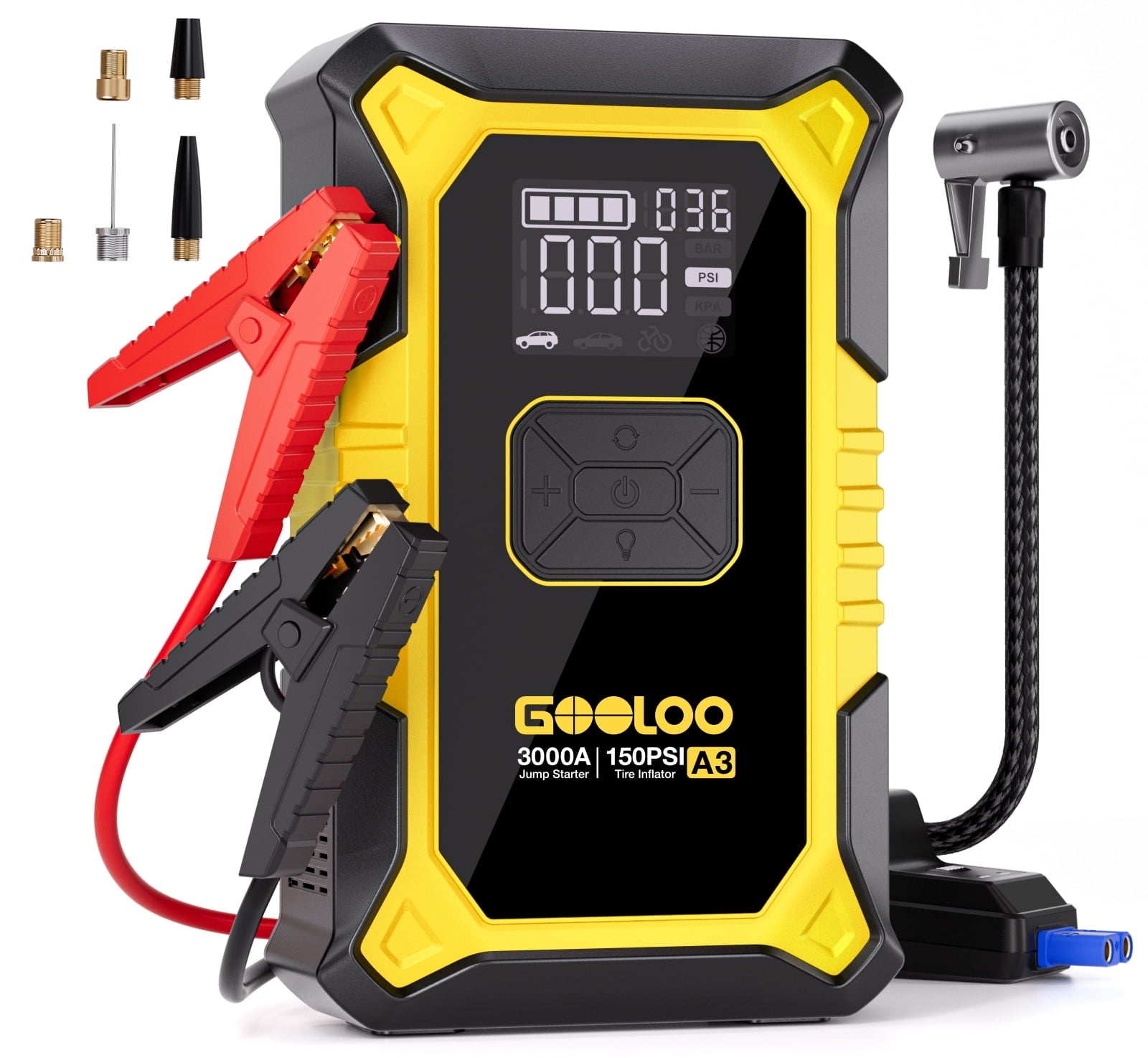
Illustrative image related to jump starter with tire inflator
Considerações para compradores internacionais: Compliance with international standards like ASTM for plastics is crucial. Buyers in regions like Africa and South America should ensure that the plastic used meets local regulations regarding safety and environmental impact.
Principais propriedades: Aluminum is lightweight yet strong, with excellent corrosion resistance and a temperature rating up to 150°C. It can also withstand significant pressure, making it ideal for tire inflators.
Prós e contras: Aluminum is durable and provides a premium feel, enhancing the product’s marketability. However, it is generally more expensive than plastic and can be prone to scratching.
Impacto no aplicativo: Aluminum is often used for internal components and casings, offering a balance of weight and strength. It is particularly advantageous in high-performance applications where reliability is critical.
Considerações para compradores internacionais: Buyers should verify that aluminum components comply with relevant standards such as DIN or JIS. In regions like the Middle East, where high temperatures are common, aluminum’s thermal properties can be beneficial.
Principais propriedades: Steel is known for its high strength and durability, with a temperature rating that can exceed 200°C. It is also resistant to deformation under heavy loads.
Prós e contras: Steel is incredibly robust, making it ideal for heavy-duty applications. However, it is heavier than aluminum and plastic, which may affect portability. Additionally, steel can be prone to rust if not properly coated.
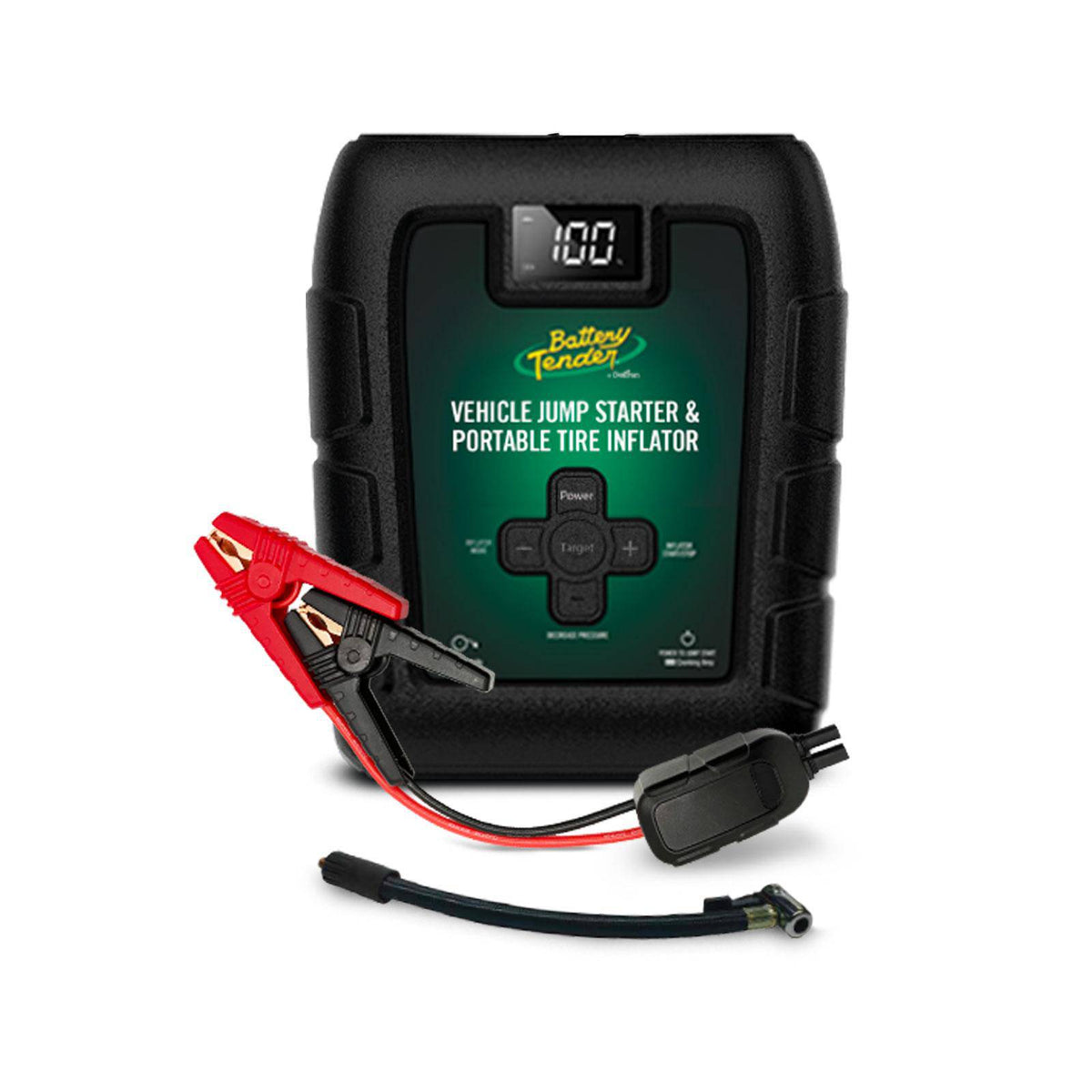
Illustrative image related to jump starter with tire inflator
Impacto no aplicativo: Steel is often used in the internal structure of jump starters and tire inflators, providing a sturdy framework. Its ability to withstand high pressure is crucial for tire inflator components.
Considerações para compradores internacionais: Compliance with international steel standards is essential, especially in regions like Europe where regulations on materials are stringent. Buyers should also consider the impact of corrosion in humid climates, which may necessitate additional protective coatings.
Principais propriedades: Rubber is highly flexible and has excellent temperature resistance, typically ranging from -30°C to 90°C. It is also resistant to wear and tear.
Prós e contras: Rubber provides excellent insulation and cushioning, making it ideal for jump starter cables and seals. However, it can degrade over time with exposure to ozone and UV light, and its production can be more complex.
Impacto no aplicativo: Rubber is commonly used for protective covers, seals, and cable insulation, ensuring safety and reliability during operation. Its flexibility allows for easier handling and storage.
Considerações para compradores internacionais: Buyers should ensure that the rubber used meets international standards for safety and environmental impact, particularly in regions with strict regulations. In markets like Nigeria, where conditions can be harsh, the durability of rubber components is especially critical.
| Material | Typical Use Case for jump starter with tire inflator | Principais vantagens | Principal desvantagem/limitação | Custo relativo (baixo/médio/alto) |
|---|---|---|---|---|
| Plástico | Outer casing and insulation | Leve e econômico | Menos durável que os metais | Baixa |
| Alumínio | Internal components and casings | Forte e resistente à corrosão | More expensive and prone to scratching | Médio |
| Aço | Structural framework and high-pressure components | Extremely robust | Heavier and can rust | Médio |
| Borracha | Protective covers and cable insulation | Excellent flexibility and insulation | Degrada-se com a exposição aos raios UV | Médio |
This strategic material selection guide provides B2B buyers with critical insights into the properties and implications of various materials used in jump starters with tire inflators, facilitating informed purchasing decisions tailored to specific regional needs and standards.
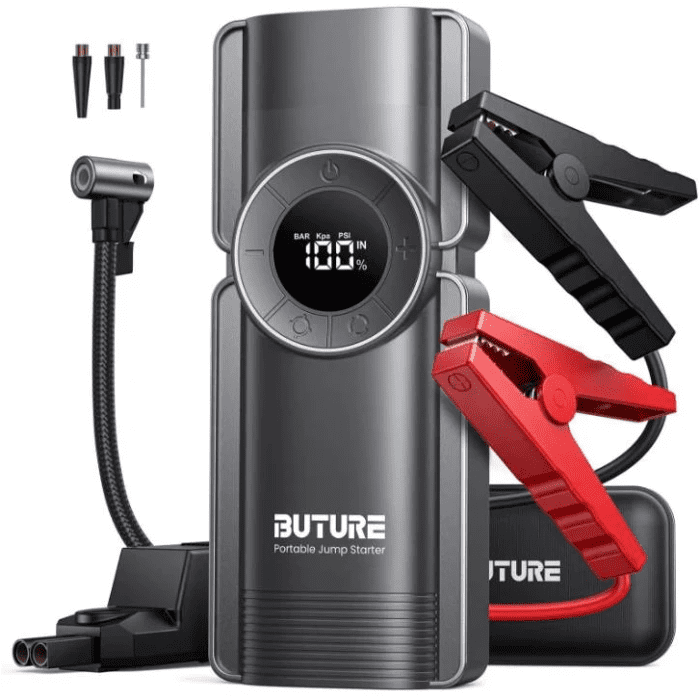
Illustrative image related to jump starter with tire inflator
The manufacturing process of jump starters with tire inflators is a complex interplay of technology, materials, and precision engineering. Understanding these stages can help B2B buyers identify reliable suppliers and ensure product quality.
The first step in manufacturing involves sourcing high-quality materials that meet industry standards. Common materials include:
Quality assurance begins at this stage, as sourcing materials from reputable suppliers ensures that the final product will meet performance expectations.
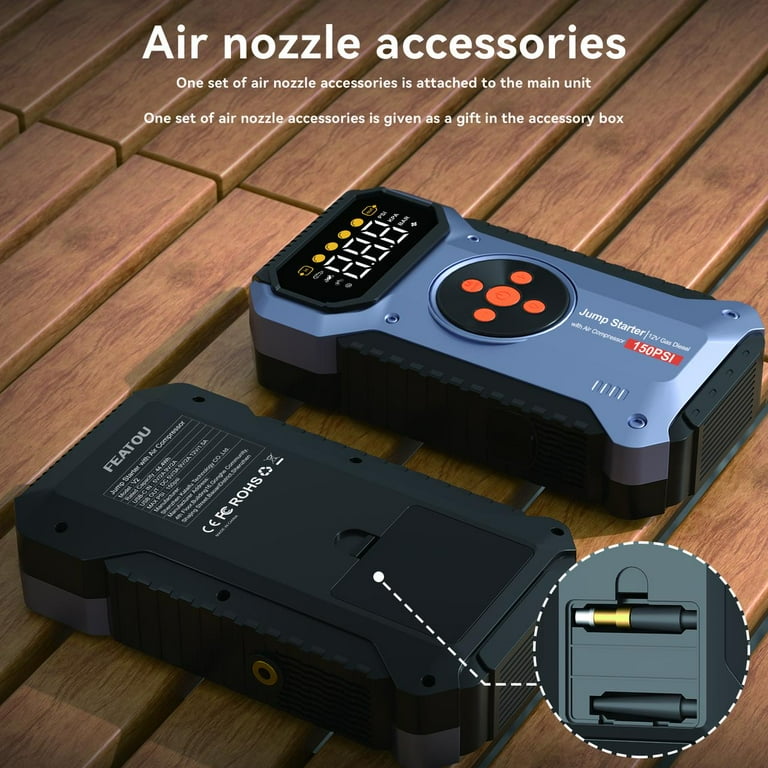
Illustrative image related to jump starter with tire inflator
The forming stage involves converting raw materials into usable components through various techniques:
These processes are closely monitored to prevent defects that could affect the product’s performance.
Once individual components are prepared, the assembly process begins. This stage includes:
Attention to detail during assembly is vital, as even minor errors can lead to product failures.
The finishing stage focuses on ensuring that the product is not only functional but also aesthetically appealing and safe for consumers. Techniques include:
Quality control (QC) is paramount in manufacturing jump starters with tire inflators, especially when catering to international markets.
Adherence to international quality standards is essential for suppliers aiming to penetrate global markets:
These certifications provide a framework for quality assurance and can significantly influence purchasing decisions.
Quality control checkpoints are integral to the manufacturing process:
Implementing these checkpoints can minimize defects and ensure product reliability.
For international buyers, particularly those from regions like Africa, South America, the Middle East, and Europe, verifying a supplier’s quality control practices is critical.
These steps can help mitigate risks associated with sourcing from international suppliers.
International buyers must navigate various nuances related to quality control and certification:
By being aware of these nuances, B2B buyers can foster successful partnerships and ensure they are sourcing high-quality products.
In summary, the manufacturing processes and quality assurance measures for jump starters with tire inflators are critical to ensuring product reliability and customer satisfaction. B2B buyers must be diligent in understanding these processes and the standards that govern them, ensuring they partner with suppliers who prioritize quality. This knowledge not only protects their investments but also enhances their reputation in the marketplace.
To assist B2B buyers in sourcing jump starters with tire inflators, this guide provides a practical checklist to ensure you make informed decisions. This comprehensive approach will help you evaluate the technical specifications, supplier reliability, and pricing strategies necessary for effective procurement.
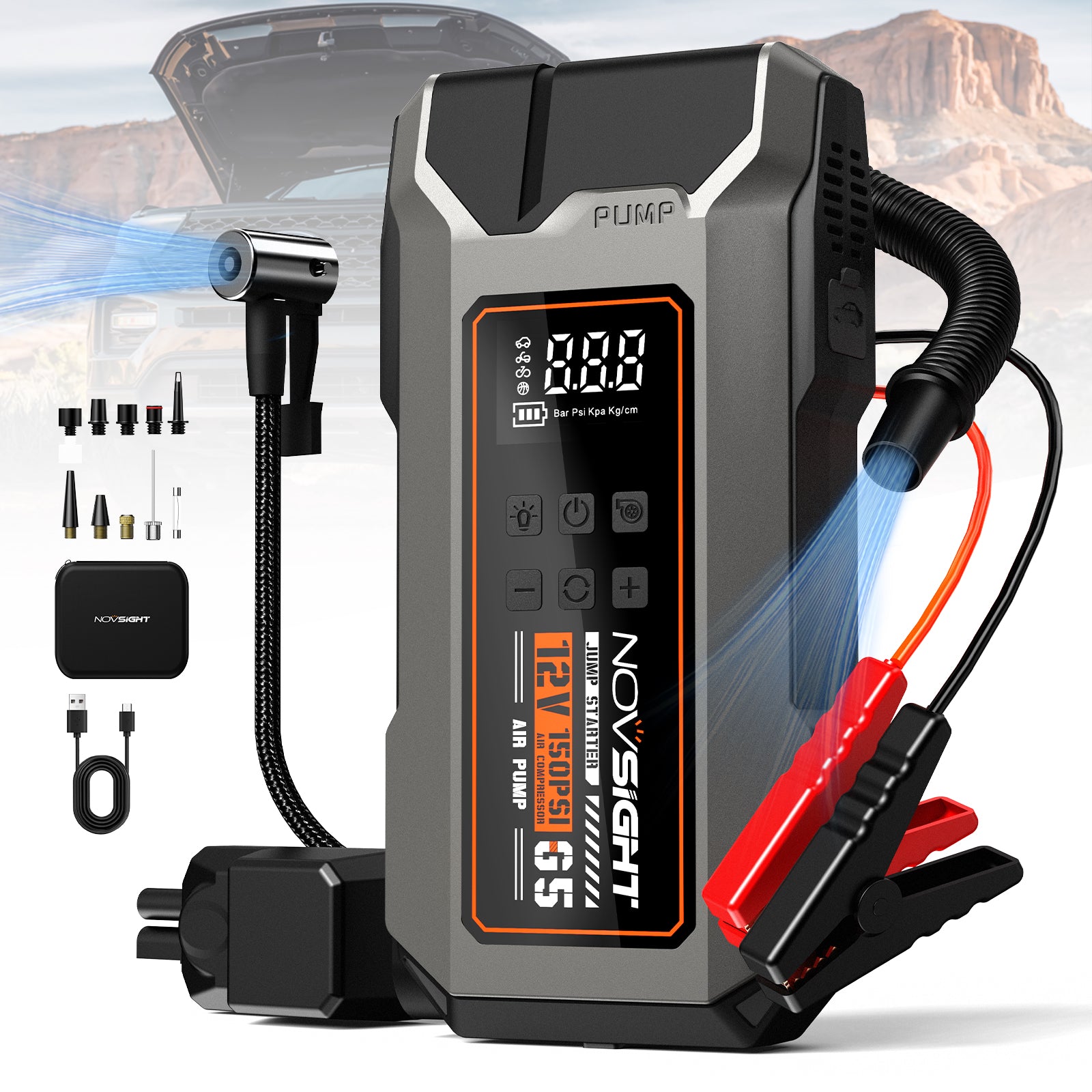
Illustrative image related to jump starter with tire inflator
Establishing clear technical specifications is crucial for ensuring the product meets your operational needs. Consider factors such as peak amp output, tire inflator PSI capacity, and compatibility with various vehicle types. For instance, a model with at least 800 amps is generally effective for most cars and light trucks.
Understanding current market trends can provide insights into what features and specifications are becoming standard. This knowledge allows you to align your procurement strategy with industry demands, ensuring you don’t miss out on essential advancements.
Before committing to a supplier, it’s vital to conduct thorough evaluations. This includes checking their reputation, product quality, and customer service capabilities. Reliable suppliers will have a proven track record and be able to provide case studies or testimonials from similar businesses.
Ensure that the products comply with relevant safety and quality standards. Certifications can indicate the reliability and safety of the devices, which is particularly important in regions with stringent regulations.
Gather pricing information from multiple suppliers to understand the market rate. Pay attention to payment terms, shipping costs, and bulk discount options. It’s essential to strike a balance between cost and quality to maximize your return on investment.
Before finalizing any purchase, request product samples for testing. This allows you to evaluate the performance of the jump starter and tire inflator in real-world conditions, ensuring it meets your expectations.
A strong after-sales support system is vital for addressing any issues that may arise post-purchase. Ensure that the supplier offers adequate warranty coverage and responsive customer service.
By following this structured checklist, B2B buyers can effectively navigate the procurement process for jump starters with tire inflators, ensuring they select products that enhance their operational efficiency and reliability.
Understanding the cost structure and pricing dynamics of jump starters with tire inflators is essential for international B2B buyers, especially in diverse markets like Africa, South America, the Middle East, and Europe. This analysis will break down the key cost components, price influencers, and provide actionable tips for buyers navigating the sourcing process.
Materiais: The primary materials in jump starters and tire inflators include high-capacity batteries (like lithium-ion), plastic casings, internal wiring, and components for the tire inflator mechanism. Sourcing high-quality materials can significantly affect the overall cost, particularly if they meet specific certifications or performance standards.
Trabalho: Labor costs are influenced by the region of manufacturing. For instance, labor in countries with lower wage standards may result in lower overall production costs. However, labor quality and skill level can impact the efficiency of assembly and product reliability.
Custos indiretos de fabricação: This includes expenses related to factory operations, utilities, and administrative costs. Overhead can vary widely depending on the production scale and location, with larger manufacturers often benefitting from economies of scale.
Ferramentas: Initial tooling costs can be substantial, especially for customized products. The need for specialized molds or assembly tools can add to the upfront investment, which is often passed on to buyers.
Controle de qualidade (QC): Investing in rigorous QC processes ensures product reliability and compliance with international standards. This can be a significant cost but is essential for maintaining brand reputation and minimizing returns.
Logística: Shipping costs are a major factor in the total cost structure. International shipping, tariffs, and customs duties can substantially increase the end price for buyers. Understanding Incoterms is crucial for assessing these costs accurately.
Margem: Suppliers typically add a margin to cover their costs and ensure profitability. This margin can vary based on competition, brand positioning, and perceived value.
Volume e quantidade mínima de pedidos (MOQ): Bulk purchasing often leads to significant discounts, making it essential for buyers to assess their demand accurately. Negotiating favorable MOQs can also lead to better pricing.
Especificações e personalização: Custom features, such as additional charging ports or unique design elements, can increase costs. Buyers should carefully evaluate whether these features are necessary or if a standard model suffices.
Qualidade e certificações: Products that meet higher quality standards or possess certifications (like CE or UL) may command higher prices. Buyers should weigh the importance of these certifications against their target market requirements.
Fatores do fornecedor: The reliability and reputation of suppliers can influence pricing. Established suppliers may charge more due to their perceived quality and service levels, while newer entrants might offer lower prices to gain market share.
Incoterms: Understanding shipping terms is vital. Terms like FOB (Free on Board) or CIF (Cost, Insurance, and Freight) dictate who bears the cost and risk at various points in the shipping process, impacting the final landed cost.
Negociar termos: Engage in discussions with suppliers to negotiate better terms, including price breaks for bulk orders or favorable payment terms that can aid cash flow.
Considere o custo total de propriedade (TCO): Beyond the initial purchase price, consider maintenance, warranty, and potential replacement costs. A slightly higher upfront cost may result in lower TCO if the product is more reliable.
Be Aware of Pricing Nuances for International Buyers: Different regions may have varying pricing strategies influenced by local market conditions, competition, and import regulations. It’s important to conduct thorough market research to understand these dynamics.
Mantenha-se informado sobre as tendências do mercado: Regularly monitor industry developments and emerging technologies in jump starters and tire inflators. This can help buyers anticipate price changes and adjust sourcing strategies accordingly.
Prices for jump starters with tire inflators can vary significantly based on the factors discussed above. This analysis provides a general overview and should be used as a guideline for B2B sourcing decisions. Always confirm current pricing with suppliers before making any commitments.
In the automotive industry, having reliable tools for emergency situations is crucial for both individuals and businesses. While a jump starter with a tire inflator offers a convenient solution by combining two essential functions, several alternative technologies and methods can also meet similar needs. This analysis compares the jump starter with tire inflator against other viable options, helping B2B buyers make informed decisions.
| Aspecto de comparação | Jump Starter With Tire Inflator | Portable Jump Starter | Traditional Tire Inflator |
|---|---|---|---|
| Desempenho | Multi-functional; jump starts vehicles and inflates tires quickly | High peak amps; effective for jump starting | Slower inflation rates; limited to tire inflation only |
| Custo | Moderate ($150-$200) | Varies ($50-$300) | Low ($20-$100) |
| Facilidade de implementação | User-friendly, plug-and-play design | Simple operation, but may require manual connection | Straightforward, but requires a power source |
| Manutenção | Minimal; generally robust design | Low; batteries may need replacement | Low; requires occasional cleaning |
| Melhor caso de uso | Ideal for emergency roadside assistance | Best for regular vehicle users needing jump starts | Suited for home use or garages where power access is available |
A portable jump starter is designed specifically to provide a quick boost to a vehicle’s battery. These devices typically have high peak amperage ratings, allowing them to jump-start various vehicles effectively. While they do not offer tire inflation capabilities, they are generally compact and easy to use. The primary advantage is their efficiency in reviving dead batteries, making them suitable for businesses with a fleet of vehicles. However, their lack of dual functionality means that additional equipment is necessary for tire inflation.
Traditional tire inflators are dedicated devices that provide air to flat tires. They come in various forms, from simple manual pumps to electric inflators. While they are typically less expensive than jump starters, they have limited functionality, only serving to inflate tires. Their operation is straightforward; however, they may require access to a power source, which can be a drawback in emergency situations. The best use case for traditional tire inflators is in a controlled environment, such as garages or service stations, rather than on the road.
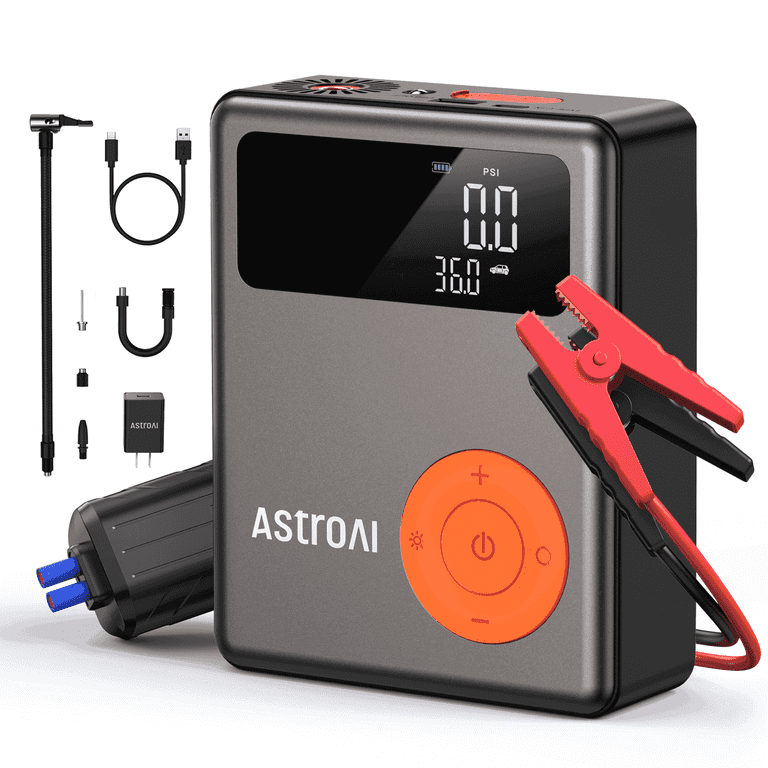
Illustrative image related to jump starter with tire inflator
When selecting the right emergency solution, B2B buyers must consider their specific operational needs and environments. The jump starter with tire inflator is a versatile option for businesses that require both functionalities in one device, particularly useful for roadside assistance. Conversely, companies with a focus on vehicle maintenance might opt for a portable jump starter for its efficiency or a traditional tire inflator for its lower cost and simplicity. Ultimately, understanding the unique requirements of your fleet or service model will guide you in choosing the most effective solution for your business.
When evaluating jump starters with tire inflators for B2B purchases, understanding their technical properties is crucial. Here are some of the essential specifications that buyers should consider:
Peak amperage refers to the maximum current the jump starter can deliver momentarily to start a vehicle. This is vital for B2B buyers because higher peak amperage ensures that the unit can effectively start larger engines, such as those found in trucks or SUVs. For instance, models with 800 to 2000 peak amps are preferred for versatility across different vehicle types.
The air pressure output, typically measured in psi (pounds per square inch), indicates the maximum inflation capability of the tire inflator. A higher psi rating allows the device to inflate not only standard passenger car tires but also heavy-duty tires. B2B buyers should look for products that can reach at least 100-140 psi to accommodate various applications, from cars to trucks and even recreational vehicles.
Jump starters may utilize different battery technologies, such as Lithium-ion, AGM (Absorbent Glass Mat), or lead-acid. Each type has its advantages regarding weight, charge retention, and lifespan. For B2B buyers, understanding the battery capacity—measured in milliamp hours (mAh)—is crucial for assessing how long the device can hold a charge and how many jump starts it can provide before needing to be recharged.
The presence of multiple charging ports, including USB, DC, and Type-C, enhances the versatility of jump starters with tire inflators. This allows users to charge various electronic devices on the go, which can be particularly beneficial for businesses that operate fleets or require mobile power solutions. B2B buyers should ensure that the product offers compatibility with their devices.
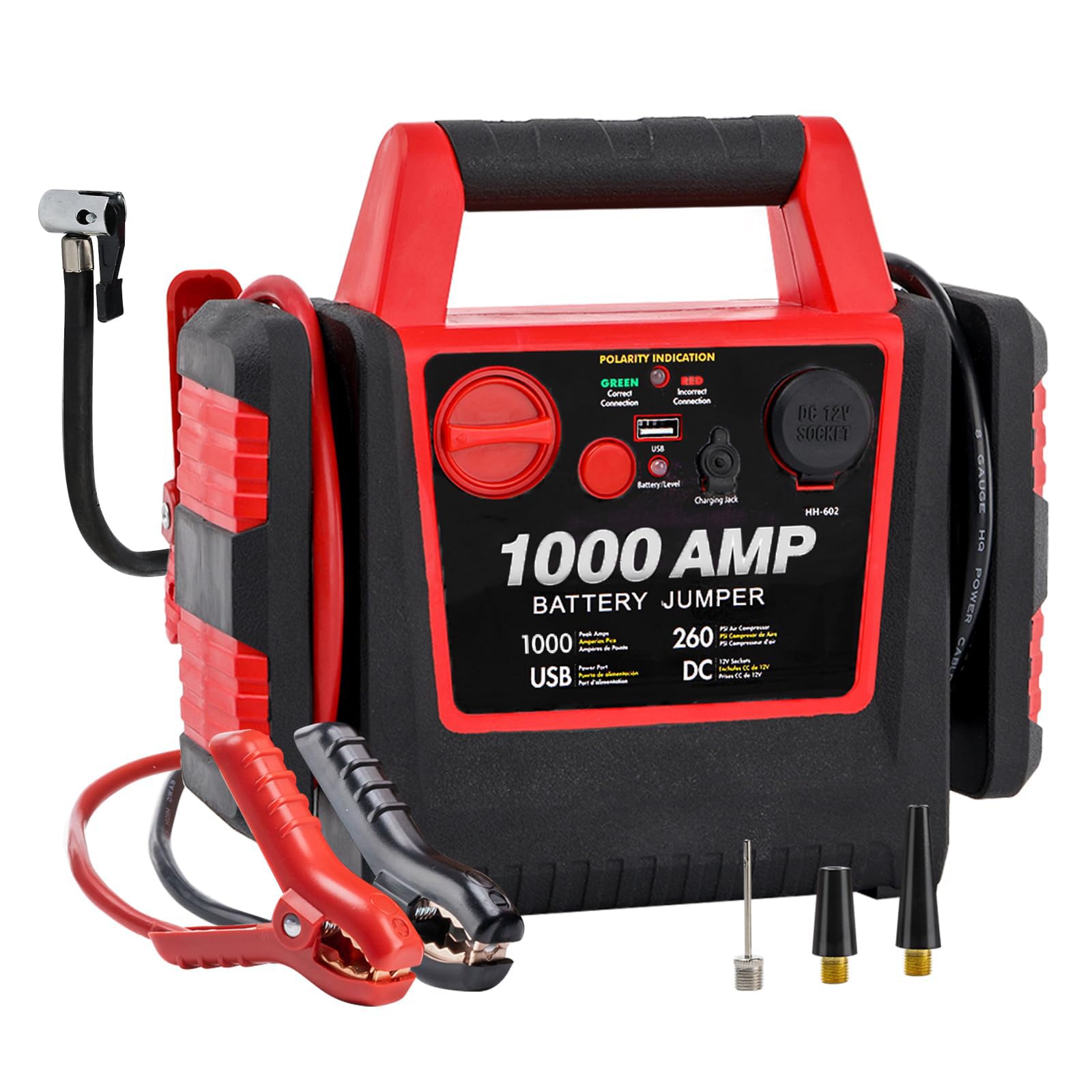
Safety features such as reverse polarity protection and spark-proof technology are essential for preventing accidents during use. These features ensure that the jump starter will not deliver power unless connected correctly, which is vital for non-technical users. B2B buyers should prioritize products that provide these safety assurances, as they can minimize liability and enhance user confidence.
In the B2B marketplace, familiarity with trade terminology can facilitate smoother transactions and negotiations. Here are some common terms relevant to jump starters with tire inflators:
OEM refers to companies that produce parts or equipment that may be marketed by another manufacturer. Understanding OEM relationships is vital for B2B buyers, as it helps in assessing product authenticity and compatibility, ensuring that they source high-quality components for their operations.
MOQ denotes the smallest number of units a supplier is willing to sell. For B2B transactions, knowing the MOQ is essential for budgeting and inventory management. Buyers should negotiate MOQs that align with their purchasing capacity while ensuring they secure favorable pricing.
An RFQ is a document that businesses send to suppliers to request pricing and other details for specific products. Utilizing RFQs effectively can streamline procurement processes, allowing buyers to compare offers from multiple suppliers and make informed decisions based on pricing and terms.
Incoterms define the responsibilities of buyers and sellers in international trade, covering aspects such as shipping, risk, and insurance. Familiarity with these terms is crucial for B2B buyers engaged in cross-border transactions, as they determine who bears the costs and risks at different stages of shipping.
Understanding warranty terms and certifications is vital for B2B buyers, as these factors can indicate product quality and reliability. Certifications such as UL (Underwriters Laboratories) or CE (Conformité Européenne) ensure that the products meet specific safety and performance standards, which can be critical for regulatory compliance in various regions.
In conclusion, having a solid grasp of these technical properties and trade terms can empower B2B buyers to make informed decisions when sourcing jump starters with tire inflators, ultimately enhancing operational efficiency and customer satisfaction.
The market for jump starters with tire inflators is experiencing robust growth, driven by the increasing need for portable, multifunctional automotive tools. Global factors such as rising vehicle ownership, particularly in emerging markets like Nigeria and Brazil, contribute to a heightened demand for reliable roadside assistance solutions. The convenience of having a jump starter and tire inflator in one device resonates with B2B buyers who prioritize efficiency and functionality. Additionally, the surge in e-commerce has transformed sourcing strategies, enabling international buyers to access a wider range of products quickly and efficiently.
Emerging technology trends such as smart jump starters equipped with advanced features—like smartphone connectivity for diagnostics and monitoring—are reshaping buyer expectations. B2B buyers are increasingly looking for products that offer enhanced safety features, such as spark-proof technology and reverse polarity protection, which are becoming standard in competitive offerings. Furthermore, the integration of sustainable practices in manufacturing and sourcing is influencing purchasing decisions, as companies seek products that align with their corporate social responsibility goals.
Sustainability is becoming a pivotal factor in the sourcing of jump starters with tire inflators, as buyers are increasingly aware of the environmental impact of their purchases. The automotive accessory sector is under scrutiny for its carbon footprint, prompting manufacturers to adopt eco-friendly practices. This includes utilizing recyclable materials in product design and packaging, as well as implementing energy-efficient production processes.
Ethical sourcing is also gaining traction, with B2B buyers seeking suppliers who demonstrate transparency in their supply chains. Certifications such as ISO 14001 for environmental management and RoHS compliance for hazardous substances are increasingly important in buyer evaluations. Additionally, the demand for products made from sustainable materials, such as biodegradable plastics or low-impact metals, is on the rise. This shift not only helps companies meet regulatory requirements but also enhances brand reputation among environmentally conscious consumers.
The evolution of jump starters with tire inflators can be traced back to the traditional jumper cables and standalone air compressors, which were often cumbersome and inefficient. With technological advancements, the introduction of compact, multifunctional devices has revolutionized the market. Early models were primarily focused on jump-starting vehicles; however, modern iterations now integrate tire inflation capabilities, USB charging ports, and even LED lights for emergency situations.
This shift towards multifunctionality caters to the growing needs of consumers and businesses alike, who seek efficiency and convenience in their automotive accessories. The incorporation of smart technology, such as built-in pressure gauges and fast-charging capabilities, reflects the industry’s response to changing consumer expectations. As a result, jump starters with tire inflators have transitioned from niche products to essential tools for vehicle owners, particularly in regions with limited roadside assistance infrastructure.
How do I choose the right jump starter with tire inflator for my business needs?
Selecting the ideal jump starter with tire inflator involves assessing your specific requirements. Consider the engine size of the vehicles you intend to service; models with higher amperage are better suited for larger engines. Additionally, evaluate the inflator’s PSI capability to ensure it meets your tire inflation needs. Portability and ease of use are also critical factors, especially for businesses that require frequent transportation of these devices. Ensure that the product has safety features like reverse polarity protection to minimize risks during operation.
What features should I look for in a jump starter with tire inflator?
Key features to consider include peak amperage, which indicates the power to jump-start vehicles; a built-in tire inflator with adjustable PSI settings; and safety features such as spark-proof clamps and reverse polarity protection. Additional functionalities like USB charging ports for devices, built-in LED lights for visibility in low-light conditions, and compact design for easy storage can add significant value. Also, check for warranty and customer support options to ensure reliability and assistance when needed.
What are the typical payment terms for purchasing jump starters with tire inflators in bulk?
Payment terms can vary significantly between suppliers, but common practices include a 30% deposit upon order confirmation and the remaining 70% before shipment. Some suppliers may offer net 30 or net 60 terms for established buyers. It is essential to clarify payment methods accepted (e.g., bank transfer, letter of credit) and any potential fees associated with international transactions. Ensure that all terms are documented in the purchase agreement to avoid misunderstandings.
What is the minimum order quantity (MOQ) for jump starters with tire inflators?
MOQs can differ based on the manufacturer or supplier. Typically, MOQs range from 50 to 500 units, depending on the product and customization options. When negotiating with suppliers, consider your market demand and storage capabilities. If you require lower quantities, inquire about options for samples or trial orders, which can help you assess product quality and performance before committing to larger purchases.
How can I ensure the quality of jump starters with tire inflators from suppliers?
To ensure quality, vet potential suppliers by reviewing their certifications, such as ISO or CE, which indicate adherence to safety and manufacturing standards. Request product samples for testing before placing large orders, and consider third-party inspections during production. Additionally, check customer reviews and testimonials to gauge the experiences of other businesses. Establishing a long-term relationship with reliable suppliers can also foster better quality assurance practices.
What logistics considerations should I keep in mind when importing jump starters with tire inflators?
When importing, consider shipping methods, delivery times, and customs regulations specific to your country. Choose a reliable freight forwarder familiar with international shipping to handle documentation and customs clearance efficiently. Understand the import duties and taxes applicable to your products, as these can impact total costs. Additionally, ensure that the supplier can accommodate your shipping preferences and provide tracking information for transparency throughout the shipping process.
Can I customize the jump starters with tire inflators for my brand?
Many suppliers offer customization options, such as branding with your logo, specific color choices, or even tailored features to meet your market needs. Discuss your requirements with potential suppliers during negotiations, and request detailed information on the customization process, including lead times and additional costs involved. Custom branding can enhance your market presence and cater to customer preferences, making it a worthwhile investment.
What are the common warranty policies for jump starters with tire inflators?
Warranty policies typically range from one to three years, covering defects in materials and workmanship. It is essential to review the warranty terms carefully, as some may only cover certain components or require specific maintenance procedures to remain valid. Understand the process for claiming warranty service, including any documentation needed. A solid warranty can provide peace of mind, ensuring that you are protected against potential product failures.
Domínio: batterytender.com
Registrado: 1998 (27 anos)
Introdução: {“name”: “800 AMP Jump Starter and Tire Inflator”, “SKU”: “030-3010-WH”, “sale_price”: “$174.95”, “regular_price”: “$174.95”, “description”: “Portable jump starter and tire inflator, capable of jump starting any 12 volt battery on gas and diesel engines up to a V8 and inflating a standard tire from flat to full in eight minutes.”, “functions”: [“Jump Starter”, “Tire Inflator”], “engine_compatibili…
Domínio: reddit.com
Registrado: 2005 (20 anos)
Introdução: Battery Jumpers: Gooloo 4000 (supports all gas engines and up to 10L diesels), NOCO GBX45, Lithium-ion jump starters, super capacitor jump starters, Ryobi tire inflator, Milwaukee M18 Tire inflator, Energizer 25ft jumper cables. Tire Inflators: Viair 88p, 12V versions recommended for better performance without battery maintenance.
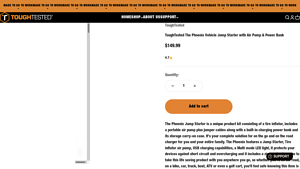
Domínio: toughtested.com
Registrado: 2003 (22 anos)
Introdução: {“product_name”: “The Phoenix Vehicle Jump Starter with Air Pump & Power Bank”, “sale_price”: “$149.99”, “features”: {“jump_starter”: {“description”: “Jumpstart your battery, no matter what vehicle you drive.”, “cranking_amps”: “500 cranking amps (800A peak)”}, “air_pump”: {“description”: “Tire inflator that stops automatically at the preset pressure level.”, “max_pressure”: “150 PSI”, “applicatio…
Domínio: bobvila.com
Registrado: 1996 (29 anos)
Introdução: Best Overall: DeWalt 1600A Jump Starter With Air Compressor – Battery power: 1600A, Air pressure: 120 PSI, Additional features: Alternator test, USB A, USB C, LED lights, Sports needle adapter. Runner Up: DieHard 71687 950 Peak Amp 12V Jump Starter – Battery power: 950A, Air pressure: 150 PSI, Additional features: 1 USB port, 2 power ports. Best Power Station: Schumacher SJ1332 1200A Portable Powe…
In today’s competitive market, the strategic sourcing of jump starters with tire inflators presents a significant opportunity for B2B buyers. These dual-function devices not only enhance vehicle readiness but also offer a compact solution for roadside emergencies, meeting the growing demand for versatile automotive accessories. As international markets, particularly in Africa, South America, the Middle East, and Europe, continue to evolve, the need for reliable and efficient products becomes paramount.
Investing in high-quality jump starters with tire inflators ensures that businesses can provide value-added services to their customers, enhancing brand loyalty and operational efficiency. Features like rapid tire inflation and robust jump-start capabilities cater to a diverse range of vehicles, making them indispensable tools for both personal and commercial use.
Looking ahead, international buyers are encouraged to focus on reliable suppliers who prioritize quality, safety, and technological advancements. By aligning sourcing strategies with market trends and customer needs, businesses can position themselves for success. Engage with trusted manufacturers and distributors to explore innovative solutions that will empower your operations and drive growth in the automotive sector. The future is bright for those who embrace strategic sourcing in this dynamic landscape.
As informações fornecidas neste guia, inclusive o conteúdo referente a fabricantes, especificações técnicas e análise de mercado, são apenas para fins informativos e educacionais. Elas não constituem aconselhamento profissional sobre compras, aconselhamento financeiro ou aconselhamento jurídico.
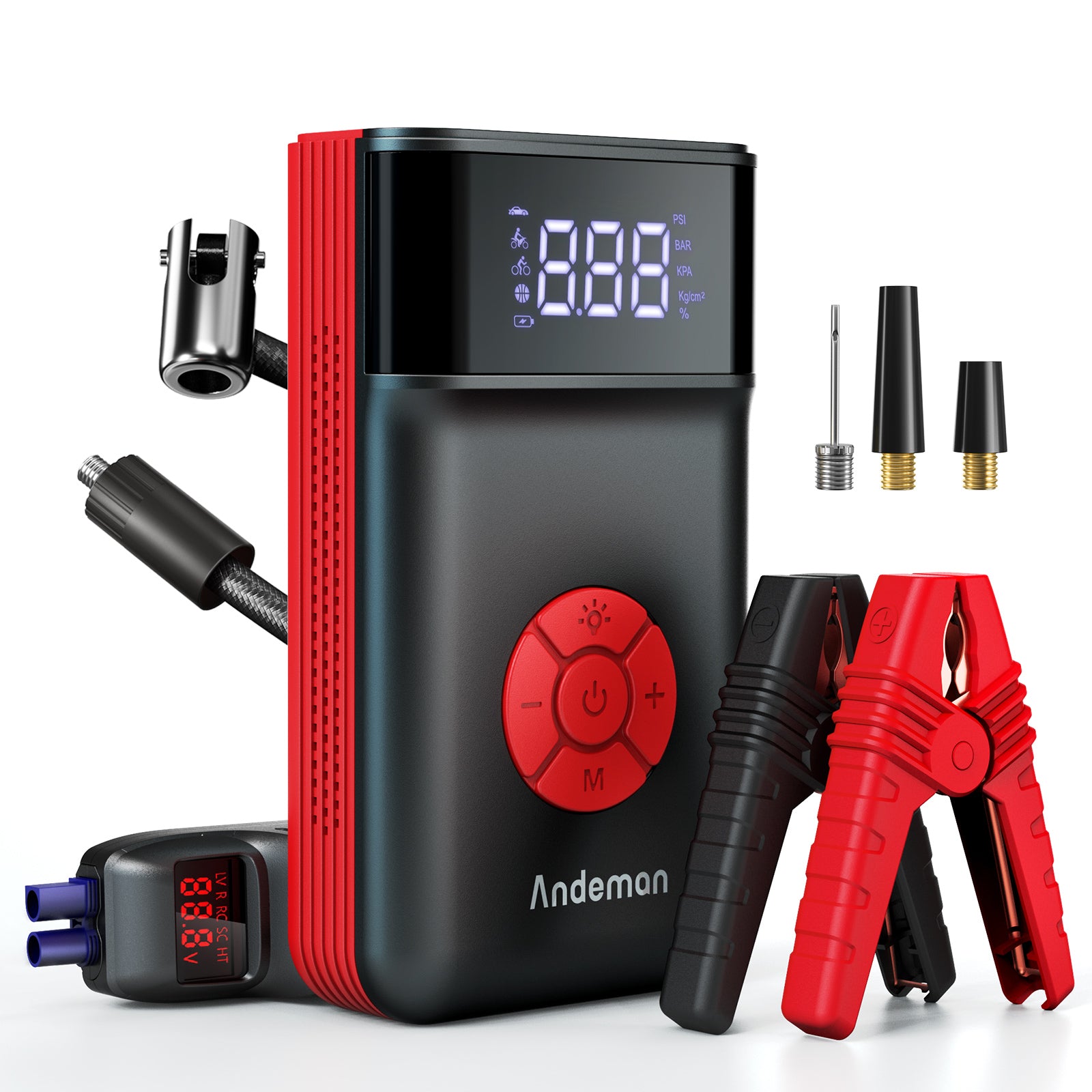
Illustrative image related to jump starter with tire inflator
Embora tenhamos feito todos os esforços para garantir a precisão e a atualidade das informações, não nos responsabilizamos por quaisquer erros, omissões ou informações desatualizadas. As condições de mercado, os detalhes da empresa e os padrões técnicos estão sujeitos a alterações.
Os compradores B2B devem realizar sua própria due diligence independente e completa antes de tomar qualquer decisão de compra. Isso inclui entrar em contato diretamente com os fornecedores, verificar as certificações, solicitar amostras e buscar consultoria profissional. O risco de confiar em qualquer informação contida neste guia é de responsabilidade exclusiva do leitor.


 Portuguese
  English
  Russian
  Spanish
  Italian
  Arabic
  German