
In an increasingly competitive landscape, sourcing high-quality motorcycle gear bags poses a significant challenge for B2B buyers across various global markets. As the demand for durable, functional, and stylish gear bags grows, so does the complexity of navigating suppliers, materials, and pricing structures. This guide aims to equip international buyers, particularly those from Africa, South America, the Middle East, and Europe—including key markets like Germany and Nigeria—with the essential knowledge required to make informed purchasing decisions.
Throughout this comprehensive guide, we will explore the diverse types of motorcycle gear bags available, ranging from duffle and roller bags to specialized models designed for motocross and touring. We will delve into their various applications, highlighting features that cater to the unique needs of riders in different regions. Moreover, we will provide insights on supplier vetting processes, ensuring you can identify trustworthy manufacturers that meet your quality and compliance standards.
Additionally, we will analyze pricing trends and cost considerations, empowering you to negotiate effectively and secure the best value for your investments. By the end of this guide, you will be well-equipped to navigate the global market for motorcycle gear bags, enhancing your procurement strategies and driving growth in your business.
| Nome do tipo | Principais características distintivas | Aplicativos B2B primários | Prós e contras resumidos para compradores |
|---|---|---|---|
| Duffel Bags | Lightweight, versatile, often with shoulder straps | Short trips, daily commuting, casual use | Prós: Easy to carry, flexible storage options. Contras: Limited structure, may lack organization. |
| Roller Bags | Equipped with wheels and telescoping handles | Long-distance travel, racing events | Prós: Easy transport, spacious. Contras: Heavier, may require more storage space. |
| Alforjes | Mounted on motorcycles, rigid structure | Long-term touring, adventure riding | Prós: Secure, integrated with bike. Contras: Fixed position, may require installation. |
| Bolsas de tanque | Attaches to the fuel tank, often magnetic or strap-based | Quick access items, navigation tools | Prós: Accessible, compact. Contras: Limited capacity, can obstruct view. |
| Backpack Gear Bags | Designed for easy carrying on the back, often with hydration systems | Daily commuting, off-road adventures | Prós: Hands-free, versatile. Contras: Can be heavy, limited storage compared to larger bags. |
Duffel bags are popular for their lightweight design and versatility, making them ideal for short trips or daily commuting. They typically feature a main compartment with a zipper closure and may include additional pockets for smaller items. B2B buyers should consider the material durability, as well as the bag’s capacity to ensure it meets their transportation needs. These bags are well-suited for businesses that require flexible storage solutions without the constraints of rigid structures.
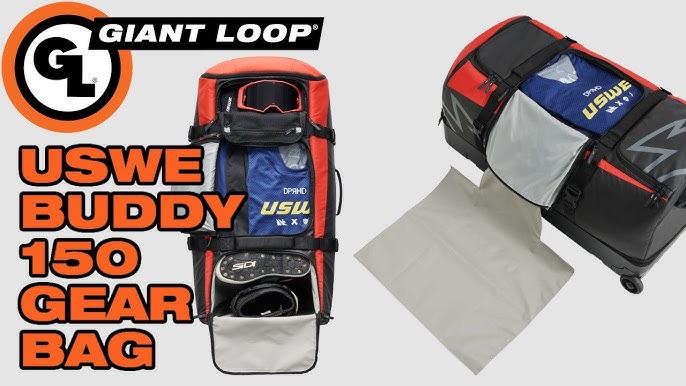
Roller bags are designed with wheels and telescoping handles, making them easy to transport over long distances or through crowded areas. They offer ample storage space and often include compartments for organizing gear. For B2B buyers, investing in roller bags can streamline logistics for events or racing teams, as they facilitate quick packing and unpacking. However, buyers should be mindful of their weight and the additional space they require when stored.
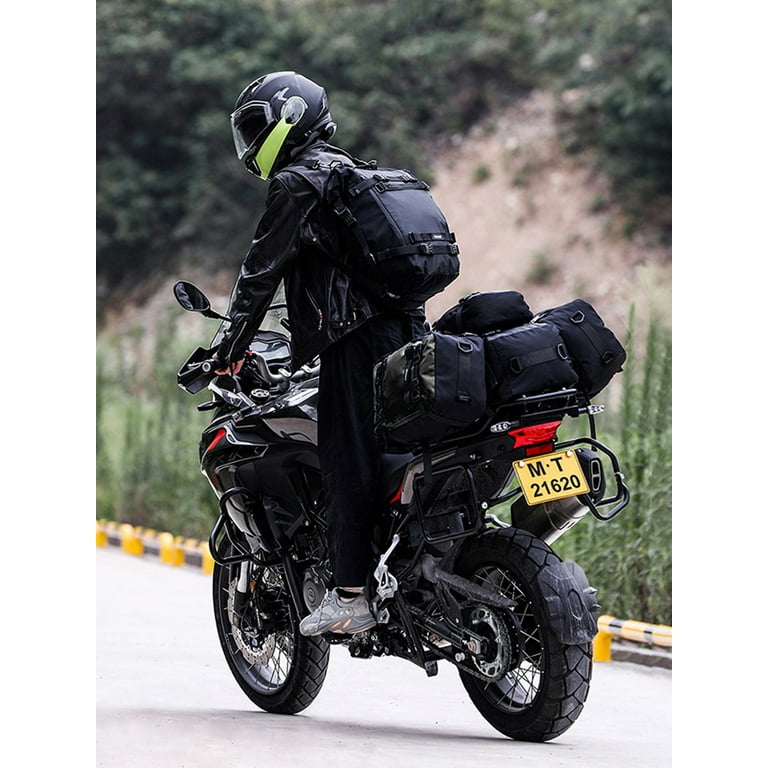
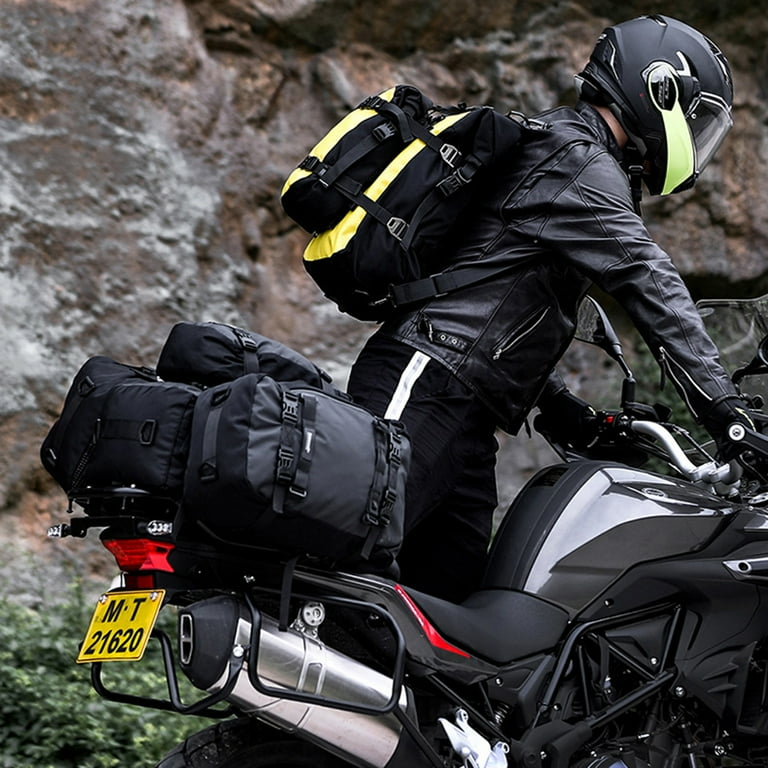
Panniers are rigid storage solutions mounted directly on motorcycles, providing a secure way to carry gear for long trips. They are designed to withstand various weather conditions and can be locked for added security. B2B buyers in the touring and adventure segments should prioritize panniers that offer easy installation and removal, as well as durability. While they provide excellent storage, buyers must consider the installation requirements and the fixed nature of their placement on the bike.
Illustrative image related to motorcycle gear bags
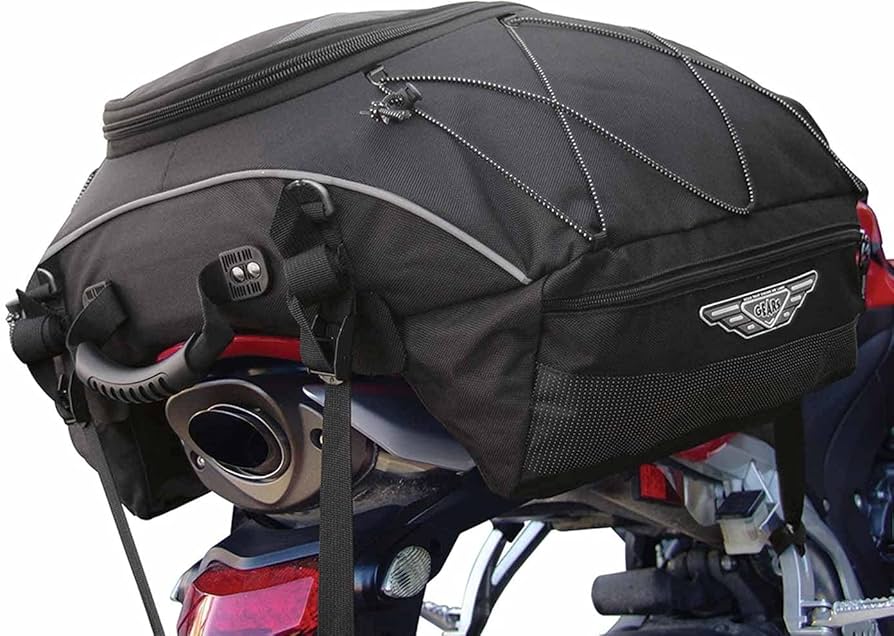
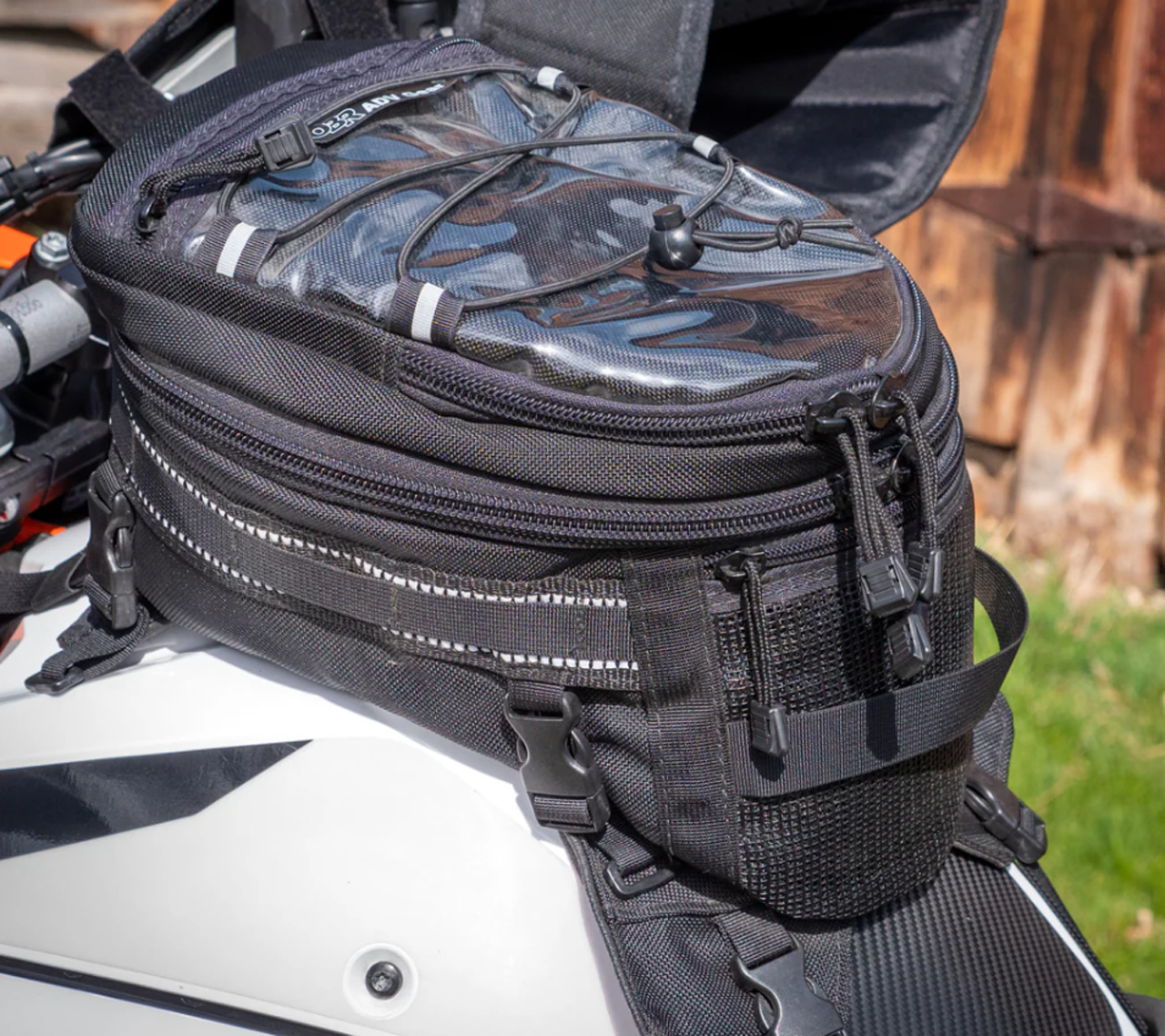
Tank bags attach directly to the motorcycle’s fuel tank, providing immediate access to essential items like maps, phones, or snacks. They are often designed to be compact and can include features like clear pockets for navigation devices. For B2B buyers, tank bags are ideal for businesses that require quick access to tools or equipment during short rides. However, their limited capacity and potential obstruction of the rider’s view should be considered when making a purchase.
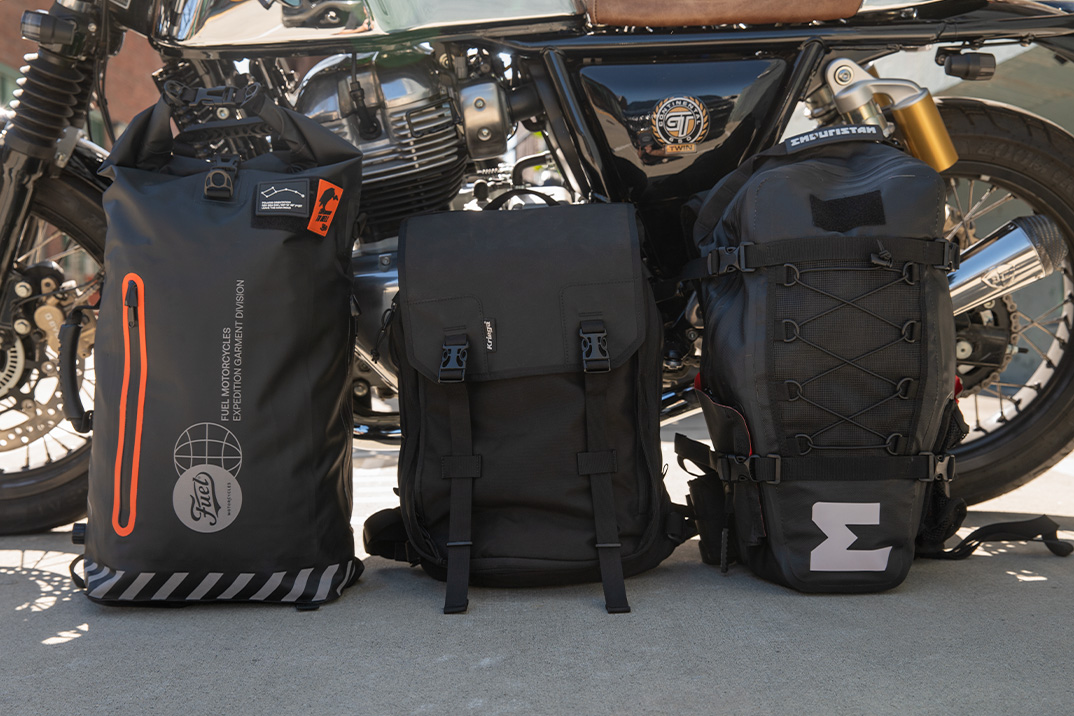
Backpack gear bags are designed for easy carrying on the back, often featuring padded straps and compartments for organizing gear. They are particularly suitable for daily commuting or off-road adventures where hands-free mobility is beneficial. B2B buyers should look for backpacks with additional features like hydration systems or weather-resistant materials. While they offer versatility and convenience, buyers should be aware that the storage capacity may be limited compared to larger gear bags.
| Indústria/Setor | Specific Application of motorcycle gear bags | Valor/benefício para a empresa | Principais considerações de fornecimento para este aplicativo |
|---|---|---|---|
| Motorsports & Racing | Transporting protective gear and accessories | Ensures gear safety and organization during events | Durability, waterproofing, and size options for gear capacity |
| Outdoor Adventure | Multi-day motorcycle touring and camping | Facilitates organized packing for extended trips | Lightweight materials, easy access compartments, and design |
| Logistics & Distribution | Shipping and handling of motorcycle gear | Streamlines logistics and reduces damage during transport | Cost-effectiveness, bulk purchasing options, and material strength |
| Retail & E-commerce | Display and sale of motorcycle gear bags | Enhances product visibility and customer experience | Branding opportunities, customization options, and stock levels |
| Serviços de emergência | Carrying emergency response gear | Provides quick access to essential tools and equipment | Compact design, easy-to-clean materials, and robust construction |
In the motorsports industry, motorcycle gear bags are essential for transporting protective gear, tools, and accessories to racing events. These bags help ensure that all equipment remains safe and organized, minimizing the risk of damage during transport. Buyers in this sector should prioritize features such as durability, waterproofing, and ample storage space to accommodate various gear types, especially when catering to diverse weather conditions across different regions, including Europe and Africa.
Illustrative image related to motorcycle gear bags
For outdoor adventure enthusiasts, motorcycle gear bags are indispensable for multi-day tours and camping trips. These bags facilitate organized packing, allowing riders to carry everything from clothing to cooking equipment efficiently. International buyers should focus on lightweight materials and easy access compartments, ensuring that bags are functional yet not cumbersome during travel. The ability to withstand harsh conditions is crucial, particularly in regions like South America and the Middle East where terrain can be unpredictable.
In logistics and distribution, motorcycle gear bags are used for shipping and handling various motorcycle-related products. They streamline the logistics process by protecting items from damage during transport, thereby reducing costs associated with returns and replacements. Businesses should consider sourcing bags that offer cost-effectiveness and bulk purchasing options, as well as materials that provide strength and durability. This is particularly relevant for companies operating in diverse markets, including Africa and Europe, where shipping conditions may vary significantly.
Retailers and e-commerce platforms utilize motorcycle gear bags to display and sell motorcycle gear effectively. These bags enhance product visibility and improve the customer experience by providing a well-organized display of items. Buyers in this sector should look for customization options that allow for branding, as well as considerations for stock levels to meet demand fluctuations. This is particularly important in competitive markets across Europe and South America, where consumer preferences can shift rapidly.
In emergency services, motorcycle gear bags serve the critical function of carrying essential response gear. These bags provide quick access to tools and equipment necessary for emergency situations, ensuring that responders are well-prepared. Buyers should prioritize compact designs and easy-to-clean materials, as well as robust construction to withstand the rigors of emergency environments. This application is vital across all regions, especially in areas prone to natural disasters or requiring rapid response capabilities.
O problema: B2B buyers, especially those operating in regions with diverse terrain, face significant challenges when it comes to transporting motorcycle gear. Traditional gear bags may lack durability and weather resistance, leading to damage during transit. Buyers must ensure that their products can withstand not only rough handling but also adverse weather conditions, which can be common in outdoor and off-road environments. This often results in additional costs for replacements and repairs, impacting profitability.
Illustrative image related to motorcycle gear bags
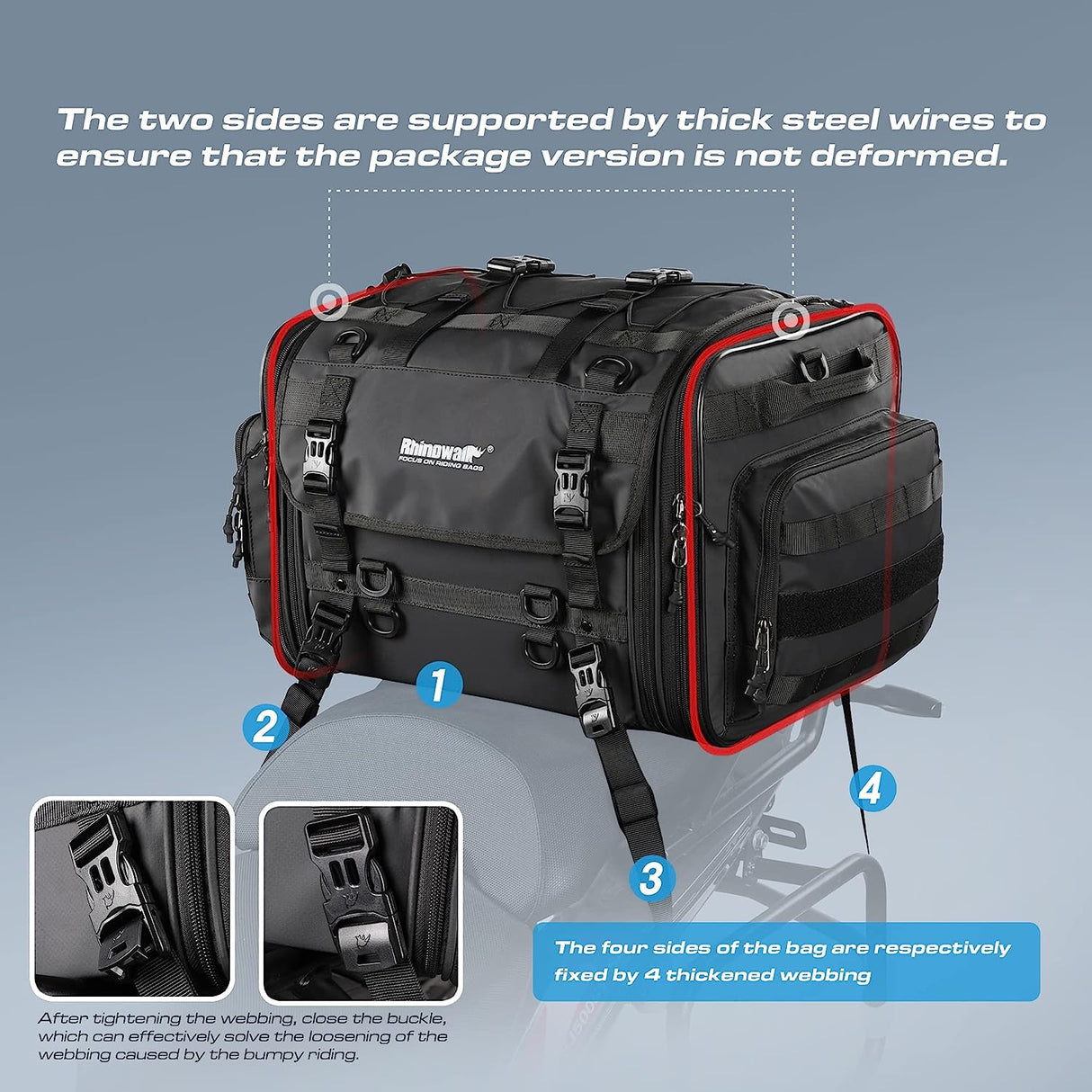
A solução: When sourcing motorcycle gear bags, prioritize those made from high-quality, weather-resistant materials such as ripstop nylon or heavy-duty polyester. Look for features like reinforced stitching, sealed seams, and waterproof zippers to enhance durability. Additionally, consider bags with modular designs that allow for easy customization, enabling buyers to adapt the gear bag to specific needs, whether for off-road adventures or urban commuting. A thorough evaluation of customer reviews and feedback on the durability of gear bags in real-world conditions can also provide valuable insights for making informed purchasing decisions.
O problema: B2B buyers often struggle with the organization of motorcycle gear within bags. Many traditional gear bags offer limited compartments, making it challenging to find items quickly, especially in high-pressure situations like racing or events. This disorganization can lead to wasted time and frustration for both retailers and end-users, ultimately affecting the overall customer experience and satisfaction.
A solução: To address this issue, buyers should look for motorcycle gear bags that feature multiple compartments and pockets specifically designed for different types of gear. Bags with dedicated sections for helmets, boots, and protective clothing not only enhance organization but also simplify accessibility. Consider investing in bags with external pockets for quick access to smaller items like tools or personal effects. Moreover, options with clear organization systems, such as color-coded compartments, can further streamline the packing process and improve efficiency. Buyers should also explore brands that offer customizable internal layouts to meet the specific needs of their clientele.
O problema: In a competitive market, B2B buyers often need to differentiate their offerings. However, many motorcycle gear bags lack customization options, making it difficult for businesses to brand their products effectively. This limitation can hinder promotional efforts and reduce the perceived value of their offerings in the eyes of consumers.
A solução: When selecting motorcycle gear bags, buyers should seek suppliers that provide a range of customization options. Look for manufacturers that allow for the addition of logos, colors, and personalized designs on the gear bags. This not only enhances brand visibility but also caters to the unique preferences of different customer segments. Additionally, consider collaborating with manufacturers who specialize in bespoke designs or limited-edition runs, allowing for unique offerings that can capture market attention. Engaging in strategic partnerships with suppliers who understand the importance of branding can create a competitive edge and foster customer loyalty in the long term.
Illustrative image related to motorcycle gear bags
When selecting materials for motorcycle gear bags, several key properties must be considered to ensure optimal performance. The most common materials include nylon, polyester, canvas, and PVC. Each material has unique characteristics that impact durability, weight, and cost, which are essential for international B2B buyers.
Nylon is a synthetic fabric known for its strength and versatility. It has excellent abrasion resistance, making it ideal for rugged environments. Nylon gear bags can withstand a wide range of temperatures and pressures, providing reliable performance during long rides.
Pros and Cons: Nylon is lightweight and has a high tensile strength, which enhances the durability of gear bags. However, it can be more expensive than other materials and may require special manufacturing techniques to achieve desired waterproofing.
Illustrative image related to motorcycle gear bags
Impacto no aplicativo: Nylon is compatible with various media, including water and oils, making it suitable for motorcycle gear that may encounter different elements.
Considerações para compradores internacionais: Buyers from regions like Africa and South America should ensure that the nylon used meets local standards for UV resistance and durability, as exposure to harsh sunlight can degrade the material over time.
Polyester is another popular choice for motorcycle gear bags due to its affordability and durability. It offers good resistance to UV rays and is less prone to fading compared to nylon.
Pros and Cons: Polyester is generally less expensive than nylon and easier to manufacture, making it a cost-effective option for bulk purchases. However, it may not be as strong or abrasion-resistant as nylon, which could be a limitation for heavy-duty applications.
Impacto no aplicativo: Polyester bags are suitable for light to moderate use and can handle exposure to moisture, but they may not provide the same level of waterproofing as nylon.
Considerações para compradores internacionais: Buyers in Europe, particularly in Germany, should verify compliance with European standards for textile safety and environmental impact, as these regulations can affect marketability.
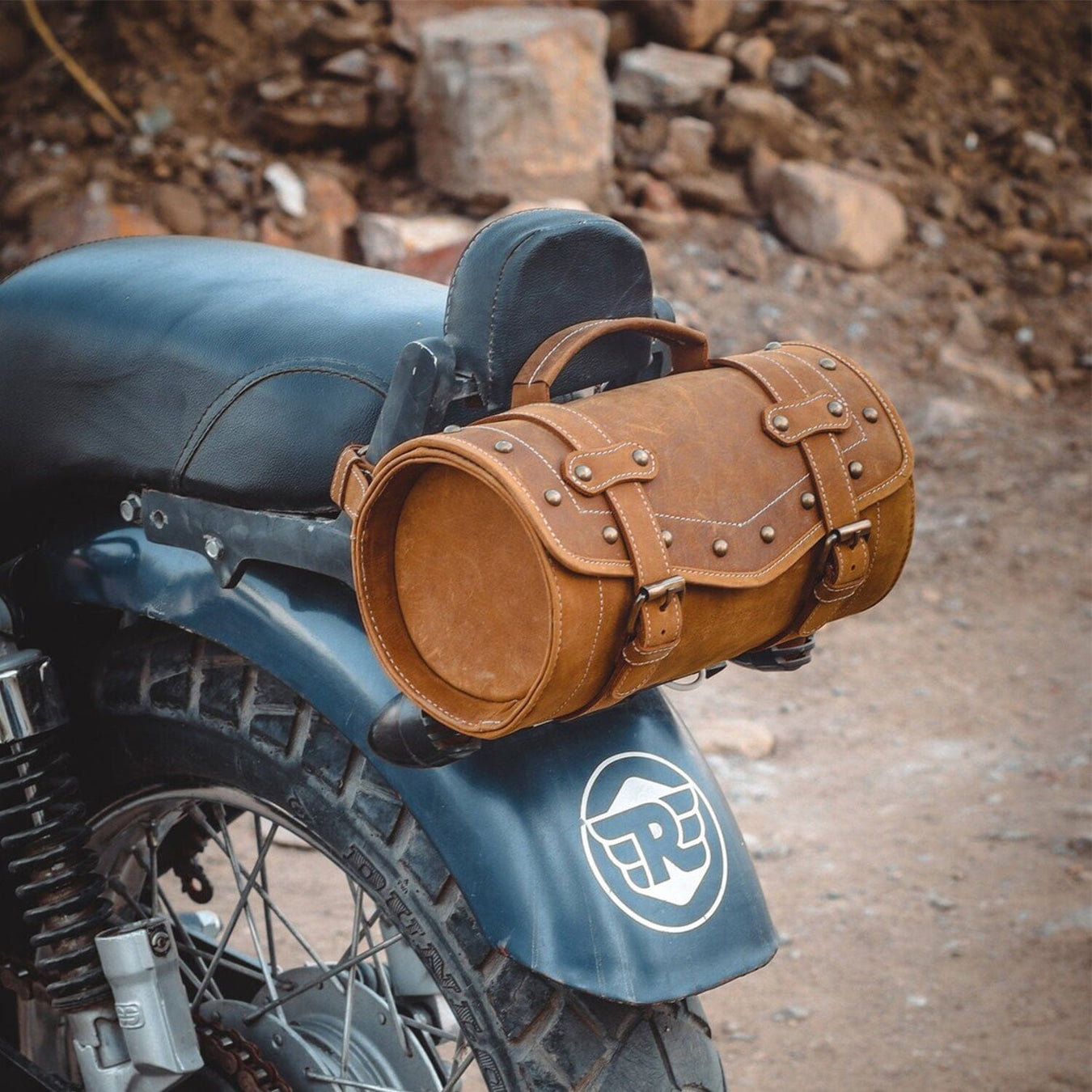
Canvas, made from cotton or a blend of cotton and synthetic fibers, is known for its durability and classic aesthetic. It is often used in outdoor gear due to its heavy-duty properties.
Illustrative image related to motorcycle gear bags
Pros and Cons: Canvas is highly durable and can withstand heavy loads, making it suitable for extensive use. However, it tends to be heavier than synthetic options and may require additional treatment for water resistance, increasing manufacturing complexity.
Impacto no aplicativo: Canvas is ideal for applications where aesthetics are important, but its weight may limit its use for long-distance travel.
Considerações para compradores internacionais: Buyers from the Middle East should consider the fabric’s breathability and moisture-wicking properties, as high temperatures can affect comfort during rides.
Polyvinyl chloride (PVC) is a synthetic plastic polymer that is waterproof and highly durable. It is often used in gear bags designed for extreme weather conditions.
Illustrative image related to motorcycle gear bags
Pros and Cons: PVC is highly resistant to water, chemicals, and UV rays, making it an excellent choice for outdoor use. However, it can be heavier and less flexible than fabric options, which may limit its usability in certain applications.
Impacto no aplicativo: PVC bags are perfect for wet environments and can protect gear from moisture and dirt. However, they may not be as breathable as fabric options, which could lead to condensation inside the bag.
Considerações para compradores internacionais: Buyers in regions with high humidity, such as parts of Africa, should ensure that PVC gear bags meet local environmental regulations regarding plastic use and disposal.
| Material | Typical Use Case for motorcycle gear bags | Principais vantagens | Principal desvantagem/limitação | Custo relativo (baixo/médio/alto) |
|---|---|---|---|---|
| Nylon | High-performance gear bags for rugged use | Excellent abrasion resistance | Higher cost, manufacturing complexity | Alta |
| Poliéster | General-purpose gear bags for moderate use | Cost-effective and UV resistant | Menos durável que o náilon | Médio |
| Tela | Heavy-duty, aesthetic gear bags for outdoor use | Highly durable and classic look | Heavier and may require waterproof treatment | Médio |
| PVC | Waterproof gear bags for extreme weather | Excellent water and UV resistance | Heavier and less flexible | Médio |
This detailed analysis provides B2B buyers with actionable insights into material selection for motorcycle gear bags, ensuring that they make informed decisions based on performance, cost, and regional considerations.
Illustrative image related to motorcycle gear bags
The manufacturing process for motorcycle gear bags typically involves several key stages, each critical for ensuring the final product meets quality standards and customer expectations. Understanding these stages can help B2B buyers assess supplier capabilities.
Preparação de materiais: This initial stage involves selecting and preparing high-quality materials suitable for motorcycle gear bags. Common materials include durable nylon, polyester, and sometimes leather, known for their resistance to wear and tear. The material is cut into specific patterns that will be used in the subsequent stages. Manufacturers often use computer-aided design (CAD) software to ensure precision in cutting, which is vital for reducing waste and optimizing material usage.
Formação: The forming stage focuses on shaping the cut materials into components of the gear bag. Techniques such as sewing, welding, or bonding are employed depending on the material and desired characteristics. For instance, high-frequency welding is often used for waterproof bags, creating seams that are stronger and more resistant to moisture. Additionally, manufacturers may use heat-setting processes to enhance the durability of fabric components.
Montagem: Once the components are formed, they are assembled into a complete bag. This stage typically involves multiple sewing operations, where skilled workers or automated machines stitch together various parts, including straps, compartments, and zippers. Quality assembly is essential to ensure that the bags can withstand the rigors of use, especially in off-road or extreme conditions.
Acabamento: The finishing stage includes adding final touches to the gear bags, such as branding, labeling, and any additional features like waterproof coatings or reflective strips. This stage may also involve quality checks to ensure that the bags meet aesthetic and functional standards. Any defects identified during this phase may lead to rework or discarding of items that do not meet the specifications.
Quality assurance (QA) is a crucial aspect of the manufacturing process for motorcycle gear bags, aimed at ensuring that the products meet both international standards and customer expectations. For B2B buyers, understanding the QA processes can provide insights into supplier reliability.
Padrões internacionais: Many manufacturers adhere to international quality standards such as ISO 9001, which outlines criteria for a quality management system. Compliance with these standards demonstrates a commitment to continuous improvement and customer satisfaction. Additionally, industry-specific certifications like CE (Conformité Européenne) ensure that products meet European safety and performance requirements, which is particularly relevant for buyers in Europe.
Pontos de verificação de controle de qualidade: Effective quality control (QC) involves multiple checkpoints throughout the manufacturing process:
– Controle de qualidade de entrada (IQC): This step checks raw materials for defects before they enter the production line. It ensures that only high-quality materials are used in manufacturing.
– Controle de qualidade durante o processo (IPQC): During the manufacturing process, ongoing inspections assess the quality of workmanship and adherence to specifications. This can include random sampling of products at various stages.
– Controle de qualidade final (FQC): After assembly, finished products undergo a thorough inspection to ensure they meet all quality standards before shipping. This may include stress testing and functionality checks.
Métodos de teste comuns: Manufacturers often employ a variety of testing methods to evaluate the durability and performance of gear bags. These may include:
– Tensile Testing: Measures the strength of materials under tension.
– Waterproof Testing: Assesses the effectiveness of waterproof materials and seams.
– Abrasion Testing: Evaluates the resistance of materials to wear and tear.
For international B2B buyers, particularly those from Africa, South America, the Middle East, and Europe, verifying the quality control processes of suppliers is essential for ensuring product reliability and compliance.
Auditorias de fornecedores: Conducting regular audits of potential suppliers can provide insights into their manufacturing practices and quality control measures. Buyers should look for documentation of previous audits, including corrective actions taken for any identified issues.
Relatórios de qualidade: Requesting quality control reports from suppliers can offer transparency regarding their QC processes. These reports should detail the results of IQC, IPQC, and FQC, along with any testing conducted on the final products.
Inspeções de terceiros: Engaging third-party inspection services can further validate a supplier’s quality assurance processes. These independent entities can conduct on-site inspections and testing, providing an unbiased assessment of product quality.
Navigating the complexities of international trade can present unique challenges for B2B buyers in different regions. Understanding these nuances can help mitigate risks associated with sourcing motorcycle gear bags.
Conformidade regulatória: Buyers must ensure that the products meet the regulatory requirements of their respective markets. This includes understanding import regulations, safety standards, and environmental considerations that may vary significantly between regions.
Cultural and Language Barriers: Communication issues can arise due to language differences and cultural misunderstandings. Buyers should establish clear channels of communication and consider employing local representatives who understand the market dynamics.
Logística e gerenciamento da cadeia de suprimentos: Ensuring timely delivery of high-quality products can be challenging, especially when dealing with suppliers from different continents. Buyers should develop robust supply chain strategies, including contingency plans for delays or quality issues.
Post-Purchase Support: Finally, buyers should assess the post-purchase support offered by suppliers, including warranties, return policies, and customer service responsiveness. Strong after-sales support can enhance buyer confidence and long-term partnerships.
By understanding the manufacturing processes and quality assurance measures associated with motorcycle gear bags, B2B buyers can make informed decisions when selecting suppliers. This knowledge not only aids in ensuring product quality but also fosters successful international business relationships.
To effectively procure motorcycle gear bags for your business needs, it’s essential to follow a structured approach that ensures quality, functionality, and alignment with your market demands. This checklist will guide you through the critical steps needed for successful sourcing.
Establishing clear technical specifications is vital for ensuring that the motorcycle gear bags meet your requirements. Consider factors such as size, material, weight capacity, and design features that are essential for your target market.
– Durabilidade do material: Look for high-quality, weather-resistant fabrics that can withstand rough handling and varying climates.
– Design Elements: Consider features such as compartments for organization, ease of transport (e.g., wheels or straps), and aesthetic appeal that resonates with your customer base.
Understanding your target market is crucial for making informed purchasing decisions. Different regions may have varying preferences for gear bag styles and functionalities.
– Regional Preferences: For example, buyers in Europe may prioritize eco-friendly materials, while those in Africa may favor durability and affordability.
– User Needs: Analyze the typical use cases of motorcycle gear bags among your customers, such as casual riders, professional racers, or adventure travelers.
Illustrative image related to motorcycle gear bags
Before committing to a supplier, it’s crucial to vet them thoroughly. Request company profiles, case studies, and references from buyers in similar industries or regions.
– Certification Checks: Ensure suppliers have relevant certifications that attest to quality and compliance with international standards.
– Reputation Assessment: Research online reviews and testimonials to gauge the supplier’s reliability and customer service quality.
Before placing a bulk order, always request samples to assess the quality and functionality of the gear bags. This step helps ensure that the product meets your specifications.
– Teste funcional: Check zippers, seams, and compartments for durability and ease of use.
– Material Evaluation: Inspect the fabric for resistance to wear and tear, as well as water and dirt repellency.
Once you’ve identified a suitable supplier, engage in negotiations to secure the best possible pricing and terms. This is essential for maintaining your profit margins.
– Descontos em massa: Discuss potential discounts for larger orders and inquire about flexible payment terms.
– Shipping Costs: Consider logistics and shipping costs in your negotiations, as these can significantly impact your overall expenses.
Before finalizing any agreements, carefully review all terms and conditions outlined in the contract. This step protects your interests and ensures clarity on deliverables.
– Warranty and Return Policies: Ensure that the contract includes provisions for warranties and returns in case of defects or unsatisfactory quality.
– Cronogramas de entrega: Confirm specific delivery dates to align with your inventory needs and sales cycles.
Illustrative image related to motorcycle gear bags
Building a solid relationship with your suppliers can lead to better service and terms in the long run. Stay engaged and communicate regularly to address any concerns or opportunities for future collaboration.
– Feedback Loop: Provide feedback on product performance and customer satisfaction to help suppliers improve their offerings.
– Explore New Products: Keep an eye on new products or innovations from suppliers that could enhance your product line.
By following these steps, you can streamline the sourcing process for motorcycle gear bags, ensuring that you meet your business needs while delivering quality products to your customers.
When sourcing motorcycle gear bags, understanding the intricate cost structure and pricing dynamics is essential for B2B buyers, particularly in diverse markets such as Africa, South America, the Middle East, and Europe. This analysis will break down key cost components, price influencers, and provide actionable tips for negotiation and cost-efficiency.
Illustrative image related to motorcycle gear bags
Materiais: The choice of materials significantly impacts the overall cost. High-quality fabrics like ballistic nylon or waterproof materials generally cost more but offer durability and weather resistance, which are critical for motorcycle gear bags. The cost of raw materials can fluctuate based on global supply chains and availability.
Trabalho: Labor costs vary by region and can affect the final price. Countries with lower labor costs may offer competitive pricing; however, this can sometimes compromise quality. It’s crucial to assess the balance between cost and craftsmanship to ensure the bags meet necessary safety and performance standards.
Custos indiretos de fabricação: This includes expenses related to utilities, rent, and administrative costs associated with the production facility. Efficient manufacturing processes can reduce overhead, but this often requires an upfront investment in technology or training.
Ferramentas: Custom tooling for specific designs or features can add to the initial costs. For B2B buyers looking for unique specifications, understanding the tooling costs is vital, as they can increase the overall investment significantly.
Controle de qualidade (QC): Ensuring that each bag meets quality standards involves additional costs, particularly for businesses focused on maintaining brand reputation. Buyers should inquire about the QC processes employed by suppliers to mitigate risks associated with defective products.
Logística: Shipping costs can vary widely based on the distance, weight, and volume of the order. Incoterms chosen can also affect the final price, influencing who bears responsibility for shipping and customs duties.
Margem: Manufacturers will typically add a markup to cover their costs and profit. Understanding the margin can help buyers gauge whether the pricing is competitive compared to the market.
Volume e quantidade mínima de pedidos (MOQ): Larger orders often lead to lower per-unit costs due to economies of scale. B2B buyers should negotiate for favorable MOQs to optimize their purchasing strategy.
Especificações e personalização: Custom designs or features can lead to increased costs. Buyers should clarify their requirements upfront to avoid unexpected price hikes later in the process.
Qualidade e certificações: Bags that meet specific safety or environmental standards may come at a premium. Buyers should determine the necessary certifications for their target markets to ensure compliance and avoid costly penalties.
Fatores do fornecedor: The reliability and reputation of suppliers can influence pricing. Established suppliers with a track record of quality may charge more, but they can offer peace of mind regarding product reliability.
Incoterms: Choosing the right Incoterms can significantly impact total costs. Buyers should evaluate whether they prefer to take responsibility for shipping and customs or if they would rather have the supplier manage these logistics.
Entenda o custo total de propriedade (TCO): When evaluating suppliers, consider not only the purchase price but also the long-term costs associated with the product, including potential returns, replacements, and customer satisfaction.
Negociar com base em pesquisas de mercado: Conduct thorough research on market prices and trends in your region. This knowledge can empower you during negotiations, allowing you to push for better terms.
Assess Quality vs. Price: While lower prices are attractive, they may not always equate to value. Prioritize suppliers that provide a balance of quality and cost-effectiveness.
Leverage Relationships: Building long-term relationships with suppliers can often lead to better pricing and terms, as established partnerships foster trust and reliability.
Esteja ciente das nuances dos preços: International buyers should be mindful of currency fluctuations, tariffs, and import duties that can affect the total cost. Understanding these nuances is crucial for effective budgeting.
The motorcycle gear bag market presents a complex landscape of costs and pricing structures. By comprehensively analyzing the components that influence pricing and employing strategic negotiation tactics, B2B buyers can optimize their sourcing processes and achieve favorable outcomes in their purchasing decisions. Understanding these dynamics will not only aid in immediate cost savings but also contribute to long-term business success.
When it comes to transporting motorcycle gear, motorcycle gear bags are a popular choice among riders and enthusiasts. However, there are several alternatives that can serve similar purposes. Understanding these options can help B2B buyers make informed decisions based on performance, cost, ease of implementation, maintenance, and best use cases.
| Aspecto de comparação | Motorcycle Gear Bags | Hard Luggage Systems | Soft Luggage Options |
|---|---|---|---|
| Desempenho | High durability; designed for protection | Excellent security and weather resistance | Lightweight; versatile use |
| Custo | $199 – $500 depending on features | $500 – $1,500 for a complete set | $100 – $500 based on size and features |
| Facilidade de implementação | Easy to pack and unpack; portable | Requires installation; more complex | Simple to attach and remove |
| Manutenção | Baixa; é necessária uma limpeza ocasional | Moderate; needs checks for wear and tear | Low; generally easy to clean |
| Melhor caso de uso | Short trips or race days | Long-distance touring; security-focused travel | Off-road adventures; casual trips |
Hard luggage systems, such as aluminum panniers or rigid top cases, provide robust protection for gear against impacts and weather. These systems are ideal for long-distance touring, where security and durability are paramount. However, they can be expensive, often ranging from $500 to $1,500. Additionally, they require installation on the motorcycle, which may involve additional costs for mounting hardware. Their rigid nature may also limit packing flexibility, making it harder to store items of varying shapes and sizes.
Soft luggage options, such as saddle bags or duffel bags, offer a lightweight and versatile solution for transporting gear. They are generally less expensive than hard luggage, with prices ranging from $100 to $500. Soft luggage is easy to attach and remove, making it suitable for casual trips or off-road adventures. However, they may not provide the same level of protection against theft or harsh weather conditions as hard luggage systems. Their durability can also vary widely depending on the material used, which is an important consideration for B2B buyers.
When evaluating motorcycle gear bags versus alternative solutions, B2B buyers should consider their specific use cases and operational needs. If the focus is on security and long-distance travel, hard luggage systems may be the best fit despite their higher cost and installation requirements. Conversely, for businesses that prioritize flexibility and budget, soft luggage options could be a more suitable solution. Ultimately, assessing the balance between performance, cost, and maintenance will guide buyers in selecting the right gear transportation method for their operations.
When sourcing motorcycle gear bags, understanding their technical properties is essential for ensuring product quality and customer satisfaction. Here are some critical specifications to consider:
Grau do material
The material used in gear bags significantly affects durability and performance. Common materials include high-denier nylon, polyester, and waterproof fabrics. High-denier nylon (e.g., 600D or 1200D) is often preferred for its strength and resistance to wear and tear, making it ideal for rugged conditions. Selecting the right material ensures that the gear bags can withstand the rigors of transport and harsh weather conditions, which is crucial for international buyers operating in diverse environments.
Resistência à água
A water-resistant rating (often measured in millimeters of water column) indicates how well a gear bag can protect its contents from moisture. Gear bags with a waterproof rating of at least 1500mm are suitable for light rain, while those rated above 3000mm can handle heavy downpours. This property is vital for customers in regions with unpredictable weather, ensuring that motorcycle gear remains dry and protected during transit.
Capacidade de carga
The load capacity refers to the maximum weight the gear bag can hold without compromising its structure. This specification is usually expressed in liters for volume or kilograms for weight. A higher load capacity is essential for B2B buyers who need to transport significant amounts of gear or equipment, ensuring that the bags can handle the demands of long-distance travel or competitions.
Zipper Quality
Heavy-duty zippers with corrosion resistance and durability ratings are crucial for the longevity of gear bags. Brands often use YKK zippers or equivalent high-quality alternatives to ensure smooth operation and reliability. For buyers, investing in gear bags with superior zipper quality can prevent costly returns or exchanges due to malfunctioning closures.
Reinforced Stitching
Reinforced stitching along seams and stress points increases the durability and lifespan of gear bags. Double-stitched or bar-tacked seams are common in high-quality products, enhancing their ability to withstand heavy loads. This aspect is particularly important for B2B buyers looking for long-lasting products that can handle rigorous use over time.
Familiarity with industry jargon can streamline communication and procurement processes. Here are some essential terms that B2B buyers should know:
OEM (fabricante original do equipamento)
OEM refers to companies that manufacture products that are sold under another company’s brand. In the motorcycle gear bag market, understanding OEM relationships can help buyers identify reliable suppliers who adhere to specific quality standards.
MOQ (Quantidade mínima de pedido)
MOQ indicates the smallest quantity of a product that a supplier is willing to sell. Knowing the MOQ is vital for buyers to plan their inventory and budget effectively, especially when entering new markets or testing product demand.
RFQ (Request for Quotation, solicitação de cotação)
An RFQ is a document sent to suppliers requesting pricing and availability for specific products. Utilizing RFQs enables B2B buyers to gather competitive bids, ensuring they secure the best pricing and terms for motorcycle gear bags.
Incoterms (Termos Comerciais Internacionais)
Incoterms define the responsibilities of buyers and sellers in international trade regarding shipping, insurance, and tariffs. Familiarity with these terms is crucial for B2B buyers to understand their obligations and avoid unexpected costs during international transactions.
Prazo de entrega
Lead time is the period from placing an order to the product’s delivery. It is a critical factor for B2B buyers who must manage inventory effectively and align their purchasing schedules with market demand.
Customs Duties
These are tariffs imposed on goods imported into a country. Understanding customs duties is essential for B2B buyers to calculate the total landed cost of motorcycle gear bags, which can significantly impact pricing strategies in various markets.
By grasping these technical properties and trade terms, B2B buyers can make informed purchasing decisions, ensuring they select high-quality motorcycle gear bags that meet their operational needs.
The motorcycle gear bags market is undergoing significant transformation driven by a variety of global factors. One of the primary drivers is the increasing popularity of motorcycle tourism and adventure riding, particularly in regions such as Africa and South America. As these markets expand, the demand for durable, multifunctional, and aesthetically appealing gear bags is rising. Additionally, technological advancements in materials are influencing the design and functionality of gear bags. Manufacturers are now integrating lightweight, waterproof, and abrasion-resistant materials, ensuring that products cater to the rigorous needs of riders.
Emerging trends also indicate a shift towards customization and personalization. B2B buyers are increasingly seeking options that allow for branding and unique designs, which can resonate with local markets and enhance brand loyalty. Furthermore, the adoption of e-commerce platforms for bulk purchasing is reshaping how international buyers source motorcycle gear bags. This digital transformation enables buyers from regions such as Europe and the Middle East to access a broader range of products, compare prices, and make informed purchasing decisions with greater ease.
Another noteworthy dynamic is the growing influence of social media and online communities, where riders share experiences and recommendations. This trend is shaping buyer preferences, with many opting for brands that are well-reviewed and recommended by fellow enthusiasts. In summary, B2B buyers in the motorcycle gear bags sector must stay attuned to these evolving dynamics to effectively navigate the marketplace and optimize their sourcing strategies.
Sustainability and ethical sourcing have become pivotal considerations for international B2B buyers in the motorcycle gear bags sector. The environmental impact of manufacturing processes and materials is increasingly scrutinized, prompting buyers to seek products that align with sustainable practices. Companies that prioritize eco-friendly materials, such as recycled fabrics and biodegradable components, are not only reducing their carbon footprints but also appealing to a growing demographic of environmentally conscious consumers.
Moreover, ethical supply chains are critical for ensuring fair labor practices and minimizing social impact. Buyers should prioritize suppliers who demonstrate transparency in their sourcing processes and who have certifications that validate their commitment to ethical manufacturing. Certifications such as Global Organic Textile Standard (GOTS) or OEKO-TEX can be key indicators of a supplier’s dedication to sustainability.
Incorporating sustainability into sourcing strategies is not just about compliance; it can also enhance brand reputation and customer loyalty. As consumers increasingly favor brands that demonstrate a commitment to environmental stewardship, B2B buyers can leverage sustainable product offerings to differentiate themselves in competitive markets across Africa, South America, the Middle East, and Europe.
The motorcycle gear bags market has evolved significantly over the past few decades. Initially dominated by basic designs focused solely on functionality, the sector has transitioned to incorporate advanced materials and innovative designs that cater to a variety of consumer preferences. Early models were often heavy and cumbersome, limiting portability and ease of use. However, as the riding culture grew, manufacturers began to recognize the need for bags that not only protect gear but also enhance the riding experience.
The introduction of specialized features, such as waterproof compartments, ergonomic designs, and modular systems, reflects the industry’s response to changing consumer demands. This evolution has been further accelerated by the rise of adventure motorcycling, prompting brands to innovate and create versatile solutions that accommodate different riding styles and terrains. As the market continues to grow and diversify, understanding its historical context can provide valuable insights for B2B buyers looking to make informed sourcing decisions.
1. How do I choose the right motorcycle gear bag for my business needs?
Selecting the right motorcycle gear bag involves assessing your target market’s specific needs. Consider factors such as the size of the bag, material durability, and features like waterproofing or compartments for organization. Evaluate the types of motorcycles your clientele uses; for instance, touring bikes may require larger bags, while sport bikes benefit from compact options. Additionally, review the bag’s weight and portability, especially for riders who frequently travel. Gathering feedback from your customers can also guide your selection process.
Illustrative image related to motorcycle gear bags
2. What features should I look for in a high-quality motorcycle gear bag?
High-quality motorcycle gear bags should incorporate durable materials like heavy-duty nylon or polyester that can withstand various weather conditions. Look for features such as reinforced stitching, waterproof zippers, and padded compartments to protect sensitive gear. Additional functionalities like adjustable straps, wheels for easy transport, and external pockets for quick access can enhance user experience. A bag with ergonomic design can significantly improve comfort for riders, making it an appealing choice for your customers.
3. What are the common payment terms when sourcing motorcycle gear bags internationally?
International payment terms often vary, but common practices include a deposit upfront (typically 30-50%) with the balance due upon shipment. Some suppliers may offer net payment terms, allowing you to pay 30-90 days after receiving the goods. It’s crucial to clarify payment methods accepted, such as wire transfers, letters of credit, or online payment platforms. Ensure that the terms are documented in the contract to prevent misunderstandings and to protect your investment.
4. What is the minimum order quantity (MOQ) for motorcycle gear bags?
Minimum order quantities for motorcycle gear bags can differ significantly based on the supplier and the type of bag. Typically, MOQs range from 50 to 500 units. It’s essential to communicate your needs with potential suppliers; some may offer flexibility for new businesses or trial orders. Understanding the MOQ will help you plan your inventory effectively and assess the financial implications of your initial order.
5. How can I ensure quality assurance (QA) for motorcycle gear bags from suppliers?
Implementing a robust quality assurance process involves several steps. First, request samples before placing a bulk order to evaluate the product’s quality. Establish clear specifications and quality standards in your purchase agreement. Consider conducting factory visits or third-party inspections during production to verify quality. Additionally, maintaining open communication with your supplier throughout the manufacturing process can help address potential issues early.
6. What are the best logistics options for shipping motorcycle gear bags internationally?
When shipping motorcycle gear bags internationally, assess logistics options based on cost, speed, and reliability. Common methods include air freight for faster delivery, albeit at a higher cost, and sea freight for economical bulk shipping. Partnering with a reputable logistics provider can streamline the process and provide tracking capabilities. It’s also advisable to consider customs regulations and duties in the destination country to avoid unexpected delays.
7. How can I customize motorcycle gear bags for my brand?
Customization options for motorcycle gear bags often include branding through printed logos, specific color schemes, or unique designs tailored to your market. Work closely with your supplier to discuss the customization possibilities, including the minimum order quantities for customized products. Ensure that the design aligns with your brand identity and appeals to your target audience. Request digital mock-ups to visualize the final product before production.
8. What are the risks involved in sourcing motorcycle gear bags from international suppliers?
Sourcing motorcycle gear bags internationally can pose several risks, including quality inconsistencies, communication barriers, and potential delays in shipping. To mitigate these risks, conduct thorough research on potential suppliers, including reviews and ratings from other businesses. Establish clear contracts that outline quality expectations, delivery timelines, and payment terms. Additionally, consider diversifying your supplier base to reduce reliance on a single source, which can provide greater stability in your supply chain.
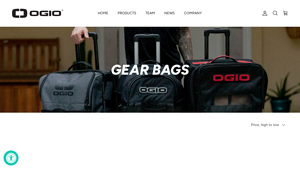
Domínio: ogiopowersports.com
Registrado: 2018 (7 anos)
Introdução: [{‘name’: ‘RIG T3’, ‘price’: ‘$499.99’}, {‘name’: ‘RIG 9800 PRO – BLUE/GRAY’, ‘price’: ‘$420.00’}, {‘name’: ‘RIG 9800 PRO – GREEN’, ‘price’: ‘$420.00’}, {‘name’: ‘RIG 9800 PRO – BLACK’, ‘price’: ‘$420.00’}, {‘name’: ‘RIG 9800 PRO – PLAIDLEY TAN/BLACK’, ‘price’: ‘$420.00’}, {‘name’: ‘RIG 9800 PRO – SUSHI’, ‘price’: ‘$420.00’}, {‘name’: ‘RIG 9800 PRO – TROPICS’, ‘price’: ‘$420.00’}, {‘name’: ‘RIG 98…
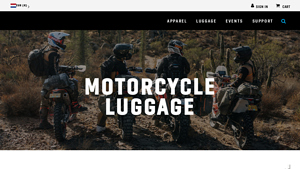
Domínio: moskomoto.com
Registrado: 2013 (12 anos)
Introdução: Essa empresa, Mosko Moto - Motorcycle Luggage Systems, é uma entidade notável no mercado. Para obter detalhes específicos do produto, é recomendável visitar diretamente o site da empresa.
Domínio: foxracing.com
Registrado: 1995 (30 anos)
Introdução: Motocross Gear Bags from Fox Racing include various styles and price ranges. Key products include: 180 Black Camo Duffle Gear Bag ($89.95), 180 Race Spec Duffle Gear Bag ($89.95), Podium 180 Black Camo Gear Bag ($149.95), Shuttle Divider Roller Gear Bag ($359.95), Podium Black Gear Bag ($224.95), Shuttle 180 Black Camo Roller Bag ($234.95), Utility Changing Mat Bag ($44.95), Goggle Case ($49.95), …
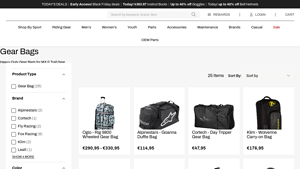
Domínio: btosports.com
Registrado: 1999 (26 anos)
Introdução: Gear Bags for storing motocross and off-road gear. 25 items available from various brands including Alpinestars, Cortech, Fly Racing, Fox Racing, Klim, Leatt, Moose Racing, O’Neal, Ogio, and Seven MX. Color options include Black, Blue, Brown, Camo, Green, Grey, Hi-Vis, Orange, Pink, Red, Silver, and Yellow. Price range varies from $13.95 to $499.99. Categories include Duffel Bags and Luggage & Bag…
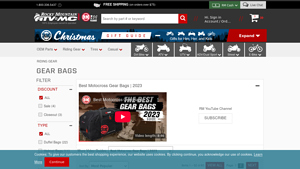
Domínio: rockymountainatvmc.com
Registrado: 2002 (23 anos)
Introdução: Principais detalhes do produto:
– Product Types: Gear Bags, including Duffel Bags, Helmet Bags, Roller Bags
– Brands: Alpinestars, Bell, EVS, Fly Racing, Fox Racing, Klim, KTM, Leatt, MSR™, O’Neal Racing, Ogio, Rocky Mountain ATV/MC, Thor
– Price Range: $15.95 to $375.00
– Notable Products:
– MSR™ Gear Bag: $39.99, Rated 4.77/5
– MSR™ Navigator Roller Gear Bag: $149.99, Rated 4.93/5
– Rocky Mountain AT…

Domínio: motorpsychosport.com
Registrado: 1999 (26 anos)
Introdução: Gearbags from Motor Psycho Sport include the OGIO RIG 9800 Gearbags. The site offers free shipping on orders over $50 and emphasizes support for a family-owned business. The product category includes various types of gearbags suitable for dirt biking and motorcycle riding.
As the demand for motorcycle gear bags continues to rise, particularly in emerging markets across Africa, South America, the Middle East, and Europe, strategic sourcing becomes increasingly vital for B2B buyers. Understanding the diverse offerings—from rugged duffel bags to sophisticated roller bags—enables businesses to tailor their inventory to meet specific customer needs. Key takeaways include the importance of selecting durable materials, recognizing the value of brand reputation, and ensuring versatility to accommodate various riding styles and conditions.
Illustrative image related to motorcycle gear bags
Investing in high-quality motorcycle gear bags not only enhances customer satisfaction but also strengthens brand loyalty. By leveraging strategic sourcing, buyers can optimize their supply chains, reduce costs, and access innovative products that resonate with their target markets.
Looking ahead, the motorcycle gear bag market is poised for growth, driven by an increase in recreational riding and adventure tourism. B2B buyers are encouraged to explore partnerships with reputable manufacturers and distributors to stay ahead of trends and meet the evolving demands of their clientele. Embrace this opportunity to elevate your offerings and become a leader in the motorcycle gear segment.
As informações fornecidas neste guia, inclusive o conteúdo referente a fabricantes, especificações técnicas e análise de mercado, são apenas para fins informativos e educacionais. Elas não constituem aconselhamento profissional sobre compras, aconselhamento financeiro ou aconselhamento jurídico.
Embora tenhamos feito todos os esforços para garantir a precisão e a atualidade das informações, não nos responsabilizamos por quaisquer erros, omissões ou informações desatualizadas. As condições de mercado, os detalhes da empresa e os padrões técnicos estão sujeitos a alterações.
Os compradores B2B devem realizar sua própria due diligence independente e completa antes de tomar qualquer decisão de compra. Isso inclui entrar em contato diretamente com os fornecedores, verificar as certificações, solicitar amostras e buscar consultoria profissional. O risco de confiar em qualquer informação contida neste guia é de responsabilidade exclusiva do leitor.


 Portuguese
  English
  Russian
  Spanish
  Italian
  Arabic
  German