
In today’s global market, sourcing a wall mount tire inflator that meets specific operational needs can be a daunting challenge for B2B buyers. With the increasing demand for efficient and reliable tire inflation solutions across various industries—ranging from automotive services to logistics—understanding the nuances of different models, applications, and features is crucial. This guide serves as a comprehensive resource, delving into the diverse types of wall mount tire inflators available, their applications in various sectors, and key considerations for supplier vetting and cost analysis.
International buyers, particularly from regions such as Africa, South America, the Middle East, and Europe—including countries like Saudi Arabia and Brazil—face unique challenges in navigating this market. Factors such as regional regulations, availability of parts, and compatibility with existing equipment must be thoroughly assessed. This guide empowers you to make informed purchasing decisions by providing actionable insights into product specifications, performance metrics, and maintenance requirements.
By leveraging the information presented herein, you can streamline your procurement process, ensuring that the wall mount tire inflator you choose not only enhances operational efficiency but also aligns with your business’s specific needs and budget constraints. Whether you are looking for a simple unit for occasional use or a high-capacity model for industrial applications, this guide is designed to help you confidently navigate the complexities of the global market for wall mount tire inflators.
| Nome do tipo | Principais características distintivas | Aplicativos B2B primários | Prós e contras resumidos para compradores |
|---|---|---|---|
| Automatic Tire Inflators | Digital gauges, preset PSI settings, hands-free operation | Automotive service centers, fleet maintenance | Prós: Efficient, precise inflation; Contras: Custo inicial mais alto. |
| Dual Power Tire Inflators | Operate on both AC and DC power, versatile for various settings | Workshops, roadside assistance | Prós: Flexibility in power sources; Contras: May require additional setup. |
| High-Pressure Wall-Mount Inflators | Capable of inflating to high PSI levels (up to 232 psi) | Commercial tire shops, heavy machinery maintenance | Prós: Fast inflation for large tires; Contras: Requires robust air supply. |
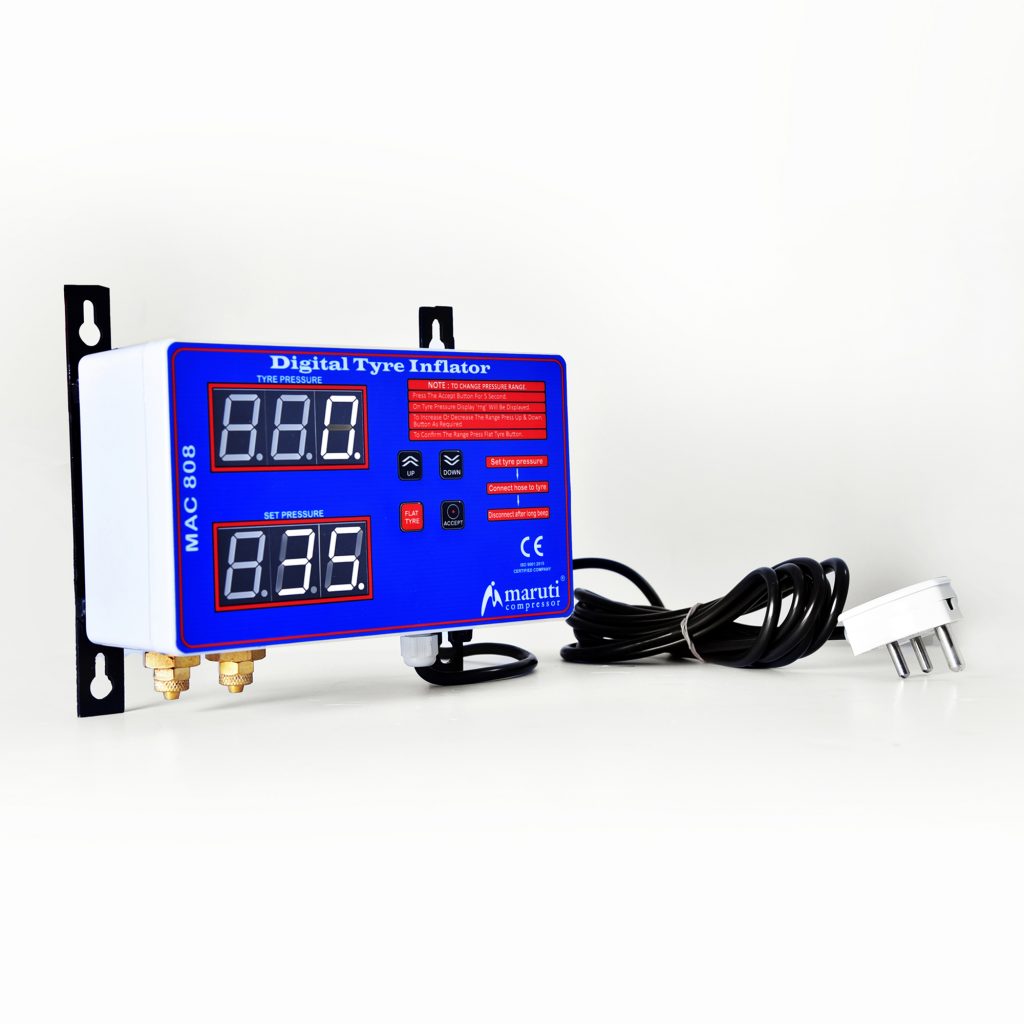
| Single Preset Tire Inflators | Simple operation with one preset PSI, ideal for basic needs | Small garages, personal use | Prós: Fácil de usar; Contras: Limited functionality for diverse tire types. |
| Infladores de pneus sem fio | Battery-operated, portable, no need for wall mounting | Mobile services, emergency kits | Prós: Great mobility; Contras: Limited battery life and power. |
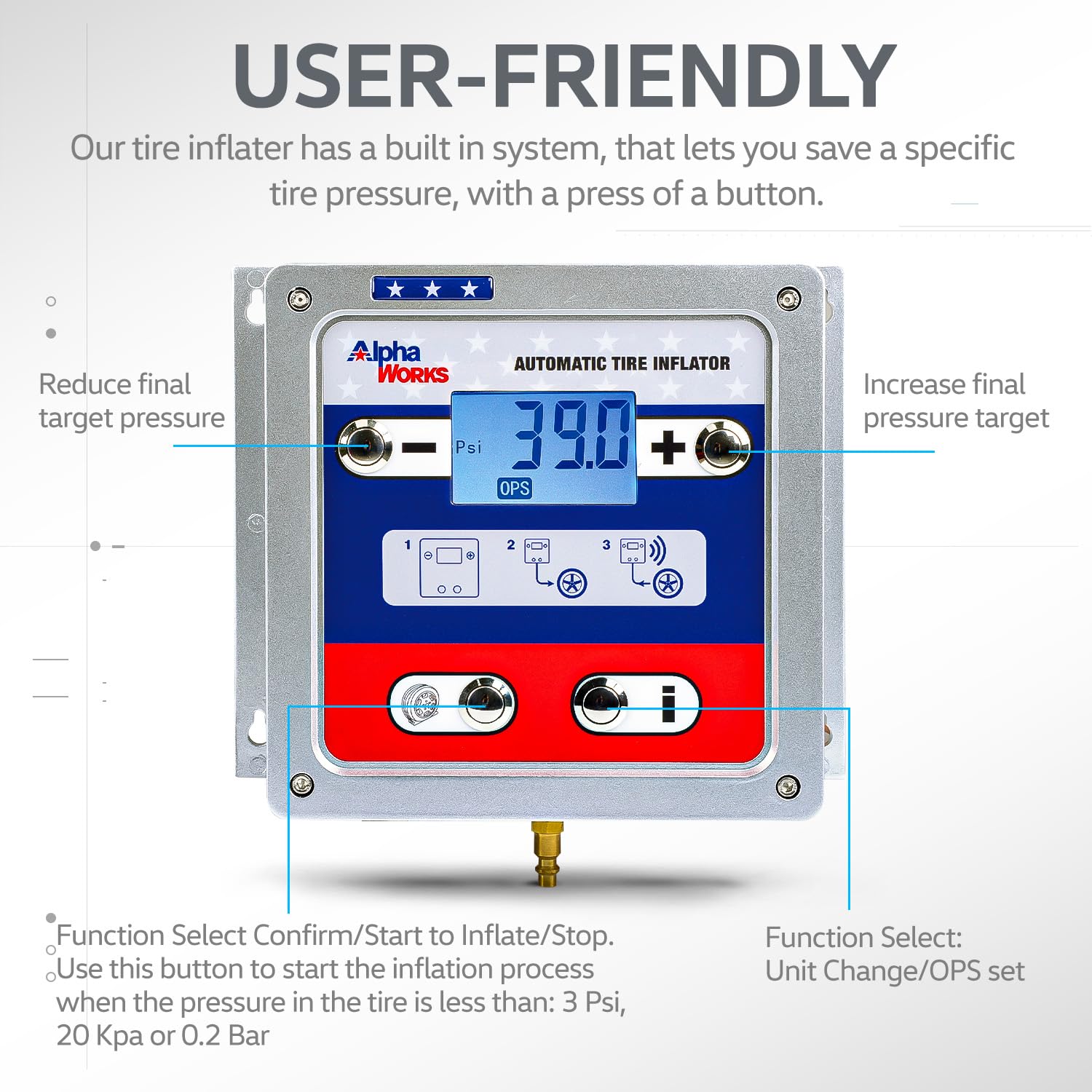
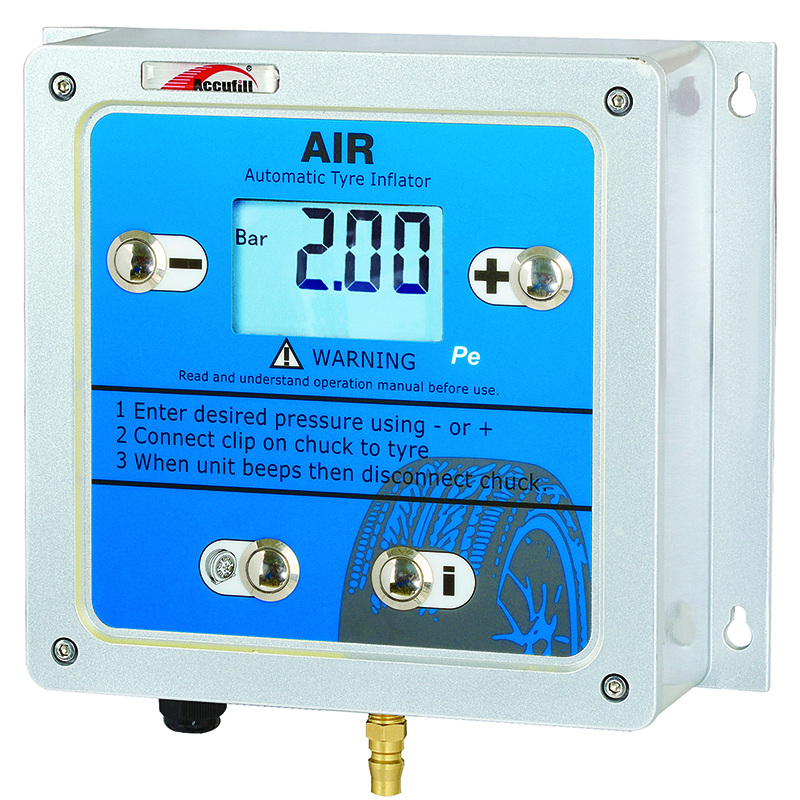
Automatic tire inflators are designed for efficiency and precision, featuring digital gauges and preset PSI settings that allow for hands-free operation. These inflators are ideal for automotive service centers and fleet maintenance operations, where quick and accurate tire inflation is essential. Buyers should consider the initial investment versus the time savings and reliability they offer, especially in high-volume environments.
Illustrative image related to wall mount tire inflator
Dual power tire inflators can operate on both AC and DC power, making them highly versatile for various settings, including workshops and roadside assistance. This flexibility allows businesses to utilize the inflator in different environments without worrying about power availability. However, potential buyers should evaluate the setup requirements and ensure compatibility with their existing equipment.
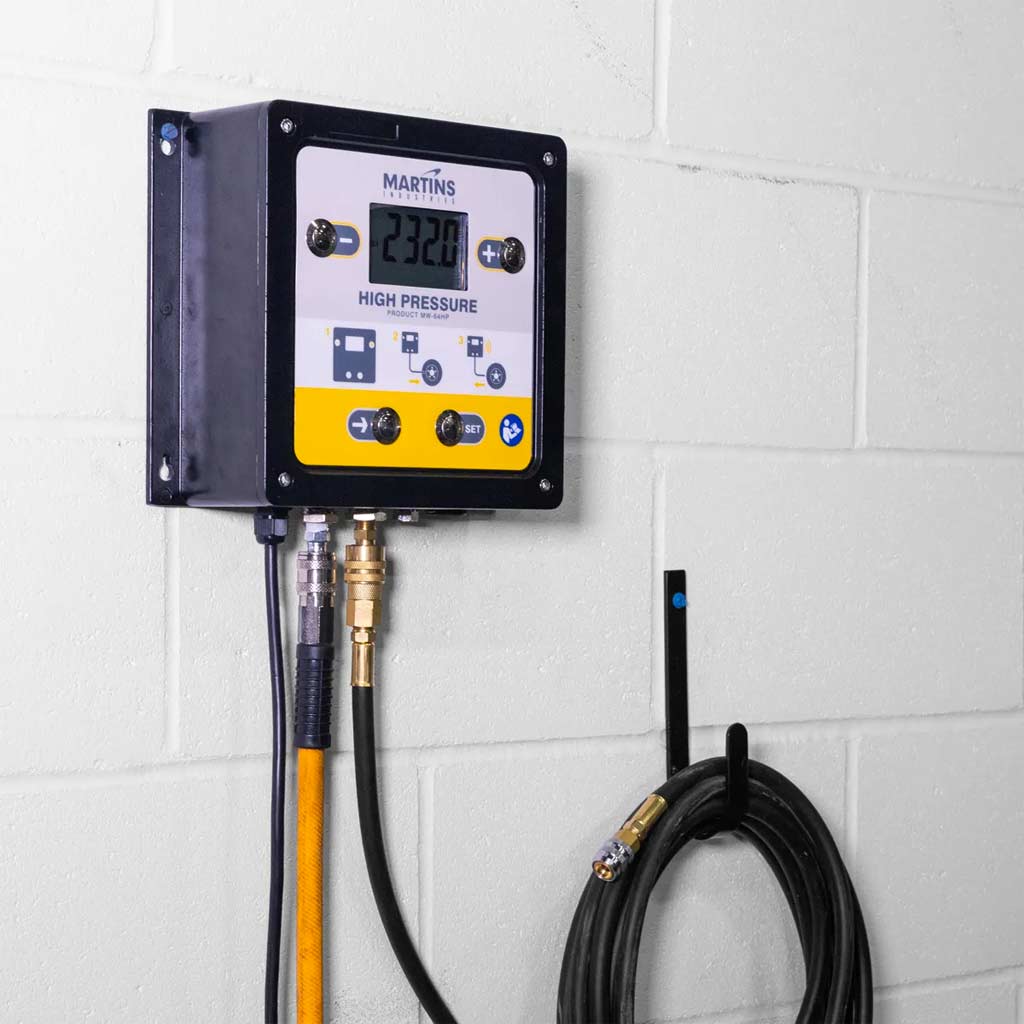
High-pressure wall-mount inflators are specifically designed to handle high PSI levels, making them essential in commercial tire shops and heavy machinery maintenance. They can quickly inflate tires up to 232 psi, which is crucial for large vehicles and equipment. While they provide fast and effective service, businesses must ensure they have a robust air supply to support these units.
Single preset tire inflators are designed for simplicity, operating with a single preset PSI for ease of use. They are suitable for small garages or personal use, where the need for complex functionalities is minimal. While they are user-friendly and cost-effective, buyers should be aware of their limitations in handling a variety of tire pressures.
Cordless tire inflators offer the advantage of portability, making them ideal for mobile services and emergency kits. Their battery-operated design allows for use in locations without immediate access to power sources. However, buyers need to consider the limited battery life and power output, ensuring that these inflators meet their operational needs without frequent recharging.
| Indústria/Setor | Specific Application of Wall Mount Tire Inflator | Valor/benefício para a empresa | Principais considerações de fornecimento para este aplicativo |
|---|---|---|---|
| Oficinas de reparo automotivo | Routine tire maintenance for vehicles in service | Enhances operational efficiency and reduces downtime | Compatibility with various tire types and pressures |
| Logistics and Fleet Management | Quick tire inflation for delivery and transport vehicles | Minimizes vehicle downtime, ensuring timely deliveries | High PSI capabilities and robust construction for durability |
| Manufacturing Facilities | Tire inflation for forklifts and other industrial vehicles | Improves safety and productivity in material handling | Needs to support high volume and quick inflation cycles |
| Car Dealerships | Preparing vehicles for sale with optimal tire pressure | Increases customer satisfaction and vehicle performance | Must be user-friendly and accurate for consistent results |
| Construction Sites | Inflation of tires on heavy machinery and equipment | Ensures operational safety and efficiency | Requires high-pressure capabilities and rugged design |
In automotive repair shops, wall mount tire inflators streamline the process of tire maintenance. These devices allow technicians to easily inflate or deflate tires to the correct pressure, enhancing the overall efficiency of service operations. By ensuring that vehicles are maintained at optimal tire pressure, repair shops can reduce the risk of tire-related issues and improve customer satisfaction. Buyers in this sector should consider inflators that are compatible with various tire types and pressures to cater to a diverse clientele.
Logistics and fleet management companies utilize wall mount tire inflators for quick and efficient tire inflation on delivery and transport vehicles. With the ability to maintain optimal tire pressure, these inflators help minimize vehicle downtime, which is crucial for meeting delivery schedules. For international buyers, especially in regions like Africa and South America, it is essential to source inflators that can handle high PSI capabilities and are built for rugged conditions, ensuring reliability in diverse environments.
In manufacturing facilities, wall mount tire inflators are vital for maintaining the tire pressure of forklifts and other industrial vehicles. Properly inflated tires enhance safety and productivity in material handling operations. Buyers from this sector should look for inflators that support high volume and quick inflation cycles, as these factors are critical for maintaining workflow efficiency in busy manufacturing settings.
Car dealerships benefit from wall mount tire inflators by ensuring that vehicles are presented for sale with optimal tire pressure. This practice not only enhances vehicle performance but also increases customer satisfaction. Dealerships should prioritize user-friendly and accurate inflators that can deliver consistent results, as this will enhance their service quality and reputation among potential buyers.
On construction sites, wall mount tire inflators are essential for inflating tires on heavy machinery and equipment. Maintaining proper tire pressure is critical for ensuring operational safety and efficiency in demanding conditions. Buyers in the construction industry should seek inflators with high-pressure capabilities and rugged designs to withstand the harsh environments typical of construction sites, ensuring that their equipment remains functional and safe.
O problema: Many B2B buyers in sectors like logistics or automotive repair face the challenge of maintaining consistent tire pressure across their fleet. Inconsistent tire pressure not only affects vehicle performance but also increases fuel consumption and leads to premature tire wear. For instance, a transportation company may experience significant operational disruptions due to a lack of reliable tire inflation solutions, leading to increased costs and reduced efficiency.
A solução: To tackle this issue, businesses should invest in wall-mounted tire inflators equipped with digital gauges and preset PSI options. This allows users to set the desired pressure for specific tire types, ensuring consistent inflation every time. When sourcing a wall-mounted tire inflator, prioritize models that feature automatic shut-off capabilities once the desired pressure is reached. This not only prevents over-inflation but also eliminates the need for constant monitoring, saving valuable time. Furthermore, consider units that can connect to existing compressed air systems for seamless integration into workshops or garages. Implementing a regular maintenance schedule for these inflators will also ensure long-term reliability, thereby maintaining tire performance and extending tire life.
Illustrative image related to wall mount tire inflator
O problema: In many industrial or commercial environments, space is a premium. B2B buyers often struggle to find tire inflators that fit into their limited workshop or garage spaces without compromising functionality. A bulky inflator can obstruct workflow, create safety hazards, and lead to inefficient operations, especially in high-traffic areas where every square foot counts.
A solução: Opt for compact, wall-mounted tire inflators that maximize vertical space. When evaluating options, look for models that are specifically designed for tight spaces and have a slim profile. Some inflators come with retractable hoses and quick-connect fittings, allowing for easy storage and access. Furthermore, ensure that the inflator has versatile mounting options to adapt to various wall types and configurations. Incorporating a designated inflation station with signage can also streamline the workflow, making it easy for employees to locate and utilize the inflator without cluttering the workspace. Regular training on the efficient use of these inflators can also enhance productivity and safety.
O problema: Many businesses rely on manual tire inflators, which can lead to inconsistencies in tire pressure and increased labor costs. Employees may struggle with manual pumps, resulting in wasted time and potential inaccuracies. In industries such as construction or transportation, where time is of the essence, the inefficiencies of manual systems can hinder operations and reduce overall productivity.
A solução: Transitioning to automatic wall-mounted tire inflators can drastically improve the inflation process. These devices are user-friendly and can be operated with minimal training, allowing employees to achieve precise tire pressure effortlessly. When selecting an automatic inflator, ensure it features a digital display and a user-friendly interface. Some models also offer programmable settings for different tire types, which can save even more time. Additionally, consider investing in inflators that support nitrogen inflation, as this can enhance tire performance and longevity. Conducting regular training sessions on the use of these advanced inflators can further empower staff, reduce errors, and ultimately lead to smoother operations across the board.
When selecting a wall mount tire inflator, the choice of materials is crucial to ensure optimal performance, durability, and compliance with international standards. Below, we analyze four common materials used in the construction of these inflators: aluminum, steel, plastic, and brass.
Aluminum is a popular choice for wall mount tire inflators due to its lightweight and corrosion-resistant properties. It typically has a maximum pressure rating of around 232 psi, making it suitable for both standard and high-pressure applications. The material’s resistance to rust and oxidation enhances its longevity, particularly in humid or coastal environments.
Illustrative image related to wall mount tire inflator
Prós:
– Lightweight, which simplifies installation and reduces shipping costs.
– Excellent corrosion resistance, enhancing durability.
– Good thermal conductivity, allowing for efficient heat dissipation.
Contras:
– Higher cost compared to some alternatives like plastic.
– Can be less impact-resistant than steel, making it more susceptible to dents.
Impacto no aplicativo: Aluminum’s compatibility with various media, including air and nitrogen, makes it versatile for different tire inflation needs.
Considerações para compradores internacionais: Buyers from regions like Africa and the Middle East should ensure compliance with local standards for pressure equipment, as well as consider the material’s performance in varying temperatures.
Steel is another common material used in wall mount tire inflators, particularly in heavy-duty models. It boasts a high tensile strength and can withstand extreme pressures, often exceeding 300 psi.
Prós:
– High durability and resistance to physical damage.
– Cost-effective for large-scale production.
– Can be treated for additional corrosion resistance (e.g., galvanization).
Contras:
– Heavier than aluminum, which may complicate installation.
– Prone to rust if not properly coated or maintained.

Illustrative image related to wall mount tire inflator
Impacto no aplicativo: Steel’s robustness makes it ideal for industrial applications where heavy use is expected. However, it may require additional maintenance to prevent rust, especially in humid environments.
Considerações para compradores internacionais: Compliance with standards such as ASTM for materials and pressure ratings is essential, particularly in regions with stringent safety regulations.
Plastic is often used in the housing and components of wall mount tire inflators. It is lightweight and can be molded into complex shapes, making it suitable for ergonomic designs.
Prós:
– Very lightweight, facilitating easy installation.
– Resistant to corrosion and chemical damage.
– Cost-effective for mass production.
Contras:
– Generally lower pressure resistance compared to metals.
– May degrade over time when exposed to UV light.
Illustrative image related to wall mount tire inflator
Impacto no aplicativo: While plastic components may be suitable for low-pressure applications, they may not withstand the demands of high-pressure tire inflation.
Considerações para compradores internacionais: Buyers should verify that the plastic materials used are compliant with local regulations regarding chemical safety and environmental impact.
Brass is commonly used for fittings and valves in tire inflators due to its excellent corrosion resistance and machinability. It can handle pressures of up to 150 psi, making it suitable for various applications.
Prós:
– Good corrosion resistance, particularly against moisture.
– High machinability allows for precise fittings.
– Durable and long-lasting under normal operating conditions.
Contras:
– More expensive than plastic and some steel options.
– Heavier than aluminum, which may affect overall weight.
Impacto no aplicativo: Brass is ideal for components that require precision and durability, such as valve assemblies.
Considerações para compradores internacionais: Ensure that brass components meet local standards for lead content, as regulations may vary significantly across regions.
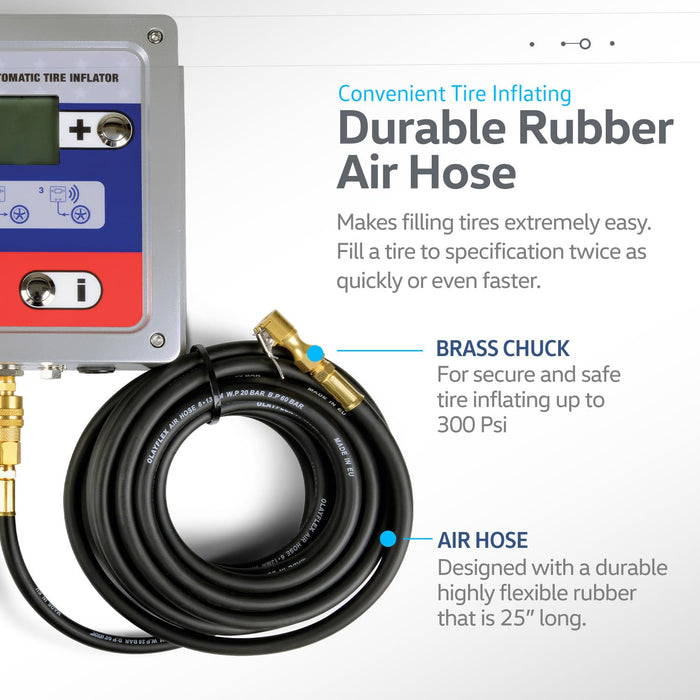
Illustrative image related to wall mount tire inflator
| Material | Typical Use Case for Wall Mount Tire Inflator | Principais vantagens | Principal desvantagem/limitação | Custo relativo (baixo/médio/alto) |
|---|---|---|---|---|
| Alumínio | Lightweight inflators for general use | Excellent corrosion resistance | Less impact-resistant than steel | Médio |
| Aço | Heavy-duty industrial inflators | Alta durabilidade e resistência | Prone to rust without coating | Baixa |
| Plástico | Housing and non-pressurized components | Leve e resistente à corrosão | Lower pressure resistance | Baixa |
| Latão | Fittings and valves | Good corrosion resistance | More expensive than alternatives | Médio |
This guide provides actionable insights for B2B buyers, helping them make informed decisions based on material properties, application suitability, and compliance considerations.
Manufacturing wall mount tire inflators involves several critical stages, each designed to ensure the efficiency, durability, and accuracy of the final product. The primary stages include material preparation, forming, assembly, and finishing.
Preparação de materiais: The process begins with sourcing high-quality materials, typically aluminum or robust plastics, which are essential for the inflator’s durability and performance. Manufacturers often conduct thorough inspections of raw materials to ensure they meet specified standards, reducing the risk of defects later in the production process.
Formação: Once materials are prepared, they undergo forming processes such as stamping, extrusion, or machining. For example, aluminum parts may be extruded to create specific shapes, while plastic components are often molded. These techniques are chosen based on the design requirements of the inflator, such as pressure tolerance and weight considerations.
Montagem: After forming, the components are assembled. This stage may involve both manual and automated processes, ensuring that electronic parts, hoses, and gauges are correctly fitted. Precision is crucial here, as any misalignment can affect the inflator’s performance. Advanced assembly techniques, like robotic arms for complex tasks, can enhance efficiency and reduce human error.
Acabamento: The final stage includes surface treatments, painting, and the application of protective coatings. This not only enhances the aesthetic appeal of the inflator but also contributes to corrosion resistance and durability. Quality checks during this stage ensure that the products meet branding and safety standards before they are packaged for distribution.
Quality assurance (QA) is vital in the manufacturing process of wall mount tire inflators, ensuring that every unit meets international standards and customer expectations.
Padrões internacionais: Many manufacturers adhere to ISO 9001, which sets criteria for a quality management system. Compliance with this standard signifies that the manufacturer consistently provides products that meet customer and regulatory requirements. Additionally, industry-specific certifications like CE for European markets and API for certain applications can be crucial for B2B buyers.
Pontos de verificação de controle de qualidade: Implementing a robust quality control system involves several checkpoints throughout the manufacturing process.
Controle de qualidade de entrada (IQC): This initial checkpoint involves inspecting raw materials before they are used in production. It ensures that only materials that meet specific criteria are utilized.
Controle de qualidade durante o processo (IPQC): During assembly, continuous monitoring is conducted to catch any defects early. This may involve testing the inflators for pressure accuracy and functional integrity at various stages of assembly.
Controle de qualidade final (FQC): After assembly and finishing, each inflator undergoes a final inspection. This includes functional tests and performance evaluations to ensure they operate within specified parameters.
When sourcing wall mount tire inflators, B2B buyers must ensure their suppliers maintain rigorous quality control standards. Here are actionable steps to verify these processes:
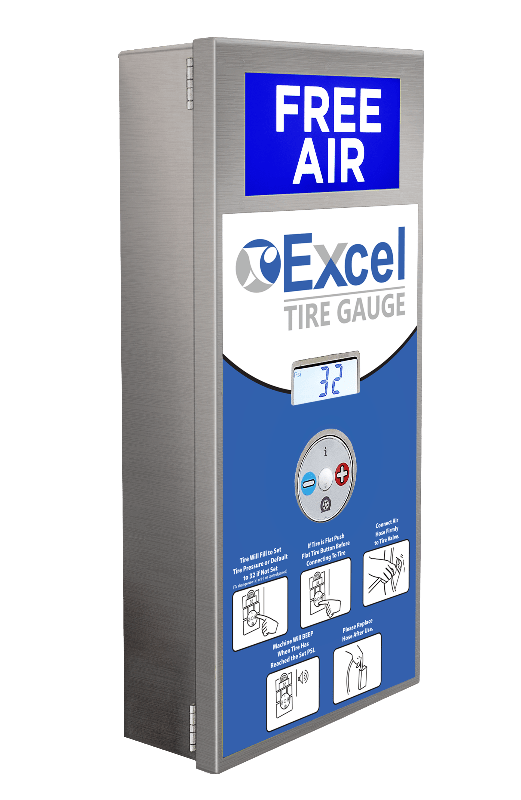
Illustrative image related to wall mount tire inflator
Auditorias de fornecedores: Conducting on-site audits allows buyers to assess the manufacturing environment, quality control procedures, and compliance with international standards. This is particularly important for buyers from regions like Africa and South America, where regulatory compliance may vary.
Quality Control Reports: Requesting documentation such as IQC, IPQC, and FQC reports can provide insights into the supplier’s quality assurance processes. These reports should detail inspection results, testing methodologies, and any corrective actions taken.
Inspeções de terceiros: Engaging independent third-party organizations to conduct inspections can provide an unbiased assessment of the supplier’s quality control measures. This is especially beneficial for B2B buyers operating in the Middle East and Europe, where import regulations may require proof of compliance with specific standards.
International B2B buyers face unique challenges regarding quality control when sourcing wall mount tire inflators. Understanding these nuances can facilitate smoother transactions and ensure product reliability.
Conformidade regulatória: Different regions have varying regulations concerning product safety and quality. Buyers from Europe, for example, must ensure that products are CE certified, while those in Saudi Arabia might require compliance with local standards. Familiarity with these requirements is essential to avoid customs issues and ensure market acceptance.
Cultural and Language Barriers: Communication challenges can arise during negotiations and audits. Buyers should consider working with local representatives or translators to facilitate clearer understanding and ensure that quality control expectations are explicitly conveyed.
Considerações sobre logística e cadeia de suprimentos: The supply chain’s reliability can impact product quality. Buyers should evaluate their suppliers’ logistics capabilities, including their ability to deliver consistent quality across different production batches and manage potential disruptions in the supply chain.
For B2B buyers sourcing wall mount tire inflators, understanding the manufacturing processes and quality assurance measures is crucial for ensuring product reliability and compliance with international standards. By engaging with suppliers through audits, requesting quality control documentation, and understanding regional regulations, buyers can mitigate risks and make informed purchasing decisions.
When sourcing a wall mount tire inflator, it is essential for B2B buyers to follow a structured approach to ensure they select a product that meets their operational needs and quality standards. This guide outlines key steps to facilitate a successful procurement process.
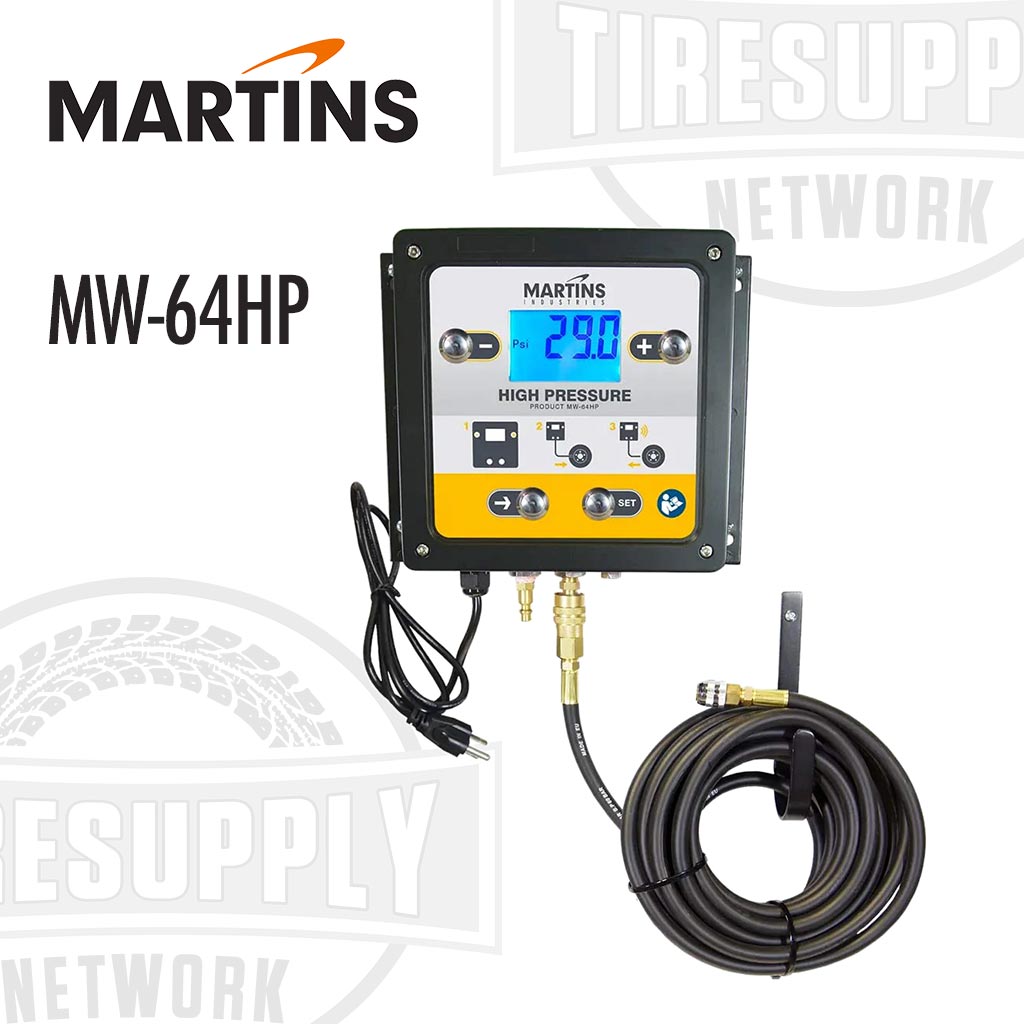
Illustrative image related to wall mount tire inflator
Identify the specific requirements for your operation. Consider the types of vehicles you will be servicing and the necessary pressure range for tire inflation. For example, a unit that can handle pressures up to 232 psi is essential for heavy-duty vehicles, while a lower pressure range may suffice for passenger cars.
Determine the power supply available at your installation site. Most wall-mounted tire inflators require a standard AC power supply, typically 110-240V. Knowing this will help you avoid compatibility issues.
Conduct thorough research on potential suppliers. It’s vital to verify their reputation and reliability within the industry. Request company profiles, product catalogs, and references from other businesses in your region.
Examine the features that add value to your operations. Modern tire inflators come equipped with various functionalities that enhance usability, such as automatic shut-off, digital gauges, and compatibility with nitrogen inflation.
Evaluate the maintenance requirements and support offered by the supplier. Regular maintenance is crucial for longevity and performance, so understanding these aspects beforehand can save you future costs.
Compare pricing among different suppliers to ensure you are getting a competitive deal. While the initial cost is important, consider the total cost of ownership, including maintenance and potential energy savings.
Make an informed decision based on the gathered data. After evaluating all factors, select the supplier that best meets your needs and place your order. Ensure to confirm shipping details and estimated delivery times.
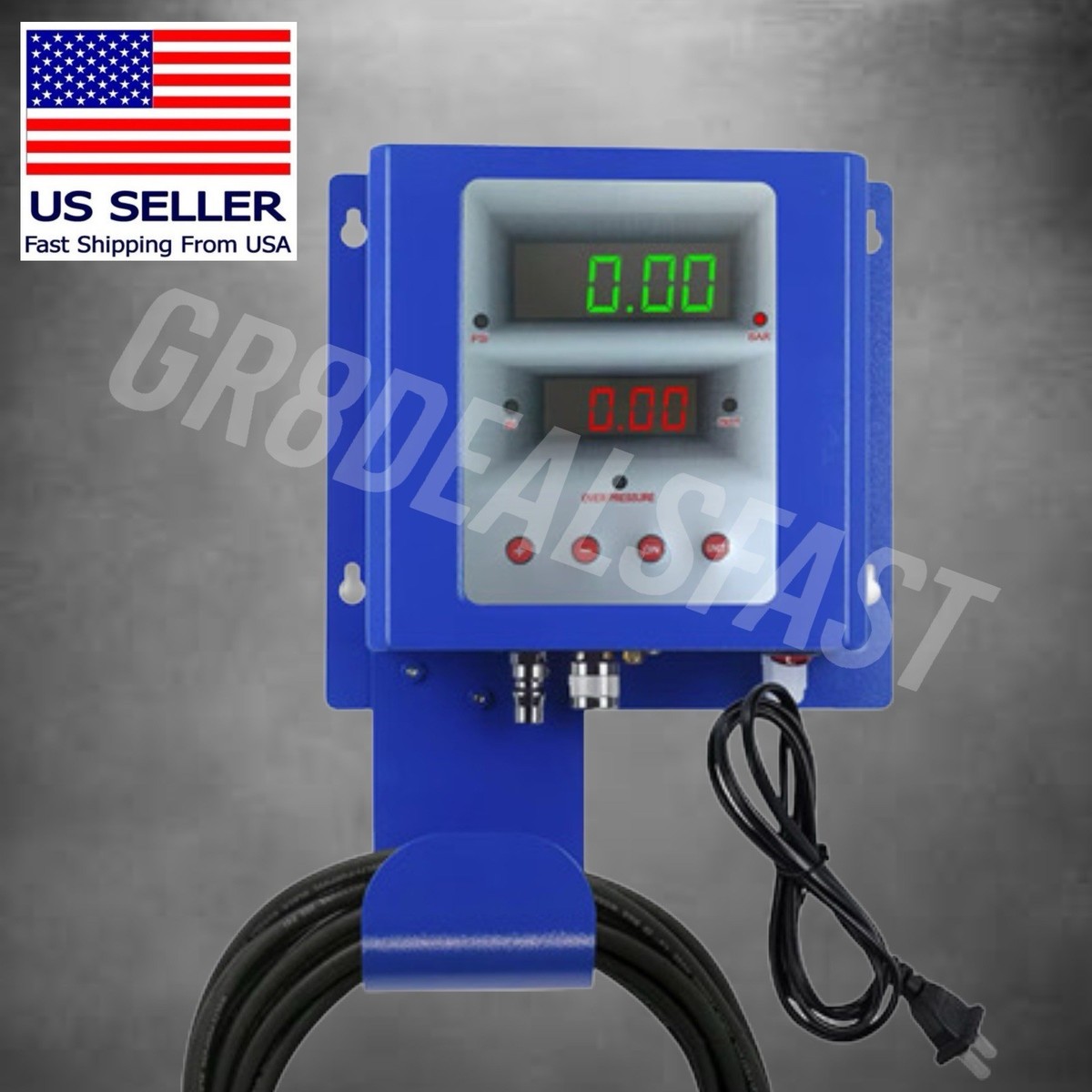
Illustrative image related to wall mount tire inflator
Following this checklist will help you effectively navigate the procurement process for wall mount tire inflators, ensuring a reliable and efficient solution for your business needs.
When sourcing wall mount tire inflators, several cost components should be analyzed to understand the total expenditure involved. The primary cost components include materials, labor, manufacturing overhead, tooling, quality control (QC), logistics, and profit margin.
Materiais: The type of materials used significantly influences the cost. High-quality components such as durable plastic housing, advanced electronic sensors, and robust hoses can increase the overall cost. Buyers should assess the balance between quality and price, particularly for inflators intended for commercial use.
Trabalho: Labor costs vary by region and can impact the overall pricing structure. In regions with higher labor costs, such as parts of Europe, manufacturers may charge more for their products. Conversely, sourcing from countries with lower labor costs might offer savings, but this could come at the expense of quality control.
Custos indiretos de fabricação: This includes indirect costs associated with production, such as utilities, rent, and administrative expenses. Manufacturers often factor these costs into their pricing, which can vary significantly based on their operational efficiency.
Ferramentas: If customization is required, tooling costs can be substantial. For instance, creating specific molds for unique designs or features can increase upfront costs but may provide long-term savings through economies of scale.
Controle de qualidade (QC): Rigorous quality control measures ensure that the inflators meet industry standards. However, stringent QC processes can add to the cost. Buyers should consider the importance of certifications (like CE or ISO) in their purchasing decision, as these can impact both price and reliability.
Logística: Transportation and handling costs can vary widely based on geographic location and chosen Incoterms. International shipping, customs duties, and insurance should all be factored into the total cost. Buyers in Africa and South America, for instance, may face higher logistics costs due to infrastructure challenges.
Margem: Finally, the supplier’s margin will affect the final price. This can depend on the supplier’s reputation, market demand, and competition.
Several factors can influence the pricing of wall mount tire inflators, which are crucial for international B2B buyers to understand.
Volume/MOQ: Purchasing in larger volumes often results in reduced per-unit costs. Buyers should inquire about minimum order quantities (MOQ) and negotiate pricing based on anticipated order sizes.
Especificações e personalização: Custom features or specifications can lead to price increases. Buyers should evaluate whether they need specific functionalities, such as digital gauges or automatic inflation capabilities, and how these affect costs.
Materials and Quality: The choice of materials not only affects durability but also influences price. Buyers should weigh the benefits of investing in higher-quality materials against budget constraints.
Fatores do fornecedor: The reputation and reliability of the supplier can impact pricing. Established suppliers may charge a premium for their products due to perceived reliability and service, while emerging suppliers may offer lower prices to gain market share.
Incoterms: Understanding Incoterms is vital for international buyers, as they dictate who bears the cost and risk during shipping. Choosing the right terms can significantly impact overall pricing.
Negociação: Engage suppliers in discussions about pricing. Highlighting your purchasing power, such as consistent bulk orders, can lead to more favorable terms.
Cost Efficiency: Evaluate the total cost of ownership (TCO), which includes purchase price, maintenance, and operational costs. Sometimes, investing in a higher-quality inflator can lead to lower TCO in the long run due to durability and efficiency.
Nuances de preços para mercados internacionais: International buyers should be aware of currency fluctuations and their impact on pricing. Additionally, consider local market conditions, as prices can vary significantly between regions like Saudi Arabia and Brazil.
Isenção de responsabilidade sobre preços indicativos: Always clarify that prices can fluctuate based on market conditions, supplier changes, or raw material availability. Obtaining quotes from multiple suppliers can provide a clearer picture of the current market landscape.
By carefully analyzing these cost components, price influencers, and negotiation strategies, B2B buyers can make informed decisions when sourcing wall mount tire inflators that align with their operational needs and budget constraints.
In the realm of tire inflation, wall mount tire inflators serve as a reliable solution for businesses seeking efficiency and convenience. However, various alternative technologies and methods can fulfill similar needs, each with unique advantages and limitations. Understanding these alternatives allows B2B buyers to make informed decisions tailored to their operational requirements.

Illustrative image related to wall mount tire inflator
| Aspecto de comparação | Wall Mount Tire Inflator | Inflador de pneus portátil | Centralized Air Compressor System |
|---|---|---|---|
| Desempenho | High accuracy, preset PSI | Moderate accuracy, manual setting | High efficiency, multiple outlets |
| Custo | Moderate ($500 – $900) | Low to moderate ($30 – $200) | High ($1,000+) |
| Facilidade de implementação | Easy installation on a wall | Plug-and-play, minimal setup | Complex installation, requires plumbing |
| Manutenção | Low, minimal servicing required | Low, replaceable components | Moderate, requires regular checks |
| Melhor caso de uso | Commercial garages, workshops | Roadside assistance, personal use | Large facilities, fleet operations |
Inflador de pneus portátil
Portable tire inflators are compact, lightweight devices designed for on-the-go inflation. They typically connect to a vehicle’s 12V outlet or utilize batteries, making them highly versatile. The primary advantage is their affordability and ease of use, ideal for personal vehicles or emergency roadside situations. However, they often lack the precision of wall-mounted options, and manual setting of pressure can lead to user error. For businesses focusing on convenience and budget, portable inflators are a practical choice, though they may not suffice for high-volume applications.
Centralized Air Compressor System
Centralized air compressor systems are robust setups that supply compressed air to multiple outlets across a facility. They excel in high-demand environments, such as automotive repair shops or manufacturing plants, where multiple tools and equipment require constant air supply. The efficiency and capacity of these systems are significant advantages, allowing for simultaneous tire inflation and tool operation. However, the installation process is complex and costly, often necessitating professional assistance. Maintenance can also be a factor, as these systems require regular checks to ensure optimal performance. Centralized systems are best suited for large operations with substantial air needs.
When selecting a tire inflation solution, B2B buyers must consider their specific operational needs, budget constraints, and the volume of tire maintenance required. Wall mount tire inflators offer precision and convenience for commercial settings, while portable inflators provide flexibility for less frequent use. On the other hand, centralized air compressor systems cater to high-demand environments but come with higher costs and maintenance requirements. By evaluating these alternatives against their unique operational demands, businesses can choose the most effective tire inflation solution to enhance efficiency and productivity.
When selecting wall mount tire inflators, understanding the essential technical properties is crucial for ensuring optimal performance and reliability in various business environments. Here are some of the most critical specifications:
Pressure Range and Accuracy
– Definição: This refers to the maximum and minimum pressure (measured in PSI) the inflator can achieve. Accuracy indicates how closely the measured pressure reflects the actual pressure, often noted as a tolerance level (e.g., +/- 0.3 PSI).
– Importance: For businesses that require precise tire inflation, such as automotive service centers or fleet operators, knowing the pressure range and accuracy is vital to maintain safety and efficiency.
Power Requirements
– Definição: This specification indicates the voltage and current needed to operate the inflator, often ranging from 110V to 240V, depending on the model.
– Importance: Understanding power requirements is essential for ensuring compatibility with existing electrical systems in workshops or service stations, preventing operational downtime due to electrical issues.
Velocidade de inflação
– Definição: This metric denotes how quickly the inflator can fill a tire to a specified pressure, typically measured in minutes.
– Importance: Fast inflation speeds are crucial for businesses that need to minimize vehicle downtime. High-efficiency inflators can significantly enhance productivity in busy environments.
Material and Build Quality
– Definição: The construction materials (e.g., aluminum, plastic) and overall design quality affect durability and resistance to wear and tear.
– Importance: Robust construction is essential for units exposed to harsh environments, ensuring longevity and reducing the need for frequent replacements or repairs.
Compatibility with Nitrogen Inflation
– Definição: Some tire inflators are designed to handle nitrogen inflation, which is preferred in certain applications due to its benefits in tire pressure stability.
– Importance: For businesses that operate in high-performance sectors, such as racing or heavy-duty vehicles, nitrogen compatibility can enhance tire performance and longevity.
Understanding industry jargon is equally important for B2B buyers. Here are several key terms relevant to the procurement of wall mount tire inflators:
OEM (fabricante original do equipamento)
– Definição: An OEM produces components or products that are sold under another company’s brand.
– Importance: B2B buyers often source inflators from OEMs to ensure quality and compatibility with existing systems.
MOQ (Quantidade mínima de pedido)
– Definição: The smallest quantity of a product that a supplier is willing to sell.
– Importance: Knowing the MOQ is crucial for budgeting and inventory planning, especially for businesses looking to maintain stock levels without overcommitting resources.
RFQ (Request for Quotation, solicitação de cotação)
– Definição: A document issued by a buyer to solicit price offers from suppliers for a specific quantity of goods.
– Importance: RFQs are essential for comparing prices and terms from various suppliers, aiding in making informed purchasing decisions.
Incoterms (Termos Comerciais Internacionais)
– Definição: A series of predefined commercial terms published by the International Chamber of Commerce (ICC) that clarify the responsibilities of buyers and sellers in international transactions.
– Importance: Understanding Incoterms helps businesses manage logistics and shipping costs, ensuring that all parties are clear on delivery responsibilities.
Calibração
– Definição: The process of adjusting the accuracy of the inflator’s measurements.
– Importance: Regular calibration ensures that inflators maintain precise pressure readings, which is critical for safety and operational efficiency in tire maintenance.
Maintenance and Warranty Terms
– Definição: Provisions outlining the care required to keep the inflator functioning and the conditions under which the manufacturer guarantees repairs or replacements.
– Importance: Knowing these terms helps businesses plan for long-term use and potential costs associated with service or replacement, impacting overall operational budgets.
By familiarizing themselves with these technical properties and trade terms, B2B buyers can make informed decisions when sourcing wall mount tire inflators that meet their specific operational needs.
The wall mount tire inflator market is experiencing robust growth, driven by several global factors. Increasing vehicle ownership across emerging markets in Africa, South America, and the Middle East is leading to a higher demand for efficient tire maintenance solutions. Additionally, the growing awareness of vehicle safety and performance is prompting businesses to invest in reliable tire inflators. Technological advancements, such as automatic inflation systems and digital pressure gauges, are also reshaping the sector, making inflators more user-friendly and precise.
Emerging B2B tech trends include the integration of IoT (Internet of Things) capabilities into tire inflators, allowing for real-time monitoring and maintenance alerts. Buyers are increasingly looking for equipment that enhances operational efficiency, reduces labor costs, and provides data analytics on tire health. Moreover, the trend towards automation is evident, with many businesses favoring wall-mounted systems that require minimal manual intervention.
In terms of sourcing, international buyers are focusing on suppliers who offer customizable solutions to meet specific regional needs, such as voltage compatibility and pressure requirements. The market dynamics also reflect a shift towards centralized procurement strategies, where companies seek to consolidate their suppliers to streamline operations and reduce costs.
Sustainability is becoming a pivotal concern in the sourcing of wall mount tire inflators. The environmental impact of manufacturing processes, including energy consumption and waste generation, is under scrutiny. As a result, B2B buyers are increasingly prioritizing suppliers that adhere to sustainable practices and offer products designed for durability and efficiency.
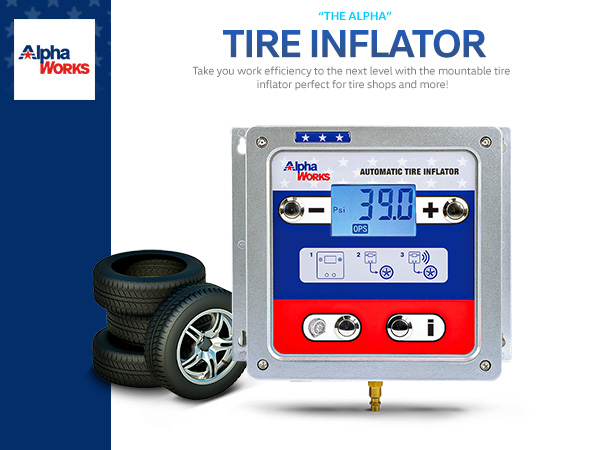
Illustrative image related to wall mount tire inflator
Ethical sourcing is also gaining traction, with businesses looking for manufacturers that ensure fair labor practices and responsible material sourcing. Certifications related to environmental standards, such as ISO 14001 or Energy Star, are becoming essential for suppliers aiming to differentiate themselves in a competitive market.
Moreover, the use of eco-friendly materials in the production of tire inflators is on the rise. Suppliers that incorporate recyclable components or utilize low-impact manufacturing processes are likely to appeal more to conscientious buyers. This shift not only aligns with global sustainability goals but also enhances brand reputation, making it a crucial factor for companies looking to establish long-term relationships with their suppliers.
The evolution of wall mount tire inflators reflects broader trends in automotive care and maintenance. Initially, tire inflators were primarily mechanical devices requiring manual operation. However, with advancements in technology, the introduction of electric and automatic inflators has transformed the market, offering greater efficiency and ease of use.
Over the years, features such as digital displays, preset pressure settings, and automatic shut-off mechanisms have become standard, catering to the needs of both commercial and residential users. As vehicle technology has progressed, so too has the demand for advanced inflators capable of servicing increasingly sophisticated tire designs, including those requiring higher pressures or specialized inflation methods like nitrogen filling.
This evolution underscores the importance of innovation in the wall mount tire inflator sector, as manufacturers continuously seek to meet the demands of a dynamic market. For international B2B buyers, understanding this historical context can provide valuable insights into selecting suppliers that are not only technologically adept but also forward-thinking in their product development strategies.
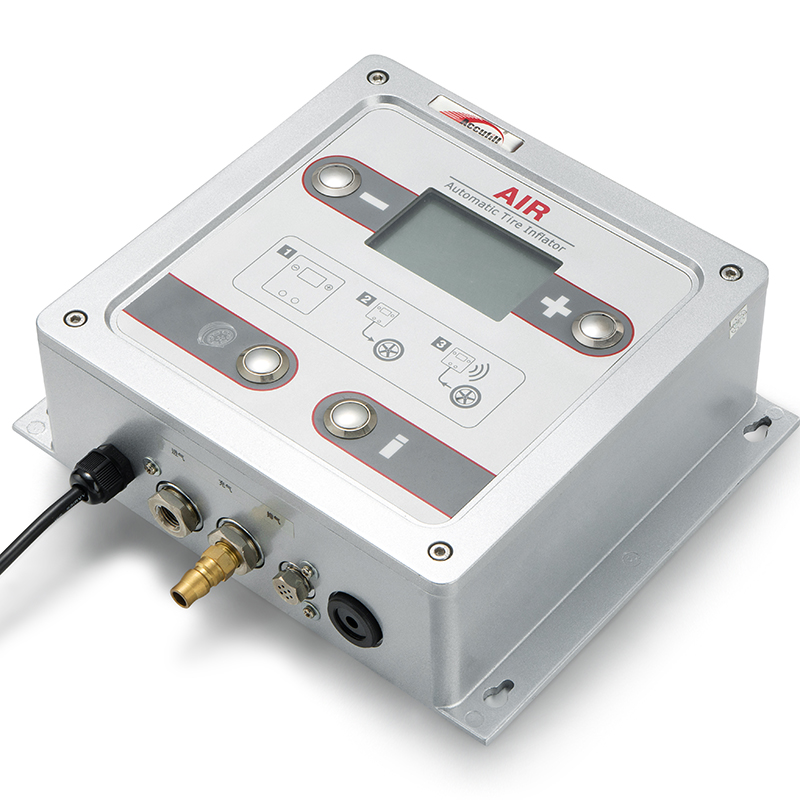
Illustrative image related to wall mount tire inflator
How do I choose the right wall mount tire inflator for my business needs?
Selecting the appropriate wall mount tire inflator involves evaluating your specific requirements, such as the types of vehicles you service, the desired pressure range, and the volume of tires you inflate daily. Consider features like automatic inflation, digital gauges, and compatibility with nitrogen systems, especially if you handle high-performance or commercial vehicles. Additionally, assess the inflator’s durability and ease of maintenance, as these factors can impact long-term operational efficiency and cost.
What features should I look for in a wall mount tire inflator?
Key features to consider include automatic inflation capabilities, adjustable pressure settings, and digital display for accurate readings. Additionally, look for compatibility with nitrogen inflation, which can enhance tire performance and longevity. A long air hose and a quick connect chuck can also improve usability. Ensure the inflator is built with durable materials for longevity, especially in high-usage environments, and check for warranty coverage to safeguard your investment.
What are the payment terms typically offered by suppliers for wall mount tire inflators?
Payment terms can vary widely among suppliers, but common options include full payment upfront, partial payment with the balance due upon delivery, or extended payment plans for larger orders. International buyers should also inquire about the acceptance of various payment methods, such as letters of credit, bank transfers, or online payment platforms. It’s crucial to clarify these terms before finalizing any agreements to avoid misunderstandings and ensure smooth transactions.
How can I verify the reliability of a wall mount tire inflator supplier?
To ensure a supplier’s reliability, conduct thorough research by checking their business credentials, customer reviews, and industry reputation. Request references from previous clients and inquire about their product quality assurance processes. Additionally, assess their compliance with international standards and certifications relevant to your region. Engaging in direct communication and discussing your specific needs can also provide insights into their customer service and responsiveness.
What is the minimum order quantity (MOQ) for wall mount tire inflators?
Minimum order quantities for wall mount tire inflators can vary significantly based on the supplier and the product type. Typically, MOQs may range from a single unit for smaller suppliers to larger quantities (e.g., 10-100 units) for manufacturers. It’s important to discuss your needs with potential suppliers to negotiate terms that align with your business model. Some suppliers may offer flexibility for first-time buyers or provide sample units for testing before committing to a larger order.
How do I ensure quality assurance for wall mount tire inflators?
To ensure quality assurance, request detailed specifications and certifications for the wall mount tire inflators from your supplier. Inquire about their quality control processes, including testing protocols for product performance and durability. Establishing a clear agreement on quality standards and inspection criteria can help mitigate risks. Additionally, consider conducting third-party inspections or audits, especially for bulk orders, to verify product quality before shipment.
What logistics considerations should I be aware of when importing wall mount tire inflators?
When importing wall mount tire inflators, consider shipping methods, customs regulations, and potential tariffs that may apply to your region. Engage with logistics partners who are experienced in handling international shipments to navigate these complexities effectively. It’s also advisable to plan for lead times in production and shipping to avoid disruptions in your supply chain. Ensure that all documentation, including invoices and shipping manifests, is accurate to facilitate smooth customs clearance.
Can wall mount tire inflators be customized to meet my specific needs?
Many suppliers offer customization options for wall mount tire inflators, which may include branding, specific pressure settings, or additional features tailored to your operational requirements. Discuss your customization needs with potential suppliers to explore available options. Be aware that custom orders may have different MOQs and lead times. Ensure that you receive clear documentation of the agreed-upon specifications to prevent any discrepancies during production.
Domínio: martinsindustries.com
Registrado: 2005 (20 anos)
Introdução: Automatic Tire Inflators for Professionals, Wall-mounted and handheld options, compatible with nitrogen inflation, digital gauge for accurate pressure, various models available including: Handheld digital tire inflator – Flate Mate MH-30 ($107.72), Analog Handheld Tire Inflator – Flate Mate MH-31-PSI (Pre-order $107.72), Automatic Tire Inflator – Flatematic Handheld MHA-100 ($321.48), Automatic Ti…
Domínio: tiresupplynetwork.com
Registrado: 2018 (7 anos)
Introdução: {“Product Name”: “Martins | Flatematic High-Pressure Wall-Mount Automatic Tire Inflator with 25′ Hose (MW-64HP)”, “Regular Price”: “$564.29”, “Shipping”: “Ships directly from the manufacturer”, “Max Pressure”: “232 psi”, “Inflation Time”: “2 min. 20 sec. to inflate a 11R22.5 tire from 0 to 100 psi”, “Features”: [“Wall-mounted unit”, “25′ air hose”, “Loud audible signal for desired pressure”, “4 me…

Domínio: reddit.com
Registrado: 2005 (20 anos)
Introdução: Looking for a good quality small tire inflator that can be wall plugged in the garage. The user does not need it for on-the-go use and is dissatisfied with current options that are either for 12V DC outlets or made from low-quality materials.

Domínio: rapidairproducts.com
Registrado: 2007 (18 anos)
Introdução: {“Product Name”: “Wall Mount Tire Inflator – Single Preset”, “Part Number”: “K3060”, “Current Price”: “$594.95”, “Original Price”: “$887.99”, “Inflation Range”: “7 PSI – 145 PSI”, “Accuracy”: “+/- .3 PSI”, “Max Inlet PSI”: “150”, “Power Requirements”: “AC110-240V”, “Working Temperature”: “14 °F-122°F”, “Compliance”: “Not intended for potable water applications; not compliant with Safe Drinking Wat…
Domínio: alltiresupply.com
Registrado: 2001 (24 anos)
Introdução: [{‘name’: ‘Coats 60″ Inflator Hose For Tire Changer, Euro Chuck – 8182052’, ‘price’: ‘$32.95’}, {‘name’: ‘PCL AFG6H04 High-Pressure Tire Inflator – 300 PSI, 1.8m Hose, Clip-On Connector’, ‘price’: ‘$335.72’}, {‘name’: ‘PCL RHA2144 21″ OEM Replacement Hose Assemblies for DAC1, AFG1, DTI’, ‘price’: ‘$29.47’}, {‘name’: ‘PCL DS158 Solenoid Assembly for QUBE 0/4/5/6/9 Tire inflator (Ea.)’, ‘price’: ‘$3…
In summary, wall-mounted tire inflators present a valuable opportunity for businesses seeking efficient and reliable tire maintenance solutions. The strategic sourcing of these devices enables organizations to enhance operational efficiency, reduce downtime, and improve customer satisfaction through timely tire servicing. Buyers should prioritize features such as automatic inflation capabilities, compatibility with various tire types, and ease of installation to maximize their investment.
As international markets in Africa, South America, the Middle East, and Europe continue to expand, the demand for high-quality tire inflators is set to rise. Engaging with reputable manufacturers and suppliers can ensure access to innovative products that meet regional specifications and customer needs.
Looking ahead, businesses are encouraged to leverage strategic sourcing to not only acquire superior wall-mounted tire inflators but also to develop long-term partnerships with suppliers. This proactive approach will facilitate competitive advantages in the marketplace. By investing in quality equipment today, companies can secure a more efficient and profitable tomorrow.
As informações fornecidas neste guia, inclusive o conteúdo referente a fabricantes, especificações técnicas e análise de mercado, são apenas para fins informativos e educacionais. Elas não constituem aconselhamento profissional sobre compras, aconselhamento financeiro ou aconselhamento jurídico.
Embora tenhamos feito todos os esforços para garantir a precisão e a atualidade das informações, não nos responsabilizamos por quaisquer erros, omissões ou informações desatualizadas. As condições de mercado, os detalhes da empresa e os padrões técnicos estão sujeitos a alterações.
Os compradores B2B devem realizar sua própria due diligence independente e completa antes de tomar qualquer decisão de compra. Isso inclui entrar em contato diretamente com os fornecedores, verificar as certificações, solicitar amostras e buscar consultoria profissional. O risco de confiar em qualquer informação contida neste guia é de responsabilidade exclusiva do leitor.


 Portuguese
  English
  Russian
  Spanish
  Italian
  Arabic
  German