
In today’s fast-paced global market, sourcing a reliable tire inflation kit is essential for businesses that rely on transportation. Tire inflation kits not only ensure that vehicles remain operational but also prevent costly downtime and enhance safety on the roads. However, international B2B buyers often face challenges in identifying the right products that meet their specific needs, particularly in diverse regions such as Africa, South America, the Middle East, and Europe.
This comprehensive guide delves into the various types of tire inflation kits available, including multi-tire inflation systems and portable inflators, as well as their applications across different sectors. We will also cover critical aspects of supplier vetting to ensure quality and reliability, as well as cost considerations that can influence purchasing decisions. By providing actionable insights and a thorough understanding of the market landscape, this guide empowers B2B buyers to make informed choices that align with their operational demands.
Whether you are a fleet manager in Nigeria, a logistics provider in Brazil, or a maintenance supervisor in Europe, this resource aims to equip you with the knowledge necessary to select the best tire inflation solutions for your business, ensuring efficiency and safety in your transportation operations.
| Название типа | Ключевые отличительные особенности | Основные приложения B2B | Краткие плюсы и минусы для покупателей |
|---|---|---|---|
| Multi Tire Inflation Kits | Inflate/deflate multiple tires simultaneously; customizable hose lengths and configurations | Fleet management, off-road vehicles | Плюсы: Efficient for fleets; customizable. Конс: Более высокая первоначальная стоимость. |
| Портативные шинные инфляторы | Compact design; powered by 12V DC; suitable for various tire sizes | Emergency roadside assistance, small businesses | Плюсы: Easy to store; versatile. Конс: Slower inflation for larger tires. |
| Tire Repair Kits | Combines inflation with tire sealant; suitable for punctures | Automotive service providers, logistics | Плюсы: Dual function; quick repairs. Конс: Limited to minor punctures. |
| Цифровые шинные инфляторы | Equipped with digital pressure gauges; auto shutoff features | Automotive workshops, rental services | Плюсы: Accurate pressure readings; user-friendly. Конс: More expensive than analog models. |
| Modular Tire Inflation Systems | Customizable components; suitable for large vehicles or trailers | Heavy-duty applications, commercial fleets | Плюсы: Highly adaptable; suitable for large setups. Конс: Complexity in setup. |
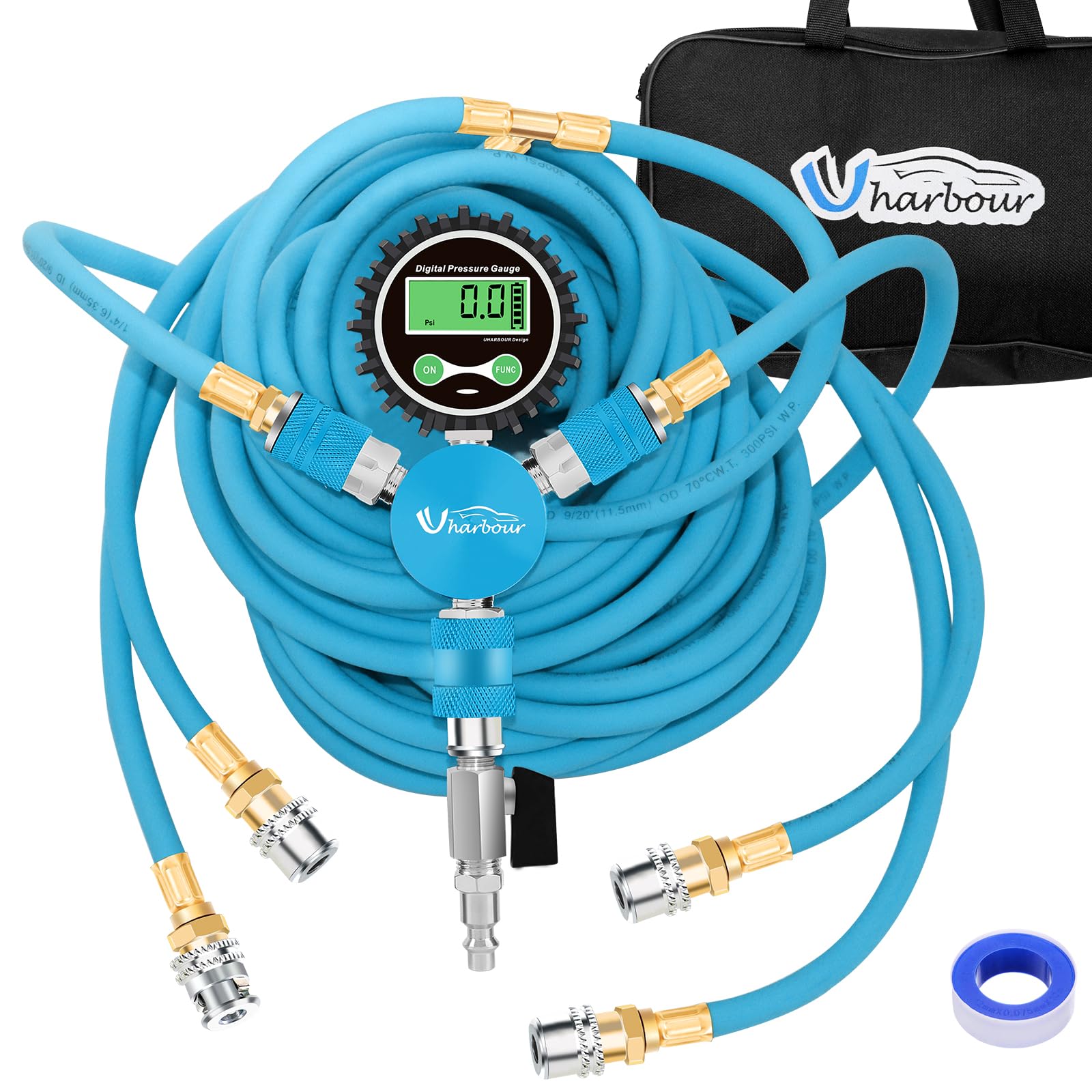
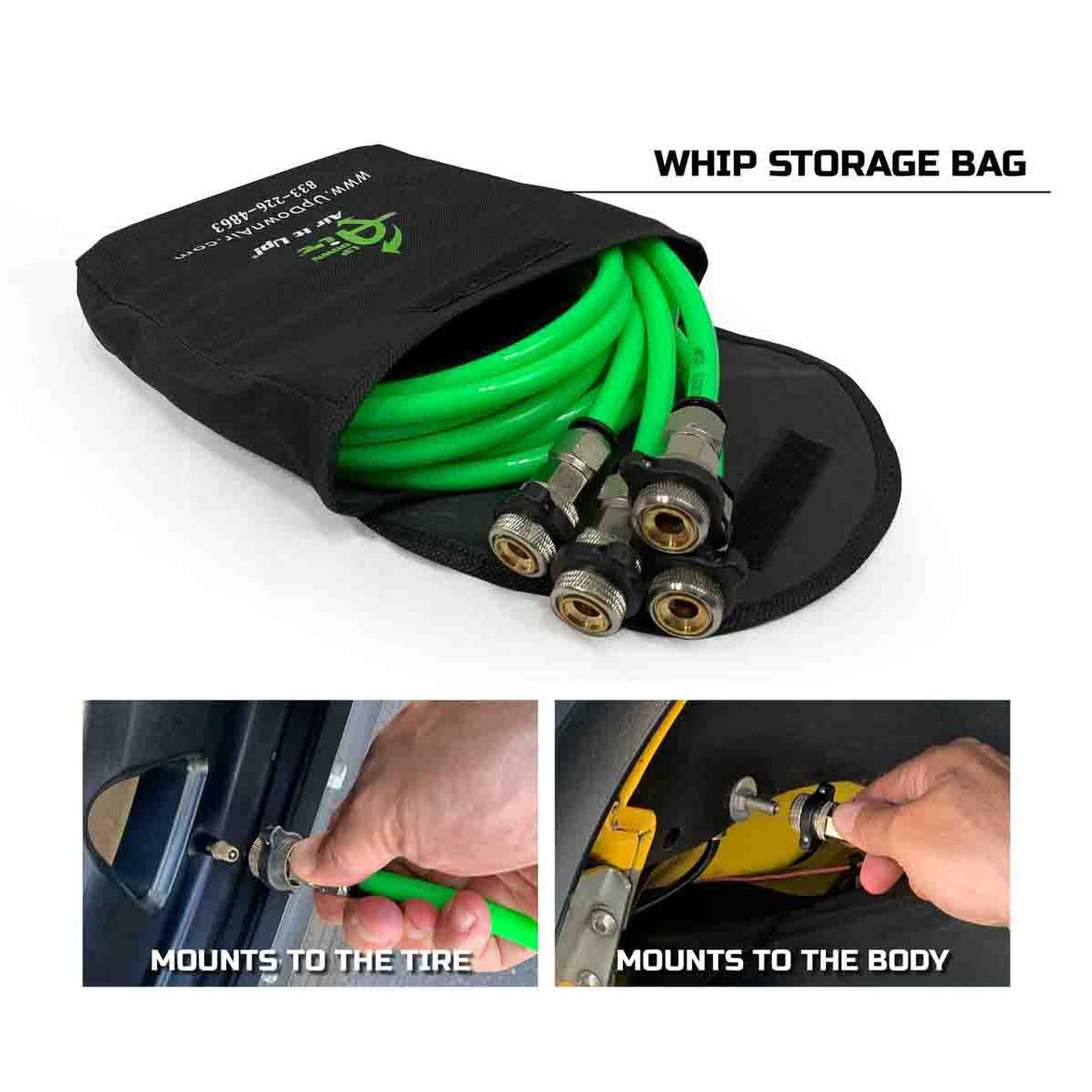
Multi Tire Inflation Kits are designed for efficiency in situations where multiple tires need to be inflated or deflated simultaneously. These kits often feature multiple hoses connected to a single manifold, allowing for rapid adjustments across several tires, making them ideal for fleet management, off-road vehicles, and agricultural machinery. When considering a purchase, B2B buyers should evaluate the kit’s capacity, hose lengths, and compatibility with their specific vehicle types to ensure operational efficiency and cost-effectiveness.
Portable Tire Inflators are compact and powered by a vehicle’s 12V outlet, making them ideal for emergency roadside assistance and small business applications. They are lightweight and easy to store, providing a quick inflation solution for various tire sizes. However, businesses should consider the trade-off between portability and inflation speed, as these inflators may take longer to fill larger tires compared to more robust models.
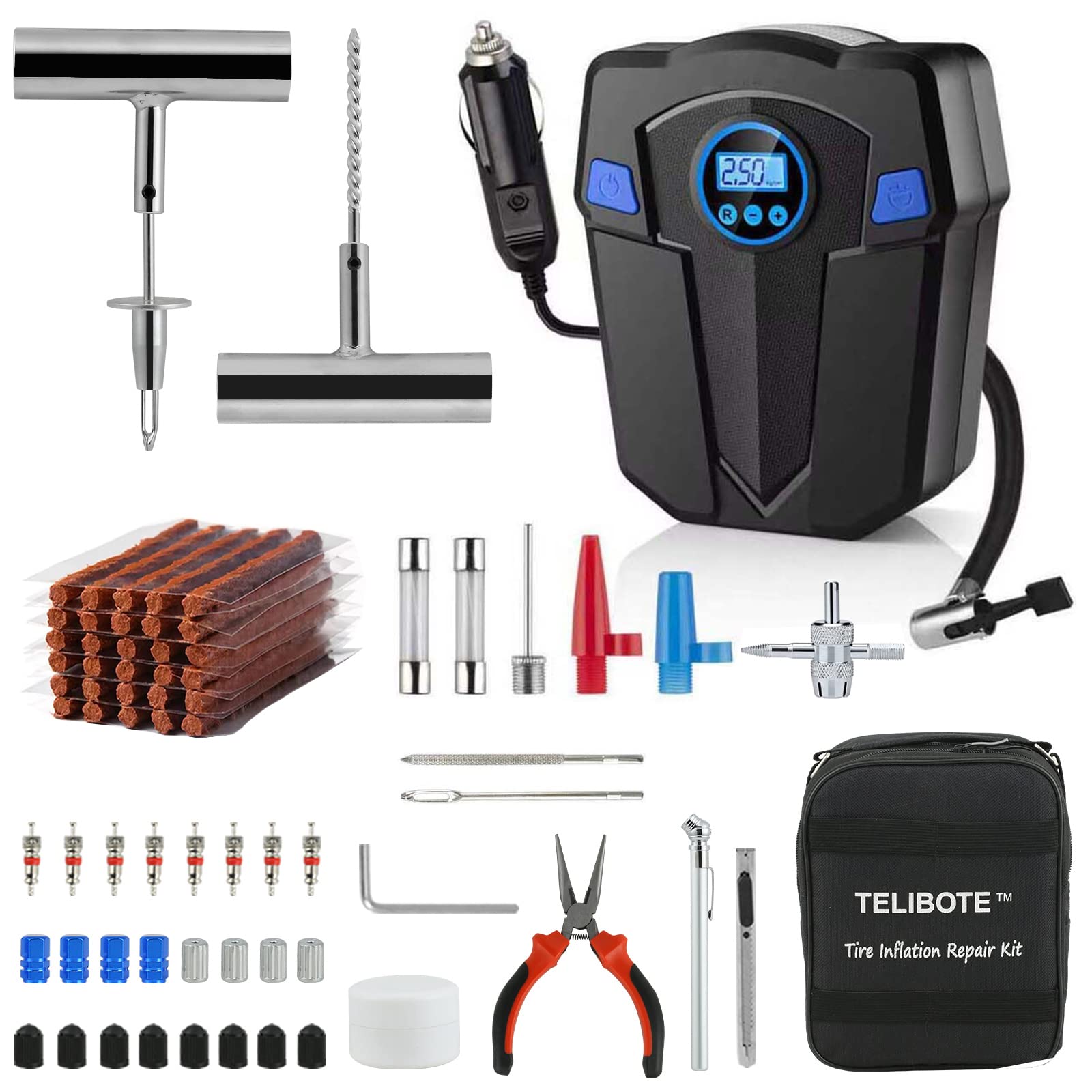
Tire Repair Kits combine the functionality of inflating a tire and sealing punctures with a tire sealant. This dual functionality is particularly beneficial for automotive service providers and logistics companies that face frequent tire issues. The convenience of quickly repairing a tire on-site minimizes downtime. However, businesses must keep in mind that these kits are typically limited to minor punctures and may not be suitable for severe tire damage.
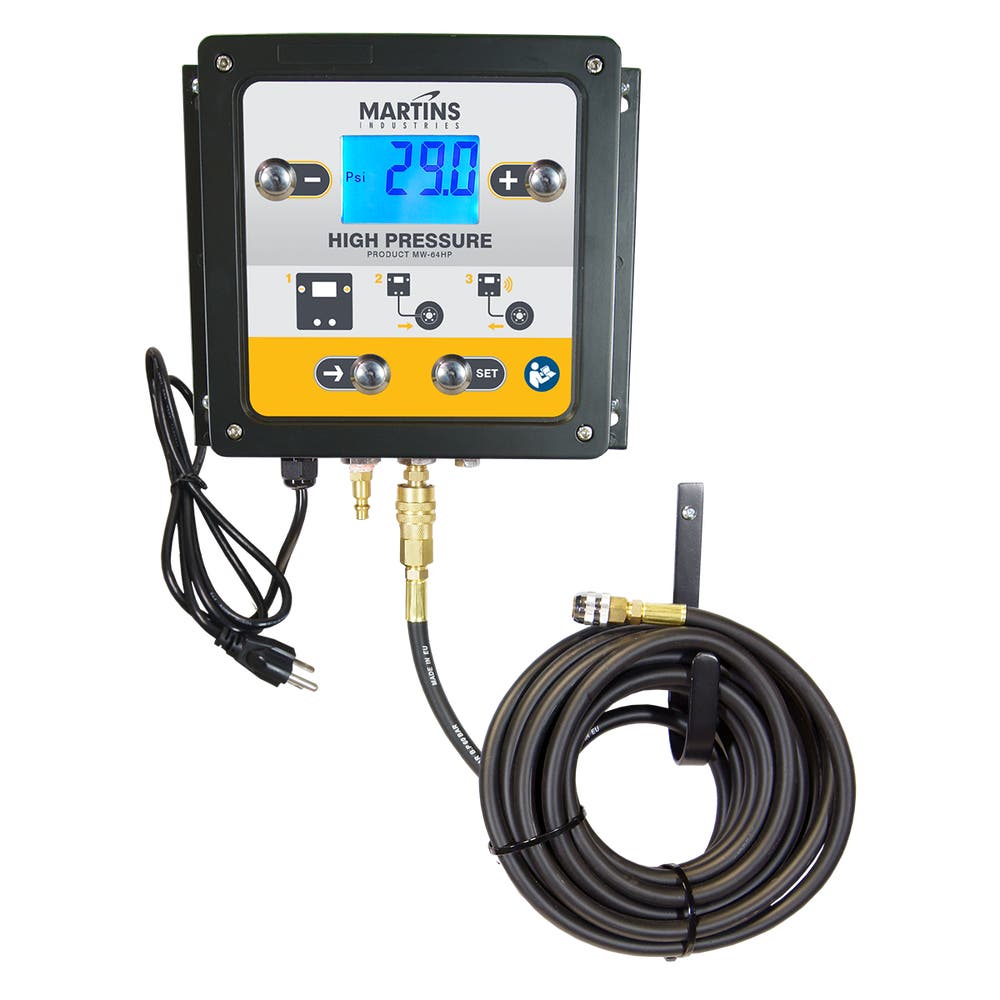
Digital Tire Inflators come equipped with advanced features like digital pressure gauges and auto shutoff, making them user-friendly for automotive workshops and rental services. These inflators provide accurate pressure readings, ensuring that tires are inflated to the correct specifications, which can enhance safety and performance. While they tend to be more expensive than their analog counterparts, the precision and ease of use they offer can justify the investment for many businesses.
Modular Tire Inflation Systems allow for a customizable setup, making them suitable for heavy-duty applications such as commercial fleets and large trailers. These systems can be tailored to meet specific needs, including the number of tires to inflate and the hose lengths required. While they offer great adaptability, buyers should consider the complexity of setup and potential maintenance needs when evaluating these systems for their operations.
| Промышленность/сектор | Specific Application of tire inflation kit | Ценность/выгода для бизнеса | Ключевые соображения по поиску источников для данного приложения |
|---|---|---|---|
| Transportation | Fleet Maintenance | Reduces downtime and maintenance costs for vehicles. | Ensure compatibility with various tire sizes and types. |
| Горная промышленность | Heavy Equipment Support | Enhances operational efficiency and reduces tire wear. | Look for robust designs that withstand harsh environments. |
| Сельское хозяйство | Agricultural Machinery | Maintains tire pressure for optimal field performance. | Consider kits that can handle larger tires and rugged use. |
| Строительство | Construction Vehicle Operations | Minimizes delays caused by flat tires on job sites. | Evaluate the speed of inflation and ease of use on-site. |
| Логистика | Warehouse and Distribution Centers | Streamlines tire management for delivery vehicles. | Focus on multi-tire inflation capabilities for efficiency. |
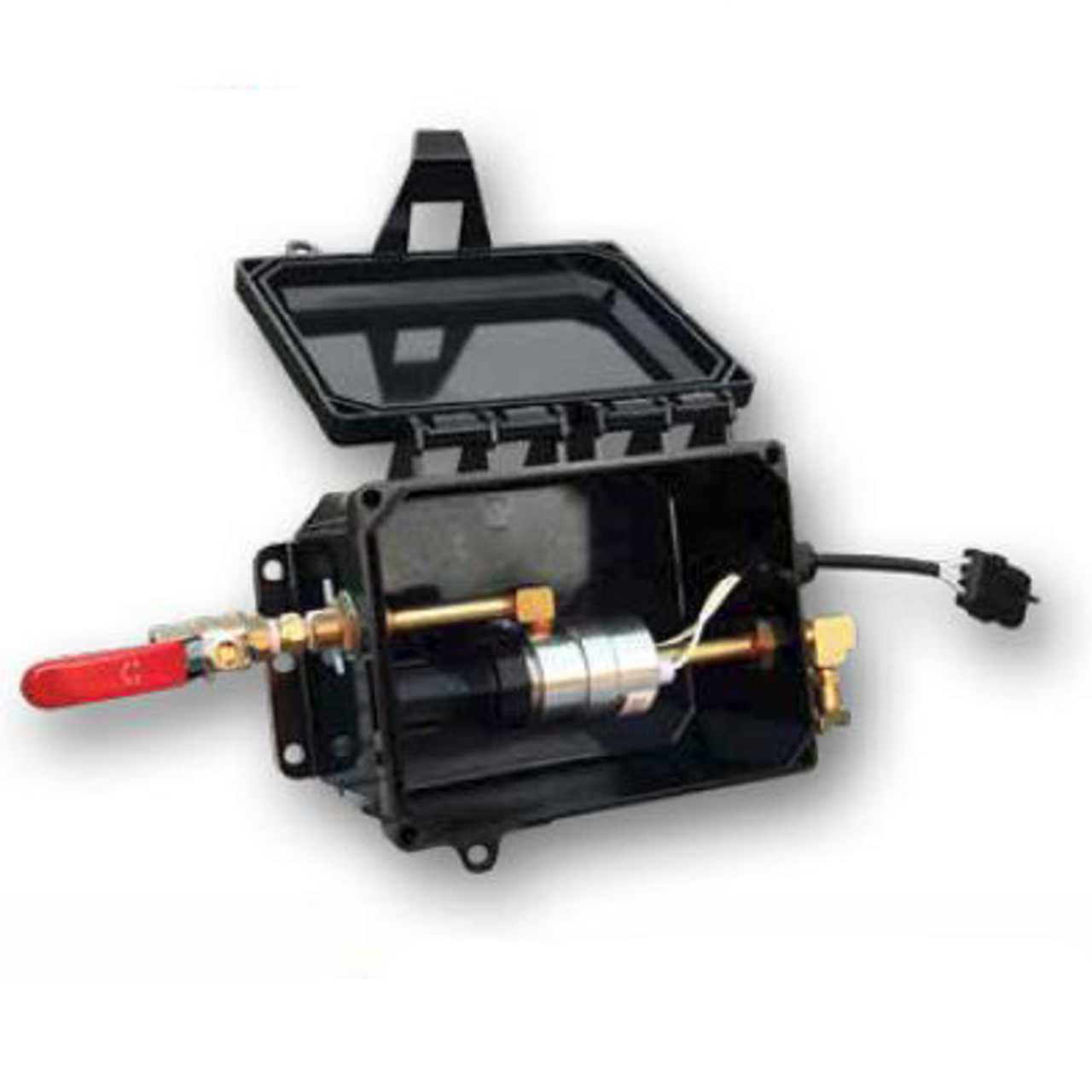
In the transportation sector, tire inflation kits are essential for fleet maintenance. These kits allow fleet managers to quickly inflate or deflate multiple tires simultaneously, ensuring that vehicles operate at optimal tire pressure. Maintaining correct tire pressure reduces fuel consumption and enhances safety, ultimately leading to lower operational costs. B2B buyers in this sector should seek kits that can accommodate a variety of tire sizes and pressures, especially in regions with diverse vehicle fleets, such as Africa and South America.
Illustrative image related to tire inflation kit
In mining, tire inflation kits are crucial for maintaining the performance of heavy equipment. These kits enable operators to quickly adjust tire pressure to match varying terrain conditions, which helps prevent excessive tire wear and reduces the likelihood of blowouts. For international buyers, particularly in the Middle East where mining operations are prevalent, sourcing durable and robust kits that can withstand harsh conditions is vital. Buyers should prioritize features such as high-pressure capabilities and rugged construction.
Agricultural machinery often operates under demanding conditions, making tire maintenance critical. Tire inflation kits ensure that tires are consistently inflated to the correct pressure, enhancing traction and reducing soil compaction. This is particularly important for large agricultural vehicles used in regions like Brazil and Nigeria. Buyers should consider kits that are designed for larger tires and can function in remote locations, as accessibility to power sources may be limited.
In the construction industry, tire inflation kits help maintain the efficiency of construction vehicles by minimizing delays caused by flat tires. These kits allow for quick inflation on-site, which is crucial when deadlines are tight. For B2B buyers in Europe and the Middle East, it is essential to evaluate the speed of inflation and the ease of use of the kits, as construction sites can be chaotic environments where time is of the essence.
Illustrative image related to tire inflation kit
For logistics companies, tire inflation kits are integral to managing the tire health of delivery vehicles. These kits enable quick adjustments to tire pressure, ensuring that vehicles are always road-ready and minimizing the risk of breakdowns during deliveries. Buyers in this sector should focus on kits that offer multi-tire inflation capabilities to maximize efficiency and reduce time spent on maintenance, which is especially crucial in high-demand markets in Africa and South America.
Проблема: Many B2B buyers managing fleets of vehicles face the challenge of inconsistent tire inflation. This inconsistency can lead to uneven tire wear, decreased fuel efficiency, and potential safety hazards. In regions with varied terrain and climate, like Africa and South America, the risk of flat tires and slow leaks increases, exacerbating the issue. Fleet managers may struggle to find a reliable solution that can effectively inflate multiple tires simultaneously while ensuring uniformity in tire pressure across different vehicle types.
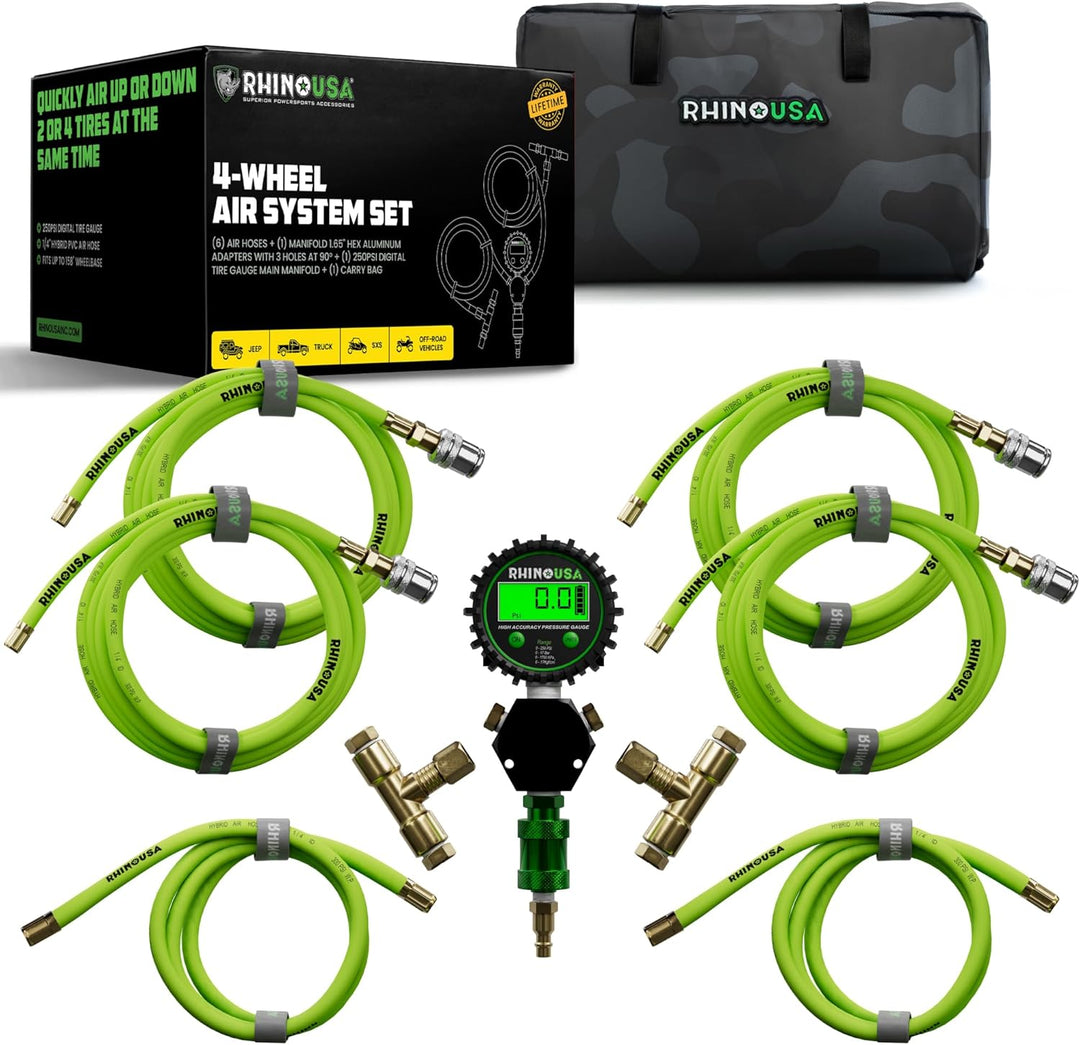
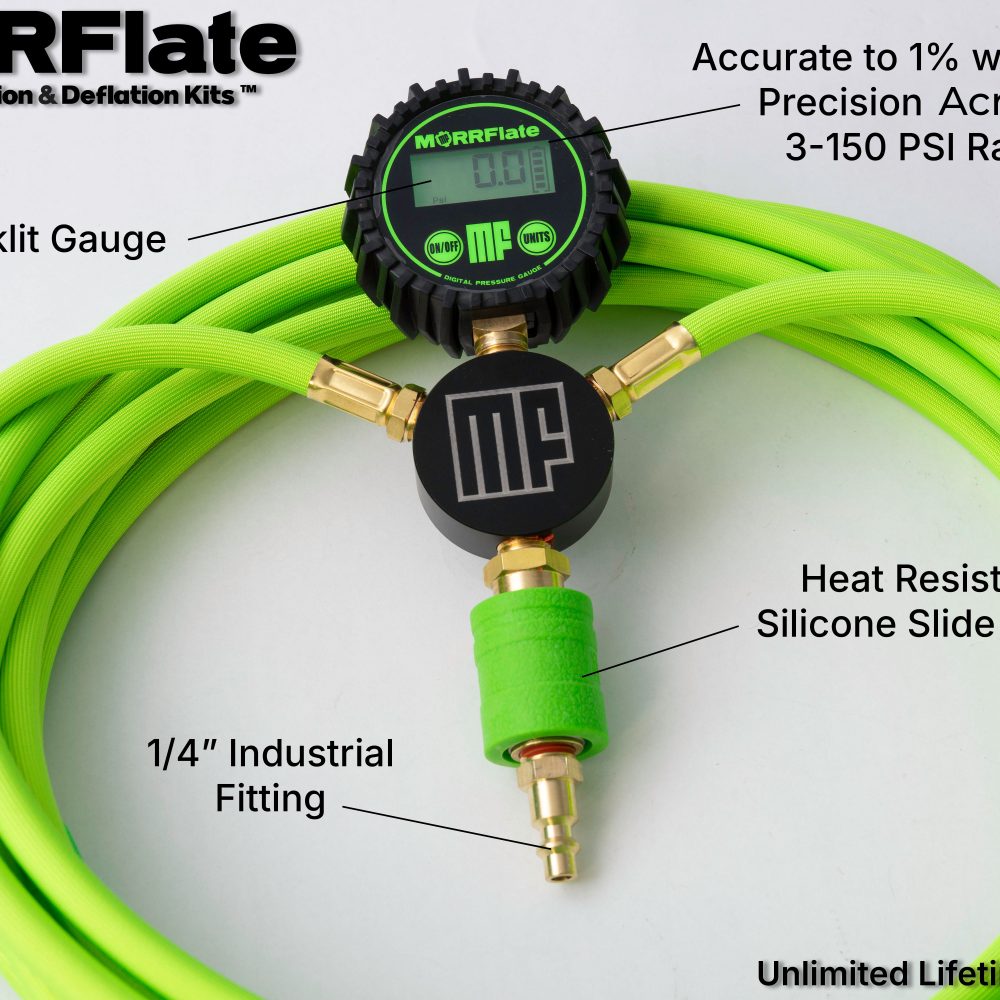
Решение: To address this issue, investing in a multi-tire inflation kit, such as the MORRFlate Multi Tire Inflation Deflation™ Kits, can be particularly beneficial. These kits allow for simultaneous inflation of multiple tires, ensuring that each tire reaches the desired pressure efficiently. When sourcing these kits, buyers should look for features like adjustable pressure settings and high-quality hoses that withstand varying temperatures and conditions. Implementing a regular maintenance schedule using these kits can help maintain optimal tire pressure across the fleet, reduce wear and tear, and enhance overall safety and performance.
Проблема: In situations where tire punctures occur, the complexity of repair procedures can deter timely action. B2B buyers, especially those in remote areas or with limited access to tire repair facilities, may find themselves unprepared for tire emergencies. The need for a quick and effective repair process is paramount, yet many tire inflation kits lack comprehensive solutions that combine inflation and repair functionalities.
Illustrative image related to tire inflation kit
Решение: A well-rounded solution is to choose tire inflation kits that integrate tire repair capabilities, such as the TireJECT Inflator Kit with Instant Tire Repair. This kit not only inflates tires but also includes instant repair technology that seals punctures quickly. When selecting a kit, buyers should consider the ease of use, such as whether the kit comes with clear instructions and necessary tools for repair. Providing training for staff on how to use these kits effectively can ensure that they are prepared for any tire-related emergencies, reducing downtime and maintaining operational efficiency.
Проблема: B2B buyers often encounter compatibility issues between tire inflation kits and the vehicles they operate. Different vehicles may require varying power sources, and many inflators may not function optimally with the available power supply. This is particularly pertinent in regions where electrical infrastructure is inconsistent or where vehicles have unique power requirements.
Решение: To mitigate compatibility issues, buyers should prioritize tire inflation kits that offer versatile power options, such as those that can connect to a vehicle’s 12v DC outlet or directly to the battery. Kits like the SmartAIR Inflator, which features an extended power cord and a powerful motor, can accommodate a wide range of vehicle types, from compact cars to larger trucks. When purchasing, ensure that the kit specifications align with the fleet’s needs and that the included components are robust enough to handle varied conditions. Additionally, investing in a backup power supply or portable generator can further ensure that tire inflation and repair can occur regardless of the situation, enhancing reliability and operational readiness.
When selecting materials for tire inflation kits, several factors impact the performance, durability, and cost-effectiveness of the final product. Here, we analyze four common materials used in tire inflation kits, emphasizing their properties, advantages, disadvantages, and considerations for international B2B buyers.
Rubber is a prevalent material in tire inflation kits, particularly for hoses and seals. Key properties include excellent flexibility, resilience to temperature variations, and pressure resistance, making it suitable for various tire types. Rubber can typically withstand temperatures ranging from -40°C to +100°C, ensuring reliable performance in diverse climates.
Плюсы:
– High durability and flexibility contribute to longevity.
– Cost-effective compared to synthetic alternatives.
– Excellent sealing properties reduce air leakage.
Конс:
– Susceptible to degradation from UV exposure and ozone.
– Limited temperature resistance compared to some synthetic materials.
– Requires careful handling during manufacturing to avoid defects.
For international buyers, particularly in regions like Africa and South America, compliance with local standards (e.g., ASTM) is crucial, as rubber quality can vary significantly between suppliers.
Illustrative image related to tire inflation kit
Nylon is often used in tire inflation kits for hoses and connectors due to its high tensile strength and resistance to abrasion. It can endure temperatures up to 120°C and pressures exceeding 200 psi, making it suitable for heavy-duty applications.
Плюсы:
– Lightweight and strong, which aids in portability.
– Resistant to chemicals and moisture, enhancing longevity.
– Good dimensional stability under varying temperatures.
Конс:
– Higher manufacturing complexity can lead to increased costs.
– Less flexible than rubber, which may limit applications.
– Potential for hydrolysis in humid conditions.
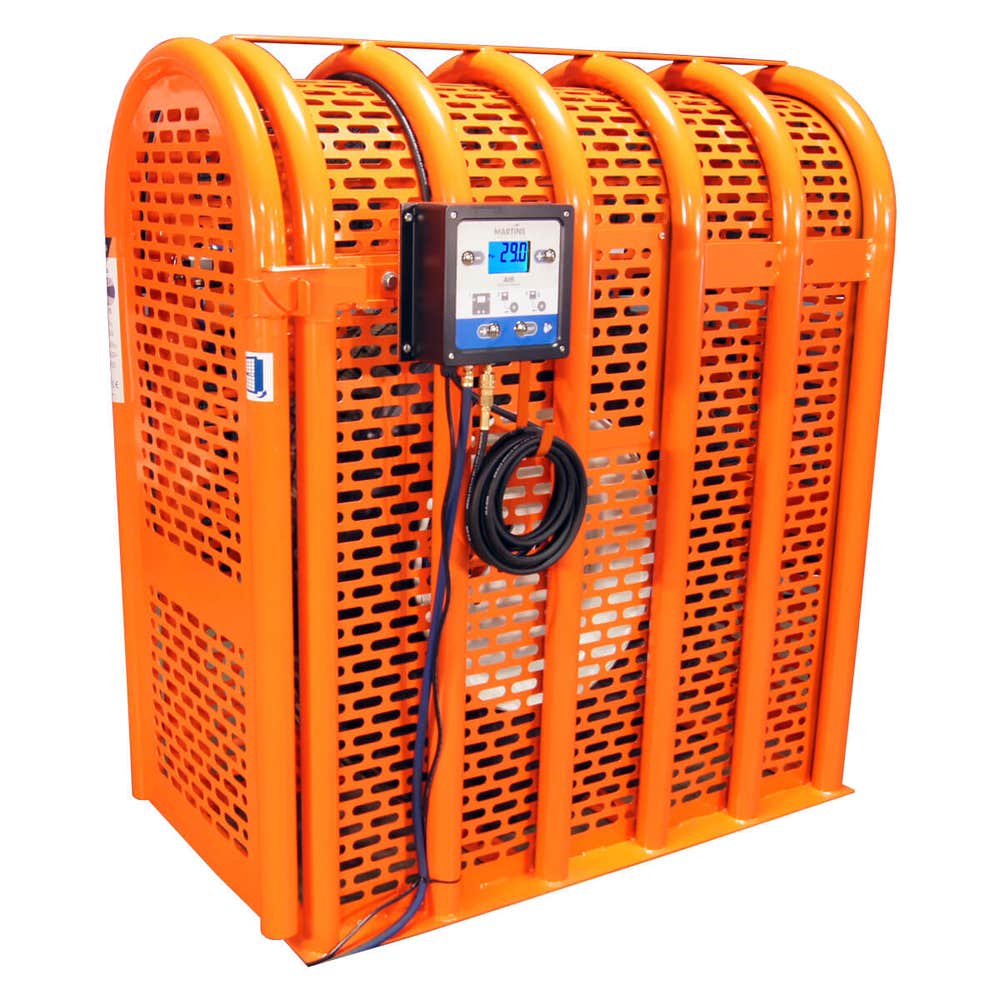
Illustrative image related to tire inflation kit
International buyers should consider the specific climate conditions in their regions, as nylon may not perform optimally in extremely wet environments without proper treatment.
Aluminum is commonly used for fittings and valves in tire inflation kits due to its lightweight and corrosion-resistant properties. It can withstand a wide range of temperatures and pressures, making it suitable for various applications.
Плюсы:
– Lightweight, reducing overall kit weight and improving portability.
– Corrosion-resistant, enhancing durability in harsh environments.
– Excellent thermal conductivity, beneficial for heat dissipation.
Конс:
– More expensive than plastic alternatives.
– Can be prone to dents and scratches, affecting aesthetics.
– Requires precise machining, increasing manufacturing complexity.
For buyers in the Middle East and Europe, where corrosion from environmental factors is a concern, aluminum’s properties can be particularly advantageous, provided it meets relevant standards like DIN.
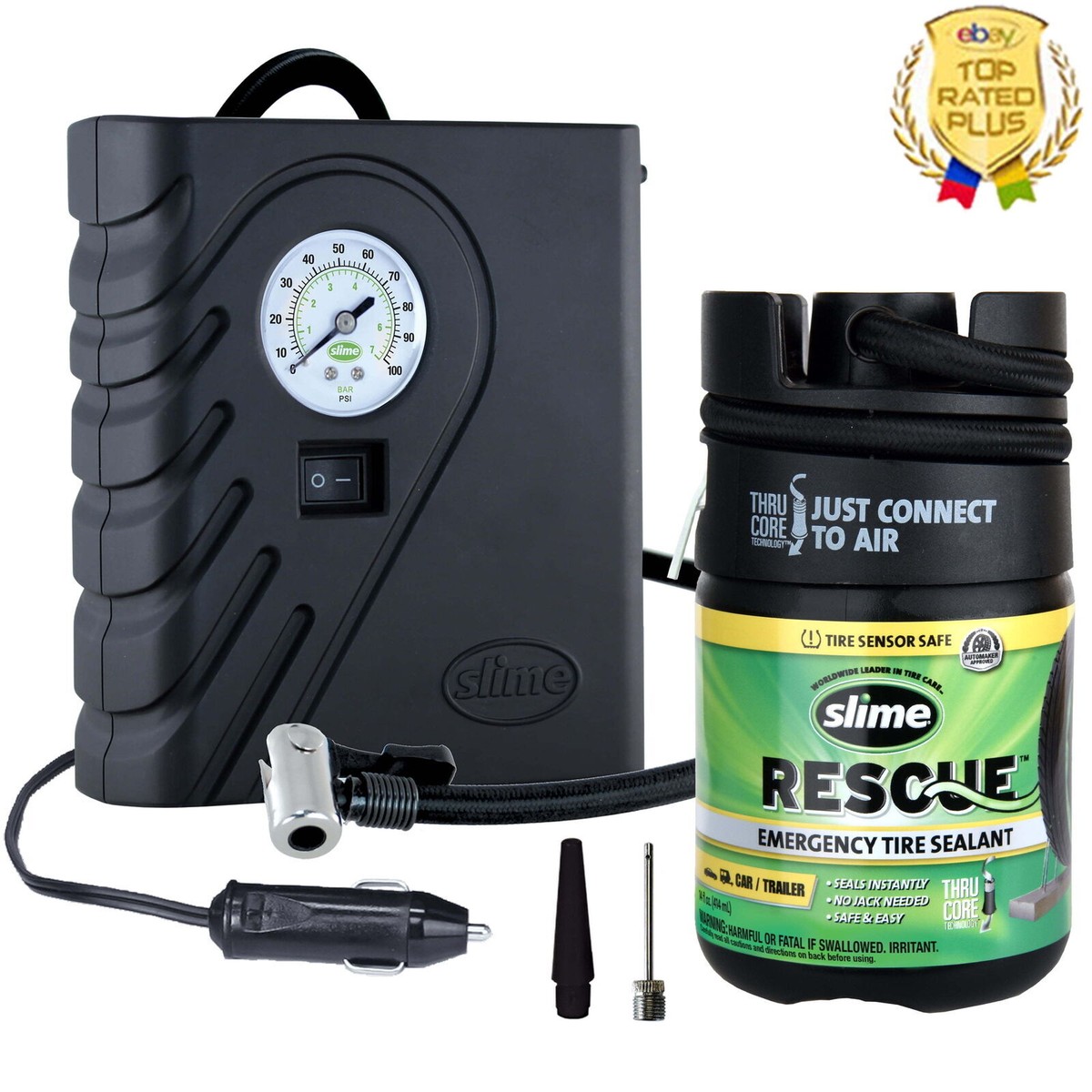
Illustrative image related to tire inflation kit
Polyvinyl Chloride (PVC) is often used in tire inflation kits for hoses and protective covers. It offers good chemical resistance and can handle moderate pressure and temperature ranges.
Плюсы:
– Cost-effective and readily available, reducing overall kit costs.
– Good flexibility and resistance to environmental factors.
– Easy to manufacture and shape into various designs.
Конс:
– Limited temperature resistance compared to rubber and nylon.
– Can become brittle over time, especially in extreme temperatures.
– Environmental concerns regarding PVC production and disposal.
Buyers in regions like Nigeria and Brazil should be aware of the environmental regulations surrounding PVC and consider sustainable alternatives if necessary.
| Материал | Typical Use Case for tire inflation kit | Ключевое преимущество | Основные недостатки/ограничения | Относительная стоимость (низкая/средняя/высокая) |
|---|---|---|---|---|
| Резина | Hoses and seals | Excellent flexibility and sealing properties | Susceptible to UV and ozone degradation | Низкий |
| Нейлон | Hoses and connectors | High tensile strength and chemical resistance | Less flexible, higher manufacturing complexity | Средний |
| Алюминий | Fittings and valves | Легкий и устойчивый к коррозии | Prone to dents, higher cost | Высокий |
| ПВХ | Hoses and protective covers | Cost-effective and easy to manufacture | Limited temperature resistance, environmental concerns | Низкий |
This material selection guide provides B2B buyers with crucial insights into the properties and applications of various materials used in tire inflation kits, facilitating informed purchasing decisions tailored to their specific regional needs.
The manufacturing process of tire inflation kits involves several critical stages, each designed to ensure the final product is reliable and efficient. The primary stages include material preparation, forming, assembly, and finishing.
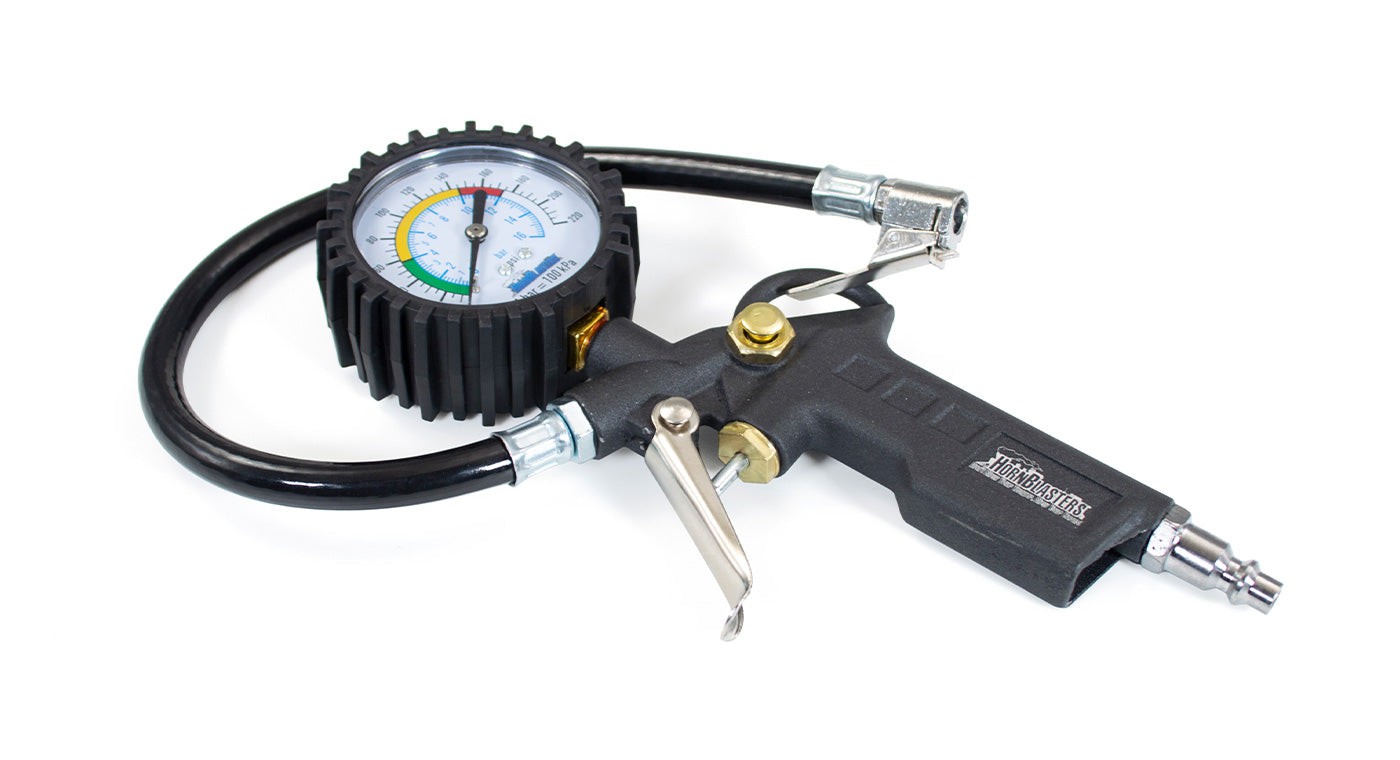
Illustrative image related to tire inflation kit
In this initial stage, raw materials such as high-grade plastics, metals, and rubber are sourced. Suppliers must meet stringent quality specifications to ensure durability and performance. For instance, rubber components must be resistant to wear and environmental factors, while metals used in valves and connectors should be corrosion-resistant. B2B buyers should inquire about the sourcing of these materials, as the quality directly impacts the kit’s longevity and effectiveness.
Once materials are prepared, the forming process begins. This stage may involve injection molding for plastic components, where molten plastic is injected into molds to create parts like housings and connectors. Metal parts might undergo processes such as stamping or machining. Advanced manufacturers may also utilize 3D printing for prototyping or creating complex geometries that are difficult to achieve with traditional methods. Understanding the forming techniques used can provide insight into the manufacturer’s capabilities and technological advancements.
The assembly phase is where various components are brought together. This process can be manual, automated, or a hybrid of both, depending on the scale of production. Automated assembly lines can increase efficiency and consistency, while manual assembly allows for detailed quality checks at each step. During this phase, components such as hoses, inflators, and valves are securely attached, ensuring that the final product is not only functional but also meets safety standards. B2B buyers should consider asking about the assembly process to gauge the manufacturer’s adherence to quality practices.
Finishing processes enhance the product’s appearance and functionality. This may include surface treatments, painting, or the application of protective coatings. For tire inflation kits, ensuring that components are resistant to UV rays, chemicals, and physical abrasion is crucial for long-term performance. Additionally, final inspections are conducted to ensure that all parts are correctly assembled and free from defects. B2B buyers should request information on the finishing techniques employed, as these can significantly affect the product’s marketability and durability.
Quality assurance (QA) is a critical aspect of the manufacturing process, ensuring that products meet both industry standards and customer expectations. Manufacturers often implement a multi-tiered QA approach that includes various checkpoints throughout the production cycle.
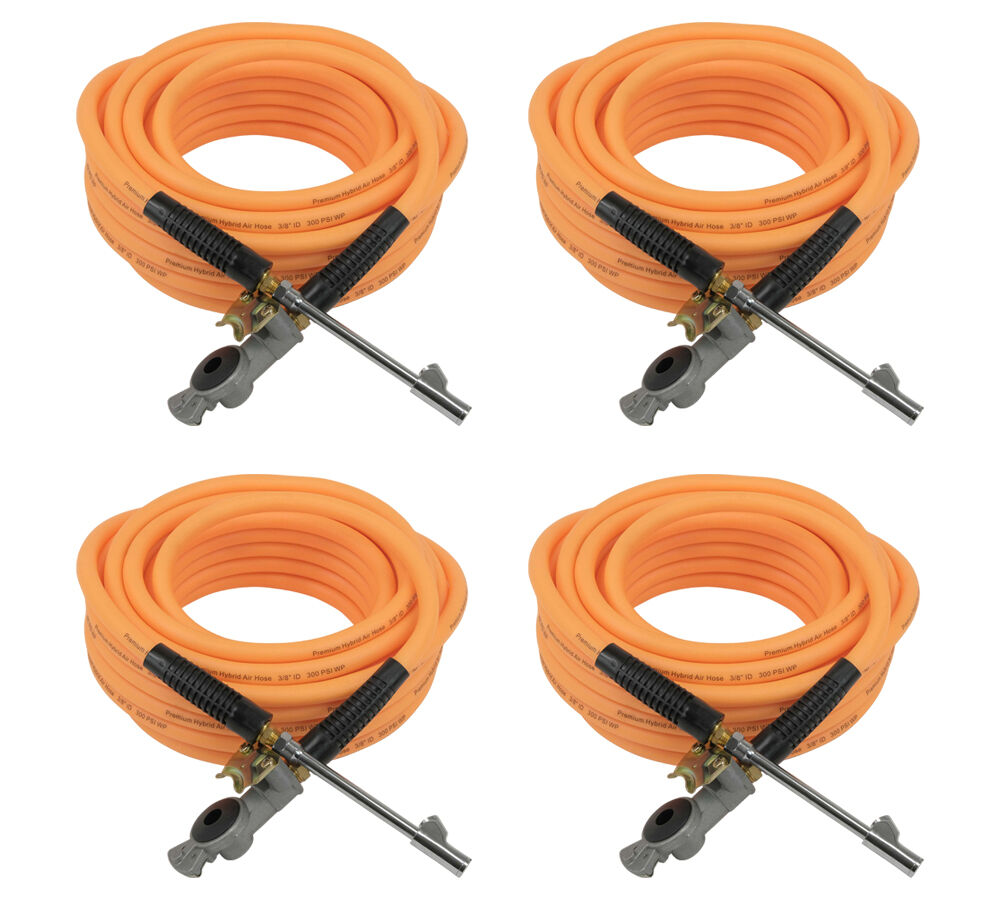
Illustrative image related to tire inflation kit
Many manufacturers adhere to international standards such as ISO 9001, which outlines criteria for a quality management system. This certification indicates a commitment to continuous improvement and customer satisfaction. Additionally, industry-specific certifications such as CE marking (for European markets) and API standards (for products used in the oil and gas sector) may also apply. B2B buyers should ensure that suppliers possess relevant certifications to mitigate risks associated with product quality.
Quality control checkpoints typically include:
Входящий контроль качества (IQC): This initial inspection stage assesses raw materials and components before they enter the production process. Suppliers must provide quality assurance documentation, and all materials should be tested for compliance with specifications.
Внутрипроцессный контроль качества (IPQC): During manufacturing, periodic checks are conducted to ensure that processes are being followed correctly and that components are being produced to specifications. Statistical process control methods may be utilized at this stage.
Окончательный контроль качества (ОКК): After assembly, the final product undergoes rigorous testing to confirm that it meets performance and safety standards. This may include pressure tests for inflators, functionality tests for hoses, and visual inspections for defects.
B2B buyers can verify that a supplier maintains robust quality control by requesting documentation of these checkpoints and any associated testing results.
To ensure the reliability of tire inflation kits, B2B buyers should conduct thorough due diligence when evaluating potential suppliers. Here are several strategies to verify quality control practices:
Buyers should request detailed quality assurance documentation, including:
Certificates of Compliance: These documents verify that products meet specified standards and regulations.
Quality Control Reports: Regular reports outlining the results of IQC, IPQC, and FQC checks should be made available.
Аудиты поставщиков: A history of third-party audits or internal audits can provide insight into the supplier’s quality management system.
Conducting audits, either internally or through third-party services, allows buyers to assess the supplier’s manufacturing processes firsthand. This can include visiting the production facility to observe operations, quality control practices, and employee training programs. Third-party inspections can also offer an unbiased evaluation of the supplier’s adherence to quality standards and best practices.
For international buyers, understanding the nuances of quality control is crucial. Different regions may have varying regulations and standards, so it’s essential to align expectations with local requirements.
In regions like Africa and South America, where industrial standards may differ from those in Europe or North America, B2B buyers must ensure that products comply with local regulations. This can involve additional testing or certification processes. Buyers should inquire about the supplier’s familiarity with regional compliance requirements and their ability to meet them.
When purchasing from international suppliers, it’s vital to consider export compliance regulations. This includes understanding tariffs, customs regulations, and any specific documentation required for importation. Ensuring that the supplier adheres to these regulations can prevent delays and additional costs, safeguarding the supply chain.
In summary, the manufacturing processes and quality assurance mechanisms for tire inflation kits are complex but vital for ensuring product reliability and performance. By understanding the stages of manufacturing, the importance of quality control, and the nuances of international compliance, B2B buyers can make informed decisions when sourcing tire inflation kits. This proactive approach not only mitigates risks but also enhances the overall supply chain efficiency.
This practical guide serves as a comprehensive checklist for B2B buyers looking to procure tire inflation kits. Whether you’re sourcing for a fleet, workshop, or retail distribution, understanding the essential components and specifications is critical to making an informed purchase.
Establishing clear technical specifications is the foundation of a successful procurement process. Consider the types of vehicles that will use the kits, the average tire sizes, and the required inflation speed. This will ensure that the kits you source can meet your operational needs effectively.
Investigate the features that different tire inflation kits offer. Advanced features can enhance usability and efficiency, making your operations more streamlined.
Before committing to a supplier, it’s crucial to conduct a thorough evaluation. This ensures that you partner with reputable companies that can deliver quality products consistently.
Illustrative image related to tire inflation kit
Ensuring that your suppliers have the necessary certifications is vital for compliance and quality assurance. Certifications can also indicate adherence to international standards.
Before placing a bulk order, request sample kits for evaluation. This step allows you to assess the product quality firsthand and determine if it meets your expectations.
Once you’ve identified potential suppliers and evaluated their products, initiate negotiations. Effective negotiation can lead to better pricing and favorable terms.
A strong after-sales support system is crucial for ongoing satisfaction and operational continuity. Evaluate the level of support each supplier offers.
Illustrative image related to tire inflation kit
By following this checklist, B2B buyers can make informed decisions when sourcing tire inflation kits, ensuring they choose the best products for their operational needs.
When sourcing tire inflation kits, understanding the cost structure is essential for effective budgeting and decision-making. The primary components of cost include materials, labor, manufacturing overhead, tooling, quality control (QC), logistics, and profit margin.
Материалы: The choice of materials significantly affects the cost. High-quality hoses, durable fittings, and reliable gauges are critical for performance but may increase initial costs. For example, braided hoses may be more expensive than standard rubber hoses but offer greater durability and reliability.
Труд: Labor costs encompass both direct and indirect labor involved in production. In regions with higher labor costs, such as parts of Europe, this can influence overall pricing. Conversely, sourcing from countries with lower labor costs may yield savings but could raise concerns about quality and compliance.
Производственные накладные расходы: This includes the indirect costs associated with production, such as utilities, rent, and equipment maintenance. Efficient operations can minimize these costs, allowing for more competitive pricing.
Инструментальная оснастка: The cost of specialized tools and molds needed for manufacturing can be significant, especially for custom kits. Buyers should consider whether they require standard or bespoke kits, as customization typically increases tooling expenses.
Контроль качества: Rigorous QC processes ensure product reliability but can add to costs. Certifications and compliance with international standards (ISO, CE) may also be necessary for specific markets, influencing final pricing.
Логистика: Shipping and handling costs vary widely based on the destination. Factors such as distance, shipping method, and customs duties must be accounted for, especially for international buyers.
Маржа: Suppliers will include a profit margin based on their operational costs and market conditions. Understanding the typical margin in your region can help in negotiations.
Several factors can influence the pricing of tire inflation kits:
Объем/МОК: Purchasing in larger quantities often results in reduced per-unit costs. Buyers should assess their needs to negotiate better terms based on minimum order quantities (MOQ).
Технические характеристики и персонализация: Customization options, such as specific hose lengths or additional features, typically come at a premium. Defining clear specifications can help avoid unnecessary costs.
Материалы: The quality of materials directly impacts the cost. While cheaper materials may reduce initial expenses, they can lead to higher replacement costs due to durability issues.
Качество и сертификация: Compliance with industry standards can add to costs but is essential for ensuring safety and performance, especially in regulated markets.
Факторы поставщика: The supplier’s reputation, location, and operational efficiency can influence pricing. Engaging with established suppliers may provide assurance of quality but could come with higher costs.
Инкотермс: The terms of shipping (Incoterms) can significantly affect total costs. Buyers should understand who is responsible for shipping, insurance, and duties to accurately assess the final price.
For international B2B buyers, particularly from regions like Africa, South America, and the Middle East, employing effective negotiation strategies can yield significant cost savings:
Используйте скидки за объем: If your business has the capacity, consider consolidating orders to meet MOQs for better pricing.
Стройте отношения: Establishing a rapport with suppliers can lead to better terms and flexibility in pricing.
Ориентируйтесь на общую стоимость владения (TCO): Evaluate the long-term costs associated with the products, including maintenance, warranty, and potential downtime, rather than focusing solely on the upfront price.
Будьте внимательны к нюансам ценообразования: Understand regional pricing dynamics and how currency fluctuations can impact costs. Secure pricing agreements when possible to mitigate risks.
Consider Local Regulations: Familiarize yourself with import tariffs and taxes specific to your country, as these can significantly affect the total cost.
It’s important to note that the prices referenced in various sources are indicative and subject to change based on market conditions, supplier negotiations, and specific buyer requirements. Always obtain up-to-date quotes and consider potential fluctuations in costs when planning purchases.
Illustrative image related to tire inflation kit
When considering tire inflation solutions, it’s essential to evaluate various alternatives that can meet specific operational needs. Businesses across sectors, particularly in regions like Africa, South America, the Middle East, and Europe, must understand the strengths and weaknesses of different methods to make informed purchasing decisions. This analysis will compare tire inflation kits with two viable alternatives: portable air compressors and tire sealant products.
| Сравнительный аспект | Tire Inflation Kit | Портативный воздушный компрессор | Tire Sealant Product |
|---|---|---|---|
| Производительность | Efficient for multiple tires, quick inflation/deflation | High PSI output, suitable for various tire sizes | Instant repair for small punctures |
| Стоимость | $49 – $329 depending on features | $50 – $150 based on power and size | $20 – $50 per kit |
| Простота реализации | Generally user-friendly | Requires some setup and knowledge | Simple application via valve stem |
| Техническое обслуживание | Minimal upkeep, store properly | Regular checks on hoses and power | Limited shelf life, check expiration |
| Лучший пример использования | Off-road vehicles, fleet management | General automotive use, roadside assistance | Emergency repairs, temporary fixes |
Portable air compressors are widely used for inflating tires in a variety of vehicles. They offer high PSI output and can inflate tires quickly, making them ideal for roadside assistance or emergency situations. Most models come with a range of attachments, allowing them to be used for various applications beyond tire inflation. However, they can require a power source, and their performance may vary based on the compressor’s wattage and design. Maintenance involves periodic checks on hoses and ensuring the compressor is in working order.
Tire sealant products, like those offered by TireJECT, provide a quick solution for repairing small punctures without the need for a full tire change. These products use liquid rubber technology to seal leaks instantly, making them an excellent choice for emergency repairs. The application process is simple: users remove the valve core, inject the sealant, and re-inflate the tire. However, sealants are typically only effective for small punctures and may not be suitable for significant damage or sidewall issues. Additionally, they have a limited shelf life and should be checked for expiration before use.
B2B buyers should evaluate their specific needs when selecting a tire inflation solution. A tire inflation kit is ideal for businesses managing multiple vehicles, particularly in off-road environments, where quick inflation and deflation are crucial. Portable air compressors offer versatility for a broader range of applications but may require more setup and maintenance. Tire sealants provide a quick fix for minor punctures, making them valuable for emergency situations but should not be relied upon for comprehensive tire maintenance. Understanding the unique requirements of your operations will enable you to select the best solution for efficient tire management.
When evaluating tire inflation kits, several technical properties are crucial for ensuring optimal performance and reliability. Understanding these specifications can help B2B buyers make informed decisions that align with their operational needs.
Illustrative image related to tire inflation kit
Класс материала
– The material used in tire inflation kits, such as hoses, valves, and connectors, typically ranges from rubber to high-grade synthetic materials. High-grade materials ensure durability and resistance to wear and tear, which is essential for long-term use in harsh environments. For B2B buyers, selecting kits made from superior materials can lead to reduced maintenance costs and increased uptime.
Номинальное давление
– This specification indicates the maximum pressure the inflator can safely handle, typically measured in PSI (pounds per square inch). A higher pressure rating is beneficial for inflating larger tires, such as those on trucks or agricultural vehicles. Understanding pressure ratings is vital for ensuring compatibility with the intended applications, reducing the risk of equipment failure.
Скорость потока
– The flow rate, often measured in cubic feet per minute (CFM), indicates how quickly the inflator can deliver air. A higher flow rate means faster inflation, which is particularly important in commercial settings where time efficiency is critical. B2B buyers should assess flow rates to ensure that the kit meets their operational timelines.
Источник питания
– Tire inflation kits may be powered by AC or DC sources, impacting their usability in various environments. For instance, portable DC inflators are ideal for on-the-go applications, while AC units are more suited for stationary use. Knowing the power source is essential for aligning the kit with the operational requirements of different industries, such as automotive repair or outdoor recreation.
Размер и портативность
– The overall size and weight of the tire inflation kit affect its portability and ease of storage. Compact and lightweight kits are preferable for businesses that require mobility, such as roadside assistance providers. Buyers should consider the dimensions and weight of the kit in relation to their storage capabilities and transport needs.
Особенности безопасности
– Features such as automatic shut-off, overheat protection, and built-in pressure gauges enhance the safety and usability of tire inflation kits. These features prevent over-inflation and equipment damage, providing peace of mind for B2B buyers who prioritize operational safety.
Understanding industry-specific terminology is critical for effective communication and negotiation in the B2B marketplace. Here are several key terms that frequently arise when discussing tire inflation kits:
OEM (Original Equipment Manufacturer)
– Refers to companies that produce parts or equipment that may be marketed by another manufacturer. In the context of tire inflation kits, OEM parts are often of higher quality and reliability, making them a preferred choice for many businesses.
MOQ (минимальное количество заказа)
– This term specifies the smallest quantity of a product that a supplier is willing to sell. Understanding MOQ is essential for B2B buyers to plan inventory effectively and manage costs, especially when entering new markets or launching new products.
RFQ (запрос котировок)
– An RFQ is a document used by buyers to solicit price quotes from suppliers for specific products or services. It’s a crucial step in procurement, allowing businesses to compare offers and negotiate better terms.
Инкотермс (международные коммерческие термины)
– These are predefined commercial terms published by the International Chamber of Commerce (ICC) that clarify the responsibilities of buyers and sellers in international transactions. Familiarity with Incoterms is important for B2B buyers involved in cross-border trade, as they dictate shipping costs, risks, and insurance responsibilities.
Время выполнения
– This term refers to the time it takes from placing an order to receiving the product. For businesses that rely on timely delivery for their operations, understanding lead times is critical for effective supply chain management.
Гарантия
– A warranty is a promise made by the manufacturer or supplier regarding the condition of the product, often covering repairs or replacements. In the context of tire inflation kits, a solid warranty can indicate quality assurance and provide buyers with added confidence in their purchase.
By familiarizing themselves with these technical properties and industry terms, B2B buyers can navigate the tire inflation kit market more effectively, ensuring they choose products that meet their specific needs and enhance operational efficiency.
The tire inflation kit market is experiencing robust growth driven by several global factors. The increasing prevalence of vehicle ownership, particularly in emerging markets such as Nigeria and Brazil, is pushing demand for efficient tire maintenance solutions. B2B buyers are increasingly seeking multipurpose kits that can inflate and deflate multiple tires simultaneously, catering to both personal and commercial vehicle needs. This is evident in the rising popularity of Multi Tire Inflation Deflation™ Kits, which allow users to service multiple vehicles quickly and efficiently.
Emerging technologies, such as smart inflators equipped with digital pressure gauges and auto shut-off features, are becoming essential in the marketplace. These innovations not only enhance user experience but also ensure safety and precision, which are paramount in high-pressure applications. Additionally, the adoption of modular and customizable kits allows businesses to tailor their offerings based on specific market needs, further driving competitiveness in the sector.
International B2B buyers are also influenced by economic factors such as fluctuations in raw material costs and logistical challenges. As sourcing becomes more complex, establishing reliable supply chains is crucial for maintaining competitive pricing and ensuring product availability. Buyers should prioritize partnerships with manufacturers who offer transparency in sourcing and production processes, as this can mitigate risks associated with supply chain disruptions.
Sustainability is becoming a non-negotiable aspect for B2B buyers in the tire inflation kit sector. The environmental impact of tire manufacturing and disposal is significant, prompting businesses to seek products that minimize ecological footprints. Companies that incorporate sustainable materials and manufacturing processes are increasingly favored by buyers who prioritize ethical sourcing.
The demand for “green” certifications is on the rise, with many buyers looking for products that meet established environmental standards. This includes the use of recyclable materials in tire inflation kits and the implementation of eco-friendly packaging. Suppliers who can demonstrate their commitment to sustainability not only enhance their market appeal but also build trust with environmentally conscious buyers.
Moreover, ethical supply chains that ensure fair labor practices and responsible sourcing of materials are gaining traction. Buyers are more inclined to partner with manufacturers who can provide transparency regarding their supply chain practices, ensuring that their sourcing decisions contribute to social responsibility.
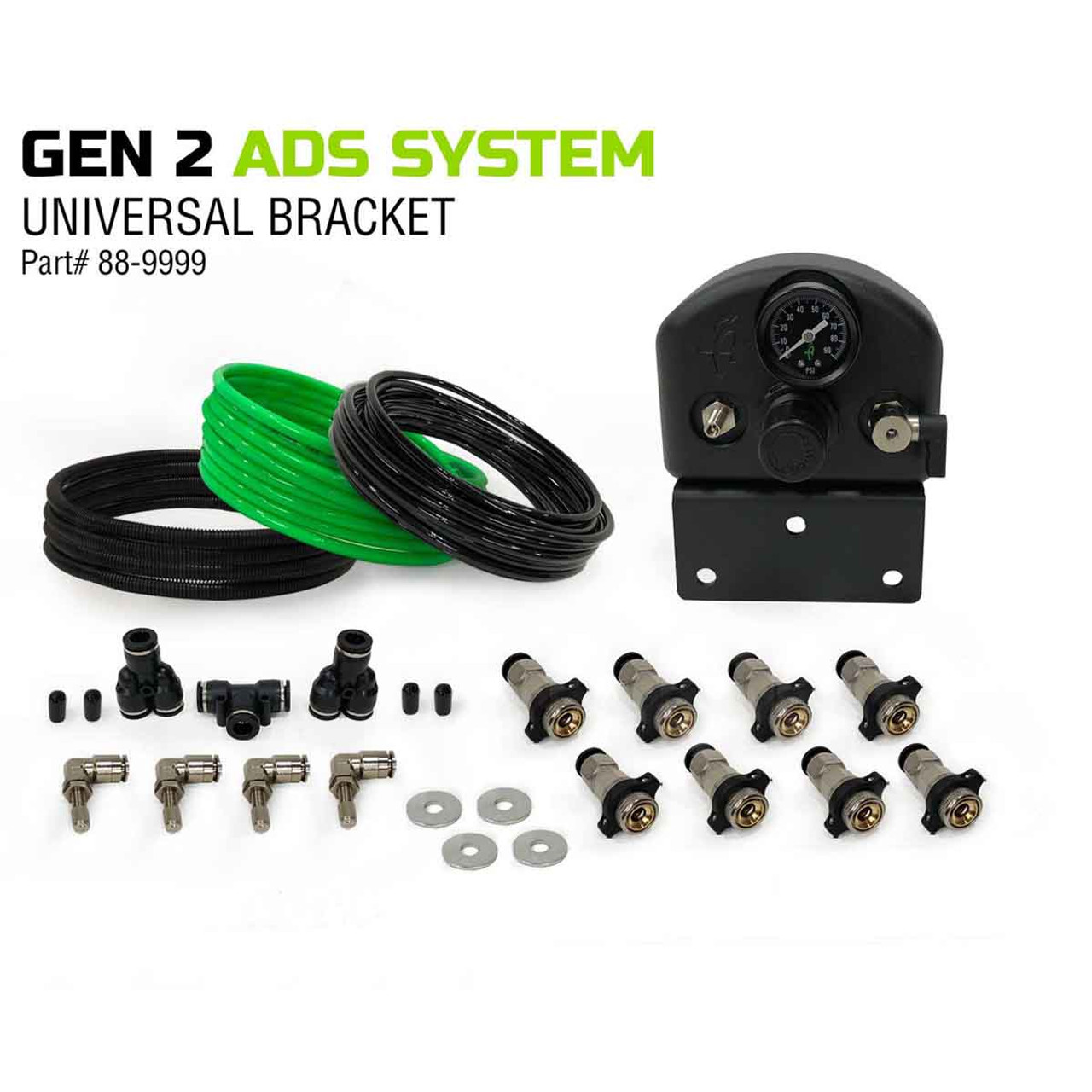
Illustrative image related to tire inflation kit
The evolution of the tire inflation kit market reflects broader technological advancements and changing consumer needs. Initially, tire inflation kits were rudimentary, often consisting of basic pumps and manual tools. However, as vehicle technology has progressed and the automotive industry has embraced digital solutions, so too has the tire inflation kit sector.
In recent years, the introduction of portable, high-capacity inflators and integrated tire repair solutions has transformed the landscape. Modern kits now often include features such as automatic pressure monitoring, quick-connect fittings, and multi-functional tools, catering to a more diverse range of vehicles and user preferences. This evolution has not only improved the efficiency of tire maintenance but has also expanded the market reach, making tire inflation kits essential for both individual consumers and commercial fleets worldwide.
The continued focus on innovation and sustainability will likely shape the future of the tire inflation kit market, ensuring that it remains a critical component in the automotive supply chain.
How do I choose the right tire inflation kit for my fleet?
Choosing the right tire inflation kit involves considering the size and type of vehicles in your fleet, as well as the specific inflation needs. Assess whether you require a multi-tire inflation system that can inflate multiple tires simultaneously or a single tire inflator for individual use. Evaluate the power source options—AC, DC, or battery-powered—and ensure compatibility with your vehicles. Additionally, look for features such as automatic shutoff, pressure gauges, and durability to withstand frequent use in various environments.
What is the best tire inflation kit for commercial vehicles?
For commercial vehicles, a multi-tire inflation kit that accommodates larger tires and multiple vehicles simultaneously is often the best choice. Look for kits that include heavy-duty hoses, robust connectors, and high-capacity inflators capable of reaching the required PSI quickly. Brands that offer customizable options, such as hose lengths and manifold configurations, can provide tailored solutions for your fleet’s needs. Additionally, consider kits with integrated tire repair features for added convenience on the road.
What are the shipping options for tire inflation kits to international locations?
Shipping options for tire inflation kits vary by supplier, but most offer several methods, including air freight for urgent deliveries and sea freight for bulk orders. It’s crucial to confirm the shipping terms, costs, and estimated delivery times with your supplier. Additionally, inquire about customs clearance services, as some suppliers may assist with documentation and tariffs. Be sure to consider the logistics of receiving goods in your specific region, including any potential delays or restrictions.
How can I vet suppliers of tire inflation kits?
Vetting suppliers is essential to ensure quality and reliability. Start by checking their industry reputation, customer reviews, and years of experience in the market. Request samples of their products to evaluate quality firsthand. It’s also beneficial to ask for references from other B2B buyers. Ensure that the supplier adheres to international quality standards and certifications, as this can be indicative of their commitment to quality and customer service.
What customization options are available for tire inflation kits?
Many suppliers offer customization options for tire inflation kits to meet specific business needs. Customizations can include variations in hose lengths, manifold designs, and the addition of pressure gauges or other accessories. Some suppliers even provide DIY kit builders, allowing you to select components that best fit your operational requirements. When inquiring about customization, be clear about your specific needs to ensure the supplier can accommodate your requests.
What are the minimum order quantities (MOQ) for tire inflation kits?
Minimum order quantities (MOQ) for tire inflation kits can vary significantly among suppliers. Some may have MOQs as low as one unit for smaller businesses, while others might require bulk purchases for wholesale pricing. It’s essential to discuss MOQs upfront when negotiating with suppliers, especially if you plan to scale your purchases in the future. Understanding MOQ can help you budget effectively and plan your inventory needs.
What payment terms should I expect when purchasing tire inflation kits?
Payment terms can vary widely among suppliers, and it’s crucial to clarify these before finalizing your order. Common payment methods include bank transfers, letters of credit, and credit terms based on your relationship with the supplier. Some suppliers may require a deposit upfront, with the balance due upon shipment or delivery. Always ensure that the payment terms are documented in your contract to avoid any misunderstandings later.
How do I ensure quality assurance (QA) for tire inflation kits?
To ensure quality assurance for tire inflation kits, request information about the supplier’s QA processes. This may include details about their manufacturing standards, testing procedures, and any certifications they hold. It’s also advisable to conduct quality checks on received products and establish a return policy for defective items. Regular communication with the supplier can help address any QA concerns promptly, ensuring that your business receives reliable and high-quality products consistently.

Домен: morrflate.com
Зарегистрирован: 2019 (6 лет)
Введение: Multi Tire Inflation Deflation™ Kits from MORRFlate allow for simultaneous inflation and deflation of multiple tires. Available options include 4-way and 2-way tire hose kits, as well as DIY kit builders where customers can select their manifold, gauge options, hose lengths, and various accessories. Key products include:
– MORRFlate Braided Mega Quad (4-6 Tires, Up To 200″ Wheelbase) priced betwee…
Домен: tireject.com
Зарегистрирован: 2009 (16 лет)
Введение: Product Name: TireJECT Inflator Kit with Automotive Instant Tire Repair
Price: $199.99
Ключевые особенности:
– Fast, powerful inflation for any size tire with reliable 12v DC power
– Inflates large pickup truck tires from 0 to 35 psi in under 10 minutes
– SmartAIR inflator with auto shutoff and digital LCD screen
– Extended length power cord (over 18′) for easy use
– Powerful 180-watt motor
– LED work lig…
Домен: hornblasters.com
Зарегистрирован: 2003 (22 года)
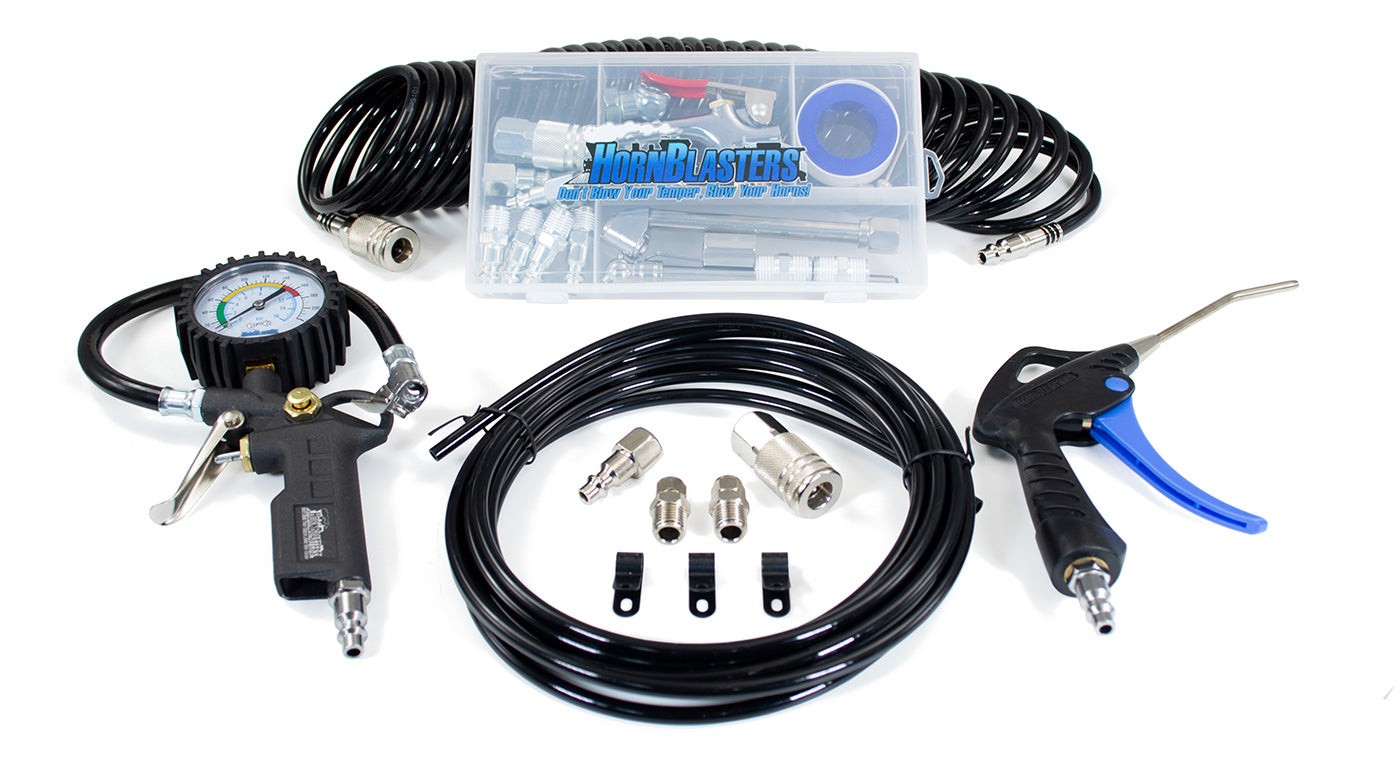
Введение: 1/4″ NPT Tire Inflation Kit for Onboard Air System | HornBlasters
In conclusion, the strategic sourcing of tire inflation kits presents a valuable opportunity for international B2B buyers across diverse markets, including Africa, South America, the Middle East, and Europe. By investing in high-quality, efficient tire inflation solutions, businesses can enhance their operational efficiency, minimize downtime, and improve customer satisfaction. The versatility of products, such as multi-tire inflation kits and advanced inflator systems, ensures that companies can tailor their purchases to meet specific needs, whether for fleet management or automotive repair services.
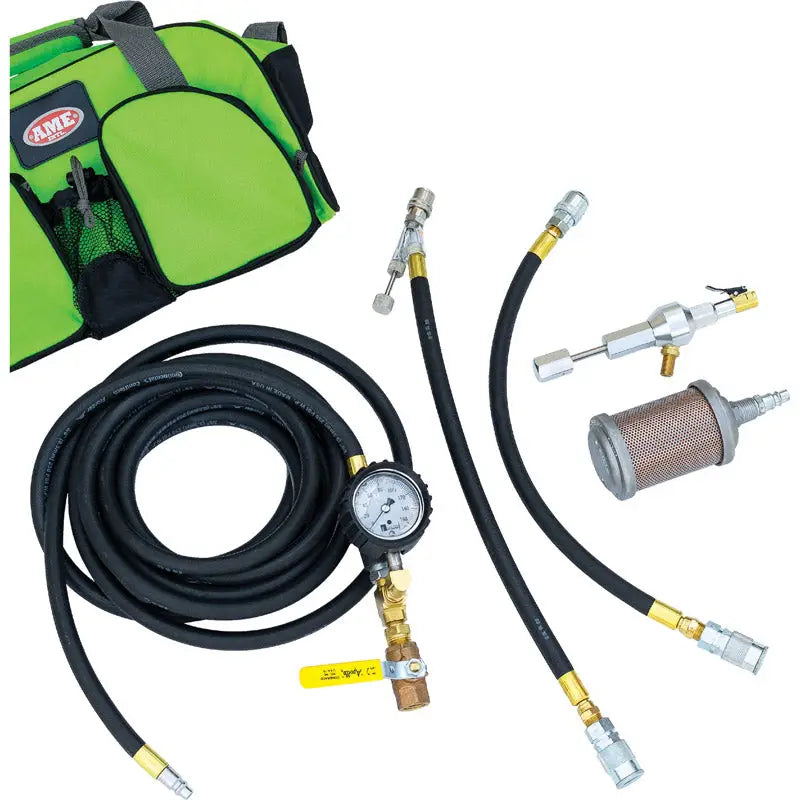
Illustrative image related to tire inflation kit
As the demand for reliable and durable tire inflation solutions continues to grow, it is essential for buyers to prioritize partnerships with reputable suppliers who offer innovative products and robust support. This strategic approach not only safeguards investments but also positions businesses to adapt to evolving market conditions and consumer expectations.
Looking ahead, now is the time for international B2B buyers to leverage the benefits of strategic sourcing in tire inflation kits. By doing so, they can not only secure a competitive edge but also contribute to more sustainable and efficient operations in their respective industries. Engage with trusted suppliers today to explore the best options for your business needs.
Информация, представленная в данном руководстве, включая сведения о производителях, технические характеристики и анализ рынка, предназначена исключительно для информационных и образовательных целей. Она не является профессиональной консультацией по закупкам, финансовой или юридической консультацией.
Несмотря на то, что мы приложили все усилия для обеспечения точности и своевременности информации, мы не несем ответственности за любые ошибки, упущения или устаревшую информацию. Условия рынка, сведения о компании и технические стандарты могут быть изменены.
Покупатели B2B должны проводить независимую и тщательную юридическую экспертизу перед принятием решения о покупке. Это включает в себя прямые контакты с поставщиками, проверку сертификатов, запрос образцов и обращение за профессиональной консультацией. Риск, связанный с использованием любой информации, содержащейся в данном руководстве, несет исключительно читатель.
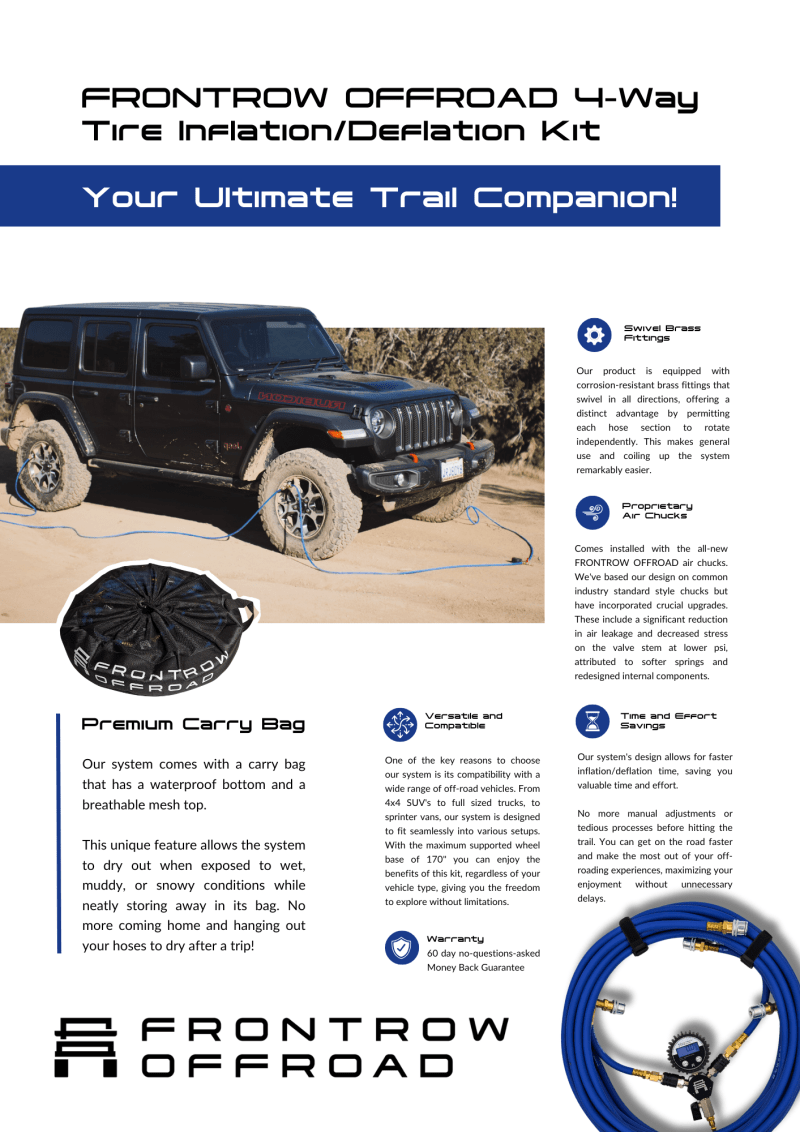
Illustrative image related to tire inflation kit


 Russian
  English
  Spanish
  Italian
  Arabic
  Portuguese
  German