
In today’s fast-paced global market, the ability to quickly and effectively manage unexpected vehicle issues is crucial for businesses operating in diverse regions such as Africa, South America, the Middle East, and Europe. One common challenge faced by B2B buyers is sourcing reliable tire inflator sealants that ensure minimal downtime and enhanced safety on the road. This comprehensive guide addresses this need by delving into the various types of tire inflator sealants available, their applications across different vehicle types, and the critical factors to consider when vetting suppliers.
With a focus on empowering international buyers, this guide outlines the essential components of tire inflator sealants, including their effectiveness, ease of use, and compliance with regional regulations. It also provides insights into pricing structures, enabling businesses to make cost-effective purchasing decisions. Understanding these elements is vital for ensuring that your fleet remains operational and safe, no matter the geographical challenges faced.
As you navigate the complexities of sourcing tire inflator sealants, this guide serves as a valuable resource, equipping you with the knowledge needed to make informed decisions. By exploring the latest innovations and market trends, you can select products that not only meet your immediate needs but also contribute to long-term operational efficiency and customer satisfaction.
| Название типа | Ключевые отличительные особенности | Основные приложения B2B | Краткие плюсы и минусы для покупателей |
|---|---|---|---|
| Emergency Tire Sealant | Quick application, no removal of valve core required | Авторемонтные мастерские, помощь на дорогах | Плюсы: Fast and easy to use. Конс: Temporary solution; must be replaced soon. |
| 2-in-1 Tire & Tube Sealant | Works for both tubeless and tube tires | Bicycle shops, automotive retailers | Плюсы: Versatile; can handle different tire types. Конс: May not seal larger punctures effectively. |
| TPMS-Safe Sealant | Compatible with Tire Pressure Monitoring Systems (TPMS) | Fleet services, car rental agencies | Плюсы: Prevents damage to TPMS; safe for modern vehicles. Конс: Higher cost compared to traditional sealants. |
| Pressurized Sealant Kits | Includes compressor; allows for inflation and sealing | Emergency service providers, logistics | Плюсы: Comprehensive solution; repairs and inflates. Конс: Bulkier and heavier than standalone options. |
| Eco-Friendly Sealant | Non-toxic, biodegradable materials | Eco-conscious businesses, automotive manufacturers | Плюсы: Environmentally friendly; safe for users. Конс: May have limited effectiveness in extreme conditions. |
Emergency tire sealants are designed for rapid application during roadside emergencies. They utilize advanced technologies that allow users to seal punctures without removing the valve core, making them user-friendly. This type of sealant is primarily suited for automotive repair shops and roadside assistance services, providing a quick fix for flat tires. However, it is essential for B2B buyers to recognize that these solutions are temporary and should be followed by a professional repair within a few days or after driving a limited distance.
The 2-in-1 tire and tube sealant is a versatile product that caters to both tubeless and tube tires, making it ideal for bicycle shops and automotive retailers. This flexibility allows businesses to stock a single product that can serve multiple customer needs. While it is effective for small punctures, B2B buyers should be aware that it may not adequately seal larger damages, which could lead to customer dissatisfaction if not properly communicated.
TPMS-safe sealants are specially formulated to be compatible with Tire Pressure Monitoring Systems, making them an excellent choice for fleet services and car rental agencies. These sealants protect sensitive electronic components during repairs, ensuring that vehicles remain operational without additional damage. While they provide significant advantages for modern vehicles, their cost may be higher than traditional options, necessitating a careful evaluation of budget versus benefits for B2B buyers.
Pressurized sealant kits combine the benefits of tire sealants with inflation capabilities, making them an all-in-one solution for emergency service providers and logistics companies. They enable users to repair and inflate tires simultaneously, reducing downtime and enhancing service efficiency. However, these kits tend to be bulkier and heavier, which could be a consideration for businesses with limited storage or transportation capabilities.
Eco-friendly tire sealants are made from non-toxic, biodegradable materials, appealing to eco-conscious businesses and automotive manufacturers focused on sustainability. By choosing these products, companies can enhance their brand image and meet the growing demand for environmentally responsible solutions. However, B2B buyers should consider the potential trade-offs in performance, particularly in extreme conditions, to ensure they meet customer expectations.
| Промышленность/сектор | Specific Application of tire inflator sealant | Ценность/выгода для бизнеса | Ключевые соображения по поиску источников для данного приложения |
|---|---|---|---|
| Ремонт автомобилей | Emergency tire repair for service centers | Reduces downtime for customers, enhances service offerings | Quality of sealant, compatibility with various tire types |
| Транспорт и логистика | Техническое обслуживание грузовиков и автомобилей для доставки грузов | Minimizes disruptions in logistics, ensures operational efficiency | Volume purchasing, shelf life, and ease of use |
| Construction & Mining | On-site tire repair for heavy machinery | Increases equipment uptime, reduces repair costs | Durability under extreme conditions, environmental compliance |
| Транспортные средства для отдыха | Tire maintenance for RVs and trailers | Enhances safety for travelers, prevents roadside emergencies | Portability, ease of use, and compatibility with inflators |
| Сельское хозяйство | Tire sealant for farm equipment | Ensures reliable operation of essential machinery, reduces downtime | Performance in various temperatures, ease of application |
In automotive repair, tire inflator sealant is crucial for service centers that need to provide quick and effective solutions for flat tires. Technicians can use the sealant to quickly seal punctures without needing to remove the tire, significantly reducing the time customers spend waiting for repairs. For international buyers, sourcing high-quality sealants that are compatible with various tire types and materials is essential. Additionally, understanding the sealant’s performance in different climates is vital, especially in regions with extreme temperatures.
In the transportation and logistics sector, tire inflator sealant serves as a proactive maintenance tool for fleets of trucks and delivery vehicles. By equipping vehicles with sealant kits, businesses can minimize the risk of flat tires disrupting deliveries, thereby enhancing operational efficiency. When sourcing, companies should consider bulk purchasing options, as well as the sealant’s effectiveness and shelf life. This ensures that the products remain viable and ready for use when needed, especially in remote areas of South America and Africa.
For construction and mining industries, where heavy machinery is frequently used, tire inflator sealant is invaluable for on-site tire repairs. It allows for rapid response to tire issues, keeping machinery operational and minimizing costly downtime. Buyers in this sector must prioritize sealants that withstand harsh environments and extreme conditions. Additionally, compliance with environmental regulations regarding chemical use is critical, especially in regions where sustainability is becoming increasingly important.
Recreational vehicle (RV) owners benefit from tire inflator sealant as it provides a safety net against flat tires during travels. The sealant enables quick repairs, allowing travelers to continue their journey without the hassle of roadside tire changes. For B2B buyers in the RV industry, sourcing portable and user-friendly sealant kits is essential. Moreover, compatibility with various inflators and ease of application are key factors to consider, particularly for markets in Europe and the Middle East where outdoor activities are popular.
In agriculture, tire inflator sealant is crucial for maintaining the operation of farm equipment, which often faces rough terrain and potential punctures. Using sealant reduces the downtime associated with tire repairs, ensuring that essential machinery remains operational during critical planting and harvesting periods. Buyers should look for sealants that perform well in varying temperatures and are easy to apply in the field. Understanding the specific needs of agricultural machinery in different geographical areas, such as Nigeria or Vietnam, can also guide sourcing decisions.
Проблема: B2B buyers often struggle with selecting the appropriate tire inflator sealant that meets the varied needs of their markets. For instance, a distributor operating in both Africa and Europe faces challenges due to differing climate conditions and tire specifications. Sealants that perform well in one region may not be effective in another, leading to customer dissatisfaction and potential returns. This complexity can be daunting, especially when it comes to ensuring that the product adheres to local regulations and standards.
Решение: To navigate this issue, buyers should conduct thorough market research to understand the specific requirements of each region. Engage with local tire manufacturers and automotive experts to identify sealant specifications that suit their vehicles. It’s also beneficial to source products that have been tested under diverse climate conditions, ensuring they can handle extreme temperatures and varying tire types. Additionally, consider offering a range of sealants, including those designed for both emergency repairs and longer-term fixes, to cater to different customer needs. Establishing strong relationships with reputable suppliers who can provide documentation and testing results will also enhance credibility and trust in your offerings.
Проблема: Many B2B buyers worry about the efficacy and longevity of tire inflator sealants, particularly for customers who rely on them for critical operations like logistics or transportation. The concern is that a sealant may only provide a temporary fix, leaving end-users vulnerable to further tire issues that can lead to costly downtime or accidents. This anxiety is exacerbated when dealing with larger fleets that require reliable, long-lasting solutions.
Решение: To alleviate these concerns, buyers should prioritize sourcing tire inflator sealants that are backed by reputable testing and certifications. Look for products that clearly state their longevity and efficacy, including details on how far and fast a vehicle can travel after application. Buyers should also educate their customers on the proper use of sealants, emphasizing that while they are effective for temporary repairs, they should be followed by professional tire inspection and repair. Providing a warranty or satisfaction guarantee can further build confidence in the product, assuring customers that they will receive support if issues arise.
Проблема: A significant pain point for B2B buyers is the difficulty in educating their customers about the proper usage of tire inflator sealants. Many end-users may lack the technical knowledge required to effectively apply these products, leading to misuse and subpar results. This can result in increased frustration, negative reviews, and damage to the buyer’s reputation in the marketplace.
Решение: To address this challenge, B2B buyers should invest in comprehensive educational resources. Develop clear, concise instructional materials, including videos and step-by-step guides, that demonstrate the correct application of tire inflator sealants. Offering training sessions for customers or creating online webinars can also facilitate knowledge sharing and empower end-users. Additionally, providing customer support through a dedicated hotline or chat service can assist users in real-time, enhancing their experience and ensuring they feel confident in using the products. Implementing a feedback mechanism can also help buyers continuously improve their educational materials based on customer experiences.
When selecting materials for tire inflator sealants, it is crucial to consider their performance characteristics, manufacturing complexities, and suitability for different applications. The most common materials include latex, polyurethane, rubber-based compounds, and specialized synthetic sealants. Each material has distinct properties that can influence the effectiveness and usability of the tire inflator sealant.
Latex is a popular choice for tire sealants due to its flexibility and ease of application. It can effectively seal punctures up to a certain size, typically around 1/4 inch. The temperature range for latex sealants generally falls between -20°F to 120°F (-29°C to 49°C), making them suitable for various climates.
Плюсы: Latex is relatively inexpensive, easy to manufacture, and provides good sealing properties. It is also non-toxic and environmentally friendly, which can be a selling point for buyers in regions with stringent environmental regulations.
Cons: However, latex can degrade over time, especially when exposed to UV light or extreme temperatures. Its durability is lower compared to other materials, which may limit its effectiveness in long-term applications.
International Considerations: Buyers from regions like Africa and South America should be mindful of local climate conditions and potential UV exposure when considering latex sealants. Compliance with environmental standards is also essential.
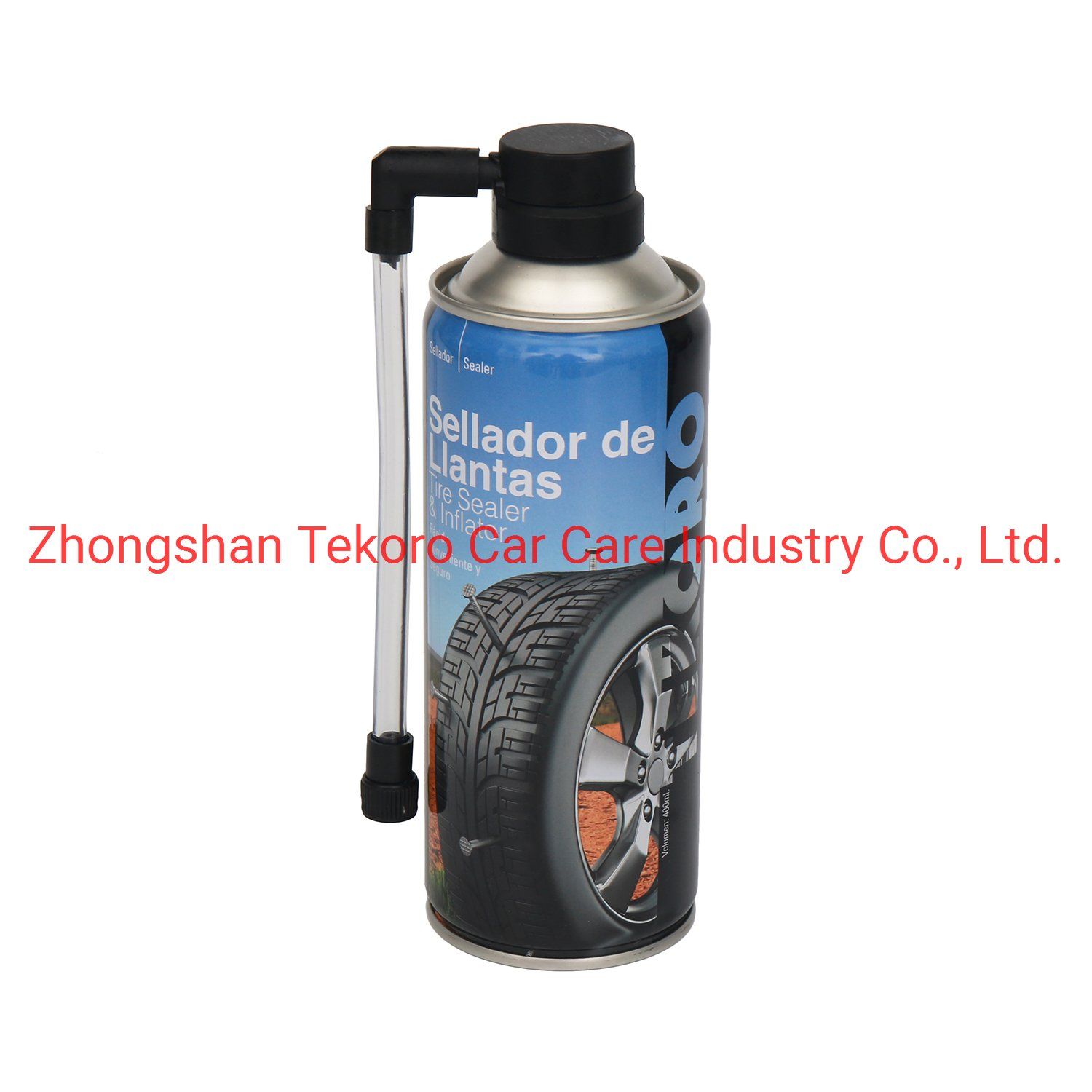
Illustrative image related to tire inflator sealant
Polyurethane is another commonly used material that offers superior durability and flexibility. It can withstand a broader temperature range, typically from -40°F to 140°F (-40°C to 60°C), making it suitable for extreme conditions. Polyurethane sealants can also seal larger punctures effectively.
Плюсы: The primary advantage of polyurethane is its long-lasting performance and resistance to environmental factors such as moisture and UV light. This makes it an ideal choice for regions with high humidity or intense sunlight.
Cons: On the downside, polyurethane sealants tend to be more expensive and may require more complex manufacturing processes. This can increase the overall cost of the product.
International Considerations: For B2B buyers in Europe and the Middle East, it is crucial to ensure that polyurethane products meet local regulations and standards, such as REACH compliance.
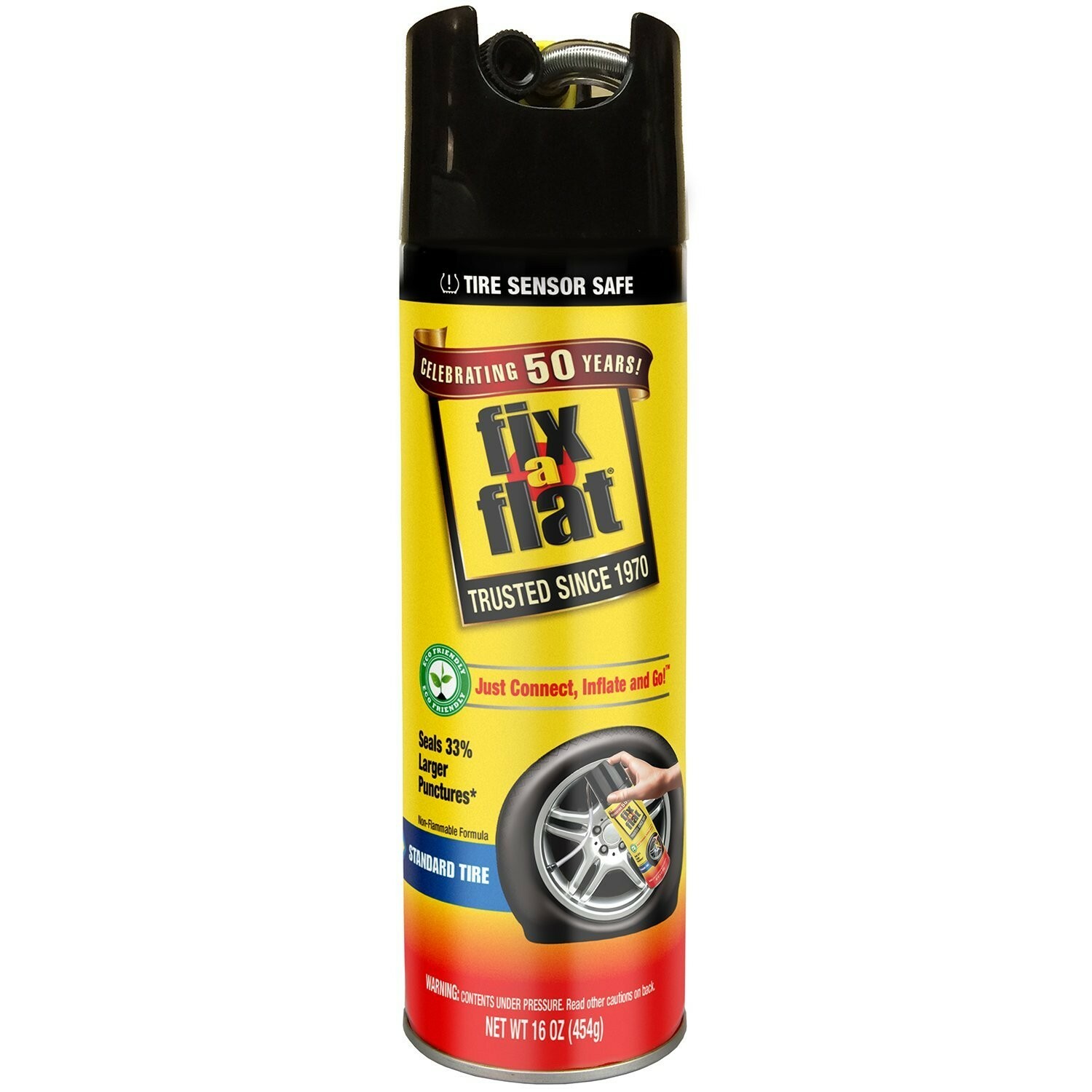
Illustrative image related to tire inflator sealant
Rubber-based compounds are often used in tire inflator sealants for their excellent sealing properties and durability. They can effectively seal punctures and provide a long-lasting solution for tire maintenance.
Плюсы: These compounds offer good resistance to temperature fluctuations and can maintain their sealing properties over time. They are also compatible with various tire materials, making them versatile.
Cons: The manufacturing process for rubber-based sealants can be more complex, potentially leading to higher costs. Additionally, some rubber compounds may not be environmentally friendly, which could be a concern for buyers focused on sustainability.
International Considerations: Buyers in regions with strict environmental regulations should verify the compliance of rubber-based sealants with local standards, such as ASTM or DIN.
Specialized synthetic sealants are engineered to provide optimal performance under various conditions. These sealants can be formulated to enhance specific properties such as temperature resistance, adhesion, and sealing capabilities.
Плюсы: The main advantage of synthetic sealants is their ability to be tailored for specific applications, providing exceptional performance. They often exhibit superior resistance to chemicals and environmental factors.
Cons: However, these materials can be significantly more expensive than traditional options. The complexity of manufacturing synthetic sealants may also lead to longer lead times.
International Considerations: B2B buyers should assess the availability of specialized synthetic sealants in their local markets and ensure compliance with international standards.
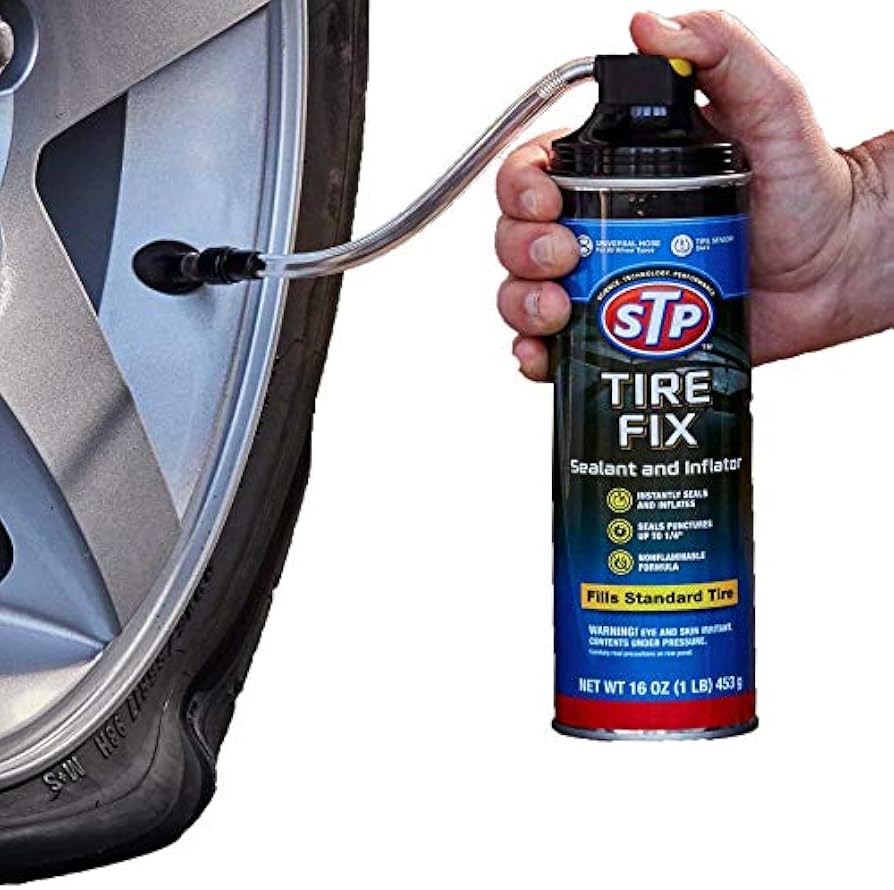
Illustrative image related to tire inflator sealant
| Материал | Typical Use Case for tire inflator sealant | Ключевое преимущество | Основные недостатки/ограничения | Относительная стоимость (низкая/средняя/высокая) |
|---|---|---|---|---|
| Latex | Emergency tire repair | Non-toxic and environmentally friendly | Разрушается со временем | Низкий |
| Polyurethane | Long-term tire maintenance | Superior durability and flexibility | Более высокие производственные затраты | Высокий |
| Rubber-Based Compounds | General tire repairs | Good temperature resistance | Complex manufacturing process | Средний |
| Specialized Synthetic Sealants | Extreme conditions and specific applications | Tailored performance | High cost and longer lead times | Высокий |
This analysis provides a comprehensive overview of the strategic material selection for tire inflator sealants, catering to the specific needs and considerations of international B2B buyers across various regions.
The manufacturing process of tire inflator sealant involves several critical stages to ensure that the final product is reliable and effective. These stages include material preparation, forming, assembly, and finishing.
The first step in manufacturing tire inflator sealant is the preparation of raw materials. Common ingredients include latex, polymers, and various sealing agents that provide the necessary viscosity and adhesion properties. These materials must be sourced from reputable suppliers to ensure quality and consistency. In some cases, additives are included to enhance the sealant’s performance under extreme temperatures or to ensure compatibility with tire pressure monitoring systems (TPMS).
Once the materials are prepared, they undergo a forming process, which typically involves mixing the components in large, controlled environments. This stage often employs high-shear mixing techniques to ensure uniform distribution of all ingredients. The resulting mixture must meet specific viscosity and consistency standards, which are critical for effective application and performance.
Following the formation of the sealant, the next step is assembly. This involves packaging the sealant into containers—usually pressurized cans or bottles designed to withstand specific pressure levels. Automated filling systems are often used to ensure precision and reduce contamination risks. Additionally, the packaging must be designed to prevent leakage while allowing easy application by the end-user.
The final stage of manufacturing involves finishing touches, such as labeling, quality checks, and boxing for shipment. Labels must provide clear instructions and safety warnings, adhering to regulatory standards in the target markets. Quality checks during this stage ensure that each batch meets established specifications, focusing on factors such as weight, pressure tolerance, and sealant efficacy.
Quality assurance (QA) is paramount in the tire inflator sealant manufacturing process. It ensures that products meet international standards and are safe for consumer use.
International standards, such as ISO 9001, play a crucial role in the quality management systems of manufacturers. ISO 9001 focuses on consistent quality and customer satisfaction, requiring organizations to document their processes and maintain continuous improvement. Additionally, certifications like CE mark (for European markets) and API (for American Petroleum Institute) standards may be applicable, depending on the formulation of the sealant and its intended use.
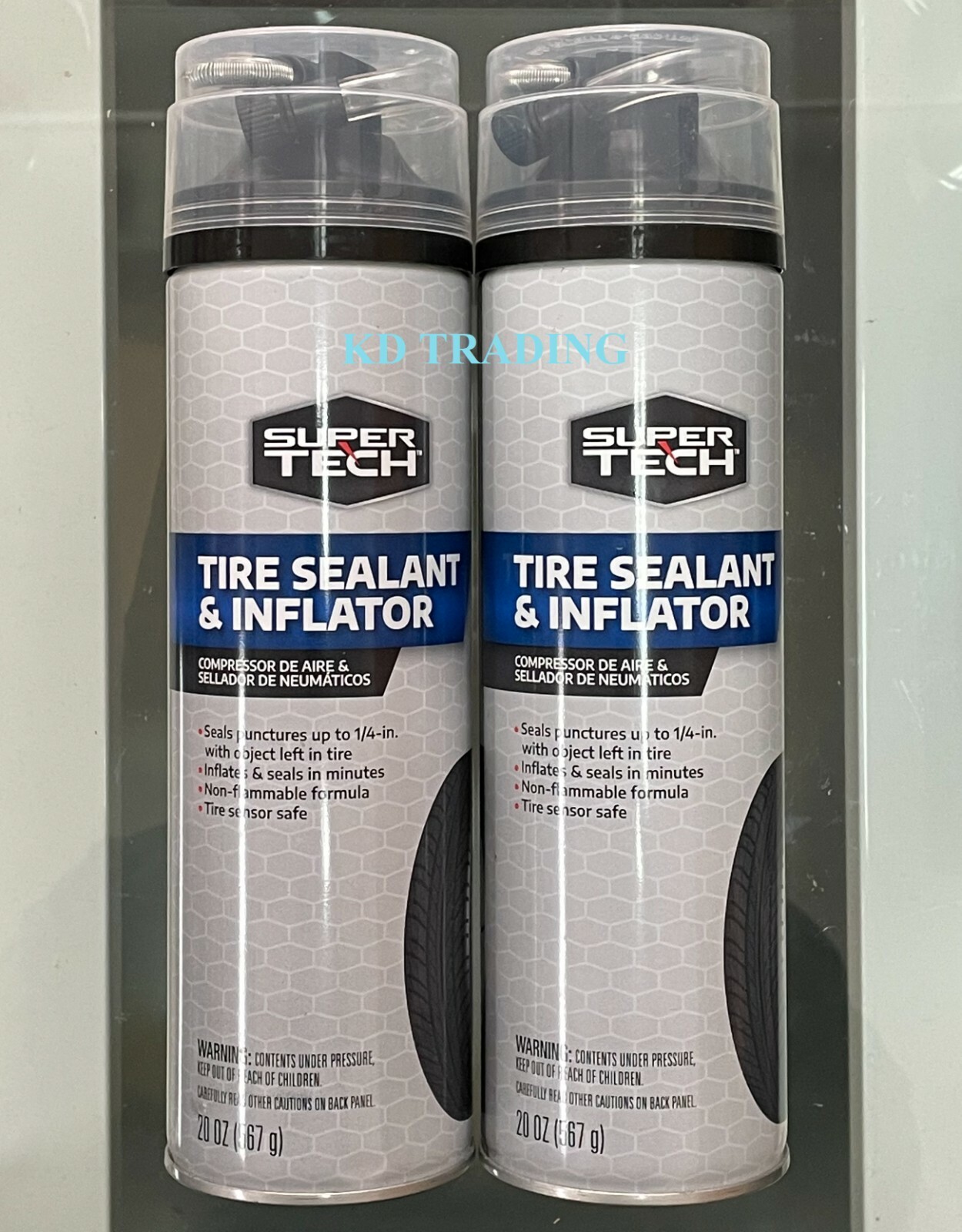
Illustrative image related to tire inflator sealant
Quality control (QC) checkpoints are established at various stages of the manufacturing process. Key checkpoints include:
Several testing methods are commonly employed to verify the quality of tire inflator sealants. These include:
For B2B buyers, especially those from diverse regions like Africa, South America, the Middle East, and Europe, verifying a supplier’s quality control processes is crucial.
Conducting audits is one of the most effective ways to assess a supplier’s quality assurance processes. Buyers should inquire about:
Buyers can request QC reports that detail testing results for specific batches. Engaging third-party inspection services can provide an unbiased review of the supplier’s manufacturing processes and product quality. This step is particularly important for international buyers who may not have direct oversight of the manufacturing facility.
International buyers must navigate various nuances in quality control that can affect their sourcing decisions.
Different regions have varying regulatory requirements, which can affect product safety and quality standards. For instance, products sold in the European Union may require CE marking, while those sold in the United States may need to adhere to different standards. It is essential for buyers to be aware of these regulations to avoid compliance issues.
Illustrative image related to tire inflator sealant
Understanding local market preferences and requirements is crucial for international buyers. This includes knowledge of the climatic conditions where the product will be used, as sealant performance can vary significantly based on temperature and humidity levels. Buyers should communicate these factors to suppliers to ensure that the products meet the specific needs of their market.
By comprehensively understanding the manufacturing processes and quality assurance measures for tire inflator sealant, B2B buyers can make informed decisions that align with their business objectives and customer expectations. This knowledge not only aids in selecting reliable suppliers but also enhances product reliability and customer satisfaction in the competitive automotive industry.
Sourcing tire inflator sealant is a critical task for businesses involved in automotive repair, retail, or fleet management. This guide provides a structured checklist to help B2B buyers make informed purchasing decisions, ensuring they choose the right products that meet their operational needs and comply with regional regulations.
Understanding your requirements is the first step in sourcing tire inflator sealant. Consider the types of vehicles you service and the common tire issues encountered in your region.
– Ключевые соображения:
– Vehicle types (passenger cars, trucks, etc.)
– Typical puncture sizes and tire conditions.
Evaluate the features of different tire inflator sealants available in the market. Look for products that offer effective sealing capabilities and ease of use.
– Important Features:
– Sealant type (temporary vs. permanent)
– Compatibility with tire pressure monitoring systems (TPMS).
– Temperature range for optimal performance.
Illustrative image related to tire inflator sealant
It’s essential to ensure that suppliers adhere to industry standards and regulations. Check for certifications that demonstrate product safety and quality.
– What to Look For:
– ISO certifications
– Compliance with local safety and environmental regulations.
Before finalizing a supplier, conduct a thorough evaluation of their reputation in the market. Reliable suppliers can significantly affect your product quality and customer satisfaction.
– Evaluation Methods:
– Request references from other businesses in your industry.
– Look for online reviews and ratings.
Obtaining samples is a critical step in the sourcing process. Testing the sealant in real-world scenarios can help you evaluate its effectiveness and compatibility with your needs.
– Testing Considerations:
– Ease of application
– Time taken for the sealant to set and hold pressure.
Discuss pricing structures and payment options upfront to avoid any surprises later. Consider bulk purchasing discounts or long-term agreements that can enhance cost-efficiency.
– Pricing Factors:
– Compare prices across multiple suppliers.
– Evaluate total cost of ownership including shipping and handling fees.
Effective communication with your supplier is crucial for a smooth procurement process. Make sure you have clear points of contact for queries and support.
– Communication Strategies:
– Set expectations for response times.
– Utilize digital platforms for tracking orders and updates.
By following this checklist, B2B buyers can streamline their sourcing process for tire inflator sealants, ensuring they select products that meet their operational demands while fostering strong supplier relationships.
When sourcing tire inflator sealants, understanding the cost structure is crucial for international B2B buyers. The primary cost components include:
Материалы: The base ingredients for tire sealants typically consist of latex, resins, and various chemicals designed to seal punctures. The quality of these materials can significantly affect the performance and price of the product. Sourcing from reputable suppliers can ensure better quality but may increase costs.
Труд: Labor costs vary by region. Countries with lower labor costs may provide a more competitive pricing structure. However, it is essential to balance cost with the quality of labor to ensure product consistency.
Производственные накладные расходы: This includes costs related to utilities, rent, equipment depreciation, and other indirect expenses. Efficient manufacturing processes can lower these costs, impacting the final price of the sealant.
Инструментальная оснастка: Initial setup costs for molds and production equipment can be substantial. These costs are generally amortized over production runs, meaning larger orders can reduce the per-unit cost.
Контроль качества (QC): Investing in robust QC processes is essential, especially for tire sealants that must meet safety standards. This may add to the overall cost but is critical for maintaining product reliability.
Логистика: Transportation and handling costs can vary based on the shipping method and distance. International buyers should factor in potential tariffs and customs duties, which can further affect pricing.
Маржа: Suppliers typically add a margin to cover their operating expenses and profit. Understanding the market rates can help buyers negotiate better deals.
Several factors can influence the pricing of tire inflator sealants:
Объем/MOQ (минимальное количество заказа): Larger orders often qualify for bulk pricing, which can significantly reduce the cost per unit. Buyers should evaluate their needs against the MOQ set by suppliers.
Технические характеристики и персонализация: Custom formulations or specialized packaging can incur additional costs. Buyers should clearly define their requirements to avoid unexpected expenses.
Качество материалов и сертификаты: Higher-quality materials and certifications (e.g., ISO) often come at a premium but can lead to better performance and safety. Buyers should assess whether the added cost justifies the benefits.
Факторы поставщика: The reputation and reliability of the supplier can impact pricing. Established suppliers may offer better warranties and support, justifying higher costs.
Инкотермс: The choice of Incoterms (International Commercial Terms) can affect shipping costs and responsibilities. Buyers should be aware of how these terms influence overall expenses.
For international B2B buyers, particularly from regions like Africa, South America, the Middle East, and Europe, here are some actionable tips:
Понимание общей стоимости владения (TCO): Consider not just the purchase price but also long-term costs related to storage, shelf life, and disposal. A lower upfront cost may lead to higher long-term expenses.
Leverage Relationships: Building strong relationships with suppliers can lead to better pricing and service. Regular communication can also provide insights into upcoming discounts or changes in pricing structures.
Обсудите условия: Discuss payment terms, delivery schedules, and potential discounts for early payments. Flexibility in these areas can lead to significant savings.
Be Informed About Market Trends: Keeping abreast of market conditions and competitor pricing can provide leverage during negotiations. Knowledge about regional market dynamics can help buyers secure favorable terms.
Рассмотрите местных поставщиков: Sourcing from local manufacturers can reduce logistics costs and lead times. This is particularly important in regions with challenging transportation infrastructure.
Understanding the comprehensive cost structure and pricing dynamics of tire inflator sealants is essential for B2B buyers. By considering the key cost components, recognizing price influencers, and employing strategic negotiation tactics, buyers can optimize their sourcing decisions. Always remain informed about market trends and supplier capabilities to ensure the best possible outcomes in your purchasing endeavors. Please note that prices may vary based on the factors discussed, and it is advisable to request quotes from multiple suppliers for accurate comparisons.
In the realm of tire maintenance, particularly for businesses that rely on vehicles, it is crucial to evaluate various solutions for handling flat tires. While tire inflator sealants offer a quick and effective temporary fix, alternative methods such as traditional spare tires and run-flat tires can also play significant roles in ensuring operational efficiency. Below is a comparative analysis of tire inflator sealant against these alternatives.
| Сравнительный аспект | Tire Inflator Sealant | Traditional Spare Tire | Run-Flat Tires |
|---|---|---|---|
| Производительность | Seals punctures up to 1/4 inch; temporary fix | Immediate full tire replacement; reliable | Allows driving on flat for limited distance |
| Стоимость | $10 – $80 (for kits with inflator) | $100 – $300 (depending on tire type) | $200 – $400 (higher upfront cost) |
| Простота реализации | Requires minimal setup; connect and inflate | Requires changing the tire; may need tools | No immediate action required post-puncture |
| Техническое обслуживание | Requires periodic replacement of sealant | Requires storage space and regular checks | No maintenance needed until tire wear occurs |
| Лучший пример использования | Ideal for emergency roadside repairs | Best for long-distance travel or remote areas | Suitable for urban environments with short trips |
A traditional spare tire offers a straightforward solution for flat tires. Its primary advantage is reliability; it allows for immediate replacement of the damaged tire, restoring full functionality without the need for temporary fixes. However, spare tires require physical space in the vehicle and the ability to change a tire, which may not be feasible for all drivers. Moreover, they can be heavy and cumbersome, posing a challenge for smaller vehicles or fleets that prioritize fuel efficiency.
Illustrative image related to tire inflator sealant
Run-flat tires are designed to allow a vehicle to continue driving even after a puncture. This offers peace of mind, especially for businesses operating in urban areas where roadside assistance may not be immediately available. The main downside is the higher initial cost and the need for specialized tire service when replacement is necessary. Additionally, run-flat tires may have a harsher ride quality compared to standard tires, which could be a concern for passenger comfort.
For B2B buyers, the choice between tire inflator sealant, traditional spare tires, and run-flat tires hinges on operational needs and cost considerations. If immediate fixes are paramount and vehicle space is limited, tire inflator sealants may be the most efficient choice. Conversely, businesses that require reliability for long-distance travel may prefer traditional spare tires. For urban operations where quick mobility is essential, run-flat tires can minimize downtime. Ultimately, evaluating the specific use case, budget constraints, and maintenance capabilities will guide the decision-making process for the most effective tire management solution.
When evaluating tire inflator sealants, understanding their technical properties is essential for B2B buyers. Here are some key specifications that influence performance and suitability for various applications:
Puncture Seal Size Capability
– Определение: This property indicates the maximum size of punctures the sealant can effectively seal, typically measured in millimeters (e.g., 6mm).
– Важность: Knowing the puncture seal size capability helps businesses determine if the product meets their vehicle specifications, especially in markets where road conditions may cause frequent tire damage.
Temperature Tolerance
– Определение: The operational temperature range within which the sealant remains effective, often specified with minimum and maximum temperatures (e.g., -15°C to 50°C).
– Важность: In regions with extreme weather conditions, such as Africa and the Middle East, selecting a sealant that performs well in varying temperatures is crucial for reliability and customer satisfaction.
Состав материала
– Определение: The chemical makeup of the sealant, which may include latex, rubber, or proprietary blends designed for enhanced sealing performance.
– Важность: Understanding the material composition is vital for assessing compatibility with different tire types and ensuring safety for various wheel finishes, especially for OEM applications.
Pressure Resistance
– Определение: The ability of the sealant to withstand internal tire pressure without degrading or leaking, usually expressed in PSI (pounds per square inch).
– Важность: High-pressure resistance is crucial for maintaining tire integrity during operation. This is especially important for heavy-duty vehicles or commercial fleets operating under demanding conditions.
Shelf Life
– Определение: The duration for which the sealant retains its effectiveness when stored properly, typically measured in years.
– Важность: For B2B buyers, a longer shelf life translates into reduced waste and better inventory management, particularly for businesses in regions with less frequent tire issues.
Familiarity with industry jargon is essential for navigating procurement processes effectively. Here are some common terms related to tire inflator sealants:
Illustrative image related to tire inflator sealant
OEM (Original Equipment Manufacturer)
– Определение: Refers to products made by the original manufacturer of a vehicle or its components.
– Важность: Understanding OEM standards ensures that the sealant used is compatible with the vehicle’s specifications, maintaining warranty and performance.
MOQ (минимальное количество заказа)
– Определение: Наименьшее количество продукта, которое поставщик готов продать.
– Важность: Knowing the MOQ helps buyers plan their orders and manage inventory effectively, especially when sourcing products from international suppliers.
RFQ (запрос котировок)
– Определение: A formal document requesting pricing and terms from suppliers for a specific quantity of goods.
– Важность: Issuing an RFQ allows buyers to compare costs and terms from multiple suppliers, facilitating better purchasing decisions.
Инкотермс (международные коммерческие термины)
– Определение: A set of predefined international rules that clarify the responsibilities of buyers and sellers in international transactions.
– Важность: Familiarity with Incoterms helps buyers understand shipping costs, risk allocation, and delivery obligations, which is critical for global trade.
TPMS (Tire Pressure Monitoring System) Safe
– Определение: Indicates that the sealant is safe to use with vehicles equipped with tire pressure monitoring systems.
– Важность: Ensuring that sealants are TPMS safe prevents potential damage to these systems, which can be costly to repair.
Understanding these technical properties and trade terms empowers B2B buyers to make informed decisions when sourcing tire inflator sealants, ultimately leading to enhanced performance and customer satisfaction in their markets.
The tire inflator sealant sector is experiencing robust growth, driven by several global factors. Increasing vehicle ownership, particularly in emerging markets like Africa, South America, and Southeast Asia, has led to a greater demand for efficient and accessible tire repair solutions. Additionally, the shift towards urbanization and the rising number of vehicles without spare tires—due to manufacturers opting for lighter designs—has accelerated the adoption of tire inflator sealant kits. B2B buyers are increasingly looking for comprehensive solutions that combine tire inflators with sealants, emphasizing convenience and user-friendliness.
Emerging technologies, such as advanced sealant formulations that provide faster and more reliable repairs, are setting new standards in the market. Innovations such as Thru-Core Technology, which allows for the application of sealant without removing the valve core, are becoming more prevalent. Furthermore, the integration of smart technologies in tire inflators—such as automatic pressure monitoring and mobile app connectivity—is enhancing user experience and operational efficiency.
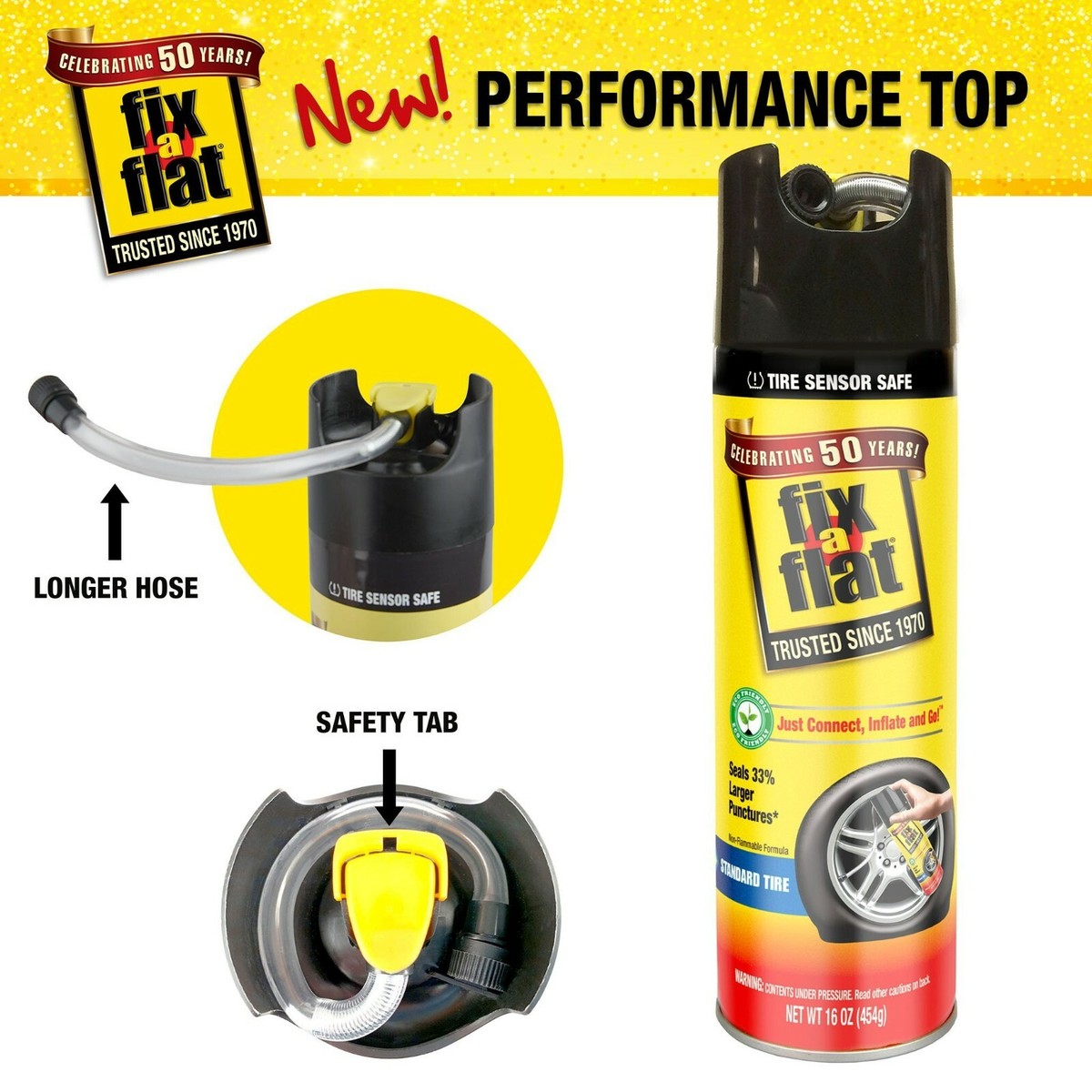
Illustrative image related to tire inflator sealant
International B2B buyers must also navigate a dynamic sourcing landscape. With many manufacturers expanding their reach into new markets, understanding local regulations, import duties, and logistics challenges is critical. Establishing relationships with reliable suppliers who can provide quality products and timely delivery will be essential for maintaining competitive advantage in this evolving market.
Sustainability has become a focal point for businesses across industries, and the tire inflator sealant sector is no exception. The environmental impact of traditional tire repair methods and materials is prompting B2B buyers to seek more sustainable solutions. This includes tire sealants that utilize eco-friendly, non-toxic materials, reducing the overall carbon footprint associated with tire maintenance.
Moreover, ethical sourcing is gaining traction as companies strive to ensure that their supply chains reflect their commitment to sustainability. Buyers are increasingly prioritizing suppliers who adhere to environmental regulations and possess certifications that demonstrate their commitment to green practices. Certifications such as ISO 14001, which focuses on effective environmental management systems, are becoming important indicators of a supplier’s sustainability credentials.
As B2B buyers assess their sourcing options, they should consider the lifecycle impact of tire inflator sealants, including production, usage, and disposal. Collaborating with manufacturers that invest in biodegradable or recyclable materials will not only align with corporate social responsibility goals but also appeal to environmentally-conscious consumers.
The tire inflator sealant sector has evolved significantly from its early days, when basic sealants were primarily used for emergency repairs. Initially, these products were often messy and required extensive cleanup, limiting their appeal. Over time, advancements in chemistry and engineering have led to the development of more sophisticated formulations that are easier to use and more effective at sealing punctures.
The introduction of portable inflators and integrated sealant kits has transformed how consumers and businesses approach tire maintenance. Today’s products are designed for convenience and efficiency, allowing users to perform repairs without specialized tools or professional assistance. This evolution reflects broader trends in consumer behavior, where convenience and reliability are paramount.
As the sector continues to grow, innovations in product design and technology will likely shape its future, making it essential for B2B buyers to stay informed about emerging trends and developments. Understanding these dynamics will enable businesses to make informed sourcing decisions that align with their operational needs and sustainability goals.
How do I solve a flat tire emergency in a timely manner?
To address a flat tire emergency efficiently, consider sourcing tire inflator sealants that are easy to use and can be applied without removing the tire. Look for products that offer instant sealing capabilities for punctures up to 1/4 inch and include a built-in inflator mechanism. Ensure the sealant is compatible with various tire types and is safe for tire pressure monitoring systems (TPMS). Training your team on the proper application process can also help in minimizing downtime and getting vehicles back on the road quickly.
What is the best tire inflator sealant for commercial use?
The best tire inflator sealant for commercial use should combine effective sealing properties with a user-friendly application process. Look for products that can seal punctures up to 6mm, have non-toxic and non-corrosive formulations, and offer temperature resistance. Brands with positive reviews and proven track records in emergency tire repair are ideal. It’s also beneficial to choose sealants that are refillable or part of a kit that includes an inflator for added convenience during roadside repairs.
What are the minimum order quantities (MOQ) for tire inflator sealant?
Minimum order quantities for tire inflator sealants can vary significantly based on the supplier and the type of product. Generally, MOQs may range from 100 to 1,000 units for bulk purchases. It’s advisable to discuss your specific needs with potential suppliers to negotiate better terms, especially if you’re looking for a trial order or a customized solution. Ensure that the MOQ aligns with your storage capabilities and distribution plans to avoid excess inventory.
How can I vet suppliers of tire inflator sealants?
Vetting suppliers involves several key steps: first, check their reputation through online reviews and testimonials from other B2B buyers. Second, request product samples to evaluate quality and performance. Third, inquire about their manufacturing certifications and compliance with international safety standards. Lastly, consider their responsiveness and willingness to accommodate specific requirements, such as customization options and flexible payment terms, as these factors can indicate their reliability as a long-term partner.
What payment terms should I expect when sourcing tire inflator sealants internationally?
Payment terms for international orders can vary, but common practices include payment in advance, letters of credit, or net 30/60/90 days terms depending on your relationship with the supplier. It’s essential to clarify these terms before finalizing any agreements. Look for suppliers who offer secure payment methods and consider the impact of currency exchange rates on your overall costs. Negotiating favorable terms can help manage cash flow effectively, especially for bulk purchases.
What logistics considerations should I keep in mind when importing tire inflator sealants?
When importing tire inflator sealants, consider shipping methods, customs clearance, and local regulations regarding hazardous materials. Air freight is faster but more expensive than sea freight; weigh the urgency against costs. Ensure that the supplier provides all necessary documentation for customs, including safety data sheets. Additionally, familiarize yourself with import duties and taxes specific to your country to avoid unexpected expenses that could impact your budget.
How do I ensure quality assurance (QA) for tire inflator sealants?
To ensure quality assurance for tire inflator sealants, establish clear specifications and standards with your supplier before placing an order. Request regular product testing and certifications to verify compliance with international safety and performance standards. Implement a quality control process that includes receiving inspections and testing samples from each batch. Building a strong relationship with your supplier can also encourage transparency and prompt communication regarding any quality concerns.
Can tire inflator sealants be customized for branding purposes?
Yes, many suppliers offer customization options for tire inflator sealants, allowing you to brand the product according to your company’s needs. This can include labeling, packaging design, and even formulation adjustments to align with your market’s preferences. Discuss your specific branding requirements with potential suppliers early in the negotiation process to understand what is feasible. Customized products can enhance your brand visibility and appeal, particularly in competitive markets.
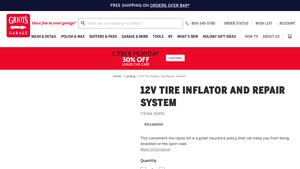
Домен: griotsgarage.com
Зарегистрирован: 1996 (29 лет)
Введение: Item: 12V Tire Inflator and Repair System
Item Number: 36859
UPC: Not specified
MSRP: Was $59.99, Now $44.99 (You save)
Description: Convenient tire repair kit that can keep you from being stranded on the open road. Uses tire, rim, and TPMS-safe sealant. Repairs made with wheel on car. Provides a driving range of 125 miles. Can also be used strictly as an air compressor. Includes handy nylon stora…
Домен: reddit.com
Зарегистрирован: 2005 (20 лет)
Введение: Emergency tire inflation kit sealant for Subaru Solterra is ineffective; the inflator works but the sealant fails to seal punctures, leading to air loss. Users recommend using a plug kit instead.
Домен: lincoln.com
Зарегистрирован: 1997 (28 лет)
Введение: The Tire Inflator and Sealant Kit is designed for temporary tire repair in case of a flat tire. It allows drivers to inflate and seal a punctured tire to reach a Lincoln Retailer for service. The kit is equipped with a sealant canister sufficient for one tire repair only. It is important to check the Owner’s Manual for specific instructions, speed and distance limitations after use, and the exact …

Домен: ford.com
Registered: 1988 (37 years)
Введение: This company, Ford – Tire Sealant Instructions, is a notable entity in the market. For specific product details, it is recommended to visit their website directly.
In navigating the competitive landscape of tire inflator sealant procurement, B2B buyers must prioritize strategic sourcing to enhance their supply chain efficiency. Key takeaways include the importance of selecting products that not only meet safety and performance standards but also align with the specific needs of your regional markets. For instance, considering the diverse climatic conditions in Africa, South America, the Middle East, and Europe, sourcing sealants that perform effectively in extreme temperatures is critical.
Moreover, the integration of tire inflator and sealant kits into your product offerings can significantly reduce customer downtime, providing them with a reliable solution in emergency situations. As the automotive industry trends toward vehicles equipped with sealant kits instead of spare tires, the demand for effective sealants will continue to rise.
As you look forward, embracing innovative sourcing strategies will position your business to capitalize on this growing market. Engage with manufacturers that demonstrate a commitment to quality and sustainability, ensuring that your offerings stand out in a crowded marketplace. Make strategic sourcing a priority today to secure your competitive advantage in the tire inflator sealant sector.
Информация, представленная в данном руководстве, включая сведения о производителях, технические характеристики и анализ рынка, предназначена исключительно для информационных и образовательных целей. Она не является профессиональной консультацией по закупкам, финансовой или юридической консультацией.
Несмотря на то, что мы приложили все усилия для обеспечения точности и своевременности информации, мы не несем ответственности за любые ошибки, упущения или устаревшую информацию. Условия рынка, сведения о компании и технические стандарты могут быть изменены.
Покупатели B2B должны проводить независимую и тщательную юридическую экспертизу перед принятием решения о покупке. Это включает в себя прямые контакты с поставщиками, проверку сертификатов, запрос образцов и обращение за профессиональной консультацией. Риск, связанный с использованием любой информации, содержащейся в данном руководстве, несет исключительно читатель.


 Russian
  English
  Spanish
  Italian
  Arabic
  Portuguese
  German