
As the demand for adventure motorcycles surges globally, sourcing high-quality soft luggage has emerged as a pivotal challenge for B2B buyers. Soft luggage for adventure motorcycles not only enhances the riding experience but also ensures that gear remains secure and accessible across diverse terrains. This comprehensive guide delves into the various types of soft luggage available, including rackless systems, panniers, and tail bags, while also exploring their specific applications in overland travel and daily commuting.
International buyers from regions such as Africa, South America, the Middle East, and Europe, including emerging markets like Brazil and Vietnam, will find invaluable insights into supplier vetting processes, price considerations, and the essential features that differentiate quality products. By providing detailed comparisons of materials, capacities, and design innovations, this guide empowers businesses to make informed purchasing decisions that align with their operational needs and customer expectations.
Navigating the complex landscape of soft luggage options can be daunting, but with the right information, B2B buyers can confidently select products that not only meet their functional requirements but also resonate with the adventurous spirit of their clientele. In an industry where durability and performance are paramount, this guide serves as a key resource for those looking to thrive in the competitive market of adventure motorcycle accessories.
| Название типа | Ключевые отличительные особенности | Основные приложения B2B | Краткие плюсы и минусы для покупателей |
|---|---|---|---|
| Панели | Rigid or semi-rigid bags, often mounted on racks | Long-distance touring, logistics | Плюсы: Stable, secure storage; Конс: Heavier, may require additional hardware. |
| Системы Rackless | Flexible, strap-based systems without a rigid frame | Off-road adventures, lightweight touring | Плюсы: Lightweight, versatile; Конс: Less secure, may shift during travel. |
| Хвостовые сумки | Compact bags mounted at the rear of the motorcycle | Short trips, additional storage | Плюсы: Easy access, low-profile; Конс: Limited capacity, may not be waterproof. |
| Сумки для танков | Bags mounted on the fuel tank, often with magnetic bases | Day trips, navigation tools | Плюсы: Quick access, keeps essentials handy; Конс: Can obstruct view, limited space. |
| Рюкзаки | Wearable bags designed for carrying personal items | Commuting, day trips | Плюсы: Versatile, can be used off the bike; Конс: Less stable at high speeds, weight distribution issues. |
Panniers are a popular choice for adventure motorcyclists, especially for long-distance touring. These bags can be made from durable materials and are often mounted on racks, providing a stable and secure storage solution. They typically feature a larger capacity, making them suitable for carrying essential gear and supplies for extended journeys. When considering B2B purchases, buyers should evaluate the weight, material durability, and mounting options to ensure compatibility with their motorcycle models.
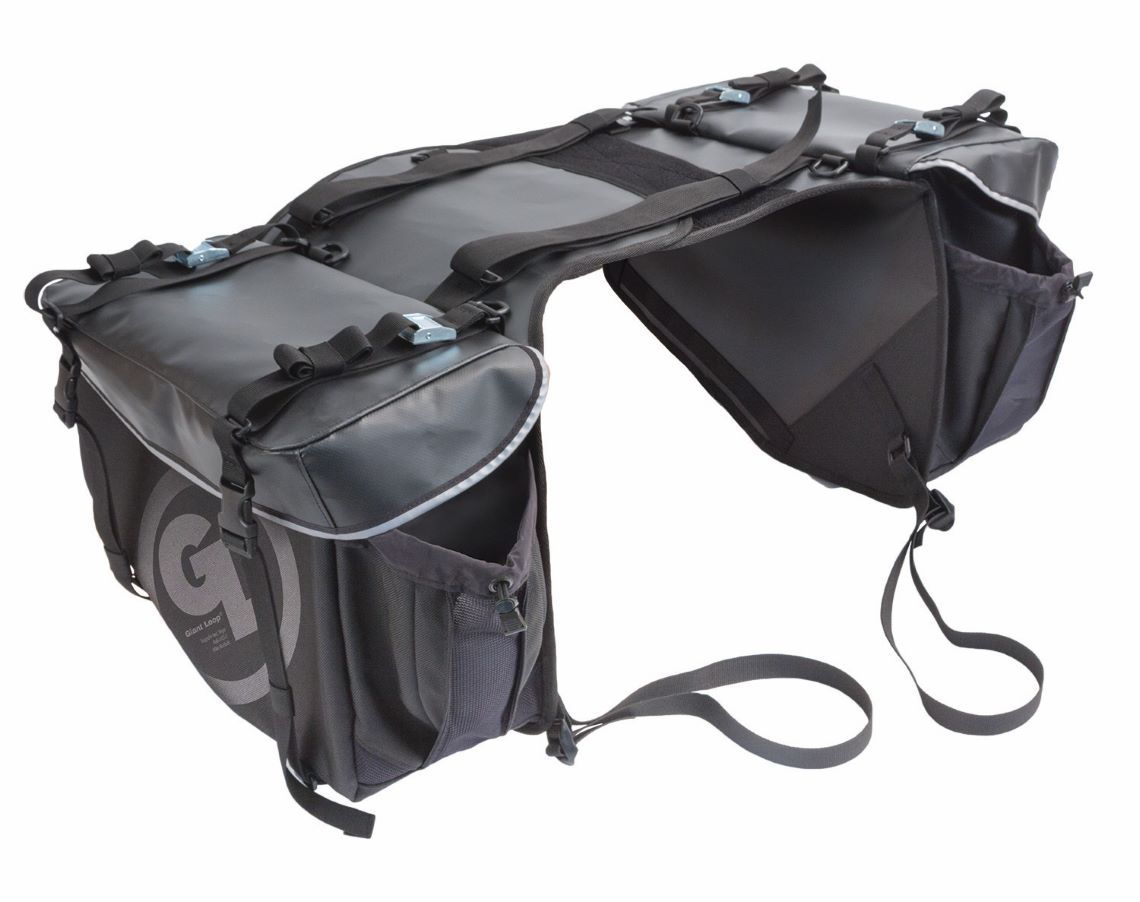
Rackless systems are designed to offer a lightweight and flexible storage solution for off-road enthusiasts. These bags utilize straps and mounting systems that do not require a rigid frame, allowing for easy installation and removal. This type of luggage is ideal for riders who prioritize weight savings and maneuverability on rugged terrain. B2B buyers should consider the material’s water resistance and the bag’s ability to secure tightly to the motorcycle to prevent shifting during rides.
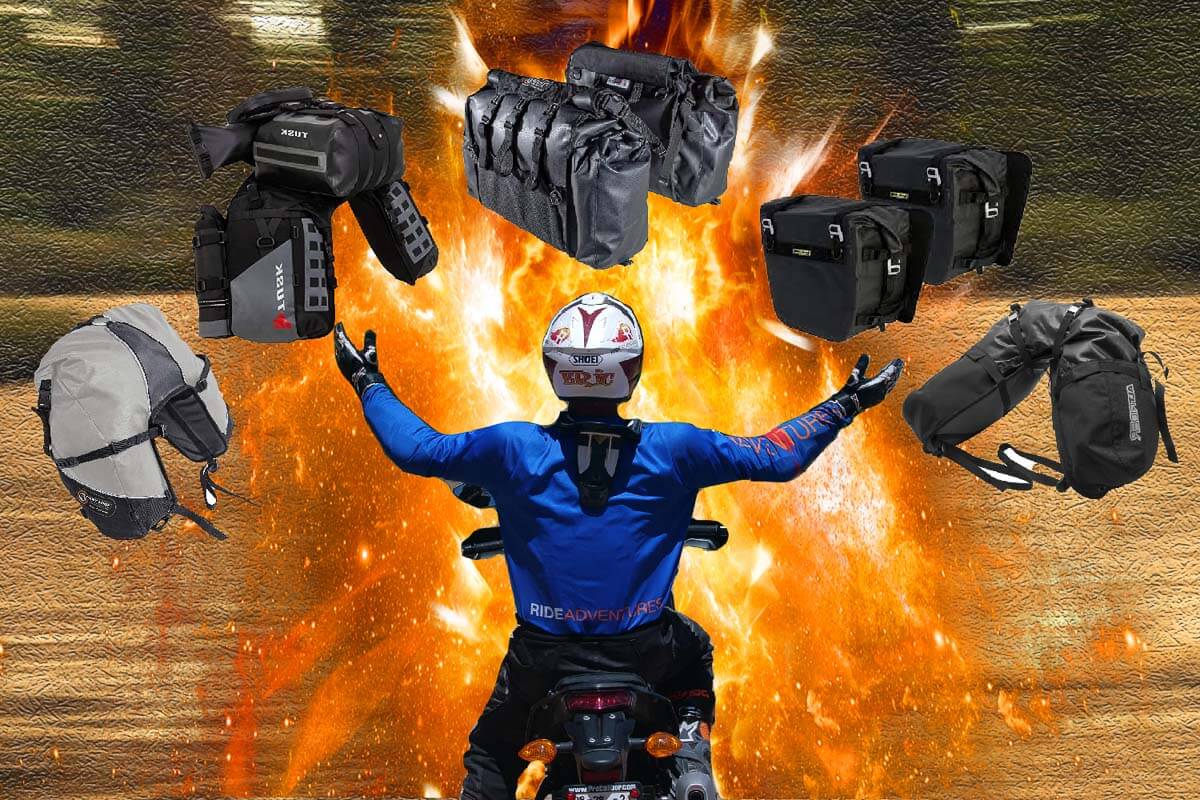
Illustrative image related to soft luggage for adventure motorcycles
Tail bags are compact storage solutions mounted at the rear of the motorcycle, making them ideal for short trips or as supplementary storage. Their low-profile design allows for easy access to items without dismounting. However, their limited capacity may not suffice for longer journeys. When sourcing tail bags, B2B buyers should focus on the ease of attachment, waterproof capabilities, and the bag’s overall durability to withstand varying weather conditions.
Tank bags are strategically placed on the motorcycle’s fuel tank, providing riders with quick access to essential items like maps, tools, and snacks. Many models feature magnetic bases for easy attachment and removal. While they offer convenience, tank bags can obstruct the rider’s view and are limited in storage capacity. B2B buyers should consider the bag’s size, ease of use, and compatibility with different motorcycle models when making purchasing decisions.
Backpacks designed for motorcycle use are versatile and can be worn both on and off the bike. They are particularly useful for carrying personal items during day trips or commutes. However, they may not provide the same stability as other luggage types at high speeds, and improper weight distribution can affect riding balance. B2B buyers should look for features such as ergonomic designs, weatherproof materials, and additional storage compartments to enhance functionality and comfort.
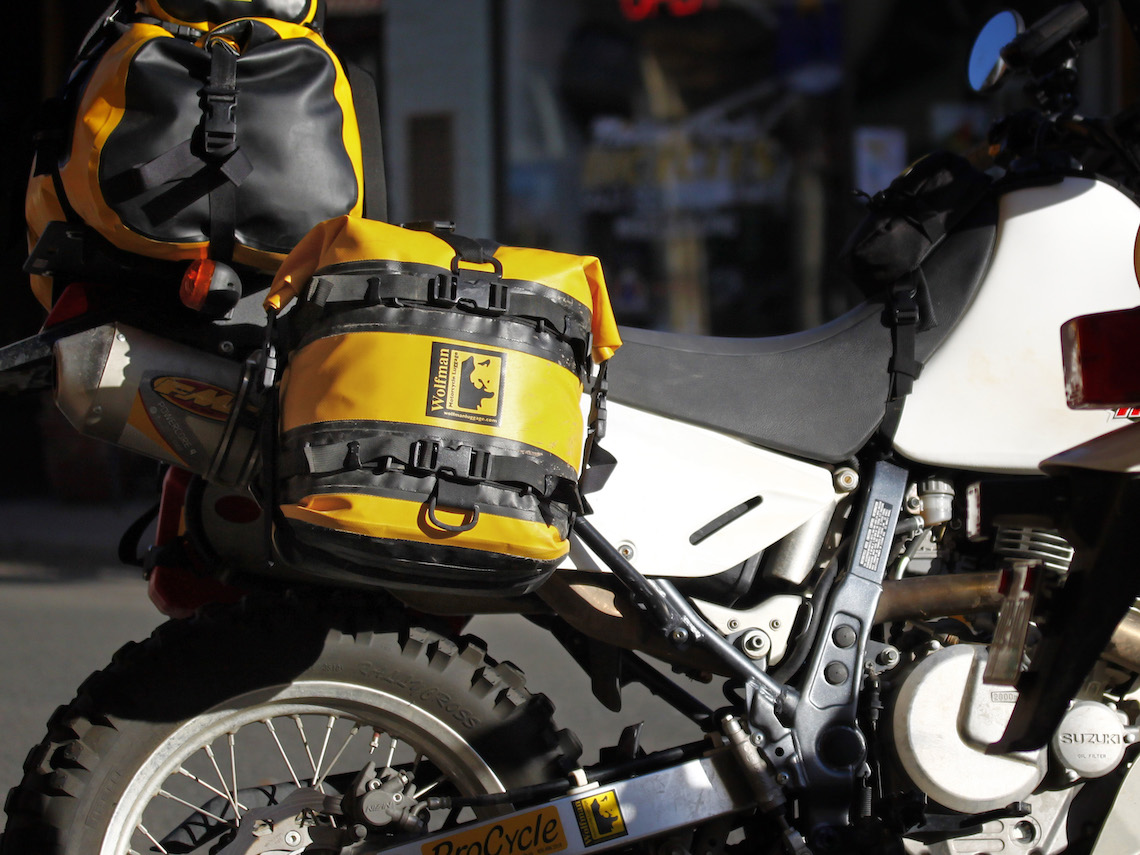
Illustrative image related to soft luggage for adventure motorcycles
| Промышленность/сектор | Specific Application of soft luggage for adventure motorcycles | Ценность/выгода для бизнеса | Ключевые соображения по поиску источников для данного приложения |
|---|---|---|---|
| Приключенческий туризм | Providing luggage solutions for guided motorcycle tours | Enhances customer experience and satisfaction, fostering repeat business | Durability, waterproofing, and capacity to meet diverse travel needs |
| Логистика и транспорт | Using soft luggage for transporting goods in remote areas | Increases efficiency and reduces damage to cargo during transit | Weight, ease of packing/unpacking, and compatibility with various bike models |
| Аварийные службы | Utilizing soft luggage for rapid response units on motorcycles | Facilitates quick access to essential gear and medical supplies | Lightweight design, weather resistance, and secure attachment systems |
| Outdoor Recreation Retail | Selling soft luggage as part of adventure gear packages | Attracts a niche market and boosts sales through bundled offerings | Variety in sizes and styles, brand reputation, and customer reviews |
| Military & Defense | Implementing soft luggage for personnel on off-road missions | Provides reliable storage for tactical gear in challenging environments | Robust construction, security features, and adaptability to different scenarios |
In the adventure tourism sector, soft luggage is essential for guided motorcycle tours. Companies offering these experiences require durable, waterproof bags that can withstand diverse weather conditions while providing ample storage for personal items. This luggage enhances the customer experience by ensuring that their belongings remain safe and organized throughout the trip, fostering customer satisfaction and encouraging repeat bookings. International buyers in this sector should prioritize sourcing products with high durability ratings and excellent waterproofing capabilities to meet the demands of their clientele.
Soft luggage is increasingly being adopted in logistics and transportation, especially in remote areas where conventional hard cases may not be practical. These bags allow for efficient loading and unloading, minimizing the risk of damage to goods during transit. Their lightweight nature also contributes to fuel efficiency in transportation operations. B2B buyers in this field should focus on sourcing soft luggage that balances weight with durability, ensuring that it can withstand rough handling while providing adequate protection for various types of cargo.
Emergency services utilize soft luggage for rapid response units on motorcycles, enabling quick access to essential gear and medical supplies. These bags need to be lightweight yet robust, ensuring that personnel can maneuver effectively while carrying critical equipment. The ability to quickly attach and detach the luggage from the motorcycle is also crucial for operational efficiency. International buyers in this sector should seek products that offer a blend of weather resistance and ease of attachment to ensure reliable performance in urgent situations.
In the outdoor recreation retail sector, soft luggage is often bundled with adventure gear packages, appealing to enthusiasts seeking comprehensive solutions for their journeys. This strategy not only enhances the overall customer experience but also encourages higher sales volumes through bundled offerings. Retailers should consider a diverse range of sizes and styles to cater to different customer preferences. Additionally, sourcing products from reputable brands with positive customer reviews can enhance trust and drive sales.
In military and defense contexts, soft luggage is crucial for personnel engaged in off-road missions, providing reliable storage for tactical gear in challenging environments. The construction must be robust, ensuring that the luggage can withstand extreme conditions and secure enough to protect sensitive equipment. Buyers in this sector should prioritize features such as adaptability to various mission scenarios, security features, and the ability to withstand harsh weather conditions to ensure operational readiness.
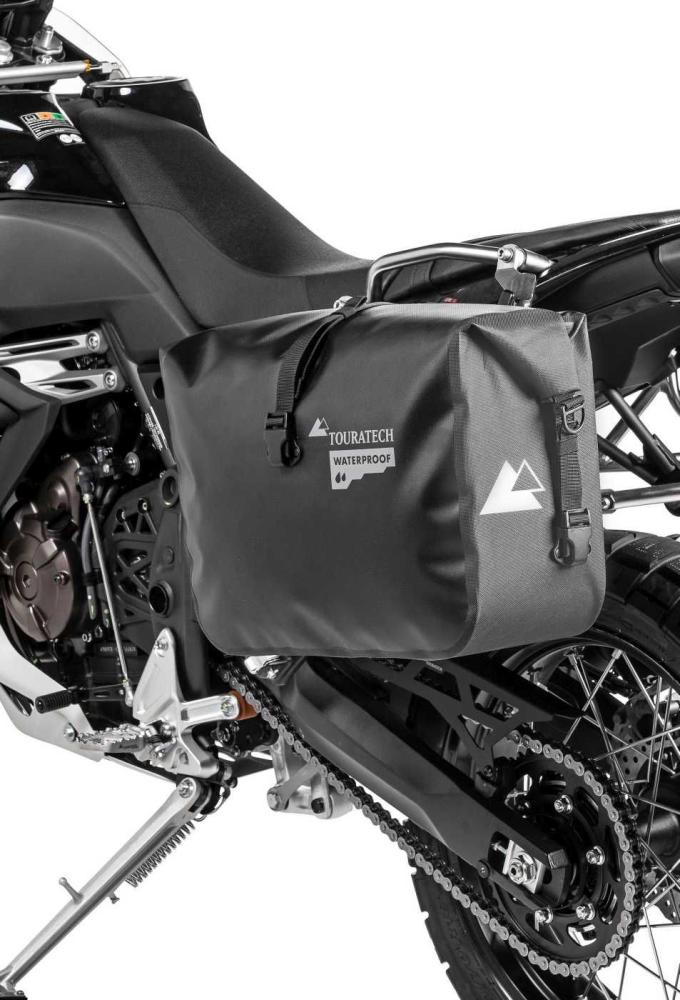
Illustrative image related to soft luggage for adventure motorcycles
Проблема: B2B buyers often face the challenge of ensuring that soft luggage for adventure motorcycles can withstand extreme weather conditions and rough terrains. This is particularly critical for businesses serving regions with diverse climates, such as Africa and South America, where heavy rains, dust storms, and rugged landscapes are common. Buyers worry that inadequate materials may lead to compromised luggage integrity, resulting in damaged goods and dissatisfied customers.
Решение: To address durability concerns, buyers should prioritize sourcing soft luggage made from high-quality, robust materials such as Cordura, PVC, or TPU. These materials are known for their resistance to abrasions and water. Additionally, businesses should look for products that feature welded seams instead of stitched ones, as this enhances waterproof capabilities. When specifying products, consider those with reinforced areas to handle impact and wear from rough riding conditions. It’s advisable to establish partnerships with manufacturers who offer detailed information about their materials and construction processes, allowing for informed decisions based on the unique demands of target markets.
Проблема: Many B2B buyers struggle with the challenge of balancing weight and storage capacity in soft luggage. This is especially important for adventure motorcycle riders who need to pack essential gear without exceeding weight limits, which can impact the motorcycle’s performance. Buyers may find that some luggage options are either too heavy or too small, leading to logistical headaches and potential losses in sales if customers find the products inadequate for their needs.
Решение: To effectively manage weight and capacity, buyers should consider soft luggage systems that offer modularity and expandability. Products like roll-top bags can provide versatility in packing while maintaining a lightweight profile. It’s beneficial to source luggage with adjustable straps and compression systems that allow for easy resizing based on the volume of goods carried. Additionally, utilizing weight distribution techniques, such as positioning heavier items lower in the luggage, can enhance stability during rides. Buyers should also conduct thorough capacity tests and seek feedback from end-users to ensure that the luggage meets practical needs without compromising on performance.
Проблема: Security is a significant concern for B2B buyers involved in the adventure motorcycle market, particularly when transporting valuable gear. Soft luggage can be vulnerable to theft or unauthorized access, especially in urban areas or while parked in unfamiliar locations. Buyers need to find solutions that ensure the safety of the contents without sacrificing convenience or ease of access.
Решение: To enhance security, buyers should look for soft luggage equipped with lockable features, such as zippers or built-in security cables. Products that integrate anti-theft technology, like RFID-blocking pockets or tamper-proof zippers, can provide additional peace of mind. It’s also wise to recommend luggage that can be easily secured to the motorcycle using robust attachment systems, which deter opportunistic theft. Educating customers about best practices for securing luggage—such as parking in well-lit areas and using additional locks—can further mitigate risks. Establishing a relationship with manufacturers who understand the security landscape in target markets will enable buyers to provide comprehensive solutions that enhance customer trust and satisfaction.
When selecting materials for soft luggage designed for adventure motorcycles, several factors come into play, including durability, weight, waterproofing, and cost. Here, we analyze four common materials used in the manufacture of soft luggage, providing insights that are especially relevant for international B2B buyers.
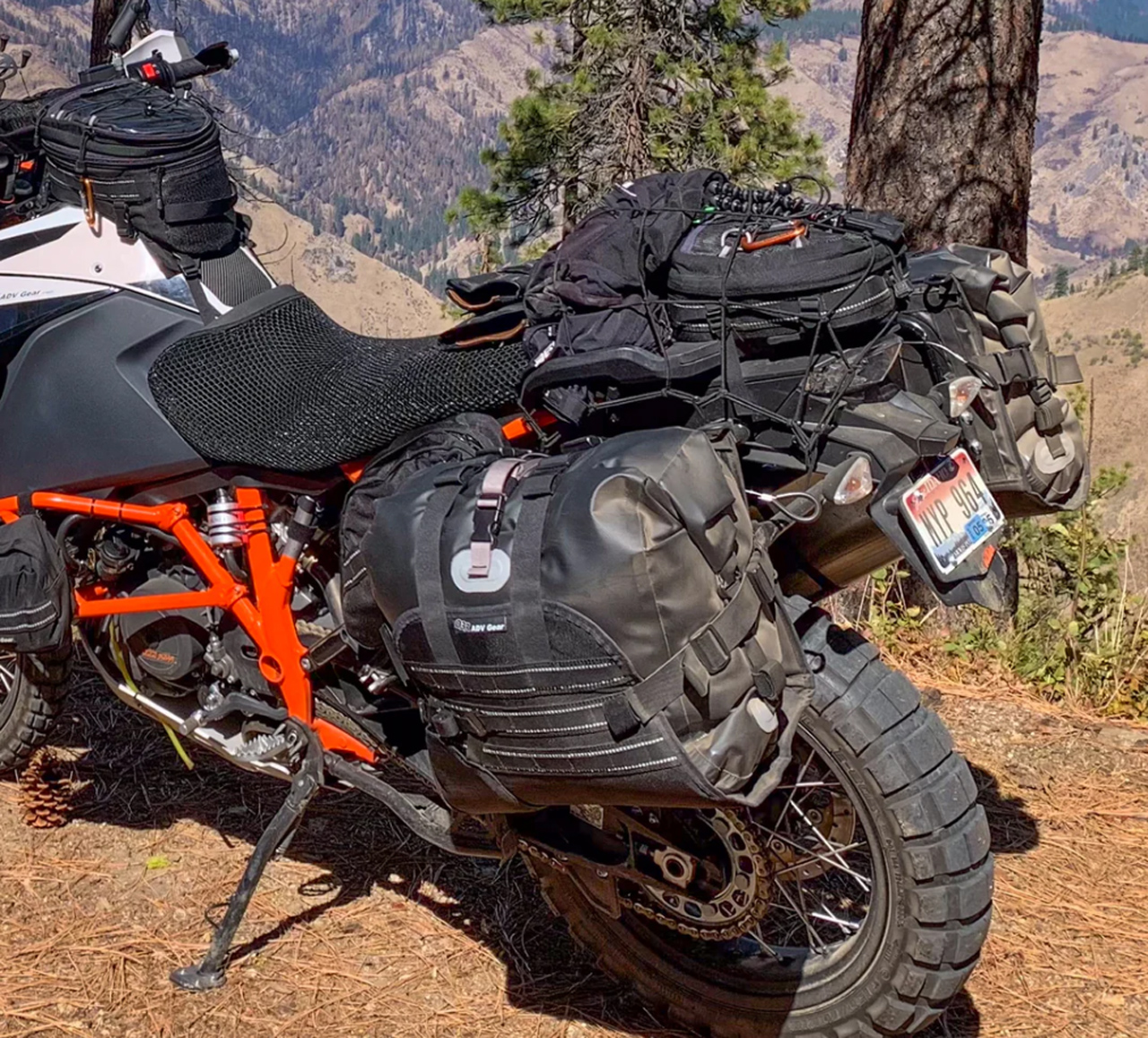
Illustrative image related to soft luggage for adventure motorcycles
Cordura fabric is a popular choice for soft luggage due to its high durability and resistance to abrasions and tears. This nylon-based material can withstand harsh environmental conditions, making it suitable for long-distance travel. It typically has a temperature rating of up to 100°C, providing excellent performance in various climates.
Плюсы: Cordura is lightweight yet strong, which is essential for motorcycle luggage. It is also relatively cost-effective compared to other high-performance fabrics, making it a preferred choice for manufacturers aiming for a balance between quality and price.
Cons: While Cordura is water-resistant, it may not be entirely waterproof without additional coatings or linings. Additionally, the manufacturing process can be complex, which may impact production timelines.
Влияние на применение: Cordura’s durability makes it ideal for rugged terrains, but buyers should ensure that the product includes waterproof linings to enhance its performance in wet conditions.
PVC (Polyvinyl Chloride) vinyl is another common material used in soft luggage. Known for its waterproof properties, PVC is often used in bags that require a high level of water resistance.
Illustrative image related to soft luggage for adventure motorcycles
Плюсы: The primary advantage of PVC is its excellent waterproofing capabilities, which is crucial for adventure riders who may encounter rain or river crossings. It is also easy to clean and maintain, adding to its appeal.
Cons: PVC can be heavier than other materials, which may not be ideal for weight-sensitive applications. Additionally, it may not be as durable against abrasions compared to Cordura, which can lead to wear over time.
Влияние на применение: International buyers should consider the environmental impact of PVC, as it may not comply with certain regulations in regions focused on sustainability.
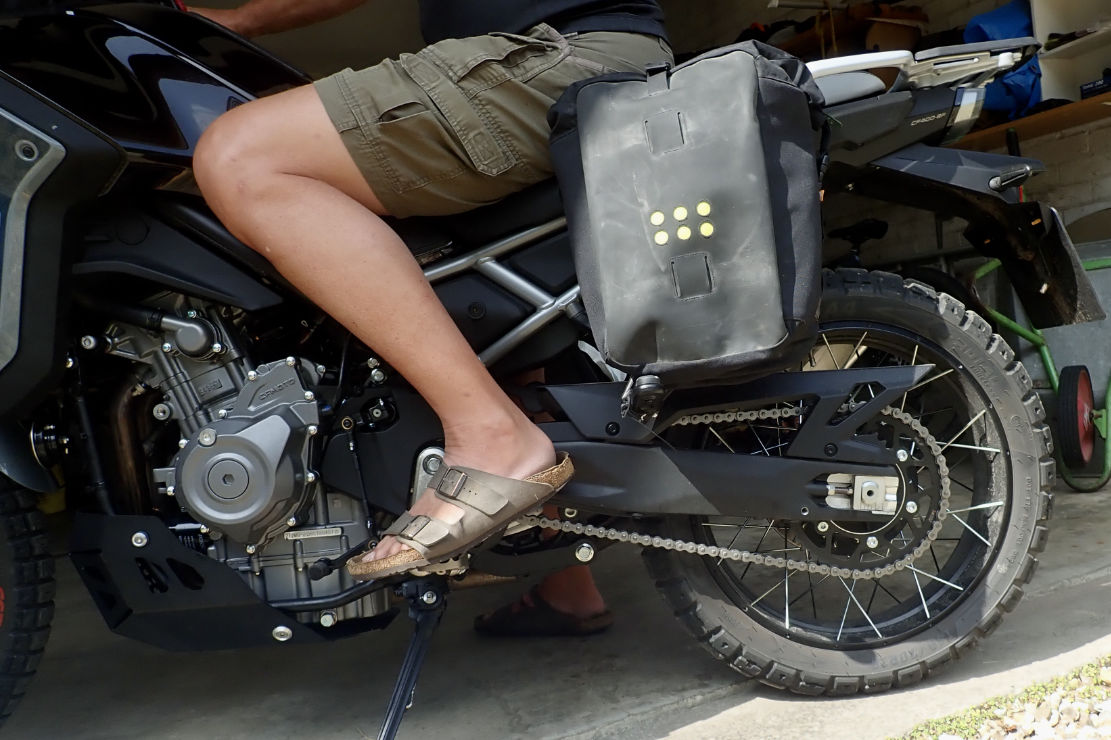
Thermoplastic Polyurethane (TPU) is increasingly being used in soft luggage due to its superior flexibility and durability. It offers excellent resistance to oils, greases, and abrasion.
Плюсы: TPU is lightweight and provides high tensile strength, making it suitable for rugged use. It is also inherently waterproof, which eliminates the need for additional linings.
Illustrative image related to soft luggage for adventure motorcycles
Cons: The manufacturing process for TPU can be more complex and costly, which may affect the final product price. Additionally, TPU can become less flexible in extremely cold temperatures.
Влияние на применение: Buyers in colder regions should evaluate the temperature performance of TPU to ensure it meets their needs, especially in extreme conditions.
Nylon is a versatile material that has been used in various applications, including soft luggage for motorcycles. It is known for its lightweight and strong properties.
Плюсы: Nylon is generally less expensive than other high-performance fabrics and offers a good balance of durability and weight. It can be easily dyed, allowing for a variety of color options.
Cons: While nylon is resistant to wear, it may not be as waterproof as other materials unless treated. It can also degrade under prolonged exposure to UV light, which is a consideration for buyers in sunny climates.
Влияние на применение: For international buyers, understanding the UV resistance of nylon products is crucial, especially in regions with high sun exposure.
| Материал | Typical Use Case for soft luggage for adventure motorcycles | Ключевое преимущество | Основные недостатки/ограничения | Относительная стоимость (низкая/средняя/высокая) |
|---|---|---|---|---|
| Cordura | General-purpose soft luggage | Высокая прочность и устойчивость к истиранию | Not fully waterproof without coatings | Средний |
| PVC Vinyl | Waterproof bags for extreme conditions | Отличная водонепроницаемость | Heavier and less abrasion-resistant | Средний |
| TPU | High-performance, rugged luggage | Lightweight and inherently waterproof | Complex manufacturing process | Высокий |
| Нейлон | Versatile soft luggage options | Экономичный и легкий | Degrades under UV exposure | Низкий |
This strategic material selection guide aims to equip B2B buyers with the necessary insights to make informed decisions when sourcing soft luggage for adventure motorcycles, ensuring they consider durability, cost, and regional compliance requirements.
The manufacturing of soft luggage for adventure motorcycles involves several critical stages, each designed to ensure that the final product is durable, functional, and capable of withstanding the rigors of adventure riding. The main stages include material preparation, forming, assembly, and finishing.
Illustrative image related to soft luggage for adventure motorcycles
The first step in the manufacturing process is material preparation. Manufacturers typically use high-performance fabrics like Cordura, PVC, and TPU due to their durability and water resistance. The selection of materials is crucial, as these fabrics must endure harsh environmental conditions.
Cutting the materials is the next step, where precision is vital. Automated cutting machines are often employed to ensure uniformity and reduce waste. This stage may also involve pre-treating fabrics to enhance their water-repellent properties or applying coatings that increase durability.
Once materials are prepared, the forming stage begins. This involves shaping the cut fabrics into the desired designs. Techniques such as heat welding, sewing, and gluing are commonly used. Heat welding is particularly advantageous as it creates a strong bond without puncturing the material, which is critical for maintaining waterproof integrity.
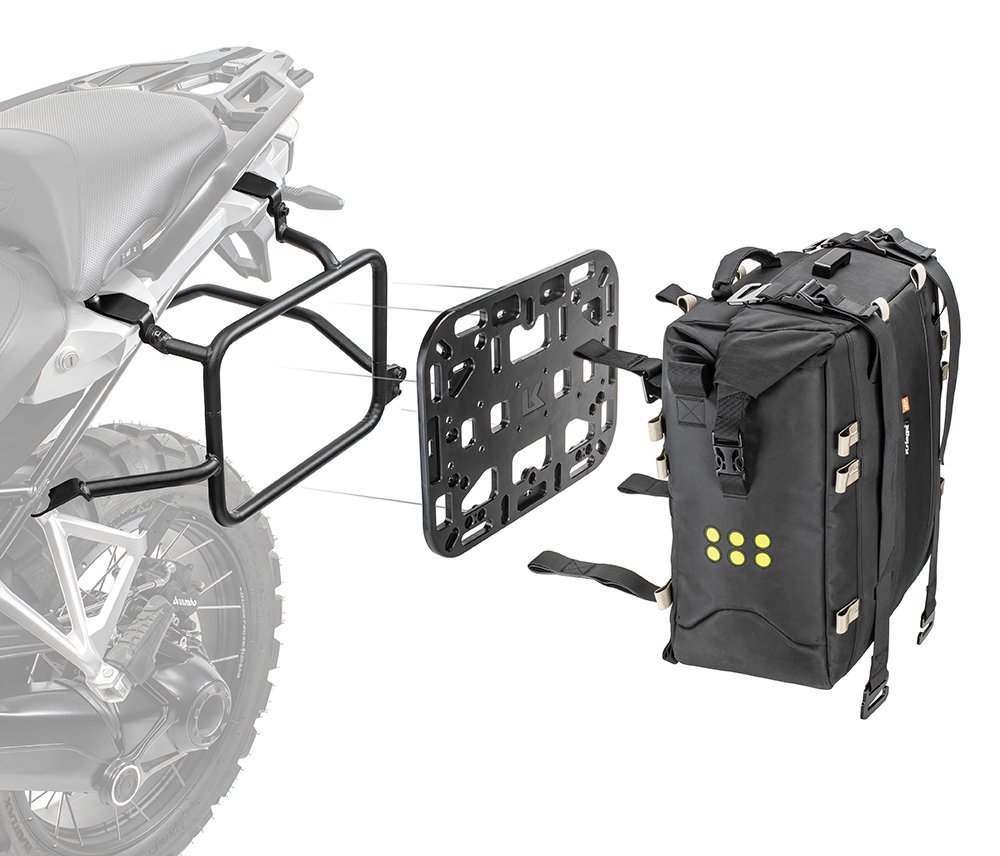
For bags that require additional structural support, manufacturers may integrate backing plates or frames. These components are essential for maintaining the bag’s shape and preventing it from collapsing under weight.
The assembly stage is where individual components come together to form the final product. This can include attaching straps, zippers, and buckles. Quality control at this stage is essential; every seam must be reinforced to prevent ripping during use. Manufacturers often employ skilled labor alongside automated machinery to ensure consistency and precision.
Illustrative image related to soft luggage for adventure motorcycles
Particular attention is paid to high-wear areas, where additional stitching or patches may be added to bolster durability. Manufacturers may also incorporate modular designs, allowing for easy attachment to motorcycles and customization based on rider preferences.
The finishing stage involves the application of final touches such as branding, inspection, and packaging. Branding not only serves a marketing purpose but also reinforces the quality and reliability of the product.
Products are thoroughly inspected at this stage to ensure they meet both aesthetic and functional standards. Any bags that do not pass inspection are either repaired or discarded to maintain the brand’s reputation.
Quality assurance (QA) is a critical aspect of the manufacturing process, especially for B2B buyers who rely on consistent quality in their supply chains.
International standards such as ISO 9001 are crucial for ensuring that manufacturers adhere to quality management principles. Compliance with ISO standards indicates that a manufacturer has established a quality management system that is continually improved.
In addition to ISO standards, specific industry certifications such as CE marking and API standards can enhance a manufacturer’s credibility. These certifications often relate to safety and performance, ensuring that the products can withstand rigorous testing.
Quality control checkpoints are essential throughout the manufacturing process. Common checkpoints include:
Входящий контроль качества (IQC): This stage involves inspecting raw materials upon arrival. B2B buyers should ensure that suppliers have strict IQC protocols to verify that materials meet required specifications.
Внутрипроцессный контроль качества (IPQC): During production, random samples are often tested for quality. This may include checking seam strength, waterproofing, and overall construction integrity.
Окончательный контроль качества (ОКК): Before products are packaged and shipped, a final inspection ensures that all bags meet quality standards. This may involve stress testing the bags to assess durability and functionality.
B2B buyers, particularly those in international markets, should be proactive in verifying the quality control processes of their suppliers.
Аудиты поставщиков: Conducting on-site audits is one of the most effective ways to assess a supplier’s quality control processes. This allows buyers to evaluate manufacturing practices, employee training, and adherence to quality standards firsthand.
Запрос отчетов о качестве: Buyers can request detailed quality reports that outline the results of IQC, IPQC, and FQC. These reports provide insights into the supplier’s quality control metrics and highlight any recurring issues.
Проверки третьих лиц: Engaging third-party inspection services can provide an unbiased evaluation of the supplier’s quality control processes. These organizations can conduct tests and inspections according to international standards, ensuring that products meet the expected quality levels.
International buyers must navigate various nuances when it comes to quality control. Factors such as local regulations, cultural differences in manufacturing practices, and logistical considerations can all impact quality assurance.
Different regions may have varying standards and regulations that affect product quality. For instance, products sold in Europe may need to comply with stricter environmental regulations compared to those in Africa or South America. Understanding these regional standards is essential for ensuring that products not only meet but exceed local compliance requirements.
Additionally, language barriers and cultural differences can impact communication regarding quality expectations. Establishing clear communication channels and expectations from the outset can help mitigate misunderstandings and ensure consistent quality.
By understanding the manufacturing processes and quality assurance measures in the production of soft luggage for adventure motorcycles, B2B buyers can make informed purchasing decisions that align with their quality standards and business goals.
The following practical sourcing guide provides B2B buyers with essential steps to procure high-quality soft luggage for adventure motorcycles. This checklist is designed to ensure that your sourcing process is thorough, efficient, and tailored to meet the specific needs of your business and clientele.
Clearly outline the technical requirements for the soft luggage you intend to procure. This includes determining the minimum volume capacity, typically at least 25 liters per bag, to ensure sufficient space for overland travel. Consider the materials used, such as waterproof fabrics like PVC or TPU, and the type of closure systems (e.g., roll tops) that enhance durability and weather resistance.
Stay updated on the latest trends and innovations in the soft luggage market. This will help you understand consumer preferences and emerging technologies, such as lightweight materials or integrated safety features. Utilize industry reports, attend trade shows, or engage with motorcycle adventure communities to gather insights that can inform your sourcing strategy.
Before committing to a supplier, conduct a thorough evaluation. Request company profiles, product catalogs, and customer testimonials to gauge their reputation and reliability. Look for manufacturers with experience in producing adventure motorcycle luggage and those that offer customization options tailored to your market’s unique needs.
Analyze the pricing structure of potential suppliers to ensure it aligns with your budget and profit margins. Consider the total cost of ownership, which includes shipping, taxes, and potential customs duties. Negotiate payment terms that provide flexibility, such as partial payments upon order confirmation and the balance upon delivery.
Examine the warranty terms and after-sales support provided by suppliers. A robust warranty indicates the manufacturer’s confidence in their product quality and can protect your investment. Additionally, inquire about support services, such as replacement parts availability and customer service responsiveness, to ensure you can effectively address any issues that arise post-purchase.
Ensure that the soft luggage you are considering is compatible with a range of motorcycle models. This is crucial for maximizing your market reach. Suppliers should provide specifications or fitting guides to help you determine whether the luggage can be easily attached to various motorcycle frames.
Finally, establish a logistics plan that addresses storage, transportation, and distribution of the soft luggage. Consider the geographical reach of your target market in Africa, South America, the Middle East, and Europe, and choose suppliers who can accommodate your delivery timelines and regional requirements.
By following this checklist, B2B buyers can confidently source high-quality soft luggage that meets the demands of adventure motorcyclists while ensuring a profitable partnership with reliable suppliers.
Illustrative image related to soft luggage for adventure motorcycles
When sourcing soft luggage for adventure motorcycles, understanding the cost structure is crucial for B2B buyers. The primary cost components include materials, labor, manufacturing overhead, tooling, quality control (QC), logistics, and profit margin.
Several factors influence the pricing of soft luggage for adventure motorcycles. These include order volume, specifications, material quality, certifications, and supplier reliability.
To achieve cost-efficiency in sourcing soft luggage, buyers should consider several strategies:
In summary, understanding the comprehensive cost structure and pricing influencers of soft luggage for adventure motorcycles is essential for B2B buyers. By focusing on material quality, effective negotiation strategies, and the total cost of ownership, businesses can make informed decisions that align with their operational needs and budget constraints. Always remember to request indicative prices and be aware of market fluctuations that may affect costs.
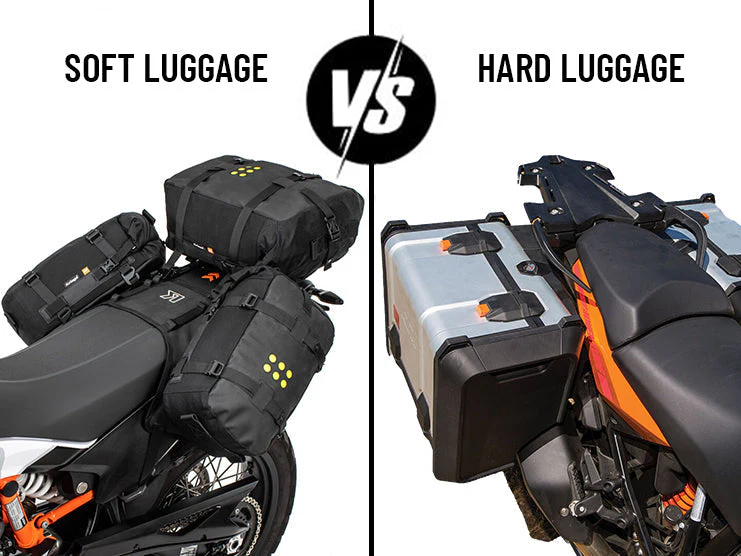
When considering luggage solutions for adventure motorcycles, soft luggage is a popular choice due to its versatility and lightweight nature. However, buyers may also explore alternative options that offer different benefits and drawbacks. This section provides a comparative analysis of soft luggage against hard luggage systems and cargo nets, helping B2B buyers make informed decisions based on their specific needs.
| Сравнительный аспект | Soft Luggage For Adventure Motorcycles | Hard Luggage Systems | Cargo Nets |
|---|---|---|---|
| Производительность | Flexible, lightweight, and waterproof options; suitable for varied terrains | Rigid, durable, and secure; excellent for heavy loads | Lightweight, minimal protection; best for lighter, less delicate items |
| Стоимость | Typically more affordable, with a range of prices based on materials and brands | Generally higher initial cost due to materials and manufacturing | Lowest cost option among the three |
| Простота реализации | Easy to attach and detach; often compatible with various bike models | Requires specific mounting hardware; installation can be complex | Simple setup; can be used with or without racks |
| Техническое обслуживание | Requires regular cleaning and waterproofing treatments | Minimal maintenance; durable against elements | Low maintenance; easy to clean |
| Лучший пример использования | Ideal for off-road trips, touring, and short to medium adventures | Best for long-distance travel with heavier gear | Suitable for casual rides or transporting non-delicate items |
Hard luggage systems, such as aluminum or plastic panniers, provide exceptional durability and security for motorcycle riders. They are designed to withstand harsh environmental conditions, making them ideal for long-distance travel. However, their rigid structure can add considerable weight and bulk to the motorcycle, potentially affecting handling and maneuverability. Additionally, the installation process may require specific mounts or brackets, which could complicate the buying decision for B2B buyers looking for a straightforward solution.
Cargo nets are a lightweight, flexible option for securing items on adventure motorcycles. They can be easily deployed and removed, making them a versatile choice for casual riders or those transporting non-delicate gear. However, cargo nets offer minimal protection against the elements and do not provide the same level of security as soft or hard luggage. This makes them less suitable for long-distance travel or when carrying valuable equipment. B2B buyers should consider the nature of their cargo and riding conditions when evaluating this option.
In conclusion, the selection of luggage for adventure motorcycles ultimately depends on the specific needs of the rider and the type of trips they undertake. Soft luggage offers a balance of flexibility and affordability, making it a popular choice for many adventure riders. Hard luggage systems provide enhanced durability and security for long-distance journeys but come at a higher cost and complexity. Cargo nets serve as a budget-friendly option for lighter loads but lack protection and security. B2B buyers should evaluate their requirements—considering factors such as budget, travel distance, and cargo type—to determine the most suitable solution for their adventure motorcycle needs.
When sourcing soft luggage for adventure motorcycles, understanding critical technical specifications is essential for ensuring durability, functionality, and safety. Here are some key properties to consider:
Illustrative image related to soft luggage for adventure motorcycles
The choice of material significantly impacts the luggage’s performance. Common materials include Cordura, which is a tough woven nylon known for its abrasion resistance, and TPU (thermoplastic polyurethane), which offers excellent waterproofing. High-grade materials are crucial for durability in rugged environments and can withstand harsh weather conditions, making them ideal for long-distance travel.
Volume capacity is vital for determining how much gear can be stored. Typically, soft luggage should have a minimum capacity of 25 liters per bag for self-sufficient overland travel. This specification allows riders to carry essential items without compromising on weight, which is critical for balance and maneuverability on the road.
Water resistance is another critical property. Many soft bags feature roll-top closures and waterproof liners, but the effectiveness can vary. Understanding the level of water resistance can help buyers choose products that will keep contents dry during inclement weather. Look for bags that combine exterior waterproofing with interior protection to ensure that gear remains safe from moisture.
Weight tolerance refers to the maximum load a bag can safely carry. It’s essential to select luggage that can handle the expected load without compromising structural integrity. Lighter materials may seem appealing, but they can lead to failures under heavy use. A robust design can withstand the rigors of off-road travel, reducing the likelihood of damage.
The attachment system determines how the luggage connects to the motorcycle. Options include rack-mounted, which provides stability, or rackless systems that offer versatility. Understanding the pros and cons of each system is vital for ensuring the luggage remains secure during travel.
Navigating the B2B landscape requires familiarity with specific terminology. Here are some common terms relevant to the soft luggage market:
OEM refers to companies that produce components or products that are marketed by another company. In the context of soft luggage, understanding OEM relationships can help buyers identify quality manufacturers and ensure that they are sourcing reliable products.
Illustrative image related to soft luggage for adventure motorcycles
MOQ is the smallest amount of product a supplier is willing to sell. This term is crucial for B2B buyers as it affects inventory management and pricing strategies. Knowing the MOQ allows businesses to plan purchases effectively and avoid excess stock.
An RFQ is a document issued by a buyer to solicit price quotes from suppliers for specific products or services. In the soft luggage market, an RFQ can help buyers compare costs, leading to better negotiation and procurement decisions.
Incoterms are a set of predefined commercial terms published by the International Chamber of Commerce (ICC). They clarify the responsibilities of buyers and sellers regarding shipping, insurance, and tariffs. Familiarity with Incoterms is essential for B2B transactions, particularly for international sourcing.
Lead time refers to the amount of time it takes for an order to be fulfilled. Understanding lead times is critical for inventory planning and ensuring that products are available when needed, especially in markets with high demand fluctuations.
By comprehending these technical properties and trade terms, B2B buyers can make informed decisions when sourcing soft luggage for adventure motorcycles, ultimately enhancing their product offerings and customer satisfaction.
The soft luggage market for adventure motorcycles is experiencing dynamic growth, driven by a surge in adventure tourism and the increasing popularity of motorcycle touring. Globally, there is a growing demand for lightweight, durable, and versatile luggage solutions that cater to the needs of adventure riders. This trend is particularly pronounced in regions like Africa, South America, the Middle East, and Europe, where rugged terrains and long-distance travel are prevalent.
Emerging technologies are also reshaping sourcing strategies. B2B buyers are increasingly leveraging e-commerce platforms and digital marketplaces to streamline procurement processes, allowing for more efficient comparisons of product specifications, pricing, and supplier reliability. Furthermore, the integration of advanced materials like Cordura, PVC, and TPU enhances product durability and waterproof capabilities, appealing to the adventurous spirit of the target market.
Additionally, the trend towards customization and personalization is gaining traction, with manufacturers offering tailored solutions that meet specific customer requirements. Companies that can adapt to these evolving demands and provide innovative, high-quality products will likely secure a competitive edge in this vibrant market.
Sustainability is becoming a critical factor in the decision-making processes of B2B buyers in the soft luggage sector. The environmental impact of production processes, from raw material extraction to manufacturing practices, is under scrutiny. Buyers are increasingly seeking suppliers who prioritize sustainability through responsible sourcing of materials and the implementation of eco-friendly manufacturing techniques.
Ethical supply chains are also gaining prominence, as consumers and businesses alike demand transparency in sourcing practices. Brands that can demonstrate a commitment to ethical labor practices and environmental stewardship are likely to resonate more with today’s conscientious buyers. Certifications such as Global Organic Textile Standard (GOTS) or OEKO-TEX® can serve as valuable indicators of a supplier’s dedication to sustainability.
Moreover, the use of recycled materials in the production of soft luggage is becoming more common, appealing to environmentally conscious consumers. B2B buyers should consider partnering with manufacturers that prioritize sustainability, as this not only aligns with market trends but also enhances brand reputation and customer loyalty.

Illustrative image related to soft luggage for adventure motorcycles
The evolution of soft luggage for adventure motorcycles can be traced back to the early days of motorcycle touring when riders relied on basic canvas bags for their gear. As the adventure motorcycle segment grew, so did the need for more specialized luggage solutions.
In the late 20th century, advancements in materials technology led to the introduction of lightweight, waterproof fabrics such as Cordura and synthetic polymers, significantly enhancing the performance of soft luggage. The design of soft luggage has also evolved, with manufacturers now offering features like roll-top closures, integrated mounting systems, and modular designs to cater to the diverse needs of adventure riders.
Today, soft luggage is not just about functionality; it also encompasses style, brand identity, and user experience. As the market continues to expand, the focus on innovation, sustainability, and consumer preferences will play a crucial role in shaping the future of soft luggage for adventure motorcycles, providing ample opportunities for B2B buyers looking to invest in this growing sector.
How do I choose the right soft luggage for adventure motorcycles?
Choosing the right soft luggage involves assessing the specific needs of your target market. Consider factors such as capacity, durability, waterproofing, and ease of attachment. Look for bags with a minimum capacity of 25 liters for overland travel and ensure they are made from high-quality materials like Cordura or PVC. Additionally, evaluate the design features, such as roll tops for waterproofing and compatibility with various motorcycle models. Engaging with customer feedback can also provide insights into preferred features and performance in diverse terrains.
What features should I look for in soft luggage for adventure motorcycles?
Key features to look for include waterproofing, weight, capacity, and durability. High-quality soft luggage should be made from robust materials like Cordura or TPU, ensuring it withstands harsh conditions. Consider bags with roll-top closures for better waterproofing and those that can be securely attached to the bike to prevent movement during rides. Additional features such as reflective strips for visibility and modular designs for expansion can also enhance functionality for adventure riders.
What is the minimum order quantity (MOQ) for sourcing soft luggage?
The MOQ for soft luggage can vary significantly depending on the supplier and product type. Typically, you might encounter MOQs ranging from 50 to 200 units. It’s essential to communicate directly with suppliers to negotiate terms that align with your business needs. Many manufacturers may offer flexibility, especially for larger orders or long-term partnerships. Ensuring clarity on MOQ can help streamline your procurement process and manage inventory effectively.
What payment terms are common when sourcing soft luggage internationally?
Payment terms can vary by supplier, but common practices include a 30% deposit upon order confirmation and the remaining 70% before shipment. Some suppliers may offer net 30 or net 60 days terms for established clients. Consider using secure payment methods like letters of credit or escrow services to mitigate risks, especially when dealing with international transactions. Always clarify payment expectations upfront to avoid any misunderstandings later in the process.
How can I vet suppliers for soft luggage to ensure quality?
To vet suppliers effectively, start by reviewing their certifications, such as ISO standards, which indicate adherence to quality management systems. Request samples to assess the quality of materials and craftsmanship firsthand. Additionally, check for customer reviews and testimonials to gauge reliability and service levels. Engaging in direct communication with suppliers can also help clarify their production processes, lead times, and responsiveness to inquiries, ensuring they align with your business standards.
What are the logistics considerations for importing soft luggage?
Logistics for importing soft luggage involve understanding shipping methods, customs regulations, and potential tariffs. Choose a reliable shipping partner familiar with international trade to handle the transportation of goods. Ensure you have all necessary documentation, such as invoices and customs declarations, to facilitate smooth clearance. Additionally, consider the impact of lead times on inventory management, especially for seasonal demand fluctuations in the motorcycle market.
Can I customize soft luggage products for my brand?
Yes, many manufacturers offer customization options for soft luggage, including branding, color choices, and specific design features. When discussing customization, be clear about your requirements, including logos, materials, and functionality. Customization may affect lead times and pricing, so it’s important to discuss these factors upfront to ensure alignment with your marketing strategy. Collaborating closely with the supplier can yield a product that meets your branding and customer needs.
What quality assurance measures should I expect from suppliers?
Quality assurance measures can include regular inspections during the manufacturing process, material testing, and compliance with international safety standards. Suppliers should provide a clear quality control plan that outlines their testing procedures and how they handle defects or returns. It’s beneficial to establish a quality agreement that details expectations for product performance, durability, and warranty conditions. Regular communication regarding quality feedback can also enhance product consistency and customer satisfaction.

Домен: adventure-motorcycling.com
Зарегистрирован: 1999 (26 лет)
Введение: Best Motorcycle Soft Baggage 2026 includes reviews and tests of various soft baggage options such as Kriega OS22 pannier, Kriega Trail18 daypack, Ortlieb 30L Travel Zip, Kriega Overlander S – OS-32, Giant Loop Fandango Pro Tank Bag, Enduristan Monsoon, and Giant Loop Siskiyou throwovers. The article discusses the functionality and features of these products, emphasizing their suitability for adven…
Домен: moskomoto.com
Зарегистрирован: 2013 (12 лет)
Введение: Эта компания, Mosko Moto - Багажные системы для мотоциклов, является заметным субъектом на рынке. Для получения подробной информации о продукции рекомендуем посетить их сайт.
Домен: kriega.us
Зарегистрирован: 2008 (17 лет)
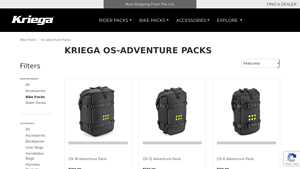
Введение: Kriega OS-Adventure Packs include various models such as OS-12, OS-18, OS-22, OS-32, and OS-38. Prices range from $119.99 to $379.99. The packs are designed for adventure riding and are part of a larger collection that includes backpacks, hydration packs, and other bike accessories. The OS-Adventure Packs are compatible with the Rackless System and are available in multiple colors and materials.
Домен: motocampnerd.com
Зарегистрирован: 2020 (5 лет)
Введение: Soft Panniers – Moto Camp Nerd offers a selection of motorcycle bags and panniers. Key products include: 1. Nelson-Rigg Hurricane Dry Saddlebags – $319.95, in stock. 2. Kriega OS-38 Soft Pannier – $379.99, sold out. 3. Kriega OS-22 Soft Pannier – $329.99, low stock (5 units). 4. Kriega OS-32 Soft Pannier – $349.99, sold out. 5. Kriega OS-Platforms (Pair) – $249.99, in stock. 6. Kriega OS-22 Dual P…

Домен: vikingbags.com
Зарегистрирован: 2006 (19 лет)
Введение: Adventure Motorcycle Luggage Bags by Viking Bags are designed for durability and reliability on the open road. They offer bike-specific and universal luggage solutions for various motorcycle brands including Harley Davidson, BMW, Honda, Triumph, KTM, Suzuki, Ducati, Kawasaki, and Yamaha. Key features include: 100% waterproof luggage systems, quick-disconnect panniers with bike-specific racks, uniq…
In the rapidly evolving landscape of adventure motorcycle soft luggage, strategic sourcing remains paramount for B2B buyers aiming to provide their customers with high-quality, durable, and versatile solutions. Key considerations include evaluating the volume capacity, material integrity, and design features that enhance usability while ensuring longevity. As the market shifts towards rackless systems and advanced waterproofing technologies, international buyers must stay informed about emerging trends and innovations.
Illustrative image related to soft luggage for adventure motorcycles
Moreover, establishing strong relationships with manufacturers across diverse regions—including Africa, South America, the Middle East, and Europe—can lead to improved supply chain efficiencies and cost-effectiveness. Buyers should prioritize suppliers who offer a comprehensive range of products that meet varying customer needs, from casual riders to seasoned adventurers.
Looking ahead, the demand for high-performance soft luggage is set to grow, driven by an increasing number of adventure motorcycle enthusiasts globally. Now is the time to invest in quality partnerships and innovative products that can differentiate your offerings in a competitive market. Engage with suppliers who are committed to innovation and sustainability, ensuring that your business remains at the forefront of this dynamic industry.
Информация, представленная в данном руководстве, включая сведения о производителях, технические характеристики и анализ рынка, предназначена исключительно для информационных и образовательных целей. Она не является профессиональной консультацией по закупкам, финансовой или юридической консультацией.
Несмотря на то, что мы приложили все усилия для обеспечения точности и своевременности информации, мы не несем ответственности за любые ошибки, упущения или устаревшую информацию. Условия рынка, сведения о компании и технические стандарты могут быть изменены.
Покупатели B2B должны проводить независимую и тщательную юридическую экспертизу перед принятием решения о покупке. Это включает в себя прямые контакты с поставщиками, проверку сертификатов, запрос образцов и обращение за профессиональной консультацией. Риск, связанный с использованием любой информации, содержащейся в данном руководстве, несет исключительно читатель.


 Russian
  English
  Spanish
  Italian
  Arabic
  Portuguese
  German