
In today’s fast-paced automotive industry, sourcing reliable tire pressure inflators is essential for businesses aiming to enhance vehicle maintenance and safety. With the increasing demand for efficient and effective solutions across regions, including Africa, South America, the Middle East, and Europe, B2B buyers face the challenge of selecting the right inflator that meets their specific needs. This comprehensive guide delves into various types of tire pressure inflators, their applications in different sectors, and the critical aspects of supplier vetting to ensure quality and reliability.
Understanding the nuances of tire pressure inflators is vital for informed purchasing decisions. This guide will cover essential topics such as the latest technology trends, cost considerations, and product performance metrics. By equipping buyers with actionable insights and detailed comparisons, we aim to streamline the decision-making process for international businesses. Whether you’re a fleet manager in Nigeria looking for durable options or a distributor in Saudi Arabia seeking innovative products, this guide is designed to empower you with the knowledge to make confident investments. In a market where safety, efficiency, and cost-effectiveness are paramount, having the right tire pressure inflator can significantly impact operational success.
| Название типа | Ключевые отличительные особенности | Основные приложения B2B | Краткие плюсы и минусы для покупателей |
|---|---|---|---|
| Аккумуляторные шинные инфляторы | Battery-operated, portable, often compact design | Авторемонтные мастерские, помощь на дорогах | Плюсы: High portability, no need for power source. Конс: Limited battery life, may require recharging. |
| Накачиватели шин 12 В | Plug into vehicle’s 12V outlet, generally more powerful | Fleets, logistics companies, automotive service | Плюсы: Continuous operation, reliable for larger tasks. Конс: Limited mobility, dependent on vehicle power. |
| Накачиватели шин для тяжелых условий эксплуатации | Designed for larger tires, high PSI capabilities | Construction, agriculture, off-road vehicles | Плюсы: Fast inflation, robust build for tough environments. Конс: Bulkier, higher cost, requires battery clamps. |
| Цифровые шинные инфляторы | Digital pressure gauges, preset PSI settings | Tire retail, automotive maintenance | Плюсы: Accurate readings, user-friendly settings. Конс: May be pricier, potential for electronic failure. |
| Многоцелевые инфляторы | Includes additional attachments for various inflatables | Sports retail, event management, automotive | Плюсы: Versatile, can inflate multiple items. Конс: May lack power for high-pressure tires, complex usage. |
Cordless tire inflators are battery-operated devices designed for portability and ease of use. They are ideal for businesses that require quick and efficient tire inflation without being tethered to a power source. These inflators are particularly useful in roadside assistance scenarios or for automotive repair shops that need to service vehicles on the go. However, buyers should consider the battery life, as prolonged use may require recharging, which can be a limitation in high-demand situations.
12V tire inflators connect directly to a vehicle’s power outlet, providing a reliable source of energy for continuous operation. This makes them suitable for businesses managing fleets or logistics companies that need to keep vehicles operational without downtime. These inflators are generally more powerful, enabling them to handle larger tires or multiple inflations in one session. However, they are less portable than cordless models, which could be a drawback for some applications.
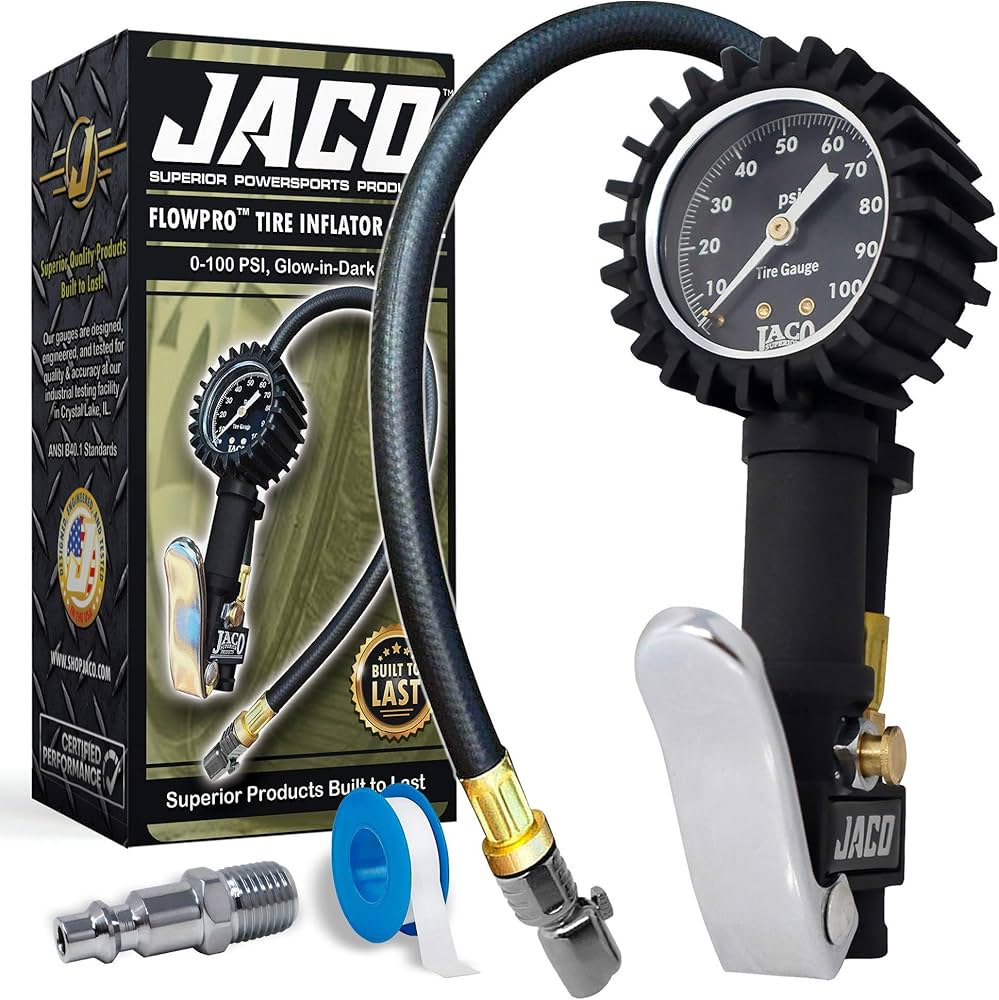
Heavy-duty tire inflators are specifically engineered for larger tires, often found in construction, agriculture, and off-road vehicles. They can achieve high PSI levels quickly, making them indispensable for businesses that deal with heavy machinery or off-road equipment. While these inflators are robust and efficient, they tend to be bulkier and require battery clamps for operation, which can complicate their use in some environments. Buyers should weigh the benefits of speed and durability against the potential challenges of transport and setup.
Illustrative image related to tire pressure inflator
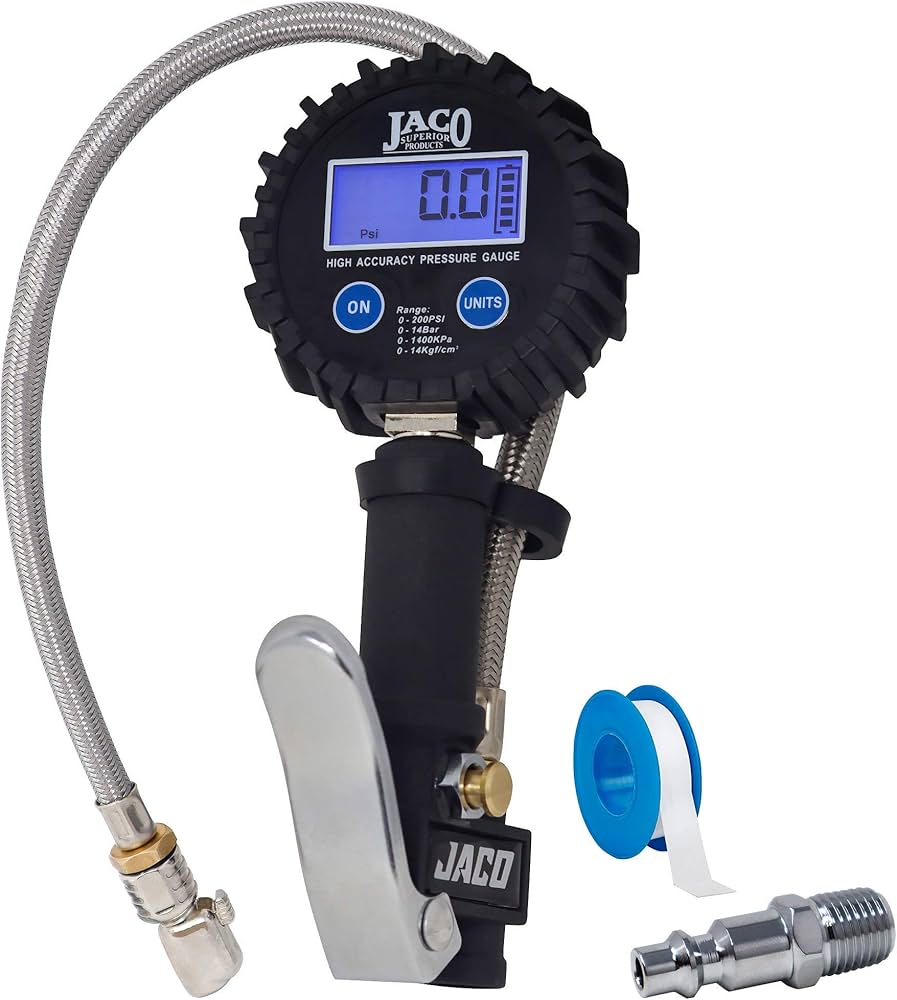
Digital tire inflators feature advanced technology, including digital pressure gauges and preset PSI settings, making them highly accurate and user-friendly. They are particularly beneficial for tire retail shops and automotive maintenance businesses where precision is paramount. While these inflators may come at a higher price point, the investment can lead to improved efficiency and customer satisfaction. However, potential buyers should consider the reliability of electronic components, as they may be prone to failure in harsh conditions.
Multi-purpose inflators are versatile tools that come with various attachments, allowing them to inflate not just tires but also sports equipment and other inflatables. This adaptability makes them suitable for businesses in sports retail, event management, and automotive sectors. While they offer great functionality, it is important to note that they may not have the power needed for high-pressure tire inflation, which could limit their effectiveness in certain scenarios. Buyers should assess their specific needs to determine if the added versatility justifies the investment.
| Промышленность/сектор | Specific Application of tire pressure inflator | Ценность/выгода для бизнеса | Ключевые соображения по поиску источников для данного приложения |
|---|---|---|---|
| Авторемонтные мастерские | Routine tire maintenance and emergency repairs | Enhances service efficiency, improves customer satisfaction | Durability, ease of use, power source compatibility |
| Logistics and Transportation | Fleet tire pressure management | Reduces fuel costs, extends tire lifespan, improves safety | Pressure range, portability, speed of inflation |
| Сельское хозяйство | Maintenance of agricultural vehicles and machinery | Ensures operational readiness, minimizes downtime | Robust design for rugged environments, ease of storage |
| Строительство | Maintenance of heavy equipment and vehicles | Increases equipment reliability, enhances safety | High PSI capability, durability, power source options |
| Транспортные средства для отдыха | Tire inflation for RVs and trailers | Ensures safe travel, enhances vehicle performance | Portability, multi-functionality, battery life |
In automotive repair shops, tire pressure inflators are essential tools for routine tire maintenance and emergency repairs. Technicians use them to quickly inflate tires to the recommended pressure, which is crucial for ensuring vehicle safety and performance. By maintaining optimal tire pressure, repair shops can enhance service efficiency and improve customer satisfaction. Buyers from regions like Africa and the Middle East should prioritize inflators that are durable and easy to use, as well as those compatible with various power sources, including 12V car outlets.
In the logistics and transportation industry, fleet managers utilize tire pressure inflators to monitor and maintain the tire pressure of their vehicles regularly. This practice is vital for reducing fuel costs, extending tire lifespan, and enhancing overall safety on the road. Fleet operators in South America and Europe must consider inflators that offer a wide pressure range and portability, ensuring that they can quickly address tire issues during long hauls or remote operations.
Illustrative image related to tire pressure inflator
Agricultural vehicles and machinery often operate in challenging environments, making tire maintenance crucial for optimal performance. Tire pressure inflators enable farmers to quickly adjust tire pressure, ensuring that their equipment remains operational and efficient. By reducing downtime and enhancing equipment reliability, these inflators contribute to better productivity on the farm. Buyers in Africa should focus on models designed for rugged conditions, with robust construction and easy storage solutions.
In the construction sector, maintaining proper tire pressure in heavy equipment and vehicles is essential for operational efficiency and safety. Tire pressure inflators allow construction managers to ensure that all machinery is ready for use, minimizing the risk of equipment failure on-site. When sourcing inflators, construction firms should look for high PSI capabilities, durability to withstand harsh conditions, and flexibility in power sources to accommodate various equipment needs.
For recreational vehicle (RV) owners, tire pressure inflators are vital for ensuring safe travel and optimal vehicle performance. These inflators allow users to easily maintain tire pressure, which can fluctuate due to varying load conditions and road types. International buyers, particularly in Europe, should seek compact and portable inflators that can be conveniently stored in RVs, along with models that offer multi-functionality for inflating other items such as air mattresses or sports equipment.
Проблема: B2B buyers, such as fleet managers or automotive service providers, often face the challenge of ensuring that their tire pressure inflators deliver accurate readings across a diverse range of vehicles, from small cars to larger trucks. Inaccurate tire pressure can lead to safety hazards, increased fuel consumption, and premature tire wear, which translates to higher operational costs. Furthermore, discrepancies in pressure readings can lead to mistrust in equipment reliability, making it imperative for buyers to select inflators that meet their specific accuracy needs.
Решение: To address this issue, B2B buyers should prioritize inflators with built-in, high-quality digital pressure gauges that have been tested for accuracy. Buyers should verify the calibration of these gauges against industry standards before making a purchase. It’s beneficial to select models that allow for easy recalibration, ensuring that they can maintain accuracy over time. Additionally, investing in inflators that can handle a variety of PSI levels, especially those capable of inflating high-pressure tires found in trucks and SUVs, can further enhance operational efficiency. Regular training for staff on how to use the inflators effectively, including checking the pressure before and after inflation, will also help mitigate this pain point.
Проблема: Many businesses, especially those involved in roadside assistance or mobile tire repair, encounter challenges with inflators that are bulky and difficult to transport. When responding to emergencies, the ability to quickly and efficiently inflate tires is crucial. Inflators that are cumbersome can slow down response times, potentially frustrating customers and impacting service reputation.
Решение: B2B buyers should look for compact, lightweight tire inflators that are easy to store and carry. Models that offer cordless operation, such as battery-powered options, can provide the necessary mobility for field operations. Additionally, inflators with multi-functional capabilities, like built-in lights or USB charging ports, can add value by enhancing usability in various scenarios. Establishing partnerships with manufacturers that focus on designing portable inflators will ensure that the products meet the operational needs of field teams. Lastly, conducting field tests before full-scale implementation can help assess the efficiency and performance of the chosen models in real-world conditions.
Проблема: During peak seasons, such as rainy periods or holiday travel times, tire-related incidents increase significantly. B2B buyers may find that their tire inflators struggle to perform consistently under high demand, leading to delays in service and potential losses in customer trust. Factors such as overheating, slow inflation rates, or insufficient power supply can exacerbate this issue, particularly when multiple tires need to be inflated quickly.
Illustrative image related to tire pressure inflator
Решение: To combat performance inconsistencies, buyers should select inflators with robust duty cycles and high PSI capabilities, ensuring they can handle multiple inflation tasks in succession without overheating. It is advisable to invest in professional-grade inflators designed for commercial use, which often come with features like automatic shut-off and thermal protection to prevent overheating. Additionally, conducting routine maintenance checks on the inflators, such as inspecting hoses and connectors for wear and ensuring that filters are clean, will help maintain optimal performance. Forming a reliable supply chain with manufacturers who can provide timely support and replacement parts will also ensure that the inflators remain operational during critical times.
When selecting materials for tire pressure inflators, it is crucial to consider their properties, advantages, and limitations. The choice of material impacts the inflator’s performance, durability, and overall suitability for various applications. Here, we analyze four common materials used in tire pressure inflators: plastic, aluminum, steel, and rubber.
Plastic is widely used in the housing and components of tire pressure inflators due to its lightweight nature and resistance to corrosion. Key properties include a temperature rating of up to 80°C and good chemical resistance, making it suitable for various environments.
Illustrative image related to tire pressure inflator
Плюсы: Plastic is cost-effective and easy to mold, allowing for complex designs and lightweight products. It is also resistant to rust and corrosion, which is beneficial for inflators used in humid or wet conditions.
Конс: However, plastic can be less durable than metals, especially under high-pressure conditions. It may also become brittle over time when exposed to UV light or extreme temperatures.
Влияние на применение: Plastic is suitable for low-pressure applications and can be used in consumer-grade inflators. However, it may not be ideal for heavy-duty inflators that require robust construction.
Соображения для международных покупателей: Compliance with standards such as ASTM D638 for tensile properties is essential. Buyers in regions like Africa and the Middle East should be aware of the local climate’s impact on plastic durability.
Aluminum is often used for the body and internal components of tire pressure inflators due to its excellent strength-to-weight ratio and corrosion resistance. It can withstand high pressures, making it suitable for heavy-duty applications.
Плюсы: Aluminum is lightweight yet strong, allowing for portable designs without sacrificing durability. It also has good thermal conductivity, which can help dissipate heat generated during operation.
Конс: The primary drawback of aluminum is its higher cost compared to plastic. Additionally, while it is resistant to corrosion, it can still oxidize if not properly treated.
Влияние на применение: Aluminum is ideal for inflators designed for high-performance vehicles or commercial use, where reliability and durability are paramount.
Соображения для международных покупателей: Buyers should ensure compliance with standards like DIN 1725 for aluminum alloys. In regions like South America, where humidity can be high, proper anodization is crucial to prevent corrosion.
Steel, particularly stainless steel, is used in high-pressure components and connectors of tire pressure inflators due to its exceptional strength and durability.
Illustrative image related to tire pressure inflator
Плюсы: Steel can handle high pressures and is less likely to deform under stress. Stainless steel is also resistant to rust and corrosion, making it suitable for various environmental conditions.
Конс: The main disadvantage is that steel is heavier than both plastic and aluminum, which may affect the portability of the inflator. Additionally, it can be more expensive to manufacture due to the complexity of working with steel.
Влияние на применение: Steel is often used in professional-grade inflators that require high durability and pressure ratings, making them suitable for commercial and industrial applications.
Соображения для международных покупателей: Compliance with standards such as ASTM A240 for stainless steel is essential. Buyers in Europe may also consider CE marking for safety compliance.
Rubber is primarily used for seals and hoses in tire pressure inflators due to its flexibility and ability to maintain a tight seal under pressure.
Плюсы: Rubber is excellent for preventing air leaks and can withstand varying temperatures and pressures. It is also relatively inexpensive and easy to source.
Конс: However, rubber can degrade over time, especially when exposed to ozone or UV light, leading to potential failures in sealing.
Влияние на применение: Rubber is crucial for ensuring the reliability of inflators, as leaks can significantly affect performance.
Соображения для международных покупателей: Buyers should look for rubber materials that comply with ASTM D2000 for rubber properties. In regions with extreme climates, such as the Middle East, selecting high-temperature and ozone-resistant rubber is vital.
| Материал | Typical Use Case for tire pressure inflator | Ключевое преимущество | Основные недостатки/ограничения | Относительная стоимость (низкая/средняя/высокая) |
|---|---|---|---|---|
| Пластик | Housing and lightweight components | Легкий и устойчивый к коррозии | Менее долговечны под высоким давлением | Низкий |
| Алюминий | Body and internal components for high-performance inflators | Strong and lightweight | Higher cost and potential oxidation | Средний |
| Сталь | High-pressure components and connectors | Исключительная прочность и долговечность | Более тяжелые и сложные в производстве | Высокий |
| Резина | Уплотнения и шланги | Excellent sealing capability | Can degrade over time due to environmental exposure | Низкий |
This guide provides B2B buyers with essential insights into material selection for tire pressure inflators, enabling informed decision-making based on performance needs and regional considerations.
The manufacturing of tire pressure inflators is a multi-faceted process involving several critical stages: material preparation, forming, assembly, and finishing. Each of these stages plays a vital role in ensuring that the final product meets both performance and quality standards.
Illustrative image related to tire pressure inflator
The process begins with the careful selection and preparation of raw materials. Common materials include high-grade plastics for the housing, metal components for the pressure gauge and connectors, and electrical components for power supply. Suppliers often conduct rigorous quality checks on incoming materials to ensure compliance with industry standards, which is essential for maintaining product durability and reliability. The use of materials that can withstand high pressures and temperature variations is crucial, particularly for inflators designed for heavy-duty applications.
Forming techniques vary depending on the component but typically include injection molding for plastic parts, machining for metal components, and stamping for electrical contacts. Injection molding allows for high-volume production of consistent parts, while machining provides precision for components that require tight tolerances. Advanced technologies such as 3D printing may also be employed for prototyping new designs or creating custom parts, enabling manufacturers to innovate and respond quickly to market demands.
The assembly stage involves integrating all individual components into a functional unit. This process often employs automated assembly lines where precision is key. Workers or robots carefully install electronic components, pressure gauges, and hoses, ensuring that all connections are secure and functional. Quality Control (QC) checkpoints are strategically placed throughout the assembly line to catch any defects early, reducing the risk of faulty products reaching the market.
Once assembled, tire pressure inflators undergo various finishing processes, including surface treatment and packaging. Surface treatment may involve painting or coating to enhance aesthetics and protect against corrosion. Packaging is also a critical consideration, as it must ensure that the product remains intact during transportation and storage. Manufacturers often design packaging that is both functional and appealing to attract B2B buyers.
Quality assurance is a cornerstone of the tire pressure inflator manufacturing process. Adhering to international standards such as ISO 9001 ensures that manufacturers maintain a consistent quality management system. Additionally, industry-specific certifications like CE (Conformité Européenne) for products sold in the European market or API (American Petroleum Institute) standards for inflators designed for industrial use may also apply.
Quality control in tire pressure inflator manufacturing typically involves several key checkpoints:
Входящий контроль качества (IQC): This initial stage checks the quality of raw materials and components upon arrival at the facility. Suppliers must provide certification and compliance documents, which are verified against international standards.
Внутрипроцессный контроль качества (IPQC): During the manufacturing process, random samples of inflators may be tested to ensure they meet specifications. This can include pressure testing, electrical safety assessments, and functional tests to verify performance.
Окончательный контроль качества (ОКК): Before packaging, each inflator undergoes a final inspection. This includes checking for aesthetic defects, operational functionality, and compliance with safety standards. Products that pass this stage are approved for shipment.
Manufacturers employ various testing methods to ensure product reliability and safety. Common tests include:
Испытание давлением: To verify that the inflator can handle specified pressure levels without failure.
Electrical Safety Testing: Ensuring that the electrical components meet safety standards to prevent hazards such as short circuits or overheating.
Функциональное тестирование: Assessing the inflator’s performance under real-world conditions, such as inflating tires from low to high pressures.
Испытания на долговечность: Simulating long-term use to identify potential weaknesses or failure points in the design.
For B2B buyers, especially those from diverse regions such as Africa, South America, the Middle East, and Europe, verifying a supplier’s quality control practices is essential. Here are actionable steps to consider:
Аудиты поставщиков: Conducting on-site audits allows buyers to directly assess the manufacturing process, quality control measures, and compliance with international standards.
Запрос отчетов о качестве: Suppliers should provide documentation of their quality control processes, including IQC, IPQC, and FQC reports. These documents can offer insights into the reliability and consistency of their products.
Проверки третьих лиц: Engaging third-party inspection services can provide an unbiased assessment of the manufacturing facility and product quality, ensuring that standards are met before shipment.
International B2B buyers must navigate various nuances when it comes to quality control. Different regions may have varying regulations and standards, impacting product compliance. For instance, inflators sold in the European market must meet CE certification, whereas products in the Middle East may require compliance with GCC standards. Understanding these differences is crucial for avoiding costly compliance issues and ensuring that products are suitable for their intended markets.
In conclusion, the manufacturing processes and quality assurance practices for tire pressure inflators are complex and multi-dimensional. By understanding these processes and implementing thorough verification strategies, B2B buyers can ensure they source high-quality, reliable products that meet their specific needs.
This practical sourcing guide is designed to assist B2B buyers in the procurement of tire pressure inflators, a crucial tool for maintaining vehicle safety and efficiency. Whether you operate a fleet, manage a service station, or are involved in automotive manufacturing, selecting the right inflator can significantly impact operational performance and customer satisfaction. Follow this step-by-step checklist to ensure a comprehensive evaluation and informed decision-making process.
Begin by determining the technical requirements for the tire pressure inflators you need. Consider factors such as the maximum pressure (PSI), power source (battery, 12V, or AC), and portability. Understanding these specifications ensures that the inflators you select can meet the demands of your vehicles and work environment.
Investigate reputable brands and models that align with your specifications. Explore industry reviews, product comparisons, and user testimonials to gain insights into performance and reliability. This step is essential for identifying high-quality options that have proven effective in real-world usage.
Before making a commitment, thoroughly vet potential suppliers. Request company profiles, product catalogs, and customer references to assess their credibility and reliability. This evaluation helps mitigate risks associated with subpar products and services.
Once you have shortlisted suppliers, request samples of the inflators for hands-on testing. This step allows you to assess the inflators’ performance in real-world scenarios, checking for usability, speed, and accuracy in pressure readings.
Illustrative image related to tire pressure inflator
Analyze the pricing of the inflators alongside their features and performance. Consider the total cost of ownership, which includes purchase price, maintenance costs, and expected lifespan. This comprehensive financial evaluation is crucial for budgeting and ensuring long-term value.
Ensure that the supplier provides reliable delivery schedules and robust after-sales support. This is vital for minimizing downtime in operations and ensuring that you have access to assistance when needed.
After completing your evaluations and tests, finalize your purchase agreement with clear terms. Specify quantities, pricing, delivery timelines, and any warranties or service agreements. A well-defined contract protects both parties and ensures clarity in the transaction.
Illustrative image related to tire pressure inflator
By following this comprehensive checklist, B2B buyers can confidently procure tire pressure inflators that meet their operational needs, ensuring safety and efficiency across their fleet or service offerings.
When analyzing the cost structure of tire pressure inflators, several key components come into play. Материалы account for a significant portion of the overall cost, including the plastic housing, motors, and electronic components. The quality of these materials directly affects the durability and performance of the inflator. Расходы на оплату труда vary depending on the manufacturing location, with labor-intensive production in regions like Southeast Asia typically being more cost-effective than in Europe or North America.
Производственные накладные расходы encompasses utilities, factory maintenance, and administrative expenses, which can fluctuate based on the scale of production. Tooling costs are incurred for the molds and equipment needed to produce the inflators, and these costs can be substantial for custom designs. Контроль качества (QC) processes are essential to ensure the inflators meet safety and performance standards, adding another layer of cost. Finally, logistics costs, including shipping and handling, must be factored in, especially for international shipments, which may involve tariffs and customs fees.
The pricing of tire pressure inflators is influenced by various factors that B2B buyers should consider. Объем и минимальное количество заказа (MOQ) play a critical role; larger orders often lead to lower per-unit costs due to economies of scale. Customization requests, such as branded designs or specific features, can also drive up costs significantly.
The choice of materials impacts both the performance and the price; for instance, inflators made from high-grade materials tend to be more expensive but offer better durability and reliability. Additionally, quality certifications (like ISO or CE) can affect pricing, as certified products may carry a premium due to the associated testing and compliance costs.
Illustrative image related to tire pressure inflator
Факторы поставщика such as their reputation, reliability, and geographic location can also influence pricing. For example, suppliers in regions with established manufacturing infrastructures may offer more competitive pricing. Understanding Инкотермс is crucial for international buyers, as they dictate who bears the costs and risks during shipping, thus affecting the total landed cost.
B2B buyers can leverage several strategies to negotiate better pricing for tire pressure inflators. First, conduct thorough market research to understand the prevailing prices and available options. Presenting a well-researched case during negotiations can strengthen your position.
Consider discussing Общая стоимость владения (TCO), which goes beyond the initial purchase price to include maintenance, operational efficiency, and potential warranty claims. Highlighting the long-term benefits of investing in higher-quality inflators can persuade suppliers to offer better terms.
Negotiation tactics should also include flexibility on order quantities. If a supplier knows you are willing to adjust your order size, they may be more inclined to offer discounts or favorable payment terms.
Finally, for international buyers, be aware of нюансы ценообразования related to currency fluctuations, import taxes, and shipping costs, especially in markets like Africa, South America, the Middle East, and Europe. Building strong relationships with suppliers can lead to better pricing and terms in the long run.
It’s essential to understand that prices for tire pressure inflators can vary significantly based on the aforementioned factors. As such, indicative prices should be viewed as a starting point rather than a fixed benchmark. Buyers should remain vigilant and adaptable, ready to adjust their sourcing strategies based on market conditions, supplier capabilities, and specific project requirements.
In summary, understanding the cost structure, pricing influencers, and effective negotiation strategies will empower international B2B buyers to make informed purchasing decisions in the tire pressure inflator market.
Illustrative image related to tire pressure inflator
In the realm of tire maintenance, tire pressure inflators are a popular choice for ensuring optimal tire performance. However, there are several alternative solutions that can achieve similar objectives. Understanding these alternatives can help B2B buyers make informed decisions tailored to their operational needs and budget constraints.
| Сравнительный аспект | Tire Pressure Inflator | Manual Pump | Воздушный компрессор |
|---|---|---|---|
| Производительность | Quick inflation for multiple tires | Slower, usually requires more effort | Fast inflation, can handle larger tires |
| Стоимость | Moderate ($40-$100) | Низкий ($10-$30) | Higher ($100-$500) |
| Простота реализации | User-friendly, portable | Requires physical effort | Requires more setup and space |
| Техническое обслуживание | Minimal, generally reliable | Не требует особого ухода | Regular maintenance needed |
| Лучший пример использования | Personal vehicles, roadside emergencies | Bicycles, occasional use | Fleet operations, heavy-duty tasks |
Manual pumps, while cost-effective, present a labor-intensive approach to tire inflation. They are typically lightweight and easy to store, making them suitable for bicycles and small vehicles. However, the primary drawback is the physical effort required, which can be a significant disadvantage in roadside situations or for those with limited strength. Additionally, manual pumps may not deliver the same speed or pressure accuracy as modern inflators.
Air compressors offer a powerful alternative for tire inflation, especially for larger vehicles and fleets. They can inflate tires quickly and are capable of generating higher pressures than most inflators. While the initial investment and setup can be substantial, air compressors are ideal for commercial operations where multiple vehicles require regular maintenance. However, they do require more space and ongoing maintenance, which may not be practical for all businesses.
Choosing the right tire maintenance solution involves considering several factors such as performance requirements, budget, and operational needs. Tire pressure inflators are ideal for businesses needing a portable, user-friendly solution for quick tire inflation, especially in emergency situations. Manual pumps are best suited for occasional use and low-cost applications, while air compressors are recommended for organizations managing larger fleets where efficiency and speed are paramount. By evaluating these aspects, B2B buyers can select the most suitable option that aligns with their business objectives and operational demands.
Illustrative image related to tire pressure inflator
Understanding the technical specifications of tire pressure inflators is crucial for B2B buyers, particularly when ensuring product quality and performance in diverse markets. Here are some essential technical properties to consider:
Maximum PSI Rating: This specification indicates the highest pressure the inflator can achieve. For commercial applications, particularly in regions with larger vehicles, a higher PSI (up to 150 PSI or more) is essential. This capability ensures the inflator can accommodate heavy-duty trucks and SUVs, preventing delays in service and improving operational efficiency.
Цикл работы: The duty cycle refers to how long the inflator can operate continuously before requiring a cooldown period. A longer duty cycle is advantageous for businesses that frequently inflate tires, as it reduces downtime. For example, an inflator with a 25-minute duty cycle can handle multiple vehicles without overheating, making it suitable for busy workshops or roadside assistance services.
Источник питания: Tire inflators may be powered by batteries, 12V car outlets, or AC power. Understanding the power source is vital for operational flexibility. Battery-operated models offer portability, which is beneficial for mobile tire services, while AC-powered units may provide more robust performance in fixed locations.
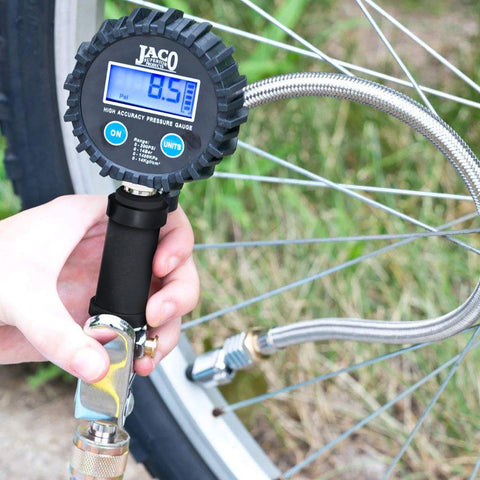
Pressure Gauge Type: The accuracy of the pressure gauge is critical for ensuring tires are inflated to the correct specifications. Digital gauges are often preferred due to their precision and ease of reading. Inaccurate readings can lead to under-inflated or over-inflated tires, affecting vehicle performance and safety.
Длина шланга: The length of the air hose affects the reach of the inflator. A longer hose allows for greater maneuverability, especially in tight spaces or when servicing multiple vehicles. For B2B buyers, choosing an inflator with a suitable hose length is crucial for operational efficiency.
Material and Build Quality: The durability of the inflator is influenced by the materials used in its construction. High-quality plastic and metal components ensure longevity and resistance to wear and tear, which is vital for heavy usage in commercial settings.
Familiarity with industry jargon is essential for effective communication and negotiation in the B2B marketplace. Here are some key terms:
OEM (Original Equipment Manufacturer): This term refers to companies that produce components that are used in another company’s end product. Understanding OEM relationships can help buyers identify reputable manufacturers of tire inflators that meet specific quality standards.
MOQ (минимальное количество заказа): MOQ is the smallest quantity of a product that a supplier is willing to sell. For tire pressure inflators, knowing the MOQ helps buyers plan their inventory and manage costs effectively, particularly when entering new markets.
RFQ (запрос котировок): An RFQ is a formal process where buyers request pricing and terms from suppliers. This process is crucial for securing competitive pricing on tire inflators and understanding the total cost of ownership, including shipping and handling.
Инкотермс (международные коммерческие термины): These terms define the responsibilities of buyers and sellers in international trade, including shipping, insurance, and tariffs. Familiarity with Incoterms helps businesses avoid misunderstandings regarding shipping costs and delivery responsibilities.
Гарантийный срок: This term indicates the duration for which a product is guaranteed against defects. Understanding warranty terms is essential for buyers, as it reflects the manufacturer’s confidence in their product and provides reassurance for long-term investments.
Стандарты сертификации: These are benchmarks set by regulatory bodies to ensure product safety and performance. Familiarity with certification standards, such as CE or ISO, can guide buyers in selecting high-quality inflators that comply with international regulations, enhancing safety and reliability.
By grasping these technical properties and trade terms, B2B buyers can make informed decisions when sourcing tire pressure inflators, ultimately leading to better performance and customer satisfaction in their operations.
The tire pressure inflator market is witnessing significant growth, driven by several global factors. Increasing vehicle ownership, particularly in emerging markets in Africa and South America, is propelling demand for efficient and portable tire maintenance solutions. Additionally, rising awareness about vehicle safety and fuel efficiency is encouraging consumers and businesses alike to prioritize regular tire pressure checks. As a result, tire inflators are becoming essential tools for both individuals and fleet operators.
Technological advancements are also reshaping the market landscape. The integration of smart technology, such as Bluetooth connectivity and digital pressure gauges, is enhancing user experience and precision in tire inflation. These features cater to tech-savvy consumers and businesses, making it easier to monitor tire conditions. Furthermore, the growing trend of e-commerce is facilitating international sourcing for B2B buyers, enabling them to access a wider range of products from global suppliers.
Regional dynamics are equally important for international B2B buyers. For instance, in Nigeria and Saudi Arabia, the demand for reliable inflators is increasing due to the harsh driving conditions that can lead to tire issues. Buyers in these regions are increasingly seeking products that can withstand extreme temperatures and rough terrains, emphasizing the need for durability and reliability in tire inflators.
Sustainability is becoming a critical consideration for B2B buyers in the tire pressure inflator market. The environmental impact of manufacturing and disposing of tire inflators is drawing attention, prompting companies to seek eco-friendly alternatives. Buyers are now looking for products made from sustainable materials, such as recycled plastics and low-impact manufacturing processes. This shift not only helps in reducing the carbon footprint but also aligns with the growing consumer demand for environmentally responsible products.
Moreover, ethical sourcing is gaining traction among international buyers. Companies are increasingly prioritizing suppliers that adhere to ethical labor practices and fair trade standards. This focus on ethical supply chains is particularly relevant for buyers from regions such as Europe, where consumer awareness about corporate social responsibility is high. Certifications like ISO 14001 for environmental management and Fair Trade can serve as benchmarks for assessing supplier commitment to sustainability and ethical practices.
As the market evolves, integrating sustainability into the sourcing strategy will not only enhance brand reputation but also cater to the preferences of environmentally conscious consumers. Buyers who prioritize these aspects can gain a competitive edge, positioning themselves as leaders in the responsible procurement landscape.
The tire pressure inflator has evolved significantly over the years, transitioning from manual pumps to sophisticated electronic devices. Initially, inflators were basic hand-operated tools that required considerable physical effort. However, the advent of electricity in the mid-20th century revolutionized the industry, leading to the development of electric inflators that offered convenience and efficiency.
In the 1990s, the introduction of portable inflators marked a turning point, enabling drivers to carry them easily in their vehicles. This shift was driven by rising vehicle ownership and the growing recognition of the importance of tire maintenance for safety and fuel efficiency. Today, the market is characterized by a diverse range of products, including cordless and smart inflators that cater to various consumer needs.
As global awareness of sustainability and ethical sourcing grows, the tire inflator market continues to adapt. B2B buyers are now tasked with navigating a complex landscape where technological innovation, sustainability, and ethical sourcing are paramount to making informed procurement decisions. The evolution of tire pressure inflators reflects broader trends in technology and consumer behavior, making it essential for buyers to stay attuned to these changes for successful sourcing strategies.
How do I choose the right tire pressure inflator for my business needs?
Selecting the right tire pressure inflator involves assessing your specific requirements. Consider factors such as the inflator’s power source (cordless vs. corded), maximum pressure capabilities, and the speed of inflation. For businesses operating in diverse environments, durability and portability are crucial. Evaluate the inflator’s features, including built-in gauges and additional functions like USB charging ports or adapters for various inflatables. Also, check the warranty and service support from the supplier to ensure longevity and reliability.
What is the best tire pressure inflator for commercial use?
For commercial applications, the best tire pressure inflator is typically one that offers a balance of performance, speed, and durability. Models like the AstroAI Cordless Tire Inflator are popular due to their ability to inflate multiple tires quickly and accurately. If your business requires inflating larger tires, such as those on trucks or SUVs, consider the Viair 88P for its powerful performance. Always ensure the inflator can handle the specific tire pressures required for your fleet.
What are the key features to look for in a tire pressure inflator?
When sourcing a tire pressure inflator, look for features that enhance usability and efficiency. Key features include an accurate digital pressure gauge, a fast inflation rate, and an automatic shut-off function to prevent over-inflation. Additionally, consider models with multiple power sources (such as battery and 12-volt) for versatility. Portability is also important, so choose inflators that come with carrying cases or are compact enough for easy storage.
How can I ensure the quality of tire pressure inflators from suppliers?
To ensure quality, conduct thorough vetting of potential suppliers. Request product samples for testing and evaluate their performance against your standards. Check for certifications such as ISO or CE, which indicate adherence to international quality standards. Additionally, look for suppliers with a robust quality assurance process, including warranties and return policies. Engaging in direct communication can also help assess their responsiveness and reliability.
What is the minimum order quantity (MOQ) for tire pressure inflators?
Minimum order quantities (MOQ) can vary significantly among suppliers. Some manufacturers may offer flexible MOQs, especially for first-time buyers, while others may require larger orders to justify production costs. For international buyers, it’s advisable to negotiate MOQs based on your projected sales volume and storage capacity. Always confirm MOQs before finalizing contracts to ensure they align with your purchasing strategy.
What payment terms should I expect when sourcing tire pressure inflators internationally?
Payment terms can vary based on the supplier’s policies and the nature of the transaction. Common options include full upfront payment, a deposit followed by balance payment upon shipping, or net payment terms (30, 60, or 90 days). It’s crucial to discuss payment methods, such as bank transfers or letters of credit, to safeguard your investment. Establish clear terms in your contract to avoid misunderstandings and ensure a smooth transaction process.
How do logistics and shipping impact the sourcing of tire pressure inflators?
Logistics and shipping play a critical role in the sourcing process. Factors such as shipping costs, delivery times, and customs regulations can significantly affect your overall budget and timelines. Engage with suppliers who have experience in international shipping to ensure they can navigate customs efficiently. Consider local distribution centers or freight forwarders to minimize delays and ensure timely delivery of your products.
What customization options are available for tire pressure inflators?
Many suppliers offer customization options to meet specific business needs. This can include branding the inflators with your company logo, adjusting the color scheme, or incorporating unique features tailored to your target market. Discuss your requirements with potential suppliers during the negotiation phase to explore available options. Customization can enhance your brand’s visibility and provide a competitive edge in the market.
Could not verify enough suppliers for tire pressure inflator to create a list at this time.
In conclusion, the strategic sourcing of tire pressure inflators presents an invaluable opportunity for international B2B buyers to enhance their operational efficiency and customer satisfaction. By prioritizing the selection of high-quality inflators, businesses can not only ensure optimal tire maintenance but also extend the lifespan of their fleet, reduce fuel costs, and improve overall safety. Key considerations include evaluating product specifications, reliability, and the ability to meet regional demands, particularly in diverse markets such as Africa, South America, the Middle East, and Europe.
As the automotive industry evolves, staying ahead of market trends and technological advancements in tire inflators will be crucial. Buyers should leverage strategic sourcing practices to build strong supplier relationships, negotiate favorable terms, and secure a competitive edge.
Moving forward, consider how your purchasing decisions can impact your bottom line and customer loyalty. Engage with reputable suppliers, invest in reliable products, and position your business for long-term success in a rapidly changing marketplace. The right tire pressure inflator can be a game-changer in maintaining vehicle performance and enhancing operational efficiency—an investment worth making today.
Информация, представленная в данном руководстве, включая сведения о производителях, технические характеристики и анализ рынка, предназначена исключительно для информационных и образовательных целей. Она не является профессиональной консультацией по закупкам, финансовой или юридической консультацией.
Несмотря на то, что мы приложили все усилия для обеспечения точности и своевременности информации, мы не несем ответственности за любые ошибки, упущения или устаревшую информацию. Условия рынка, сведения о компании и технические стандарты могут быть изменены.
Покупатели B2B должны проводить независимую и тщательную юридическую экспертизу перед принятием решения о покупке. Это включает в себя прямые контакты с поставщиками, проверку сертификатов, запрос образцов и обращение за профессиональной консультацией. Риск, связанный с использованием любой информации, содержащейся в данном руководстве, несет исключительно читатель.
Illustrative image related to tire pressure inflator


 Russian
  English
  Spanish
  Italian
  Arabic
  Portuguese
  German