
In an increasingly interconnected world, sourcing reliable electric air pump tires can pose significant challenges for international B2B buyers. The demand for efficient tire inflation solutions is growing, particularly in emerging markets across Africa, South America, the Middle East, and Europe, including regions like Vietnam and Saudi Arabia. As businesses strive to enhance operational efficiency and ensure customer satisfaction, understanding the nuances of electric air pump tires becomes imperative.
This comprehensive guide delves into the diverse types of electric air pump tires available in the market, their varied applications across different vehicle types, and essential considerations for supplier vetting. Additionally, it addresses critical cost factors, allowing buyers to make informed purchasing decisions that align with their operational needs and budget constraints.
By equipping B2B buyers with actionable insights and best practices, this guide aims to empower businesses in navigating the complexities of the electric air pump tire market. From understanding technological advancements to evaluating supplier reliability, readers will gain the knowledge necessary to optimize their sourcing strategies and enhance their competitive edge in the global marketplace.
| Type Name | Key Distinguishing Features | Primary B2B Applications | Brief Pros & Cons for Buyers |
|---|---|---|---|
| Corded Electric Air Pumps | Plugs into standard electrical outlets; consistent power supply | Automotive repair shops, warehouses | Pros: Reliable power; Cons: Limited mobility due to cord. |
| Battery-Powered Air Pumps | Rechargeable; offers portability without cords | Mobile tire repair services, roadside assistance | Pros: Highly portable; Cons: Limited run time on a single charge. |
| Dual Power Source Pumps | Operates on both AC and DC power; versatile usage | Fleet management, logistics companies | Pros: Flexible power options; Cons: May be bulkier. |
| High-Pressure Air Compressors | Designed for heavy-duty applications; higher PSI ratings | Construction, heavy machinery maintenance | Pros: Fast inflation for larger tires; Cons: Higher cost and weight. |
| Compact Portable Inflators | Small size; ideal for emergency situations | Automotive, leisure industries | Pros: Easy storage; Cons: Slower inflation speed. |
Corded electric air pumps are designed to be plugged into standard electrical outlets, providing a consistent power supply for tire inflation. They are ideal for settings where mobility is less of a concern, such as automotive repair shops or warehouses. Buyers should consider the pump’s PSI capabilities and hose length to ensure it meets their operational requirements. While these pumps are reliable, their dependence on a power source may limit their use in remote locations.
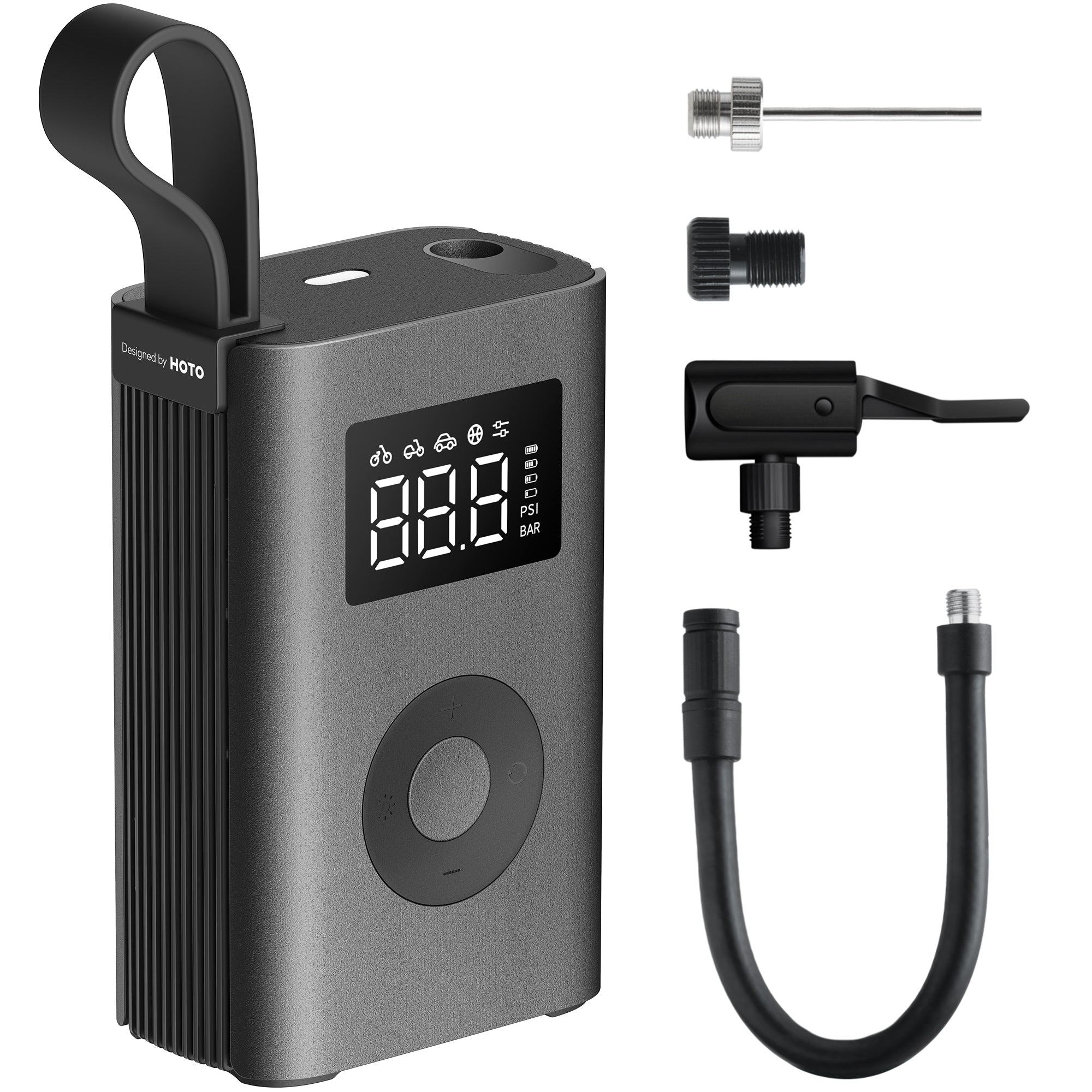
Illustrative image related to electric air pump tires
Battery-powered air pumps are highly portable, making them perfect for mobile tire repair services and roadside assistance. These units typically feature rechargeable batteries, allowing users to inflate tires without the need for a power outlet. When selecting a battery-powered pump, B2B buyers should evaluate the battery life and inflation speed to ensure it meets their needs. However, the limited run time on a single charge can be a drawback for some users.
Dual power source pumps can operate on both AC and DC power, offering flexibility for various applications. They are well-suited for fleet management and logistics companies that require reliable tire inflation in different environments. Buyers should assess the pump’s size and weight, as dual power systems may be bulkier than single-source models. The versatility in power options is a significant advantage, but it may come at the cost of increased weight.
High-pressure air compressors are specifically designed for heavy-duty applications, featuring higher PSI ratings that allow for fast inflation of larger tires. These compressors are commonly used in construction and heavy machinery maintenance, where quick and efficient tire inflation is crucial. B2B buyers should consider the compressor’s durability and maintenance requirements, as these units tend to be more expensive and heavier than standard models.
Compact portable inflators are designed for emergency situations, offering a small size that allows for easy storage in vehicles. They are ideal for automotive and leisure industries where quick tire inflation is needed. Buyers should evaluate the inflation speed and pressure capabilities, as these units may be slower compared to larger models. While they are convenient for emergencies, their limited power may not suit all tire inflation needs.
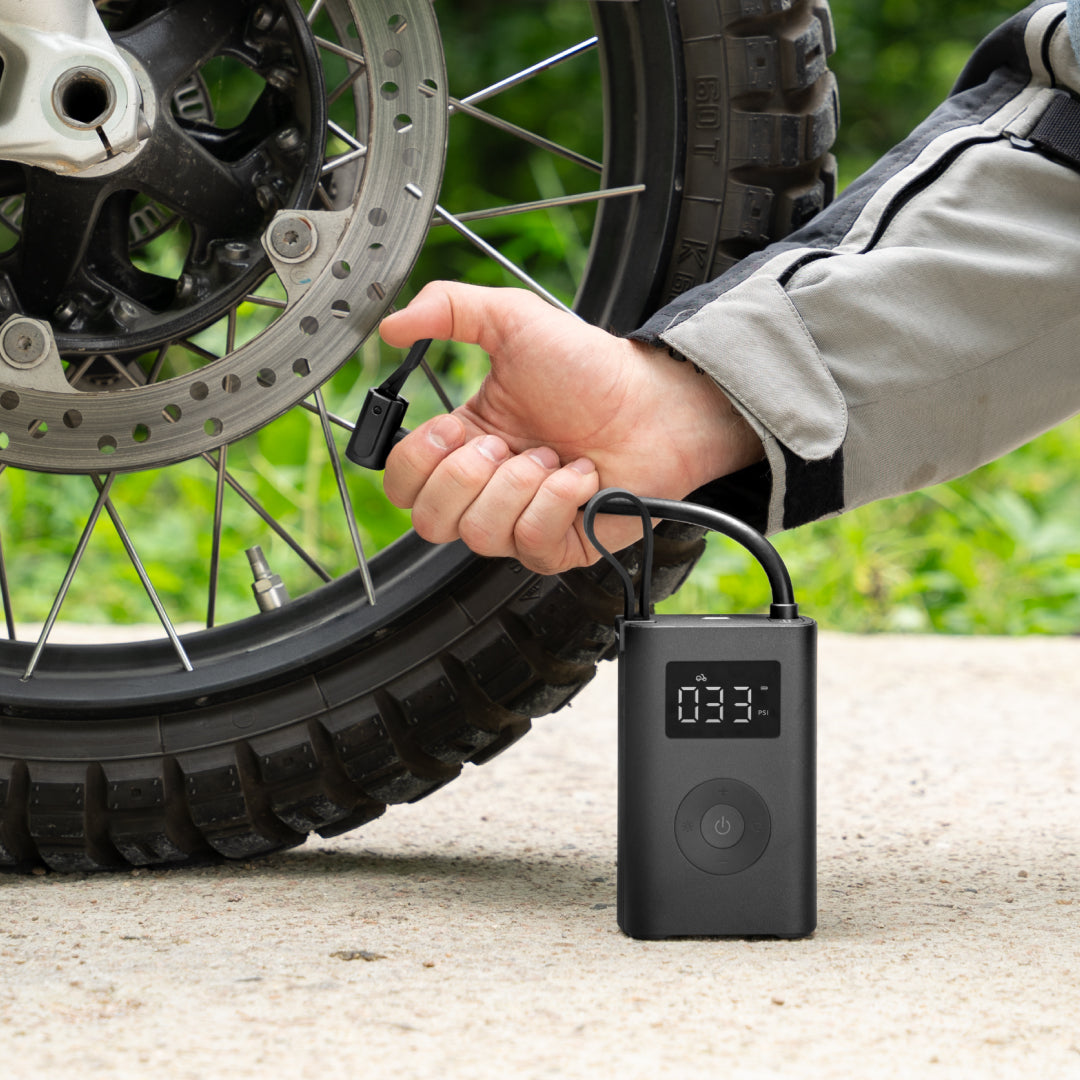
Illustrative image related to electric air pump tires
| Industry/Sector | Specific Application of electric air pump tires | Value/Benefit for the Business | Key Sourcing Considerations for this Application |
|---|---|---|---|
| Automotive | Tire maintenance for fleet vehicles | Reduces downtime and maintenance costs | Reliability, PSI range, portability, and power source |
| Agriculture | Inflation of agricultural equipment tires | Enhances productivity and minimizes equipment failure | Durability, ease of use, and compatibility with various tires |
| Logistics and Transportation | On-site tire inflation for delivery trucks and vans | Improves operational efficiency and reduces service delays | Speed of inflation, power options, and size for portability |
| Recreational Vehicles (RVs) | Inflation of RV and trailer tires | Ensures safety and reliability during travel | PSI accuracy, battery life for portable models, and weight |
| Sports and Leisure | Inflation of sports equipment and recreational vehicles | Versatility and convenience for multiple applications | Range of nozzle attachments and ease of storage |
In the automotive industry, electric air pump tires serve as essential tools for maintaining fleet vehicles. By ensuring that tires are properly inflated, businesses can significantly reduce downtime due to flat tires and enhance overall vehicle performance. For B2B buyers, key considerations include the reliability of the pump, the pressure range (PSI), and whether the unit is portable enough to be used in various locations. Given the diverse terrains in regions like Africa and South America, pumps that can withstand harsh conditions are particularly valuable.
In agriculture, electric air pump tires are crucial for inflating tires on tractors, harvesters, and other equipment. Proper tire inflation enhances the efficiency and productivity of agricultural operations, helping to prevent equipment failure that can lead to costly downtimes. Buyers in this sector should focus on sourcing durable models that can handle the rugged demands of farm environments, as well as those that offer ease of use and compatibility with various tire sizes.
In logistics and transportation, electric air pump tires facilitate on-site tire inflation for delivery trucks and vans. This capability is vital for maintaining operational efficiency, as it allows for quick responses to tire issues without the need to visit a service station. Businesses should consider factors such as the speed of inflation, available power options (e.g., battery-operated vs. AC), and the overall size and portability of the pump to ensure it meets their operational needs.
For the recreational vehicle (RV) sector, electric air pump tires are indispensable for ensuring that RV and trailer tires are adequately inflated before long trips. Proper tire pressure not only enhances safety but also improves fuel efficiency during travel. B2B buyers should prioritize features like PSI accuracy, battery life for portable models, and the weight of the unit, especially for those catering to customers in regions with extensive travel routes, such as the Middle East and Europe.
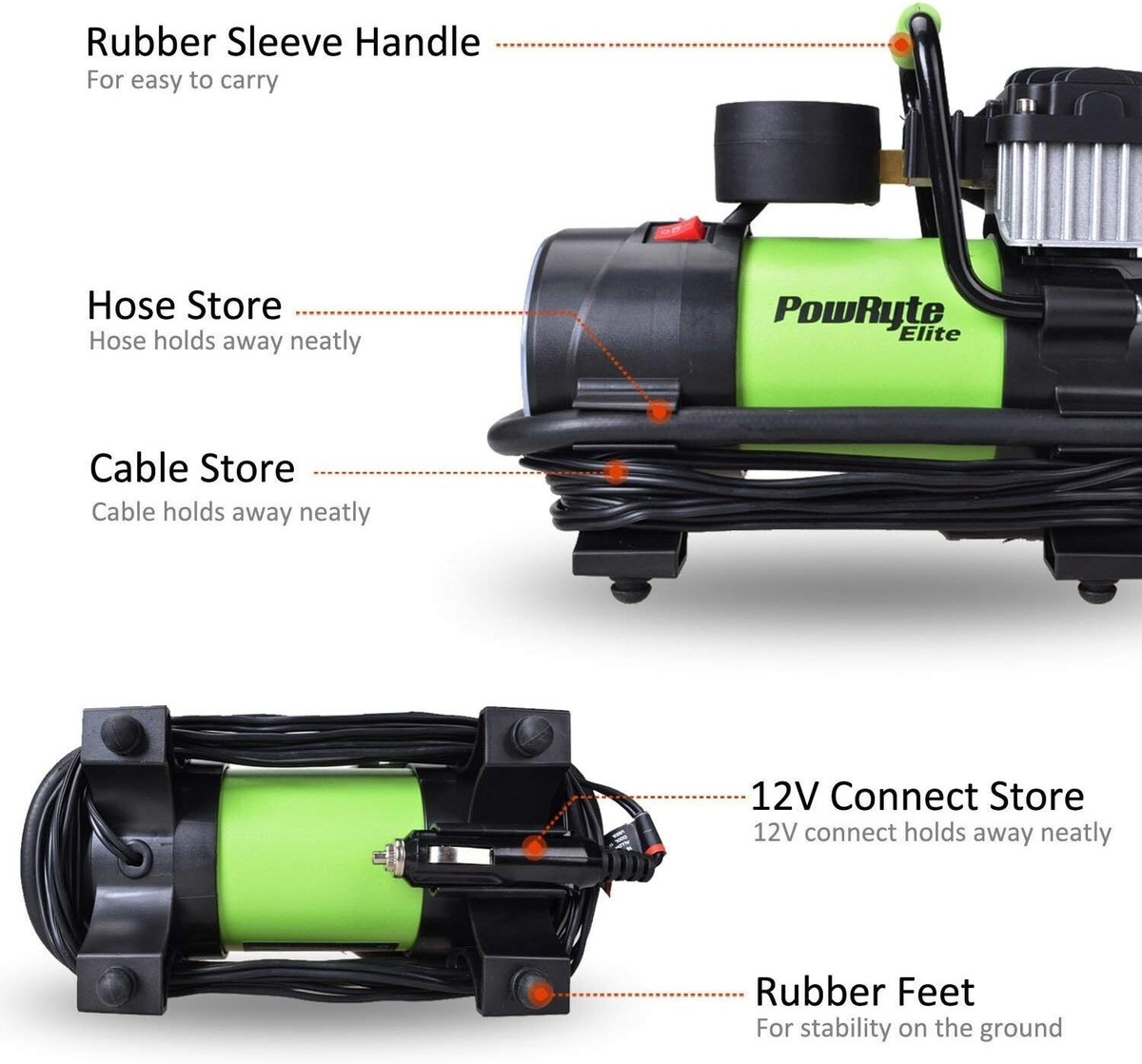
Illustrative image related to electric air pump tires
Electric air pump tires are versatile tools in the sports and leisure sector, used for inflating a variety of equipment, from bicycles to inflatable boats. This flexibility makes them a valuable asset for businesses that cater to outdoor activities. Buyers should look for models that come with a range of nozzle attachments and are easy to store, ensuring that they can meet the diverse needs of their customers while maximizing convenience and efficiency.
The Problem:
B2B buyers, particularly in regions with fluctuating infrastructure like parts of Africa and South America, often struggle to find reliable suppliers for electric air pumps. Many suppliers may not offer consistent quality, leading to concerns about durability and performance. This inconsistency can result in significant operational downtime, especially for businesses in logistics, transport, or automotive sectors that rely heavily on maintaining tire pressure for safety and efficiency.
The Solution:
To overcome sourcing challenges, businesses should prioritize establishing relationships with reputable manufacturers known for quality assurance. Conduct thorough research to identify suppliers with strong track records in the industry, such as those with ISO certifications or positive customer reviews. Consider requesting samples before making bulk orders to assess the product’s quality firsthand. Additionally, leveraging platforms that specialize in B2B transactions can provide access to verified suppliers, ensuring a more reliable purchasing process. Establishing a local distribution network can also enhance accessibility, reducing lead times and ensuring swift replacements or repairs when needed.
The Problem:
Companies operating fleets consisting of various vehicle types, from light-duty cars to heavy-duty trucks, face the challenge of maintaining appropriate tire pressure across all vehicles. Electric air pumps may have different PSI (pounds per square inch) capabilities, complicating the inflation process. A mismatch can lead to inefficient fuel consumption, increased tire wear, and safety hazards, making it critical for fleet managers to find solutions that cater to diverse requirements.
The Solution:
Investing in multi-functional electric air pumps that offer adjustable PSI settings can address this issue effectively. When sourcing these pumps, ensure they come with a digital display for accurate pressure readings and an automatic shut-off feature that prevents over-inflation. Additionally, consider providing training for your team on how to utilize these pumps effectively across various vehicles. This training should include understanding tire specifications for different vehicle types and proper inflation techniques. Having a versatile air pump that can handle multiple vehicle types will streamline operations and enhance safety across the fleet.
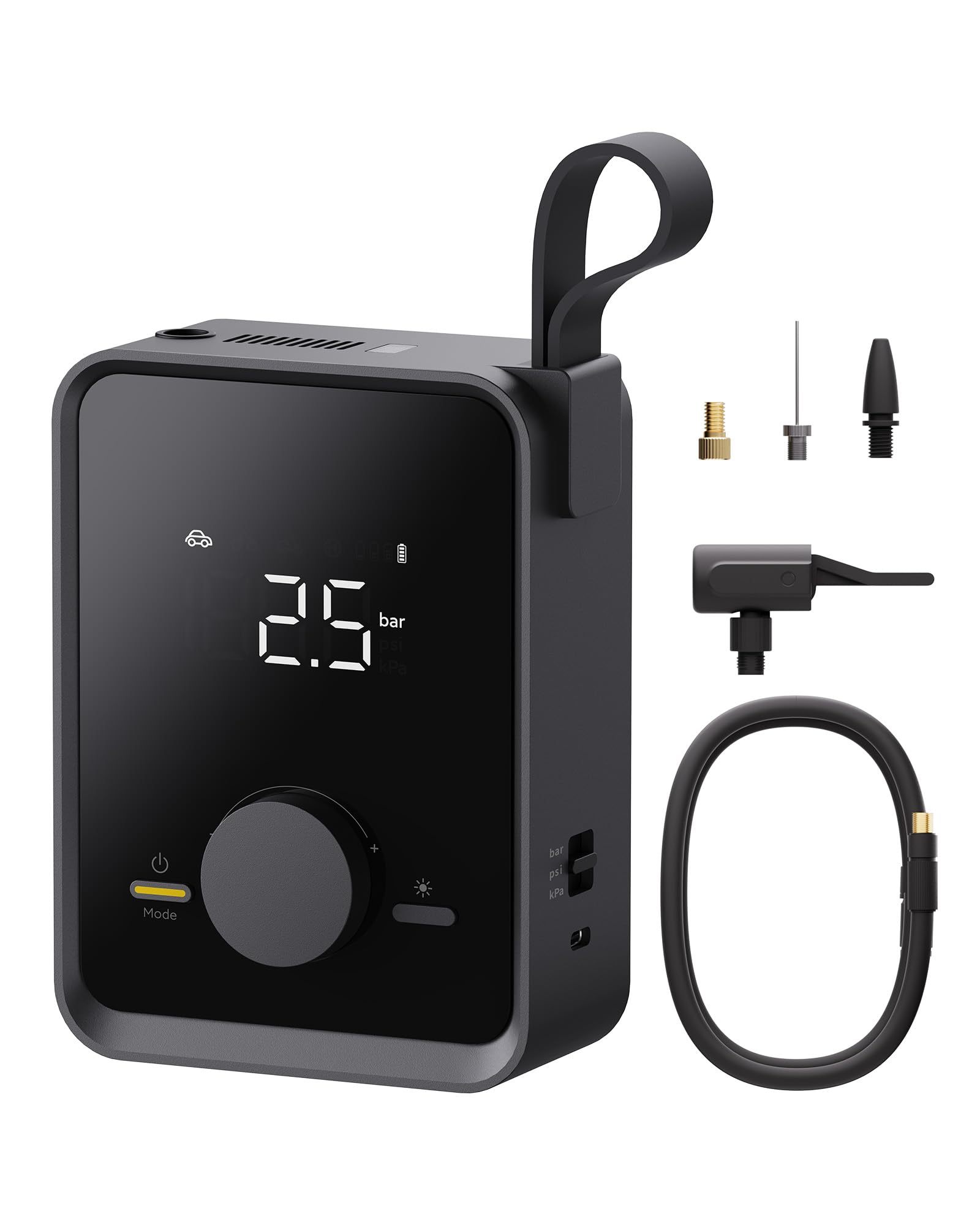
Illustrative image related to electric air pump tires
The Problem:
In regions with limited access to electricity or during outdoor events, businesses often face challenges in inflating tires for vehicles and equipment. Relying solely on traditional electric air pumps can be impractical, especially in remote locations in the Middle East or South America, where power sources may be scarce or unreliable. This limitation can hinder operations and lead to delays in service delivery.
The Solution:
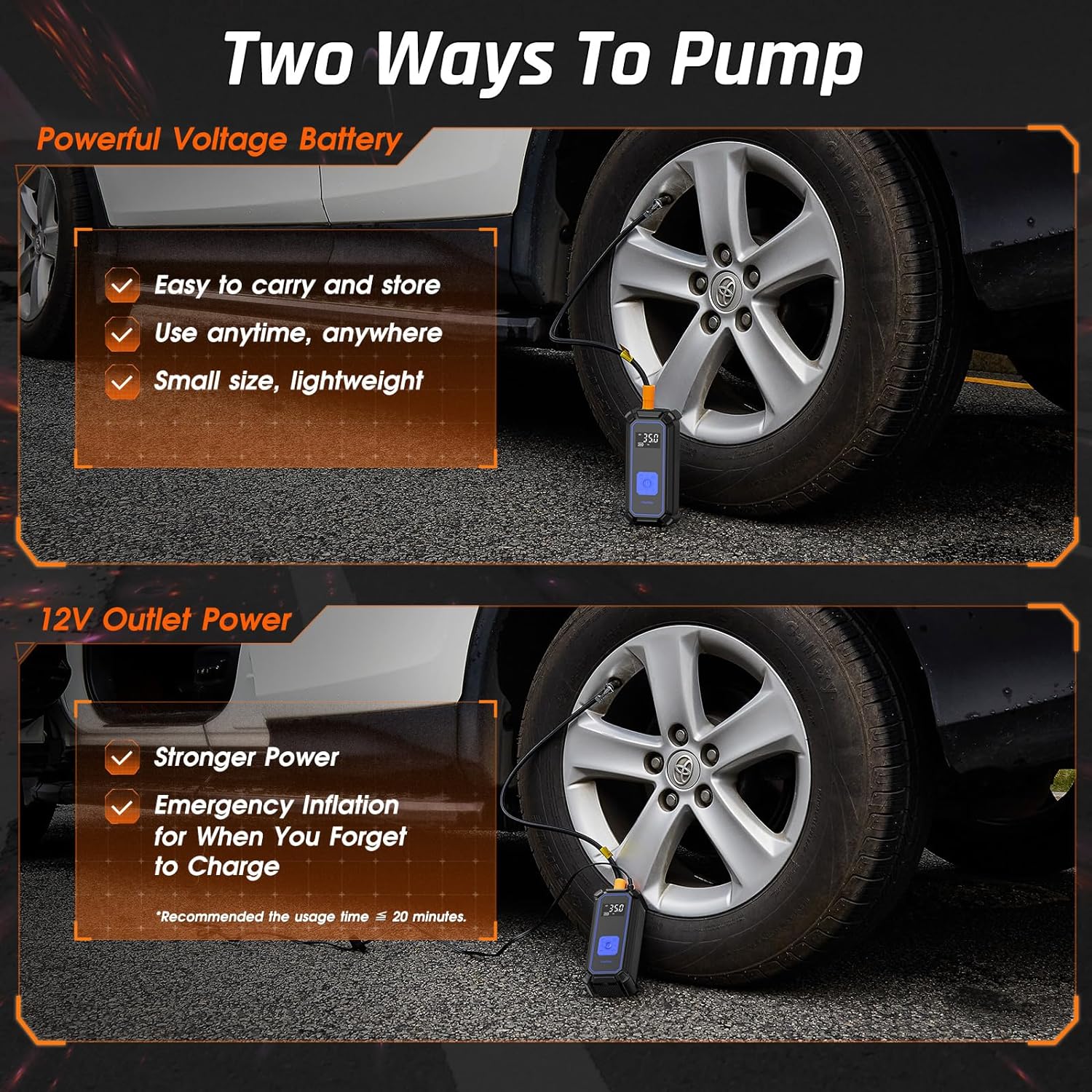
To mitigate this issue, B2B buyers should consider investing in portable electric air pumps with versatile power options. Look for models that can operate on rechargeable batteries, 12V car outlets, or standard AC wall outlets. This flexibility ensures that regardless of the location, the pump can be powered effectively. Additionally, incorporating solar-powered options can provide an eco-friendly solution, especially in sunny regions. Creating a strategic plan for emergency inflations, including keeping charged backup batteries on hand, will ensure that your business remains operational even in challenging environments. Properly educating your team on maintaining these pumps and preparing for remote usage will further enhance your operational resilience.
When selecting materials for electric air pump tires, it is essential to consider properties that directly influence performance, durability, and cost-effectiveness. Below, we analyze four common materials used in the manufacturing of electric air pump tires, focusing on their key properties, advantages, disadvantages, and specific considerations for international B2B buyers.
Rubber is the most widely used material for tire manufacturing due to its excellent elasticity and resilience. It typically has a temperature rating of -40°F to 140°F and can withstand pressures up to 50 PSI.
Pros: Rubber provides outstanding durability and flexibility, making it suitable for various applications, including passenger vehicles and motorcycles. It is relatively inexpensive and easy to manufacture, allowing for cost-effective production.
Cons: While rubber is resistant to wear, it can degrade under UV exposure and extreme temperatures. Additionally, it may not be the best choice for heavy-duty applications, where reinforced materials are preferred.
Impact on Application: Rubber is compatible with air and various gases, making it ideal for tire inflation. However, buyers should ensure that the rubber compound meets specific performance standards, particularly in regions with extreme weather conditions.
Considerations for International Buyers: Compliance with ASTM and ISO standards is crucial. Buyers from regions like Africa and the Middle East should consider local climatic conditions when selecting rubber formulations.
Nylon is often used as a reinforcement material in tire manufacturing due to its high tensile strength and resistance to abrasion. It can handle temperatures ranging from -40°F to 200°F and pressures up to 60 PSI.

Illustrative image related to electric air pump tires
Pros: Nylon offers excellent durability and resistance to punctures, making it suitable for heavy-duty applications. Its lightweight nature contributes to better fuel efficiency in vehicles.
Cons: Nylon can be more expensive than rubber and may require more complex manufacturing processes. Additionally, it can absorb moisture, which may lead to degradation over time.
Impact on Application: Nylon’s strength makes it an excellent choice for tires used in off-road vehicles and trucks. However, its moisture absorption can affect performance in humid climates.
Considerations for International Buyers: Buyers should ensure that nylon materials comply with local industry standards and that they are sourced from reputable suppliers to guarantee quality.
Polyester is another common reinforcement material used in tire manufacturing, known for its strength and resistance to stretching. It can withstand temperatures from -40°F to 180°F and pressures up to 55 PSI.
Pros: Polyester is lightweight and cost-effective, providing good tensile strength without adding significant weight to the tire. It also offers excellent resistance to UV light and chemicals.
Cons: While polyester is durable, it may not offer the same level of puncture resistance as nylon. Its performance can be affected by extreme temperatures, leading to potential failures in harsh conditions.
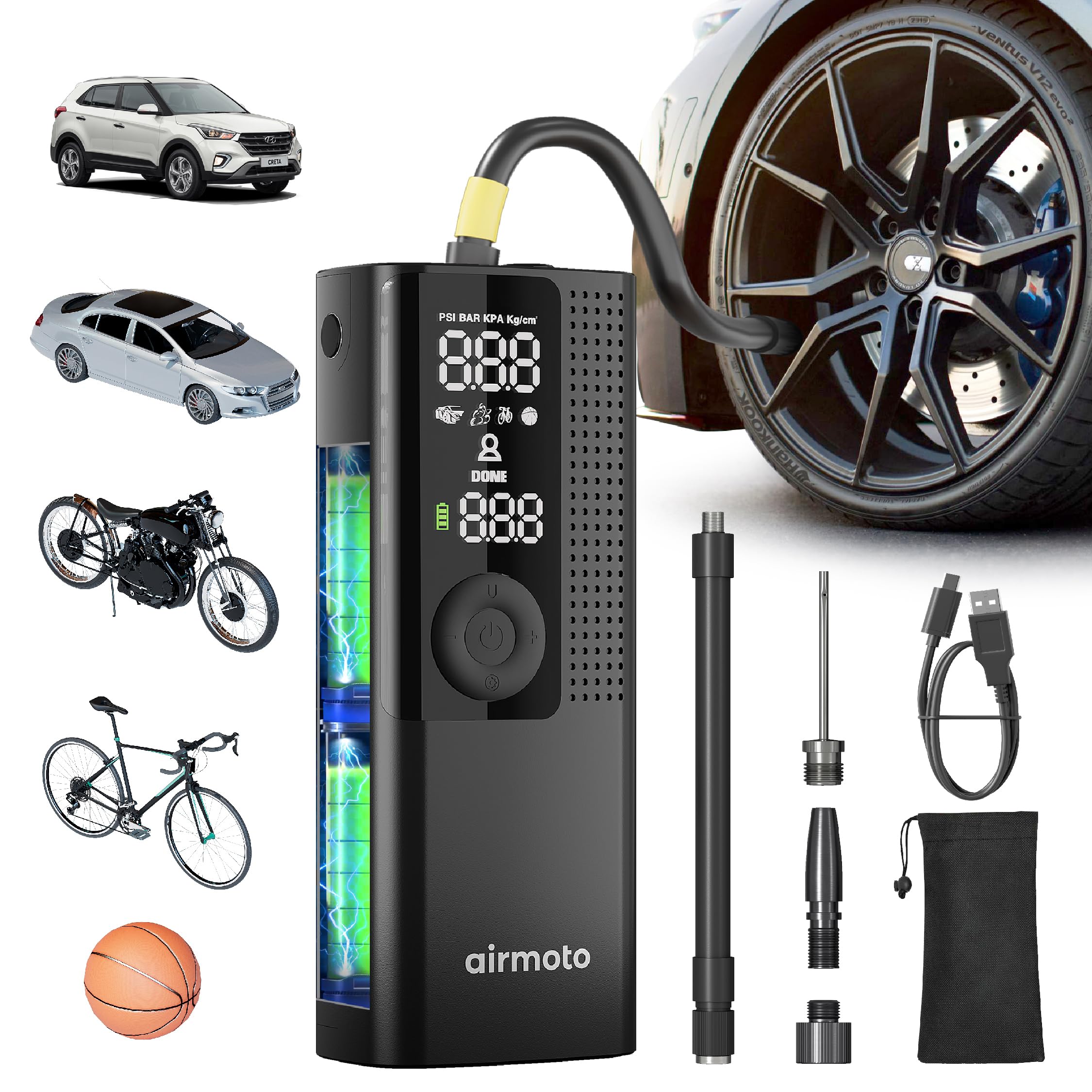
Illustrative image related to electric air pump tires
Impact on Application: Polyester is suitable for passenger tires and light trucks. However, its limitations in extreme conditions should be considered, especially in regions with fluctuating climates.
Considerations for International Buyers: Compliance with local standards is essential, particularly in regions like South America and Europe, where regulations may vary significantly.
Steel is primarily used in the belts of tires, providing structural integrity and support. It can withstand high temperatures and pressures, often exceeding 70 PSI.
Pros: Steel offers superior strength and durability, making it ideal for heavy-duty applications. It also provides excellent resistance to punctures and impacts.
Cons: The primary drawback of steel is its weight, which can negatively impact fuel efficiency. Additionally, it is more expensive than other materials, increasing overall production costs.
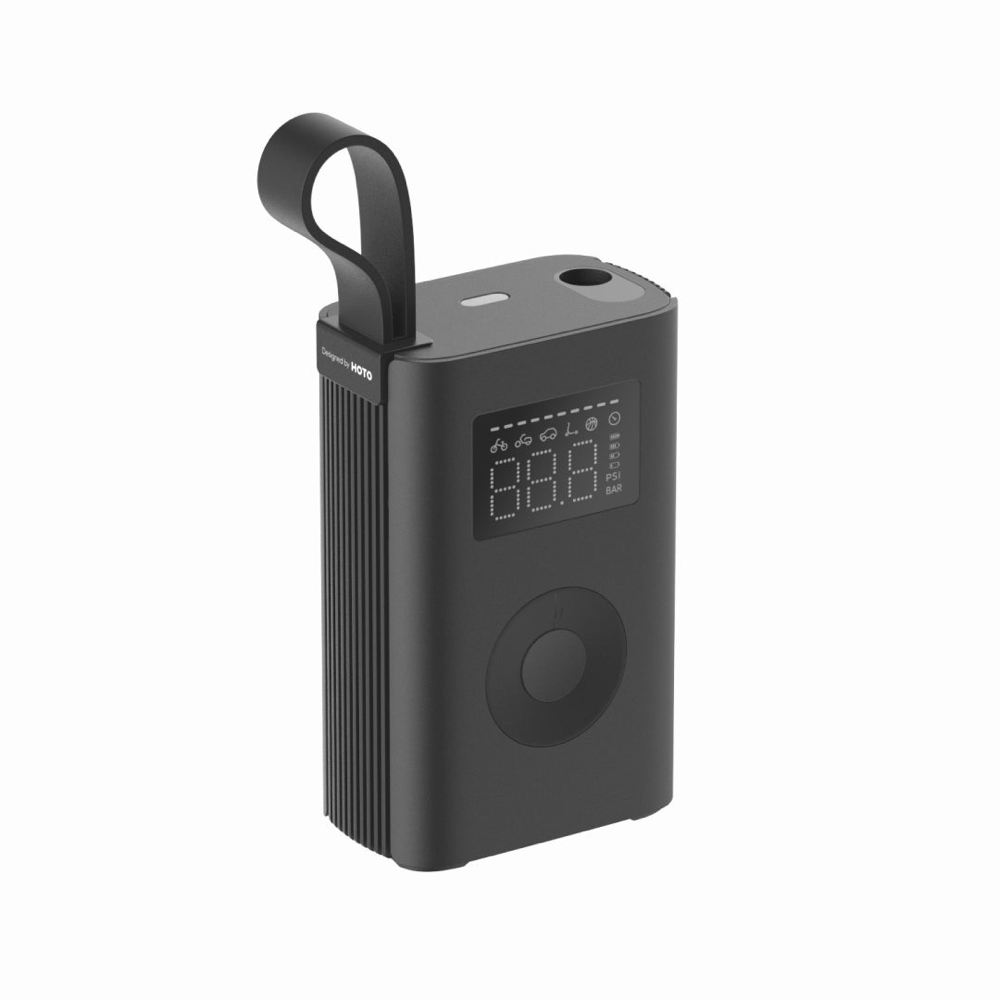
Illustrative image related to electric air pump tires
Impact on Application: Steel-reinforced tires are suitable for trucks and off-road vehicles that require enhanced durability and performance. However, they may not be ideal for lightweight passenger vehicles.
Considerations for International Buyers: Buyers should ensure that steel components meet international standards for safety and performance, particularly in regions with stringent regulations.
| Material | Typical Use Case for electric air pump tires | Key Advantage | Key Disadvantage/Limitation | Relative Cost (Low/Med/High) |
|---|---|---|---|---|
| Rubber | Passenger vehicles, motorcycles | Excellent elasticity and durability | Degrades under UV exposure | Low |
| Nylon | Heavy-duty vehicles, off-road applications | High tensile strength and abrasion resistance | More expensive and moisture absorption | Medium |
| Polyester | Passenger tires, light trucks | Lightweight and cost-effective | Limited puncture resistance | Low |
| Steel | Trucks, off-road vehicles | Superior strength and durability | Increases weight and cost | High |
This guide provides a comprehensive understanding of the materials used in electric air pump tires, enabling B2B buyers to make informed decisions based on performance, cost, and regional compliance.
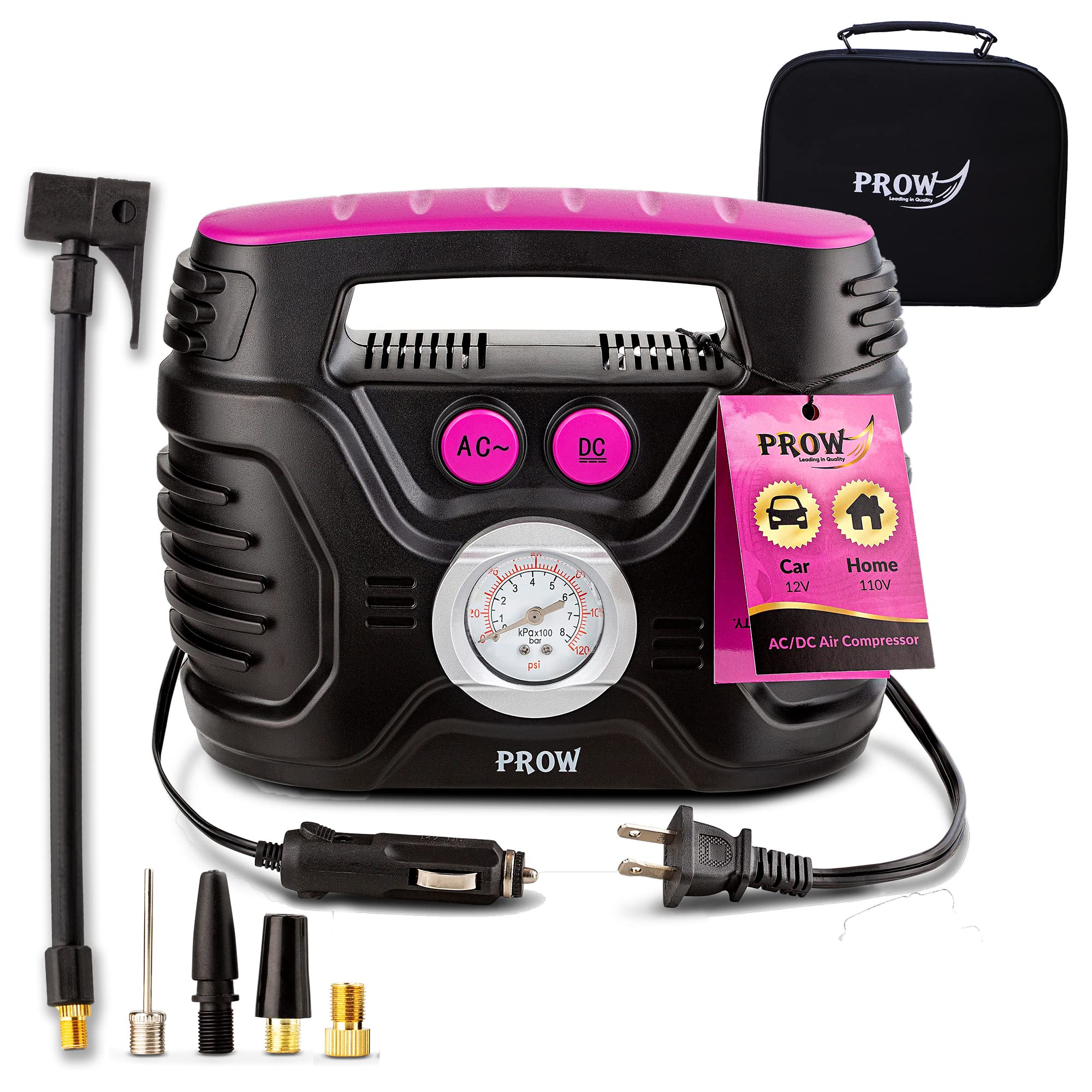
Illustrative image related to electric air pump tires
Manufacturing electric air pump tires involves several critical stages to ensure product quality and functionality. Each stage plays a vital role in achieving a final product that meets the demands of international markets, especially in regions like Africa, South America, the Middle East, and Europe.
The initial step in manufacturing electric air pump tires is material preparation. This includes sourcing high-quality raw materials such as rubber, plastics, metals, and electronic components. Suppliers often provide materials that comply with international standards to ensure durability and safety.
In many facilities, materials undergo a thorough inspection upon receipt (Incoming Quality Control, IQC) to verify their quality and compliance with specifications. This step is crucial, as the integrity of the raw materials directly impacts the performance and safety of the final product.
After materials are prepared, the next stage is forming the components. This typically involves processes such as molding for rubber parts, injection molding for plastic components, and machining for metal elements.
Advanced technologies like Computer Numerical Control (CNC) machining may be employed to achieve precise dimensions and tolerances, which are vital for the assembly of air pumps. Automation in this stage can enhance efficiency and consistency, reducing human error and increasing production speed.
Once the individual components are formed, they proceed to the assembly stage. This process can be manual, automated, or a combination of both, depending on the complexity of the product and the manufacturer’s capabilities.
During assembly, components such as the motor, pump, pressure gauges, and hoses are integrated. Manufacturers often employ lean manufacturing principles to minimize waste and optimize workflow. This stage also includes intermediate quality checks (In-Process Quality Control, IPQC) to identify any issues before the product moves to the next phase.
The finishing stage is where the electric air pump tires receive their final touches, including surface treatments, painting, and labeling. Quality assurance is critical during this phase, as any defects can affect the product’s marketability and performance.
Finishing processes may also involve functional testing to ensure all components work as intended. This could include pressure tests to verify the air pump’s ability to reach and maintain specified PSI levels.
Quality assurance (QA) is an integral part of the manufacturing process. It ensures that the products not only meet customer expectations but also comply with relevant international standards.
Manufacturers of electric air pump tires must adhere to several international quality standards. The ISO 9001 standard is a fundamental framework that outlines the requirements for a quality management system (QMS). Compliance with ISO 9001 demonstrates a commitment to quality and continuous improvement.
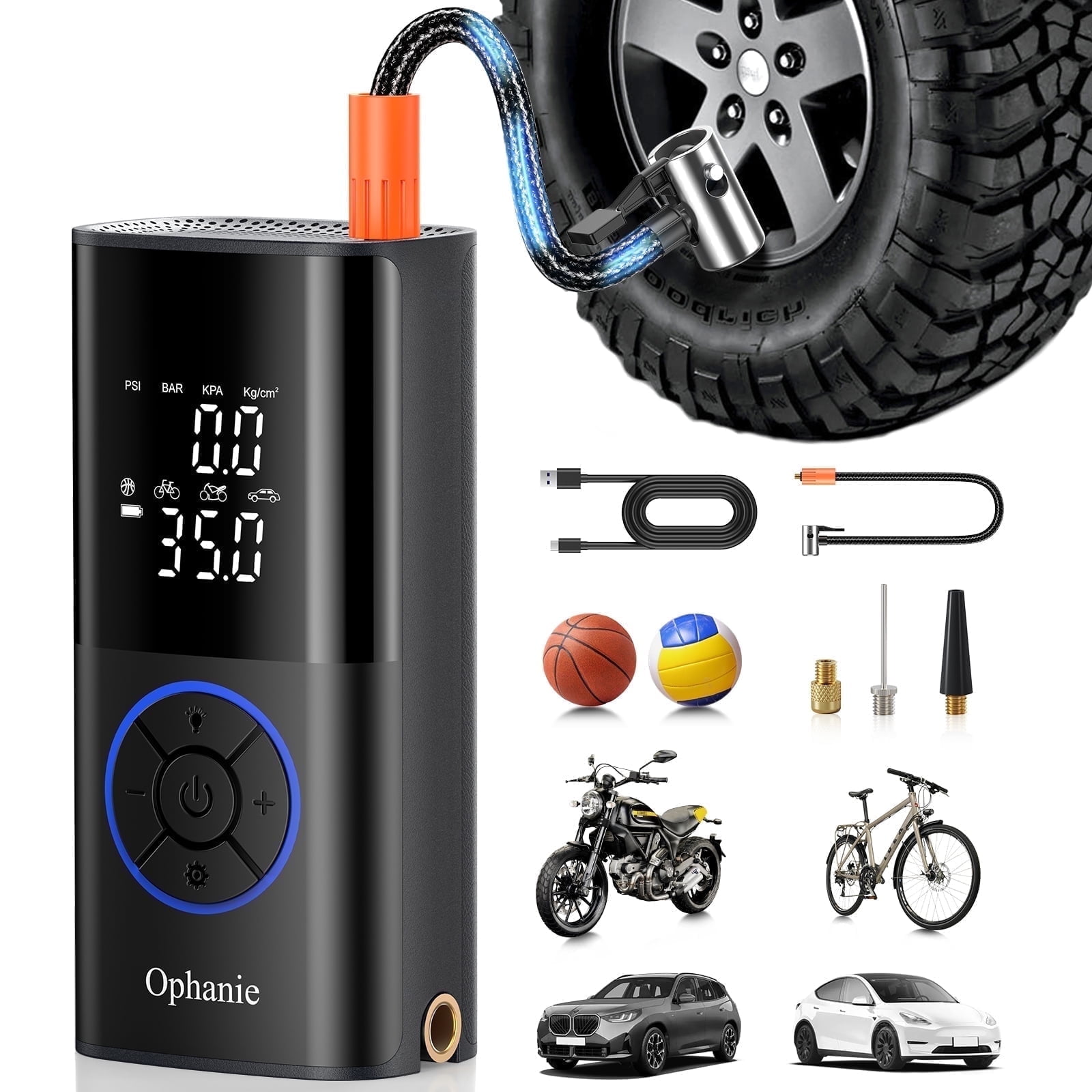
Illustrative image related to electric air pump tires
Additionally, certifications such as CE (Conformité Européenne) and API (American Petroleum Institute) may be relevant, depending on the target markets and specific applications of the air pumps. These certifications provide assurance to B2B buyers regarding product safety and reliability.
Quality control in the manufacturing of electric air pump tires typically involves several checkpoints:
Incoming Quality Control (IQC): This is the first checkpoint where raw materials are inspected upon arrival to ensure they meet quality standards.
In-Process Quality Control (IPQC): This stage involves monitoring the manufacturing process to detect defects in real-time, allowing for immediate corrective actions.
Final Quality Control (FQC): After assembly and finishing, the final product undergoes comprehensive testing to ensure it meets all specifications and performance criteria.
Common testing methods include pressure testing, durability tests, and safety assessments. These tests help ensure that the product can withstand the demands of various operating conditions.
For B2B buyers, particularly in international markets, verifying a supplier’s quality control practices is essential. Here are several actionable steps:
Supplier Audits: Conducting regular audits of the manufacturing facility can provide insights into their quality assurance processes. This can include reviewing their compliance with ISO standards and other relevant certifications.
Request Quality Reports: Suppliers should be willing to provide documentation detailing their quality control measures, including test results and inspection reports. This transparency is crucial for building trust.
Third-Party Inspections: Engaging third-party inspection services can offer an unbiased assessment of the manufacturing processes and product quality. This is particularly important for international transactions where buyers may not have direct access to suppliers.
International B2B buyers must be aware of various nuances related to quality control and certification. Different regions may have specific regulations that manufacturers need to comply with, impacting market entry strategies.
For instance, products sold in Europe must meet CE marking requirements, while those entering the Middle Eastern market may need to comply with Gulf Cooperation Council (GCC) standards. Understanding these regional differences is vital for ensuring compliance and avoiding costly delays.
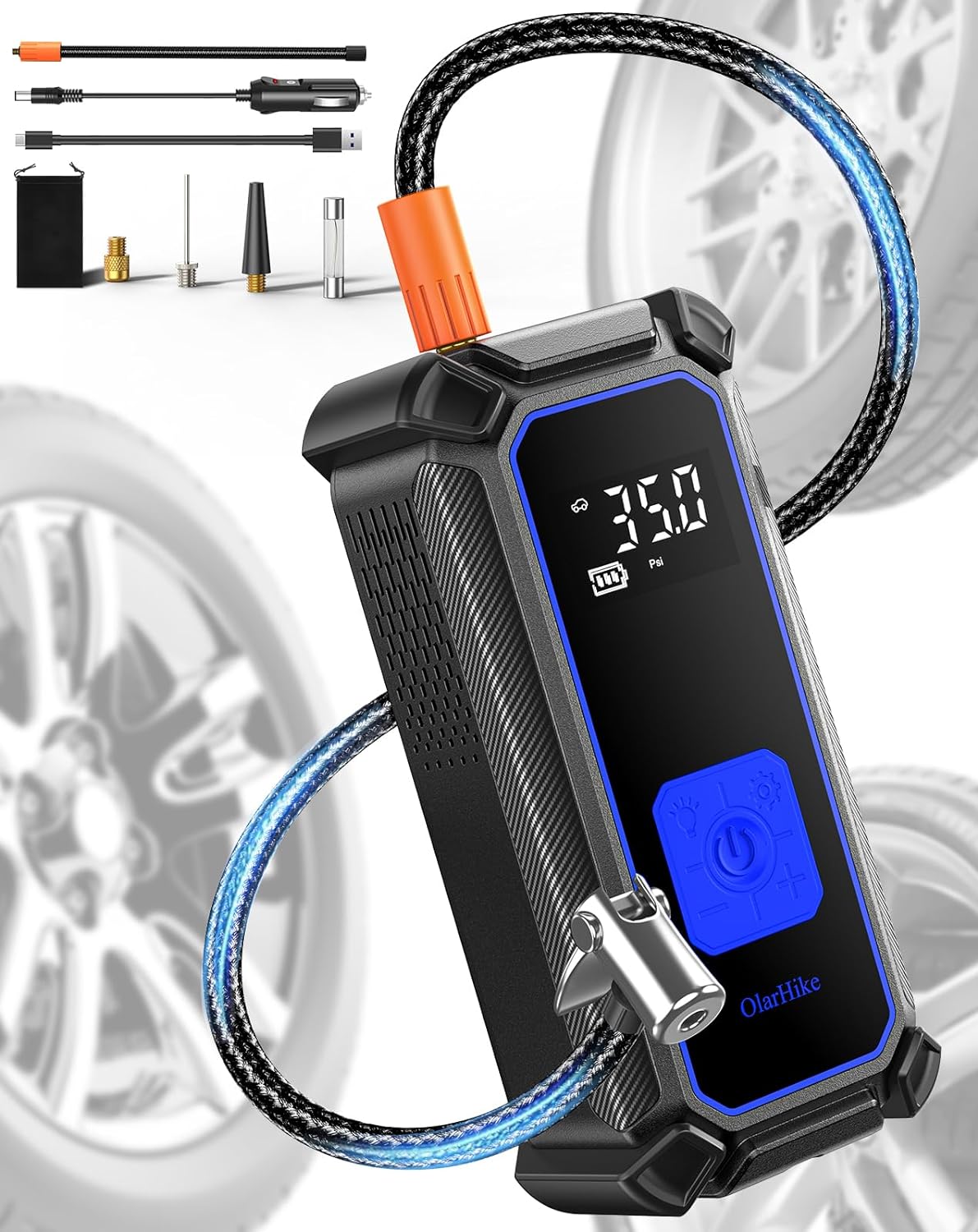
Illustrative image related to electric air pump tires
Furthermore, B2B buyers should consider the logistics involved in transporting products across borders. Proper documentation and adherence to international shipping regulations are crucial to prevent issues during customs clearance.
In summary, the manufacturing processes and quality assurance measures for electric air pump tires are complex and multifaceted. B2B buyers must be vigilant in evaluating suppliers’ capabilities, understanding international standards, and implementing rigorous quality control practices. By doing so, they can ensure they receive reliable, high-quality products that meet their operational needs in diverse markets worldwide.
In the fast-paced world of B2B procurement, sourcing electric air pumps for tires requires a strategic approach to ensure that your business secures high-quality products at competitive prices. This guide offers a step-by-step checklist to streamline your sourcing process, helping you make informed decisions that align with your operational needs.
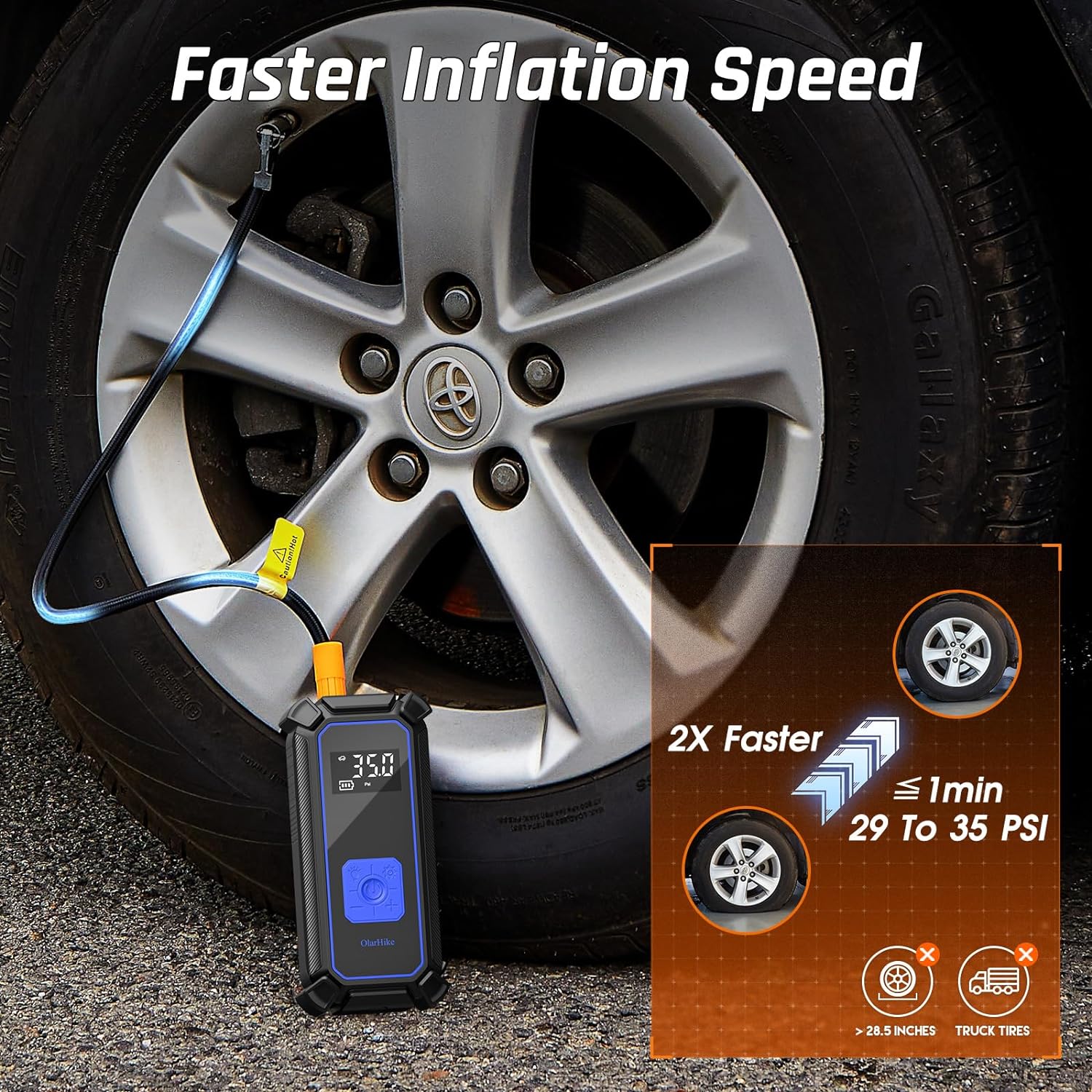
Illustrative image related to electric air pump tires
Establishing clear technical specifications is critical for identifying the right electric air pumps for your requirements. Consider factors such as the power source (12V, rechargeable, or AC), pressure rating (PSI), and intended use (cars, trucks, or other vehicles). Defining these parameters upfront will help you communicate effectively with suppliers and avoid misunderstandings later in the process.
Staying informed about the latest trends and technological advancements in electric air pumps can provide a competitive edge. Look for features like automatic shut-off, digital displays, and multi-use capabilities. Understanding market innovations will not only help you choose superior products but also position your business as a leader in adopting cutting-edge solutions.
Before committing to a supplier, it’s essential to conduct thorough due diligence. Request company profiles, product samples, and references from other buyers within your industry or region. Pay attention to their production capacity, quality control processes, and customer service reputation to ensure they align with your business standards.
Ensure that the electric air pumps meet relevant industry standards and safety regulations. Check for certifications such as CE, ISO, or UL, which indicate compliance with international quality and safety norms. This step is crucial for mitigating risks associated with product recalls or safety incidents, especially in regions with stringent regulations.
Price is a significant factor in procurement, but it’s not the only consideration. Compare pricing across multiple suppliers while factoring in shipping costs, lead times, and payment terms. Negotiate favorable terms that provide flexibility, such as bulk discounts or extended payment periods, to enhance cash flow management for your business.
A robust warranty and reliable after-sales support can significantly impact your purchasing decision. Ensure that the supplier offers a comprehensive warranty that covers defects and provides customer support for troubleshooting and repairs. This will safeguard your investment and help maintain operational efficiency in the long run.
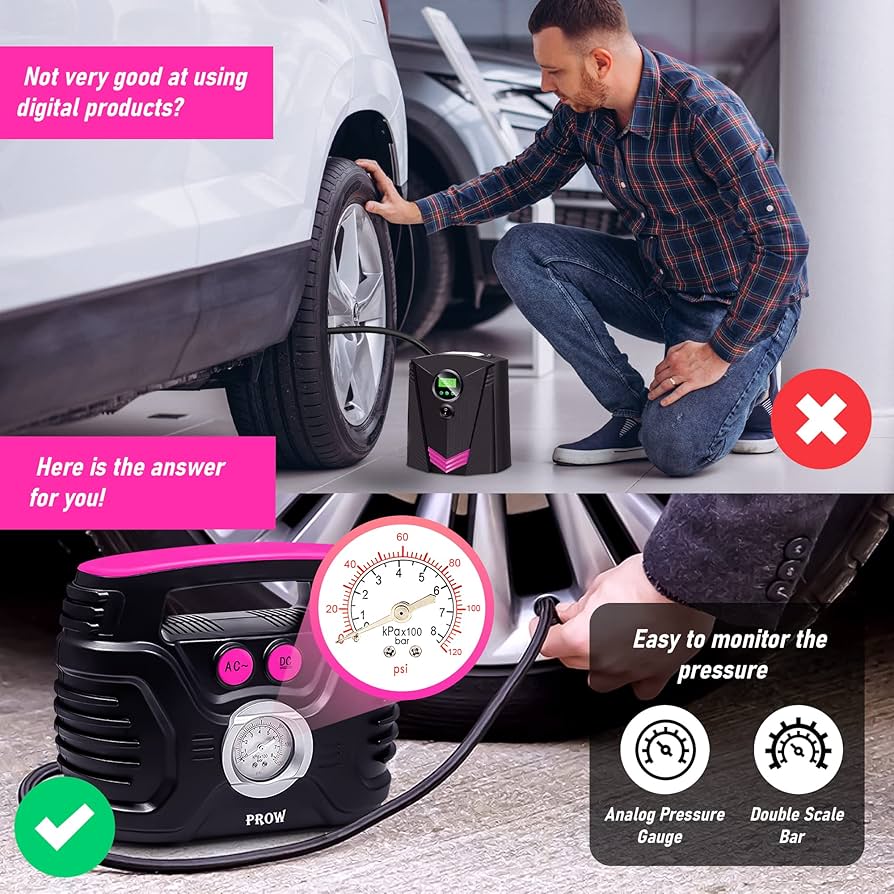
Illustrative image related to electric air pump tires
Finally, consider the logistics involved in sourcing and distributing electric air pumps. Assess shipping options, lead times, and delivery reliability based on your location and the supplier’s capabilities. A well-organized logistics plan can streamline the procurement process and minimize disruptions to your supply chain.
By following this checklist, you can make informed decisions when sourcing electric air pumps for tires, ensuring that you select the right products and suppliers to meet your business needs effectively.
When sourcing electric air pump tires, understanding the cost structure is crucial. The primary cost components include:
Materials: The quality and type of materials used significantly impact the overall cost. Common materials include durable plastics, metals for pump mechanisms, and rubber for tire components. Higher-quality materials often lead to better performance and longevity but come at a higher price.
Labor: Labor costs vary by region and manufacturing practices. In countries with lower labor costs, such as some in Africa and South America, manufacturers can offer competitive pricing. However, the expertise and skill level of the workforce can also affect the quality of the finished product.
Manufacturing Overhead: This includes utilities, facility costs, and equipment maintenance. Efficient production processes can help reduce overhead, thereby lowering costs for buyers.
Tooling: Custom tooling for specialized designs can be a significant upfront investment. While it may increase initial costs, it can lead to efficiencies in mass production, ultimately reducing per-unit costs.
Quality Control (QC): Investing in robust QC processes ensures product reliability and compliance with international standards. While it adds to the cost, it can prevent costly recalls and enhance brand reputation.
Logistics: Transportation and warehousing costs can vary widely based on location and shipping methods. International buyers should consider these costs when calculating total expenses.
Margin: Suppliers typically include a margin that reflects their operational costs and desired profit. Understanding the expected margin can help buyers negotiate better pricing.
Several factors influence pricing in the electric air pump tires market:
Volume/MOQ: Minimum order quantities (MOQs) and bulk purchasing can lead to significant discounts. Buyers should aim to negotiate lower prices based on larger orders.
Specifications/Customization: Customized products often come with higher costs due to the need for specialized tooling and production processes. Standardized products are typically more cost-effective.
Materials: The choice of materials not only affects durability but also pricing. Buyers looking for eco-friendly options may find these materials more expensive.
Quality/Certifications: Products with certifications (such as ISO or CE) may carry a premium but offer assurance of quality and compliance. This can be particularly important for international buyers.
Supplier Factors: The reputation and reliability of the supplier can influence pricing. Established suppliers may charge more but offer better service and product assurance.
Incoterms: Understanding shipping terms is crucial. Costs can vary significantly based on whether the buyer or seller is responsible for shipping, insurance, and duties.
For international B2B buyers, especially in diverse markets like Africa, South America, the Middle East, and Europe, effective negotiation strategies are essential:
Research and Benchmarking: Conduct thorough market research to understand pricing benchmarks. This information can provide leverage during negotiations.
Total Cost of Ownership (TCO): Consider not just the purchase price but also long-term costs, such as maintenance, warranty, and operational efficiency. A higher initial investment may lead to lower TCO.
Flexibility in Terms: Be open to negotiating payment terms and delivery schedules. Suppliers may offer discounts for early payment or flexible shipping options.
Building Relationships: Establishing a strong relationship with suppliers can lead to better pricing and terms. Long-term partnerships often yield favorable conditions.
Cultural Sensitivity: Understand the cultural and economic context of the supplier’s region. This awareness can facilitate smoother negotiations and foster mutual respect.
Prices for electric air pump tires can vary widely based on the factors discussed above. It is advisable for buyers to obtain detailed quotes from multiple suppliers to ensure they are receiving competitive pricing. Always consider the total cost of ownership and not just the upfront cost when making purchasing decisions.
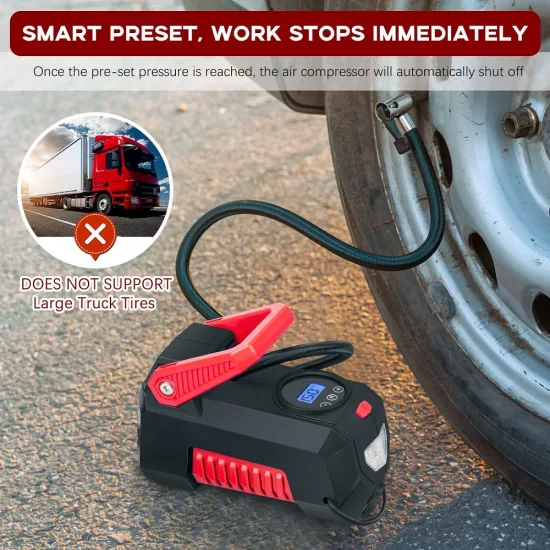
Illustrative image related to electric air pump tires
When evaluating electric air pump tires, it’s essential to consider alternative solutions that can achieve similar objectives of tire inflation and maintenance. Each option presents unique advantages and challenges, making it crucial for B2B buyers to assess which solution best fits their operational needs.
| Comparison Aspect | Electric Air Pump Tires | Corded Air Compressors | Manual Hand Pumps |
|---|---|---|---|
| Performance | Fast inflation; usually 150 PSI max | High power, suitable for large volumes; can exceed 150 PSI | Slower inflation; varies by effort |
| Cost | Moderate price range ($30-$100) | Generally higher initial cost ($50-$300) | Low cost ($10-$30) |
| Ease of Implementation | Simple plug-and-play operation; portable | Requires power source; less portable | Requires physical effort; portable |
| Maintenance | Low maintenance; minimal wear | Requires regular maintenance; more complex | Very low maintenance; durable |
| Best Use Case | Ideal for emergencies and quick fixes | Suitable for workshops and larger applications | Best for occasional use and emergencies |
Corded air compressors are robust tools that provide high-performance inflation capabilities. These compressors can achieve higher PSI levels, making them suitable for various applications beyond just tires, such as powering pneumatic tools or inflating larger items. However, they require a power source, limiting portability, and generally come at a higher price point. While their maintenance needs are more demanding, they are ideal for businesses with high-volume tire service requirements or those needing multi-functional air solutions.
Manual hand pumps are the most basic option, relying solely on human effort to inflate tires. They are highly portable and can be used in any situation, including remote locations without power sources. The cost is significantly lower than electric options, making them attractive for budget-conscious buyers. However, their performance is limited, as they require more time and physical effort to achieve the desired tire pressure. This solution is best for companies that only occasionally deal with tire inflation or those looking for a backup option.
Illustrative image related to electric air pump tires
Selecting the right tire inflation solution depends on your specific operational requirements and budget. Electric air pump tires are ideal for quick, emergency use, while corded air compressors offer more power and versatility for extensive applications. Conversely, manual hand pumps can serve as a low-cost alternative for occasional use. B2B buyers should assess their frequency of use, required PSI levels, and budget constraints to determine the most suitable option for their needs. By understanding the strengths and weaknesses of each alternative, businesses can make informed decisions that enhance their efficiency and operational readiness.
When evaluating electric air pump tires, understanding their technical specifications is essential for making informed purchasing decisions. Here are some critical properties to consider:
The maximum pressure rating, measured in pounds per square inch (PSI), indicates how much air pressure the pump can deliver. For most passenger vehicles, a PSI range of 30-35 is typical. Understanding this property is crucial for ensuring compatibility with various vehicle types, especially for B2B buyers who manage fleets or provide tire services.
Electric air pumps generally operate on different power sources, including 12V car outlets, AC wall outlets, or rechargeable batteries. Each power source offers distinct advantages; for example, a 12V outlet is ideal for roadside emergencies, while AC power is better for stationary use. Knowing the power source is important for buyers to assess the pump’s usability in various scenarios.
Flow rate, measured in cubic feet per minute (CFM), represents the volume of air the pump can deliver per minute. A higher CFM indicates faster inflation times, which is particularly beneficial for businesses that require quick tire service. B2B buyers should prioritize pumps with an optimal flow rate to enhance operational efficiency.
The weight of the air pump affects its portability, which is a vital consideration for businesses needing to transport equipment frequently. Lightweight models are easier to store and carry, making them more convenient for use in various locations, from workshops to roadside assistance.
Electric air pumps are constructed from various materials, typically plastic or metal. The choice of material affects durability, weight, and resistance to environmental conditions. For B2B buyers, selecting a pump made from high-grade materials can translate to lower long-term costs due to reduced maintenance and replacement needs.
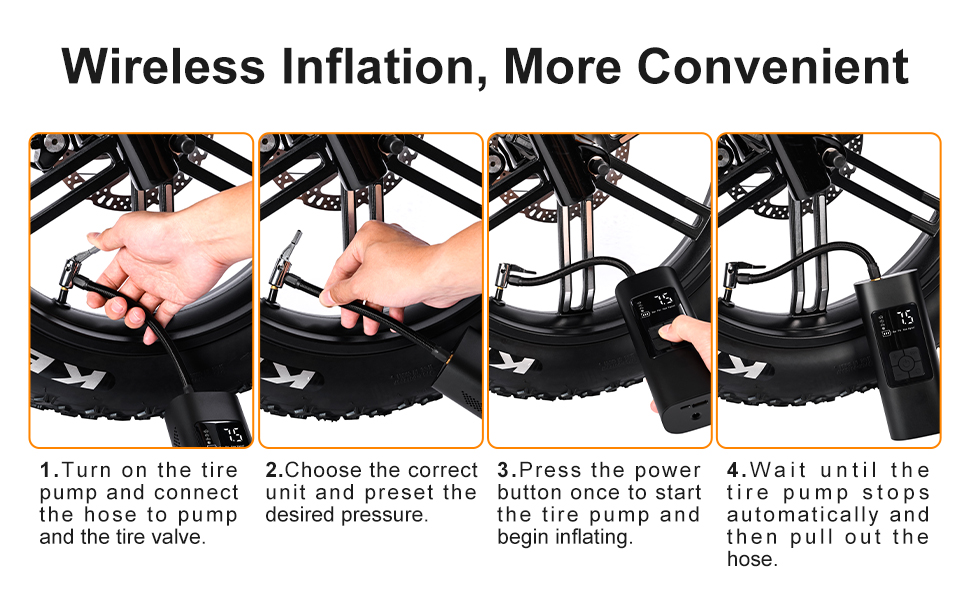
This feature allows the pump to automatically stop inflating once the desired pressure is reached. It enhances safety and prevents over-inflation, which can damage tires. This specification is particularly appealing to B2B buyers looking to provide reliable and user-friendly products to their customers.
Familiarity with industry jargon is essential for effective communication and negotiation in the B2B marketplace. Here are some common terms:
Illustrative image related to electric air pump tires
OEM refers to companies that manufacture products that are sold under another company’s brand. In the context of electric air pumps, OEM suppliers provide essential components or complete systems that meet specific quality standards, allowing businesses to source reliable products for resale or service.
MOQ denotes the smallest number of units that a supplier is willing to sell. Understanding MOQ is critical for B2B buyers, as it affects inventory management and cash flow. Buyers should negotiate MOQs that align with their operational needs while ensuring cost-effectiveness.
An RFQ is a formal document that businesses send to suppliers to request pricing for specific products. It is an essential step in the procurement process, allowing buyers to compare offers from multiple suppliers and make informed purchasing decisions.
Illustrative image related to electric air pump tires
Incoterms are internationally recognized rules that define the responsibilities of buyers and sellers regarding the delivery of goods. They clarify aspects such as shipping costs, insurance, and risk management. B2B buyers must be familiar with Incoterms to navigate international trade effectively.
The warranty period refers to the time frame during which a product is covered for defects or malfunctions. Knowing the warranty terms is vital for B2B buyers, as it indicates the supplier’s confidence in the product and provides assurance for long-term investments.
CE Certification indicates that a product meets European safety, health, and environmental protection standards. For international buyers, especially in Europe, ensuring that electric air pumps have CE certification is essential for compliance and marketability.
Understanding these technical properties and trade terminologies will empower B2B buyers to make well-informed purchasing decisions in the electric air pump tire market.
The global market for electric air pump tires is experiencing notable growth, driven by increasing vehicle ownership, rising awareness of tire maintenance, and a shift towards electric vehicles (EVs). As countries in Africa, South America, the Middle East, and Europe bolster their transportation infrastructure, the demand for reliable and efficient tire inflators is surging. B2B buyers can capitalize on this trend by focusing on suppliers that offer innovative technology, such as automatic shut-off features and digital pressure displays, which enhance user convenience and safety.
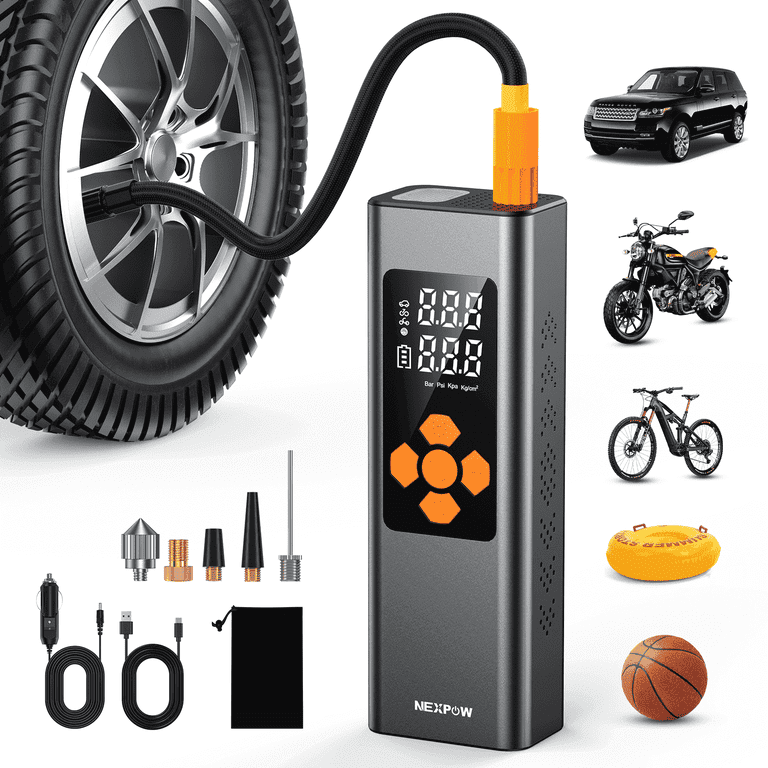
Emerging trends in sourcing include the increasing integration of smart technology into electric air pumps. Features such as mobile app connectivity for real-time monitoring and control are becoming attractive selling points for both consumers and businesses. Additionally, the growing emphasis on portability and multi-functionality—where a single device can inflate not only car tires but also bicycles, sports equipment, and even air mattresses—adds significant value for B2B buyers looking to diversify their product offerings.
International buyers should also consider regional preferences and regulations when sourcing electric air pump tires. For instance, in markets like Saudi Arabia and Vietnam, where off-road and SUV vehicles are popular, suppliers that provide robust, high-capacity inflators may have a competitive edge. Understanding these nuances can help businesses tailor their procurement strategies effectively.
Sustainability is becoming a cornerstone of business practices in the electric air pump tires sector. As environmental concerns rise globally, B2B buyers are increasingly prioritizing suppliers who adhere to ethical sourcing practices and environmental regulations. The production of electric air pumps often involves materials that can have significant ecological impacts, such as plastics and metals. Therefore, sourcing from manufacturers that utilize recycled materials or eco-friendly alternatives is critical.
Furthermore, certifications such as ISO 14001 (Environmental Management) and adherence to the REACH (Registration, Evaluation, Authorisation, and Restriction of Chemicals) regulation can serve as indicators of a supplier’s commitment to sustainability. Buyers should seek out products that not only meet performance standards but also contribute positively to environmental goals.
In addition to reducing their carbon footprint, companies that focus on ethical sourcing can enhance their brand reputation and customer loyalty. As consumers become more environmentally conscious, they are likely to favor brands that demonstrate a commitment to sustainability. This shift in consumer behavior underscores the need for B2B buyers to align their sourcing strategies with ethical practices to remain competitive in the market.
The evolution of electric air pump tires can be traced back to the early 20th century when manual pumps dominated the market. However, the advent of electric technology in the late 20th century marked a significant turning point. Initially, electric tire inflators were bulky and primarily used in commercial settings. Over time, advancements in battery technology and compact designs paved the way for portable electric air pumps, making them accessible for everyday consumers.
The rise of electric vehicles in the 21st century further accelerated the demand for efficient tire maintenance solutions. As EVs gained popularity, the need for reliable, easy-to-use tire inflators became evident. Manufacturers responded by integrating smart technology and user-friendly features, enhancing the functionality of electric air pumps. Today, these devices are not just accessories but essential tools for vehicle maintenance, reflecting the industry’s ongoing commitment to innovation and consumer needs.
In summary, B2B buyers in the electric air pump tire sector must navigate a rapidly evolving market characterized by technological advancements, sustainability imperatives, and changing consumer preferences. By aligning their sourcing strategies with these trends, businesses can position themselves for success in this dynamic landscape.
1. How do I choose the right electric air pump tire for my business needs?
Choosing the right electric air pump involves considering several factors: the power source (12V car outlet, AC wall outlet, or rechargeable battery), the pressure rating (most vehicle tires require 30-35 PSI), and the pump’s portability. Additionally, assess the intended use—whether for emergency roadside assistance or regular maintenance. Look for features such as automatic shut-off, digital displays, and multiple nozzle attachments for versatility. It’s also beneficial to evaluate supplier reliability and product reviews to ensure quality and performance meet your business standards.
2. What is the best electric air pump tire for commercial use?
The best electric air pump for commercial use typically features high durability and efficiency. Models with a pressure rating above 150 PSI are ideal for heavy-duty vehicles like trucks and SUVs. Look for pumps that offer fast inflation times and have built-in safety features, such as auto shut-off and pressure gauges. Additionally, consider units that are portable and lightweight for easy transport. Supplier reputation and warranty offerings are also crucial in selecting a reliable product that can withstand frequent use.
3. How can I ensure the quality of electric air pumps from suppliers?
To ensure product quality, conduct thorough supplier vetting, including checking for certifications and compliance with international standards. Request product samples to assess performance and durability firsthand. Additionally, review the supplier’s quality assurance processes and customer feedback. It’s advisable to establish a clear quality control agreement that outlines expectations and processes for addressing defects or issues. Regular communication and audits can further help maintain product quality throughout the supply chain.
4. What are the minimum order quantities (MOQs) for electric air pumps?
Minimum order quantities can vary significantly among suppliers and depend on factors such as the type of electric air pump and the terms of the purchase agreement. Commonly, MOQs can range from 100 to 1,000 units for bulk orders. When negotiating, consider discussing flexibility in MOQs, especially if you are a new buyer or are testing the market. Establishing a good relationship with suppliers may also allow for more favorable terms as your business grows.
5. What payment terms should I expect when sourcing electric air pumps?
Payment terms for electric air pumps typically include options like wire transfers, letters of credit, or payment upon delivery. Many suppliers may request an upfront deposit (20-30%) before production, with the balance due prior to shipment or upon delivery. It’s crucial to clarify payment terms during negotiations to avoid misunderstandings. Additionally, consider using secure payment methods to protect your financial interests, especially in international transactions.
6. How do logistics and shipping impact the sourcing of electric air pumps?
Logistics and shipping play a vital role in sourcing electric air pumps, particularly for international transactions. Consider factors such as shipping costs, delivery times, and customs regulations, which can vary by region. Choose suppliers who can provide reliable shipping options and trackable delivery services. Additionally, ensure that the supplier has experience with international shipping to navigate potential challenges efficiently. Discussing Incoterms (International Commercial Terms) can also clarify the responsibilities of each party in the shipping process.
7. Can electric air pumps be customized for specific business needs?
Yes, many suppliers offer customization options for electric air pumps, including branding, specific features, or modifications to meet unique business requirements. Customization can enhance your brand visibility and better serve your customers’ needs. When discussing customization, provide clear specifications and desired outcomes to your supplier. Be aware that custom orders may come with higher MOQs and longer lead times, so factor this into your planning.
8. What are the common use cases for electric air pumps beyond car tires?
Electric air pumps are versatile tools that can be used for various applications beyond car tires. They are suitable for inflating sports equipment, air mattresses, inflatable boats, and pool toys, making them valuable for both personal and commercial use. Many models come with multiple nozzle attachments to accommodate different types of inflatables. This versatility can be a significant selling point for businesses looking to diversify their product offerings in the market.

Domain: hototools.com
Registered: 2021 (4 years)
Introduction: This company, HOTO – Electric Air Pump ADV, is a notable entity in the market. For specific product details, it is recommended to visit their website directly.
Domain: reddit.com
Registered: 2005 (20 years)
Introduction: Husky 20 Gal. 200 PSI Oil Free Portable Vertical Electric Air Compressor, Husky 20 Gal. 165 PSI Vertical Electric Quiet Air Compressor, FORTRESS 26 Gallon 175 PSI Ultra Quiet Vertical Shop/Auto Air Compressor, Makita MAC320Q.
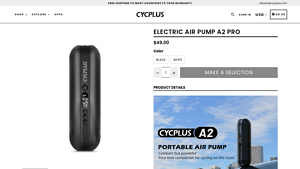
Domain: cycplus.com
Registered: 2017 (8 years)
Introduction: Product Name: Cycplus A2 Portable Air Pump Mini Inflator Electric Tire Pump
Regular Price: $49.00
Colors Available: Black, White
Key Features:
1. Fully charge before first use.
2. Recommended to stop after 5-10 minutes of continuous use and allow to cool for 10 minutes.
3. Charge monthly after use.
4. Do not pull out the air hose until it cools down.
5. Not suitable for trucks, vans, buses, air b…
In today’s competitive landscape, strategic sourcing of electric air pump tires is essential for businesses looking to enhance their operational efficiency and customer satisfaction. By prioritizing quality, reliability, and innovative features, B2B buyers can ensure they select products that not only meet current market demands but also anticipate future needs. The versatility of electric air pumps—suitable for a range of applications from vehicles to recreational inflatables—positions them as indispensable tools for various sectors.
Investing in high-quality electric air pumps from reputable suppliers can lead to significant cost savings and improved service offerings. Key considerations for sourcing include evaluating power source options, functionality, and portability, ensuring that the chosen models align with the specific needs of diverse markets, particularly in regions like Africa, South America, the Middle East, and Europe.
Looking ahead, the demand for electric air pump tires is expected to rise as more consumers prioritize convenience and efficiency. B2B buyers are encouraged to leverage this opportunity by forging partnerships with innovative manufacturers, thus positioning themselves at the forefront of this growing market. Embrace the future of tire inflation solutions and enhance your product portfolio today.
The information provided in this guide, including content regarding manufacturers, technical specifications, and market analysis, is for informational and educational purposes only. It does not constitute professional procurement advice, financial advice, or legal advice.
While we have made every effort to ensure the accuracy and timeliness of the information, we are not responsible for any errors, omissions, or outdated information. Market conditions, company details, and technical standards are subject to change.
B2B buyers must conduct their own independent and thorough due diligence before making any purchasing decisions. This includes contacting suppliers directly, verifying certifications, requesting samples, and seeking professional consultation. The risk of relying on any information in this guide is borne solely by the reader.


 English
  Russian
  Spanish
  Italian
  Arabic
  Portuguese
  German