
In today’s fast-paced global market, sourcing a reliable portable inflator can pose significant challenges for international B2B buyers. Whether you are in the automotive industry, logistics, or outdoor recreation, understanding the nuances of various inflator types is crucial for efficient operations. This comprehensive guide delves into the diverse range of portable inflators, from compact battery-operated models to robust inflators designed for heavy-duty applications. We will explore their applications, key features, and performance metrics, ensuring you can make informed decisions tailored to your specific needs.
For businesses across Africa, South America, the Middle East, and Europe—including key markets like Germany and Nigeria—navigating the selection process can be daunting. Factors such as supplier reliability, pricing strategies, and product specifications can greatly influence your purchasing choices. This guide empowers you by providing actionable insights into supplier vetting processes, cost considerations, and the latest trends in portable inflator technology. By equipping you with the knowledge needed to evaluate options effectively, we aim to streamline your procurement process and enhance operational efficiency. Whether you are looking to maintain a fleet of vehicles or meet the demands of outdoor adventures, our guide will serve as your essential resource in making strategic purchasing decisions.
| Type Name | Key Distinguishing Features | Primary B2B Applications | Brief Pros & Cons for Buyers |
|---|---|---|---|
| Cordless Tire Inflators | Battery-powered, portable, often with preset PSI settings | Automotive maintenance, fleet services | Pros: High portability, ease of use. Cons: Limited battery life for heavy usage. |
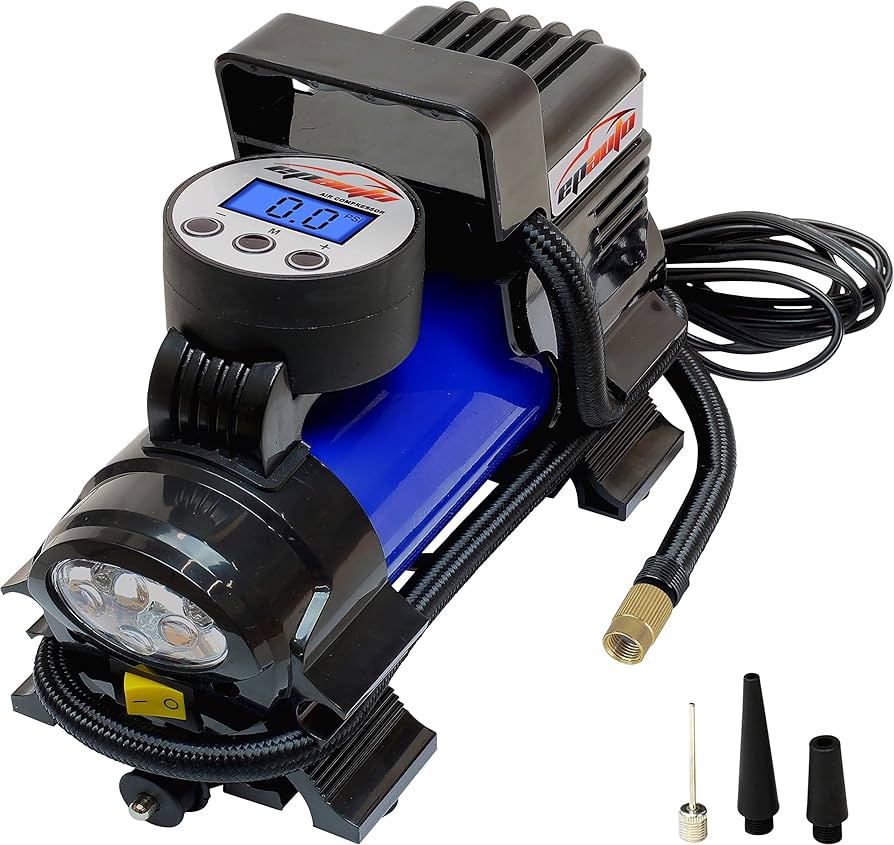
| 12V Plug-In Inflators | Connects to vehicle’s 12V outlet, often compact and lightweight | Automotive service, roadside assistance | Pros: Continuous power supply, generally faster inflation. Cons: Limited mobility away from vehicle. |
| Heavy-Duty Air Compressors | High PSI capabilities, often bulky, designed for commercial use | Construction, heavy machinery, off-road vehicles | Pros: Powerful, can handle large tire sizes. Cons: Less portable, requires more storage space. |
| Multi-Purpose Inflators | Comes with various attachments for inflating multiple items | Sports equipment, recreational vehicles | Pros: Versatile, suitable for various applications. Cons: May lack specialized features for specific tasks. |
| Digital Tire Inflators | Equipped with digital displays and automatic shut-off features | Automotive maintenance, tire shops | Pros: Accurate pressure readings, user-friendly. Cons: Potentially more expensive than analog options. |
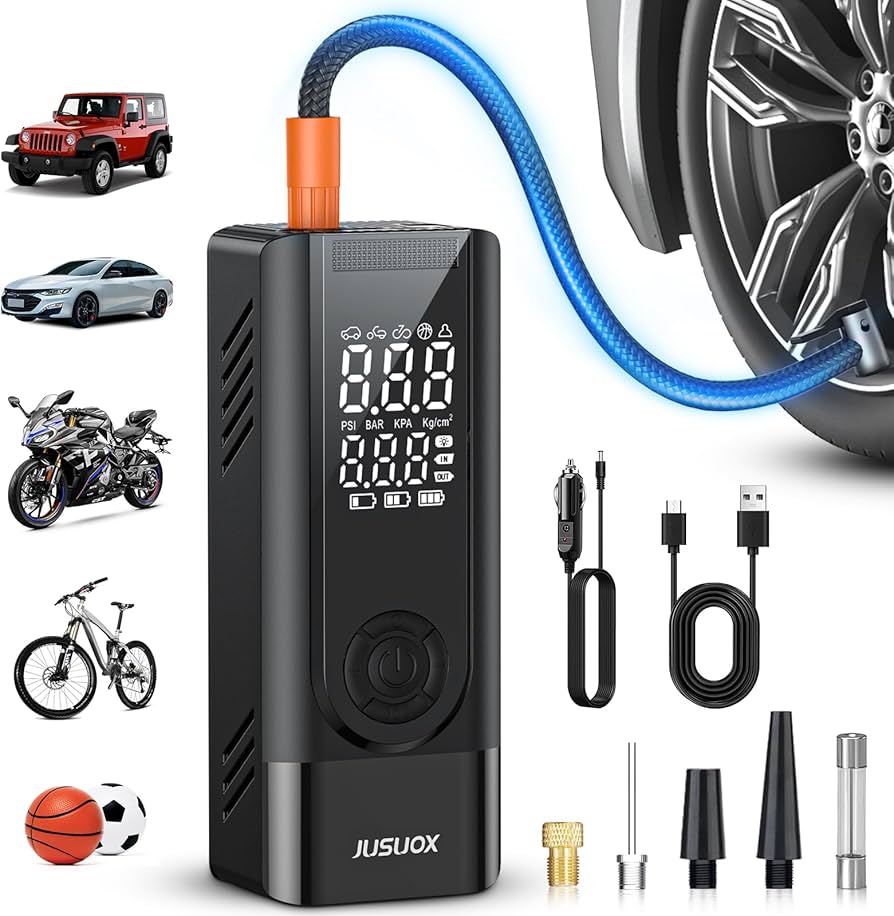
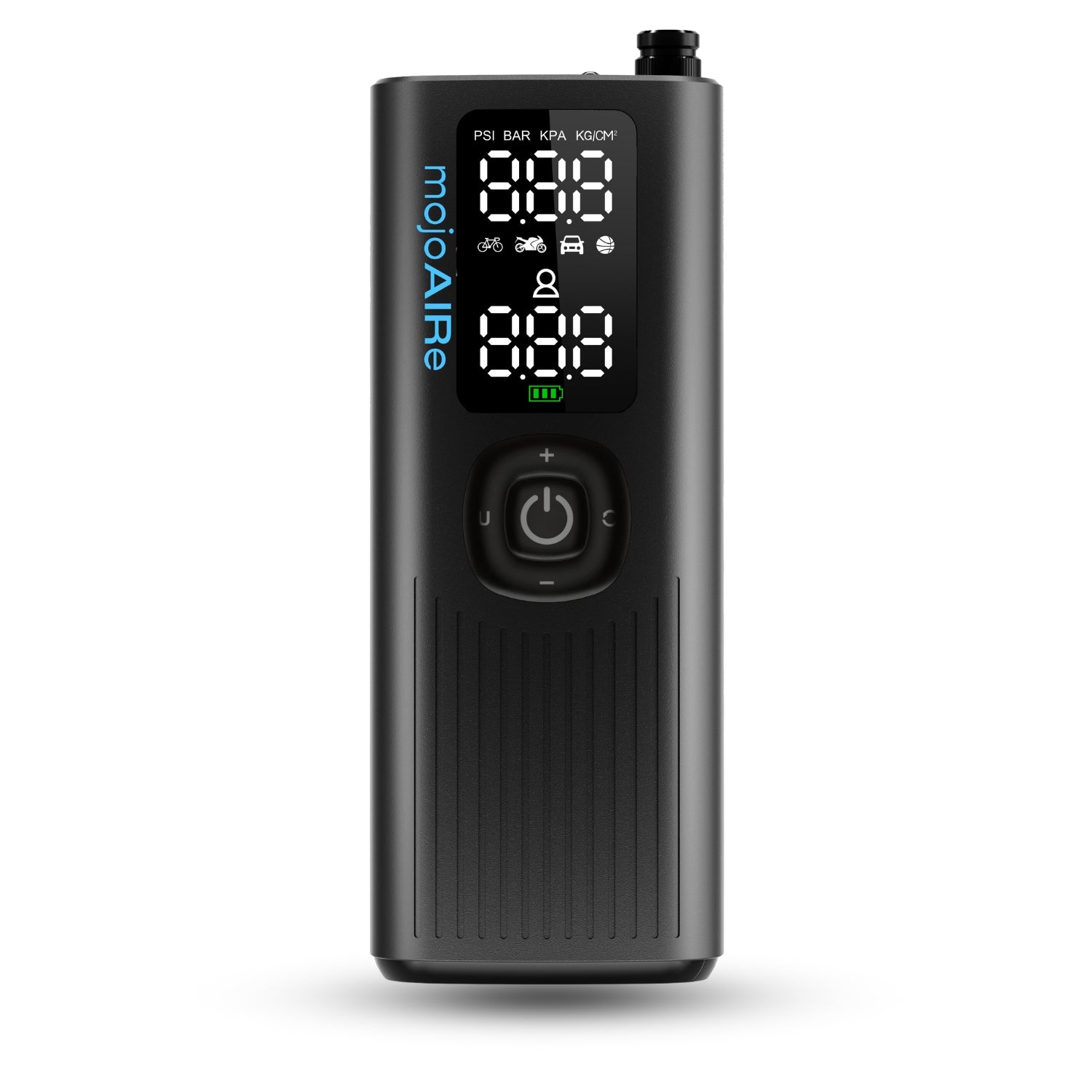
Cordless tire inflators are battery-operated devices that provide high portability and ease of use. They typically feature preset PSI settings for different tire types, making them ideal for quick top-ups in automotive maintenance or fleet services. B2B buyers should consider battery life and the inflator’s ability to handle multiple tires on a single charge, particularly for businesses that require frequent tire maintenance.
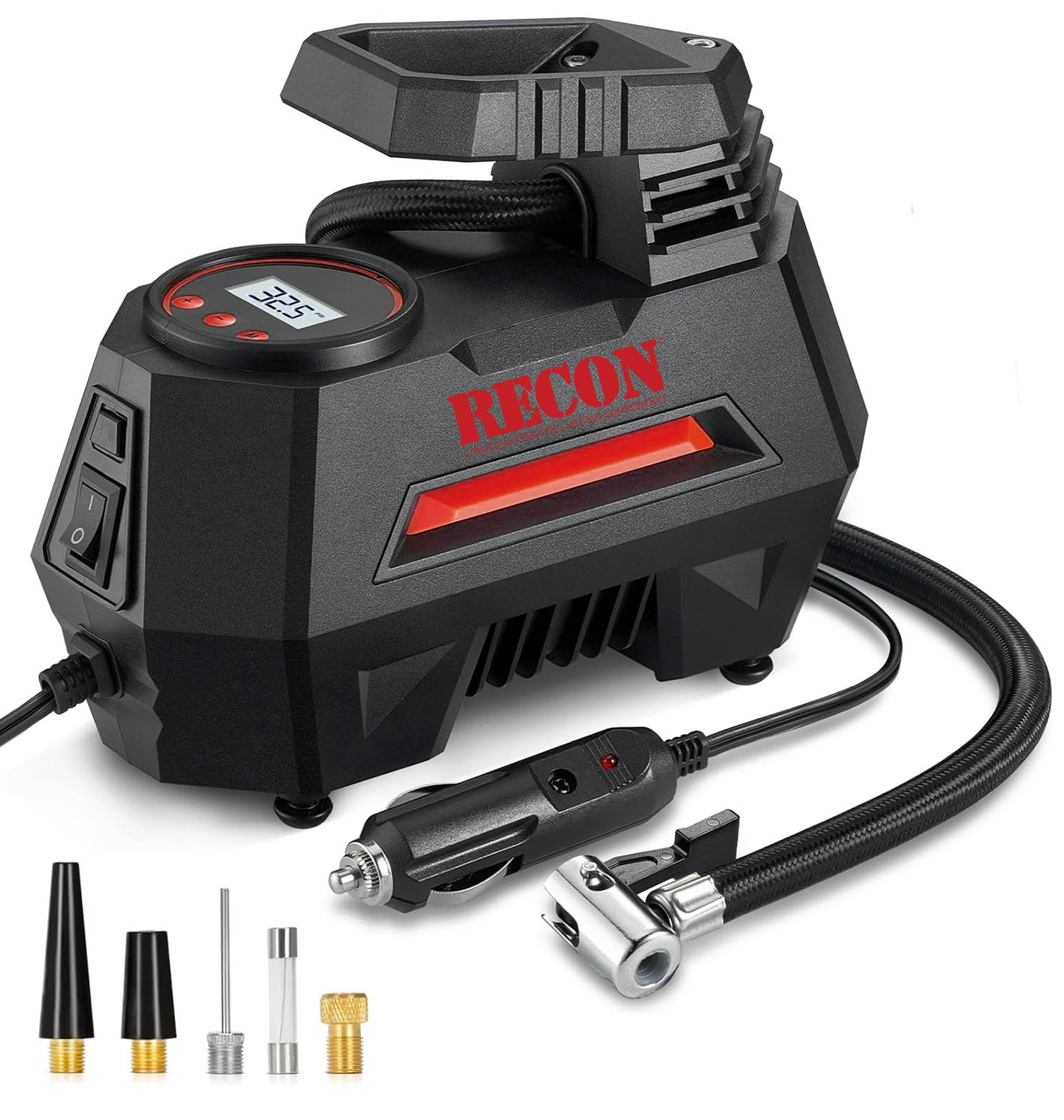
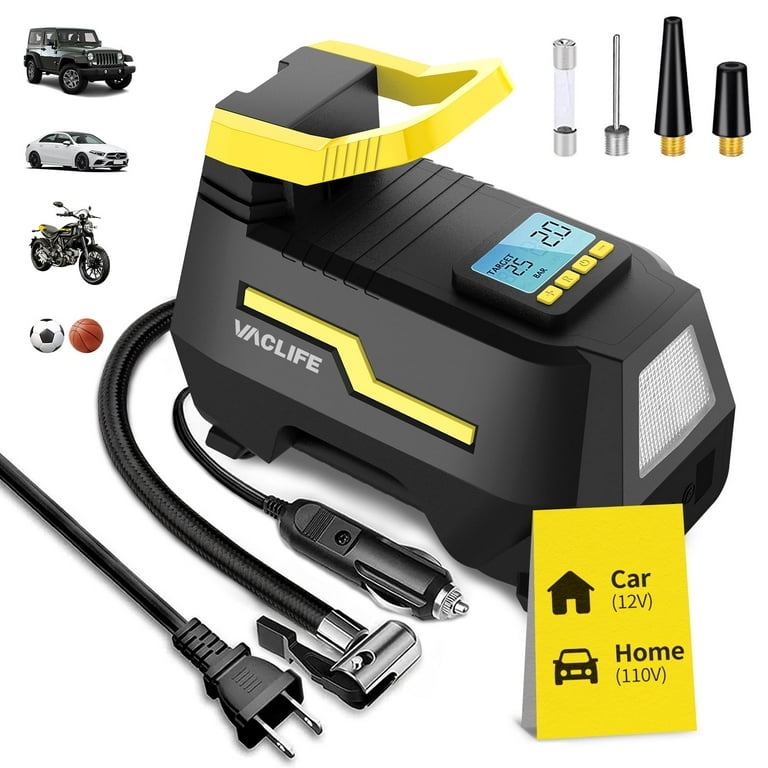
12V plug-in inflators connect directly to a vehicle’s power outlet, making them a practical choice for roadside assistance and automotive service applications. Their continuous power supply allows for faster inflation, which is crucial during emergencies. However, buyers should consider the limitations in mobility, as these inflators are primarily effective when near a vehicle, making them less versatile than cordless options.
Heavy-duty air compressors are designed for high PSI capabilities and are often used in commercial environments such as construction sites and for servicing heavy machinery. While they can efficiently inflate larger tires, their bulkiness and need for significant storage space can be drawbacks. B2B buyers must evaluate the compressor’s power requirements and its suitability for the specific equipment used in their operations.
Illustrative image related to portable inflator
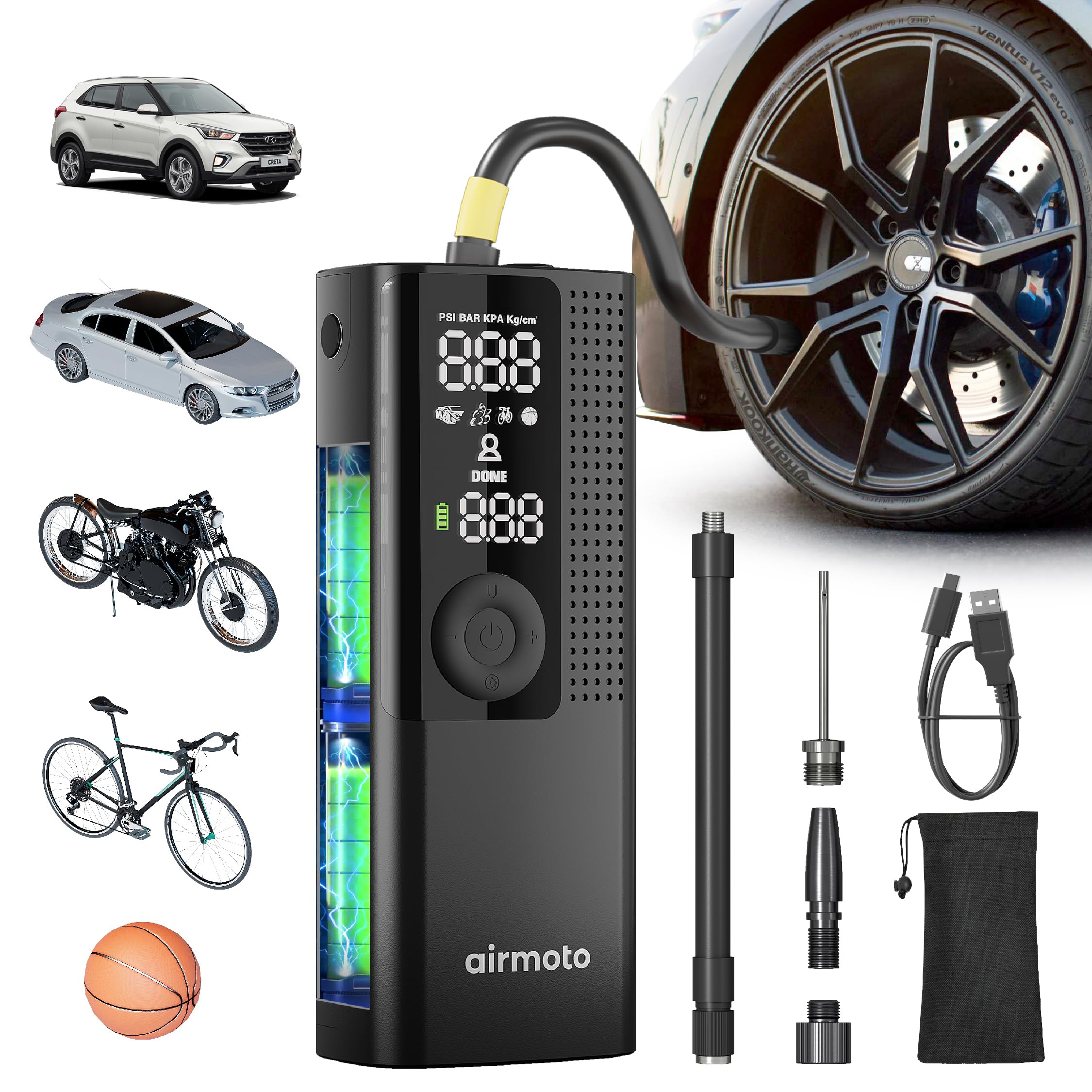
Multi-purpose inflators come with various attachments for inflating not just tires but also sports equipment and recreational vehicles. This versatility makes them appealing to businesses that deal with a range of products needing inflation. However, buyers should be cautious, as these inflators may lack the specialized features that dedicated tire inflators offer, potentially affecting performance in critical situations.
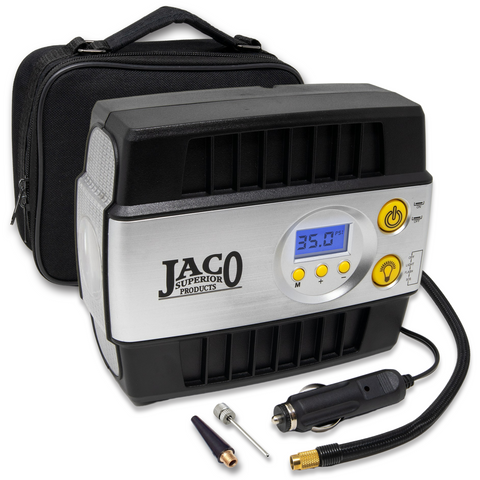
Digital tire inflators are equipped with advanced features such as digital displays and automatic shut-off capabilities, enhancing user-friendliness and accuracy. They are particularly favored in automotive maintenance and tire shops where precision is key. While they may come at a higher price point compared to analog models, the investment can lead to better efficiency and reduced risk of overinflation, making them a wise choice for B2B buyers focused on quality and reliability.
| Industry/Sector | Specific Application of Portable Inflator | Value/Benefit for the Business | Key Sourcing Considerations for this Application |
|---|---|---|---|
| Automotive Repair | Tire maintenance for vehicles | Ensures optimal vehicle performance and safety | Look for durability, PSI capacity, and ease of use |
| Construction | Inflation of heavy-duty equipment and tools | Enhances productivity and reduces downtime | Evaluate power source options and portability |
| Sports & Recreation | Inflation of sports equipment (balls, inflatable gear) | Increases customer satisfaction and service efficiency | Consider size, weight, and included adapters |
| Logistics & Transportation | Fleet tire management and emergency roadside assistance | Minimizes tire-related delays and improves operational efficiency | Assess battery life, pressure accuracy, and compatibility |
| Agriculture | Inflating agricultural machinery tires | Ensures field operations are uninterrupted | Focus on ruggedness, pressure range, and ease of transport |
In the automotive repair industry, portable inflators are essential for tire maintenance, allowing mechanics to quickly inflate tires to the recommended pressure. This practice not only enhances vehicle performance but also ensures safety on the road. For international buyers in regions like Africa and South America, sourcing durable inflators that can handle varying climates and tire sizes is crucial. Additionally, features such as built-in pressure gauges and multiple power sources can significantly enhance usability and efficiency.
In construction, portable inflators are used to maintain the air pressure of heavy-duty equipment tires and pneumatic tools. By ensuring that machinery operates at optimal pressure, businesses can enhance productivity and minimize downtime due to flat tires or equipment failures. Buyers in regions like the Middle East, where construction activity is booming, should consider inflators with high PSI capabilities and robust construction to withstand harsh working conditions.
In the sports and recreation sector, portable inflators are invaluable for quickly inflating balls, rafts, and other inflatable gear. This capability not only improves customer satisfaction but also increases the efficiency of service providers, such as sports retailers and rental companies. For B2B buyers in Europe, it is essential to evaluate the size and weight of the inflators, as well as the availability of various adapters to cater to different types of sports equipment.
For logistics and transportation companies, managing tire pressure across fleets is vital for operational efficiency. Portable inflators are used for routine tire checks and emergency roadside assistance, reducing delays caused by tire issues. International buyers should prioritize inflators that offer long battery life and accurate pressure readings, as these features can significantly impact service quality and operational reliability.
In the agriculture sector, portable inflators are crucial for inflating tires on tractors and other agricultural machinery. Maintaining proper tire pressure ensures that field operations are efficient and uninterrupted, which is vital during planting and harvesting seasons. Buyers from agricultural regions should focus on rugged inflators with a wide pressure range and portability, as they often work in remote areas where access to power sources is limited.
Illustrative image related to portable inflator
The Problem: B2B buyers often face challenges when it comes to ensuring that tires are inflated to the correct pressure. This issue is particularly significant in industries like logistics and transportation, where maintaining optimal tire pressure is crucial for fuel efficiency and safety. Inaccurate tire inflation can lead to increased wear and tear on tires, reduced vehicle performance, and safety hazards. Buyers may find that many portable inflators do not provide precise measurements, leading to guesswork and potential over-inflation or under-inflation of tires.
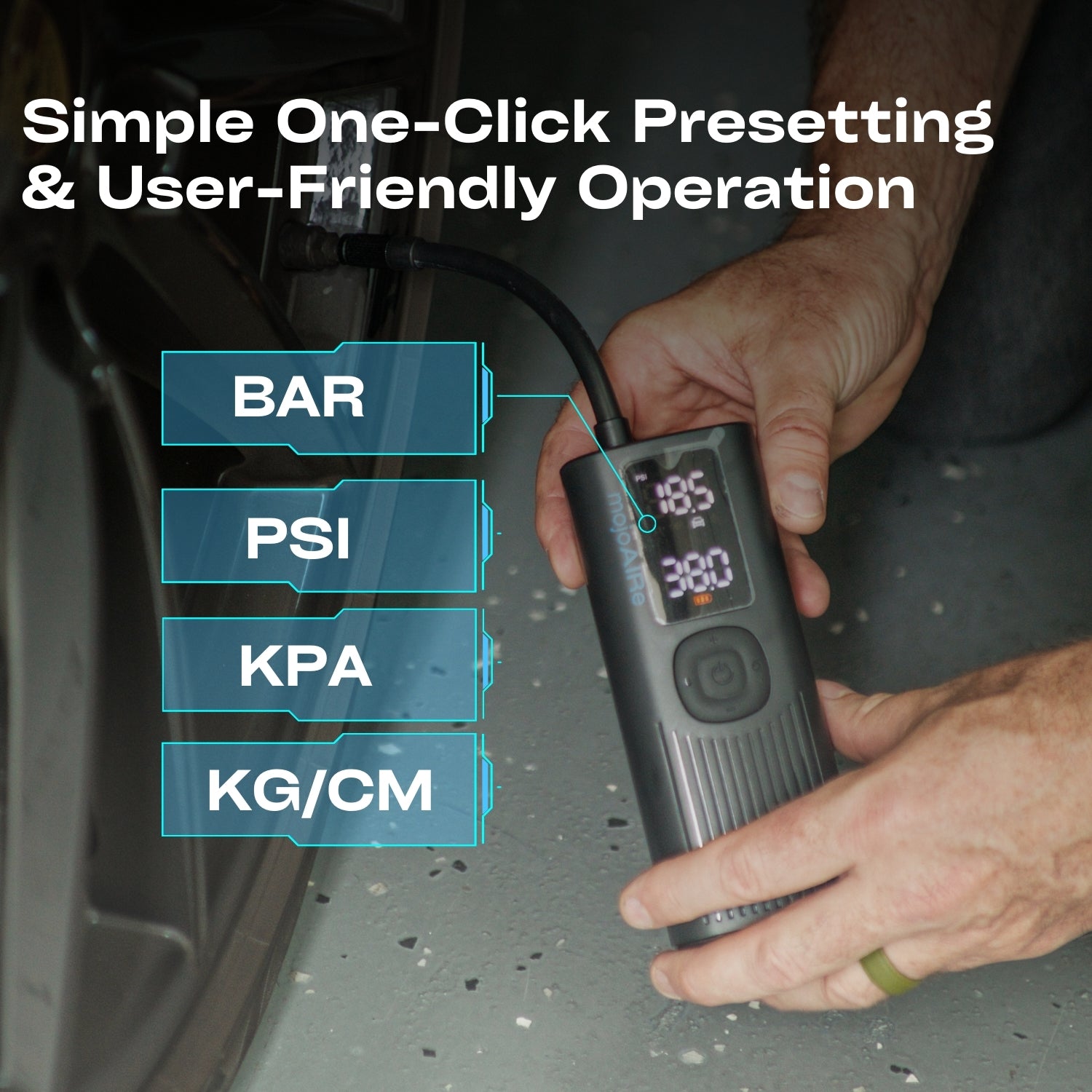
The Solution: To tackle this challenge, B2B buyers should prioritize sourcing portable inflators equipped with digital pressure gauges that offer real-time, precise readings. Models such as the AstroAI Cordless Tire Inflator not only allow users to set their desired pressure but also automatically shut off when the target is reached, preventing over-inflation. When selecting a portable inflator, consider units that have been rigorously tested for accuracy, and ensure that they include calibration options. Additionally, training staff on how to properly use these inflators, including checking the pressure of tires before and after inflation, will help maintain consistent tire health and performance.
The Problem: Many B2B operations, especially in sectors such as construction or agriculture, often require tire inflation in remote locations where access to power sources may be limited. This can lead to frustration as portable inflators with inadequate battery life may fail to inflate multiple tires on a single charge, leaving teams stranded with flat tires and unable to complete their work. The risk of downtime in these situations can have significant financial repercussions.
The Solution: To mitigate battery life issues, B2B buyers should look for portable inflators with robust battery capacities, such as the Craftsman 12V Max Portable Air Inflator, which can effectively inflate multiple tires on a single charge. Buyers should also consider inflators that offer dual power options, allowing them to switch between battery and vehicle power sources. This versatility ensures that even in remote locations, users can recharge the inflator using their vehicle’s 12-volt outlet if the battery runs low. Additionally, investing in extra battery packs for inflators can provide a reliable backup, ensuring that teams can complete their tasks without interruption.
Illustrative image related to portable inflator
The Problem: For businesses managing fleets or heavy equipment, the need for efficient tire inflation is paramount. Traditional portable inflators may struggle with the higher pressures required for larger vehicles, leading to slow inflation times and operational delays. This inefficiency can be particularly frustrating for fleet managers who need to maintain high standards of readiness and safety across multiple vehicles.
The Solution: B2B buyers should consider investing in high-performance inflators designed specifically for heavy-duty applications, like the Viair 88P, which can handle the demanding inflation needs of trucks and SUVs. When sourcing these inflators, look for features such as higher maximum PSI ratings, fast inflation capabilities, and durable construction that can withstand the rigors of commercial use. Additionally, implementing a scheduled maintenance program that includes regular checks on tire pressure and timely inflation can improve fleet efficiency and safety. Training staff on the proper use of these specialized inflators will also ensure that they are utilized effectively, leading to reduced downtime and increased vehicle lifespan.
When selecting materials for portable inflators, it is essential to consider their properties and how they affect product performance. The most common materials include plastic, aluminum, steel, and rubber. Each material presents unique advantages and challenges that can influence the inflator’s durability, cost, and suitability for various applications.
Plastic is often used for the housing and components of portable inflators due to its lightweight nature and resistance to corrosion. Key properties include a temperature rating of around -40°C to 80°C and good impact resistance.
Illustrative image related to portable inflator
Pros: Plastic is cost-effective and easy to mold into complex shapes, allowing for innovative designs. It is also resistant to rust and corrosion, making it suitable for humid or wet environments.
Cons: However, plastic may not withstand high-pressure applications as effectively as metals, leading to potential failure under excessive stress. Additionally, its durability can be compromised under extreme temperatures.
Impact on Application: Plastic is suitable for inflators designed for light to moderate use, such as inflating car tires or sports equipment.
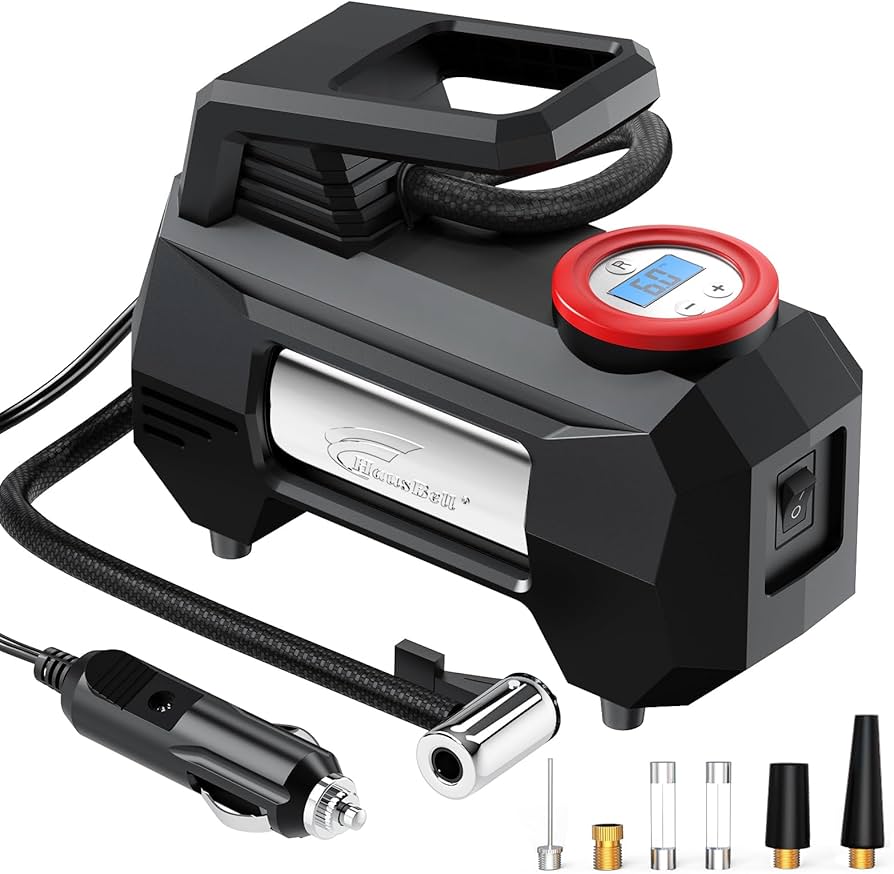
Illustrative image related to portable inflator
Considerations for International Buyers: Buyers should ensure that the plastic used complies with relevant standards, such as ASTM D638 for tensile properties, especially in regions with varying climate conditions like Africa and South America.
Aluminum is a popular choice for the body and internal components of portable inflators due to its lightweight and strength. It typically has a temperature rating of -40°C to 120°C and excellent corrosion resistance.
Pros: Aluminum offers a good balance of durability and weight, making it ideal for portable applications. It can handle higher pressures than plastic, which is crucial for inflators that need to operate at elevated psi levels.
Cons: The primary downside is that aluminum can be more expensive than plastic and may require more complex manufacturing processes, which can increase production costs.
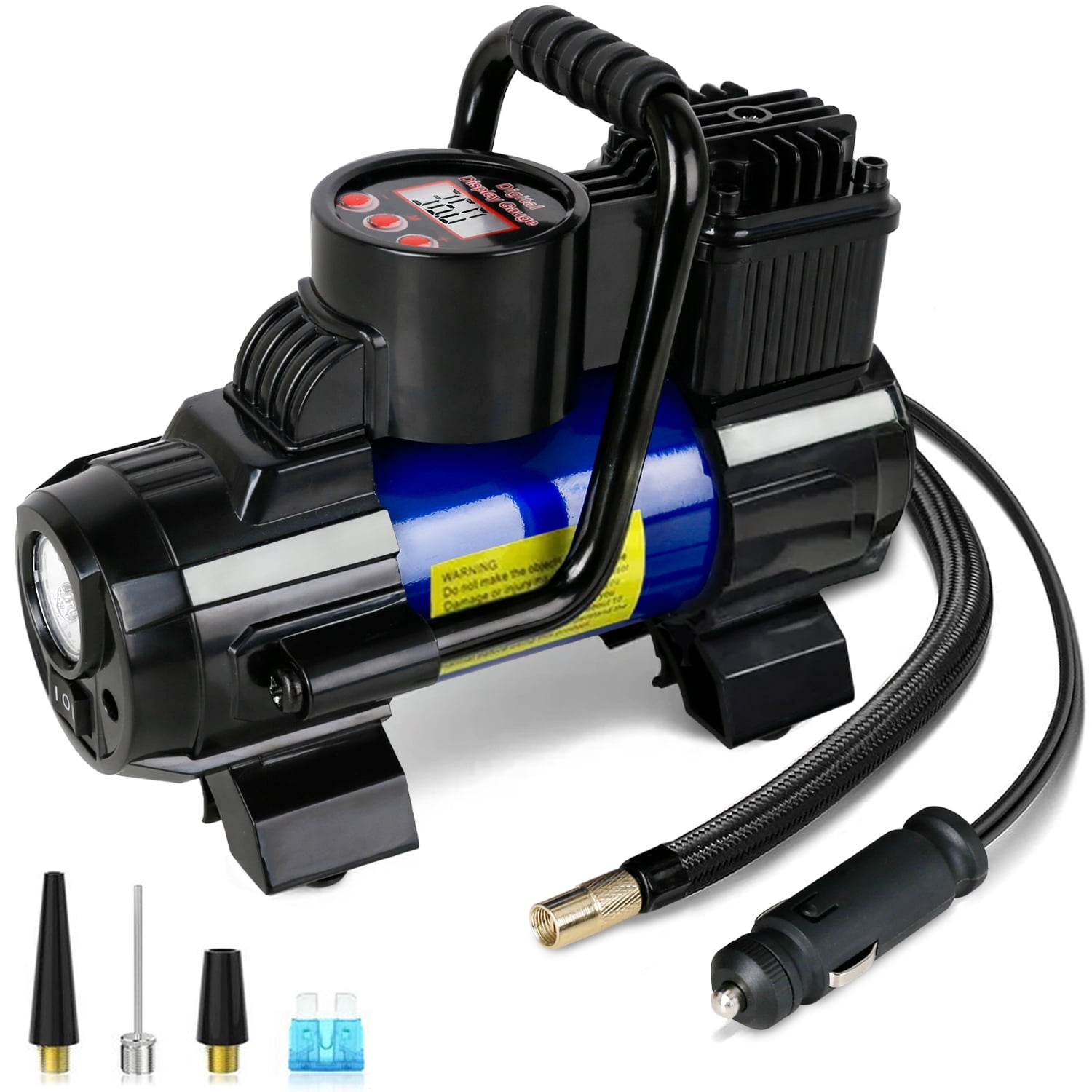
Illustrative image related to portable inflator
Impact on Application: Aluminum is particularly well-suited for inflators used in heavy-duty applications, such as those for trucks and SUVs, where higher pressures are necessary.
Considerations for International Buyers: Buyers should verify that aluminum components meet international standards like DIN 17615, particularly in regions like Europe where compliance is critical.
Steel is often used in the construction of high-pressure inflators due to its exceptional strength and durability. It can withstand extreme temperatures and pressures, with a typical rating of -50°C to 150°C.
Pros: Steel’s robustness makes it ideal for heavy-duty applications, ensuring longevity and reliability. It is also cost-effective for high-volume production.
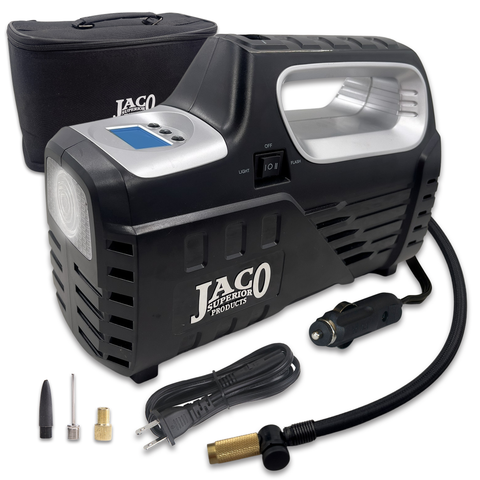
Illustrative image related to portable inflator
Cons: The main drawback is its weight, which can make portable inflators cumbersome. Additionally, steel is susceptible to corrosion if not properly treated or coated.
Impact on Application: Steel is best suited for industrial-grade inflators or those intended for professional use, where performance and durability are paramount.
Considerations for International Buyers: Buyers should be aware of the need for corrosion-resistant coatings, especially in humid climates like those found in parts of Africa and the Middle East.
Rubber is primarily used for seals and hoses in portable inflators due to its flexibility and excellent sealing properties. It can typically handle temperatures from -30°C to 100°C.
Pros: Rubber provides a tight seal, preventing air leaks and ensuring efficient operation. It is also resistant to wear and tear, making it suitable for repeated use.
Cons: However, rubber can degrade over time, especially when exposed to UV light or extreme temperatures. This can lead to reduced performance and the need for replacement parts.
Impact on Application: Rubber is essential for inflators that require reliable seals, such as those used in automotive applications.
Considerations for International Buyers: Buyers should ensure that rubber components meet standards like ASTM D2000, particularly in regions with varying environmental conditions.
| Material | Typical Use Case for Portable Inflator | Key Advantage | Key Disadvantage/Limitation | Relative Cost (Low/Med/High) |
|---|---|---|---|---|
| Plastic | Housing and lightweight components | Lightweight and corrosion-resistant | Limited pressure tolerance | Low |
| Aluminum | Body and internal components | High strength-to-weight ratio | Higher cost and manufacturing complexity | Medium |
| Steel | Heavy-duty applications | Exceptional durability and strength | Heavy and prone to corrosion | Medium |
| Rubber | Seals and hoses | Excellent sealing properties | Degrades over time with exposure | Low |
This material selection guide provides critical insights for international B2B buyers, ensuring that they make informed decisions that align with their operational needs and regional standards.
The manufacturing of portable inflators involves several critical stages that ensure the production of high-quality, reliable devices. Understanding these stages can help B2B buyers make informed decisions when selecting suppliers.
The first stage of the manufacturing process is material preparation, which involves sourcing and processing raw materials. Common materials used in the production of portable inflators include:
These materials undergo rigorous quality checks to ensure they meet industry standards before entering the production line.
The forming stage involves shaping the prepared materials into the required components. This may include injection molding for plastic parts, machining for metal components, and die-cutting for rubber seals.
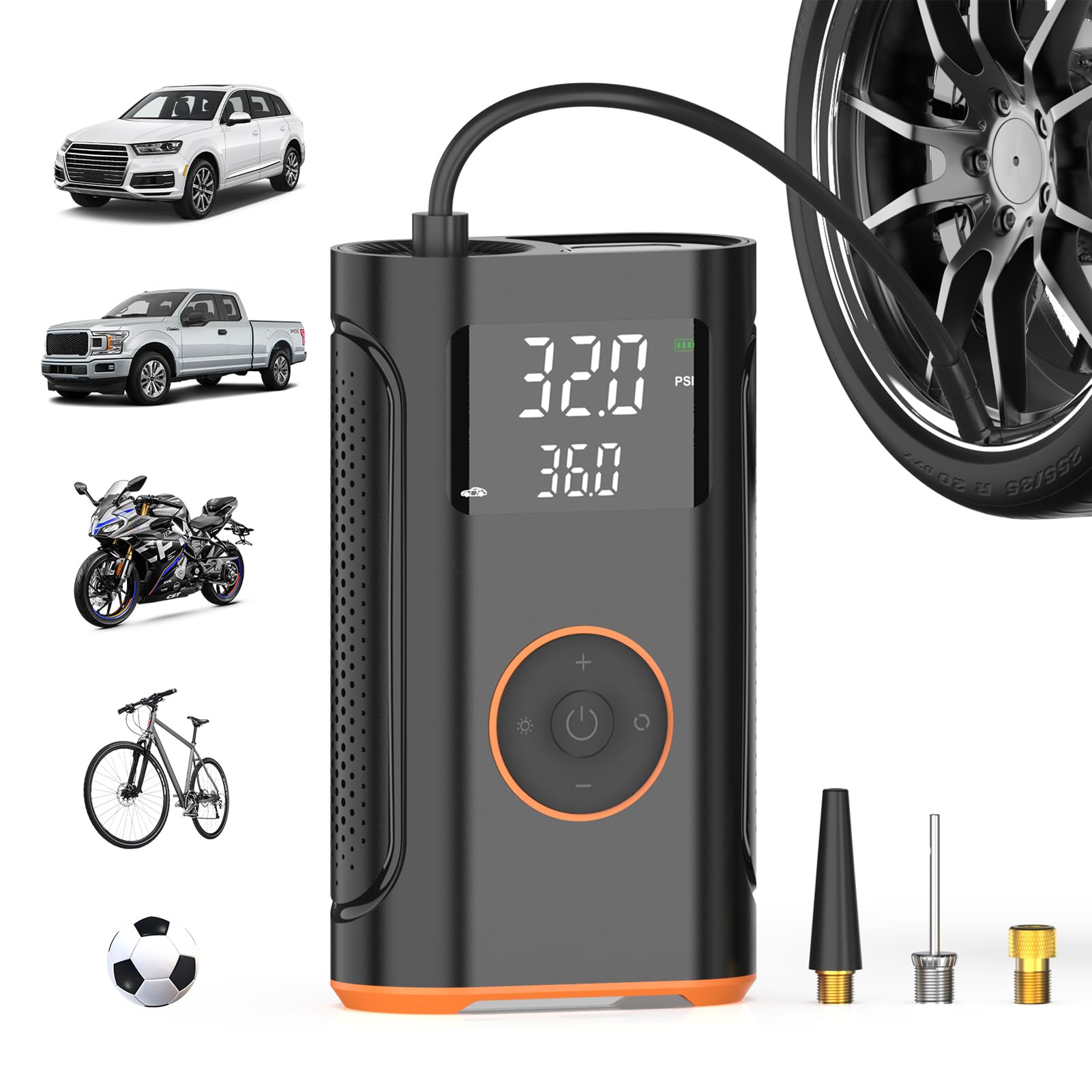
Illustrative image related to portable inflator
Once the components are formed, the assembly stage begins. This process involves the following:
Quality control checkpoints are integrated throughout this stage to catch any defects early.
After assembly, the finishing stage enhances the product’s aesthetics and durability. This may include:
Finishing techniques also involve final inspections to guarantee that the product meets the specified quality standards.
Quality assurance (QA) is crucial in ensuring that portable inflators meet safety and performance standards. B2B buyers should be aware of the following QA practices that manufacturers typically implement.
Manufacturers often adhere to various international and industry-specific standards to ensure quality and safety. Key standards include:
Understanding these certifications can help buyers assess supplier credibility and product reliability.
Quality control (QC) checkpoints are integral to the manufacturing process. Common QC stages include:
Implementing these QC checkpoints helps to minimize defects and improve overall product quality.
B2B buyers should actively verify the quality control processes of potential suppliers to ensure they meet their standards. Here are effective methods to do so:
These steps help buyers mitigate risks associated with poor quality and ensure that the products meet their specifications.

Illustrative image related to portable inflator
For international buyers, particularly from regions like Africa, South America, the Middle East, and Europe, understanding the nuances of quality control is essential.
Understanding these regional nuances can help buyers navigate potential challenges and select reliable suppliers.
Quality assurance is a cornerstone of the manufacturing process for portable inflators. By understanding the manufacturing stages, quality standards, and verification methods, B2B buyers can make informed decisions that ensure they procure high-quality products. This diligence not only enhances customer satisfaction but also fosters long-term partnerships with reliable suppliers.
Illustrative image related to portable inflator
To assist B2B buyers in successfully procuring portable inflators, this guide provides a practical step-by-step checklist. Following these steps will help ensure that you select the right product for your needs, maximizing both efficiency and value.
Before you begin sourcing, clarify the technical requirements for the portable inflators you need. Consider factors such as the maximum pressure (PSI), power source (battery or AC), and intended use (vehicles, sports equipment, etc.). Knowing these specifications will guide your decision-making and help you filter potential products effectively.
Understanding current market trends and leading brands in the portable inflator sector is vital. Look for manufacturers known for reliability and customer satisfaction. Pay attention to product reviews and ratings from reputable sources to identify which brands consistently outperform others.
Verify that potential suppliers have the necessary certifications and compliance with international quality standards. Certifications such as ISO 9001 can indicate a commitment to quality management systems. This step ensures that you are partnering with reputable manufacturers who adhere to industry regulations.
Before making a bulk purchase, request samples of the inflators you are considering. Testing the products in real-world conditions will provide insights into their performance and durability. Evaluate aspects such as inflation speed, ease of use, and additional features like built-in pressure gauges or USB ports.
Once you have identified suitable products, compare pricing among different suppliers. Be sure to also consider warranty options, as a solid warranty can indicate the manufacturer’s confidence in their product. Look for a balance between cost and quality to ensure you receive the best value for your investment.
After-sales support is crucial for maintaining your equipment in the long run. Inquire about the supplier’s policies on repairs, parts availability, and customer service responsiveness. A supplier that offers robust support can help minimize downtime and ensure your operations run smoothly.
Once you are satisfied with your choice of supplier and product, draft a clear purchase agreement. This document should outline terms such as pricing, delivery schedules, payment terms, and any warranties. Ensure that both parties fully understand and agree to these terms to prevent any disputes down the line.
Illustrative image related to portable inflator
By following this checklist, B2B buyers can navigate the procurement process for portable inflators with greater confidence, ensuring they make informed decisions that meet their operational needs.
When sourcing portable inflators, understanding the cost structure is crucial for B2B buyers. The primary cost components include materials, labor, manufacturing overhead, tooling, quality control (QC), logistics, and profit margins.
Materials: The quality and type of materials significantly affect the cost. Common materials for inflators include durable plastics, metals, and electronic components. High-quality materials can lead to increased durability and performance, but they also increase the initial cost.
Labor: Labor costs can vary widely depending on the country of manufacture. For example, labor costs are generally lower in regions like Southeast Asia compared to Europe or North America. This disparity can influence the overall pricing structure.
Manufacturing Overhead: This includes costs associated with factory operations, such as utilities, rent, and equipment maintenance. Efficient manufacturing processes can help minimize these costs.
Tooling: Initial tooling costs for molds and production equipment can be significant. These costs are typically amortized over a larger production run, making them more manageable for bulk orders.
Quality Control (QC): Implementing stringent quality control processes can add to manufacturing costs but is essential for maintaining product reliability, especially in competitive markets.
Logistics: Shipping and handling costs must be factored into the total cost. These costs can vary based on distance, shipping method, and the Incoterms agreed upon.
Margin: Suppliers typically add a profit margin to cover their operational costs and risks. This margin can vary based on market demand and competition.
Several factors can influence the pricing of portable inflators in the B2B market:
Volume/MOQ (Minimum Order Quantity): Larger orders often result in better pricing due to economies of scale. Suppliers may offer discounts for bulk purchases, which can significantly reduce the per-unit cost.
Specifications/Customization: Customized inflators that meet specific buyer requirements may incur higher costs due to unique materials or features. Buyers should weigh the benefits of customization against the added expenses.
Materials: As mentioned earlier, the choice of materials can greatly impact costs. Buyers should consider the trade-off between price and quality, especially for inflators intended for heavy-duty use.
Quality/Certifications: Products that meet international quality standards or certifications may carry higher costs. However, these certifications can enhance marketability and ensure product safety and reliability.
Supplier Factors: The reputation and reliability of the supplier can also influence pricing. Established suppliers may charge a premium for their products due to perceived quality and customer service.
Incoterms: The agreed-upon Incoterms affect the responsibilities of buyers and sellers regarding shipping and logistics costs. Understanding these terms can help buyers avoid unexpected expenses.
For international B2B buyers, especially from diverse regions like Africa, South America, the Middle East, and Europe, negotiating favorable terms is essential. Here are some tips to consider:
Negotiation: Engage in discussions about pricing, MOQ, and payment terms. Suppliers may be willing to offer discounts or flexible terms to secure large orders.
Cost-Efficiency: Analyze the total cost of ownership (TCO), which includes purchase price, maintenance, and operational costs. A cheaper inflator may lead to higher long-term costs due to poor performance or reliability.
Pricing Nuances: Be aware of the pricing dynamics in your specific market. Factors such as local demand, competition, and economic conditions can influence prices significantly.
Research Suppliers: Conduct thorough research on potential suppliers. Look for those with a proven track record of quality and reliability, as this can save costs associated with defects and returns.
Prices for portable inflators can vary widely based on the factors discussed above. It is essential for buyers to obtain quotes from multiple suppliers and consider all cost components to make informed purchasing decisions.
In the realm of tire maintenance and inflation, portable inflators have emerged as a popular choice for both individual and business users. However, there are several alternative solutions that can achieve similar results, each with its own set of advantages and disadvantages. Understanding these alternatives can aid B2B buyers in making informed decisions that align with their operational needs and budget constraints.

Illustrative image related to portable inflator
| Comparison Aspect | Portable Inflator | Air Compressor | Manual Pump |
|---|---|---|---|
| Performance | Fast inflation; often battery-operated for convenience. | High power and efficiency; can inflate multiple tires quickly. | Labor-intensive; requires significant effort and time. |
| Cost | Typically ranges from $40 to $100. | Generally higher, from $150 to several thousand, depending on capacity. | Low initial cost; usually under $50. |
| Ease of Implementation | User-friendly; plug-and-play or battery-operated. | Requires setup and space; more complex to operate. | Simple design, but physically demanding. |
| Maintenance | Minimal maintenance; occasional battery checks. | Requires regular maintenance; oil changes and filter replacements. | Very low maintenance; no moving parts. |
| Best Use Case | Ideal for roadside emergencies and personal use. | Best for workshops, garages, and heavy-duty applications. | Suitable for light inflation tasks, such as bikes and sports equipment. |
Air compressors are a robust alternative to portable inflators. They offer superior performance, capable of inflating multiple tires in a short amount of time. However, they require a power source and can be bulky, making them less portable compared to inflators. For businesses operating in garages or workshops, air compressors are ideal due to their high efficiency and ability to handle heavy-duty tasks. Yet, the higher initial investment and maintenance requirements can be a drawback for smaller operations or those with limited budgets.
Manual pumps represent the most basic form of tire inflation. They are affordable and require no electricity or batteries, making them easy to use in various settings. However, their performance is significantly lower than that of portable inflators or air compressors, as they demand considerable physical effort and time to inflate tires. Manual pumps are best suited for light-duty tasks, such as inflating bicycle tires or sports equipment, and can be a cost-effective solution for businesses with minimal inflation needs.
When selecting an inflation solution, B2B buyers should consider their specific use cases, budget constraints, and operational requirements. Portable inflators offer convenience and speed for roadside assistance and personal use, while air compressors provide high performance for commercial applications. On the other hand, manual pumps serve as a low-cost option for light tasks. By evaluating these alternatives against their unique needs, buyers can make a strategic choice that enhances their efficiency and reduces operational costs.
When considering portable inflators for B2B purchases, understanding their technical specifications is crucial. Here are several essential properties to evaluate:
Illustrative image related to portable inflator
The maximum pressure, measured in pounds per square inch (PSI), indicates how much air pressure the inflator can deliver. A higher PSI rating is essential for inflating various tires, especially those of trucks and SUVs, which often require pressures above 80 PSI. For B2B buyers, selecting an inflator with appropriate PSI ensures compatibility with the range of vehicles or equipment serviced.
The duty cycle refers to the duration an inflator can operate before it needs to cool down. This is typically expressed as a percentage (e.g., 25% duty cycle means it can run for 15 minutes and must rest for 45 minutes). Understanding the duty cycle is vital for businesses that require consistent use, as it impacts operational efficiency and downtime.
Portable inflators can be powered by various sources, including rechargeable batteries, 12-volt vehicle outlets, or standard AC power. Assessing the power source is crucial for B2B buyers who need versatility in different environments. Battery-operated models offer convenience for roadside emergencies, while AC-powered units are ideal for garage use.
The hose length determines the inflator’s reach and usability. A longer hose allows for easier access to tires without repositioning the unit. For businesses with larger fleets or equipment, investing in inflators with adequate hose lengths can save time and enhance user experience.
The weight of the inflator affects its portability. Lightweight models are easier to transport, making them ideal for emergency situations or mobile services. B2B buyers should consider the balance between durability and weight to ensure the inflator meets the demands of their operations.
Additional features, such as digital pressure gauges, LED lights, and multiple nozzle adapters, enhance the usability of portable inflators. These features can improve efficiency and convenience for users, making them worthwhile investments for businesses that prioritize functionality and ease of use.
Familiarity with industry jargon can facilitate smoother transactions and negotiations. Here are several common terms relevant to portable inflators:
OEM refers to companies that produce parts or equipment that may be marketed by another manufacturer. In the context of portable inflators, buyers should ensure they are sourcing from reputable OEMs to guarantee quality and compatibility with their vehicles or equipment.
Illustrative image related to portable inflator
MOQ is the smallest quantity of goods a supplier is willing to sell. Understanding MOQ is essential for B2B buyers as it affects budgeting and inventory management. Suppliers often set MOQs to optimize production and shipping costs.
An RFQ is a document that businesses send to suppliers to solicit price quotes for specific products or services. For portable inflators, an RFQ can help buyers compare prices and features across different suppliers, facilitating informed purchasing decisions.
Incoterms are a set of rules that define the responsibilities of buyers and sellers in international transactions. They clarify shipping, insurance, and freight costs. Understanding these terms is crucial for B2B buyers engaging in global trade, ensuring that all parties are aware of their obligations.
The warranty period is the time frame during which the manufacturer guarantees the performance of the product. For portable inflators, a longer warranty can indicate confidence in product durability and quality, providing peace of mind for B2B buyers.
Lead time refers to the time taken from placing an order to its delivery. For businesses relying on timely delivery of portable inflators, understanding lead times can aid in inventory planning and operational efficiency.
By grasping these technical properties and trade terms, B2B buyers can make more informed decisions when sourcing portable inflators, ensuring that they meet their operational needs and budget constraints.
The portable inflator market is experiencing robust growth, driven by increasing consumer demand for convenient and multifunctional tools across various sectors, including automotive, sports, and home care. Global drivers such as rising vehicle ownership, the growing popularity of outdoor recreational activities, and the need for emergency preparedness are propelling this market forward. Notably, regions like Africa and South America are witnessing a surge in demand, fueled by expanding middle-class populations and the increasing affordability of portable inflators.
Emerging B2B technology trends include the integration of smart features, such as digital pressure gauges, mobile app connectivity, and USB charging capabilities, enhancing usability and efficiency. For international buyers, particularly in Europe and the Middle East, the emphasis is on sourcing high-quality, reliable inflators that meet strict regulatory standards. The trend towards cordless and lightweight models is also significant, as they offer greater portability and ease of use, catering to a diverse range of consumer needs.
In terms of market dynamics, competition is intensifying among manufacturers aiming to differentiate their products through innovative designs and additional functionalities, such as built-in lighting and multiple inflation modes. As a result, B2B buyers must stay informed about technological advancements and consumer preferences to make strategic sourcing decisions that align with market trends.
Sustainability is increasingly becoming a focal point in the portable inflator sector, driven by both regulatory pressures and consumer expectations. The environmental impact of manufacturing processes and product lifecycle management is prompting companies to adopt greener practices. For B2B buyers, understanding the sustainability credentials of suppliers is crucial. This includes evaluating the use of eco-friendly materials, energy-efficient manufacturing processes, and the overall carbon footprint associated with the production of portable inflators.
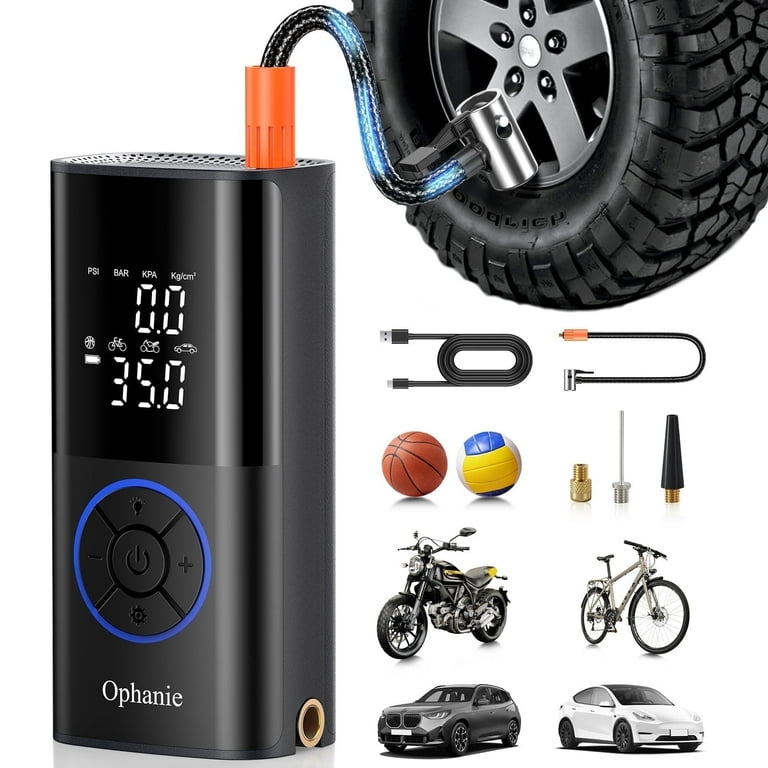
Illustrative image related to portable inflator
Ethical sourcing is equally important, as businesses strive to ensure that their supply chains are free from exploitative practices. This commitment not only enhances brand reputation but also aligns with the growing consumer demand for transparency and corporate responsibility. B2B buyers should seek suppliers that are certified by recognized environmental and ethical standards, such as ISO 14001 for environmental management and Fair Trade certifications, which demonstrate a commitment to sustainable and ethical practices.
Investing in portable inflators made from recycled materials or those designed for longevity can further support sustainability goals. By prioritizing these factors, businesses can differentiate themselves in the marketplace while contributing positively to the environment and society.
The evolution of portable inflators has been marked by significant technological advancements and shifts in consumer needs. Initially, inflators were basic mechanical devices requiring manual operation, primarily used for bicycle tires. As automotive technology progressed, the demand for more sophisticated inflators grew, leading to the development of electric and battery-operated models in the late 20th century.
In the past decade, the rise of smart technology has further transformed the landscape, with features such as digital displays, automatic shut-off functions, and mobile connectivity becoming standard in many models. This evolution is particularly relevant for B2B buyers, as modern portable inflators are now versatile tools capable of inflating various items, from vehicle tires to sports equipment, making them essential for both consumer and commercial applications. Understanding this evolution allows B2B buyers to make informed decisions about product offerings that meet the dynamic needs of their target markets.
How do I choose the right portable inflator for my business needs?
Choosing the right portable inflator involves assessing your specific requirements, such as the type of vehicles you’ll be servicing, the frequency of use, and the desired pressure output. Look for inflators that offer features like a built-in pressure gauge, multiple power sources (battery and car adapter), and a compact design for easy storage. Additionally, consider the inflator’s speed and efficiency in inflating tires to minimize downtime. Reading product reviews and testing a few models can also help in making an informed decision.
What are the best portable inflators available for commercial use?
For commercial use, the AstroAI Cordless Tire Inflator is highly recommended due to its fast inflation capabilities and ease of use. The Viair 88P is another excellent choice for larger vehicles, offering high pressure and quick inflation times, though it requires connection to a battery. Consider the Craftsman 12V Max Portable Air Inflator for ultra-compact needs. Evaluate each option based on your specific requirements, such as tire size and frequency of use, to determine the best fit.
What should I consider when sourcing portable inflators from international suppliers?
When sourcing portable inflators internationally, consider factors such as supplier reputation, compliance with safety and quality standards, and after-sales support. It’s crucial to verify the supplier’s certifications and conduct due diligence, including reviewing customer feedback and ratings. Additionally, assess the supplier’s ability to meet your customization needs and their flexibility regarding minimum order quantities (MOQs) and payment terms. Engaging with a local representative can also facilitate smoother communication and negotiations.
What are the common payment terms when purchasing portable inflators in bulk?
Payment terms can vary widely among suppliers, but common practices include a deposit (typically 30-50%) upfront, with the balance due before shipment. Some suppliers may offer net payment terms (e.g., net 30 or net 60), allowing you time to pay after receiving the goods. Always clarify payment methods accepted, such as wire transfers, letters of credit, or online payment platforms. Ensure that you have a clear agreement in writing to avoid misunderstandings regarding payment timelines and amounts.
How can I ensure the quality of portable inflators before purchasing?
To ensure quality, request samples from potential suppliers before placing bulk orders. Conduct thorough inspections and tests on these samples to evaluate their performance, durability, and safety features. Additionally, inquire about the supplier’s quality assurance processes, such as certifications and inspection protocols. It may also be beneficial to visit the supplier’s manufacturing facility if feasible, or to engage a third-party inspection service to verify product quality before shipment.
What are the logistics considerations when importing portable inflators?
Logistics considerations include shipping methods, lead times, and customs regulations. Evaluate whether air freight or sea freight is more cost-effective based on your delivery timeline. Understand the customs duties and taxes applicable to your country when importing inflators, and ensure that your supplier provides the necessary documentation for customs clearance. Additionally, consider using a freight forwarder who can help navigate the complexities of international shipping and ensure timely delivery.
Can I customize portable inflators with my branding?
Many suppliers offer customization options for portable inflators, including branding with your logo, color choices, and packaging design. Discuss your specific branding requirements with potential suppliers and inquire about the minimum order quantities needed for customization. Keep in mind that customization may affect lead times and costs, so factor this into your overall procurement strategy. Ensure that the supplier can meet your quality standards for customized products.
What are the typical minimum order quantities (MOQs) for portable inflators?
Minimum order quantities for portable inflators can vary significantly based on the supplier and the product specifications. Generally, MOQs can range from 50 to several hundred units. It is advisable to discuss your order volume with potential suppliers to understand their MOQ policies. Some suppliers may be flexible, especially for first-time buyers or larger orders, while others may have strict requirements. Always negotiate terms that align with your business needs and budget.
Domain: slickproductsusa.com
Registered: 2012 (13 years)
Introduction: {“name”: “Portable Air Pump”, “price”: “$74.99”, “SKU”: “SP-AIR”, “description”: “The Slick Products Portable Air Pump is a compact and powerful cordless air compressor designed for fast and easy inflation anytime, anywhere. With a maximum pressure of 150 PSI and a digital tire pressure gauge, this versatile inflator quickly handles car tires, motorcycle tires, bike tires, basketballs, footballs, …
Domain: costco.com
Registered: 1997 (28 years)
Introduction: {“Product Name”: “Fanttik S200 APEX Portable Air Pump and Tire Inflator with Power Bank”, “Item Number”: “1787419”, “Inflation Speed”: “Inflates tire from 28 to 33 PSI in just 35 seconds”, “Battery Capacity”: “Supports up to 27 tire inflations per charge (28-33 PSI)”, “Features”: [“Built-in Power Bank”, “Emergency Flashlight”, “Accuinflate Technology for precision”, “5 Preset Inflation Modes with …
In today’s competitive marketplace, the strategic sourcing of portable inflators is essential for international B2B buyers aiming to enhance their product offerings and operational efficiency. The diverse range of inflators available—from compact, battery-operated models to robust units designed for heavy-duty use—provides buyers with an opportunity to align products with specific market needs. Prioritizing quality, reliability, and additional features such as built-in pressure gauges and quick inflation capabilities will not only satisfy customer demands but also drive brand loyalty.
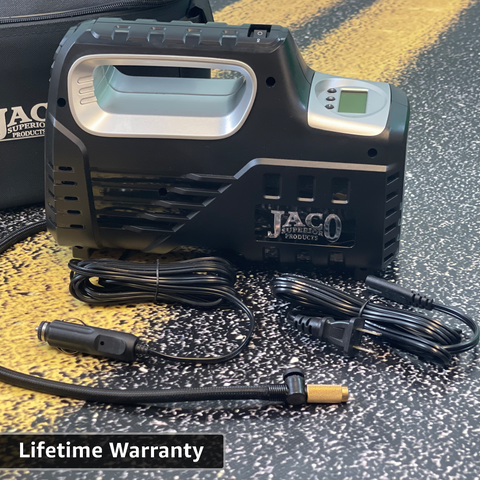
Illustrative image related to portable inflator
Furthermore, as markets in Africa, South America, the Middle East, and Europe continue to grow, the importance of localized sourcing strategies cannot be overstated. Buyers should consider regional suppliers who understand local market dynamics and can provide support and service tailored to their unique requirements.
Looking ahead, the portable inflator market is poised for innovation, with advancements in technology likely to enhance functionality and user experience. As you navigate your sourcing decisions, prioritize partnerships that foster flexibility and responsiveness to market changes. Embrace the opportunity to lead with quality products that meet your customers’ needs and set your business apart in a rapidly evolving landscape.
The information provided in this guide, including content regarding manufacturers, technical specifications, and market analysis, is for informational and educational purposes only. It does not constitute professional procurement advice, financial advice, or legal advice.
While we have made every effort to ensure the accuracy and timeliness of the information, we are not responsible for any errors, omissions, or outdated information. Market conditions, company details, and technical standards are subject to change.
B2B buyers must conduct their own independent and thorough due diligence before making any purchasing decisions. This includes contacting suppliers directly, verifying certifications, requesting samples, and seeking professional consultation. The risk of relying on any information in this guide is borne solely by the reader.
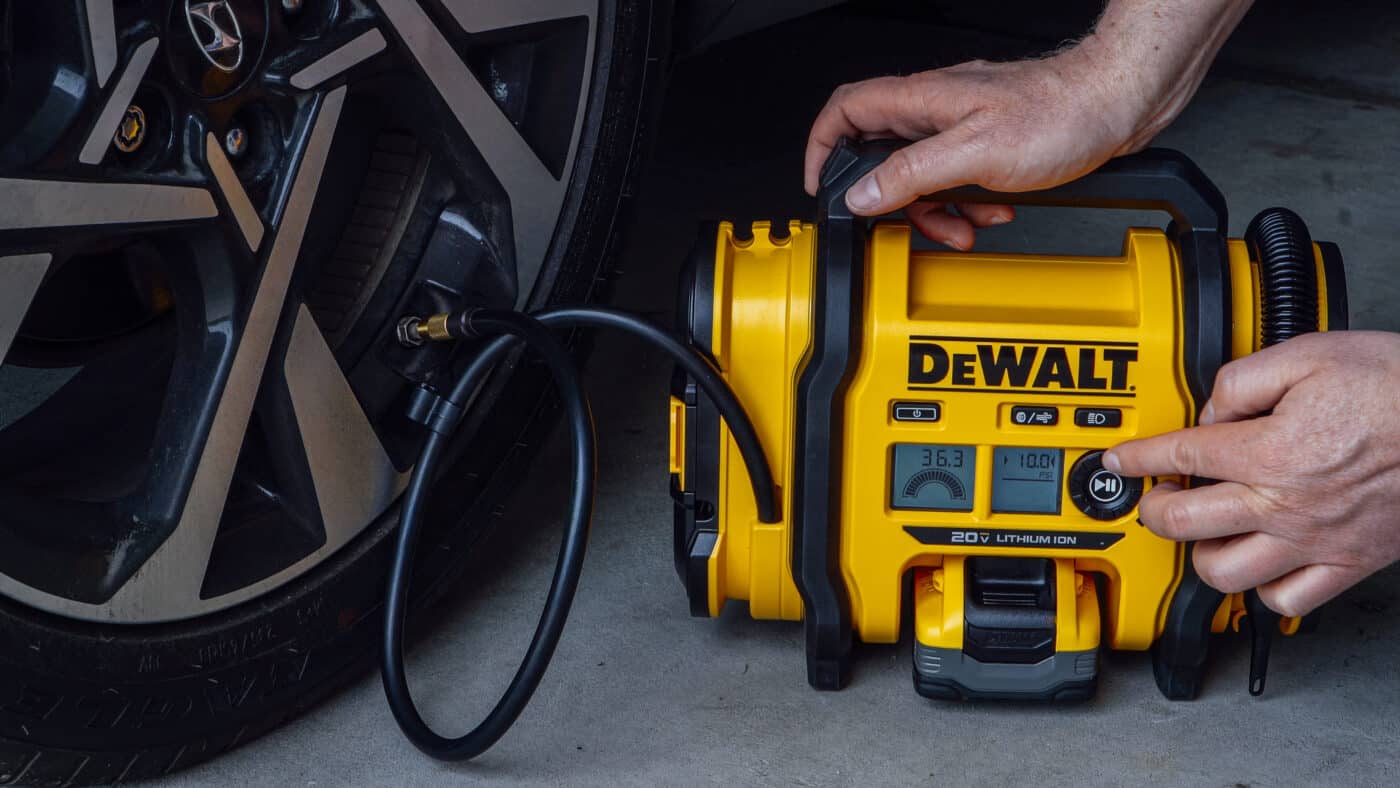
Illustrative image related to portable inflator


 English
  Russian
  Spanish
  Italian
  Arabic
  Portuguese
  German